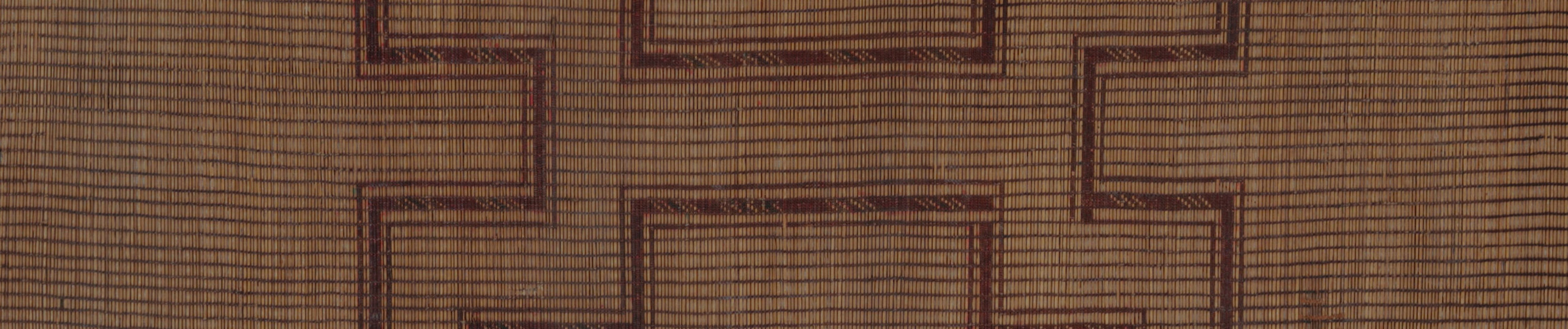
Style
Agra
Every piece in this style, across all of our collections. Narrow them down by size and price.
- Under 6 x 9
- Runners
- 6 x 9
- 8 x 10
- 9 x 12
- 10 x 14
- 12 x 15
- Over 12 x 15
Origin ▼
Style ▼
Material ▼
Width
Length
To connect with a specialist, click here
Stories from the Agra Archive
Essays, artist dialogues, and provenance notes drawn from Rug & Kilim’s editorial desk.
On the Changing Nature of Money, and a Quiet Shift in How the World’s Great Collections Are Built
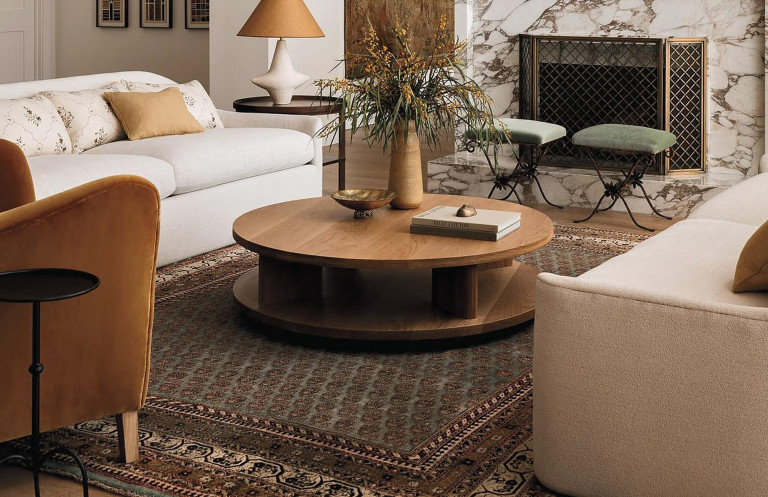
As seen in Milieu Magazine’s Summer 2025 Issue, designed by Studio Meghan Eisenbergh, features an antique Amritsar rug from Rug & Kilim’s collection.View More >> Something has changed in the psychology of collecting, and it has changed quietly. For most of the modern era, the serious collector acquired for love, for scholarship, for the pleasure of living with beautiful things, and the question of value, while never absent, sat politely in the background. That arrangement has quietly inverted. Across the last two years, industry surveys have recorded a striking figure: the share of high-net-worth collectors intending to sell from their holdings has fallen from more than half to roughly a quarter. The collector of this moment is not looking to liquidate. They are looking to hold. And they are increasingly treating the objects they acquire not as expenditures but as architecture, as a considered, diversified structure of wealth that also happens to be beautiful.
Read the Feature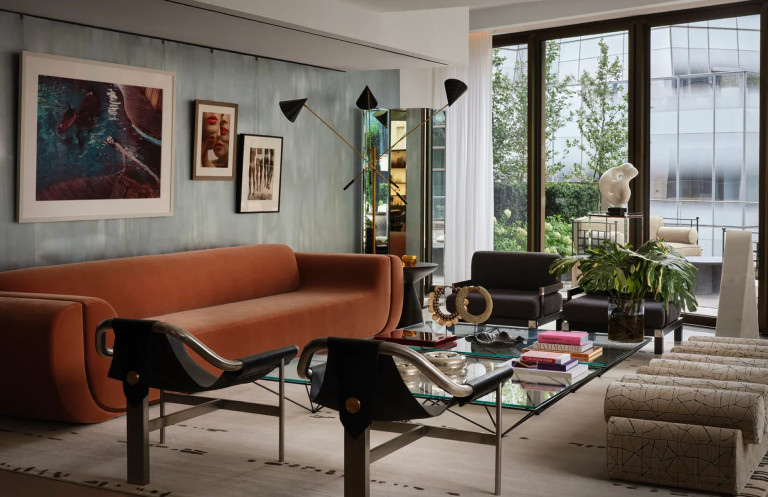
How The Objects Around Us Define Us: An Interior As A Self-Portrait
We like to believe we choose our possessions. It is nearer the truth to say that, over time, they choose us back, that the objects we live among slowly become a portrait of who we are, drawn in a language more honest than any we would use to describe ourselves. Show a designer or a collector a person's rooms, and I will tell you what they value, what they have learned, and what they intend to leave behind. The interior is autobiography, whether we mean it to be or not. This is an old idea, and a serious one. The philosophers of every age have understood that we are shaped by what surrounds us, that character is formed not only by what we think and do but by what we choose to keep near. William Morris gave the conviction its most famous form: have nothing in your houses that you do not know to be useful, or believe to be beautiful. It was not decorating advice. It was a moral proposition, that the objects we live with either elevate us or diminish us, and that we are responsible for the company we keep among things as surely as among people.
Read the Feature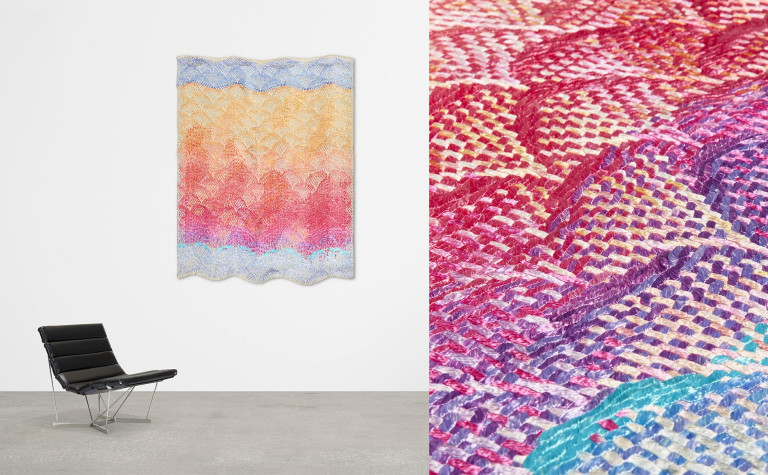
The Layered Home: 5 Ways to Rethink Floor Rugs and Wall Tapestries
The real spatial dimension does not get painted, it gets woven. Begin with hanging a piece such as Signed Vintage Lia Cook Tapestry slightly off-center on one of your main walls. Its intricate Jacquard weave and the friction created between its rayon and linen fibers will require a lot of breathing room, immediately establishing a gravitational pull of the whole room. But to balance this vertical tension, the ground beneath your feet needs to become much more rigorous. With the use of a rigorously beaten warp-faced plane such as cotton Indian Dhurrie or Antique Swedish Röllakan's interlocking tapestry weave, you create a flat but structurally resistant base. A ground made from a rigidly woven material needs to be challenged. The last textural transition will come from placing a Vintage Frazada Kilim with heavy weft interlace across your warp-faced plane. The act of overlapping your heavy weft on a rigorously
Read the Feature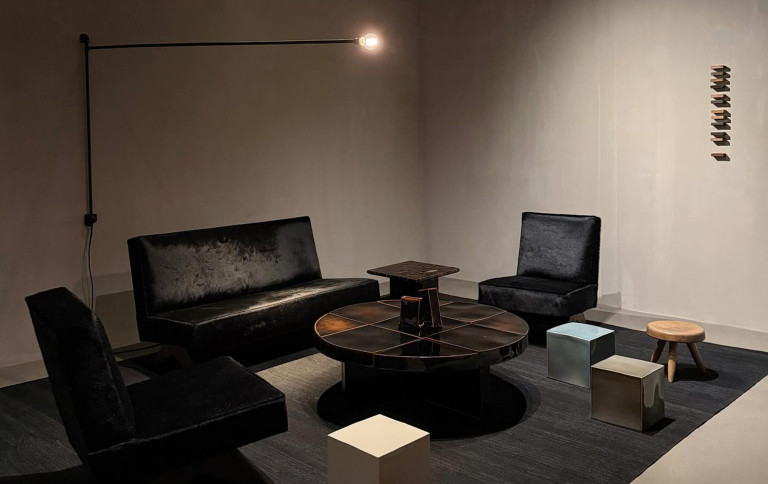
Rooms of Power: Rugs, Art, and the Architecture of Global Interiors
Before There Was Interior Design, There Was Placement Long before interiors were styled, they were composed through objects that carried worlds within them. A Mughal carpet was not simply placed beneath a court; it defined the court. A Savonnerie was not an accessory to Versailles; it was an extension of its order. A Chinese Art Deco rug did not decorate early modernist apartments; it translated an entire cultural vocabulary into a new architectural language. What we now call “interior design” is, at its highest level, a continuation of this lineage: the understanding that certain objects, particularly rugs are not passive. They carry with them histories of empire, trade, philosophy, and labor. They are, in essence, compressed geographies.
Read the Feature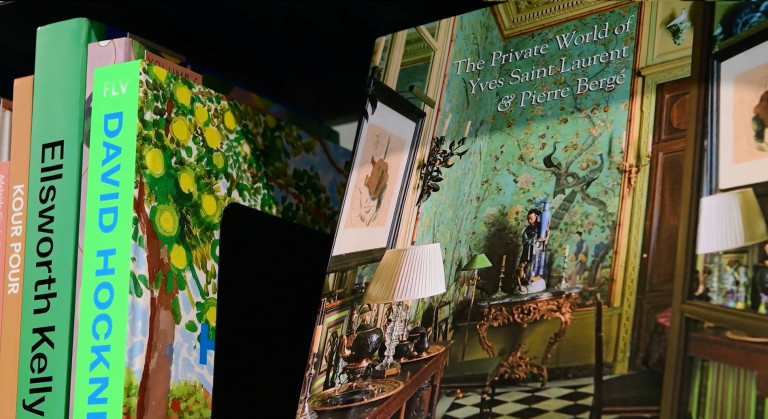
Rugs, Books, and the Fine Art of Living with Intention: Rug & Kilim’s Dialogue with Art and Literature
A great house is measured not only by what lies underfoot, but by what rests within reach. At Rug & Kilim, The Royal Collection and Volumes are not parallel endeavors—they are twin expressions of the same language: that art, design, and intellect belong in continuous dialogue. Both are products of patronage, atelier discipline, and an unwavering belief that beauty must be structured. A serious interior does not begin with furniture. It begins with a position. For centuries, the rug has been the most intellectually charged plane in a room—the only surface that holds architecture, painting, mythology, and diplomacy in a single field. Likewise, the book is not décor; it is declaration. It reveals the mind that inhabits the space.
Read the Feature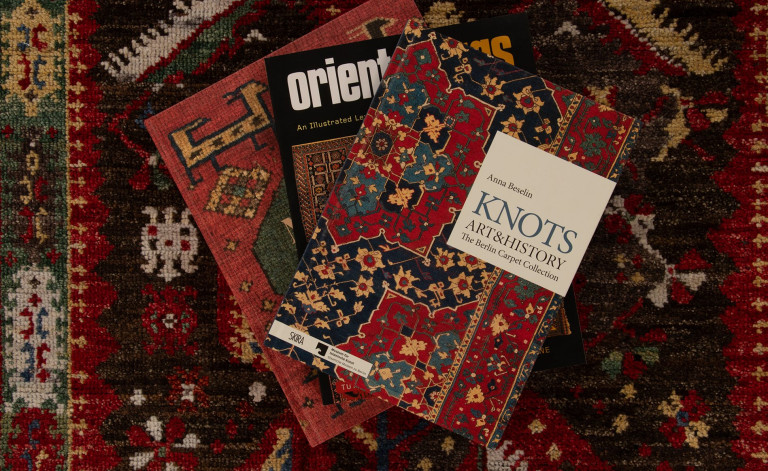
The Museumification of Rugs: How Institutions Decide What Becomes “Art”
Rugs enter a museum not by virtue of age or beauty alone, but through a complex calculus of scholarship, provenance, cultural relevance, and curatorial vision. Rugs have always stood at an uneasy threshold in the hierarchy of the arts—venerated as cultural documents, admired as technical achievements, yet long excluded from the canon reserved for painting, sculpture, and monumental crafts. Today, however, museums around the world are undergoing a profound recalibration of their relationship to weaving traditions. Rugs, tapestries, and fiber works are no longer fringe “decorative arts” but central to conversations on modernism, cultural exchange, and the politics of material culture.
Read the Feature