
Style
Arts and Crafts
Every piece in this style, across all of our collections. Narrow them down by size and price.
- Under 6 x 9
- Runners
- 6 x 9
- 8 x 10
- 9 x 12
- 10 x 14
- 12 x 15
- Over 12 x 15
Origin ▼
Style ▼
Material ▼
Width
Length
To connect with a specialist, click here
Stories from the Arts and Crafts Archive
Essays, artist dialogues, and provenance notes drawn from Rug & Kilim’s editorial desk.
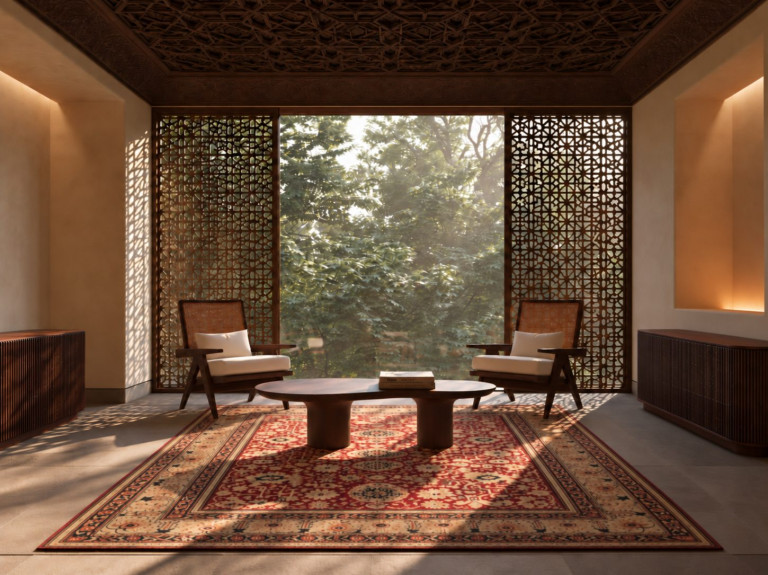
Agra Rugs in Art, Architecture and Global Design Culture
Among the great weaving traditions of the Indian subcontinent, Agra rugs occupy a distinguished position shaped by Mughal artistic refinement, Persian influence, and centuries of decorative innovation. Originating from the historic city of Agra in northern India—once a major center of the Mughal Empire—these carpets represent one of the most intellectually sophisticated textile traditions within global decorative arts. Unlike purely tribal carpets or highly formal European weavings, Agra rugs synthesize multiple cultural vocabularies into a unified visual language defined by monumental scale, refined ornamentation, and extraordinary compositional balance. Their designs draw from Persian court aesthetics, Islamic geometry, Indian botanical symbolism, and architectural inspirations associated with Mughal palaces and gardens.
Read the Feature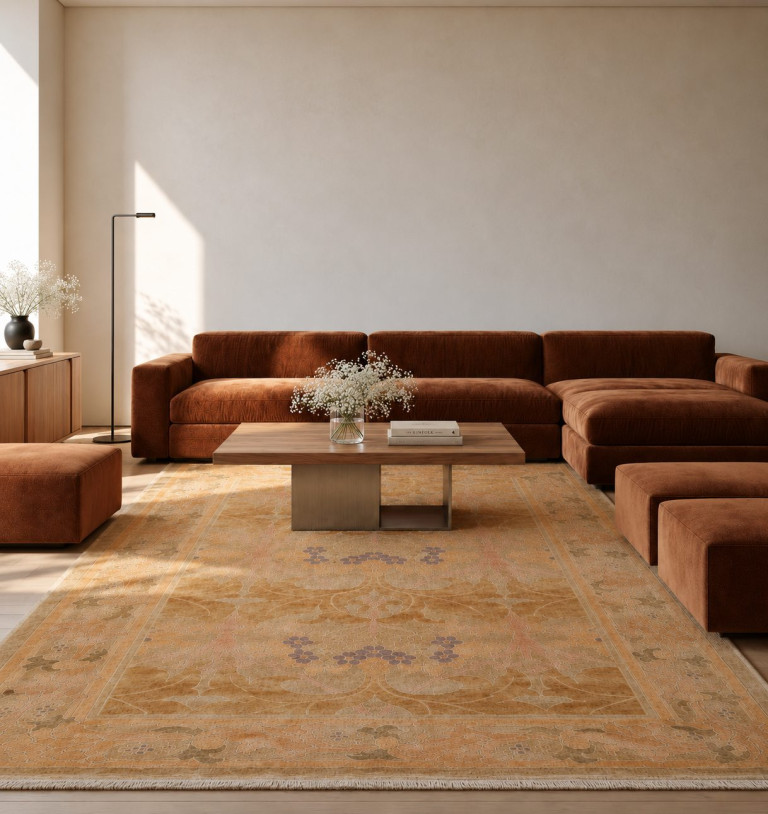
Art Nouveau Rugs: The Intersection of Decorative Arts and Modern Design
Among the most influential artistic movements of the modern era, Art Nouveau occupies a unique place at the intersection of art, architecture, design, and craftsmanship. Emerging in Europe during the final decades of the nineteenth century, the movement sought to dissolve traditional boundaries between fine art and decorative art, creating a unified aesthetic language inspired by nature, movement, and organic beauty. Within this broader creative revolution, Art Nouveau rugs emerged as some of the most sophisticated and expressive textile works ever produced. Unlike the historical revival styles that dominated much of the nineteenth century, Art Nouveau embraced innovation. Designers looked beyond historical ornament and instead turned to the natural world for inspiration. Flowing vines, botanical forms, floral motifs, curved silhouettes, and rhythmic asymmetry became defining characteristics of the movement. Rugs created within this design philosophy transformed the role of carpets from decorative accessories into integral architectural and artistic elements.
Read the Feature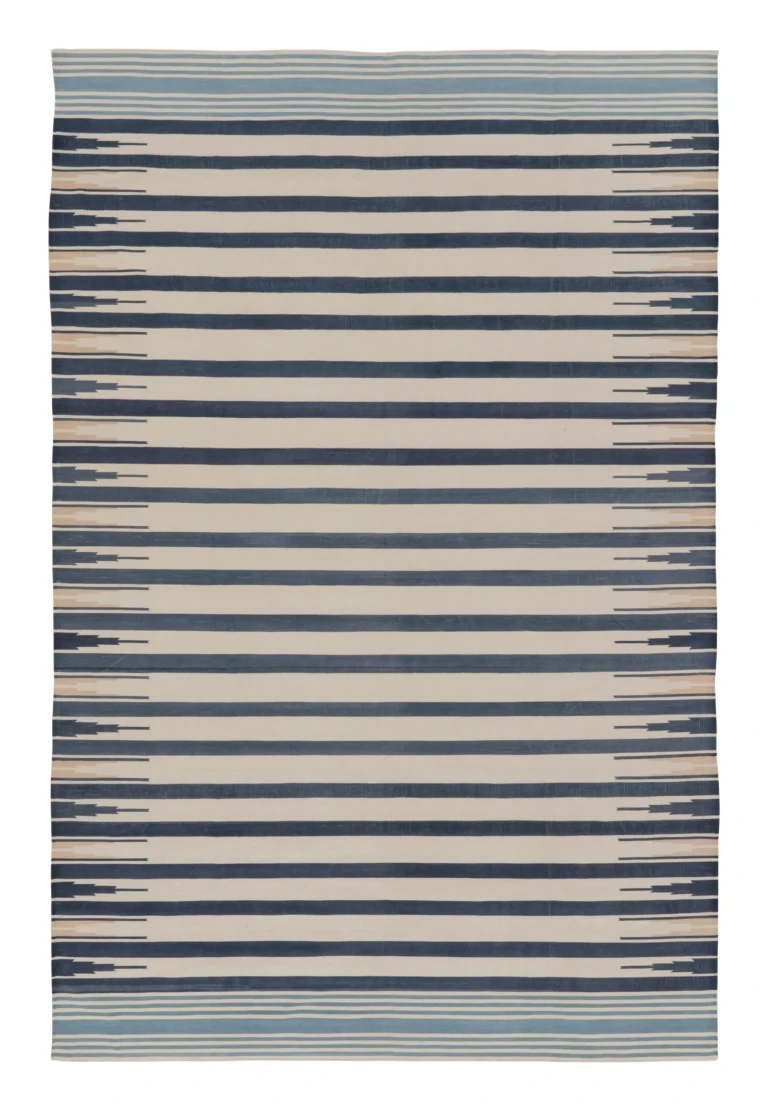
Dhurrie Rugs: History, Cultural Significance, and Contemporary Luxury
Among the world’s most versatile and architecturally adaptable textile traditions, Dhurrie rugs occupy a distinctive position within the history of Indian weaving and contemporary interior design. Known for their flatwoven construction, geometric clarity, and extraordinary material flexibility, Dhurrie rugs have evolved from practical floor coverings into globally recognized design objects valued by collectors, architects, and luxury interiors specialists alike. Originating primarily in India, though historically connected to broader South Asian weaving traditions, Dhurrie rugs represent a sophisticated synthesis of utility, craftsmanship, and visual restraint. Unlike heavily piled Persian carpets or highly ornamental European rugs, Dhurries emphasize balance, structure, texture, and compositional rhythm.
Read the Feature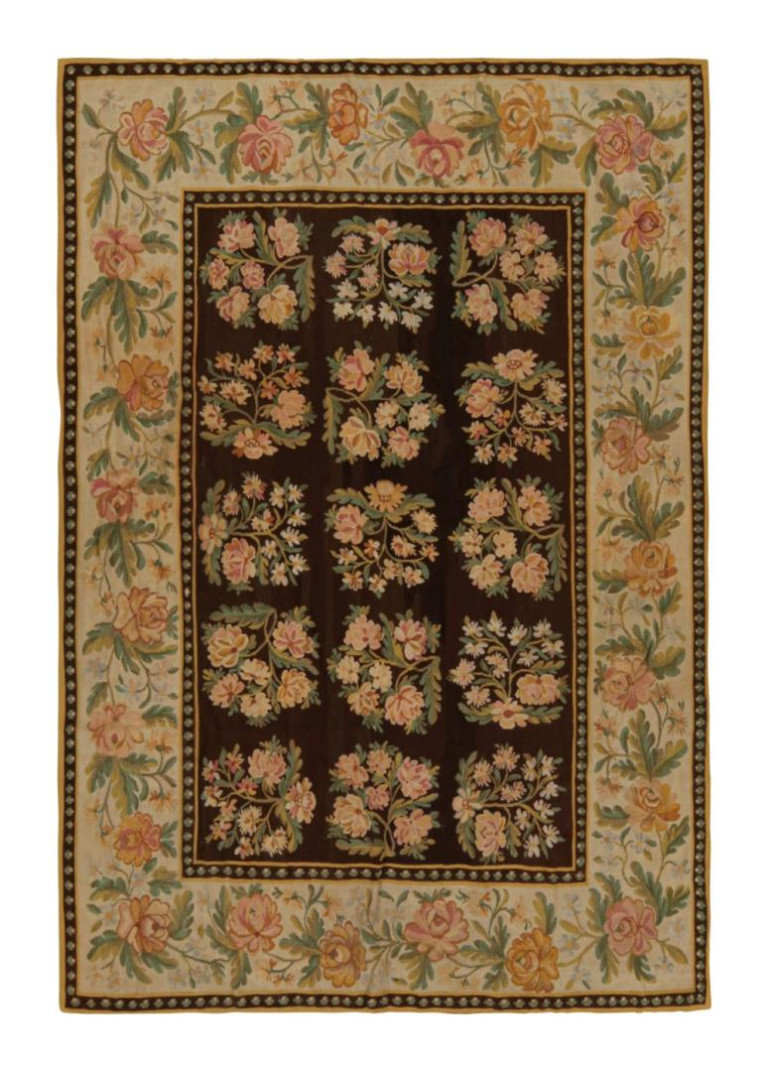
A Guide to Bessarabian Rugs: History, Design, and Modern Luxury
Within the world of collectible textiles and luxury interiors, few rug traditions possess the quiet sophistication and painterly elegance of Bessarabian rugs. Emerging from the historic region of Bessarabia—an area historically situated between present-day Moldova, Romania, and Ukraine—these rugs occupy a unique position at the crossroads of Eastern European folk tradition, Ottoman influence, Russian imperial culture, and French decorative aesthetics. Unlike the geometric tribal weavings commonly associated with Central Asia or the medallion-driven structures of Persian carpets, Bessarabian rugs developed a distinctly atmospheric and ornamental visual language. Their floral compositions, subdued tonal harmonies, and expansive decorative fields positioned them closer to European decorative arts than purely utilitarian floor coverings.
Read the Feature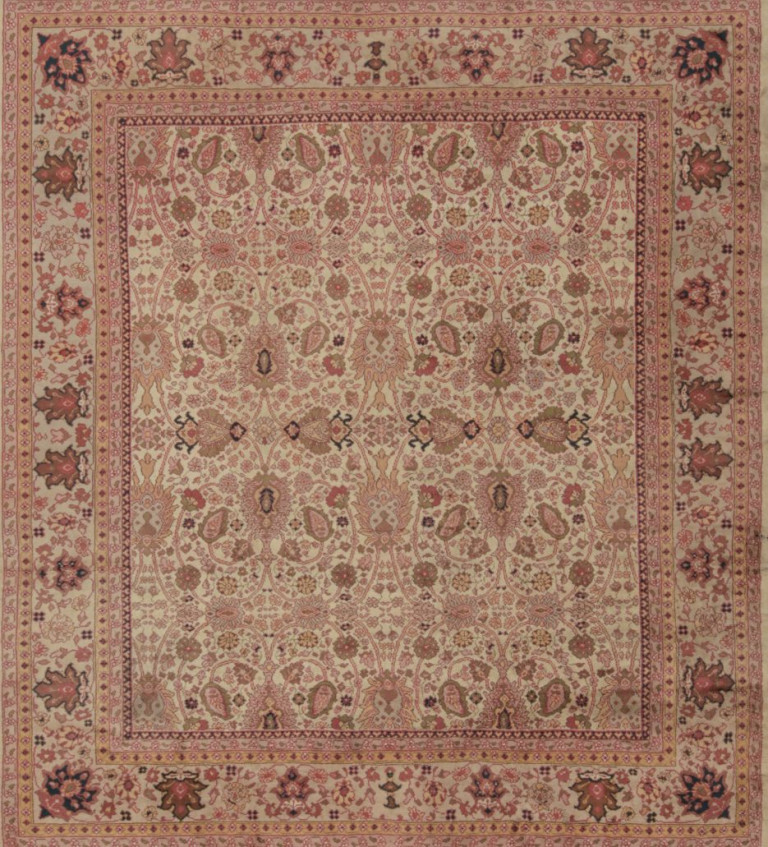
A Guide to Art Needlework of the Arts and Crafts Movement
Our European Collection includes the richest selection of antique rugs, vintage rugs, flatweaves, tapestries and contemporary rugs inspired by an encyclopedia of transitional, Neoclassical, impressionist and period piece designs, and Needlepoint design is one of most significant aesthetic of our ever-growing collection. Today, our classic archive continues to grow with rare, unique European rugs from exclusive workshops accumulated over decades, which have witnessed a resurgence in the 21st century and continue to inspire our modern rugs with new approaches to these sensibilities. The birth of the Arts and Crafts movement in late 19th century Britain heralded a transformative shift in societal attitudes towards craftsmanship and design. Emerging as a response to the adverse effects of industrialization and the undervaluation of decorative arts, this movement sought to reform the creation of everything from architectural structures to intricate jewelry pieces. Although William Morris joined the Arts and Crafts Exhibition Society after its establishment, his ideas profoundly influenced the subsequent generation of decorative artists.
Read the Feature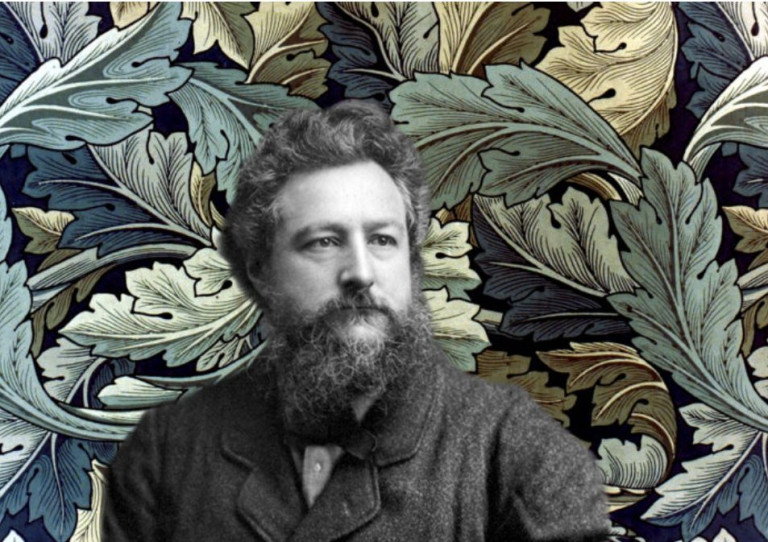
A Profile on William Morris—-Arts and Crafts Movement and Tapestries
Above is our rare Antique Arts & Crafts William Morris Beige Brown And Pink Wool Floral Rug, SKU 12413, reflecting Morris’s unique design aesthetic known for their distinctive stylized natural forms, exquisite symmetry, and vibrant colors. Rooted in a deep appreciation for the beauty of the natural world, his patterns draw inspiration from a rich array of flora, including thistles, ginkgo leaves, willow trees, and various flowers. The intricate designs reflect Morris's commitment to celebrating the inherent elegance found in the organic shapes and symmetries present in nature. Referring to tapestries as “the noblest of weaving arts”, he was a central figure in the Arts and Crafts Movement, and his tapestries played a significant role in promoting the ideals of the movement.
Read the Feature