Style
Hooked
Every piece in this style, across all of our collections. Narrow them down by size and price.
- Under 6 x 9
- Runners
- 6 x 9
- 8 x 10
- 9 x 12
- 10 x 14
- 12 x 15
- Over 12 x 15
Origin ▼
Style ▼
Material ▼
Width
Length
To connect with a specialist, click here
Stories from the Hooked Archive
Essays, artist dialogues, and provenance notes drawn from Rug & Kilim’s editorial desk.
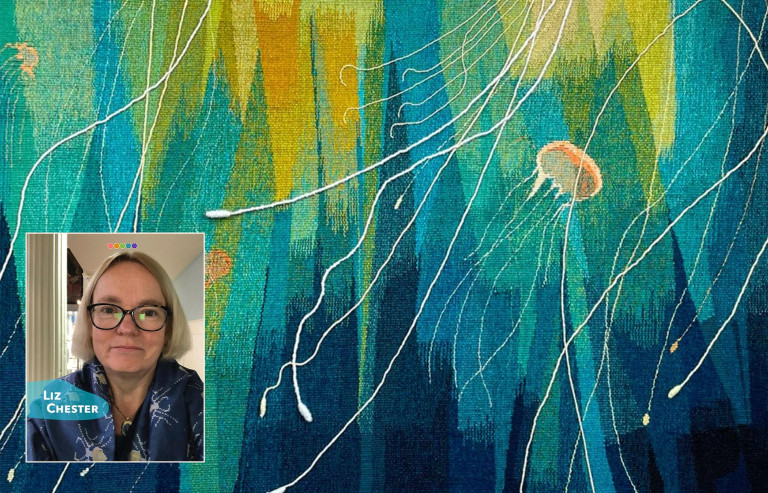
Rug & Kilim’s Tapestry Artists’ Series: In Dialogue with Elizabeth Chester
There is a particular kind of looking that a great tapestry demands, slower than painting, more physical than sculpture, closer to reading than to seeing. The eye must travel. It must follow the thread, understand the structure, and then, having understood it, surrender to the illusion that the structure has been designed to create. The greatest European tapestries have always operated this way: technically transparent to the scholar and visually overwhelming to everyone else simultaneously. It is the most demanding of the textile arts, and the one that rewards sustained attention most completely.
Read the Feature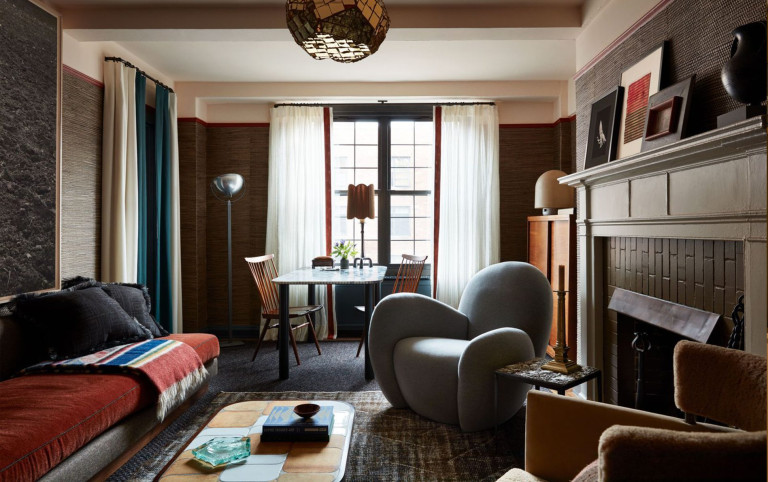
Zeki Müren, Da Silva Bruhns, and Leleu: How These Artists Transformed Rugs into the Language of Modernism
The story of modernism in textiles is often told through architecture, painting, and furniture. Yet, some of the most radical ideas of the 20th century were not framed on walls or set on pedestals—they were laid underfoot. Rugs, once treated as either anonymous craft or as inherited luxury, became a medium for modernist expression. Few figures embody this transformation more than Zeki Müren, Da Silva Bruhns, and Leleu. Each worked in distinct cultural contexts—Müren in postwar Turkey, Da Silva Bruhns in interwar France, and the Leleu firm across early- to mid-century Paris—but together they reframed rugs not as decoration but as a language: one capable of abstraction, geometry, rhythm, and modern life.
Read the Feature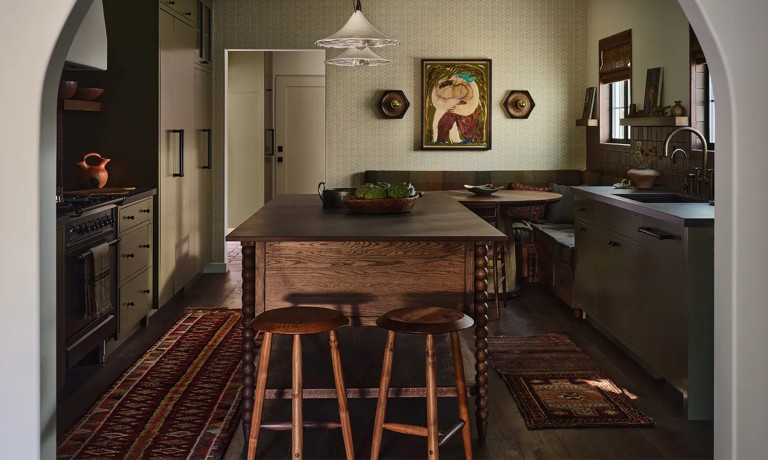
What Makes Qashqai Kilims Unique? Inside the World of Persian Tribal Rugs and Flatweaves
As seen in Domino Magazine, featuring our Kilim rug, designed by Los Angeles design firm A1000XBetter, founded by Kirsten Blazek. Over the last four decades of collecting, studying, and preserving Kilims and Flatweaves, we have come to understand them not simply as tribal textiles, especially Qashqai kilims, which are documents authored by women whose names we will never know, yet whose design decisions resonate across centuries. Every kilim in a collection is a fragment of a larger ethnographic narrative of movement, negotiation, and encoded survival. What begins as a study in tribal design inevitably becomes a reflection on how memory operates in material form. As collectors and custodians, we have come to understand these pieces less as possessions and more as conversations—between past and present, utility and abstraction, territory and transcendence. They speak to the same values that define the most forward-thinking design philosophies: sustainability, material honesty, visual intelligence, and narrative depth.
Read the Feature
A Day in the Life: Inside the Venerable House of Rug & Kilim
The foundations of a great institution are laid not with brick and mortar, but with passion, knowledge, and unwavering commitment to craft. For over four decades, Rug & Kilim has strove for excellence—a family dynasty of textile connoisseurship built upon Jahanshah Nazmiyal's pioneering vision and now continued through the stewardship of his sons, Cyrus and Sina Nazmiyal. To understand textile is to understand human civilization itself. Every knot, every weft, every fiber tells us something profound about culture, commerce, and art expression. This is not merely our business—it is our obsession.
Read the Feature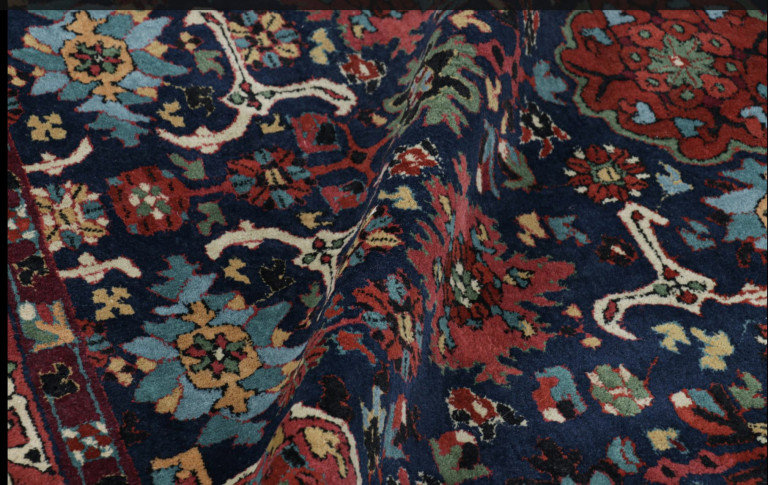
German Tetex Rugs: The Complete Collector’s Guide
German Tetex rugs are among the most fascinating yet underappreciated textile developments of the post-war era. These textiles exemplify that rug design could speak the same revolutionary language as Mondrian's canvases or Gropius's buildings. They pose a question we couldn't stop pursuing: how did a German factory, rising from the literal ashes of war, create textiles that could hold their own against any modern canvas hanging on the wall above them? The story of Tetex rugs begins in the aftermath of World War II, when Germany's devastated economy sought new pathways to industrial revival. The Tetex company, established in the textile heartland of Saxony, emerged as a pioneering force in the late 1940s and early 1950s.
Read the Feature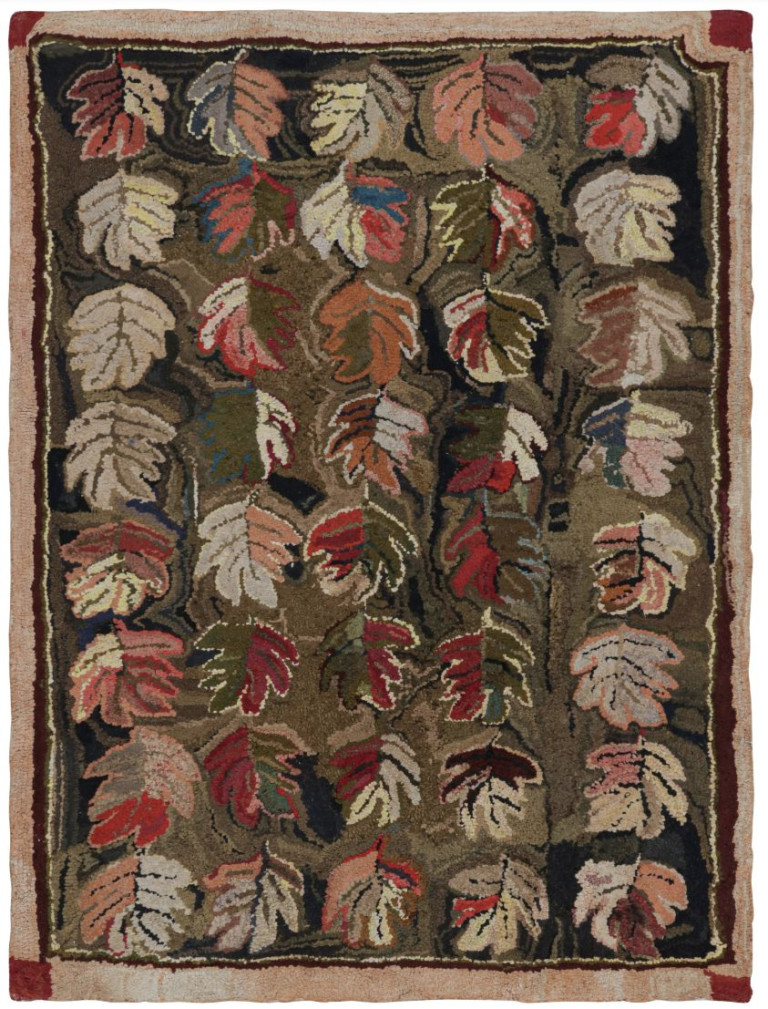
A Guide to Hooked Rugs: Tributes to Americana Folk Art
As the appreciation for Americana folk art experiences a resurgence, Antique Hooked rugs have garnered increased attention and demand. These rugs epitomize the fusion of artistry and functionality. Adorned with a charming array of local motifs, patriotic designs, and whimsical geometric patterns, American hooked rugs boast a distinctive New World style. The unique hand-hooking technique results in delightful textures and stylized patterns, characterized by nubby shoe-peg loops and marbled variegation that accentuate their rich visual appeal. Surprisingly direct in their execution and embracing free-form composition, antique hooked rugs have transcended mere utility to become cherished pieces of American folk art. From prestigious settings like the White House to the rustic estates of New England, these iconic rugs have adorned the nation's floors, embodying quintessential American style at its finest.
Read the Feature