Style
Indian
Every piece in this style, across all of our collections. Narrow them down by size and price.
- Under 6 x 9
- Runners
- 6 x 9
- 8 x 10
- 9 x 12
- 10 x 14
- 12 x 15
- Over 12 x 15
Origin ▼
Style ▼
Material ▼
Width
Length
To connect with a specialist, click here
Stories from the Indian Archive
Essays, artist dialogues, and provenance notes drawn from Rug & Kilim’s editorial desk.
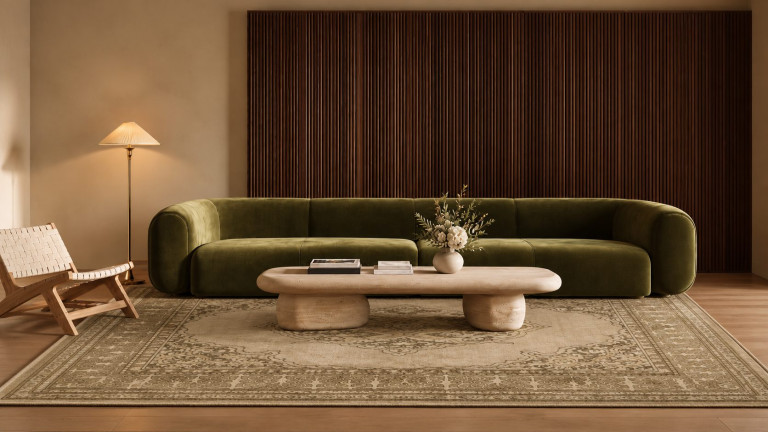
A Guide to Amritsar Rugs: History, Craftsmanship, and Contemporary Luxury Design
Among the most sophisticated carpet traditions to emerge from the Indian subcontinent, Amritsar rugs occupy a unique position at the intersection of Indian craftsmanship, Persian design heritage, and European decorative sensibilities. Woven primarily during the late nineteenth and early twentieth centuries in the historic city of Amritsar in Punjab, these carpets represent one of the most distinctive chapters in the history of global textile art. Unlike the highly formal court carpets of Mughal India or the deeply tribal traditions of nomadic weaving cultures, Amritsar rugs developed their own visual identity. Their character is defined by spacious compositions, softened palettes, oversized motifs, and a remarkable sense of decorative restraint. These qualities have allowed Amritsar carpets to transcend historical classification and remain profoundly relevant within contemporary luxury interiors.
Read the Feature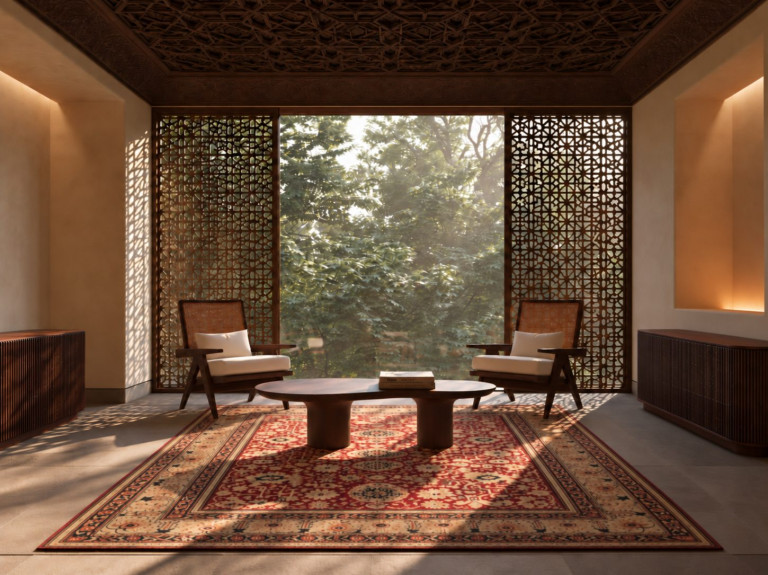
Agra Rugs in Art, Architecture and Global Design Culture
Among the great weaving traditions of the Indian subcontinent, Agra rugs occupy a distinguished position shaped by Mughal artistic refinement, Persian influence, and centuries of decorative innovation. Originating from the historic city of Agra in northern India—once a major center of the Mughal Empire—these carpets represent one of the most intellectually sophisticated textile traditions within global decorative arts. Unlike purely tribal carpets or highly formal European weavings, Agra rugs synthesize multiple cultural vocabularies into a unified visual language defined by monumental scale, refined ornamentation, and extraordinary compositional balance. Their designs draw from Persian court aesthetics, Islamic geometry, Indian botanical symbolism, and architectural inspirations associated with Mughal palaces and gardens.
Read the Feature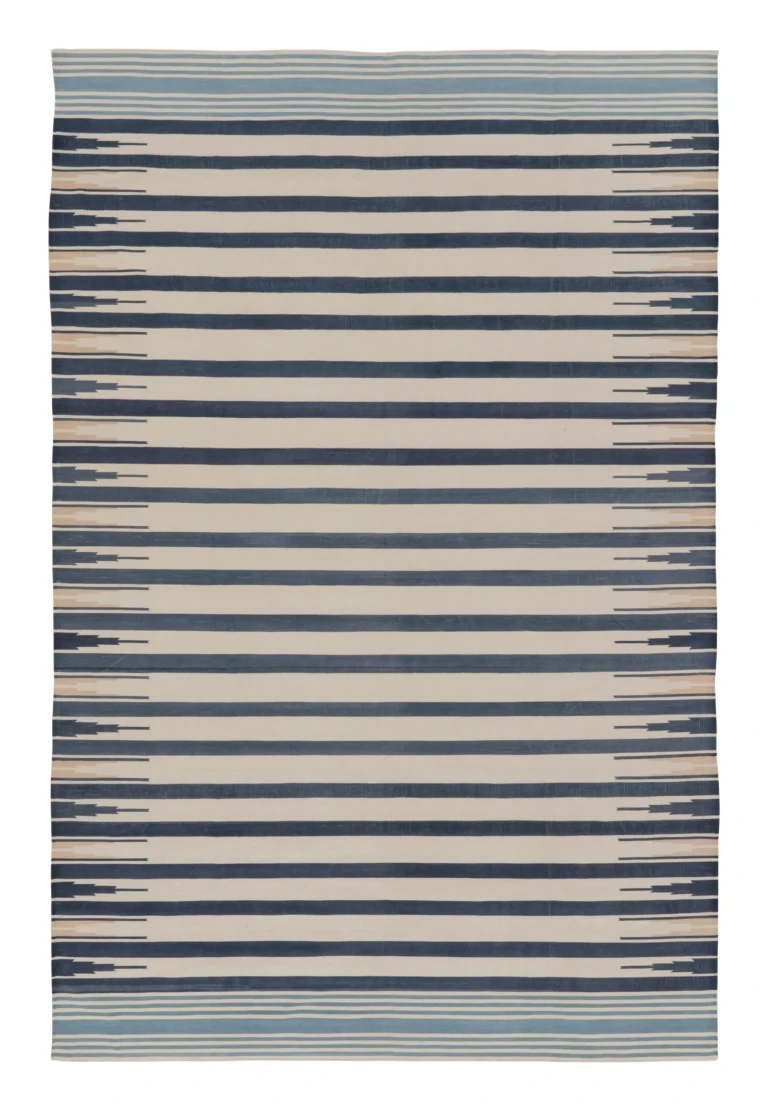
Dhurrie Rugs: History, Cultural Significance, and Contemporary Luxury
Among the world’s most versatile and architecturally adaptable textile traditions, Dhurrie rugs occupy a distinctive position within the history of Indian weaving and contemporary interior design. Known for their flatwoven construction, geometric clarity, and extraordinary material flexibility, Dhurrie rugs have evolved from practical floor coverings into globally recognized design objects valued by collectors, architects, and luxury interiors specialists alike. Originating primarily in India, though historically connected to broader South Asian weaving traditions, Dhurrie rugs represent a sophisticated synthesis of utility, craftsmanship, and visual restraint. Unlike heavily piled Persian carpets or highly ornamental European rugs, Dhurries emphasize balance, structure, texture, and compositional rhythm.
Read the Feature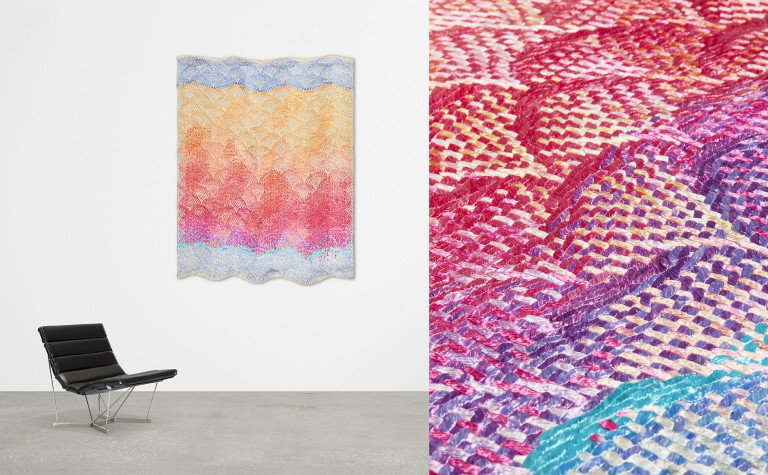
The Layered Home: 5 Ways to Rethink Floor Rugs and Wall Tapestries
The real spatial dimension does not get painted, it gets woven. Begin with hanging a piece such as Signed Vintage Lia Cook Tapestry slightly off-center on one of your main walls. Its intricate Jacquard weave and the friction created between its rayon and linen fibers will require a lot of breathing room, immediately establishing a gravitational pull of the whole room. But to balance this vertical tension, the ground beneath your feet needs to become much more rigorous. With the use of a rigorously beaten warp-faced plane such as cotton Indian Dhurrie or Antique Swedish Röllakan's interlocking tapestry weave, you create a flat but structurally resistant base. A ground made from a rigidly woven material needs to be challenged. The last textural transition will come from placing a Vintage Frazada Kilim with heavy weft interlace across your warp-faced plane. The act of overlapping your heavy weft on a rigorously
Read the Feature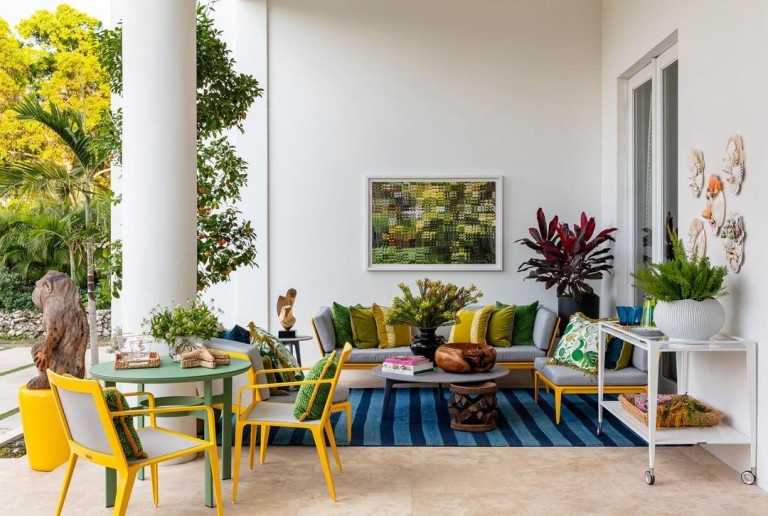
A Guide to Dhurrie Rugs: Antique, Vintage and Contemporary Indian Flatweaves
Above, a 14x23 vintage Dhurrie from Rug & Kilim underscores the “Lively Loggia” — the outdoor living space by Nadia Watts Interior Design in 2024’s Kips Bay Decorator Show House at Palm Beach. The oversized rug is one of a limited, special collection of antique and vintage flatweaves of the same provenance, and one of few palace rugs of its kind available in such condition today. From gracing the halls of Mughal courts to anchoring contemporary Manhattan penthouses, the dhurrie has emerged as the centerpiece of modern interior design. These masterpieces of Indian weaving tradition are experiencing a remarkable renaissance, proving that true luxury lies in the intersection of heritage and contemporary design.
Read the Feature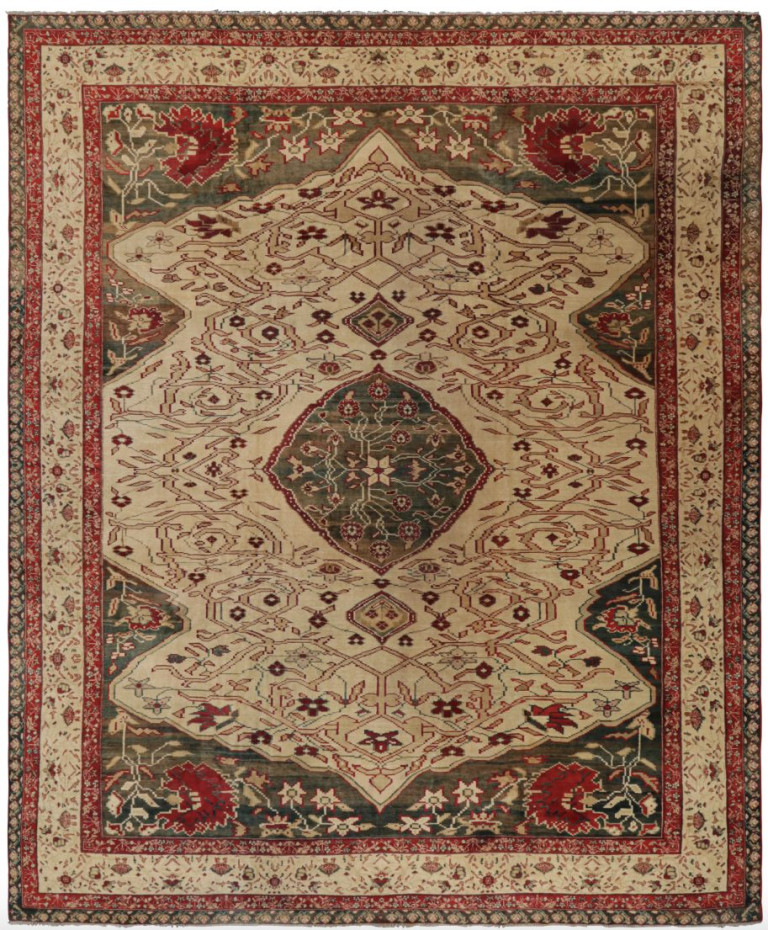
The Antique Carpet Weaving Traditions of Indian Jails
Carpet weaving in India traces back to the 15th century, gaining prominence under the patronage of Mughal emperors. Akbar's ateliers in Lahore and Agra, overseen by Persian master craftsmen, were renowned for their designs inspired by nature, featuring intricate renderings of flowers and animals. However, production declined in the 18th century. A revival occurred in the late 19th century, with carpets replicating original Mughal designs. These carpets were woven by prison laborers in centers like Agra and Amritsar, earning them the moniker "jail carpets". This revival not only preserved the rich artistic heritage but also contributed to the continuation of traditional carpet weaving techniques in India.
Read the Feature