Style
Malayer
Every piece in this style, across all of our collections. Narrow them down by size and price.
- Under 6 x 9
- Runners
- 6 x 9
- 8 x 10
- 9 x 12
- 10 x 14
- 12 x 15
- Over 12 x 15
Origin ▼
Style ▼
Material ▼
Width
Length
To connect with a specialist, click here
Stories from the Malayer Archive
Essays, artist dialogues, and provenance notes drawn from Rug & Kilim’s editorial desk.
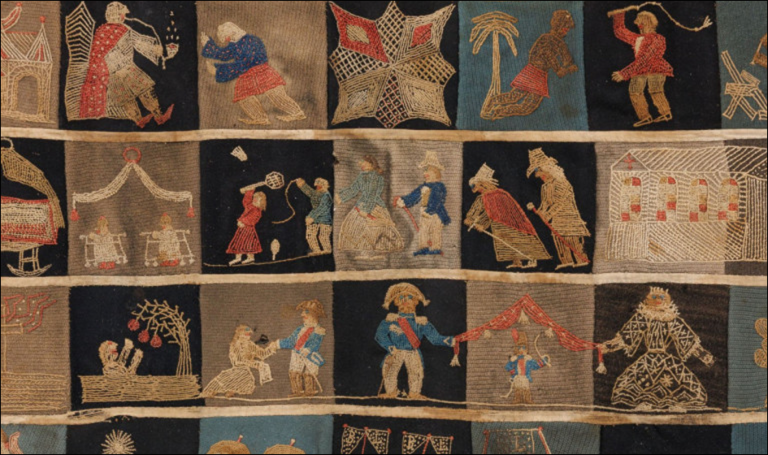
Tapestry of the Week: François Damiens, 475 Panels, and the Whole of a World in Pater Noster Embroidery of Arras
Some objects you appraise. This one you simply stand before, for a long time, and let it undo your sense of what a single human being can do. Hand-worked in wool and natural silk in Arras, France, in 1826, and signed four times over by its maker, the Pater Noster embroidery of François Damiens is composed of four hundred and seventy-five individual pictorial panels, each one a tiny woven scene, arranged in a vast grid that reads, from across a room, like the pixelated memory of an entire world. Biblical narratives. Processions. The labours of the seasons. Animals, trees, houses, saints, ordinary people doing ordinary things. Four hundred and seventy-five times, one small square at a time, a man sat down and embroidered a fragment of everything he knew.
Read the Feature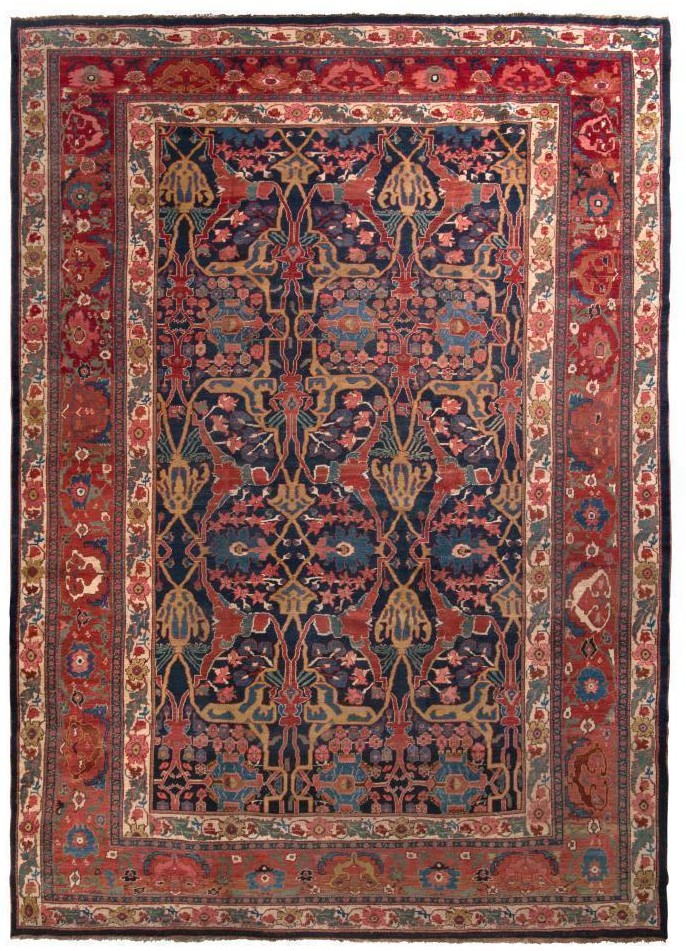
Bidjar Rugs: Persian Weaving Mastery and Historic Design
Among the most respected traditions of Persian carpet weaving, Bidjar rugs represent an extraordinary combination of strength, artistry, and technical mastery. Often referred to as the “Iron Rugs of Persia” because of their exceptional durability and dense construction, Bidjar carpets have earned a distinguished reputation among collectors, designers, and institutions worldwide. Originating from the town of Bidjar in western Iran’s Kurdistan region, these rugs reflect centuries of Kurdish weaving traditions combined with the broader artistic heritage of Persian carpet design. Their remarkable craftsmanship, sophisticated patterns, and rich color palettes have made them some of the most desirable examples of antique Persian carpets.
Read the Feature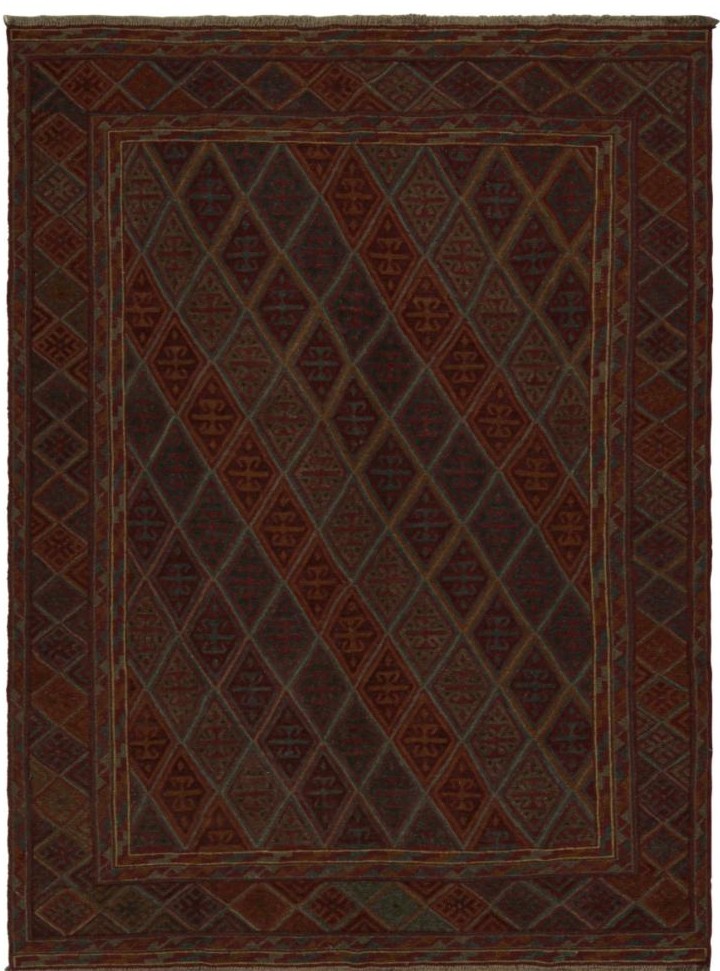
Baluch Rugs: Tribal Heritage and Handmade Textile Art
Among the great tribal weaving traditions of the Middle East and Central Asia, Baluch rugs occupy a distinctive position defined by nomadic craftsmanship, symbolic design, and remarkable artistic individuality. Woven by Baluch tribal communities spread across present-day Iran, Afghanistan, and Pakistan, these carpets represent one of the most compelling expressions of tribal textile culture. Unlike court carpets produced for royal patronage or urban workshops serving commercial markets, Baluch rugs emerged from deeply rooted tribal traditions. They were woven for everyday life, spiritual practice, ceremonial use, and domestic environments. As a result, they retain a powerful sense of authenticity that continues to resonate with collectors, designers, and institutions around the world.
Read the Feature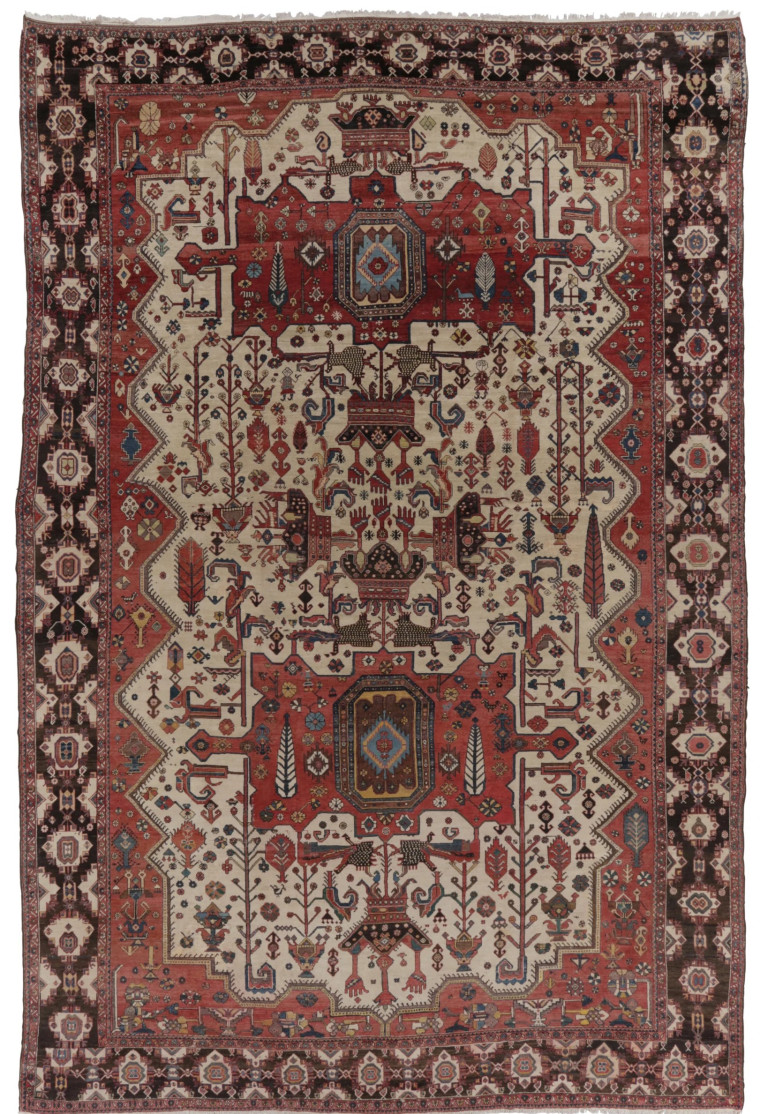
Understanding Bakhtiari Rugs: Persian Tribal Traditions and Timeless Elegance
Among the most celebrated tribal weaving traditions of Persia, Bakhtiari rugs stand apart for their remarkable balance of artistic imagination, structural durability, and cultural significance. Created by the Bakhtiari people of southwestern Iran, these carpets embody centuries of nomadic heritage while simultaneously representing some of the most sophisticated achievements in Persian decorative arts. Renowned for their vibrant colors, powerful geometry, and iconic garden-inspired compositions, Bakhtiari rugs occupy a distinctive place within the world of antique carpets. Their designs often feel both deeply rooted in tradition and surprisingly modern, making them particularly admired by collectors, designers, and institutions alike.
Read the Feature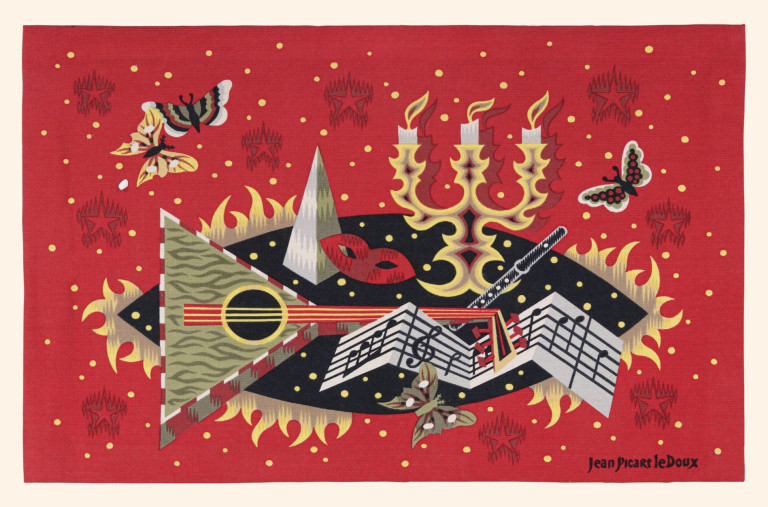
Signatures and the Art of Attribution in Luxury Rugs: Collecting with Provenance and Prestige
A Picasso or a Lalique needs no introduction — the signature itself becomes shorthand for genius, provenance, and prestige. In the world of collectible textiles, authorship is often elusive. Unlike paintings or sculpture, where an artist’s hand is documented and celebrated, rugs were historically anonymous — woven for use, dowry, or devotion, rather than individual fame. Yet over centuries, a quiet tradition of “signatures in thread” has emerged: marks, cartouches, inscriptions, or motifs that elevate a rug from being a functional textile to an authored artwork. These signatures, whether literal or symbolic, have become the connoisseur’s key to provenance, prestige, and value.
Read the Feature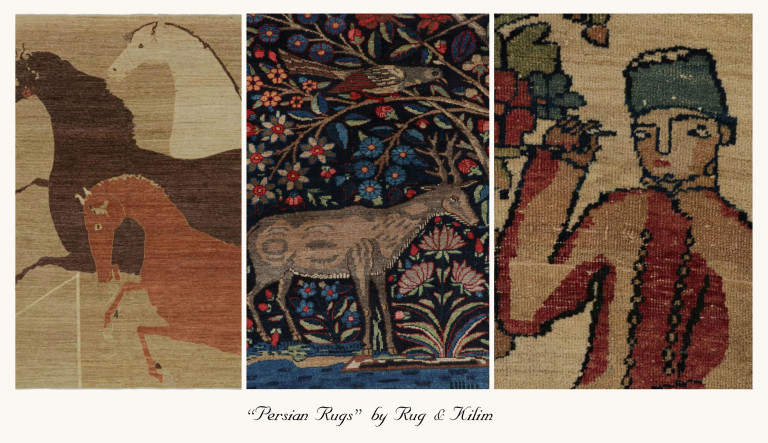
A Comprehensive Collectors’ Guide to Antique and Vintage Persian Rugs
The legacy of Persian rugs stretches back millennia, with historical references dating to the 4th century B.C. Xenophon, the Greek historian, marveled at the "soft rugs on which the Persians sit," marking one of the earliest recorded appreciations of these masterpieces. Explore More >> Persian rugs, with their rich history have long been revered as the pinnacle of floor covering artistry. These exquisite textiles, steeped in centuries of tradition, continue to captivate collectors, designers, and connoisseurs worldwide, gracing the most prestigious spaces from opulent palaces to renowned museums. This ancient craft has evolved over centuries, with each era contributing to the styles and techniques that define Persian rugs today.
Read the Feature