Style
Period Piece
Every piece in this style, across all of our collections. Narrow them down by size and price.
- Under 6 x 9
- Runners
- 6 x 9
- 8 x 10
- 9 x 12
- 10 x 14
- 12 x 15
- Over 12 x 15
Origin ▼
Style ▼
Material ▼
Width
Length
To connect with a specialist, click here
Stories from the Period Piece Archive
Essays, artist dialogues, and provenance notes drawn from Rug & Kilim’s editorial desk.
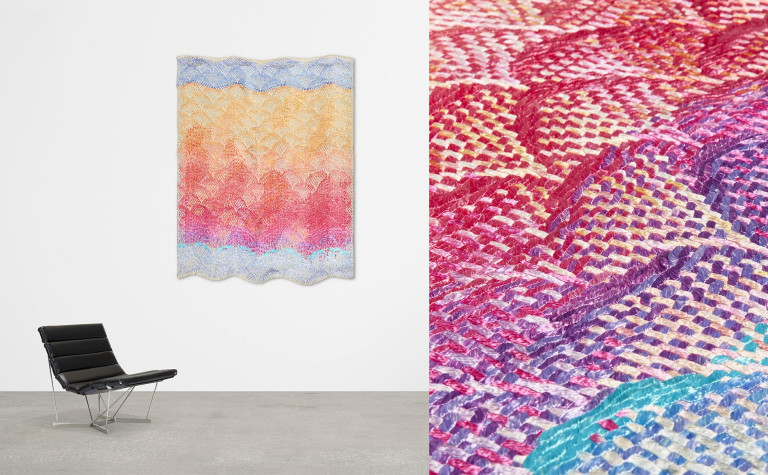
The Layered Home: 5 Ways to Rethink Floor Rugs and Wall Tapestries
The real spatial dimension does not get painted, it gets woven. Begin with hanging a piece such as Signed Vintage Lia Cook Tapestry slightly off-center on one of your main walls. Its intricate Jacquard weave and the friction created between its rayon and linen fibers will require a lot of breathing room, immediately establishing a gravitational pull of the whole room. But to balance this vertical tension, the ground beneath your feet needs to become much more rigorous. With the use of a rigorously beaten warp-faced plane such as cotton Indian Dhurrie or Antique Swedish Röllakan's interlocking tapestry weave, you create a flat but structurally resistant base. A ground made from a rigidly woven material needs to be challenged. The last textural transition will come from placing a Vintage Frazada Kilim with heavy weft interlace across your warp-faced plane. The act of overlapping your heavy weft on a rigorously
Read the Feature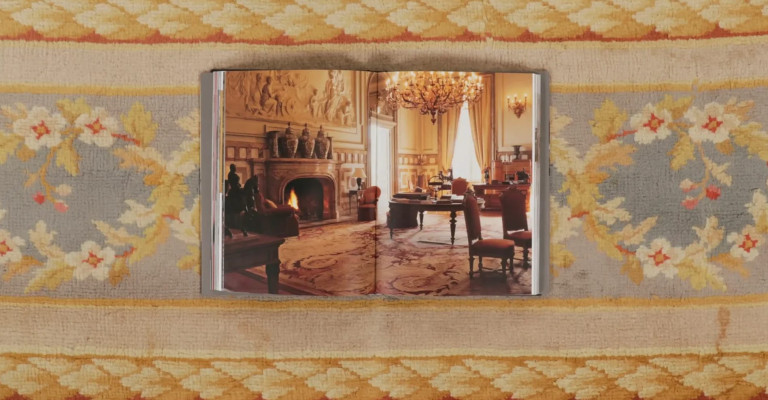
Savonnerie, Aubusson, Gobelins: The Three Ateliers That Defined What Europe Believed a Rug Could Be
In the final years of the sixteenth century, the treasury of France was hemorrhaging. Not to war alone though there had been enough of that but to the East. French silver was flowing steadily toward Persia and the Levant in exchange for knotted-pile carpets, objects of such refinement and such authority that no European workshop had yet produced anything capable of competing with them. Henri IV, who had survived the Wars of Religion and the bankruptcy of a kingdom to sit on the French throne, was not a man inclined to accept a problem he could solve. He installed Pierre Dupont — weaver, entrepreneur, and the most technically accomplished carpet-maker in France in the galleries of the Louvre itself, in workshops beneath the palace's own roof, with a single instruction: make something that does not require us to send money to Persia.
Read the Feature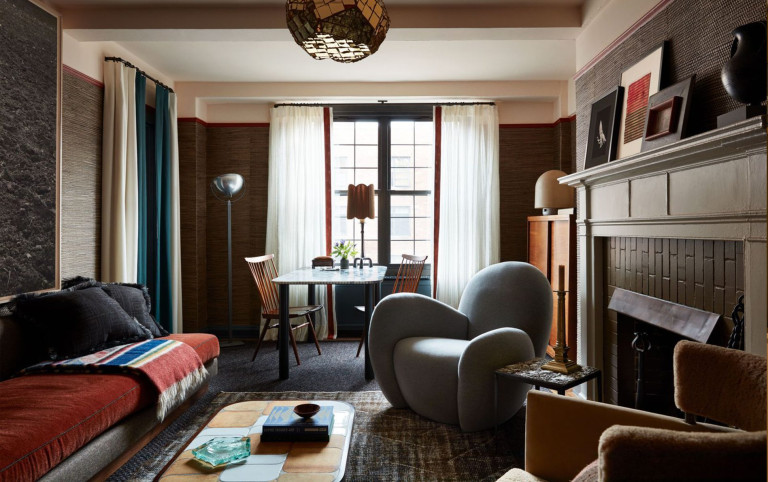
Zeki Müren, Da Silva Bruhns, and Leleu: How These Artists Transformed Rugs into the Language of Modernism
The story of modernism in textiles is often told through architecture, painting, and furniture. Yet, some of the most radical ideas of the 20th century were not framed on walls or set on pedestals—they were laid underfoot. Rugs, once treated as either anonymous craft or as inherited luxury, became a medium for modernist expression. Few figures embody this transformation more than Zeki Müren, Da Silva Bruhns, and Leleu. Each worked in distinct cultural contexts—Müren in postwar Turkey, Da Silva Bruhns in interwar France, and the Leleu firm across early- to mid-century Paris—but together they reframed rugs not as decoration but as a language: one capable of abstraction, geometry, rhythm, and modern life.
Read the Feature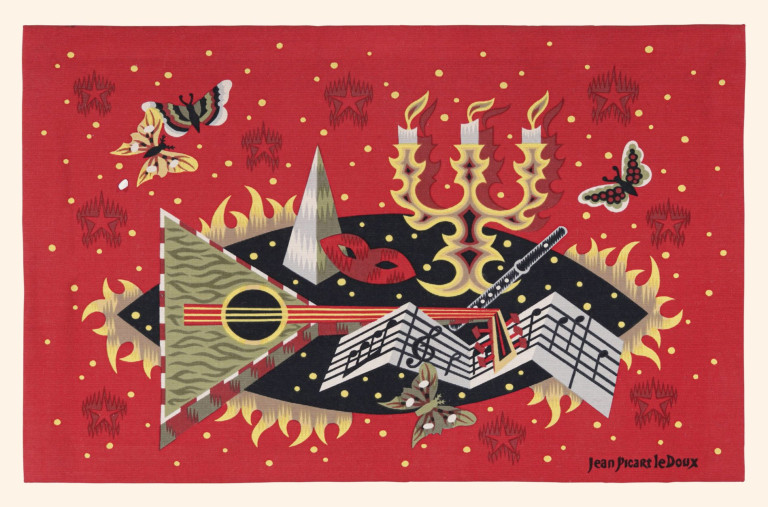
Signatures and the Art of Attribution in Luxury Rugs: Collecting with Provenance and Prestige
A Picasso or a Lalique needs no introduction — the signature itself becomes shorthand for genius, provenance, and prestige. In the world of collectible textiles, authorship is often elusive. Unlike paintings or sculpture, where an artist’s hand is documented and celebrated, rugs were historically anonymous — woven for use, dowry, or devotion, rather than individual fame. Yet over centuries, a quiet tradition of “signatures in thread” has emerged: marks, cartouches, inscriptions, or motifs that elevate a rug from being a functional textile to an authored artwork. These signatures, whether literal or symbolic, have become the connoisseur’s key to provenance, prestige, and value.
Read the Feature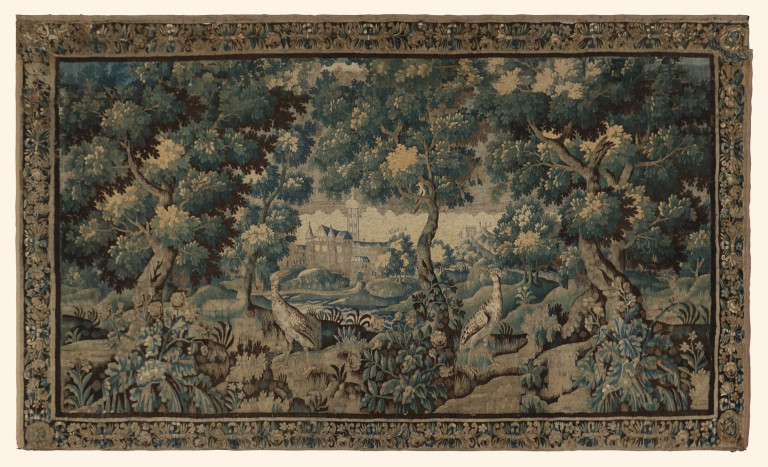
The World of Period Piece Rugs and Kilims: Provenance, Style, and Collecting Masterworks
In the world of fine art and design, the term period piece is not a casual descriptor—it is an assurance of historical integrity, stylistic authenticity, and documented provenance. To speak of period piece rugs and kilims is to speak not simply of textiles, but of time made tangible. From the opulent wool-and-silk Savonneries gracing the salons of Louis XIV, to the restrained architectural harmony of French Aubussons, the modernist clarity of a signed Leleu, or the atmospheric geometry of Chinese Art Deco and Peking carpets—these are not mere floor coverings. They are artefacts of intent, designed to speak to power, status, and the zeitgeist of their era.
Read the Feature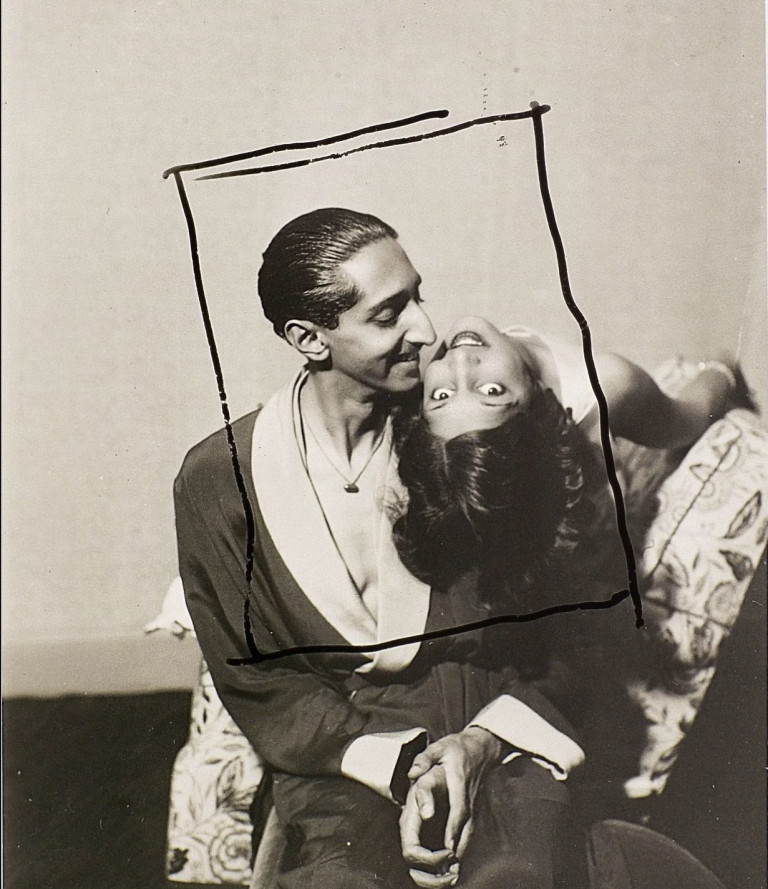
Ivan Da Silva Bruhns and his Rugs as Most Decorative Artworks of the Art Deco Period
Ivan Da Silva Bruhns's evolution as a rug designer reflects a dynamic artistic journey. In his early years, he embraced elements of cubism, infusing his work with bold lines, large overlapping geometric patterns, and vibrant complementary colors. His distinctive approach garnered global acclaim, culminating in a prestigious first prize in textiles at the 1925 International Exposition for Decorative Arts in Paris, France. This recognition marked a pivotal moment, leading him to establish his dedicated workshop in Savigny-Sur-Orge, where he exclusively focused on advancing his rug weaving craft. Throughout his career, Da Silva Bruhns drew inspiration from various cultures, studying Middle Eastern, African, and Asian art. Notably influenced by pre-Columbian art, he incorporated arrangements reflecting his Latin American heritage. His carpets, balancing asymmetry with precision, often combined diverse pre-Columbian forms, sometimes rendered literally and at other times abstracted to suit his aesthetic. Straddling the border between Art Deco and Modernism, Da Silva Bruhns's innovative patterns and impeccable construction ensure his carpets remain among the most significant decorative art pieces of the period.
Read the Feature