Style
Polonaise
Every piece in this style, across all of our collections. Narrow them down by size and price.
- Under 6 x 9
- Runners
- 6 x 9
- 8 x 10
- 9 x 12
- 10 x 14
- 12 x 15
- Over 12 x 15
Origin ▼
Style ▼
Material ▼
Width
Length
To connect with a specialist, click here
Stories from the Polonaise Archive
Essays, artist dialogues, and provenance notes drawn from Rug & Kilim’s editorial desk.
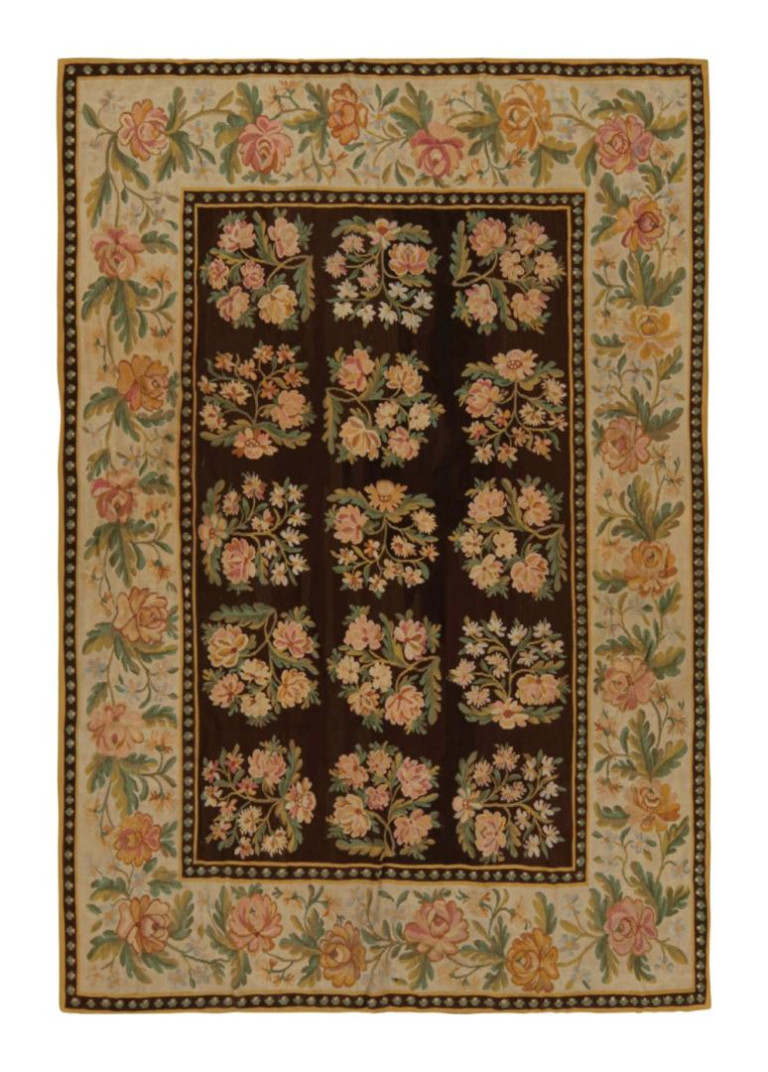
A Guide to Bessarabian Rugs: History, Design, and Modern Luxury
Within the world of collectible textiles and luxury interiors, few rug traditions possess the quiet sophistication and painterly elegance of Bessarabian rugs. Emerging from the historic region of Bessarabia—an area historically situated between present-day Moldova, Romania, and Ukraine—these rugs occupy a unique position at the crossroads of Eastern European folk tradition, Ottoman influence, Russian imperial culture, and French decorative aesthetics. Unlike the geometric tribal weavings commonly associated with Central Asia or the medallion-driven structures of Persian carpets, Bessarabian rugs developed a distinctly atmospheric and ornamental visual language. Their floral compositions, subdued tonal harmonies, and expansive decorative fields positioned them closer to European decorative arts than purely utilitarian floor coverings.
Read the Feature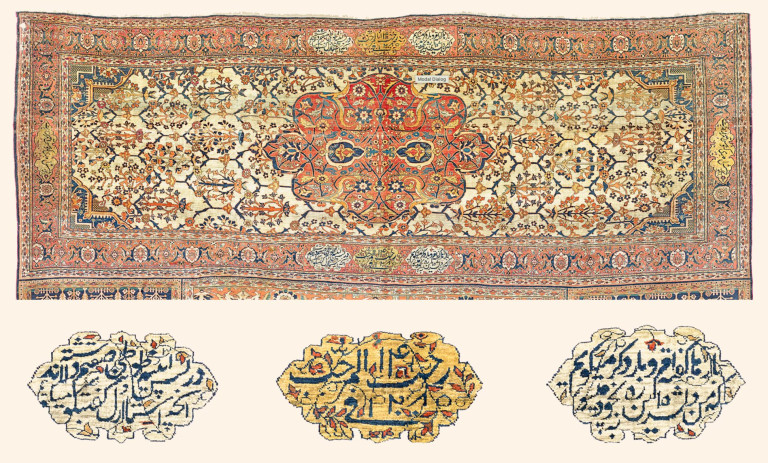
Of Royal Culture and Inheritance: The Silk Heriz Triclinium Carpet of 1868, Perhaps the Finest Surviving Example in the World
Our founder and principal Jahanshah Josh Nazmiyal has been in the carpet industry long enough to have learned that the great pieces announce themselves before one has understood what one is looking at. The light catches the silk a particular way. Some quiet, almost biological recognition runs through the room, the way a wine of consequence stills the table before anyone has spoken its vintage. One has the sense of having interrupted a conversation already in progress. The carpet was here first; one is being received by it. The team welcomed this silk Heriz, the way Jahanshah had unrolled perhaps forty thousand carpets across the better part of his life, and we will tell you honestly that we sat down beside it for a long time before any of us said anything. There is a particular gold in the mian farsh; the great central field, that we all have seen perhaps rarely before in a quarter-century of looking. It is the gold of late-October sun on the dome of the Shah Mosque in Isfahan, the gold the Safavid silk weavers of the seventeenth century pursued and very nearly lost, the gold that the Heriz workshops of the 1860s recovered for a brief generation of patrons before the world turned and they were forgotten. To kneel beside it is to be quiet in the presence of something that does not require your understanding to be what it is.
Read the Feature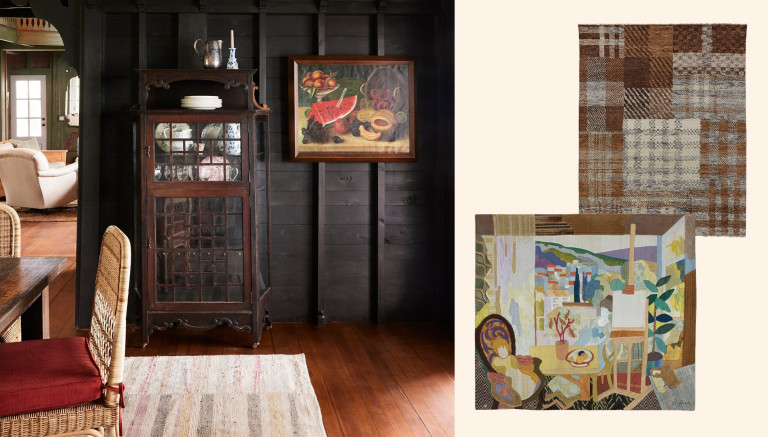
How the World’s Most Serious Art Spaces Are Rewriting the Rules of the Floor and the Contemporary Home
There is a room at Hauser & Wirth Somerset; the gallery that occupies a converted farmhouse in the English countryside, where Pipilotti Rist installations have shared walls with Phyllida Barlow sculptures and where the building itself feels like an argument against the idea that serious art requires a white cube to be taken seriously, where a single large antique textile lies on the stone floor beneath work of radical contemporary ambition. It does not announce itself. It simply holds the room together with the authority of an object that has been doing exactly this, in exactly this way, for several centuries longer than the art above it has existed. The artists whose work hangs on those walls have spent their careers thinking about surface, material, and the relationship between an object and the space it occupies. The carpet understood all of this before any of them picked up a brush.
Read the Feature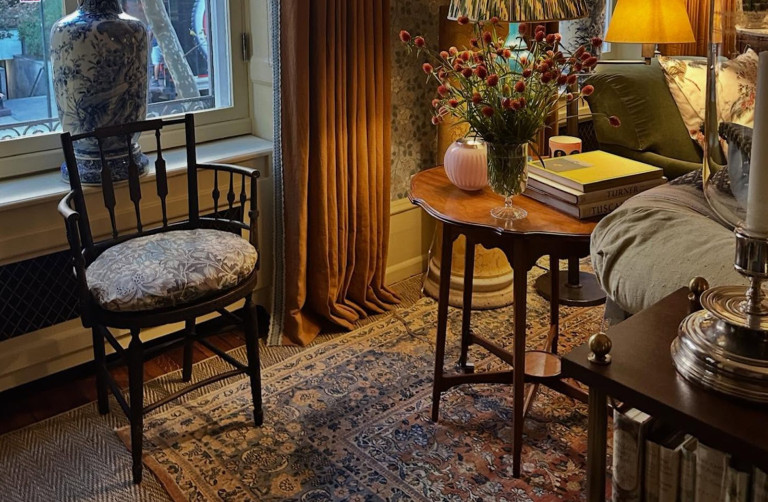
How U.S.–Iran Tensions Are Reshaping the World of Fine Rugs: From Safavid Courts to Sanction Regimes
There is a room in the Metropolitan Museum of Art in New York where a sixteenth-century Persian carpet stops people mid-stride. Because something in the object itself; its scale, its silence, the particular authority of a thing that has already outlasted three empires makes the ordinary pace of a museum visit feel suddenly inappropriate. The Emperor's Carpet, as it is known, was commissioned in Safavid Iran, passed to Peter the Great of Russia, gifted to the Habsburg Emperor Leopold I in 1698, held by the Austrian Imperial House until 1921, acquired by the Met in 1941, and displayed publicly only twice in the following sixty years because its condition was too fragile to risk. It has survived more political systems than any collector alive today will ever witness. It knows something about geopolitics that no sanctions framework, no bilateral negotiation, no executive order has yet managed to articulate.
Read the Feature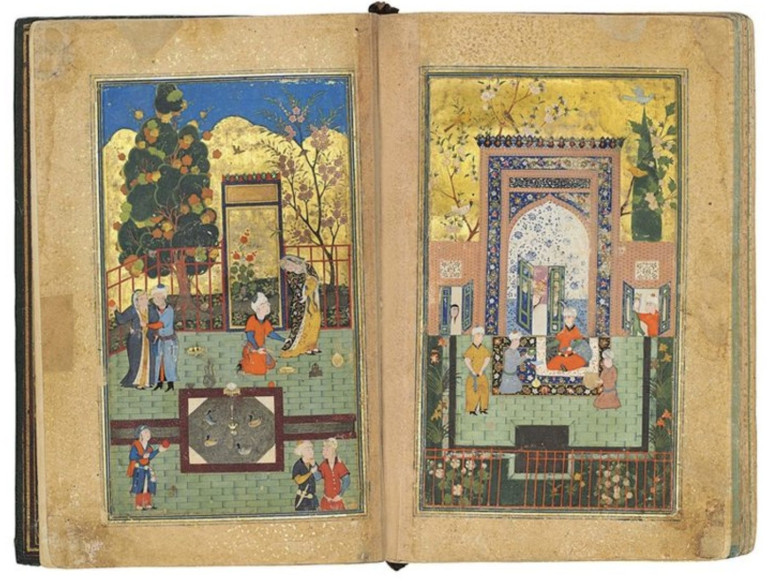
Why the Rothschilds’ 17th-Century Persian Carpet Became a Record-Breaking Auction?
Among the world’s most exclusive art and antique acquisitions, Persian carpets have long been revered as more than just textiles—they are woven history, cultural relics, and symbols of wealth. When the hammer fell at Christie's London in March 2022, the price of £2.32 million for a single carpet silenced the room. This wasn't just any floor covering—it was a Safavid silk and metal-thread 'Polonaise' carpet from early 17th-century Persia that had once graced the collection of Baron Adolphe Carl von Rothschild. This particular masterpiece had been owned by the Rothschild family, one of history’s most powerful banking dynasties, known for their exquisite taste in fine art and antiquities.
Read the Feature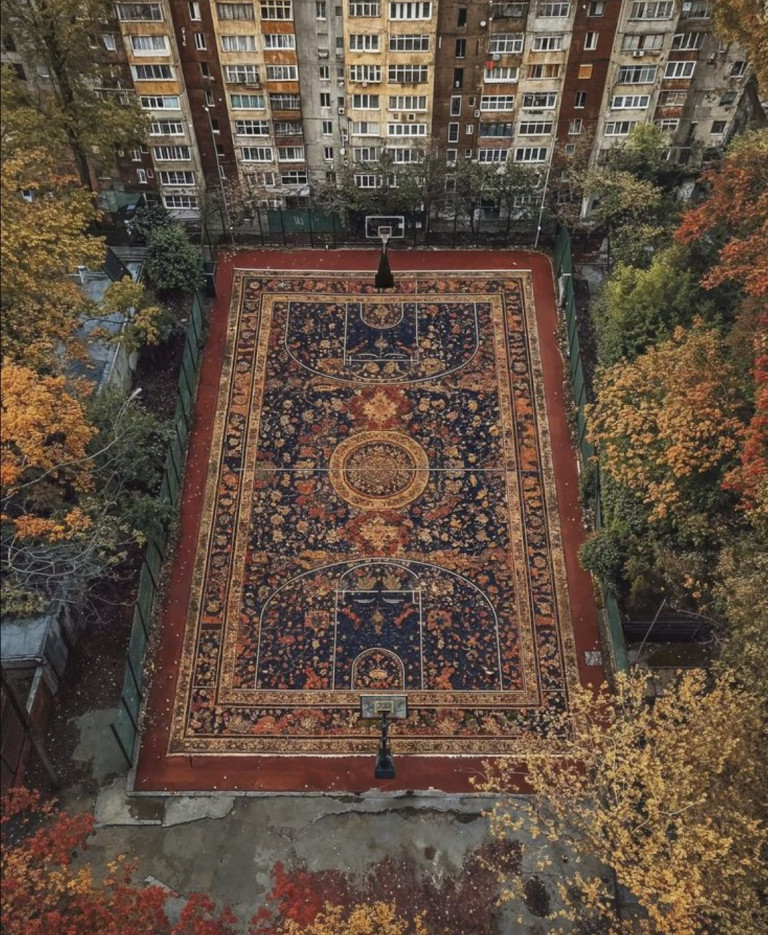
The Role of European and Persian Rugs in Royal Palaces and Historic Estates
To walk upon a fine Persian and European Rug is to tread upon centuries of tradition, craftsmanship, and power. As we reflect on our decades curating what many regard as the world's preeminent collection of European and Persian rugs, we are reminded that these extraordinary textiles are far more than mere floor coverings—they are narratives of civilization. Persian rugs entered European courts as potent diplomatic currency long before they adorned their floors. When Shah Abbas I sent his magnificent silk and metal-thread carpets to Venice's Doge's Palace in the 16th century, he dispatched not merely gifts but ambassadors of Persian cultural supremacy.
Read the Feature