Style
Transitional
Every piece in this style, across all of our collections. Narrow them down by size and price.
- Under 6 x 9
- Runners
- 6 x 9
- 8 x 10
- 9 x 12
- 10 x 14
- 12 x 15
- Over 12 x 15
Origin ▼
Style ▼
Material ▼
Width
Length
To connect with a specialist, click here
Stories from the Transitional Archive
Essays, artist dialogues, and provenance notes drawn from Rug & Kilim’s editorial desk.
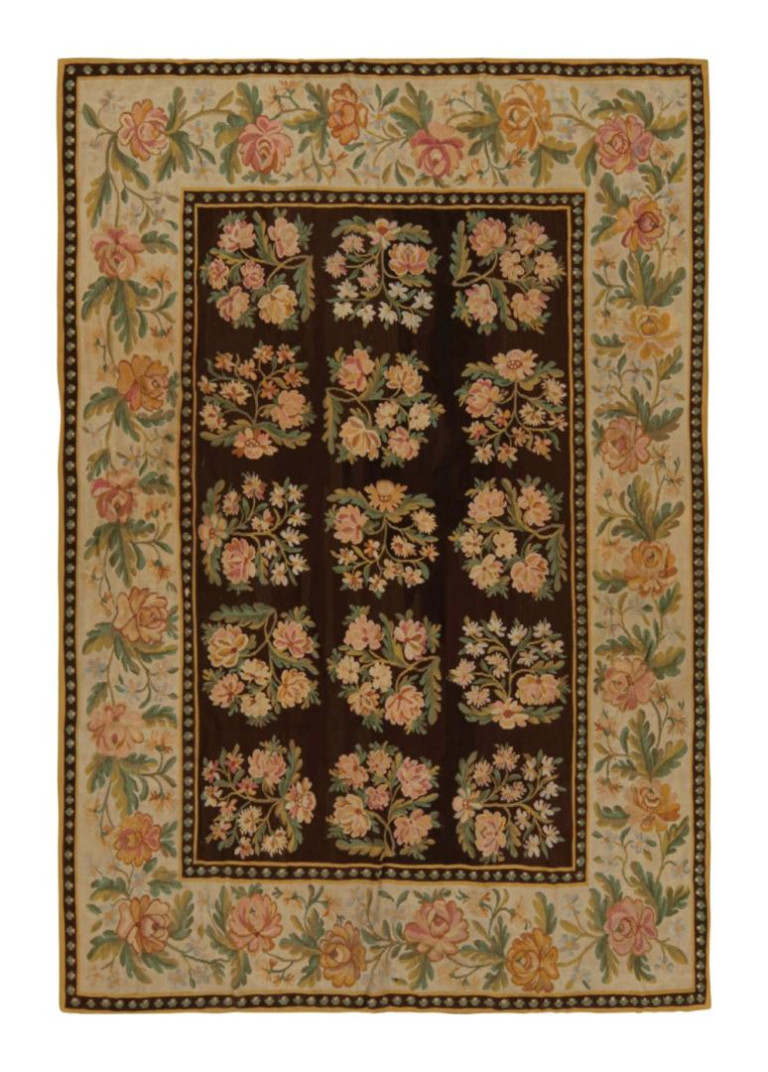
A Guide to Bessarabian Rugs: History, Design, and Modern Luxury
Within the world of collectible textiles and luxury interiors, few rug traditions possess the quiet sophistication and painterly elegance of Bessarabian rugs. Emerging from the historic region of Bessarabia—an area historically situated between present-day Moldova, Romania, and Ukraine—these rugs occupy a unique position at the crossroads of Eastern European folk tradition, Ottoman influence, Russian imperial culture, and French decorative aesthetics. Unlike the geometric tribal weavings commonly associated with Central Asia or the medallion-driven structures of Persian carpets, Bessarabian rugs developed a distinctly atmospheric and ornamental visual language. Their floral compositions, subdued tonal harmonies, and expansive decorative fields positioned them closer to European decorative arts than purely utilitarian floor coverings.
Read the Feature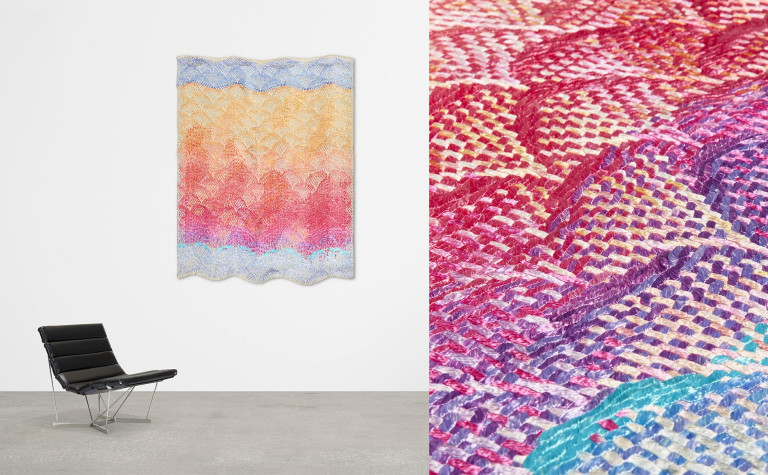
The Layered Home: 5 Ways to Rethink Floor Rugs and Wall Tapestries
The real spatial dimension does not get painted, it gets woven. Begin with hanging a piece such as Signed Vintage Lia Cook Tapestry slightly off-center on one of your main walls. Its intricate Jacquard weave and the friction created between its rayon and linen fibers will require a lot of breathing room, immediately establishing a gravitational pull of the whole room. But to balance this vertical tension, the ground beneath your feet needs to become much more rigorous. With the use of a rigorously beaten warp-faced plane such as cotton Indian Dhurrie or Antique Swedish Röllakan's interlocking tapestry weave, you create a flat but structurally resistant base. A ground made from a rigidly woven material needs to be challenged. The last textural transition will come from placing a Vintage Frazada Kilim with heavy weft interlace across your warp-faced plane. The act of overlapping your heavy weft on a rigorously
Read the Feature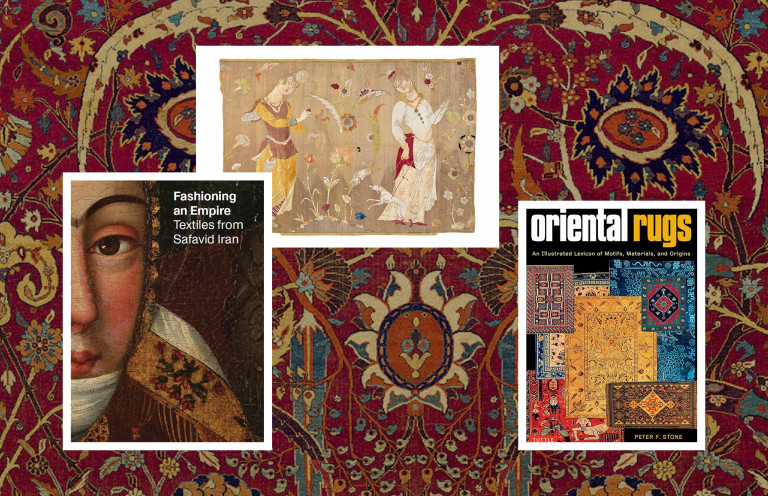
The Persian Carpet and the Making of Modern Interior: Power, Trade and Redefining Cultural Prestige
Materials from our Books on Persian Rugs. Available at Volumes by Rug & Kilim >> By the late nineteenth century, the Persian carpet had become an essential component of the European interior. Not decorative. Structural. As Qajar Persia expanded trade relationships with Britain, France, and the United States, carpets from Tabriz, Isfahan, Kashan, Kerman, and Sultanabad entered Western markets in unprecedented numbers. This was organized production responding to foreign demand. Workshops adapted scale, palette, and composition for European rooms while maintaining Persian essence. Architecture, Empire, and the Rise of the Cultivated Room The European salon — particularly in Paris and London — required more than furniture and painting. It required cohesion, and Persian carpets provided it.
Read the Feature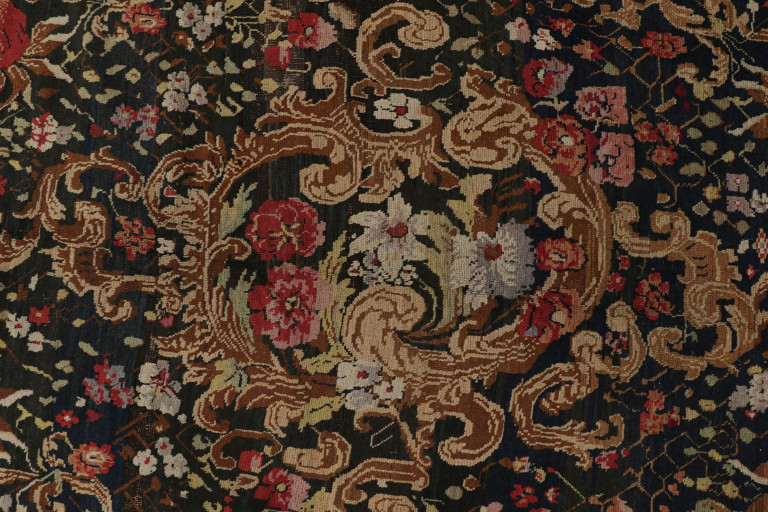
An Abbreviated Guide to Antique and Vintage Karabagh Rugs
NO. 34126 Made with hand-knotted wool and originating in Russia circa 1850-1860, this 8x19 antique Karabagh rug and is a rare extra-long runner and oversized addition to Rug & Kilim’s coveted European collection. For centuries, the Karabagh region—poetically called the “Black Garden”—has been a crossroads of empire, craftsmanship, and cultural memory. Its rugs shimmer with expressive geometry, lyrical florals, and natural dyes that have captivated collectors for generations. Today, designers and connoisseurs seek out these pieces not only for their visual presence, but for the emotional resonance they bring into a room. Karabagh rugs are textiles with pulse— woven memoirs whose artistry continues to evolve in dialogue with contemporary interiors. This guide explores their history, structure, symbolism, and enduring relevance, offering a lens on one of the most intriguing Caucasian weaving traditions.
Read the Feature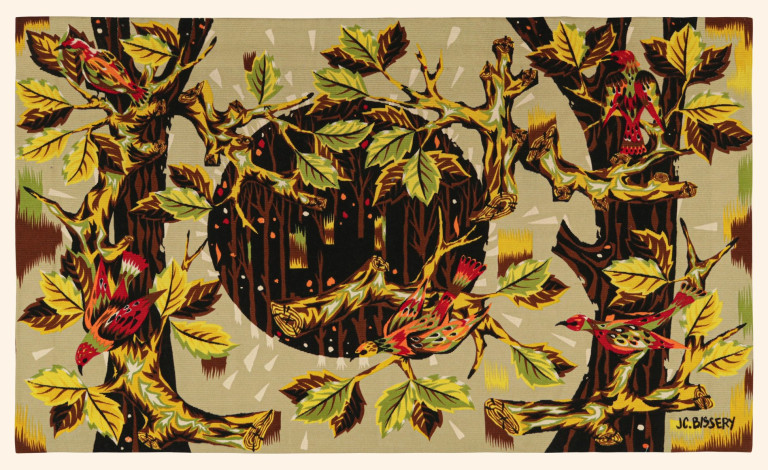
Autumn 2025: Rug & Kilim’s Five Picks for the Season of Warmth and Reverie
1. Jean-Claude Bissery’s “Forestière” Tapestry SKU 32380 The autumn of 2025 marks a decisive return to warmth. Across ateliers and showrooms, designers are rethinking comfort through the lens of material honesty and emotional color. Pale greys are receding; in their place rise umber, ochre, sienna, and burnished red—the shades of firelight and falling leaves. At Rug & Kilim, this shift feels almost cyclical. The atelier’s fall picks reveal how color, texture, and craft become instruments of atmosphere—how rugs, once seen as grounding elements, now lead the dialogue of a room. Here, we present five standout pieces from Rug & Kilim’s collection that encapsulate the soul of the season: tactile, painterly, and timelessly refined.
Read the Feature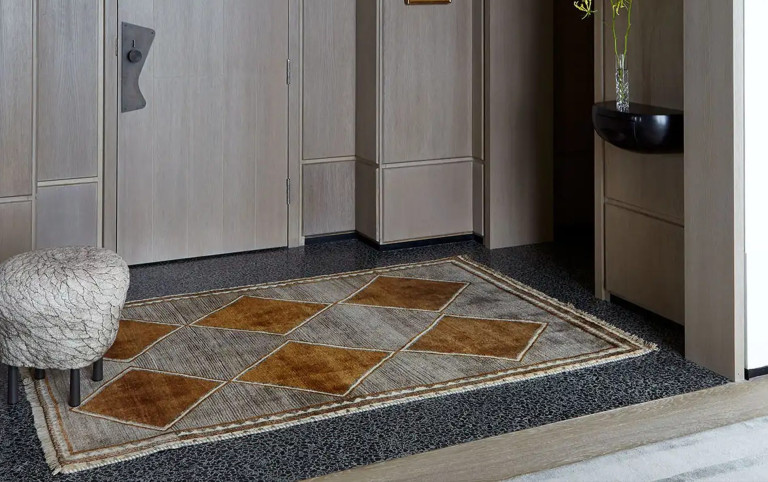
Designing Corridors and Galleries with Runners: The Power of Narratives in Spaces
Corridors, thresholds, and galleries rarely command the glamour of living rooms or dining spaces. Yet in the language of architecture, they are essential: they choreograph movement, frame anticipation, and define how one experiences a home or a public building. Too often, they are treated as mere conduits—spaces to pass through rather than to inhabit. Rugs, particularly runners, are the instruments that transform these passages into destinations. Today, as designers reassert the value of every square foot, runners have emerged not as afterthoughts, but as precision tools—elevating liminal spaces into experiential narratives.
Read the Feature