
Style
Transitional
Every piece in this style, across all of our collections. Narrow them down by size and price.
- Under 6 x 9
- Runners
- 6 x 9
- 8 x 10
- 9 x 12
- 10 x 14
- 12 x 15
- Over 12 x 15
Origin ▼
Style ▼
Material ▼
Width
Length
To connect with a specialist, click here
Stories from the Transitional Archive
Essays, artist dialogues, and provenance notes drawn from Rug & Kilim’s editorial desk.
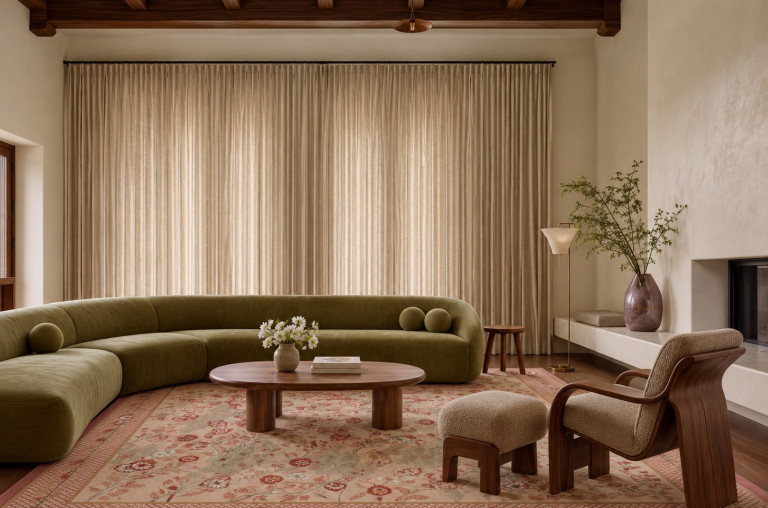
Understanding Aubusson Rugs: French Heritage and Timeless Luxury
Among the great weaving traditions of Europe, few names carry the artistic prestige and cultural significance of Aubusson. For centuries, Aubusson rugs have represented the pinnacle of French decorative arts, embodying the refinement, sophistication, and creative ambition that defined some of Europe's most influential artistic movements. Their importance extends far beyond floor coverings; Aubusson rugs occupy a distinguished position within the histories of design, architecture, collecting, and luxury interiors. Originating from the historic weaving center of Aubusson in central France, these rugs emerged as part of a broader tapestry-making tradition that would ultimately influence aristocratic residences, royal palaces, cultural institutions, and significant architectural projects throughout Europe and beyond. Their graceful ornamentation, sophisticated color palettes, and exceptional craftsmanship established them among the most admired carpets ever produced.
Read the Feature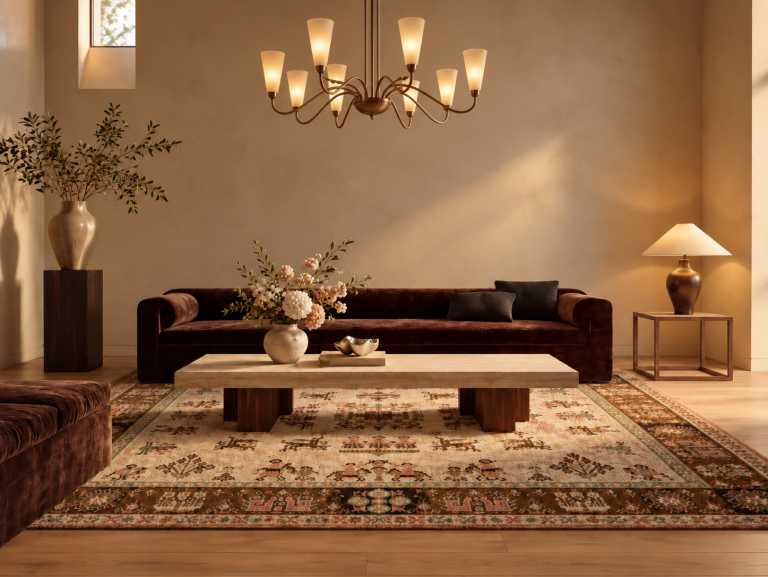
A Guide to Axminster Rugs: History, Craftsmanship, and British Design Heritage
Among the most influential carpet traditions to emerge from Europe, Axminster rugs occupy a distinguished position within the history of decorative arts, architecture, and interior design. Renowned for their exceptional craftsmanship, technical innovation, and artistic sophistication, Axminster carpets represent one of Britain's most important contributions to the global history of textile design. Originating in the historic market town of Axminster in Devon, England, these carpets became synonymous with luxury, refinement, and excellence from the eighteenth century onward. Their influence extended far beyond Britain, shaping carpet production, interior decoration, and architectural furnishing throughout Europe, North America, and the wider world.
Read the Feature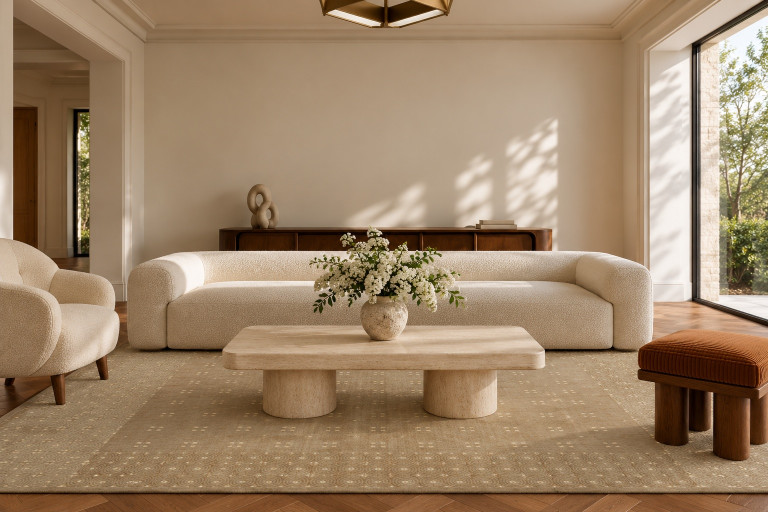
Understanding Art Deco Rugs: Modernism, Luxury, and Timeless Style
Few rug styles have influenced twentieth-century interior design as profoundly as Art Deco rugs. Emerging during one of the most transformative periods in modern cultural history, these carpets embodied the optimism, innovation, and cosmopolitan sophistication that defined the Art Deco movement. More than decorative floor coverings, Art Deco rugs became expressions of a new visual language—one rooted in modernity, luxury, architecture, and artistic experimentation. Unlike traditional Persian carpets that emphasized centuries-old motifs and weaving conventions, Art Deco rugs embraced a distinctly modern perspective. Their compositions drew inspiration from architecture, industrial design, fine art, fashion, travel, and technological progress. The result was a new generation of carpets that transformed the role of textiles within contemporary interiors.
Read the Feature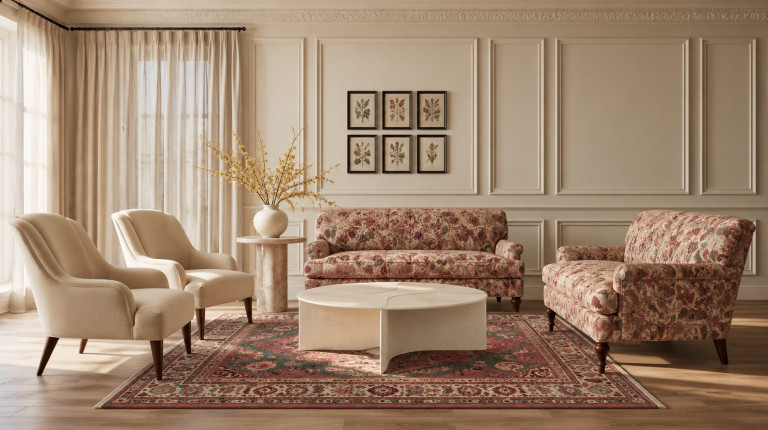
Anatolian Rugs: From Seljuk Origins to Contemporary Luxury Spaces
Among the world's most influential textile traditions, Anatolian rugs occupy a singular position in the history of decorative arts. Emerging from the vast cultural landscape of Anatolia—modern-day Turkey—these carpets represent centuries of artistic exchange between Asia, Europe, the Middle East, and the Mediterranean world. Few weaving traditions have exercised a greater influence on the evolution of carpet design. From Ottoman palaces and Seljuk courts to Renaissance paintings and contemporary luxury interiors, Anatolian rugs have continuously shaped the visual language of textile art. Unlike carpets associated with a single tribe, city, or dynasty, Anatolian rugs encompass an extraordinary range of regional traditions. The result is a diverse yet interconnected weaving culture characterized by bold geometry, symbolic motifs, sophisticated color palettes, and remarkable craftsmanship.
Read the Feature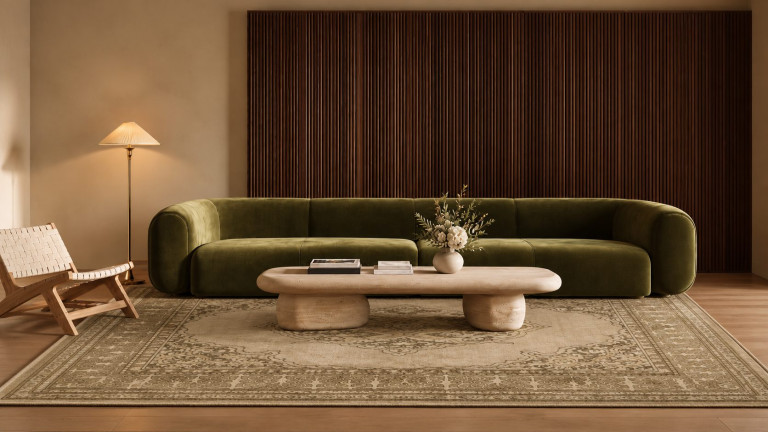
A Guide to Amritsar Rugs: History, Craftsmanship, and Contemporary Luxury Design
Among the most sophisticated carpet traditions to emerge from the Indian subcontinent, Amritsar rugs occupy a unique position at the intersection of Indian craftsmanship, Persian design heritage, and European decorative sensibilities. Woven primarily during the late nineteenth and early twentieth centuries in the historic city of Amritsar in Punjab, these carpets represent one of the most distinctive chapters in the history of global textile art. Unlike the highly formal court carpets of Mughal India or the deeply tribal traditions of nomadic weaving cultures, Amritsar rugs developed their own visual identity. Their character is defined by spacious compositions, softened palettes, oversized motifs, and a remarkable sense of decorative restraint. These qualities have allowed Amritsar carpets to transcend historical classification and remain profoundly relevant within contemporary luxury interiors.
Read the Feature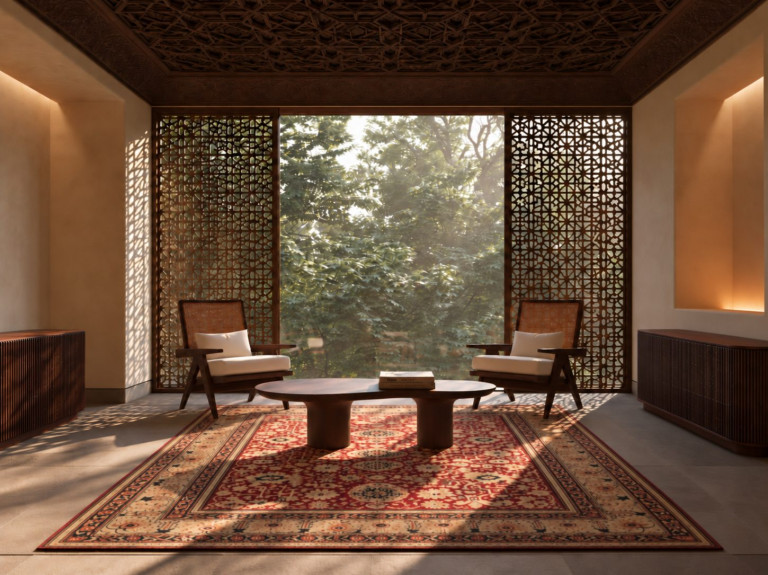
Agra Rugs in Art, Architecture and Global Design Culture
Among the great weaving traditions of the Indian subcontinent, Agra rugs occupy a distinguished position shaped by Mughal artistic refinement, Persian influence, and centuries of decorative innovation. Originating from the historic city of Agra in northern India—once a major center of the Mughal Empire—these carpets represent one of the most intellectually sophisticated textile traditions within global decorative arts. Unlike purely tribal carpets or highly formal European weavings, Agra rugs synthesize multiple cultural vocabularies into a unified visual language defined by monumental scale, refined ornamentation, and extraordinary compositional balance. Their designs draw from Persian court aesthetics, Islamic geometry, Indian botanical symbolism, and architectural inspirations associated with Mughal palaces and gardens.
Read the Feature