Style
Tribal
Every piece in this style, across all of our collections. Narrow them down by size and price.
- Under 6 x 9
- Runners
- 6 x 9
- 8 x 10
- 9 x 12
- 10 x 14
- 12 x 15
- Over 12 x 15
Origin ▼
Style ▼
Material ▼
Width
Length
To connect with a specialist, click here
Stories from the Tribal Archive
Essays, artist dialogues, and provenance notes drawn from Rug & Kilim’s editorial desk.
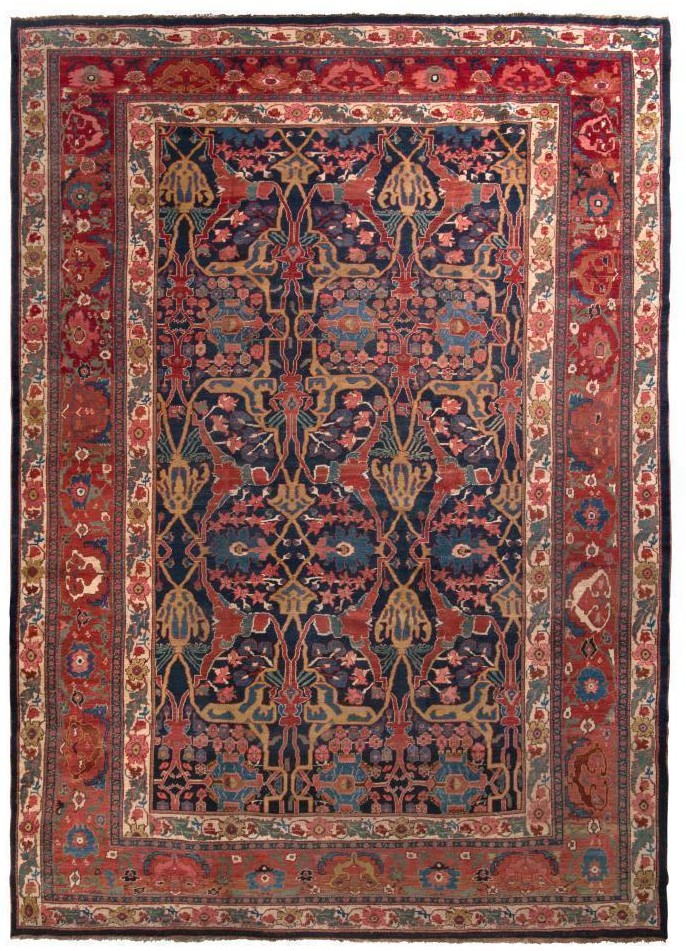
Bidjar Rugs: Persian Weaving Mastery and Historic Design
Among the most respected traditions of Persian carpet weaving, Bidjar rugs represent an extraordinary combination of strength, artistry, and technical mastery. Often referred to as the “Iron Rugs of Persia” because of their exceptional durability and dense construction, Bidjar carpets have earned a distinguished reputation among collectors, designers, and institutions worldwide. Originating from the town of Bidjar in western Iran’s Kurdistan region, these rugs reflect centuries of Kurdish weaving traditions combined with the broader artistic heritage of Persian carpet design. Their remarkable craftsmanship, sophisticated patterns, and rich color palettes have made them some of the most desirable examples of antique Persian carpets.
Read the Feature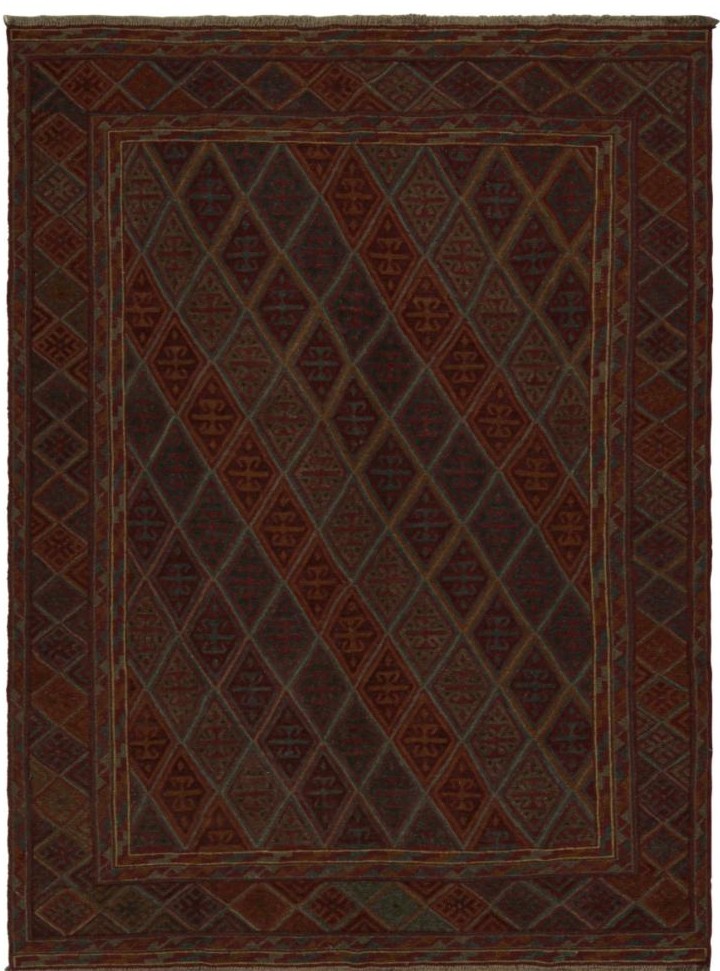
Baluch Rugs: Tribal Heritage and Handmade Textile Art
Among the great tribal weaving traditions of the Middle East and Central Asia, Baluch rugs occupy a distinctive position defined by nomadic craftsmanship, symbolic design, and remarkable artistic individuality. Woven by Baluch tribal communities spread across present-day Iran, Afghanistan, and Pakistan, these carpets represent one of the most compelling expressions of tribal textile culture. Unlike court carpets produced for royal patronage or urban workshops serving commercial markets, Baluch rugs emerged from deeply rooted tribal traditions. They were woven for everyday life, spiritual practice, ceremonial use, and domestic environments. As a result, they retain a powerful sense of authenticity that continues to resonate with collectors, designers, and institutions around the world.
Read the Feature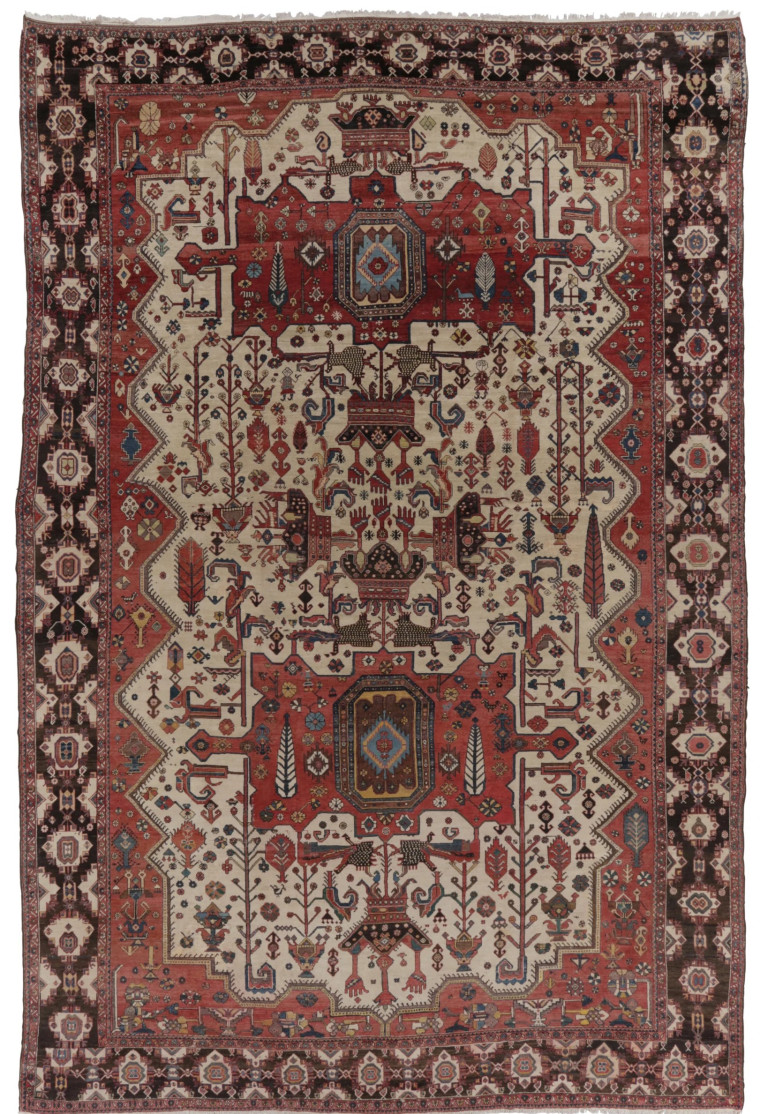
Understanding Bakhtiari Rugs: Persian Tribal Traditions and Timeless Elegance
Among the most celebrated tribal weaving traditions of Persia, Bakhtiari rugs stand apart for their remarkable balance of artistic imagination, structural durability, and cultural significance. Created by the Bakhtiari people of southwestern Iran, these carpets embody centuries of nomadic heritage while simultaneously representing some of the most sophisticated achievements in Persian decorative arts. Renowned for their vibrant colors, powerful geometry, and iconic garden-inspired compositions, Bakhtiari rugs occupy a distinctive place within the world of antique carpets. Their designs often feel both deeply rooted in tradition and surprisingly modern, making them particularly admired by collectors, designers, and institutions alike.
Read the Feature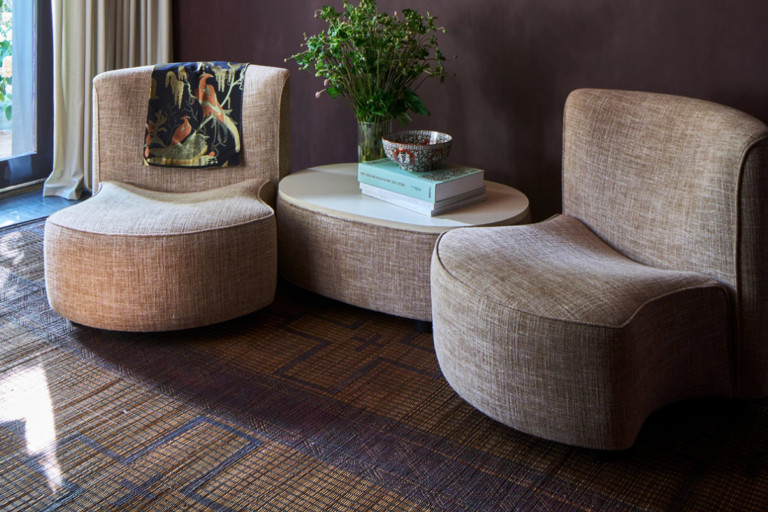
Tuareg Textiles and Design: History, Tribal Craft, and Contemporary Influence
The Sahara has never been short of ideas. It has merely been selective about who hears them. The Tuareg did not set out to create an aesthetic. They created a system. Long before design was professionalized, categorized, or monetized, Tuareg artisans developed a material language governed by movement, restraint, and exacting necessity. What remains today — in textiles, metalwork, and spatial logic — is not folklore but authorship: a coherent design intelligence that continues to inform contemporary practice, whether acknowledged or not. At Rug & Kilim, we approach Tuareg works not as ethnographic specimens, nor as romantic artifacts, but as foundational design objects. They belong not on the margins of decorative history, but firmly within its canon.
Read the Feature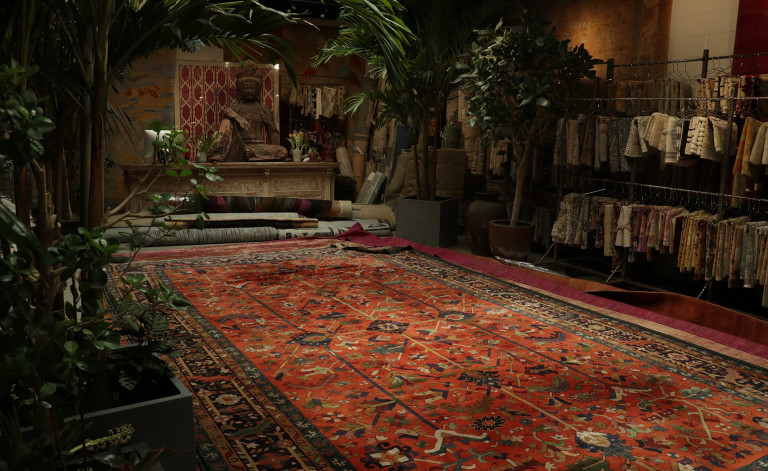
The Persian Afshar Rug as Art, Tribal Artifact, and Archive
Afshar rugs are among the most compelling expressions of nomadic Persian weaving. Originating from the Afshar tribe—a semi-nomadic Turkic-speaking group with roots in Central Asia—these rugs represent a distinct confluence of tribal tradition, migratory culture, and artisanal precision. Today, Afshar rugs are recognized for their deeply saturated natural dyes, structurally sound weaving, and the geometric clarity of their aesthetic—qualities that place them alongside Baluch, Shahsavan, and Qashqai weavings in the taxonomy of Persian tribal carpets. Historical Provenance: From Oghuz Migration to Iranian Plateau The Afshars were originally part of the Oghuz Turkic confederation and migrated into Iran during the Seljuk and later Safavid periods (11th–17th centuries). By the 18th century, Afshar tribes were prominently settled in southeastern Iran, particularly around Kerman, Sirjan, Baft, and Rafsanjan—regions that would become critical nodes of rug production.
Read the Feature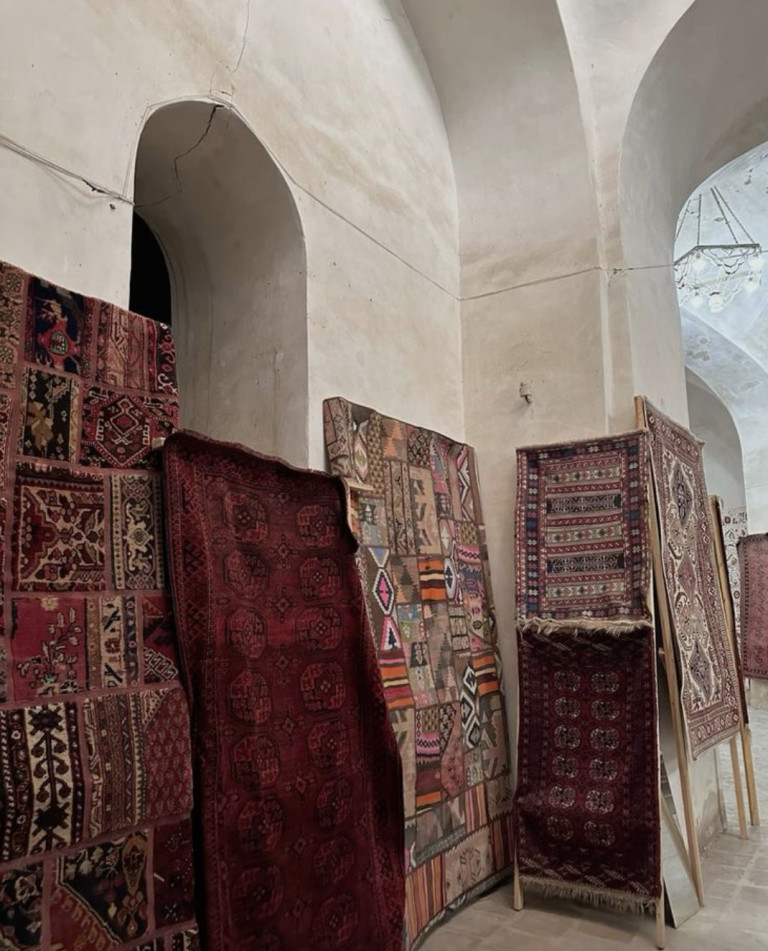
A Guide to Folklore and Cultural Memory in Rugs and Kilims
In collecting rugs and kilims, we encounter not just objects, but vessels of generational memory, where each design reveals itself as a complex cultural manuscript. What emerges from this study of traditional rug-making is not merely a catalog of styles or techniques, but rather an atlas of human cultural memory. These textiles - whether prayer rugs from Anatolia, dowry pieces from Isfahan, or war rugs from Afghanistan - serve as sophisticated vehicles for cultural transmission, preserving what might otherwise be lost to time. The Afghan war rugs present the most profound example of textile resistance in modern history.
Read the Feature