
Art Deco Rugs
Rug & Kilim’s Art Deco archive includes a comprehensive and fully custom-capable celebration of the modern style, with the same thick body and feel in even finer detail, more unusual colors, and more sizes than the typical area rugs that started this movement.
Since he began as a reputed antique rug collector, Jahanshah Josh Nazmiyal was particularly well known for forecasting and curating antique Art Deco rugs long before they were sought after in his field. The result of this diligence is our Art Deco Collection, which hosts both a wide range of one-of-a-kind antique and vintage rugs as well as a new custom line nearly indistinguishable in its quality from the original 1920s inspirations — Chinese Deco, French Deco, Austrian Deco, Swedish Deco, American Deco, Dutch Deco and many more.
- Under 6 x 9
- Runners
- 6 x 9
- 8 x 10
- 9 x 12
- 10 x 14
- 12 x 15
- Over 12 x 15
- Period
- New & Contemporary
- Chinese Deco
Origin ▼
Style ▼
Material ▼
Width
Length
To connect with a specialist, click here
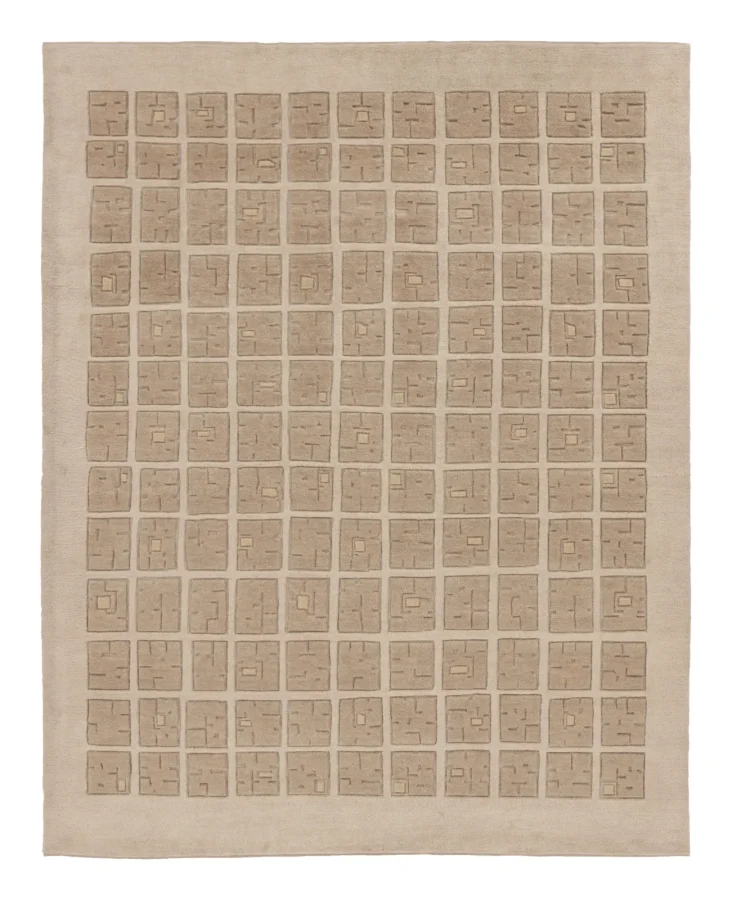
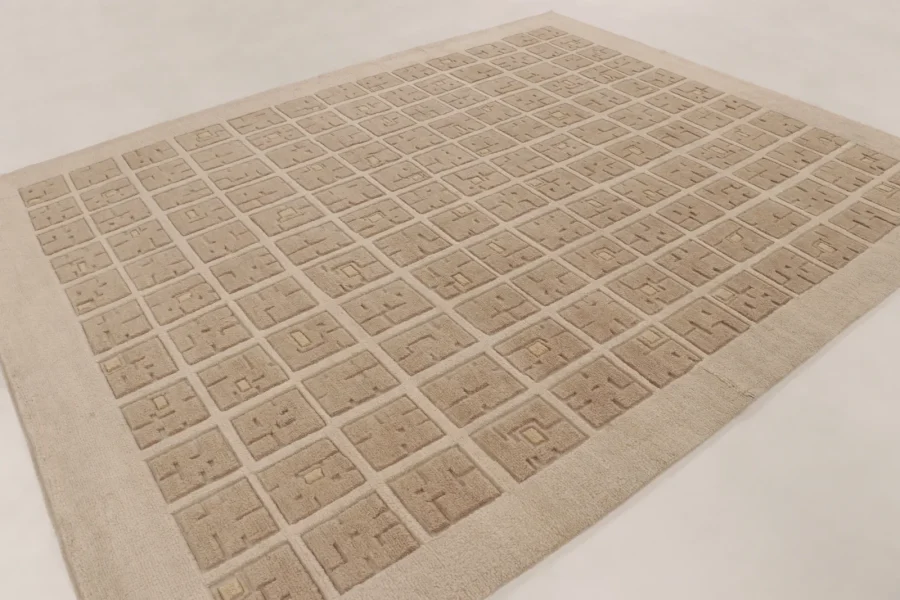 36250Rug & Kilim’s Contemporary Art Deco Rug with Geometric Design in Soft Beige Hues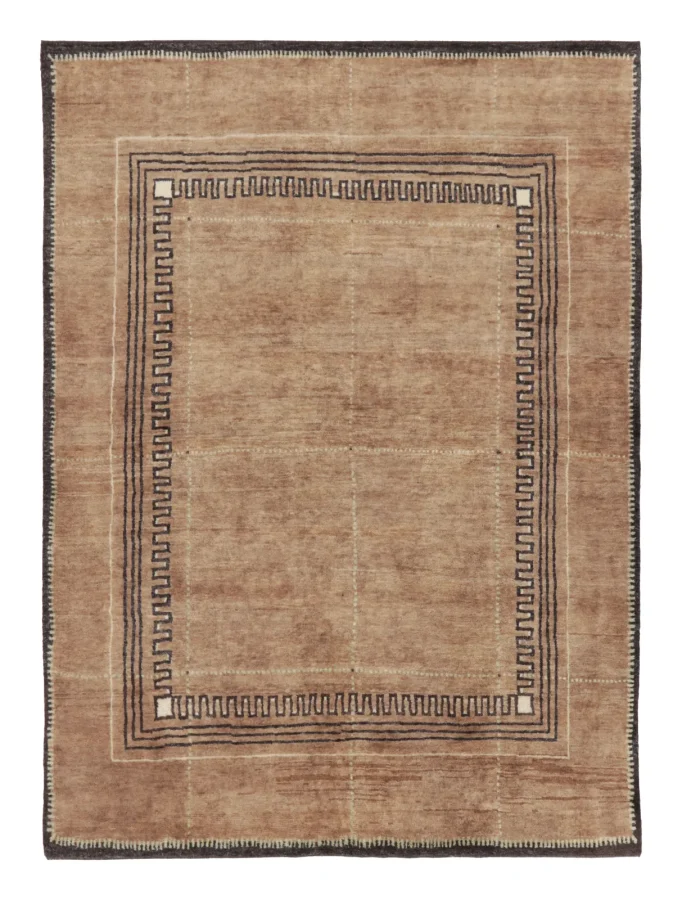
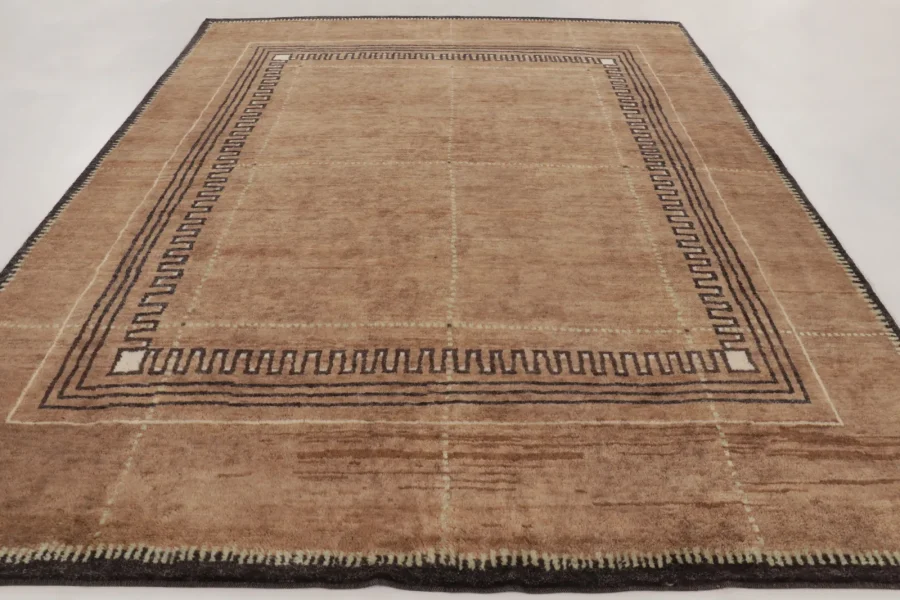 36264Rug & Kilim’s Contemporary Art Deco Rug with Brown Geometric Design
- Out of Stock
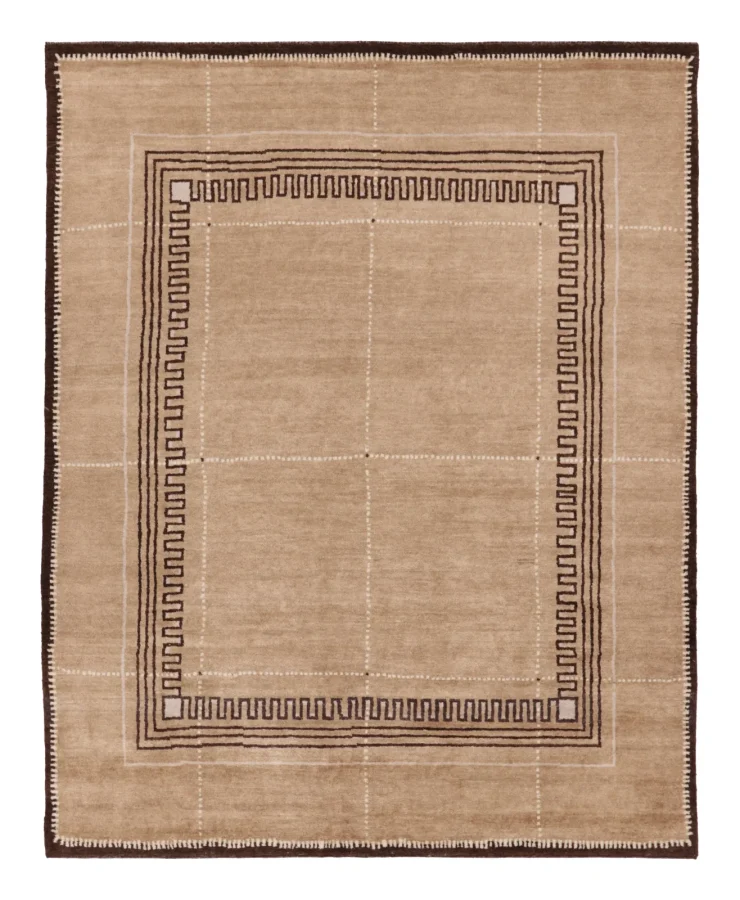
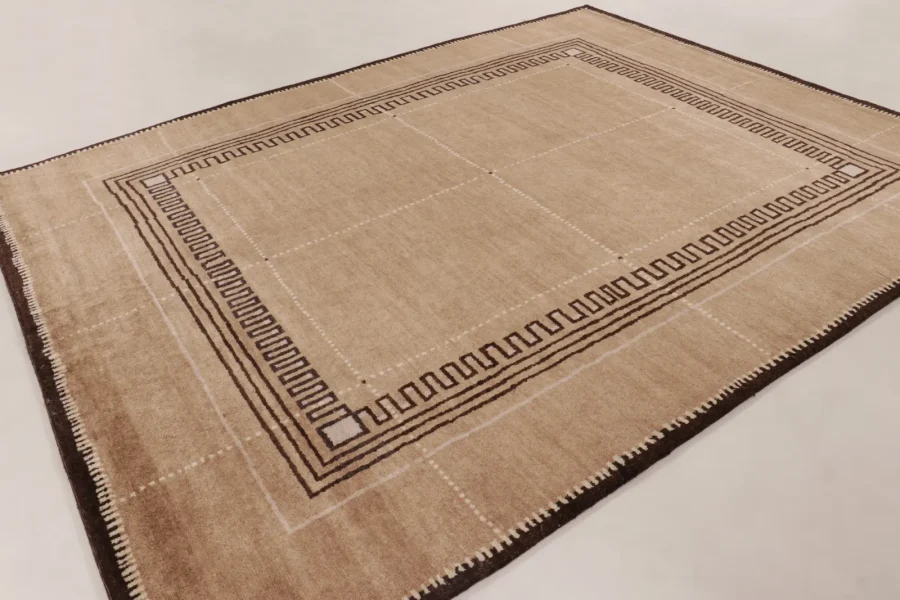 36265Rug & Kilim’s Contemporary Art Deco Rug in Minimal Brown Hues
 - Out of Stock
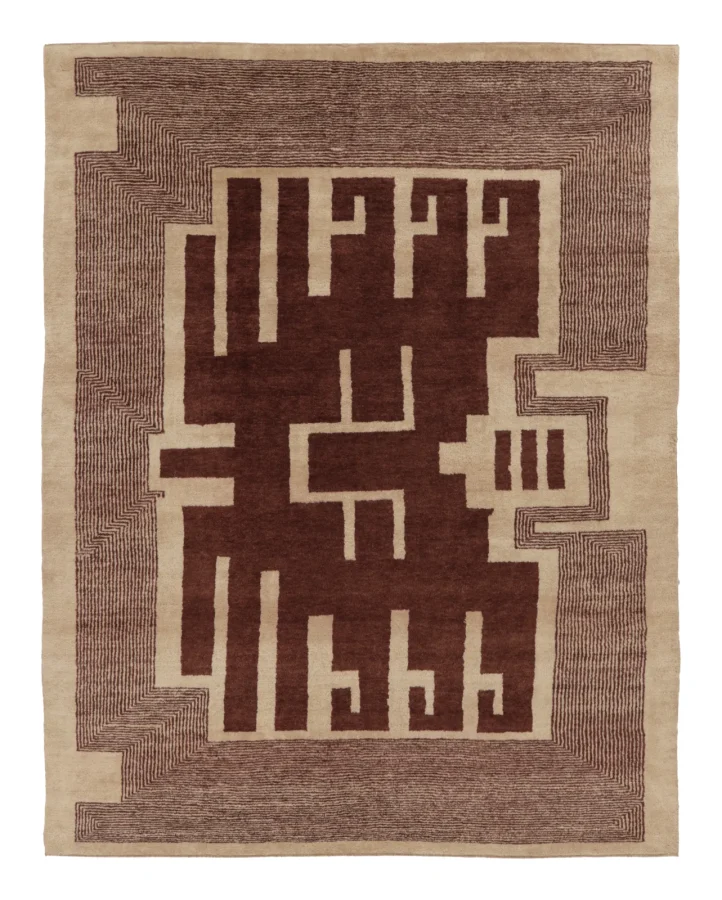
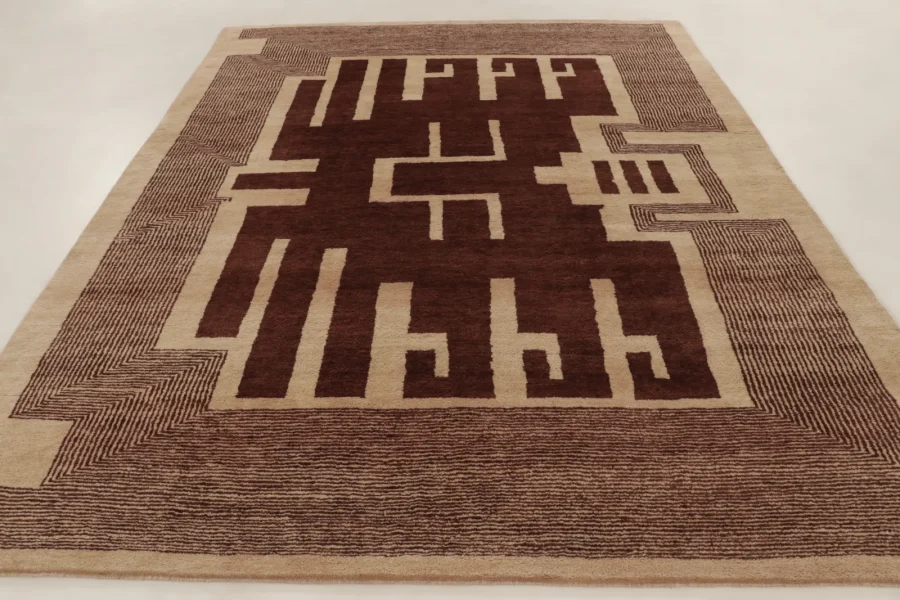 36295Rug & Kilim’s Contemporary Art Deco Rug with Cubist Design in Brown Hues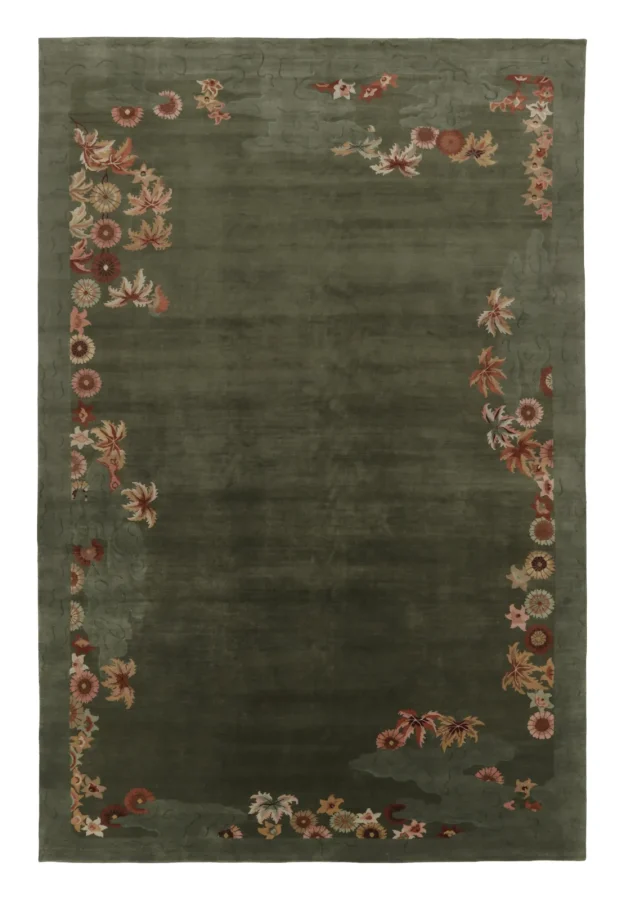
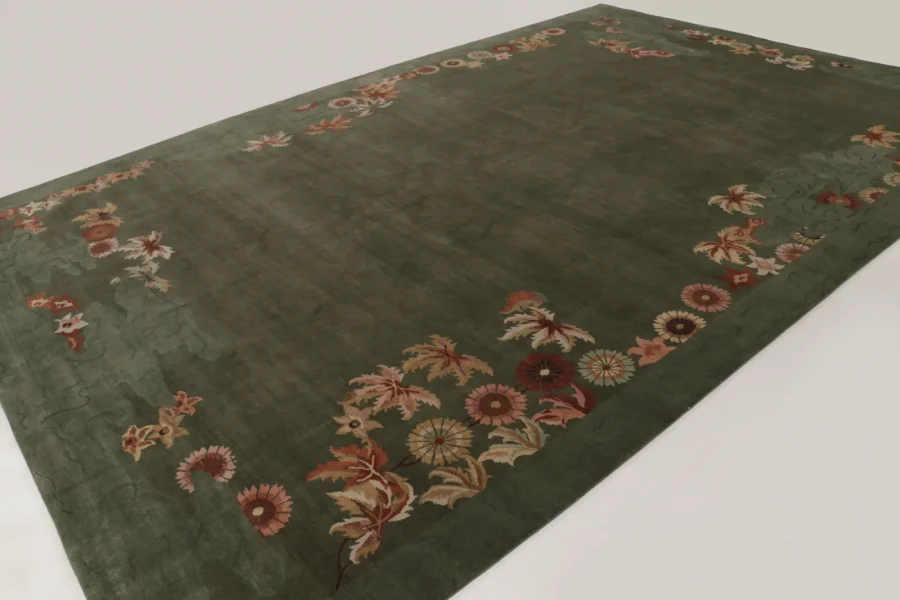 36516Rug & Kilim’s Contemporary Chinese Art Deco Rug in Sage Green Floral Design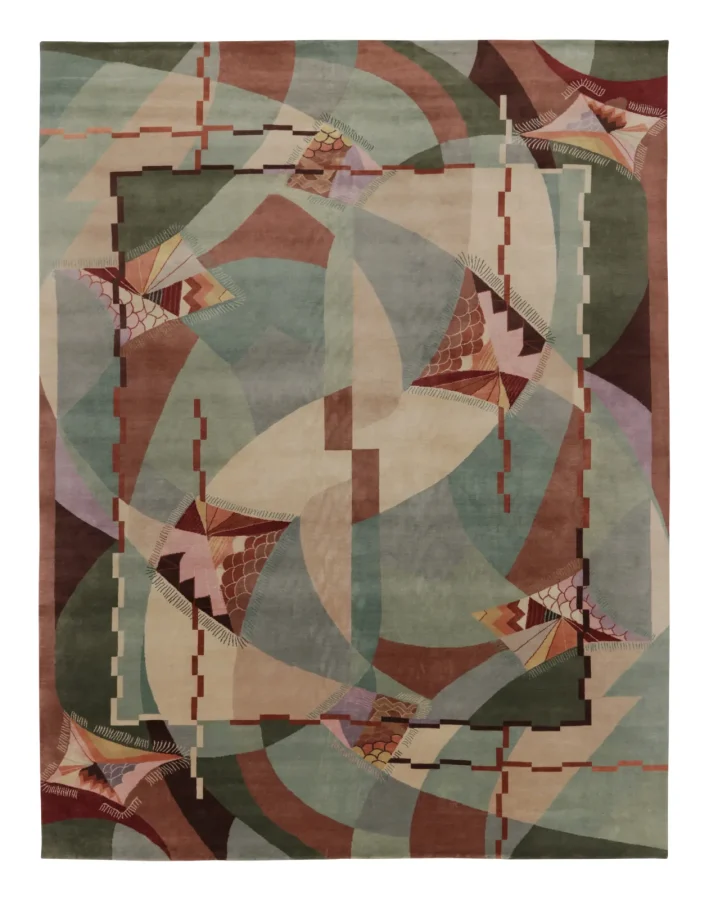
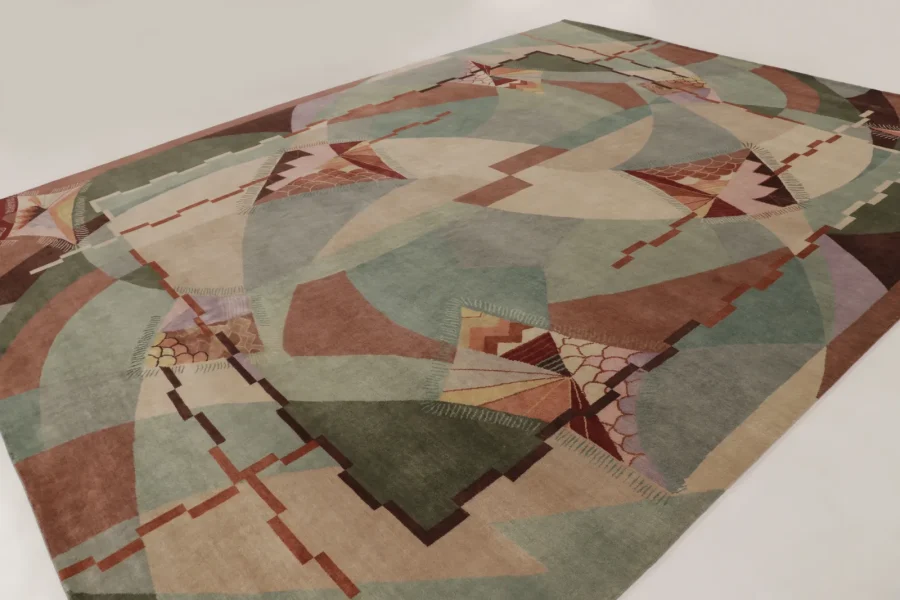 36515Rug & Kilim’s Contemporary Chinese Art Deco Rug in Green Curved Geometry
- Out of Stock
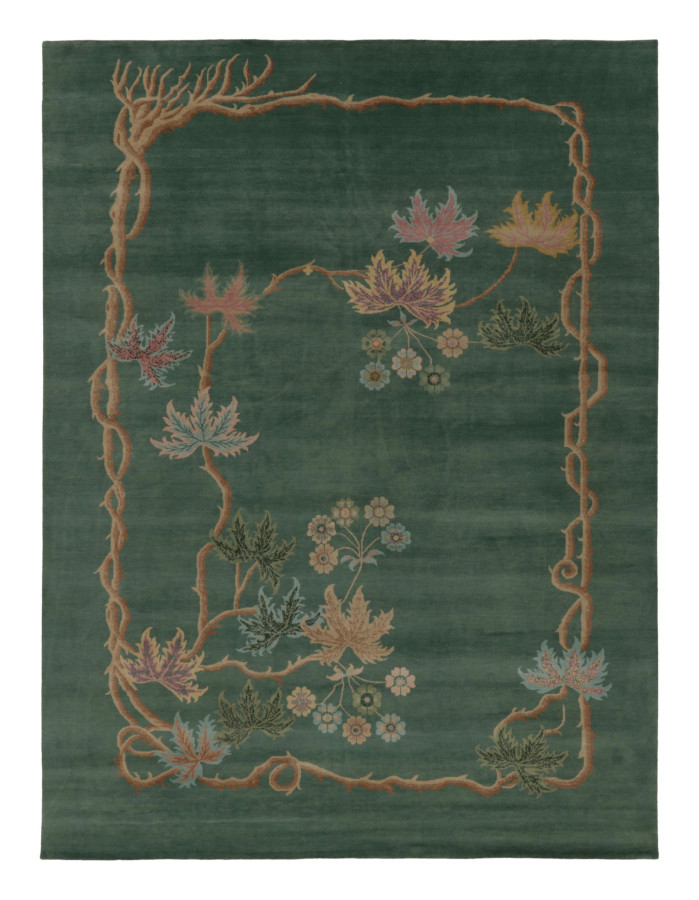
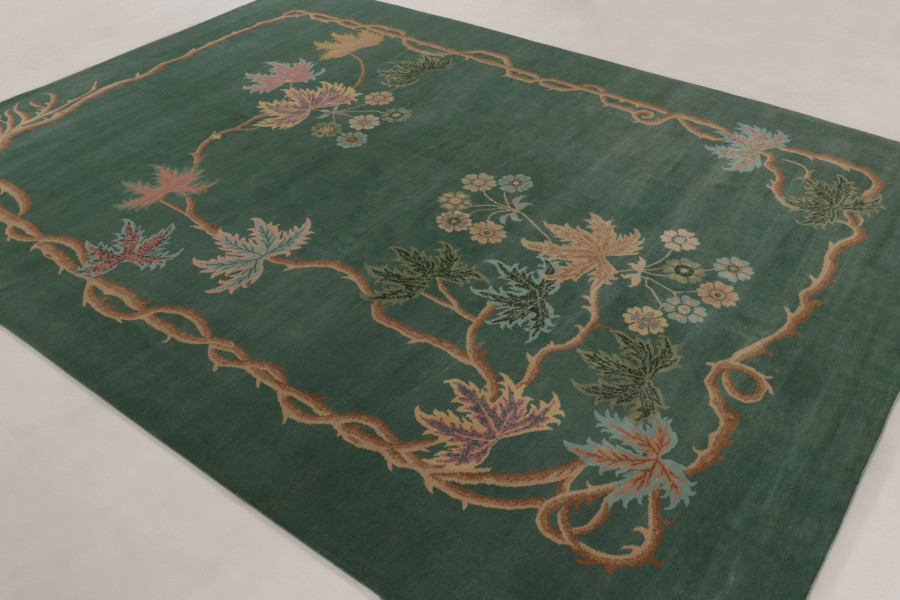 36513Rug & Kilim's Contemporary Chinese Art Deco Custom Rug in Jade & Gold Florals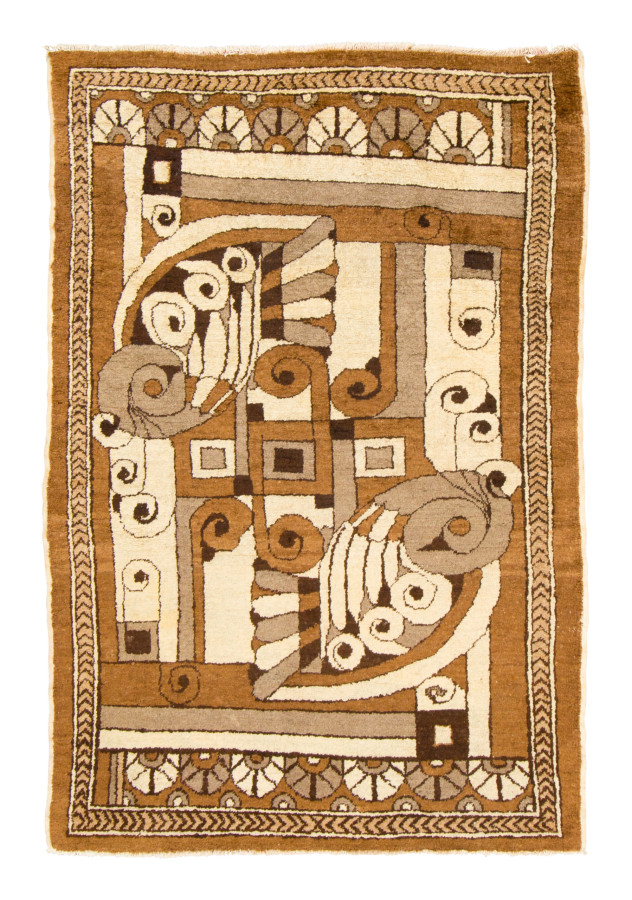
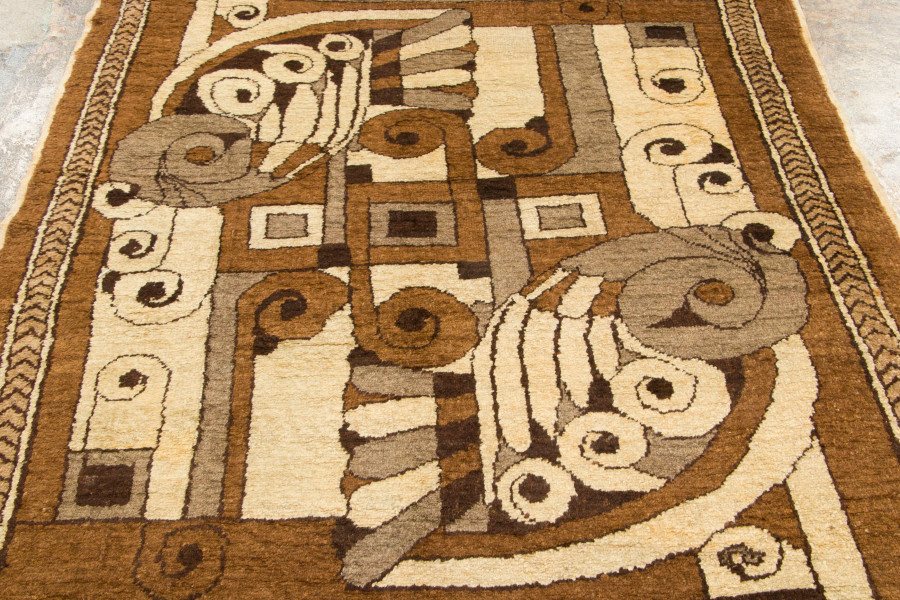 37432Vintage French Rug in Ochre & Espresso with Geometric Design - Rug & Kilim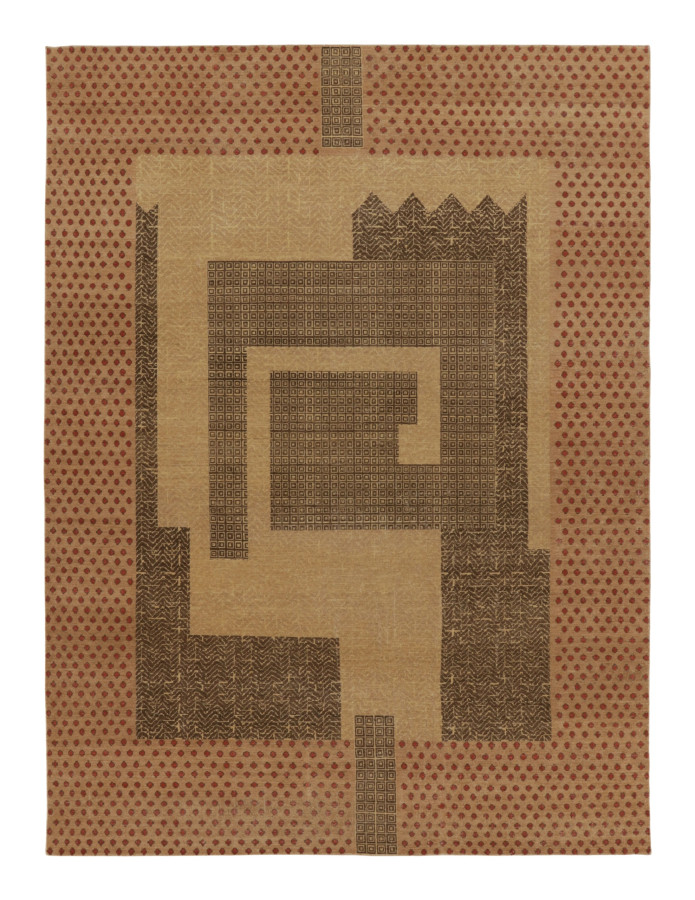
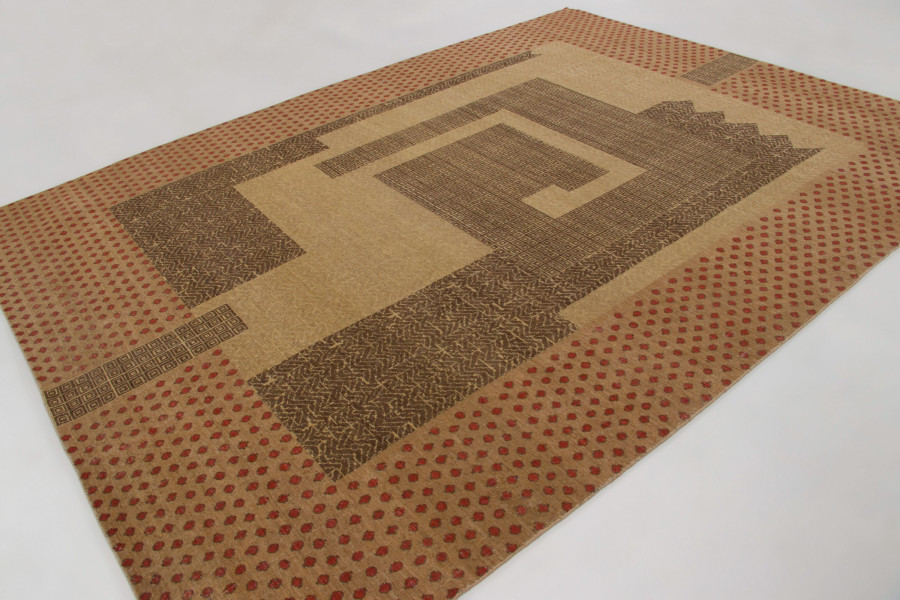 36334Rug & Kilim's Contemporary French Art Deco Rug in Maze Grid Geometric Design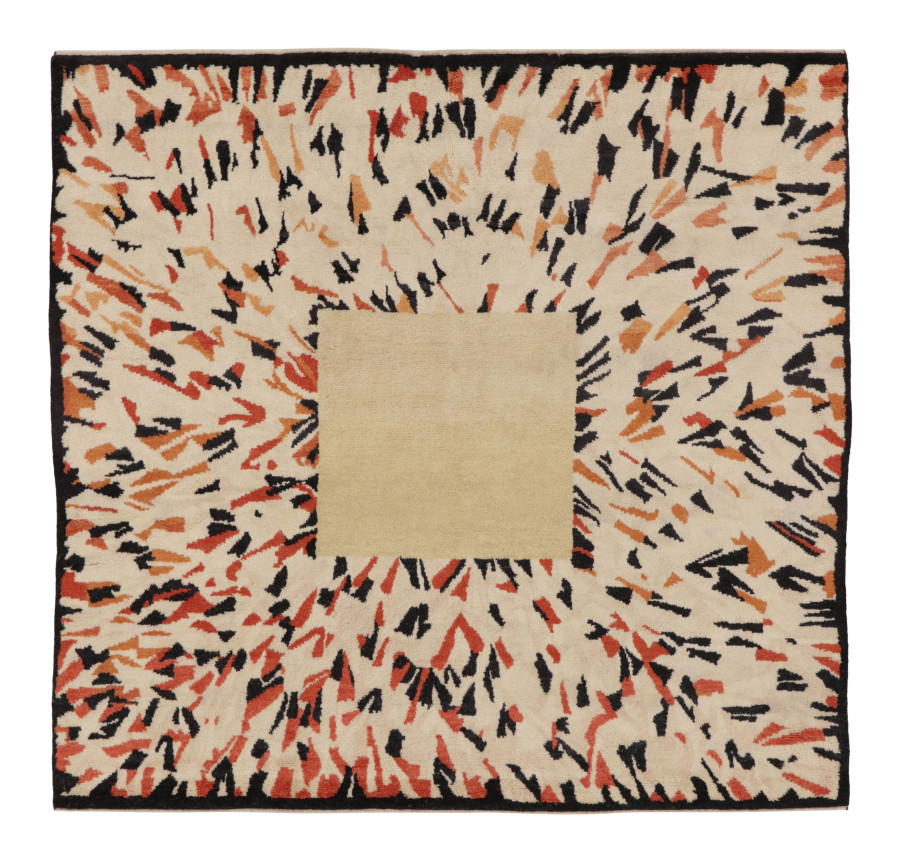
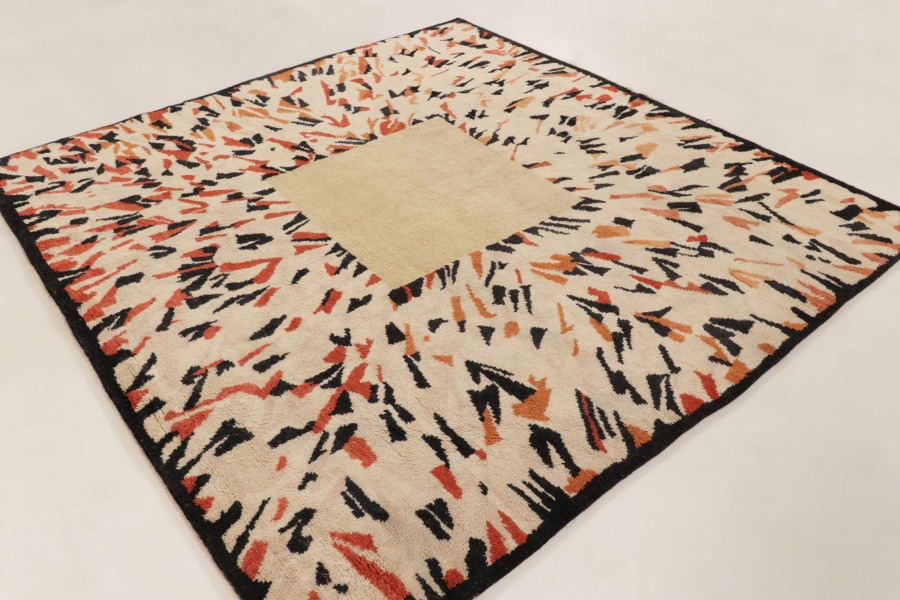 36301Rug & Kilim's French Art Deco Square Rug in Beige Medallion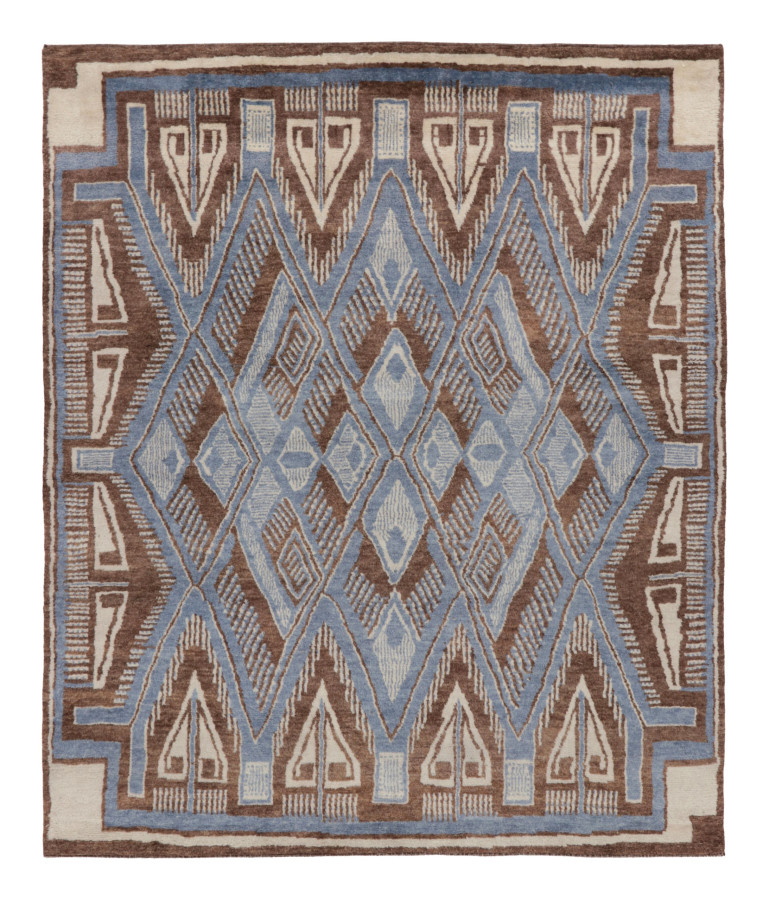
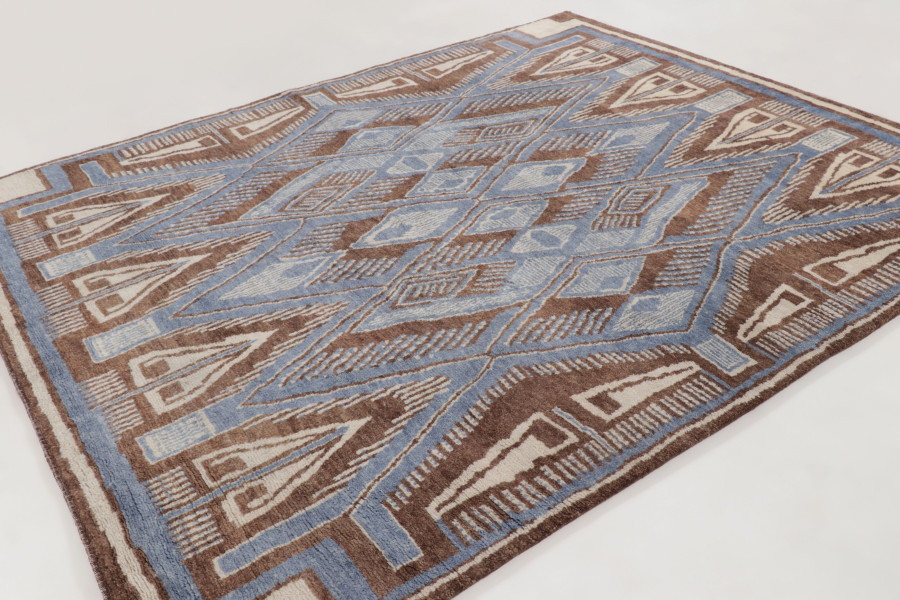 36294Rug & Kilim’s Contemporary Art Deco Rug with Diamond Lattice in Blue & Brown
- Out of Stock
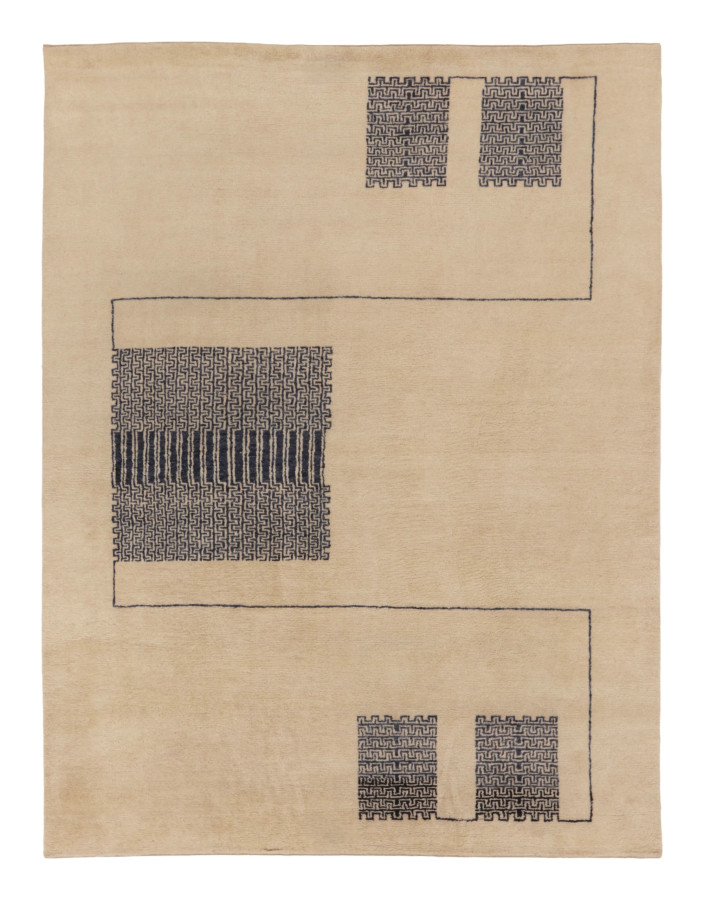
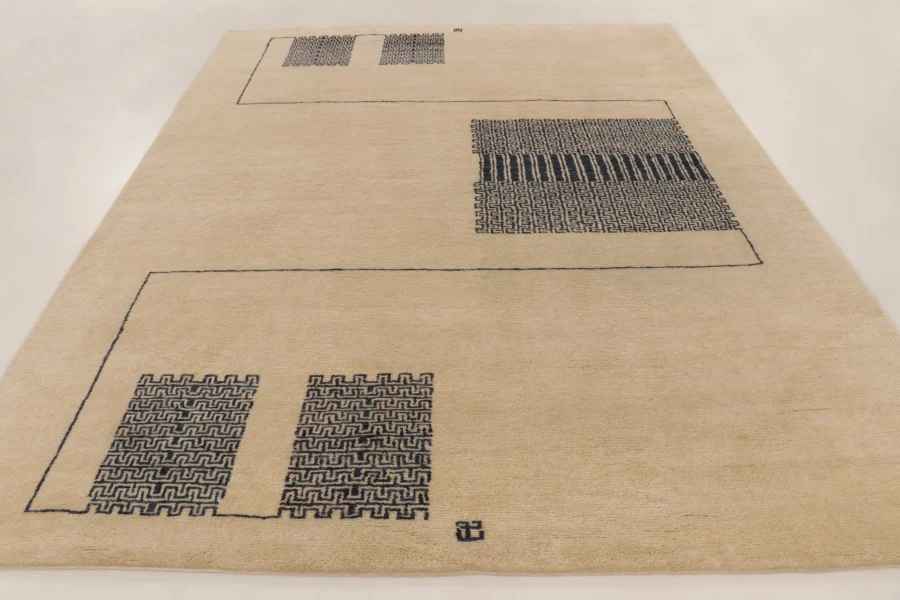 36279Rug & Kilim’s Contemporary French Art Deco Rug in Beige & Charcoal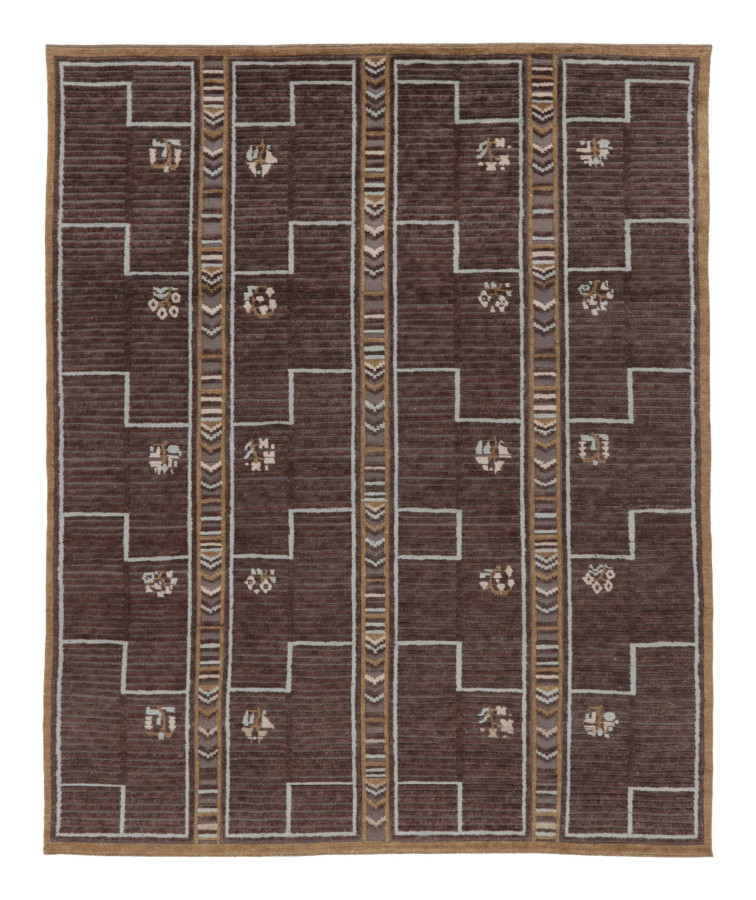
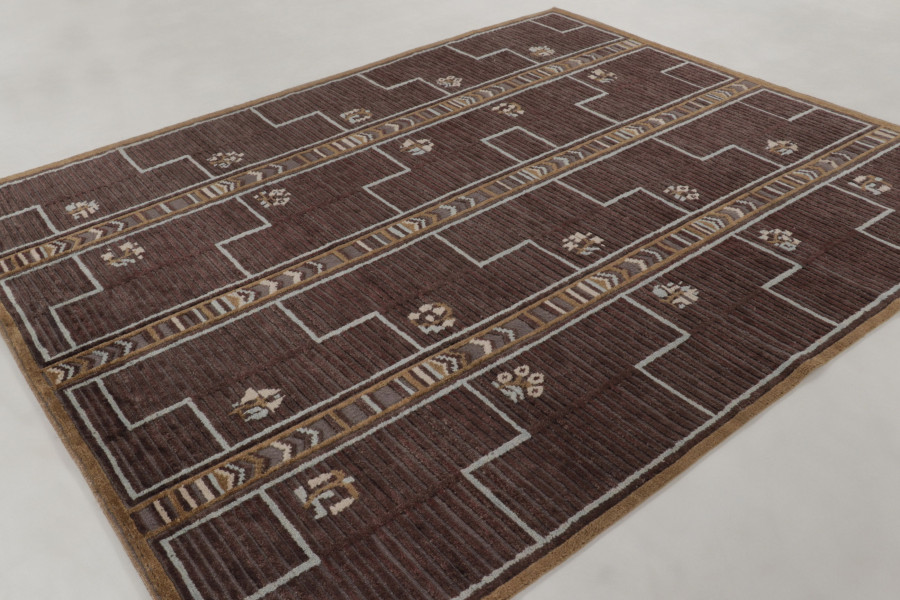 36268Rug & Kilim's Contemporary French Art Deco Rug in Brown with Geometric Design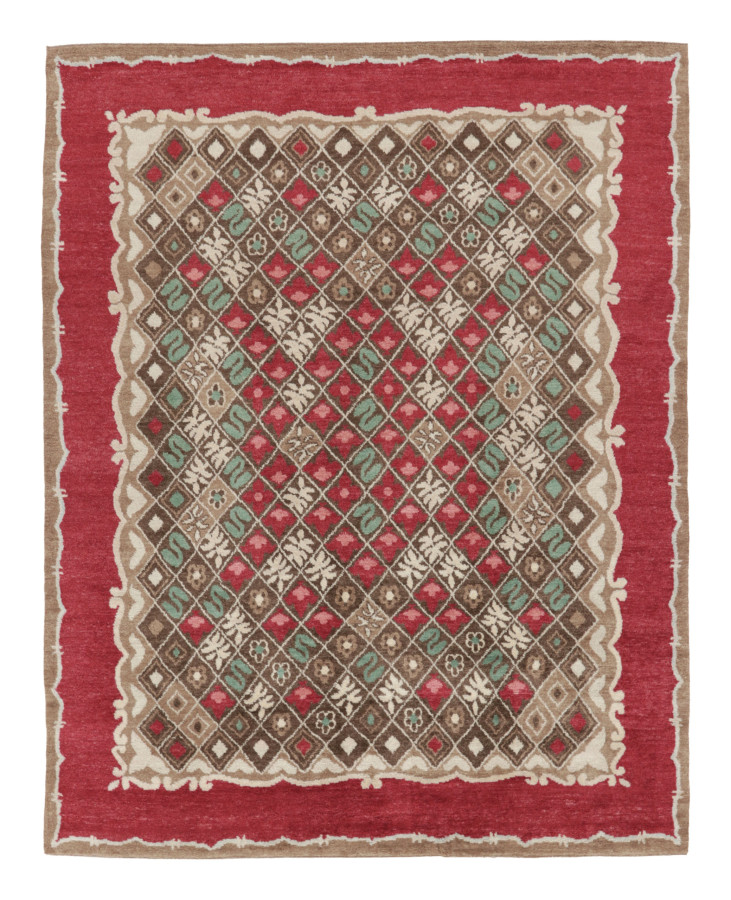
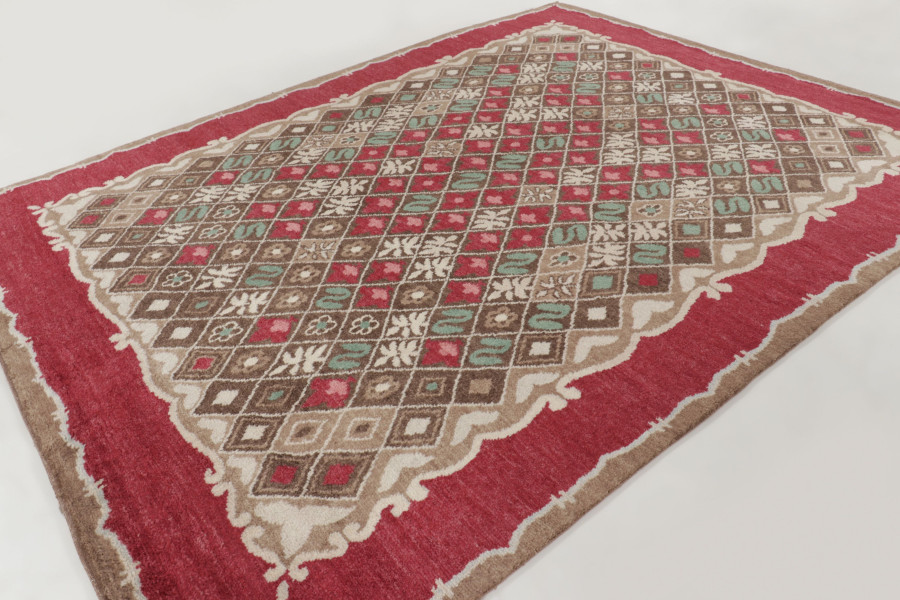 36299Rug & Kilim’s Contemporary Art Deco Rug with Floral Grid in Beige & Crimson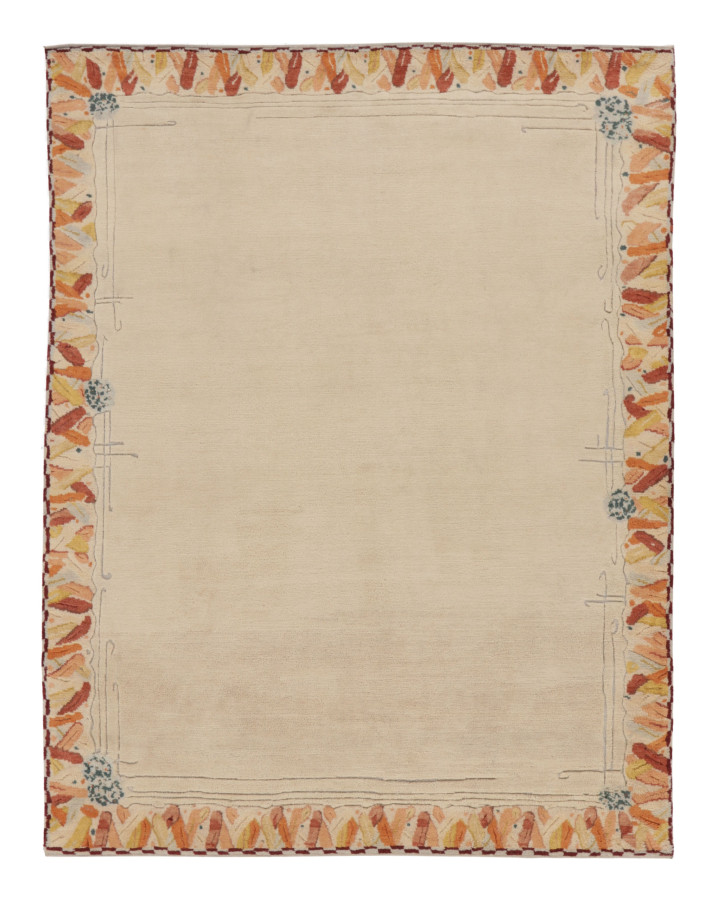
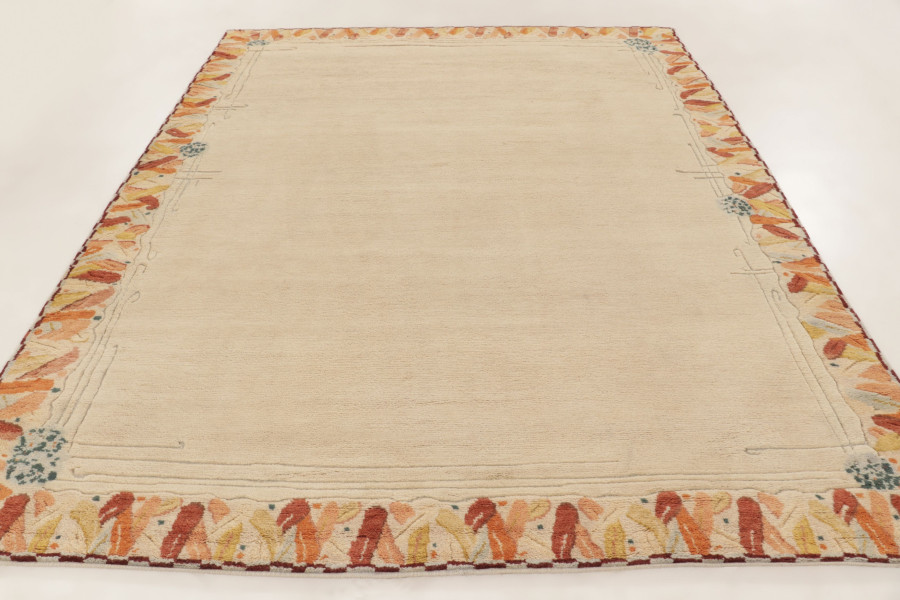 36291Rug & Kilim’s Contemporary Art Deco Rug with Floral Border and Vast Ivory Field
- Out of Stock
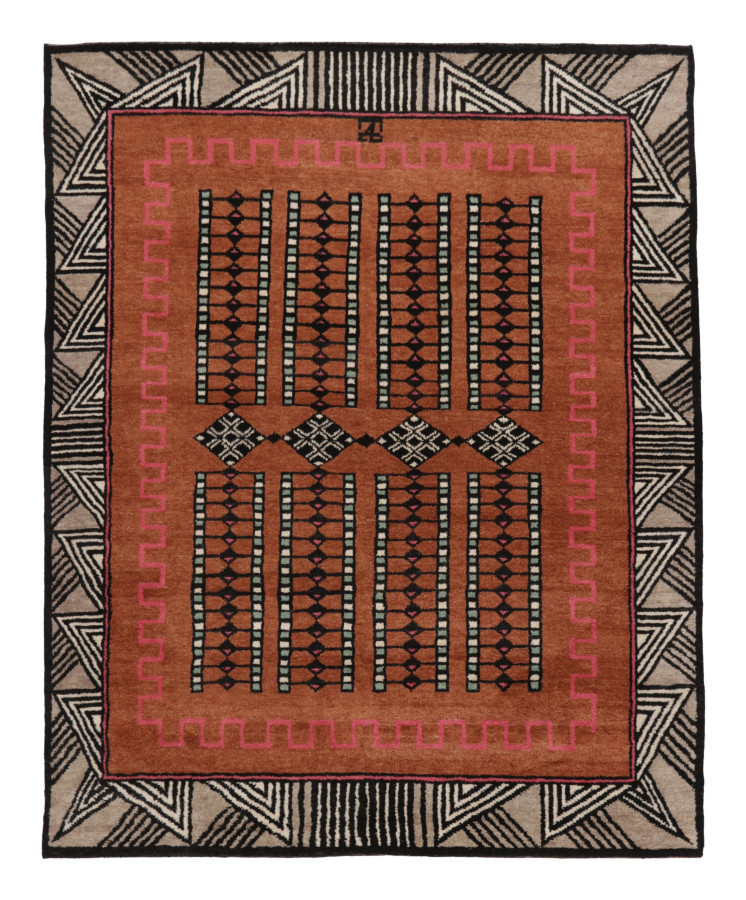
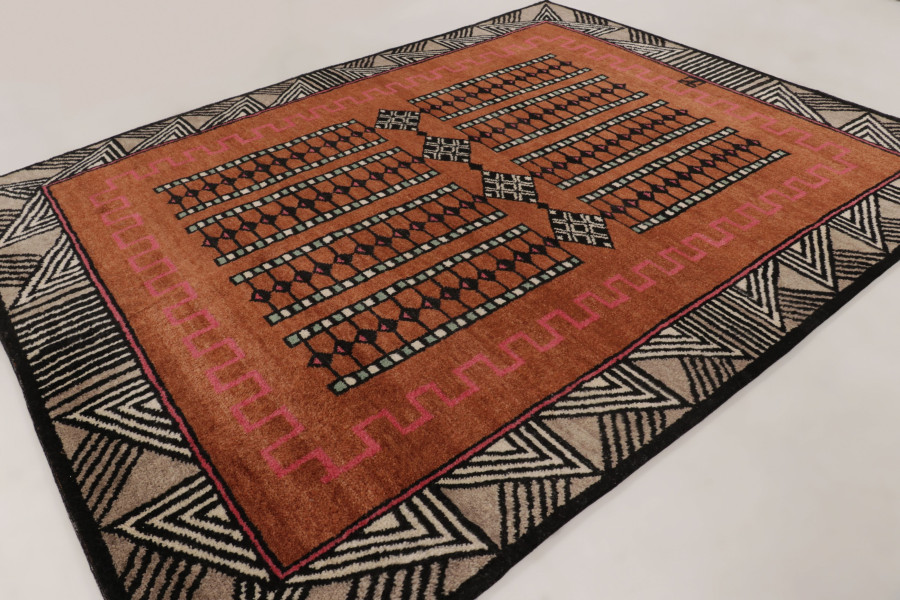 36273Rug & Kilim’s Contemporary Art Deco Rug with Geometric Design in Black & Brown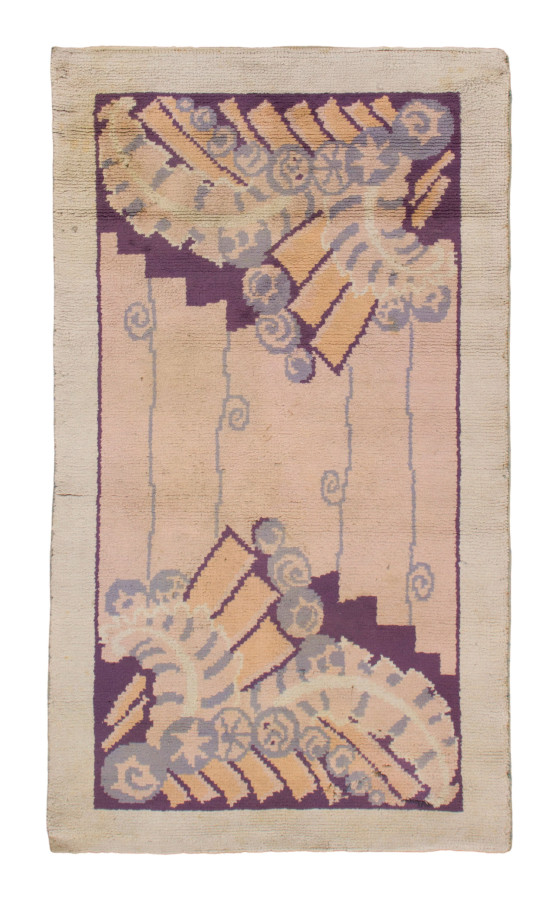
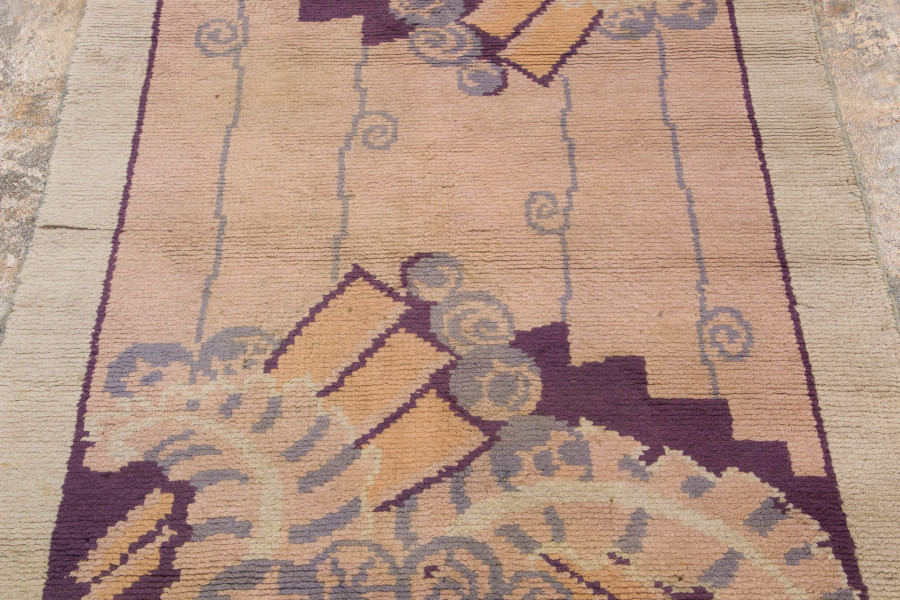 38012Vintage French Art Deco Runner with Stylized Fan Pattern - Rug & Kilim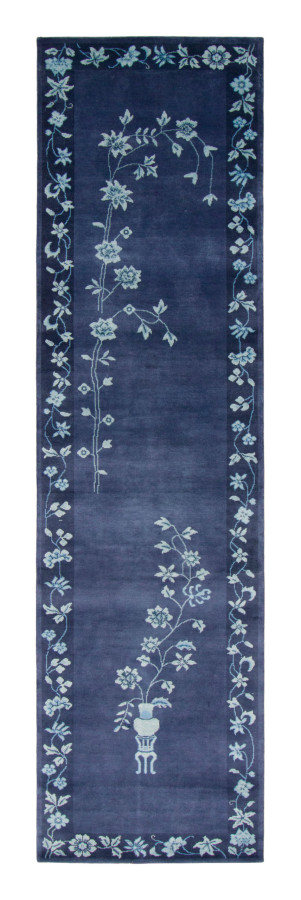
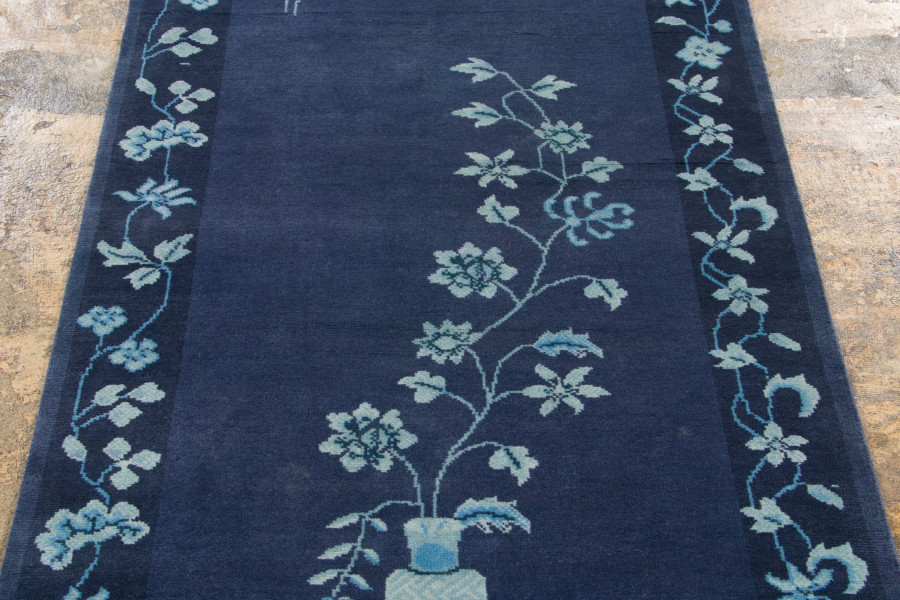 36498Rug & Kilim's Contemporary Chinese Deco Runner in Blue with Florals & Pictorial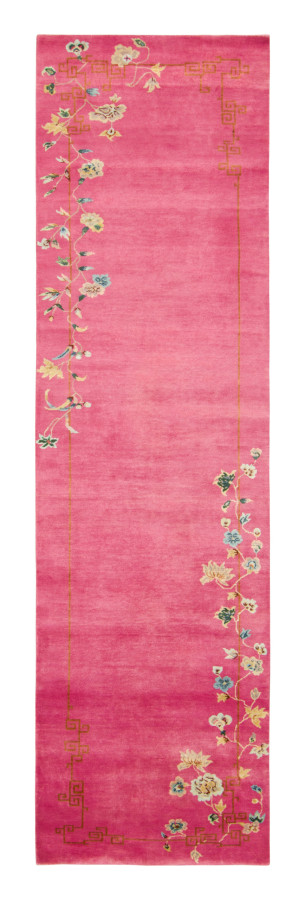
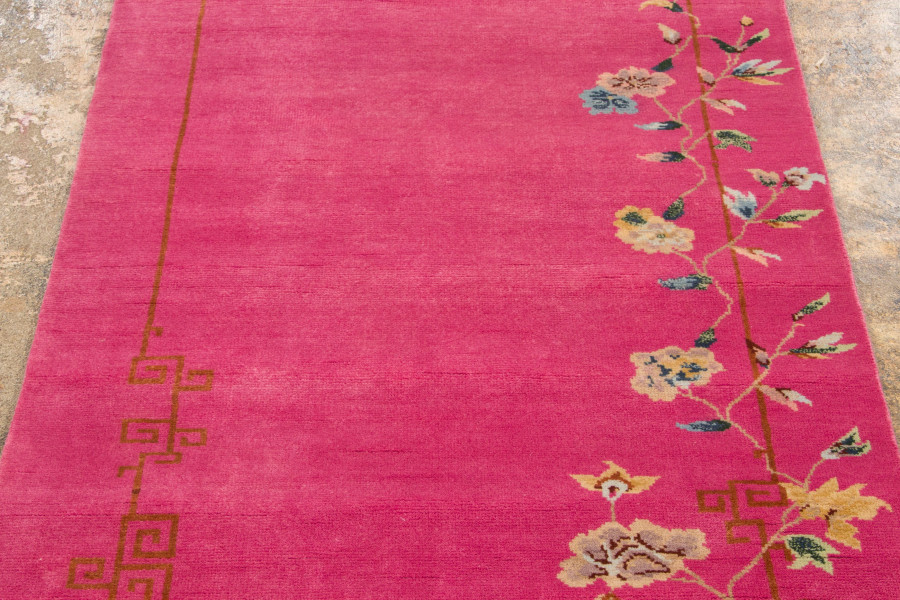 36501Rug & Kilim's Contemporary Chinese Deco Runner in Pink Floral Design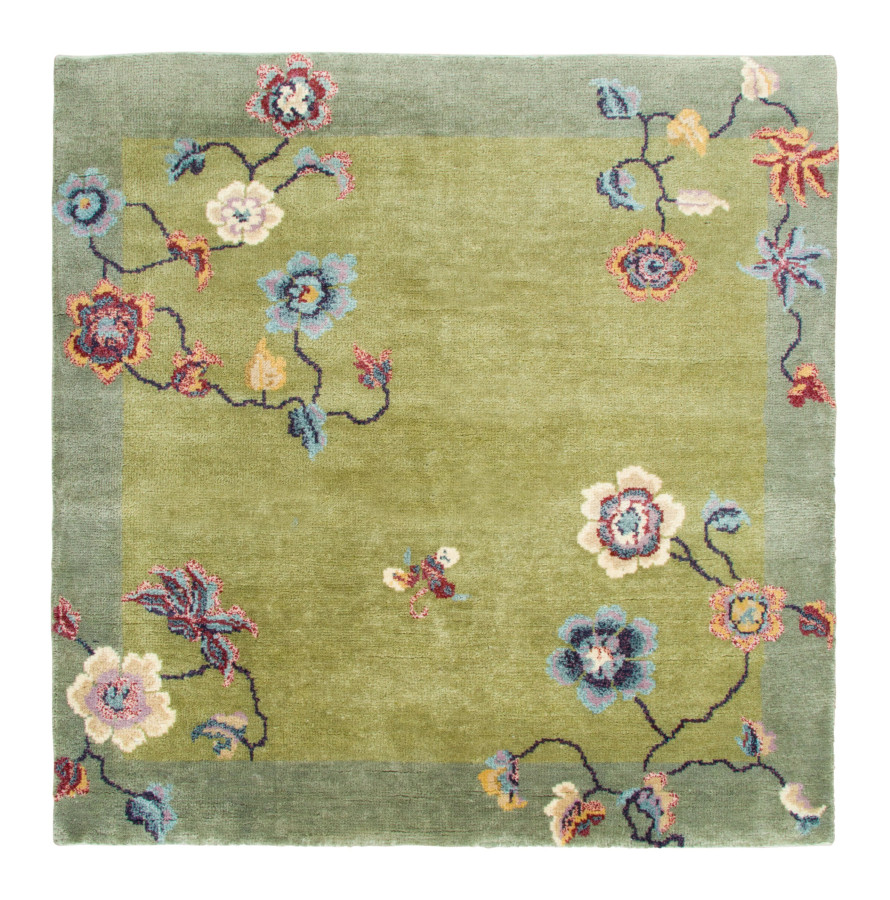
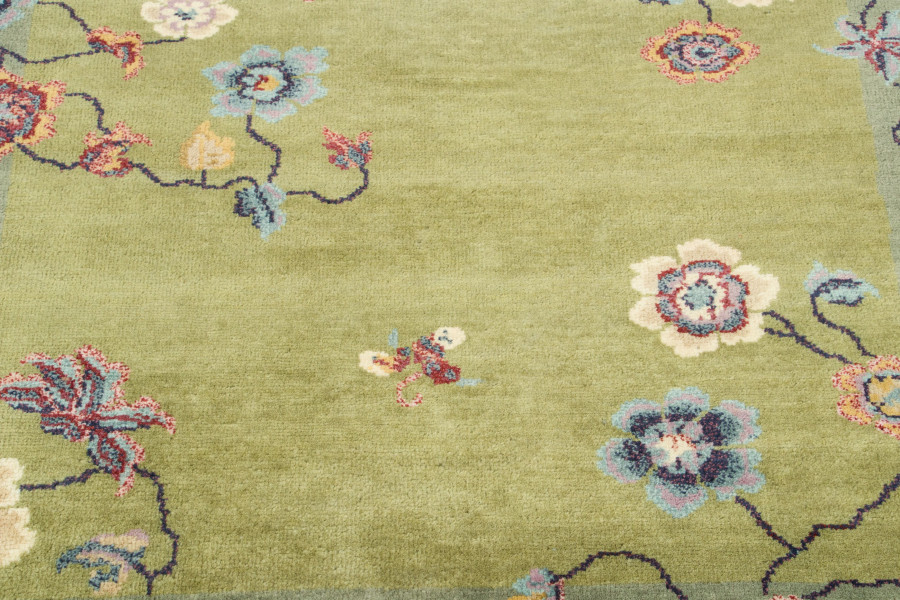 36489Rug & Kilim's Contemporary Chinese Deco Square Rug in Green with Floral Design
- Out of Stock
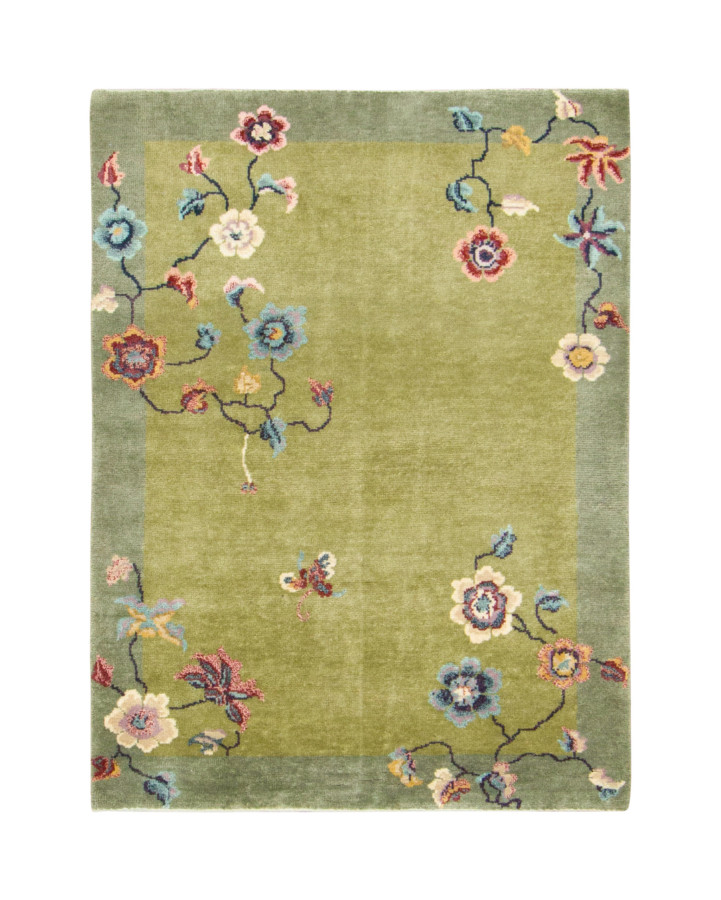
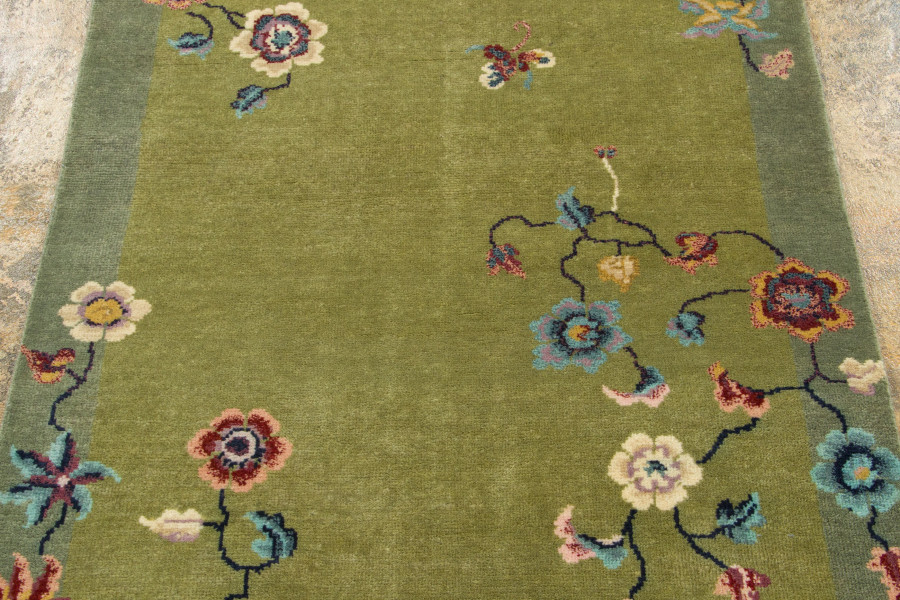 36488Rug & Kilim's Contemporary Chinese Deco Rug in Olive Green Floral Design
 - Out of Stock
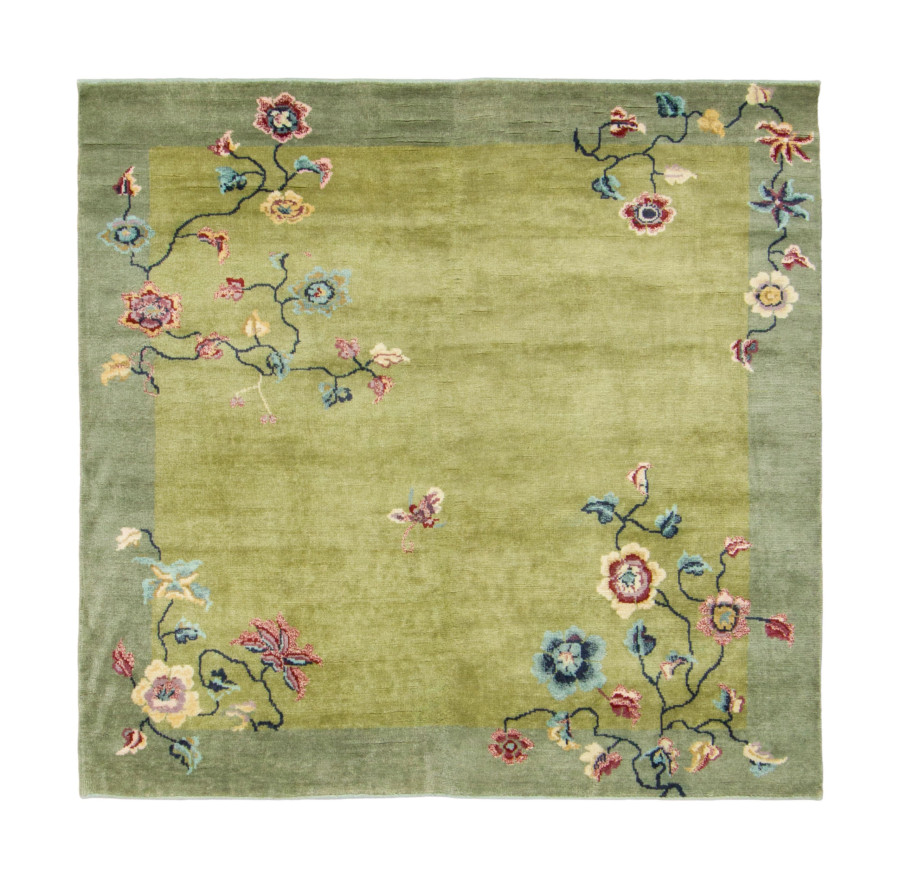
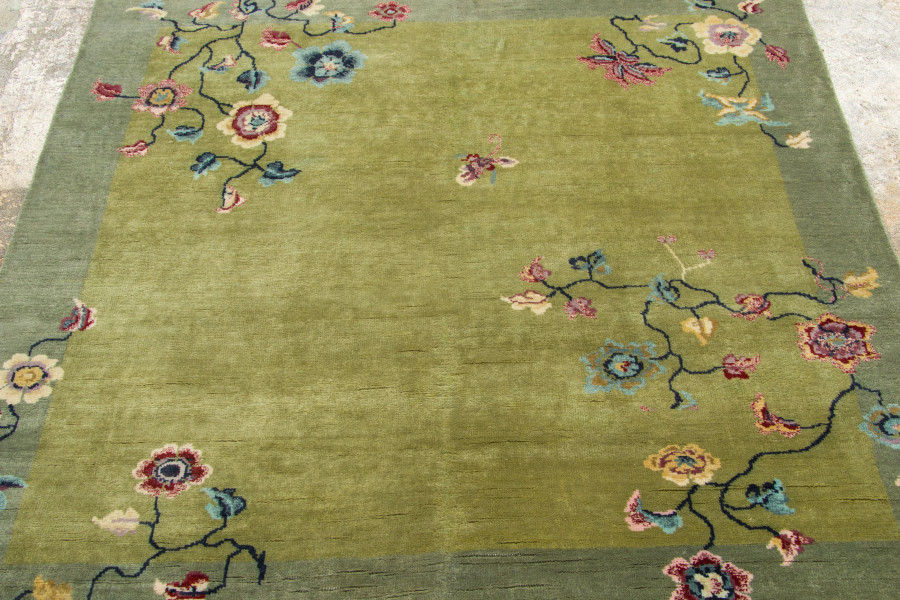 36487Rug & Kilim's Contemporary Chinese Deco Square Rug in Green with Floral Design
 - Out of Stock
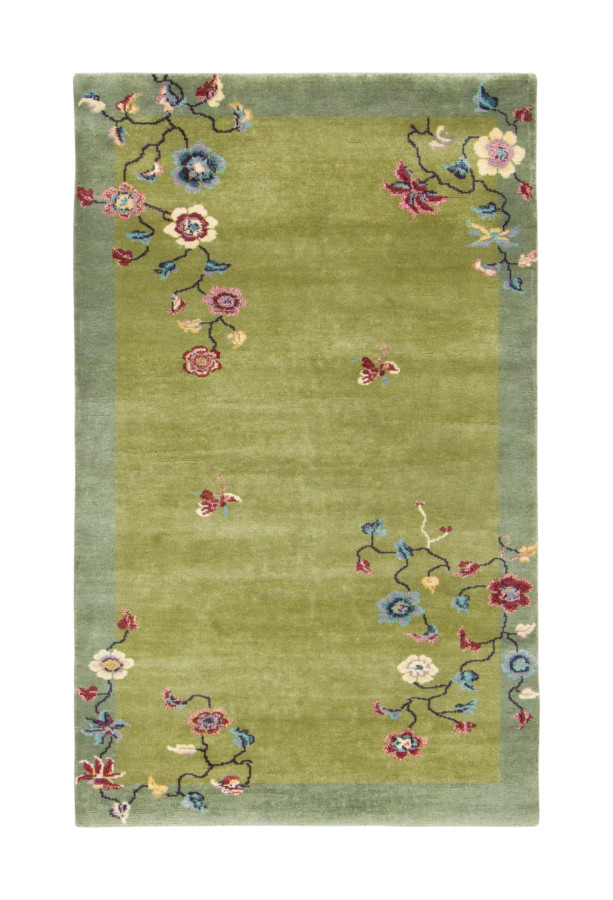
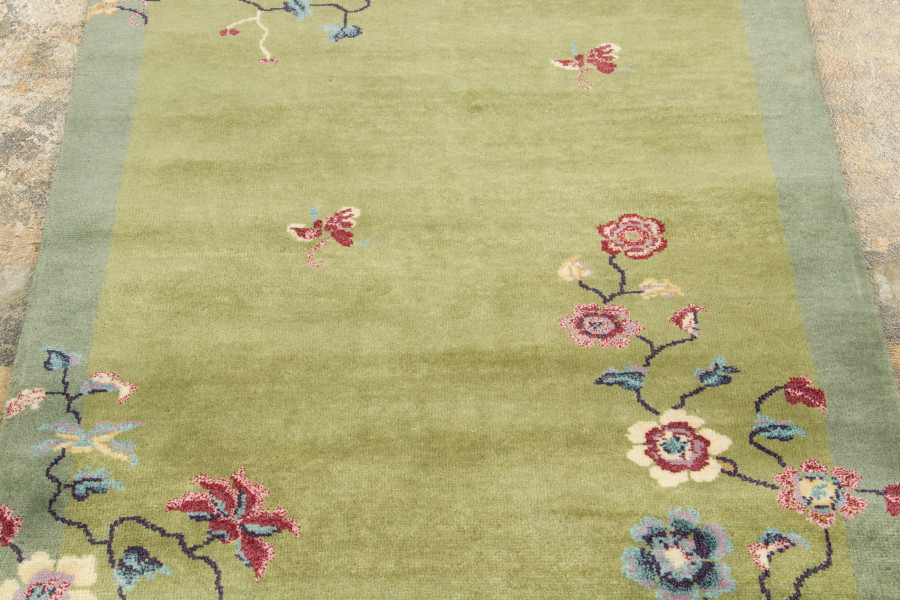 36486Rug & Kilim's Contemporary Chinese Deco Rug in Olive Green Floral Design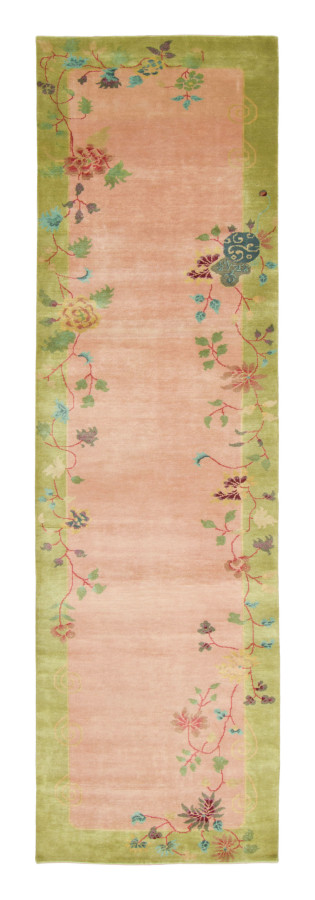
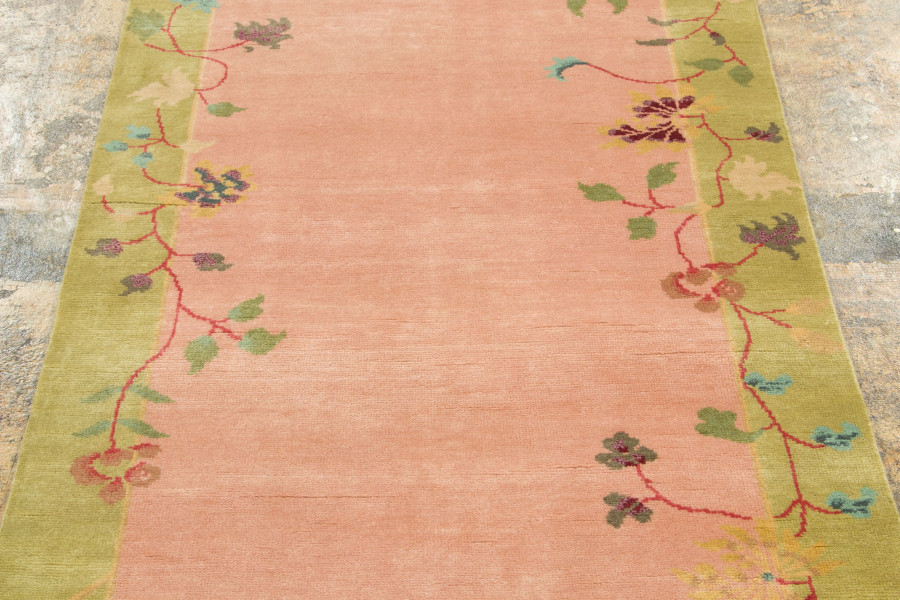 36474Rug & Kilim's Contemporary Chinese Deco Runner in Peach & Celadon Green
- Out of Stock
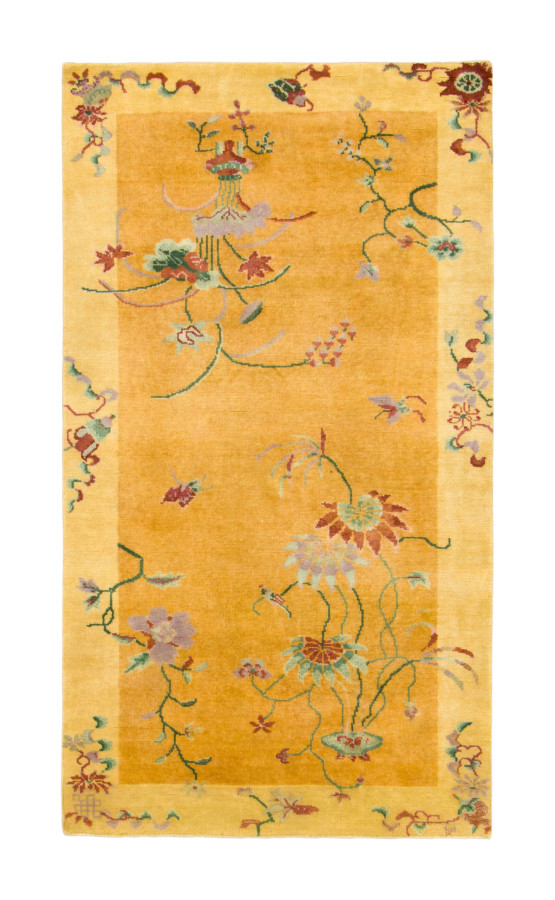
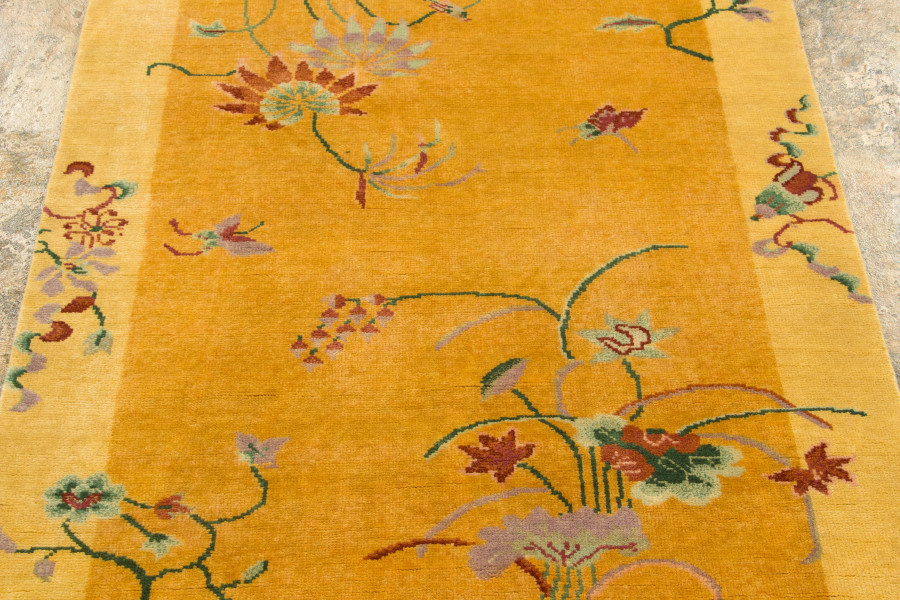 36509Rug & Kilim's Contemporary Chinese Deco Runner in Gold with Floral Design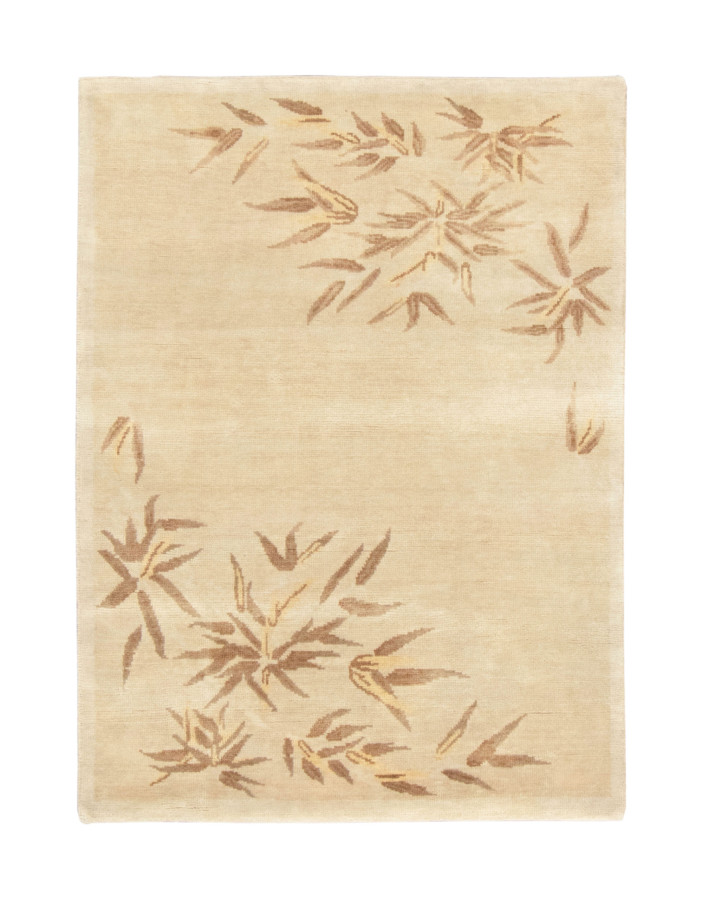
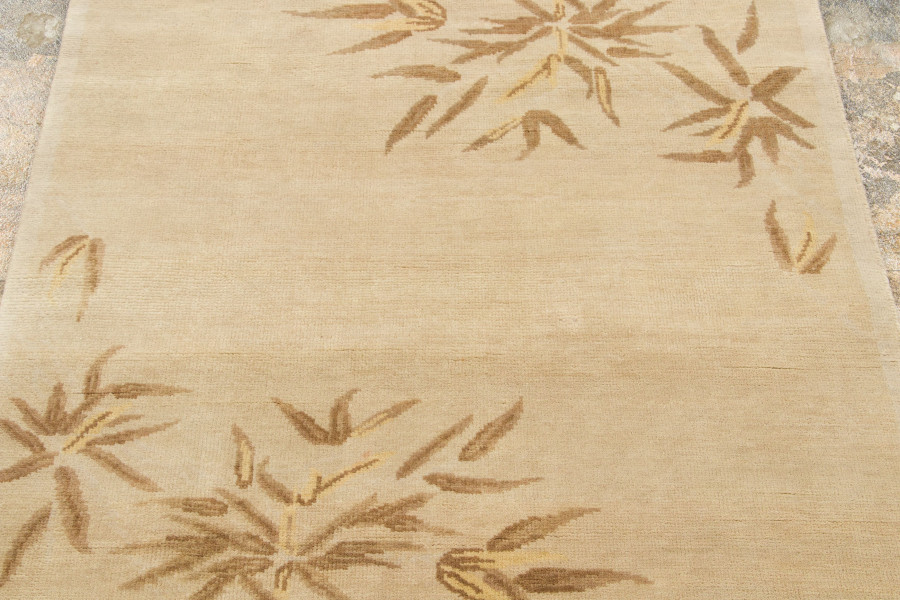 36503Rug & Kilim's Contemporary Chinese Deco Floral Rug in Beige with Floral Design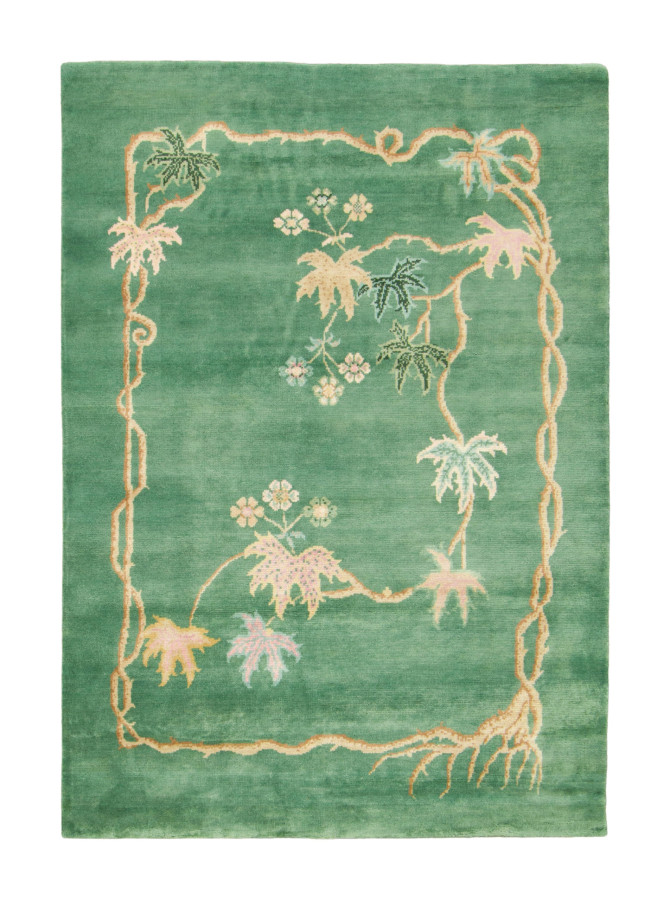
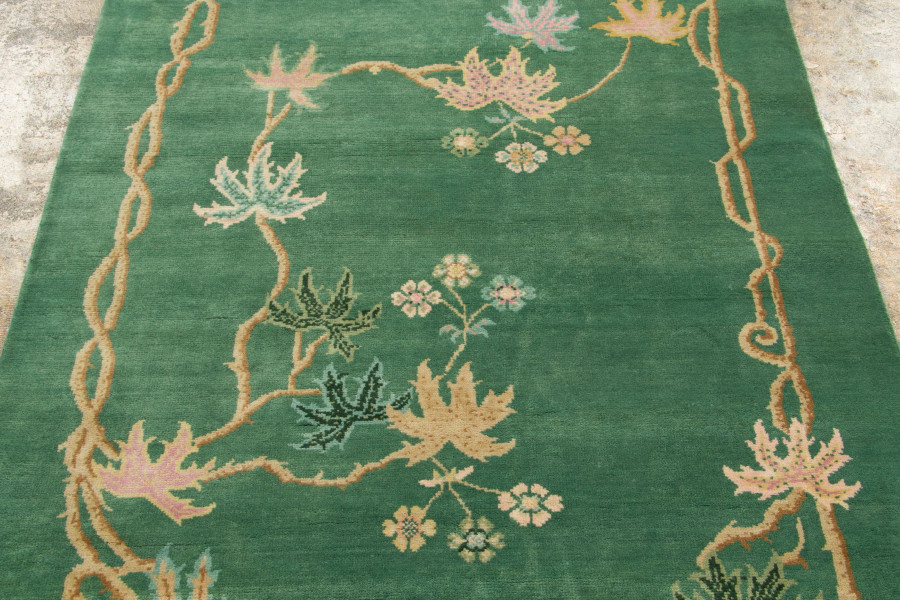 36480Rug & Kilim's Contemporary Chinese Deco Square Rug in Jade & Gold Floral Design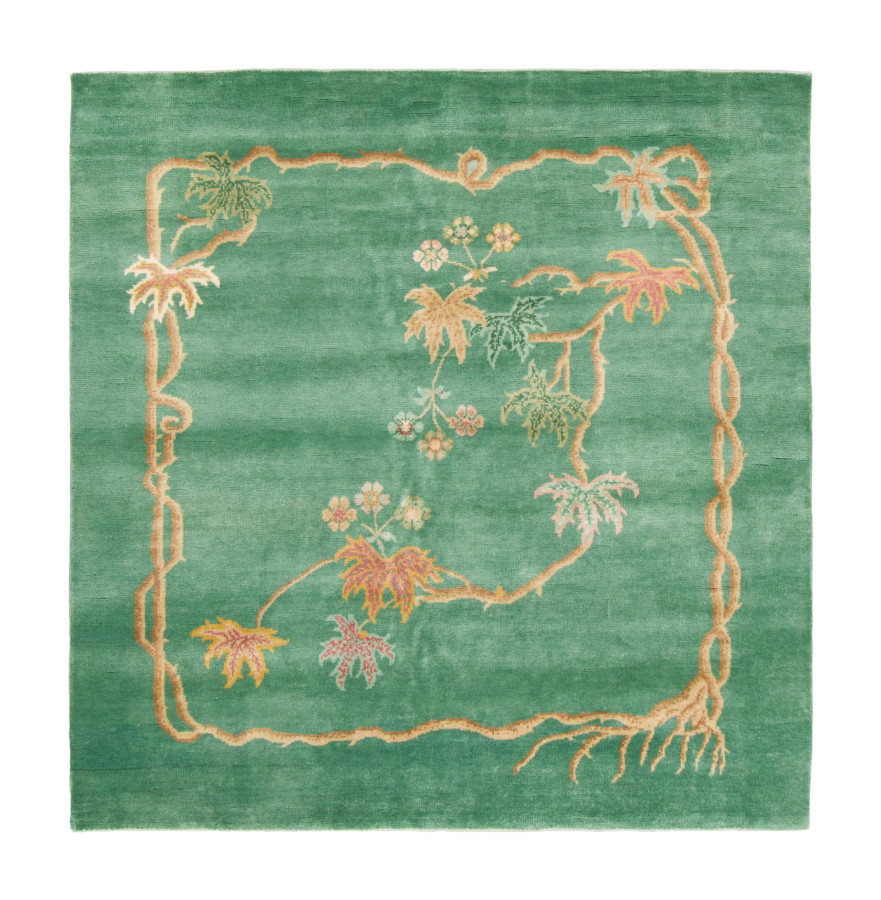
 36479Rug & Kilim's Contemporary Chinese Deco Square Rug in Jade & Gold Floral Design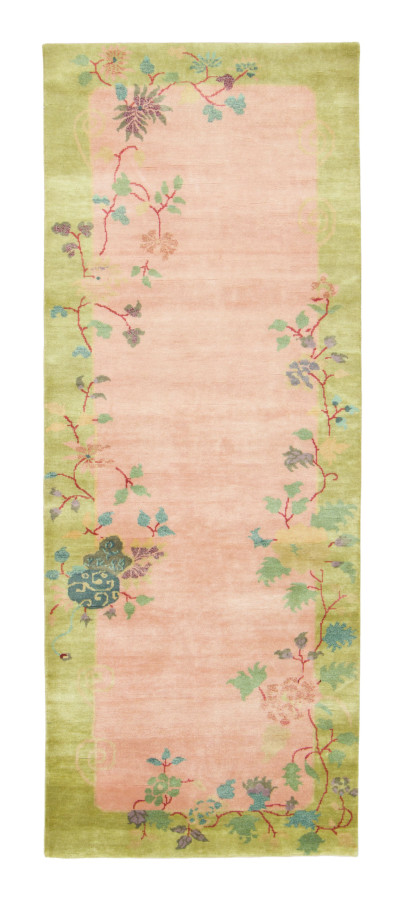
 36473Rug & Kilim's Contemporary Chinese Deco Runner in Peach & Celadon Green
- Out of Stock
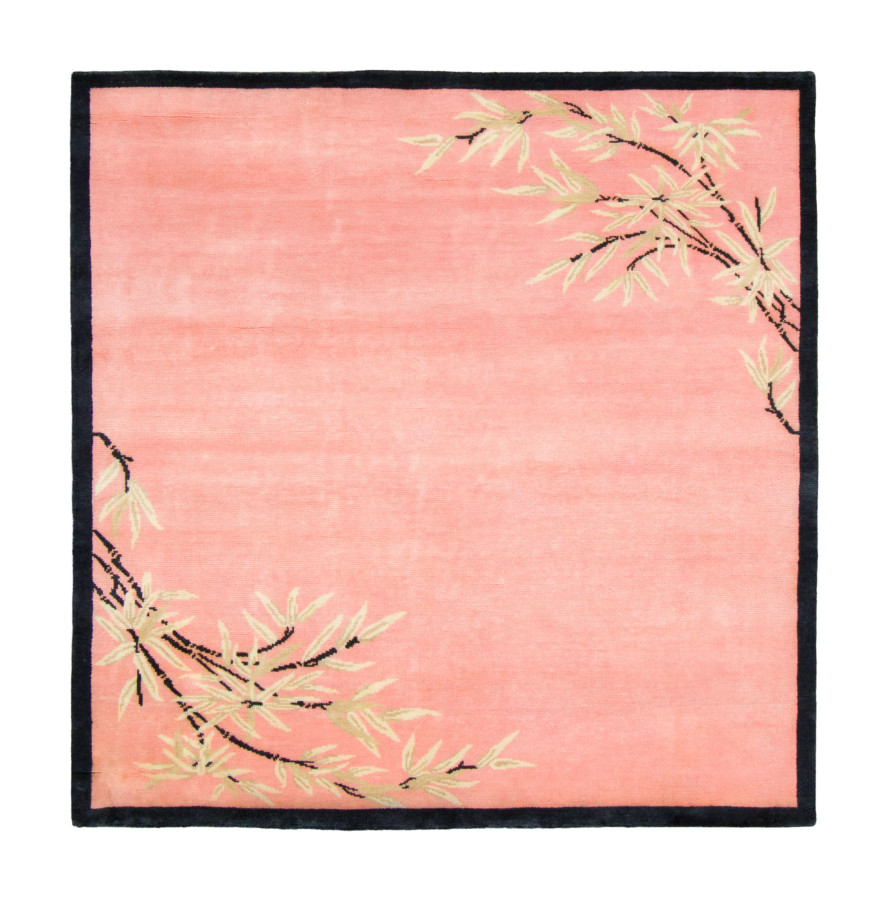
 36470Rug & Kilim's Contemporary Chinese Deco Square Rug in Pink & Beige Florals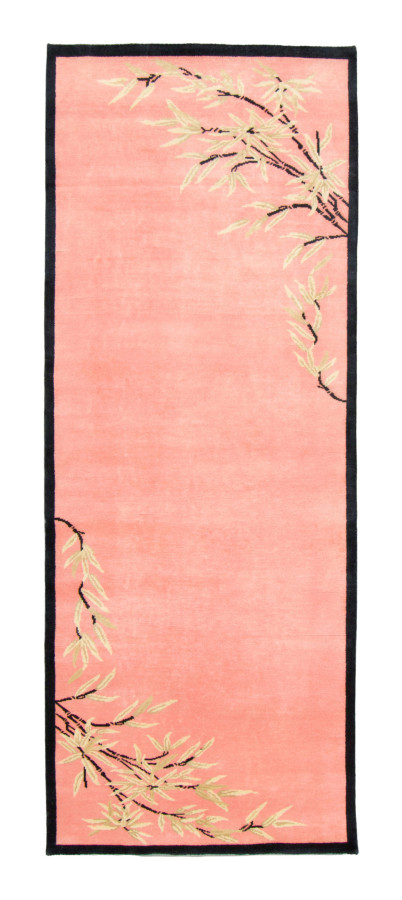
 36469Rug & Kilim's Contemporary Chinese Deco Runner in Pink & Beige Florals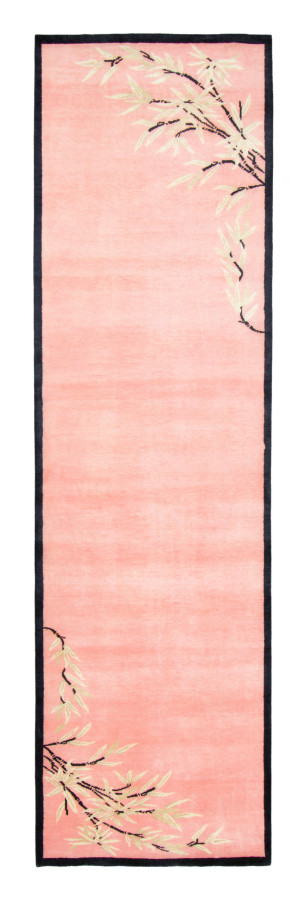
 36468Rug & Kilim's Contemporary Chinese Deco Runner in Pink & Beige Florals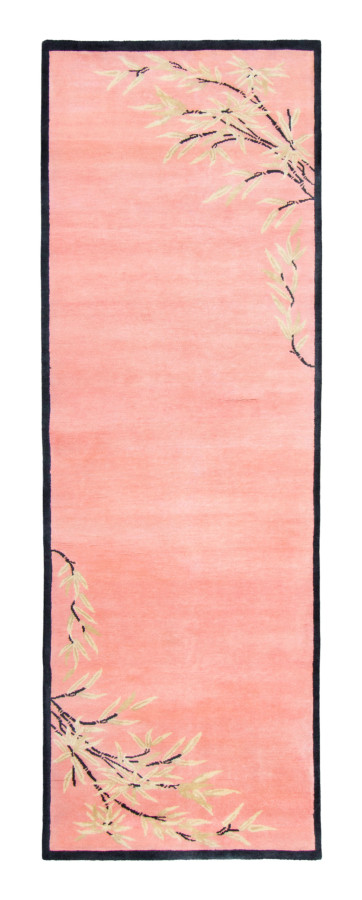
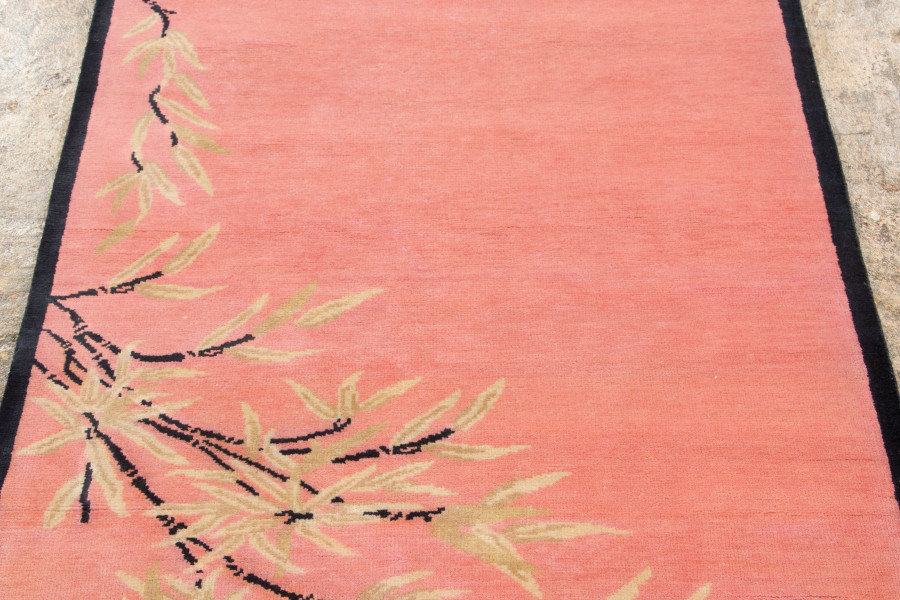 36467Rug & Kilim's Contemporary Chinese Deco Runner in Pink & Beige Florals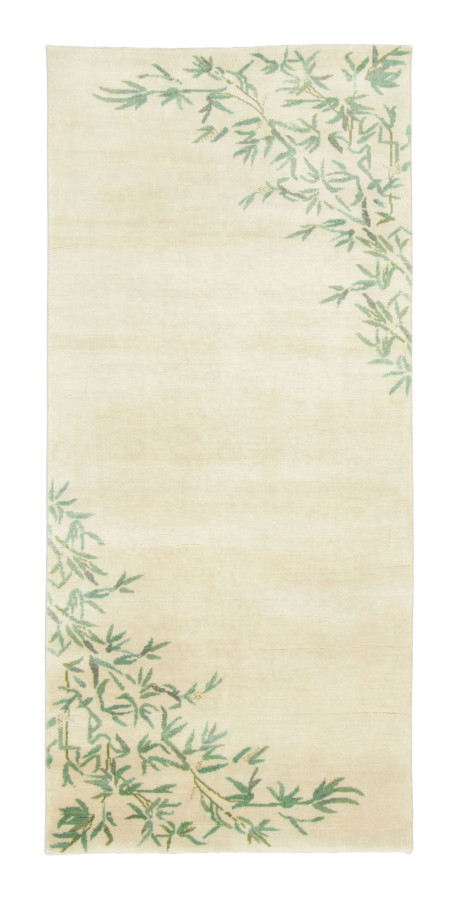
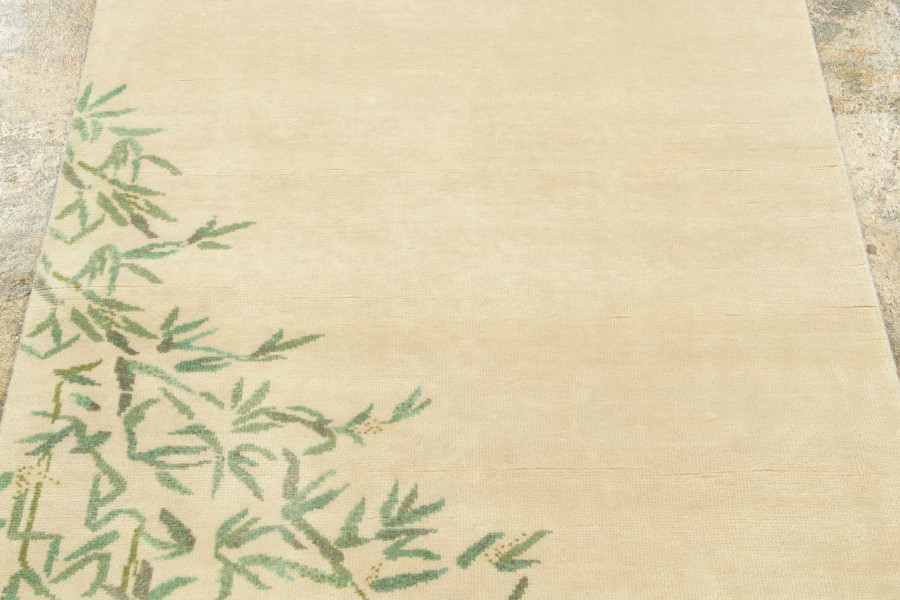 36505Rug & Kilim's Contemporary Chinese Deco Runner in Green Bamboo Design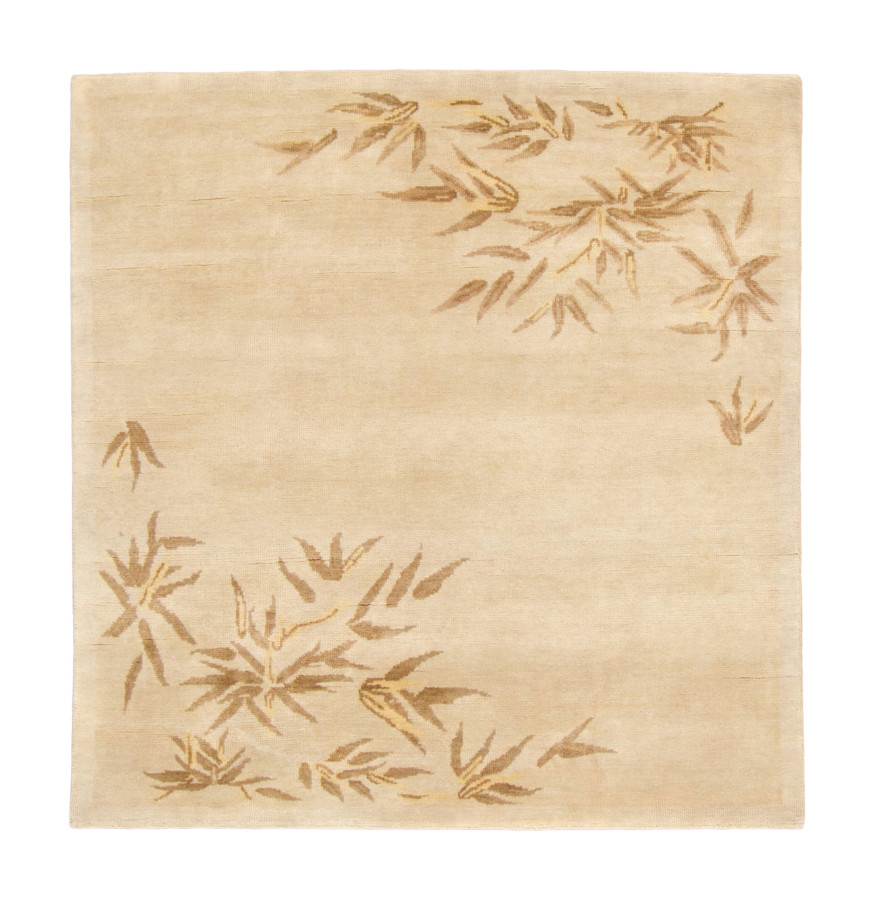
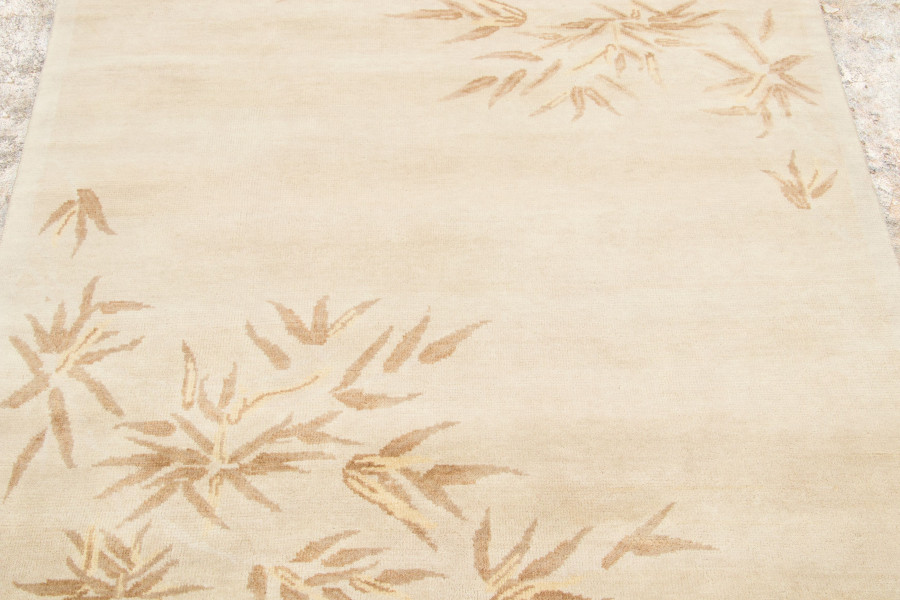 36504Rug & Kilim's Contemporary Chinese Deco Square Rug in Gold & Brown Floral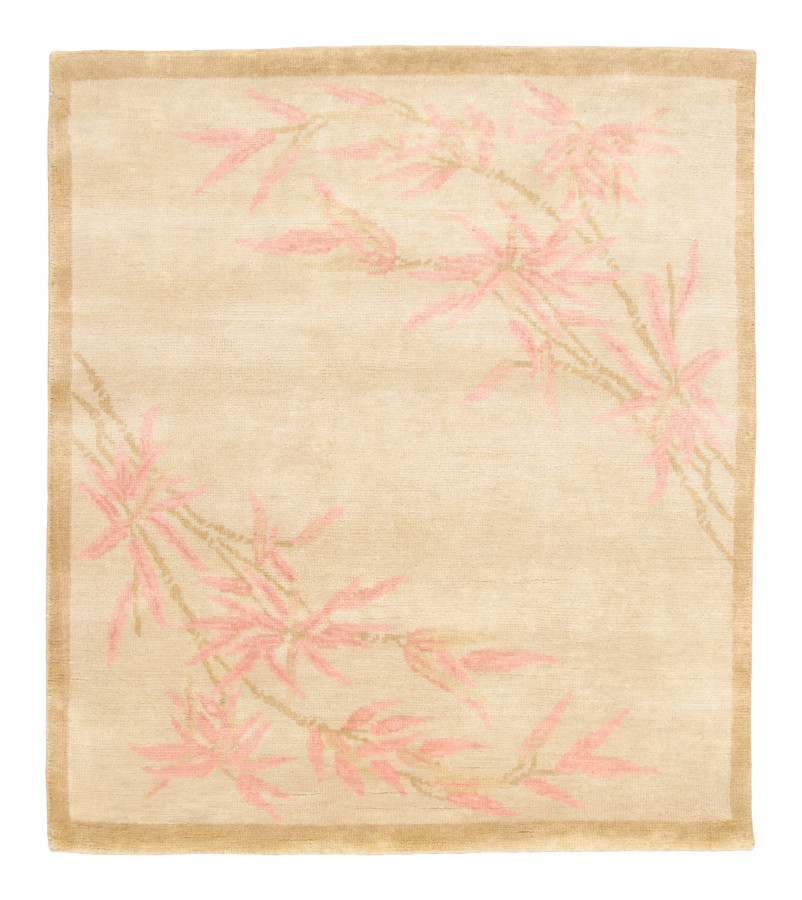
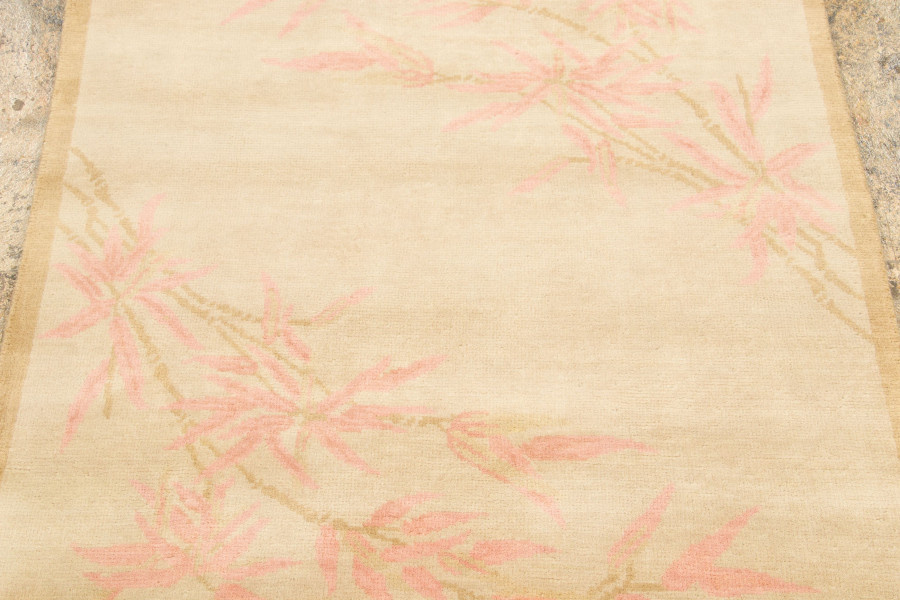 36494Rug & Kilim's Contemporary Chinese Deco Square Rug in Beige & Pink Floral Design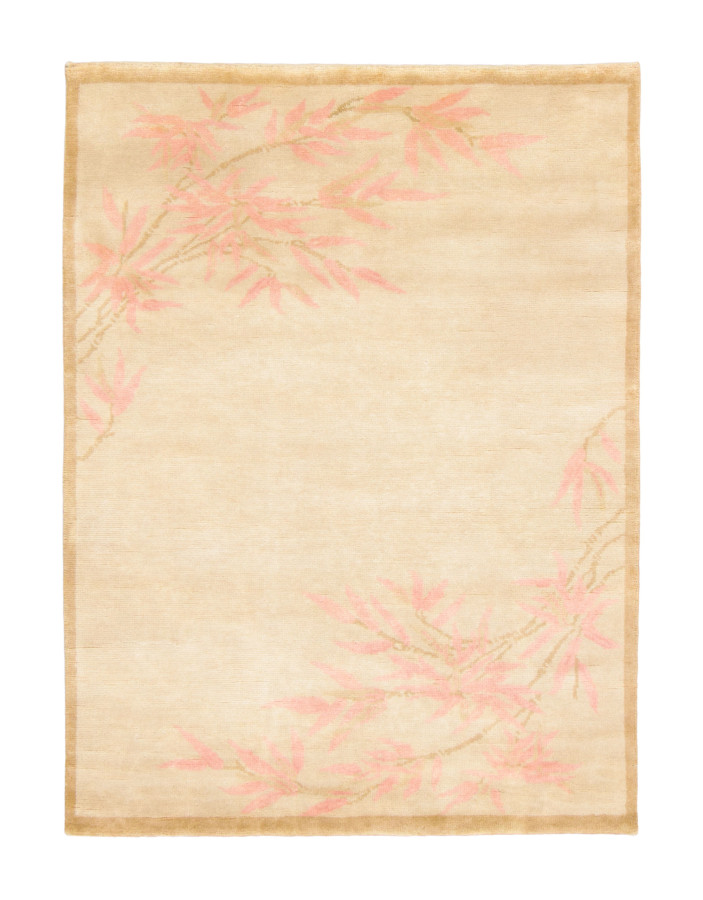
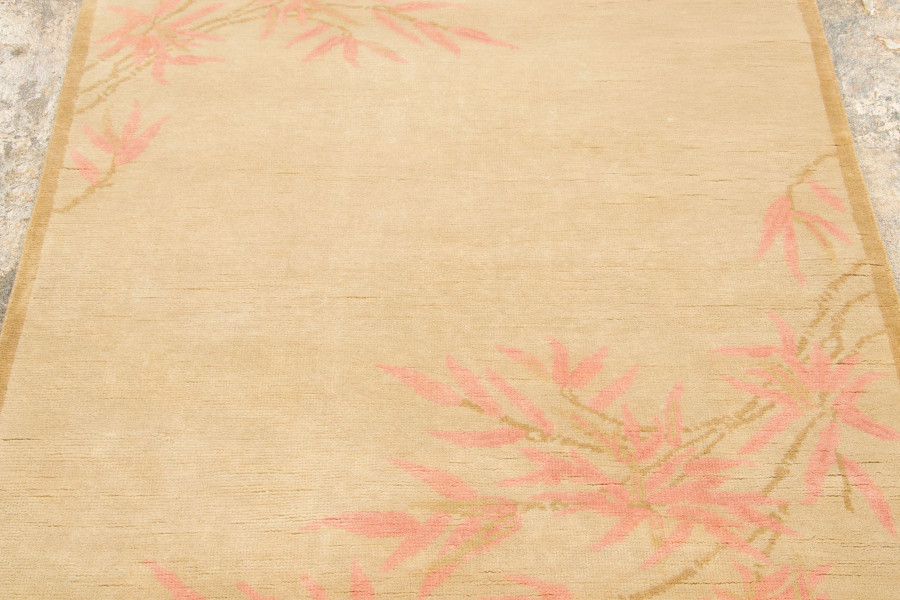 36493Rug & Kilim's Contemporary Chinese Deco Rug in Gold, Pink & Sand Beige
- Out of Stock
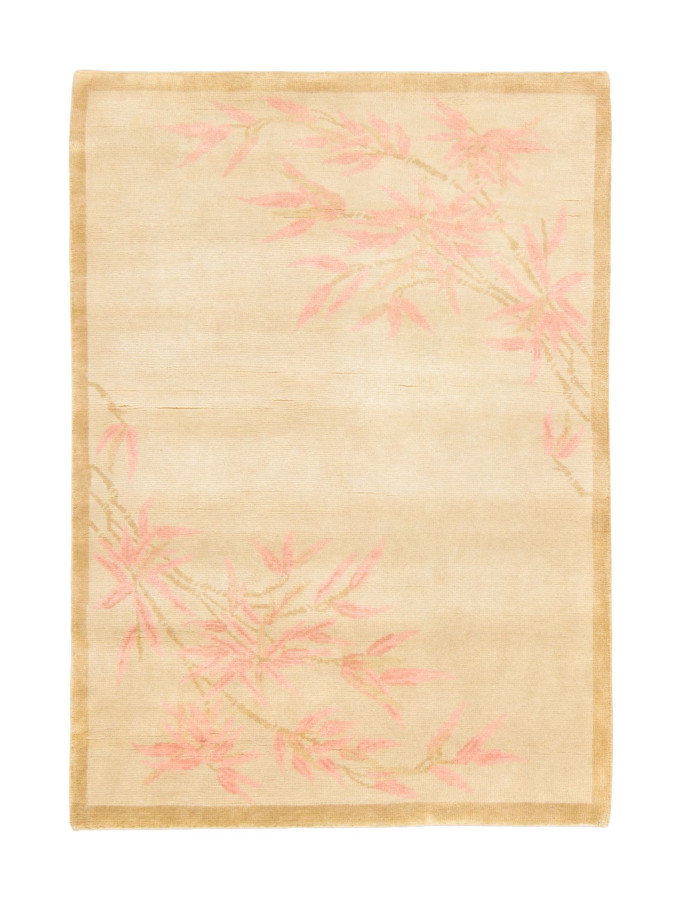
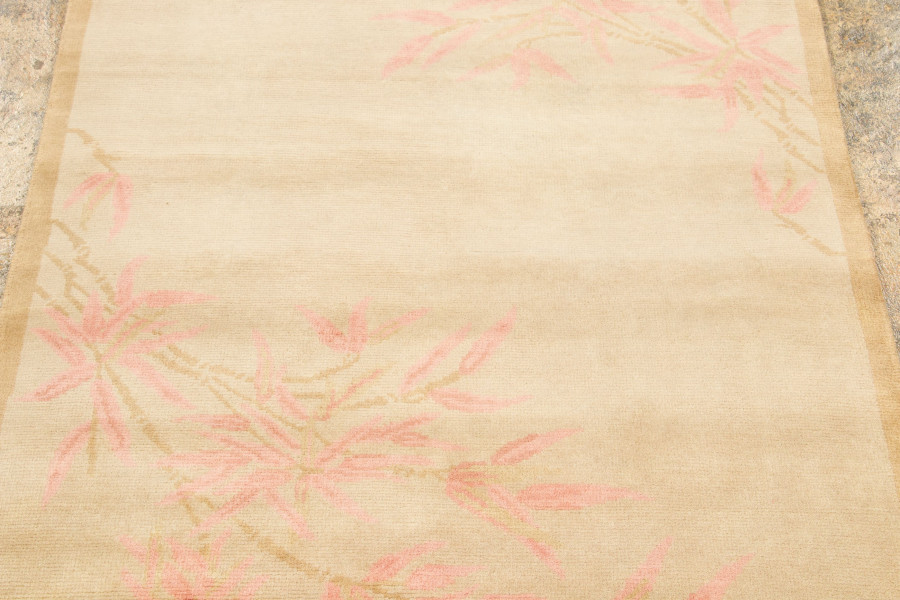 36492Rug & Kilim's Contemporary Chinese Deco Rug in Gold, Pink & Sand Beige
 - Out of Stock
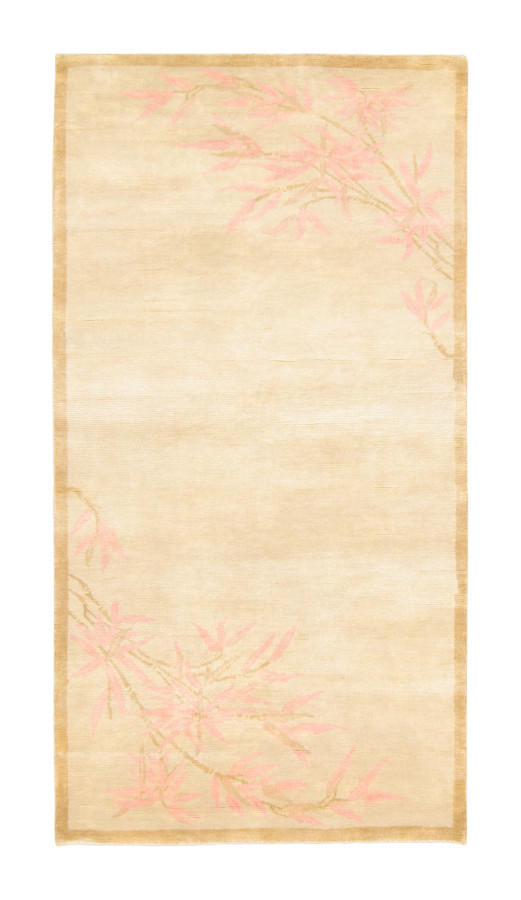
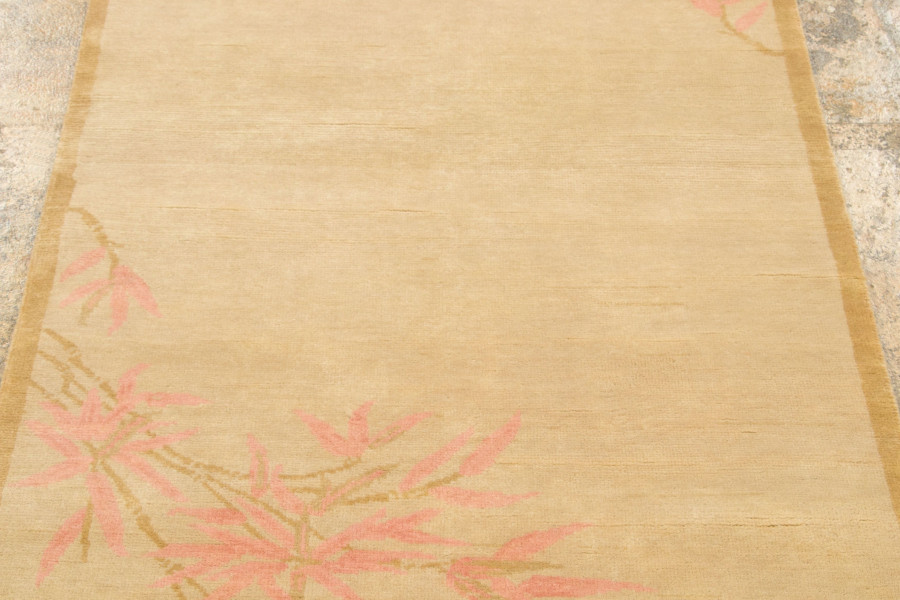 36490Rug & Kilim's Contemporary Chinese Deco Runner with Pastel Floral Design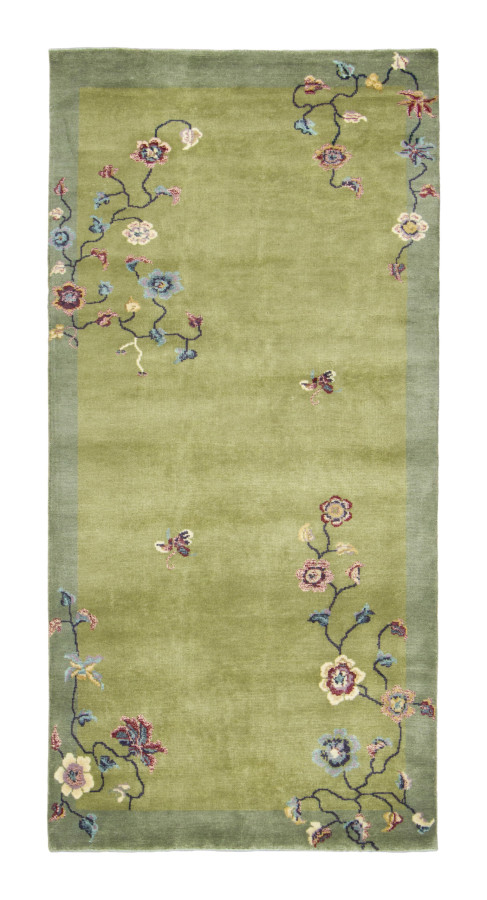
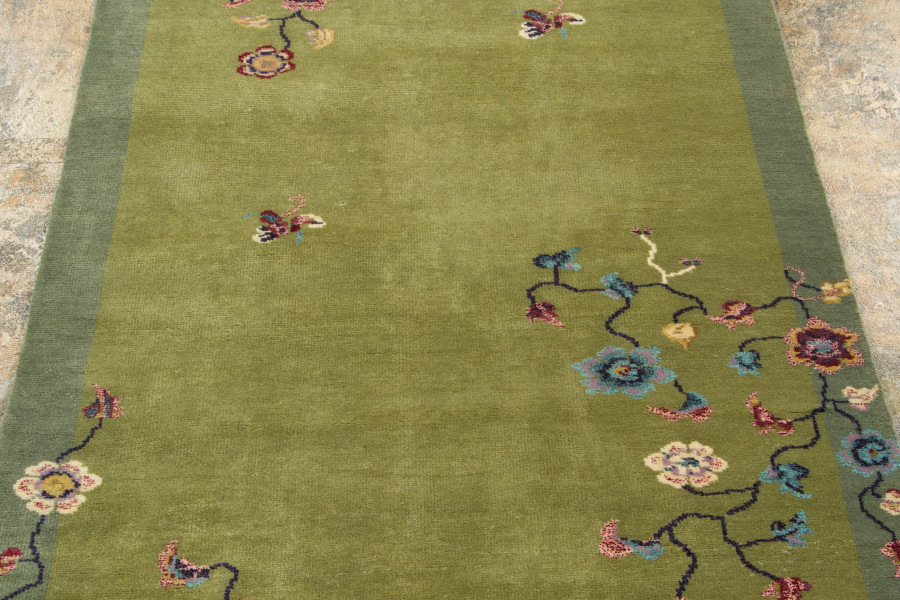 36485Rug & Kilim's Contemporary Chinese Deco Runner in Pistachio Green & Floral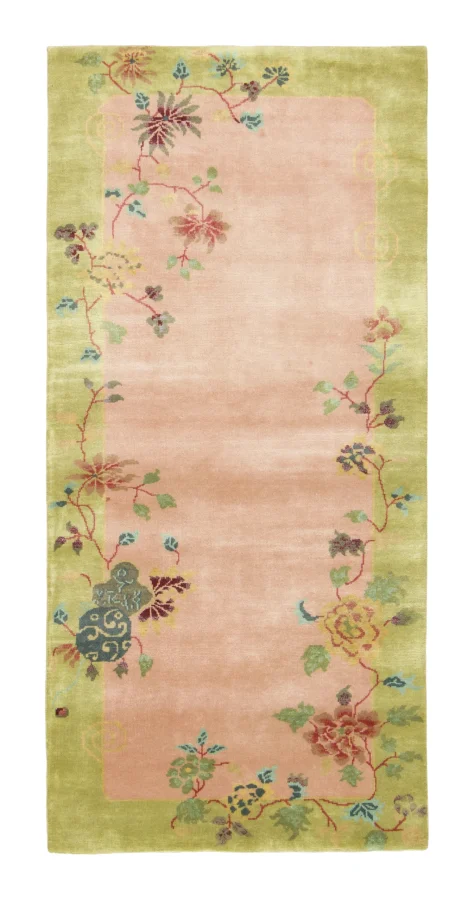
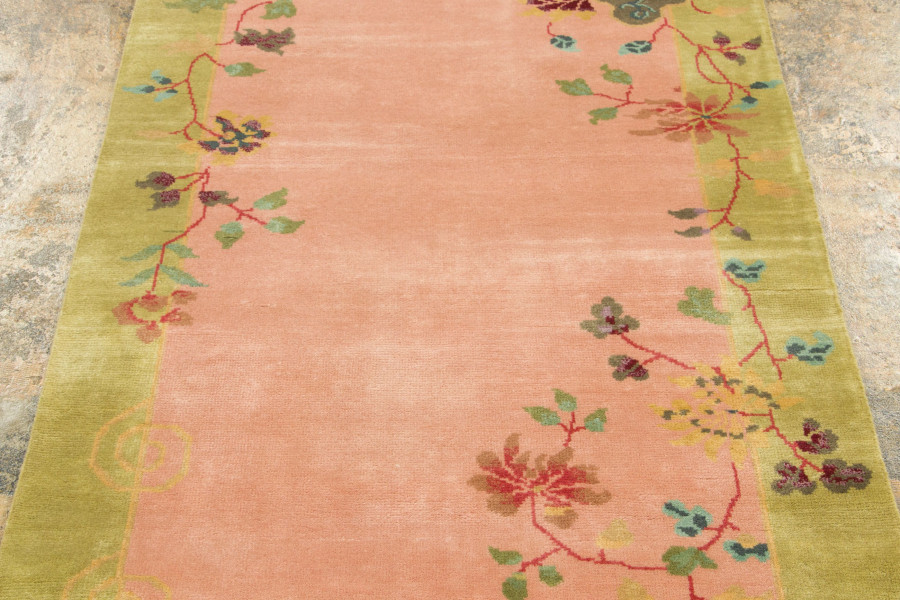 36472Rug & Kilim's Contemporary Chinese Deco Runner in Peach & Celadon Green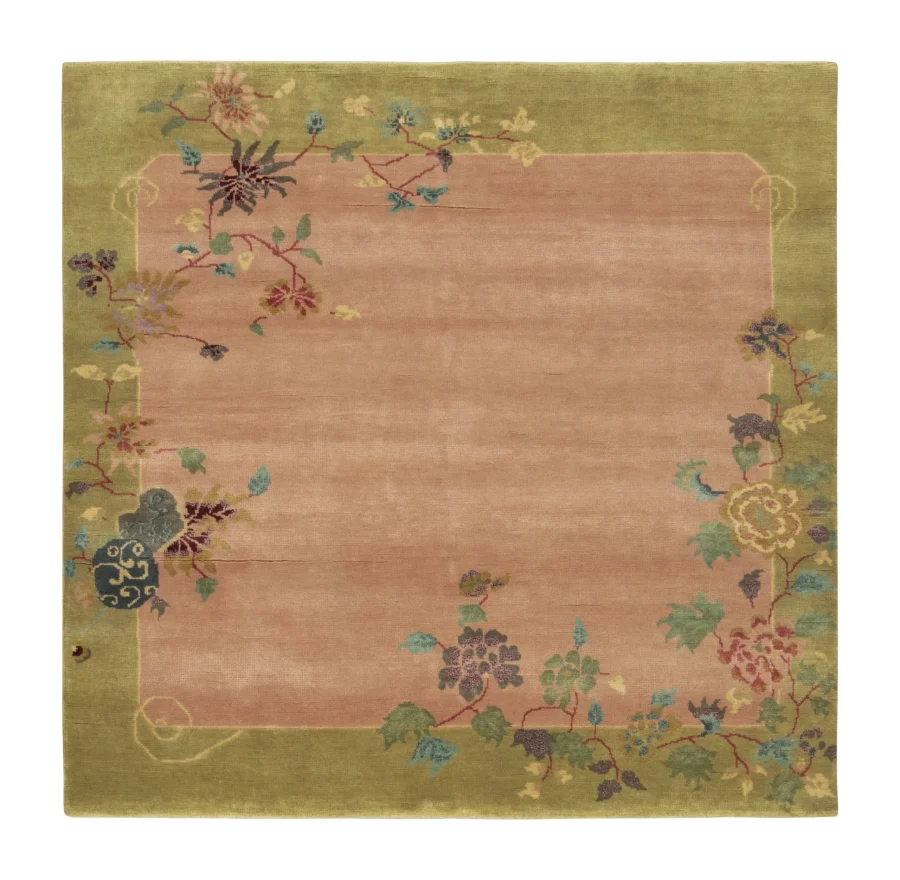
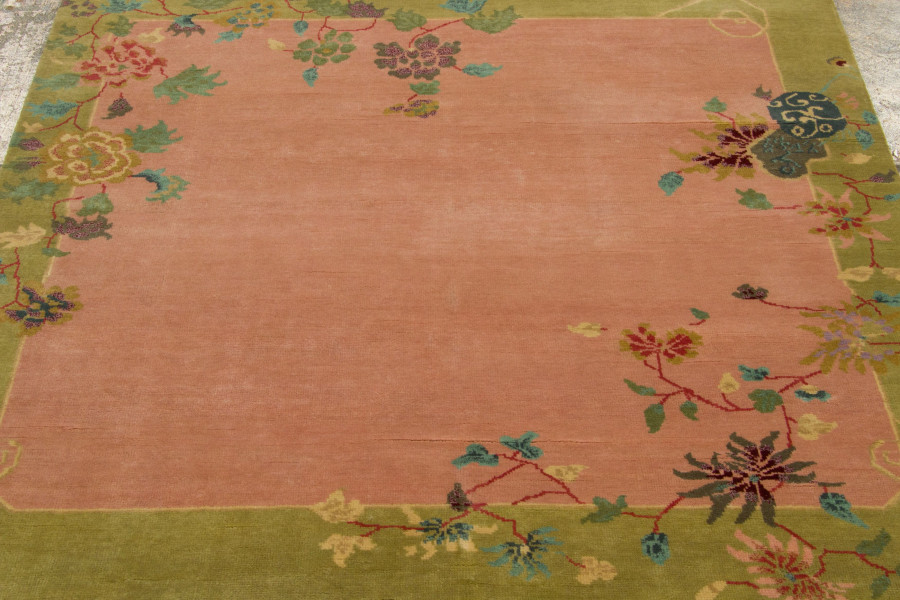 36475Rug & Kilim's Contemporary Chinese Art Deco Square Rug in Pink with Florals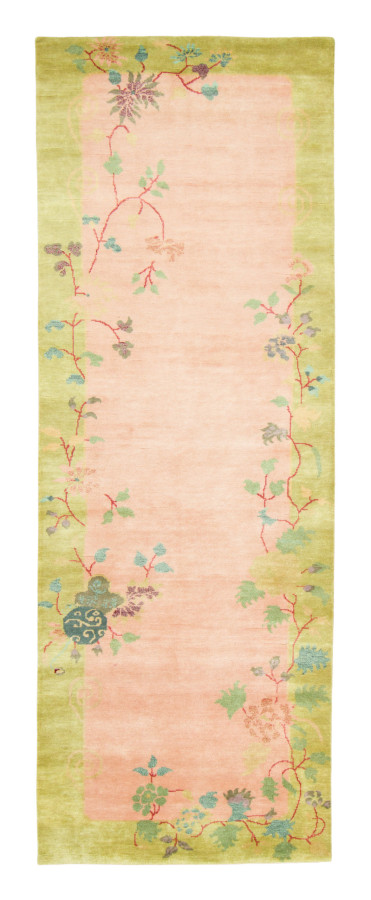
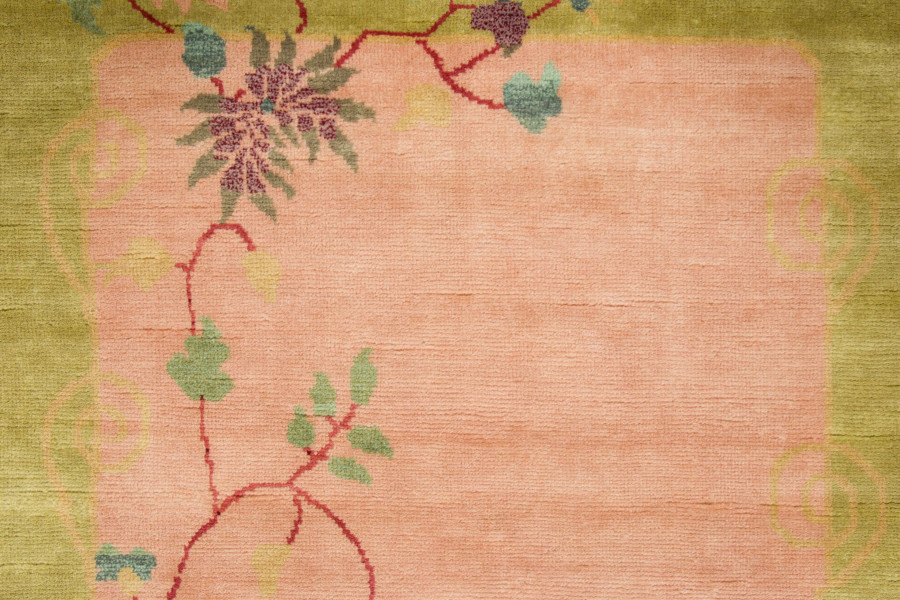 36471Rug & Kilim’s Contemporary Chinese Deco Runner with Floral Vinery on Beige Field
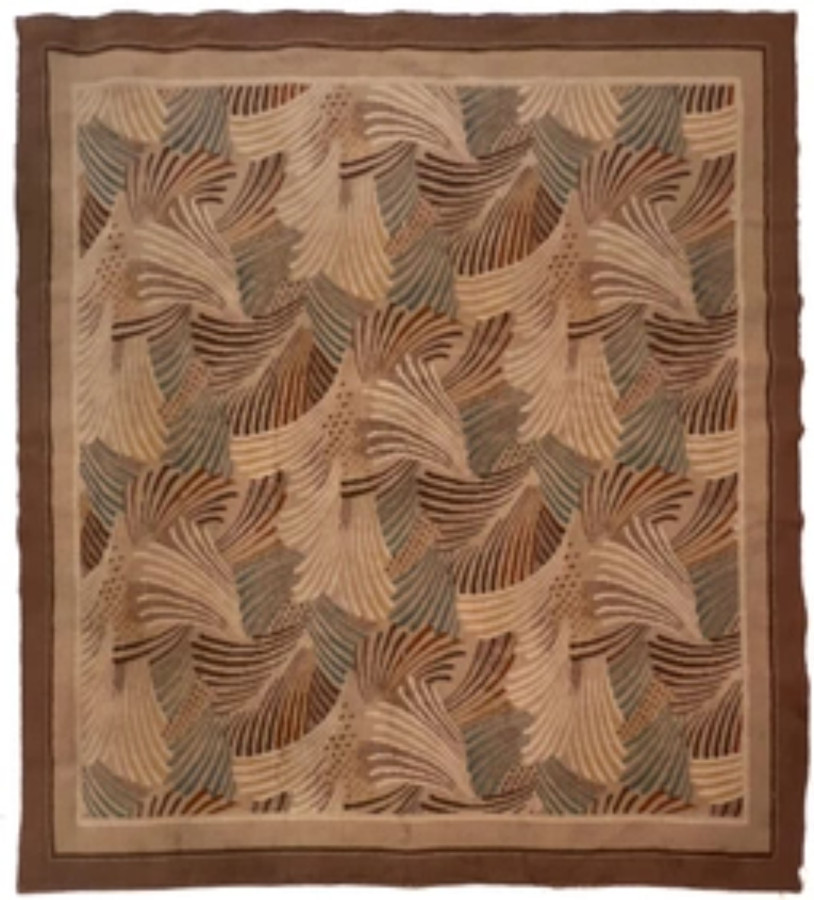 38191Vintage Art Deco Rug with Classic Fan Motifs in Brown Hues - Rug & Kilim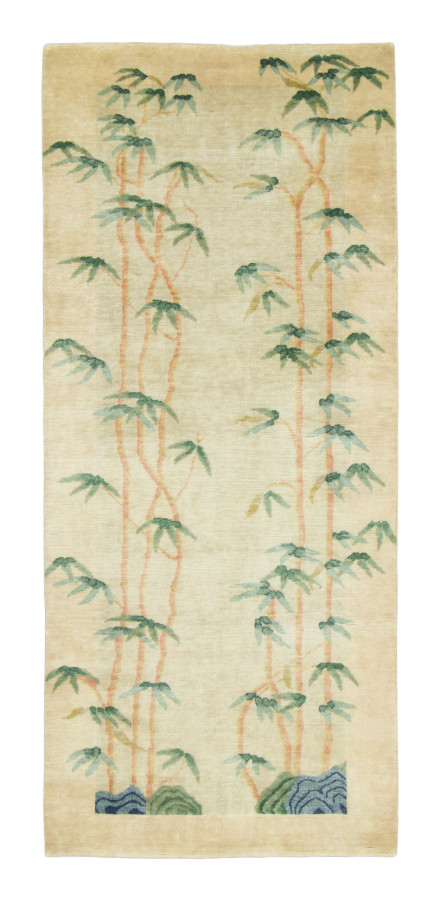
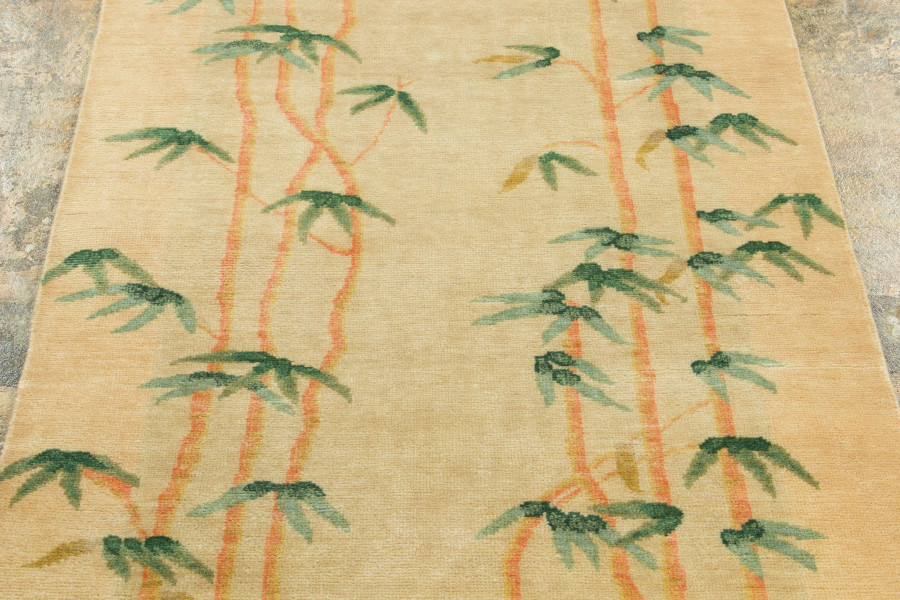 36506Rug & Kilim’s Contemporary Chinese Deco Runner with Floral Designs in Beige
Stories from the Art Deco Archive
Essays, artist dialogues, and provenance notes drawn from Rug & Kilim’s editorial desk.
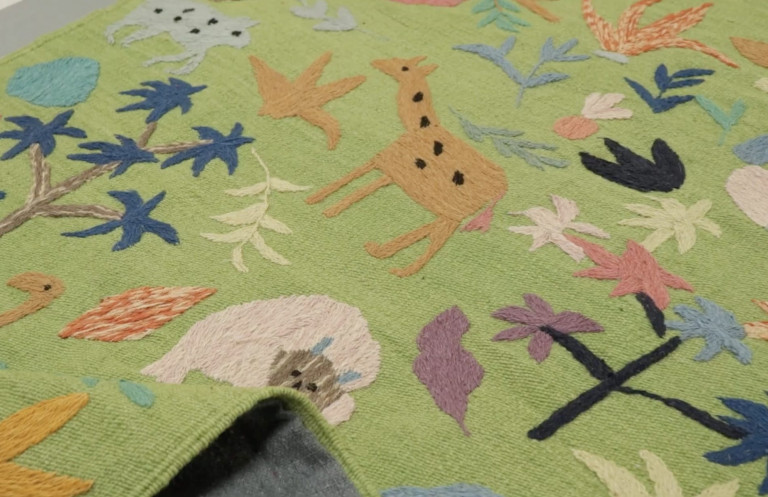
The Long Life of a Green: On Celery, Color of the Year, and the Four Centuries of Weaving That Anticipated It
Every year, the color world makes its pronouncement, and every year the design world turns to see what it has been given. For 2027, Sherwin-Williams has named Celery; a light, airy, herbal green with a yellow undertone, chosen, in the company's words, for a moment that prizes wellness, balance, and connection. It is a soft color with a quiet glow and a faint edge; it pairs, its makers note, with white for something breezy, with cranberry red for something playful, with brown for something elevated. It is, by any measure, a beautiful and intelligent choice. It is also a color the great weavers of the world have understood for four hundred years.
Read the Feature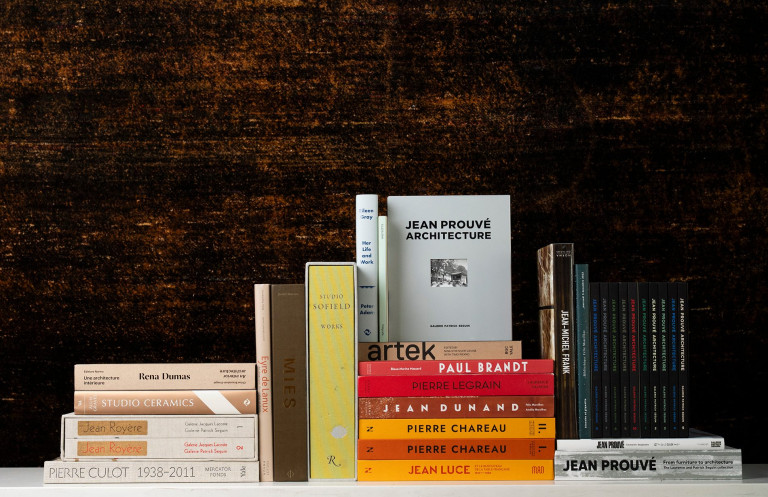
Every Great Collector Owns a Library: On Books, Rugs, and the Knowledge That Connects Them
There has always been a quiet kinship between the rug and the book. Both are objects one lives with rather than merely owns. Both reward the patient return, disclosing more on the tenth encounter than the first. Both are, at their finest, repositories of a civilization's memory; the one held in language, the other in wool. It should surprise no one that the greatest collectors of carpets have almost always been, in the same breath, collectors of the books that explain them. J. Paul Getty kept a scholar's library beside his objects. The Rothschilds, whose carpets now rest in Doha and whose names still move a saleroom, understood a collection as a thing to be studied as much as displayed. To acquire seriously has always meant to read seriously.
Read the Feature
On the Changing Nature of Money, and a Quiet Shift in How the World’s Great Collections Are Built
As seen in Milieu Magazine’s Summer 2025 Issue, designed by Studio Meghan Eisenbergh, features an antique Amritsar rug from Rug & Kilim’s collection.View More >> Something has changed in the psychology of collecting, and it has changed quietly. For most of the modern era, the serious collector acquired for love, for scholarship, for the pleasure of living with beautiful things, and the question of value, while never absent, sat politely in the background. That arrangement has quietly inverted. Across the last two years, industry surveys have recorded a striking figure: the share of high-net-worth collectors intending to sell from their holdings has fallen from more than half to roughly a quarter. The collector of this moment is not looking to liquidate. They are looking to hold. And they are increasingly treating the objects they acquire not as expenditures but as architecture, as a considered, diversified structure of wealth that also happens to be beautiful.
Read the Feature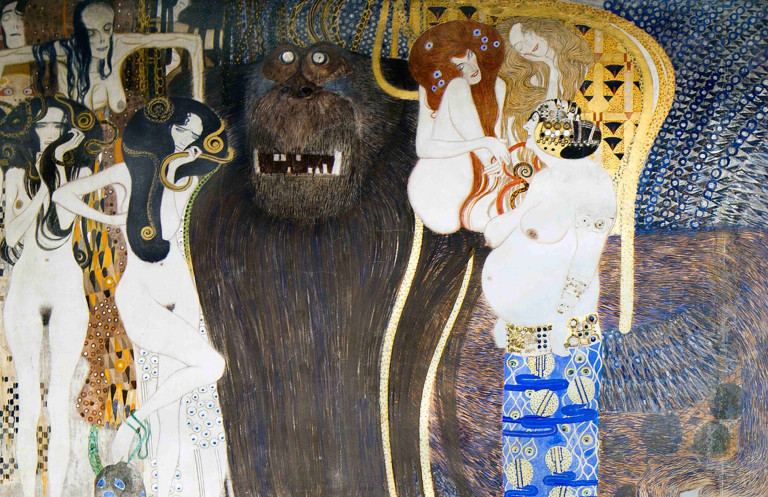
The Total Art: Vienna’s Century, From the Gold Frieze to the Contemporary Era
In the dining room of a banker's house in Brussels there is a wall of gold. Klimt designed it; the Stoclet Frieze, a tree of life branching across marble and enamel and coral, a dancer on one side and an embracing couple on the other, the couple a direct rehearsal for the painting the whole world would later know as The Kiss. But to stand in that room, were one ever permitted to, is to understand that the frieze is not the point of it. The point is that the frieze, the marble, the cutlery, the door handles, and the carpet underfoot were all conceived as a single object by a single mind. The Palais Stoclet, built by Josef Hoffmann between 1905 and 1911 and now sealed as a UNESCO World Heritage Site, is the most complete surviving statement of the idea that organised an entire Viennese century: the Gesamtkunstwerk, the total work of art, in which nothing; not the spoon, not the dress, not the floor, ranks below the painting on the wall.
Read the Feature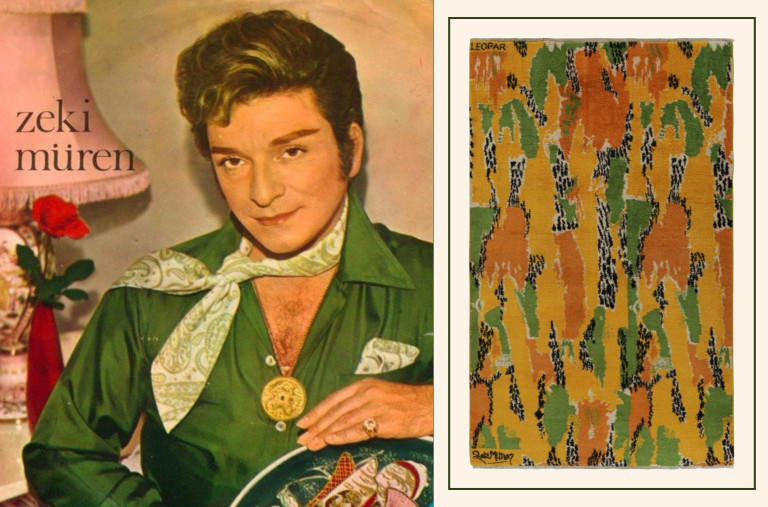
Zeki Müren and the Carpet as Self-Portrait: The Pasha Who Designed His Own Floor
In the showroom of Hüseyin Kaplan, in the Sultanahmet quarter of Istanbul beneath the minarets of the old city, there are more than five hundred carpets that belong to no classical category. They are not Hereke, not Oushak, not the courtly Ottoman medallion weavings that the connoisseur expects from this geography. They are jewel-toned and abstract, shot through with an abstract confidence, and they bear, some of them, the signed ones, a name woven into the border that any Turk and most serious collectors would recognise instantly. They are the work of Zeki Müren, and they constitute one of the most singular bodies of design the twentieth-century carpet has produced.
Read the Feature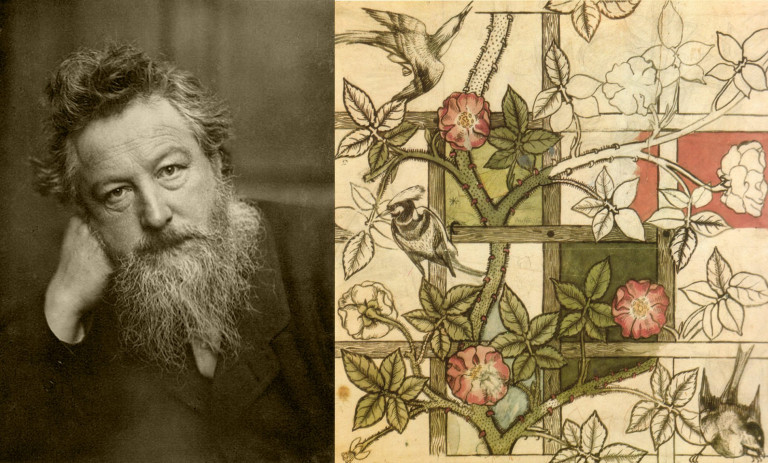
What William Morris, Paul Poiret, and the Bauhaus Each Understood About the Rug and What French Art Deco Proved
In the winter of 1883, William Morris stood before a room full of wool merchants, manufacturers, and assorted Victorian worthies in a lecture hall in Birmingham and said something that no one in that room was prepared to hear. The decorative arts, he told them, were not decorative at all. They were the most serious form of human making and their degradation under industrial production was not an aesthetic problem but a civilizational one. He had brought, as he often did, an Oriental carpet to make his point. Then he said, in effect: this is what we have lost the capacity to make, and until we recover it, we have no business calling ourselves a culture.
Read the Feature