
Moroccan Rugs
Our Moroccan rug collection includes both a rare curation of antique and vintage rugs as well as our contemporary works inspired by this family of weaving styles.
Every classic we curate is exemplary of the uniquely personal charm in hand-knotted primitivist rugs of the Berber weavers and their descendants. From Azilal to Beni Ourain, Boucherouite rugs, Boujad, Beni Mguild rugs, and even collectible Tuareg mats, we specialize in Moroccan rugs, runners, flatweave rugs and shag rugs of exceptional condition, rare size and equally rare beauty.
Along with the inspiration from classic antique and vintage designs, this collection also features our modern take on these styles, with bold color and size variations, high-end construction, and custom accessibility.
- Under 6 x 9
- Runners
- 6 x 9
- 8 x 10
- 9 x 12
- 10 x 14
- 12 x 15
- Over 12 x 15
- Moroccan
- New & Contemporary
- Tuareg
Origin ▼
Style ▼
Material ▼
Width
Length
To connect with a specialist, click here
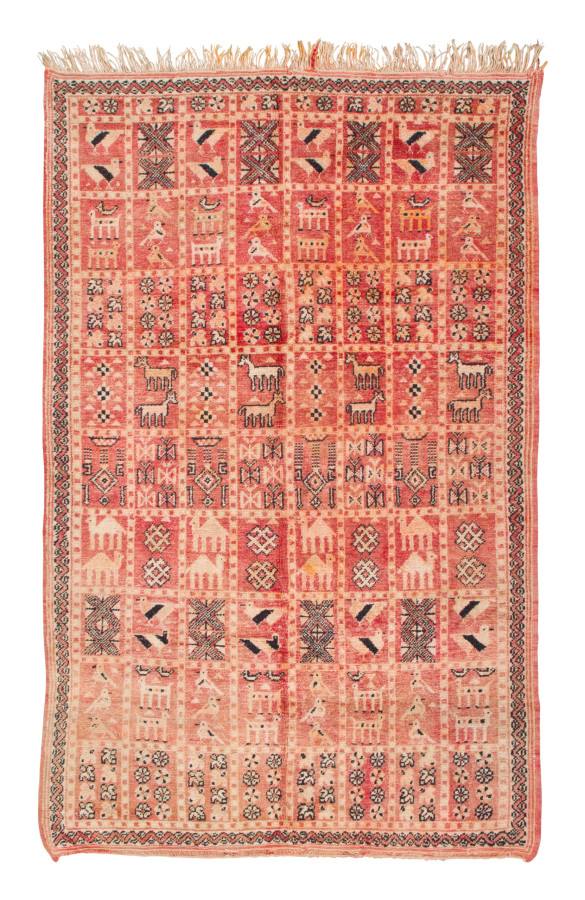
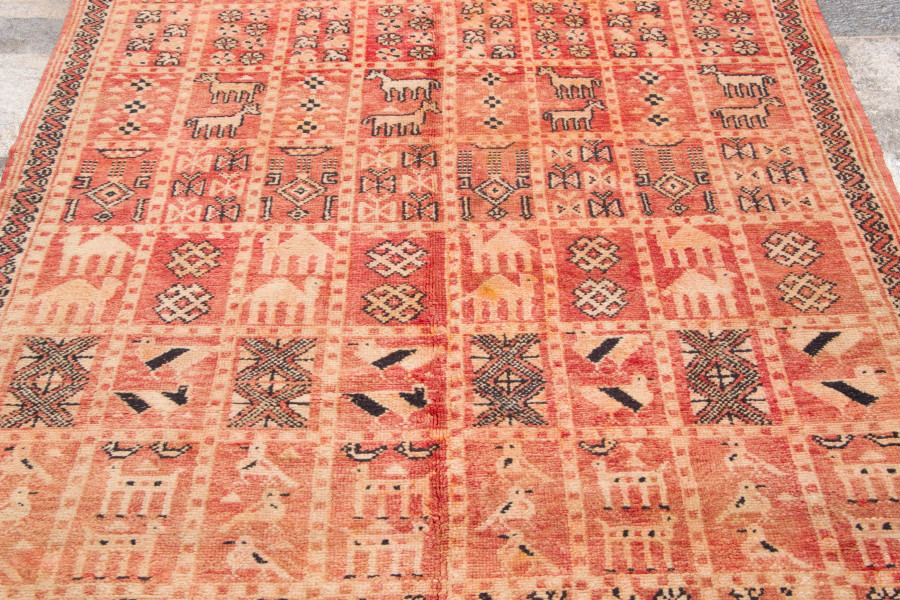 37901Vintage Moroccan Berber Rug with Tribal Pictorials in Red - Rug & Kilim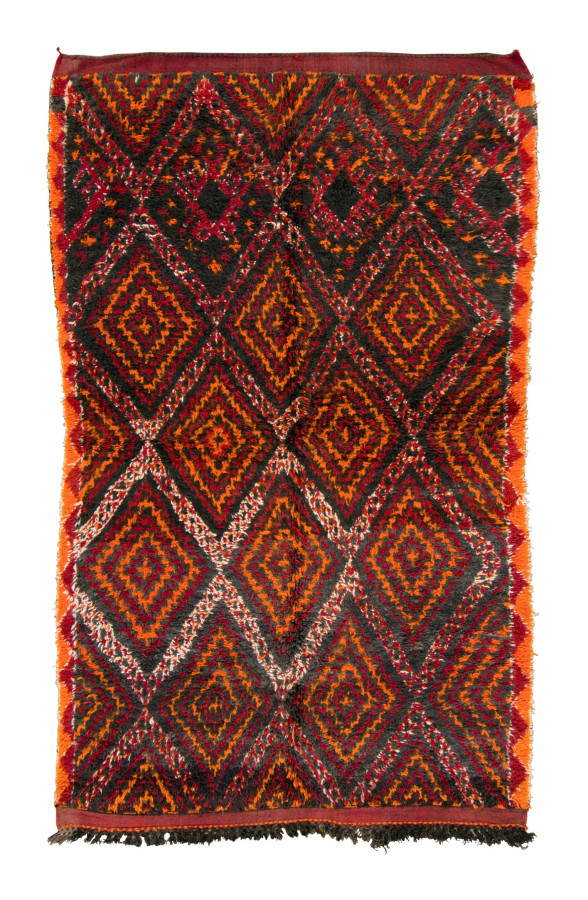
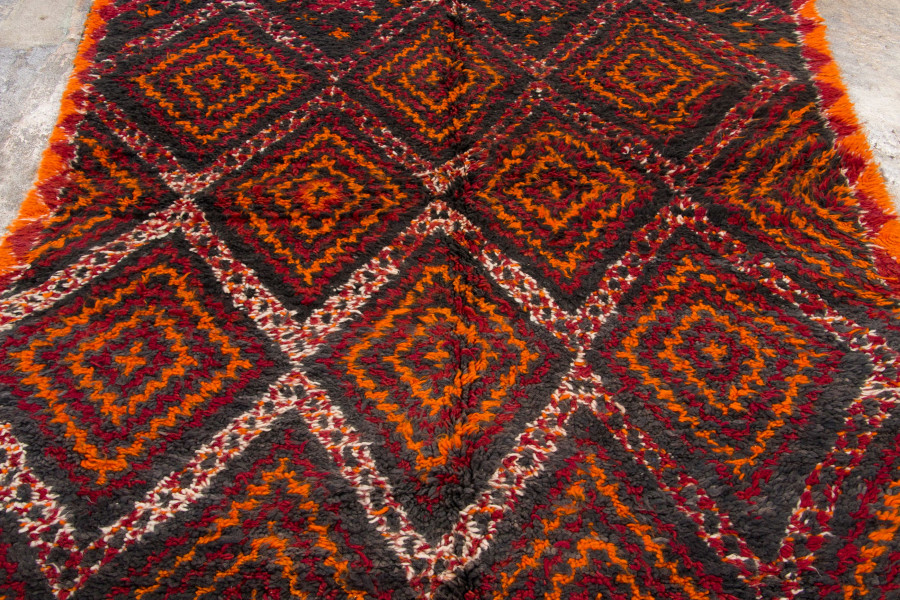 37921Vintage Moroccan Berber Rug with Diamond Lattice in Red - Rug & Kilim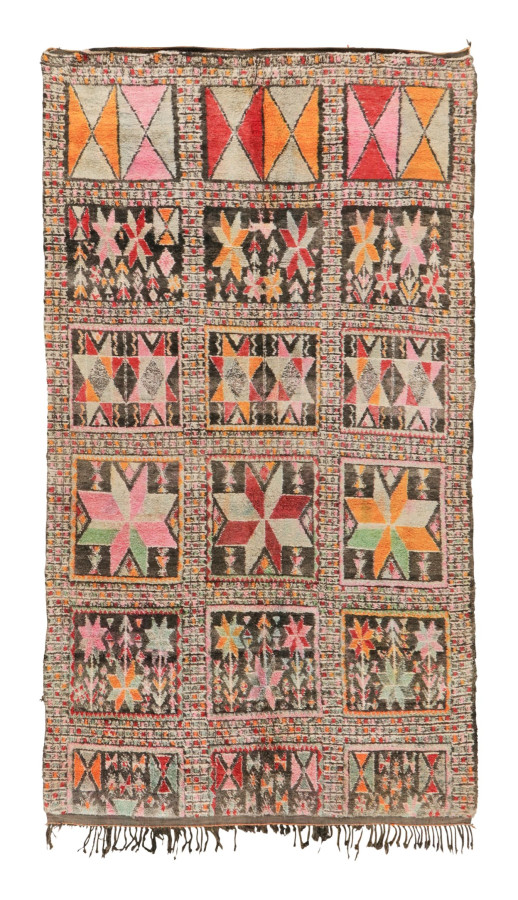
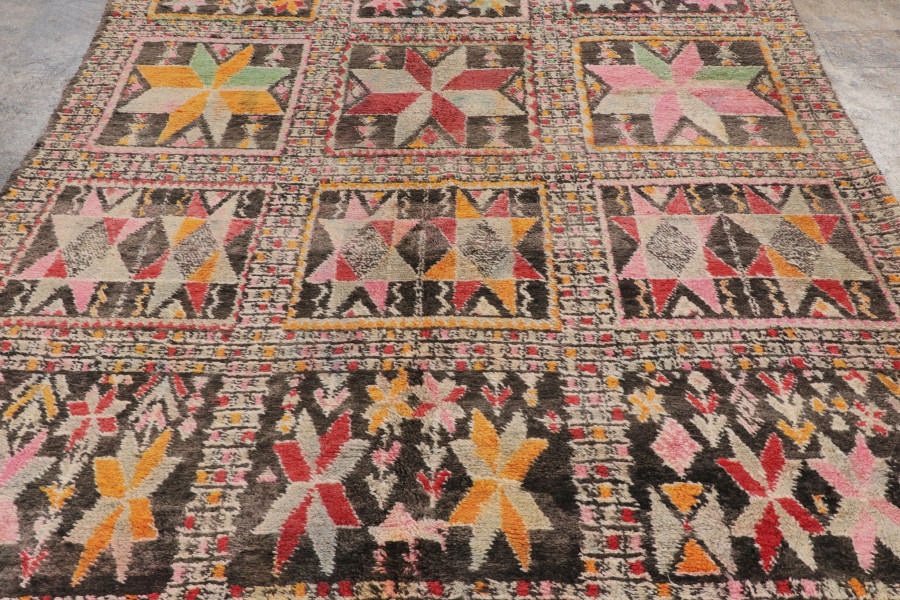 37891Vintage Moroccan Berber Rug with Colorful Star Designs - Rug & Kilim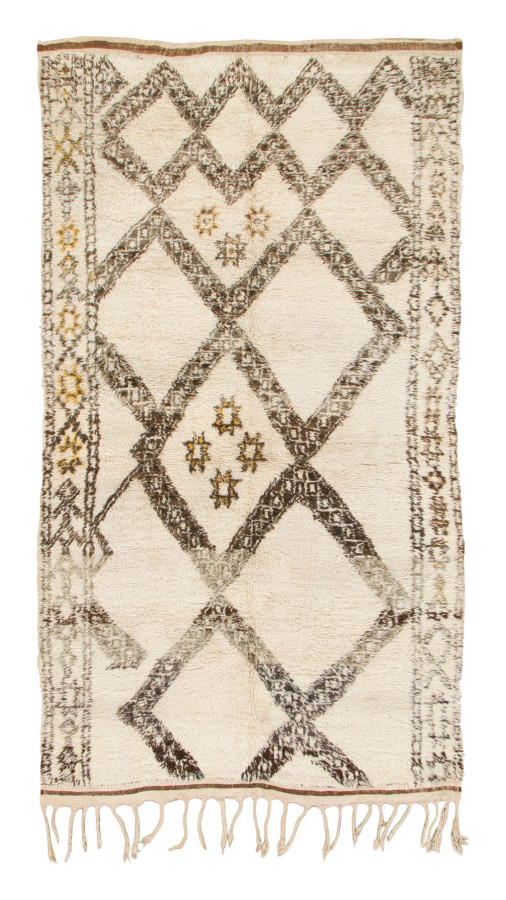
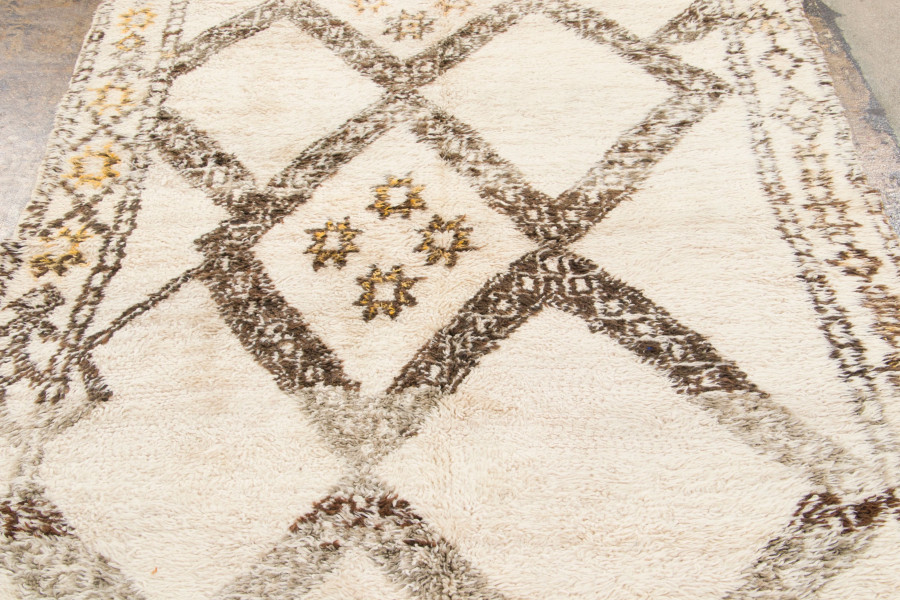 37933Vintage Moroccan Berber Runner with Diamond & Star Designs in Beige - Rug & Kilim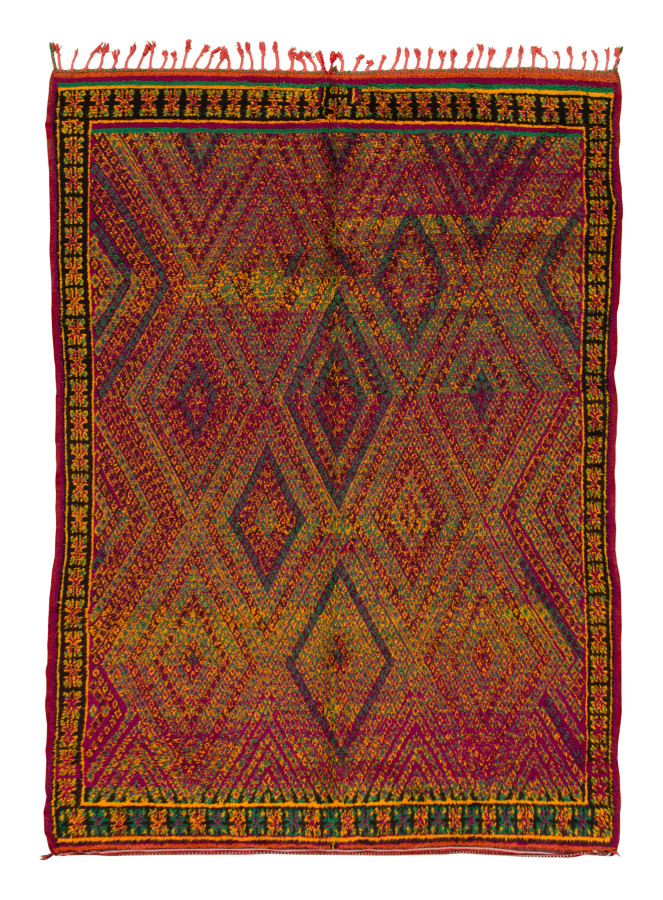
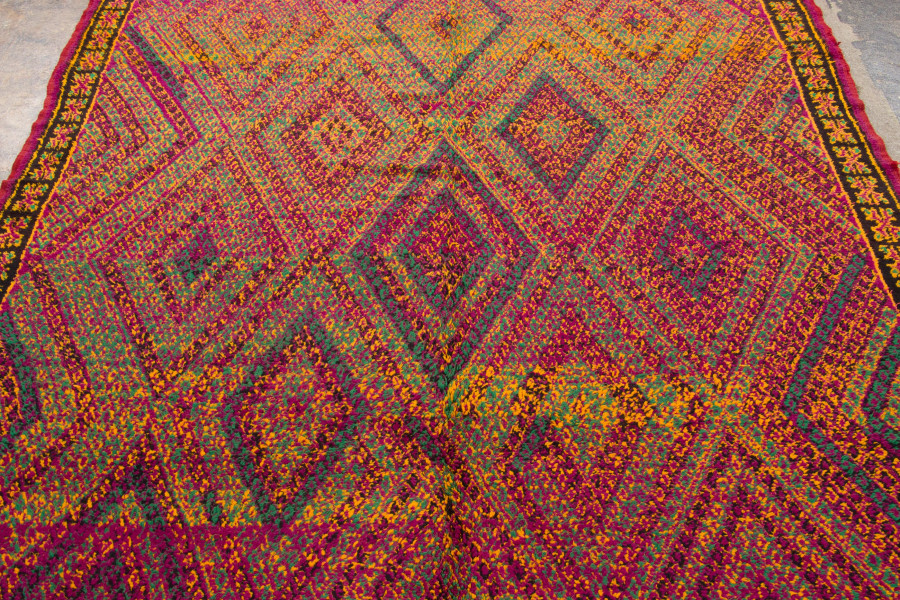 37926Vintage Moroccan Berber Rug with Intricate Central Medallion - Rug & Kilim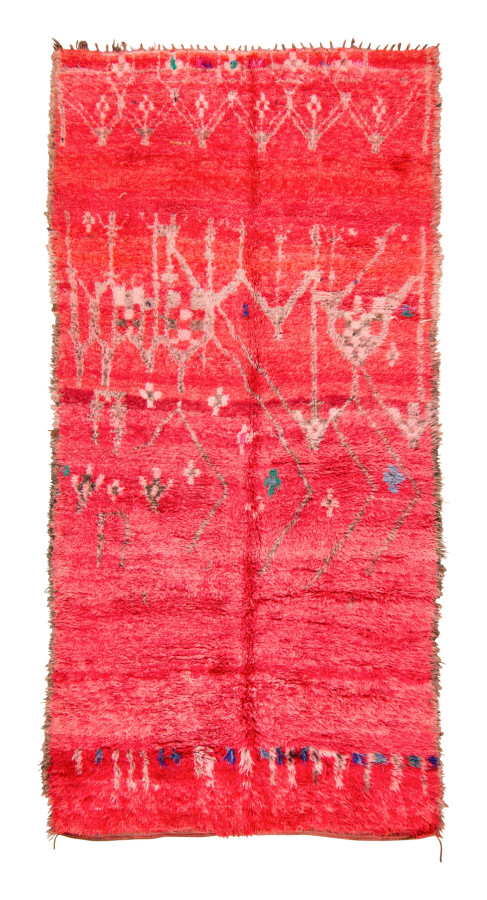
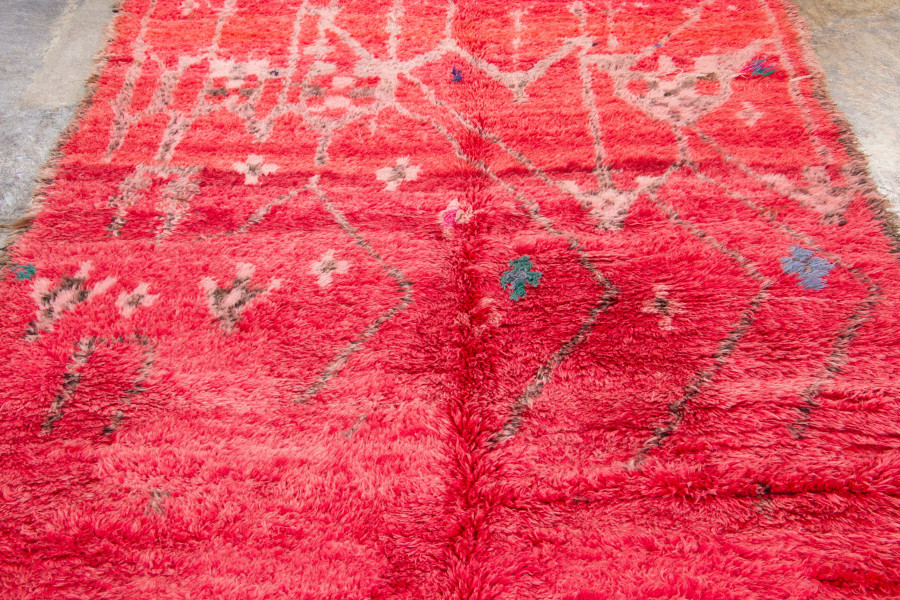 37918Vintage Moroccan Berber Runner with Tribal Design in Pink Hues - Rug & Kilim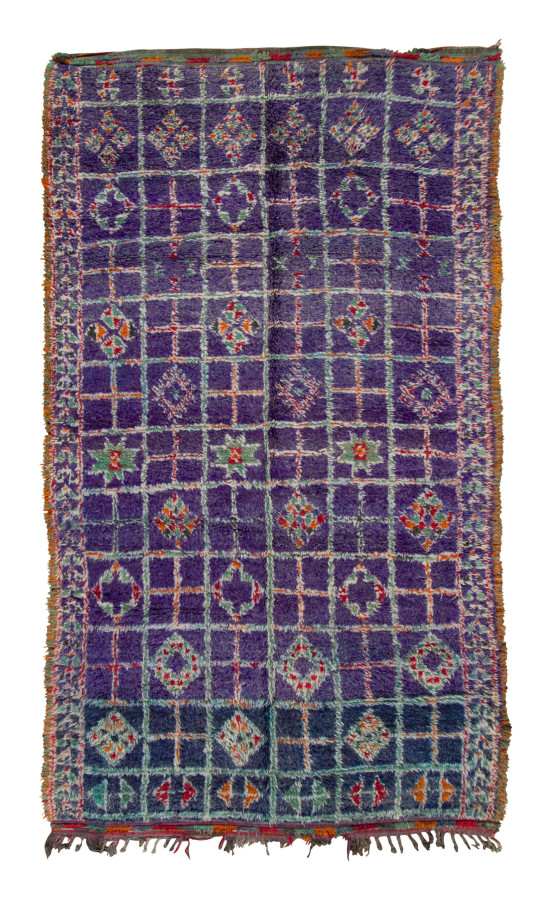
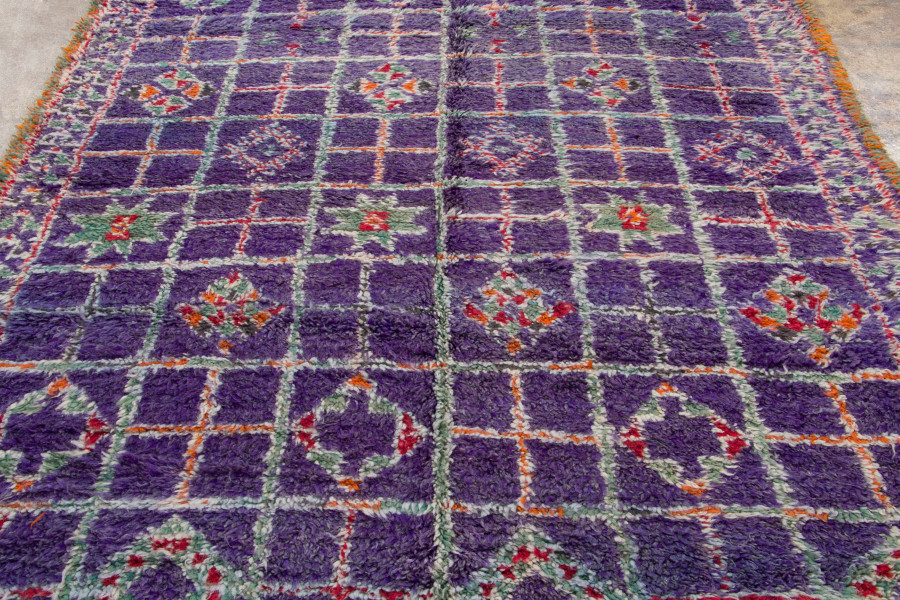 37896Vintage Moroccan Berber Rug with Diamonds & Stars in Jewel Tones - Rug & Kilim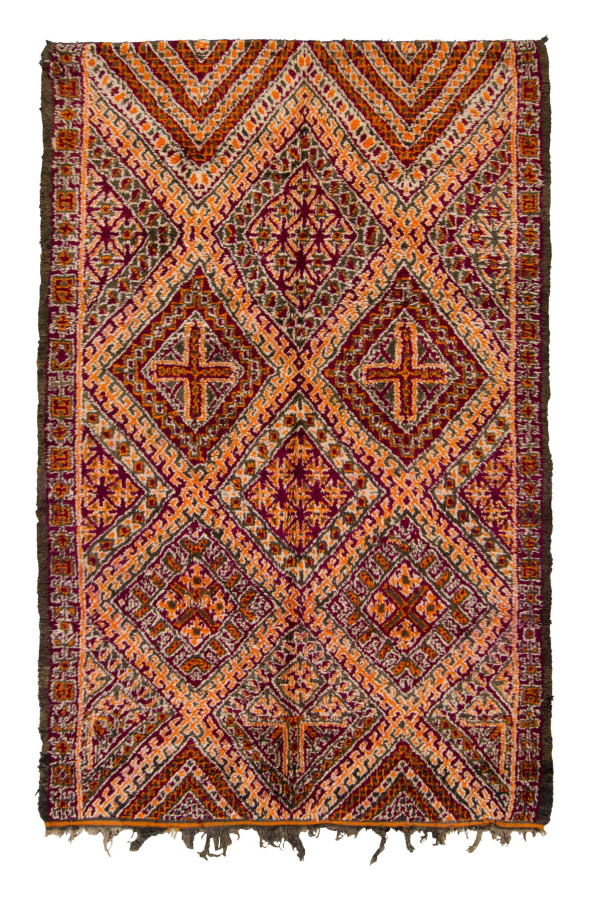
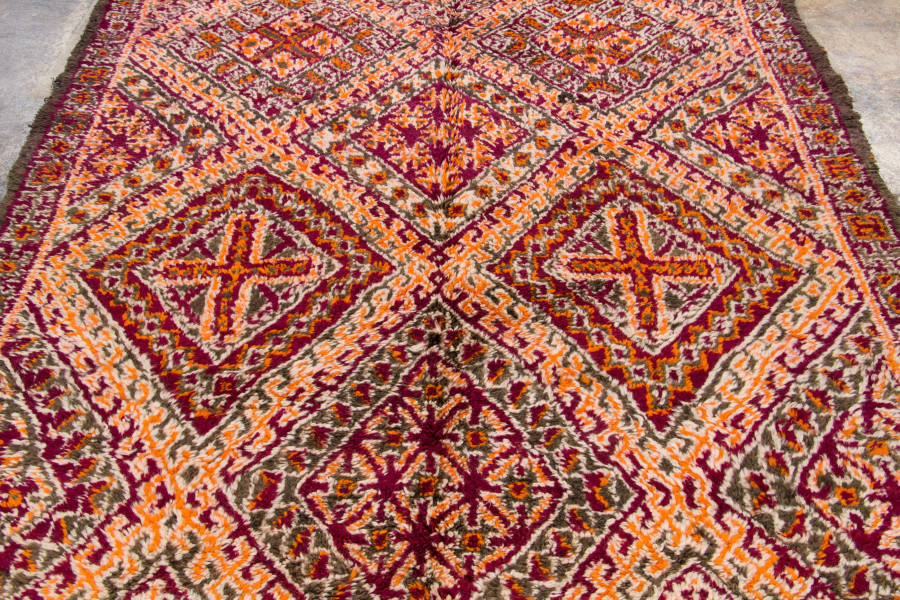 37920Vintage Moroccan Berber Rug with Intricate Diamond Grid in Warm Hues - Rug & Kilim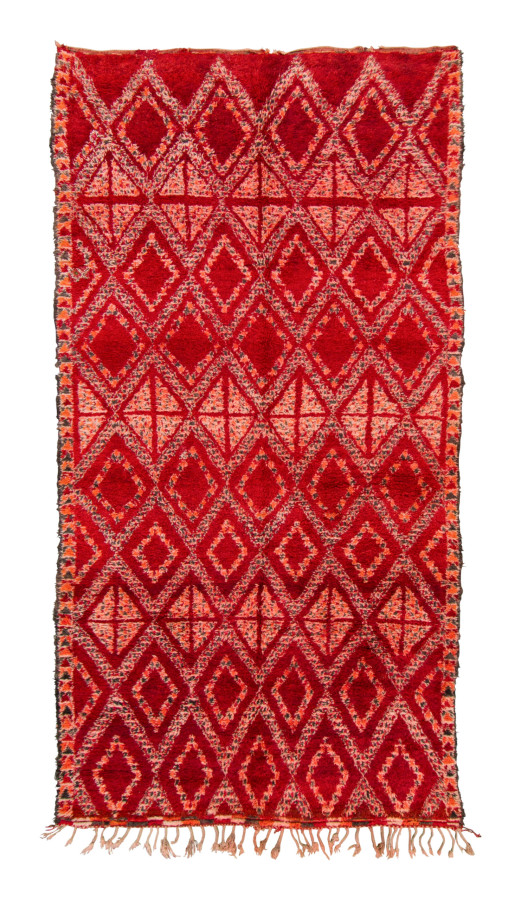
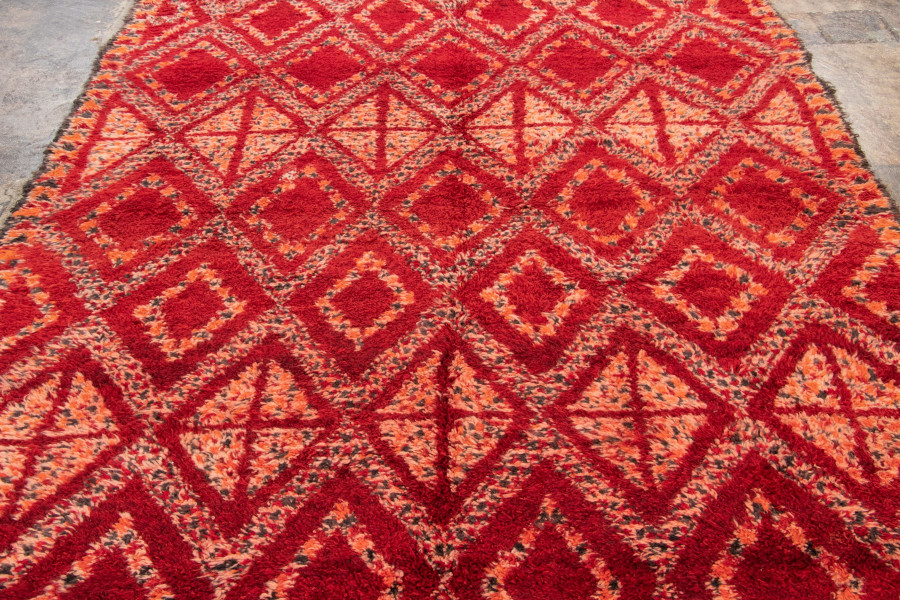 37911Vintage Moroccan Berber Rug with Diamond Lattice in Crimson Red - Rug & Kilim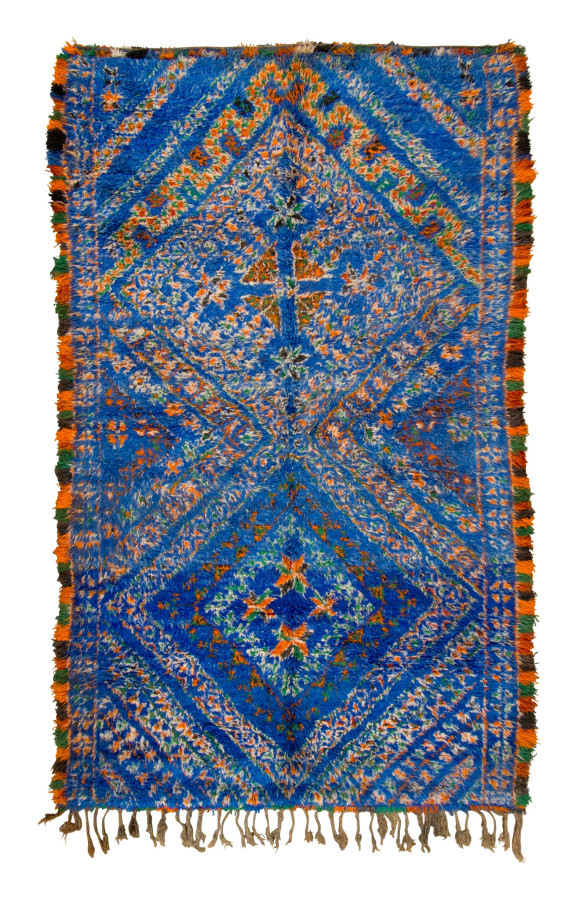
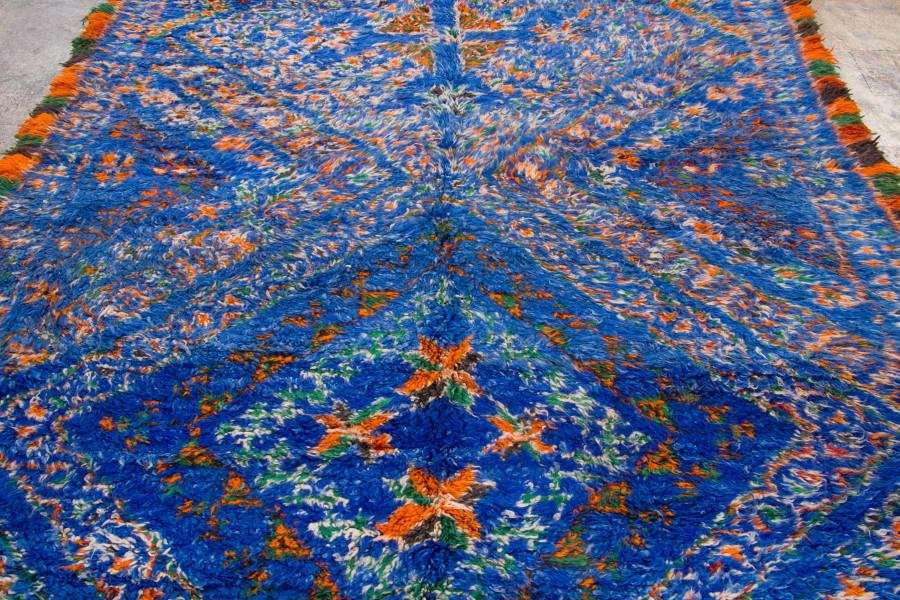 37929Vintage Moroccan Berber Rug with Diamond Lattice in Vibrant Blue - Rug & Kilim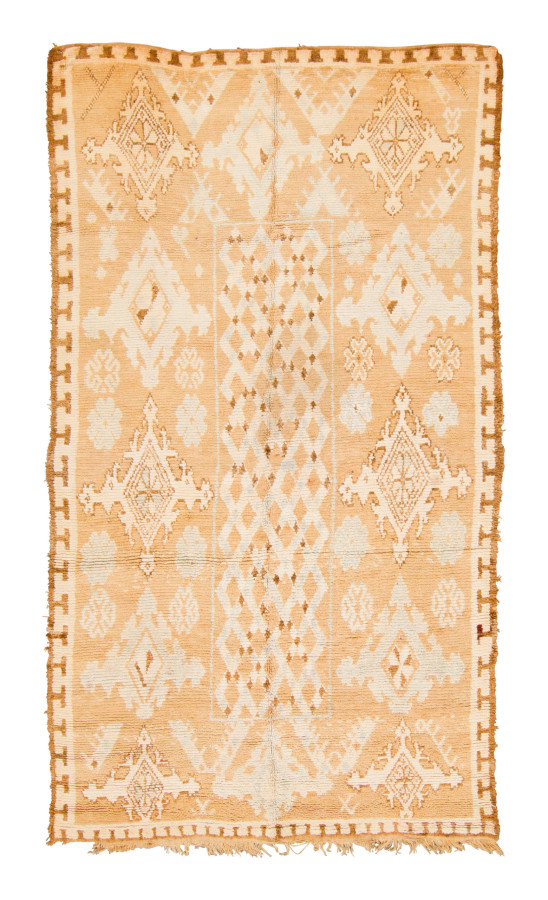
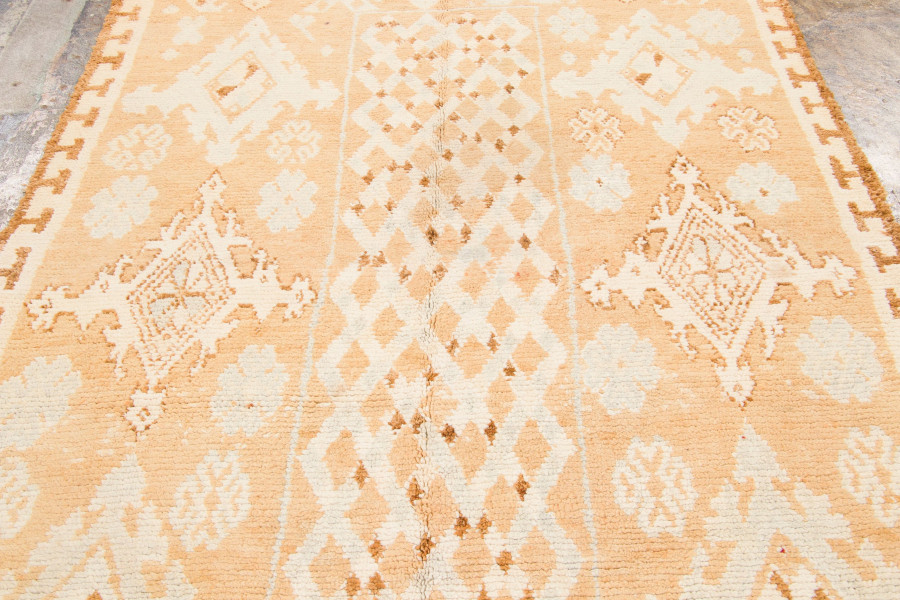 37928Vintage Moroccan Berber Rug with Diamond Lattice in Ivory & Beige - Rug & Kilim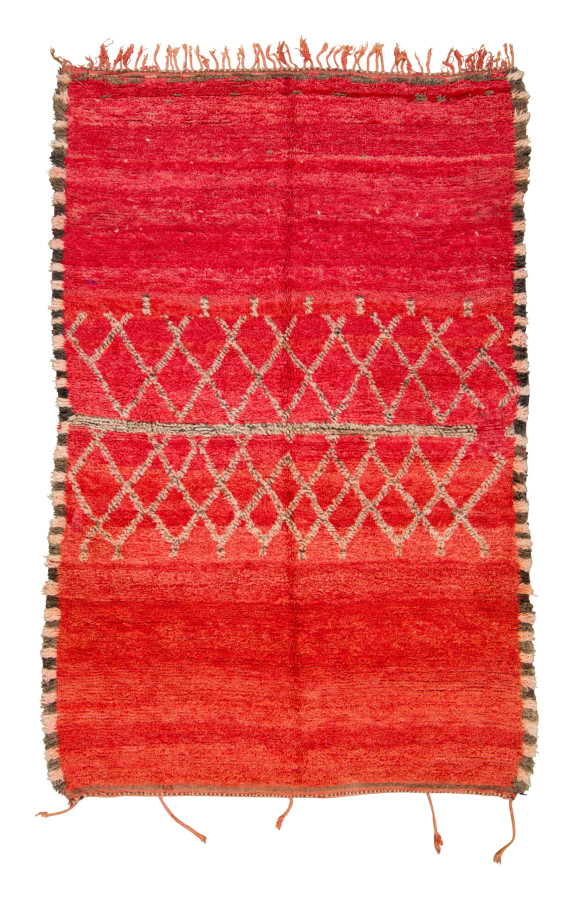
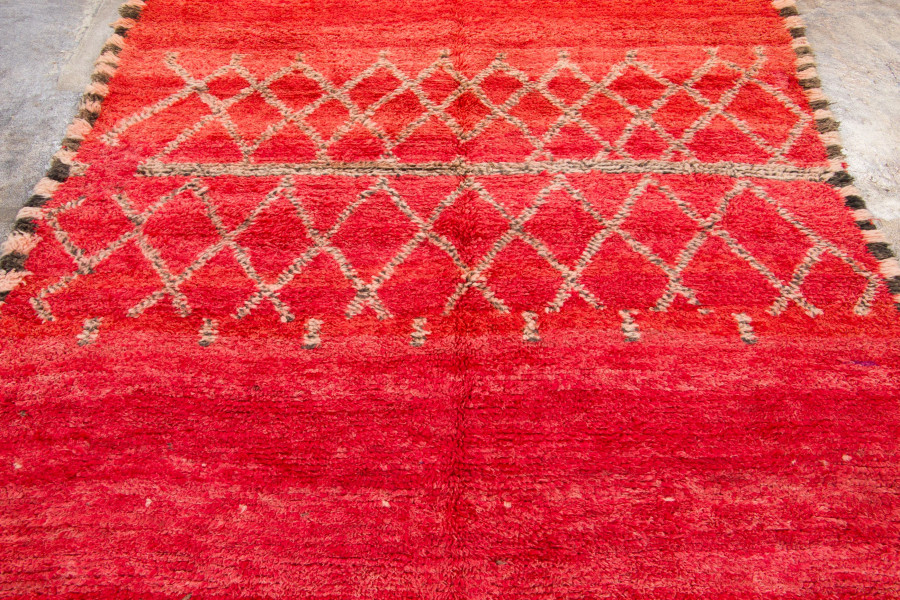 37923Vintage Moroccan Berber Rug with Diamond Pattern in Crimson Red - Rug & Kilim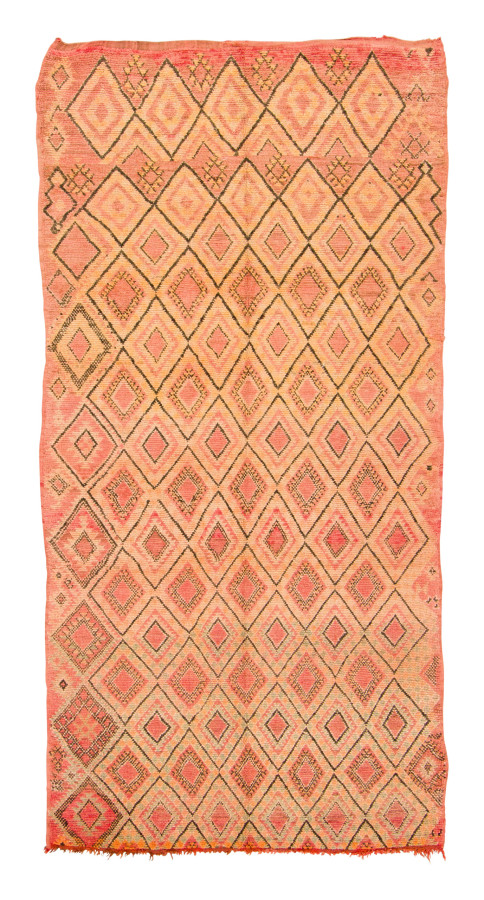
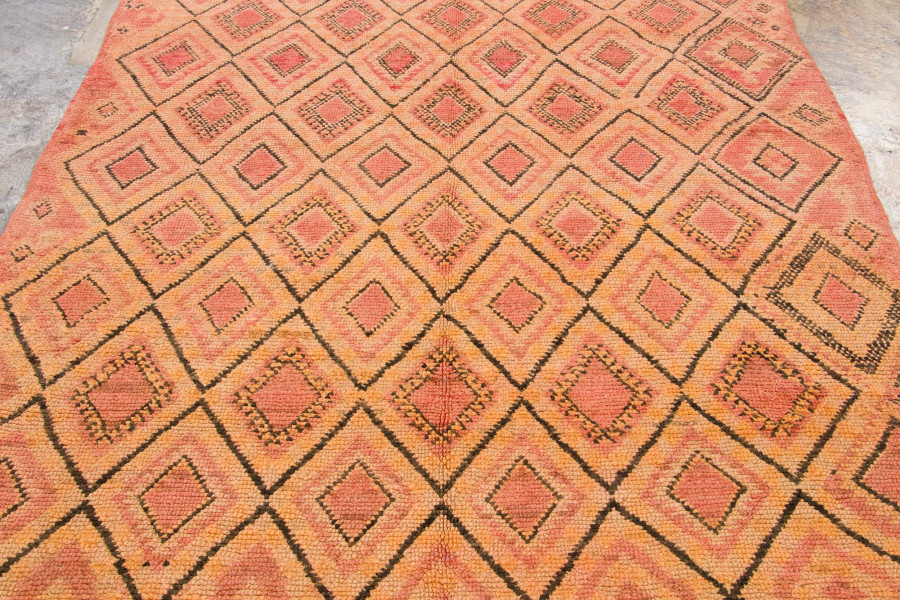 37917Vintage Moroccan Berber Runner with Diamond Lattice in Peach - Rug & Kilim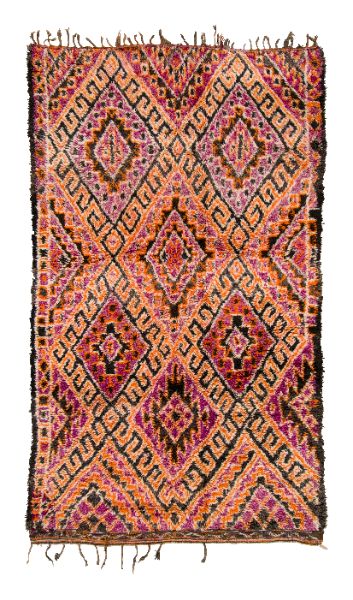
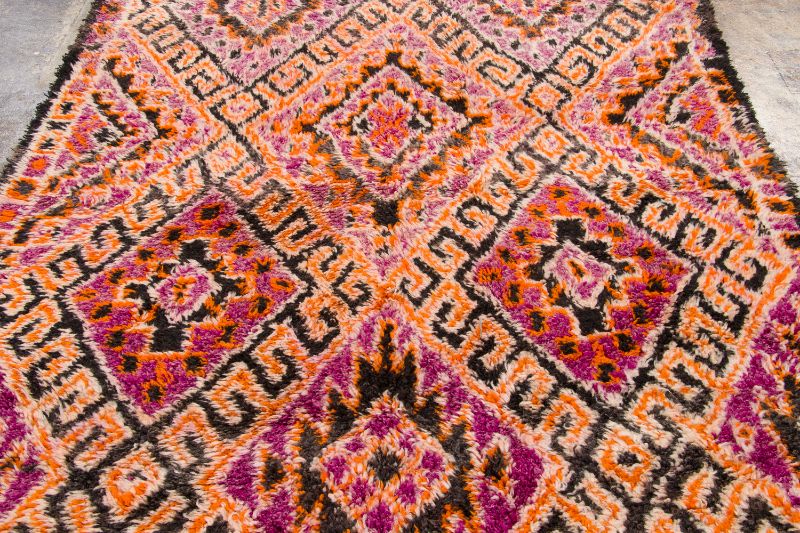 37915Vintage Moroccan Berber Rug with Diamond Lattice in Pink & Orange - Rug & Kilim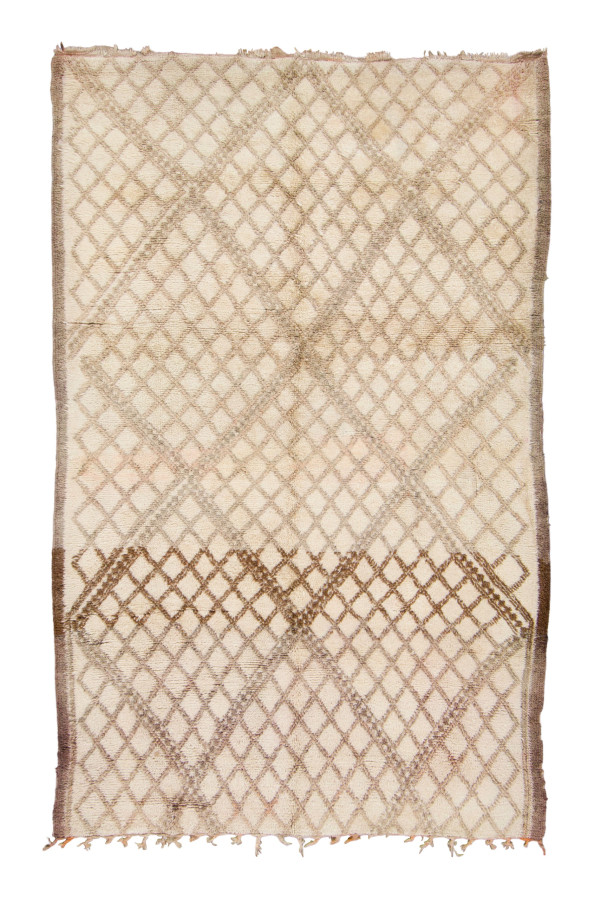
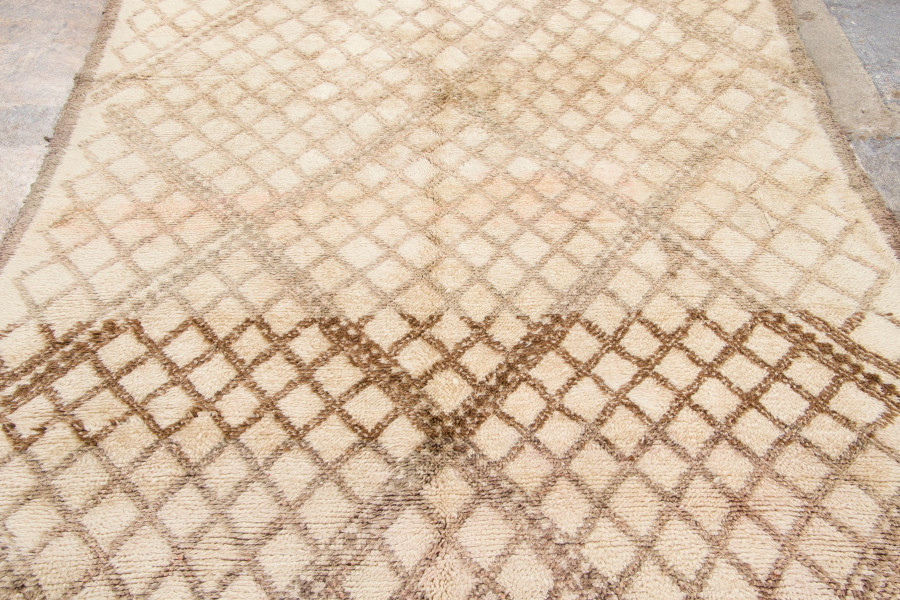 37913Vintage Moroccan Berber Rug with Diamond Lattice in Beige - Rug & Kilim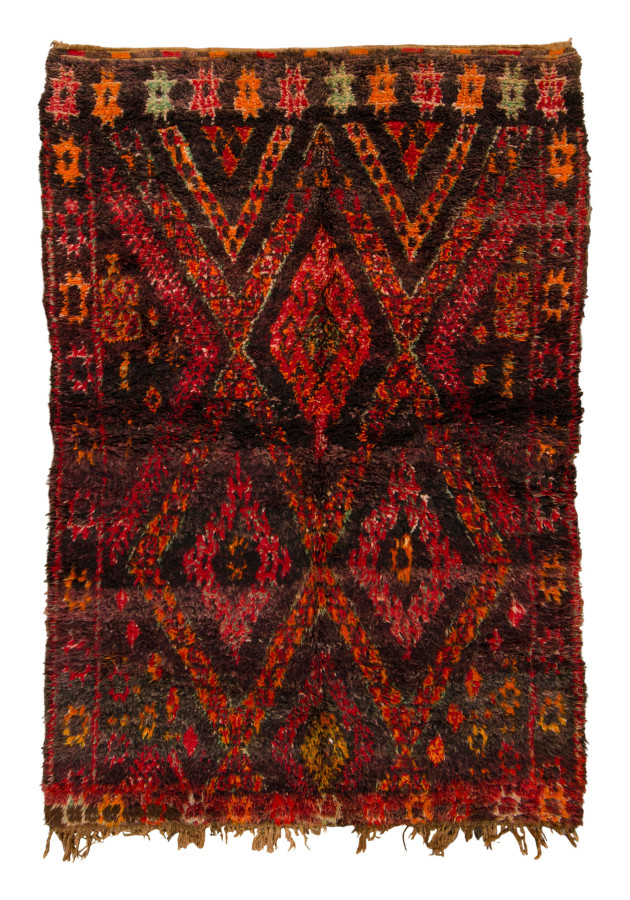
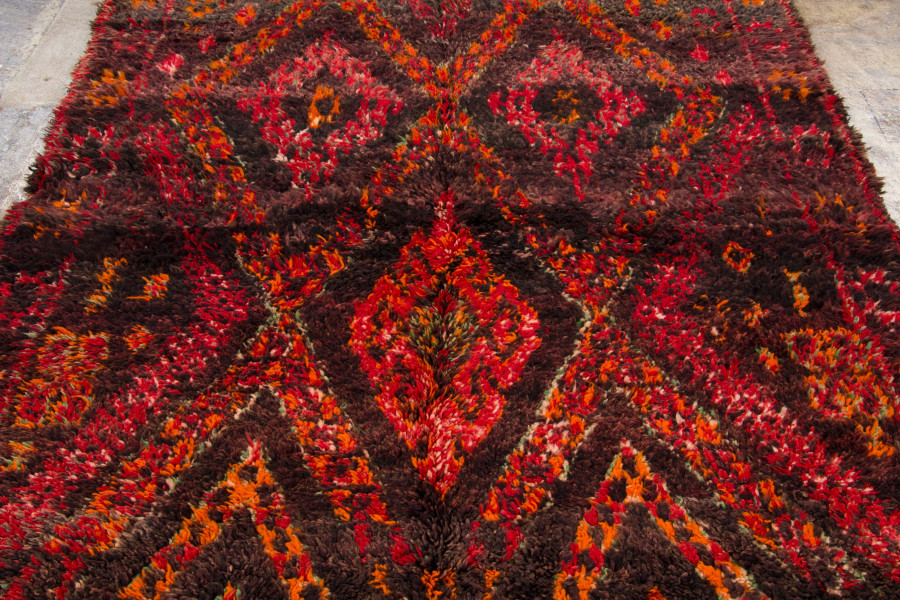 37912Vintage Moroccan Berber Rug with Diamond Lattice in Dark Red - Rug & Kilim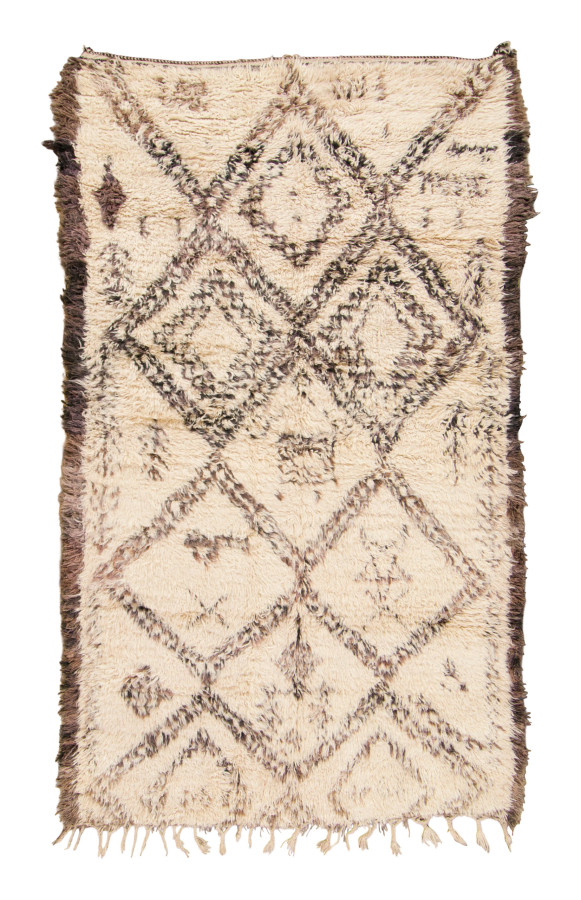
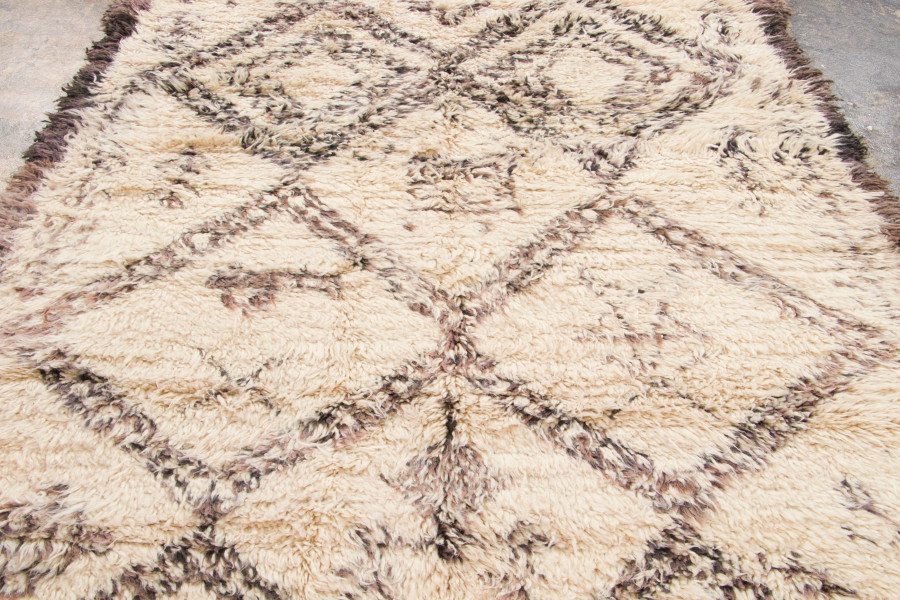 37908Vintage Moroccan Berber Rug with Diamond Lattice in Cream & Brown - Rug & Kilim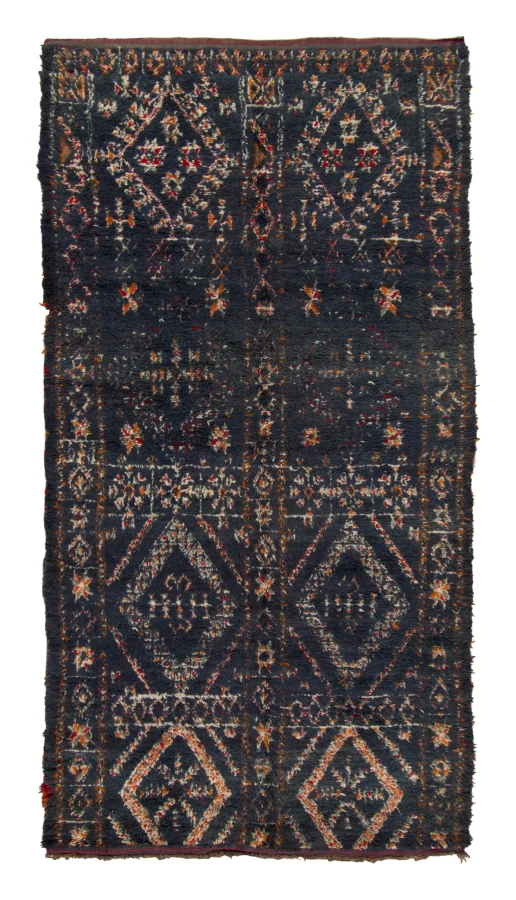
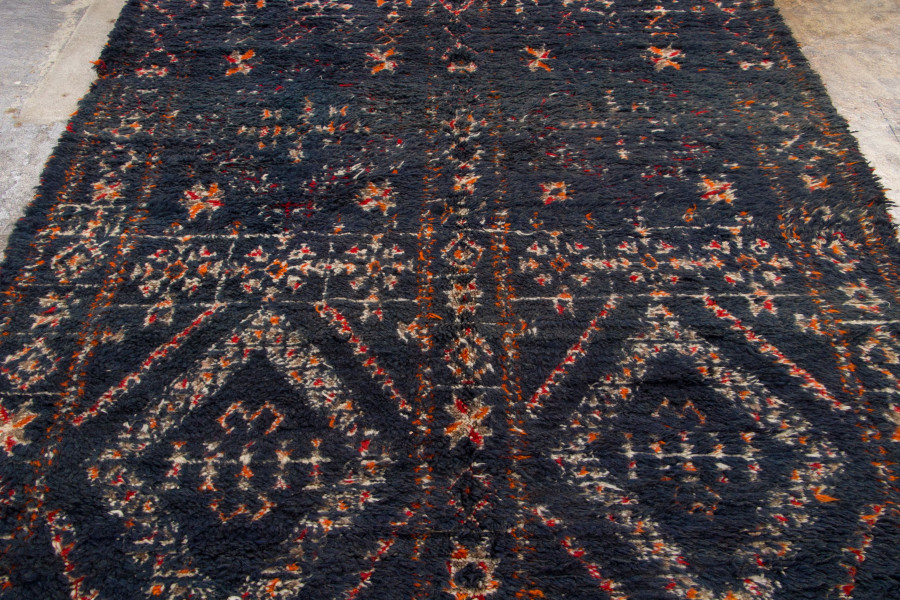 37906Vintage Moroccan Berber Runner with Diamond Motifs in Charcoal - Rug & Kilim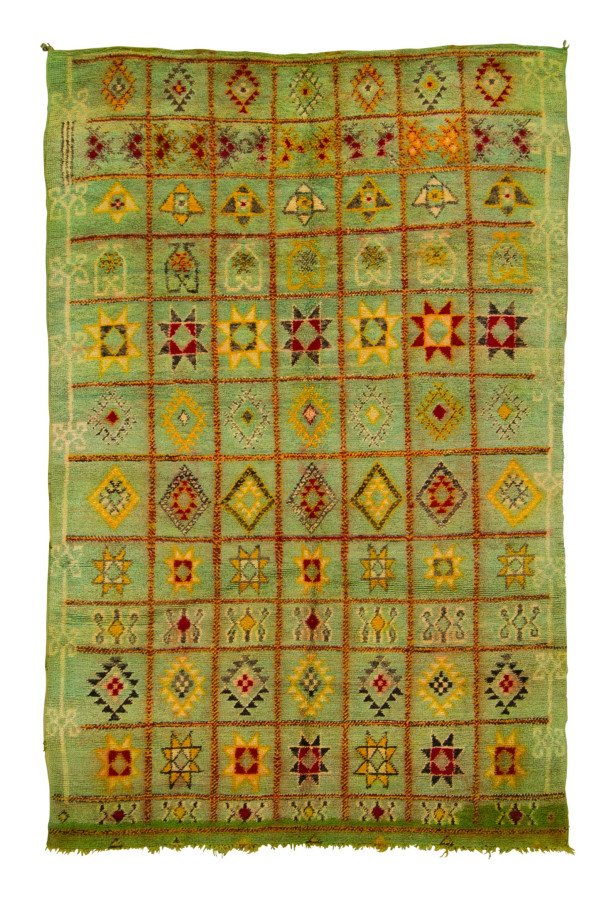
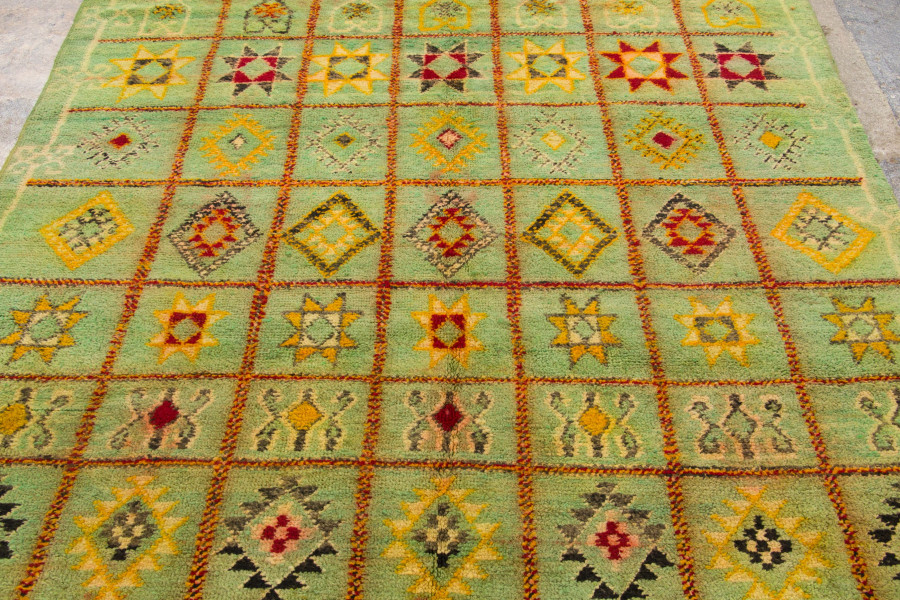 37902Vintage Moroccan Berber Rug with Geometric Grid in Green & Gold - Rug & Kilim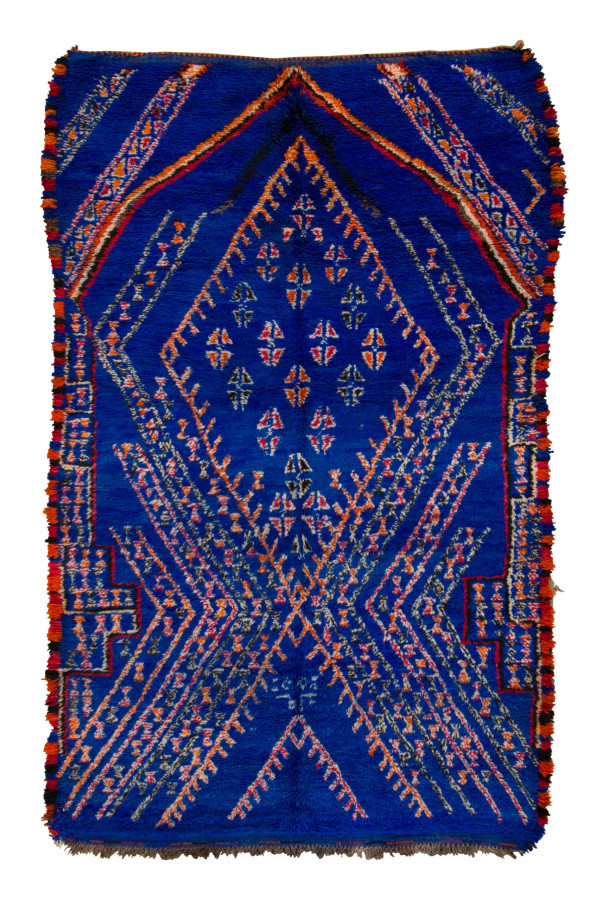
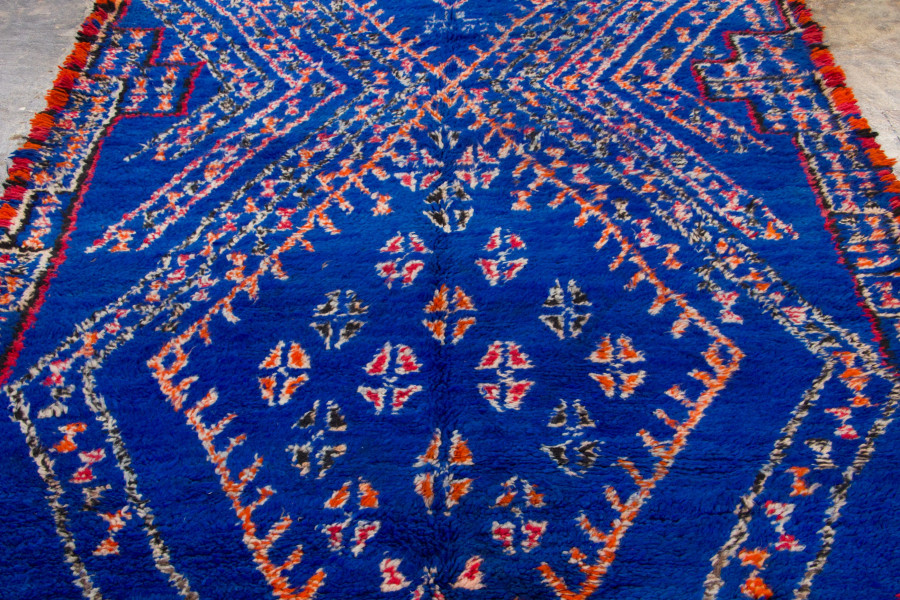 37900Vintage Moroccan Berber Rug with Diamond Medallion in Blue - Rug & Kilim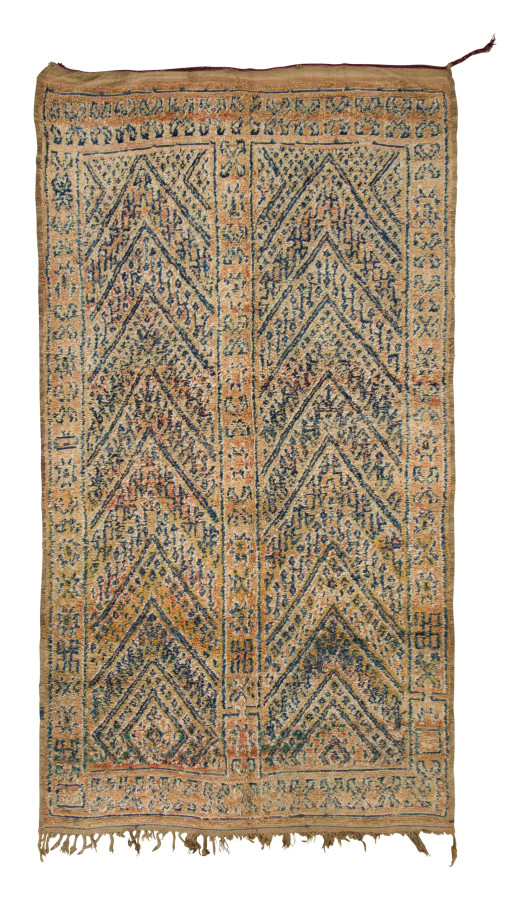
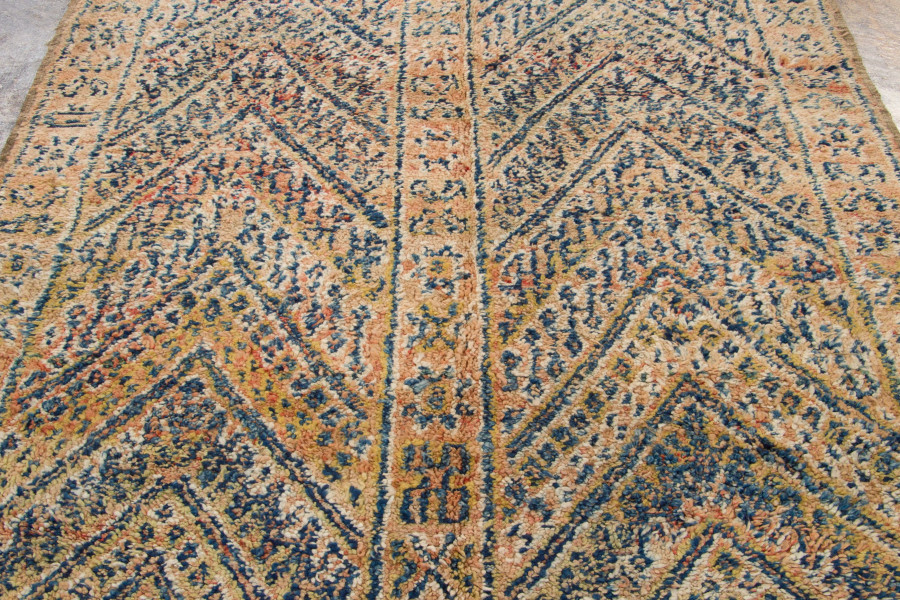 37899Vintage Moroccan Berber Rug with Geometric Chevron Pattern - Rug & Kilim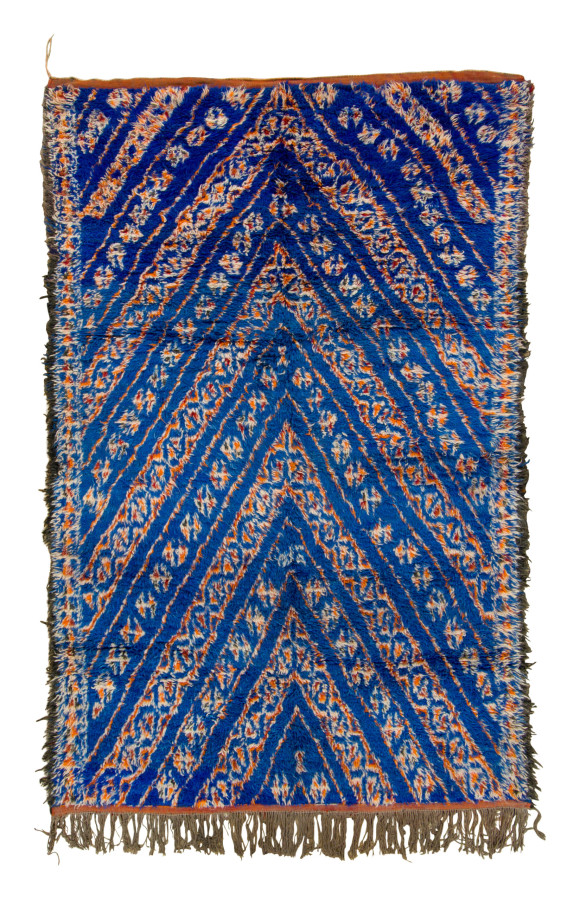
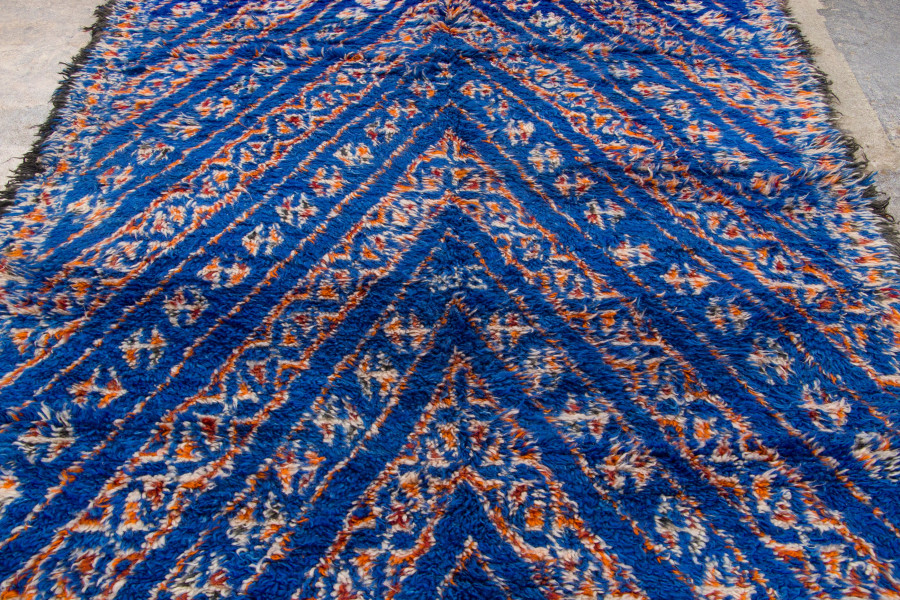 37898Vintage Moroccan Berber Rug with Chevron Pattern in Cobalt Blue - Rug & Kilim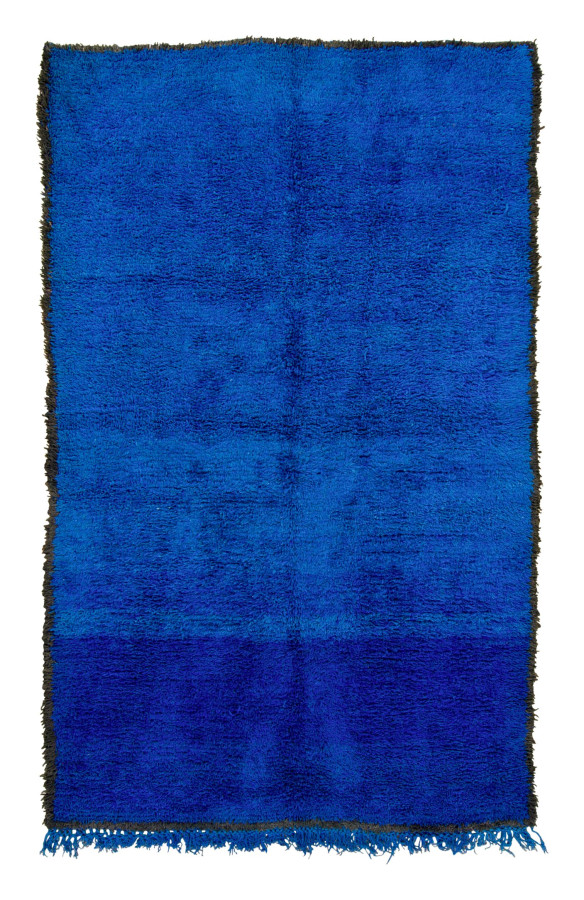
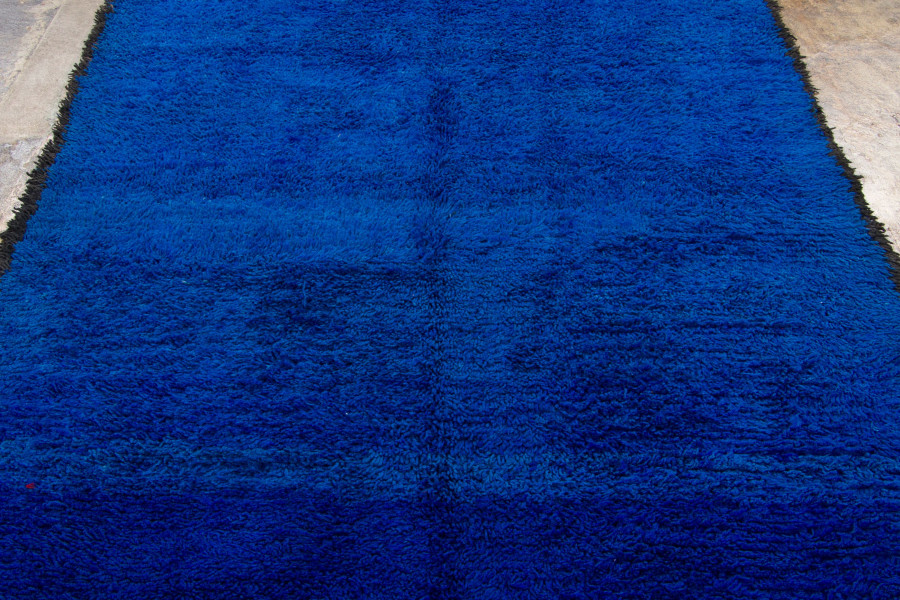 37897Vintage Moroccan Rug in Solid Blue with Textural Design - Rug & Kilim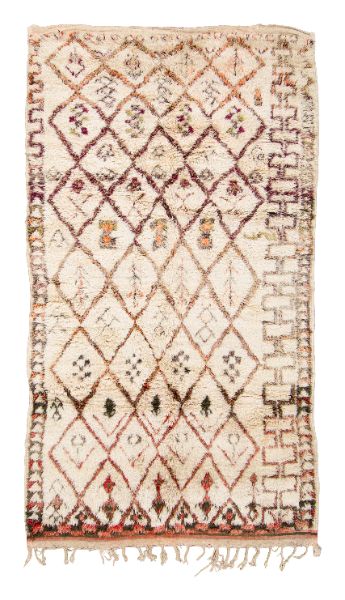
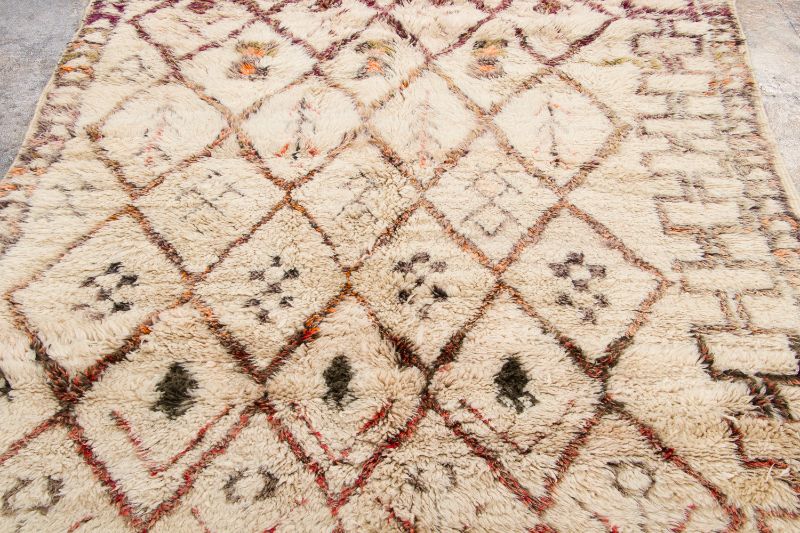 37934Vintage Moroccan Berber Shag Rug with Diamond Grid in Cream & Brown - Rug & Kilim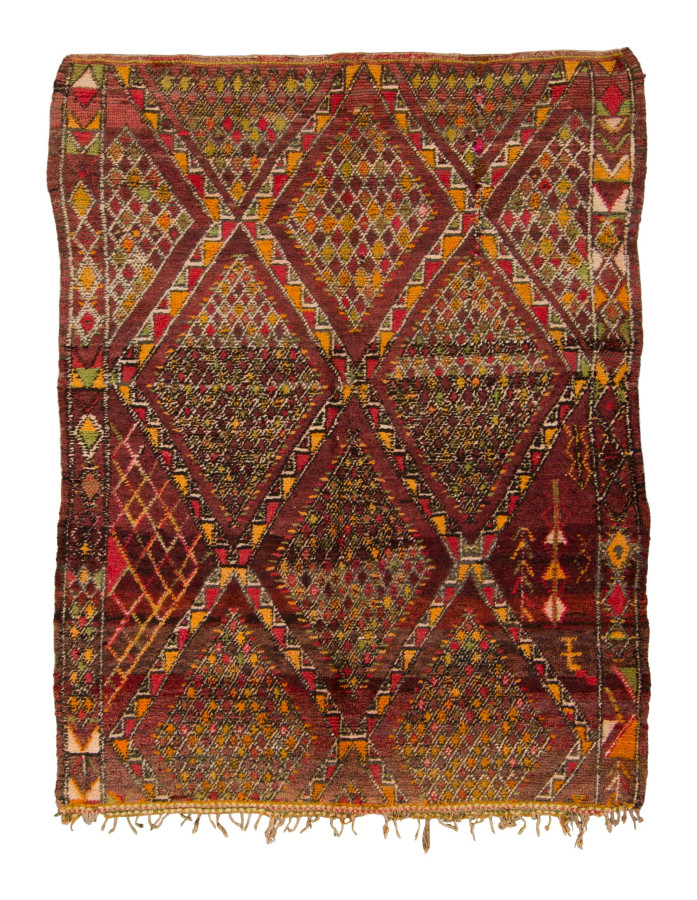
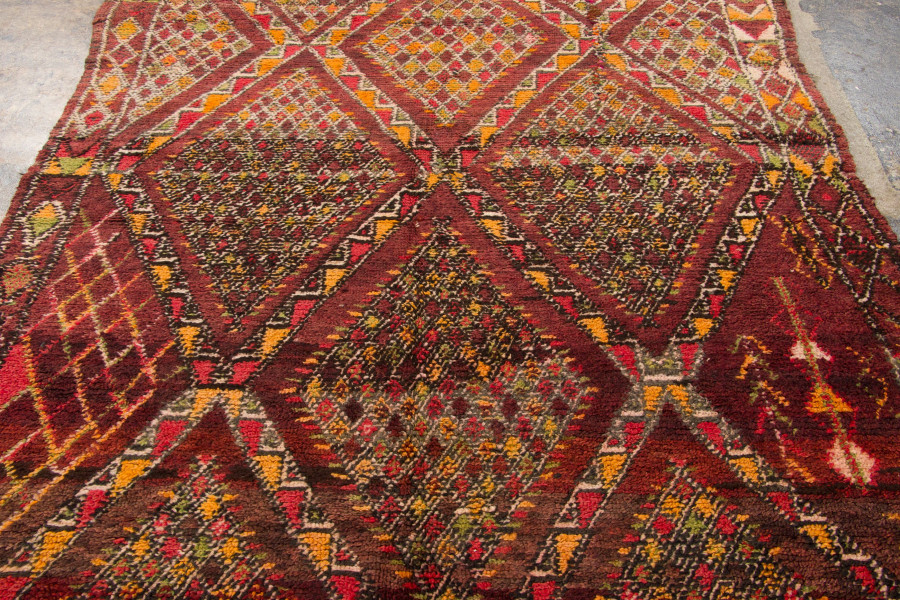 37927Vintage Moroccan Berber Rug with Geometric Grid in Warm Jewel Tones - Rug & Kilim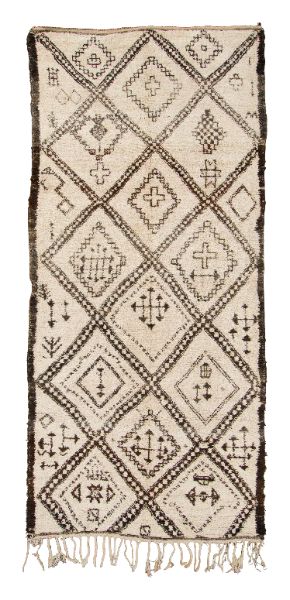
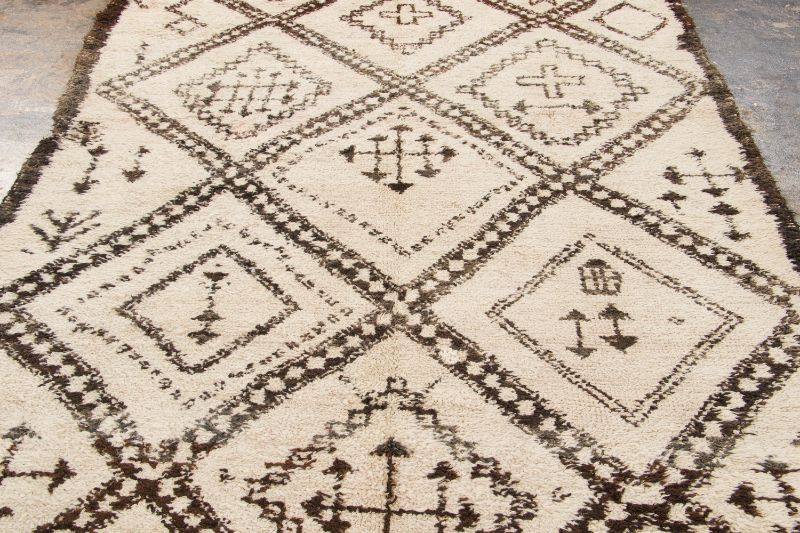 37924Vintage Moroccan Berber Runner with Folk Designs in Brown & Cream - Rug & Kilim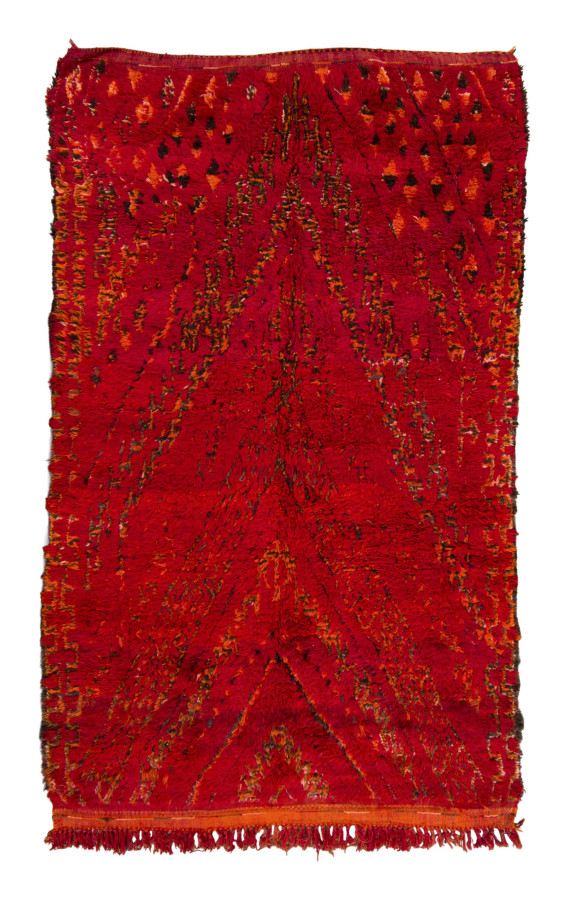
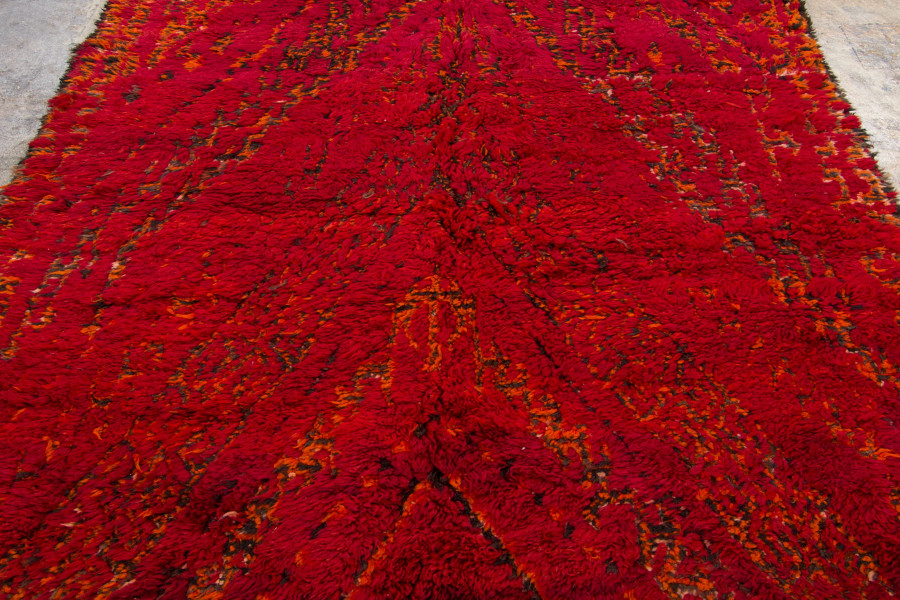 37916Vintage Moroccan Berber Shag Rug with Geometric Design in Red Hues - Rug & Kilim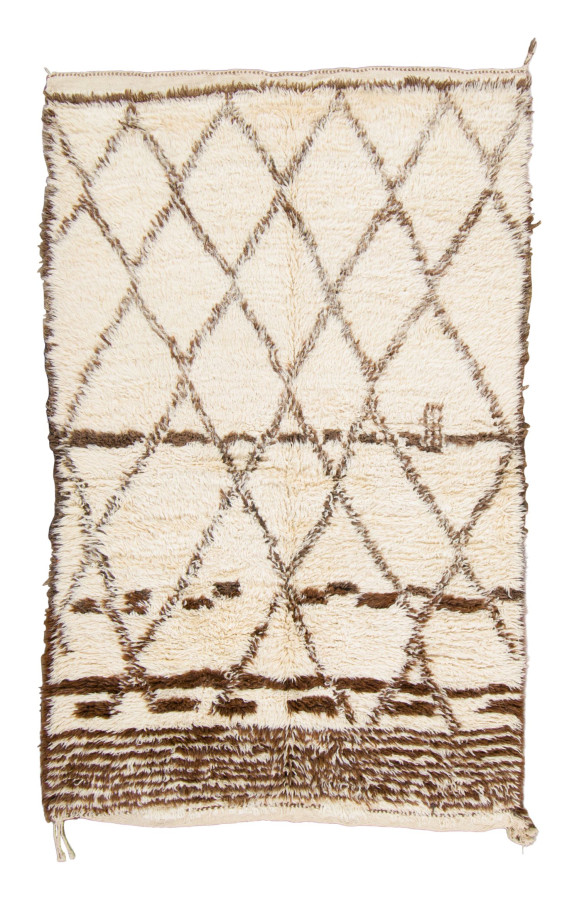
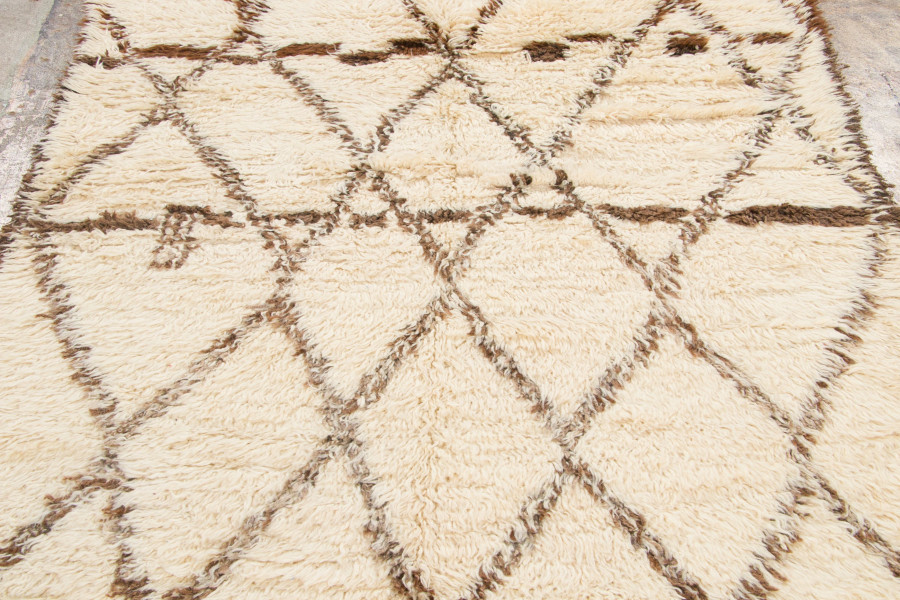 37909Vintage Moroccan Berber Shag Rug with Diamond Grid in Cream & Brown - Rug & Kilim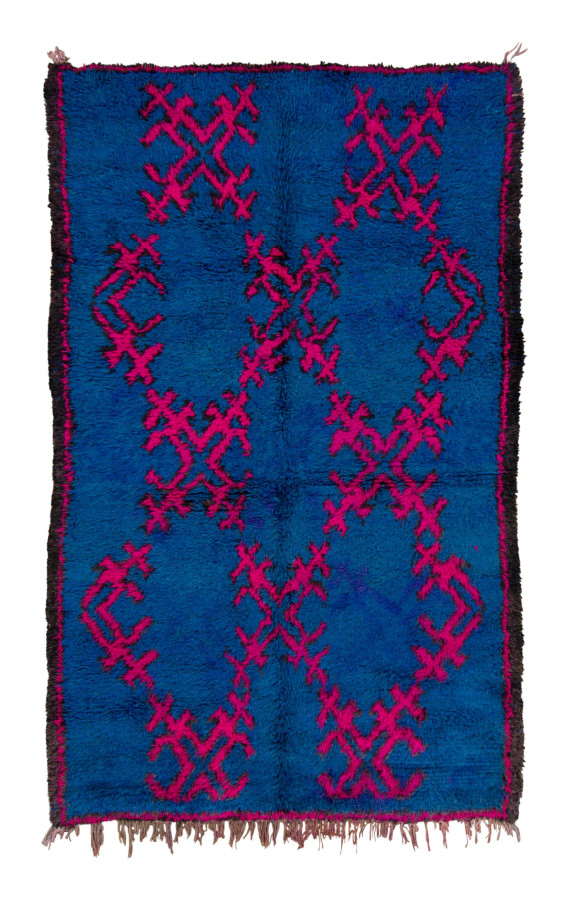
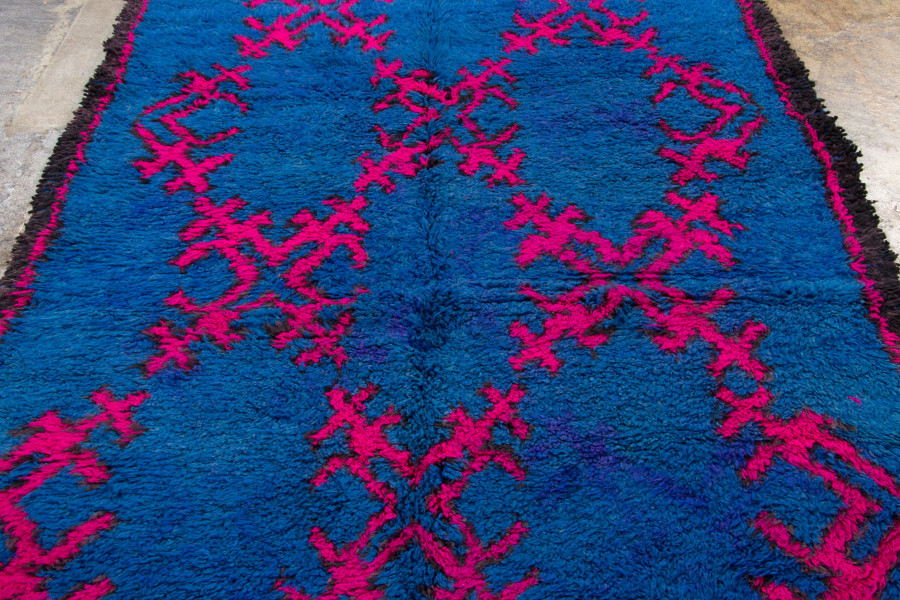 37904Vintage Moroccan Berber Rug with Folk Design in Blue & Fuchsia - Rug & Kilim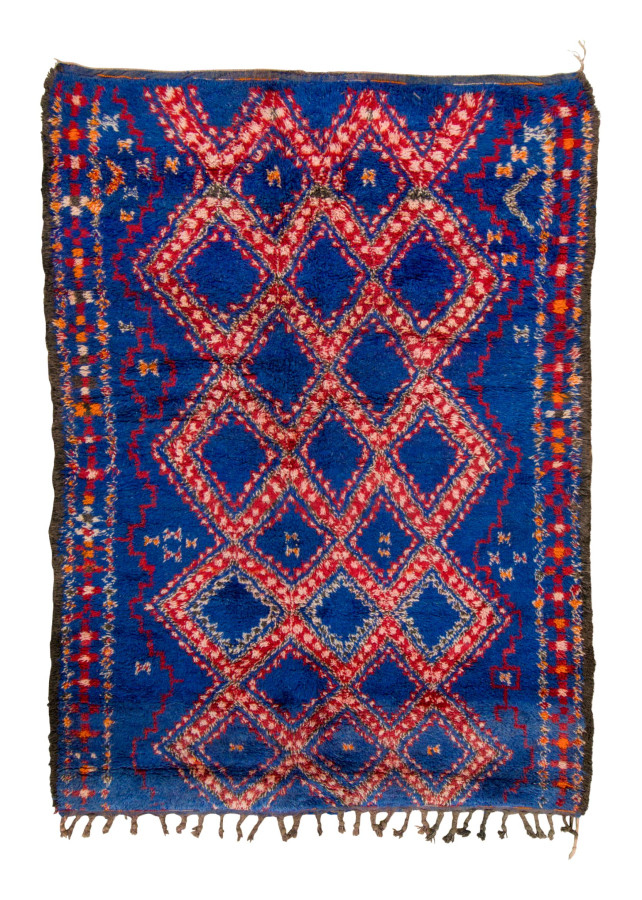
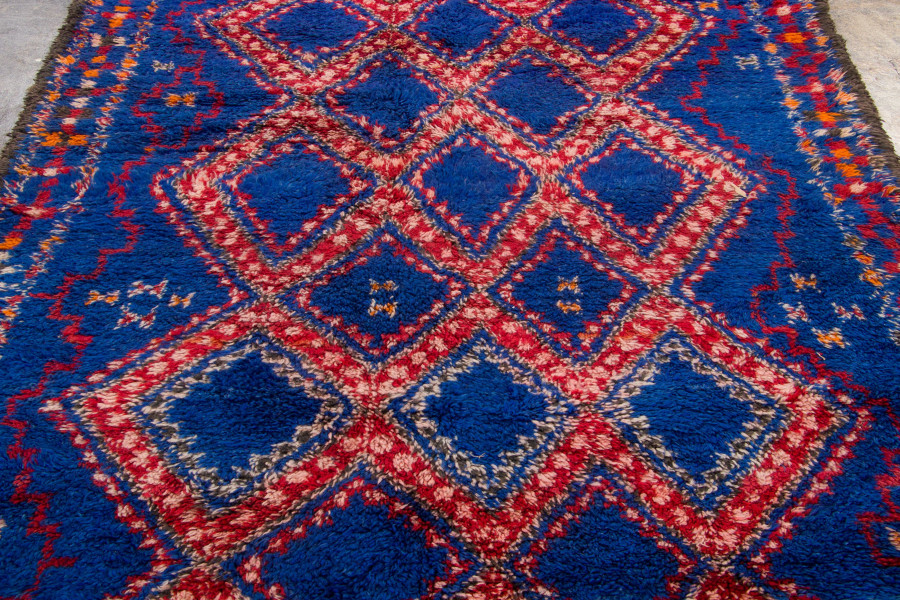 37903Vintage Moroccan Berber Shag Rug with Central Lattice in Blue & Red - Rug & Kilim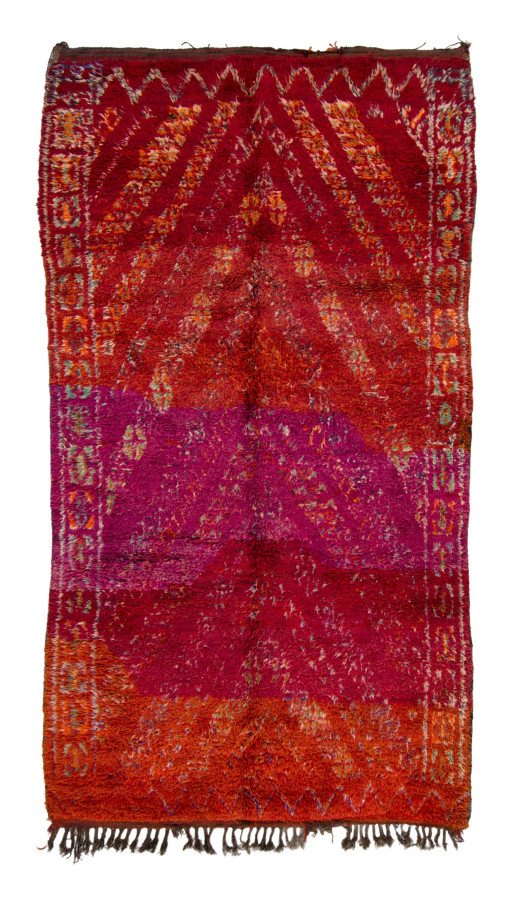
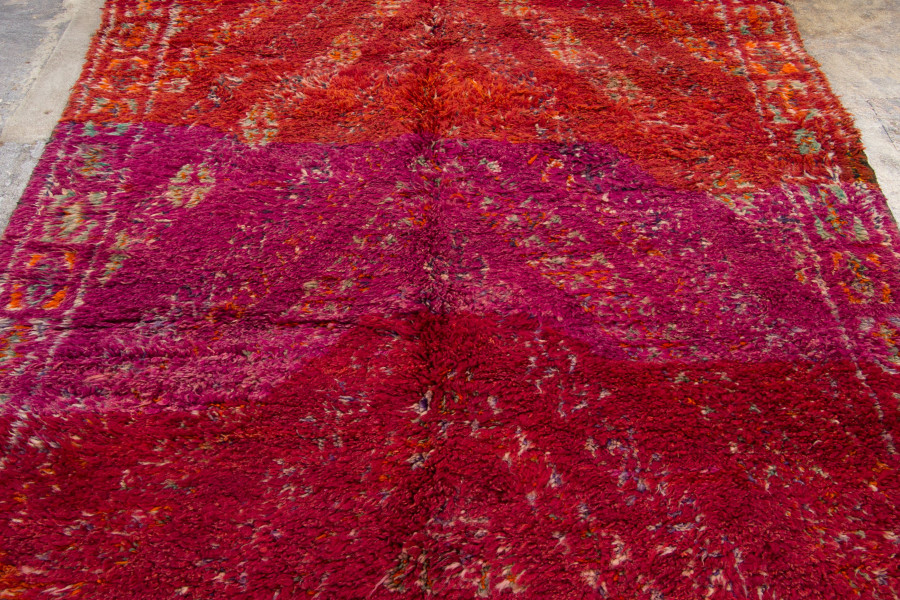 37895Vintage Moroccan Shag Rug with Chevron Patterns in Rich Red & Pink - Rug & Kilim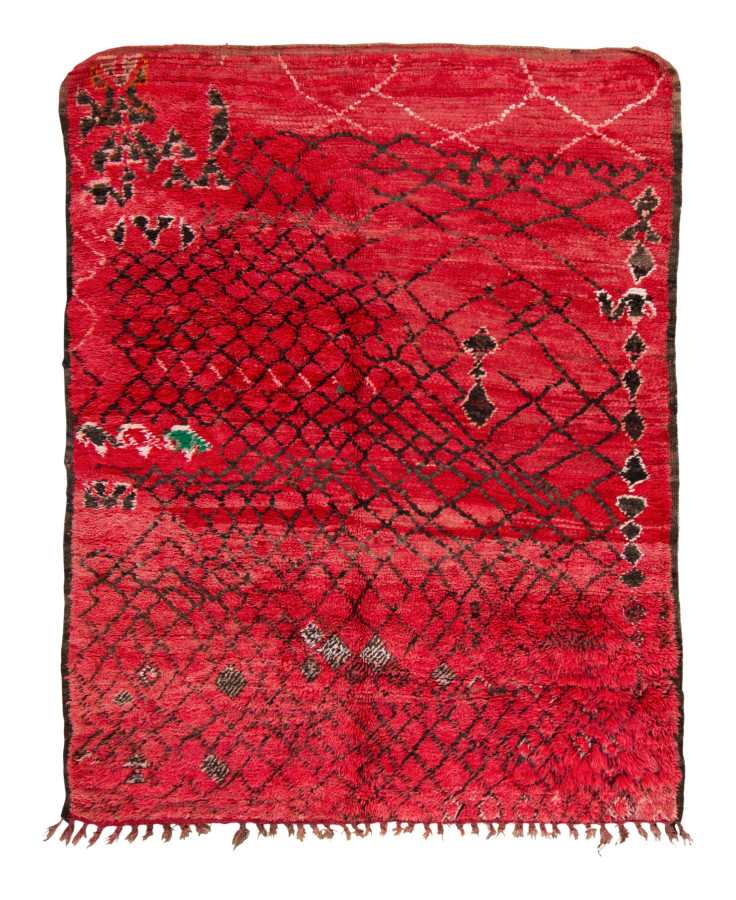
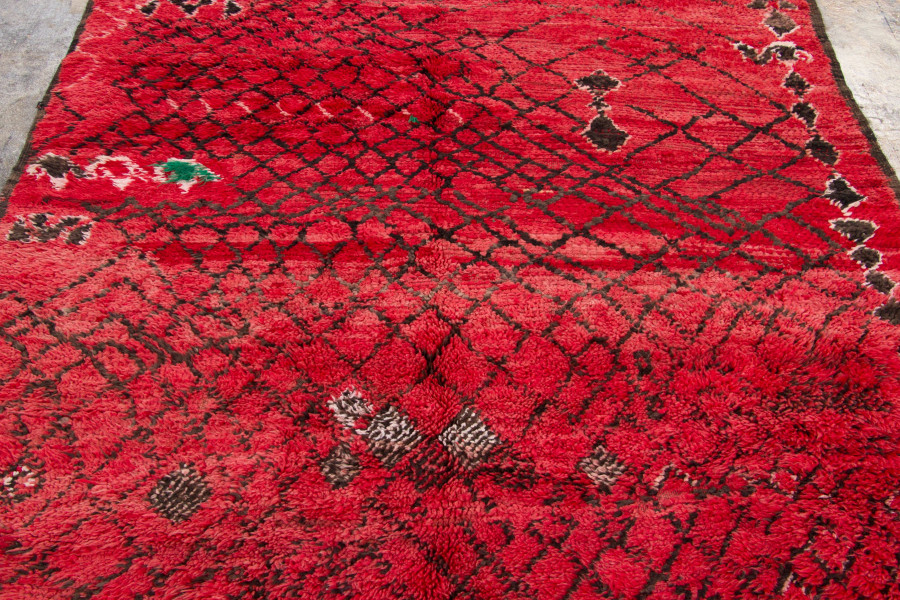 37893Vintage Moroccan Berber Shag Rug with Red Geometric Grid & Motifs - Rug & Kilim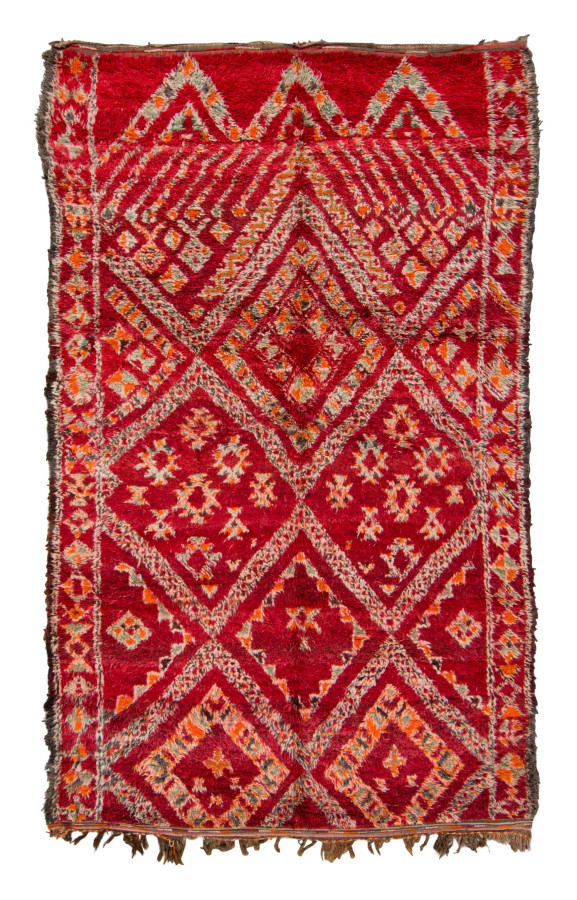
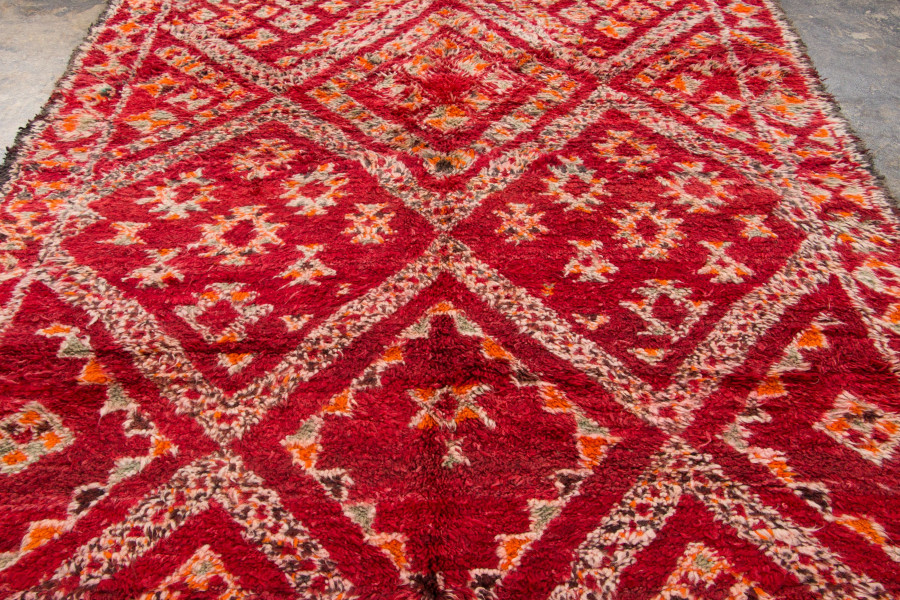 37892Vintage Moroccan Berber Shag Rug with Diamond Motifs in Red Hues - Rug & Kilim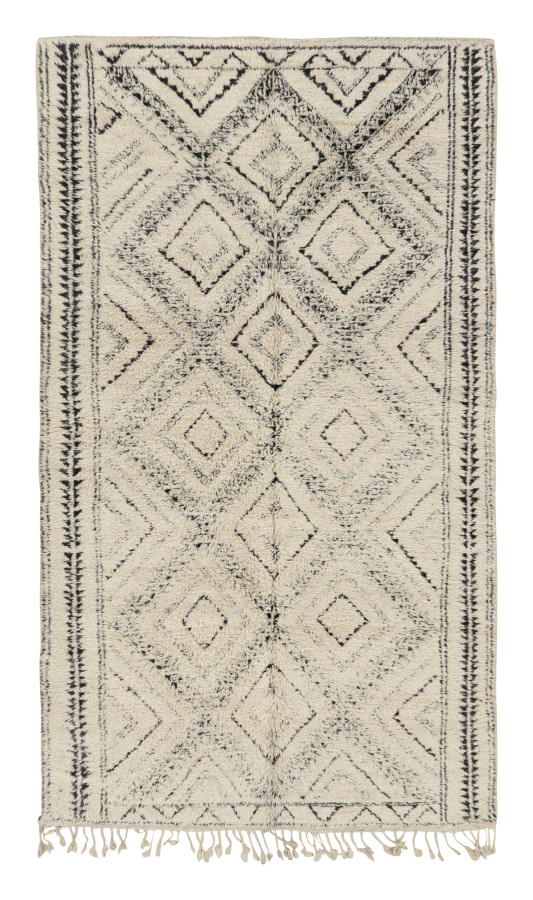
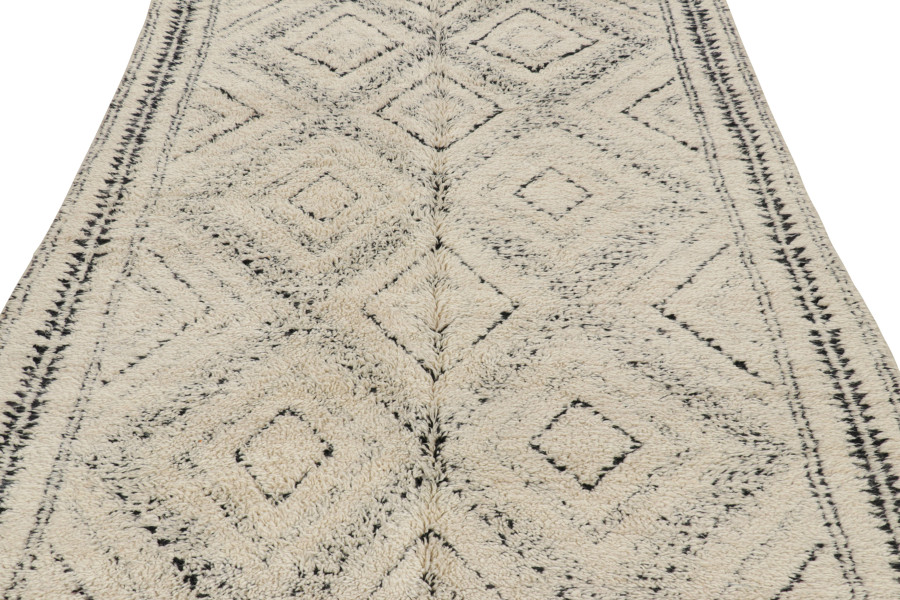 32322Vintage Moroccan Rug in Beige with Black Diamond Medallions, from Rug & Kilim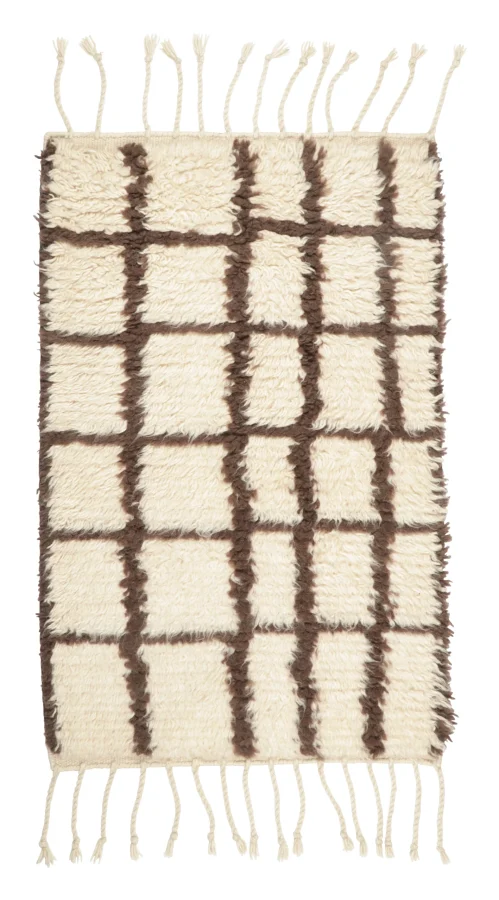
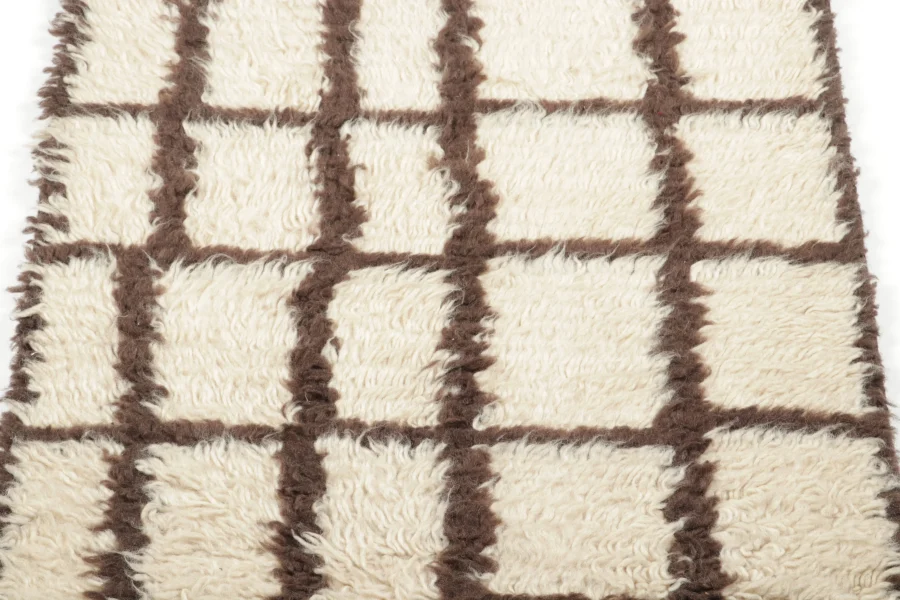 5033871Rug & Kilim’s Moroccan Shag Gift-Sized Rug with Checkered Grid in Brown & Beige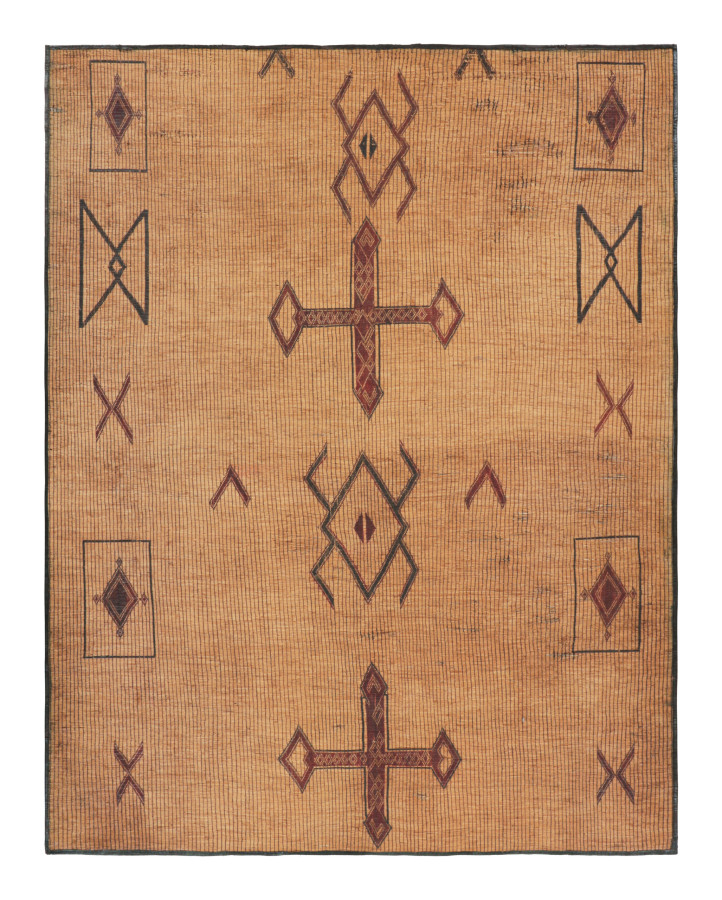
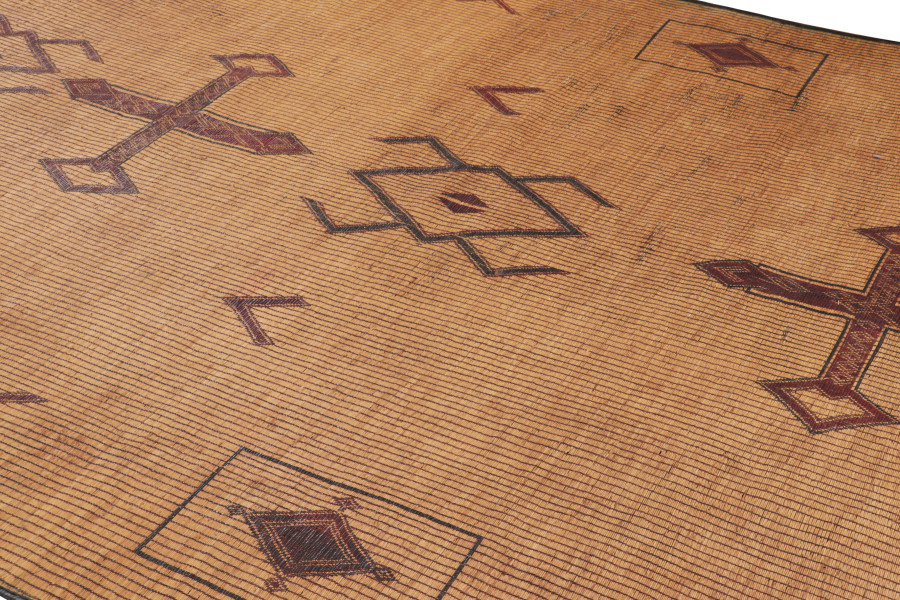 34114Vintage Moroccan Tuareg Rug with Geometric Motifs in Brown - Rug & Kilim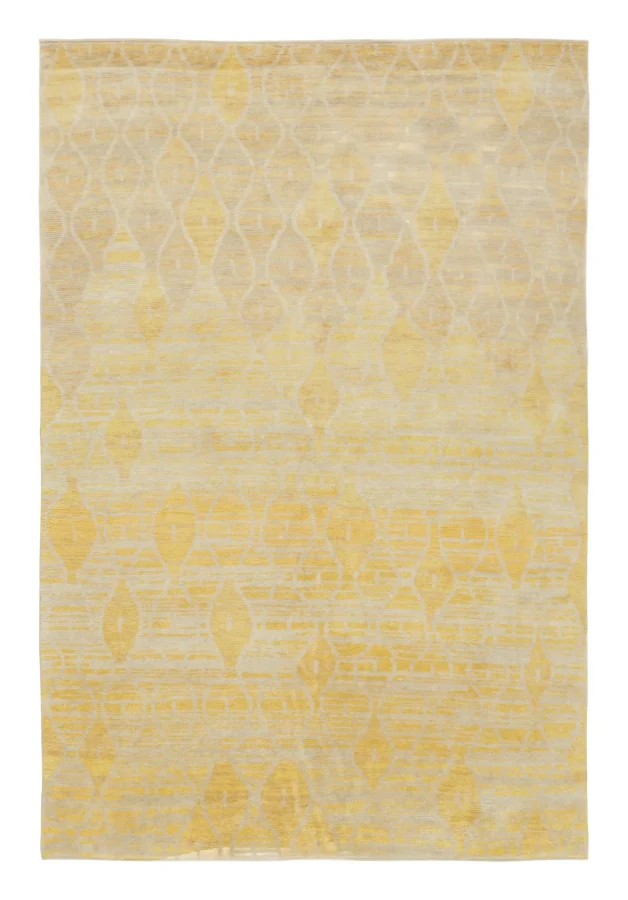
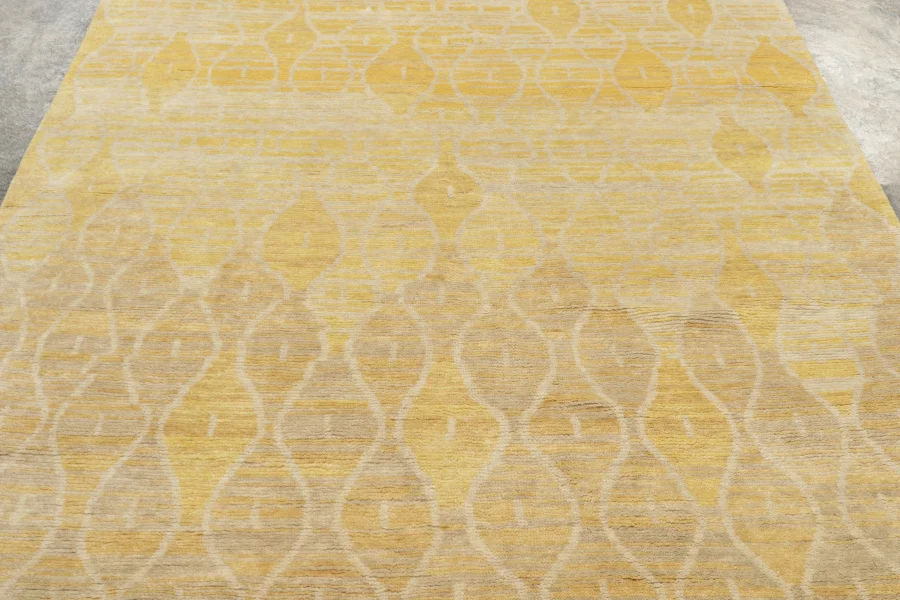 36300Rug & Kilim’s Contemporary Moroccan Rug with Geometric Abstraction in Gold Hues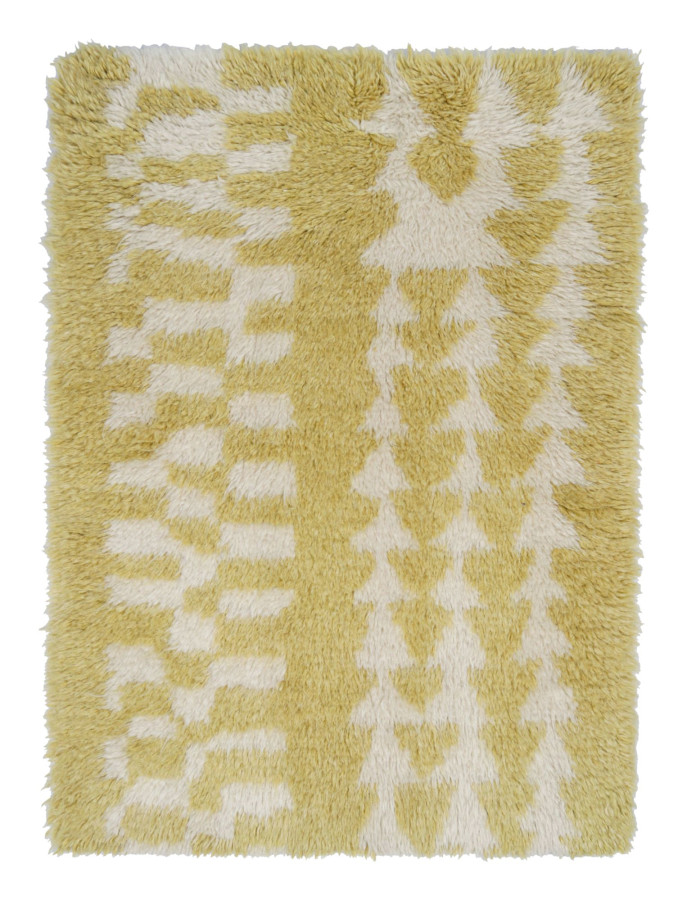
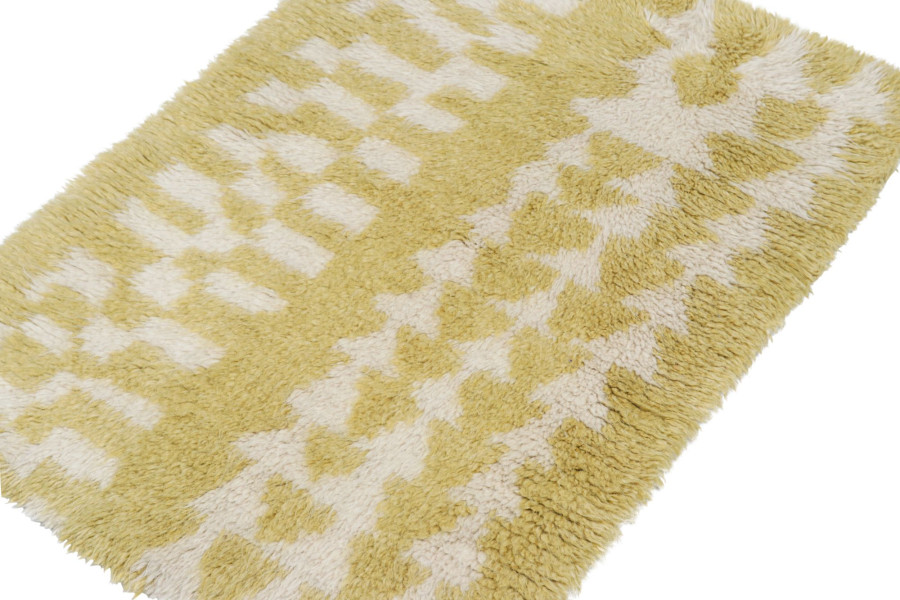 23501Rug & Kilim’s Moroccan Custom Rug with Geometric Design in Gold & White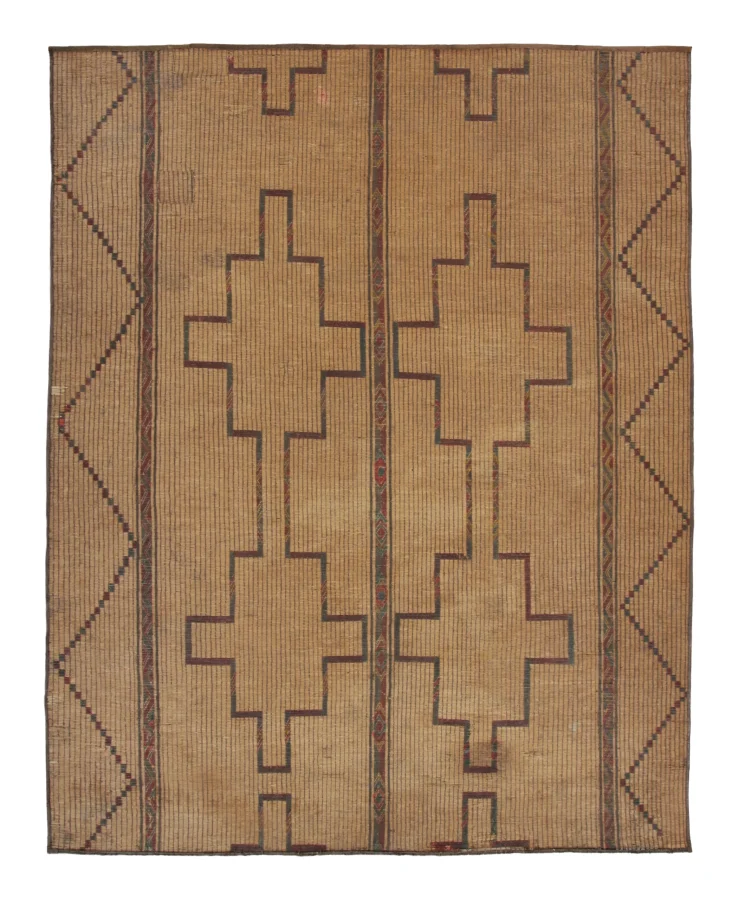
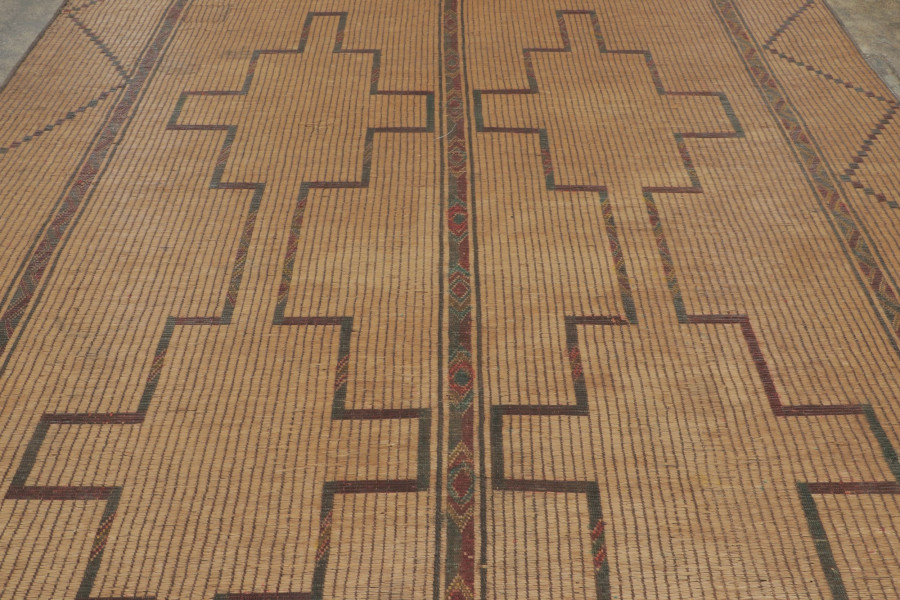 36979Vintage Moroccan Tuareg Mat with Bold Tribal Designs in Beige & Red - Rug & Kilim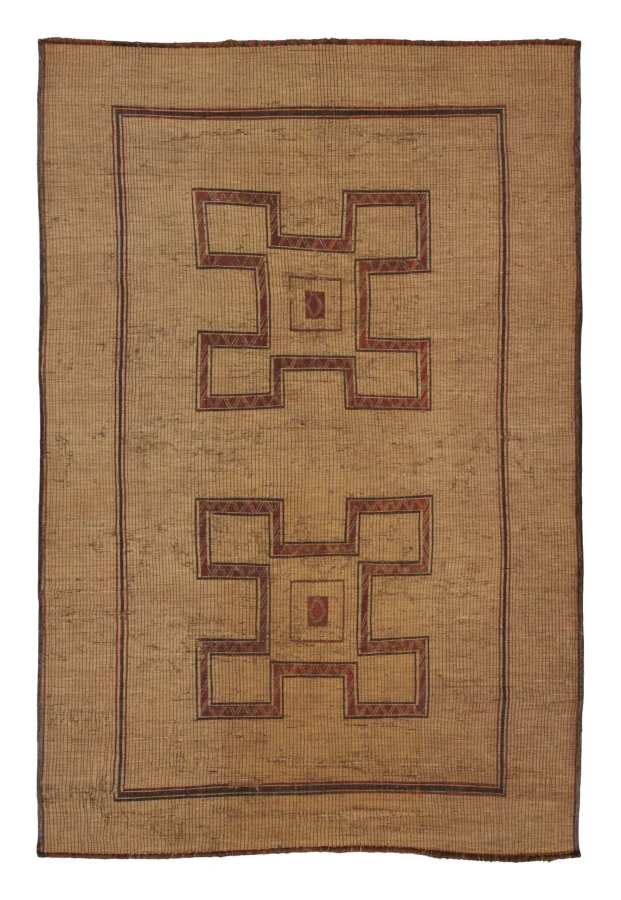
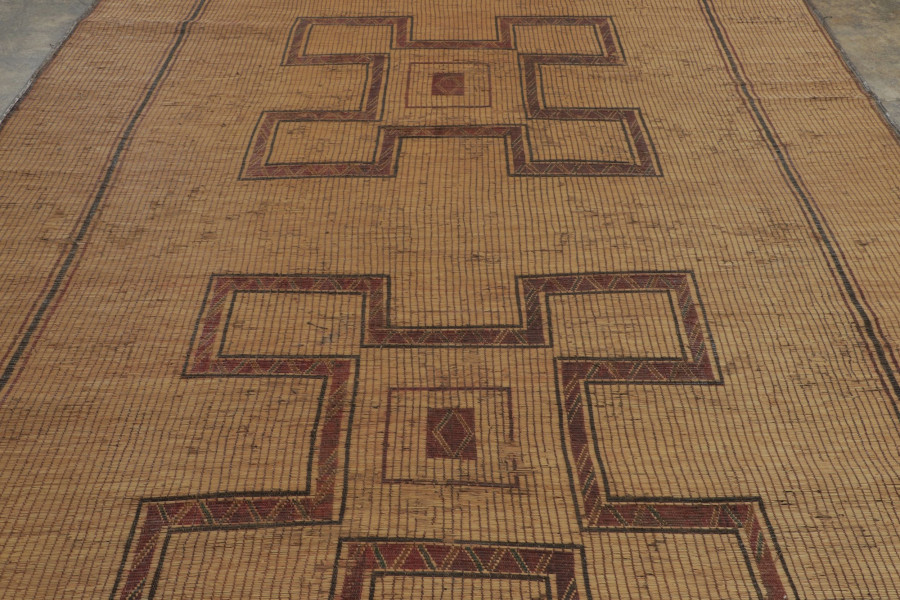 36980Vintage Moroccan Tuareg Mat with Twin Geometric Medallions in Beige & Red - Rug & Kilim
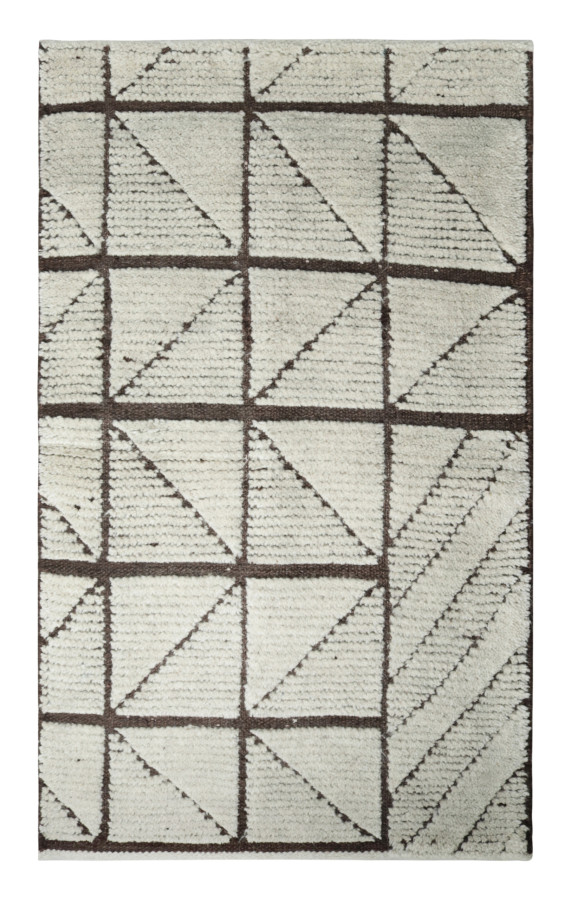 21626Rug & Kilim's Moroccan Rug in Ivory and Brown with Geometric Design
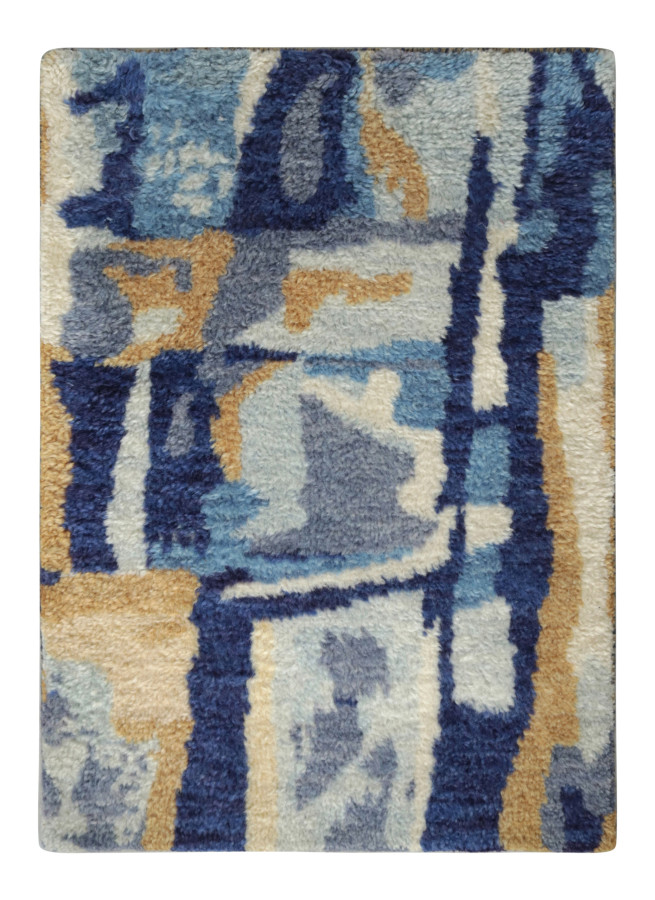 21656Rug & Kilim's Moroccan Rug in Multicolor with Graphic Geometric Design
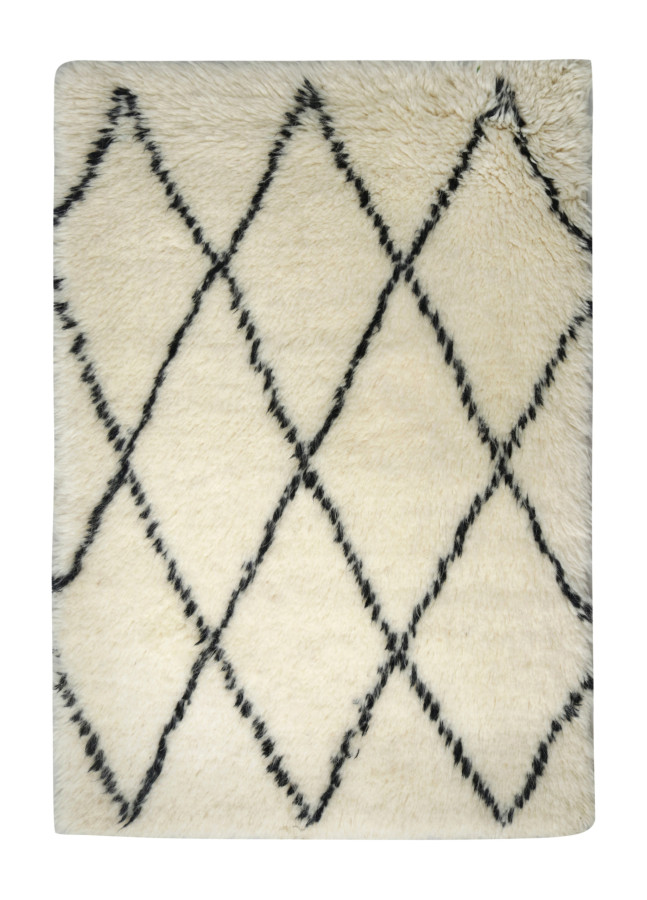 21536Rug & Kilim’s Moroccan Rug with Ivory Field & Black Geometric Pattern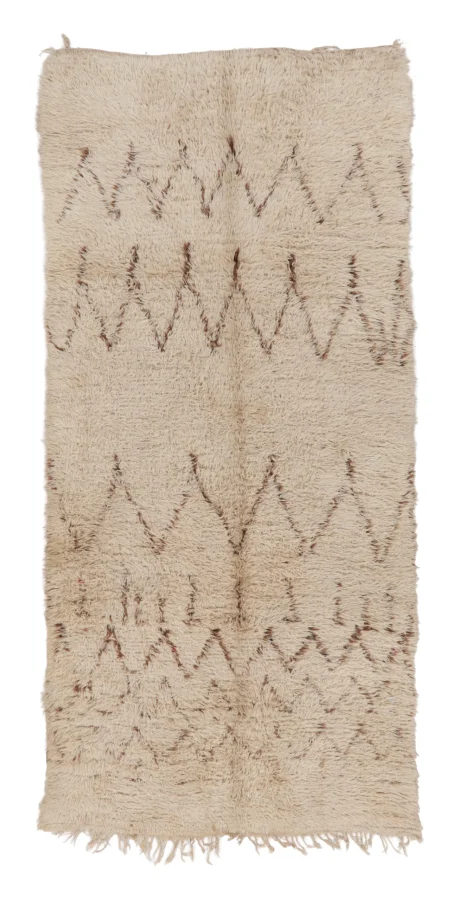
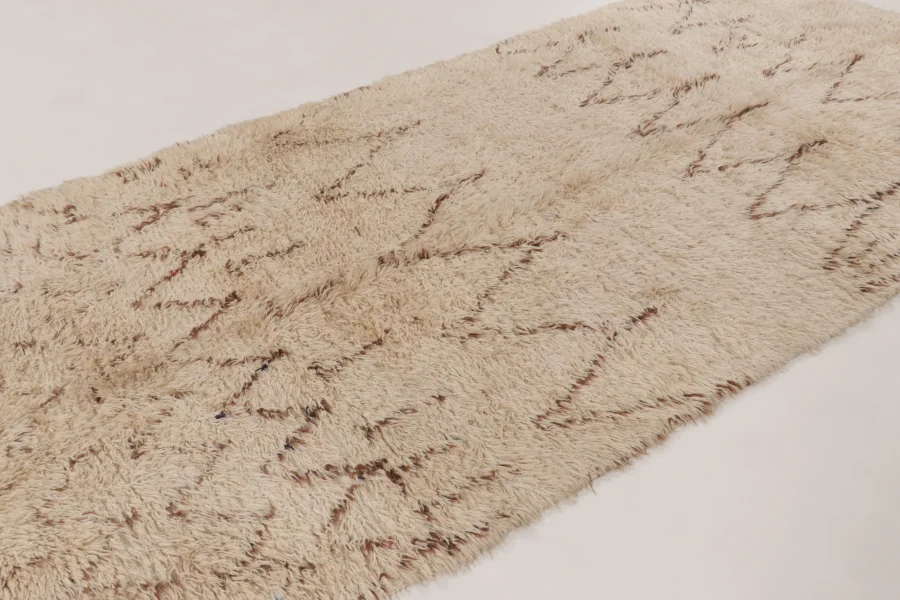 36985Vintage Moroccan Shag Runner with Berber Motifs in Beige & Brown - Rug & Kilim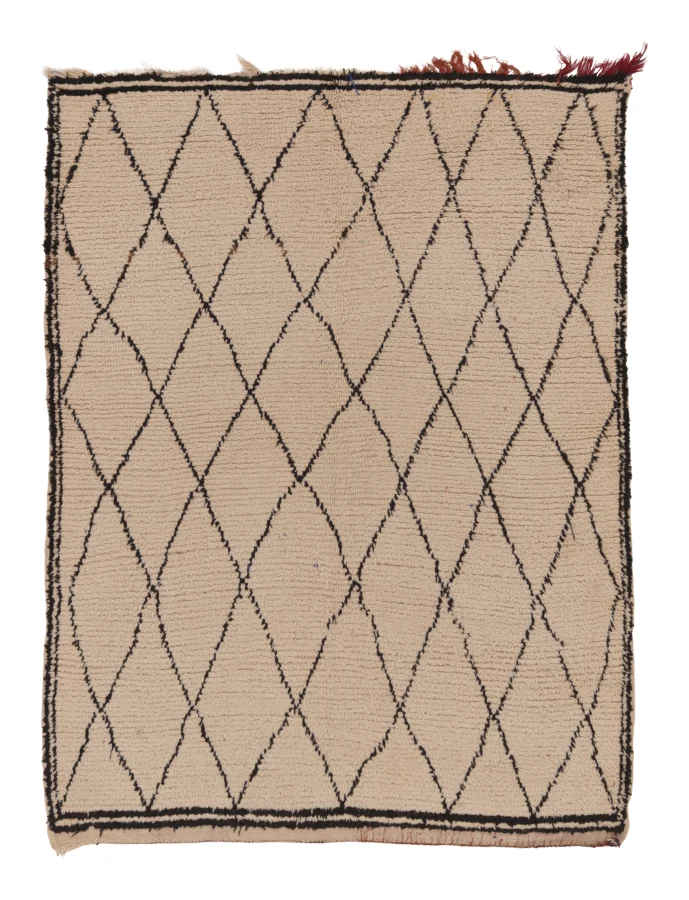
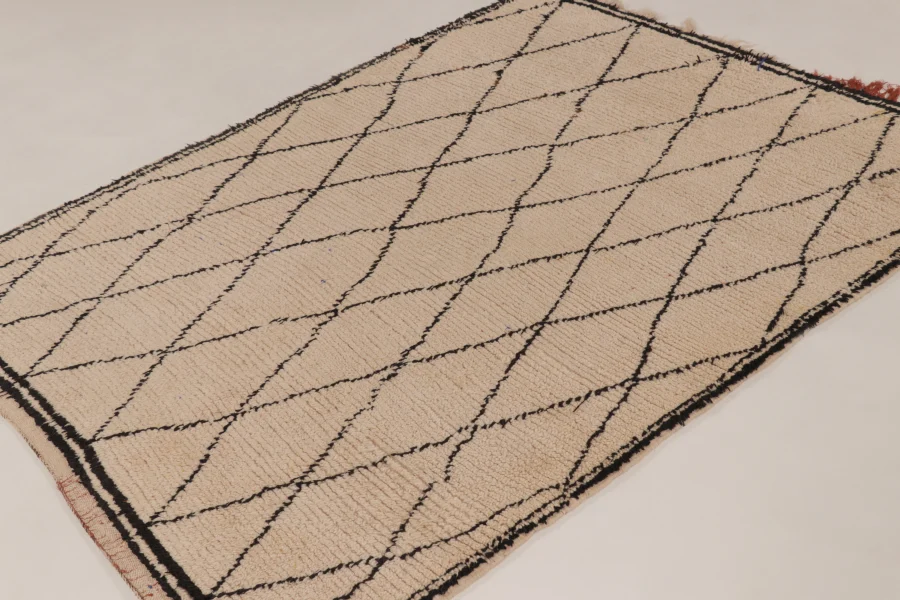 36989Vintage Moroccan Rug with Tribal Diamond Grid in Beige & Black - Rug & Kilim
Stories from the Moroccan Archive
Essays, artist dialogues, and provenance notes drawn from Rug & Kilim’s editorial desk.
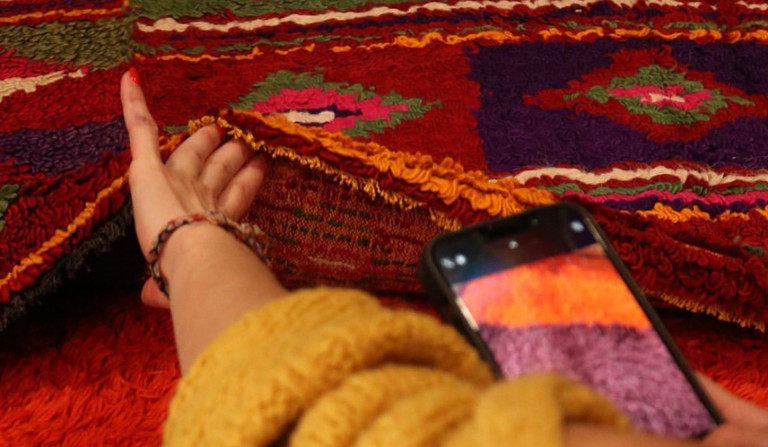
Tulu Rugs as Icons of Raw Luxury: Folk Art Meets Modern Fashion
A Tulu rug emerges as a textile heirloom reimagined for royalty. The Evolution of the Tulu Rug Once woven to shield nomadic families from the brutal Anatolian winters, Tulu rugs were never meant to be seen — they were meant to be felt. Thick, long-pile, and spun from the softest Angora wool, these rugs served as primitive insulation, hand-crafted by Turkish tribes whose artistry was born from necessity. But in today’s most discerning interiors, what was once survival is now sovereignty. Tulu — from the Turkish word tüylü, meaning "hairy" or "shaggy" — has found its place in contemporary design. From Parisian ateliers to Brooklyn brownstones, from Brutalist galleries to Baroque revivalist townhouses, Tulu rugs are now the grounding force of aesthetic storytelling. No longer relegated to ethnographic obscurity, they’ve been recontextualized as objets d’art — the missing link between primal craftsmanship and couture design.
Read the Feature
A Day in the Life: Inside the Venerable House of Rug & Kilim
The foundations of a great institution are laid not with brick and mortar, but with passion, knowledge, and unwavering commitment to craft. For over four decades, Rug & Kilim has strove for excellence—a family dynasty of textile connoisseurship built upon Jahanshah Nazmiyal's pioneering vision and now continued through the stewardship of his sons, Cyrus and Sina Nazmiyal. To understand textile is to understand human civilization itself. Every knot, every weft, every fiber tells us something profound about culture, commerce, and art expression. This is not merely our business—it is our obsession.
Read the Feature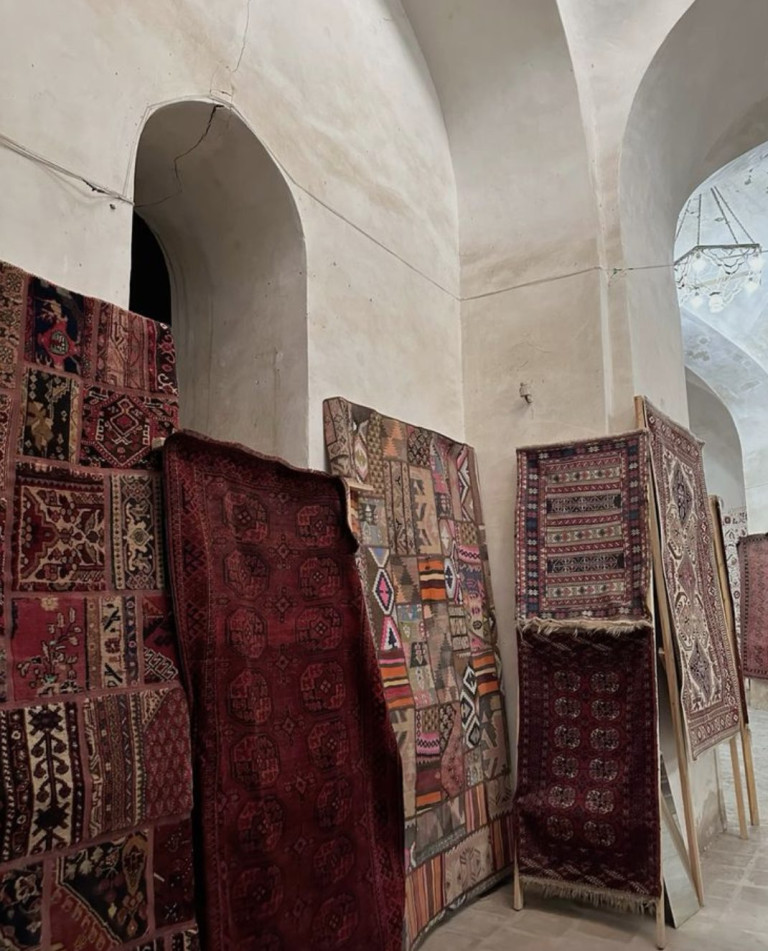
A Guide to Folklore and Cultural Memory in Rugs and Kilims
In collecting rugs and kilims, we encounter not just objects, but vessels of generational memory, where each design reveals itself as a complex cultural manuscript. What emerges from this study of traditional rug-making is not merely a catalog of styles or techniques, but rather an atlas of human cultural memory. These textiles - whether prayer rugs from Anatolia, dowry pieces from Isfahan, or war rugs from Afghanistan - serve as sophisticated vehicles for cultural transmission, preserving what might otherwise be lost to time. The Afghan war rugs present the most profound example of textile resistance in modern history.
Read the Feature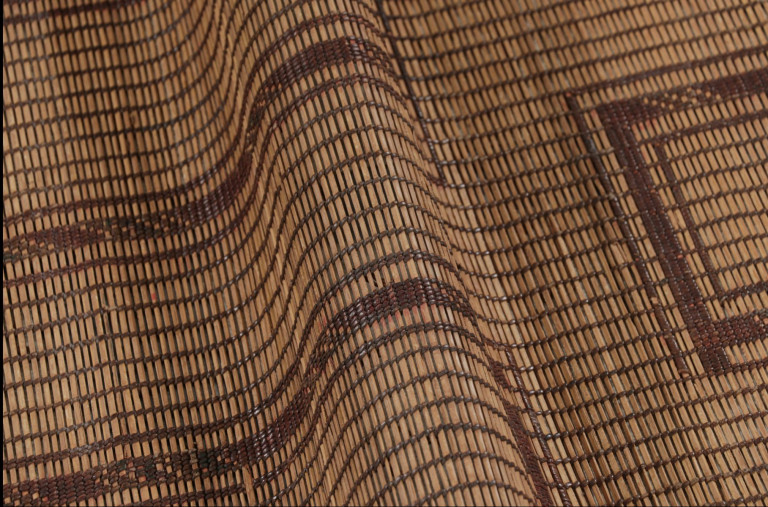
A Guide to Antique and Vintage Moroccan Tuareg Mats
Moroccan Tuareg mats serve as poignant symbols of a fading era, crafted during the early 20th century amidst the nomadic caravans in North Africa. Made from palm and reeds and adorned with camel or goat leather designs, these mats were integral to the nomadic lifestyle, serving as homes that could be rolled up and transported as families moved to new locations. Moroccan art extends beyond carpets to encompass rich mediums of pottery, wood carvings, leatherwork, jewelry, and more. Musée Berbère in Marrakech houses one of North Africa's most compelling collections of Berber artifacts. These diverse mediums showcase intricate designs that serve not only as visual delights but also as protective talismans against negative energies.
Read the Feature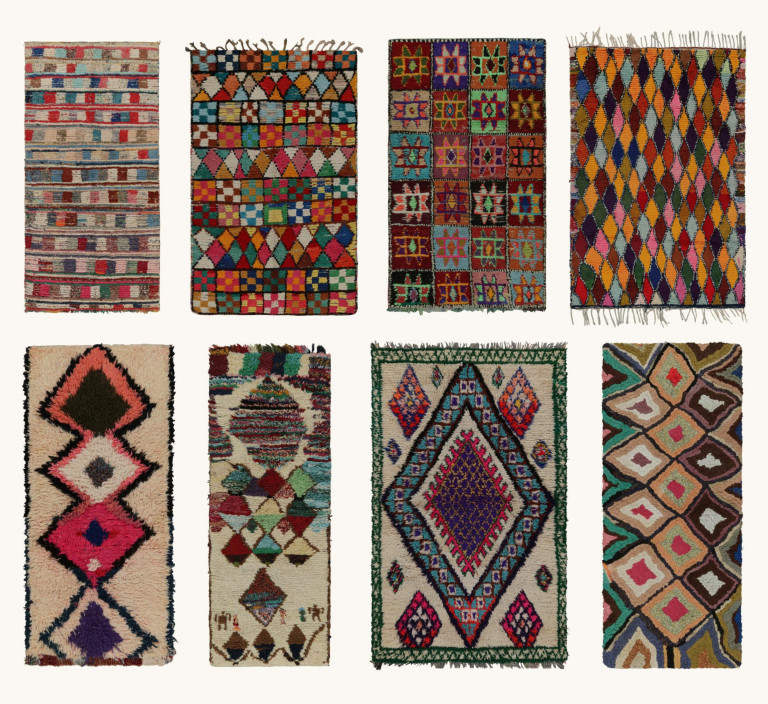
A Guide to History and Significance of Moroccan Berber Azilal Rugs
Moroccan rugs, particularly those from the Azilal region, represent a pinnacle of textile craftsmanship. These woven masterpieces encapsulate centuries of Berber tradition, serving not merely as floor coverings but as tangible embodiments of cultural narrative. Rug & Kilim's dedication to the Azilal tradition extends beyond mere curation. We actively engage in the ongoing dialogue between historical craft and contemporary design, positioning these rugs as bridges between past and present. The genesis of Azilal rugs can be traced to the 16th century in Morocco's Middle Atlas Mountains. The Azilal small town province, characterized by its rugged terrain and isolated communities, fostered a distinct rug-making tradition that remained largely unknown to the outside world until the late 20th century. This isolation preserved the authenticity and unique characteristics of Azilal rugs, distinguishing them from other Moroccan textile traditions such as the more widely recognized Beni Ourain rugs.
Read the Feature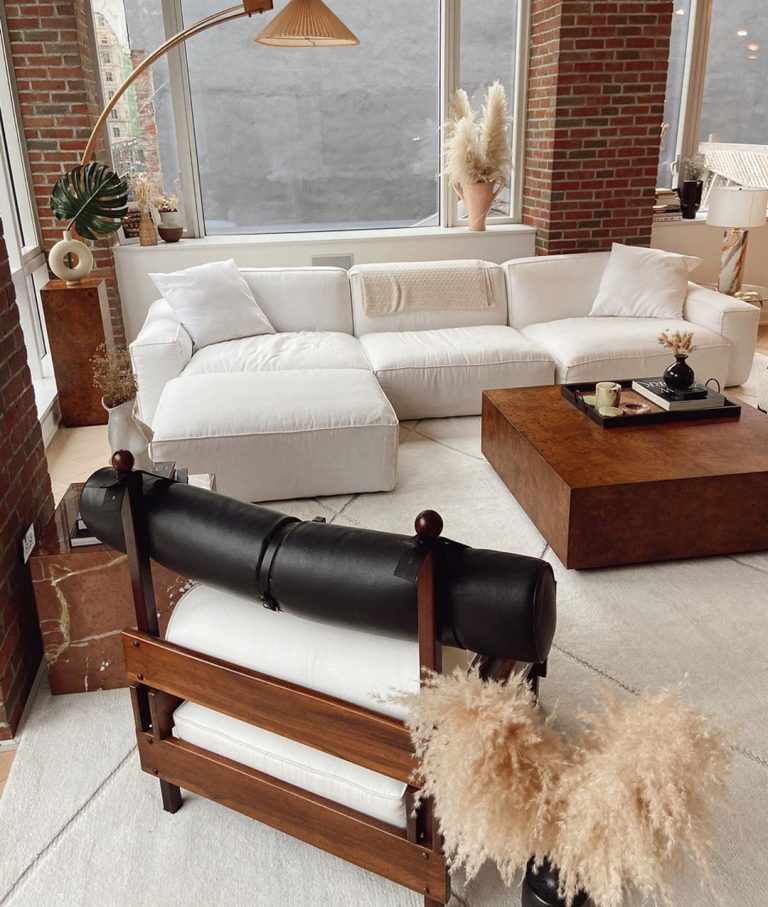
An Understanding of Moroccan Rugs and Kilims
From the antique and vintage riches of the Berber weavers to the wider capabilities of newer loom productions, our Moroccan rug and flat weave collection enjoys a diversity of wool and fabric pieces equal to our variations of colors and pile heights—both in classic tribal pieces capturing the foundations of the style and the contemporary adaptations of Moroccan sensibility in more spacious sizes. In a long career with ample time to experience the versatility of Moroccan style, it’s been rewarding to see that the vibrant, ever-distinguished and intricate colorway options of the classic tribal pieces remain popular and well-received among a variety of projects and spaces. Though the misconception remains that the original Moroccan rug and flat weave style is relegated to a niche in home design due to their size and colorway preferences, more often we’ve seen the range of our collection lending the most surprising complement to our colleagues; from chic, near-minimalist stripe and open-field designs to the more eclectic, culturally fascinating options with rich symbolism and history.
Read the Feature