Oversized Rugs
- Under 6 x 9
- Runners
- 6 x 9
- 8 x 10
- 9 x 12
- 10 x 14
- 12 x 15
- Over 12 x 15
Origin ▼
Style ▼
Material ▼
Width
Length
To connect with a specialist, click here
Stories from the Oversized Archive
Essays, artist dialogues, and provenance notes drawn from Rug & Kilim’s editorial desk.
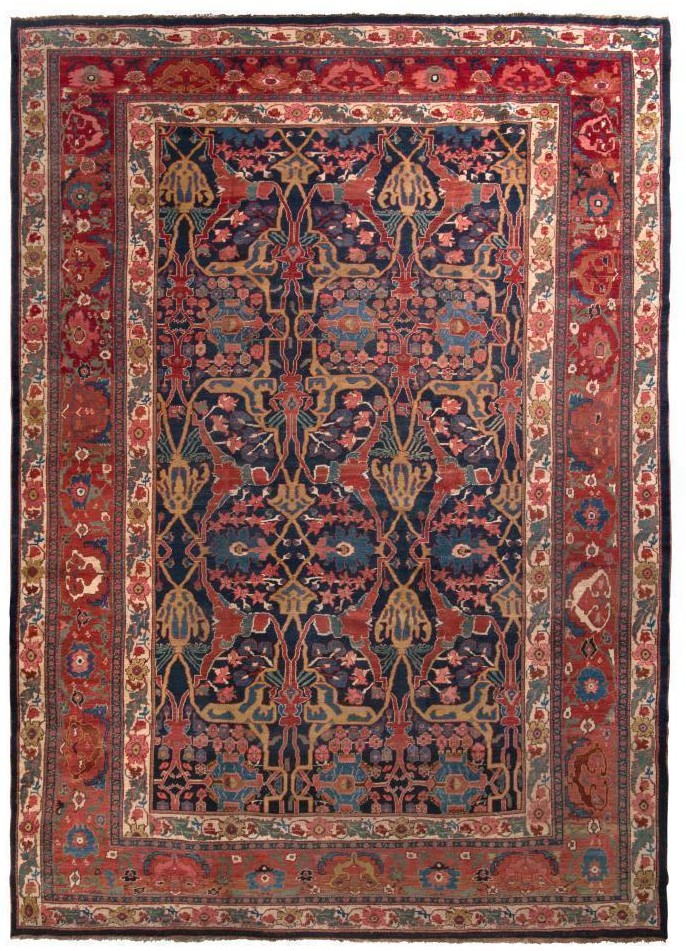
Bidjar Rugs: Persian Weaving Mastery and Historic Design
Among the most respected traditions of Persian carpet weaving, Bidjar rugs represent an extraordinary combination of strength, artistry, and technical mastery. Often referred to as the “Iron Rugs of Persia” because of their exceptional durability and dense construction, Bidjar carpets have earned a distinguished reputation among collectors, designers, and institutions worldwide. Originating from the town of Bidjar in western Iran’s Kurdistan region, these rugs reflect centuries of Kurdish weaving traditions combined with the broader artistic heritage of Persian carpet design. Their remarkable craftsmanship, sophisticated patterns, and rich color palettes have made them some of the most desirable examples of antique Persian carpets.
Read the Feature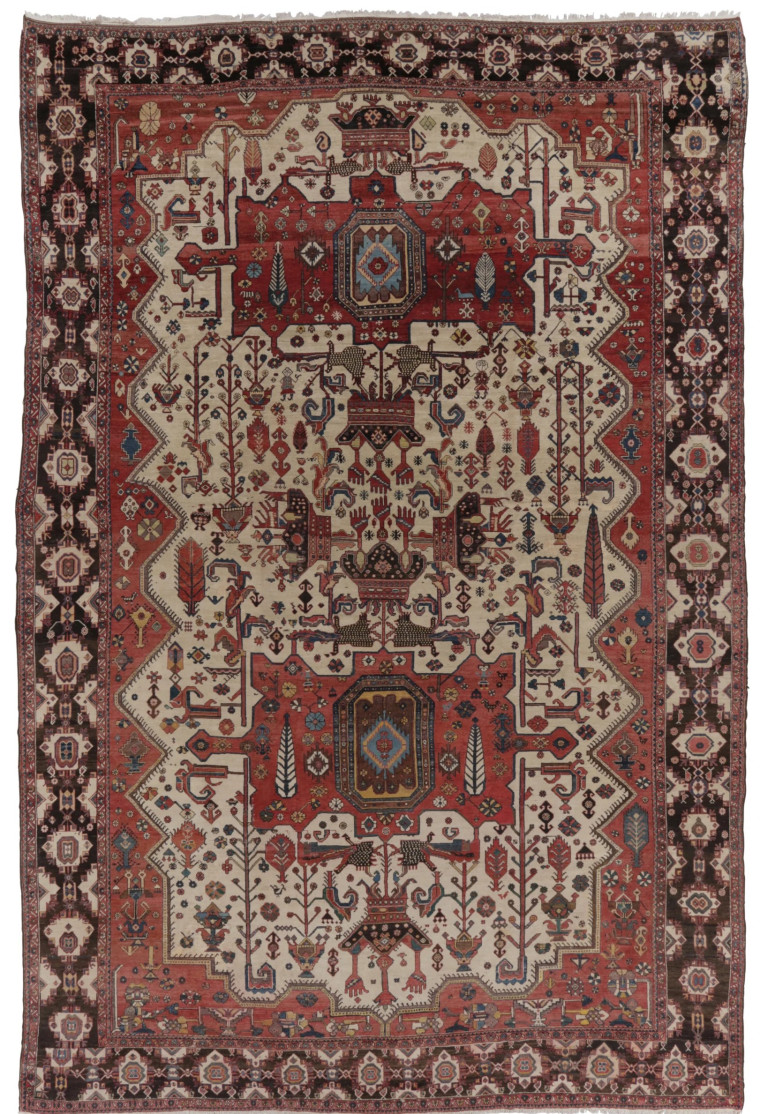
Understanding Bakhtiari Rugs: Persian Tribal Traditions and Timeless Elegance
Among the most celebrated tribal weaving traditions of Persia, Bakhtiari rugs stand apart for their remarkable balance of artistic imagination, structural durability, and cultural significance. Created by the Bakhtiari people of southwestern Iran, these carpets embody centuries of nomadic heritage while simultaneously representing some of the most sophisticated achievements in Persian decorative arts. Renowned for their vibrant colors, powerful geometry, and iconic garden-inspired compositions, Bakhtiari rugs occupy a distinctive place within the world of antique carpets. Their designs often feel both deeply rooted in tradition and surprisingly modern, making them particularly admired by collectors, designers, and institutions alike.
Read the Feature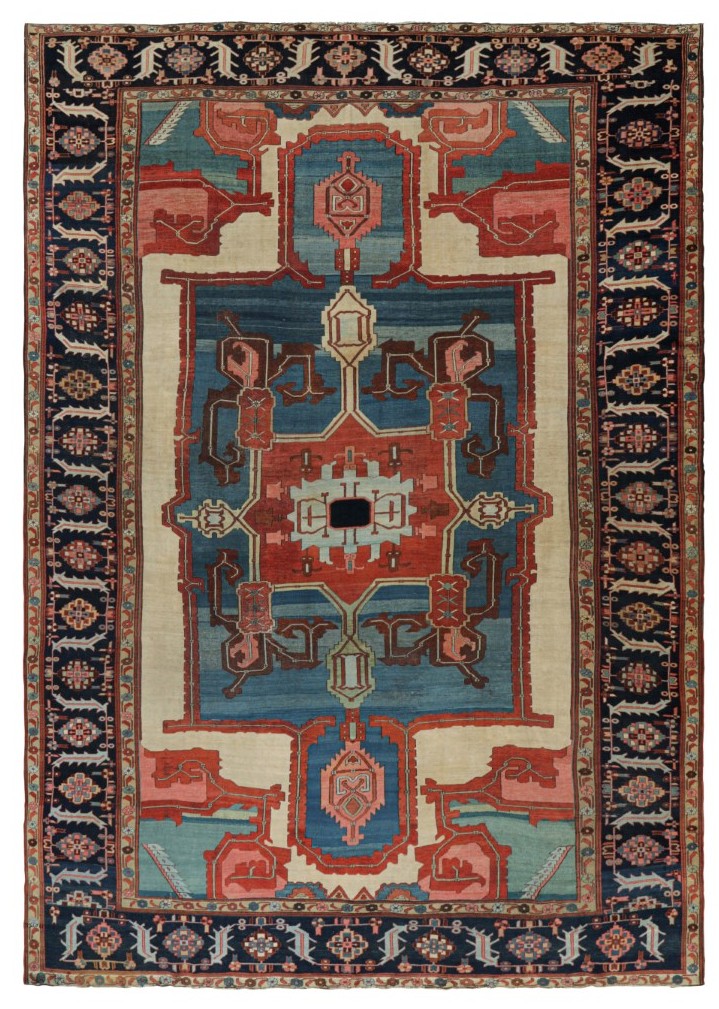
The Complete Guide to Bakhshaish Rugs and Northwest Persian Carpet Traditions
Among the most celebrated village weaving traditions of Persia, Bakhshaish rugs occupy a position of exceptional distinction. Revered by collectors, scholars, architects, and interior designers alike, these carpets embody a rare balance between artistic spontaneity and structural sophistication. Their bold geometry, monumental drawing, and deeply expressive compositions have secured Bakhshaish rugs a place among the most influential carpets in the history of decorative arts. Originating in the village of Bakhshaish in Iran's East Azerbaijan Province, these rugs emerged from a weaving tradition that transformed regional motifs into works of extraordinary artistic power. While often associated with neighboring Heriz carpets, Bakhshaish rugs possess a distinctive character all their own. Their designs are frequently larger in scale, more abstract in execution, and more experimental in composition, qualities that have made them particularly admired within the world of collectible antique rugs.
Read the Feature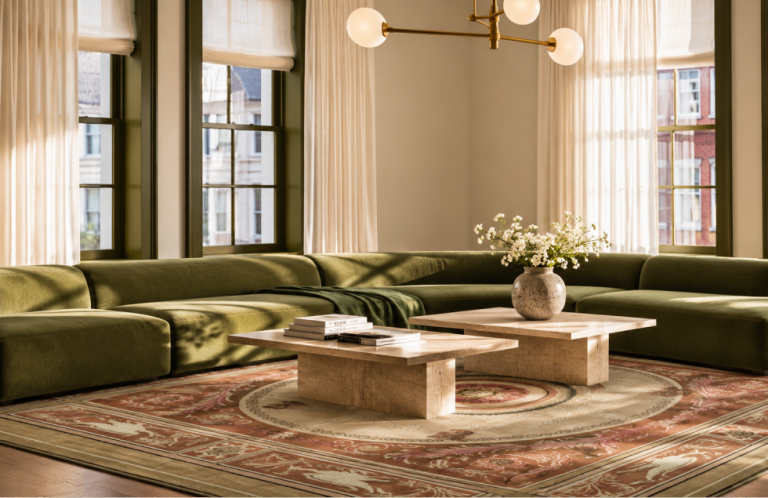
Rug of the Week: The Neoclassical 19th Century Oversized Savonnerie as a French Masterpiece
Every civilization that has reached a certain confidence has wanted to put its worldview on the floor. The Persians wove paradise gardens; the Chinese, the cosmos in miniature. France, under the Sun King, wove order itself. The Savonnerie, the royal carpet manufactory brought to its height under Louis XIV, the symmetry of the formal garden, the architecture of Versailles, the neoclassical grammar of acanthus and rosette and laurel that announced a culture certain of its own supremacy. A Savonnerie is a political philosophy you can stand on. All of which makes the four small creatures hidden in this particular example so delightfully subversive.
Read the Feature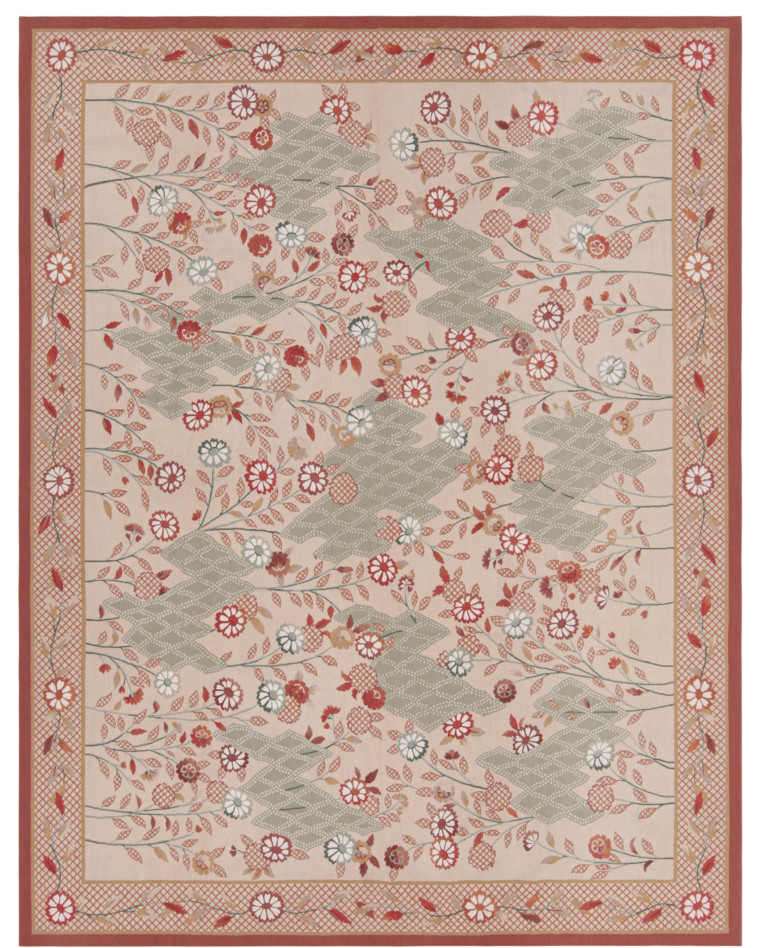
Understanding Aubusson Rugs: French Heritage and Timeless Luxury
Among the great weaving traditions of Europe, few names carry the artistic prestige and cultural significance of Aubusson. For centuries, Aubusson rugs have represented the pinnacle of French decorative arts, embodying the refinement, sophistication, and creative ambition that defined some of Europe's most influential artistic movements. Their importance extends far beyond floor coverings; Aubusson rugs occupy a distinguished position within the histories of design, architecture, collecting, and luxury interiors. Originating from the historic weaving center of Aubusson in central France, these rugs emerged as part of a broader tapestry-making tradition that would ultimately influence aristocratic residences, royal palaces, cultural institutions, and significant architectural projects throughout Europe and beyond. Their graceful ornamentation, sophisticated color palettes, and exceptional craftsmanship established them among the most admired carpets ever produced.
Read the Feature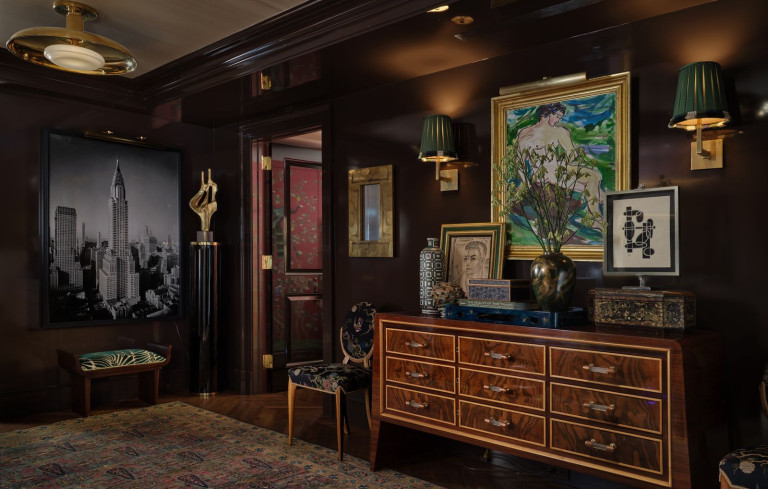
Palatial Rugs as Centerpieces in Salons, Galleries & Embassy Homes
Erik Gensler, designer and owner of EZG Design x Rug & Kilim. Photography by Trevor Tondro. Rug & Kilim's Oversized Antiques >> Palatial rugs as oversized Persian and Mughal rugs, spanning over 1000 square feet of sumptuous weave, are not just luxurious floor coverings—they are monumental declarations of culture, history, and architectural harmony. Once the reserve of emperors and emissaries, these “woven canvases” continue to lend a rarefied gravitas to salons, galleries, and diplomatic residences, transforming rooms into living museums. From the vast gilded salons of Versailles to the marbled halls of Gulf palaces and European embassies, oversized luxury rugs serve as both aesthetic and diplomatic foundations—silent narrators of cultural legacy, sovereign artistry, and refined prestige. Today, designers and collectors are reawakening to their splendor, navigating how to balance opulence with restraint in modern, gallery-like spaces.
Read the Feature