


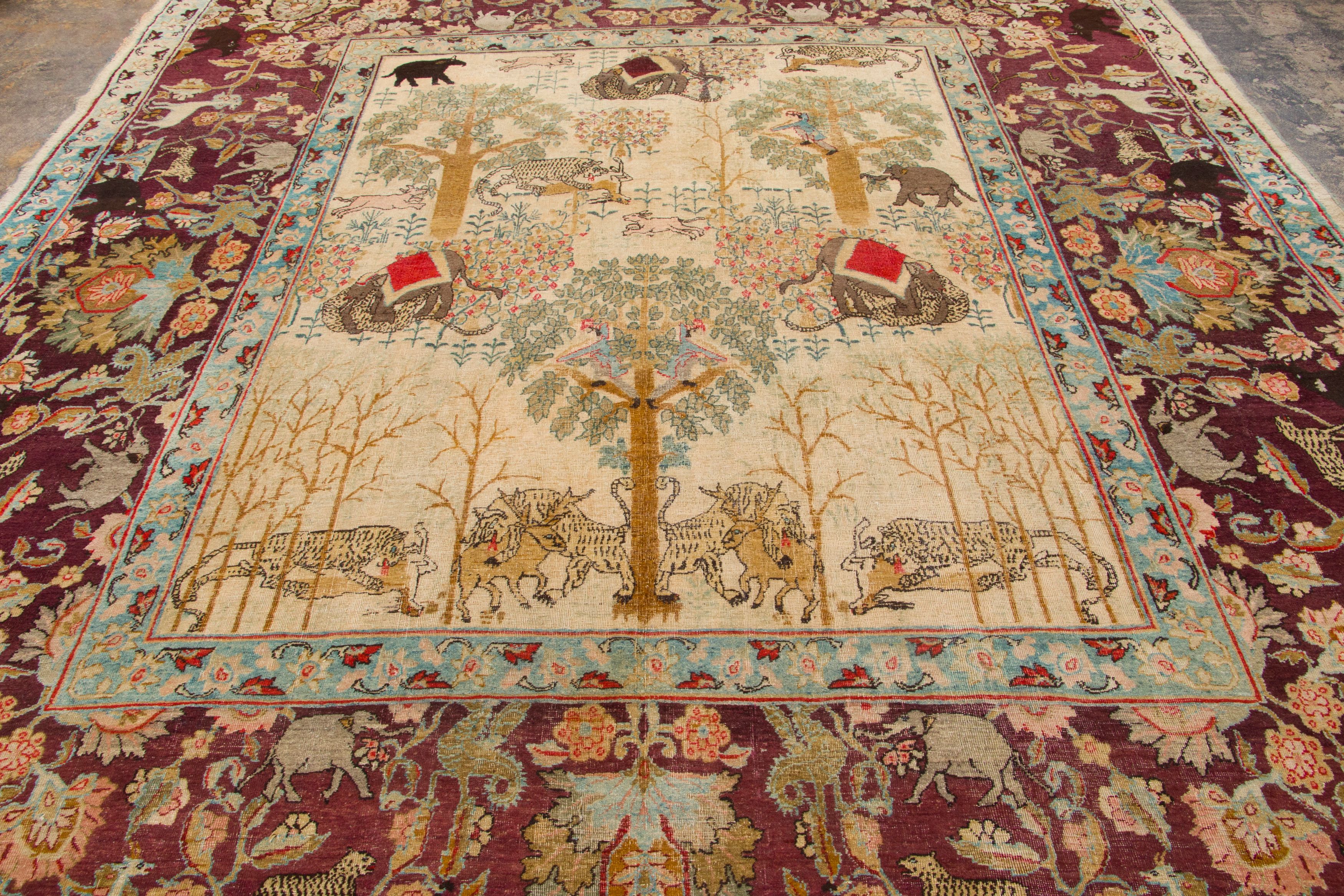
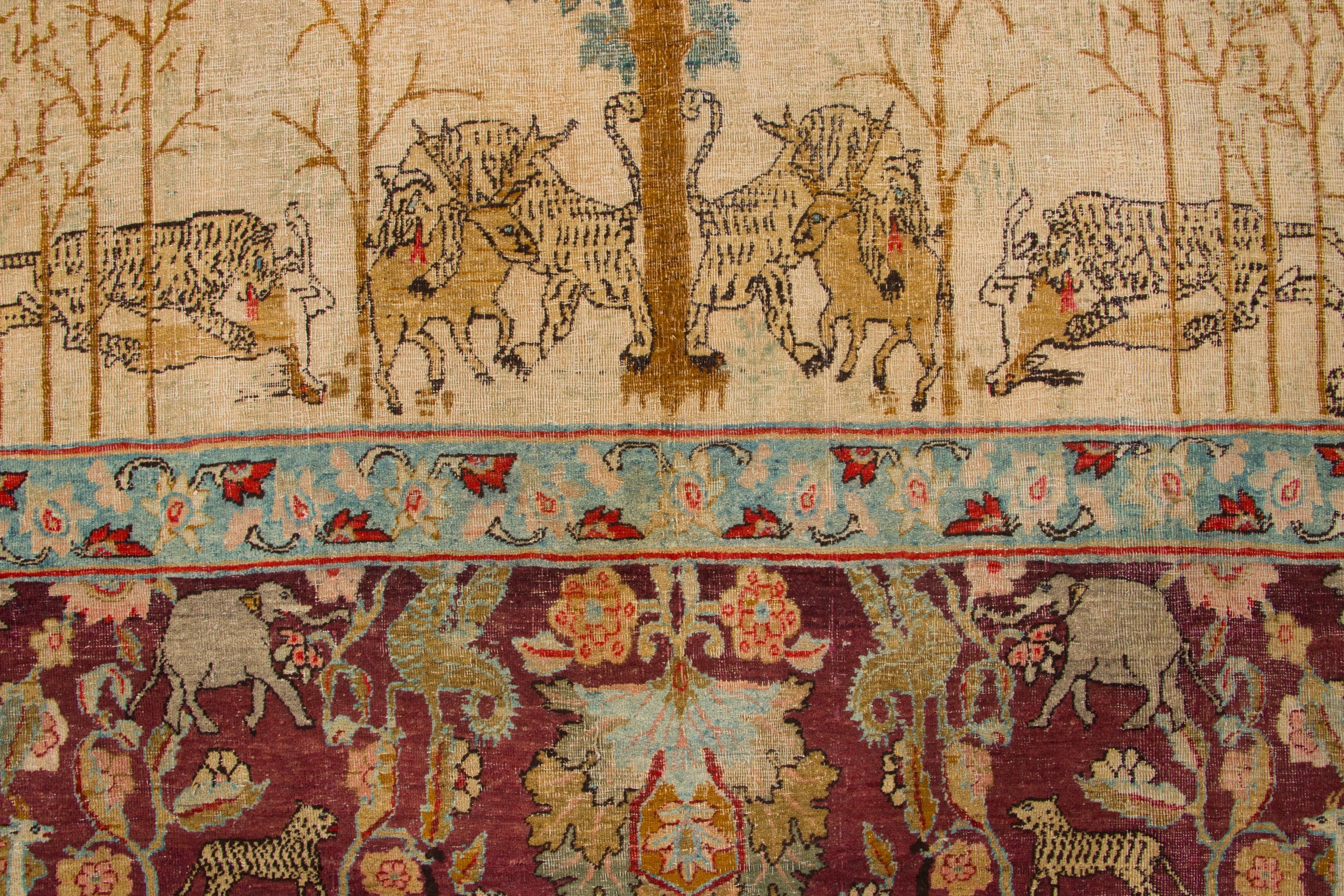
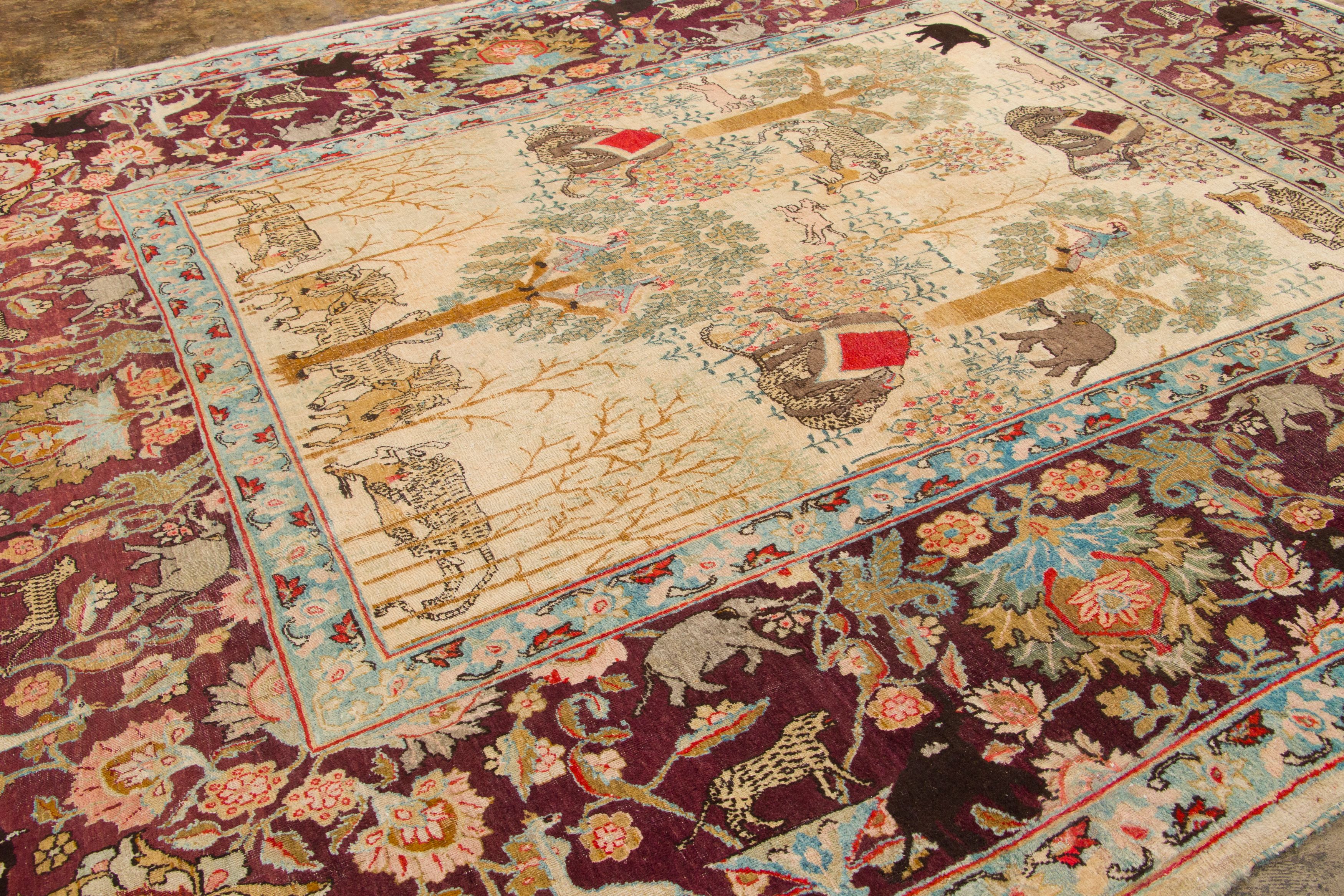
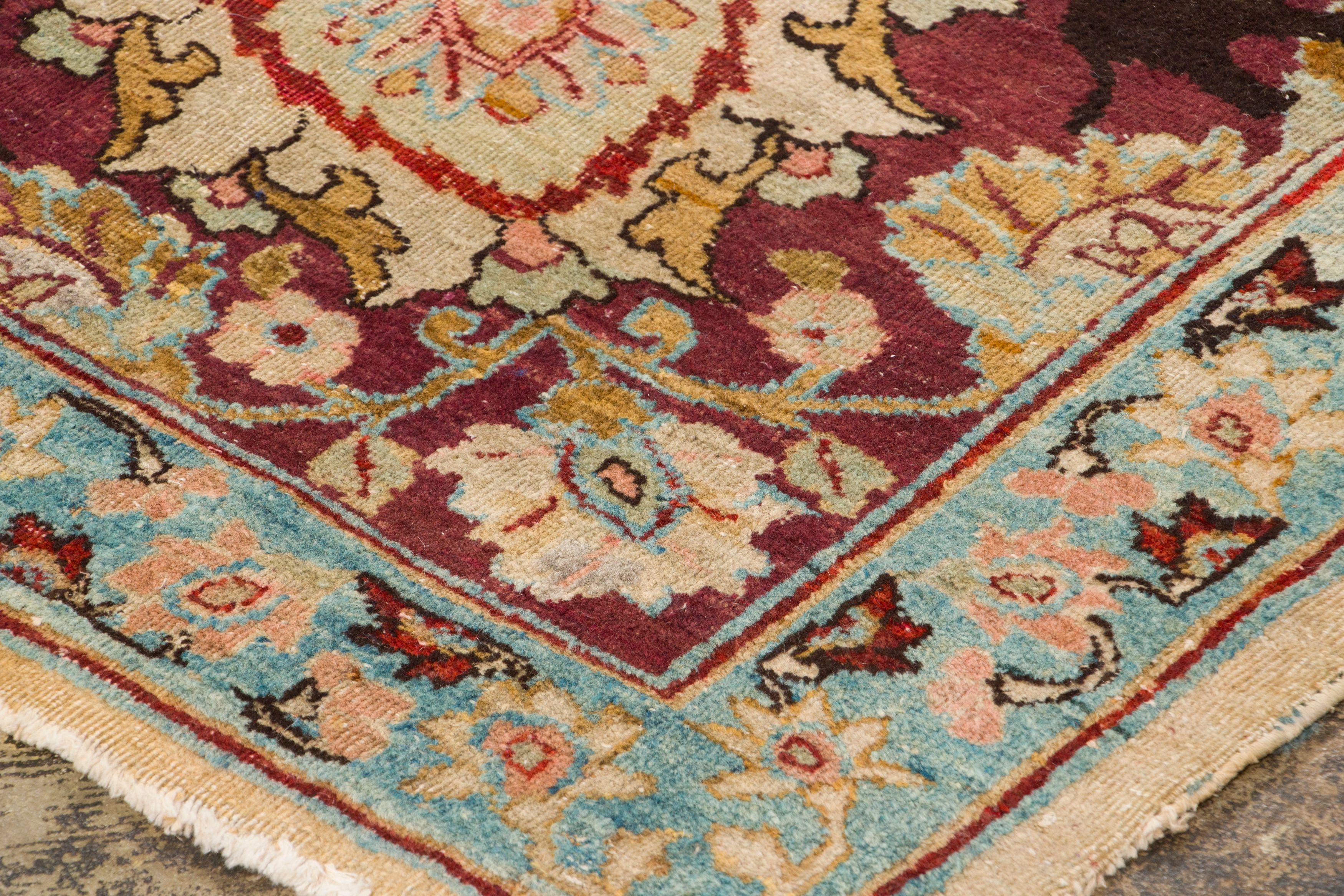
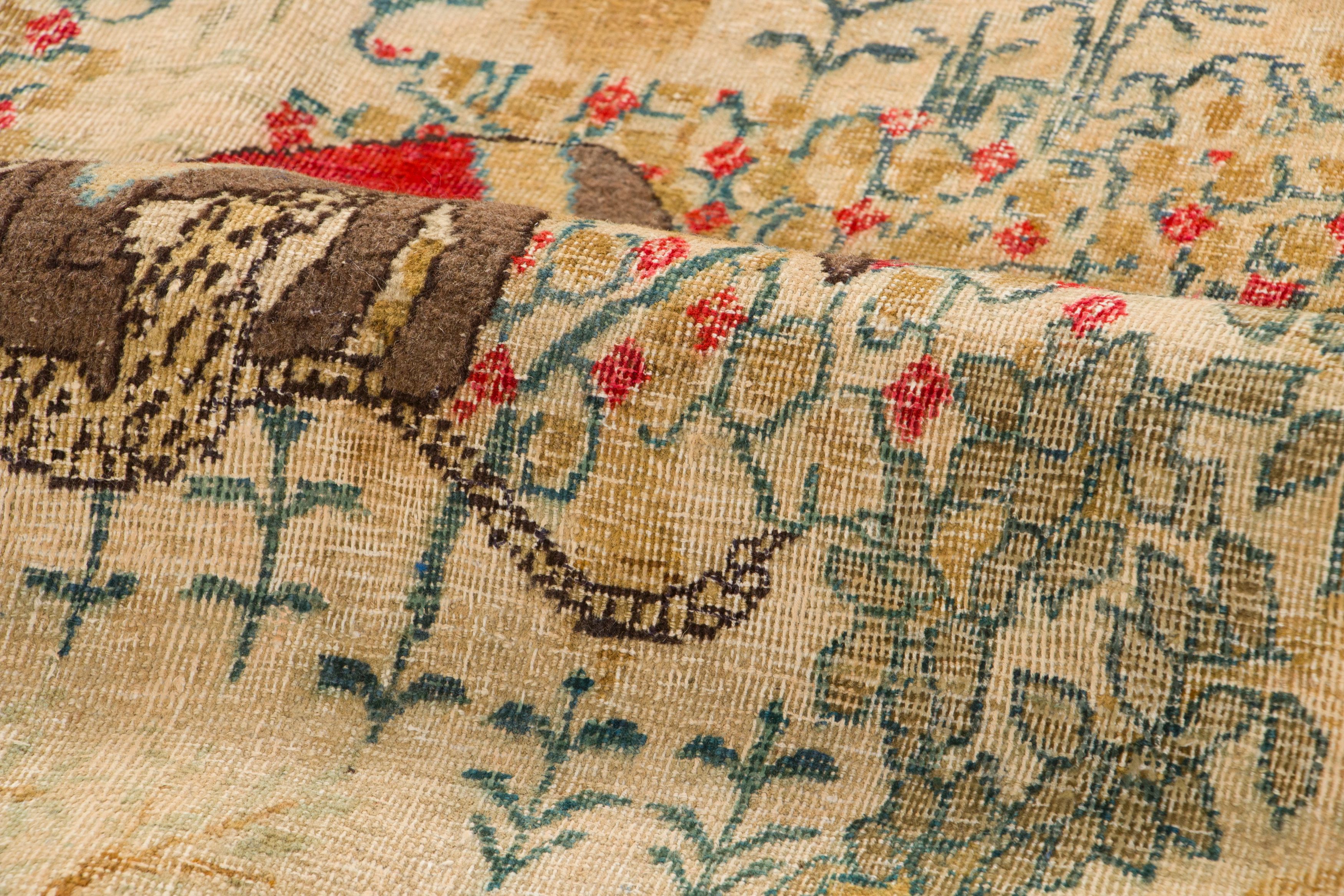
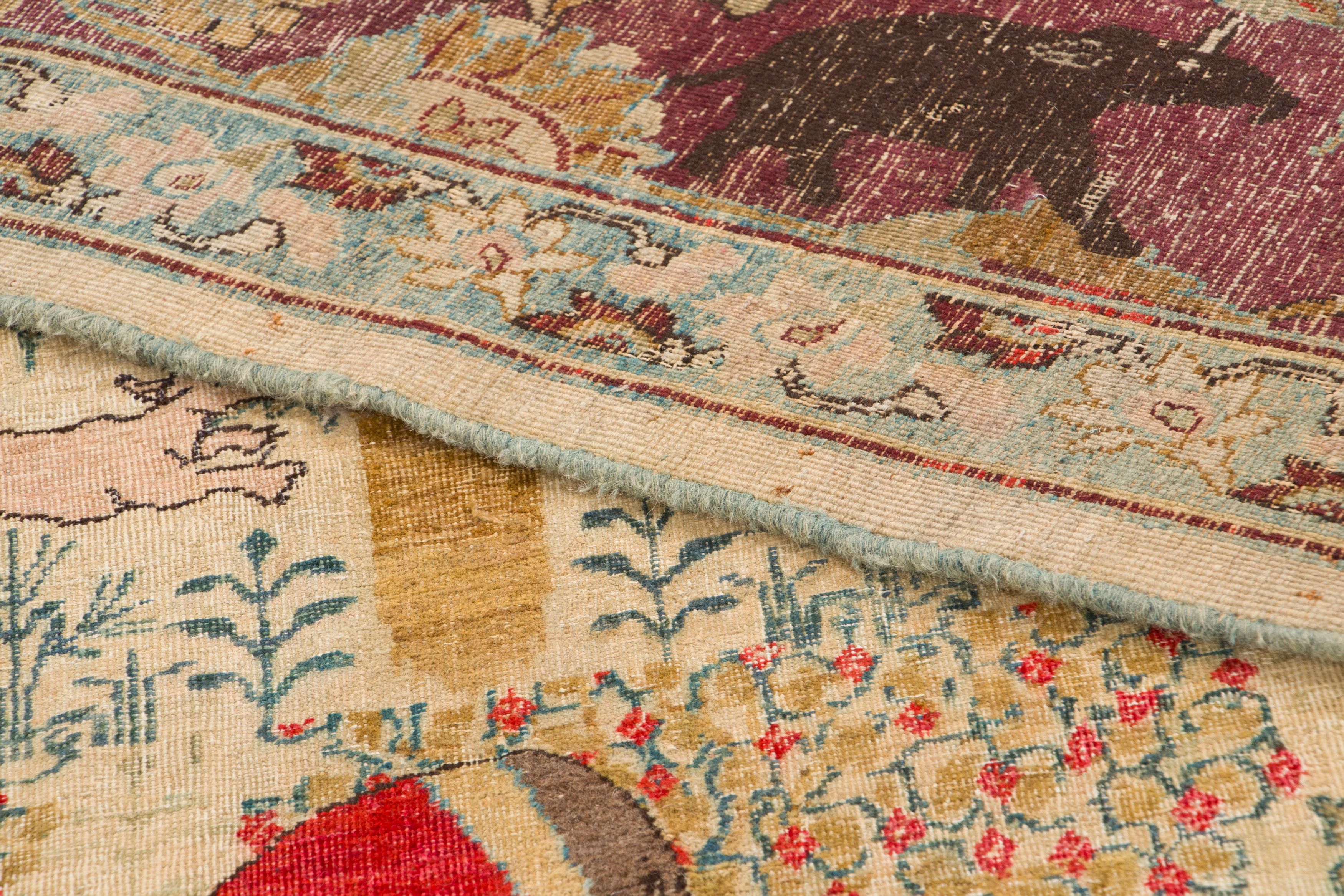
Wool
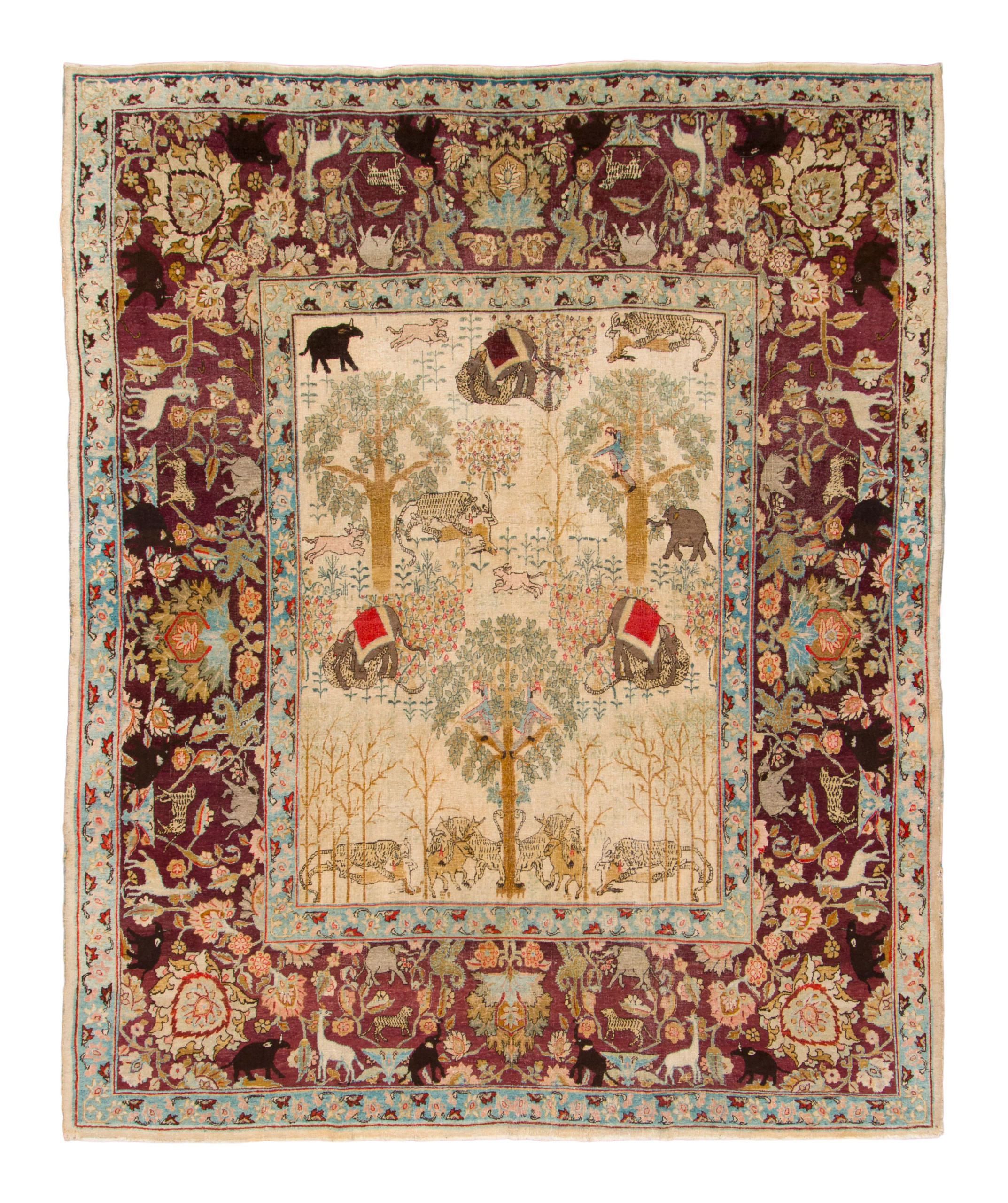
India, c. 1900-1919
9'10" X 11'11" (3.00 m x 3.63 m)
Available: Shipping As Soon As Tomorrow
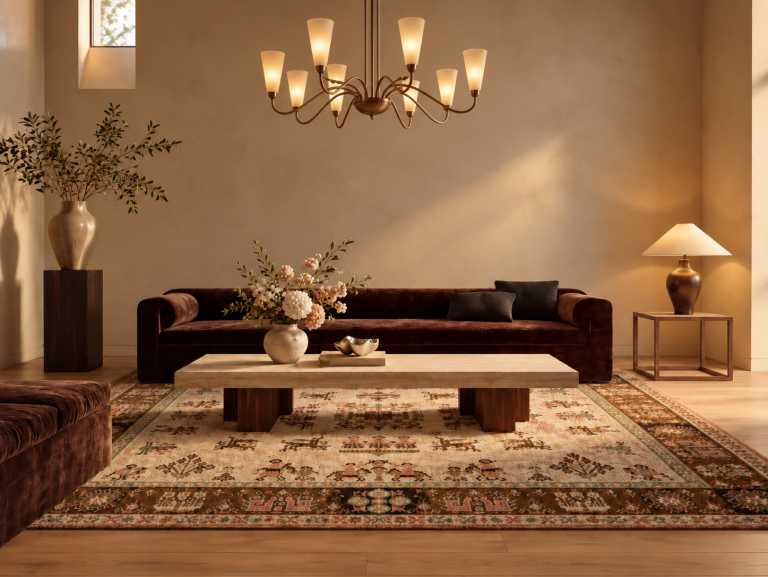
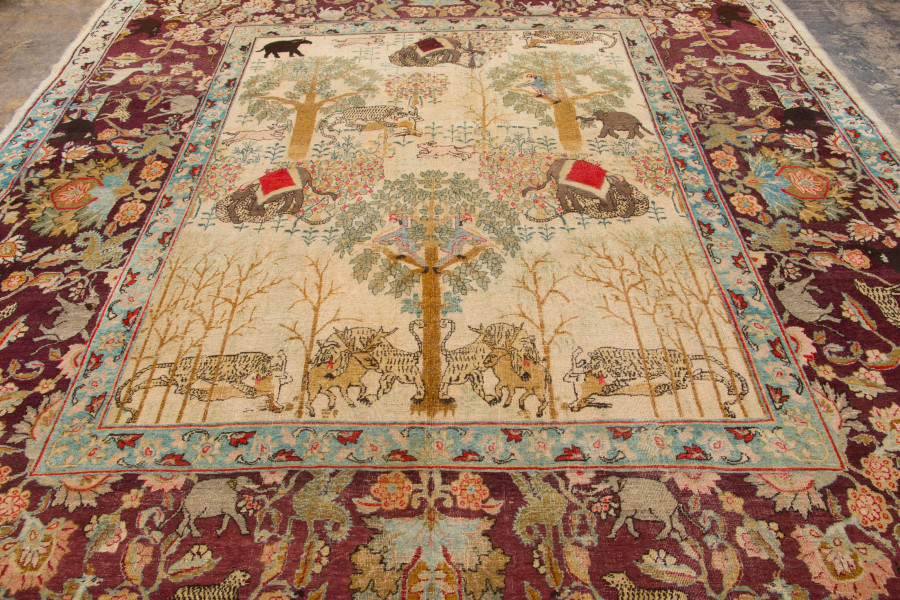
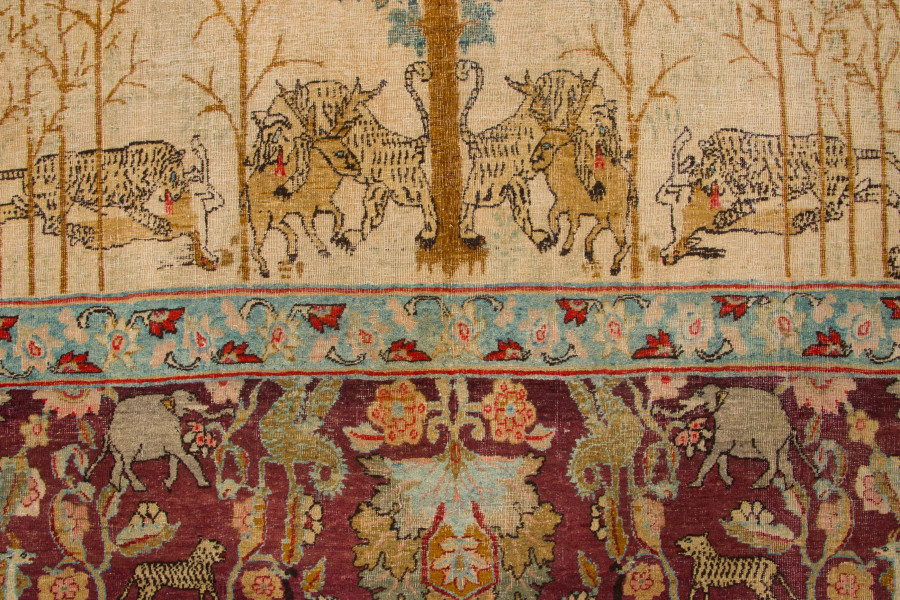
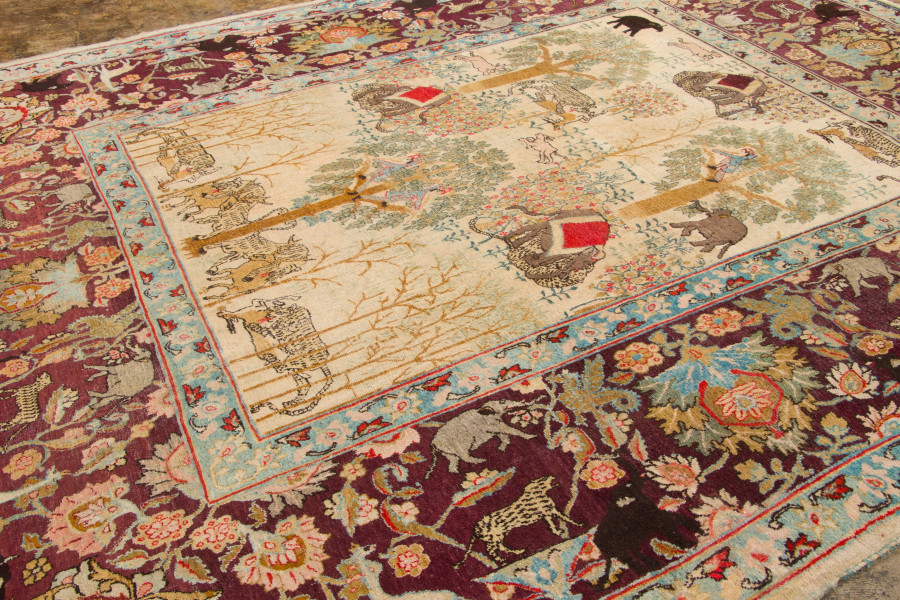
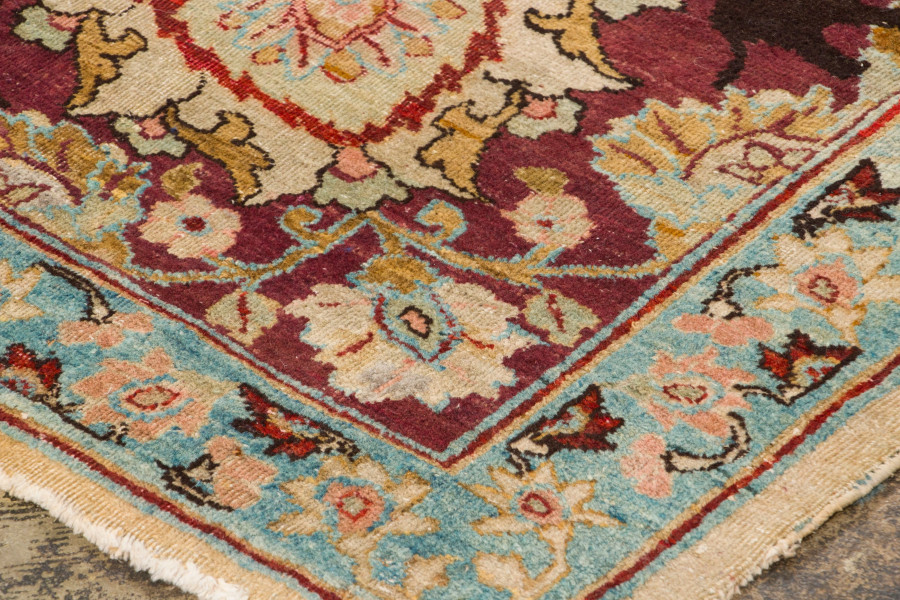
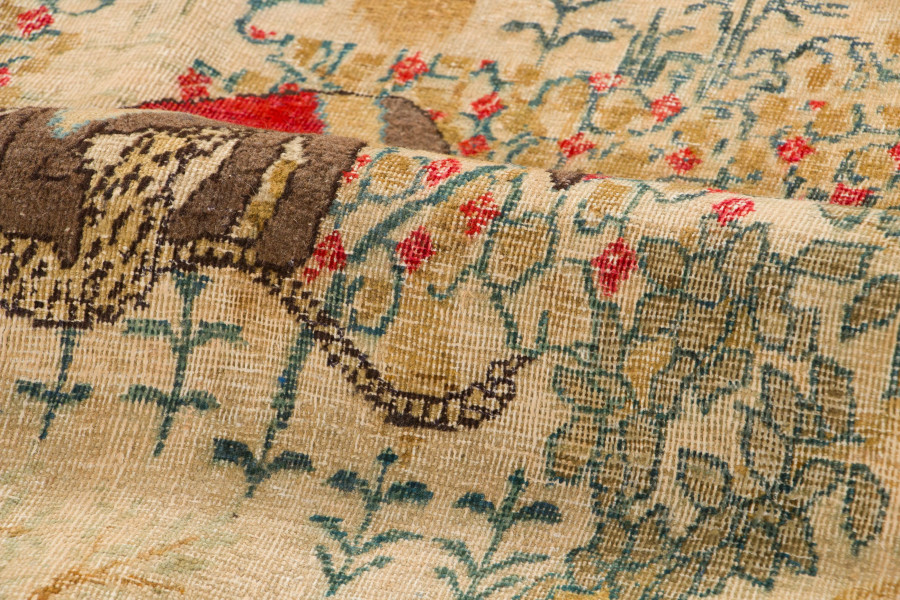
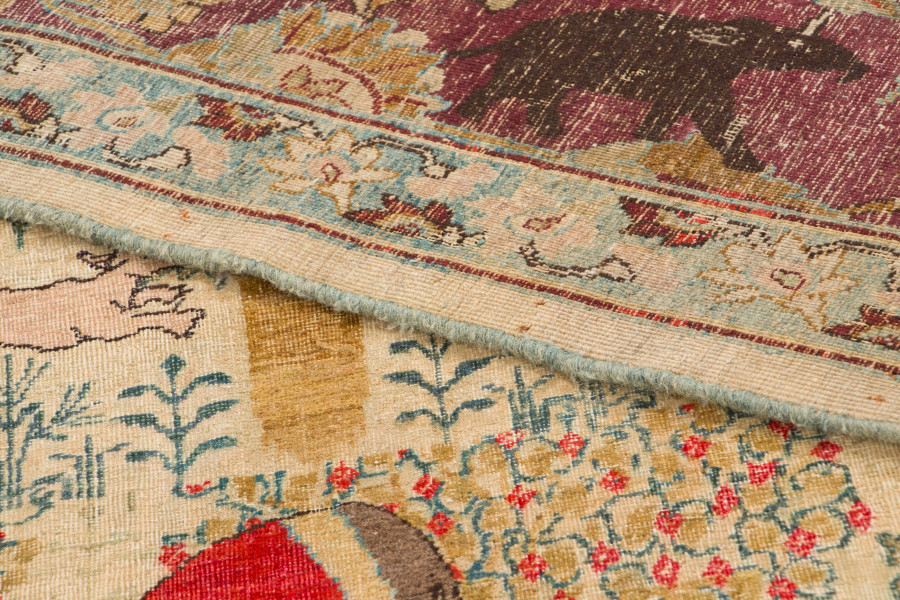
Antique Agra Rug with Animal Pictorials in Multicolor Hunting Narrative - Rug & Kilim
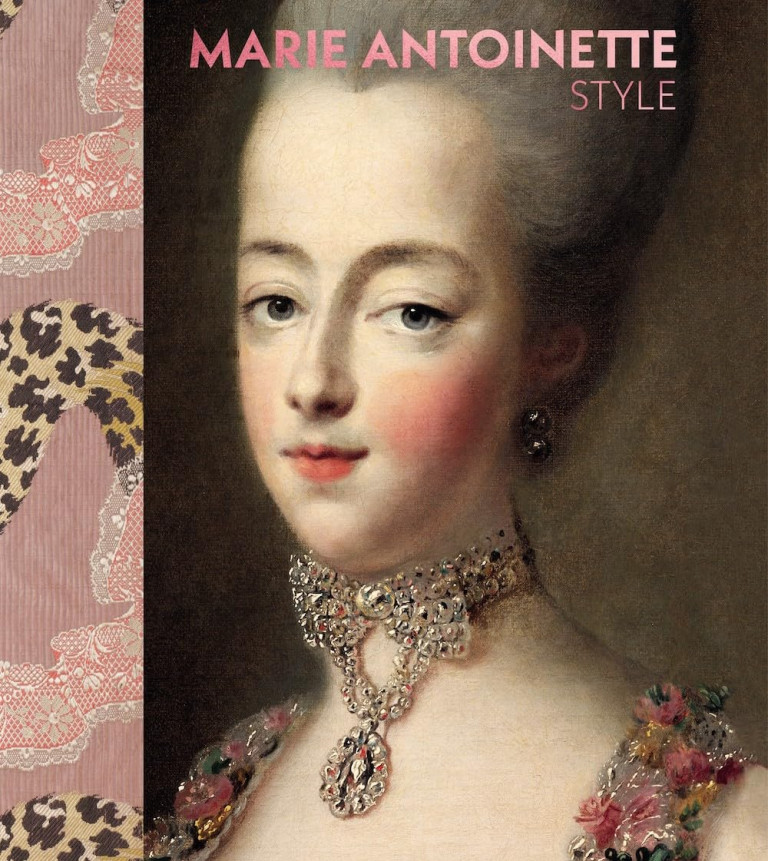
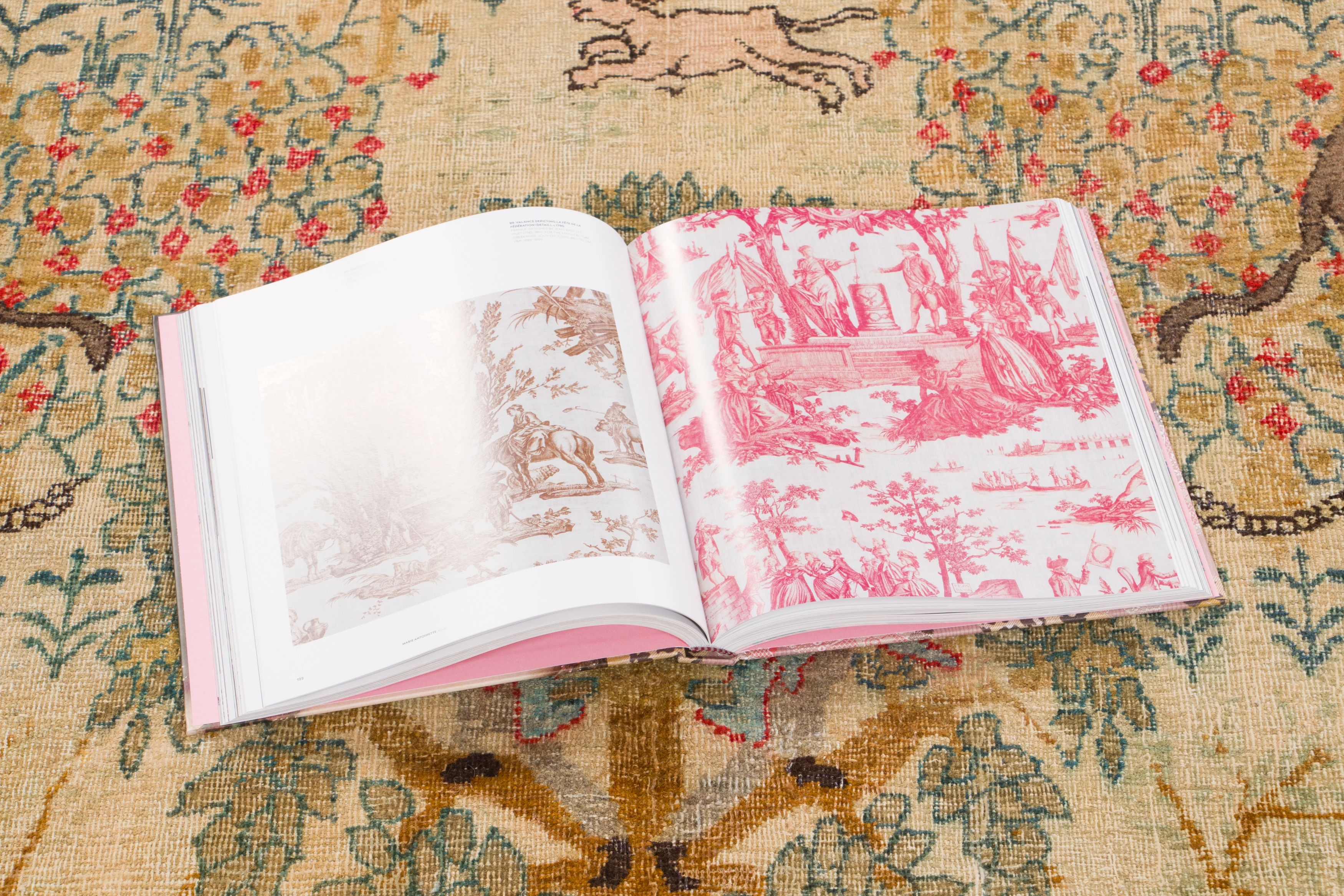
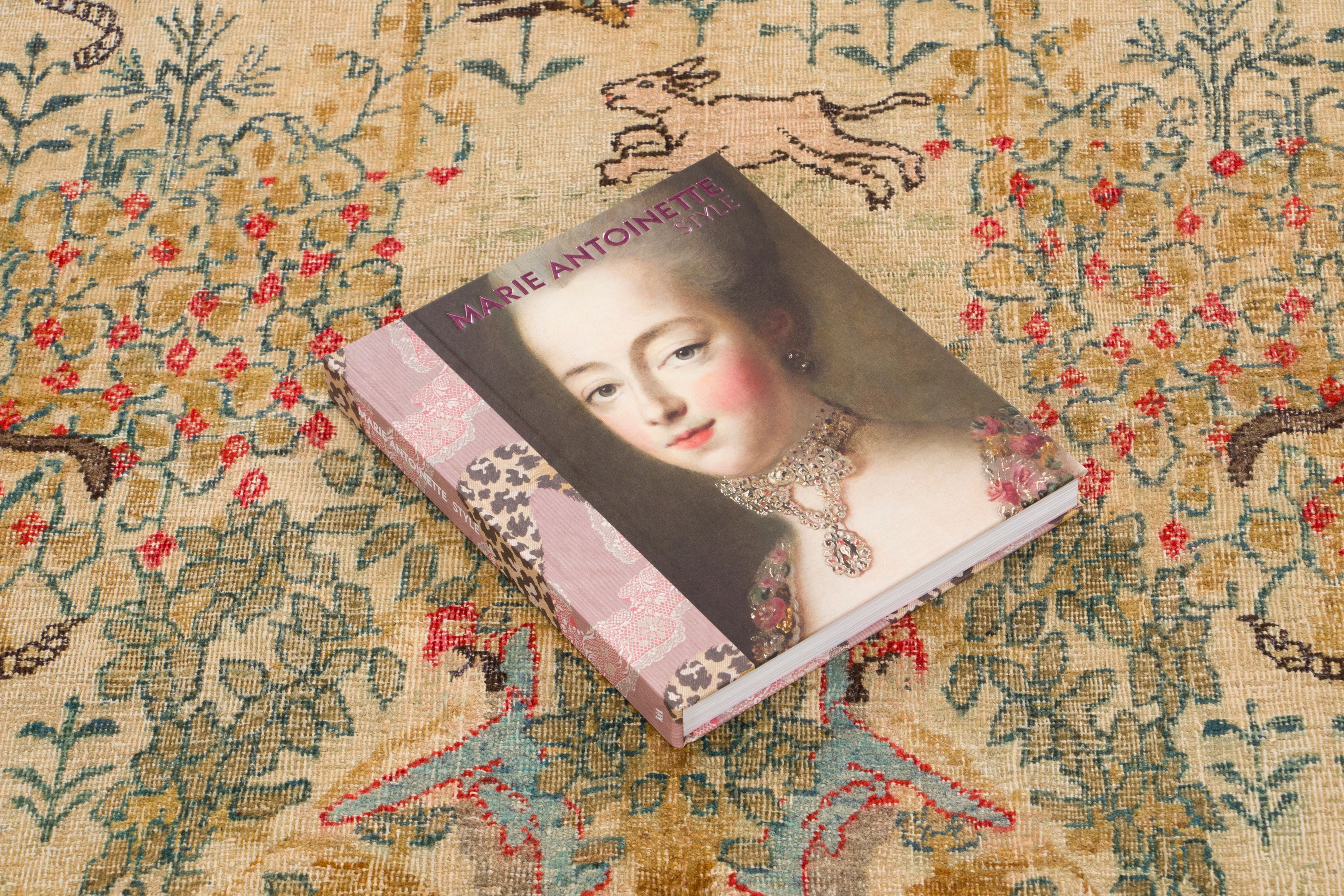
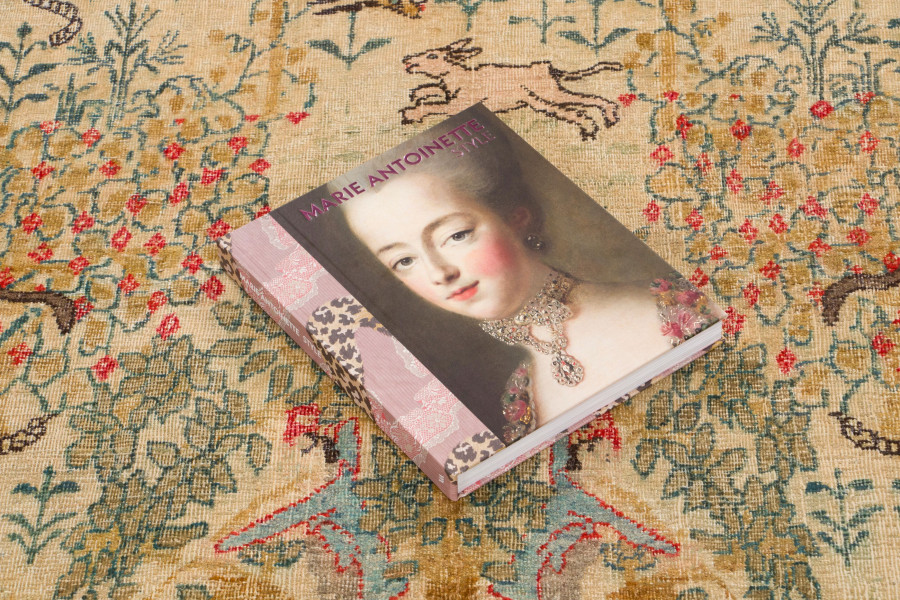
Marie Antoinette Style
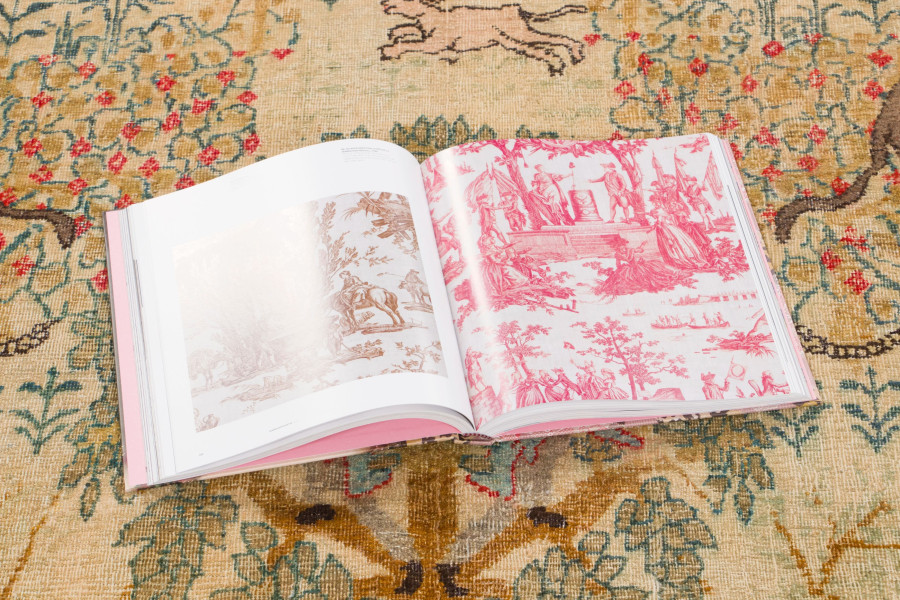
By Sarah Grant (ed.) — Victoria & Albert Museum, 2025
French
Welcome to a pastel-colored world of excess, filled with rustling silks, gravity-defying hairstyles, delicious intrigue, and, of course, bloody revolution Marie Antoinette: The very name conjures up a vibrant pastel-coloued world of excess, filled with satin shoes, rustling silks, gravity-defying hairstyles, decadent macarons, delicious intrigue, and then, of course, bloody revolution. This groundbreaking volume first reconstructs the life and style of the captivating-yet-tragic Marie Antoinette―married at 14, queen at 18, and beheaded at 37―from the intimate apartments she lived in to the scent she wore, the trends she led, and the complexities of French court life. The authors draw on contemporary accounts, interiors, letters, portraits, and the tantalizingly few personal possessions that remain: her shoes and fans, and fragments of cloth from her dresses.
$70
"It's rare to find a rug company that offers unique antiques, curated with a historical eye. And the best quality customization for anything you might need. All while being treated like family - love those guys."
— Andre Mellone, Studio Mellone
A standard since our inception upheld across every acquisition,
transaction, and delivery.
45+ Year Old Institution
More than four decades of expertise and stewardship, under the leadership of our Principal, Jahanshah "Josh" Nazmiyal.
Favorable Return Policy
Our return policy is 48 hours upon receipt allowing you to confirm the purchase in your space with confidence.
Product Warranty
Each rug is hand selected or produced through the most reputable sources under the direct supervision of our Principal.
Trusted Global Delivery
Reliable worldwide delivery handled with care, precision and constant communication.
Exceptional Support
Attentive, knowledgeable guidance before and after purchase from our dedicated team of specialists.
Long Term Care
We stand behind every piece we place and remain a resource to our clients for the lifetime of their collection.
Stories from the Antique Collection
Essays, artist dialogues, and provenance notes drawn from Rug & Kilim’s editorial desk.
A Guide to Axminster Rugs: History, Craftsmanship, and British Design Heritage
Among the most influential carpet traditions to emerge from Europe, Axminster rugs occupy a distinguished position within the history of decorative arts, architecture, and interior design. Renowned for their exceptional craftsmanship, technical innovation, and artistic sophistication, Axminster carpets represent one of Britain's most important contributions to the global history of textile design. Originating in the historic market town of Axminster in Devon, England, these carpets became synonymous with luxury, refinement, and excellence from the eighteenth century onward. Their influence extended far beyond Britain, shaping carpet production, interior decoration, and architectural furnishing throughout Europe, North America, and the wider world.
Read the Feature
The Art of Bespoke Design by Rug & Kilim: How a Painting, a Fabric, or a Fragment Becomes a Custom Rug
Every custom rug begins with a question that sounds simple and is not: what does this room want to stand on? The answer, in the finest commissions, rarely arrives as a specification. It arrives as an object. A client brings in a painting they have loved for thirty years. A designer adores a length of antique silk, or lays down a sample of a document fabric, or produces a photograph of a fresco glimpsed on a wall in Ravenna. The brief is a feeling, held in another medium, waiting to be carried into wool or silk or sometimes, exotic fibres. This act of carrying is the true art of the custom rug, and it is far older and more serious than the word “custom” suggests. It is translation, in the fullest literary sense: the movement of meaning from one language into another, with everything gained and lost that translation implies. It is also, increasingly, the way the most celebrated interiors in the world are made. When AD100 designer Heidi Caillier needed flatweaves for a coastal retreat, when Fawn Galli reimagined a historic Beaux-Arts townhouse on the Upper West Side, when a Jacques Grange penthouse called for a hand-knotted silk carpet, the floor did not come off a shelf. It was translated into being, object by object, idea by idea.
Read the Feature
Understanding Art Deco Rugs: Modernism, Luxury, and Timeless Style
Few rug styles have influenced twentieth-century interior design as profoundly as Art Deco rugs. Emerging during one of the most transformative periods in modern cultural history, these carpets embodied the optimism, innovation, and cosmopolitan sophistication that defined the Art Deco movement. More than decorative floor coverings, Art Deco rugs became expressions of a new visual language—one rooted in modernity, luxury, architecture, and artistic experimentation. Unlike traditional Persian carpets that emphasized centuries-old motifs and weaving conventions, Art Deco rugs embraced a distinctly modern perspective. Their compositions drew inspiration from architecture, industrial design, fine art, fashion, travel, and technological progress. The result was a new generation of carpets that transformed the role of textiles within contemporary interiors.
Read the Feature
Agra Rugs in Art, Architecture and Global Design Culture
Among the great weaving traditions of the Indian subcontinent, Agra rugs occupy a distinguished position shaped by Mughal artistic refinement, Persian influence, and centuries of decorative innovation. Originating from the historic city of Agra in northern India—once a major center of the Mughal Empire—these carpets represent one of the most intellectually sophisticated textile traditions within global decorative arts. Unlike purely tribal carpets or highly formal European weavings, Agra rugs synthesize multiple cultural vocabularies into a unified visual language defined by monumental scale, refined ornamentation, and extraordinary compositional balance. Their designs draw from Persian court aesthetics, Islamic geometry, Indian botanical symbolism, and architectural inspirations associated with Mughal palaces and gardens.
Read the Feature
Understanding the Swedish Grace Movement of the 1920s: Origins of the “Scandinavian Rug”
The term "Swedish Grace" was used to define the products of the Swedish applied art industries in the 1920s, highlighting the Scandinavians' unique ability to infuse grace into the everyday routines of life. This movement seamlessly blended the decorative expressiveness of Art Deco and Neoclassicism with the characteristic Scandinavian restraint (or minimalism, as it would be coined in the early 20th century. Icons such as Eileen Gray, artist Fernand Léger and Francis Bacon adorned floors with vibrant geometric compositions. Before the emergence of the more defined Swedish minimalist designs between then and post-war era, there was the development of Swedish Grace, which ran parallel to the better-known Art Deco movement. It stands as a significant chapter in modern design history, representing the Nordic branch of the Art Deco style. Swedish Grace represented a shift towards geometric stylization, streamlining and a focus on the essential elements of line and form. Still, it further distinguished itself from Art Deco by often incorporating playful Nordic folk art motifs, neoclassical elements and a particularly refined sense of color — characteristic of Swedish art.
Read the Feature
A Glossary of Handmade Rugs and Kilims: Understanding Terms, Types and Techniques Past and Present
Referring to the art style characterized by using shape and color withdrawn from traditional repetition or realism. Abstract rugs — sometimes referred to as art rugs — capture an expressive nature that reads as a very modern style, though many abstract rugs draw inspiration from works of the same art style in the mid-century. One of the more widely known mid-century lineages of this style is abstract expressionism, named for the literal "expressionists" of the 1950s. Some of the most notable names behind this style include Jackson Pollock and Mark Rothko. Referring to a lineage of nomadic Persian rugs (sometimes referred to as “Avsar” in the alternate spelling). Afshar rugs hail from the eponymous tribe in the region of Northeastern Iran.
Read the Feature


R&K Image Studio
NEWThe R&K Image Studio is a new visual workspace designed to present the Rug & Kilim collection with clarity, restraint, and precision — in your space or any space you imagine.
This tool allows you to view, refine, and prepare imagery drawn directly from the pieces in our archive. They can be visualized cleanly, isolated thoughtfully, and adjusted for presentations, proposals, and private viewings, without altering the integrity of the original work.
Antique
Wool
India, c. 1900-1919
9'10" X 11'11" (3.00 m x 3.63 m)
$72,000
Available: Shipping as Soon as Tomorrow
Antique Agra Rug with Animal Pictorials in Multicolor Hunting Narrative - Rug & Kilim
"Rug & Kilim has become a go-to for us. The vintage and modern inventory is unlike anywhere else, the team is easy to work with, and the custom program holds up to the same standard."
— Ariel Ashe, Ashe Leandro LLC


