

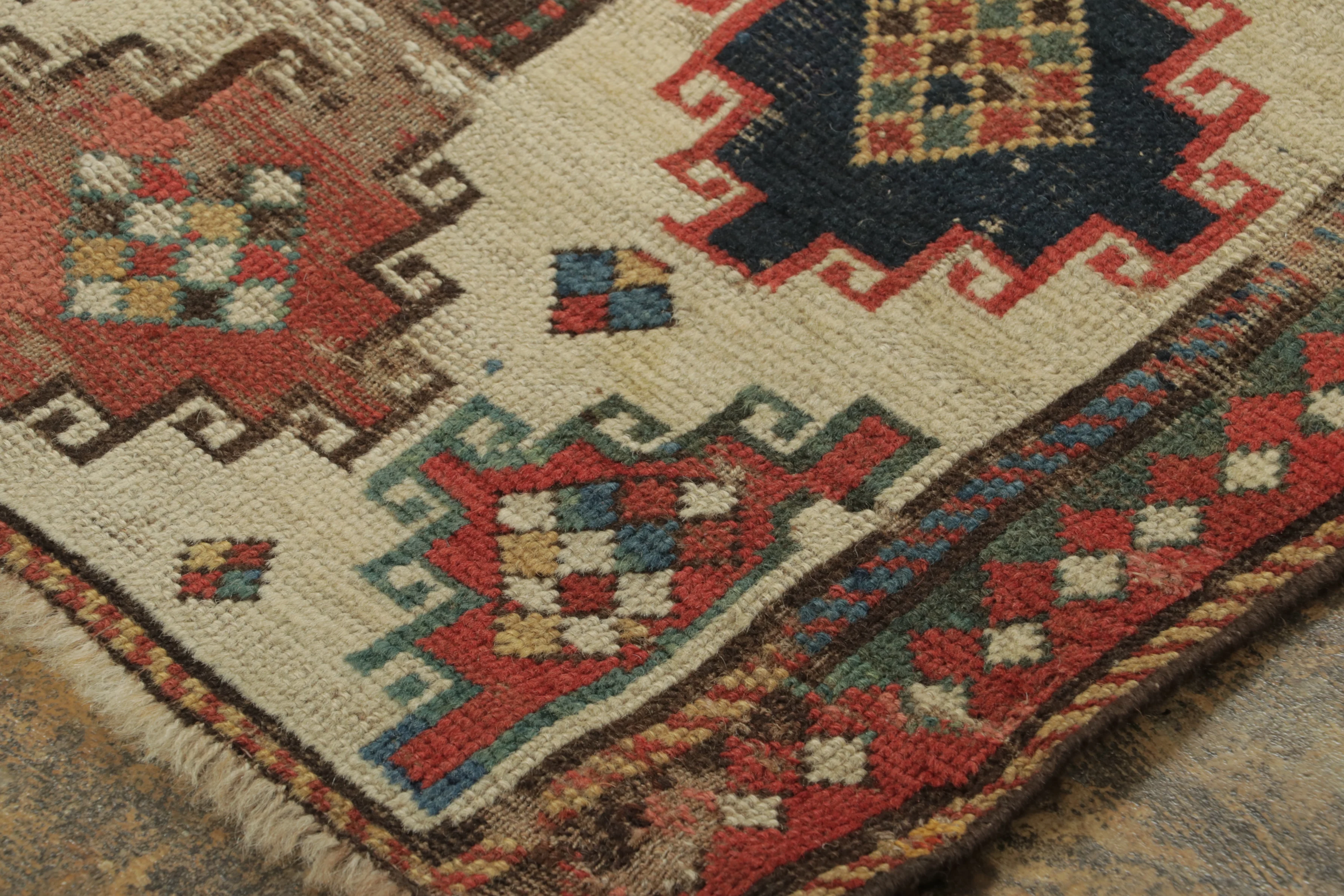
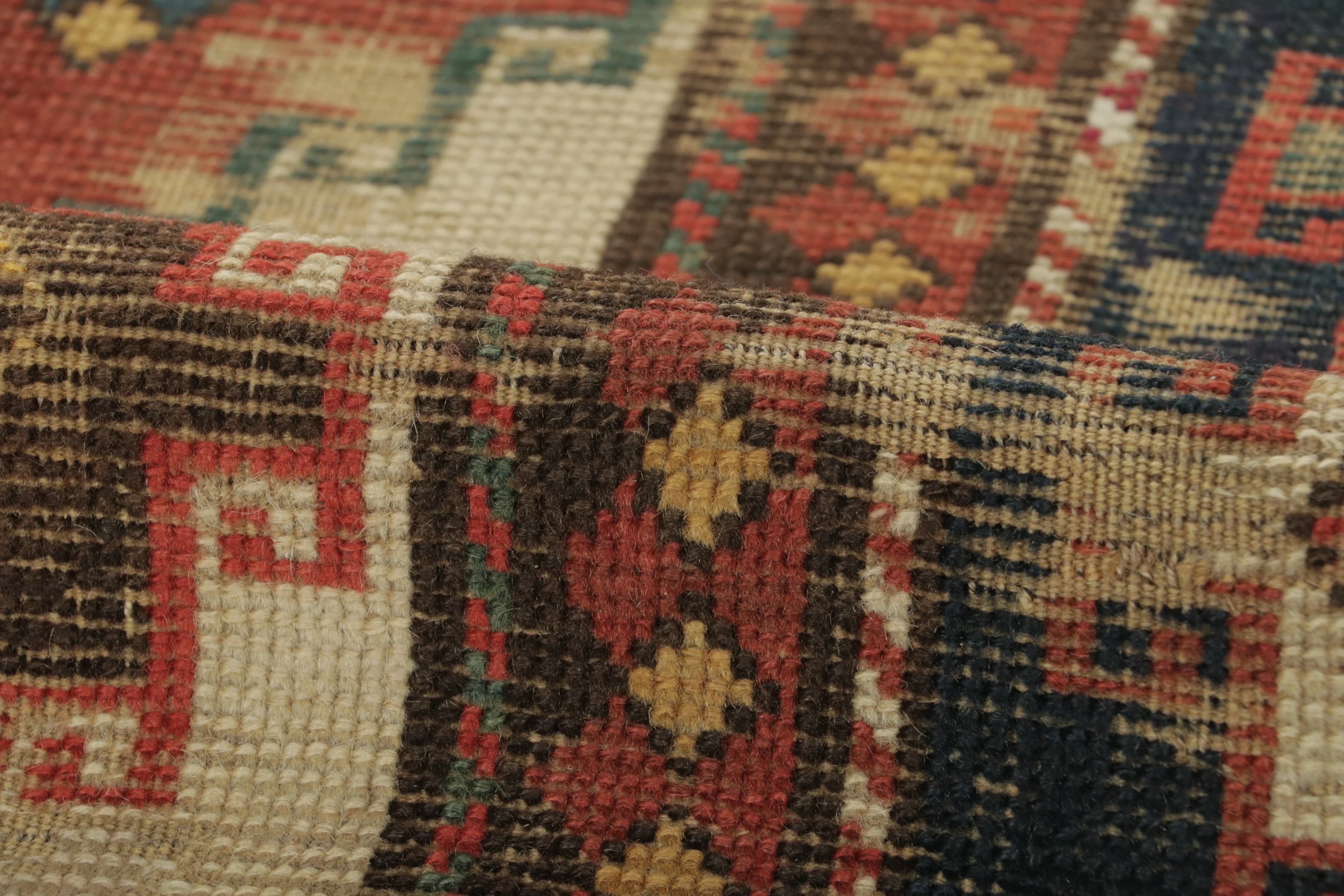
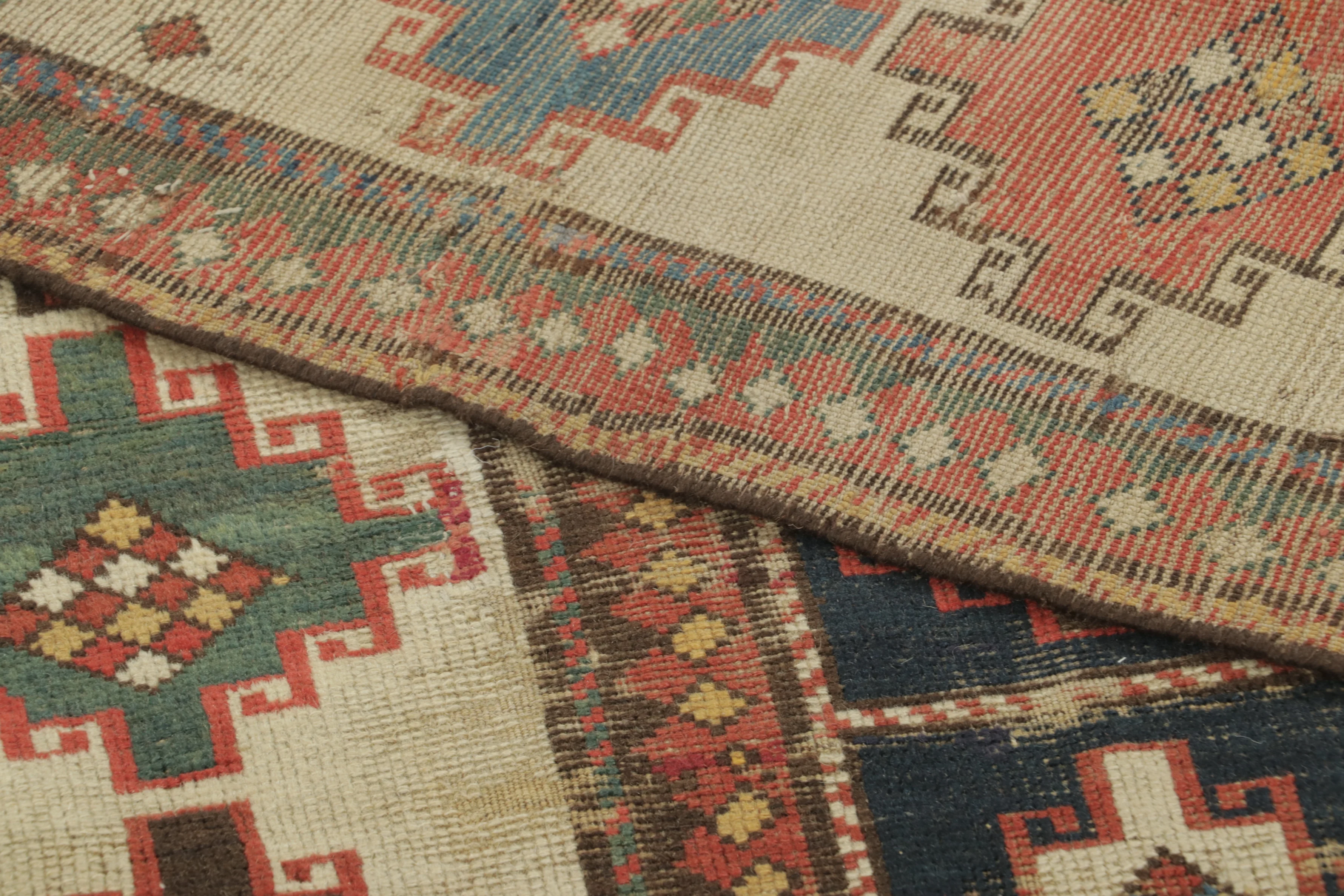
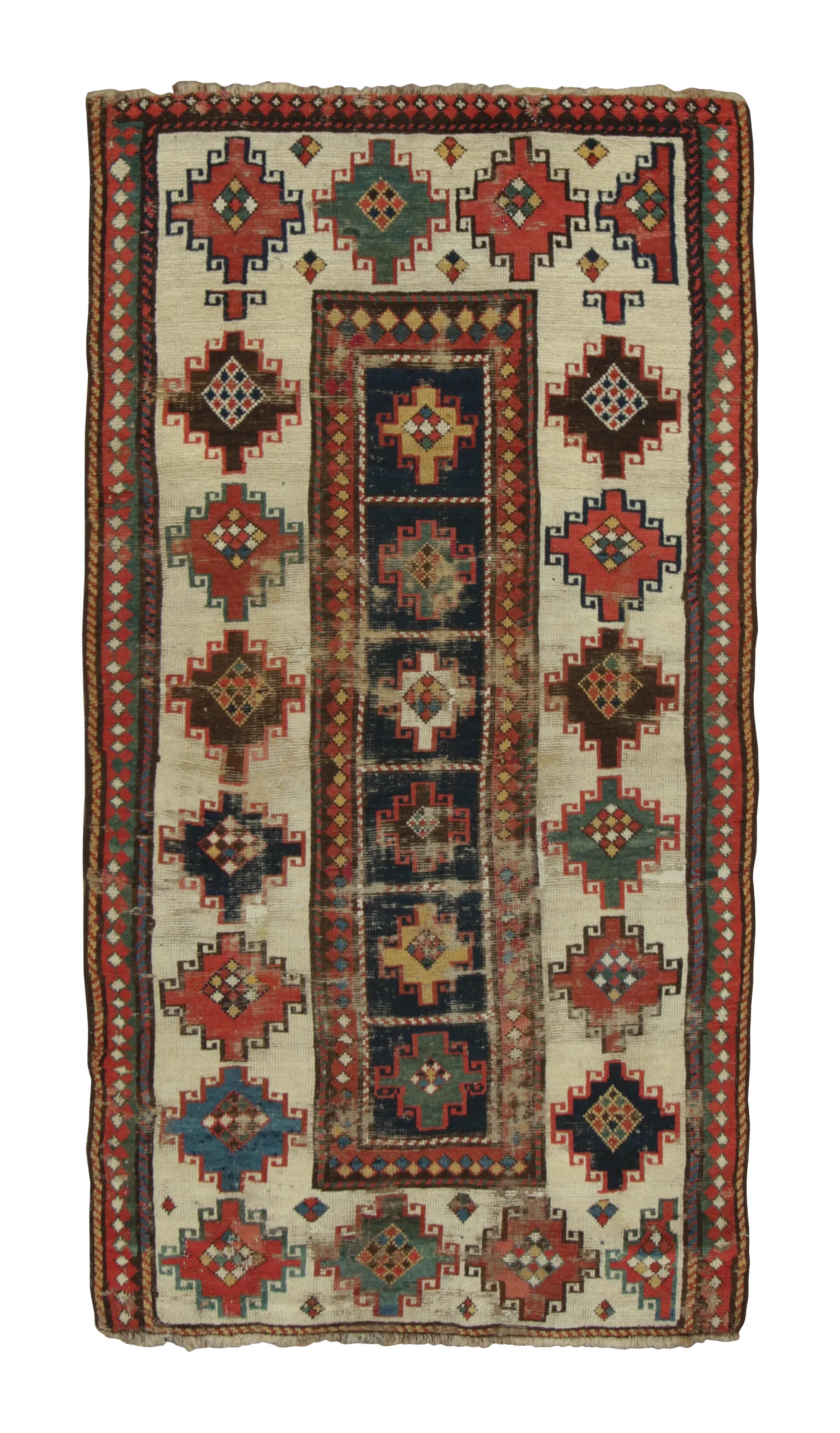
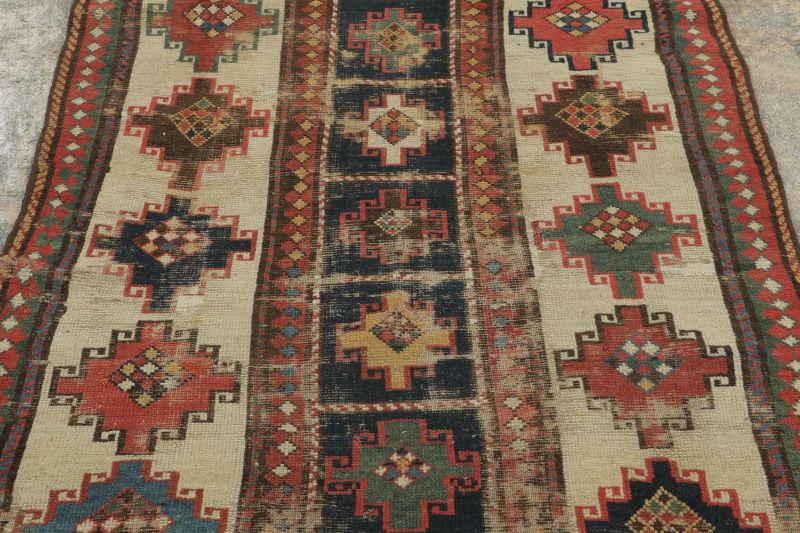
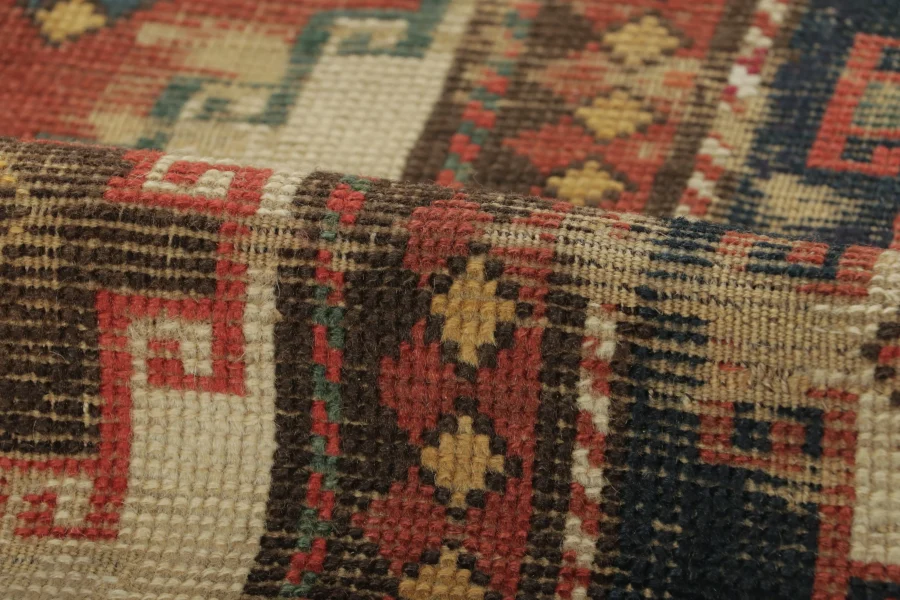
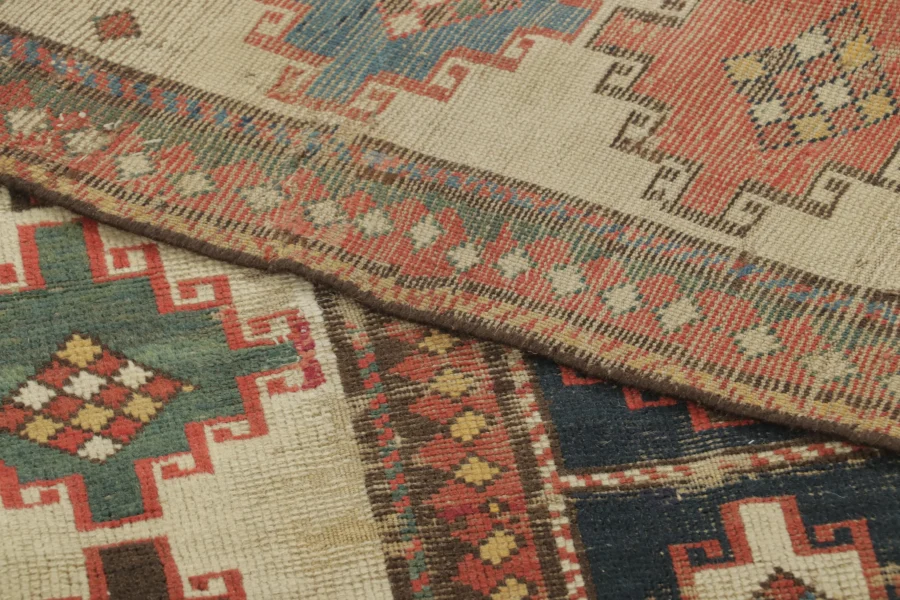
Wool
Caucasus, c. 1900-1919
3'6" X 7'3" (1.07 m x 2.21 m)
Available: Shipping As Soon As Tomorrow
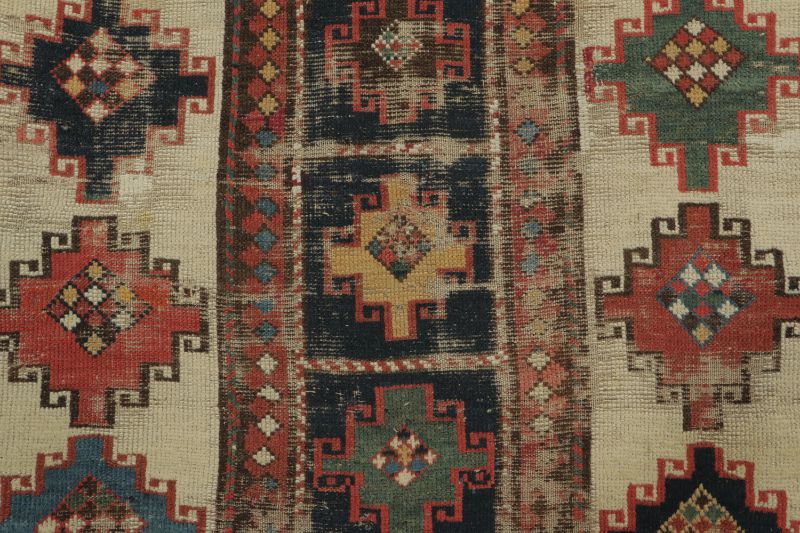
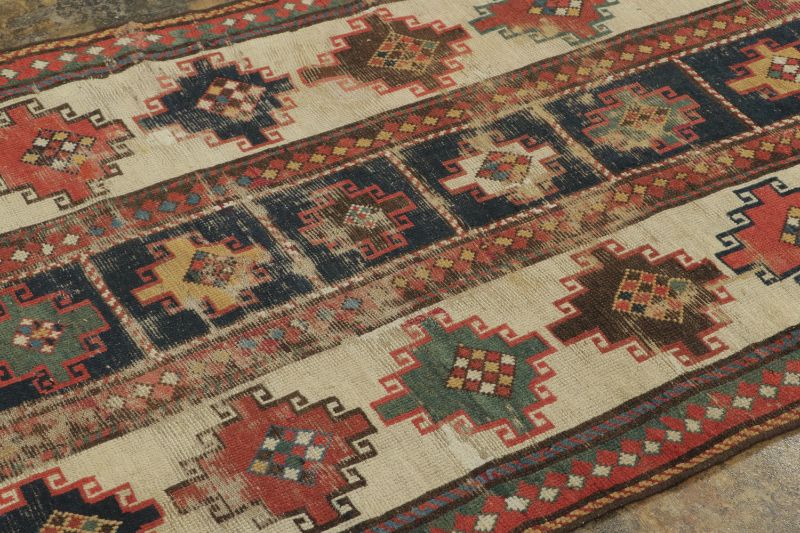
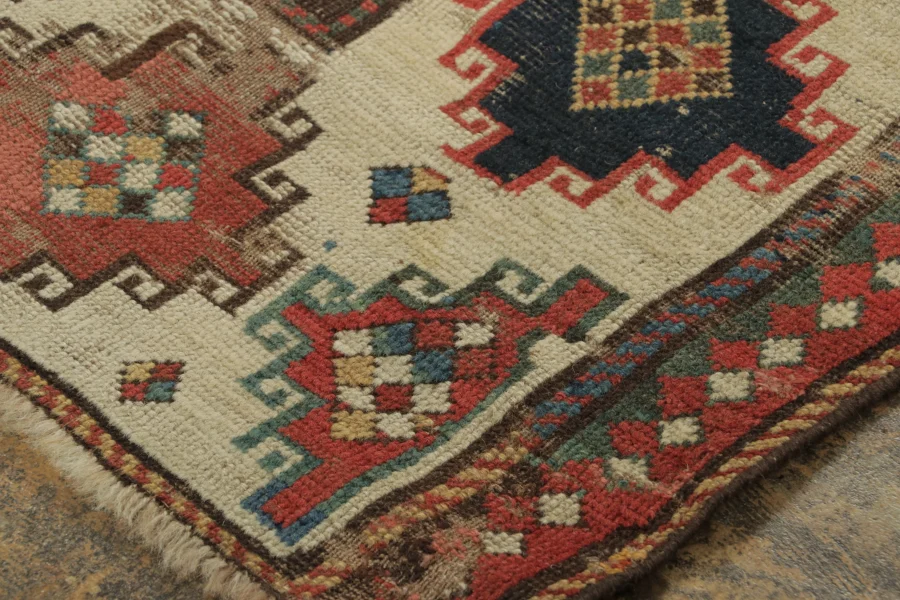
Antique Caucasian Runner with Folk Designs in Warm Earthy Hues - Rug & Kilim


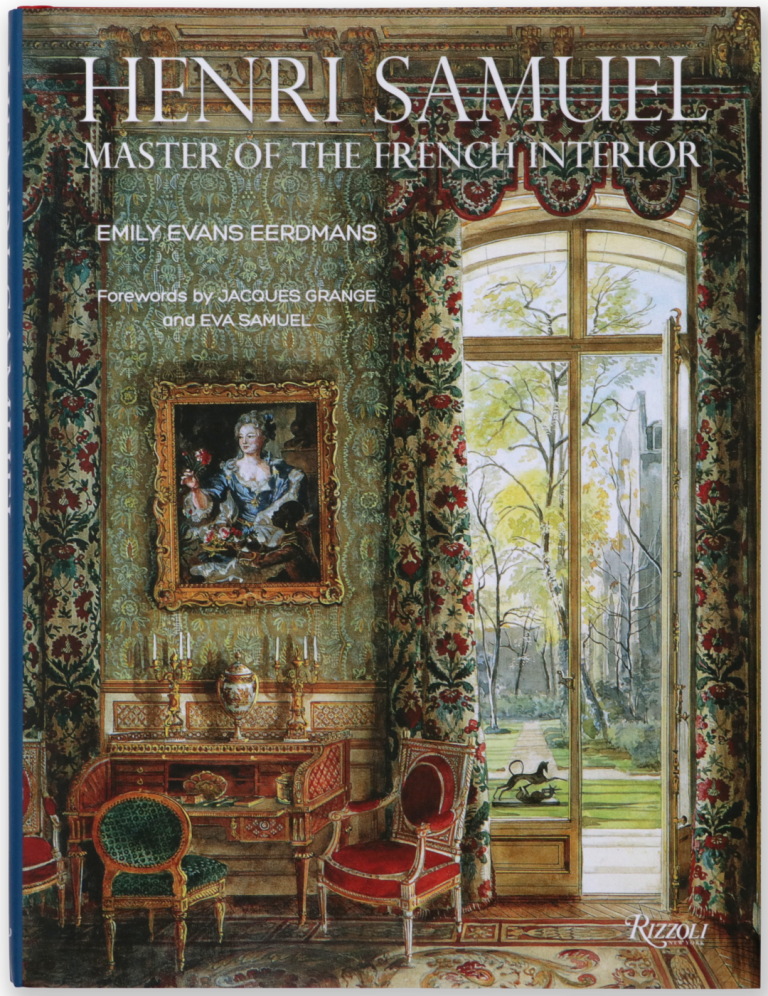
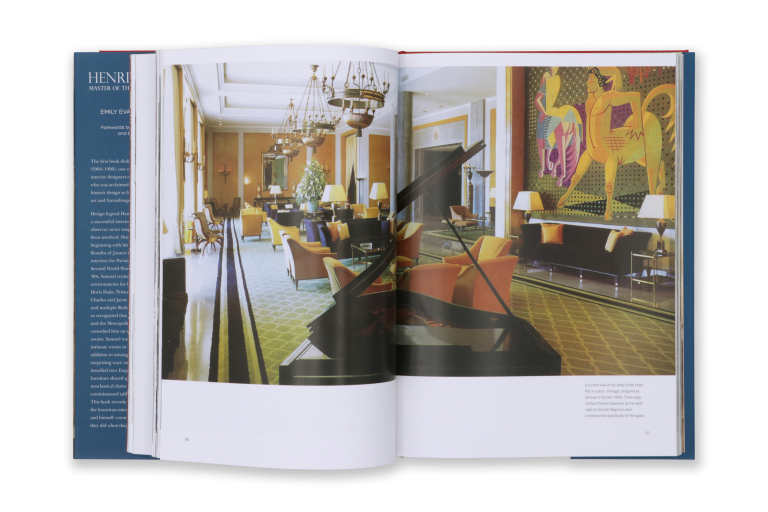
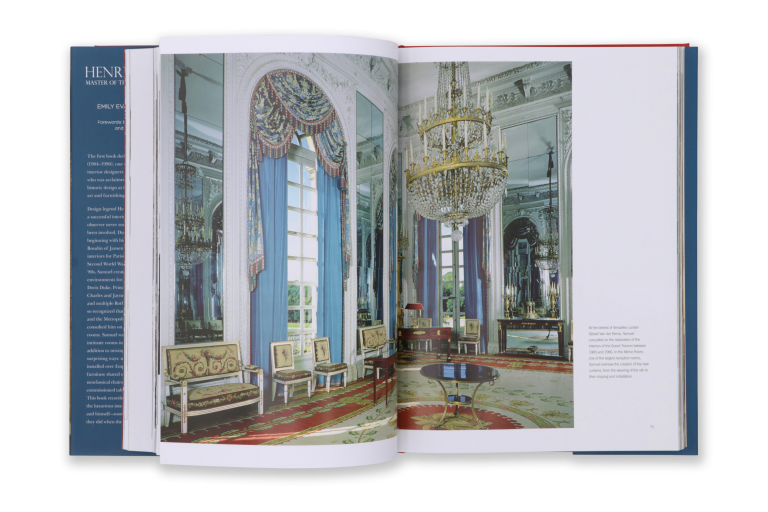
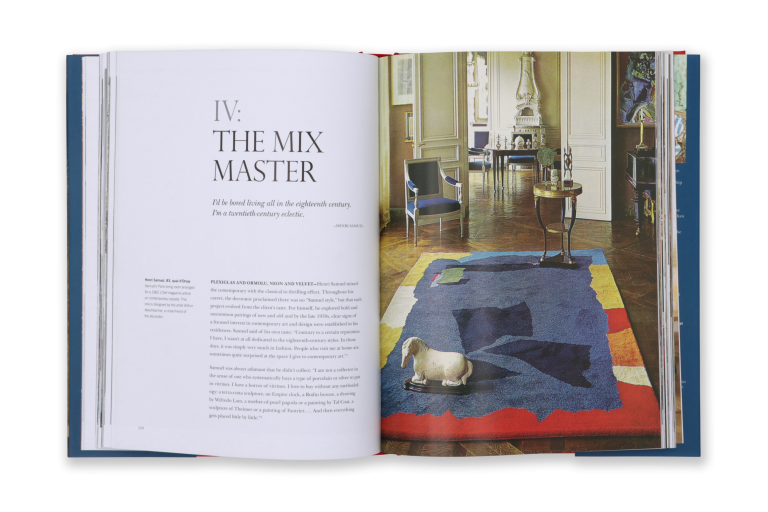
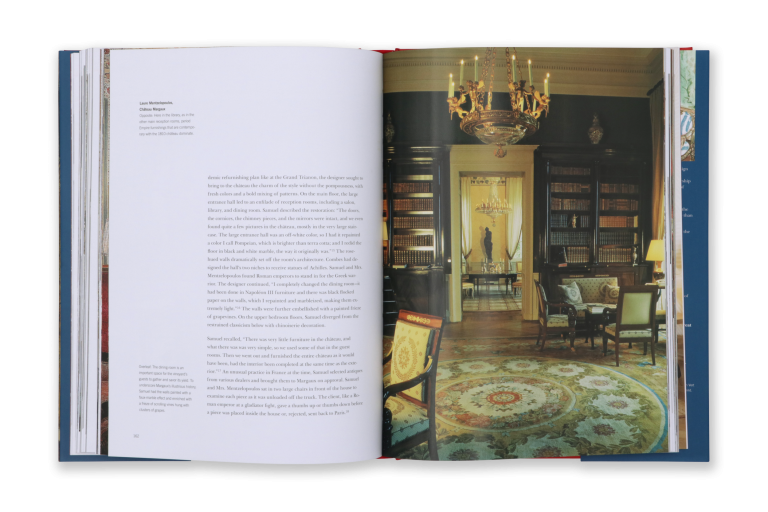
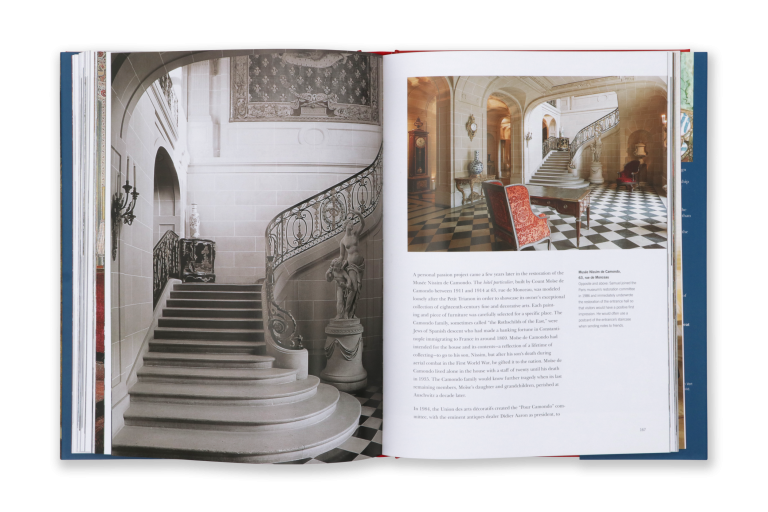
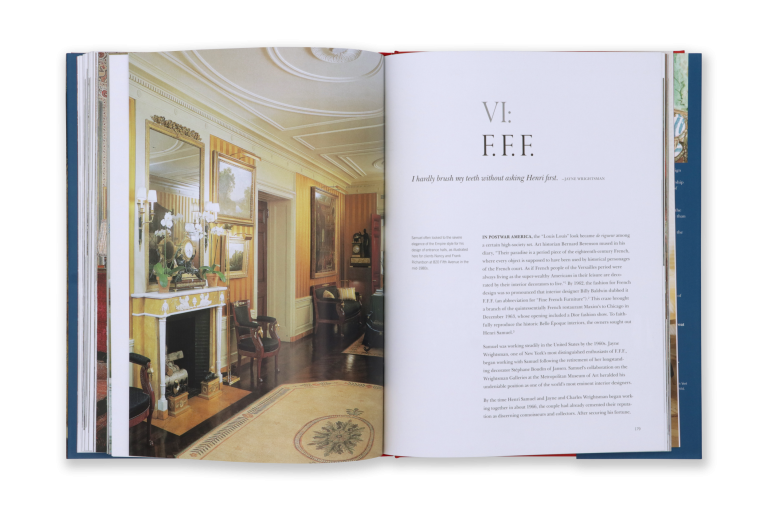
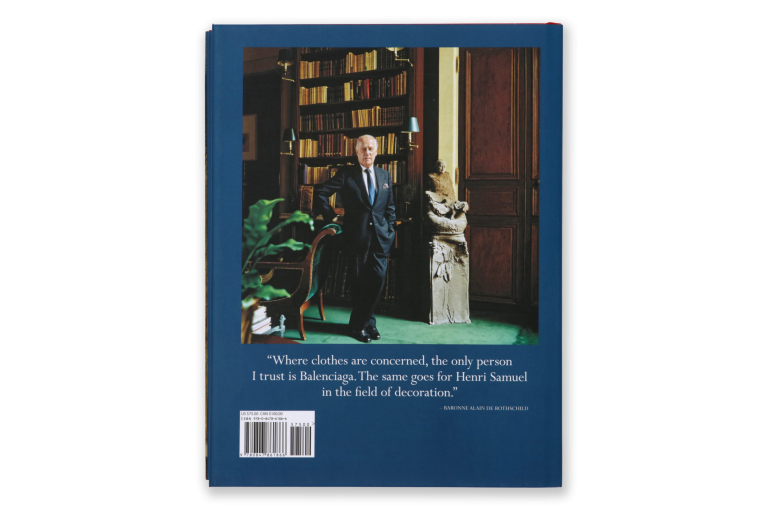
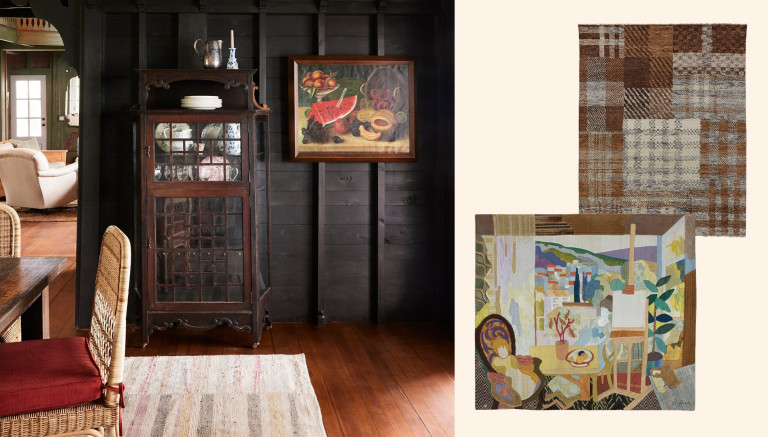
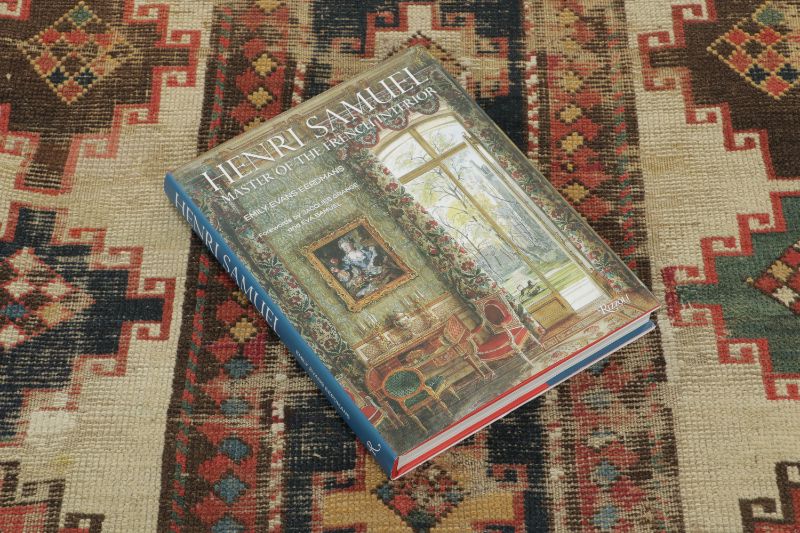
Henri Samuel
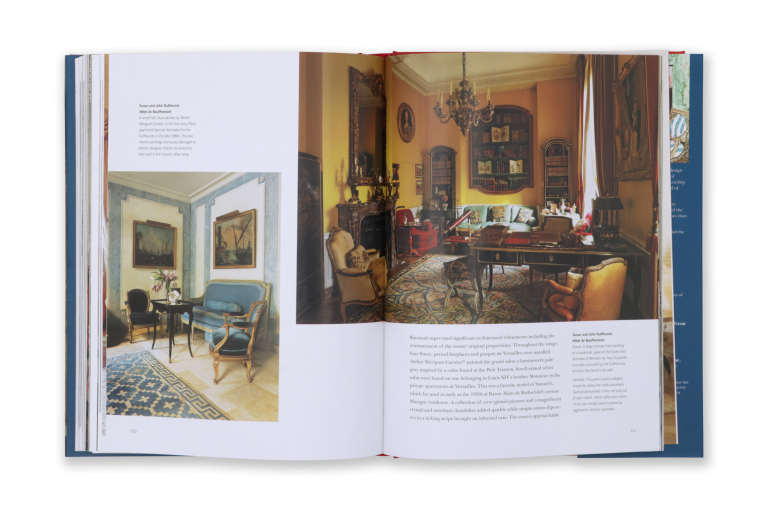
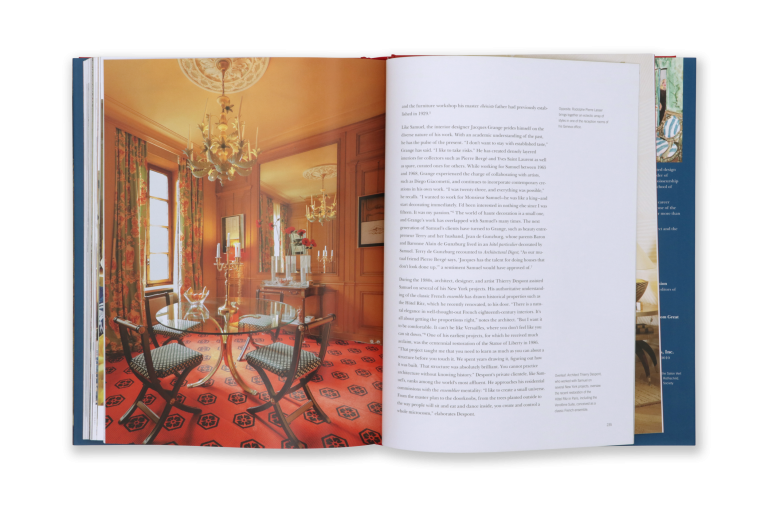
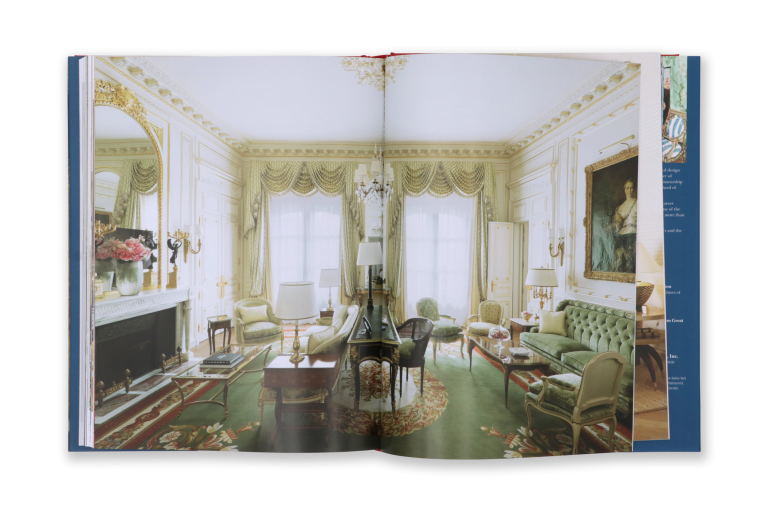
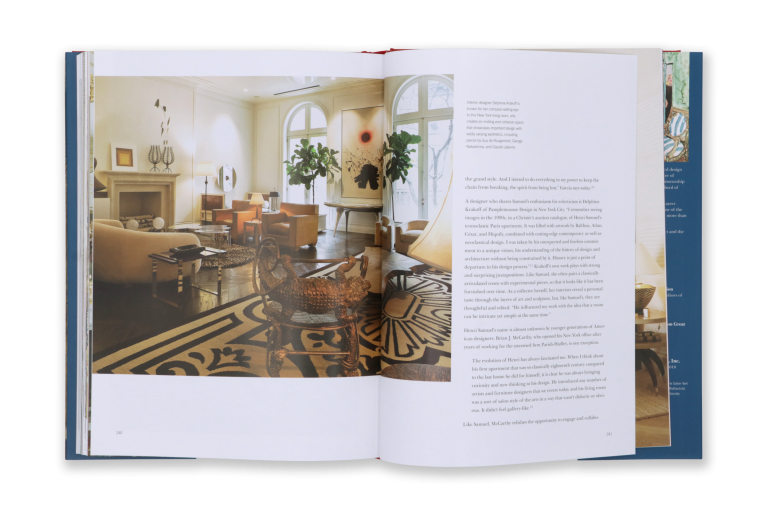
By Emily Evans Eerdmans; Forewords by Jacques Grange, Eva Samuel. — Rizzoli, 2018
European, French, Interior Design, Modernist (20th Century)
The first book dedicated to Henri Samuel, considered one of the best French interior designers of the twentieth century and acclaimed for his mastery of historical design, as well as his eye for contemporary presentation and furnishings--a high-point addition to Rizzoli's continuing coverage of the masters of the field. Design legend Henri Samuel believed that a successful interior was one in which an observer never suspected that a decorator had been involved. This book takes the reader inside some of Samuel's groundbreaking and inspiring interiors, beginning with his first job assisting Stéphane Boudin of Jansen in the 1920s through postwar Paris society and into the go-go '80s.
$75
"Josh has been able to dredge up some of the rarest and most beautiful carpets for our nerdy and stringent requirements. And we have had a grand time together assembling collections for clients."
— Ralph Harvard, Ralph Harvard Inc.
A standard since our inception upheld across every acquisition,
transaction, and delivery.
45+ Year Old Institution
More than four decades of expertise and stewardship, under the leadership of our Principal, Jahanshah "Josh" Nazmiyal.
Favorable Return Policy
Our return policy is 48 hours upon receipt allowing you to confirm the purchase in your space with confidence.
Product Warranty
Each rug is hand selected or produced through the most reputable sources under the direct supervision of our Principal.
Trusted Global Delivery
Reliable worldwide delivery handled with care, precision and constant communication.
Exceptional Support
Attentive, knowledgeable guidance before and after purchase from our dedicated team of specialists.
Long Term Care
We stand behind every piece we place and remain a resource to our clients for the lifetime of their collection.
- Measurements: 3'6" x 7'3" ( 1.07 m x 2.21 m )
- Categories: Antique
- Classification: Anatolian, Classic/Traditional, Distressed, Geometric
- Material: Wool
- Origin: Caucasus
- SKU: 37431
Specifications:
Stories from the Antique Collection
Essays, artist dialogues, and provenance notes drawn from Rug & Kilim’s editorial desk.
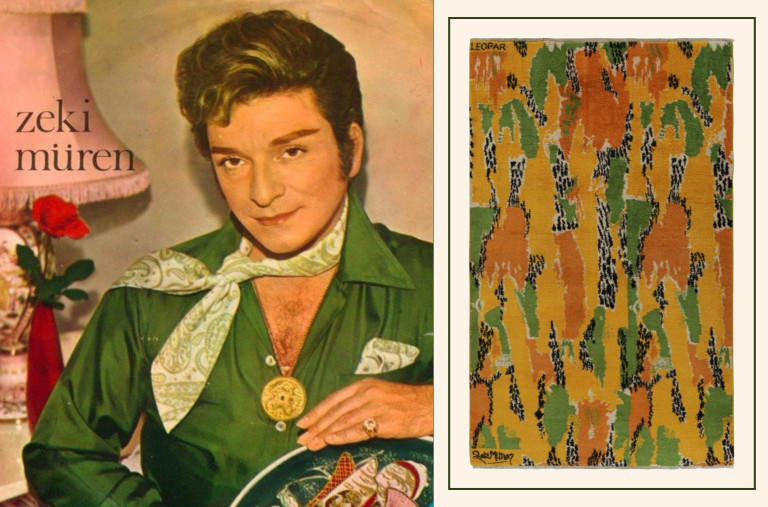
Zeki Müren and the Carpet as Self-Portrait: The Pasha Who Designed His Own Floor
In the showroom of Hüseyin Kaplan, in the Sultanahmet quarter of Istanbul beneath the minarets of the old city, there are more than five hundred carpets that belong to no classical category. They are not Hereke, not Oushak, not the courtly Ottoman medallion weavings that the connoisseur expects from this geography. They are jewel-toned and abstract, shot through with an abstract confidence, and they bear, some of them, the signed ones, a name woven into the border that any Turk and most serious collectors would recognise instantly. They are the work of Zeki Müren, and they constitute one of the most singular bodies of design the twentieth-century carpet has produced.
Read the Feature
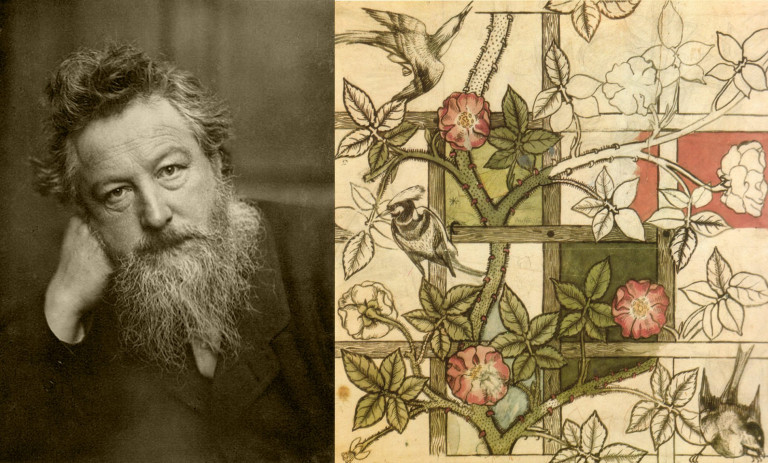
What William Morris, Paul Poiret, and the Bauhaus Each Understood About the Rug and What French Art Deco Proved
In the winter of 1883, William Morris stood before a room full of wool merchants, manufacturers, and assorted Victorian worthies in a lecture hall in Birmingham and said something that no one in that room was prepared to hear. The decorative arts, he told them, were not decorative at all. They were the most serious form of human making and their degradation under industrial production was not an aesthetic problem but a civilizational one. He had brought, as he often did, an Oriental carpet to make his point. Then he said, in effect: this is what we have lost the capacity to make, and until we recover it, we have no business calling ourselves a culture.
Read the Feature
How the World’s Most Serious Art Spaces Are Rewriting the Rules of the Floor and the Contemporary Home
There is a room at Hauser & Wirth Somerset; the gallery that occupies a converted farmhouse in the English countryside, where Pipilotti Rist installations have shared walls with Phyllida Barlow sculptures and where the building itself feels like an argument against the idea that serious art requires a white cube to be taken seriously, where a single large antique textile lies on the stone floor beneath work of radical contemporary ambition. It does not announce itself. It simply holds the room together with the authority of an object that has been doing exactly this, in exactly this way, for several centuries longer than the art above it has existed. The artists whose work hangs on those walls have spent their careers thinking about surface, material, and the relationship between an object and the space it occupies. The carpet understood all of this before any of them picked up a brush.
Read the Feature
How U.S.–Iran Tensions Are Reshaping the World of Fine Rugs: From Safavid Courts to Sanction Regimes
There is a room in the Metropolitan Museum of Art in New York where a sixteenth-century Persian carpet stops people mid-stride. Because something in the object itself; its scale, its silence, the particular authority of a thing that has already outlasted three empires makes the ordinary pace of a museum visit feel suddenly inappropriate. The Emperor's Carpet, as it is known, was commissioned in Safavid Iran, passed to Peter the Great of Russia, gifted to the Habsburg Emperor Leopold I in 1698, held by the Austrian Imperial House until 1921, acquired by the Met in 1941, and displayed publicly only twice in the following sixty years because its condition was too fragile to risk. It has survived more political systems than any collector alive today will ever witness. It knows something about geopolitics that no sanctions framework, no bilateral negotiation, no executive order has yet managed to articulate.
Read the Feature
Bessarabian Rugs and Kilims: A European Textile Tradition at the Crossroads of Art, Empire and Design
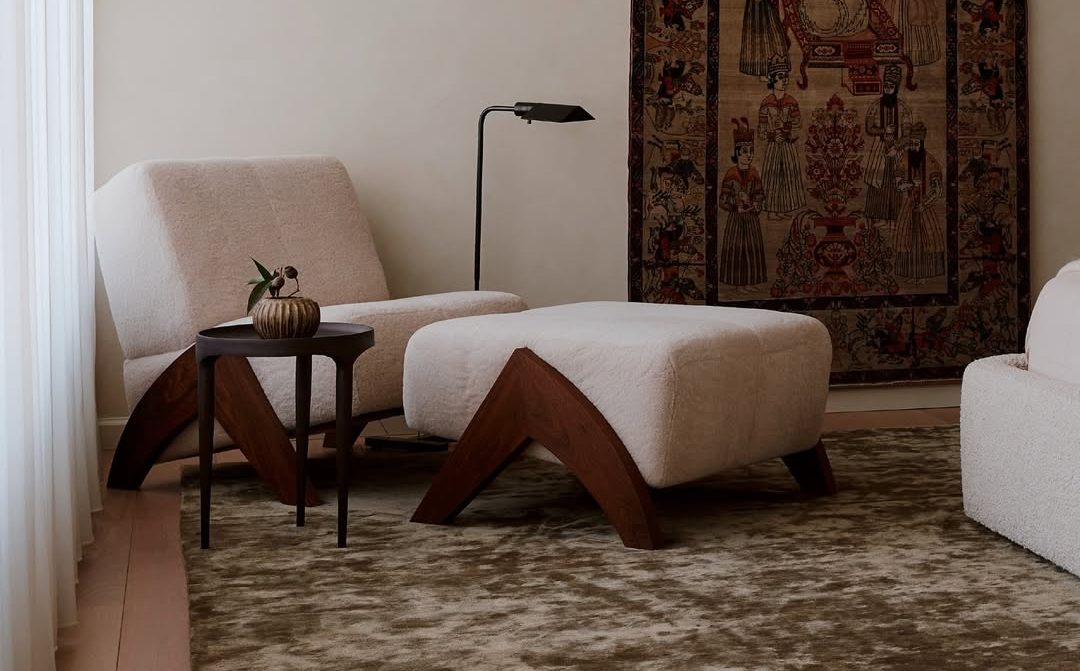
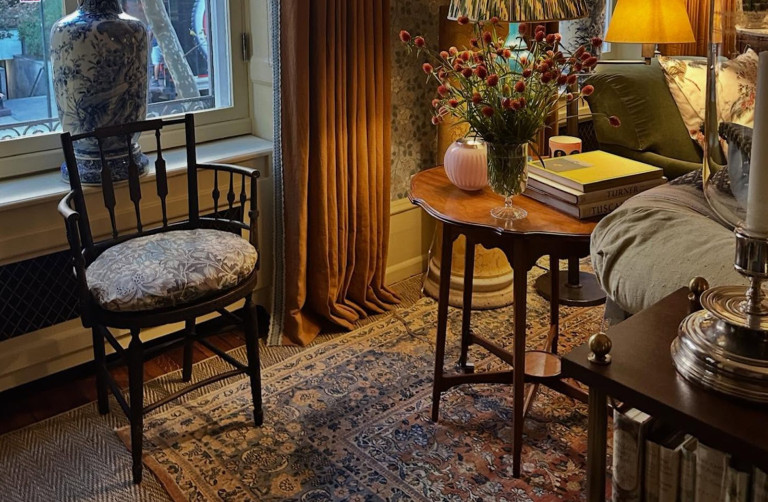
In a quietly elegant London dining room, a vintage Bessarabian Kilim unfolds beneath the table like an unexpected conversation. Its geometry—subtle yet assertive—draws the eye before one quite realizes why. Inspired by the visual language of early twentieth-century design, the rug nods gently toward the stylized symmetry of Art Deco while remaining unmistakably rooted in a much older European weaving lineage. The effect is a foundation that feels both deliberate and effortless, an object whose presence quietly animates the room. Those who spend time studying interiors often admit a particular fondness for photographs that capture rooms in use rather than in perfection. The slight shift of a chair, the shadow of evening light on polished wood, a glass forgotten after supper—these small evidences of life soften even the most composed design. In such moments, a rug becomes more than a decorative surface. It becomes the mediator between architecture and living.
Read the Feature
The Ukrainian Rugs and Kilims: The Floral Carpets Designers Are Rediscovering
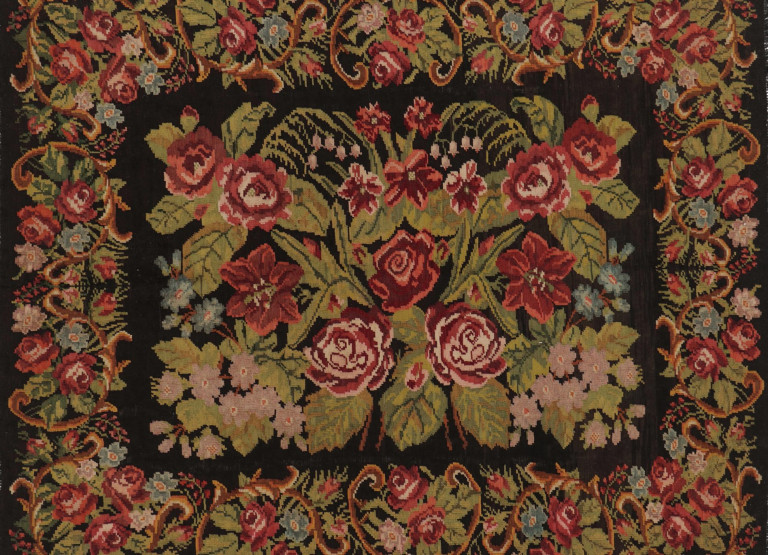
To speak of Ukrainian rugs and kilims is to speak of a culture where textiles were never merely decorative objects but expressions of identity, memory, and landscape. Across centuries, Ukrainian carpets evolved within a unique cultural geography that bridged the worlds of Central Europe, the Ottoman East, and the Russian Empire. The resulting aesthetic language—rich with floral symbolism, rhythmic geometry, and painterly color—reflects the same cultural currents that shaped Ukrainian painting, poetry, and decorative arts. In village homes, noble estates, and eventually museum collections, these carpets became quiet witnesses to history. Their patterns echo fields of wildflowers across the Ukrainian steppe, their colors recalling the deep reds and earth tones that dominate traditional folk painting. Today, designers and collectors increasingly recognize Ukrainian rugs as part of a broader artistic tradition that connects textiles to the visual arts, literature, and interior architecture of Eastern Europe.
Read the Feature


R&K Image Studio
NEWThe R&K Image Studio is a new visual workspace designed to present the Rug & Kilim collection with clarity, restraint, and precision — in your space or any space you imagine.
This tool allows you to view, refine, and prepare imagery drawn directly from the pieces in our archive. They can be visualized cleanly, isolated thoughtfully, and adjusted for presentations, proposals, and private viewings, without altering the integrity of the original work.
Antique
Wool
Caucasus, c. 1900-1919
3'6" X 7'3" (1.07 m x 2.21 m)
$4,300
Available: Shipping as Soon as Tomorrow
Antique Caucasian Runner with Folk Designs in Warm Earthy Hues - Rug & Kilim
"Rug & Kilim have been true collaborators in our projects. Their taste, and unmatched knowledge, have led us in unique and unexpected directions - the hallmark of a great partnership"
— Justin Capuco & Brittney Hart
- Measurements: 3'6" x 7'3" ( 1.07 m x 2.21 m )
- Categories: Antique
- Classification: Anatolian, Classic/Traditional, Distressed, Geometric
- Material: Wool
- Origin: Caucasus
- SKU: 37431