

Turkey
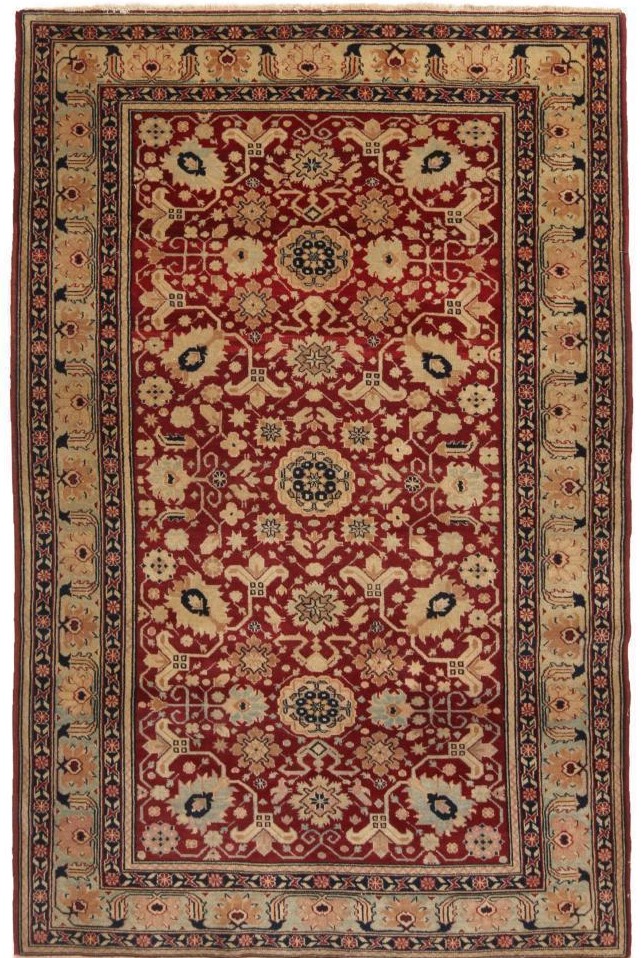
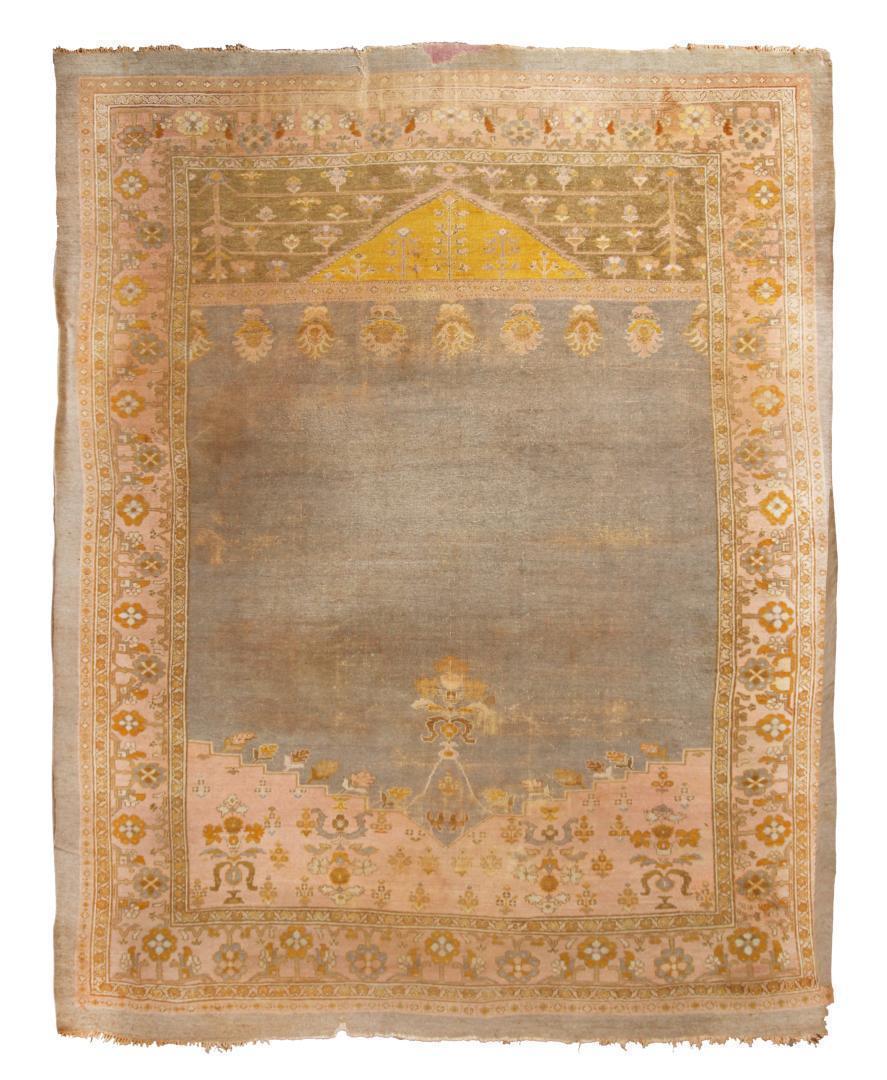
10'9" X 13'5" (3.28 m x 4.09 m)
Out of Stock (Inquire for Custom)
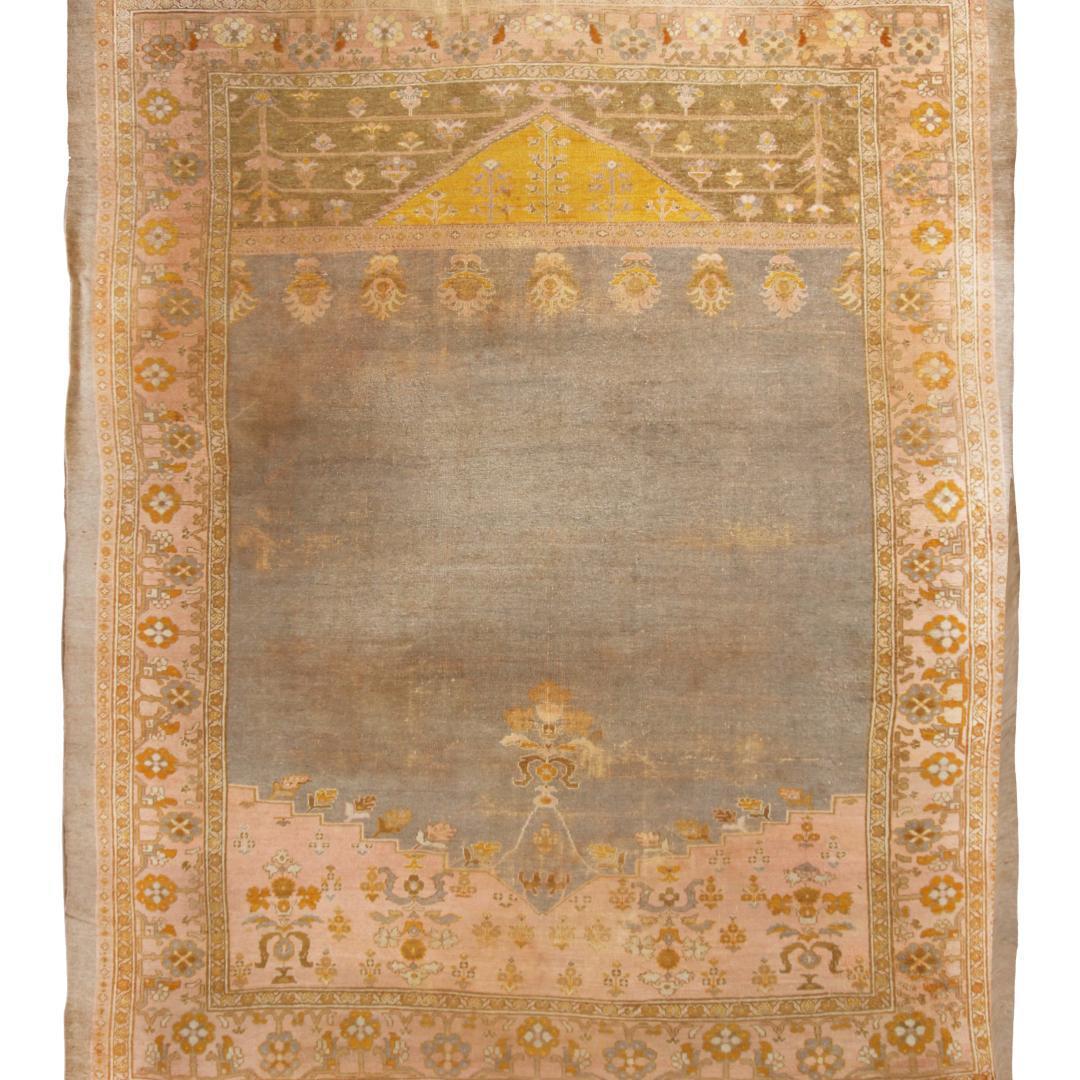
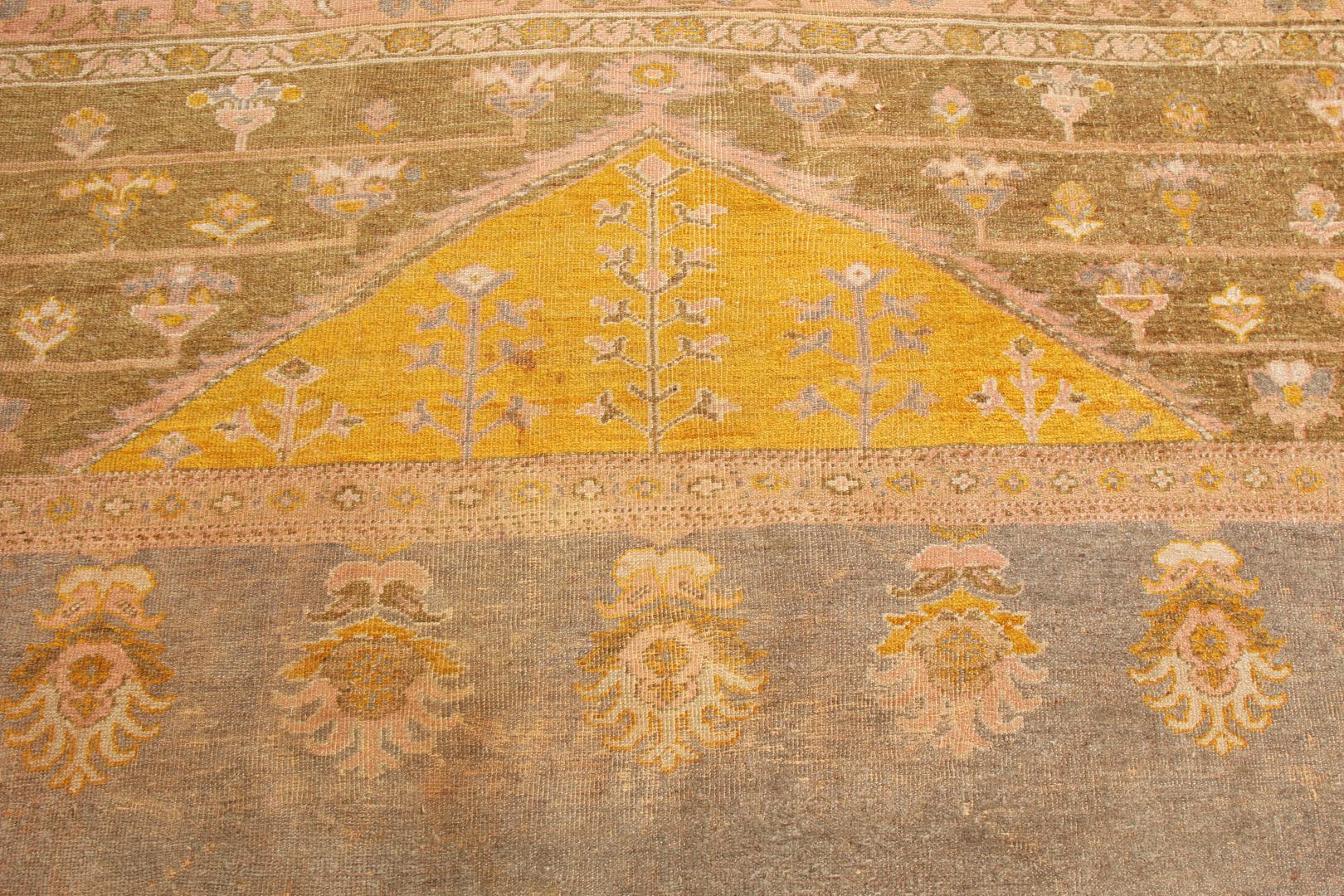
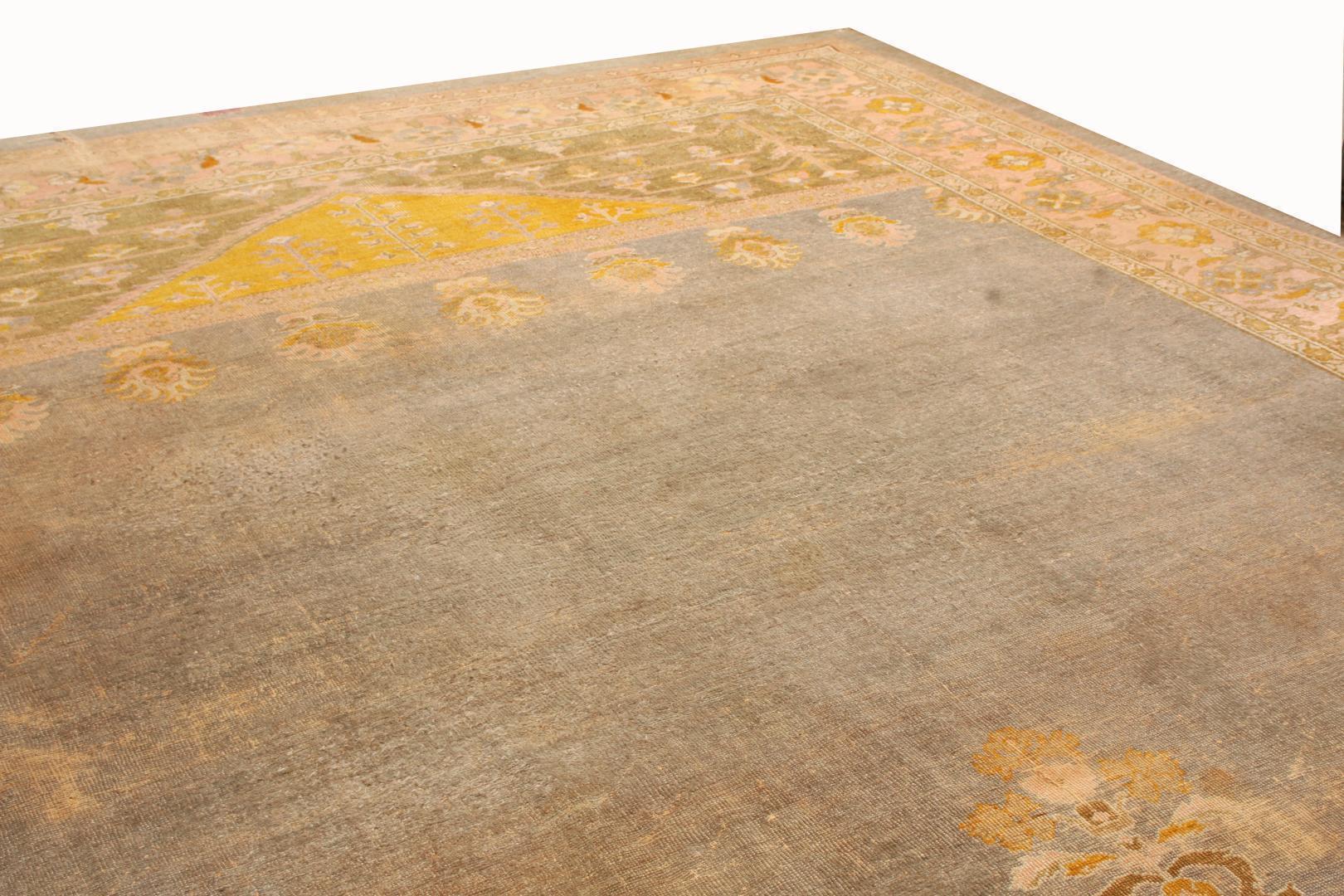
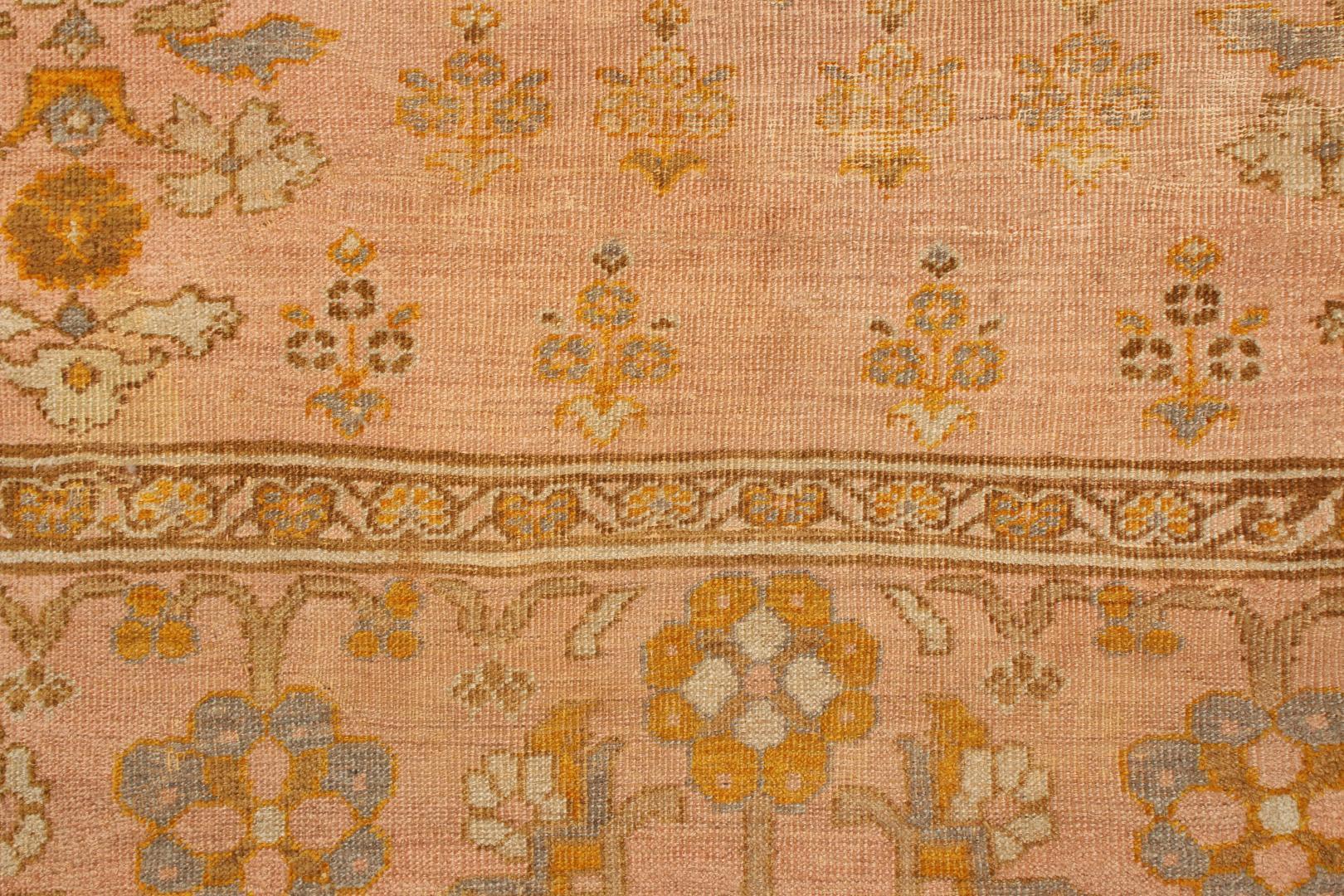
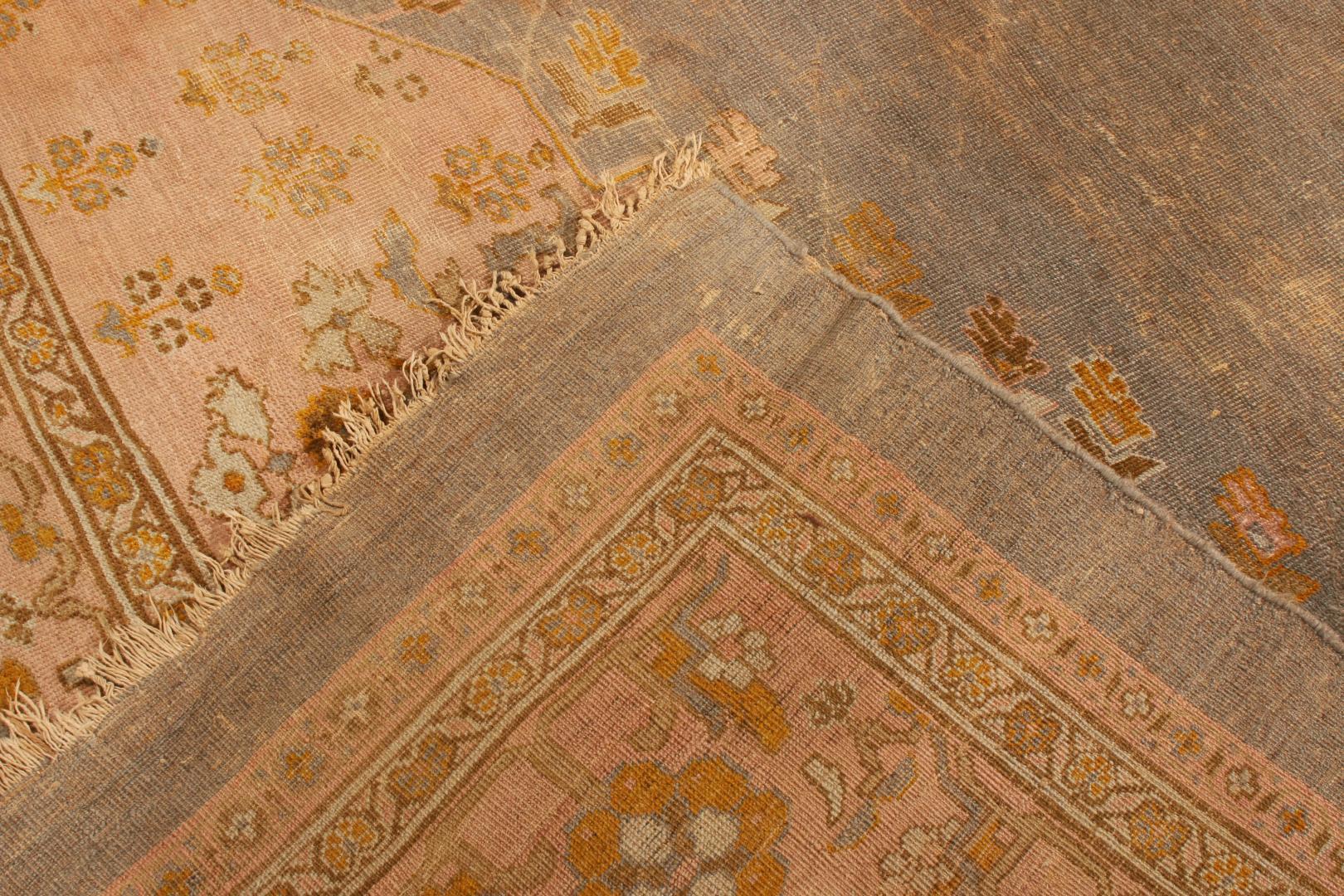
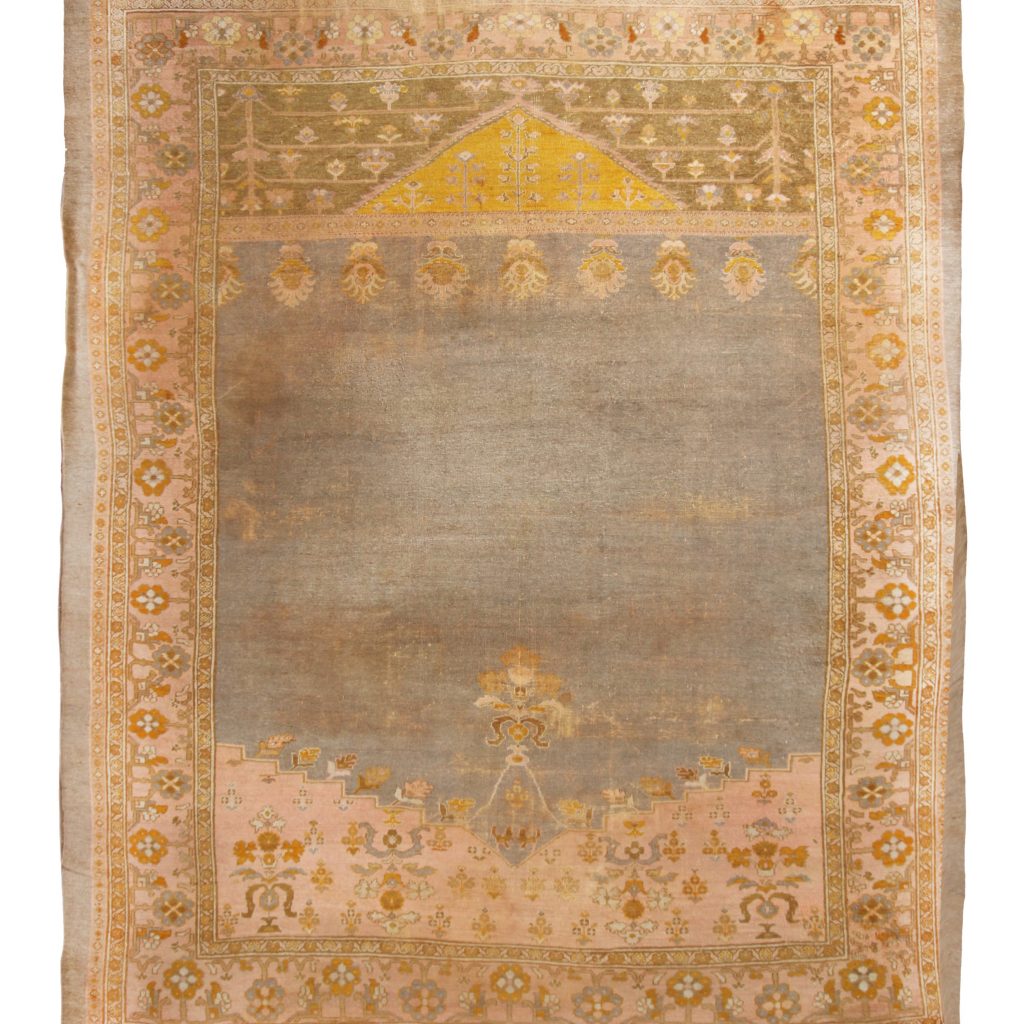
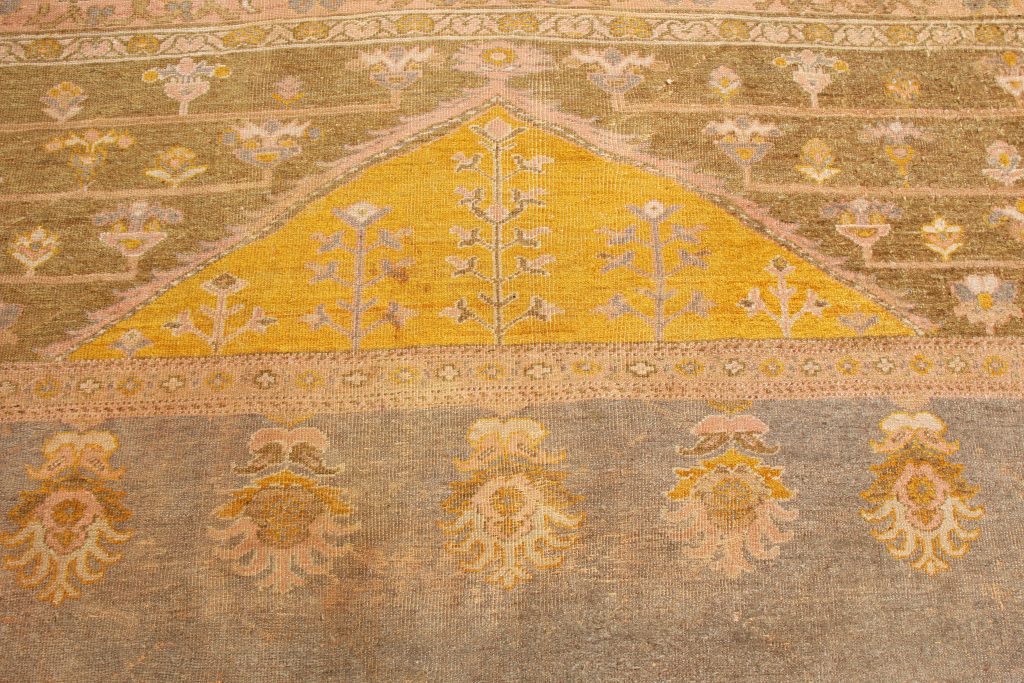
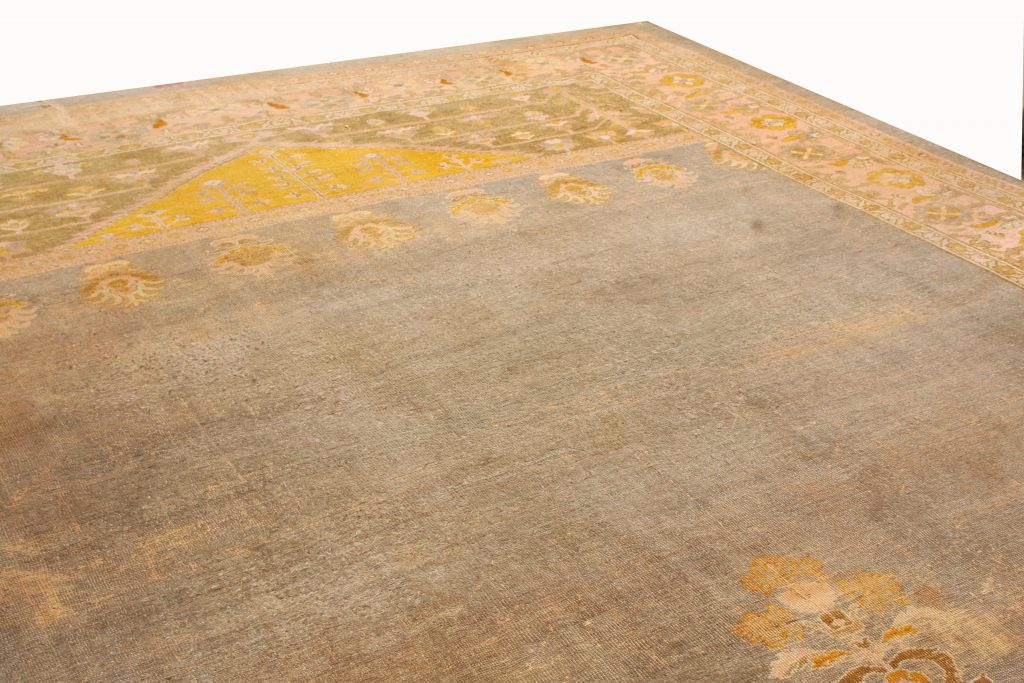
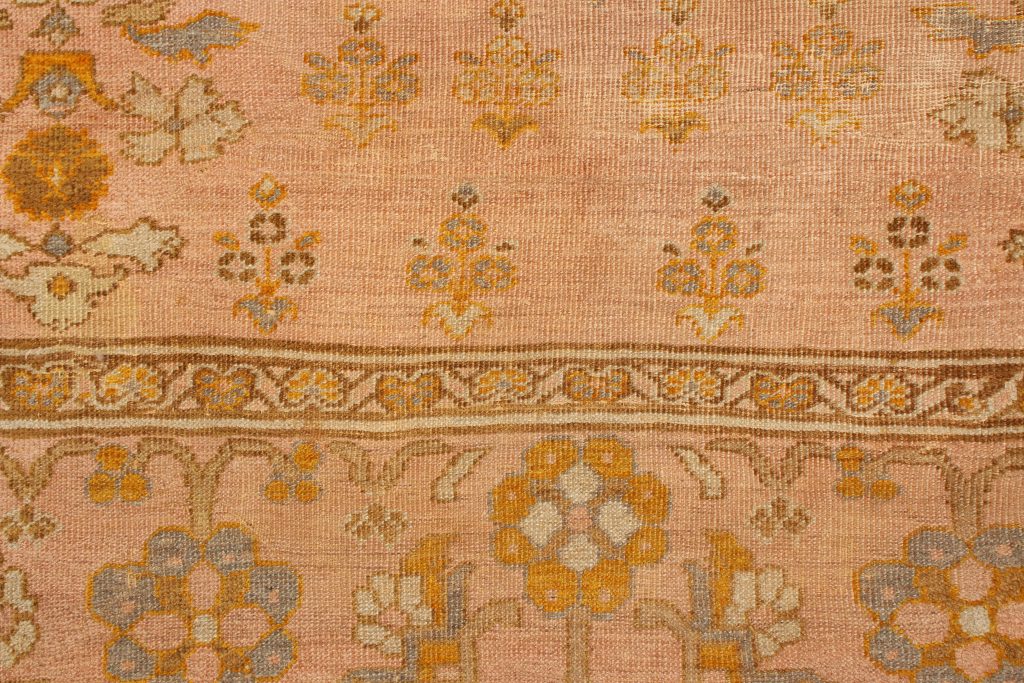
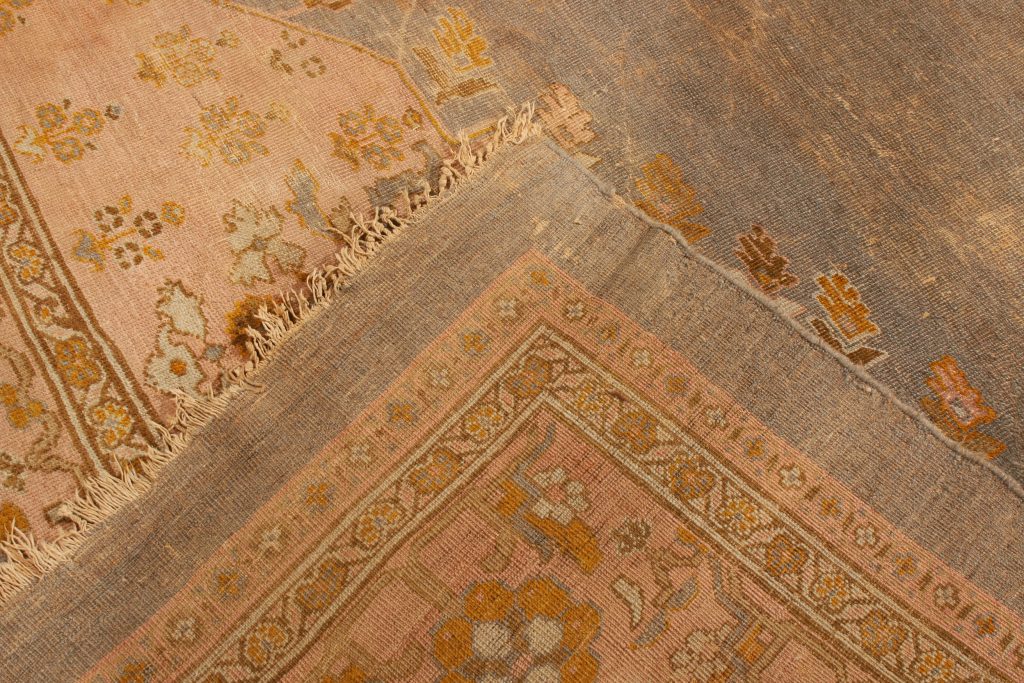
Antique Oushak Geometric Mihrab Beige And Lavender-Gray Wool Rug 18518
"Rug & Kilim has been a pleasure to work with from the very start of our relationship. Not only is their service outstanding, their inventory of one of a kind vintage rugs is unparalleled."
— Alan Eckstein and Margaret Goddard, Somerset House
A standard since our inception upheld across every acquisition,
transaction, and delivery.
45+ Year Old Institution
More than four decades of expertise and stewardship, under the leadership of our Principal, Jahanshah "Josh" Nazmiyal.
Favorable Return Policy
Our return policy is 48 hours upon receipt allowing you to confirm the purchase in your space with confidence.
Product Warranty
Each rug is hand selected or produced through the most reputable sources under the direct supervision of our Principal.
Trusted Global Delivery
Reliable worldwide delivery handled with care, precision and constant communication.
Exceptional Support
Attentive, knowledgeable guidance before and after purchase from our dedicated team of specialists.
Long Term Care
We stand behind every piece we place and remain a resource to our clients for the lifetime of their collection.
- Measurements: 10'9" x 13'5" ( 3.28 m x 4.09 m )
- Categories: Default
- Classification: Mahal, Modern/Contemporary, Open Field, Oushak, Transitional
- Origin: Turkey
- SKU: 18518

Specifications:
Stories from the Default Collection
Essays, artist dialogues, and provenance notes drawn from Rug & Kilim’s editorial desk.
Agra Rugs in Art, Architecture and Global Design Culture
Among the great weaving traditions of the Indian subcontinent, Agra rugs occupy a distinguished position shaped by Mughal artistic refinement, Persian influence, and centuries of decorative innovation. Originating from the historic city of Agra in northern India—once a major center of the Mughal Empire—these carpets represent one of the most intellectually sophisticated textile traditions within global decorative arts. Unlike purely tribal carpets or highly formal European weavings, Agra rugs synthesize multiple cultural vocabularies into a unified visual language defined by monumental scale, refined ornamentation, and extraordinary compositional balance. Their designs draw from Persian court aesthetics, Islamic geometry, Indian botanical symbolism, and architectural inspirations associated with Mughal palaces and gardens.
Read the Feature
Rugs, Books, and the Fine Art of Living with Intention: Rug & Kilim’s Dialogue with Art and Literature
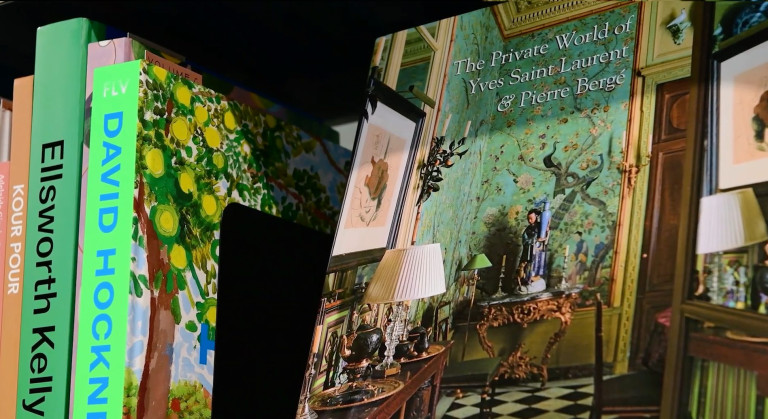
A great house is measured not only by what lies underfoot, but by what rests within reach. At Rug & Kilim, The Royal Collection and Volumes are not parallel endeavors—they are twin expressions of the same language: that art, design, and intellect belong in continuous dialogue. Both are products of patronage, atelier discipline, and an unwavering belief that beauty must be structured. A serious interior does not begin with furniture. It begins with a position. For centuries, the rug has been the most intellectually charged plane in a room—the only surface that holds architecture, painting, mythology, and diplomacy in a single field. Likewise, the book is not décor; it is declaration. It reveals the mind that inhabits the space.
Read the Feature
The Rug & Kilim Triad: Art, Fashion, Architecture — and the Anatomy of a Rug
In the most serious interiors, rugs are never decorative. They are structural, ideological, and curatorial. They anchor space, discipline movement, and quietly declare the intellectual posture of a room. At Rug & Kilim, this understanding has long been implicit. What has evolved—deliberately and over decades—is a working philosophy that treats rugs through a triadic lens: art, fashion, and architecture. Not as metaphors, but as functional disciplines that together explain how a rug operates in space. To understand a rug properly, one must understand how these three worlds intersect. Art: Composition, Gesture, and Intent Every rug begins as an act of composition. Whether a 16th-century Savonnerie, a mid-century Aubusson tapestry, or a contemporary Rug & Kilim abstract, the logic is painterly before it is practical. Line, mass, tension, negative space—these are artistic decisions.
Read the Feature
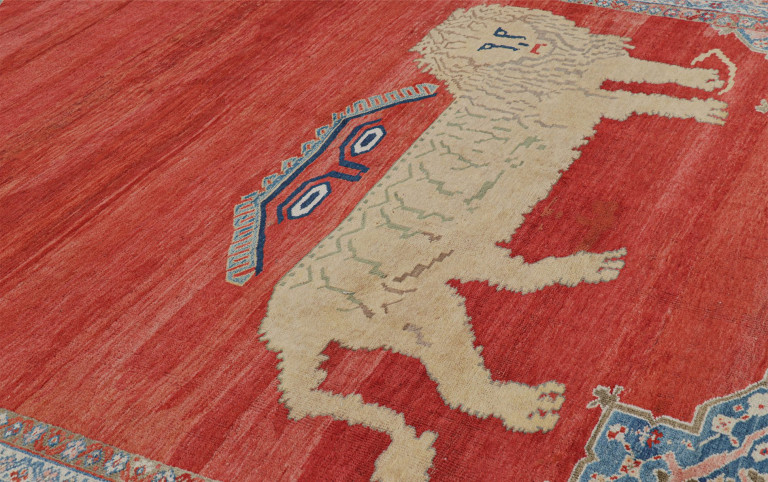
Rug of the Week V: A 1920s Lion Mahal Rug and Persia’s Folk-Imperial Dialogue
Not all rugs whisper beauty. Some confront, some provoke, and some stand strong of their age. This 1920–30 Persian Mahal lion carpet belongs emphatically to the latter. Its scale alone commands attention, but it is its audacity of imagery—two lions poised across a crimson ground, punctuated by talismanic eyes—that distinguishes it from its peers. What could have been another workshop carpet for export markets instead asserts itself as an emblem of power, politics, and folk poetics. It is not only a rug to be admired, but one to be read. The Provenance: Mahal as a Crossroads Mahal rugs occupy a fascinating place in Persian weaving history. Located in northwestern Iran, the Mahal region became particularly significant during the late 19th and early 20th centuries as European demand reshaped Persian textile production. Western markets craved large-scale carpets for townhouses and institutions, and Mahal—situated near Sultanabad, a major weaving hub—supplied. These rugs often combined refined city-border designs with the looser, more organic hand of village weavers.
Read the Feature
A Guide to Oriental Antique Mughal Rugs: History and Significance of Court Carpets
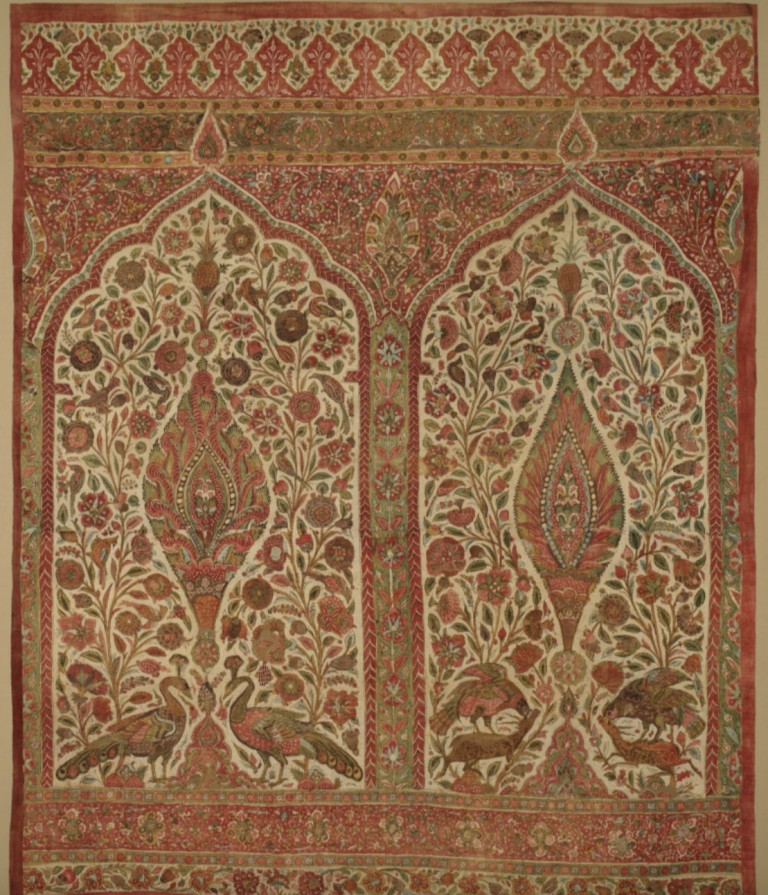
Antique rugs and tapestries’ allure remains strong irrespective of the year or decade, especially among connoisseurs and antique art collectors who are willing to pay exorbitant amounts for exceptional Oriental rugs. Such auctions highlight the enduring appeal and value placed on rare and exquisite Oriental carpets in the collector's market. One such section of prized Oriental possessions are Mughal textiles. Carpets and canopies held special significance among nomadic groups like the Mongols and Turks of Central Asia, serving as portable courtly spaces. The Mughals, who had Mongol and Turkic roots, continued this tradition in India, using carpets and canopies to denote royal presence. Even after settling in permanent stone structures, the Mughals retained the use of special carpets to mark the window (known as jharokha in Persian) where the emperor could be seen and approached by the public below. This practice was adopted by other regional rulers across India to locate members of the royal household.
Read the Feature
A Glossary of Handmade Rugs and Kilims: Understanding Terms, Types and Techniques Past and Present
Referring to the art style characterized by using shape and color withdrawn from traditional repetition or realism. Abstract rugs — sometimes referred to as art rugs — capture an expressive nature that reads as a very modern style, though many abstract rugs draw inspiration from works of the same art style in the mid-century. One of the more widely known mid-century lineages of this style is abstract expressionism, named for the literal "expressionists" of the 1950s. Some of the most notable names behind this style include Jackson Pollock and Mark Rothko. Referring to a lineage of nomadic Persian rugs (sometimes referred to as “Avsar” in the alternate spelling). Afshar rugs hail from the eponymous tribe in the region of Northeastern Iran.
Read the Feature


R&K Image Studio
NEWThe R&K Image Studio is a new visual workspace designed to present the Rug & Kilim collection with clarity, restraint, and precision — in your space or any space you imagine.
This tool allows you to view, refine, and prepare imagery drawn directly from the pieces in our archive. They can be visualized cleanly, isolated thoughtfully, and adjusted for presentations, proposals, and private viewings, without altering the integrity of the original work.
Default
Turkey
10'9" X 13'5" (3.28 m x 4.09 m)
Out of Stock (Inquire for Custom)
Antique Oushak Geometric Mihrab Beige And Lavender-Gray Wool Rug 18518
"Josh and his team have supported my interior design work, as well as my personal projects, for over 20 years. Their inimitable combination of creativity, personal attention, professionalism and joie de vivre are irresistible."
— Claire Fleming Peters, Fleming Peters
- Measurements: 10'9" x 13'5" ( 3.28 m x 4.09 m )
- Categories: Default
- Classification: Mahal, Modern/Contemporary, Open Field, Oushak, Transitional
- Origin: Turkey
- SKU: 18518

