

Wool
India
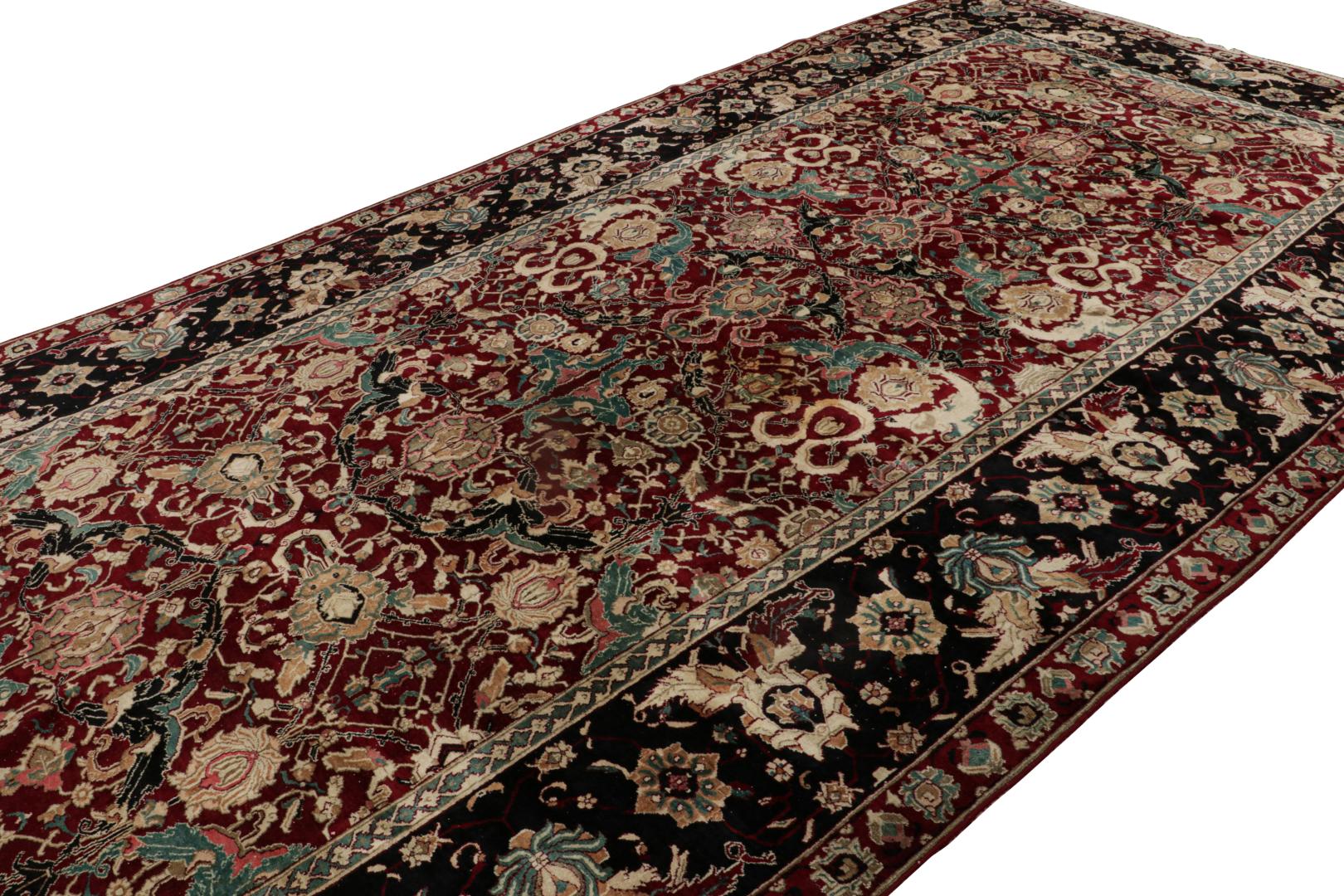
9'0" X 26'10" (2.74 m x 8.18 m)
Out of Stock (Inquire for Custom)
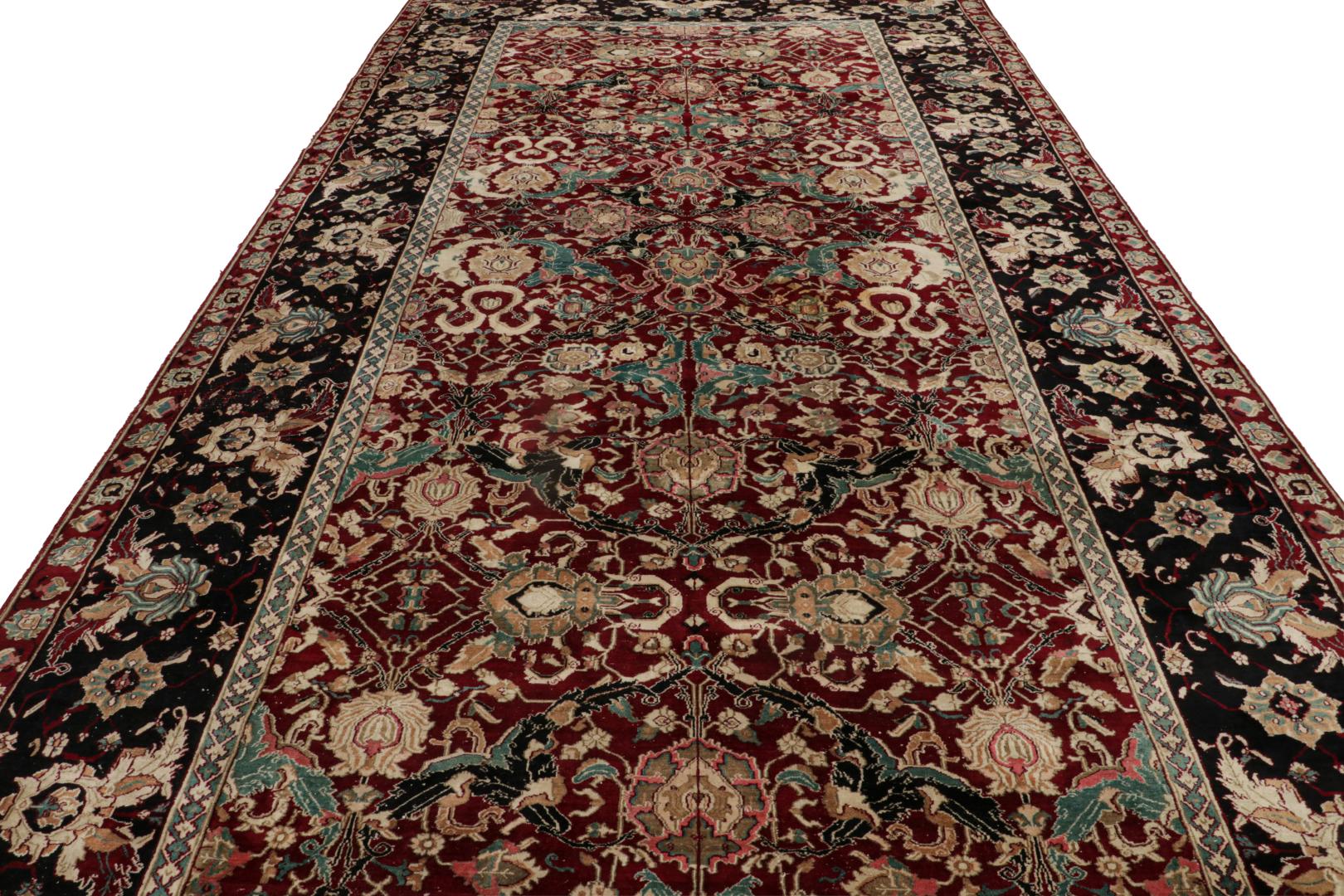
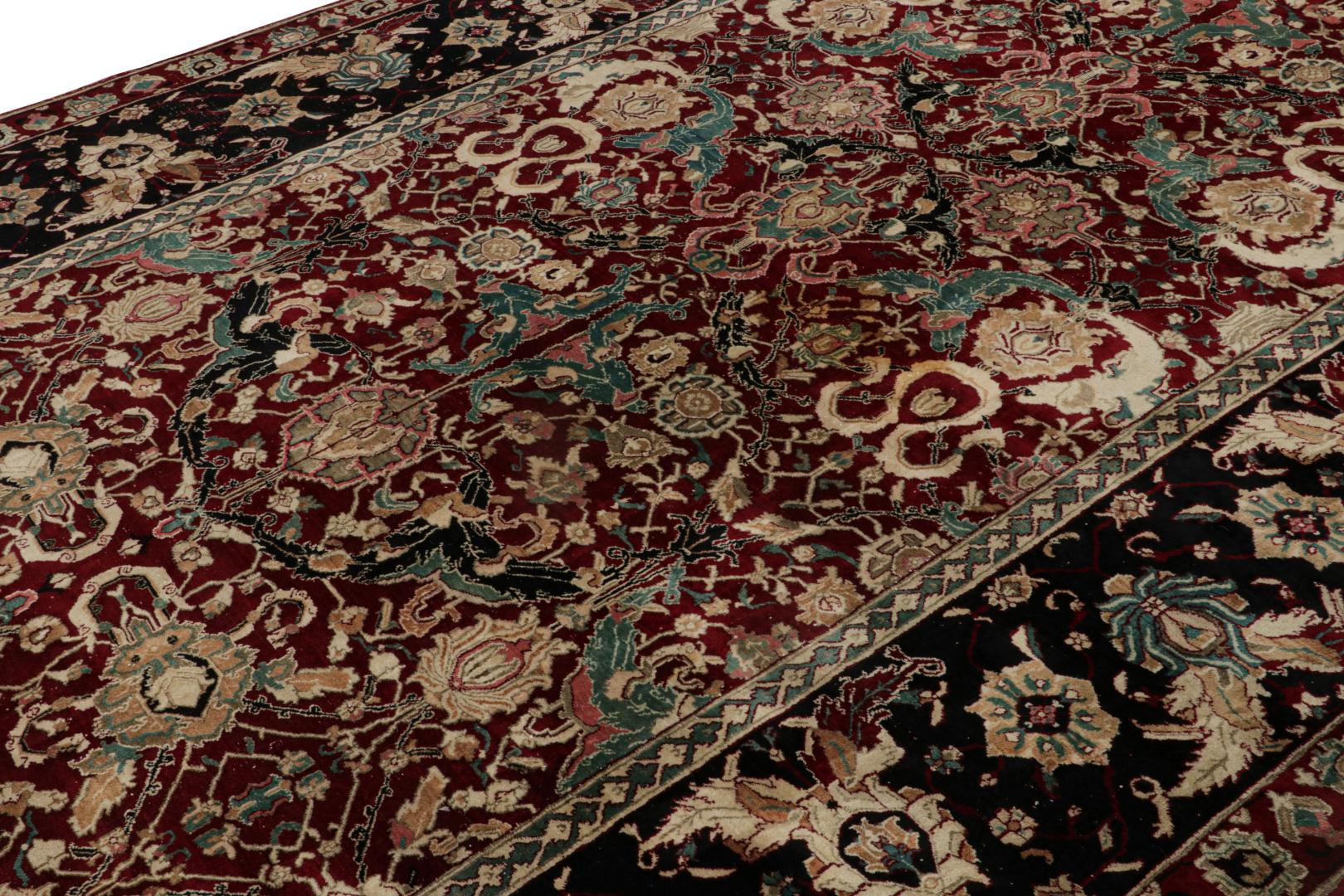
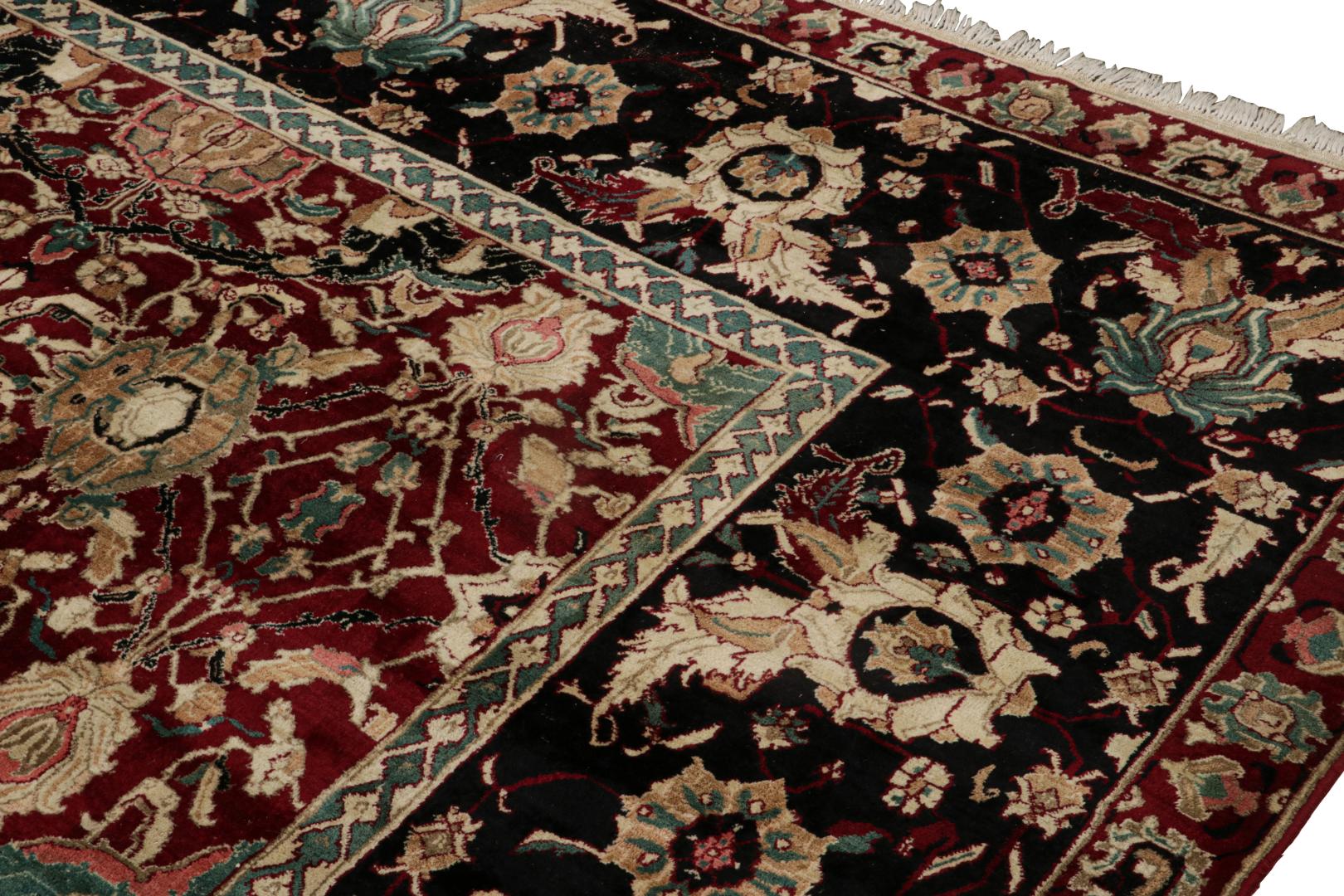
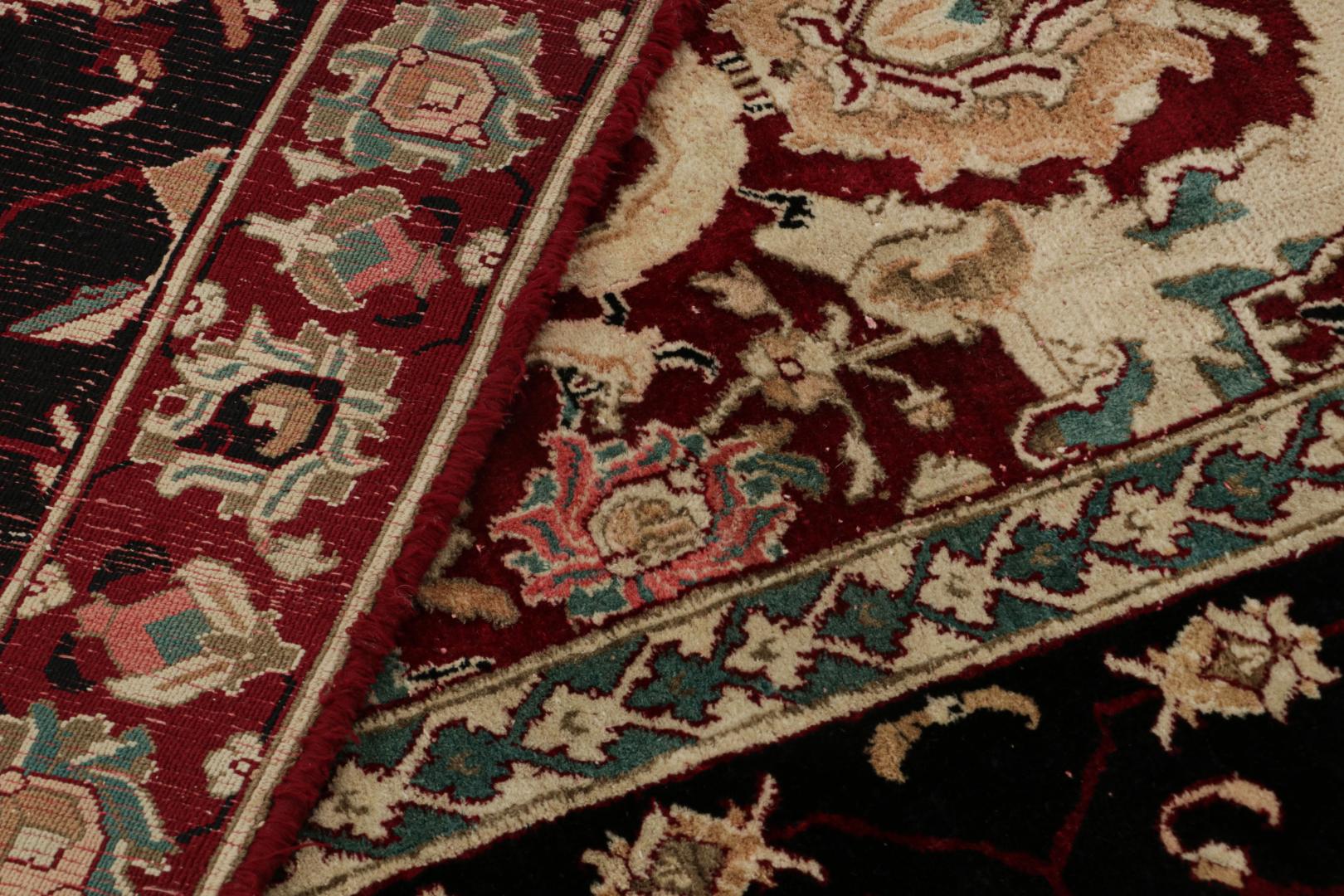
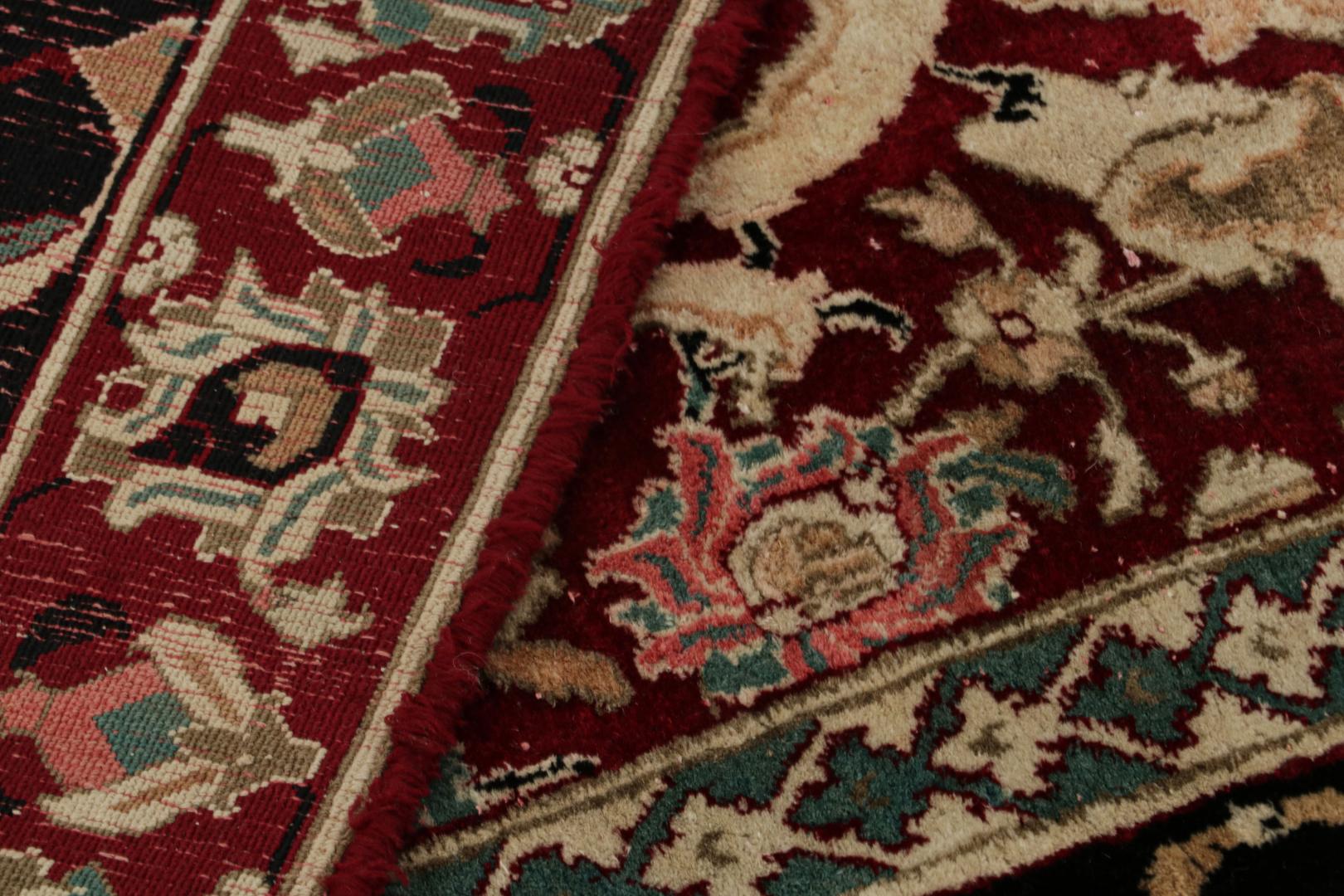
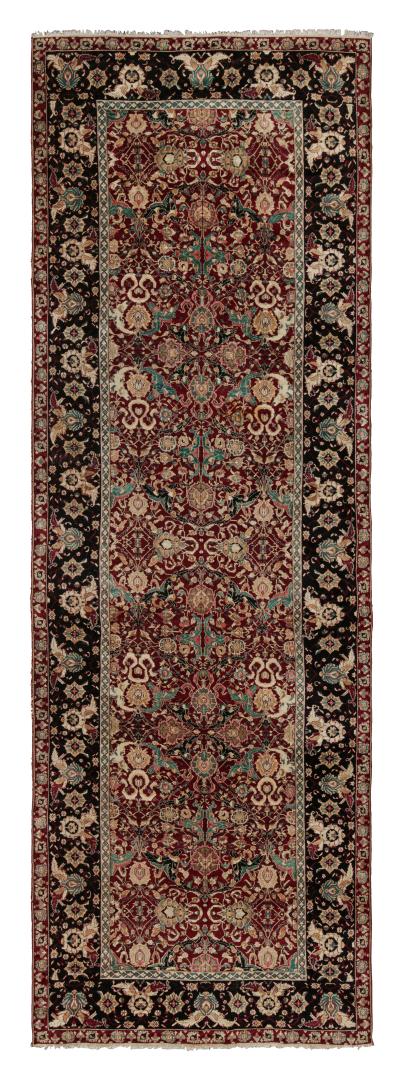
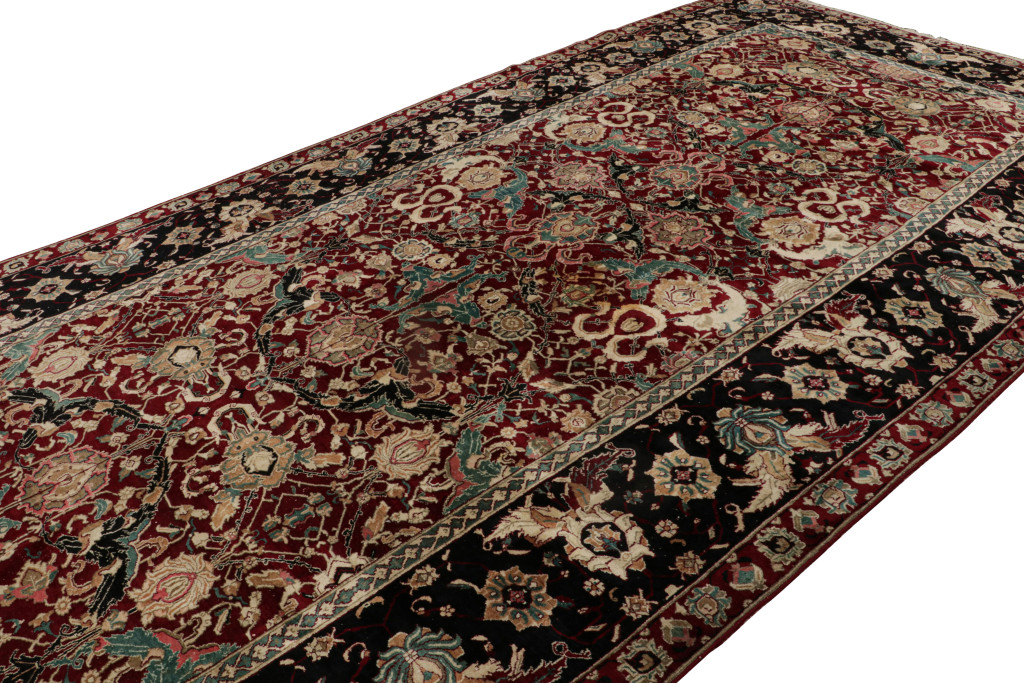
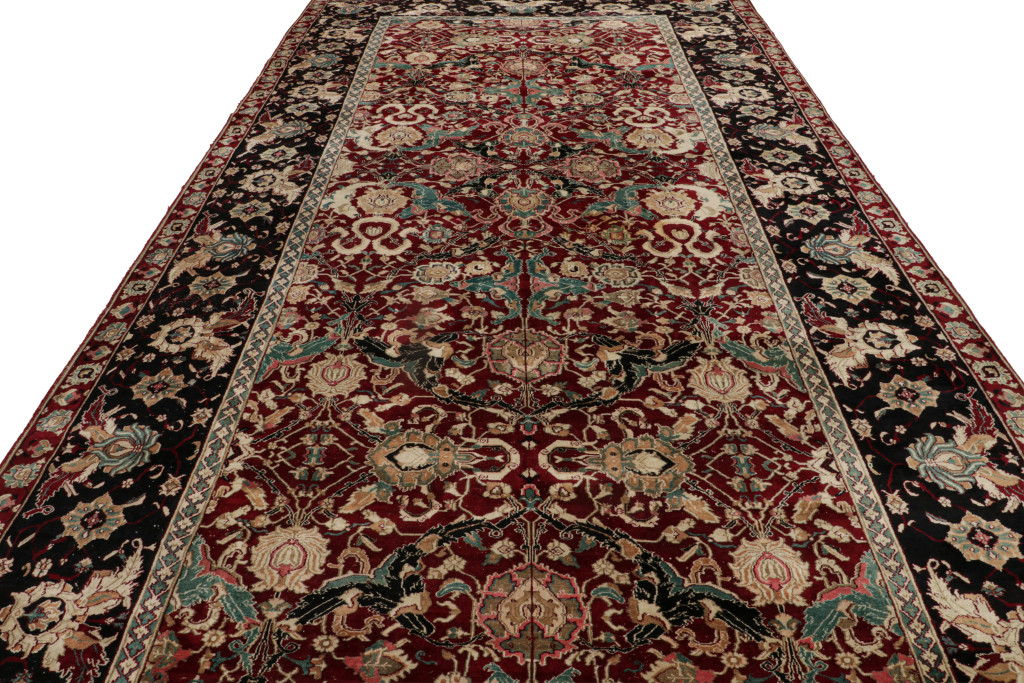
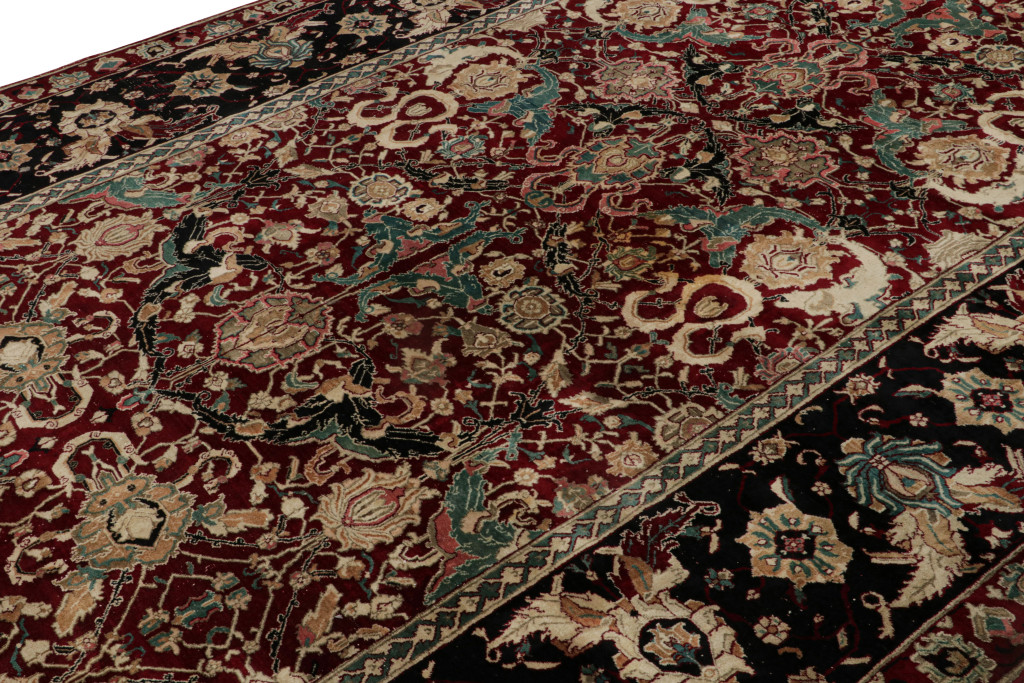
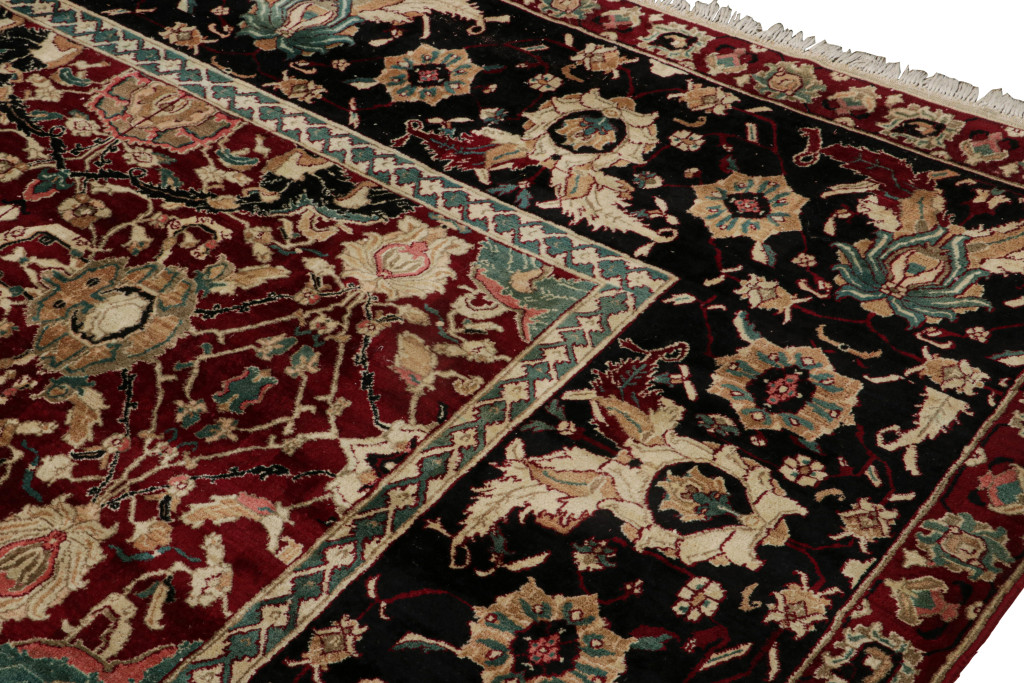
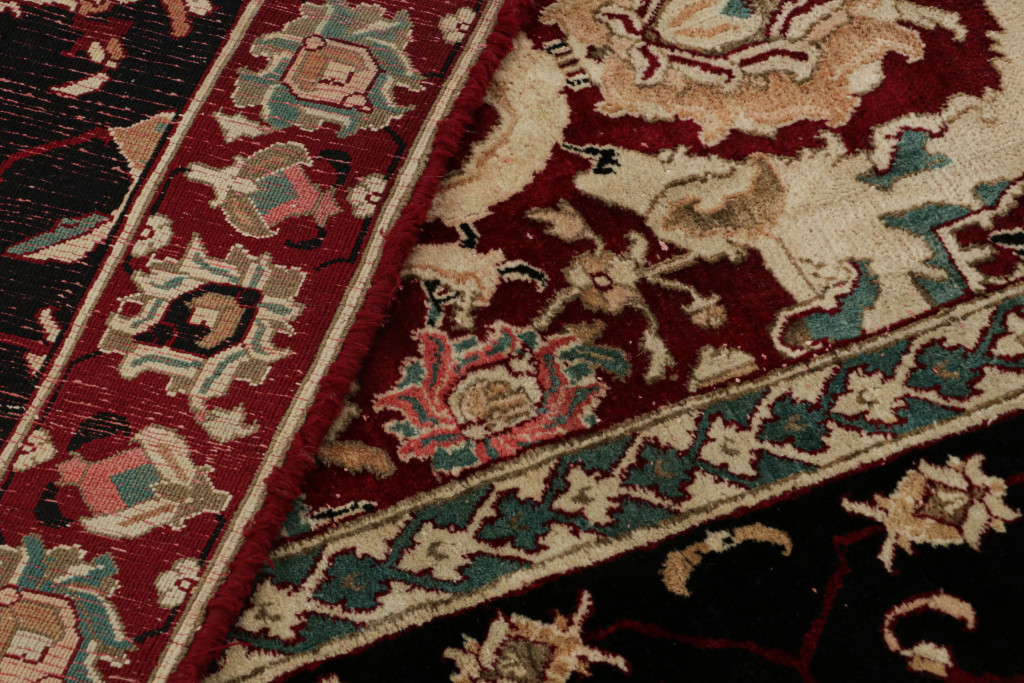
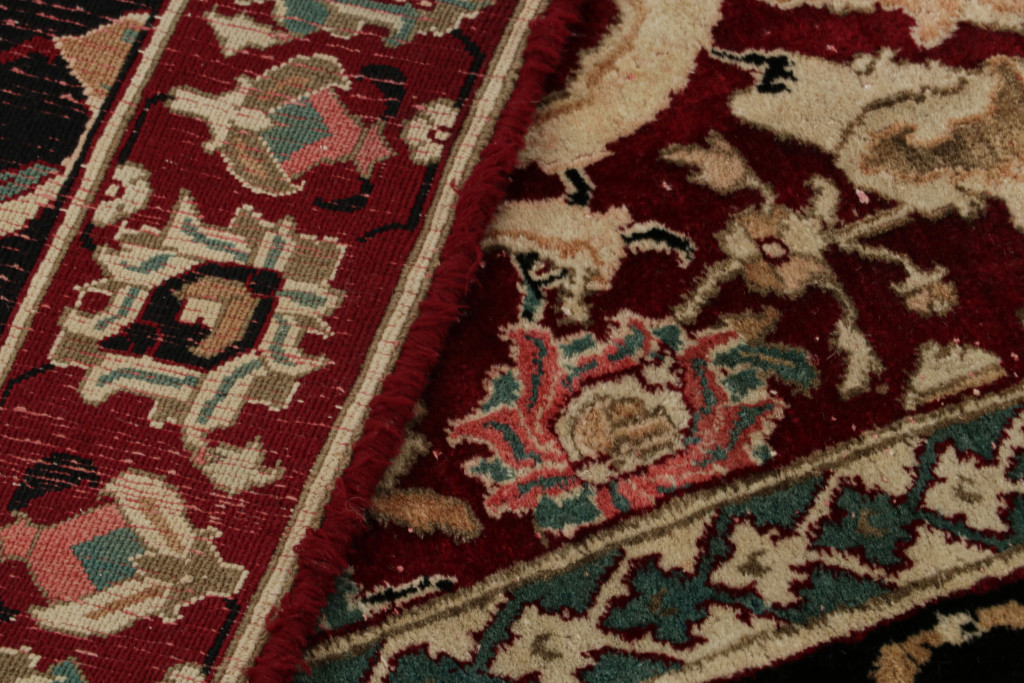
Antique Agra Gallery Runner Jail Rug with Geometric Patterns, from Rug & Kilim
"It's rare to find a rug company that offers unique antiques, curated with a historical eye. And the best quality customization for anything you might need. All while being treated like family - love those guys."
— Andre Mellone, Studio Mellone
A standard since our inception upheld across every acquisition,
transaction, and delivery.
45+ Year Old Institution
More than four decades of expertise and stewardship, under the leadership of our Principal, Jahanshah "Josh" Nazmiyal.
Favorable Return Policy
Our return policy is 48 hours upon receipt allowing you to confirm the purchase in your space with confidence.
Product Warranty
Each rug is hand selected or produced through the most reputable sources under the direct supervision of our Principal.
Trusted Global Delivery
Reliable worldwide delivery handled with care, precision and constant communication.
Exceptional Support
Attentive, knowledgeable guidance before and after purchase from our dedicated team of specialists.
Long Term Care
We stand behind every piece we place and remain a resource to our clients for the lifetime of their collection.
Stories from the Default Collection
Essays, artist dialogues, and provenance notes drawn from Rug & Kilim’s editorial desk.
Bidjar Rugs: Persian Weaving Mastery and Historic Design
Among the most respected traditions of Persian carpet weaving, Bidjar rugs represent an extraordinary combination of strength, artistry, and technical mastery. Often referred to as the “Iron Rugs of Persia” because of their exceptional durability and dense construction, Bidjar carpets have earned a distinguished reputation among collectors, designers, and institutions worldwide. Originating from the town of Bidjar in western Iran’s Kurdistan region, these rugs reflect centuries of Kurdish weaving traditions combined with the broader artistic heritage of Persian carpet design. Their remarkable craftsmanship, sophisticated patterns, and rich color palettes have made them some of the most desirable examples of antique Persian carpets.
Read the Feature
Baluch Rugs: Tribal Heritage and Handmade Textile Art
Among the great tribal weaving traditions of the Middle East and Central Asia, Baluch rugs occupy a distinctive position defined by nomadic craftsmanship, symbolic design, and remarkable artistic individuality. Woven by Baluch tribal communities spread across present-day Iran, Afghanistan, and Pakistan, these carpets represent one of the most compelling expressions of tribal textile culture. Unlike court carpets produced for royal patronage or urban workshops serving commercial markets, Baluch rugs emerged from deeply rooted tribal traditions. They were woven for everyday life, spiritual practice, ceremonial use, and domestic environments. As a result, they retain a powerful sense of authenticity that continues to resonate with collectors, designers, and institutions around the world.
Read the Feature
Understanding Bakhtiari Rugs: Persian Tribal Traditions and Timeless Elegance
Among the most celebrated tribal weaving traditions of Persia, Bakhtiari rugs stand apart for their remarkable balance of artistic imagination, structural durability, and cultural significance. Created by the Bakhtiari people of southwestern Iran, these carpets embody centuries of nomadic heritage while simultaneously representing some of the most sophisticated achievements in Persian decorative arts. Renowned for their vibrant colors, powerful geometry, and iconic garden-inspired compositions, Bakhtiari rugs occupy a distinctive place within the world of antique carpets. Their designs often feel both deeply rooted in tradition and surprisingly modern, making them particularly admired by collectors, designers, and institutions alike.
Read the Feature
Agra Rugs in Art, Architecture and Global Design Culture
Among the great weaving traditions of the Indian subcontinent, Agra rugs occupy a distinguished position shaped by Mughal artistic refinement, Persian influence, and centuries of decorative innovation. Originating from the historic city of Agra in northern India—once a major center of the Mughal Empire—these carpets represent one of the most intellectually sophisticated textile traditions within global decorative arts. Unlike purely tribal carpets or highly formal European weavings, Agra rugs synthesize multiple cultural vocabularies into a unified visual language defined by monumental scale, refined ornamentation, and extraordinary compositional balance. Their designs draw from Persian court aesthetics, Islamic geometry, Indian botanical symbolism, and architectural inspirations associated with Mughal palaces and gardens.
Read the Feature
The Antique Carpet Weaving Traditions of Indian Jails
Carpet weaving in India traces back to the 15th century, gaining prominence under the patronage of Mughal emperors. Akbar's ateliers in Lahore and Agra, overseen by Persian master craftsmen, were renowned for their designs inspired by nature, featuring intricate renderings of flowers and animals. However, production declined in the 18th century. A revival occurred in the late 19th century, with carpets replicating original Mughal designs. These carpets were woven by prison laborers in centers like Agra and Amritsar, earning them the moniker "jail carpets". This revival not only preserved the rich artistic heritage but also contributed to the continuation of traditional carpet weaving techniques in India.
Read the Feature
A Glossary of Handmade Rugs and Kilims: Understanding Terms, Types and Techniques Past and Present
Referring to the art style characterized by using shape and color withdrawn from traditional repetition or realism. Abstract rugs — sometimes referred to as art rugs — capture an expressive nature that reads as a very modern style, though many abstract rugs draw inspiration from works of the same art style in the mid-century. One of the more widely known mid-century lineages of this style is abstract expressionism, named for the literal "expressionists" of the 1950s. Some of the most notable names behind this style include Jackson Pollock and Mark Rothko. Referring to a lineage of nomadic Persian rugs (sometimes referred to as “Avsar” in the alternate spelling). Afshar rugs hail from the eponymous tribe in the region of Northeastern Iran.
Read the Feature


R&K Image Studio
NEWThe R&K Image Studio is a new visual workspace designed to present the Rug & Kilim collection with clarity, restraint, and precision — in your space or any space you imagine.
This tool allows you to view, refine, and prepare imagery drawn directly from the pieces in our archive. They can be visualized cleanly, isolated thoughtfully, and adjusted for presentations, proposals, and private viewings, without altering the integrity of the original work.
Default
Wool
India
9'0" X 26'10" (2.74 m x 8.18 m)
Out of Stock (Inquire for Custom)
Antique Agra Gallery Runner Jail Rug with Geometric Patterns, from Rug & Kilim
"Rug & Kilim has been a pleasure to work with from the very start of our relationship. Not only is their service outstanding, their inventory of one of a kind vintage rugs is unparalleled."
— Alan Eckstein and Margaret Goddard, Somerset House


