

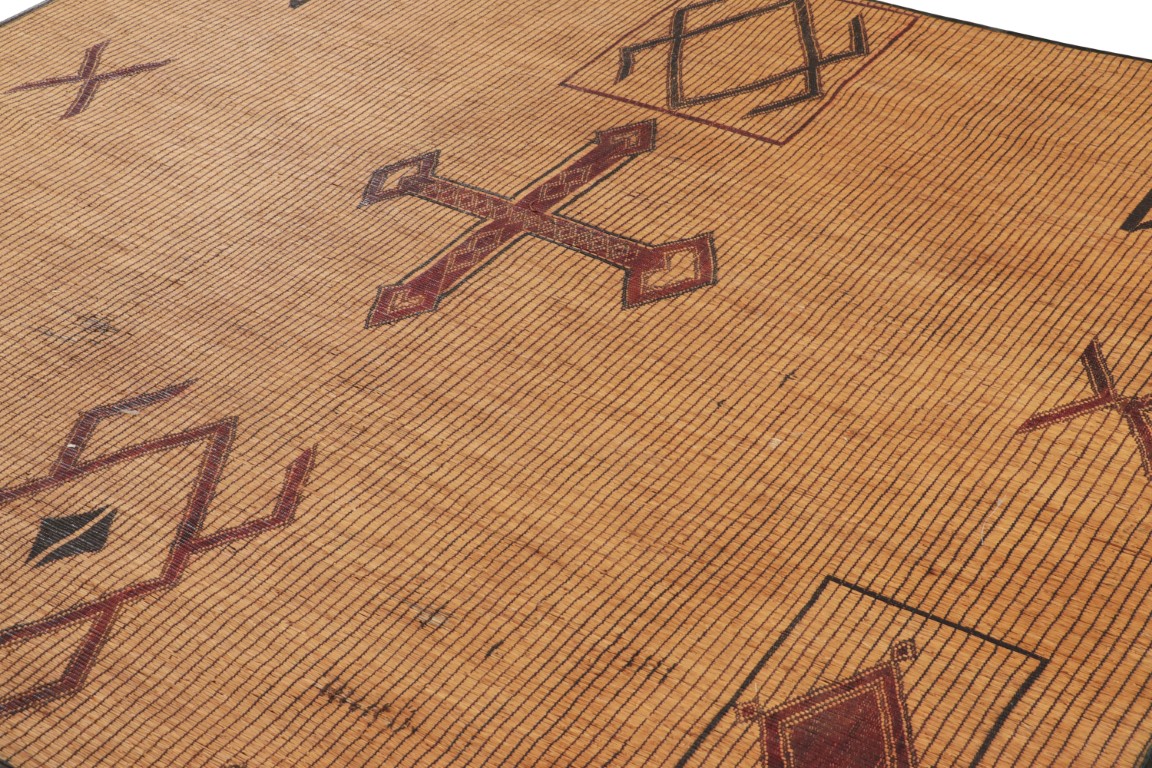
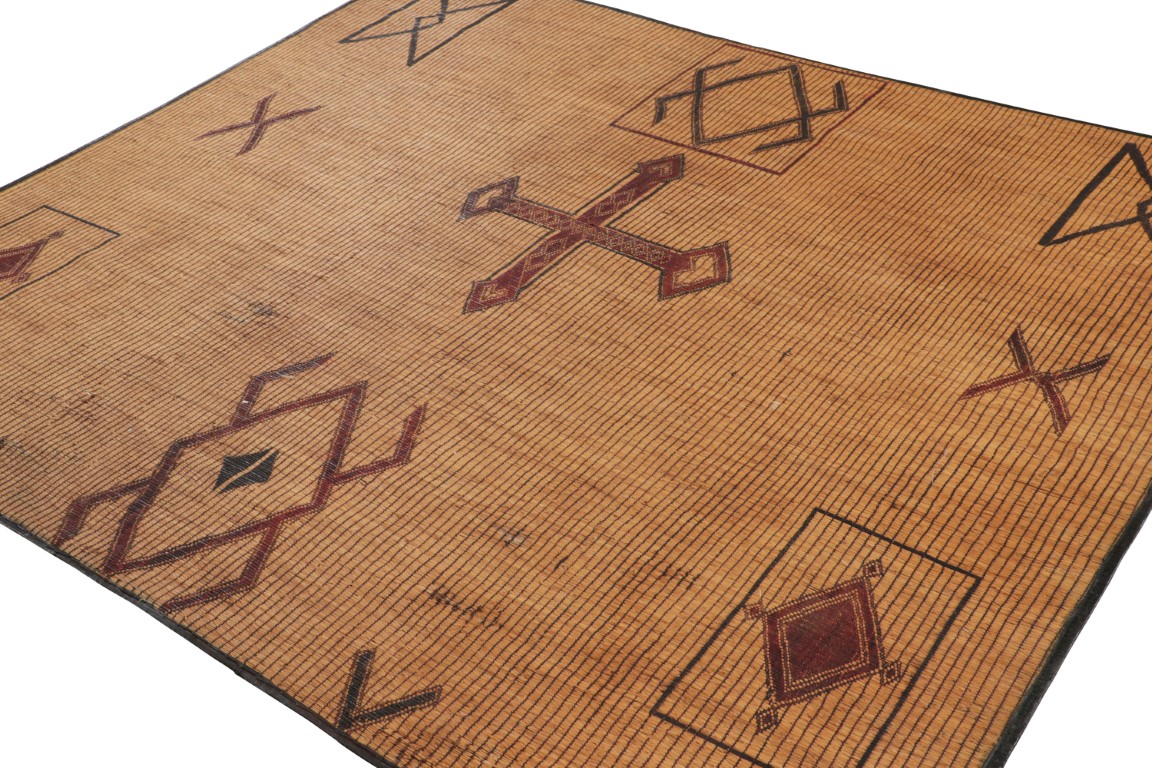
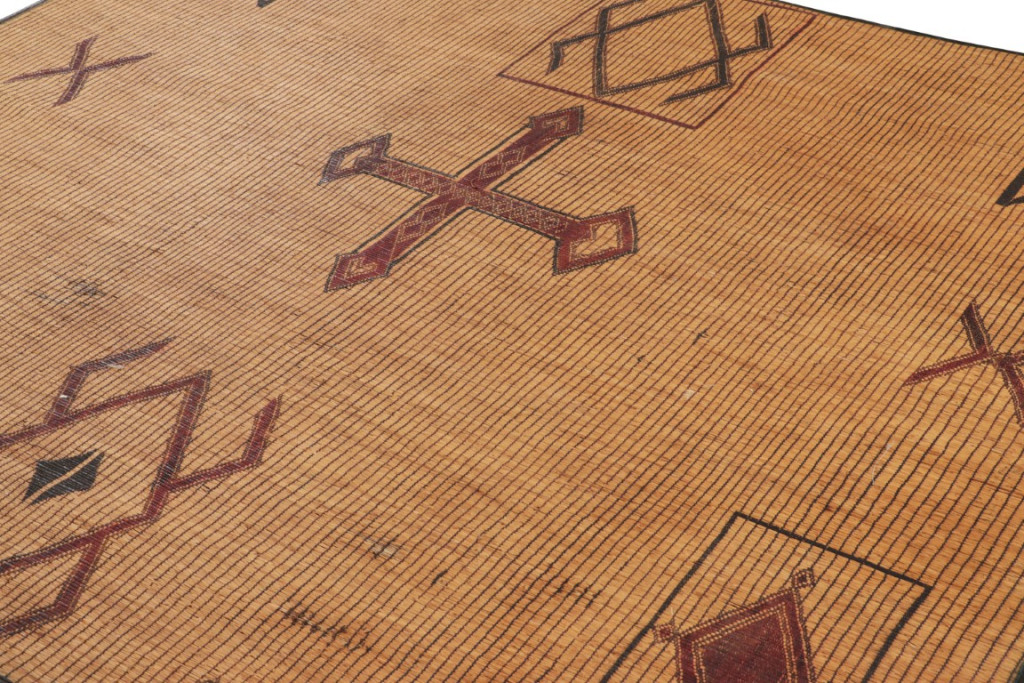
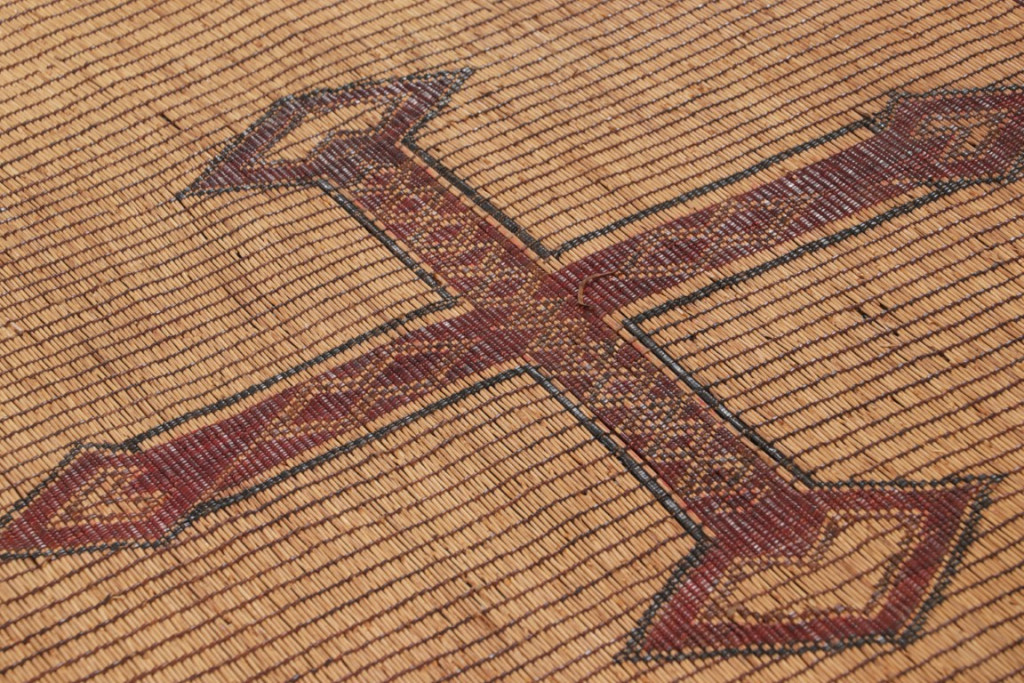
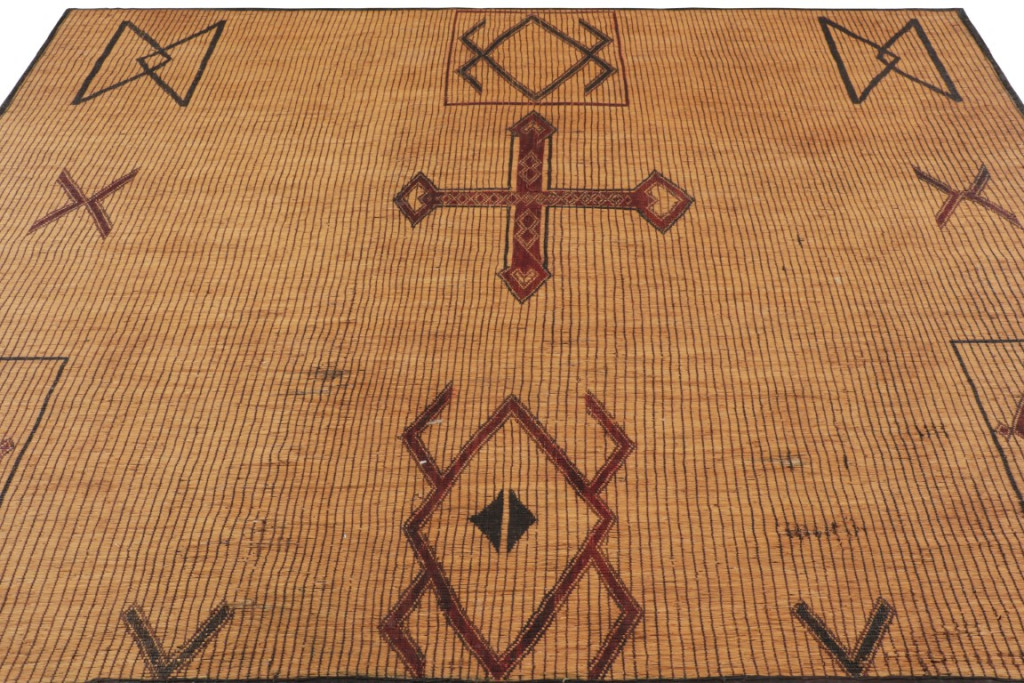
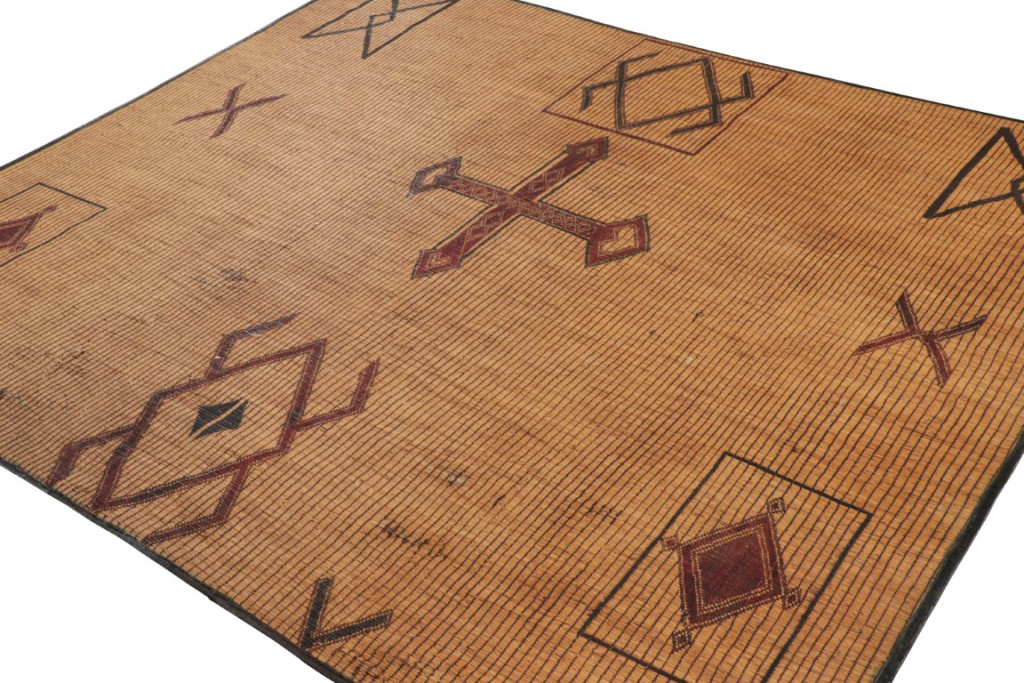
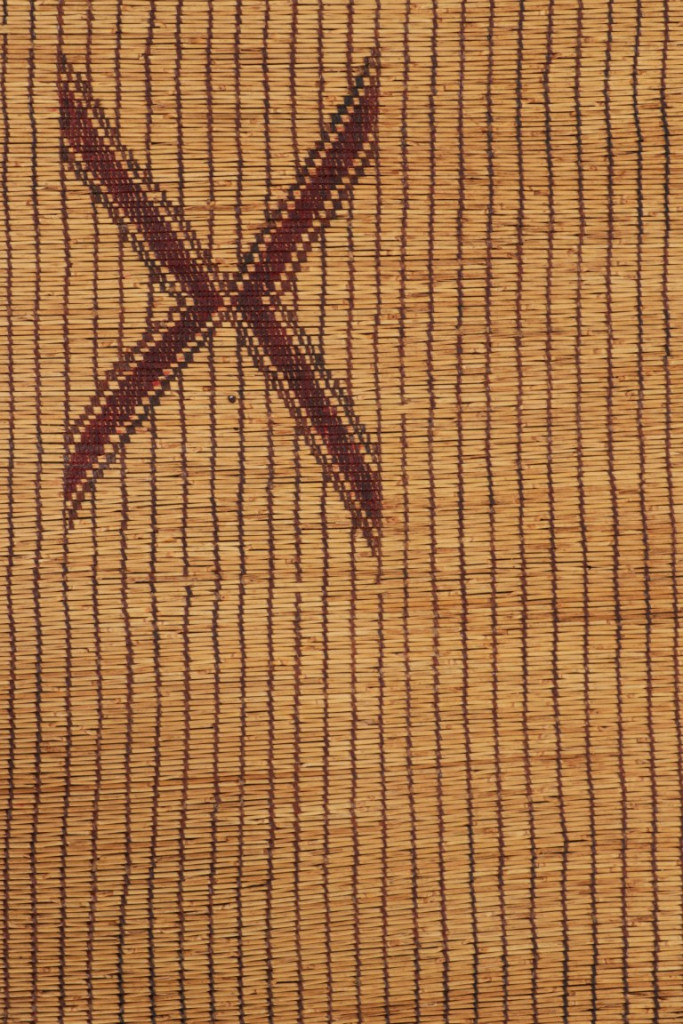
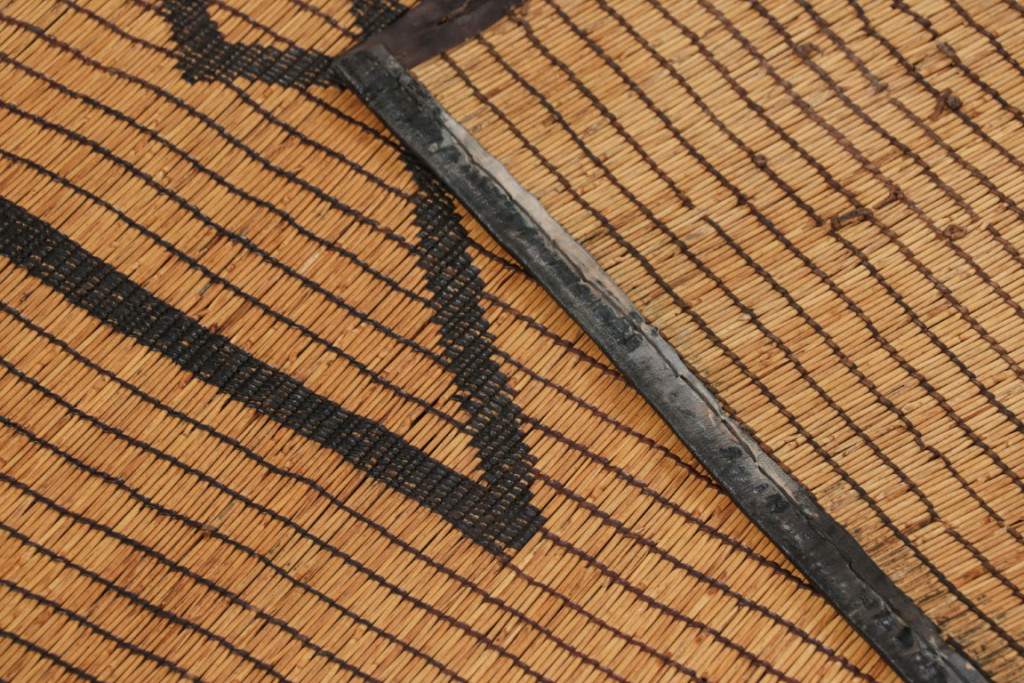
Leather, Reed
Morocco, c. 1950-1959
6'10" X 8'2" (2.08 m x 2.49 m)
Out of Stock
Vintage Tuareg Mat Rug with Beige-Brown and Red Geometric Patterns - Rug & Kilim
"Rug & Kilim has been a pleasure to work with from the very start of our relationship. Not only is their service outstanding, their inventory of one of a kind vintage rugs is unparalleled."
— Alan Eckstein and Margaret Goddard, Somerset House
A standard since our inception upheld across every acquisition,
transaction, and delivery.
45+ Year Old Institution
More than four decades of expertise and stewardship, under the leadership of our Principal, Jahanshah "Josh" Nazmiyal.
Favorable Return Policy
Our return policy is 48 hours upon receipt allowing you to confirm the purchase in your space with confidence.
Product Warranty
Each rug is hand selected or produced through the most reputable sources under the direct supervision of our Principal.
Trusted Global Delivery
Reliable worldwide delivery handled with care, precision and constant communication.
Exceptional Support
Attentive, knowledgeable guidance before and after purchase from our dedicated team of specialists.
Long Term Care
We stand behind every piece we place and remain a resource to our clients for the lifetime of their collection.
Stories from the Vintage Collection
Essays, artist dialogues, and provenance notes drawn from Rug & Kilim’s editorial desk.
Bokhara Rugs: Traditional Weaving and Global Influence
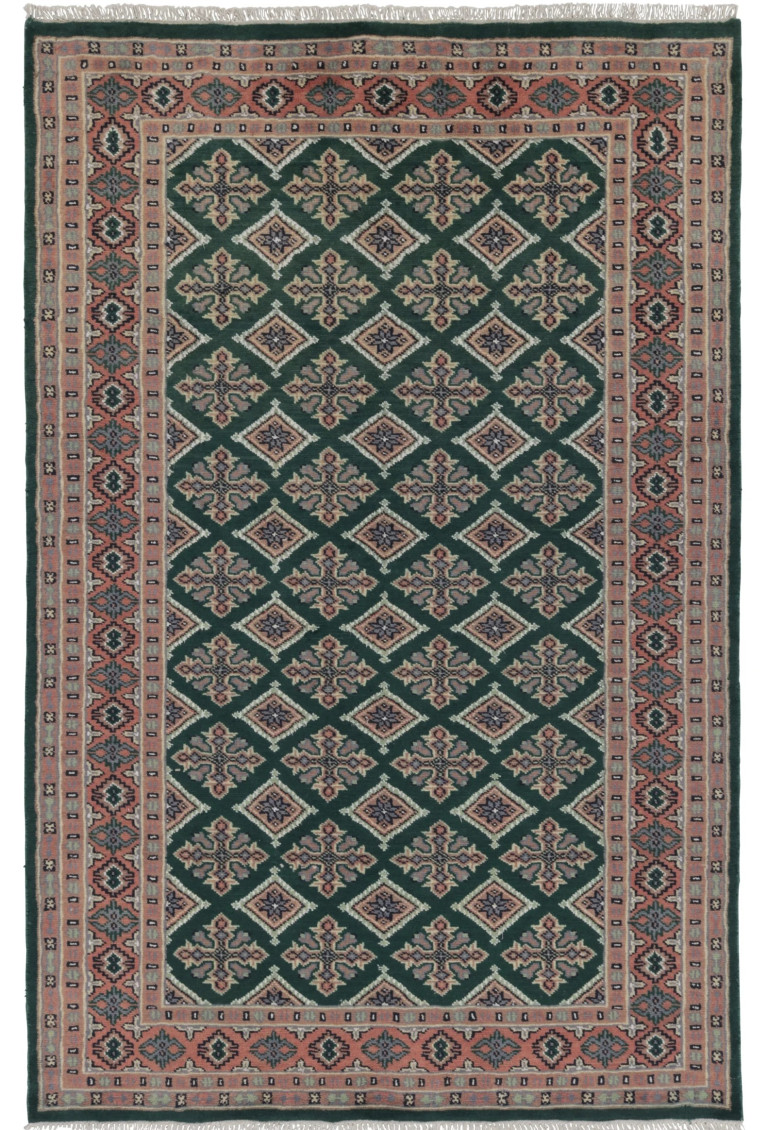
Among the most recognizable and influential traditions in the history of oriental carpets, Bokhara rugs represent a remarkable fusion of tribal heritage, geometric precision, and centuries-old weaving expertise. Known worldwide for their iconic repeating motifs, deep colors, and refined craftsmanship, Bokhara rugs have become enduring symbols of Central Asian textile artistry. Although the name “Bokhara” is commonly associated with the historic city of Bukhara in present-day Uzbekistan, many rugs classified as Bokhara originate from Turkmen weaving communities across regions including Turkmenistan, Afghanistan, and surrounding areas. The name reflects the historical trade routes through which these carpets traveled and became known internationally.
Read the Feature
Dhurrie Rugs: History, Cultural Significance, and Contemporary Luxury
Among the world’s most versatile and architecturally adaptable textile traditions, Dhurrie rugs occupy a distinctive position within the history of Indian weaving and contemporary interior design. Known for their flatwoven construction, geometric clarity, and extraordinary material flexibility, Dhurrie rugs have evolved from practical floor coverings into globally recognized design objects valued by collectors, architects, and luxury interiors specialists alike. Originating primarily in India, though historically connected to broader South Asian weaving traditions, Dhurrie rugs represent a sophisticated synthesis of utility, craftsmanship, and visual restraint. Unlike heavily piled Persian carpets or highly ornamental European rugs, Dhurries emphasize balance, structure, texture, and compositional rhythm.
Read the Feature
What Makes Tibetan Wool the Gold Standard for Custom Rugs
Every great rug begins long before the loom. It begins on the animal, in the place, in the particular conditions that made the fiber what it is. And among all the wools that have ever been spun into a carpet, few can rival the wool of the Tibetan highlands, a material whose superiority is not a matter of marketing but of altitude, climate, and the unhurried logic of the natural world. The sheep of the Tibetan plateau live at elevations that would defeat most living things, thin air, brutal cold, a growing season measured against a sky closer than it has any right to be. Nature's answer to that severity is the fleece. To survive the plateau, the animal must grow a wool of exceptional density and, crucially, of exceptional lanolin content; the natural oil that coats each fiber, repels water, resists soil, and lends the finished yarn a luster and resilience that lowland wools cannot approach. What is hardship for the animal is a gift to the weaver.
Read the Feature
The New Luxury Is Something You Can Feel: Texture in the Modern High-End Interior
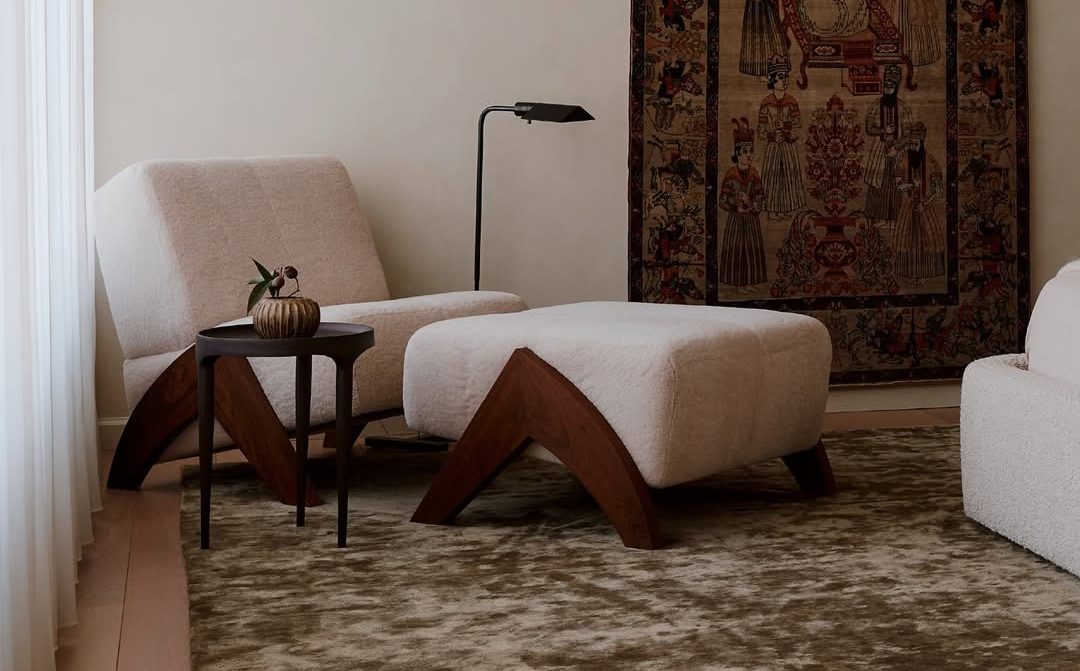
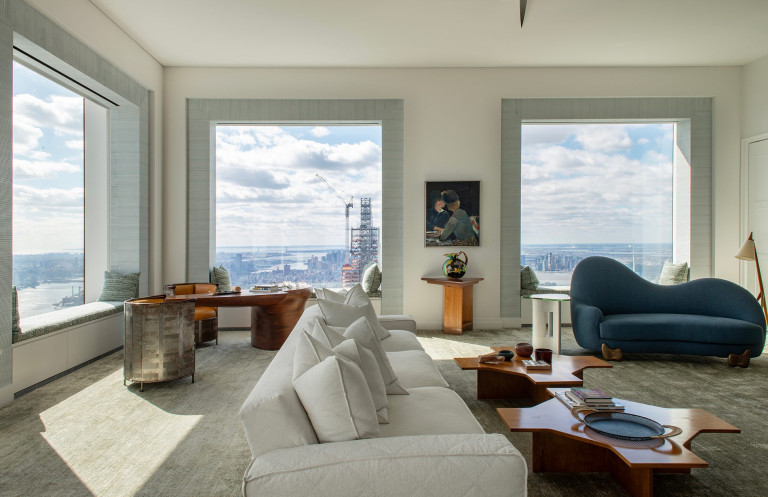
As featured in NEPTUNE Papers 10, Rug & Kilim’s custom hand-knotted silk carpet appears within a private Manhattan penthouse designed by renowned French interior architect Jacques Grange.View More Press Articles>> For the better part of two decades, the language of luxury was spoken in color and pattern. A room announced itself through what could be seen from across it like the saturated wall, the bold motif, the statement made at a glance. That language has quietly changed. The most considered interiors of this moment no longer announce but invite. And the medium of that invitation is not color, nor pattern, but texture, the one quality of a room that cannot be photographed, cannot be reproduced on a screen, and cannot be fully understood until one is standing inside it.
Read the Feature
Tuareg Textiles and Design: History, Tribal Craft, and Contemporary Influence
The Sahara has never been short of ideas. It has merely been selective about who hears them. The Tuareg did not set out to create an aesthetic. They created a system. Long before design was professionalized, categorized, or monetized, Tuareg artisans developed a material language governed by movement, restraint, and exacting necessity. What remains today — in textiles, metalwork, and spatial logic — is not folklore but authorship: a coherent design intelligence that continues to inform contemporary practice, whether acknowledged or not. At Rug & Kilim, we approach Tuareg works not as ethnographic specimens, nor as romantic artifacts, but as foundational design objects. They belong not on the margins of decorative history, but firmly within its canon.
Read the Feature
Tulu Rugs as Icons of Raw Luxury: Folk Art Meets Modern Fashion
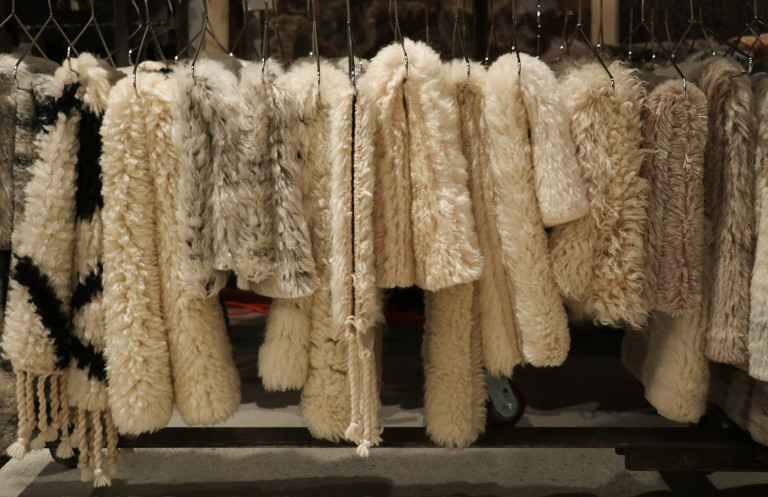
A Tulu rug emerges as a textile heirloom reimagined for royalty. The Evolution of the Tulu Rug Once woven to shield nomadic families from the brutal Anatolian winters, Tulu rugs were never meant to be seen — they were meant to be felt. Thick, long-pile, and spun from the softest Angora wool, these rugs served as primitive insulation, hand-crafted by Turkish tribes whose artistry was born from necessity. But in today’s most discerning interiors, what was once survival is now sovereignty. Tulu — from the Turkish word tüylü, meaning "hairy" or "shaggy" — has found its place in contemporary design. From Parisian ateliers to Brooklyn brownstones, from Brutalist galleries to Baroque revivalist townhouses, Tulu rugs are now the grounding force of aesthetic storytelling. No longer relegated to ethnographic obscurity, they’ve been recontextualized as objets d’art — the missing link between primal craftsmanship and couture design.
Read the Feature


R&K Image Studio
NEWThe R&K Image Studio is a new visual workspace designed to present the Rug & Kilim collection with clarity, restraint, and precision — in your space or any space you imagine.
This tool allows you to view, refine, and prepare imagery drawn directly from the pieces in our archive. They can be visualized cleanly, isolated thoughtfully, and adjusted for presentations, proposals, and private viewings, without altering the integrity of the original work.
Vintage
Leather, Reed
Morocco, c. 1950-1959
6'10" X 8'2" (2.08 m x 2.49 m)
Out of Stock
Vintage Tuareg Mat Rug with Beige-Brown and Red Geometric Patterns - Rug & Kilim
"Rug & Kilim's inventory spans the past four centuries and includes everything from ethnic and tribal patterns to European designs, as well as a host of Art Deco, abstract and understated tone-on-tone offerings, all in a vast array of materials, weaves and sizes."
— Tony Freund, 1stDibs Editorial Director


