

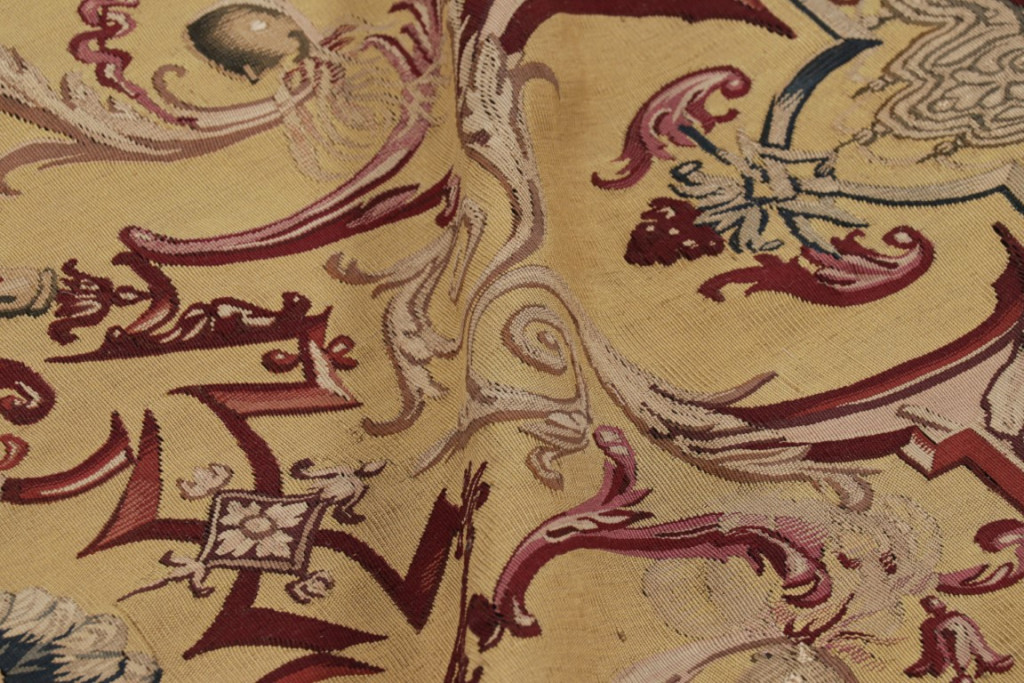
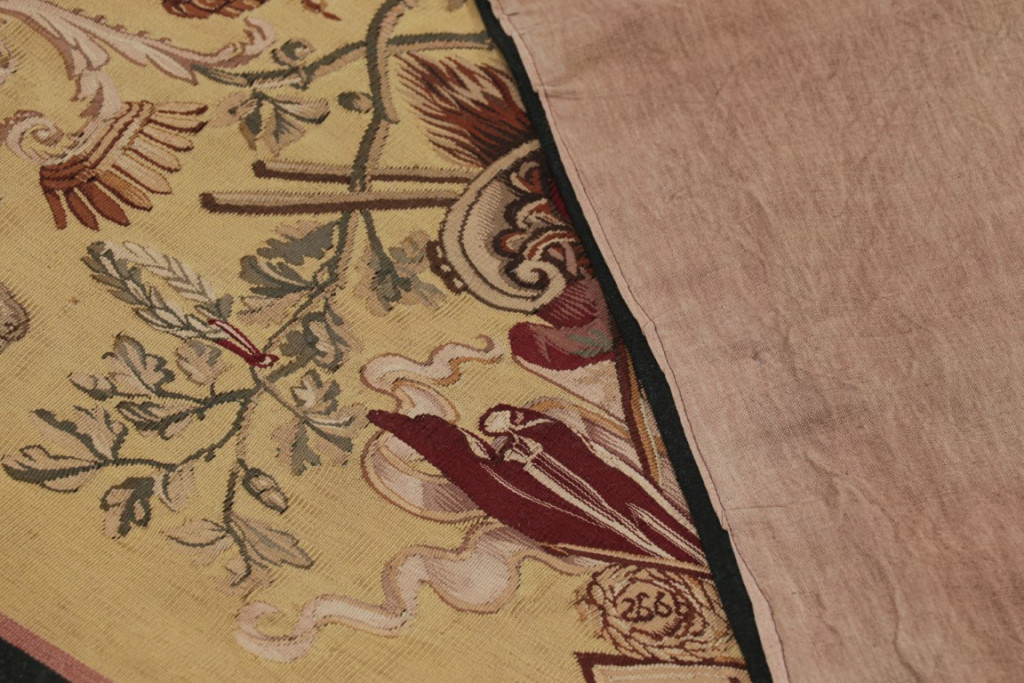
Wool
France, c. 1720-1729
2'3" X 11'5" (0.69 m x 3.48 m)
Available: Shipping As Soon As Tomorrow
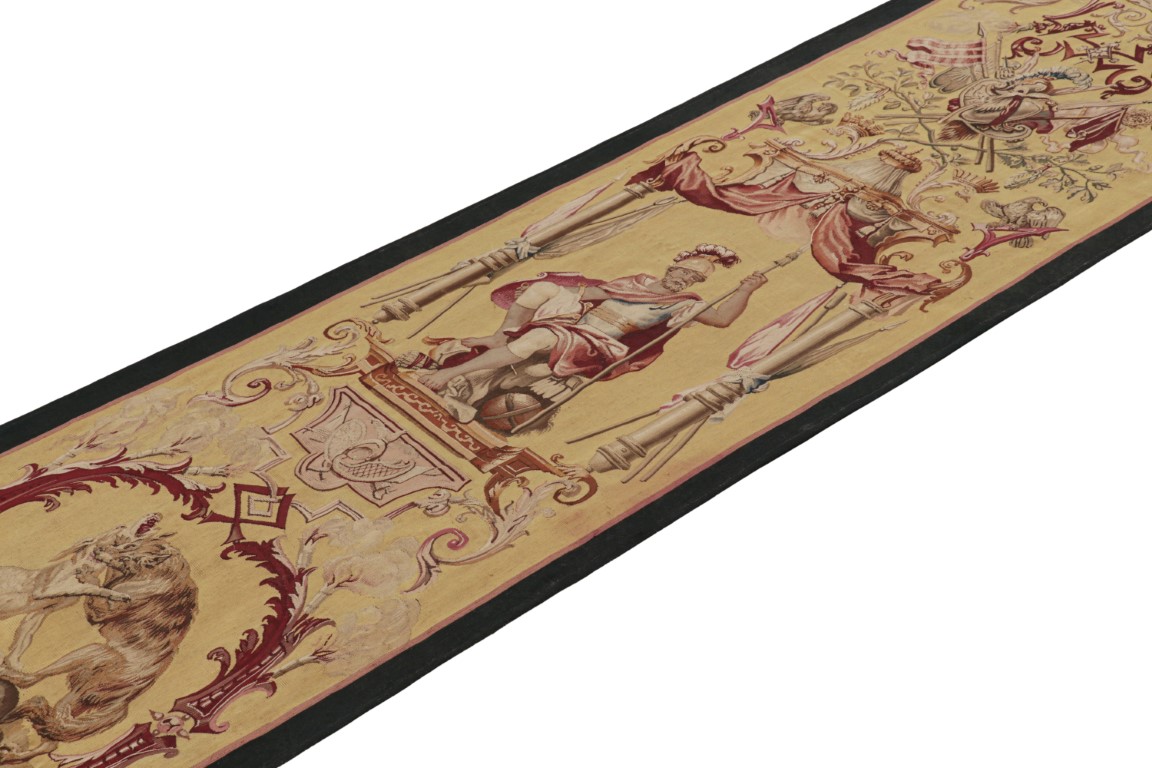
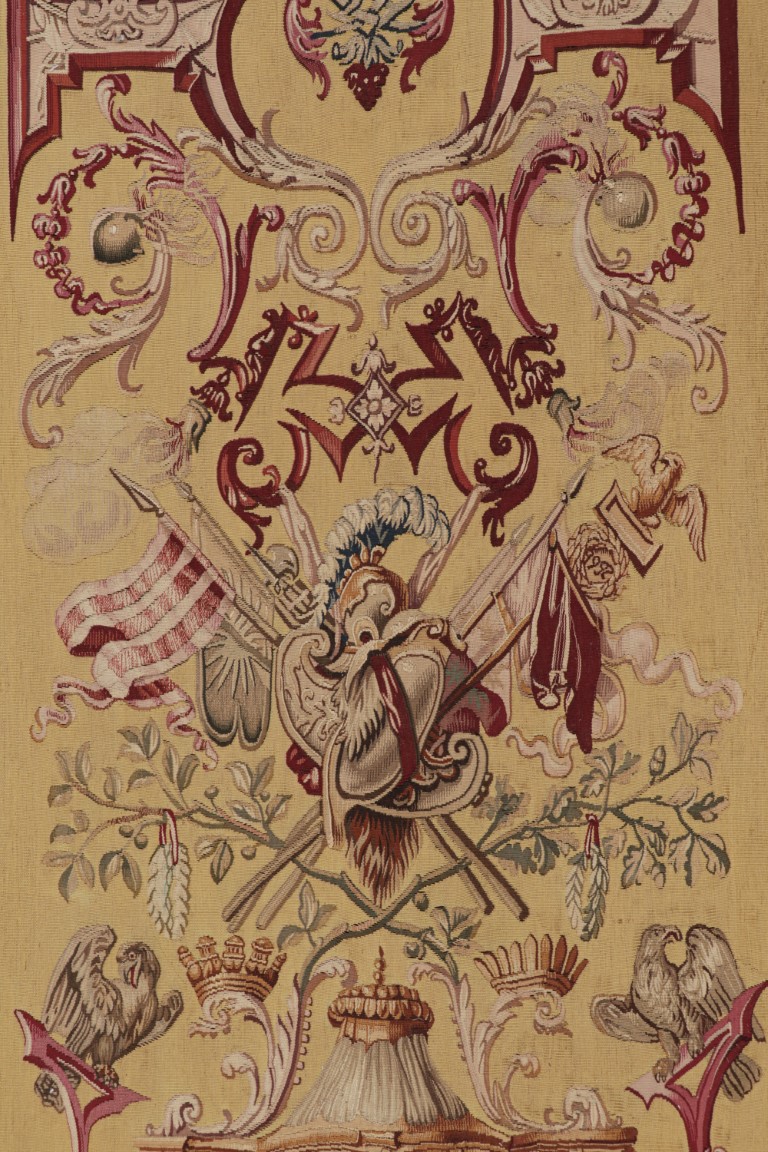
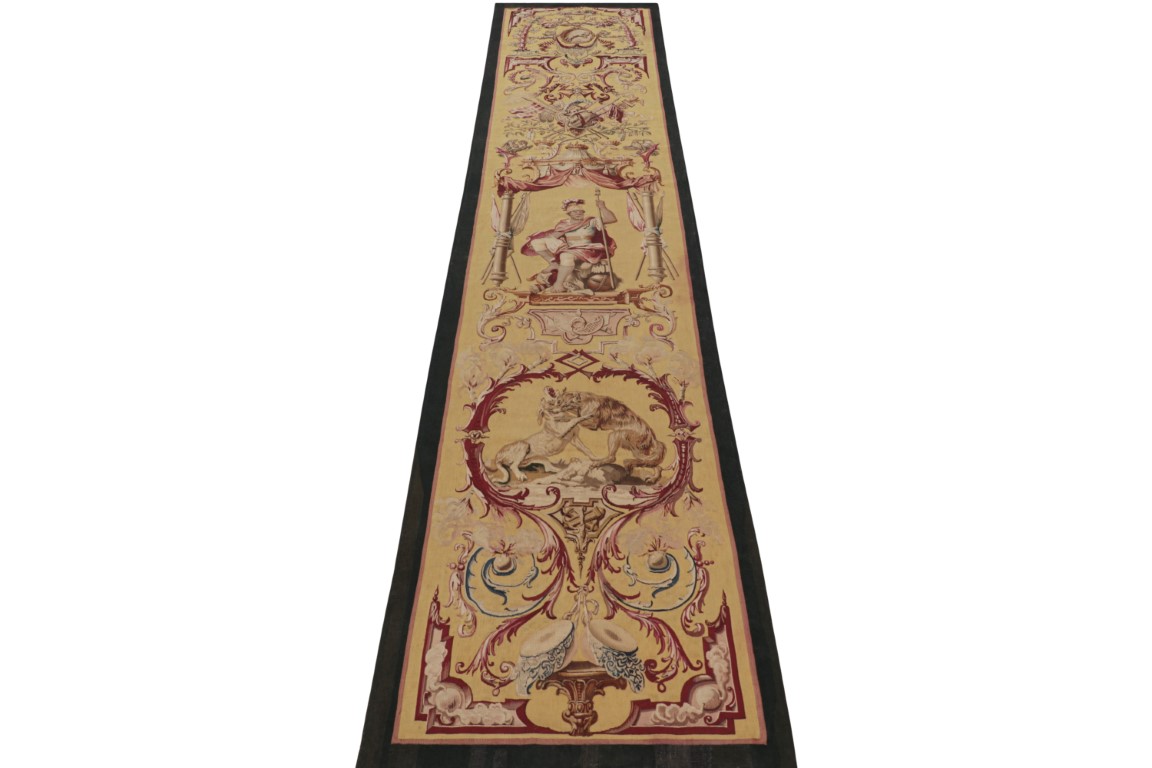
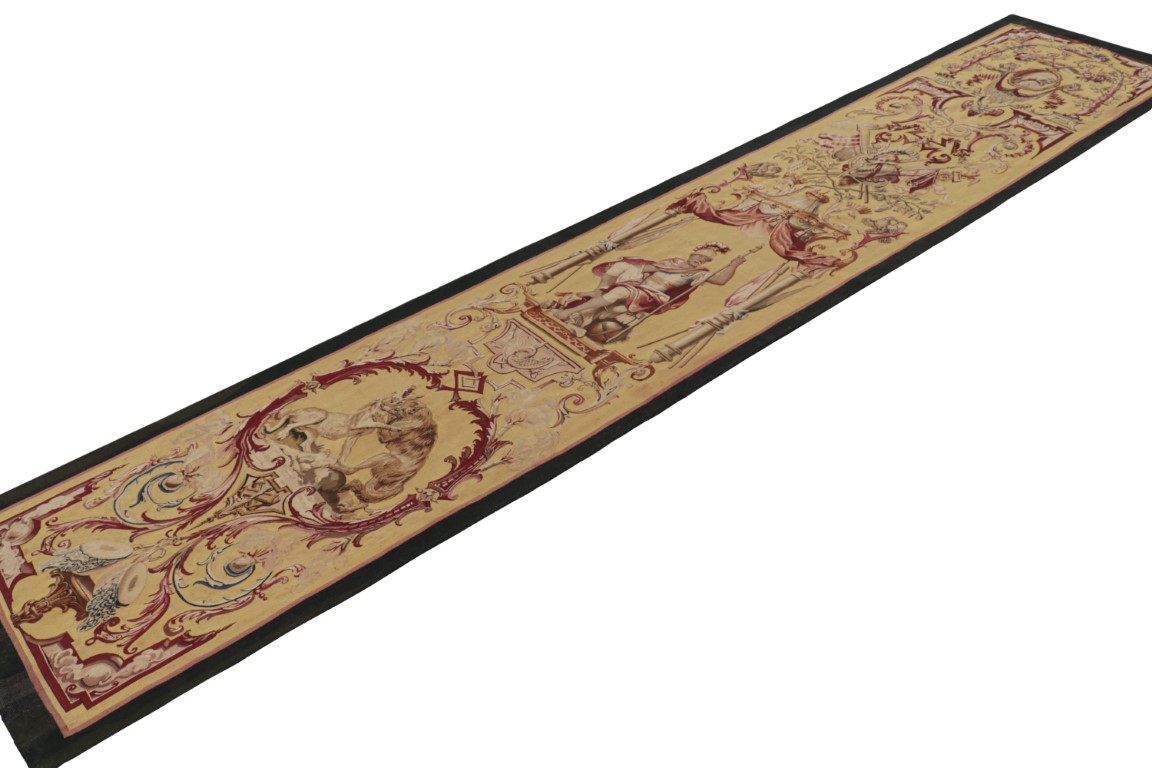
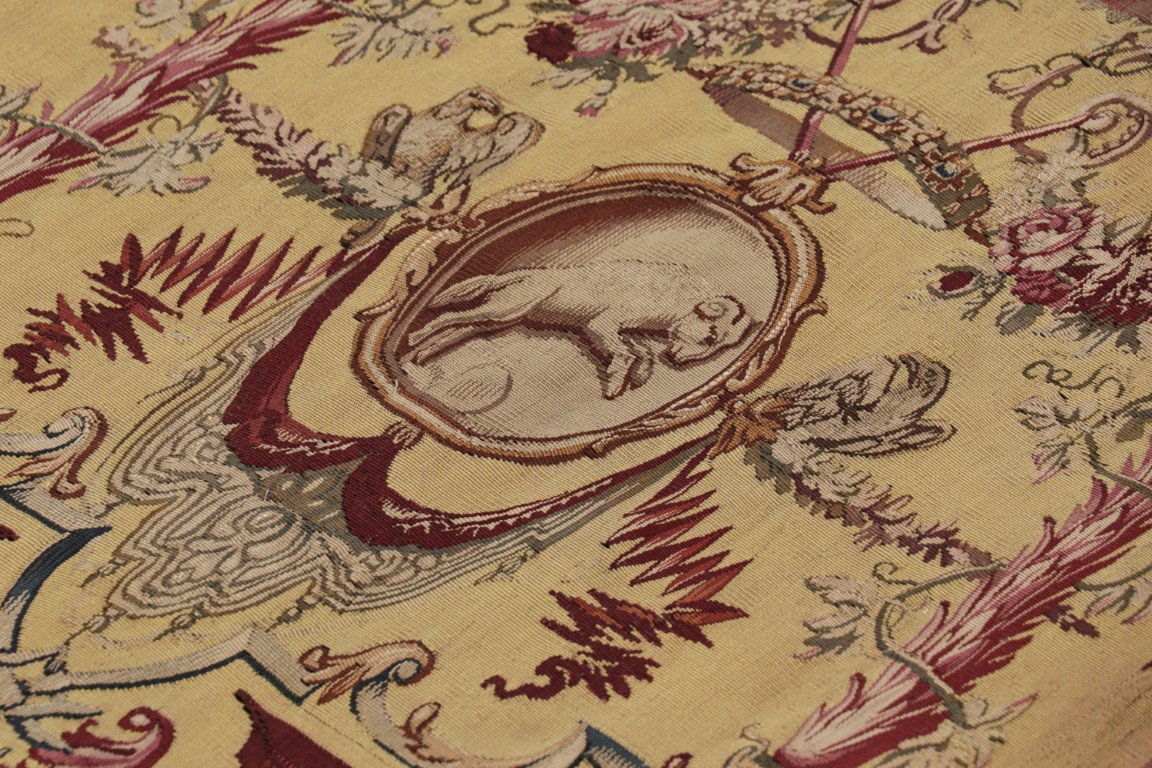
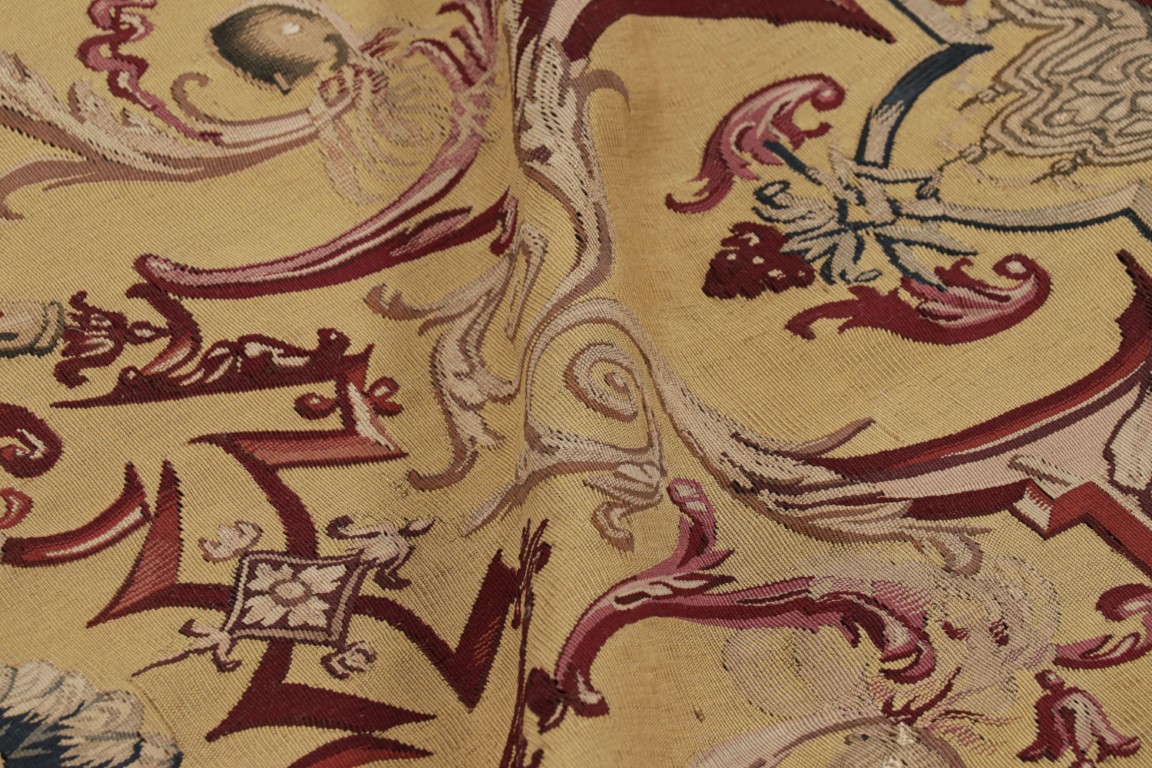
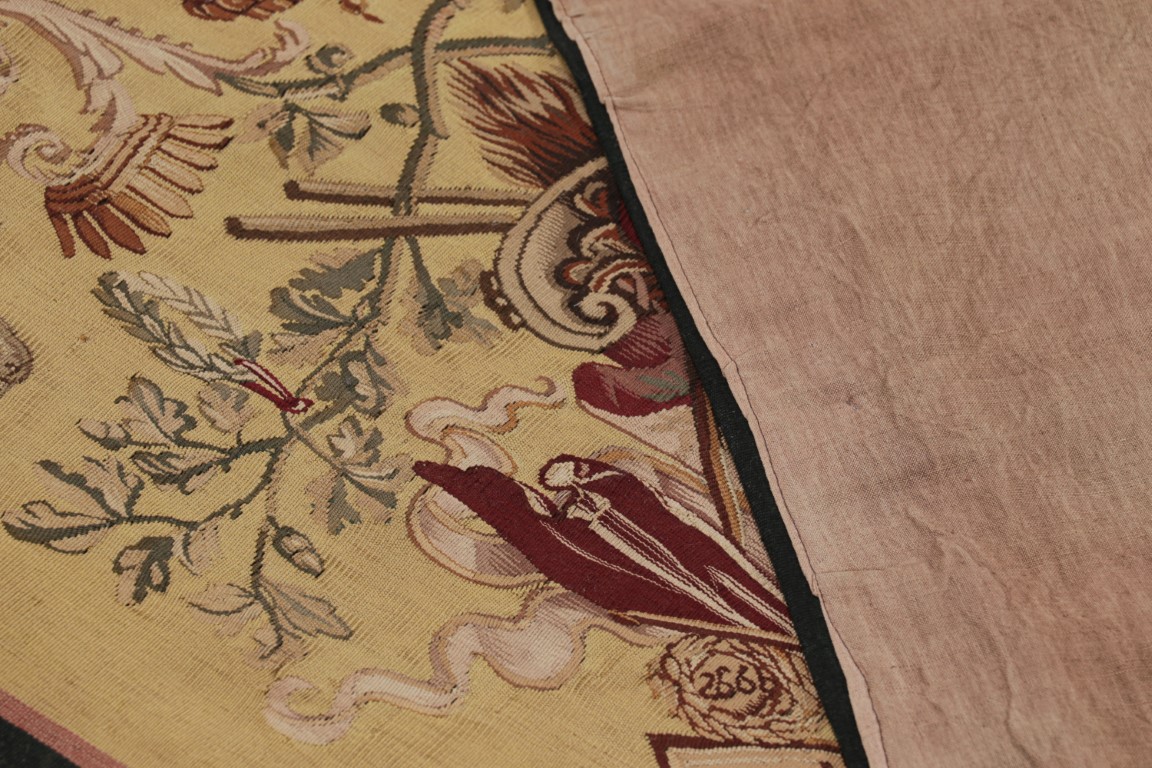
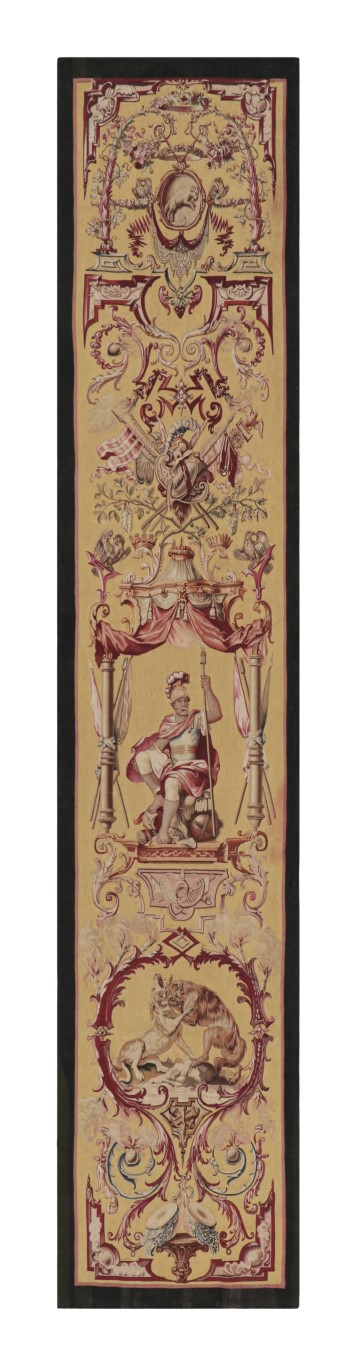
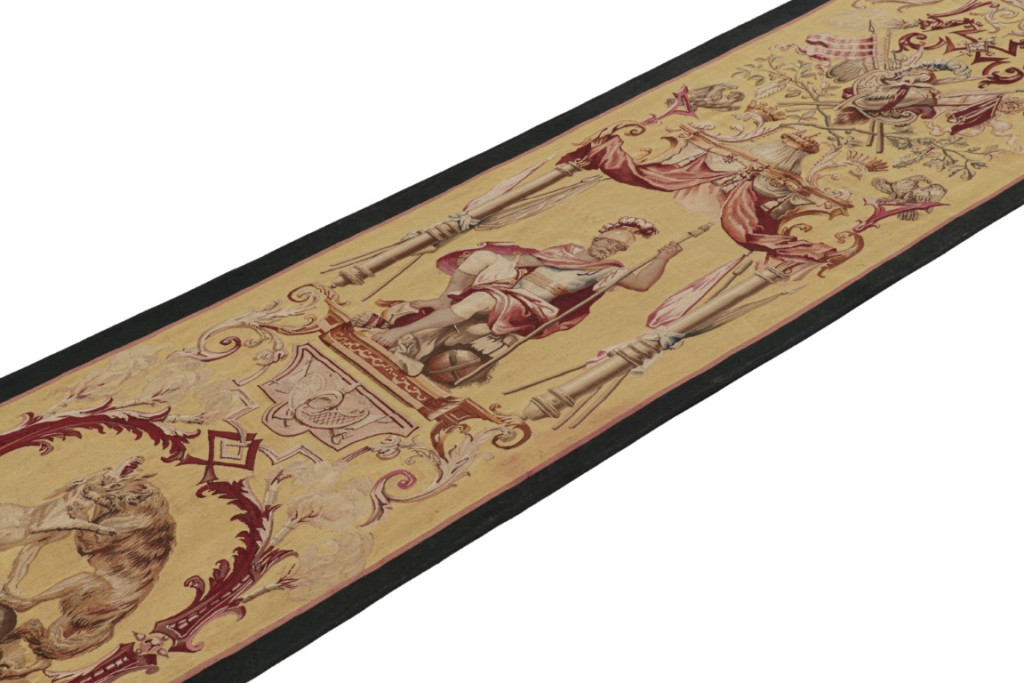
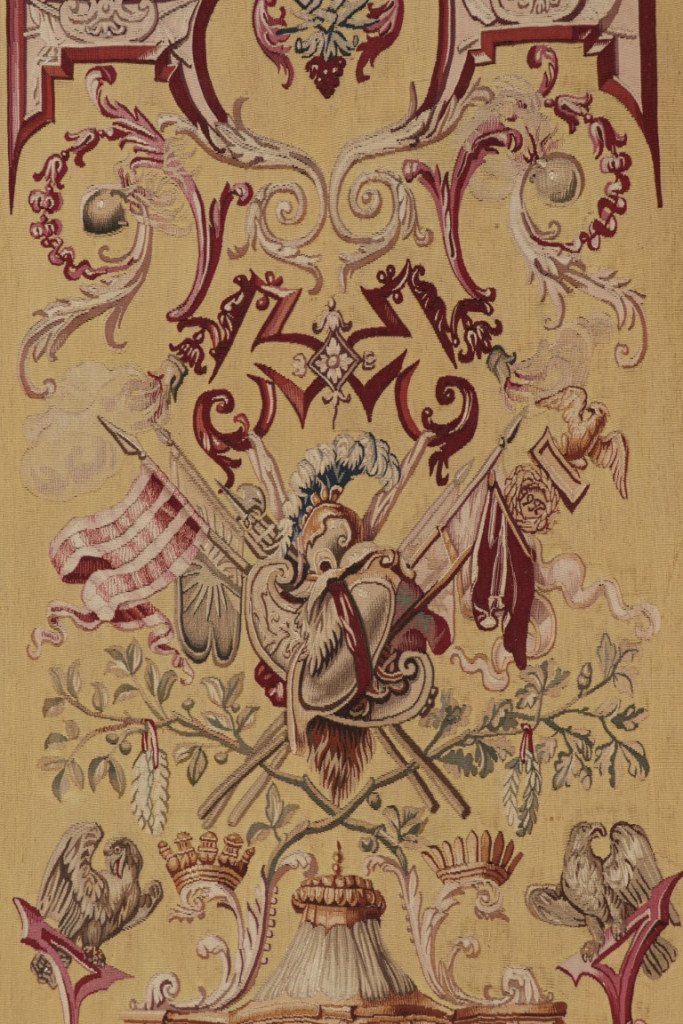
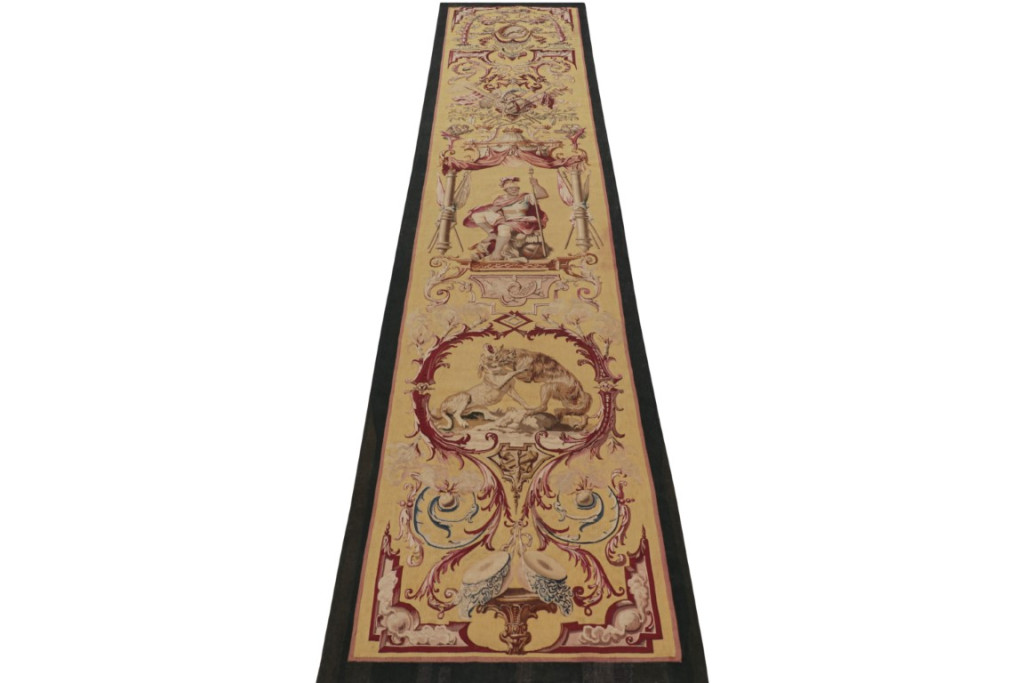
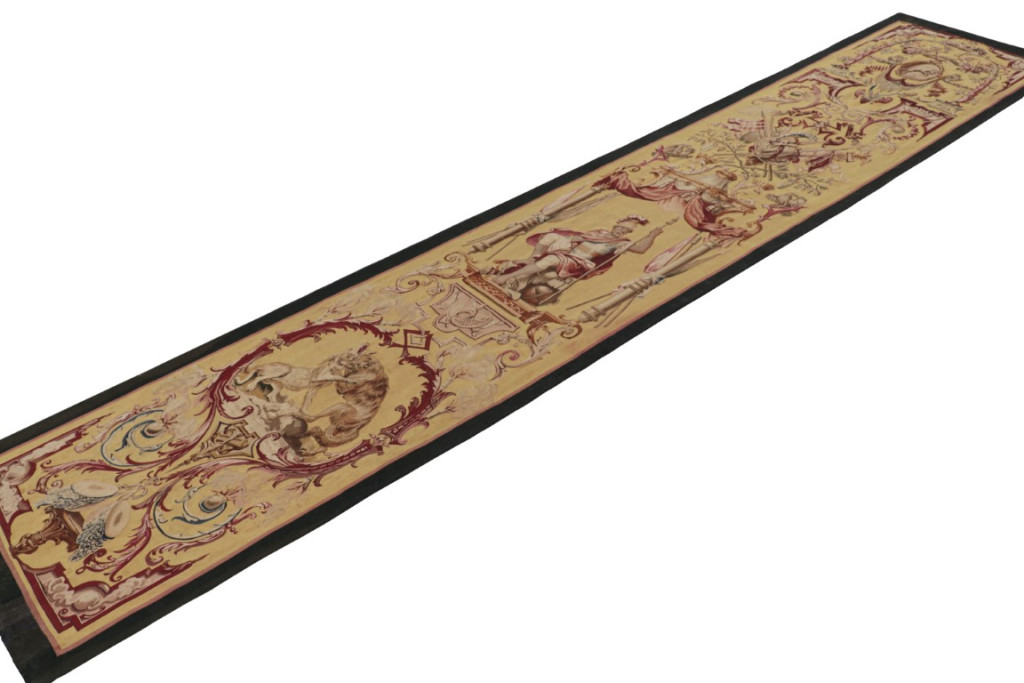
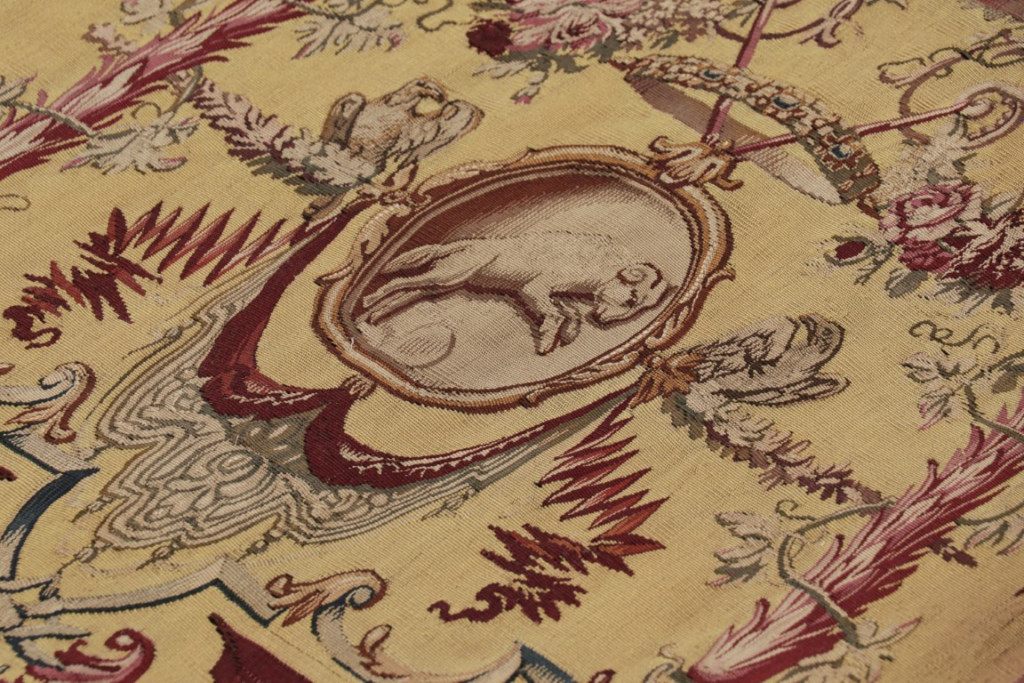
Antique 18th Century Audran "Mois Grotesques" Gobelins Pictorial Panel Tapestry - Rug & Kilim
"Rug & Kilim has become a go-to for us. The vintage and modern inventory is unlike anywhere else, the team is easy to work with, and the custom program holds up to the same standard."
— Ariel Ashe, Ashe Leandro LLC
A standard since our inception upheld across every acquisition,
transaction, and delivery.
45+ Year Old Institution
More than four decades of expertise and stewardship, under the leadership of our Principal, Jahanshah "Josh" Nazmiyal.
Favorable Return Policy
Our return policy is 48 hours upon receipt allowing you to confirm the purchase in your space with confidence.
Product Warranty
Each rug is hand selected or produced through the most reputable sources under the direct supervision of our Principal.
Trusted Global Delivery
Reliable worldwide delivery handled with care, precision and constant communication.
Exceptional Support
Attentive, knowledgeable guidance before and after purchase from our dedicated team of specialists.
Long Term Care
We stand behind every piece we place and remain a resource to our clients for the lifetime of their collection.
- Measurements: 2'3" x 11'5" ( 0.69 m x 3.48 m )
- Categories: Antique, European, The Jahanshah Collection
- Classification: European, Floral, Pictorial, Tapestry/Textile/Wall Hanging
- Material: Wool
- Origin: France
- SKU: 34140

Specifications:
Stories from the Antique Collection
Essays, artist dialogues, and provenance notes drawn from Rug & Kilim’s editorial desk.
A Guide to Axminster Rugs: History, Craftsmanship, and British Design Heritage
Among the most influential carpet traditions to emerge from Europe, Axminster rugs occupy a distinguished position within the history of decorative arts, architecture, and interior design. Renowned for their exceptional craftsmanship, technical innovation, and artistic sophistication, Axminster carpets represent one of Britain's most important contributions to the global history of textile design. Originating in the historic market town of Axminster in Devon, England, these carpets became synonymous with luxury, refinement, and excellence from the eighteenth century onward. Their influence extended far beyond Britain, shaping carpet production, interior decoration, and architectural furnishing throughout Europe, North America, and the wider world.
Read the Feature
The Artists Behind European Tapestry: A Guide to the Names Worth Knowing
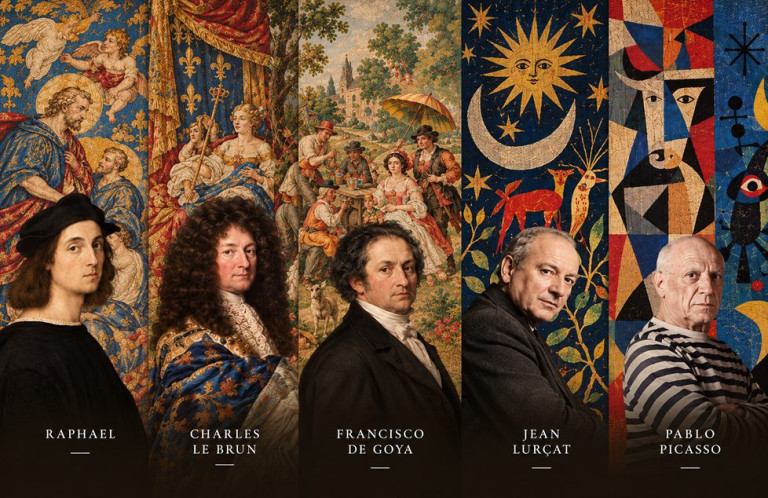
There is a persistent misconception about tapestry, and it is worth correcting at the outset: that the weaving is the whole of the art. It is not. Behind every great European tapestry stands an artist, the author of the design from which the weavers worked, and the history of the medium is in large part the history of these figures. To collect tapestry seriously, or simply to understand it well, is to know their names. What follows is a guide to the artists who matter most, arranged as the tradition itself unfolded, from the royal workshops of the old regime to the modern revival that made tapestry, once again, one of the most ambitious art forms in the world.
Read the Feature
A Guide to Bessarabian Rugs: History, Design, and Modern Luxury
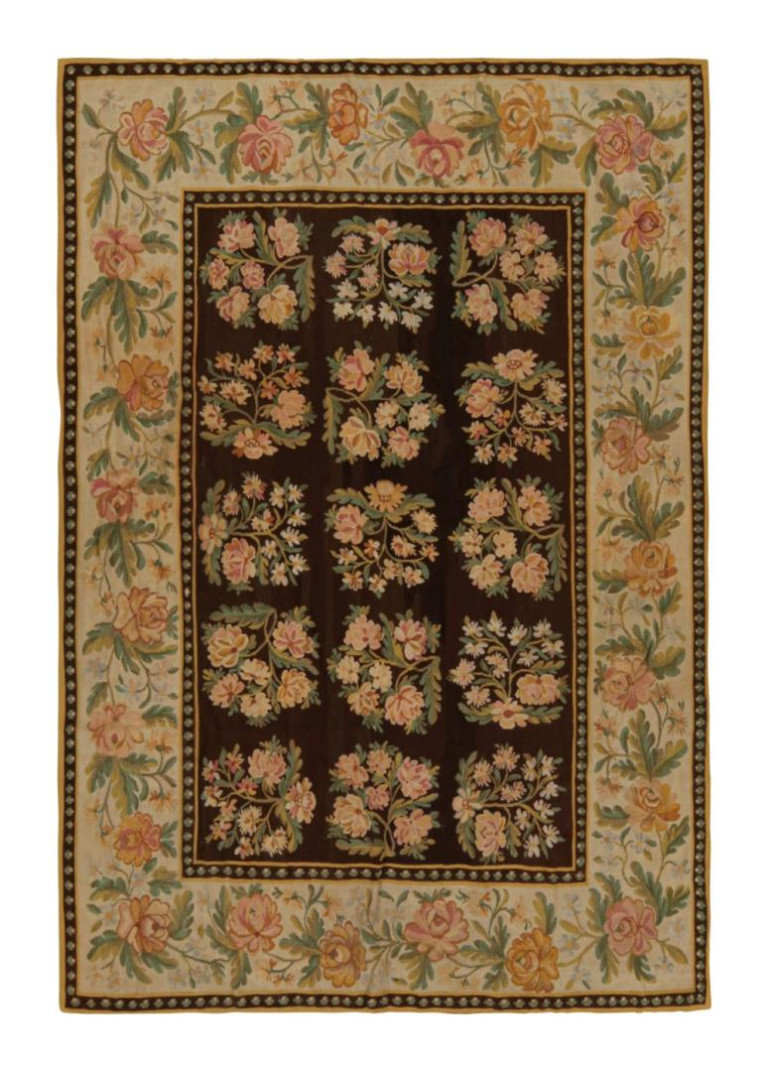
Within the world of collectible textiles and luxury interiors, few rug traditions possess the quiet sophistication and painterly elegance of Bessarabian rugs. Emerging from the historic region of Bessarabia—an area historically situated between present-day Moldova, Romania, and Ukraine—these rugs occupy a unique position at the crossroads of Eastern European folk tradition, Ottoman influence, Russian imperial culture, and French decorative aesthetics. Unlike the geometric tribal weavings commonly associated with Central Asia or the medallion-driven structures of Persian carpets, Bessarabian rugs developed a distinctly atmospheric and ornamental visual language. Their floral compositions, subdued tonal harmonies, and expansive decorative fields positioned them closer to European decorative arts than purely utilitarian floor coverings.
Read the Feature
Provenance, Structure, Intelligibility: The Three Pillars of Serious Collecting
Anyone can acquire a rug. To collect one, to bring it into a serious collection with the confidence that it belongs there, requires a discipline, and that discipline rests on three questions. Across four decades of building one of the most significant archives in the country, this house has come to evaluate every object through the same three. They are the difference between buying and collecting, and they are worth setting down plainly, because they apply as readily to a Safavid fragment as to a signed Aubusson, and because they are the same three questions, at bottom, that a curator at the Metropolitan or a specialist at Christie's brings to any object of consequence.
Read the Feature
Savonnerie, Aubusson, Gobelins: The Three Ateliers That Defined What Europe Believed a Rug Could Be
In the final years of the sixteenth century, the treasury of France was hemorrhaging. Not to war alone though there had been enough of that but to the East. French silver was flowing steadily toward Persia and the Levant in exchange for knotted-pile carpets, objects of such refinement and such authority that no European workshop had yet produced anything capable of competing with them. Henri IV, who had survived the Wars of Religion and the bankruptcy of a kingdom to sit on the French throne, was not a man inclined to accept a problem he could solve. He installed Pierre Dupont — weaver, entrepreneur, and the most technically accomplished carpet-maker in France in the galleries of the Louvre itself, in workshops beneath the palace's own roof, with a single instruction: make something that does not require us to send money to Persia.
Read the Feature
Rugs, Tapestries, and the Return of Sacred Interiors: The Fifth Wall of Heirloom Textiles
Enter a collector’s Renaissance salon, where gilded light grazes the shoulder of a Ghirlandaio Madonna and the stillness of a sculpted torso speaks in the silence. Amid this elegance, the floor carries more than weight—it carries narrative. Here lies not just a rug, but a woven fresco, steeped in geometry, texture, and time. It hums like a Savonnerie carpet, blooms like an Aubusson tapestry, and speaks with the visual rhythm of a Raphael altarpiece. At Rug & Kilim, we do not view rugs as mere furnishings. We position them as portable chapels of artistry, loom-born canvases that deserve their place among the highest expressions of fine art. Like the tapestries that once graced European castles and cathedrals, heirloom rugs were once sacred commissions—symbolic, status-laden, and spiritually charged. The time has come to restore their dignity, and to elevate them from décor to design doctrine.
Read the Feature


R&K Image Studio
NEWThe R&K Image Studio is a new visual workspace designed to present the Rug & Kilim collection with clarity, restraint, and precision — in your space or any space you imagine.
This tool allows you to view, refine, and prepare imagery drawn directly from the pieces in our archive. They can be visualized cleanly, isolated thoughtfully, and adjusted for presentations, proposals, and private viewings, without altering the integrity of the original work.
Antique
Wool
France, c. 1720-1729
2'3" X 11'5" (0.69 m x 3.48 m)
Log In to See Price
Available: Shipping as Soon as Tomorrow
Antique 18th Century Audran "Mois Grotesques" Gobelins Pictorial Panel Tapestry - Rug & Kilim
"It's rare to find a rug company that offers unique antiques, curated with a historical eye. And the best quality customization for anything you might need. All while being treated like family - love those guys."
— Andre Mellone, Studio Mellone
- Measurements: 2'3" x 11'5" ( 0.69 m x 3.48 m )
- Categories: Antique, European, The Jahanshah Collection
- Classification: European, Floral, Pictorial, Tapestry/Textile/Wall Hanging
- Material: Wool
- Origin: France
- SKU: 34140

