
Wool
France
5'2" X 6'3" (1.57 m x 1.91 m)
Available: Shipping As Soon As Tomorrow
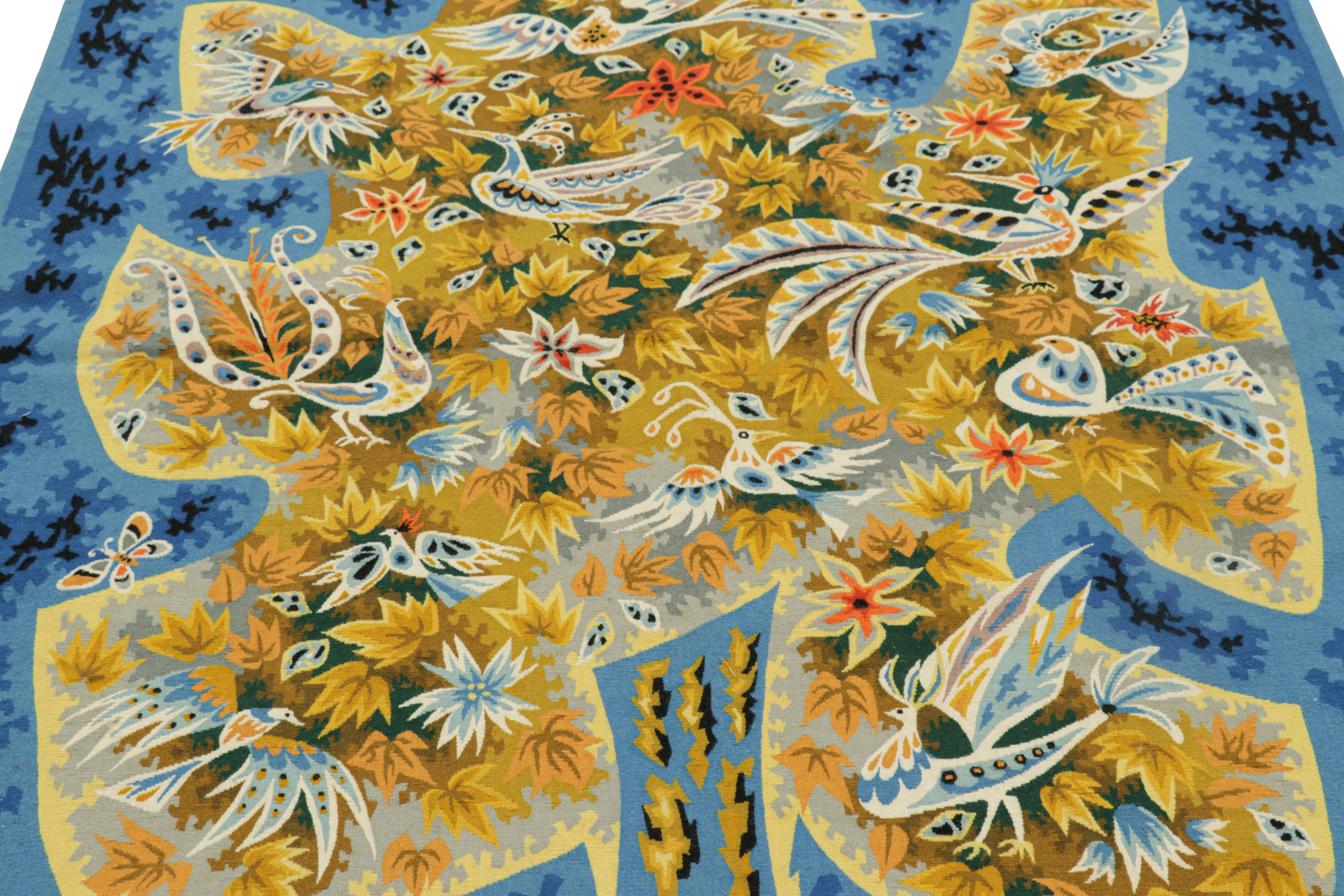
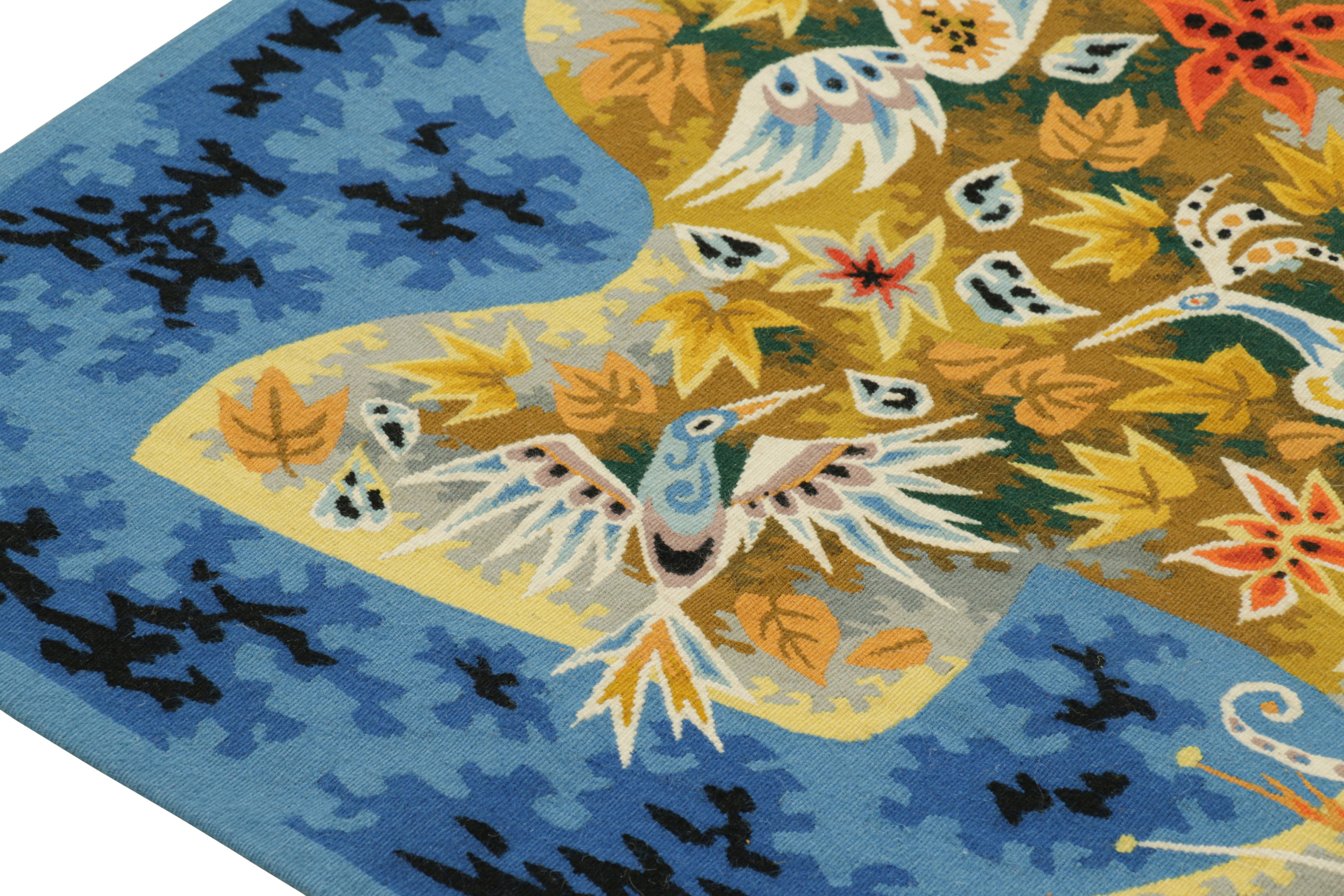
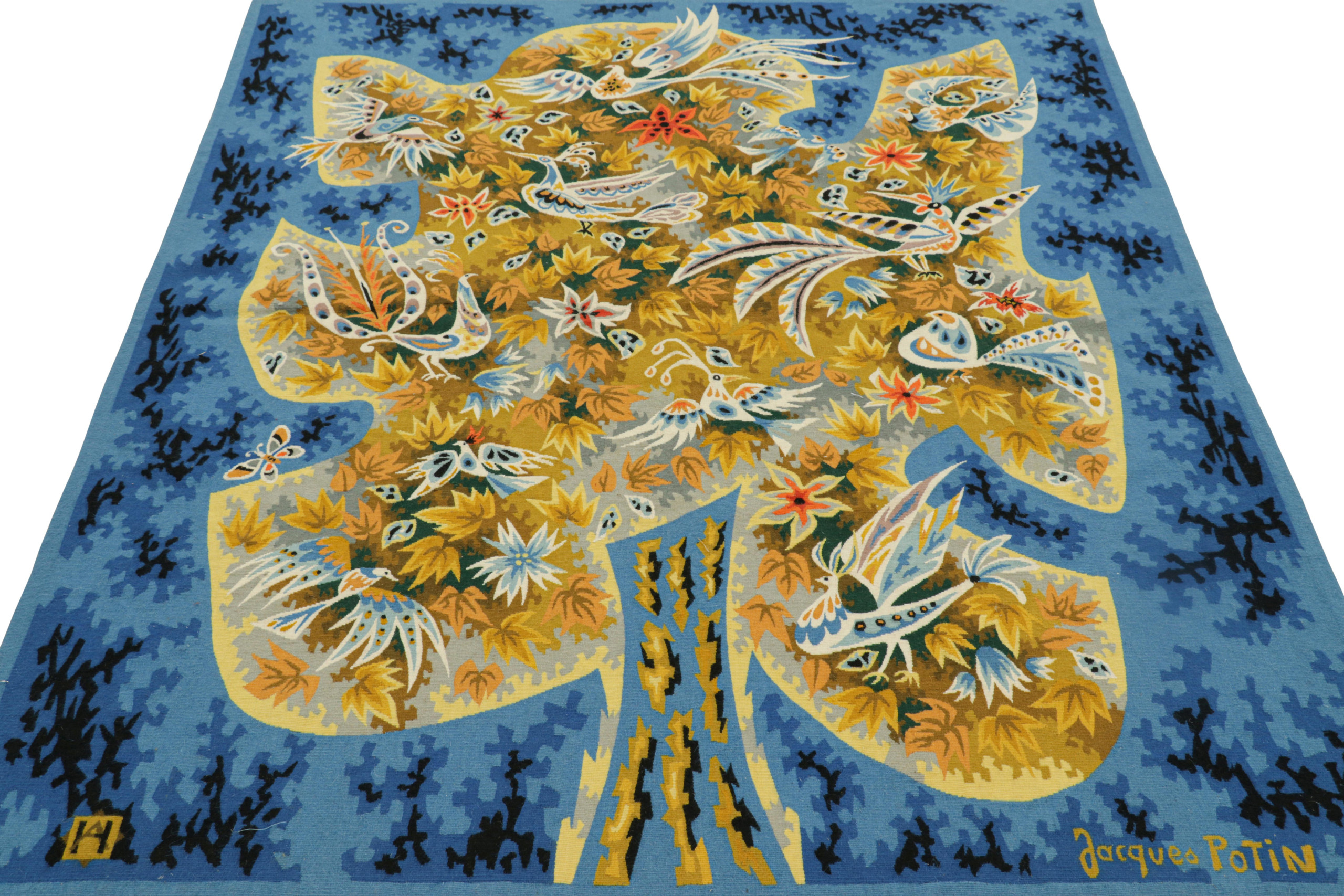
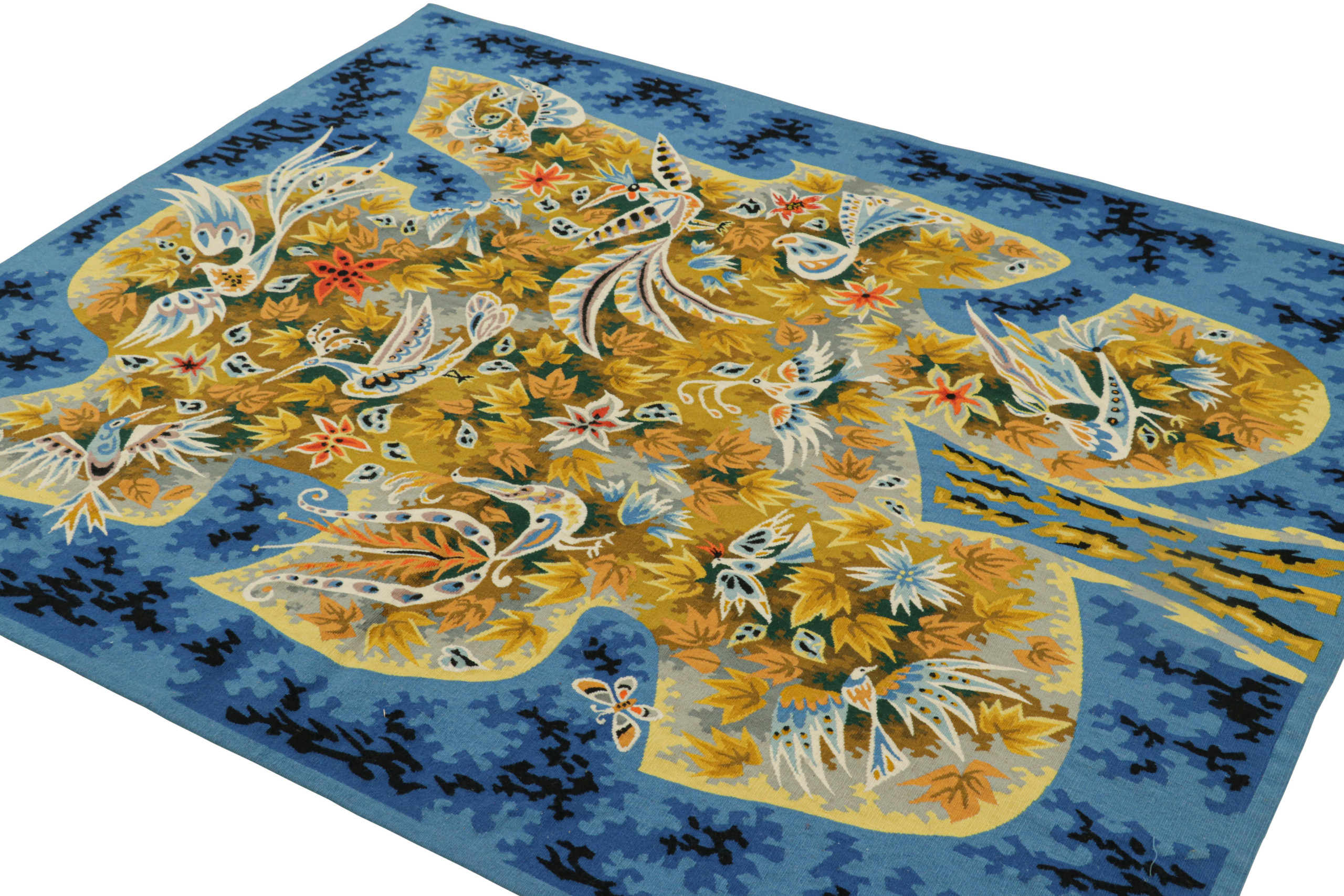
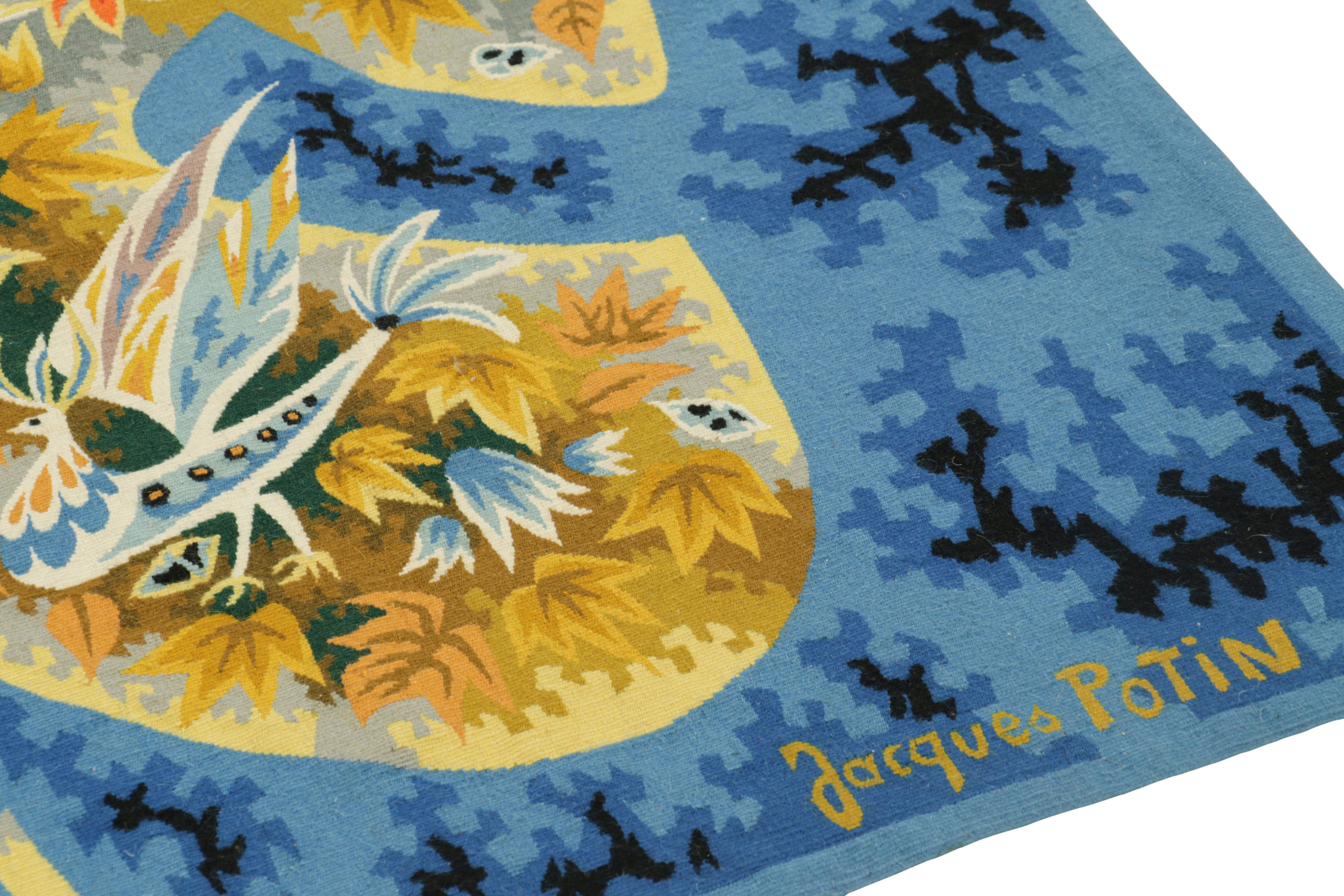
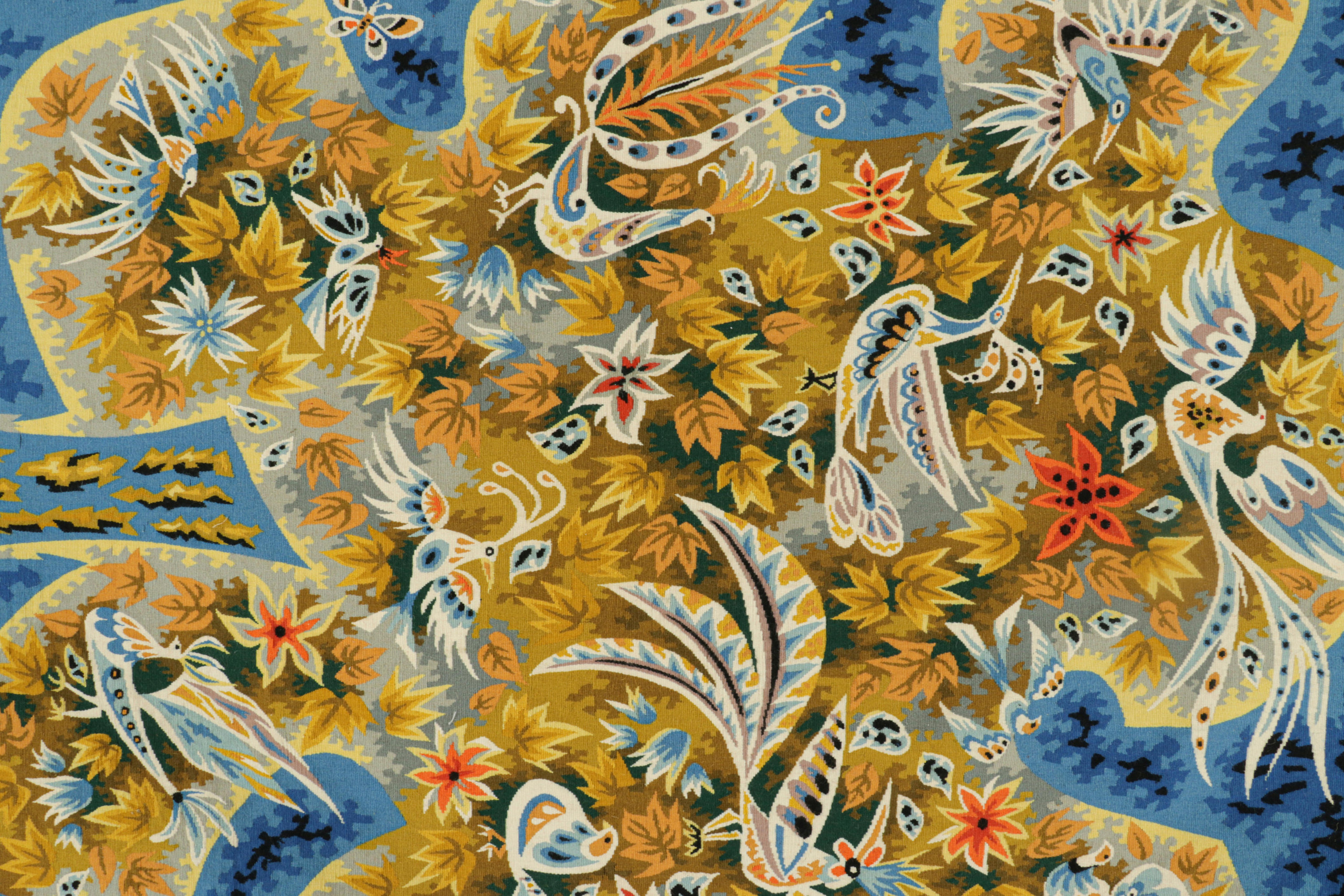
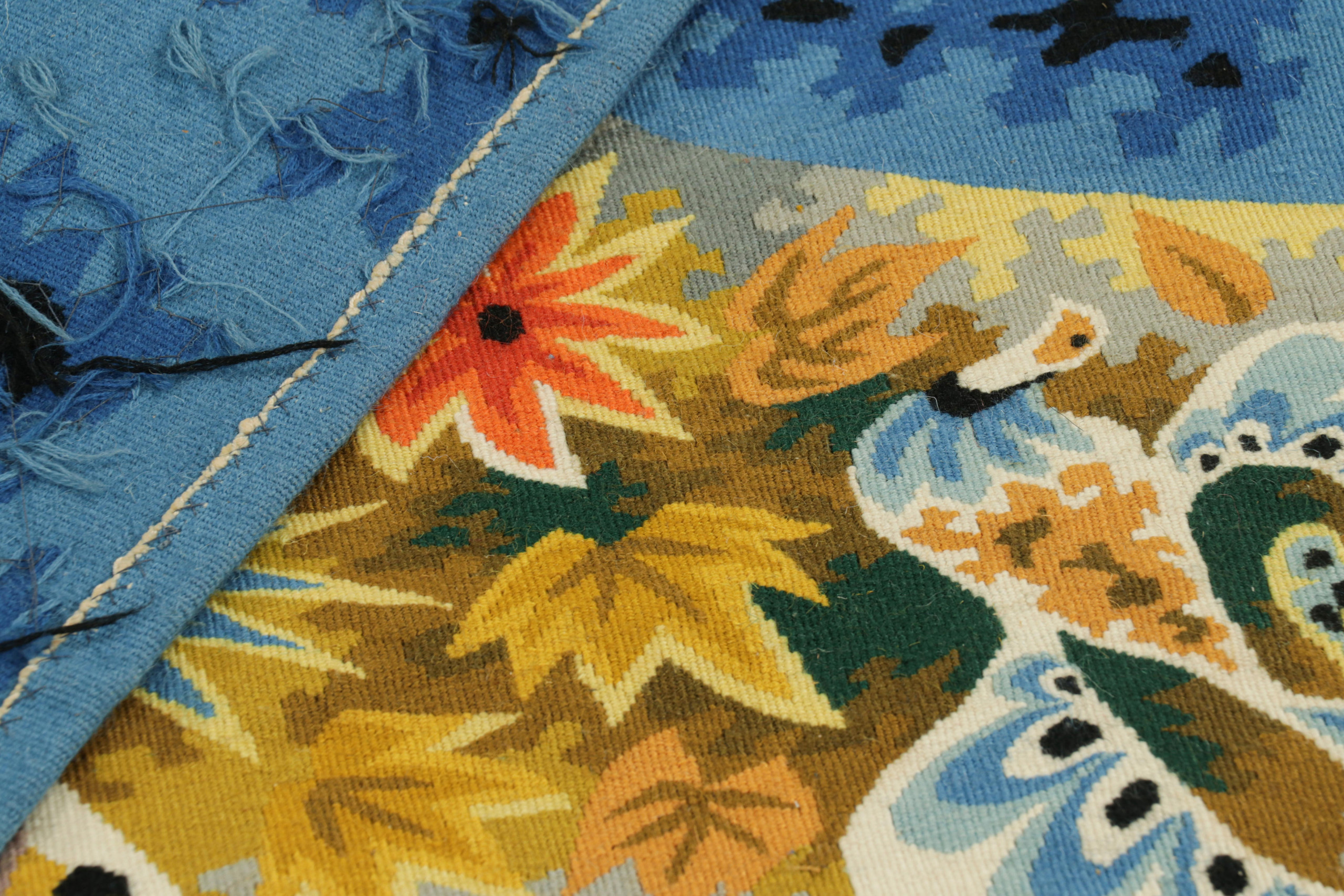
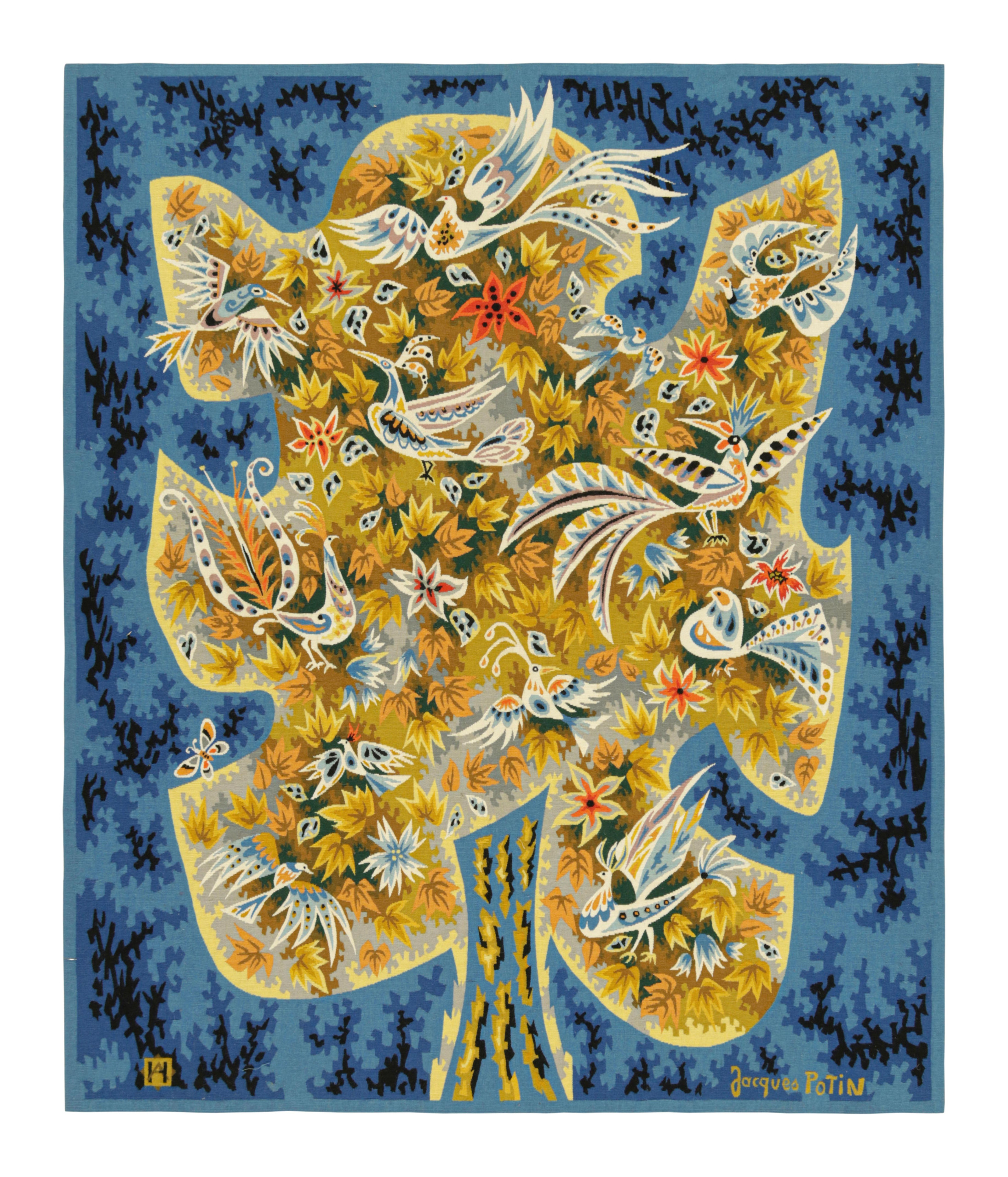
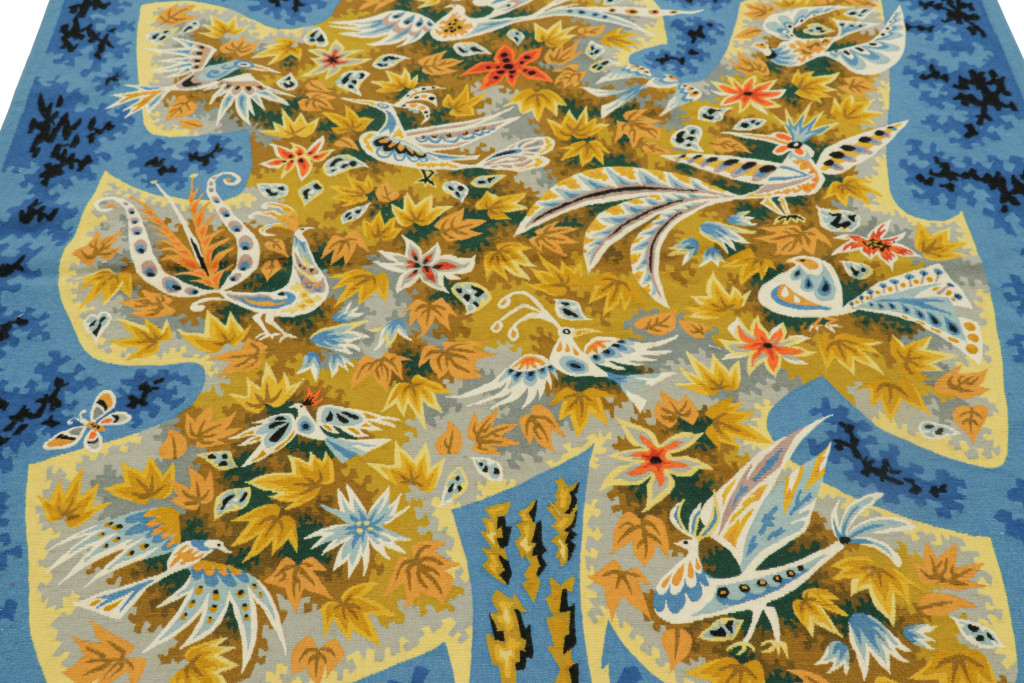
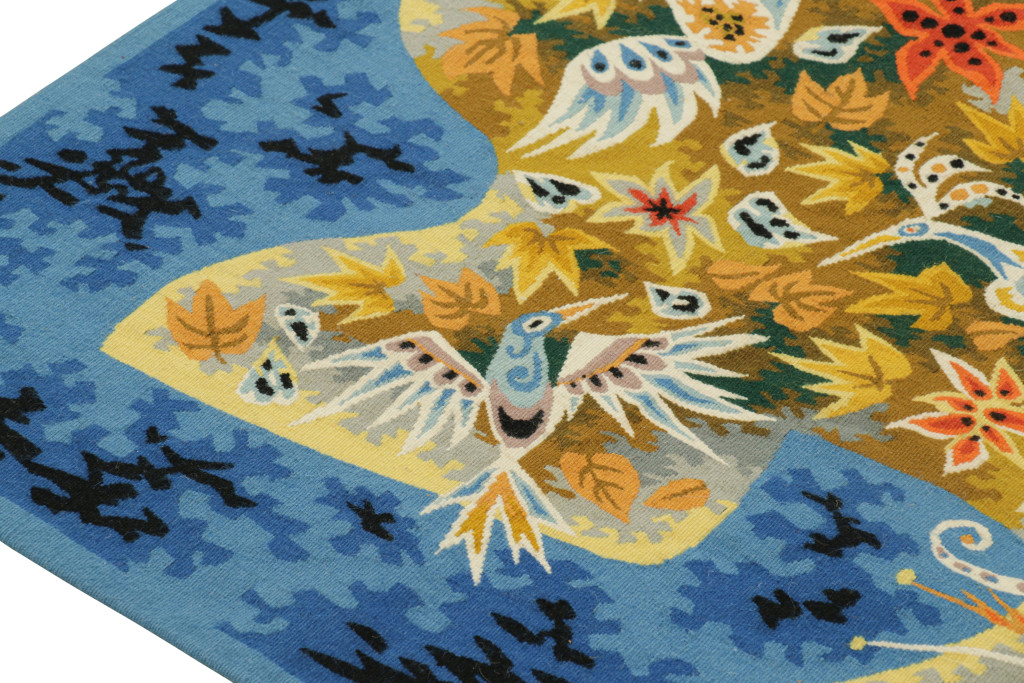
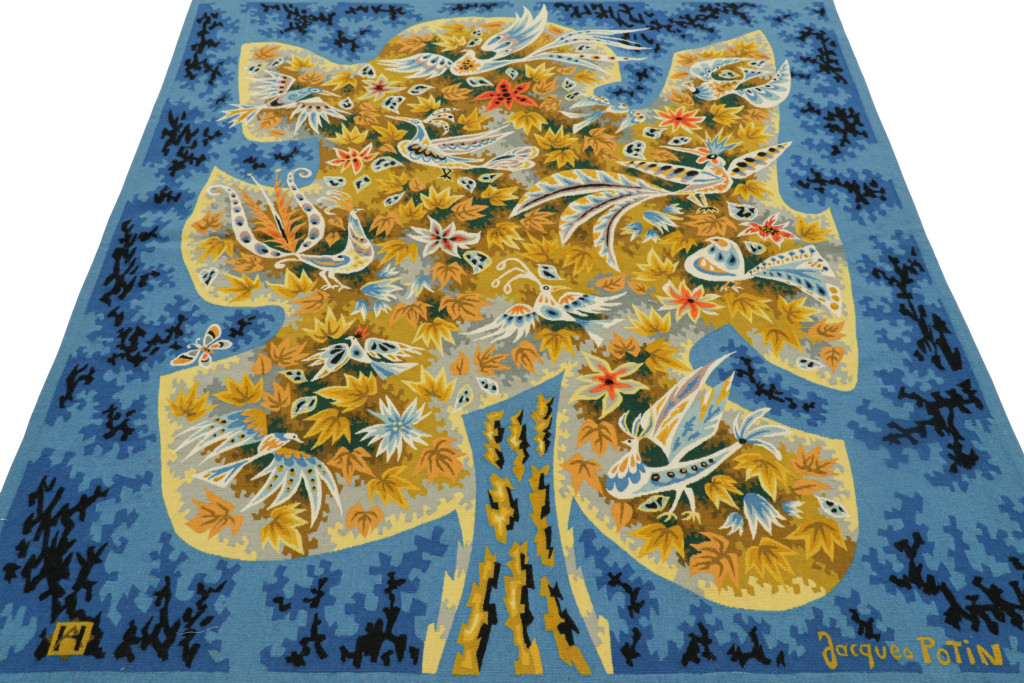
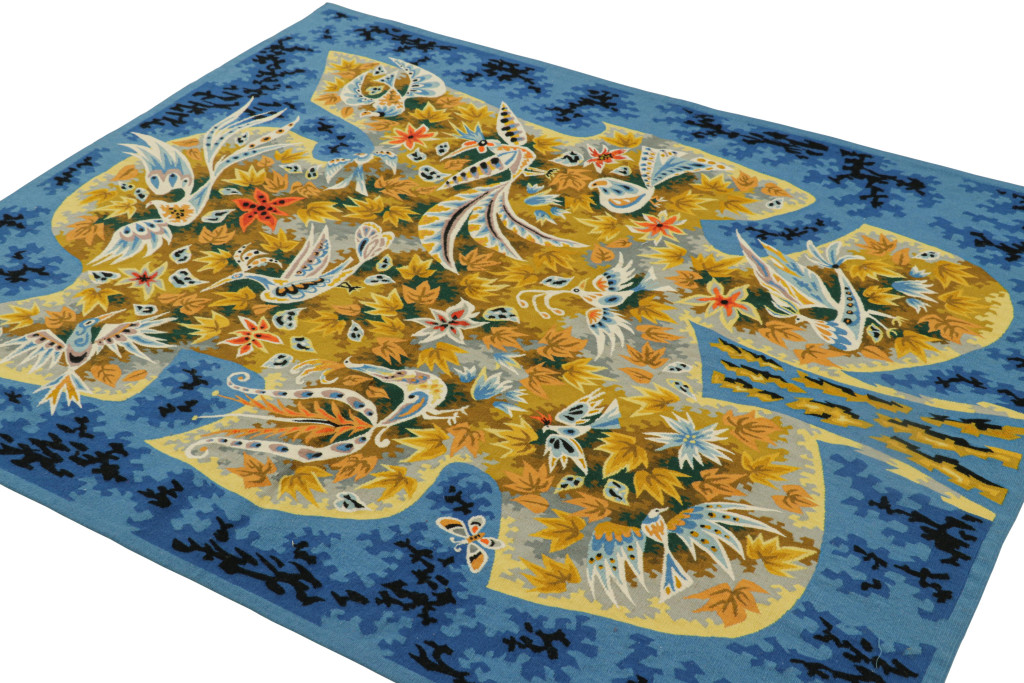
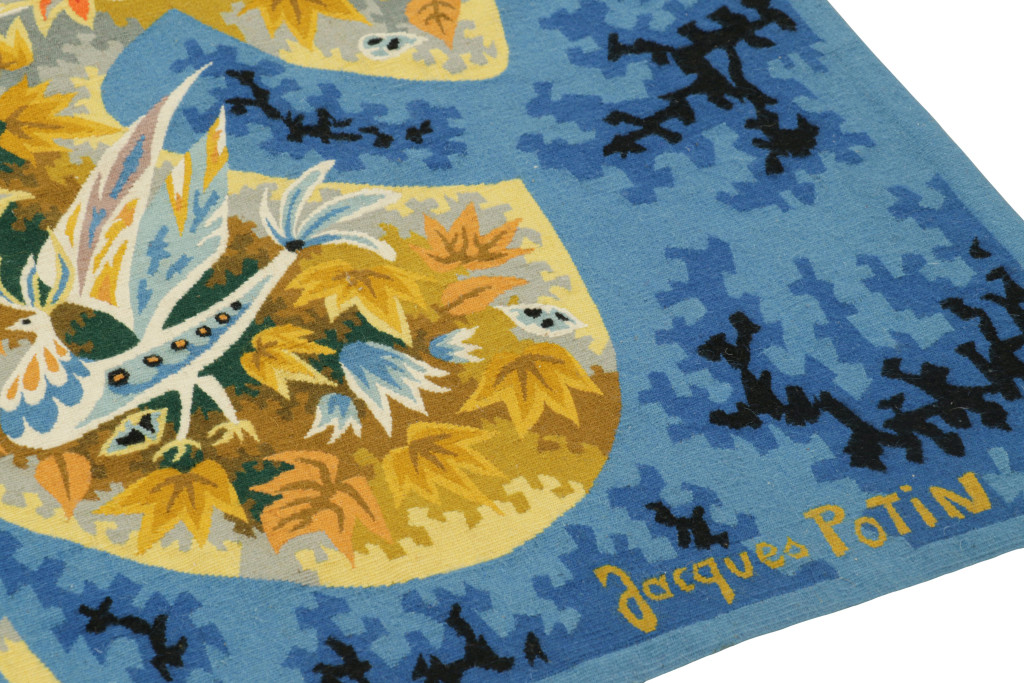
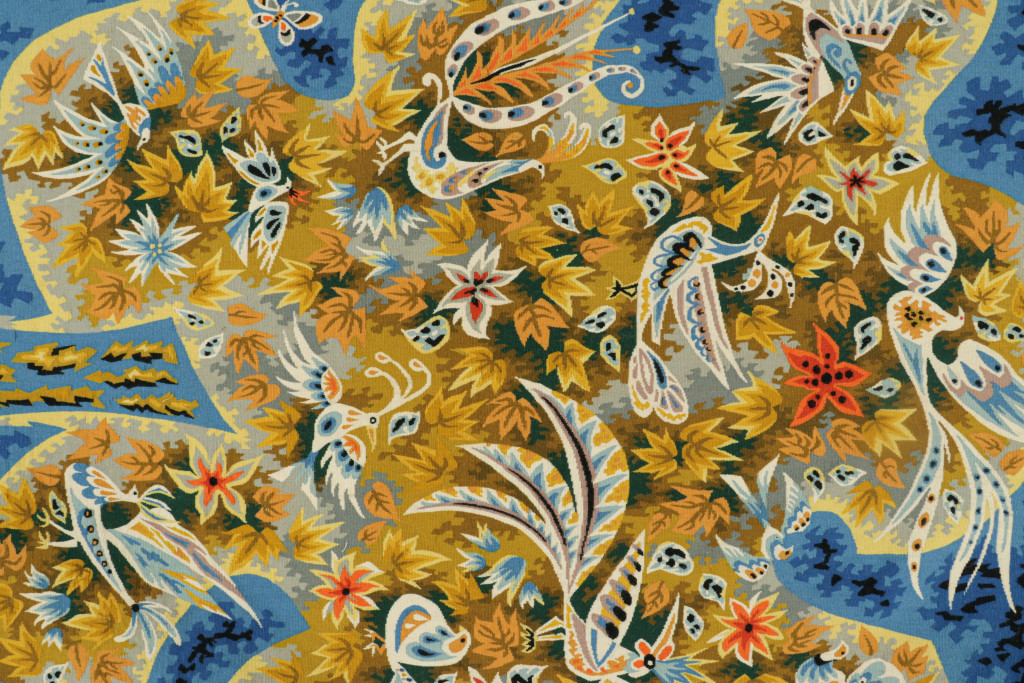
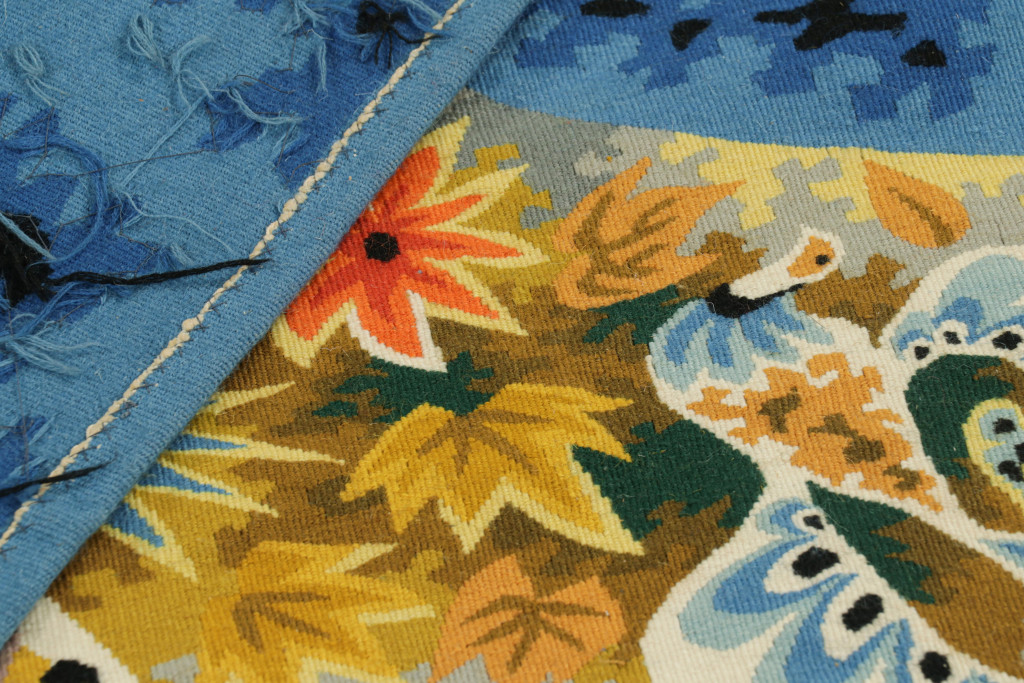
Signed Vintage Jacques Potin Tapestry “Le Petit Rappel Des Oiseaux” Rug & Kilim
"Rug & Kilim is my go to resource for rugs. Their selection is wide and deep, and Josh’s eye for antique pieces is extraordinary. I always walk away with great pieces, and they are a pleasure to collaborate with. They’ve been my trusted partner on projects for years."
— Ann Wolf, Wolf Holden Design Studio
A standard since our inception upheld across every acquisition,
transaction, and delivery.
45+ Year Old Institution
More than four decades of expertise and stewardship, under the leadership of our Principal, Jahanshah "Josh" Nazmiyal.
Favorable Return Policy
Our return policy is 48 hours upon receipt allowing you to confirm the purchase in your space with confidence.
Product Warranty
Each rug is hand selected or produced through the most reputable sources under the direct supervision of our Principal.
Trusted Global Delivery
Reliable worldwide delivery handled with care, precision and constant communication.
Exceptional Support
Attentive, knowledgeable guidance before and after purchase from our dedicated team of specialists.
Long Term Care
We stand behind every piece we place and remain a resource to our clients for the lifetime of their collection.
- Measurements: 5'2" x 6'3" ( 1.57 m x 1.91 m )
- Categories: European, Modern, Tapestry, Vintage
- Classification: Abstract, Aubusson, Classic/Traditional, European, Floral, Modern/Contemporary, Pictorial, Tapestry/Textile/Wall Hanging
- Material: Wool
- Origin: France
- SKU: 32379

Specifications:
Stories from the Tapestry Collection
Essays, artist dialogues, and provenance notes drawn from Rug & Kilim’s editorial desk.
The Total Art: Vienna’s Century, From the Gold Frieze to the Contemporary Era
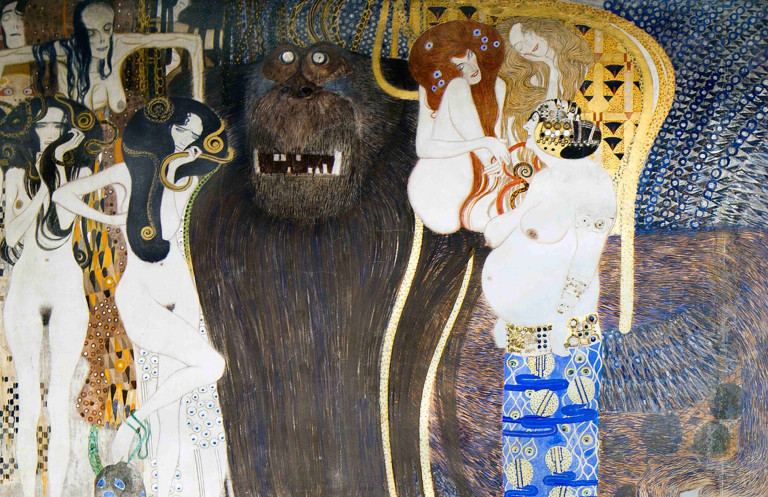
In the dining room of a banker's house in Brussels there is a wall of gold. Klimt designed it; the Stoclet Frieze, a tree of life branching across marble and enamel and coral, a dancer on one side and an embracing couple on the other, the couple a direct rehearsal for the painting the whole world would later know as The Kiss. But to stand in that room, were one ever permitted to, is to understand that the frieze is not the point of it. The point is that the frieze, the marble, the cutlery, the door handles, and the carpet underfoot were all conceived as a single object by a single mind. The Palais Stoclet, built by Josef Hoffmann between 1905 and 1911 and now sealed as a UNESCO World Heritage Site, is the most complete surviving statement of the idea that organised an entire Viennese century: the Gesamtkunstwerk, the total work of art, in which nothing; not the spoon, not the dress, not the floor, ranks below the painting on the wall.
Read the Feature
Zeki Müren and the Carpet as Self-Portrait: The Pasha Who Designed His Own Floor
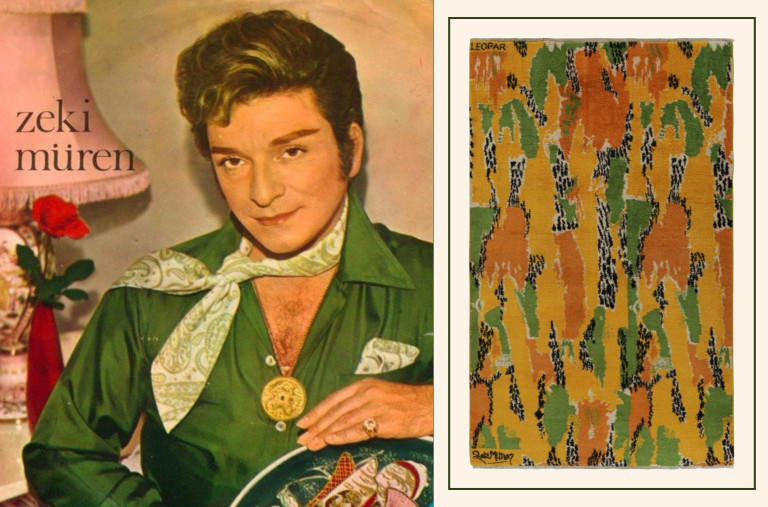
In the showroom of Hüseyin Kaplan, in the Sultanahmet quarter of Istanbul beneath the minarets of the old city, there are more than five hundred carpets that belong to no classical category. They are not Hereke, not Oushak, not the courtly Ottoman medallion weavings that the connoisseur expects from this geography. They are jewel-toned and abstract, shot through with an abstract confidence, and they bear, some of them, the signed ones, a name woven into the border that any Turk and most serious collectors would recognise instantly. They are the work of Zeki Müren, and they constitute one of the most singular bodies of design the twentieth-century carpet has produced.
Read the Feature
Deventer, KVT and the Dutch Carpet: The Workshop that Wove for Royalty
The Dutch did not look abroad for the floors of their palaces. This is a small fact with large implications. When the courts of Europe sent to Aubusson and Savonnerie for their carpets, when the very word Smyrna on a label conferred the authority of the East, the House of Orange laid beneath its ceremonial rooms a carpet woven in a river town in the eastern Netherlands, at a factory that had, with a confidence bordering on provocation, named its own street after Smyrna itself. Smyrnastraat, in Deventer. The address of the Koninklijke Vereenigde Tapijtfabrieken, and a declaration of standing made in cobblestone.
Read the Feature
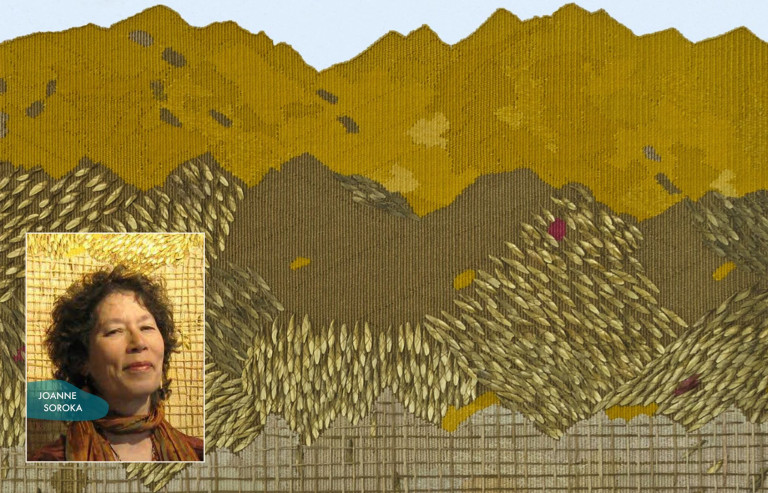
Rug & Kilim’s Tapestry Artists’ Series: In Dialogue with Joanne Soroka
There are artists who weave cloth and the ones who weave ideas. And then there are artists; rare, serious, working at a register that most practitioners of any medium never reach, who weave lives. Not their own lives, though those are present too, but the lives of people who left no other record: emigrants who crossed oceans under duress, ancestors who worked rivers in foreign countries, families scattered across continents by persecution and necessity and the simple human desire for somewhere better than where they were. Joanne Soroka weaves these lives. She gives them, as she has said herself, the meaning that history denied them. The loom, in her hands then, is an act of remembrance, slow, physical, irreversible, and as close to justice as textile art has ever come.
Read the Feature
Tuareg Textiles and Design: History, Tribal Craft, and Contemporary Influence
The Sahara has never been short of ideas. It has merely been selective about who hears them. The Tuareg did not set out to create an aesthetic. They created a system. Long before design was professionalized, categorized, or monetized, Tuareg artisans developed a material language governed by movement, restraint, and exacting necessity. What remains today — in textiles, metalwork, and spatial logic — is not folklore but authorship: a coherent design intelligence that continues to inform contemporary practice, whether acknowledged or not. At Rug & Kilim, we approach Tuareg works not as ethnographic specimens, nor as romantic artifacts, but as foundational design objects. They belong not on the margins of decorative history, but firmly within its canon.
Read the Feature
The Collector’s Wall: Why Tapestries Are the New Fine Art
The tapestry is not a reproduction—it is a creation. Once relegated to the periphery of fine art, tapestries are undergoing a powerful renaissance. No longer viewed as mere backdrops to oil paintings or gilded mirrors, these monumental textiles are now commanding attention in private collections and major museums alike. From their intricate provenance to their undeniable artistry, collectible tapestries—especially rare examples like antique French Aubusson and Swedish Rölakan—are fast becoming the new standard for connoisseurs seeking depth, dimension, and history on their walls. Once relegated to the margins of decorative arts, the tapestry is now ascending—as a cornerstone of connoisseurship, a collector’s grail, and a living artifact that bridges the realms of fine art, design, and cultural memory.
Read the Feature


R&K Image Studio
NEWThe R&K Image Studio is a new visual workspace designed to present the Rug & Kilim collection with clarity, restraint, and precision — in your space or any space you imagine.
This tool allows you to view, refine, and prepare imagery drawn directly from the pieces in our archive. They can be visualized cleanly, isolated thoughtfully, and adjusted for presentations, proposals, and private viewings, without altering the integrity of the original work.
Tapestry
Wool
France
5'2" X 6'3" (1.57 m x 1.91 m)
$8,300
Available: Shipping as Soon as Tomorrow
Signed Vintage Jacques Potin Tapestry “Le Petit Rappel Des Oiseaux” Rug & Kilim
"For years, R&K has been a favorite source for Kemble Interiors when we need antique, vintage, and custom designed rugs. Their inventory is deep and well displayed online and working in person is always such a pleasure too!"
— Celerie Kemble, Kemble Interiors
- Measurements: 5'2" x 6'3" ( 1.57 m x 1.91 m )
- Categories: European, Modern, Tapestry, Vintage
- Classification: Abstract, Aubusson, Classic/Traditional, European, Floral, Modern/Contemporary, Pictorial, Tapestry/Textile/Wall Hanging
- Material: Wool
- Origin: France
- SKU: 32379