

The Quiet Power of Textural: Styling Minimalist Masterpieces in Contemporary Spaces
May 16, 2025
The Art of Belonging with Brittany Nazmiyal: In the Weave of Her Wake at Rug & Kilim
May 22, 2025
The tapestry is not a reproduction—it is a creation.
Once relegated to the periphery of fine art, tapestries are undergoing a powerful renaissance. No longer viewed as mere backdrops to oil paintings or gilded mirrors, these monumental textiles are now commanding attention in private collections and major museums alike. From their intricate provenance to their undeniable artistry, collectible tapestries—especially rare examples like antique French Aubusson and Swedish Rölakan—are fast becoming the new standard for connoisseurs seeking depth, dimension, and history on their walls.
Once relegated to the margins of decorative arts, the tapestry is now ascending—as a cornerstone of connoisseurship, a collector’s grail, and a living artifact that bridges the realms of fine art, design, and cultural memory.
Where paintings punctuate space with image, tapestries envelop space with presence—pulling the viewer not into a moment, but into a myth, a forest, a court, a cosmos. In their layered fibers lie the echoes of kings and artisans, mythologies and modernities, revolutions and renaissances.
A tapestry does not just reflect a time—it holds it.
In the golden salons of Versailles, in the monastic calm of Swedish country homes, and now in the minimalist lofts of Manhattan and Berlin, the woven wall becomes a site of power, poetics, and permanence. No longer content with sterile minimalism or disposable prints, today’s collectors—especially those from art and interior designing circles—are turning to storied, tactile, and sustainable pieces that carry emotional resonance and legacy.
The tapestry is having its renaissance—not as a nostalgic relic, but as a visual manifesto. A dialogue between material and meaning. Between the brush of the painter and the loom of the weaver. Between the architect of space and the curator of soul.
Design is not just what it looks like and feels like. Design is how it works.
(And a tapestry works by anchoring a room, commanding a gaze, and radiating depth.)
In this revival, we witness a remarkable convergence: art history meets interior design, collectibility meets craftsmanship, and decor becomes declaration. From French Aubusson and Beauvais tapestries bearing royal emblems, to the minimalist Rölakan flatweaves of Sweden, and the modernist dreamscapes of Lurçat and Fumeron, these works are no longer background—they are the main event.
To hang a tapestry is not merely to decorate—it is to inherit a legacy.
Tapestries as Museum-Grade Artworks
Major institutions have long held tapestries in high regard. The Met’s Department of European Sculpture and Decorative Arts, the Louvre’s Galerie d’Apollon, and the Musée d’Orsay’s collection of French textile art all underscore how central tapestries have been to art history. These woven masterpieces were not afterthoughts—they were prestige commissions, often created for royalty, religious institutions, or diplomatic gifts.
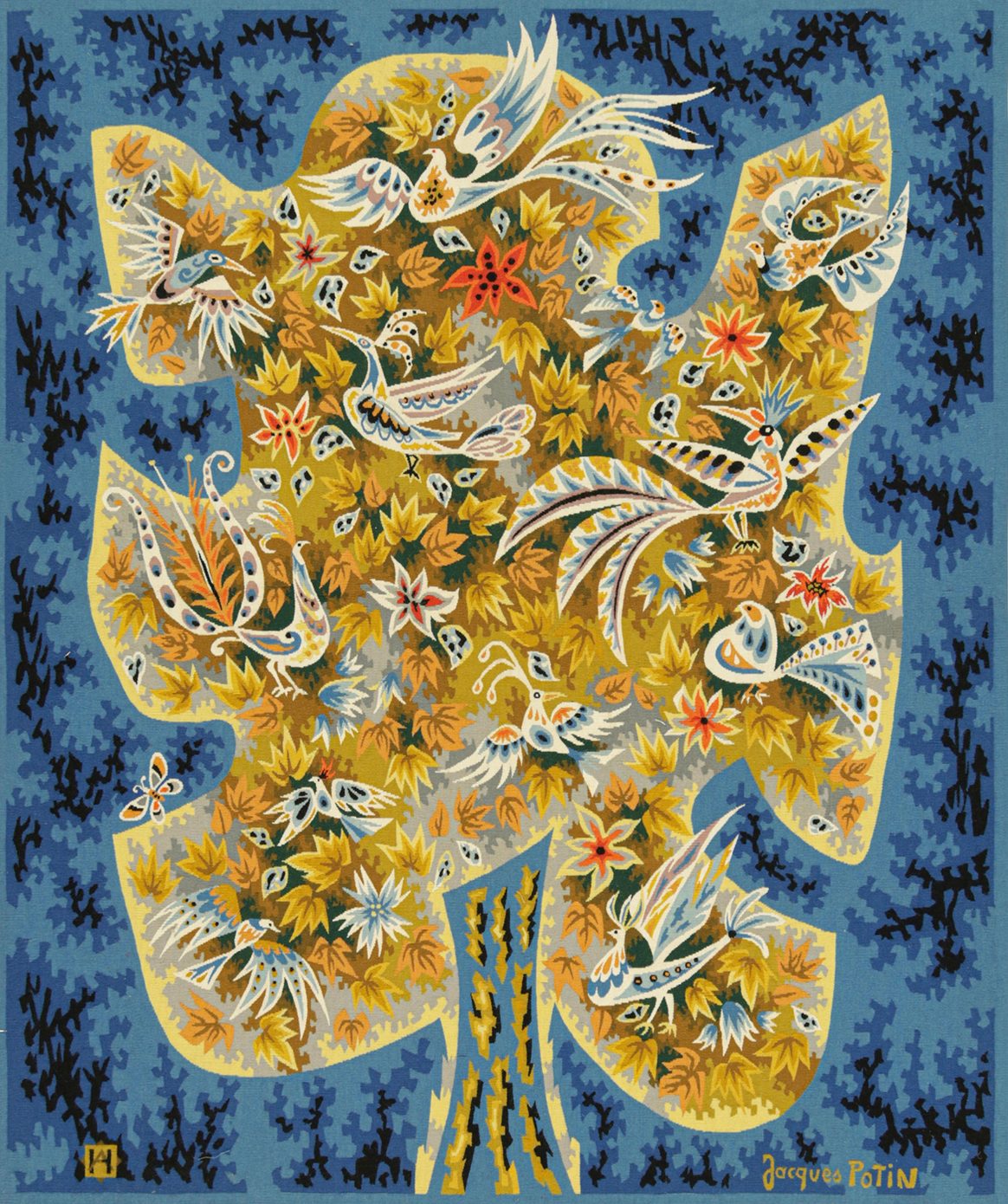
Despite this, contemporary collectors have historically hesitated, favoring blue-chip canvases. Yet, that tide is turning. Tapestries—especially those bearing the marks of artists like Jean Lurçat, Jacques Potin, or René Fumeron—are being reevaluated not as decorative arts but as fine art textiles, with depth equal to painting and sculpture.
Provenance & Rarity
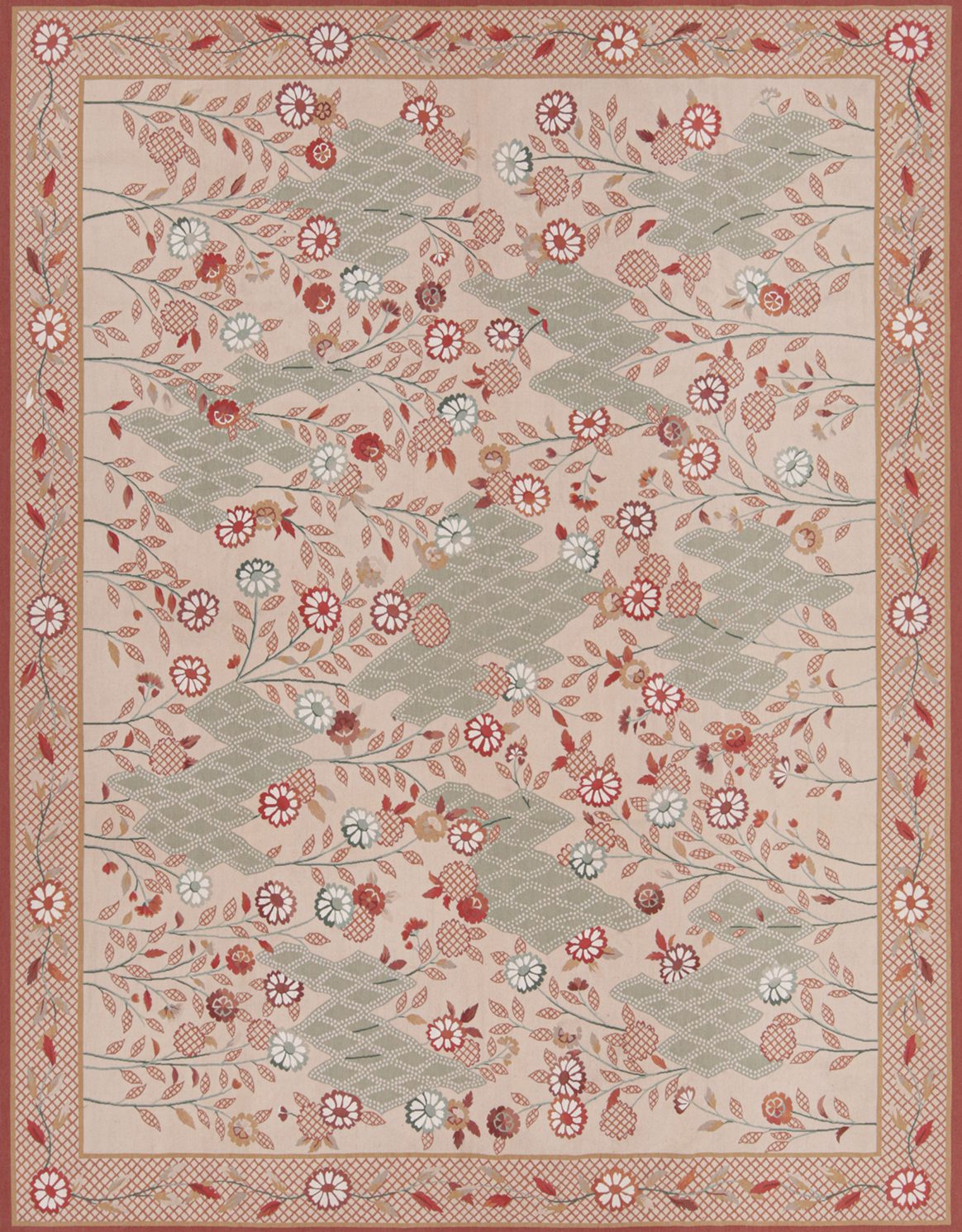
Tapestries often boast better-preserved provenance than paintings. Many were commissioned by European royalty, marked by workshop insignias, or tied to specific palaces and embassies. This deep-rooted historical context makes each piece a tangible thread in the story of empires and art.
Take for example French Aubusson tapestries—woven under royal edict and emblazoned with emblems of the Bourbon or Bonaparte courts. Or Beauvais tapestries, directed by artists like Jean-Baptiste Deshays and later, mid-century modernists such as Potin and Fumeron, who ushered in a new era of abstraction and symbolism.
And then there is Jean Lurçat, whose postwar vision redefined tapestry as modern art, not reproduction.
This is not just a textile—it is a survivor of palatial corridors and diplomatic salons.
Traditions: From Sweden to Versailles
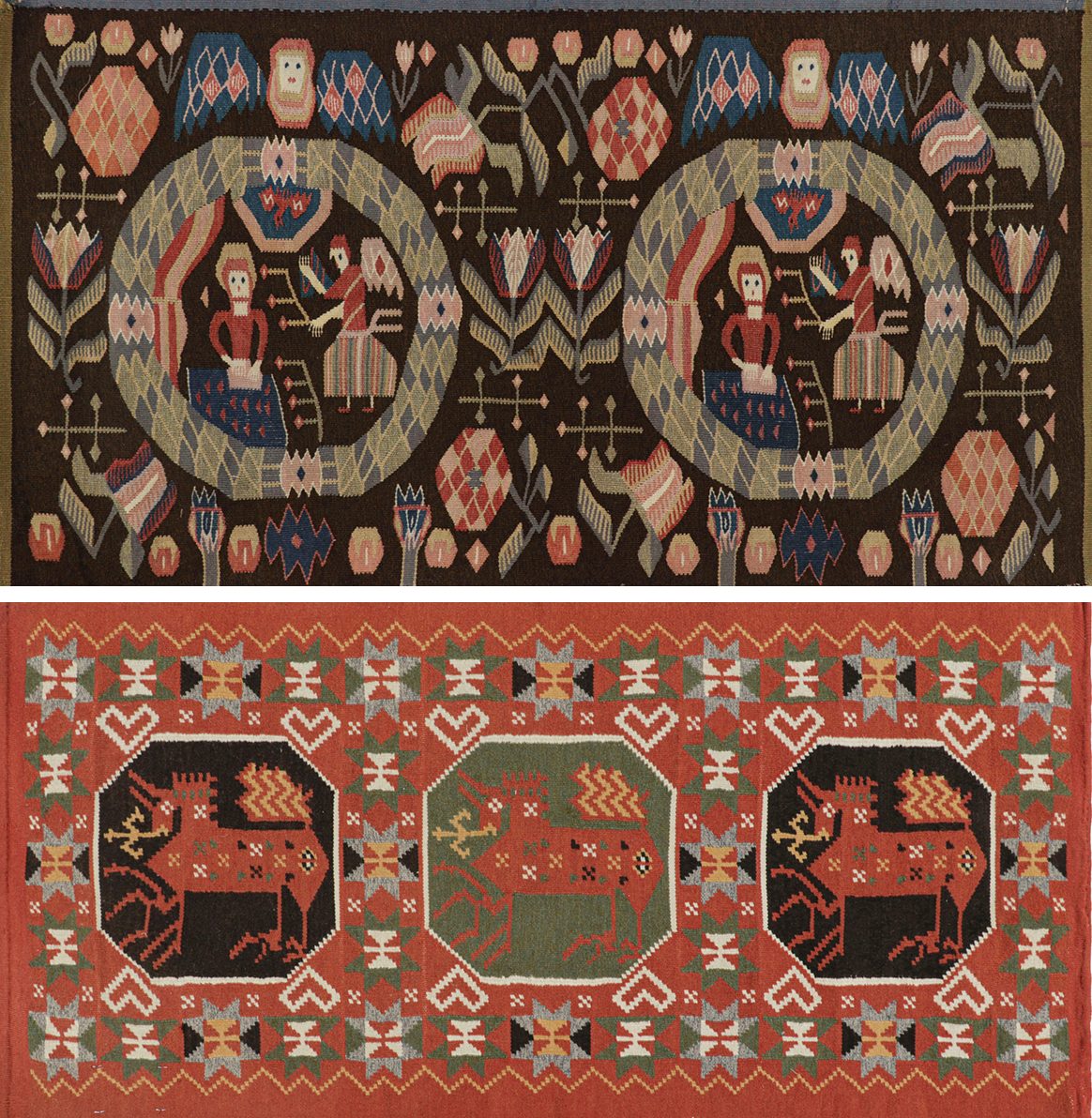
Collectors today are learning that not all tapestries are cut from the same cloth. There’s a world of difference between the earthy geometry of an antique Swedish Rölakan tapestry and the lush, forested grandeur of a verdure tapestry from Flanders or Versailles.
The Swedish flatweaves—minimalist, modern, and steeped in Nordic textile traditions—have found a second life among mid-century modern enthusiasts. Meanwhile, the courtly splendor of French verdure—depicting allegories, landscapes, and hunting scenes—remains a touchstone of Old World luxury.
Both styles are testaments to the power of regional craftsmanship. Both are increasingly rare. And both now stand proudly as collectible tapestries with art-world pedigree.
A Resurgence of Signature Styles
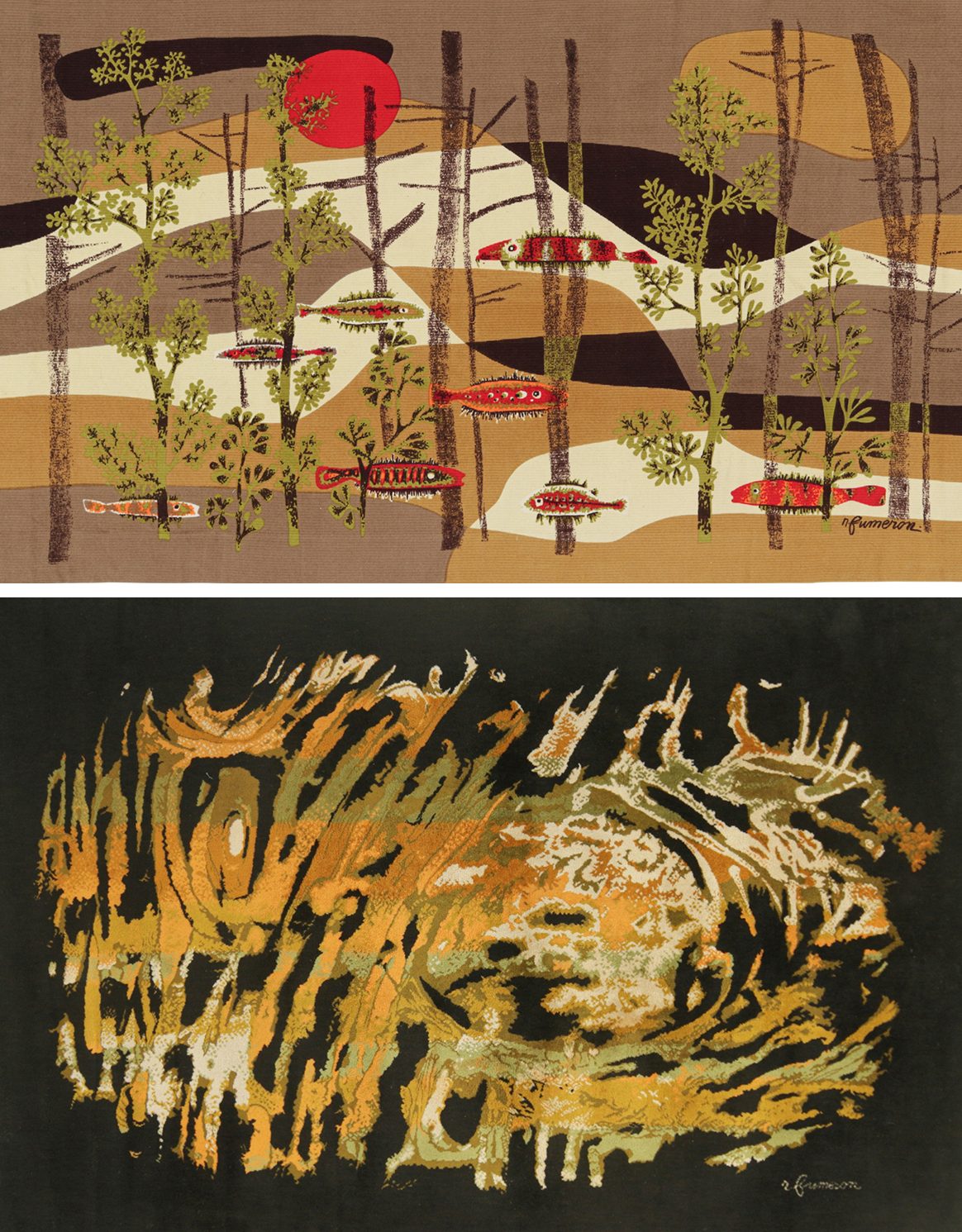
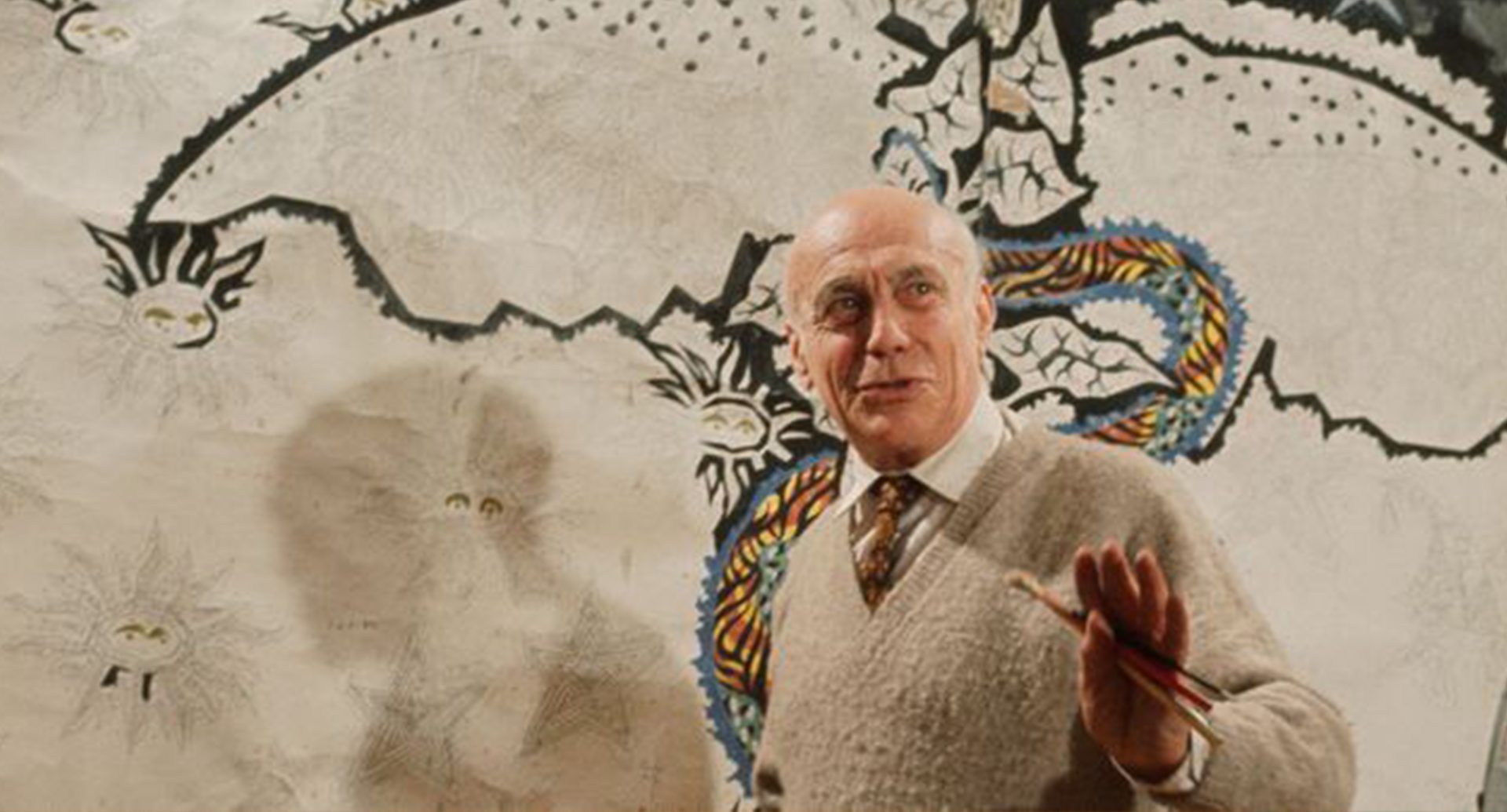
What makes the contemporary reevaluation of tapestries so fascinating is the realization that many were original expressions of celebrated artists. The 20th-century resurgence—led by Jean Lurçat, René Fumeron, and Jacques Potin—pushed tapestry into modernist territory. These artists used the loom as their canvas, weaving surrealist dreamscapes, abstract mythologies, and emotionally charged compositions that rivaled the era’s best painters.
Their work wasn’t a craft—it was a medium for political commentary, cultural reinvention, and aesthetic innovation. Today, a Jean Lurçat tapestry is just as collectible and coveted as a painting by his contemporaries.
Why the New Collector Cares
The new generation of collectors is redefining value in the art world. They crave texture, story, and sustainability. They are drawn to fine art textiles that embody both emotional depth and environmental consciousness. Unlike mass-produced prints or sterile modern minimalism, tapestries offer emotional texture—they soften a space, warm the walls, and tell a story.
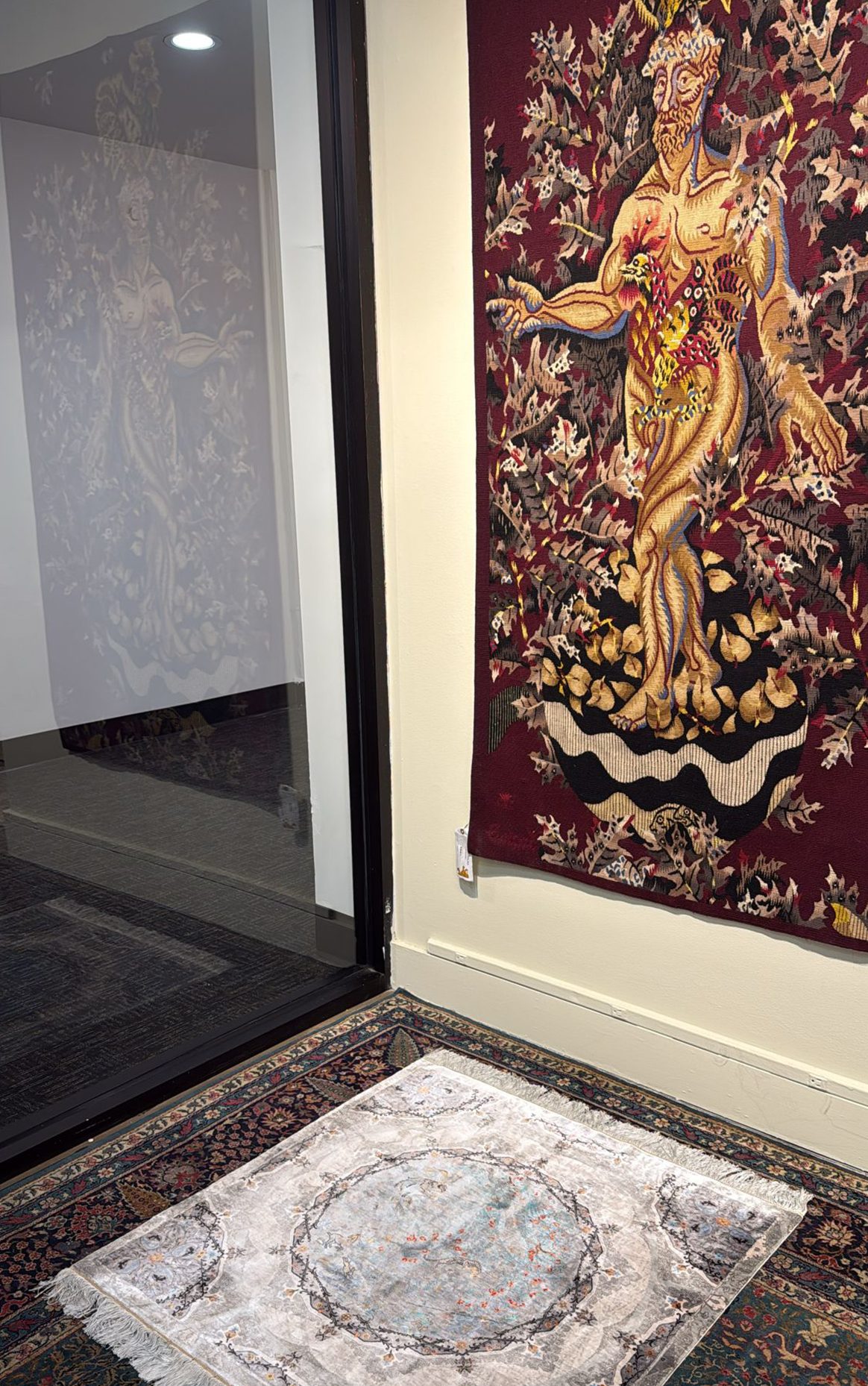
Within elite design circles—especially among AD100 designers—antique tapestries are making a major comeback. These storied pieces are no longer accessories; they are focal points, giving interiors gravitas and soul.
Legacy on the Wall: An Heirloom of Empires
To collect a tapestry is to inherit more than beauty. It is to take part in a legacy that spans kingdoms and workshops, revolutions and renaissances. These are not just works of art—they are documents of culture, stitched with the aspirations of entire civilizations.
Whether you’re drawn to the lush elegance of a verdure tapestry, the minimalist power of a Swedish Rölakan, or the avant-garde brilliance of a Jacques Potin or Jean Lurçat creation, one thing is clear: the tapestry is no longer a supporting actor. It’s the star of the collector’s wall.
~~~