
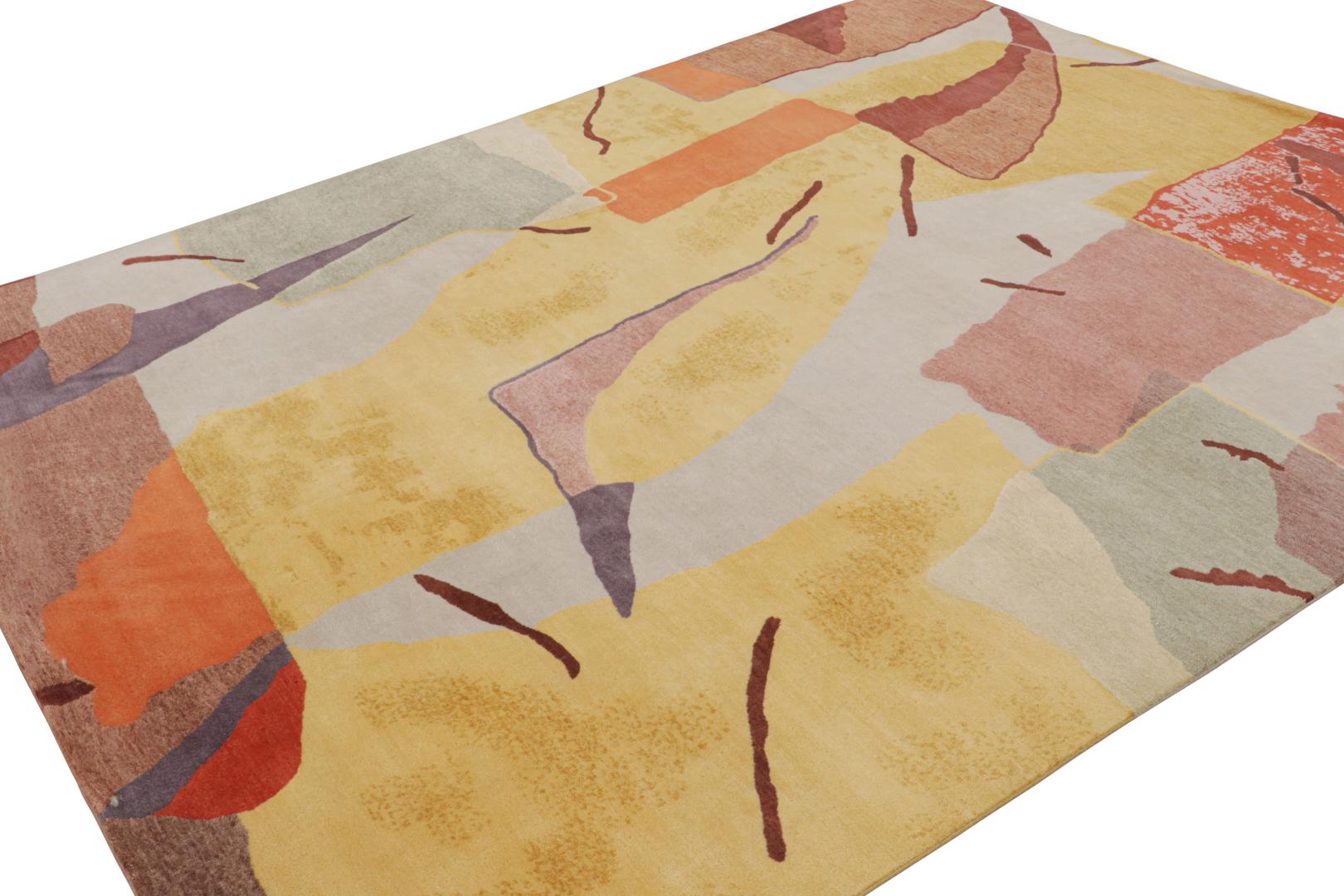
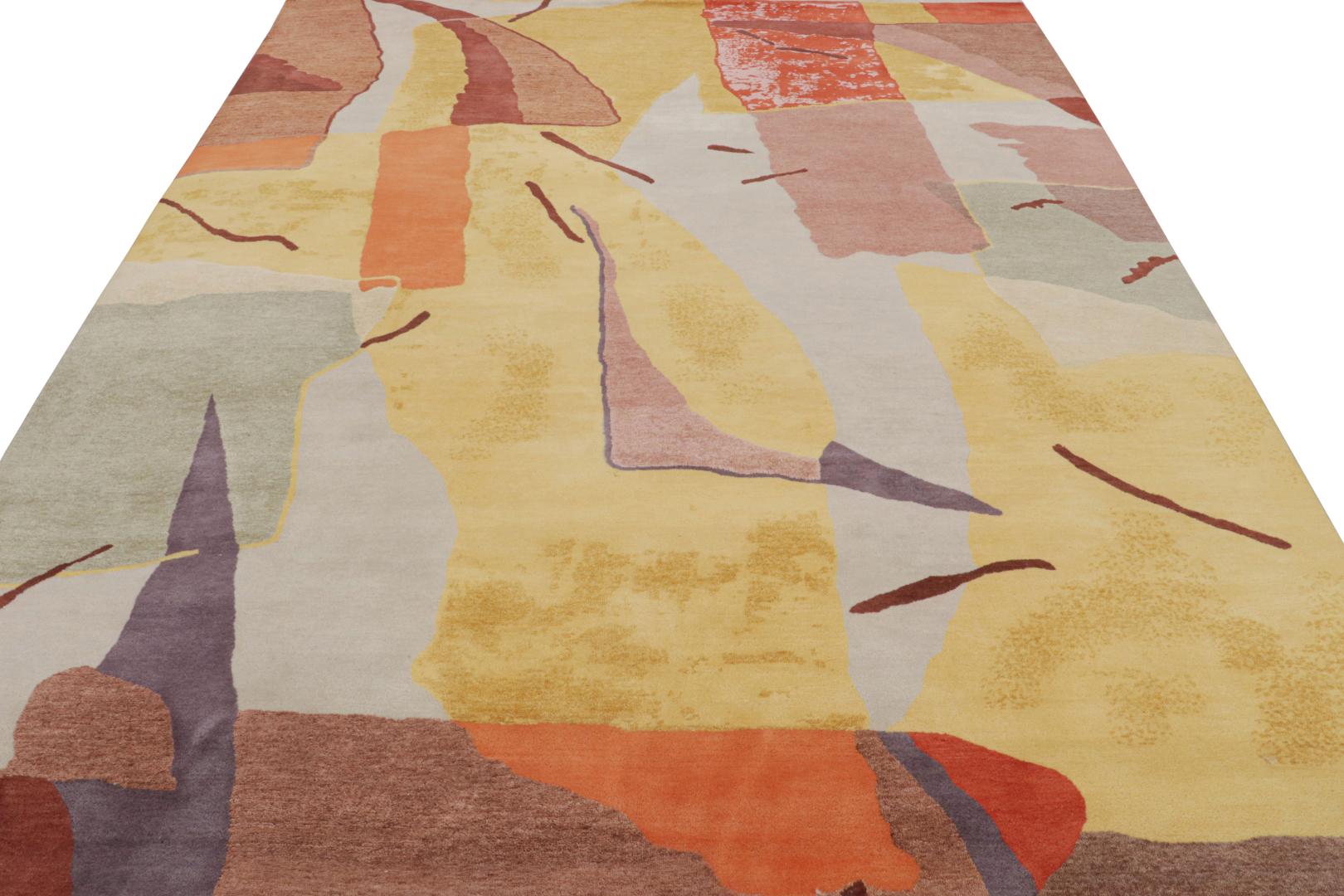
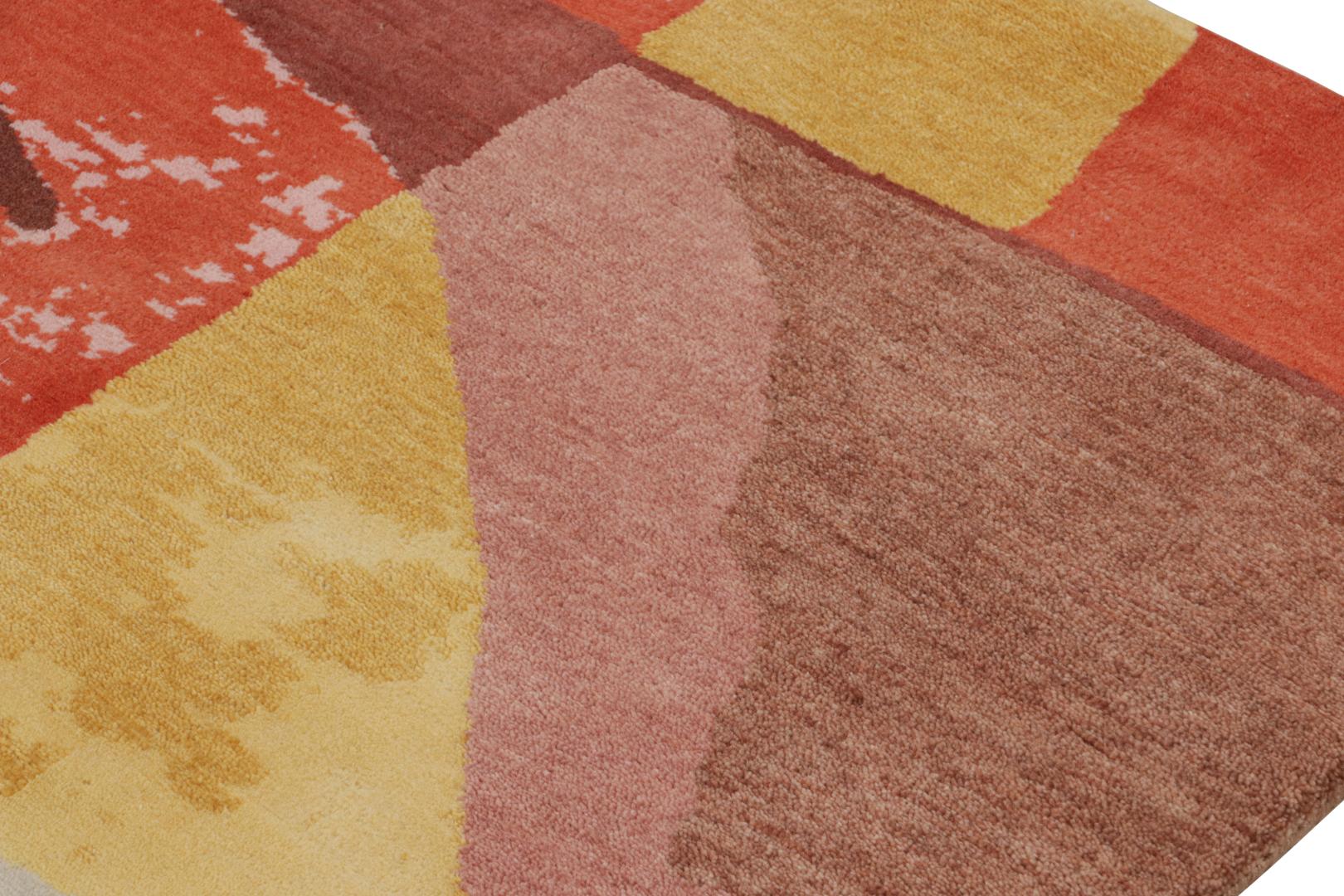
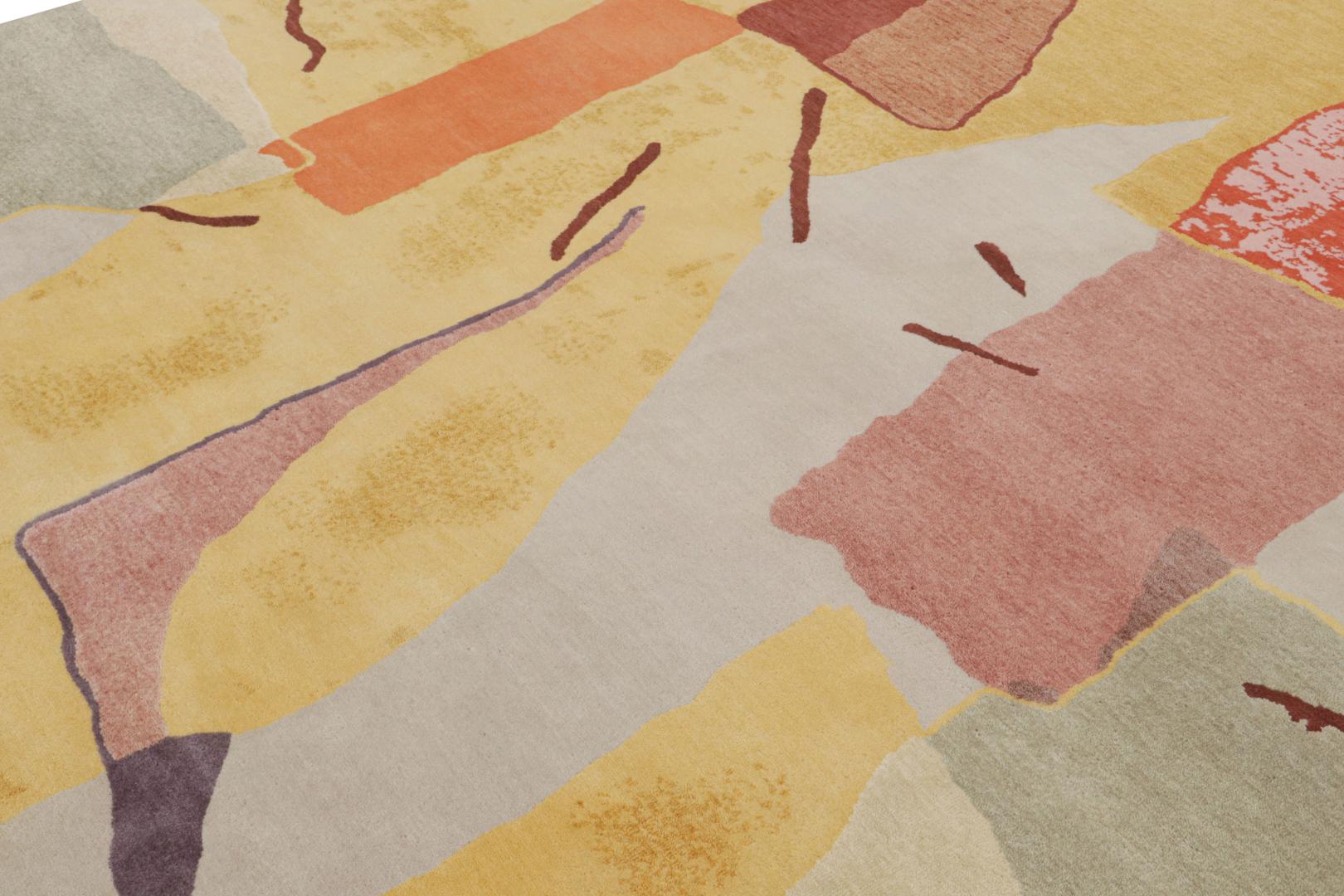
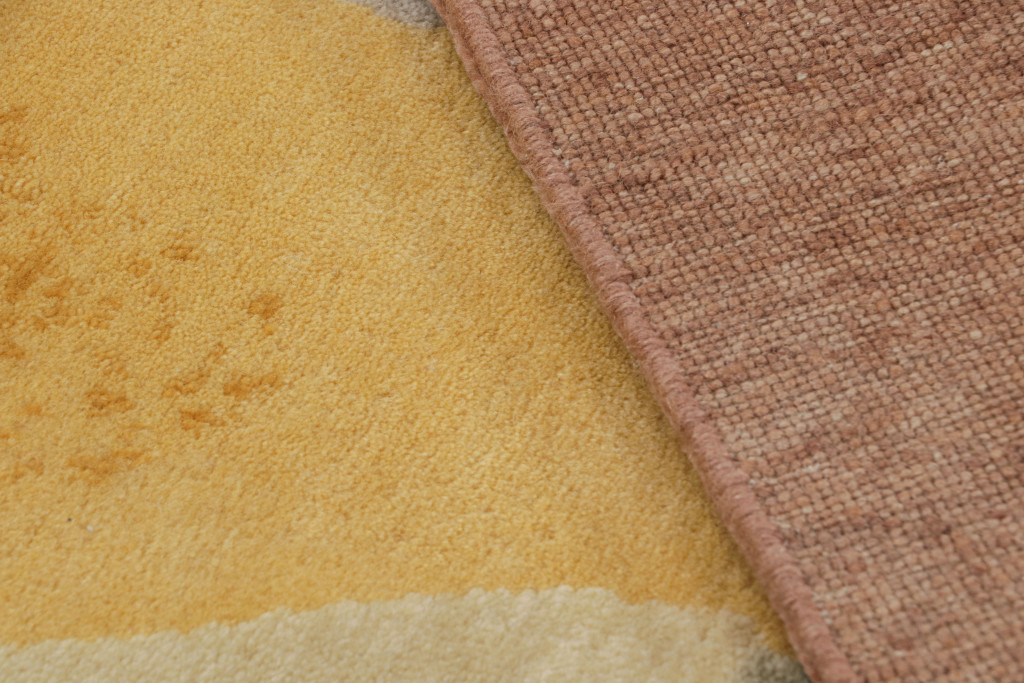
Natural Silk, Wool
India
7'10" X 10'1" (2.39 m x 3.07 m)
Out of Stock: Made to Order 18‑20 Weeks
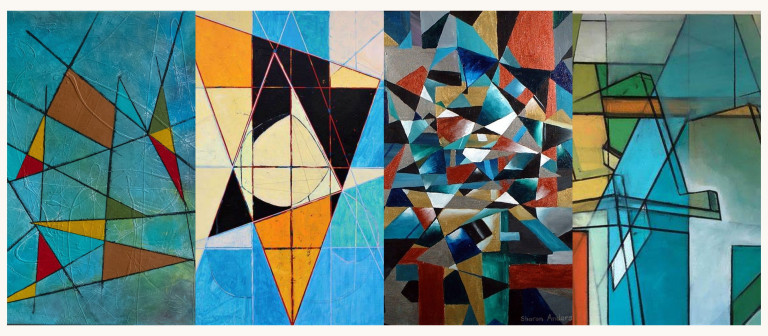
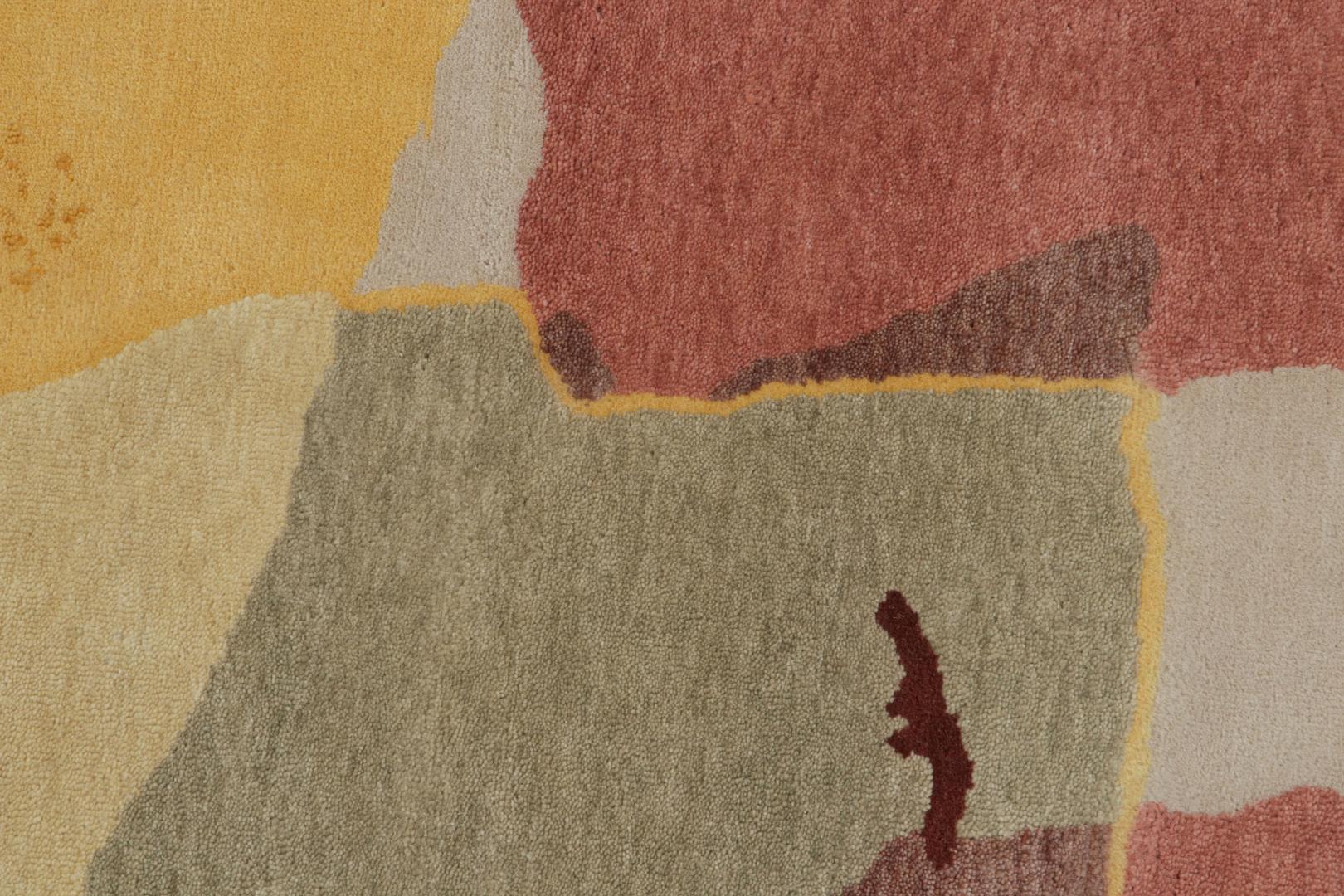
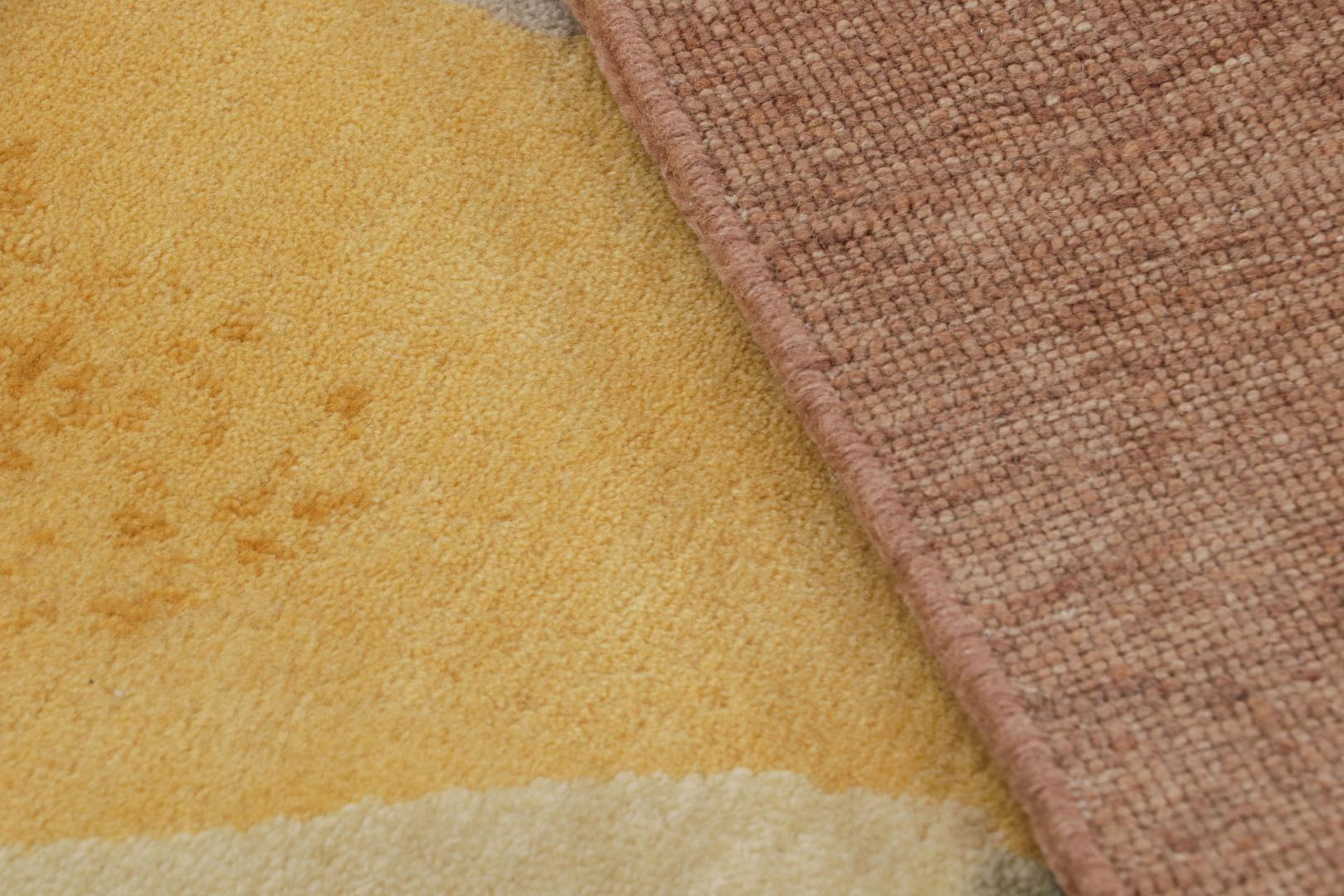
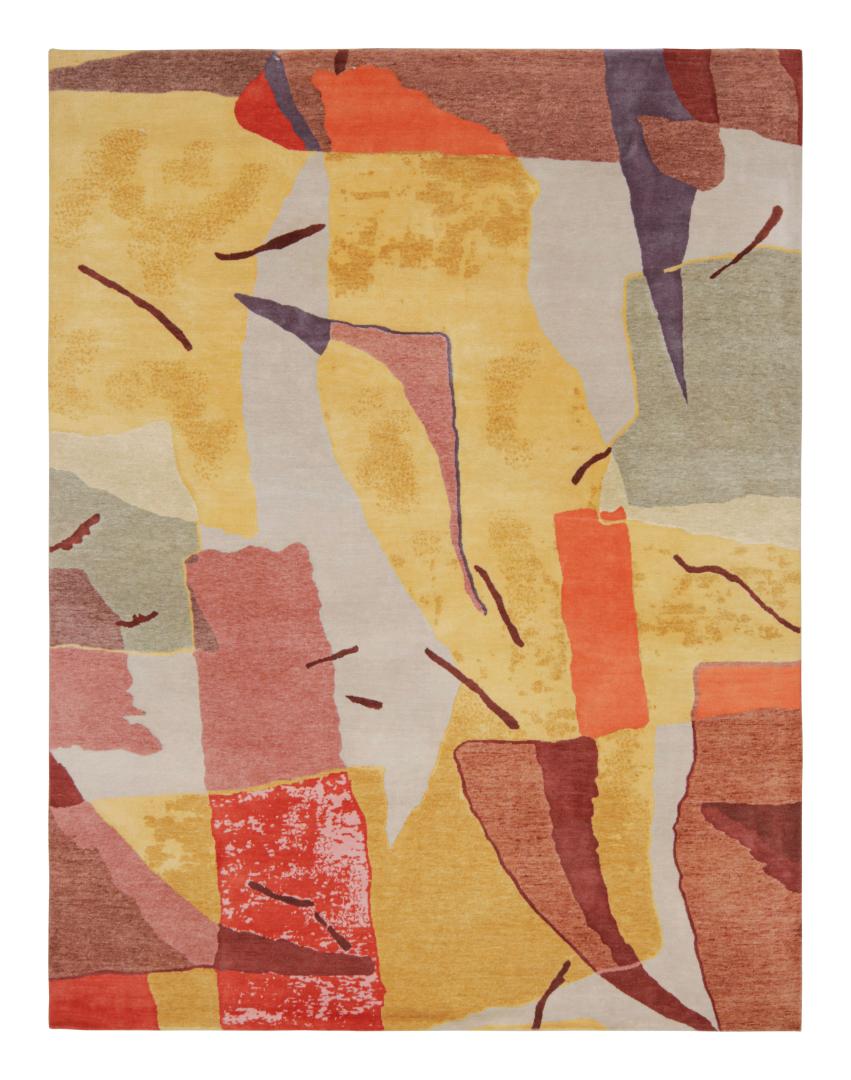
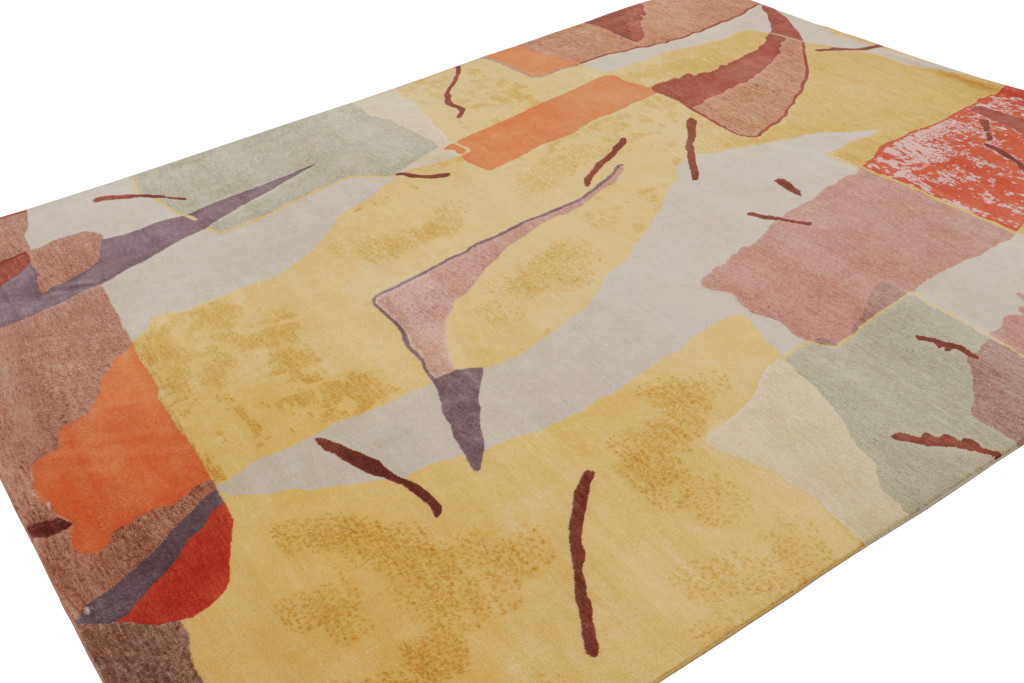
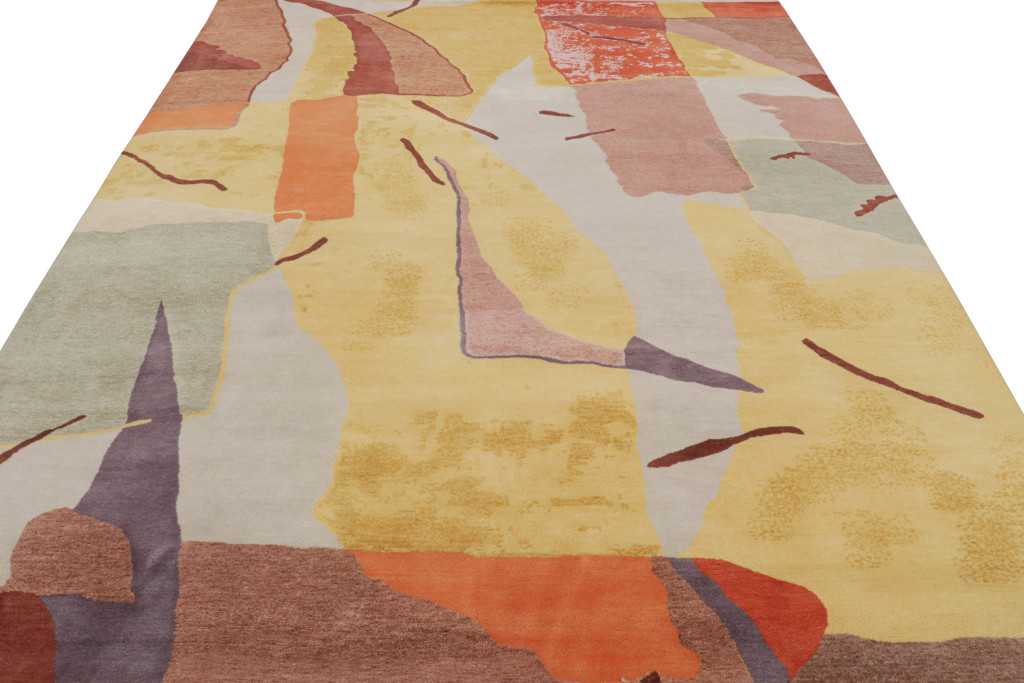
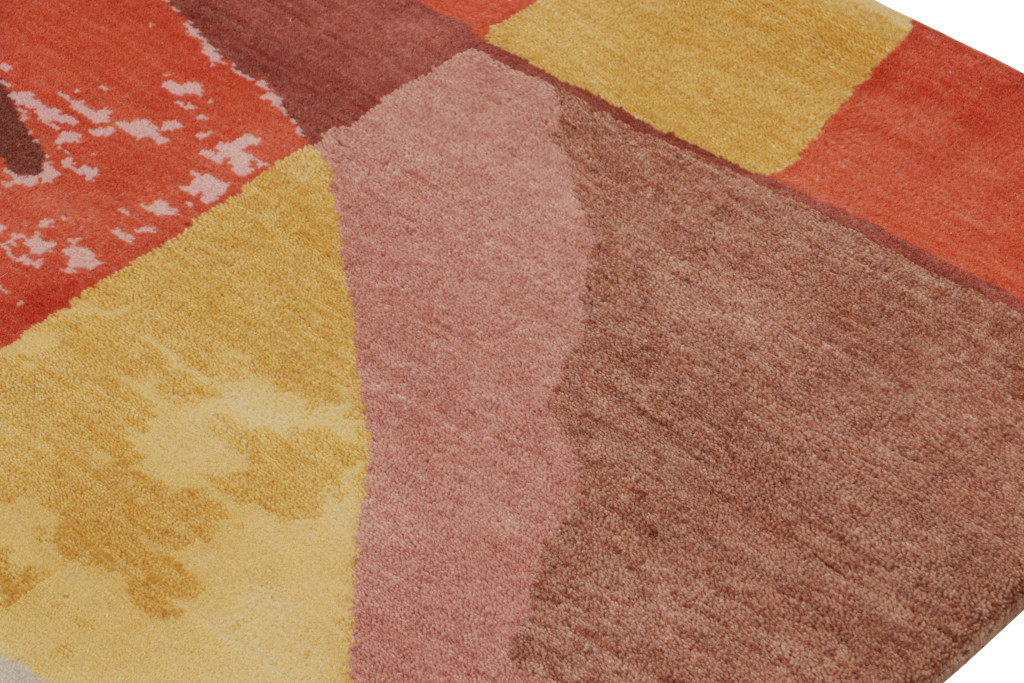
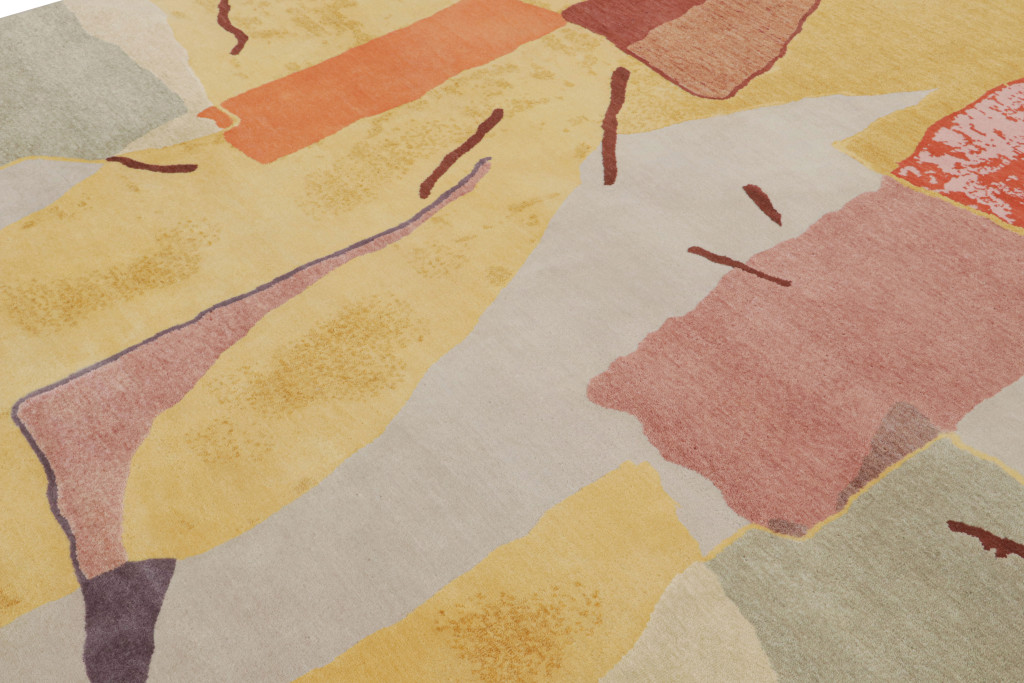
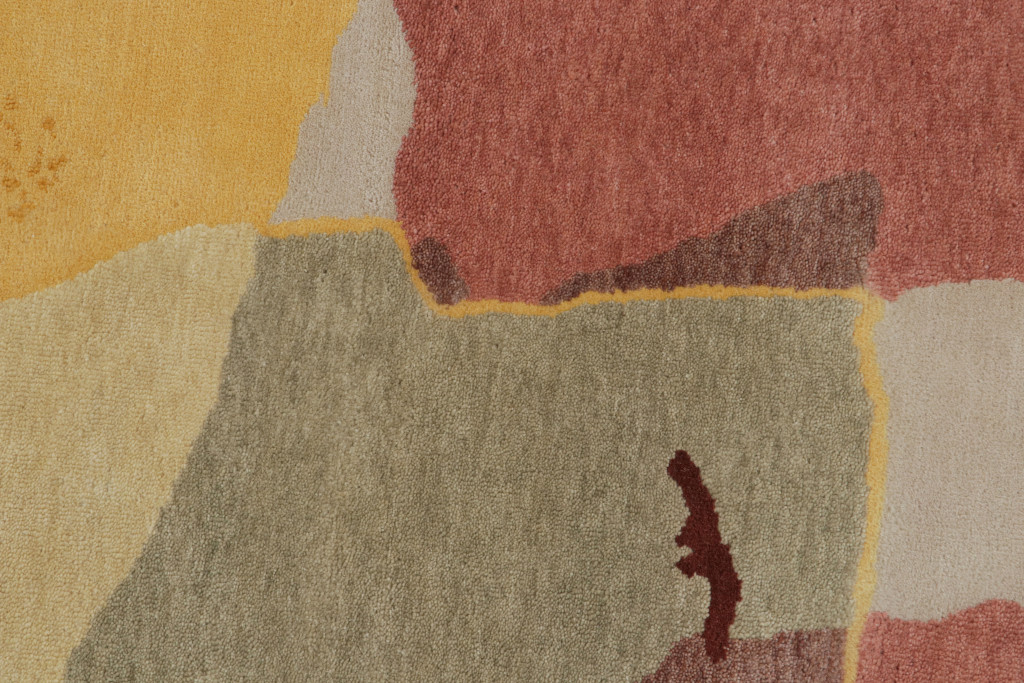
Rug & Kilim’s Mid-Century Modern Rug with Abstract Geometric Patterns
"Josh and his team have supported my interior design work, as well as my personal projects, for over 20 years. Their inimitable combination of creativity, personal attention, professionalism and joie de vivre are irresistible."
— Claire Fleming Peters, Fleming Peters
A standard since our inception upheld across every acquisition,
transaction, and delivery.
45+ Year Old Institution
More than four decades of expertise and stewardship, under the leadership of our Principal, Jahanshah "Josh" Nazmiyal.
Favorable Return Policy
Our return policy is 48 hours upon receipt allowing you to confirm the purchase in your space with confidence.
Product Warranty
Each rug is hand selected or produced through the most reputable sources under the direct supervision of our Principal.
Trusted Global Delivery
Reliable worldwide delivery handled with care, precision and constant communication.
Exceptional Support
Attentive, knowledgeable guidance before and after purchase from our dedicated team of specialists.
Long Term Care
We stand behind every piece we place and remain a resource to our clients for the lifetime of their collection.
- Measurements: 7'10" x 10'1" ( 2.39 m x 3.07 m )
- Categories: Mid-Century Modern
- Classification: Abstract, Geometric, Mid Century Modern, Modern/Contemporary
- Material: Natural Silk, Wool
- Origin: India
- SKU: 30648
Specifications:
Stories from the Mid-Century Modern Collection
Essays, artist dialogues, and provenance notes drawn from Rug & Kilim’s editorial desk.
The Total Art: Vienna’s Century, From the Gold Frieze to the Contemporary Era
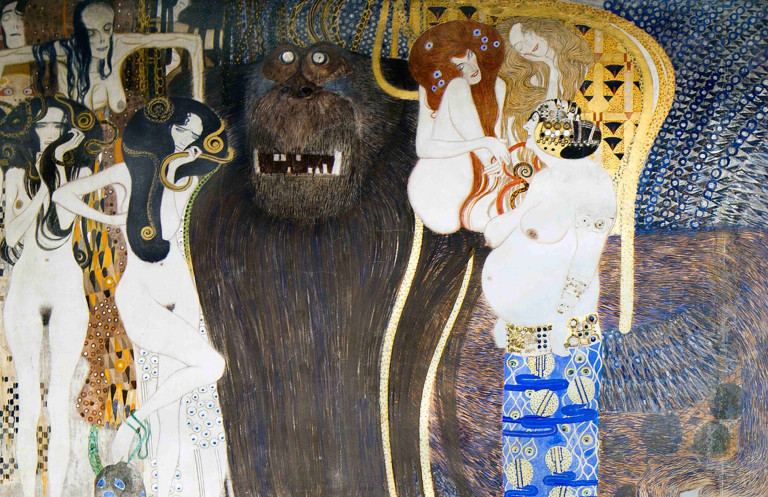
In the dining room of a banker's house in Brussels there is a wall of gold. Klimt designed it; the Stoclet Frieze, a tree of life branching across marble and enamel and coral, a dancer on one side and an embracing couple on the other, the couple a direct rehearsal for the painting the whole world would later know as The Kiss. But to stand in that room, were one ever permitted to, is to understand that the frieze is not the point of it. The point is that the frieze, the marble, the cutlery, the door handles, and the carpet underfoot were all conceived as a single object by a single mind. The Palais Stoclet, built by Josef Hoffmann between 1905 and 1911 and now sealed as a UNESCO World Heritage Site, is the most complete surviving statement of the idea that organised an entire Viennese century: the Gesamtkunstwerk, the total work of art, in which nothing; not the spoon, not the dress, not the floor, ranks below the painting on the wall.
Read the Feature
Zeki Müren and the Carpet as Self-Portrait: The Pasha Who Designed His Own Floor
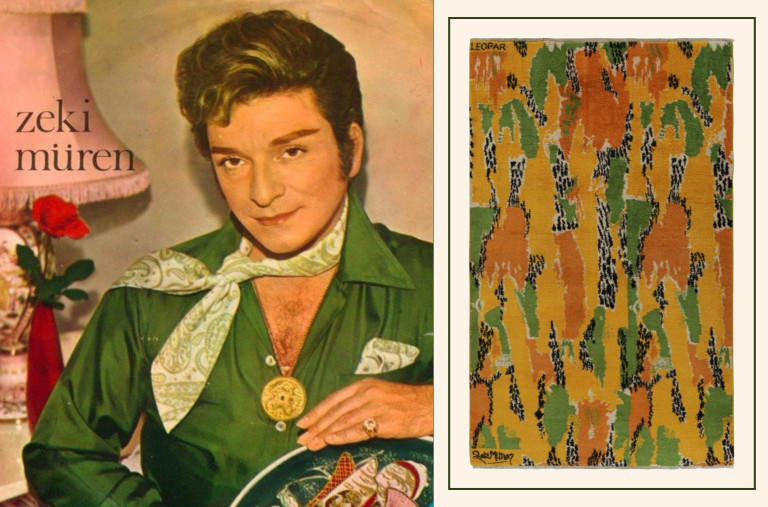
In the showroom of Hüseyin Kaplan, in the Sultanahmet quarter of Istanbul beneath the minarets of the old city, there are more than five hundred carpets that belong to no classical category. They are not Hereke, not Oushak, not the courtly Ottoman medallion weavings that the connoisseur expects from this geography. They are jewel-toned and abstract, shot through with an abstract confidence, and they bear, some of them, the signed ones, a name woven into the border that any Turk and most serious collectors would recognise instantly. They are the work of Zeki Müren, and they constitute one of the most singular bodies of design the twentieth-century carpet has produced.
Read the Feature
Deventer, KVT and the Dutch Carpet: The Workshop that Wove for Royalty
The Dutch did not look abroad for the floors of their palaces. This is a small fact with large implications. When the courts of Europe sent to Aubusson and Savonnerie for their carpets, when the very word Smyrna on a label conferred the authority of the East, the House of Orange laid beneath its ceremonial rooms a carpet woven in a river town in the eastern Netherlands, at a factory that had, with a confidence bordering on provocation, named its own street after Smyrna itself. Smyrnastraat, in Deventer. The address of the Koninklijke Vereenigde Tapijtfabrieken, and a declaration of standing made in cobblestone.
Read the Feature
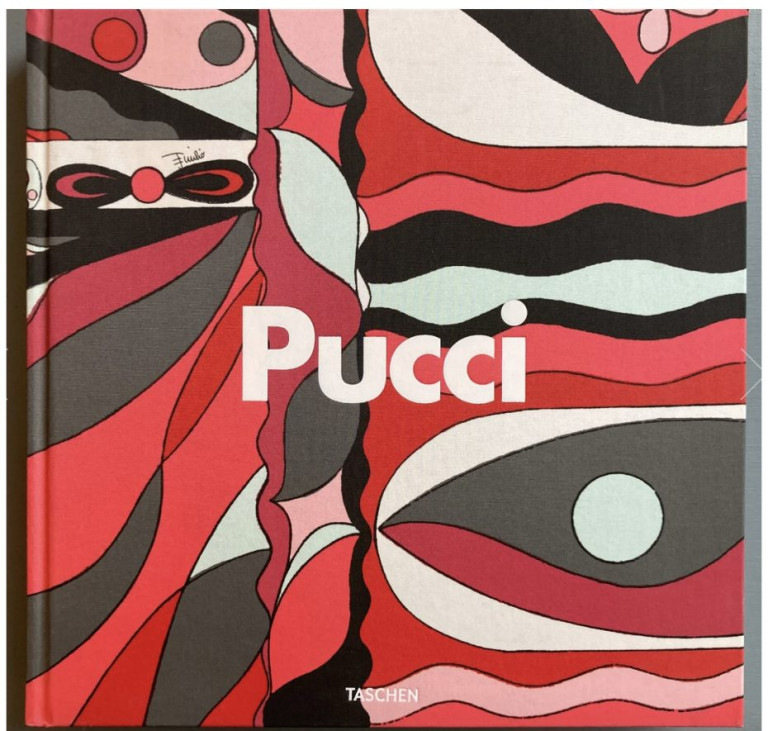
A Brief Guide to Emilio Pucci “The Prince of Prints” and Mid-Century Modern Designs
When America dreamed in Technicolor and design spoke the language of optimism, mid-century modern wasn't just a style—it was a revolution in living. Between the clean sweep of a Saarinen table and the organic curve of an Eames chair lay a new world of possibility: where simplicity was synonymous with luxury. Here, in this golden age of design democracy, even the flooring became a canvas for innovation. While names like Herman Miller and Knoll defined the silhouettes of modern living, it was the often-overlooked story of textile and rug design that gave these spaces their soul. Emilio Pucci, an aristocrat turned avant-garde visionary, whose kaleidoscopic genius would transform not just what we wore, but how we lived, is popularly called "The Prince of Prints".
Read the Feature
Robert Motherwell and MidCentury Modern Expressionist Art
The legacy of mid-century modernism continues to influence contemporary design, celebrating the creativity and optimism of a generation that looked to the future with hope and ambition. In the aftermath of World War II and amid the tensions of Cold War politics, design emerged as a crucial element in the reconstruction of economies and the redefinition of national identities. Governments, organizations, companies, and individuals sought to introduce modern design to a public that had endured years of deprivation and rationing since the 1930s Depression. The introduction of new materials and manufacturing processes, along with original forms and inventive imagery, created exciting new visions of domestic spaces and their furnishings. These innovations offered the possibility of a brighter future for everyone, fueling the optimism of the era.
Read the Feature
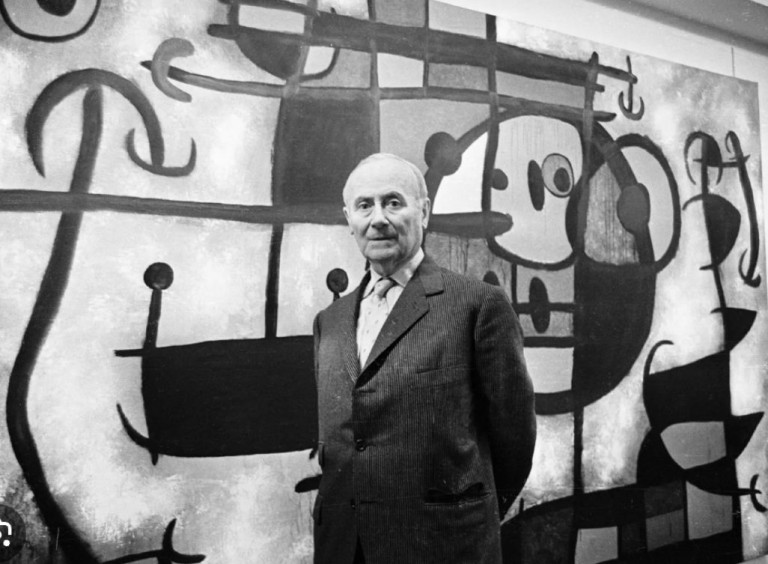
A Brief Introduction to Joan Miró and his European Tapestries
Joan Miró, a prominent Spanish artist, played a pivotal role in shaping avant-garde creations in the 20th century. His work seamlessly blended natural forms, linear markings, and vibrant colors, creating a distinctive visual language that set him apart in the art world. Miró's art often delved into themes related to the subconscious, the rekindling of childlike wonder, and a deep connection to his homeland. His diverse body of work encompassed collages, sculptures, and paintings, showcasing a rich array of artistic expressions. Influences from Cubism, Fauvism, and Expressionism were evident in his creations, and some of his works also bore characteristics reminiscent of naive art.
Read the Feature


R&K Image Studio
NEWThe R&K Image Studio is a new visual workspace designed to present the Rug & Kilim collection with clarity, restraint, and precision — in your space or any space you imagine.
This tool allows you to view, refine, and prepare imagery drawn directly from the pieces in our archive. They can be visualized cleanly, isolated thoughtfully, and adjusted for presentations, proposals, and private viewings, without altering the integrity of the original work.
Mid-Century Modern
Natural Silk, Wool
India
7'10" X 10'1" (2.39 m x 3.07 m)
Out of Stock: Made to Order 18‑20 Weeks
Rug & Kilim’s Mid-Century Modern Rug with Abstract Geometric Patterns
"Rug & Kilim has become a go-to for us. The vintage and modern inventory is unlike anywhere else, the team is easy to work with, and the custom program holds up to the same standard."
— Mx Ariel Ashe, Ashe Leandro LLC
- Measurements: 7'10" x 10'1" ( 2.39 m x 3.07 m )
- Categories: Mid-Century Modern
- Classification: Abstract, Geometric, Mid Century Modern, Modern/Contemporary
- Material: Natural Silk, Wool
- Origin: India
- SKU: 30648