

Wool
India, New
8'2" X 10'0" (2.49 m x 3.05 m)
Available: Shipping As Soon As Tomorrow
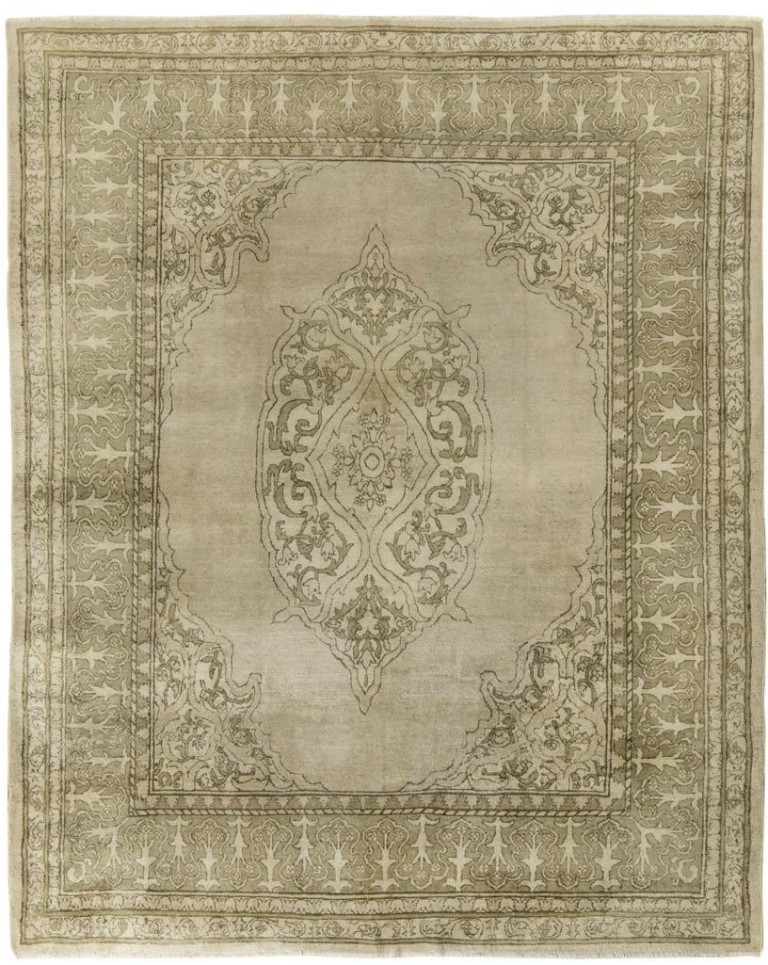
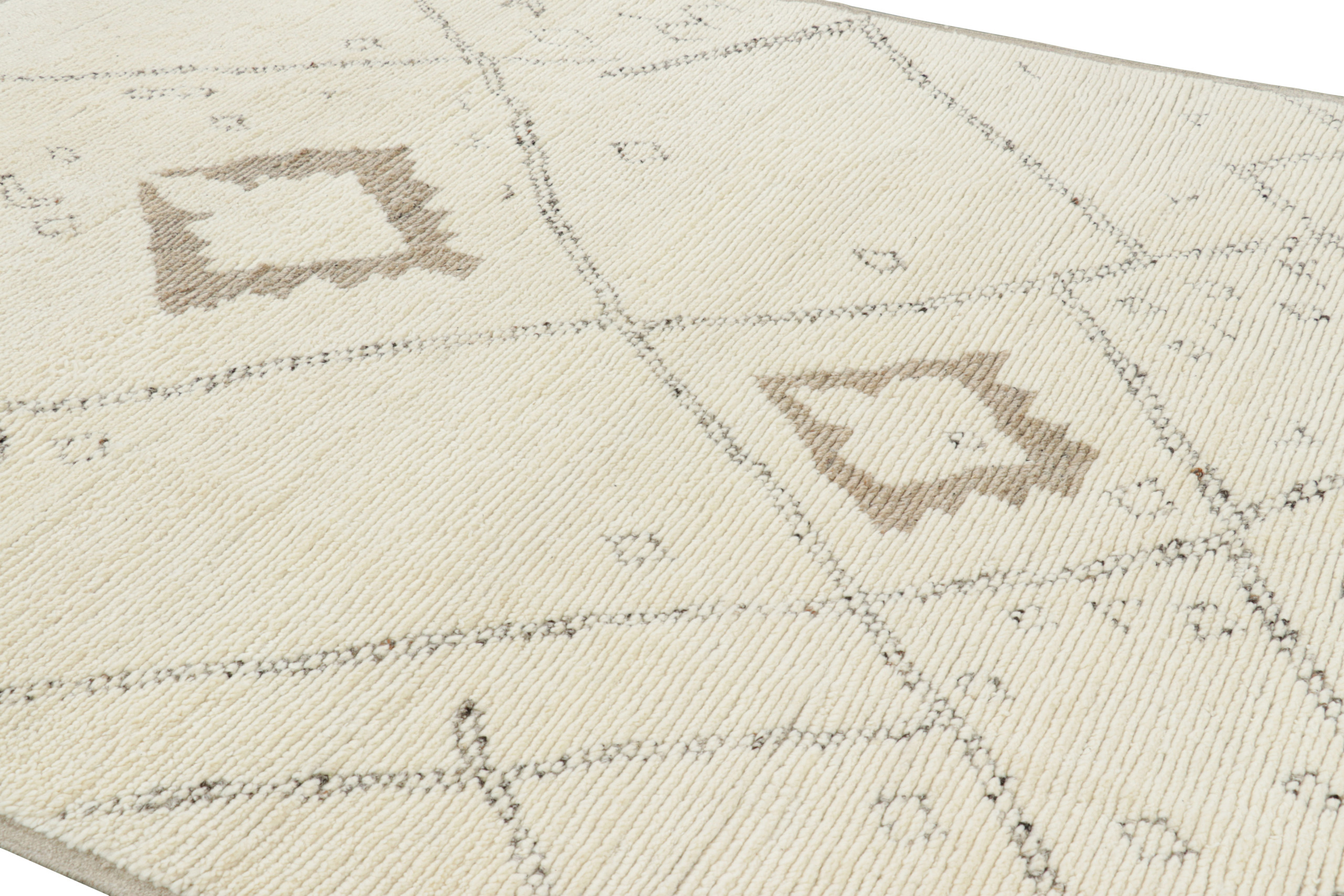
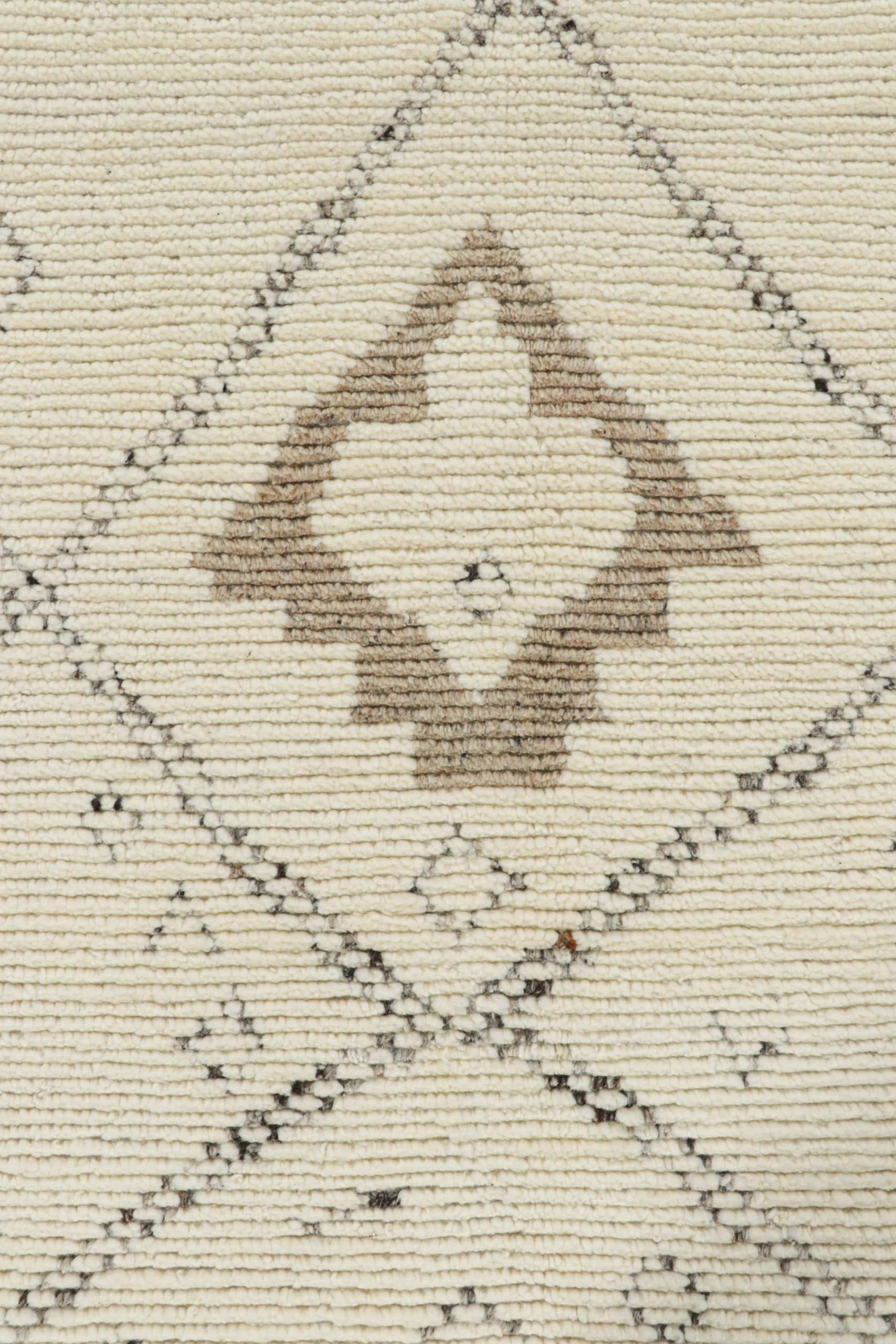
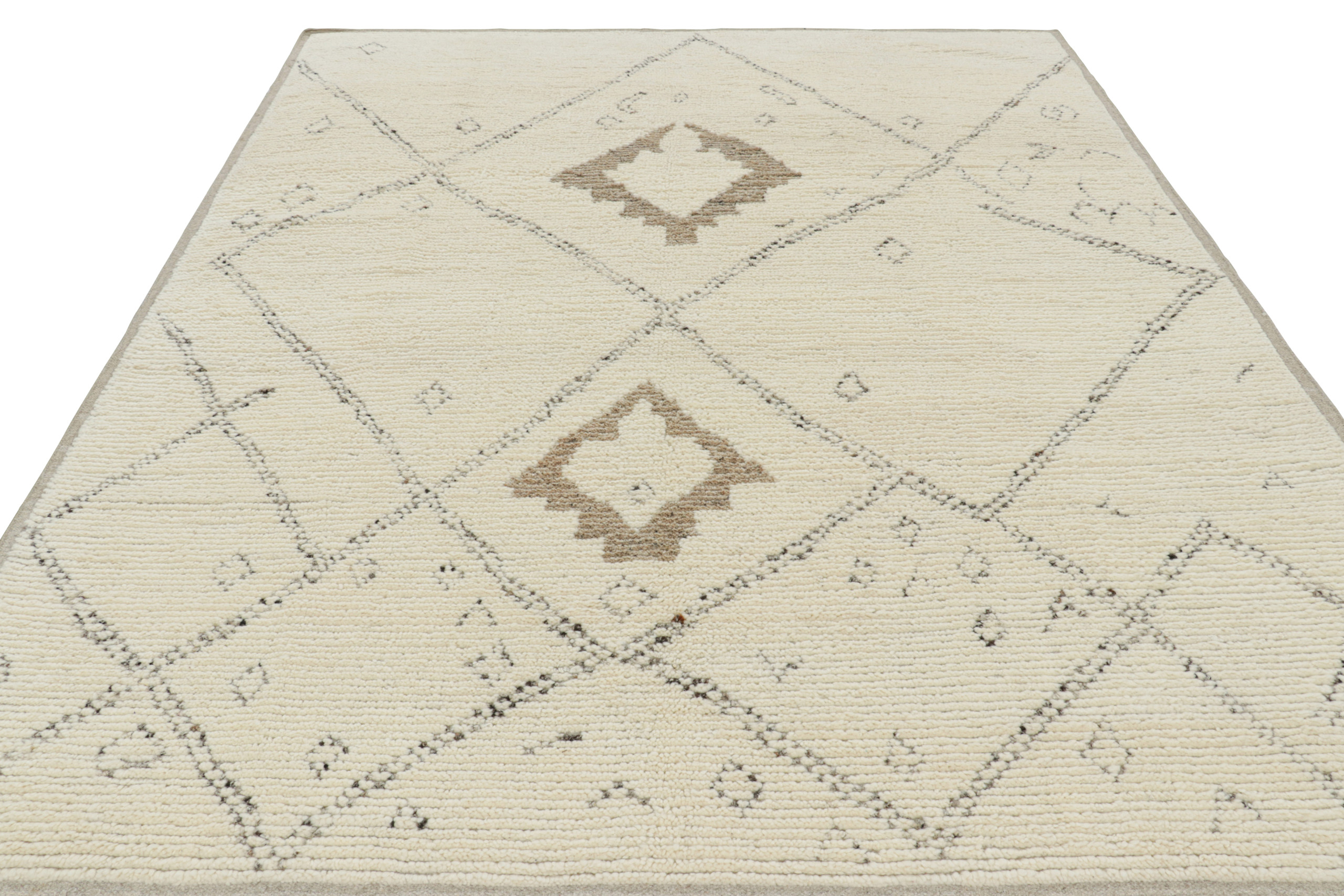
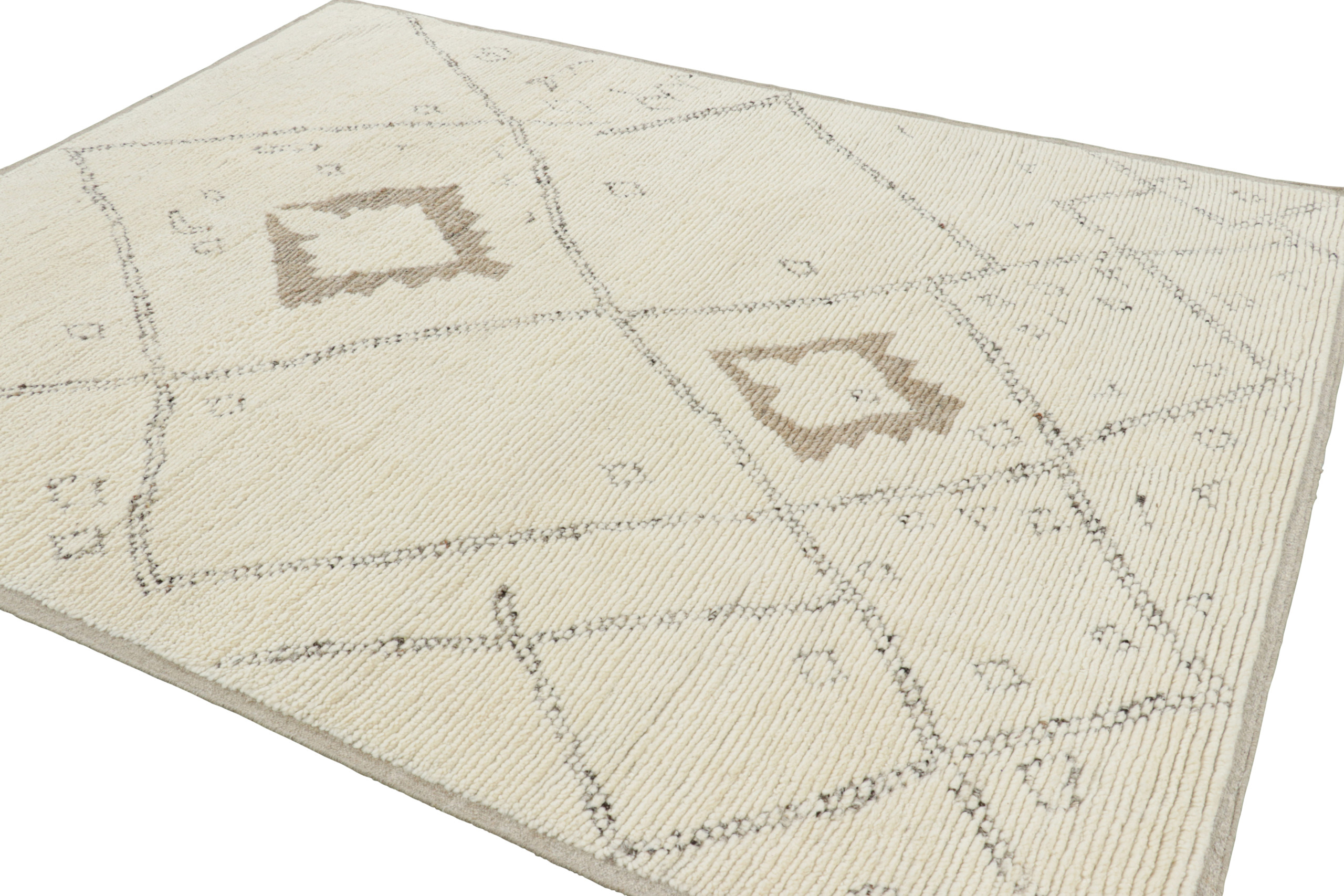
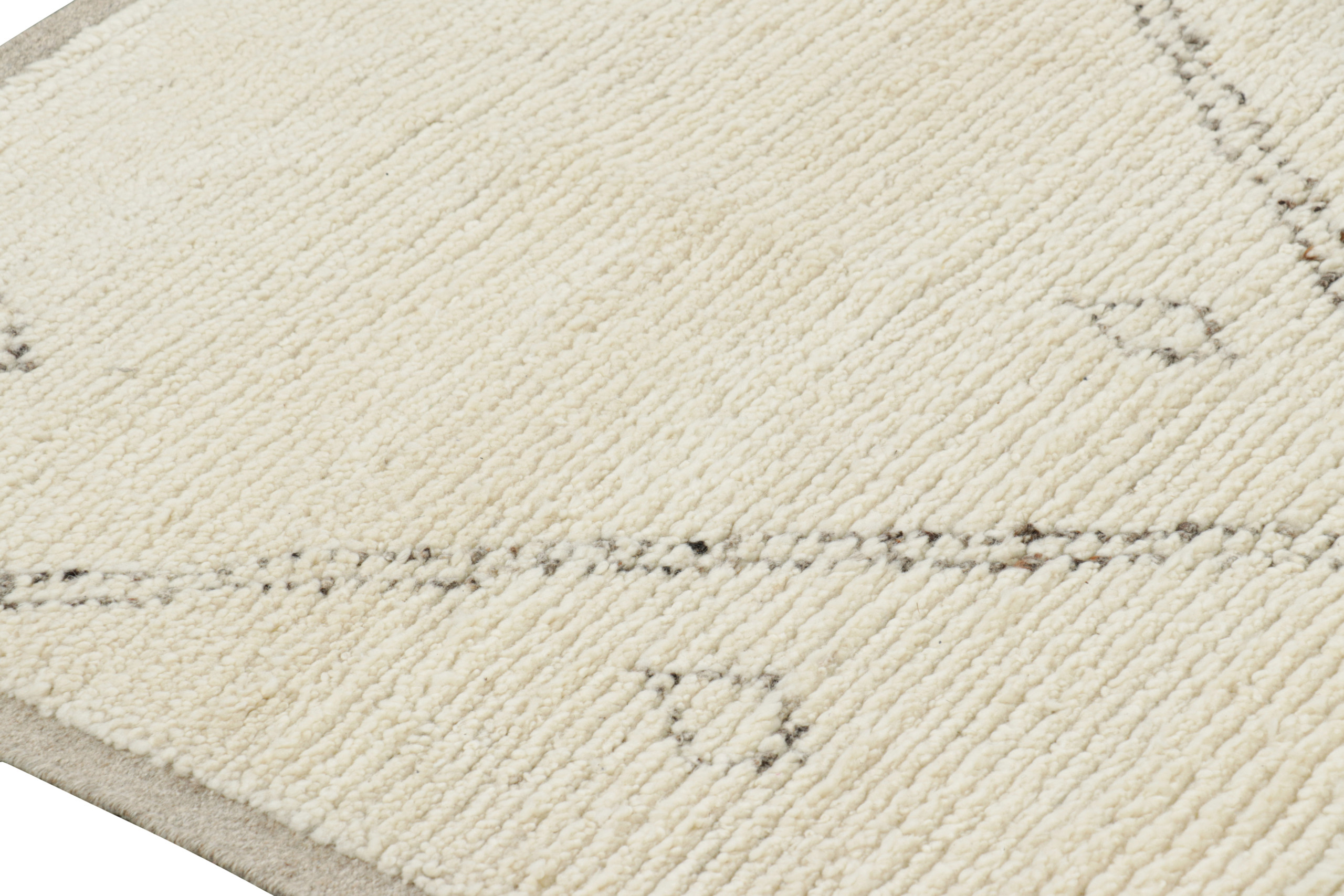
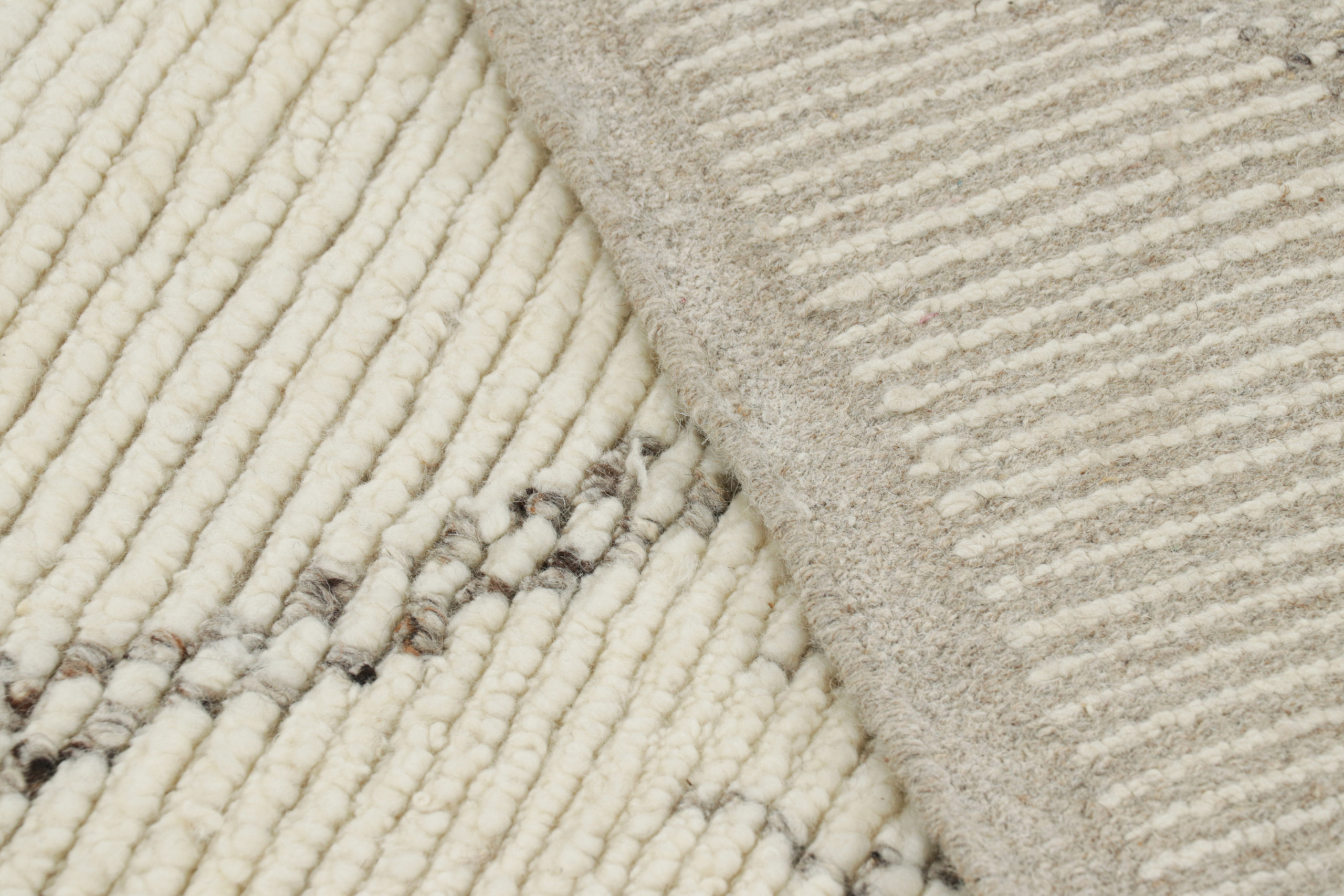
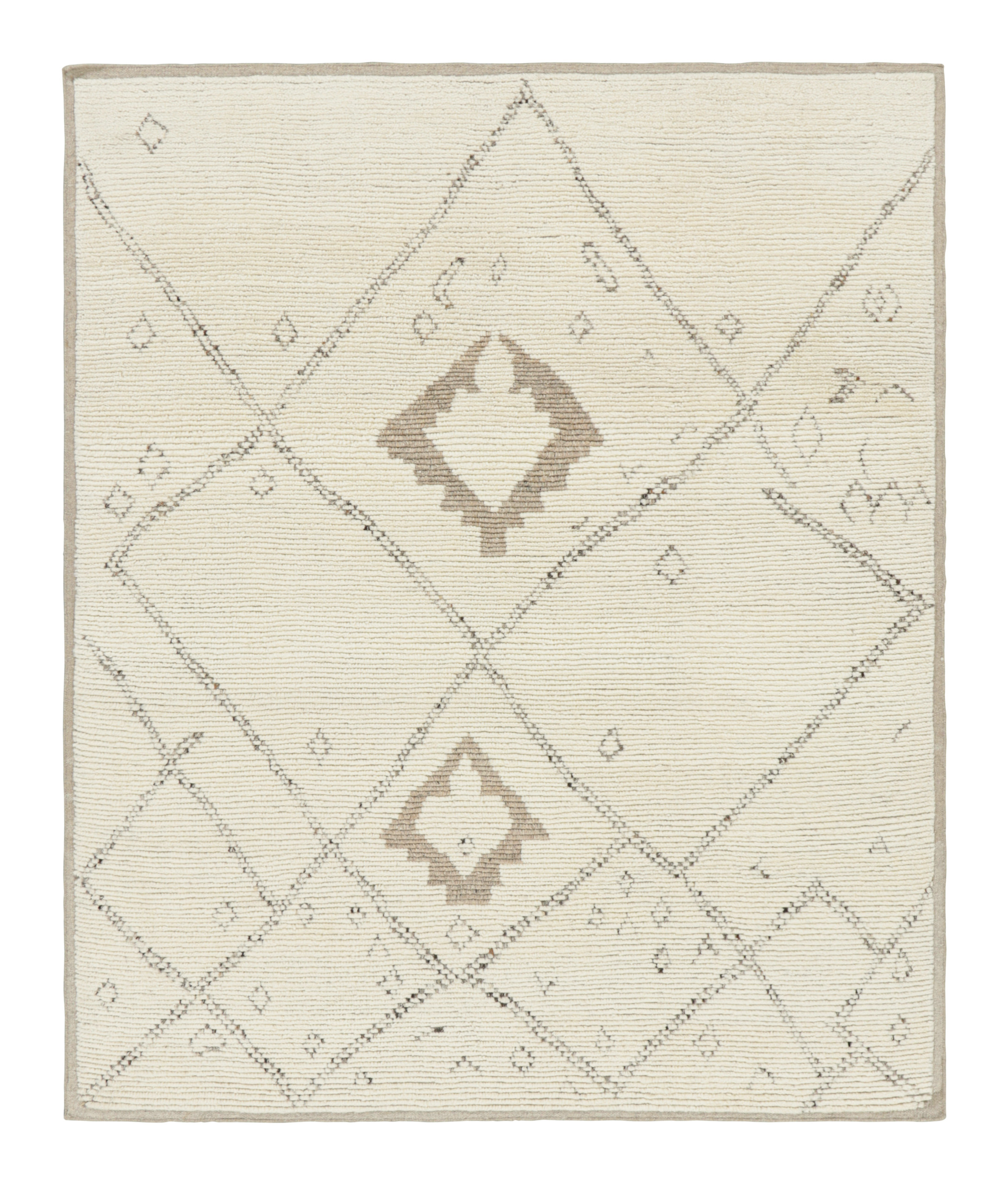
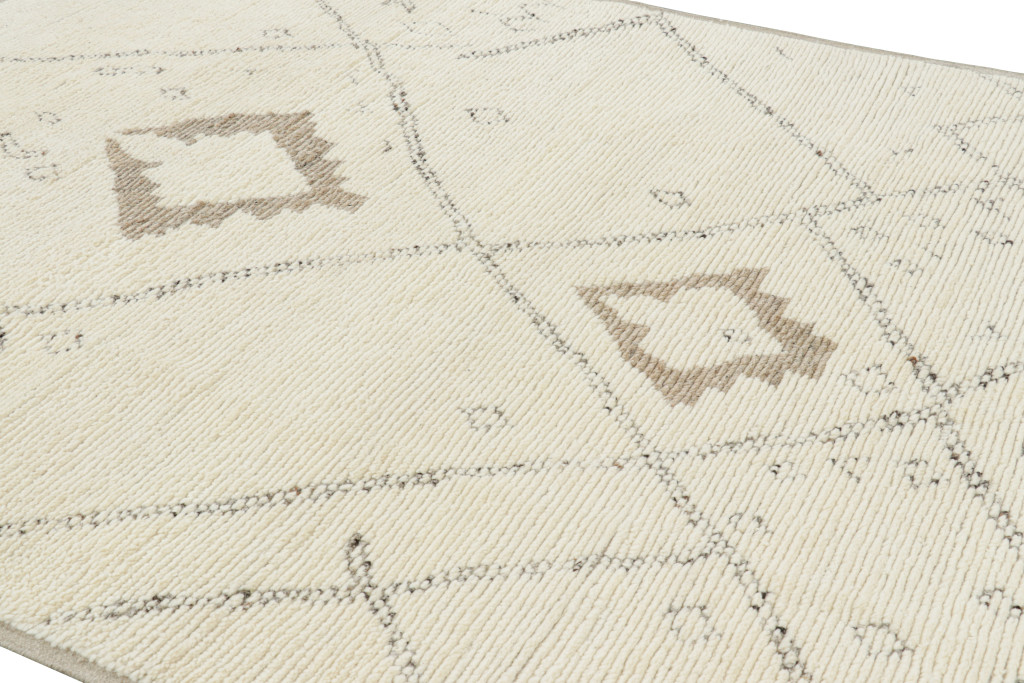
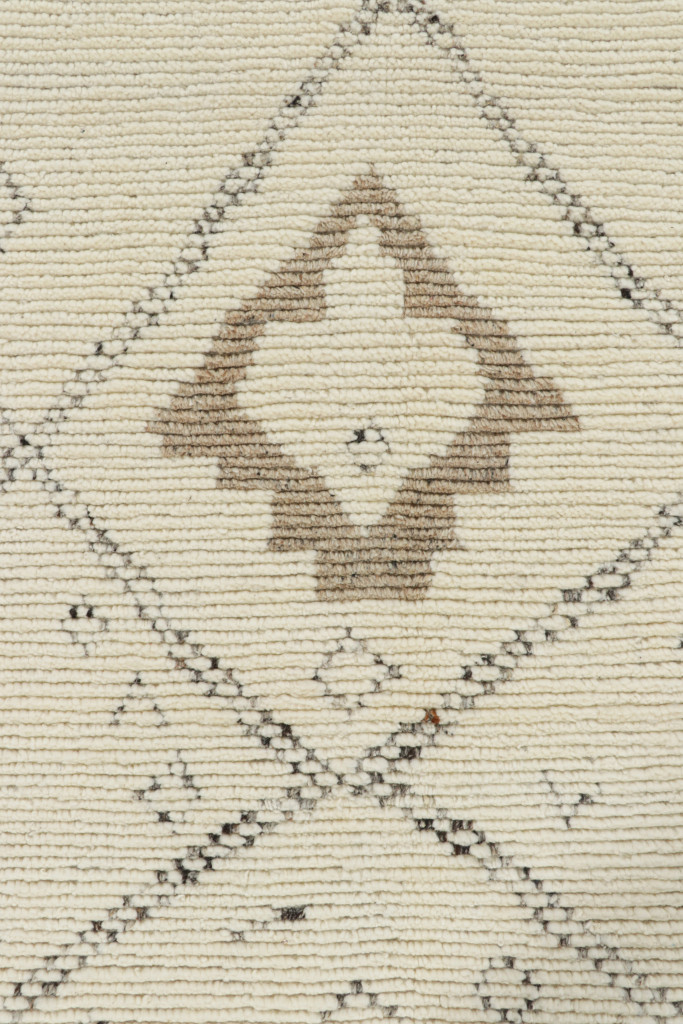
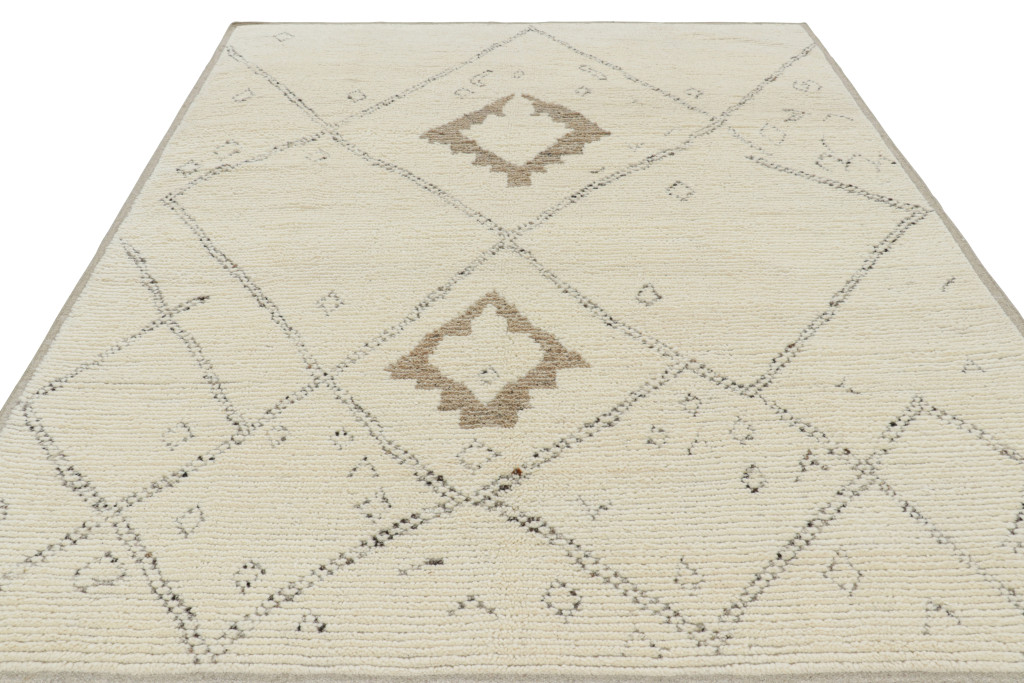
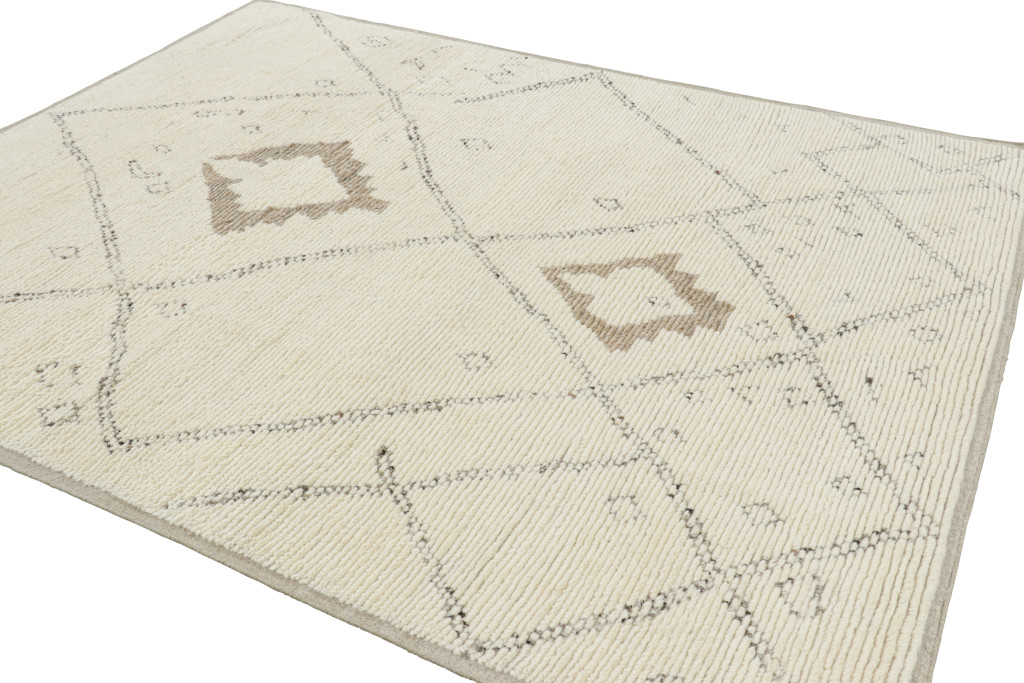
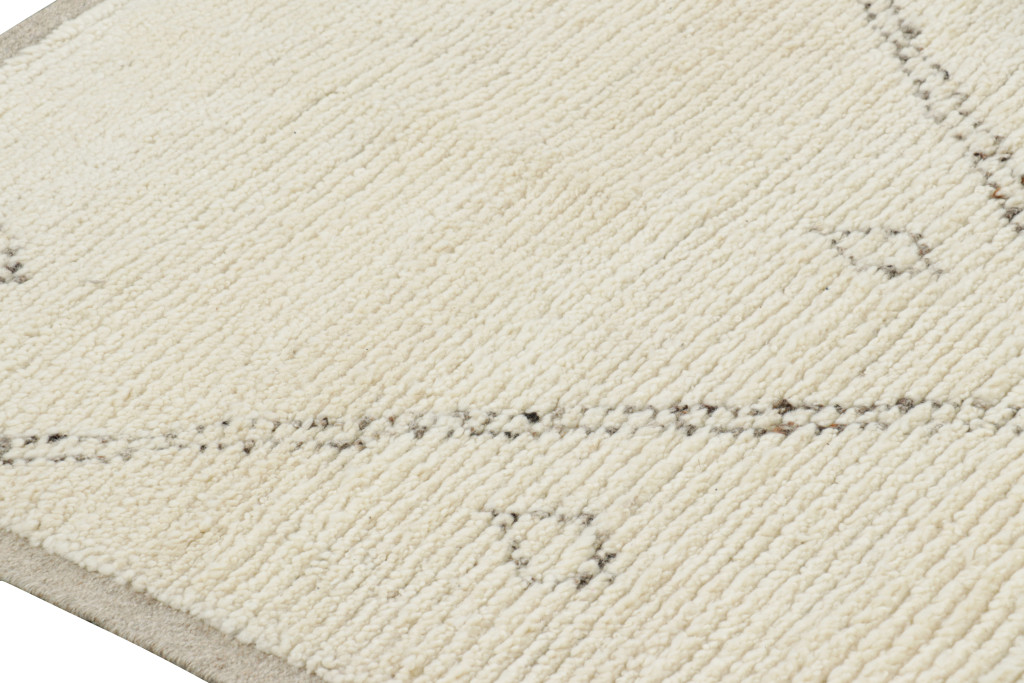
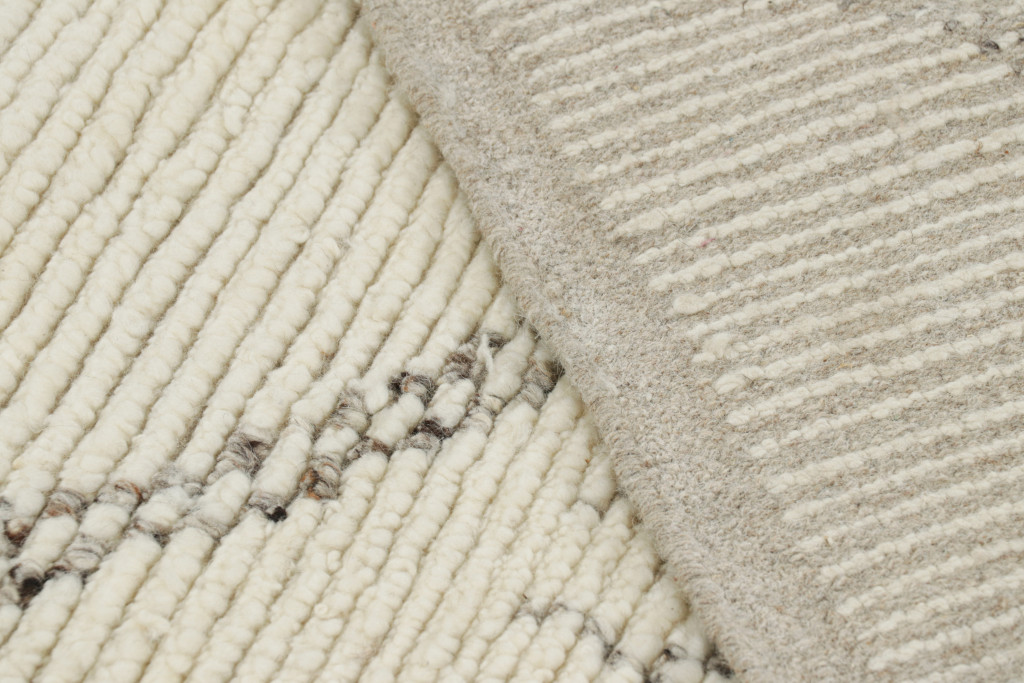
Rug & Kilim’s Moroccan Rug in Cream with Geometric Patterns
"Rug & Kilim has been a pleasure to work with from the very start of our relationship. Not only is their service outstanding, their inventory of one of a kind vintage rugs is unparalleled."
— Alan Eckstein and Margaret Goddard, Somerset House

A standard since our inception upheld across every acquisition,
transaction, and delivery.
45+ Year Old Institution
More than four decades of expertise and stewardship, under the leadership of our Principal, Jahanshah "Josh" Nazmiyal.
Favorable Return Policy
Our return policy is 48 hours upon receipt allowing you to confirm the purchase in your space with confidence.
Product Warranty
Each rug is hand selected or produced through the most reputable sources under the direct supervision of our Principal.
Trusted Global Delivery
Reliable worldwide delivery handled with care, precision and constant communication.
Exceptional Support
Attentive, knowledgeable guidance before and after purchase from our dedicated team of specialists.
Long Term Care
We stand behind every piece we place and remain a resource to our clients for the lifetime of their collection.
Stories from the Moroccan Collection
Essays, artist dialogues, and provenance notes drawn from Rug & Kilim’s editorial desk.
Bokhara Rugs: Traditional Weaving and Global Influence
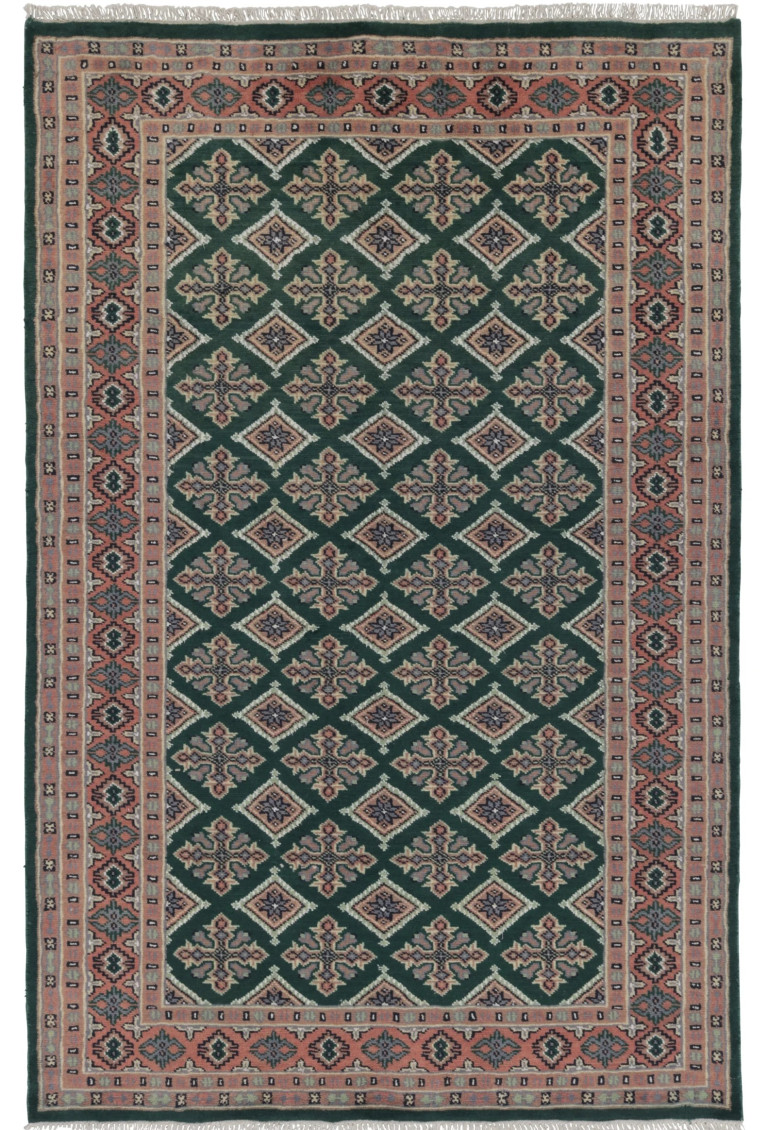
Among the most recognizable and influential traditions in the history of oriental carpets, Bokhara rugs represent a remarkable fusion of tribal heritage, geometric precision, and centuries-old weaving expertise. Known worldwide for their iconic repeating motifs, deep colors, and refined craftsmanship, Bokhara rugs have become enduring symbols of Central Asian textile artistry. Although the name “Bokhara” is commonly associated with the historic city of Bukhara in present-day Uzbekistan, many rugs classified as Bokhara originate from Turkmen weaving communities across regions including Turkmenistan, Afghanistan, and surrounding areas. The name reflects the historical trade routes through which these carpets traveled and became known internationally.
Read the Feature
A Guide to Amritsar Rugs: History, Craftsmanship, and Contemporary Luxury Design
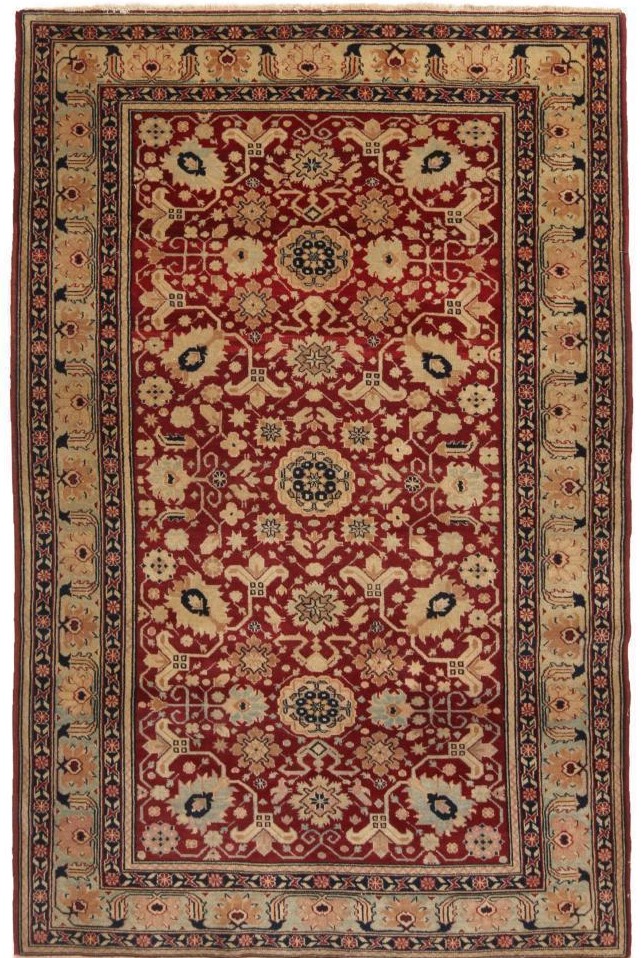
Among the most sophisticated carpet traditions to emerge from the Indian subcontinent, Amritsar rugs occupy a unique position at the intersection of Indian craftsmanship, Persian design heritage, and European decorative sensibilities. Woven primarily during the late nineteenth and early twentieth centuries in the historic city of Amritsar in Punjab, these carpets represent one of the most distinctive chapters in the history of global textile art. Unlike the highly formal court carpets of Mughal India or the deeply tribal traditions of nomadic weaving cultures, Amritsar rugs developed their own visual identity. Their character is defined by spacious compositions, softened palettes, oversized motifs, and a remarkable sense of decorative restraint. These qualities have allowed Amritsar carpets to transcend historical classification and remain profoundly relevant within contemporary luxury interiors.
Read the Feature
Agra Rugs in Art, Architecture and Global Design Culture
Among the great weaving traditions of the Indian subcontinent, Agra rugs occupy a distinguished position shaped by Mughal artistic refinement, Persian influence, and centuries of decorative innovation. Originating from the historic city of Agra in northern India—once a major center of the Mughal Empire—these carpets represent one of the most intellectually sophisticated textile traditions within global decorative arts. Unlike purely tribal carpets or highly formal European weavings, Agra rugs synthesize multiple cultural vocabularies into a unified visual language defined by monumental scale, refined ornamentation, and extraordinary compositional balance. Their designs draw from Persian court aesthetics, Islamic geometry, Indian botanical symbolism, and architectural inspirations associated with Mughal palaces and gardens.
Read the Feature
Dhurrie Rugs: History, Cultural Significance, and Contemporary Luxury
Among the world’s most versatile and architecturally adaptable textile traditions, Dhurrie rugs occupy a distinctive position within the history of Indian weaving and contemporary interior design. Known for their flatwoven construction, geometric clarity, and extraordinary material flexibility, Dhurrie rugs have evolved from practical floor coverings into globally recognized design objects valued by collectors, architects, and luxury interiors specialists alike. Originating primarily in India, though historically connected to broader South Asian weaving traditions, Dhurrie rugs represent a sophisticated synthesis of utility, craftsmanship, and visual restraint. Unlike heavily piled Persian carpets or highly ornamental European rugs, Dhurries emphasize balance, structure, texture, and compositional rhythm.
Read the Feature
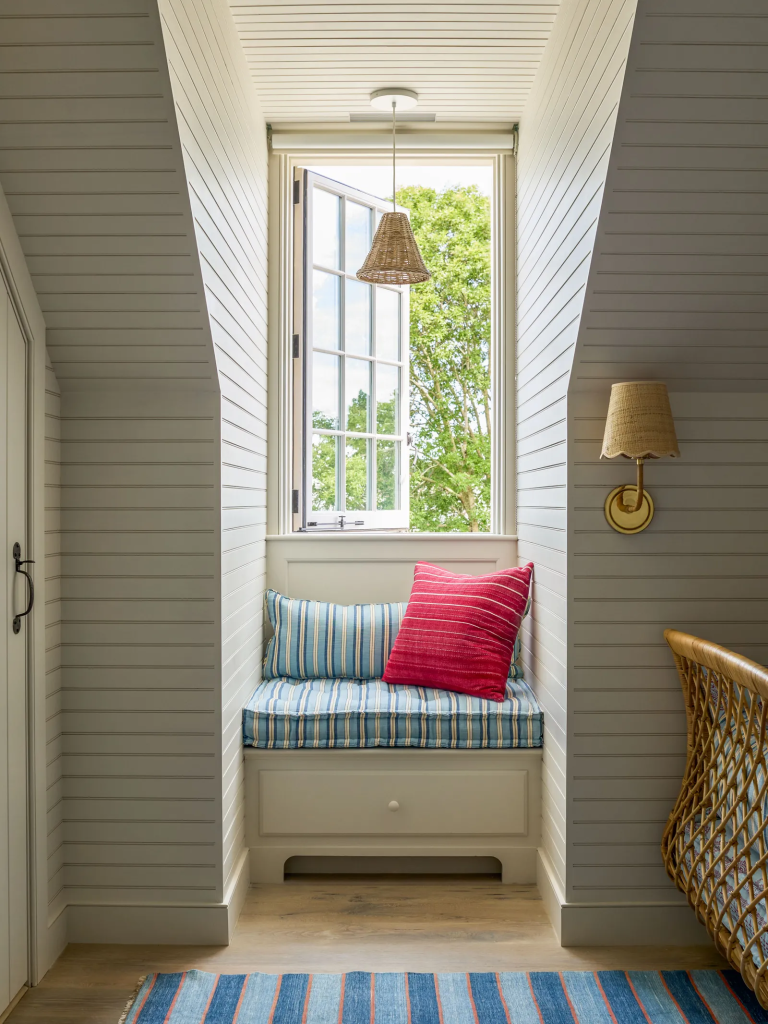
The Layered Home: 5 Ways to Rethink Floor Rugs and Wall Tapestries
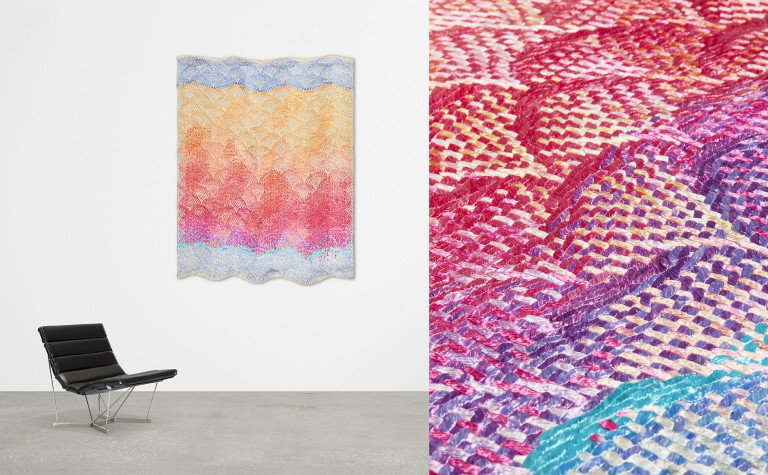
The real spatial dimension does not get painted, it gets woven. Begin with hanging a piece such as Signed Vintage Lia Cook Tapestry slightly off-center on one of your main walls. Its intricate Jacquard weave and the friction created between its rayon and linen fibers will require a lot of breathing room, immediately establishing a gravitational pull of the whole room. But to balance this vertical tension, the ground beneath your feet needs to become much more rigorous. With the use of a rigorously beaten warp-faced plane such as cotton Indian Dhurrie or Antique Swedish Röllakan's interlocking tapestry weave, you create a flat but structurally resistant base. A ground made from a rigidly woven material needs to be challenged. The last textural transition will come from placing a Vintage Frazada Kilim with heavy weft interlace across your warp-faced plane. The act of overlapping your heavy weft on a rigorously
Read the Feature
Tulu Rugs as Icons of Raw Luxury: Folk Art Meets Modern Fashion
A Tulu rug emerges as a textile heirloom reimagined for royalty. The Evolution of the Tulu Rug Once woven to shield nomadic families from the brutal Anatolian winters, Tulu rugs were never meant to be seen — they were meant to be felt. Thick, long-pile, and spun from the softest Angora wool, these rugs served as primitive insulation, hand-crafted by Turkish tribes whose artistry was born from necessity. But in today’s most discerning interiors, what was once survival is now sovereignty. Tulu — from the Turkish word tüylü, meaning "hairy" or "shaggy" — has found its place in contemporary design. From Parisian ateliers to Brooklyn brownstones, from Brutalist galleries to Baroque revivalist townhouses, Tulu rugs are now the grounding force of aesthetic storytelling. No longer relegated to ethnographic obscurity, they’ve been recontextualized as objets d’art — the missing link between primal craftsmanship and couture design.
Read the Feature


R&K Image Studio
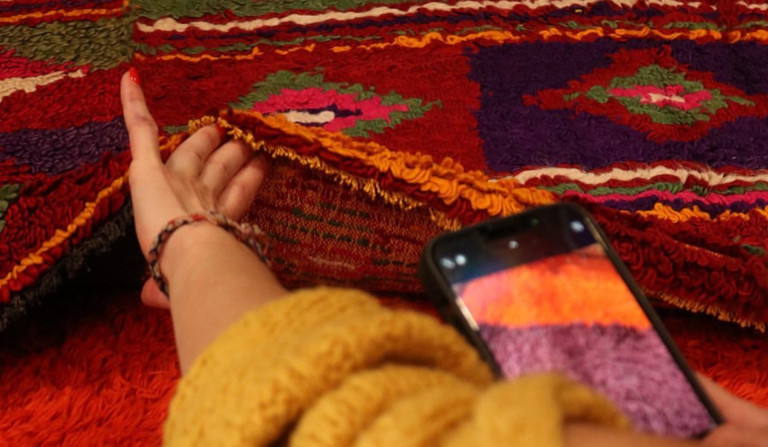
NEWThe R&K Image Studio is a new visual workspace designed to present the Rug & Kilim collection with clarity, restraint, and precision — in your space or any space you imagine.
This tool allows you to view, refine, and prepare imagery drawn directly from the pieces in our archive. They can be visualized cleanly, isolated thoughtfully, and adjusted for presentations, proposals, and private viewings, without altering the integrity of the original work.
Moroccan
Wool
India, New
8'2" X 10'0" (2.49 m x 3.05 m)
$4,600
Available: Shipping as Soon as Tomorrow
Rug & Kilim’s Moroccan Rug in Cream with Geometric Patterns
"Rug & Kilim has been a pleasure to work with from the very start of our relationship. Not only is their service outstanding, their inventory of one of a kind vintage rugs is unparalleled."
— Alan Eckstein and Margaret Goddard, Somerset House

