

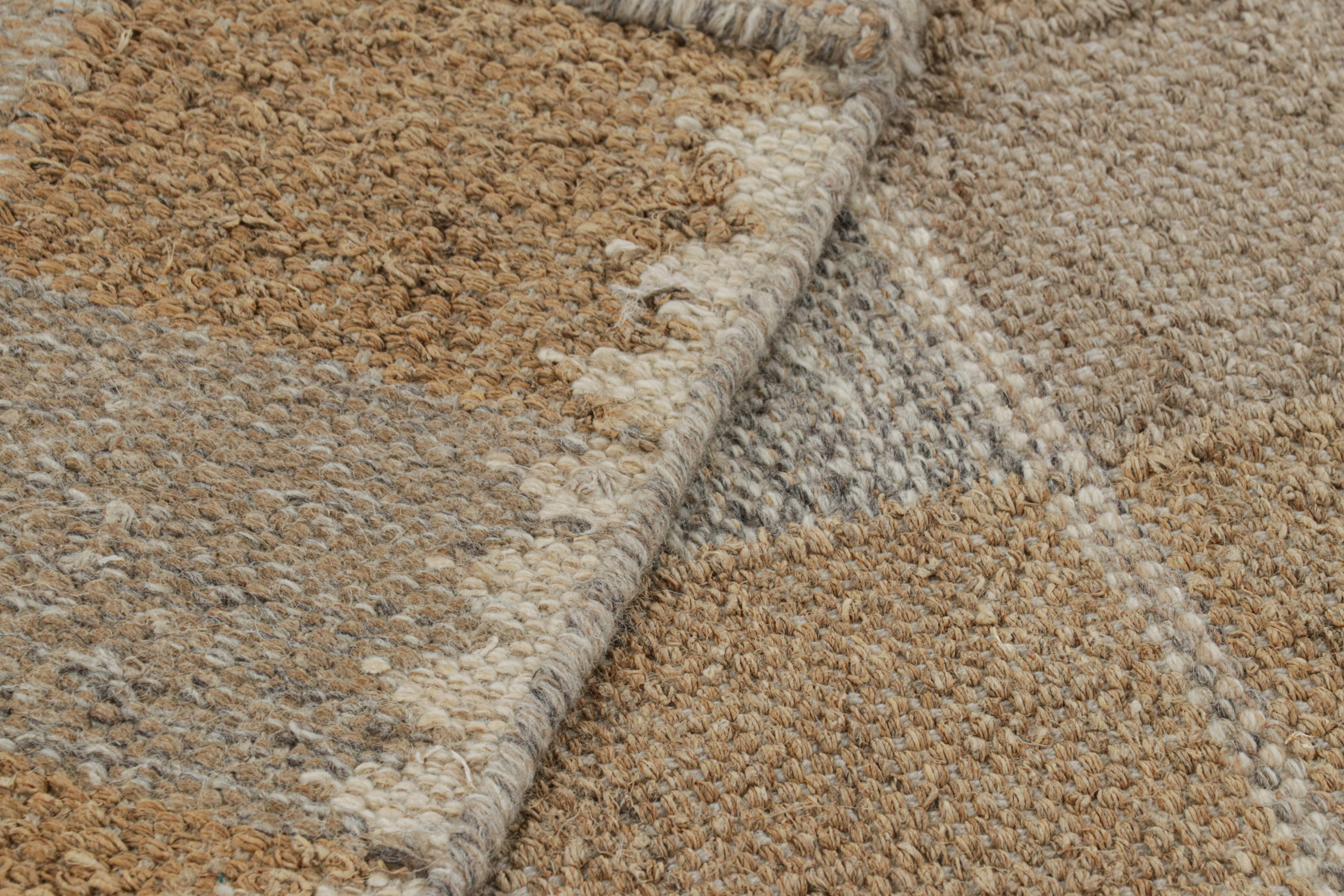
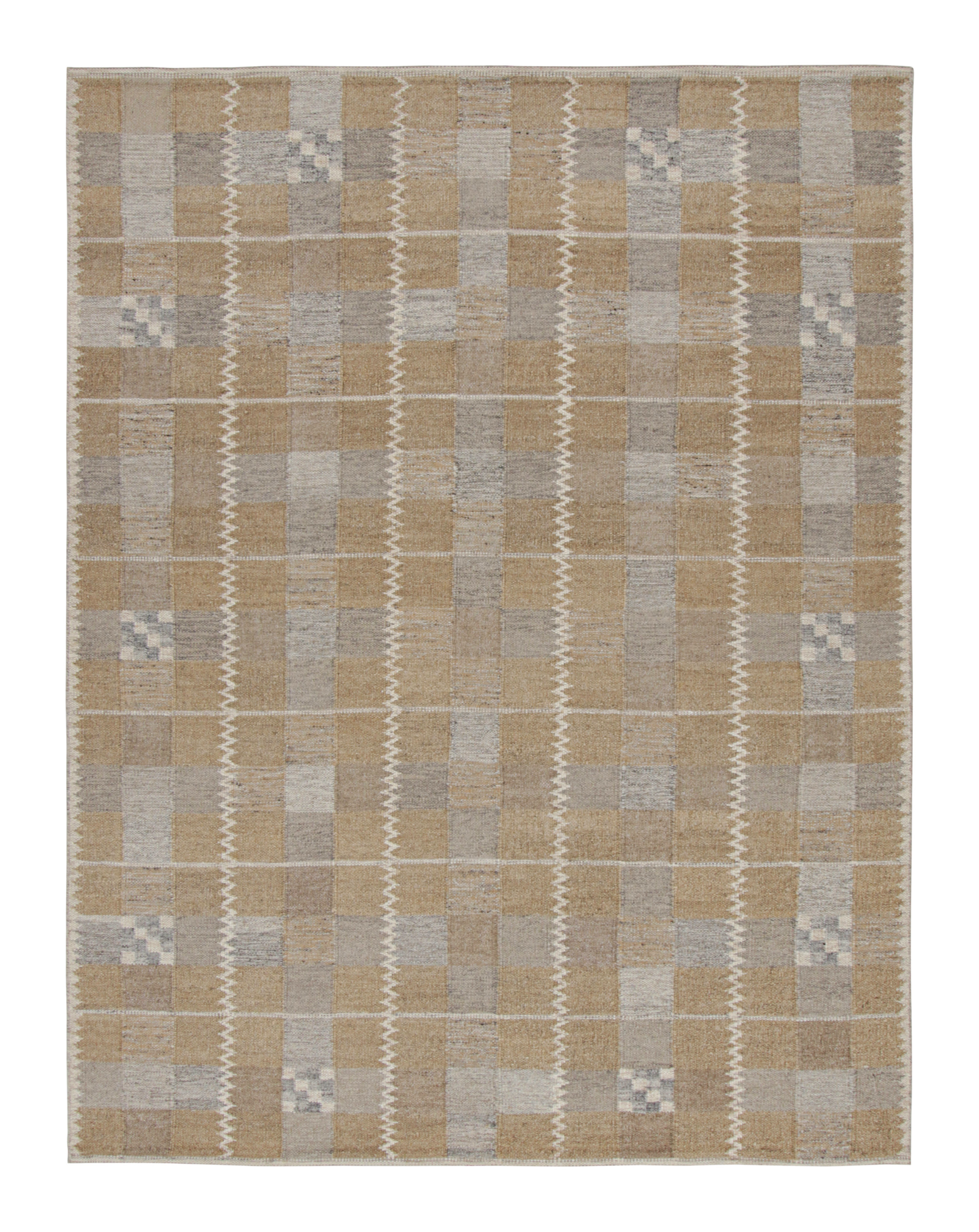
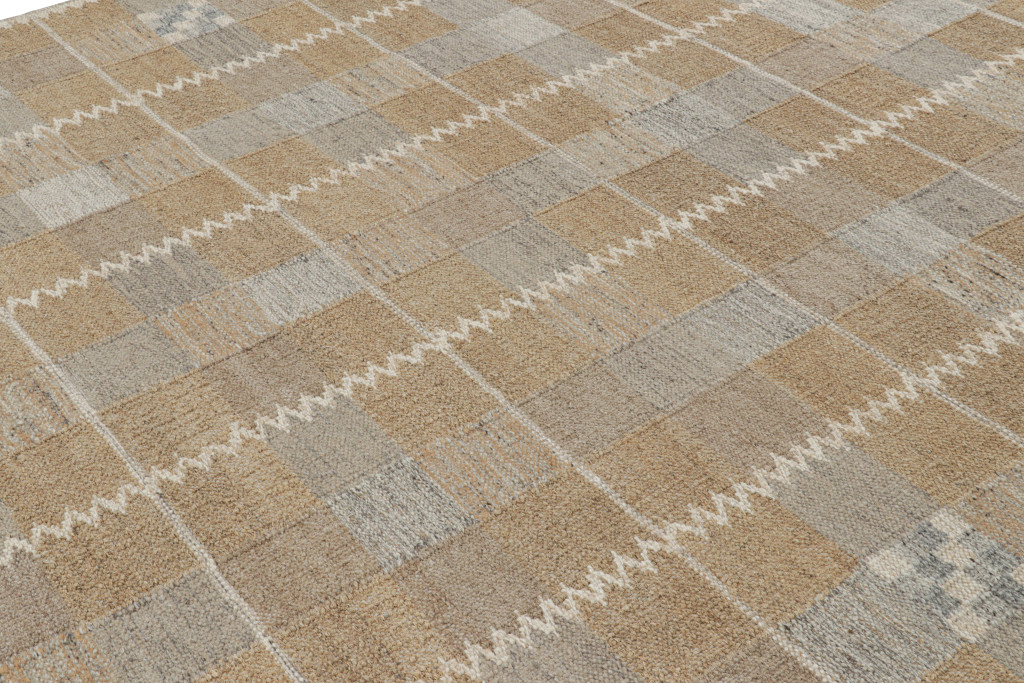
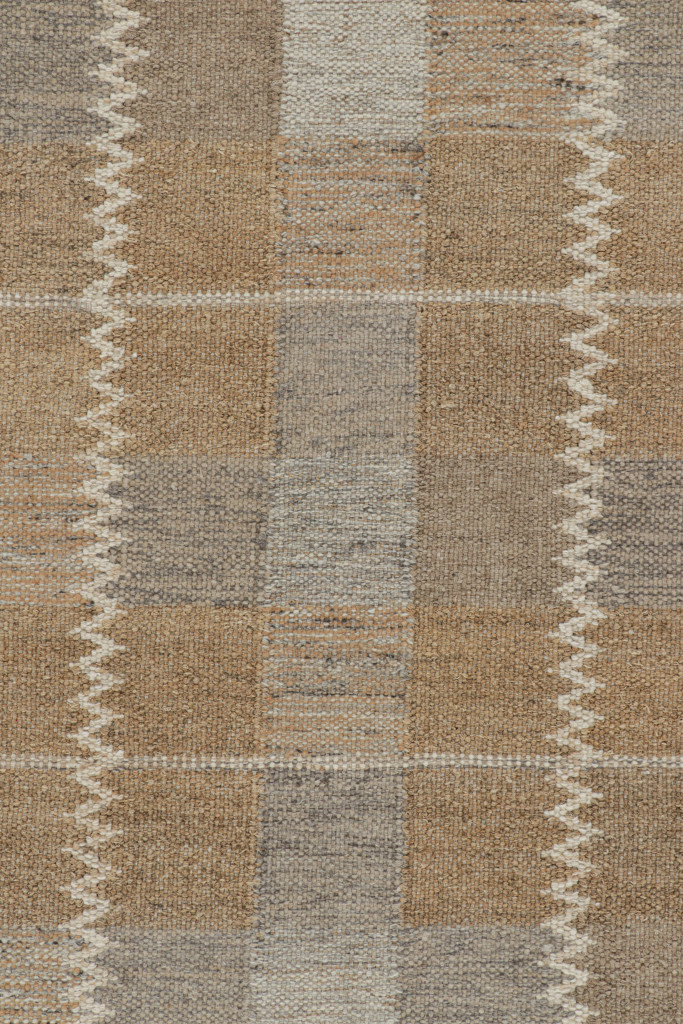
Aloe, Hemp
India
8'11" X 11'11" (2.72 m x 3.63 m)
Out of Stock: Made to Order 12‑16 Weeks
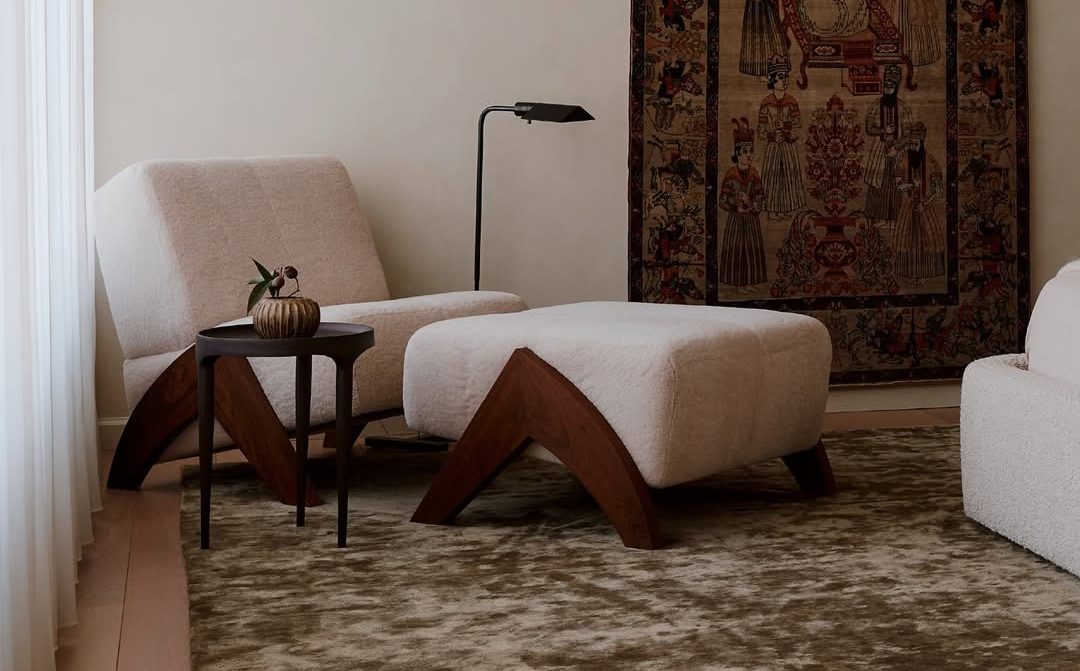
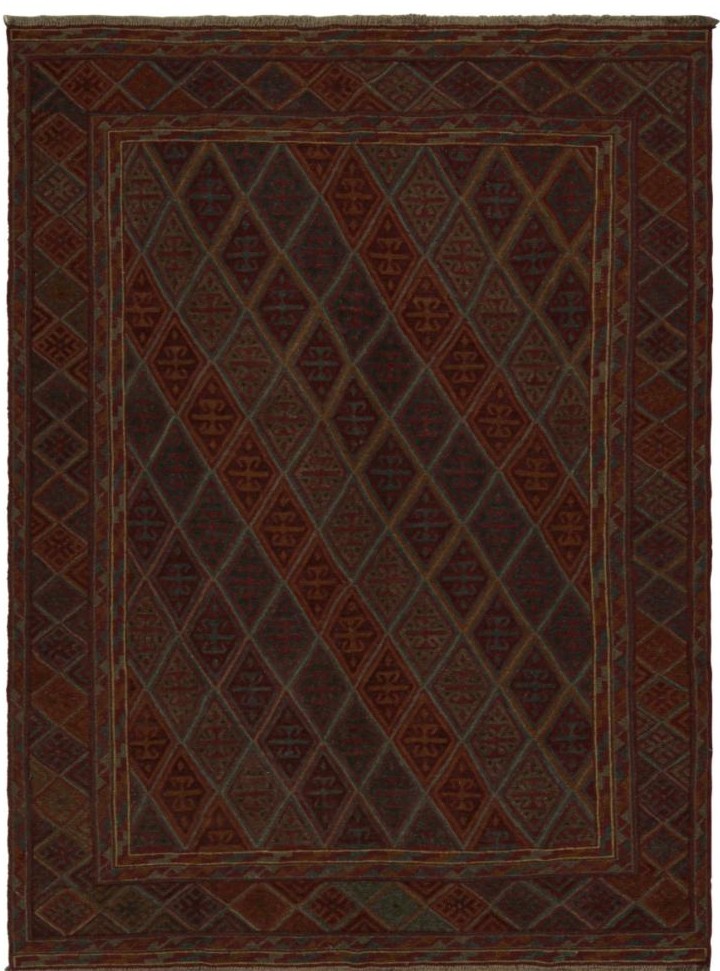
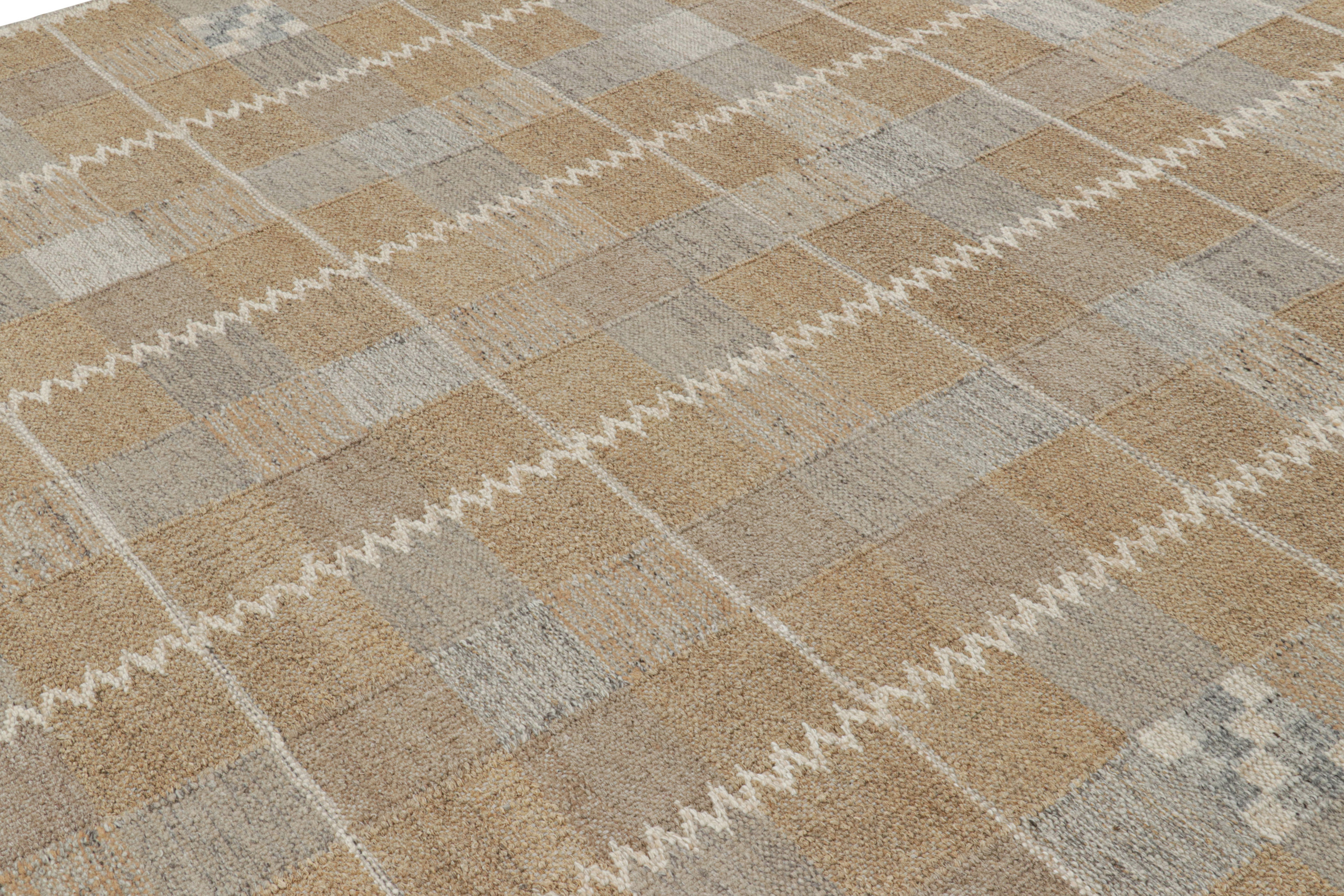
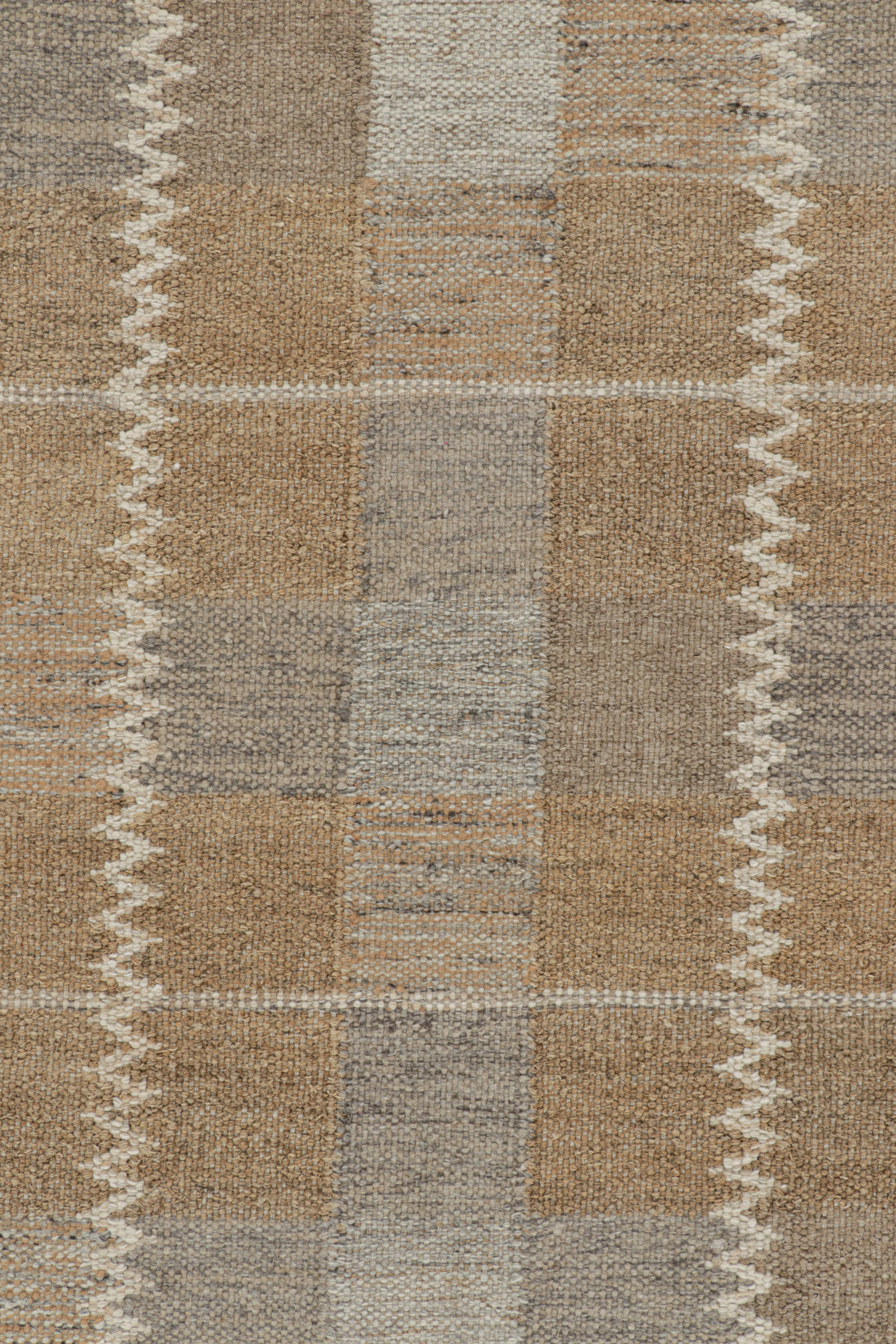
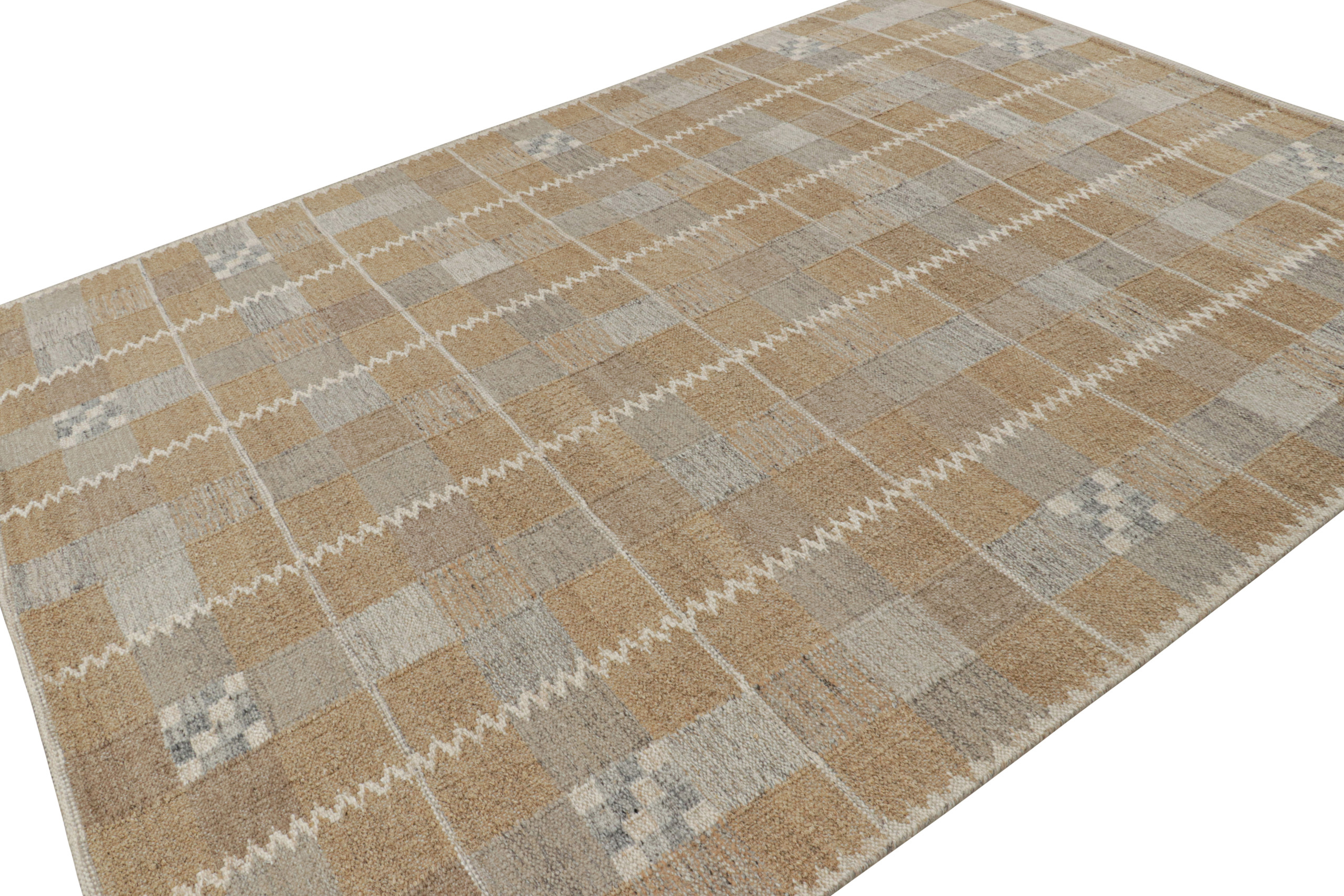
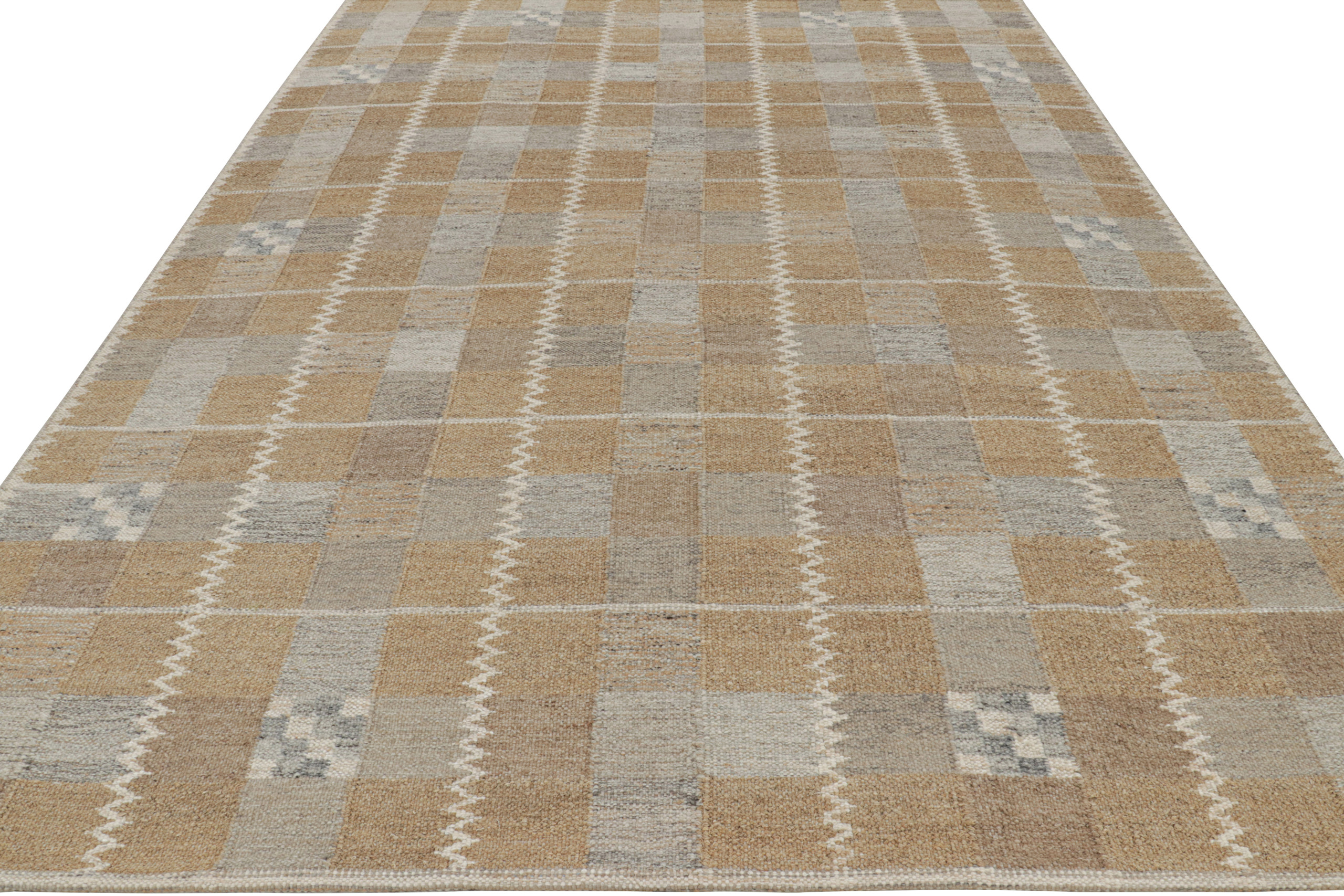
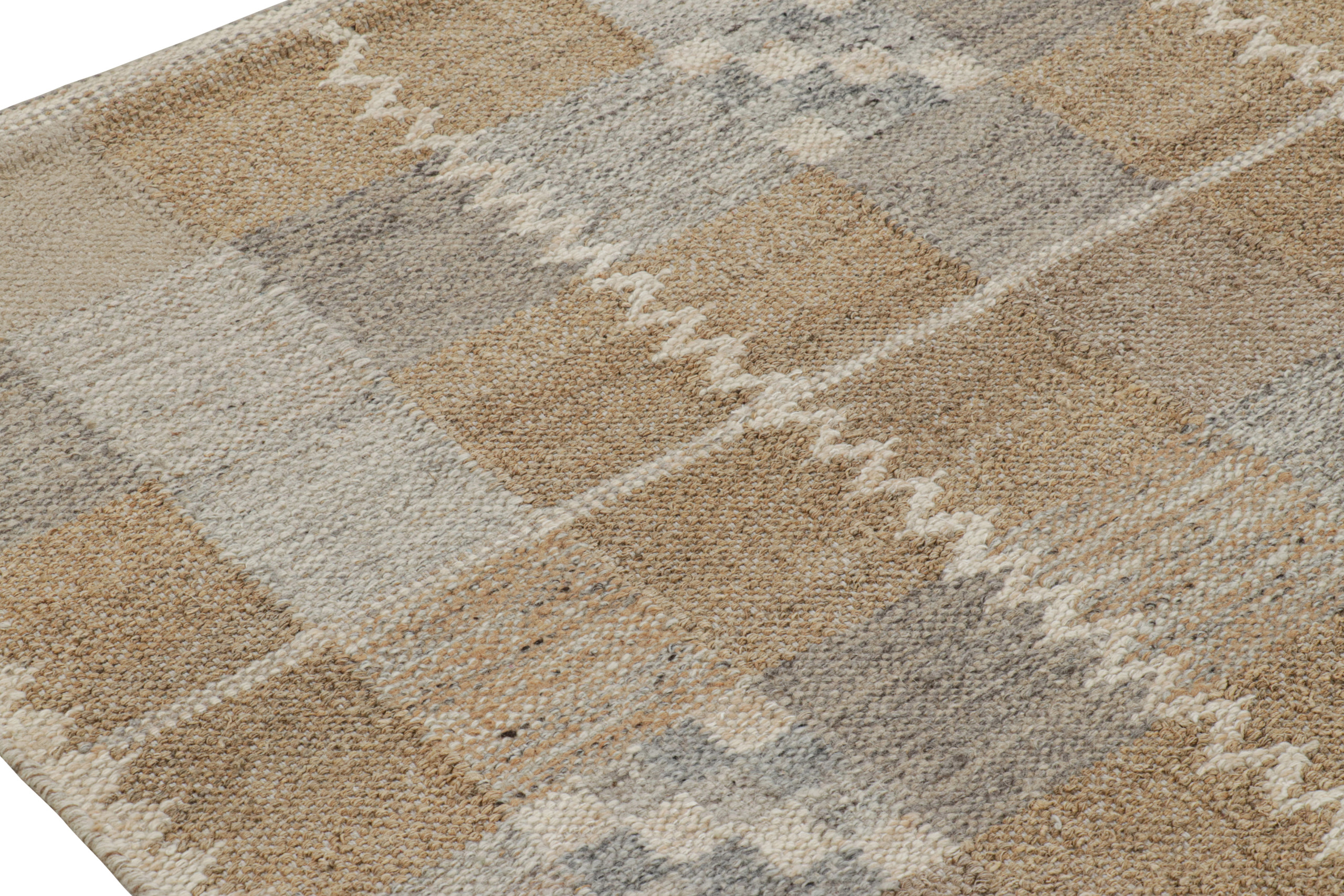
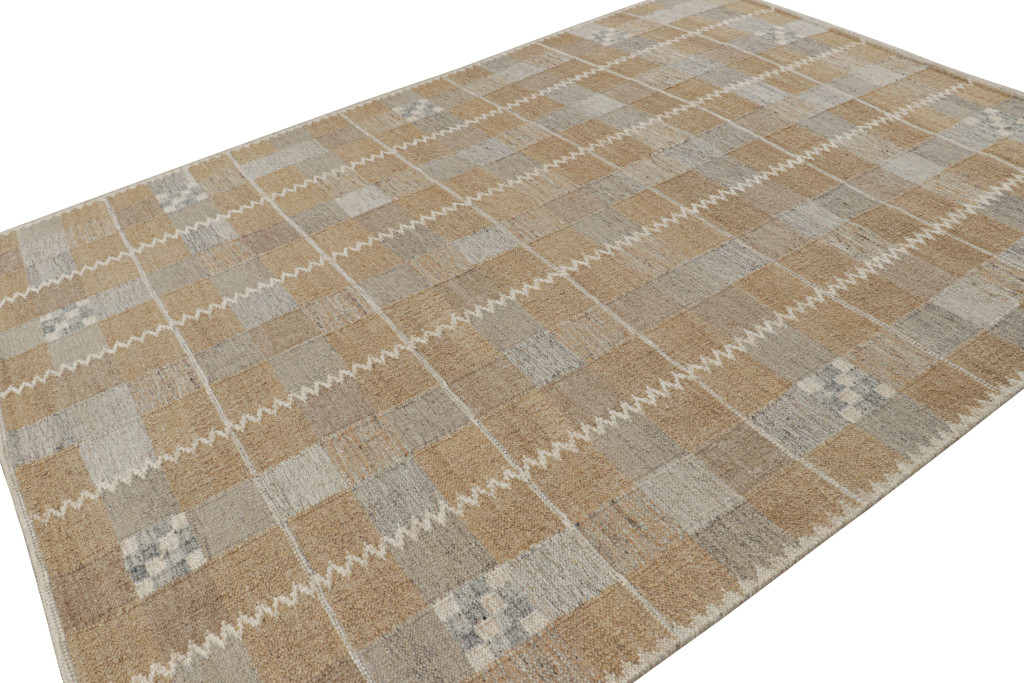
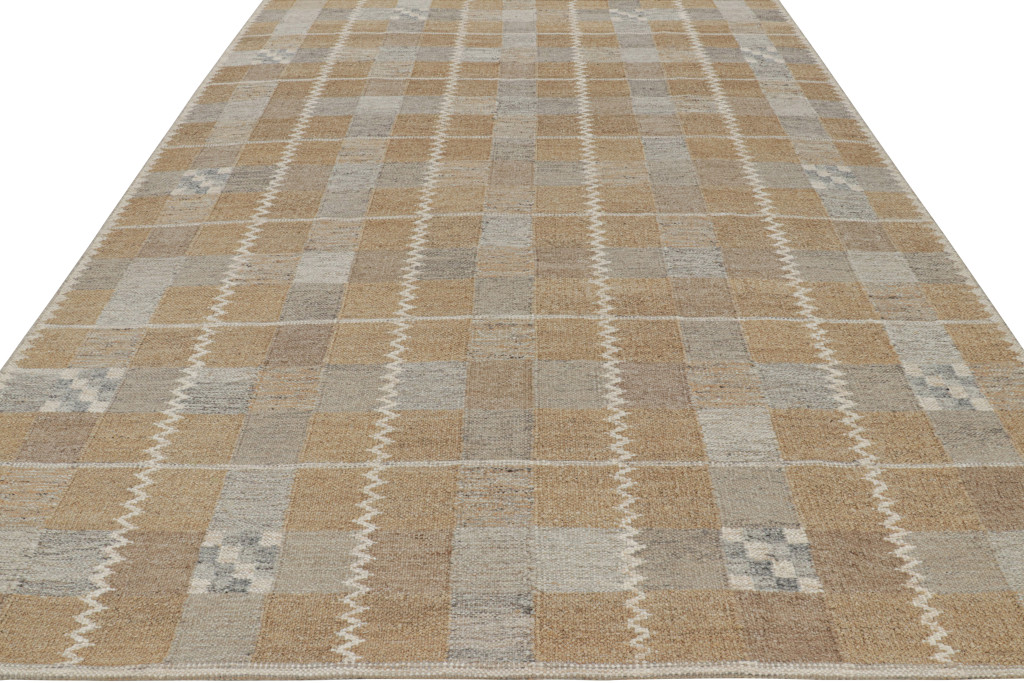
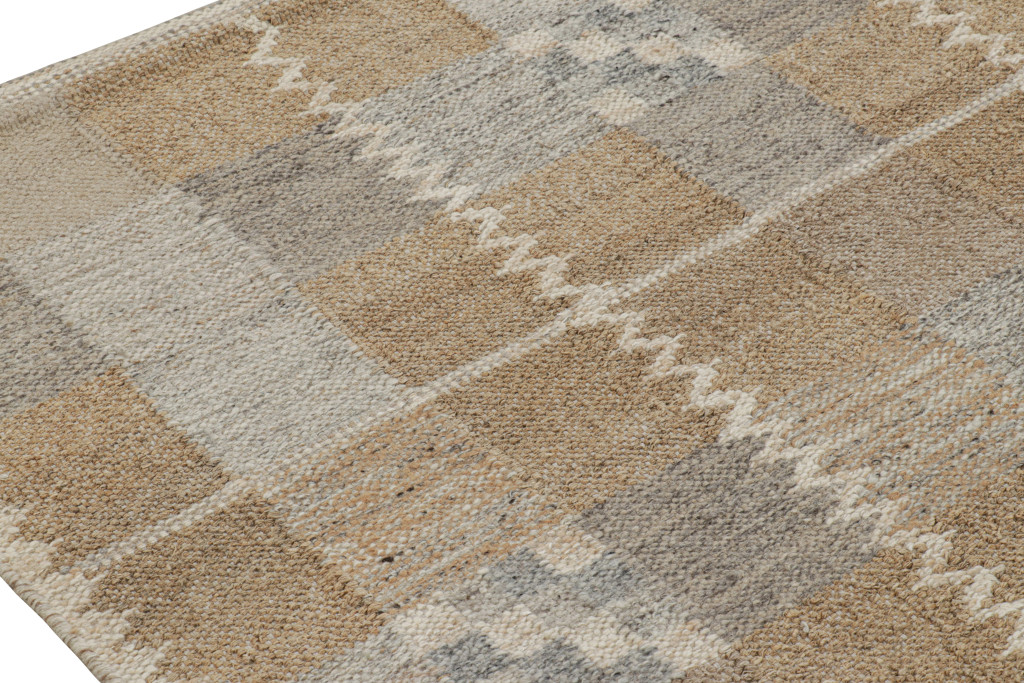
Rug & Kilim’s Scandinavian Rug with Brown and Gray Geometric Pattern
"Rug & Kilim is my go to resource for rugs. Their selection is wide and deep, and Josh’s eye for antique pieces is extraordinary. I always walk away with great pieces, and they are a pleasure to collaborate with. They’ve been my trusted partner on projects for years."
— Ann Wolf, Wolf Holden Design Studio
A standard since our inception upheld across every acquisition,
transaction, and delivery.
45+ Year Old Institution
More than four decades of expertise and stewardship, under the leadership of our Principal, Jahanshah "Josh" Nazmiyal.
Favorable Return Policy
Our return policy is 48 hours upon receipt allowing you to confirm the purchase in your space with confidence.
Product Warranty
Each rug is hand selected or produced through the most reputable sources under the direct supervision of our Principal.
Trusted Global Delivery
Reliable worldwide delivery handled with care, precision and constant communication.
Exceptional Support
Attentive, knowledgeable guidance before and after purchase from our dedicated team of specialists.
Long Term Care
We stand behind every piece we place and remain a resource to our clients for the lifetime of their collection.
- Measurements: 8'11" x 11'11" ( 2.72 m x 3.63 m )
- Categories: Scandinavian
- Classification: Geometric, Kilim/Flat Weave, Modern/Contemporary, Natural Fiber, Swedish/Scandinavian
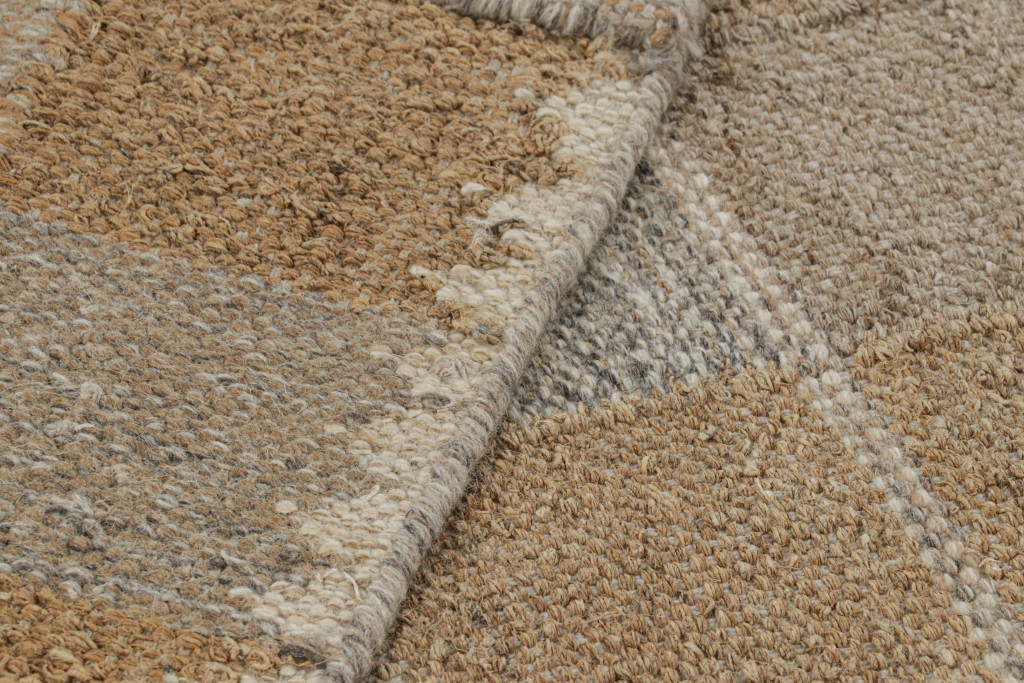
- Material: Aloe, Hemp
- Origin: India
- SKU: 31264

Specifications:
Stories from the Scandinavian Collection
Essays, artist dialogues, and provenance notes drawn from Rug & Kilim’s editorial desk.
Bidjar Rugs: Persian Weaving Mastery and Historic Design
Among the most respected traditions of Persian carpet weaving, Bidjar rugs represent an extraordinary combination of strength, artistry, and technical mastery. Often referred to as the “Iron Rugs of Persia” because of their exceptional durability and dense construction, Bidjar carpets have earned a distinguished reputation among collectors, designers, and institutions worldwide. Originating from the town of Bidjar in western Iran’s Kurdistan region, these rugs reflect centuries of Kurdish weaving traditions combined with the broader artistic heritage of Persian carpet design. Their remarkable craftsmanship, sophisticated patterns, and rich color palettes have made them some of the most desirable examples of antique Persian carpets.
Read the Feature
Baluch Rugs: Tribal Heritage and Handmade Textile Art
Among the great tribal weaving traditions of the Middle East and Central Asia, Baluch rugs occupy a distinctive position defined by nomadic craftsmanship, symbolic design, and remarkable artistic individuality. Woven by Baluch tribal communities spread across present-day Iran, Afghanistan, and Pakistan, these carpets represent one of the most compelling expressions of tribal textile culture. Unlike court carpets produced for royal patronage or urban workshops serving commercial markets, Baluch rugs emerged from deeply rooted tribal traditions. They were woven for everyday life, spiritual practice, ceremonial use, and domestic environments. As a result, they retain a powerful sense of authenticity that continues to resonate with collectors, designers, and institutions around the world.
Read the Feature
Understanding Bakhtiari Rugs: Persian Tribal Traditions and Timeless Elegance
Among the most celebrated tribal weaving traditions of Persia, Bakhtiari rugs stand apart for their remarkable balance of artistic imagination, structural durability, and cultural significance. Created by the Bakhtiari people of southwestern Iran, these carpets embody centuries of nomadic heritage while simultaneously representing some of the most sophisticated achievements in Persian decorative arts. Renowned for their vibrant colors, powerful geometry, and iconic garden-inspired compositions, Bakhtiari rugs occupy a distinctive place within the world of antique carpets. Their designs often feel both deeply rooted in tradition and surprisingly modern, making them particularly admired by collectors, designers, and institutions alike.
Read the Feature
The Persian Carpet and the Making of Modern Interior: Power, Trade and Redefining Cultural Prestige
Materials from our Books on Persian Rugs. Available at Volumes by Rug & Kilim >> By the late nineteenth century, the Persian carpet had become an essential component of the European interior. Not decorative. Structural. As Qajar Persia expanded trade relationships with Britain, France, and the United States, carpets from Tabriz, Isfahan, Kashan, Kerman, and Sultanabad entered Western markets in unprecedented numbers. This was organized production responding to foreign demand. Workshops adapted scale, palette, and composition for European rooms while maintaining Persian essence. Architecture, Empire, and the Rise of the Cultivated Room The European salon — particularly in Paris and London — required more than furniture and painting. It required cohesion, and Persian carpets provided it.
Read the Feature
The Persian Afshar Rug as Art, Tribal Artifact, and Archive
Afshar rugs are among the most compelling expressions of nomadic Persian weaving. Originating from the Afshar tribe—a semi-nomadic Turkic-speaking group with roots in Central Asia—these rugs represent a distinct confluence of tribal tradition, migratory culture, and artisanal precision. Today, Afshar rugs are recognized for their deeply saturated natural dyes, structurally sound weaving, and the geometric clarity of their aesthetic—qualities that place them alongside Baluch, Shahsavan, and Qashqai weavings in the taxonomy of Persian tribal carpets. Historical Provenance: From Oghuz Migration to Iranian Plateau The Afshars were originally part of the Oghuz Turkic confederation and migrated into Iran during the Seljuk and later Safavid periods (11th–17th centuries). By the 18th century, Afshar tribes were prominently settled in southeastern Iran, particularly around Kerman, Sirjan, Baft, and Rafsanjan—regions that would become critical nodes of rug production.
Read the Feature
Ulla Kockum Øverengen and her Contributions to Swedish Embroidery Designs
Ulla Kockum's arrival at the Jönköpings County Craft Association in 1944 marked the beginning of her notable career in embroidery design. Demonstrating her talent, she created numerous designs for embroidered products, likely intended for sale as kits in the Craft Association store. In 1944, she designed at least 8 cushions adorned with traditional flowers. The following year, her designs expanded to include Easter-themed items, such as embroidered egg warmers and a table runner featuring a border of stylized chickens. Additionally, she crafted various red Christmas table mats with white embroidery. As her career progressed, Ulla continued to contribute to the world of embroidery, designing cotton tablecloths in 1946. In 1947, she showcased her skills with a complex embroidered pattern for a tablecloth, humbly naming it "Ulla's Rings." Her diverse and creative designs reflected her passion for the craft and contributed to the array of offerings at the Craft Association.
Read the Feature


R&K Image Studio
NEWThe R&K Image Studio is a new visual workspace designed to present the Rug & Kilim collection with clarity, restraint, and precision — in your space or any space you imagine.
This tool allows you to view, refine, and prepare imagery drawn directly from the pieces in our archive. They can be visualized cleanly, isolated thoughtfully, and adjusted for presentations, proposals, and private viewings, without altering the integrity of the original work.
Scandinavian
Aloe, Hemp
India
8'11" X 11'11" (2.72 m x 3.63 m)
Out of Stock: Made to Order 12‑16 Weeks
Rug & Kilim’s Scandinavian Rug with Brown and Gray Geometric Pattern
"Rug & Kilim has become a go-to for us. The vintage and modern inventory is unlike anywhere else, the team is easy to work with, and the custom program holds up to the same standard."
— Ariel Ashe, Ashe Leandro LLC
- Measurements: 8'11" x 11'11" ( 2.72 m x 3.63 m )
- Categories: Scandinavian
- Classification: Geometric, Kilim/Flat Weave, Modern/Contemporary, Natural Fiber, Swedish/Scandinavian
- Material: Aloe, Hemp
- Origin: India
- SKU: 31264

