
Petra Börner: The Swedish Illustrator and her Scandinavian Inspirations.
March 27, 2024
Swedish Designer Ethel Halvarsson and her Traditional Persian Garden Motifs in Scandinavian Rugs
March 28, 2024Ulla Kockum’s arrival at the Jönköpings County Craft Association in 1944 marked the beginning of her notable career in embroidery design. Demonstrating her talent, she created numerous designs for embroidered products, likely intended for sale as kits in the Craft Association store. In 1944, she designed at least 8 cushions adorned with traditional flowers. The following year, her designs expanded to include Easter-themed items, such as embroidered egg warmers and a table runner featuring a border of stylized chickens. Additionally, she crafted various red Christmas table mats with white embroidery. As her career progressed, Ulla continued to contribute to the world of embroidery, designing cotton tablecloths in 1946. In 1947, she showcased her skills with a complex embroidered pattern for a tablecloth, humbly naming it “Ulla’s Rings.” Her diverse and creative designs reflected her passion for the craft and contributed to the array of offerings at the Craft Association.
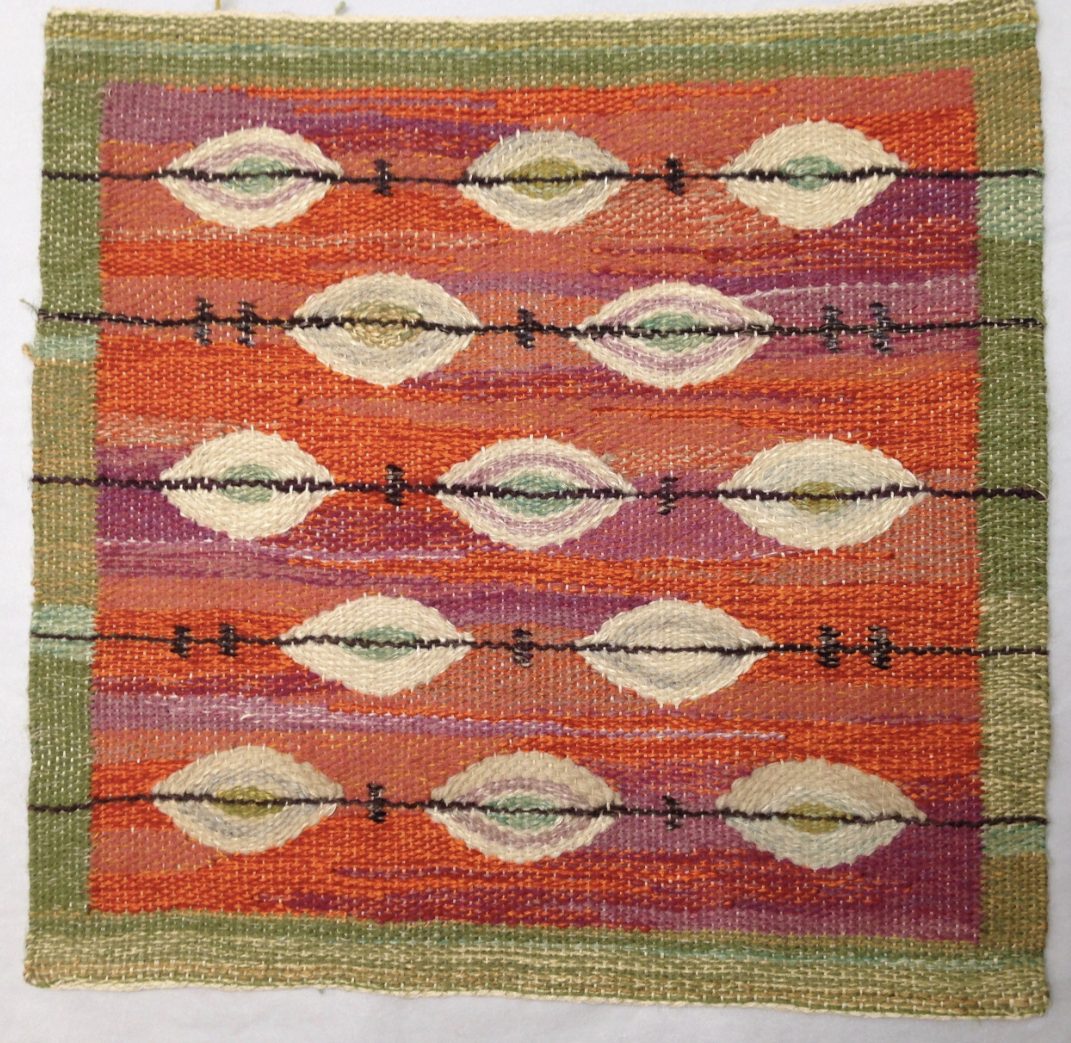
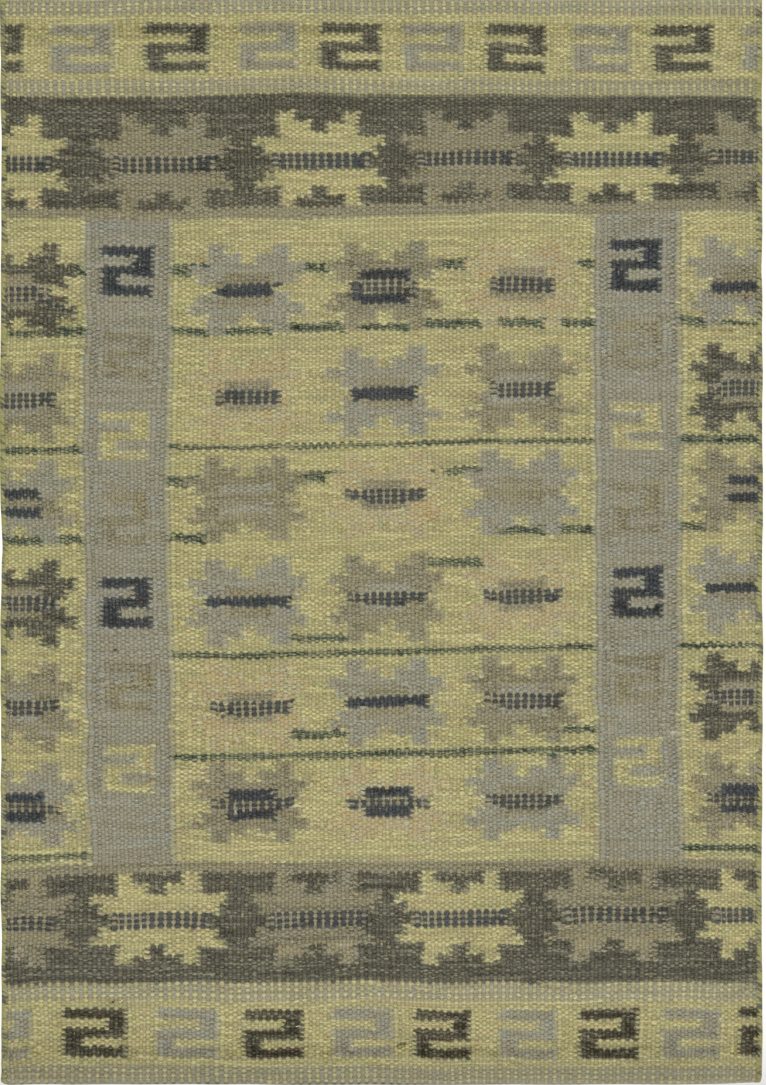
Ulla Kockum, “Flat” (“Plätt”) in flatweave for Jönköpings läns hemslöjd
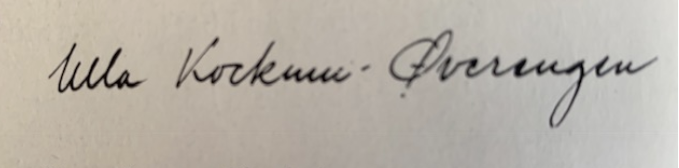
Ulla Kockum’s embroidery designs garnered significant admiration and were well-received by patrons. In 1950, during the 40th-anniversary celebration of the Jönköping County Craft Association, Eva von Zweigbergk, a journalist from the national daily paper Dagens Nyheter, highlighted Kockum’s contributions. Noting that before Kockum was invited to organize the teaching of handicraft arts in England, she had crafted many excellent pieces for Jönköpings Hemslöjdsförening, showcasing her talent and the impact of her work on the craft association.
In Scotland, Ulla Kockum contributed to the Needlework Development Scheme, which was initiated in 1934 to enhance the quality of Scottish embroidery and sewing. The project was sponsored by the four major Scottish art schools in Aberdeen, Dundee, Edinburgh, and Glasgow. The scheme aimed to improve the skills of embroidery teachers by developing loan collections of exceptional international needlecraft. J&P Coates, Ltd, a Scottish manufacturer of thread and embroidery floss, played a role in supporting the initiative.
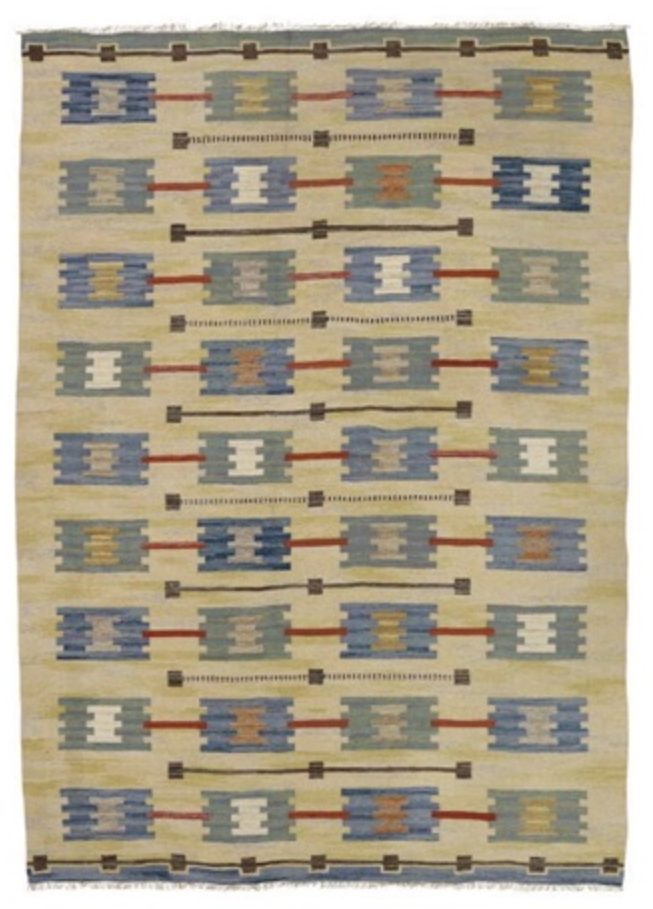
Artnet Auctions
Before the war, the loan collections, which included examples of outstanding needlecraft, were exhibited in schools and public venues. Ulla Kockum’s involvement in this project highlights her role in contributing to the improvement and promotion of needlecraft skills in Scotland. After her return from Scotland and marriage, Ulla Kockum wrote the foreword and likely compiled the contents for a booklet titled “Embroideries of Sweden.” As the author, she used her married name, “Ulla Kockum Øverengen.” This booklet likely served as a platform for showcasing Swedish embroidery and sharing insights into the craft, reflecting Ulla Kockum’s continued dedication to promoting needlecraft skills.
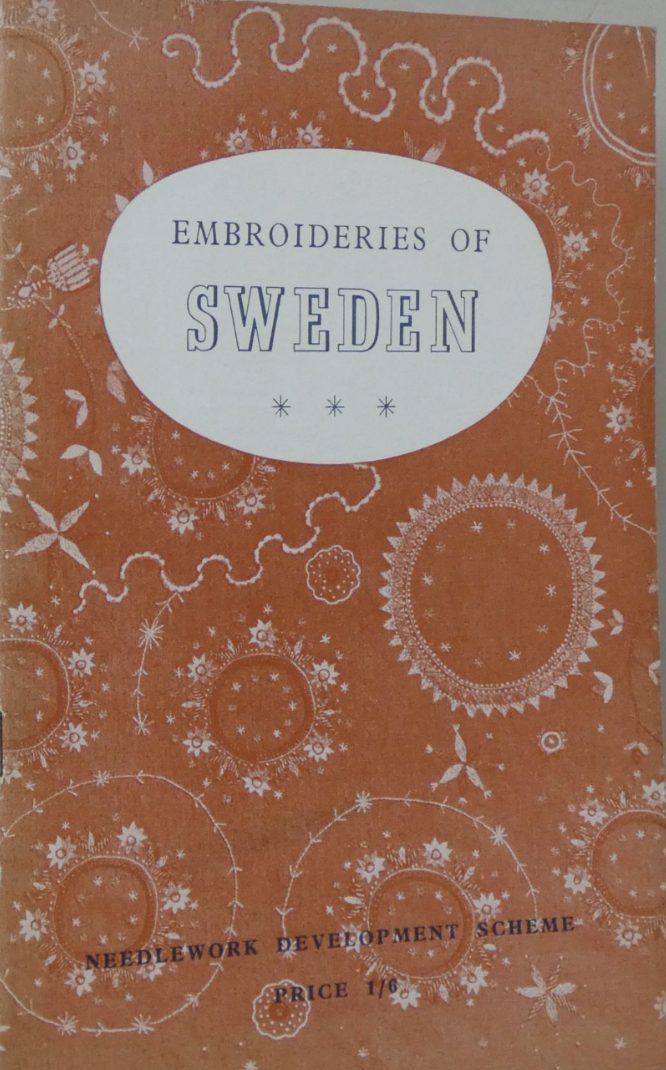
Ulla Kockum’s booklet on Swedish embroideries, though short, featured black and white photographs and showcased works by prominent Swedish designers of rugs and tapestries. Alongside her own pieces, the booklet included embroidery by Ann-Mari Forsberg, Kaisa Melanton, Edna Martin, and Marianne Richter, among others. While not a comprehensive overview of contemporary Swedish embroidery, the selection of designs by these women, both well-known and less-known, provides a glimpse into what Ulla Kockum considered exemplary in Swedish embroidery during that period.
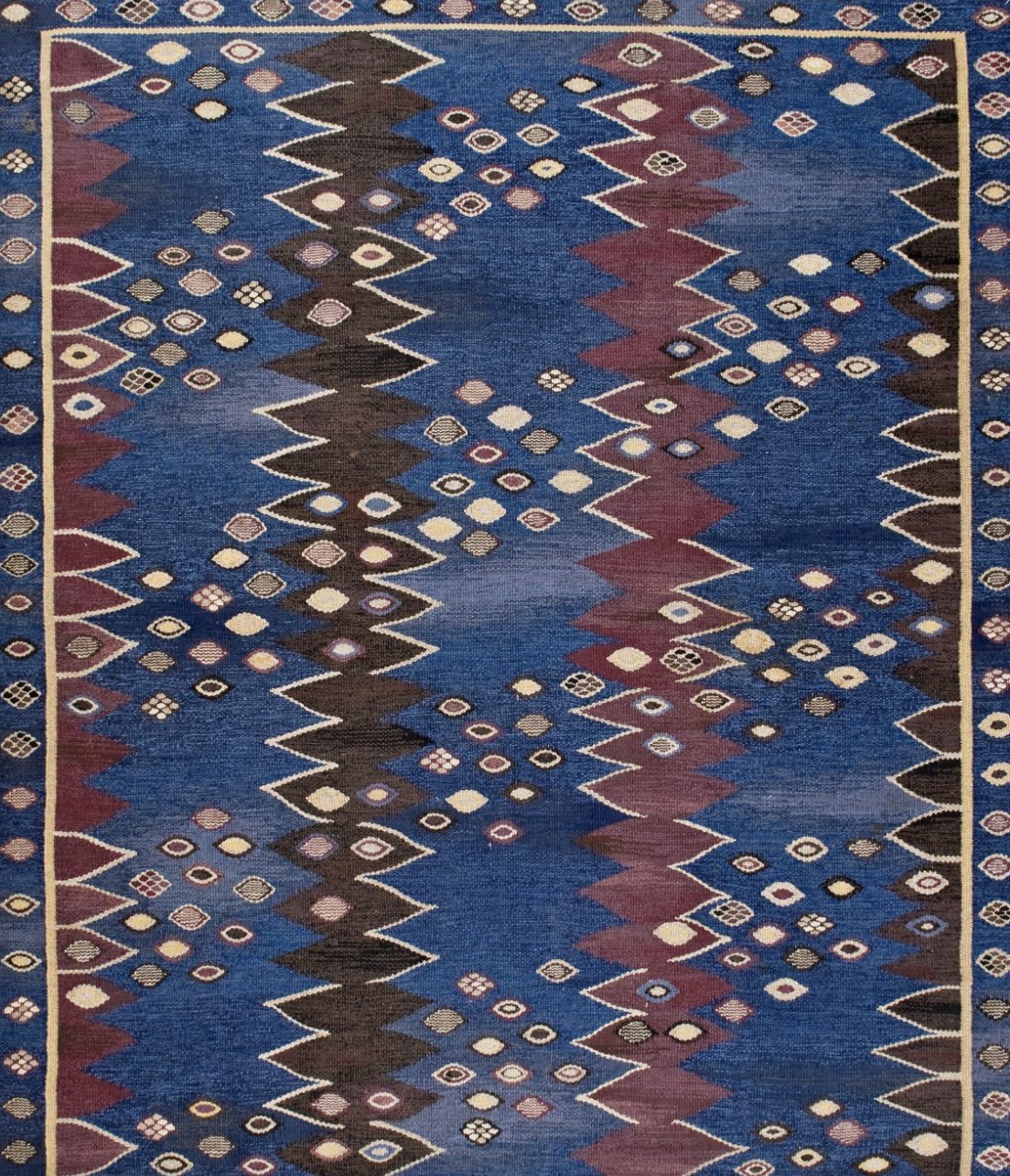
Barbro Nilsson, Gobelin tapestry, “Snäkorna” designed 1943 for the Märta Måås-Fjetterström workshop, 247 x 195,5 cm. Signerad AB MMF BN. Sold Bukowskis HO26 Auction in Båstad, 2010
The design of Ulla Kockum’s tapestry in 1944, featuring a series of ovals on strings, bears resemblance to a tapestry called “Shells” or “Snails” (“Snäckorna”) designed by her teacher Barbro Nilsson at the Märta Måås Fjetterström weaving workshop in Båstad, Sweden, in 1943. The incorporation of small banded ovals into a larger pattern in Nilsson’s tapestry might have influenced Kockum’s design, showcasing a similar use of embedded shapes in a simpler and smaller flat-woven piece.
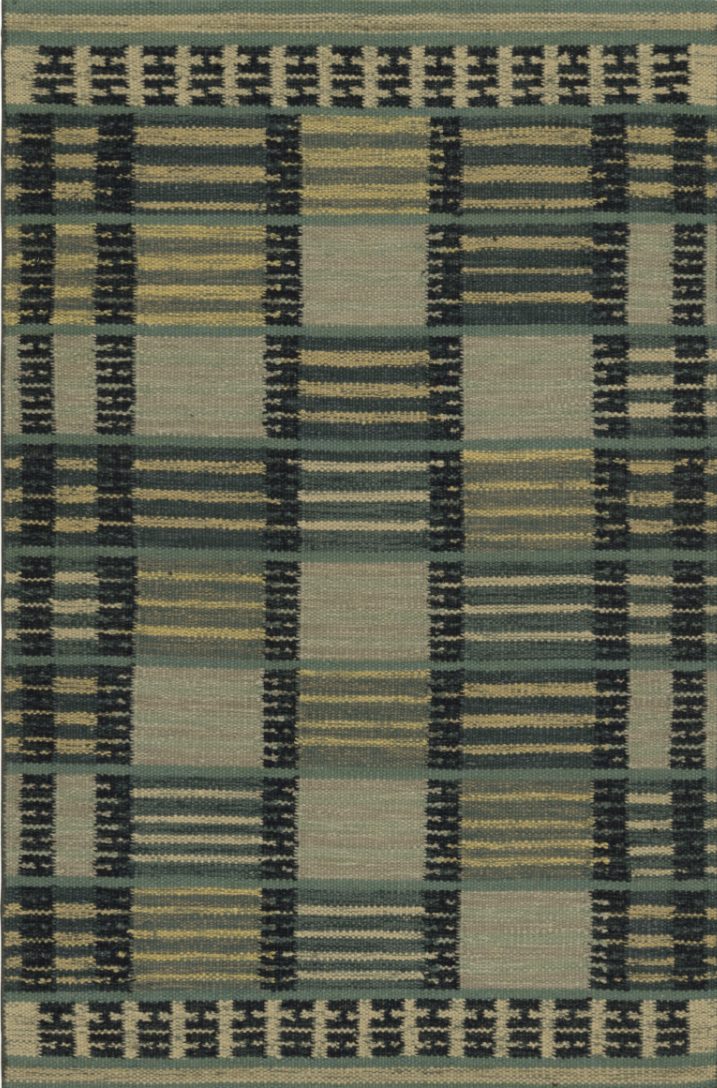
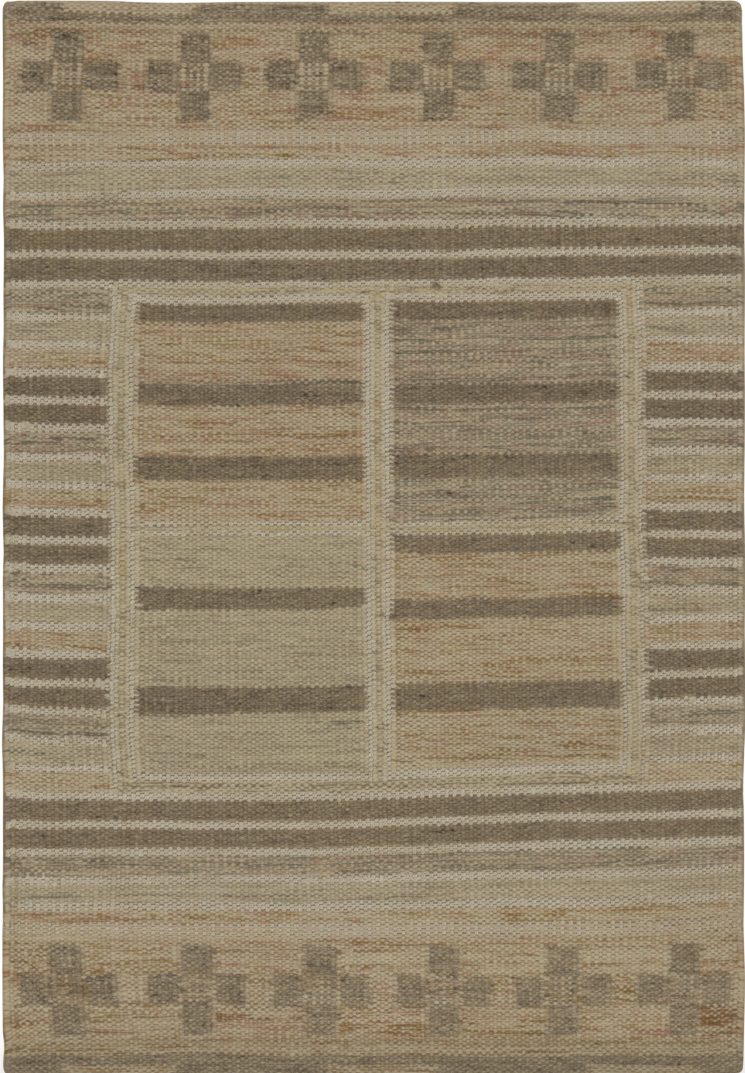
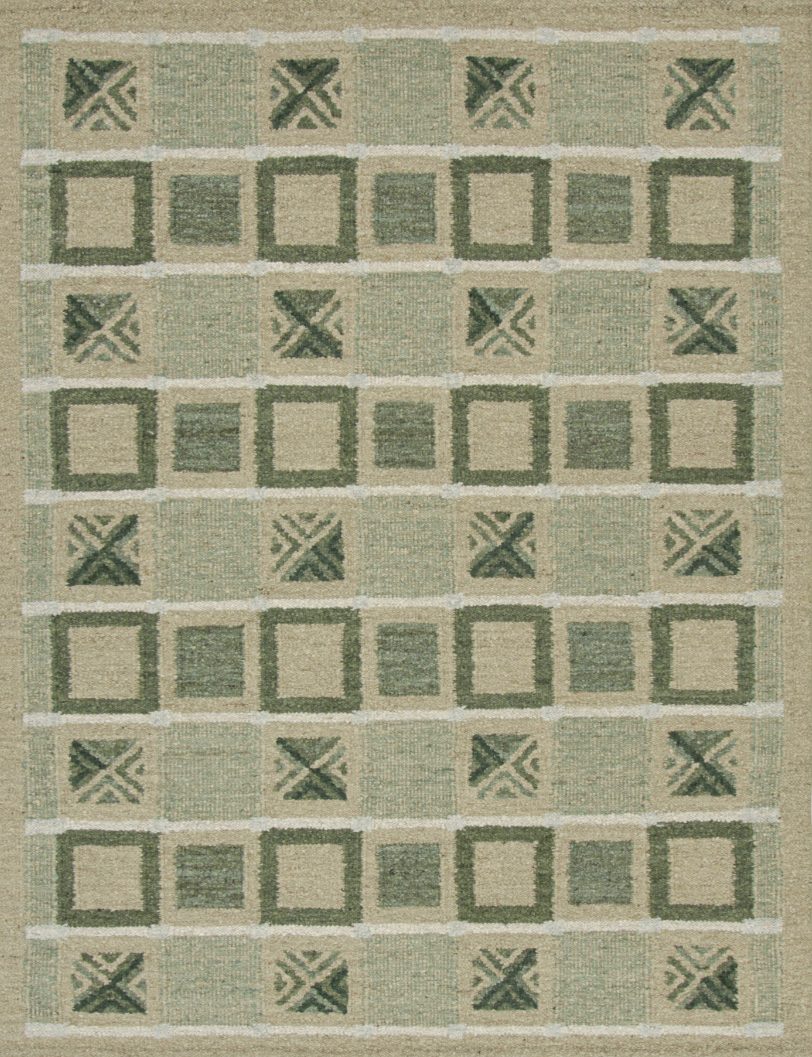
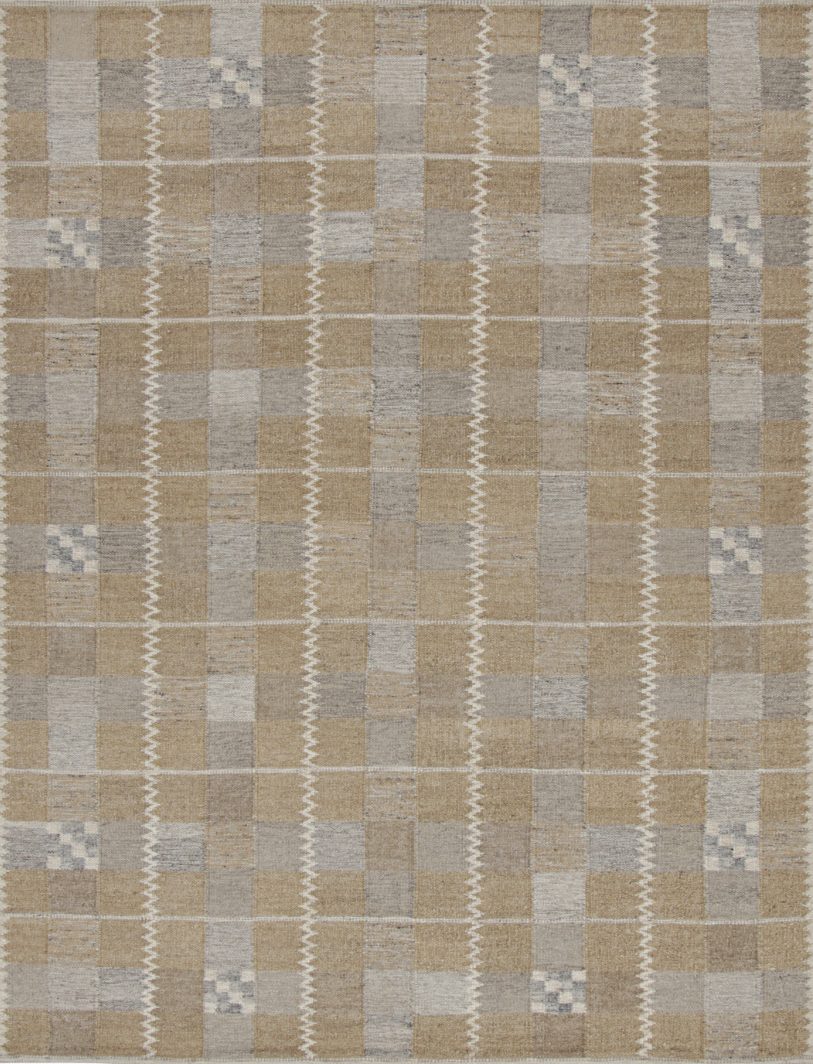
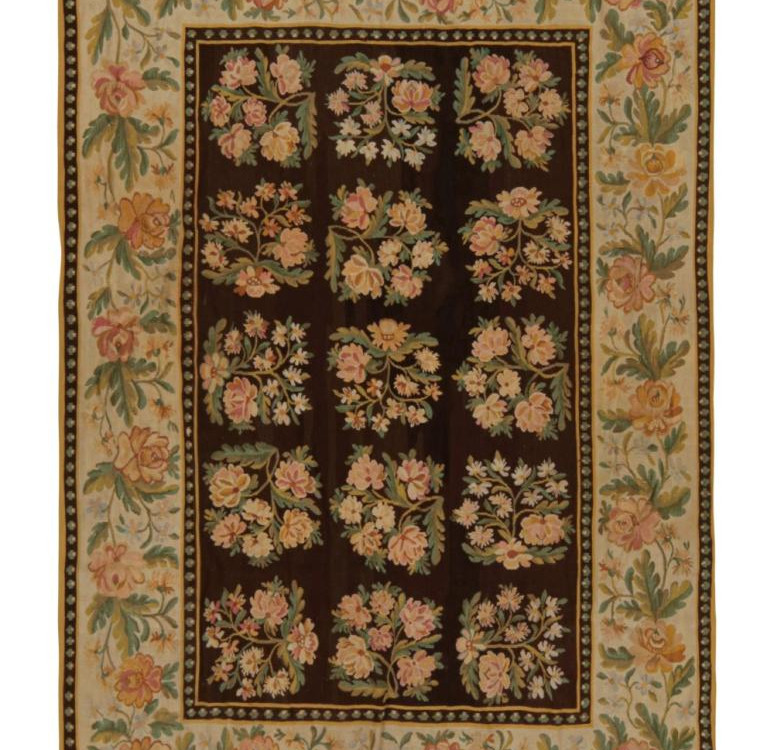
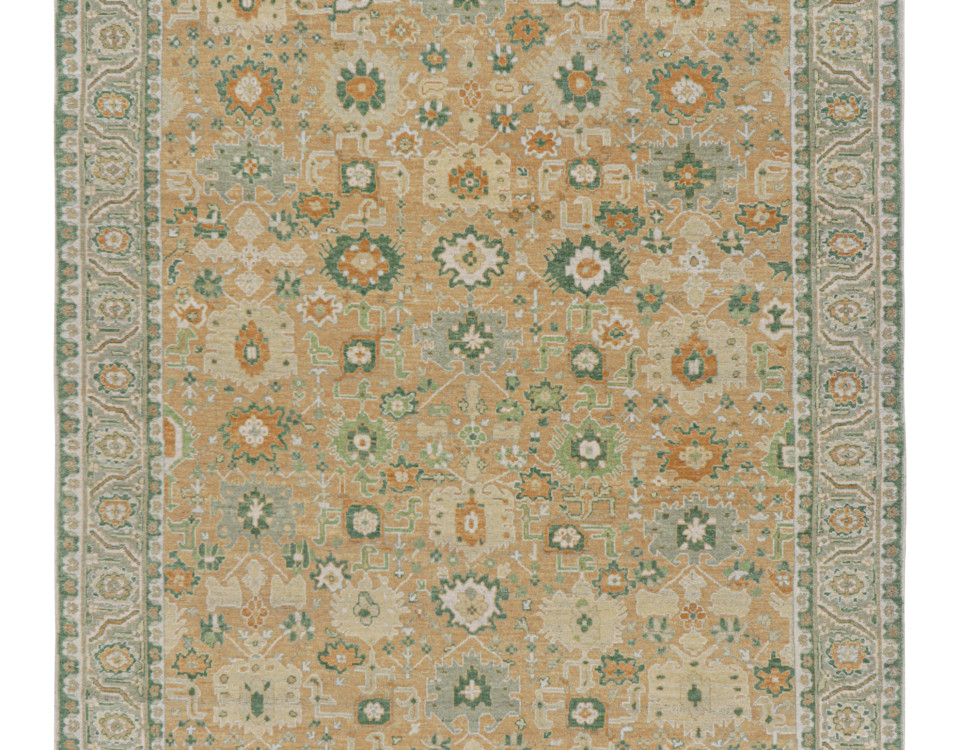
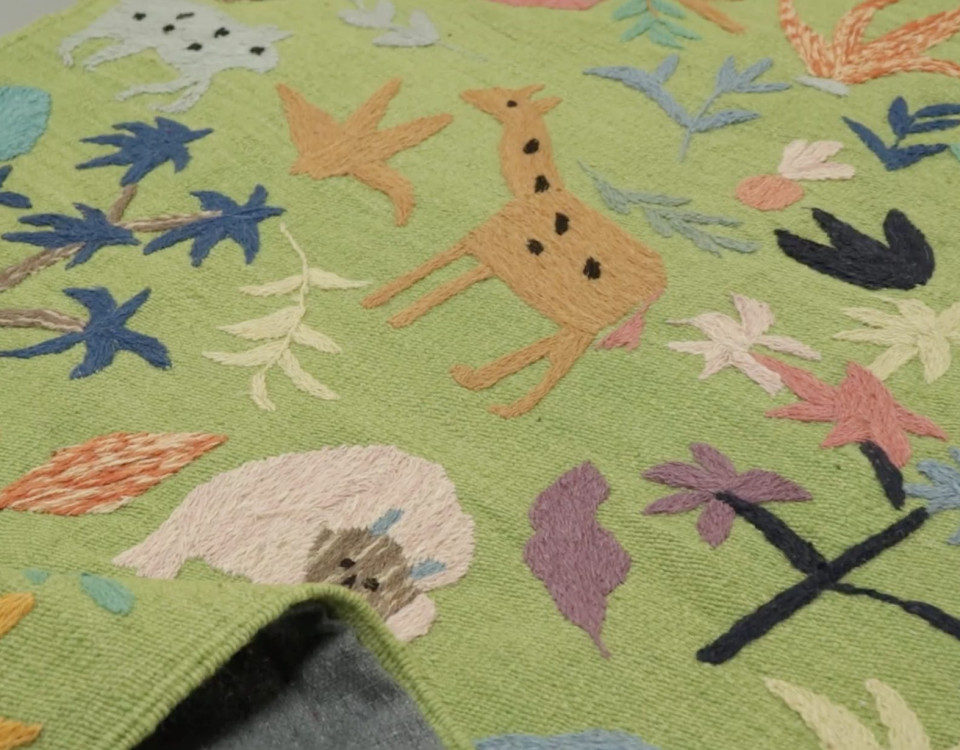
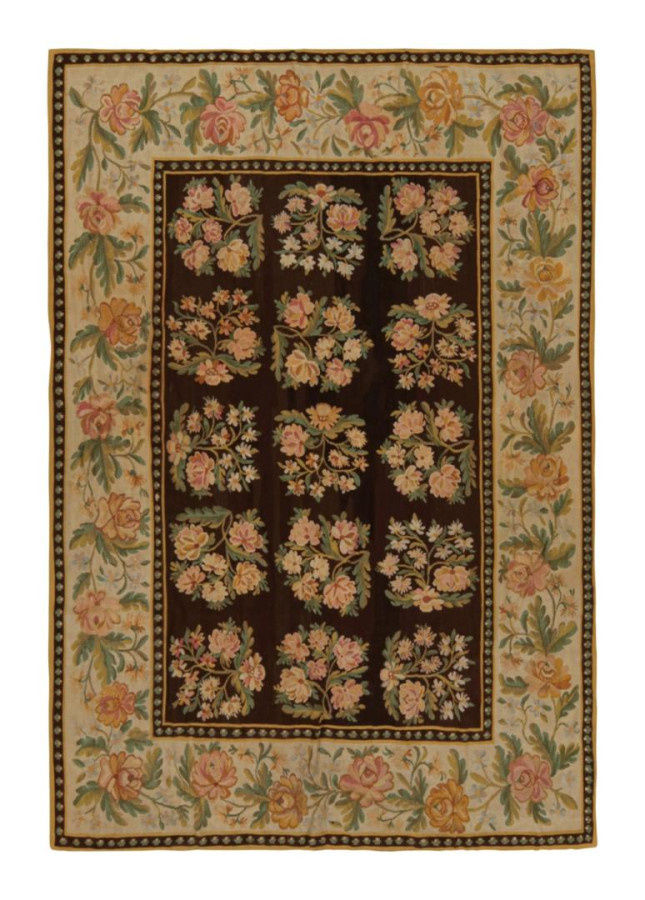
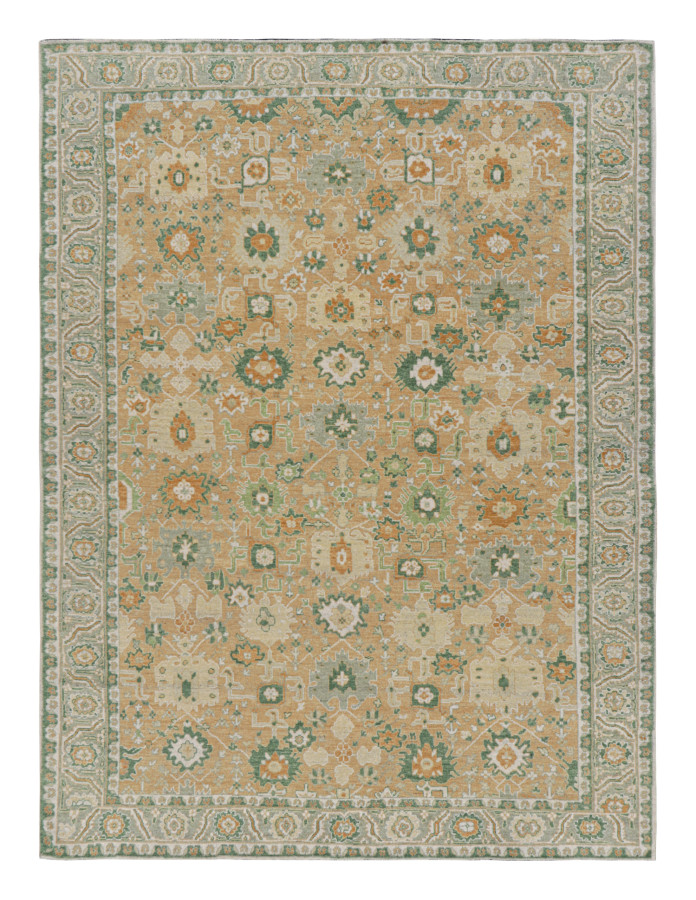
View some of Rug & Kilim’s Scandinavian rugs and kilims featuring designs and geometric patterns as inspired by Ulla kockum’s designs –