
Ulla Kockum Øverengen and her Contributions to Swedish Embroidery Designs
March 28, 2024
Hildegard Dinclau and her Contributions to Swedish Rug and Textile Designs
March 28, 2024Halvarsson’s textile art stands as a treasure in the world of artistic expression, with a timeless quality that seamlessly merges boldness and subtle, beautiful color transitions. Throughout her illustrious career, Ethel Halvarsson crafted over a thousand distinctive patterns, translating her creative vision into an array of mediums such as carpets, interior textiles, wearable art, and furniture fabrics. Her artistic legacy is a testament to the profound impact she left behind, marked by the sheer breadth and depth of her oeuvre.
Ethel Halvarsson exhibited a remarkable versatility in her rug designs, exploring a spectrum of types including rya, half-rya, pile (“flossa”), and flat-weave (“rölakan”). What set her apart was not only the breadth of her creative exploration but also her innovative approach to weaving techniques. Interestingly, she seemed to offer flexibility, allowing for choices in the types of weaves used for specific designs, showcasing a commitment to both artistic expression and technical mastery.
Reflecting the design trends of the 1930s and ’40s, Halvarsson adhered to the convention of incorporating several concentric borders of varying widths, adding a layered and visually dynamic element to her creations. Notably, in her garden-patterned rugs, she employed color changes and varied patterns to skillfully represent both vertical and horizontal divisions within the plots. This nuanced approach added depth and dimension to her designs, illustrating a keen understanding of the potential of color and pattern in conveying the intricacies of a garden landscape. In contrast to models influenced by Märta Måås-Fjetterstöm, Halvarsson’s rugs featured a more regular gridding, demonstrating her own distinctive aesthetic. While some designs were characterized by specificity and realism, others embraced a more abstract and fluid quality, showcasing the breadth of her artistic expression. This duality in her approach underscores Halvarsson’s ability to seamlessly navigate between the concrete and the abstract, leaving behind a legacy of rugs that are not only visually engaging but also reflective of her innovative spirit in the realm of textile art.
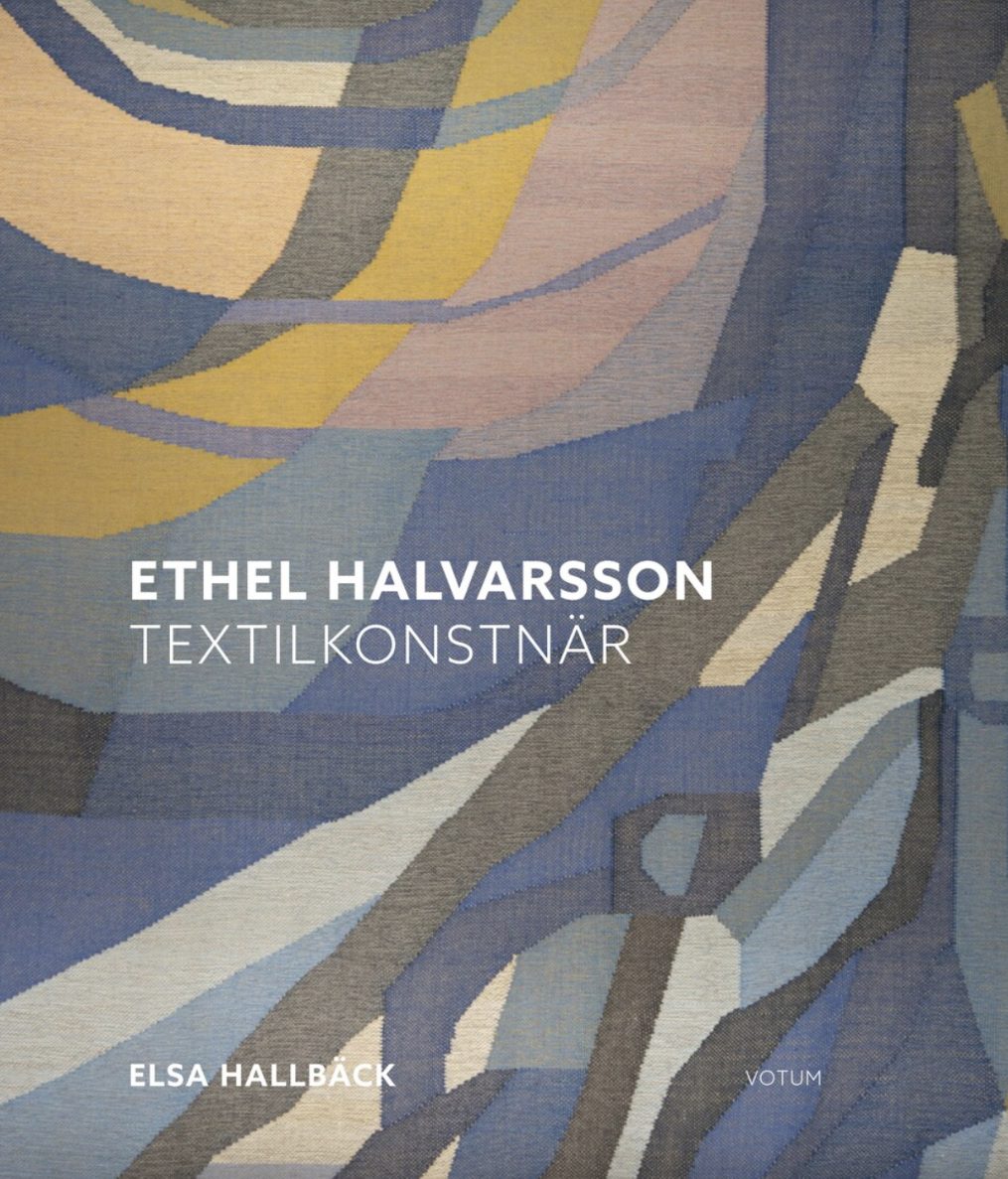
While Halvarsson’s primary focus was on creating textile masterpieces for churches, her artistic footprint extended far beyond, encompassing interior design projects for municipal halls, town halls, residences, and larger establishments, including schools and public buildings. Her versatility in transforming spaces through her artistic creations reflects the breadth of her talent and the enduring legacy she has left in the cultural landscape of Värmland.
1stDibs
Ethel enrolled in Tekniska Skolan (now Konstfack) in Stockholm, specializing in the textile stream. Her formative years at the institution culminated in her graduation in either 1938 or ’39. Following a transformative study expedition to Germany and Italy, she embraced a role as a junior designer with the Jönköping County Craft Association (Jönköping läns hemslöjd). For the subsequent three years, from August 1939 to the summer of 1942, Ethel immersed herself in the creative realm at JLH. It was during this period that she showcased her burgeoning talent and dedication to her craft. Following her marriage, she assumed the name Ethel Halvar-Andersson. However, after parting ways in 1949, she reverted to her maiden name, Halvarsson. Ethel’s artistic trajectory unfolded into a long and prolific career, marked by her contributions to several County Craft Associations. Her portfolio expanded beyond rugs, encompassing damask weaves, embroidery projects, and the creation of numerous textiles for churches. Her repertoire boasts around 1000 diverse textile designs, each a testament to her creative prowess.
In addition to her remarkable contributions to the artistic landscape, Ethel became an esteemed educator at the local high school, KPS, endearing herself to students and colleagues alike. Her impact as a teacher mirrored the same passion and dedication that defined her extensive career in textile design.
Metropolitan Museum of Art
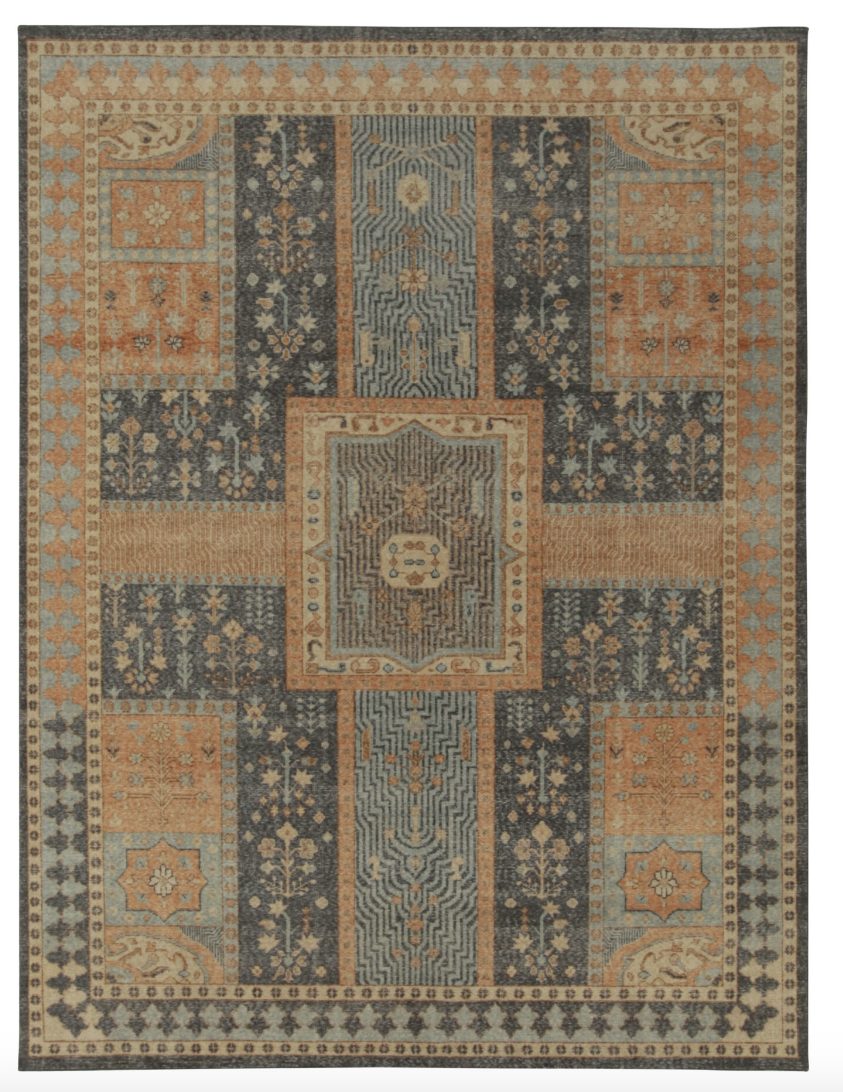
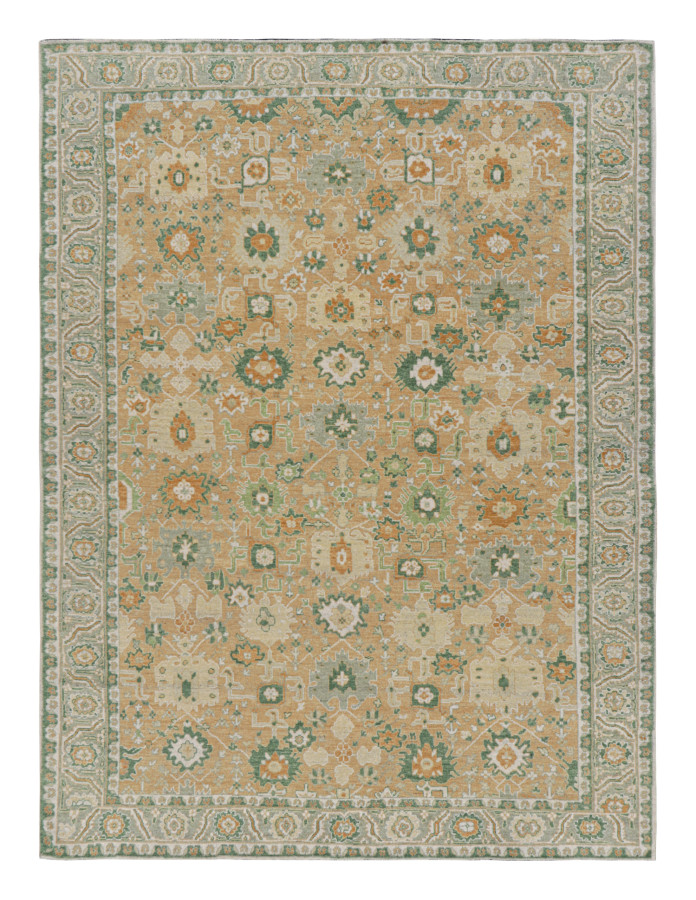
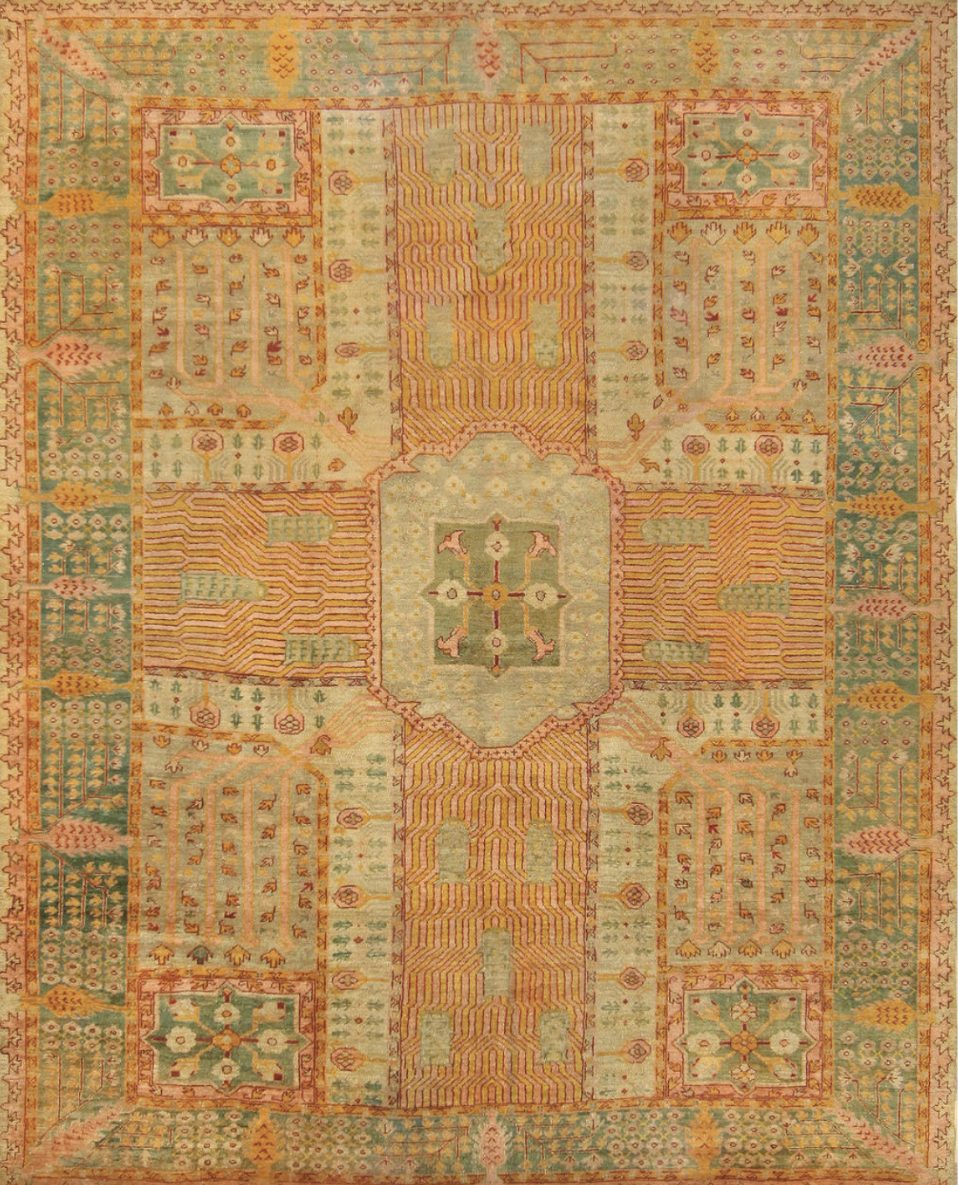
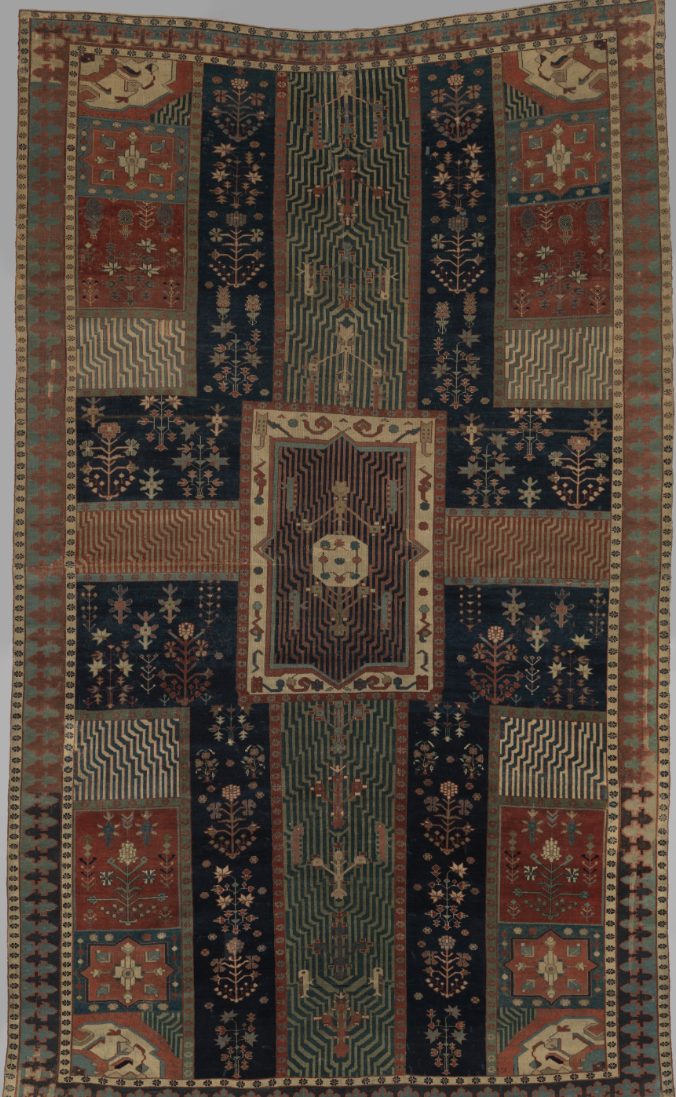
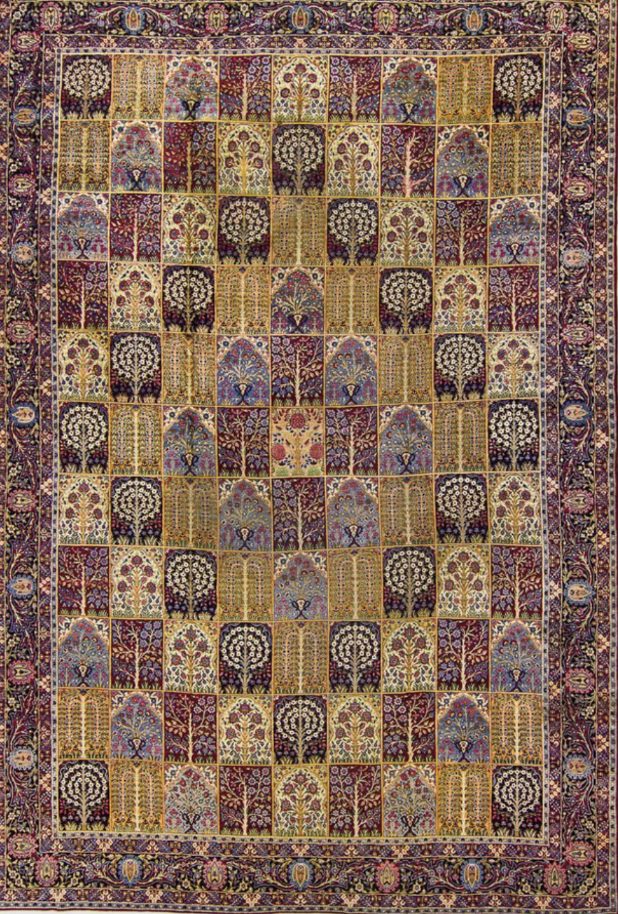
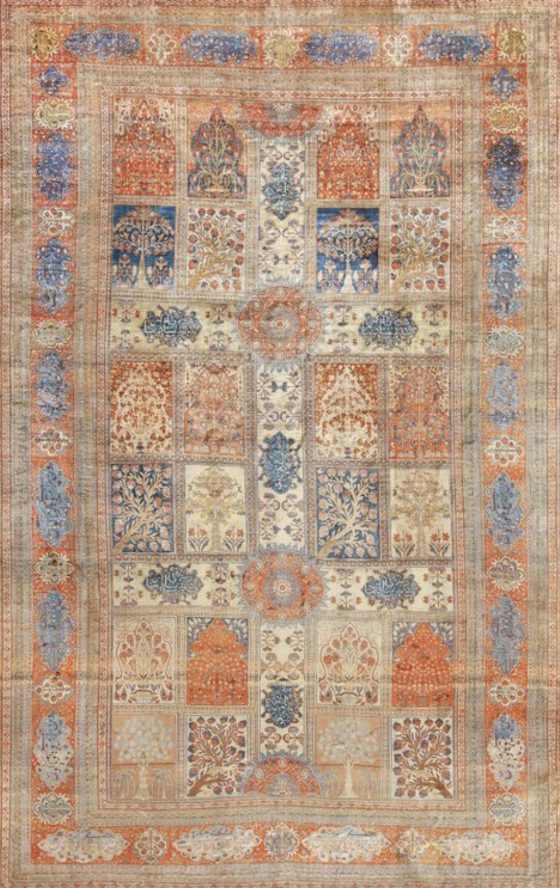
A predominant theme in Ethel’s designs for the Jönköping County Craft Association is the incorporation of a garden motif. The majority of her rugs feature abstract representations of gridded garden plots, a stylistic choice reminiscent of the traditional Persian rug types such as Bakhtiari, Kerman, and Heriz. Notably, the use of gridded garden designs is deeply rooted in the rich tapestry of Persian rug-making traditions.
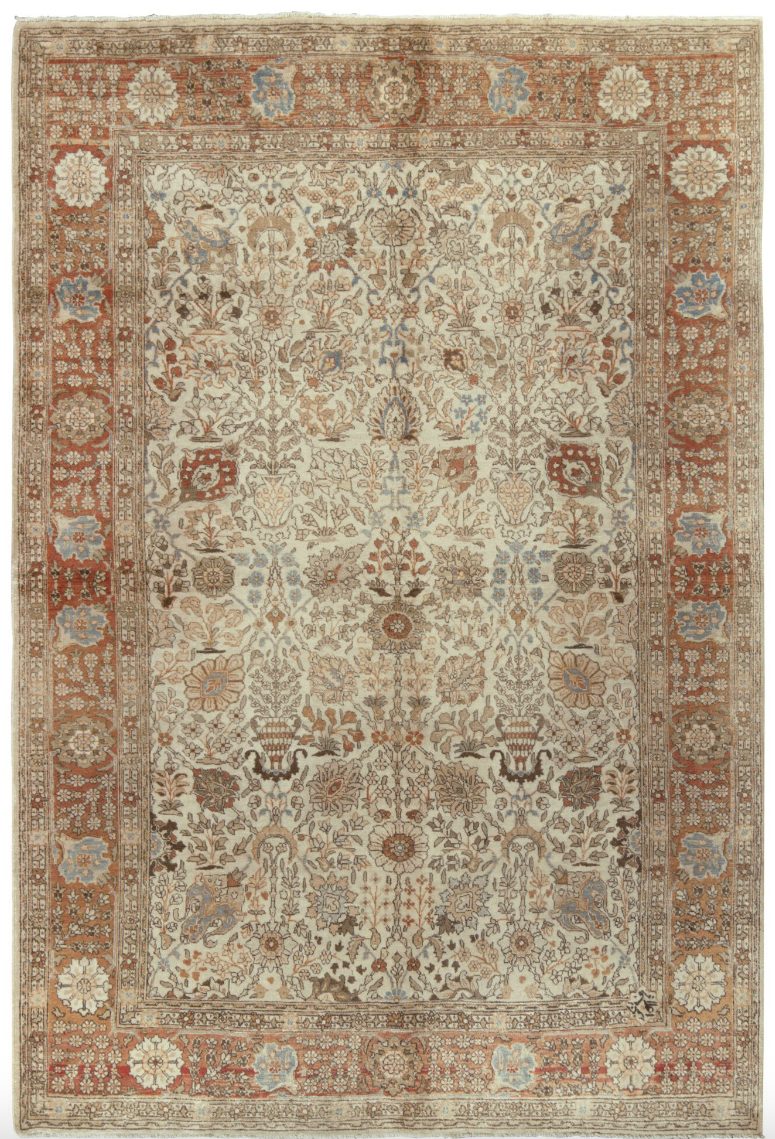
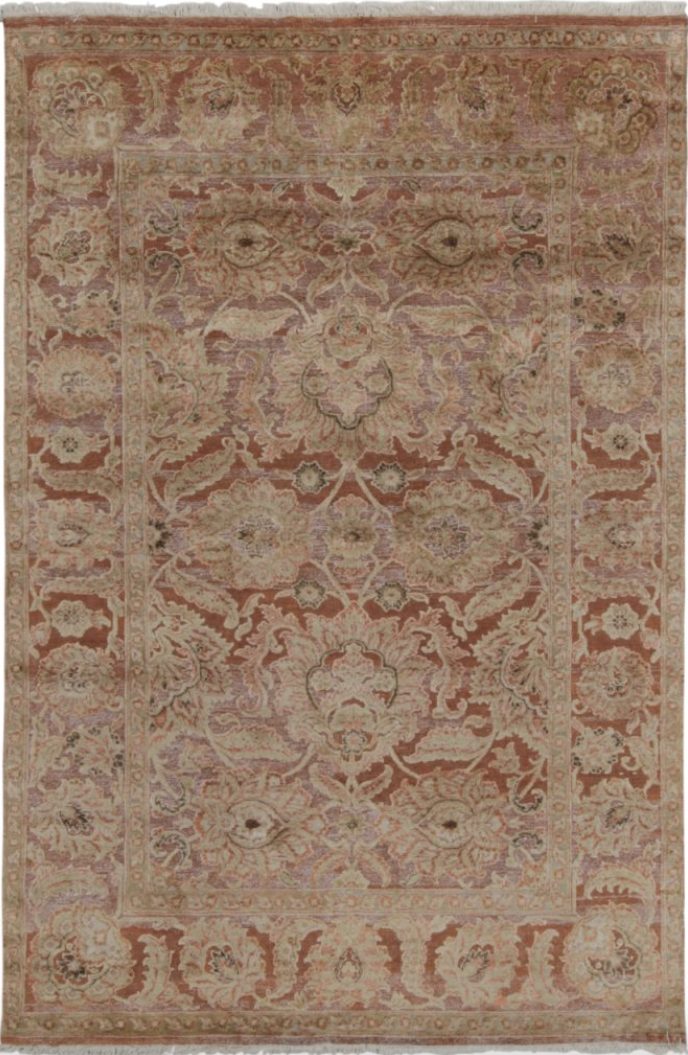
It’s worth delving into the cultural and religious significance of such motifs. The Quran, the holy book of the Islamic (Muslim) religion, portrays a garden as an allegory of paradise. Consequently, many rugs woven in the Muslim world incorporate garden imagery, making it a recurring and symbolic theme. These rugs often fall into two categories: those featuring four quadrants divided by water courses, known as “Chahar Bagh,” and “bird’s eye” views of gridded gardens. In both renditions, water and fertile trees play a significant role, reflecting the Quranic symbolism associated with paradise. To provide visual context, several examples of traditional, intricately-woven Persian “garden” rug designs are presented below, showcasing the elaborate craftsmanship and symbolic storytelling inherent in these artistic creations. Ethel’s incorporation of this motif into her designs not only reflects a mastery of technique but also pays homage to a rich cultural legacy that spans continents and centuries.
1stDibs
1stDibs
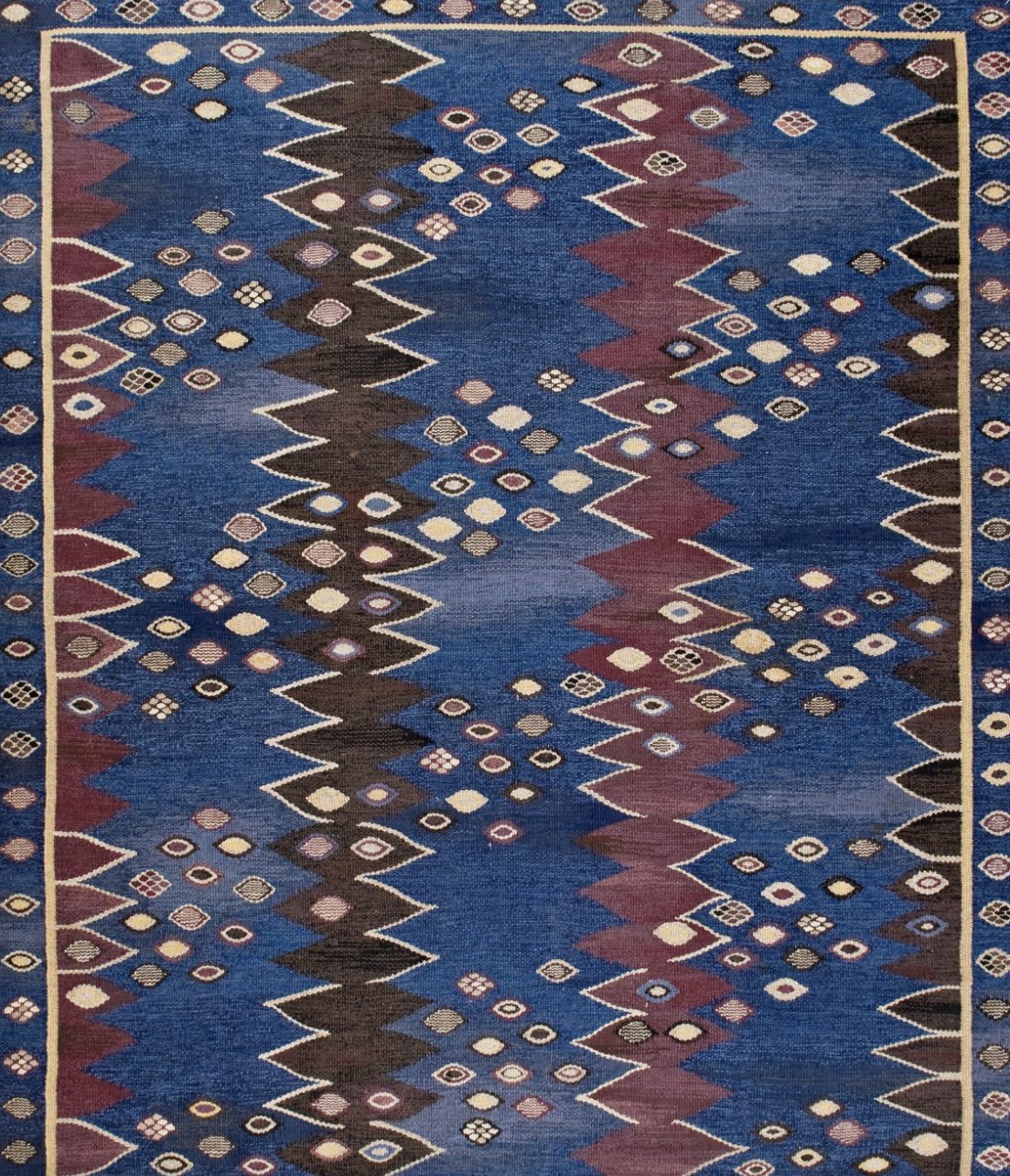
The allure of gridded gardens proved to be a compelling subject for Swedish rug designers throughout the 20th century. Märta Måås-Fjetterstöm, a luminary in this realm, achieved widespread recognition for her rugs, which were not only showcased and published but also found a place in museum collections. Her garden-inspired creations served as influential models, shaping the trajectory of subsequent Swedish variations, including those crafted by Ethel Halvarsson. Måås-Fjetterstöm’s distinctive designs were characterized by vibrant colors and drew inspiration from various design elements inherent in traditional Swedish weaving. Notably, her rugs featured a hash shape, a variant of the traditional 8-pointed star—an element that added a unique and culturally resonant touch to her creations. Unlike evenly gridded patterns, Måås-Fjetterstöm’s designs exhibited a dynamic quality, sometimes adopting a patchwork arrangement that added an additional layer of visual interest.
Ethel Halvarsson, influenced by Måås-Fjetterstöm’s innovative approach, incorporated these elements into her own work. The legacy of gridded gardens as a motif in Swedish rug design thus becomes a testament to the enduring appeal of nature-inspired themes and the artistic dialogue that transcends generations. In the hands of skilled designers like Måås-Fjetterstöm and Halvarsson, the traditional meets the contemporary, resulting in timeless pieces that reflect both cultural heritage and individual creativity.
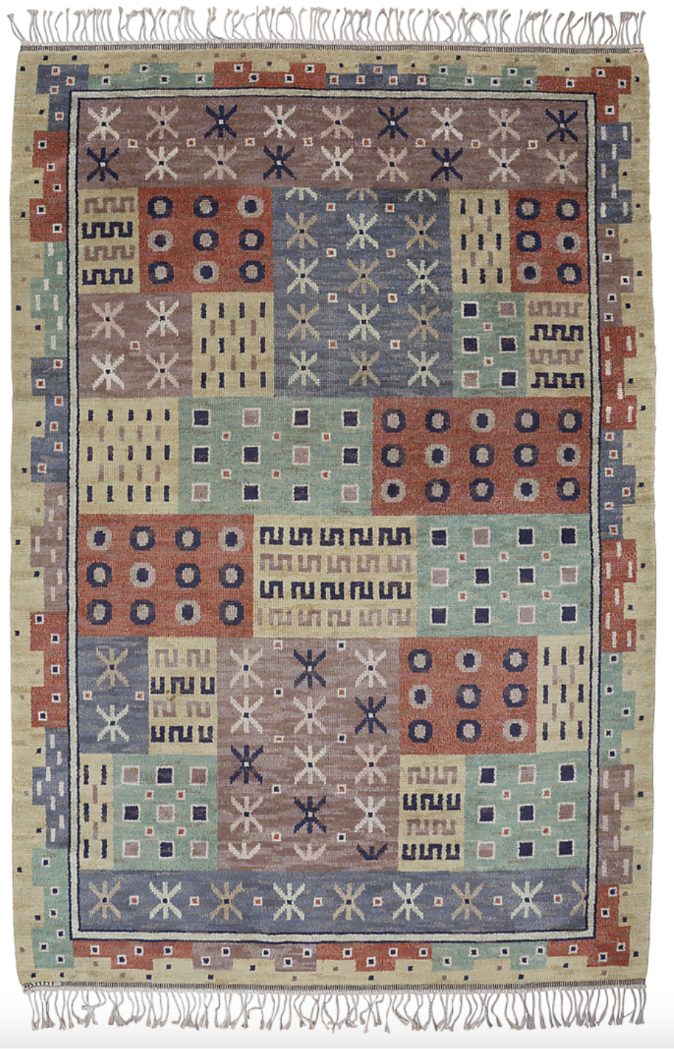
Märta Måås-Fjetterström, Joakim carpet
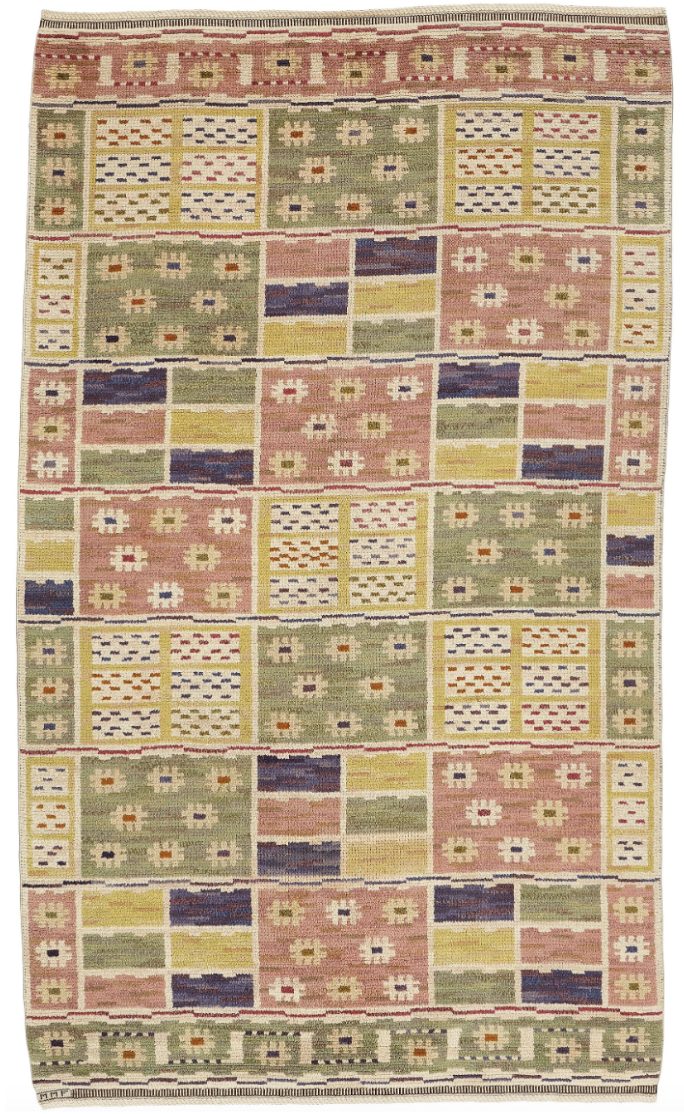
Märta Måås-Fjetterström, “Ängarna” (“The Meadows”) carpet
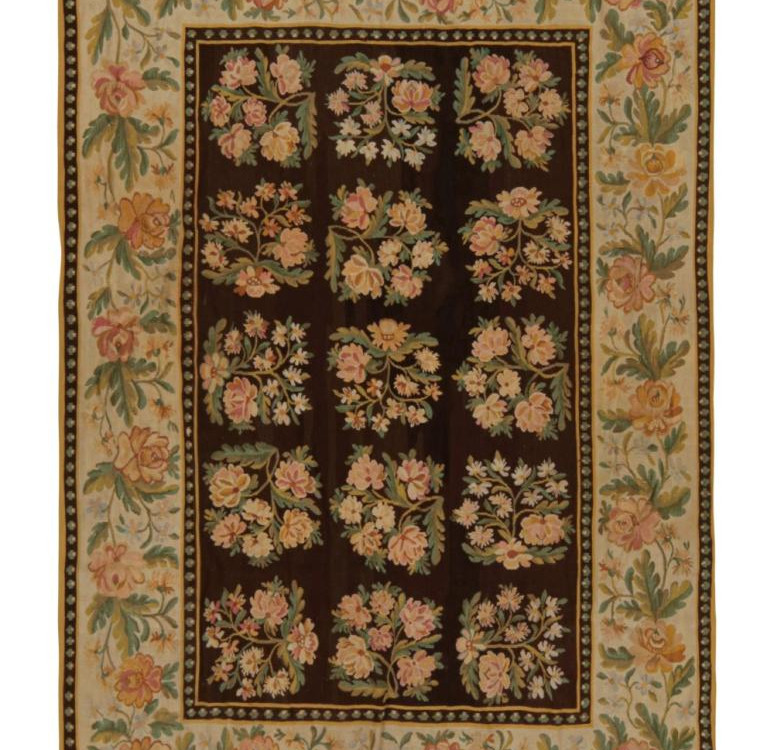
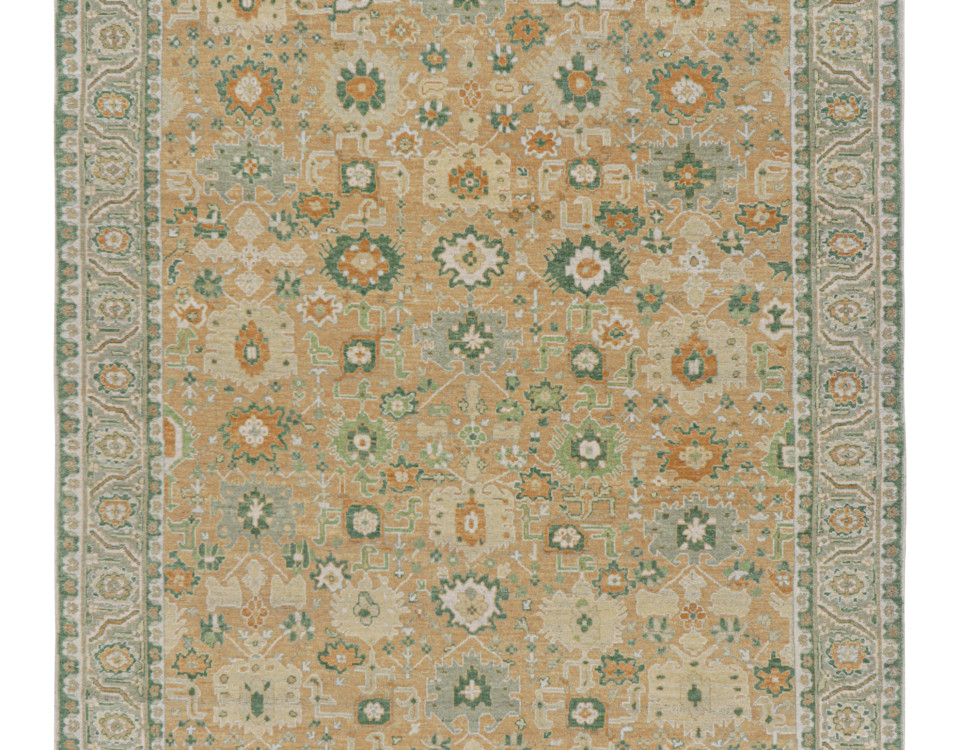
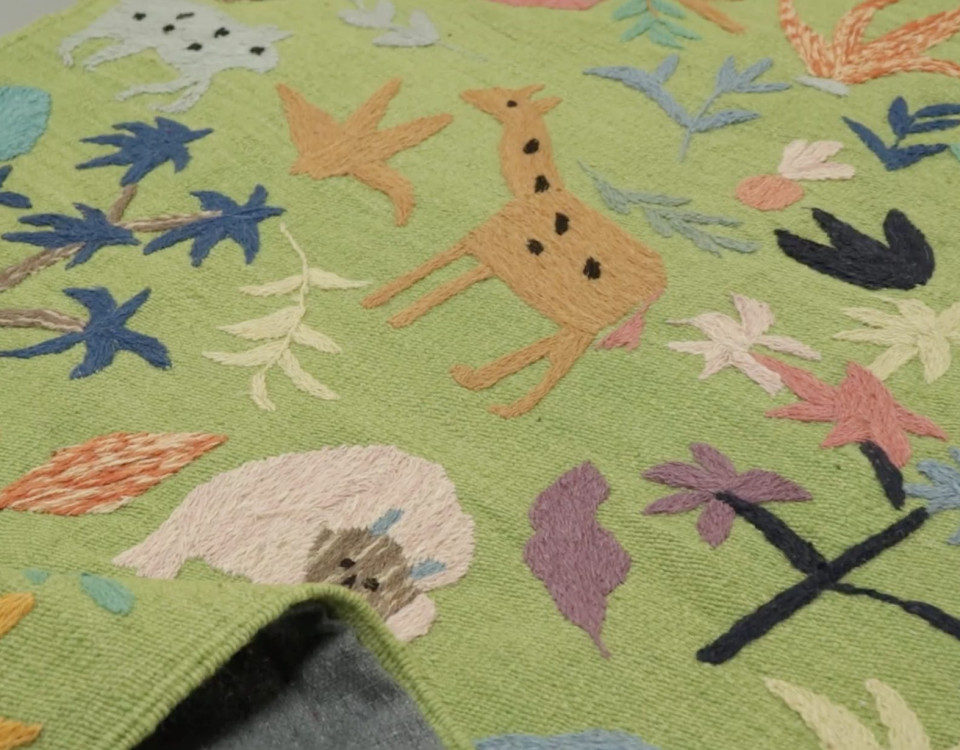
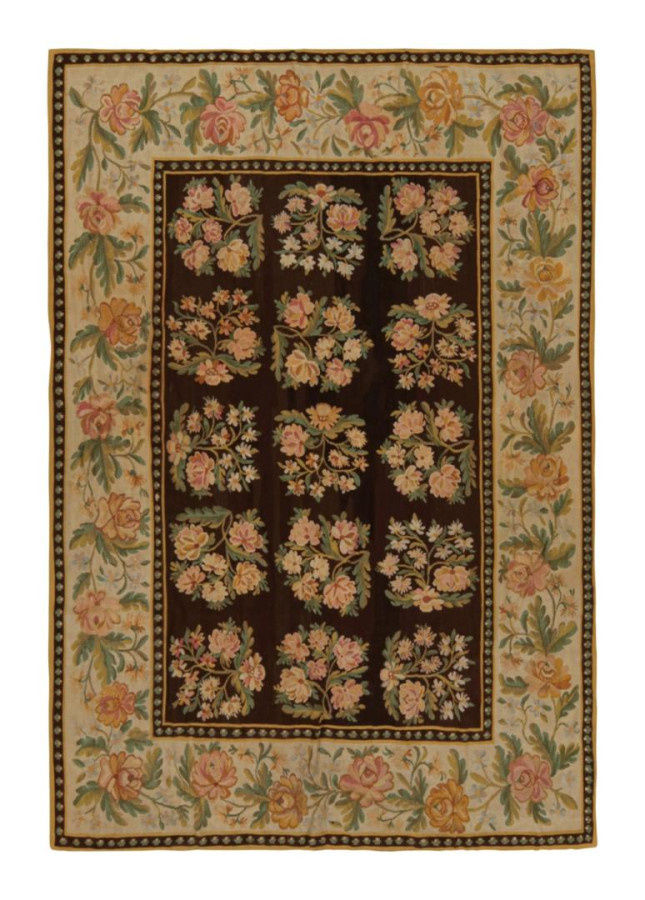
View some of Rug & Kilim’s rugs with garden motifs as inspired by Halvarsson’s art –