

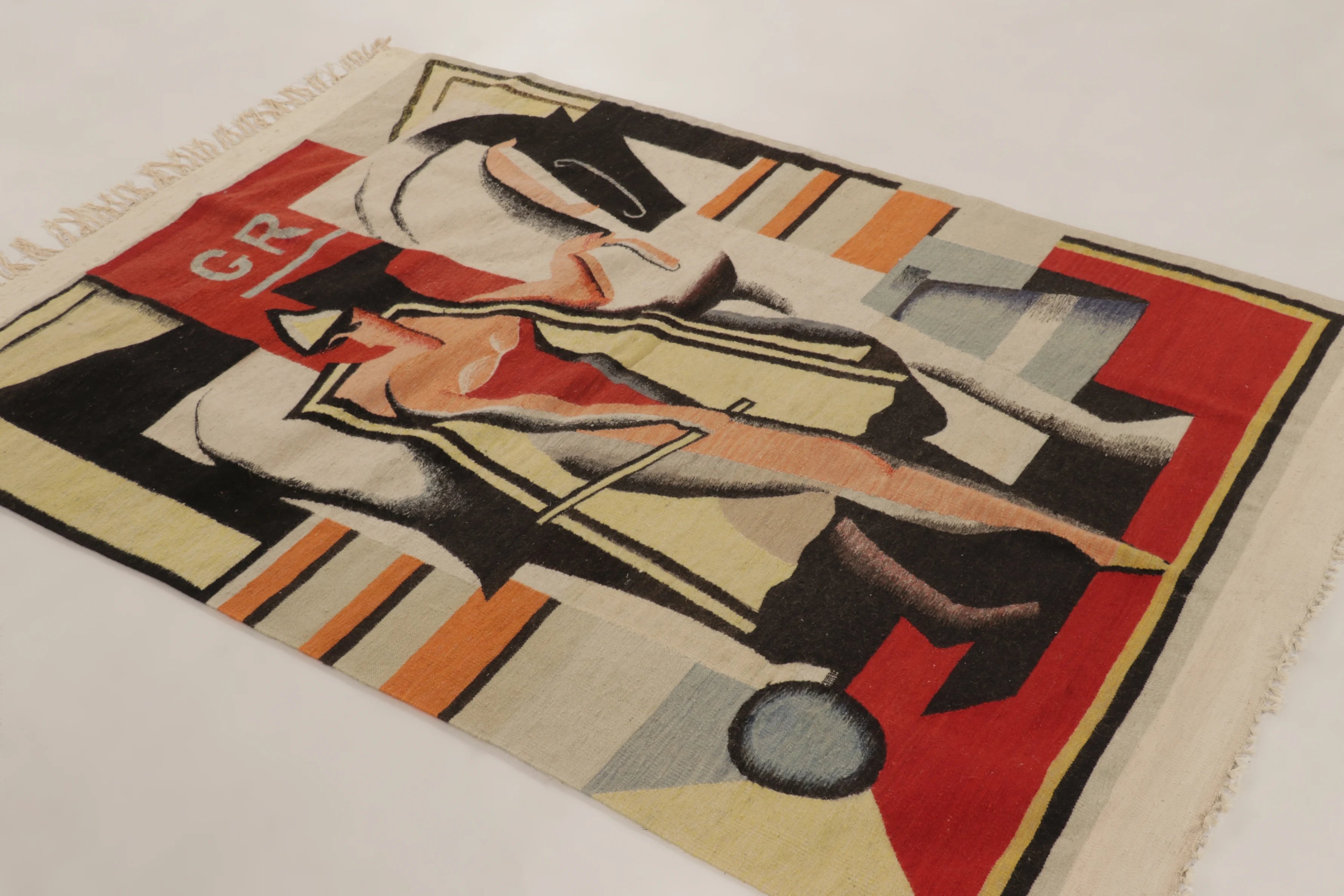
Wool
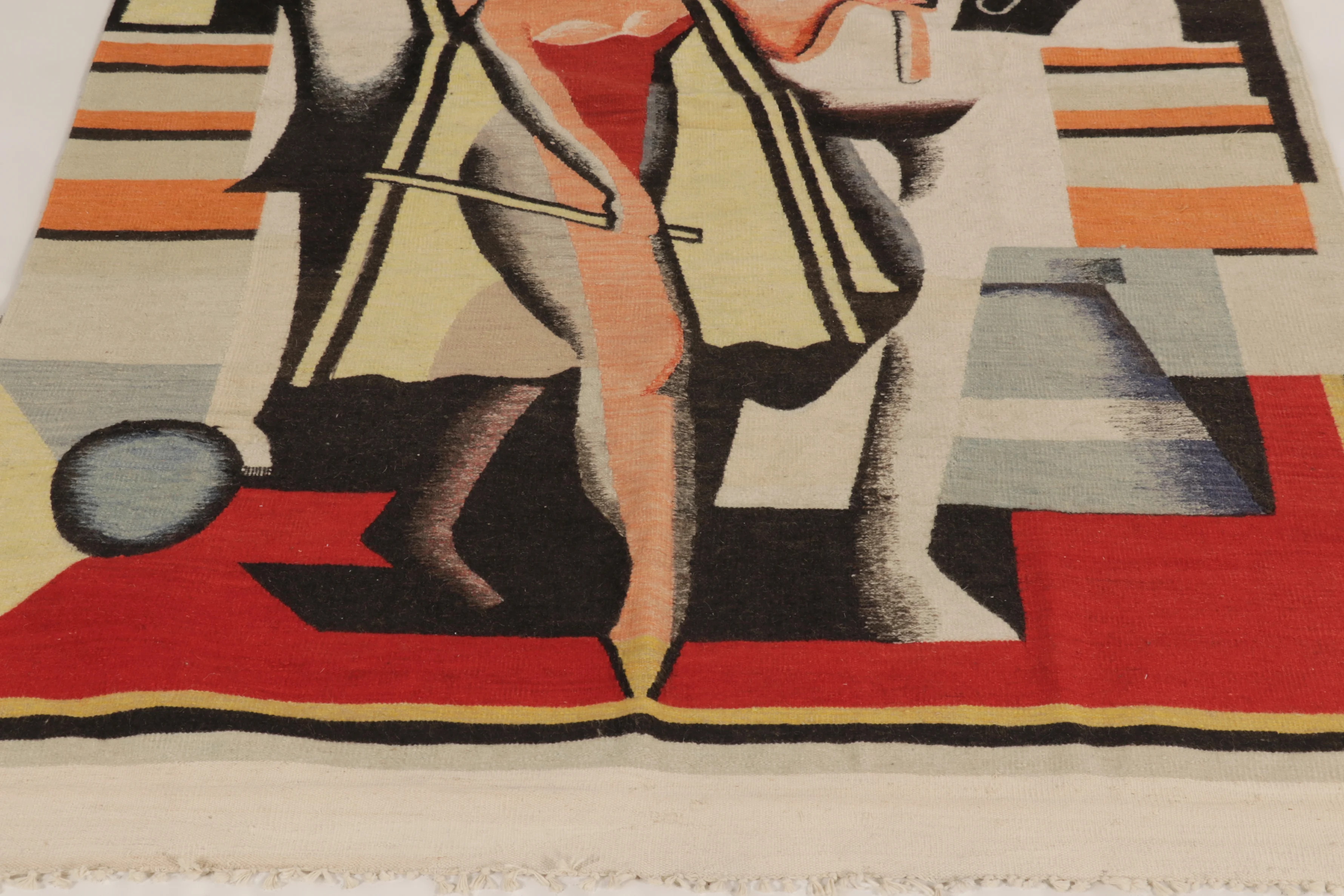
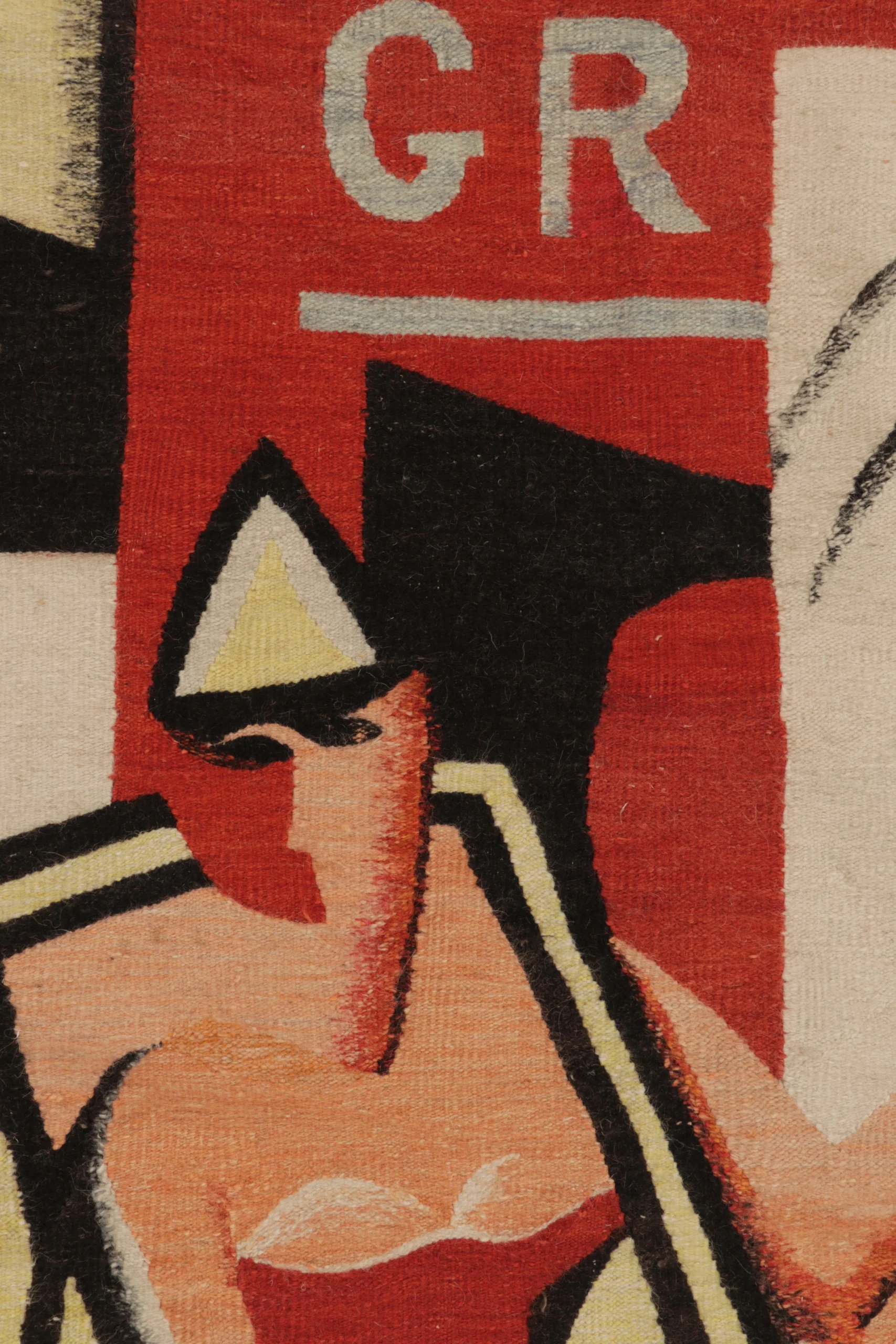
France, c. 1883-1956
4'10" X 7'2" (1.47 m x 2.18 m)
Available: Shipping As Soon As Tomorrow
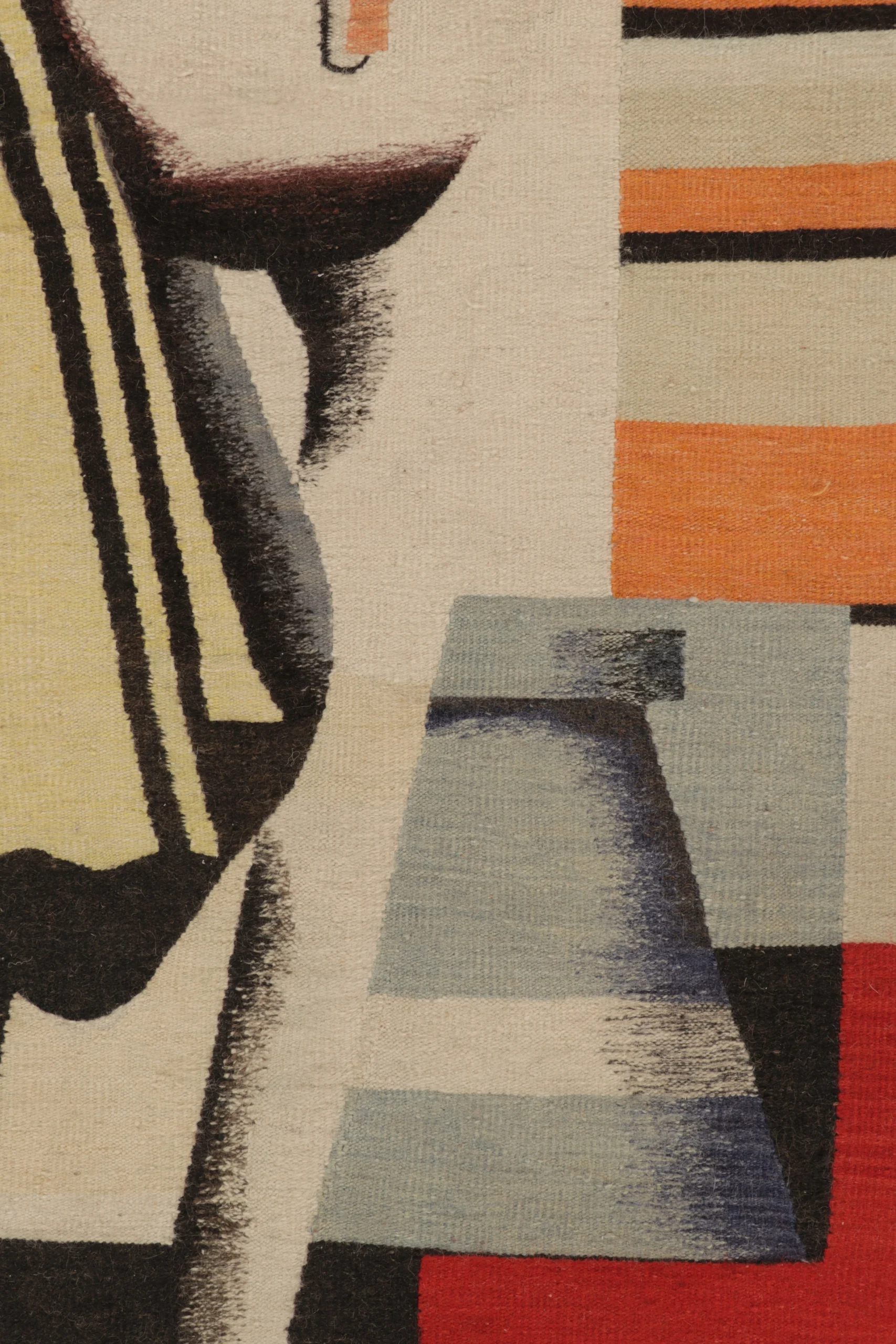
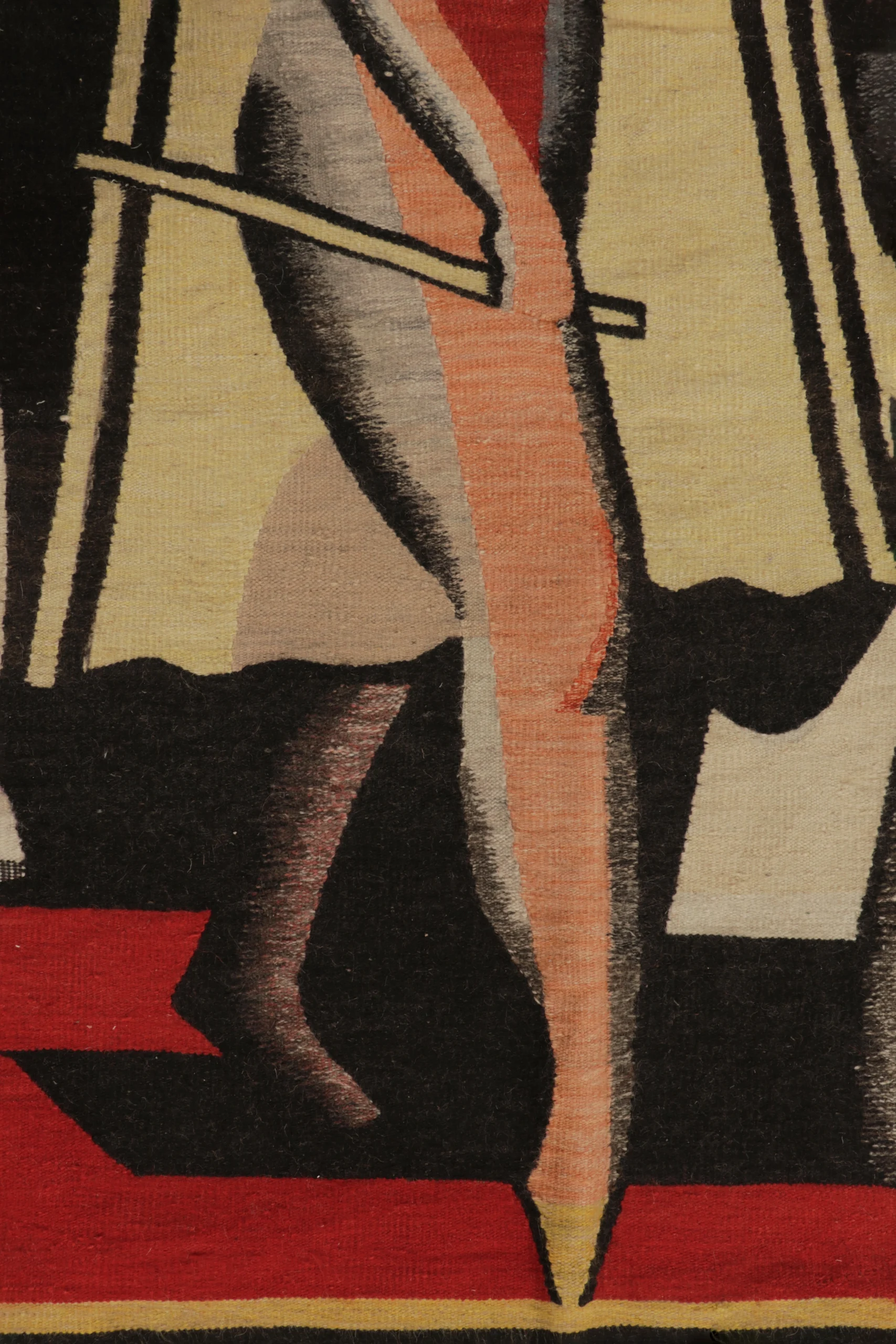
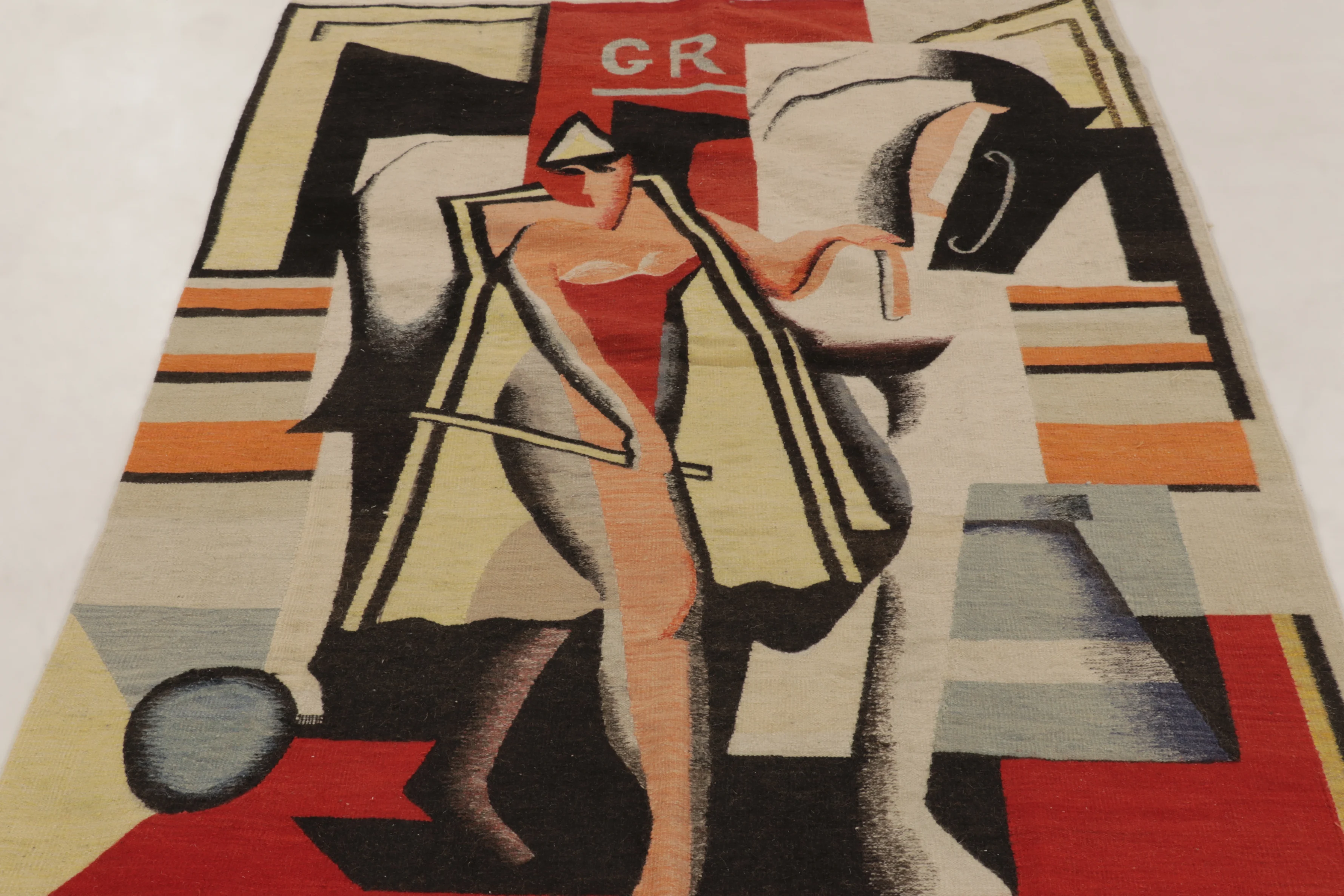
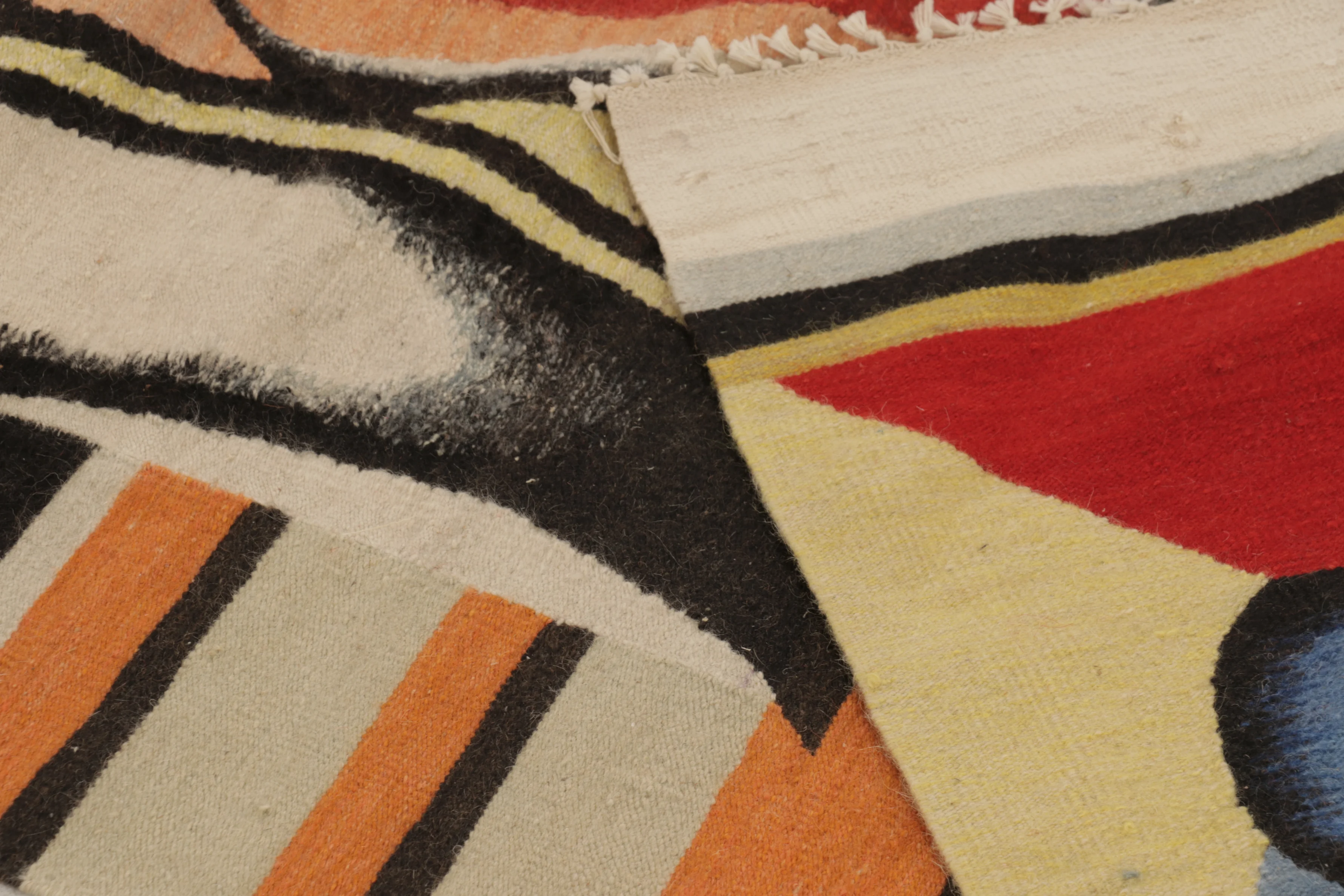
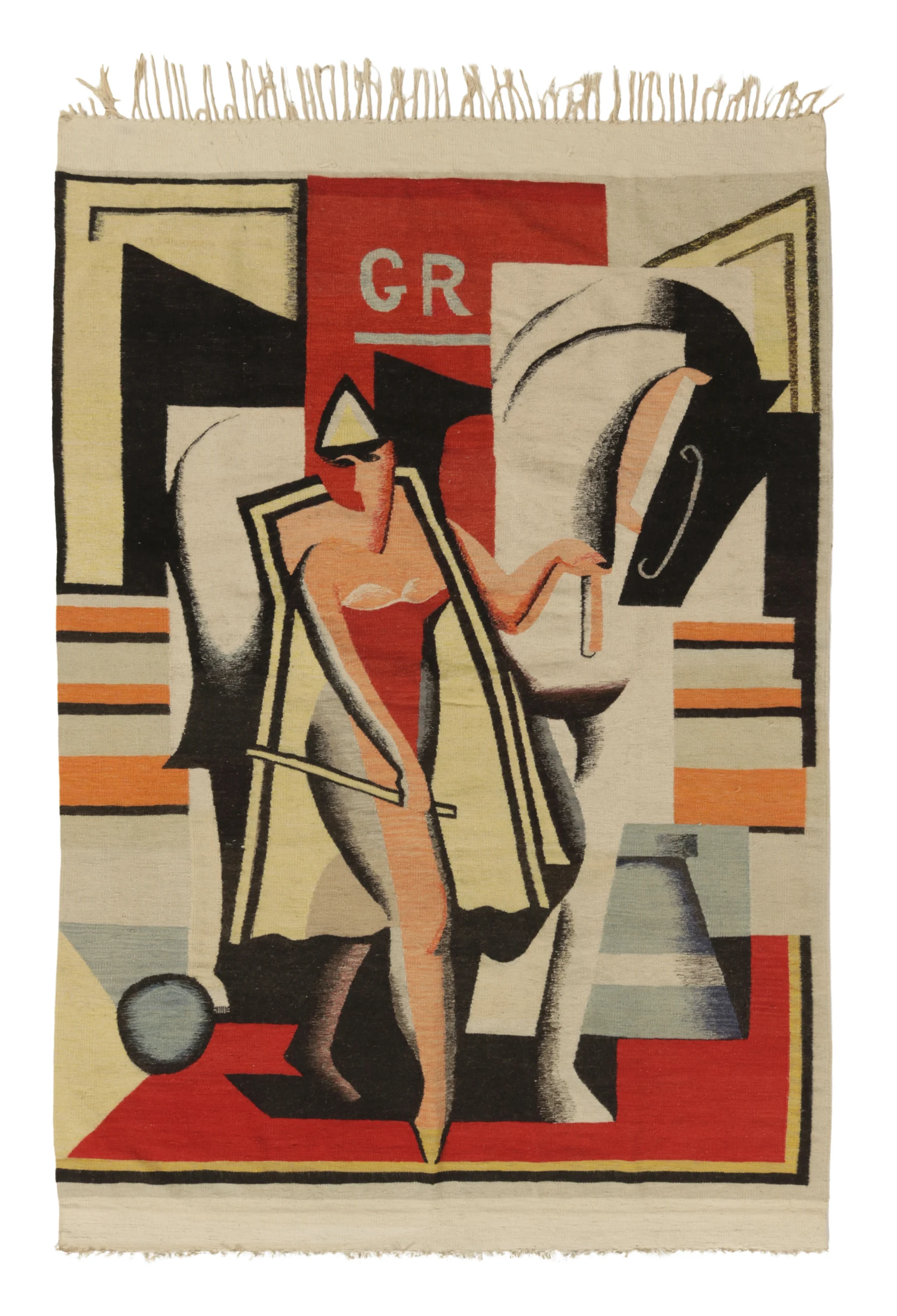
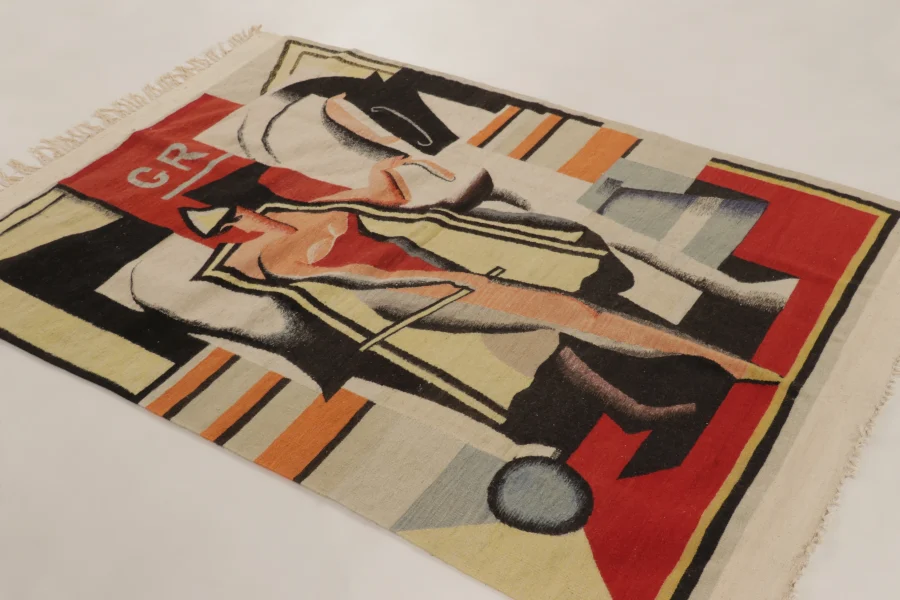
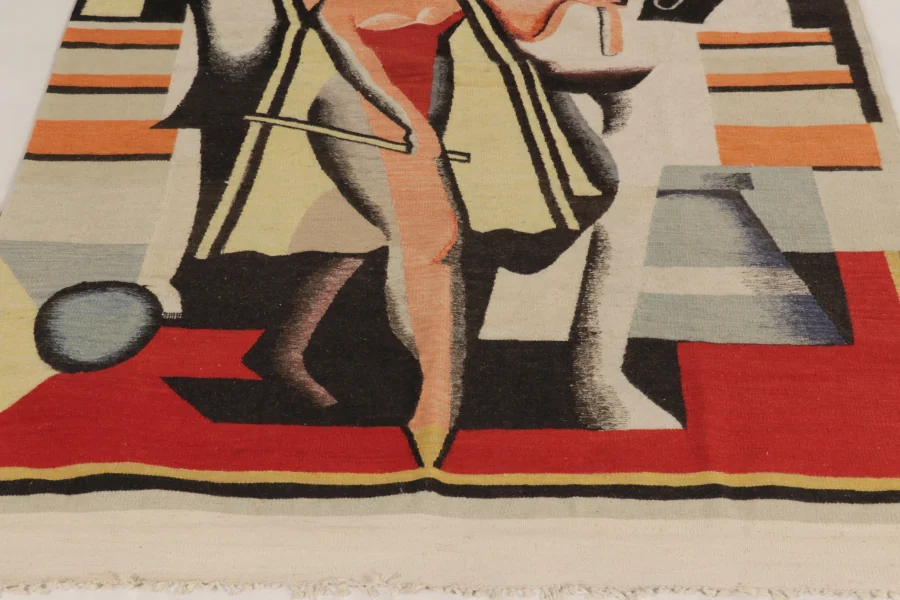
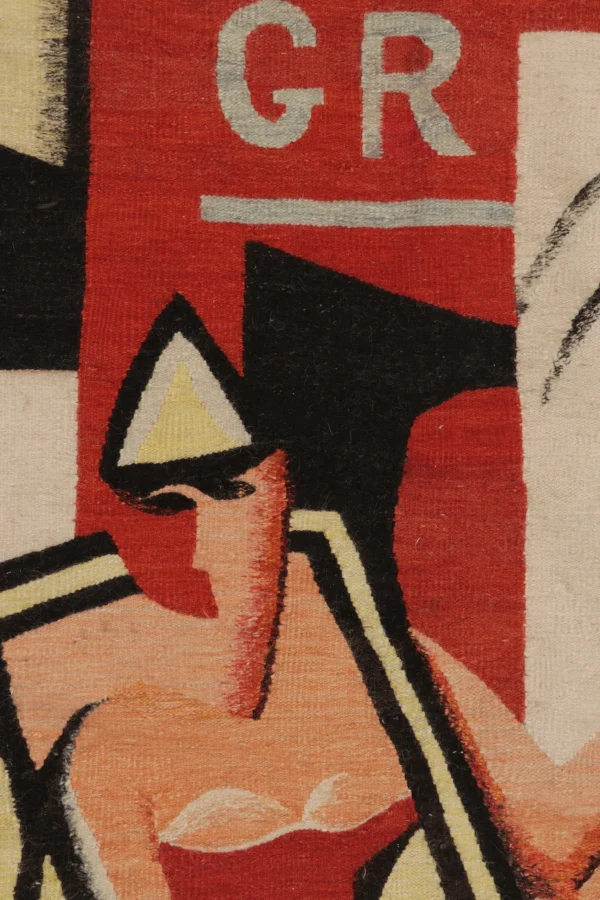
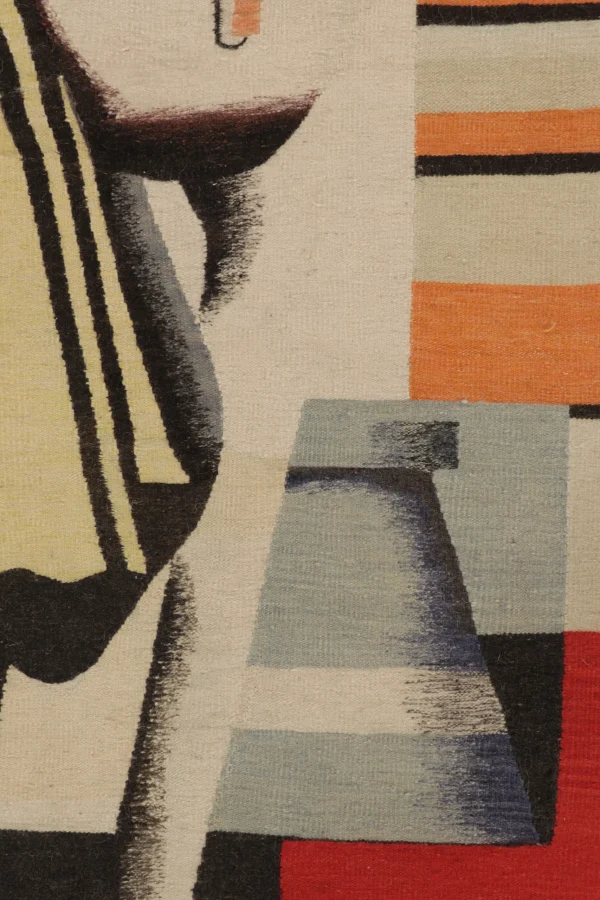
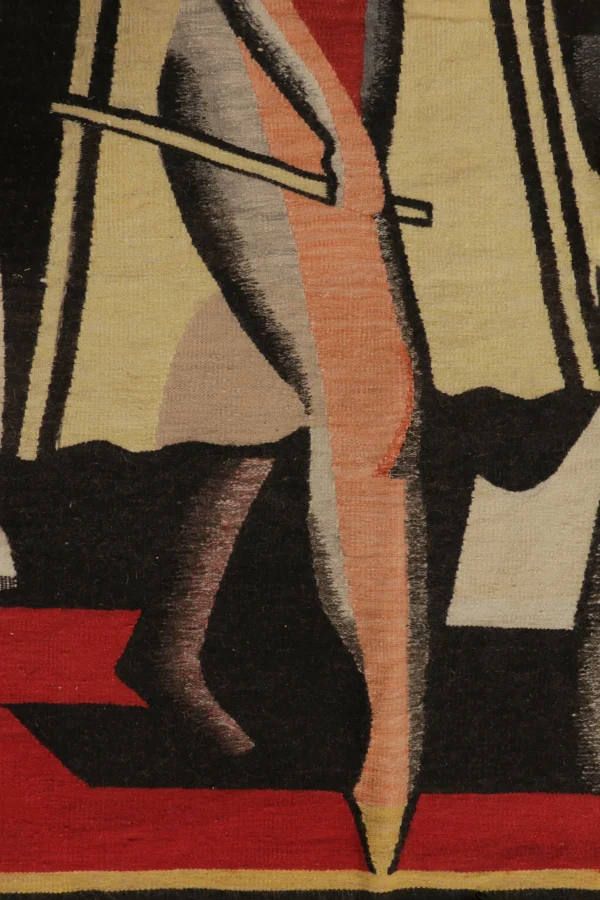
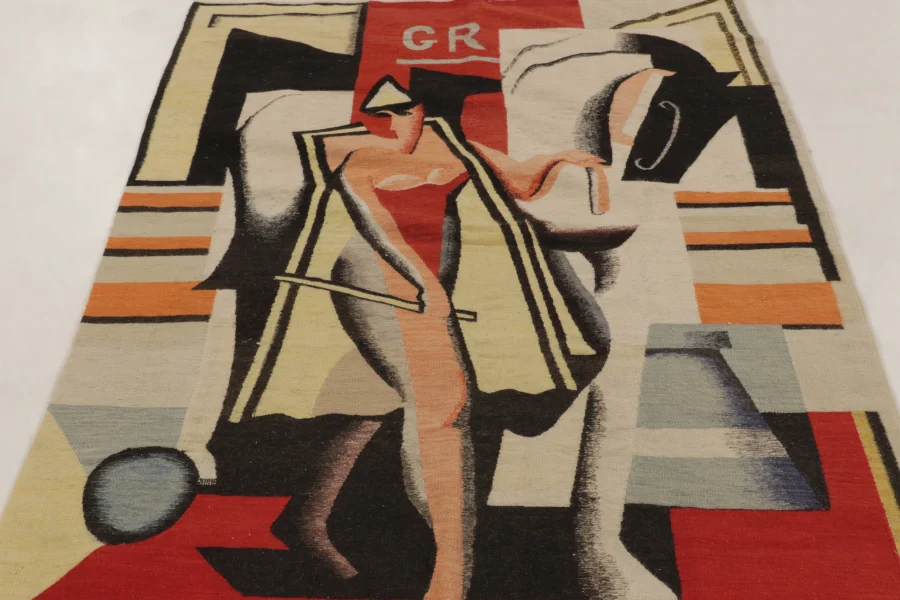
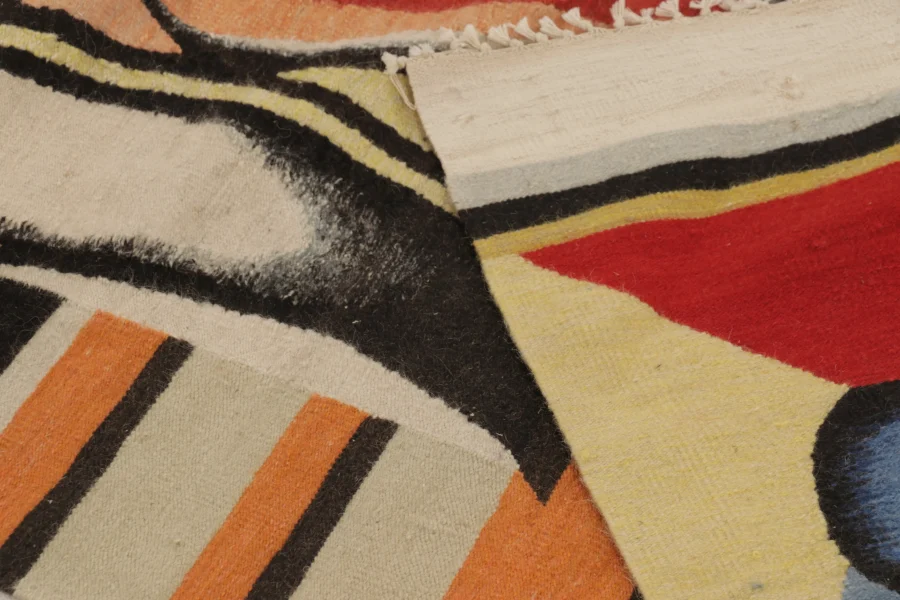
Signed Antique 19th Century Jean Metzinger Tapestry “Ecuyère au cirque” - Rug & Kilim
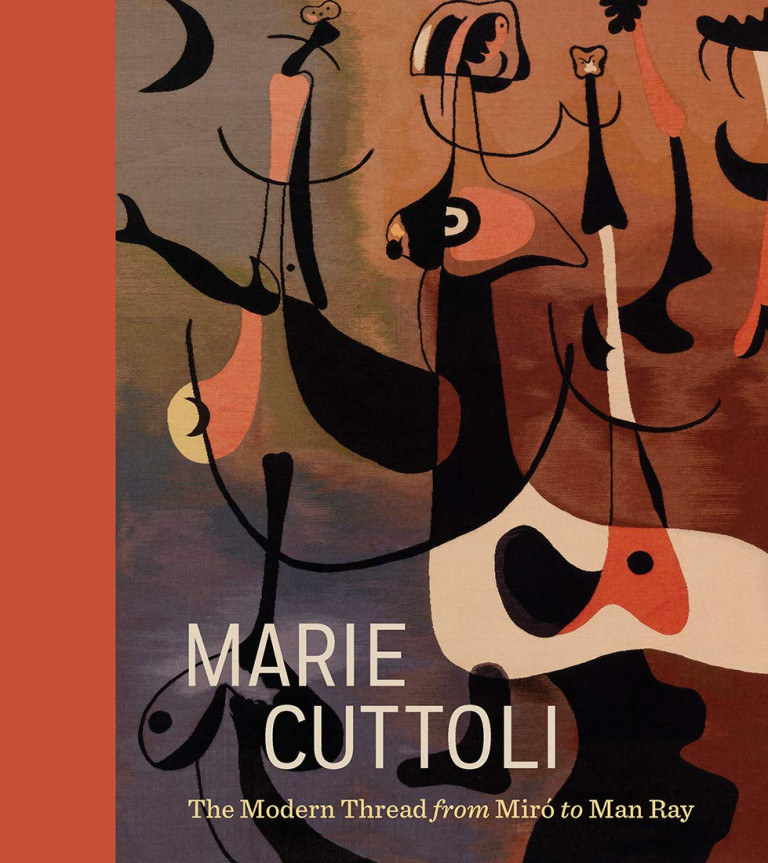
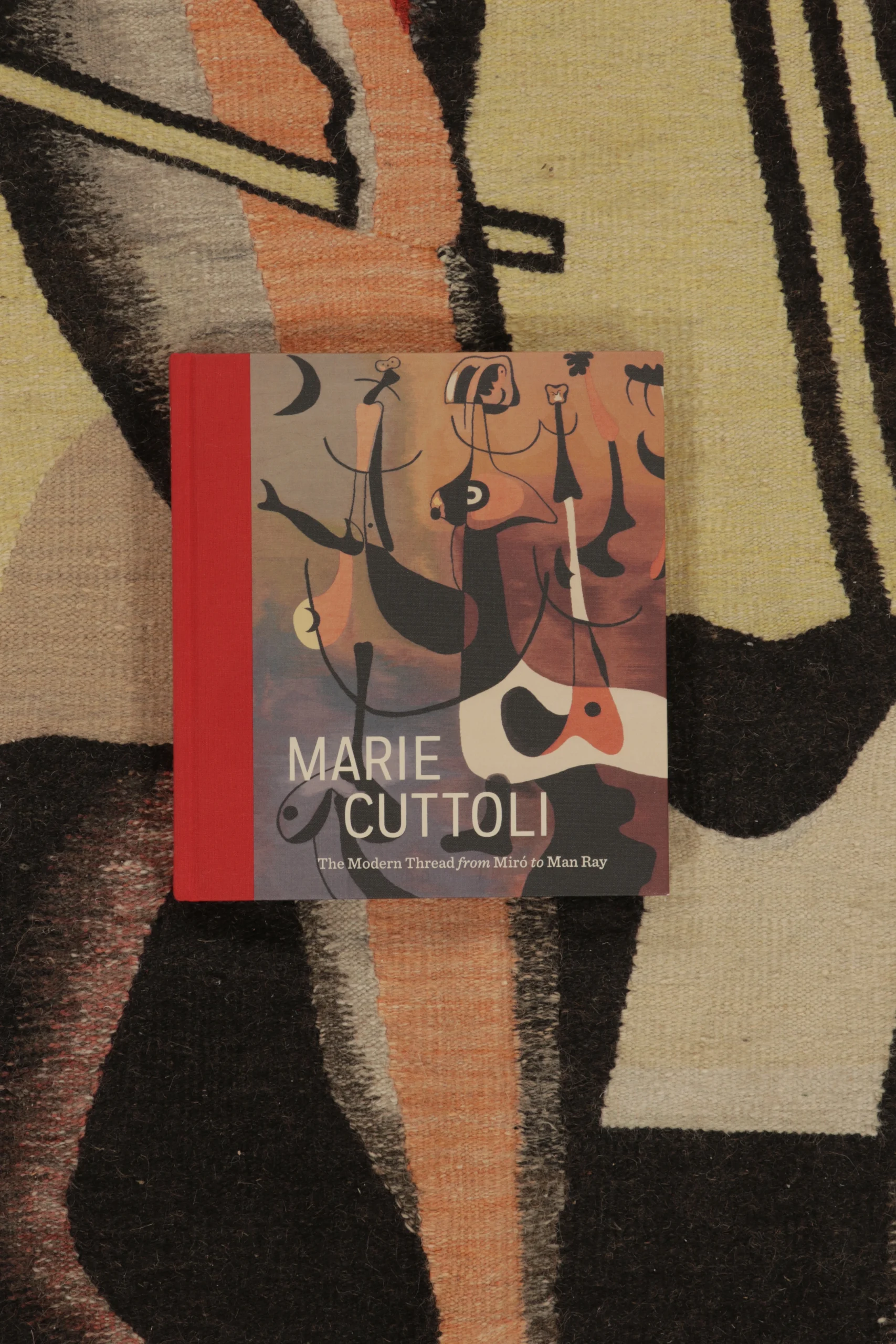
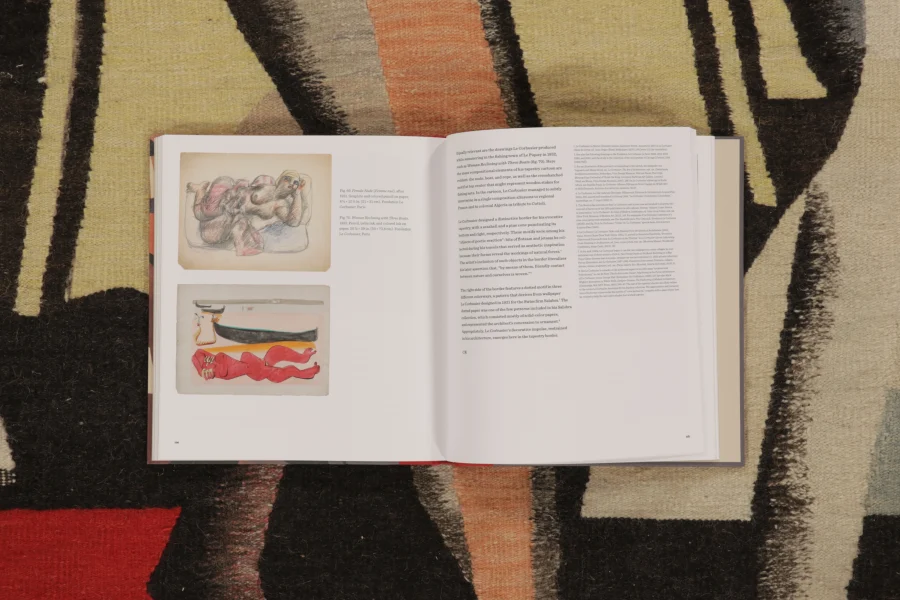
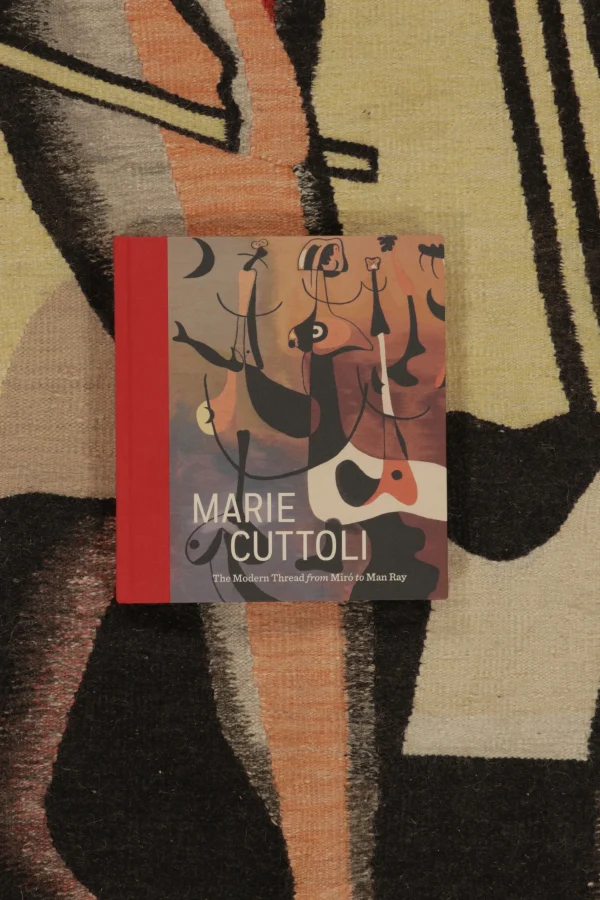
Marie Cuttoli
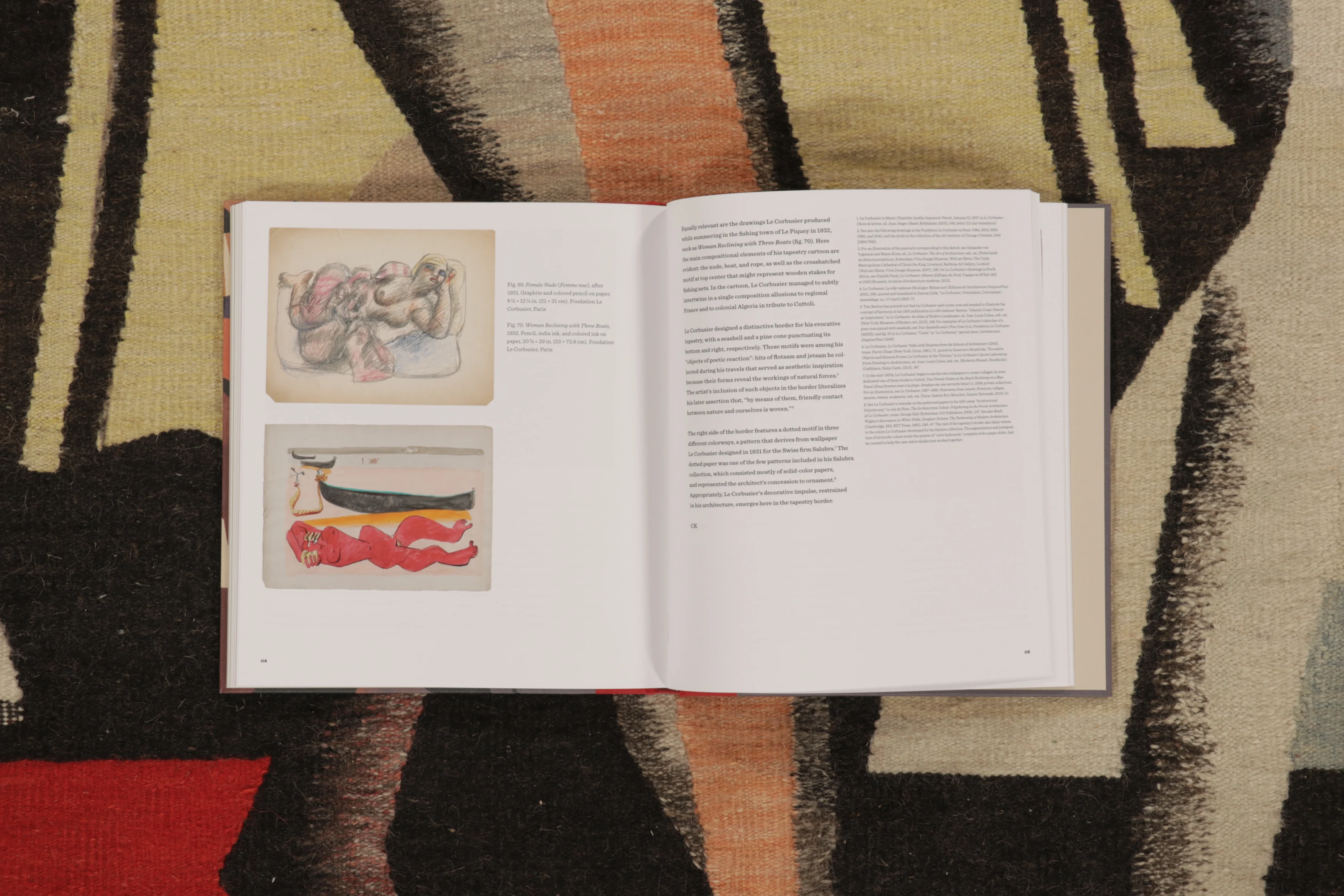
By Cindy Kang (ed.), Laura Pirkelbauer, Laura L. F. Sevelis, Virginia Gardner Troy, et al. — Yale University Press, 2020
French, Modernist (20th Century), Tapestry & Textile
One woman’s influential contribution to modernism, achieved through a fascinating revival of tapestry Marie Cuttoli (1879–1973) lived in Algeria and Paris in the 1920s and collected the work of avant-garde artists such as Georges Braque, Joan Miró, and Pablo Picasso. In the ensuing decades, she went on to revive the French tapestry tradition and to popularize it as a modernist medium. This catalogue traces Cuttoli’s career, beginning with her work in fashion and interiors under her label Myrbor.
$45
"Rug & Kilim has been a pleasure to work with from the very start of our relationship. Not only is their service outstanding, their inventory of one of a kind vintage rugs is unparalleled."
— Alan Eckstein and Margaret Goddard, Somerset House
A standard since our inception upheld across every acquisition,
transaction, and delivery.
45+ Year Old Institution
More than four decades of expertise and stewardship, under the leadership of our Principal, Jahanshah "Josh" Nazmiyal.
Favorable Return Policy
Our return policy is 48 hours upon receipt allowing you to confirm the purchase in your space with confidence.
Product Warranty
Each rug is hand selected or produced through the most reputable sources under the direct supervision of our Principal.
Trusted Global Delivery
Reliable worldwide delivery handled with care, precision and constant communication.
Exceptional Support
Attentive, knowledgeable guidance before and after purchase from our dedicated team of specialists.
Long Term Care
We stand behind every piece we place and remain a resource to our clients for the lifetime of their collection.
Stories from the Tapestry Collection
Essays, artist dialogues, and provenance notes drawn from Rug & Kilim’s editorial desk.
Agra Rugs in Art, Architecture and Global Design Culture
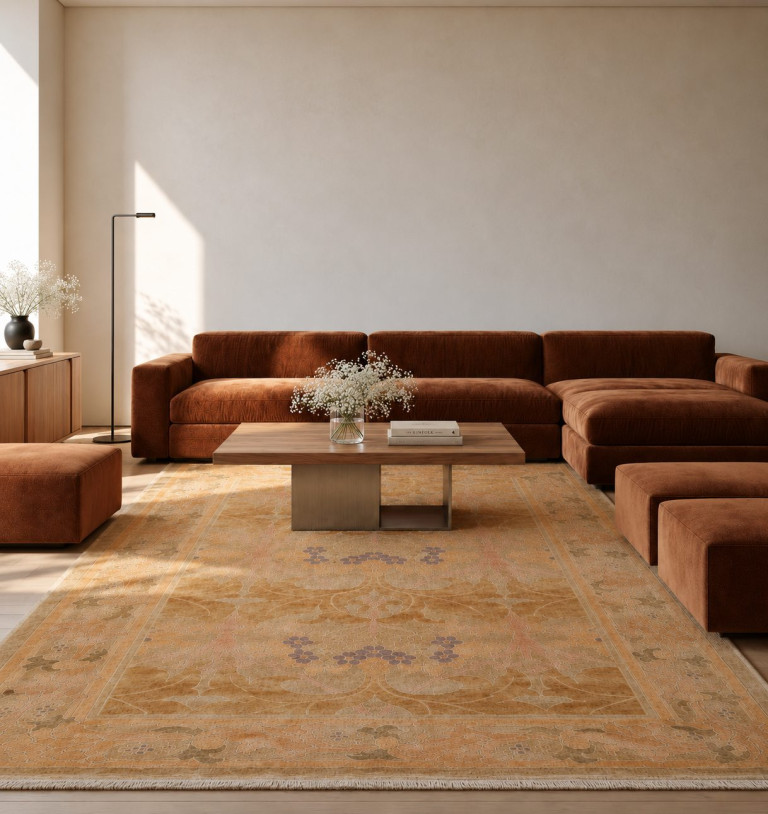
Among the great weaving traditions of the Indian subcontinent, Agra rugs occupy a distinguished position shaped by Mughal artistic refinement, Persian influence, and centuries of decorative innovation. Originating from the historic city of Agra in northern India—once a major center of the Mughal Empire—these carpets represent one of the most intellectually sophisticated textile traditions within global decorative arts. Unlike purely tribal carpets or highly formal European weavings, Agra rugs synthesize multiple cultural vocabularies into a unified visual language defined by monumental scale, refined ornamentation, and extraordinary compositional balance. Their designs draw from Persian court aesthetics, Islamic geometry, Indian botanical symbolism, and architectural inspirations associated with Mughal palaces and gardens.
Read the Feature
Art Nouveau Rugs: The Intersection of Decorative Arts and Modern Design
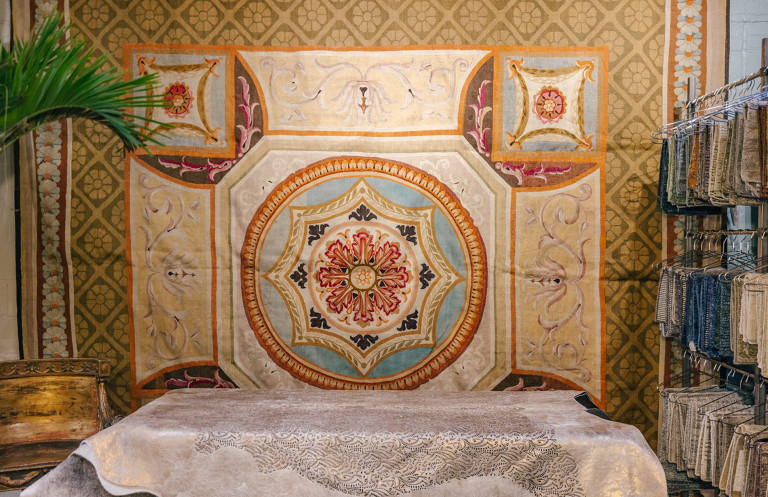
Among the most influential artistic movements of the modern era, Art Nouveau occupies a unique place at the intersection of art, architecture, design, and craftsmanship. Emerging in Europe during the final decades of the nineteenth century, the movement sought to dissolve traditional boundaries between fine art and decorative art, creating a unified aesthetic language inspired by nature, movement, and organic beauty. Within this broader creative revolution, Art Nouveau rugs emerged as some of the most sophisticated and expressive textile works ever produced. Unlike the historical revival styles that dominated much of the nineteenth century, Art Nouveau embraced innovation. Designers looked beyond historical ornament and instead turned to the natural world for inspiration. Flowing vines, botanical forms, floral motifs, curved silhouettes, and rhythmic asymmetry became defining characteristics of the movement. Rugs created within this design philosophy transformed the role of carpets from decorative accessories into integral architectural and artistic elements.
Read the Feature
The Artists Behind European Tapestry: A Guide to the Names Worth Knowing
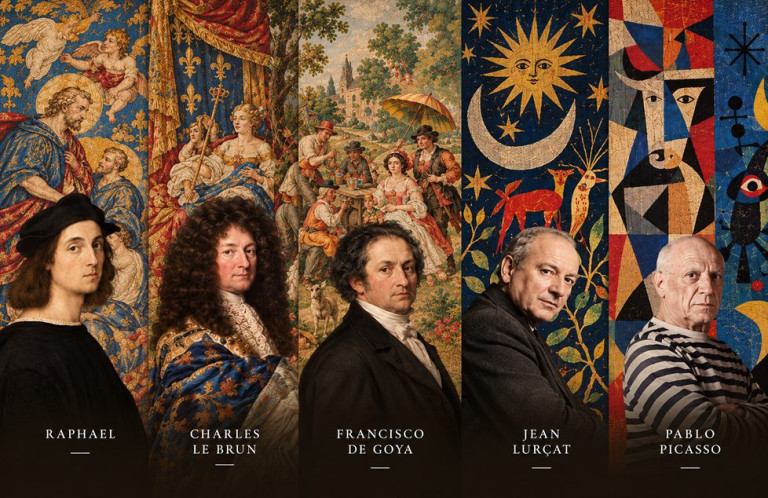
There is a persistent misconception about tapestry, and it is worth correcting at the outset: that the weaving is the whole of the art. It is not. Behind every great European tapestry stands an artist, the author of the design from which the weavers worked, and the history of the medium is in large part the history of these figures. To collect tapestry seriously, or simply to understand it well, is to know their names. What follows is a guide to the artists who matter most, arranged as the tradition itself unfolded, from the royal workshops of the old regime to the modern revival that made tapestry, once again, one of the most ambitious art forms in the world.
Read the Feature
A Guide to Bessarabian Rugs: History, Design, and Modern Luxury
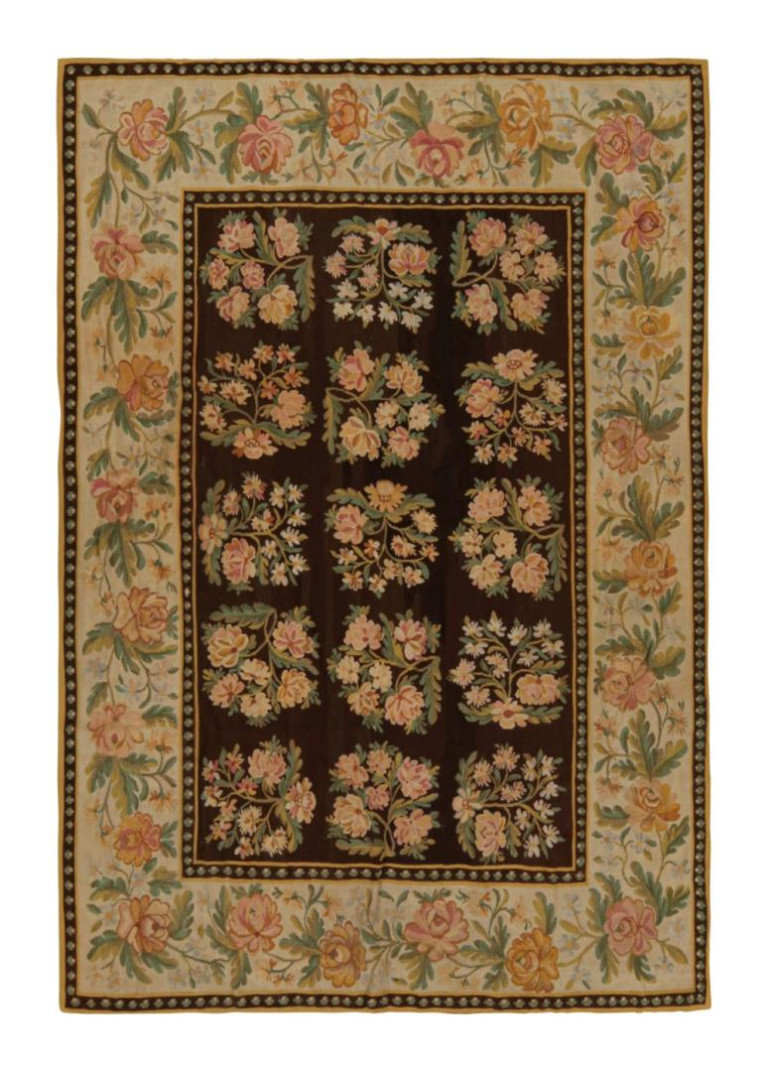
Within the world of collectible textiles and luxury interiors, few rug traditions possess the quiet sophistication and painterly elegance of Bessarabian rugs. Emerging from the historic region of Bessarabia—an area historically situated between present-day Moldova, Romania, and Ukraine—these rugs occupy a unique position at the crossroads of Eastern European folk tradition, Ottoman influence, Russian imperial culture, and French decorative aesthetics. Unlike the geometric tribal weavings commonly associated with Central Asia or the medallion-driven structures of Persian carpets, Bessarabian rugs developed a distinctly atmospheric and ornamental visual language. Their floral compositions, subdued tonal harmonies, and expansive decorative fields positioned them closer to European decorative arts than purely utilitarian floor coverings.
Read the Feature
Provenance, Structure, Intelligibility: The Three Pillars of Serious Collecting
Anyone can acquire a rug. To collect one, to bring it into a serious collection with the confidence that it belongs there, requires a discipline, and that discipline rests on three questions. Across four decades of building one of the most significant archives in the country, this house has come to evaluate every object through the same three. They are the difference between buying and collecting, and they are worth setting down plainly, because they apply as readily to a Safavid fragment as to a signed Aubusson, and because they are the same three questions, at bottom, that a curator at the Metropolitan or a specialist at Christie's brings to any object of consequence.
Read the Feature
A Walkthrough of Legacy, Design, and the Art of Understated Luxury with Sina Nazmiyal
Not many people walk away from an early legal victory to begin again. But for Sina Nazmiyal, the triumphs of successful advocacy never stirred his soul the way a single antique carpet could. For as long as he can remember, rugs have been the ground beneath his life—like tapestries underfoot, and figurative threads binding family, memory, and artistry. His fingertips tracing the indigo threads with reverence, you begin to understand: this is no mere inheritance. This is stewardship—shaped by intuition, forged by introspection, and guided by a sensibility that quietly, but unmistakably, redefines luxury in our time.
Read the Feature


R&K Image Studio
NEWThe R&K Image Studio is a new visual workspace designed to present the Rug & Kilim collection with clarity, restraint, and precision — in your space or any space you imagine.
This tool allows you to view, refine, and prepare imagery drawn directly from the pieces in our archive. They can be visualized cleanly, isolated thoughtfully, and adjusted for presentations, proposals, and private viewings, without altering the integrity of the original work.
Tapestry
Wool
France, c. 1883-1956
4'10" X 7'2" (1.47 m x 2.18 m)
Price upon request
Available: Shipping as Soon as Tomorrow
Signed Antique 19th Century Jean Metzinger Tapestry “Ecuyère au cirque” - Rug & Kilim
"It's rare to find a rug company that offers unique antiques, curated with a historical eye. And the best quality customization for anything you might need. All while being treated like family - love those guys."
— Andre Mellone, Studio Mellone