

Wool
France
3'7" X 6'4" (1.09 m x 1.93 m)
Available: Shipping As Soon As Tomorrow
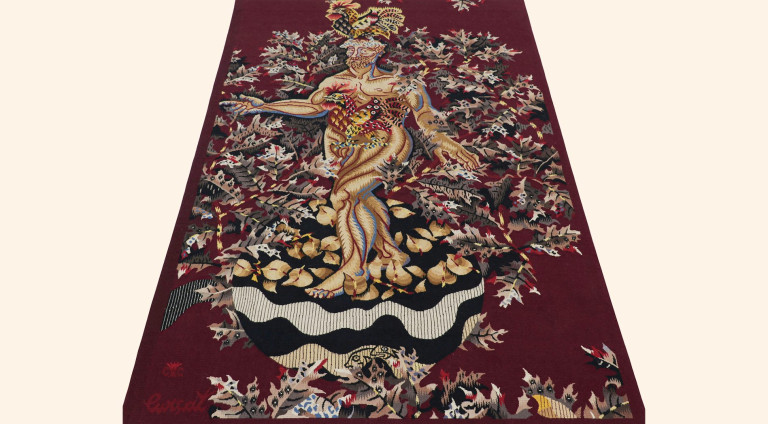
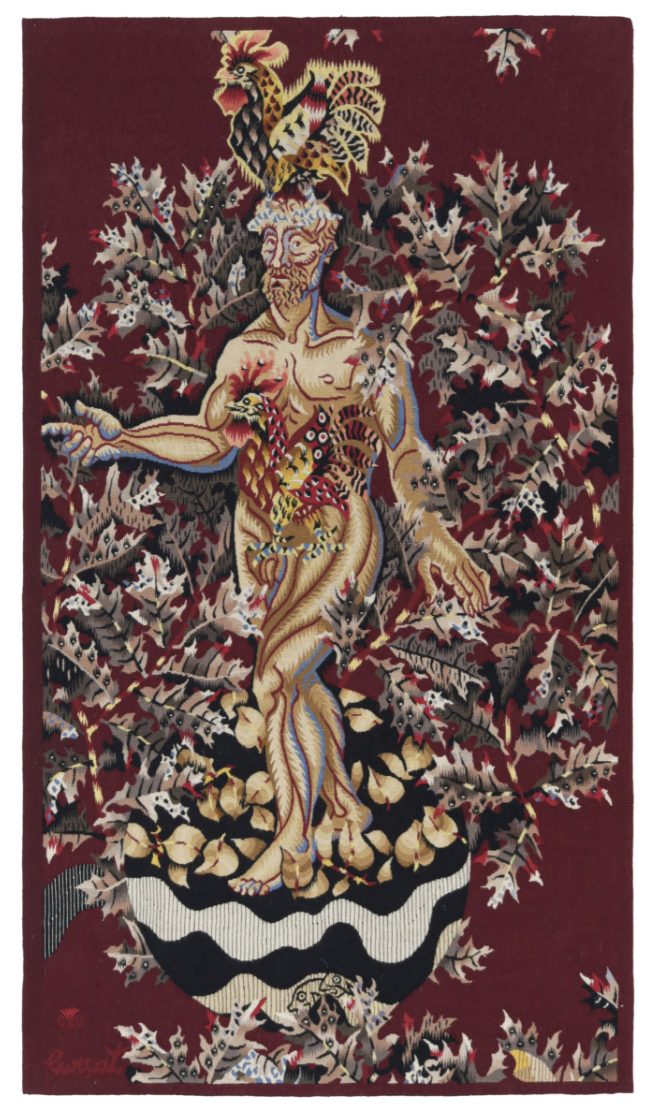
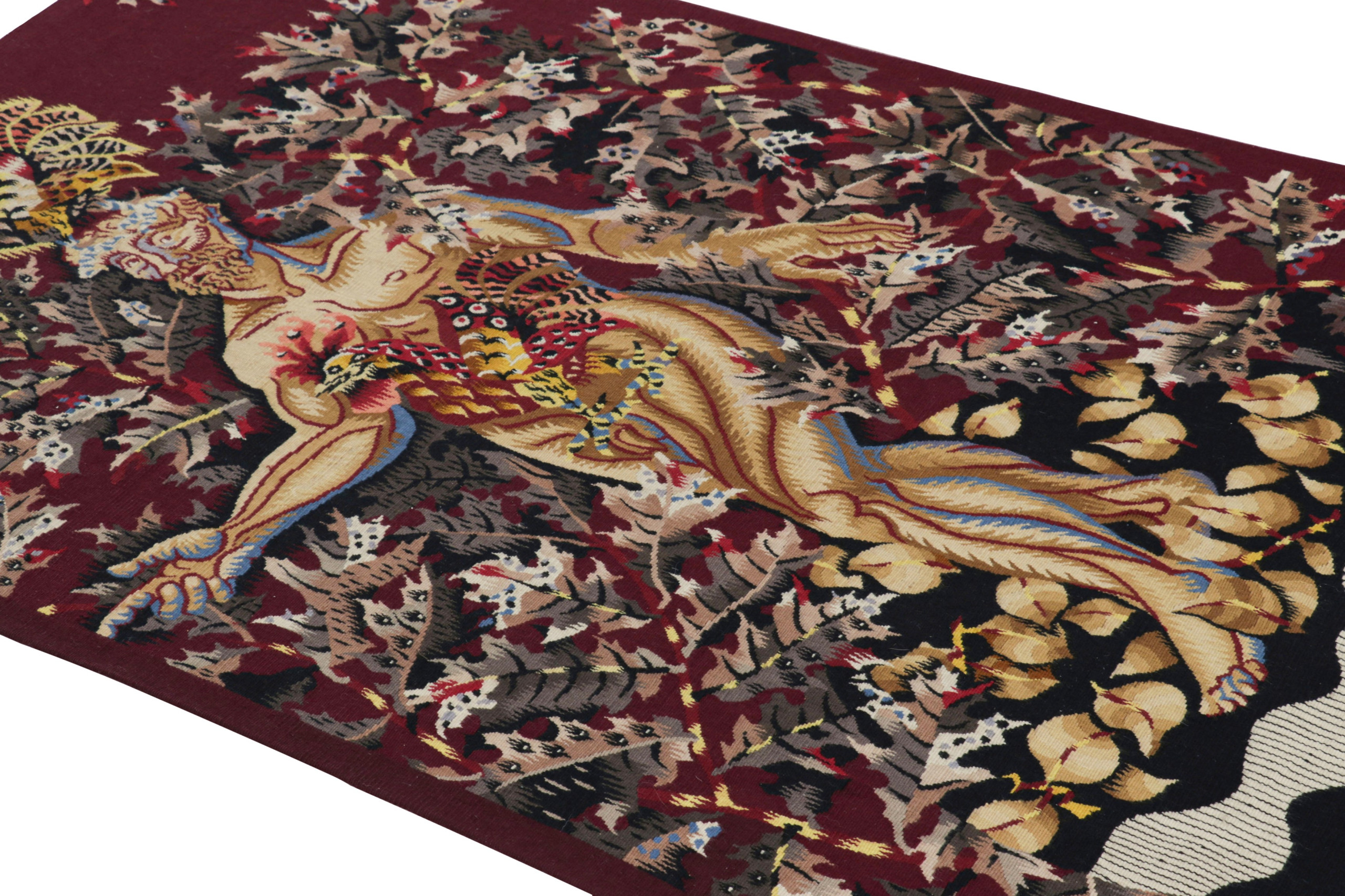
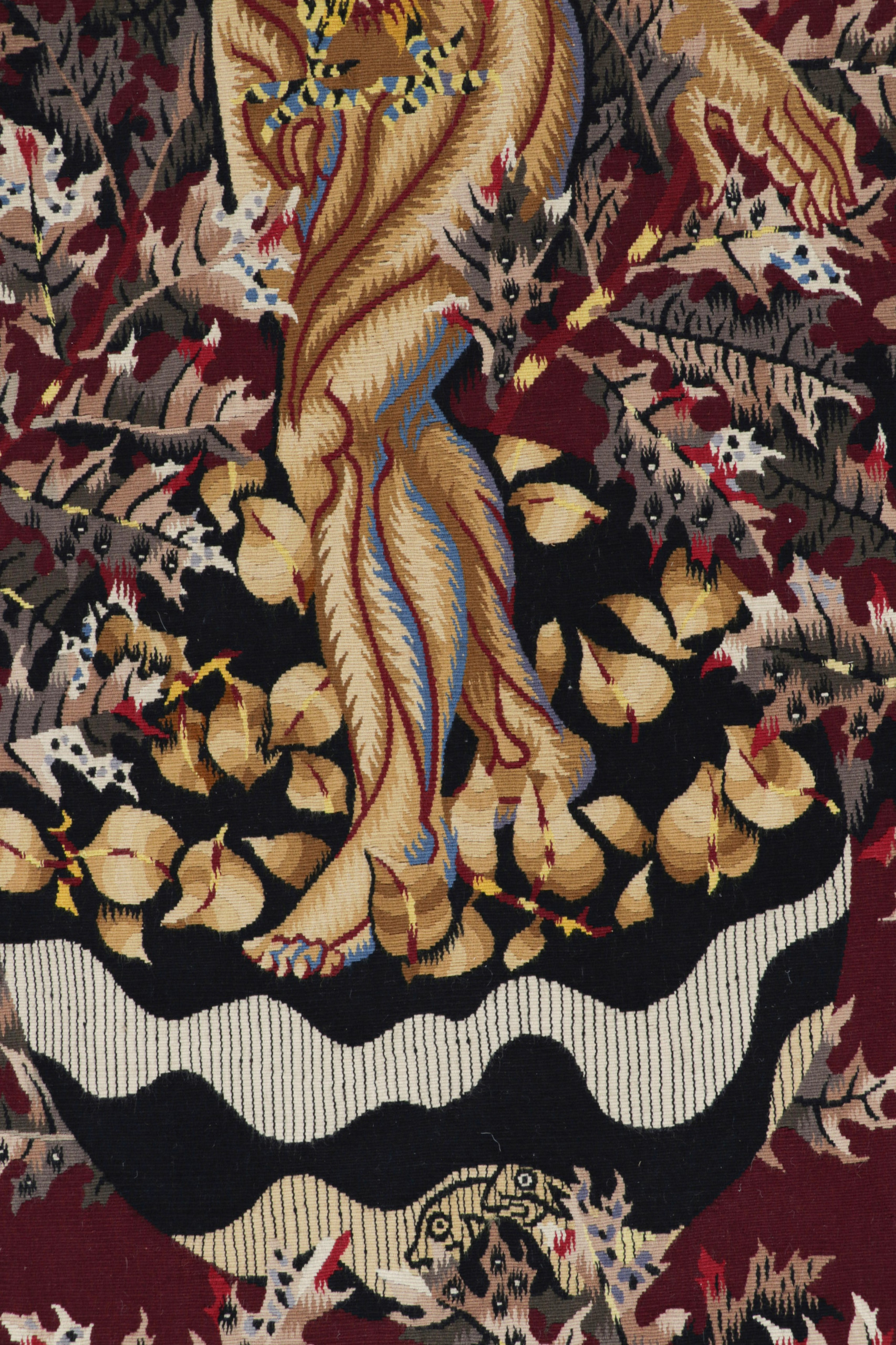
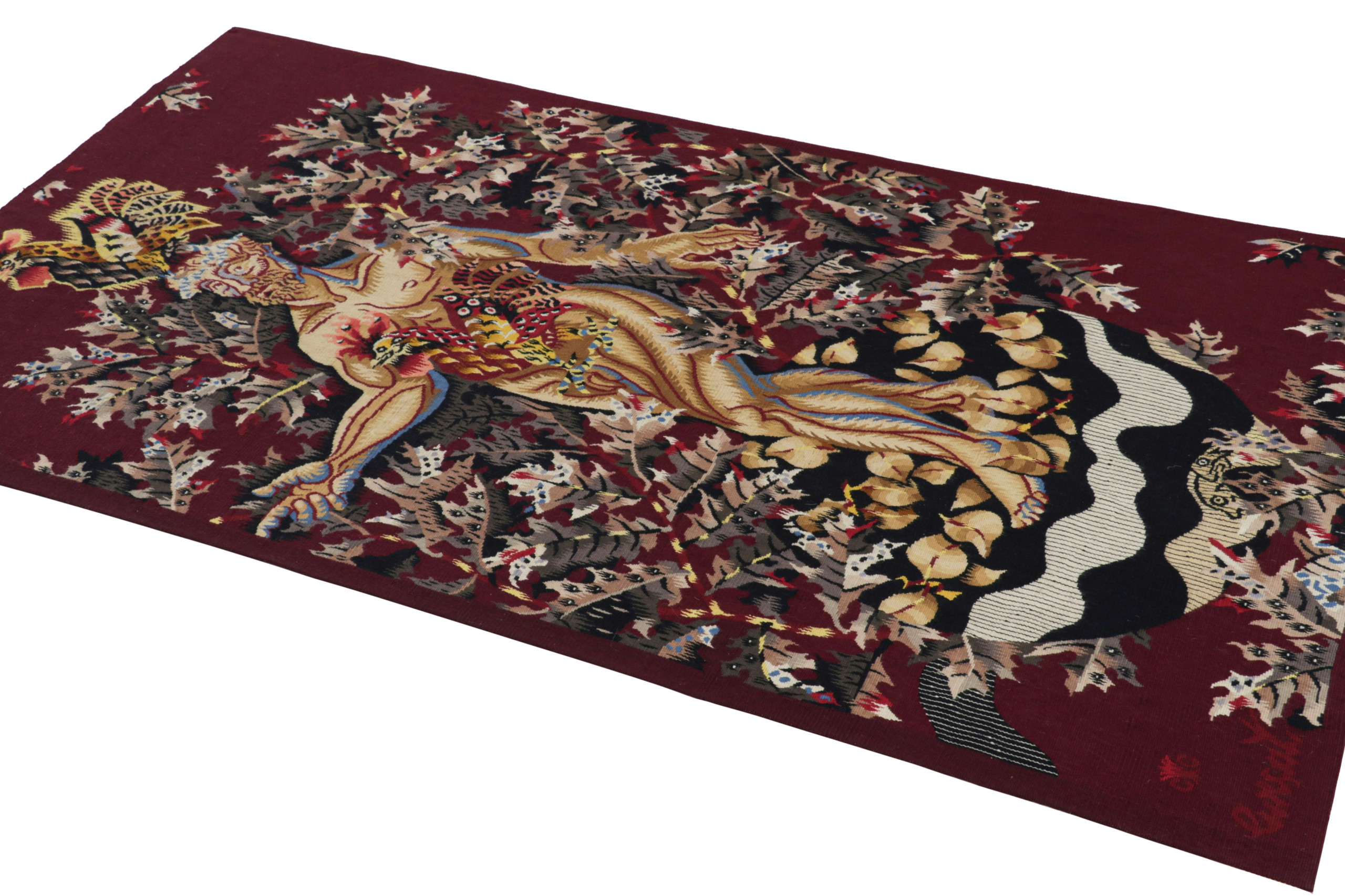
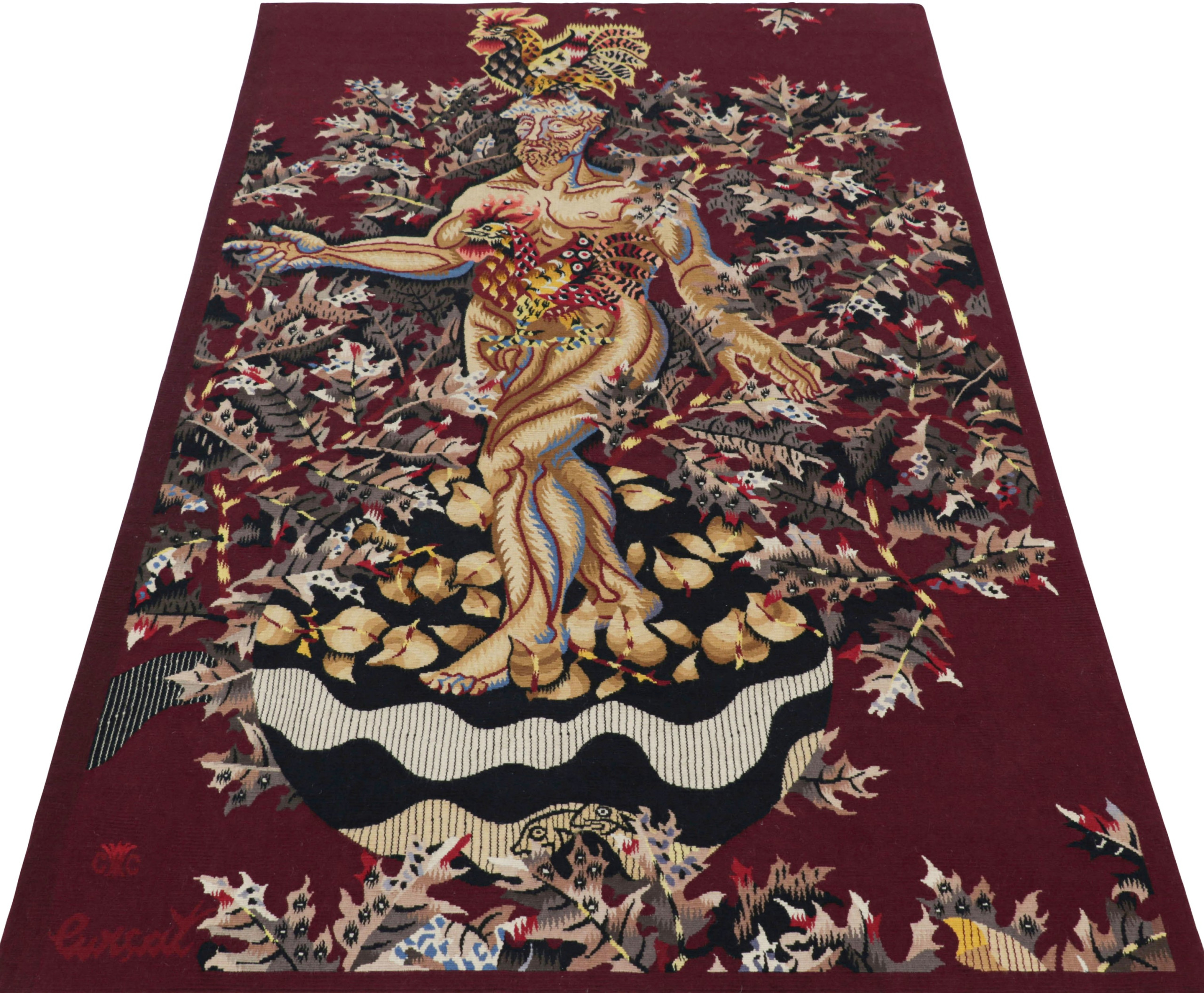
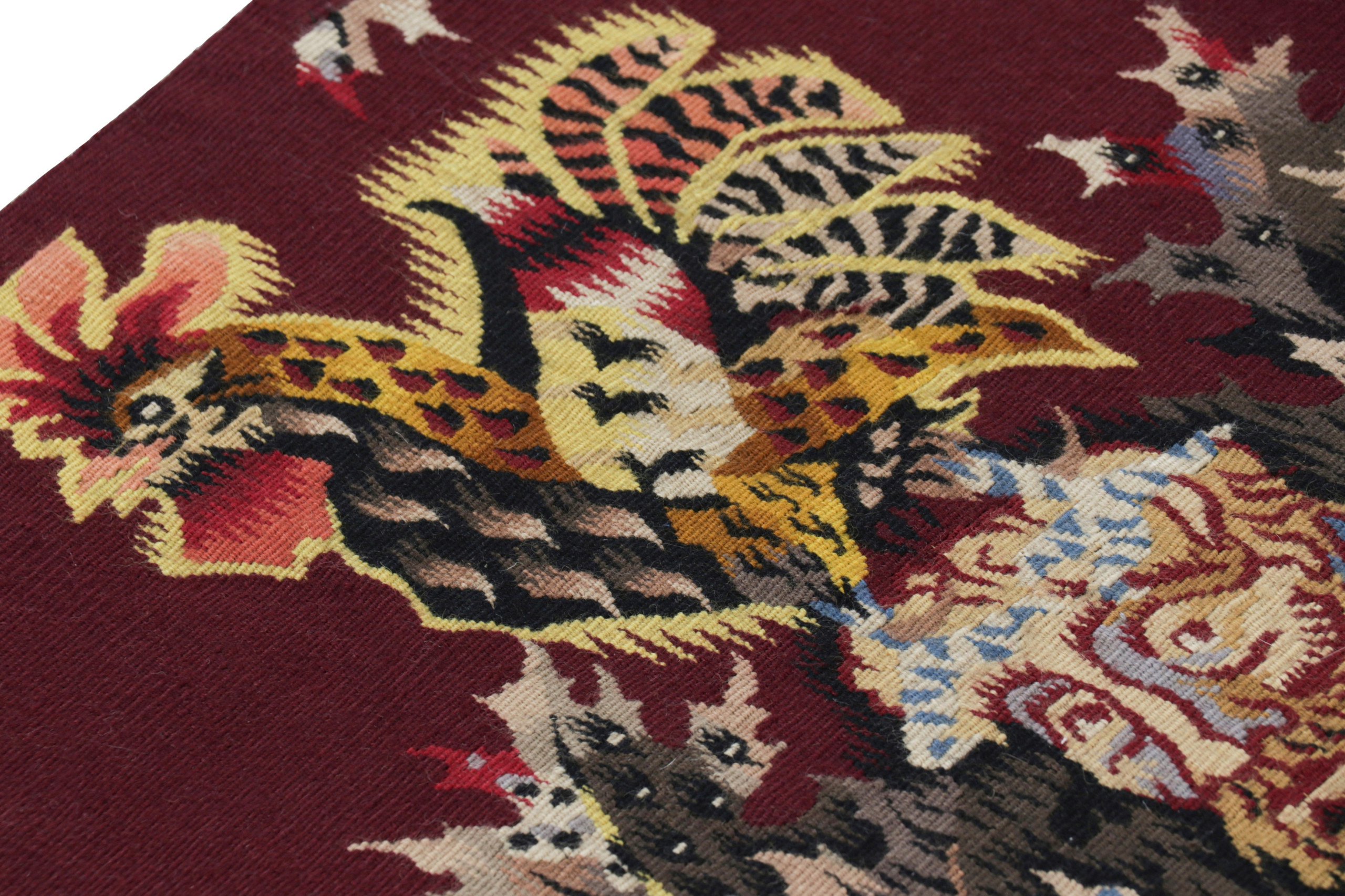
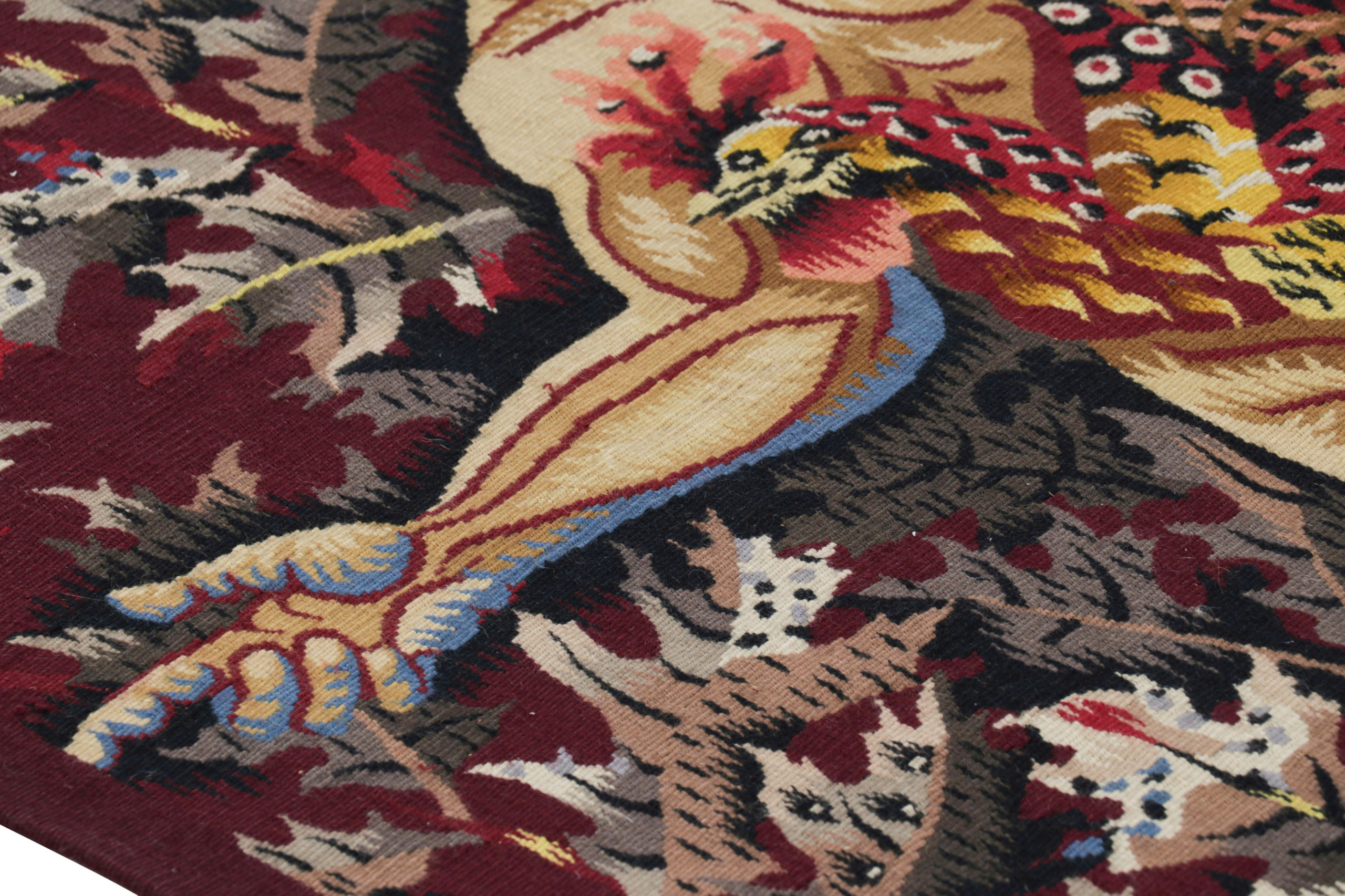
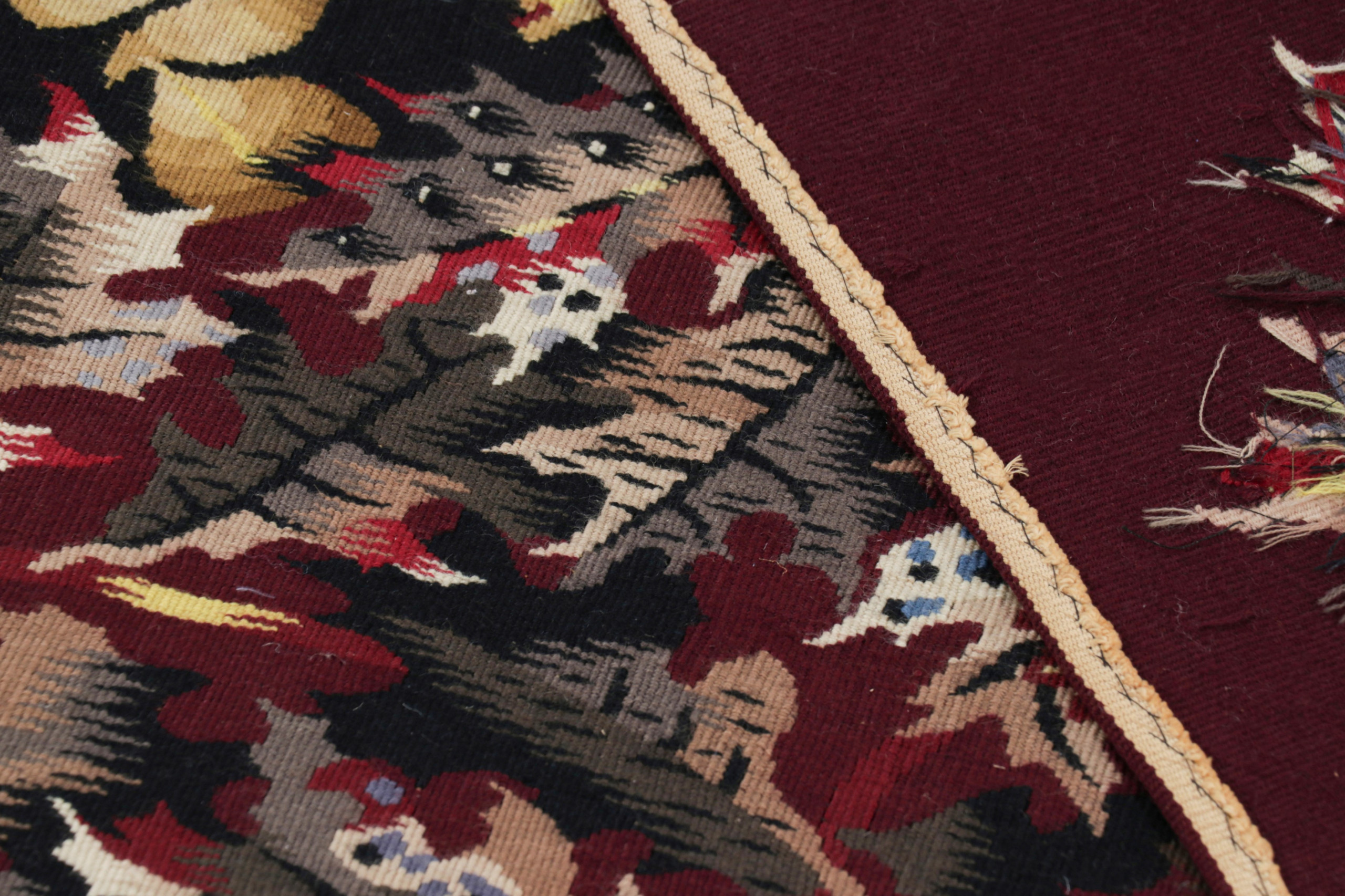
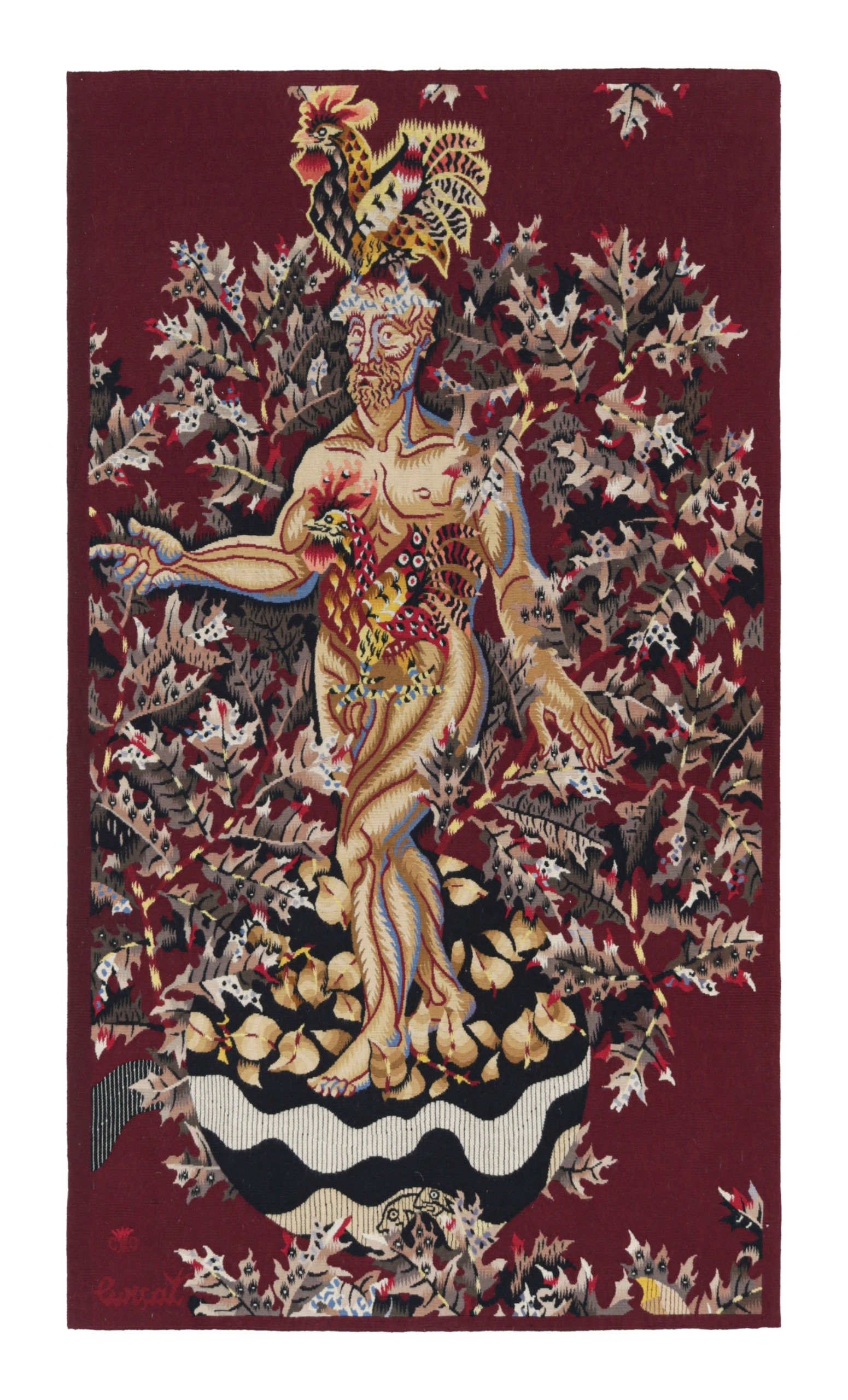
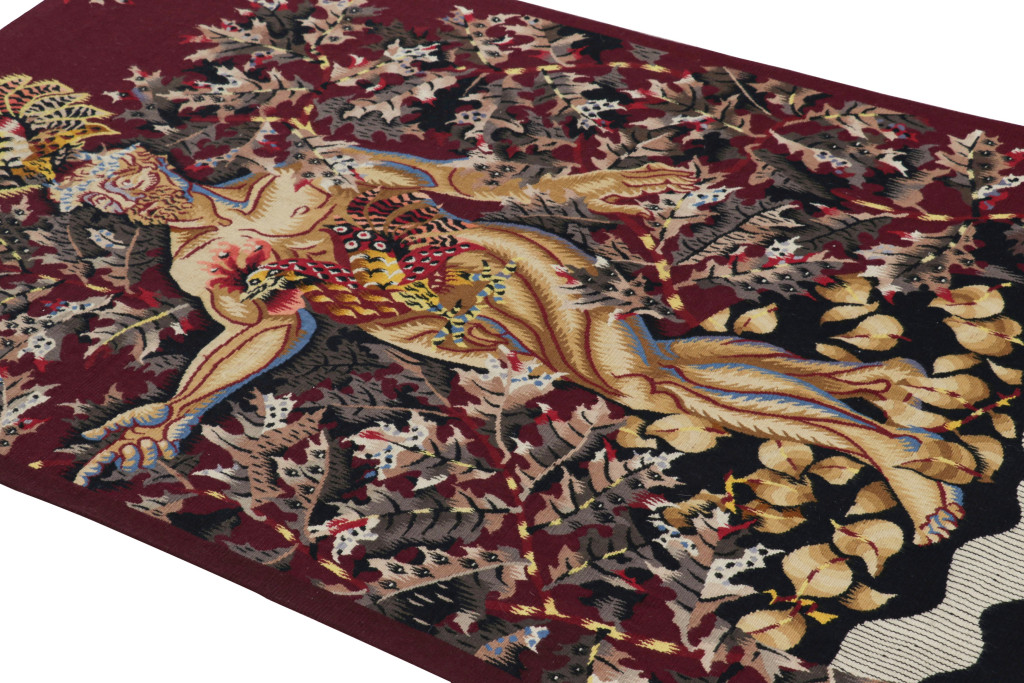
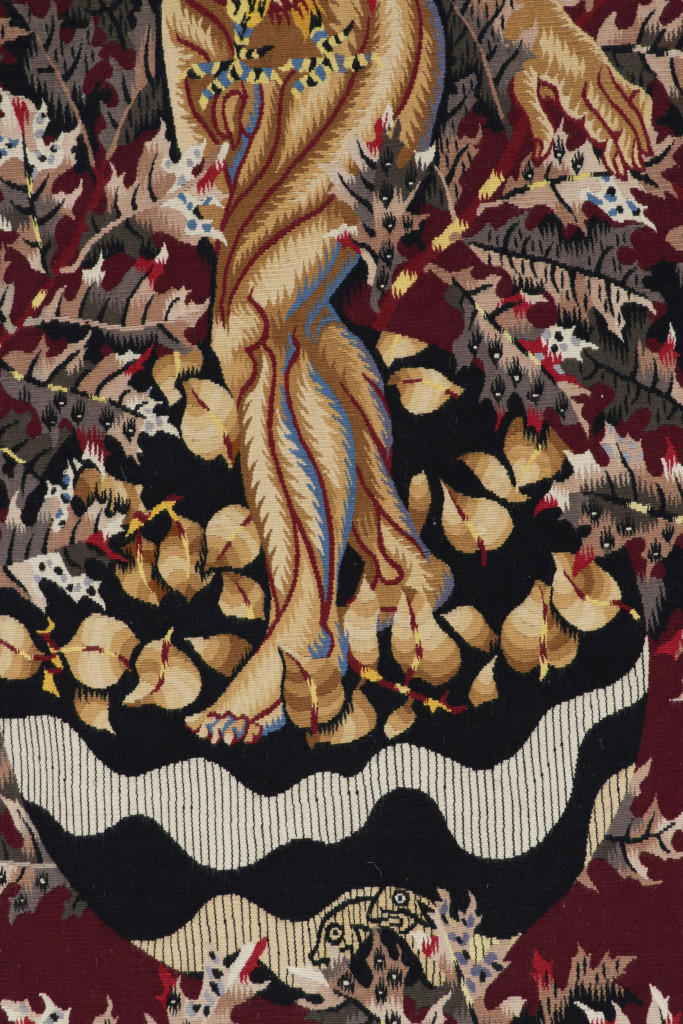
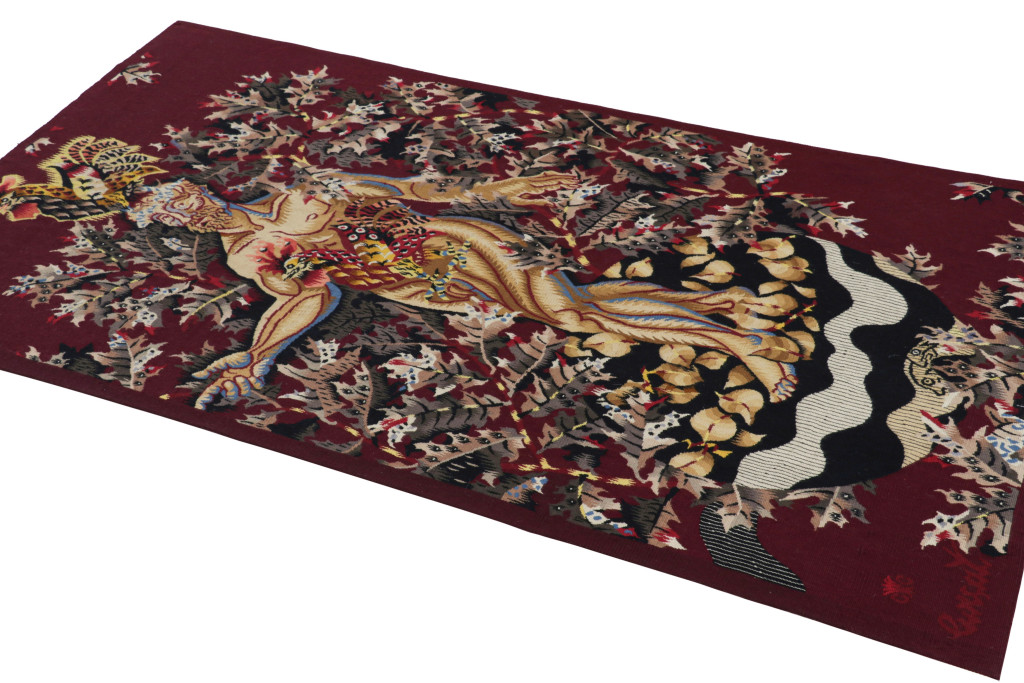
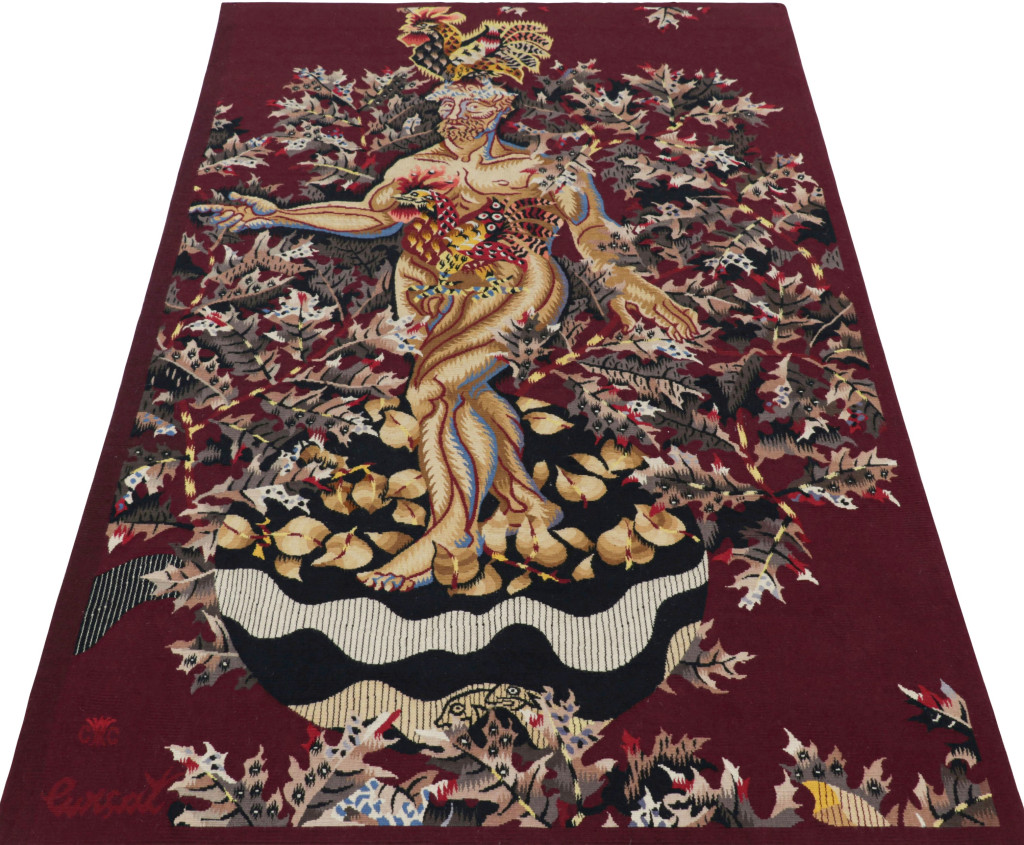
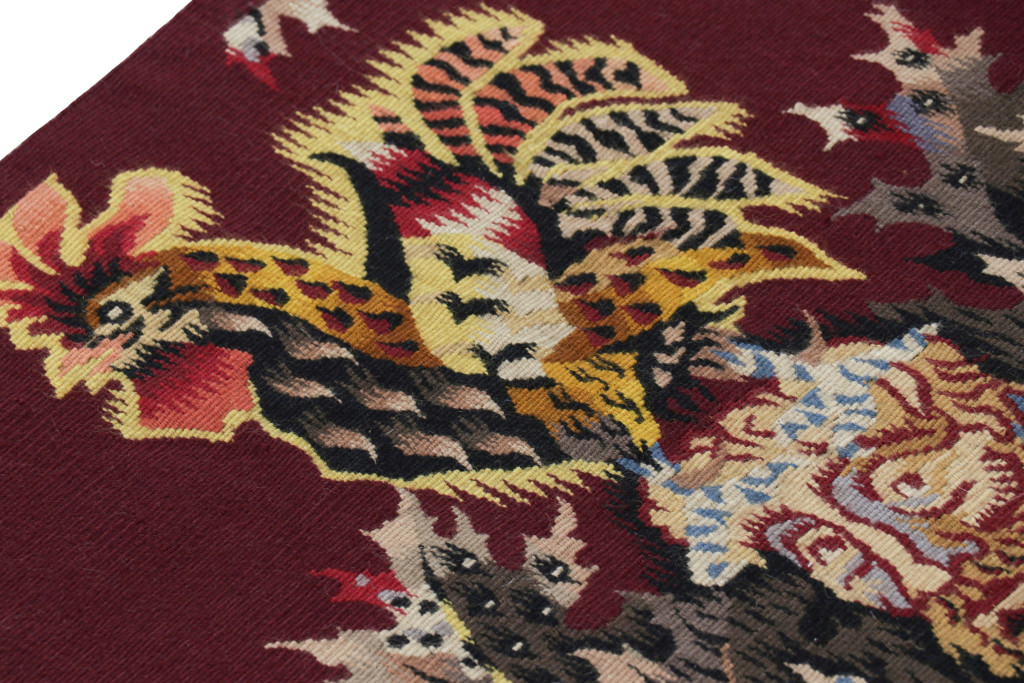
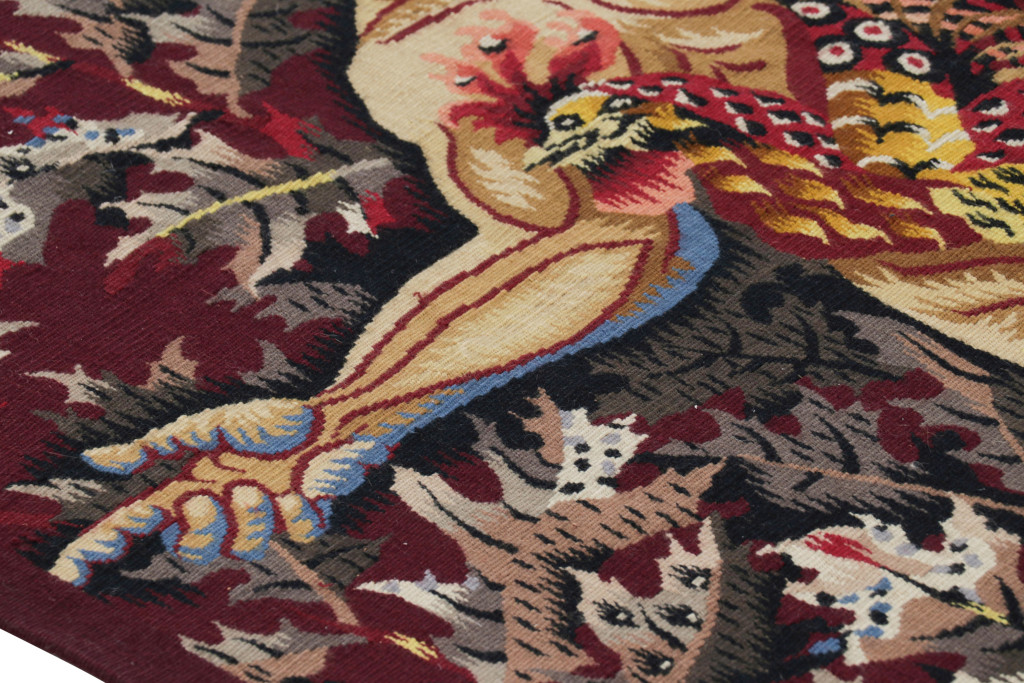
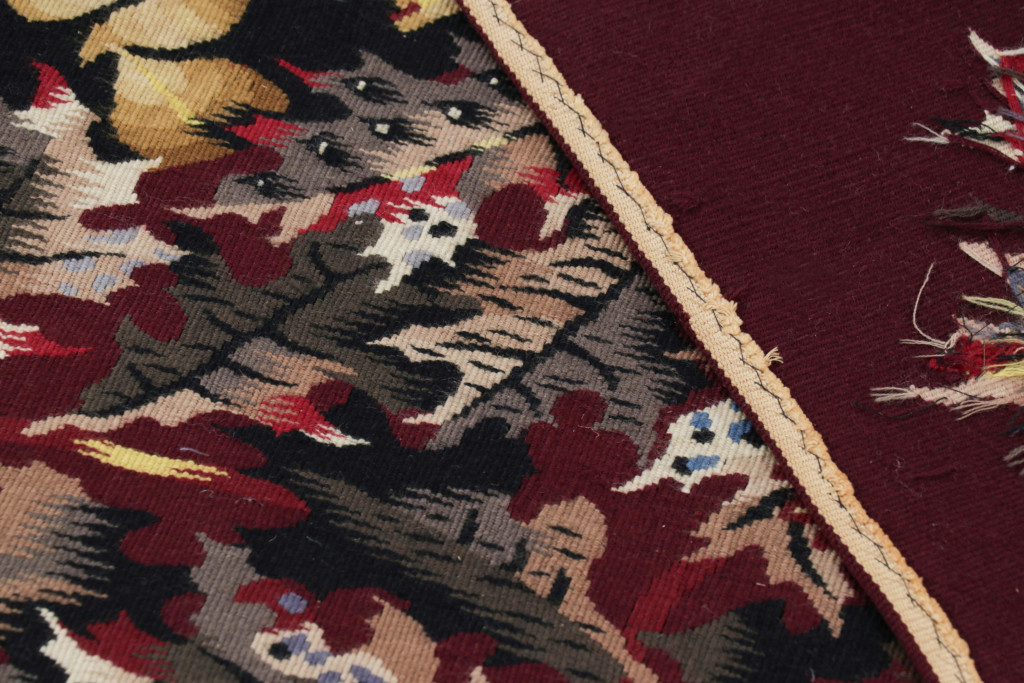
Vintage Signed Jean Lurcat Aubusson Tapestry “L’Homme” - Rug & Kilim
"Working with this family-owned team has been an absolute joy. Their communication, craftsmanship, and flawless execution on our custom rugs consistently exceed expectations."
— Phoebe Howard, James Michael Howard
A standard since our inception upheld across every acquisition,
transaction, and delivery.
45+ Year Old Institution
More than four decades of expertise and stewardship, under the leadership of our Principal, Jahanshah "Josh" Nazmiyal.
Favorable Return Policy
Our return policy is 48 hours upon receipt allowing you to confirm the purchase in your space with confidence.
Product Warranty
Each rug is hand selected or produced through the most reputable sources under the direct supervision of our Principal.
Trusted Global Delivery
Reliable worldwide delivery handled with care, precision and constant communication.
Exceptional Support
Attentive, knowledgeable guidance before and after purchase from our dedicated team of specialists.
Long Term Care
We stand behind every piece we place and remain a resource to our clients for the lifetime of their collection.
Stories from the Tapestry Collection
Essays, artist dialogues, and provenance notes drawn from Rug & Kilim’s editorial desk.
Provenance, Structure, Intelligibility: The Three Pillars of Serious Collecting
Anyone can acquire a rug. To collect one, to bring it into a serious collection with the confidence that it belongs there, requires a discipline, and that discipline rests on three questions. Across four decades of building one of the most significant archives in the country, this house has come to evaluate every object through the same three. They are the difference between buying and collecting, and they are worth setting down plainly, because they apply as readily to a Safavid fragment as to a signed Aubusson, and because they are the same three questions, at bottom, that a curator at the Metropolitan or a specialist at Christie's brings to any object of consequence.
Read the Feature
How Mid-Century Textile Artists Rewrote the Language of Art and Space Globally: A Lineage of Design Today
There is a particular kind of interior; rare, deliberate, and intellectually composed, where a rug does not decorate, but makes it art in itself. A residence overlooking Central Park, where glass and steel are softened not by excess, but by a singular woven field. A discreet apartment in Mayfair, where a tapestry holds the wall with the authority of painting. A villa in Cap Ferrat, where modernist furniture and mid-century textiles coexist with the quiet confidence of shared lineage. These are styled interiors. And at the center of many such spaces lies a quiet revolution that began in the mid-20th century, when textile artists stepped out of the decorative margins and into the intellectual core of modernism.
Read the Feature
A Rug & Kilim’s Guide to Rug Patterns in Interior Design: A Study of Persian, European, Scandinavian, Art Deco and Modern Styles
There are rooms - rare, disciplined rooms, where nothing is accidental. A salon overlooking Lake Como, where a 19th-century Aubusson anchors parquet floors beneath frescoed ceilings. A Manhattan interior shaped by the restraint of Peter Marino, where a Scandinavian flatweave holds its ground against glass, steel, and silence. A private riad in Marrakech, where tribal geometry converses effortlessly with shadow, plaster, and time. In such spaces, pattern is not simply chosen. To understand pattern at this level is to move beyond decoration into discipline. Great decorators and architects like Jacques-Émile Ruhlmann, Le Corbusier, and Gio Ponti never treated surfaces as passive. Floors, like walls and ceilings, were compositional fields governed by proportion, rhythm, and intellectual clarity.
Read the Feature
Tuareg Textiles and Design: History, Tribal Craft, and Contemporary Influence
The Sahara has never been short of ideas. It has merely been selective about who hears them. The Tuareg did not set out to create an aesthetic. They created a system. Long before design was professionalized, categorized, or monetized, Tuareg artisans developed a material language governed by movement, restraint, and exacting necessity. What remains today — in textiles, metalwork, and spatial logic — is not folklore but authorship: a coherent design intelligence that continues to inform contemporary practice, whether acknowledged or not. At Rug & Kilim, we approach Tuareg works not as ethnographic specimens, nor as romantic artifacts, but as foundational design objects. They belong not on the margins of decorative history, but firmly within its canon.
Read the Feature
Rug of The Week Series II: Jean Lurçat’s L’Homme and the Political Resurrection of Tapestry
Some works enter a room as objects; others arrive as events. Jean Lurçat’s L’Homme does not merely hang—it presides. It does not wait for you to look; it looks back. Woven in postwar France, at a time when the language of beauty had been shattered by history, this tapestry is a declaration: that art must outlast its maker, and that a wall can bear more than ornament—it can bear witness. The Eternal Sentinel of Human Dignity and Earth’s Memory The man here is not merely a figure but a totem—an emblem of humanity rooted in the soil, crowned with nature’s defiance. Lurçat, whose postwar revival of the Aubusson tapestry tradition redefined its purpose, would say this figure is not a portrait but a mirror: a reflection of what dignity looks like when stripped of ornamentation, yet woven with the richest colors of survival.
Read the Feature
How Are Tapestries Redefining Modern Spaces in 2025?
We're witnessing a remarkable resurgence of tapestries in 2025, those magnificent woven narratives that once adorned the walls of medieval castles and Renaissance palaces. Tapestries represent the ultimate confluence of art and craftsmanship - they are essentially frescoes in fiber. The legacy of tapestries traces back to Hellenistic Egypt, though their golden age emerged in 14th-century Europe. The famous Apocalypse Tapestry, commissioned by Louis I of Anjou in 1375, remains a testament to their historical significance. Measuring 140 meters in length, it exemplifies the scale and ambition characteristic of medieval textile production.
Read the Feature


R&K Image Studio
NEWThe R&K Image Studio is a new visual workspace designed to present the Rug & Kilim collection with clarity, restraint, and precision — in your space or any space you imagine.
This tool allows you to view, refine, and prepare imagery drawn directly from the pieces in our archive. They can be visualized cleanly, isolated thoughtfully, and adjusted for presentations, proposals, and private viewings, without altering the integrity of the original work.
Tapestry
Wool
France
3'7" X 6'4" (1.09 m x 1.93 m)
Log In to See Price
Available: Shipping as Soon as Tomorrow
Vintage Signed Jean Lurcat Aubusson Tapestry “L’Homme” - Rug & Kilim
"Josh has been able to dredge up some of the rarest and most beautiful carpets for our nerdy and stringent requirements. And we have had a grand time together assembling collections for clients."
— Ralph Harvard, Ralph Harvard Inc.