
European Rug Medallions: Symbols of Art, Power, and Prestige
February 3, 2025
A Guide to Needlepoint Rugs: Aristocratic Art of European Textiles
February 17, 2025We’re witnessing a remarkable resurgence of tapestries in 2025, those magnificent woven narratives that once adorned the walls of medieval castles and Renaissance palaces.
Tapestries represent the ultimate confluence of art and craftsmanship – they are essentially frescoes in fiber.
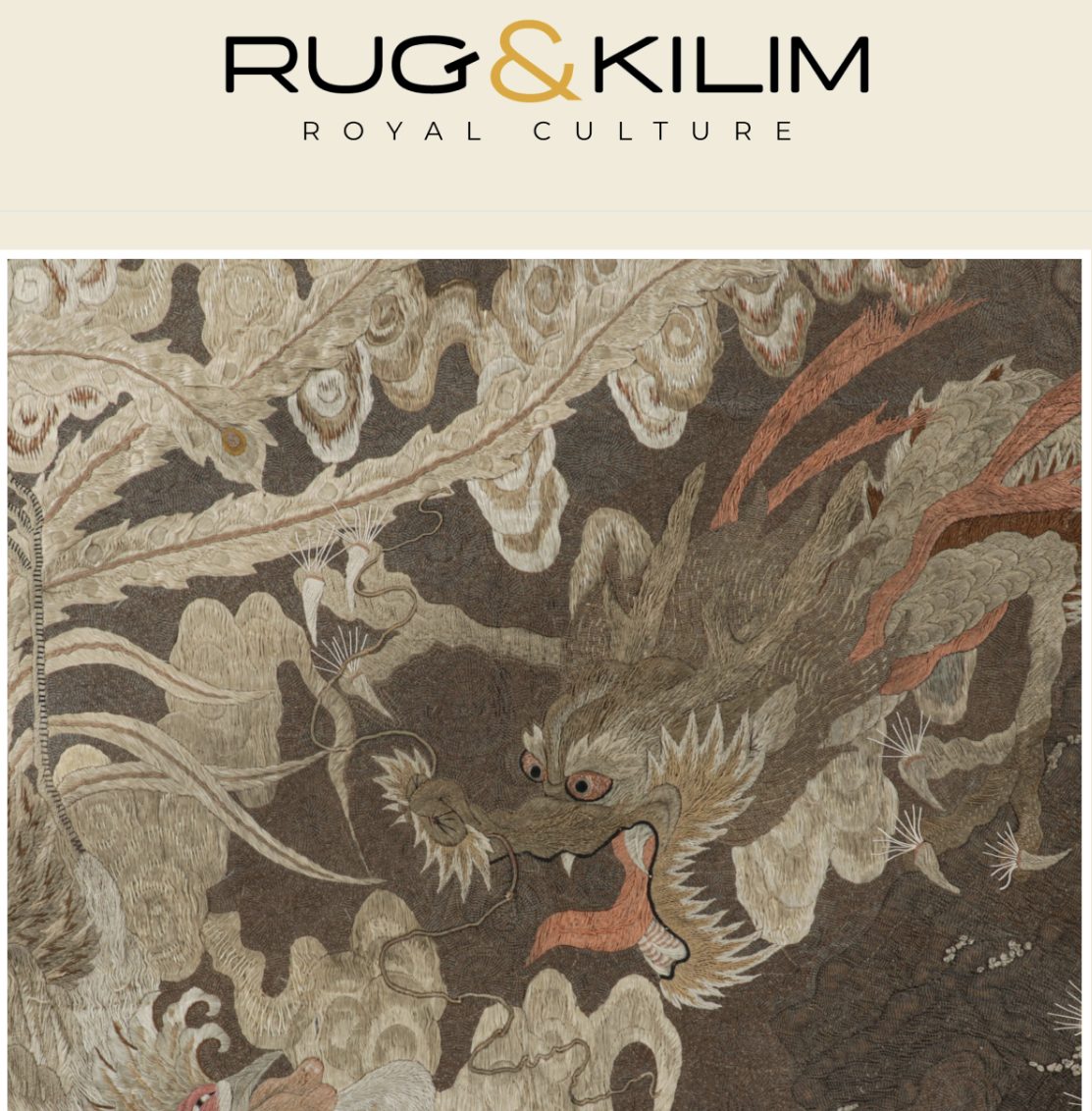
The legacy of tapestries traces back to Hellenistic Egypt, though their golden age emerged in 14th-century Europe. The famous Apocalypse Tapestry, commissioned by Louis I of Anjou in 1375, remains a testament to their historical significance. Measuring 140 meters in length, it exemplifies the scale and ambition characteristic of medieval textile production.
Contemporary collectors are increasingly drawn to works from the celebrated Flemish workshops of Brussels and Tournai, where masters like Pieter van Aelst created the iconic “Hunt of the Unicorn” series. These pieces command astronomical prices at auction, with recent sales at Christie’s and Sotheby’s reaching into seven figures.
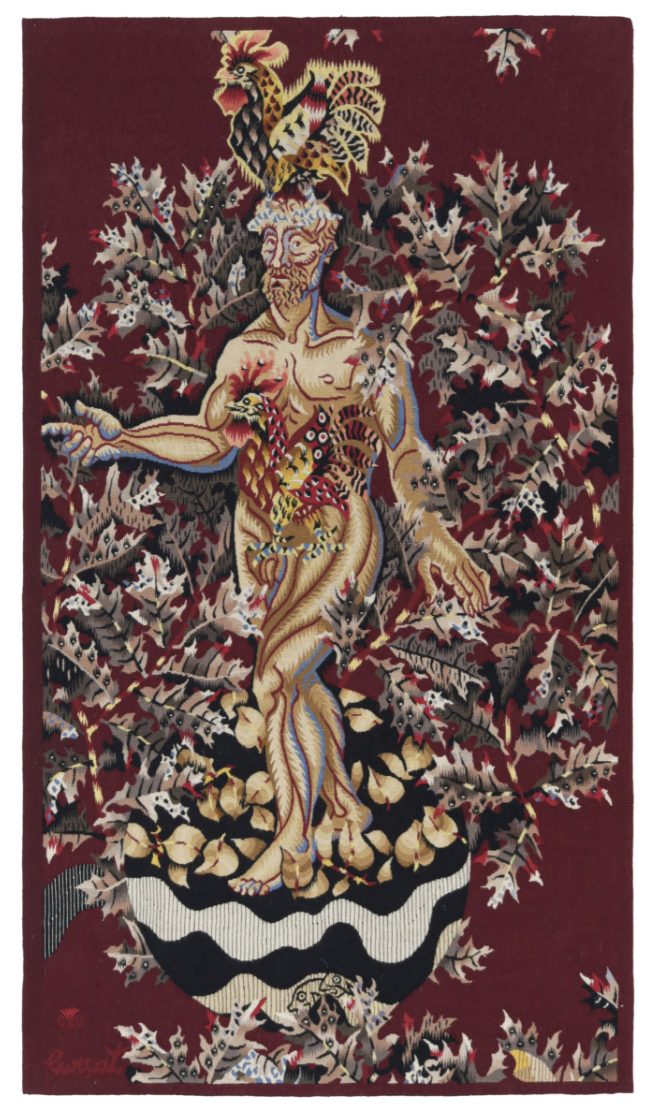
Significance of Tapestry Art
What we’re seeing is a profound appreciation for the narrative quality of textiles in contemporary spaces.
They bring a depth of storytelling that no other medium can match, creating immediate historical gravity in modern environments.
The market has witnessed particular interest in modernist tapestries, especially those designed by artists like Le Corbusier, Jean Lurçat, and Alexander Calder. Their interpretation of the medium during the mid-20th century bridges classical technique with contemporary aesthetic sensibilities.
The Aubusson workshops, which produced many of these pieces, have seen their works appreciate significantly in value over the past decade.
From medieval workshops where anonymous craftsmen wove stories of saints and kings, to contemporary studios where artists push the boundaries of traditional techniques, tapestry artists have continually redefined this ancient medium.
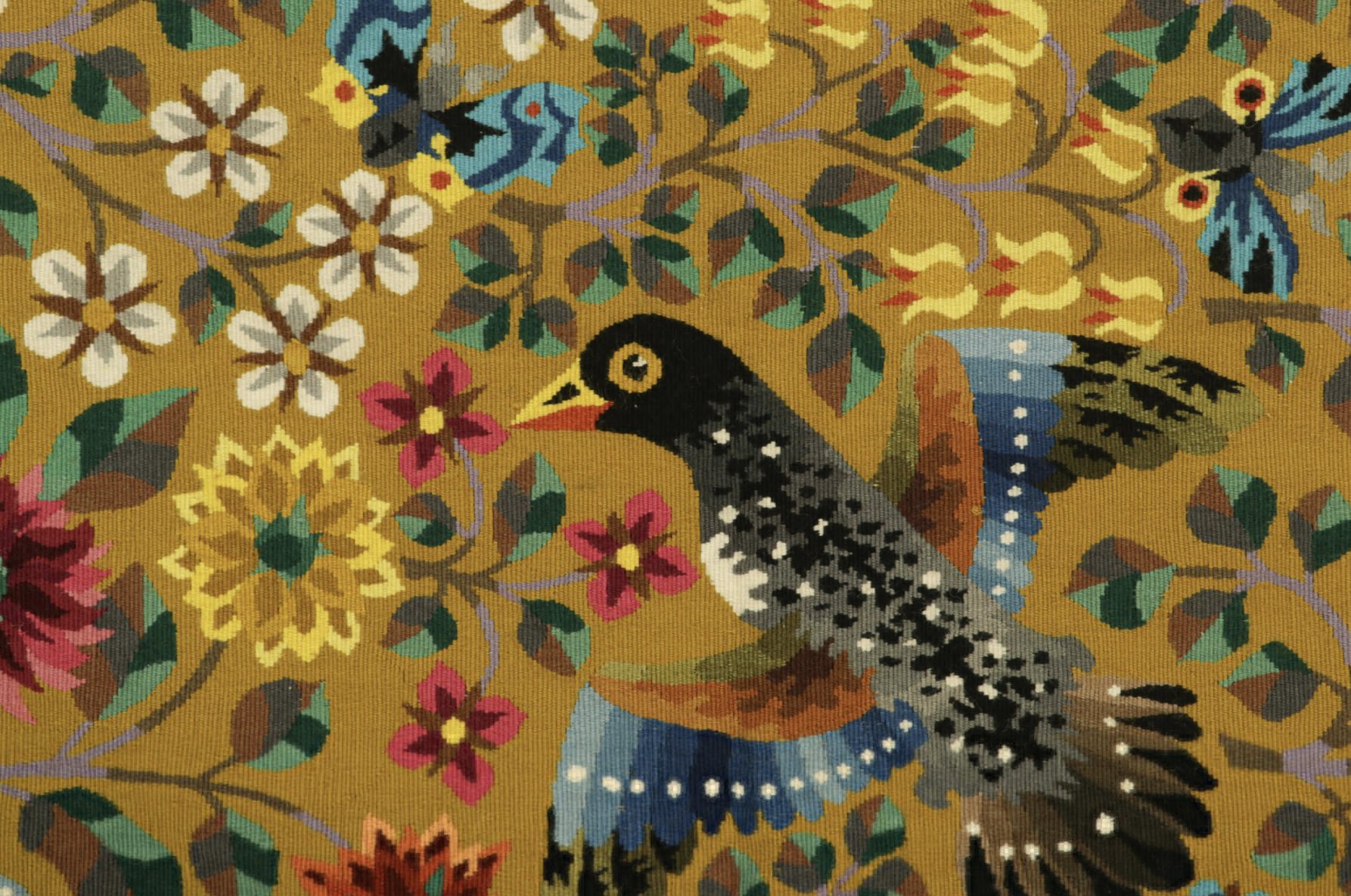
Art is an adventure into an unknown world.
Perhaps nowhere is this more evident than in the evolution of tapestry art, where each master weaver transforms threads into narratives, emotions, and revolutionary artistic statements. The following artists represent not merely craftsmen, but visionaries who elevated tapestry from decorative craft to high art, each contributing a unique thread to this continuing story of artistic evolution.
Key Historical Artists
Revolutionary figure who revitalized tapestry in the 20th century. His masterpiece “Le Chant du Monde” demonstrates his innovative use of limited color palettes and bold, modernist designs. Lurçat’s system of numbered cartoons revolutionized tapestry production methods.
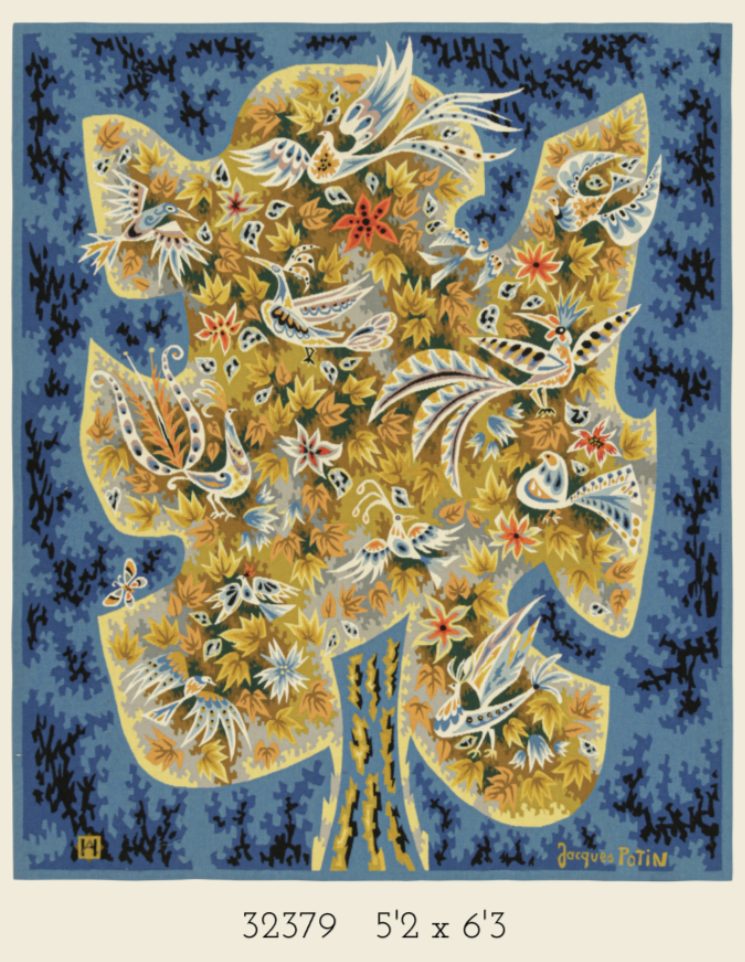
Le Corbusier (1887-1965)
Created significant tapestries at Aubusson workshops. His architectural background influenced geometric compositions and use of bold colors. Notable work: “Les Dés Sont Jetés” (1960).
Alexander Calder (1898-1976)
Translated his distinctive mobile designs into tapestry form. Collaborated with Aubusson workshops to create vibrant, abstract pieces that captured his kinetic style in woven form.
Magdalena Abakanowicz (1930-2017)
Polish artist known for revolutionary three-dimensional fiber works called “Abakans.” Her pieces challenged traditional tapestry formats through sculptural forms and innovative materials.
Arts and Crafts movement pioneer who revived medieval tapestry techniques. His workshop produced notable pieces like “The Forest” and “The Woodpecker.”
Nicolas Bataille (active 1363-1400)
Credited with the Apocalypse Tapestry of Angers, one of the most important medieval tapestries surviving today.
Pieter van Aelst (active 1490-1533)
Master weaver responsible for executing Raphael’s cartoons for the Sistine Chapel tapestries.
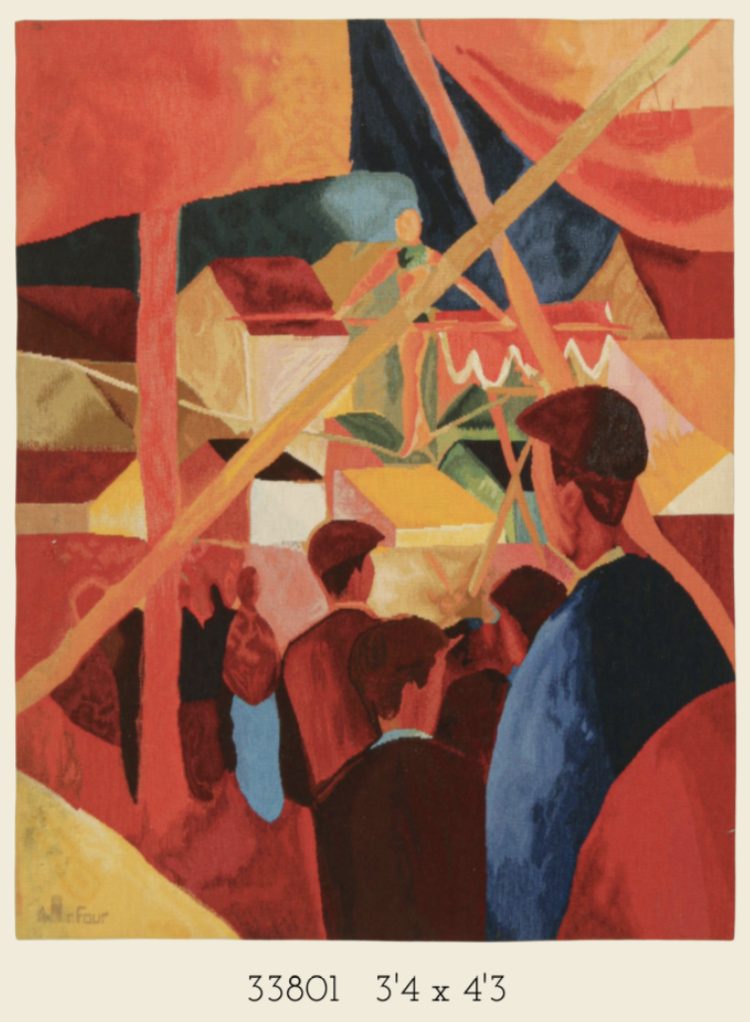
Styling Tapestries in Modern Interiors
Today’s collectors understand that tapestries offer something paintings cannot – texture, warmth, and acoustic properties, while maintaining the gravitas of fine art.
This multifunctional aspect particularly appeals to architects and designers working on large-scale residential and commercial projects.
Styling these pieces requires careful consideration.
Contemporary designers are breaking traditional rules, placing Gothic narrative textiles in minimalist spaces or hanging modernist abstracts in classical interiors. The juxtaposition creates compelling visual dialogue.
The key is to treat textiles as architectural elements rather than mere decorative pieces.
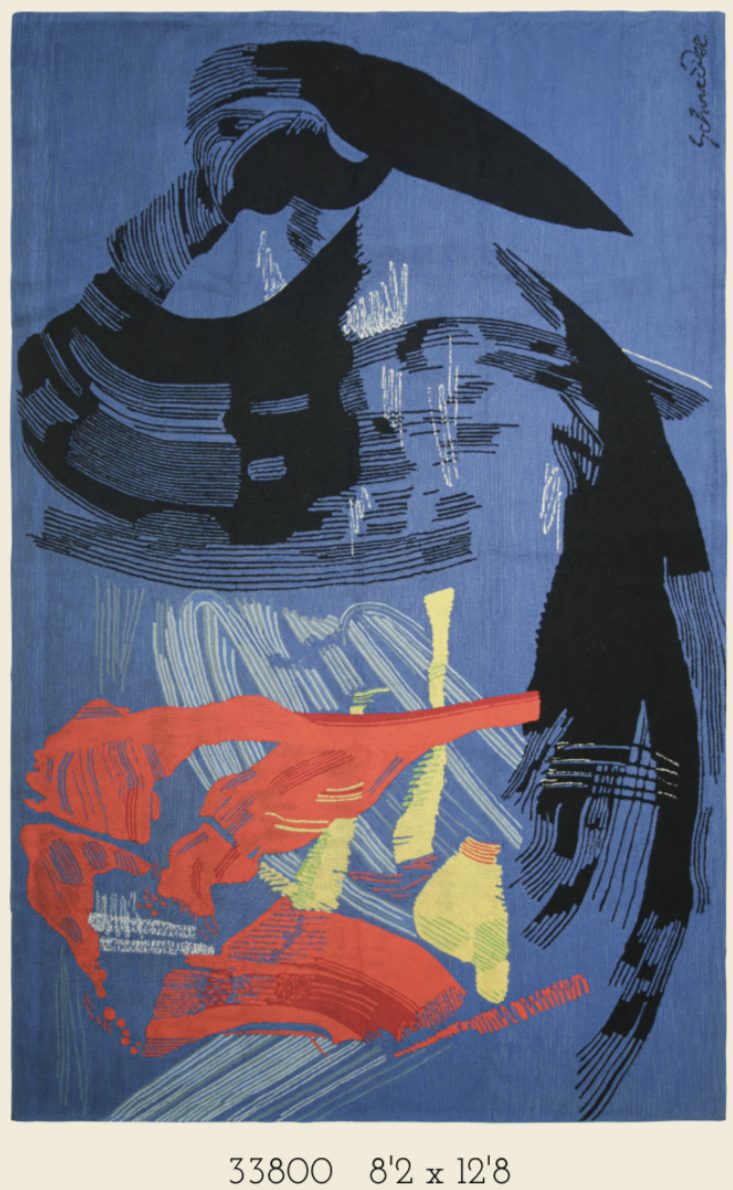
Major fashion houses have taken notice.
This cross-pollination between fashion and interior design has further elevated tapestries’ status in contemporary collecting. Investment-wise, tapestries present unique opportunities.
Unlike contemporary art, which can be subject to market volatility, historical tapestries have maintained steady appreciation. Their rarity, combined with growing interest from Asian markets, suggests continued value growth.
Looking ahead, we’re seeing emerging artists reinterpret the medium through digital design and sustainable materials.
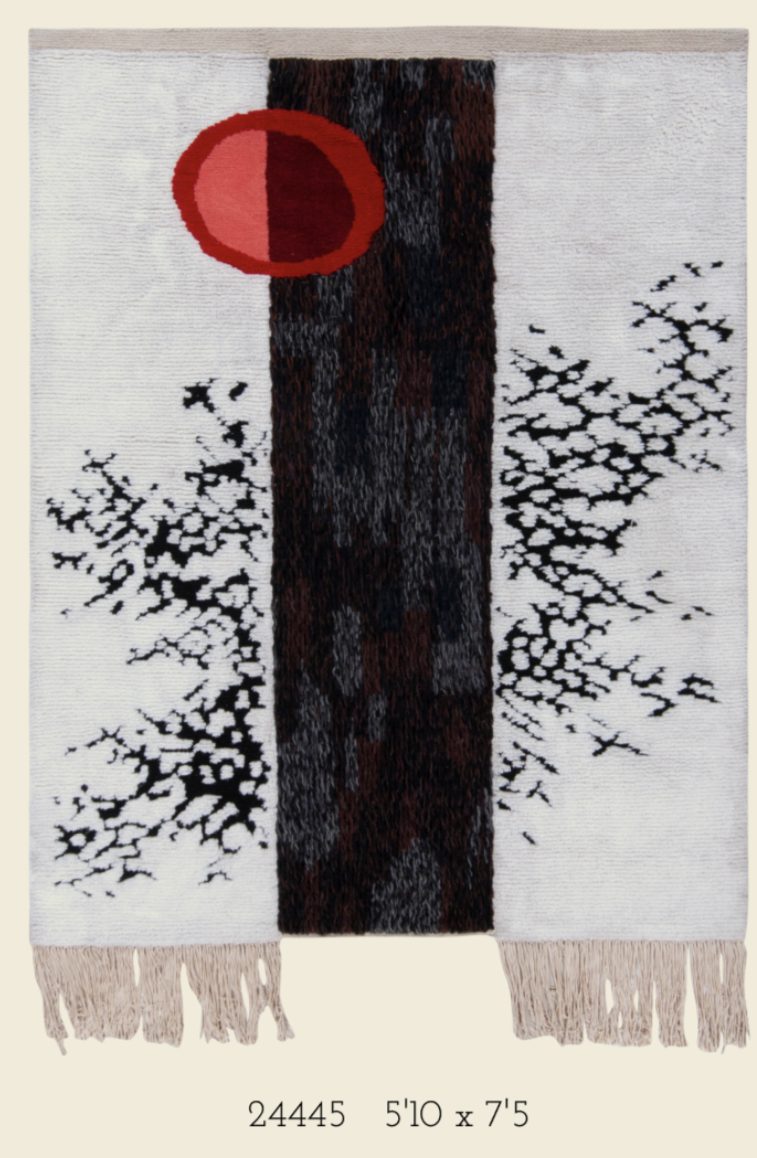
The future of tapestries lies in this dialogue between historical techniques and contemporary innovation.