
Wool
France
3'2" X 5'0" (0.97 m x 1.52 m)
Available: Shipping As Soon As Tomorrow
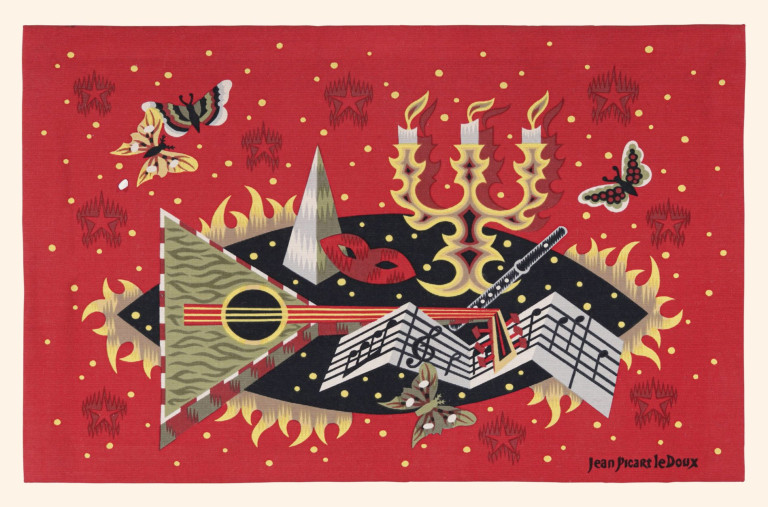
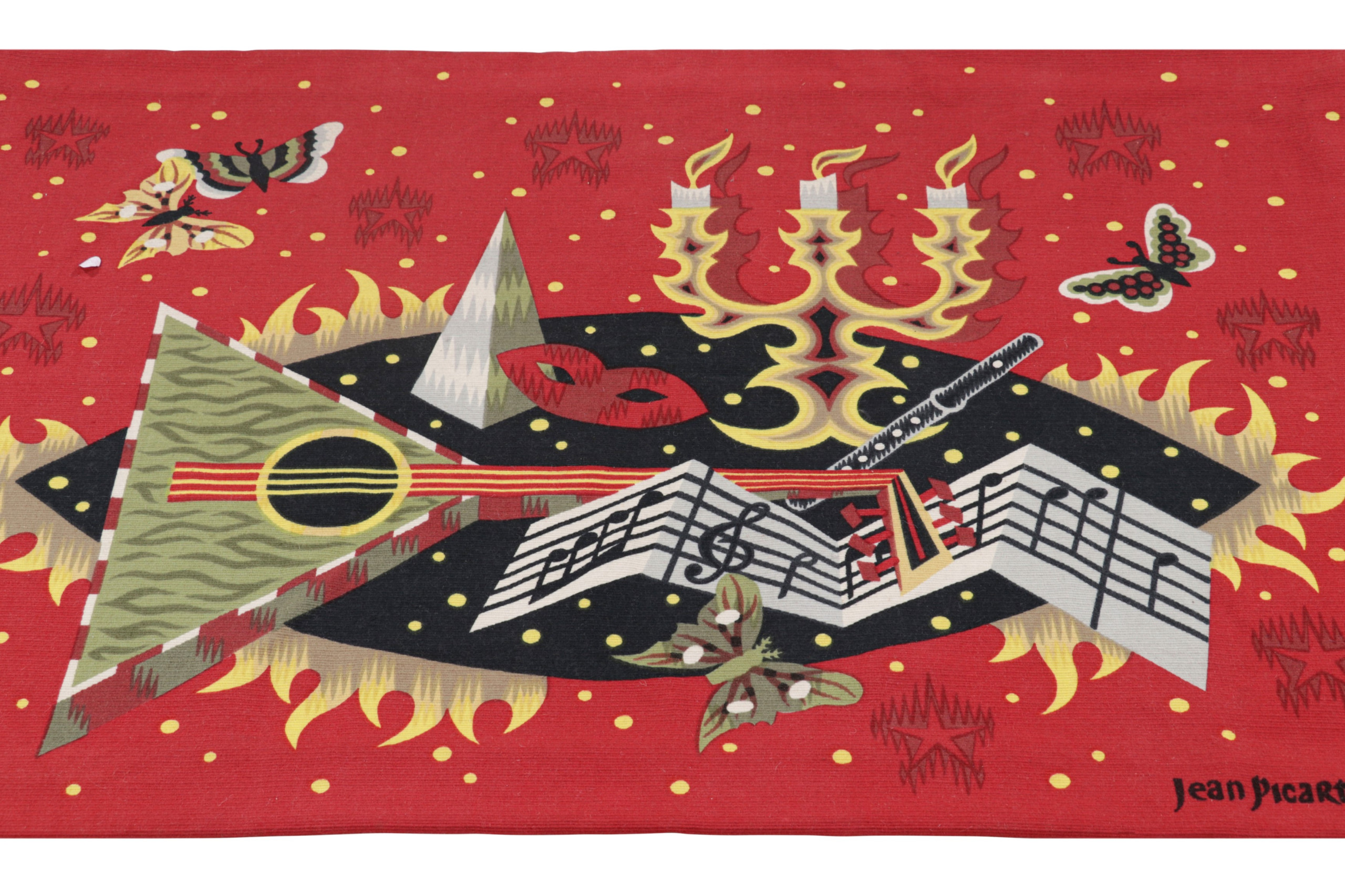
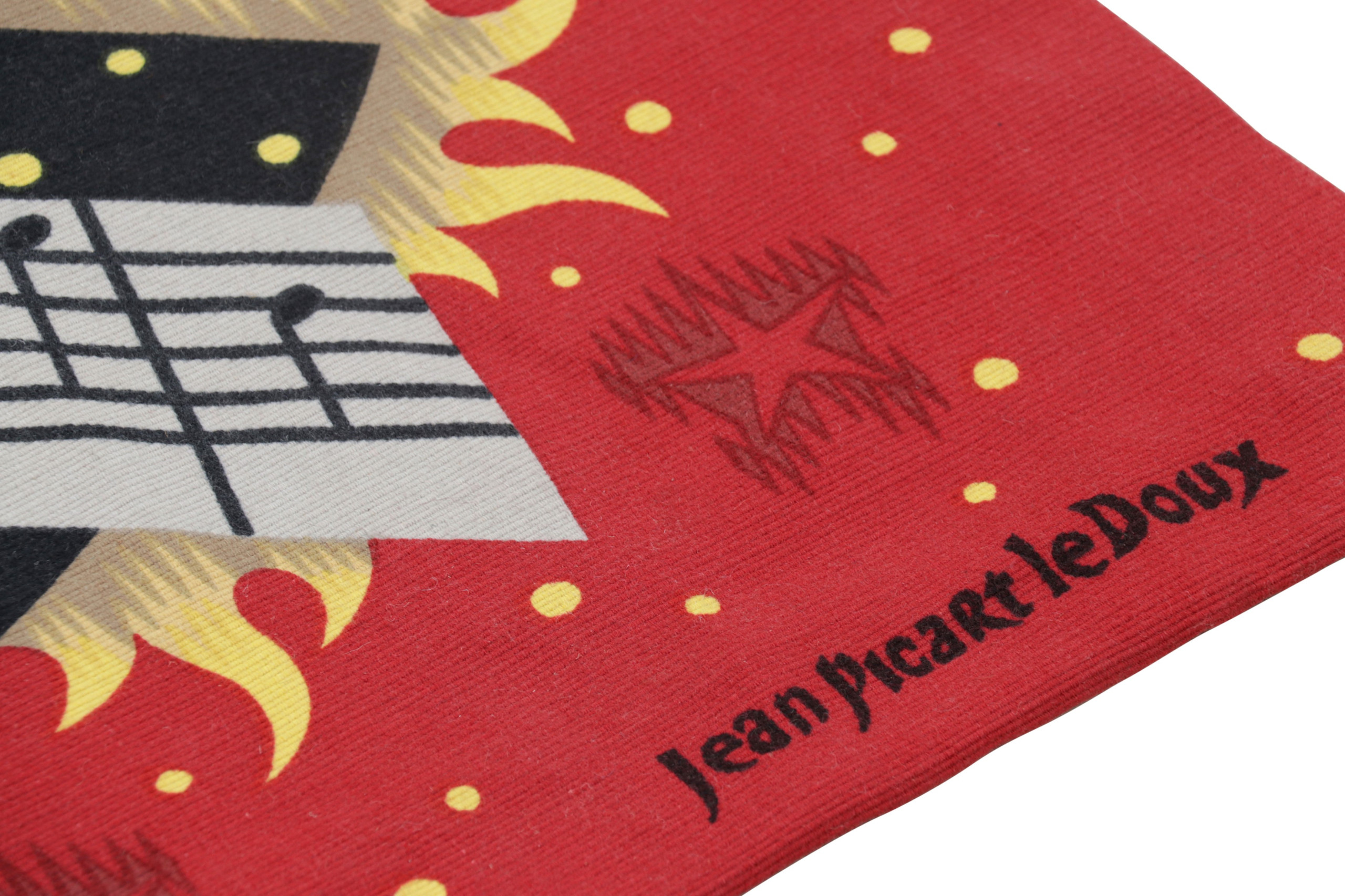
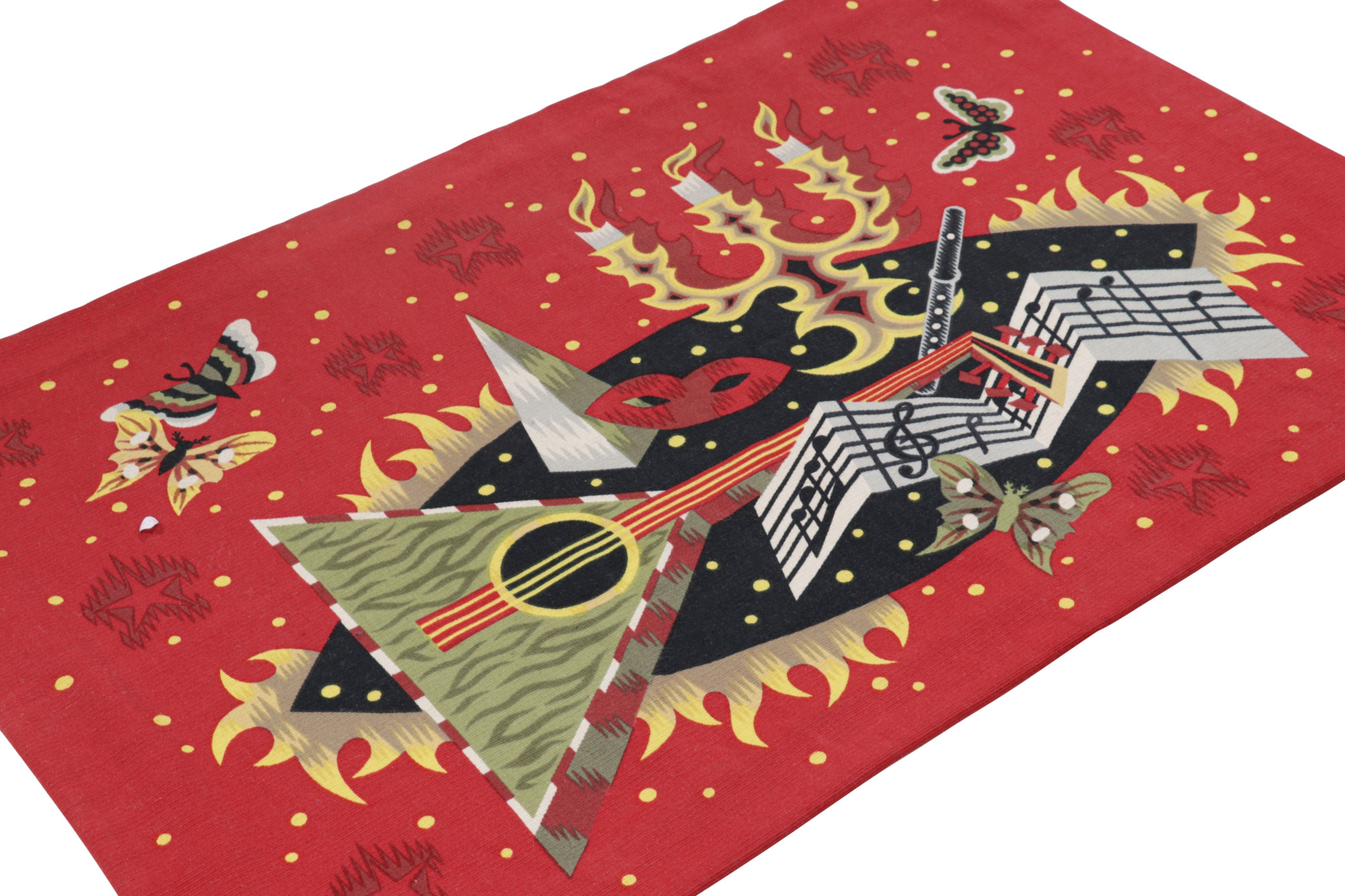
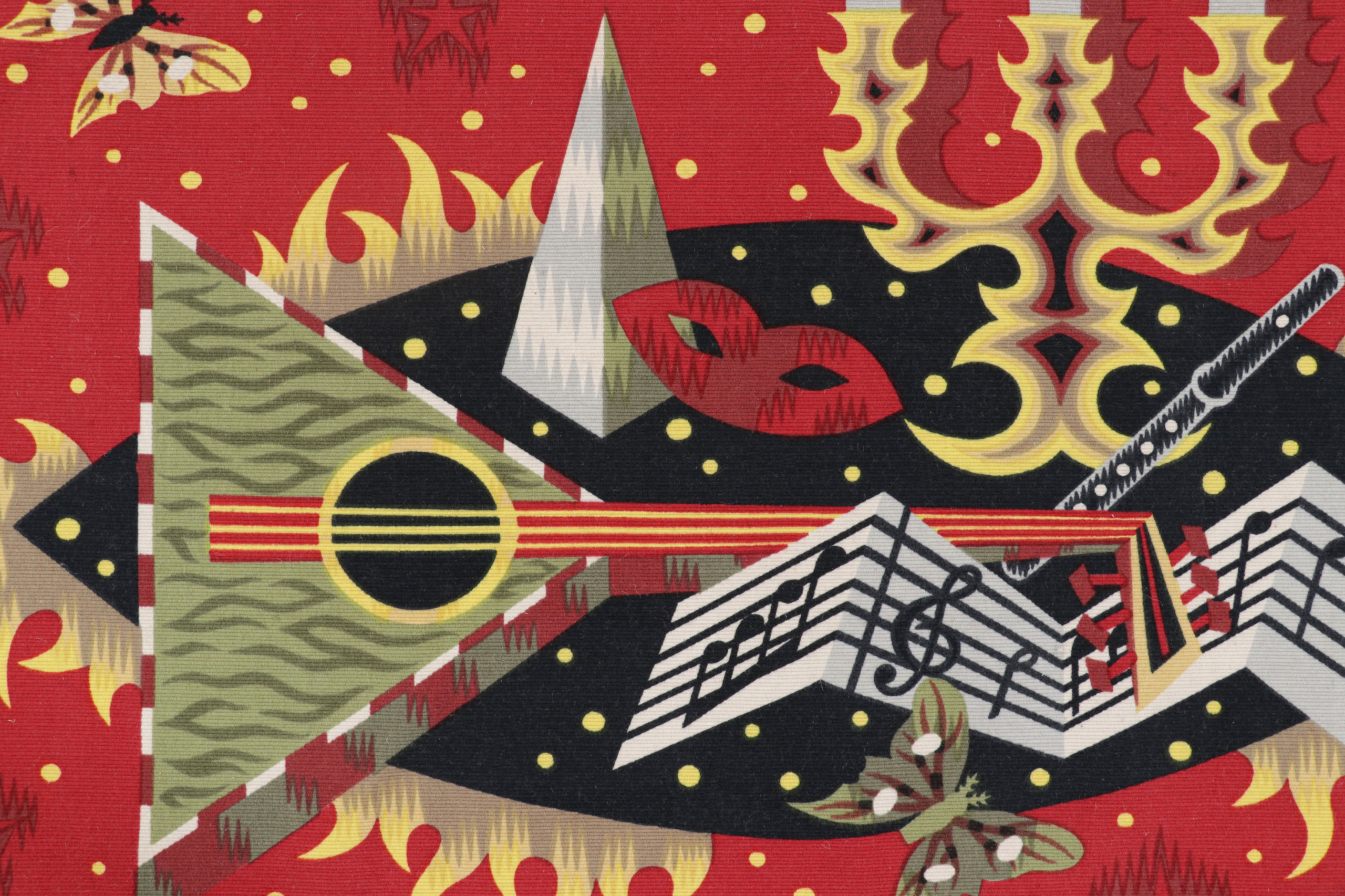
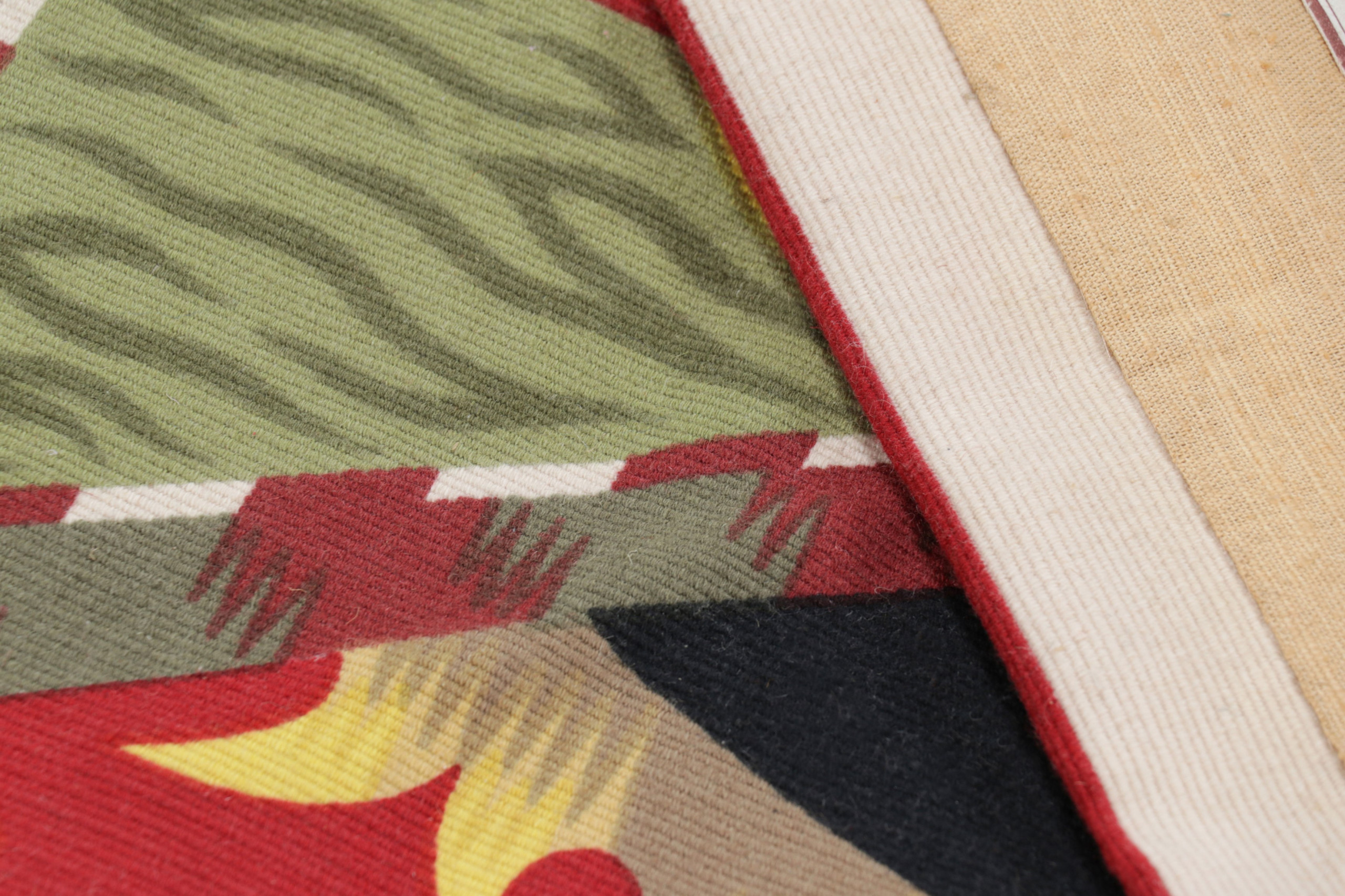
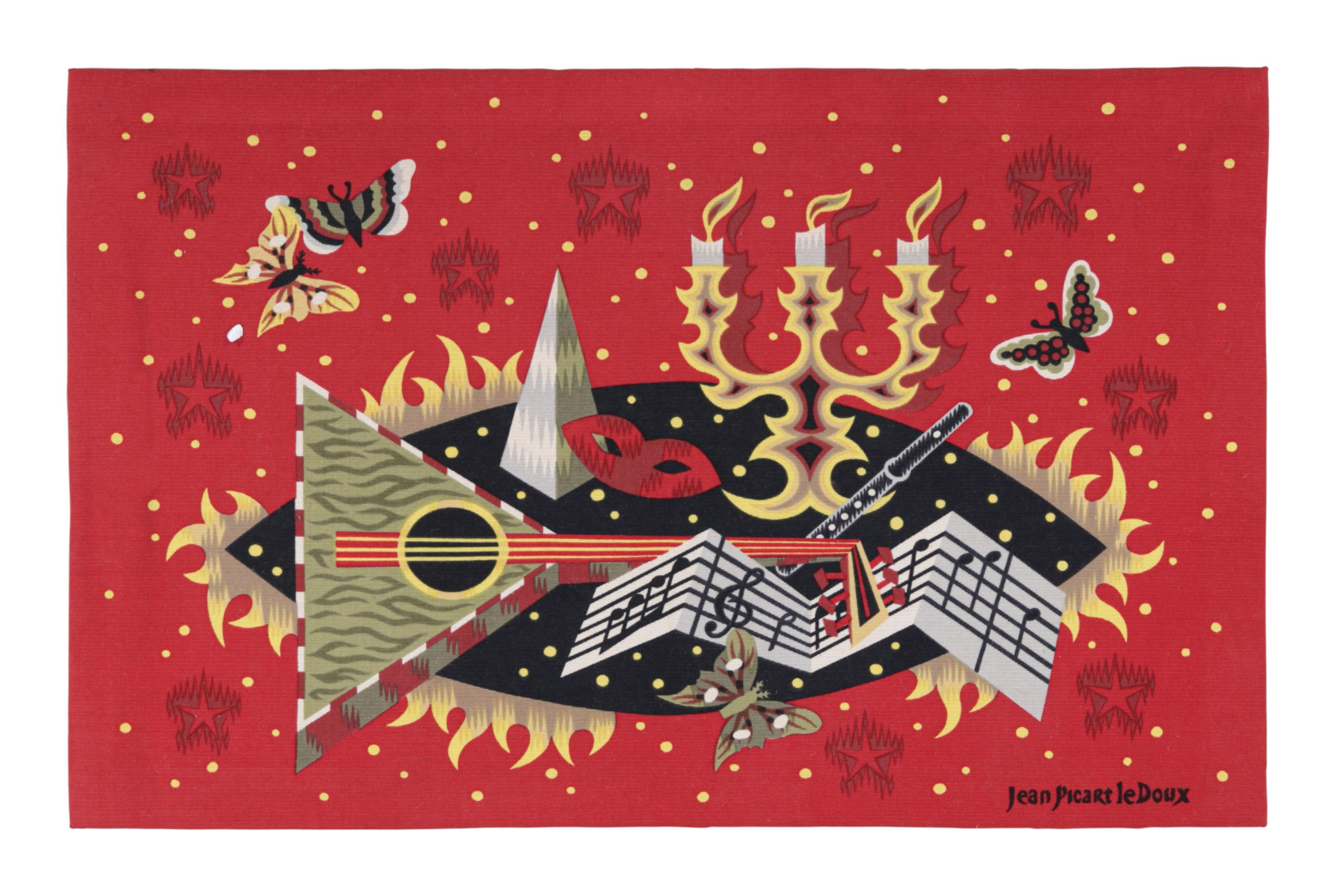
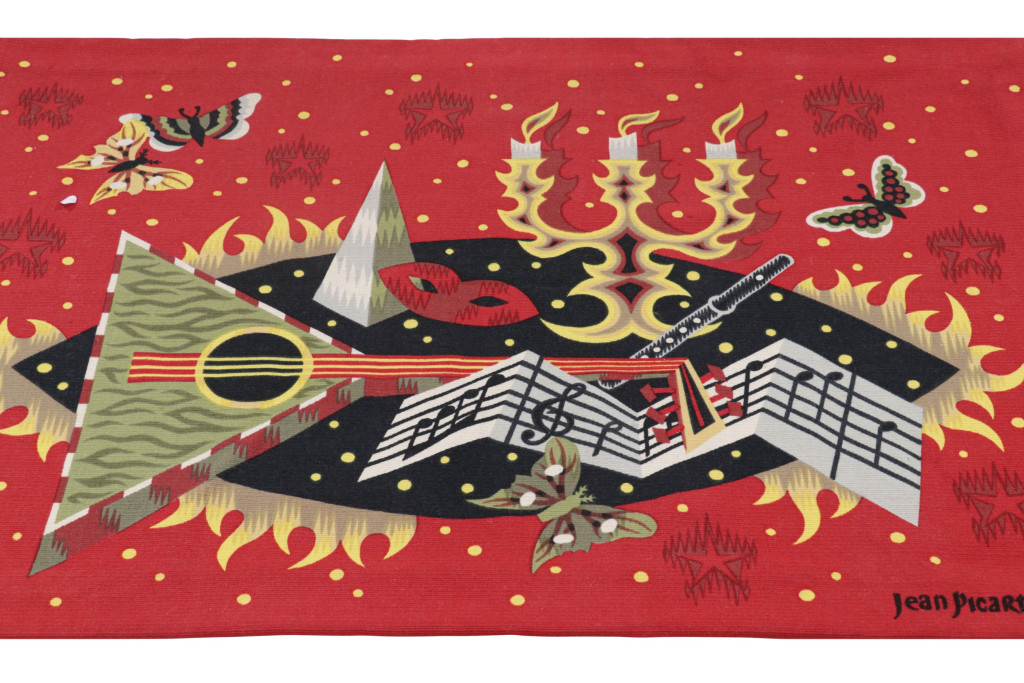
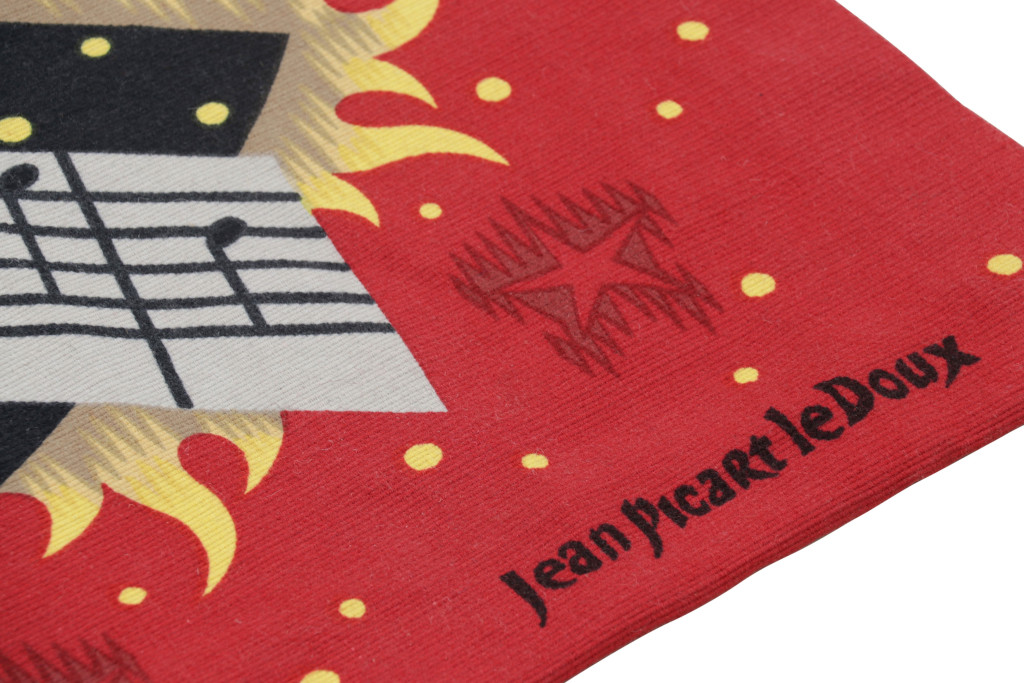
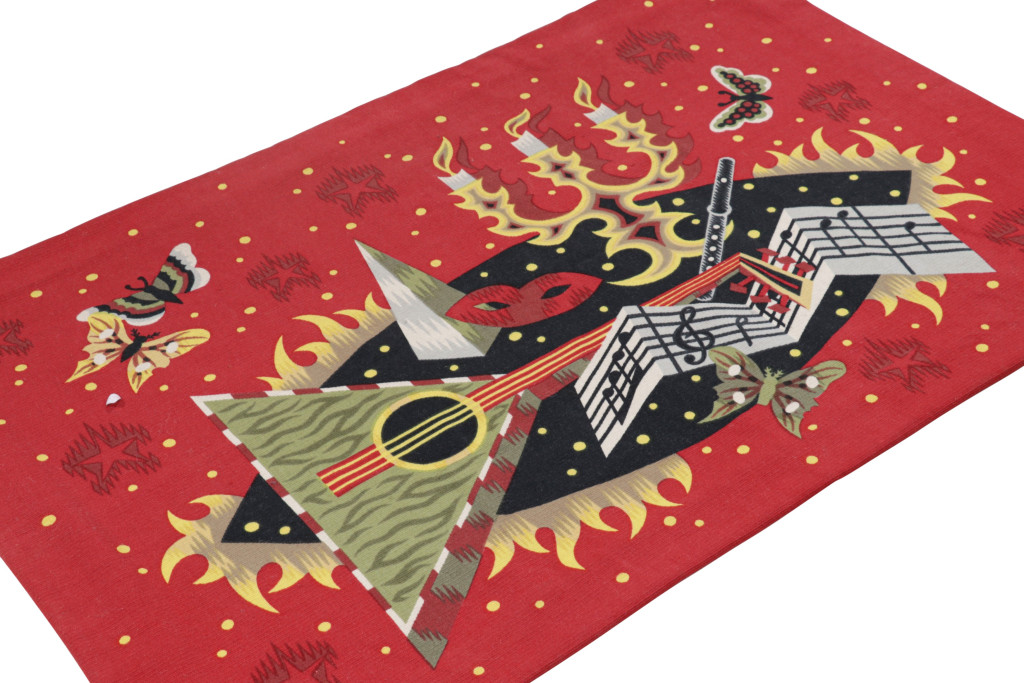
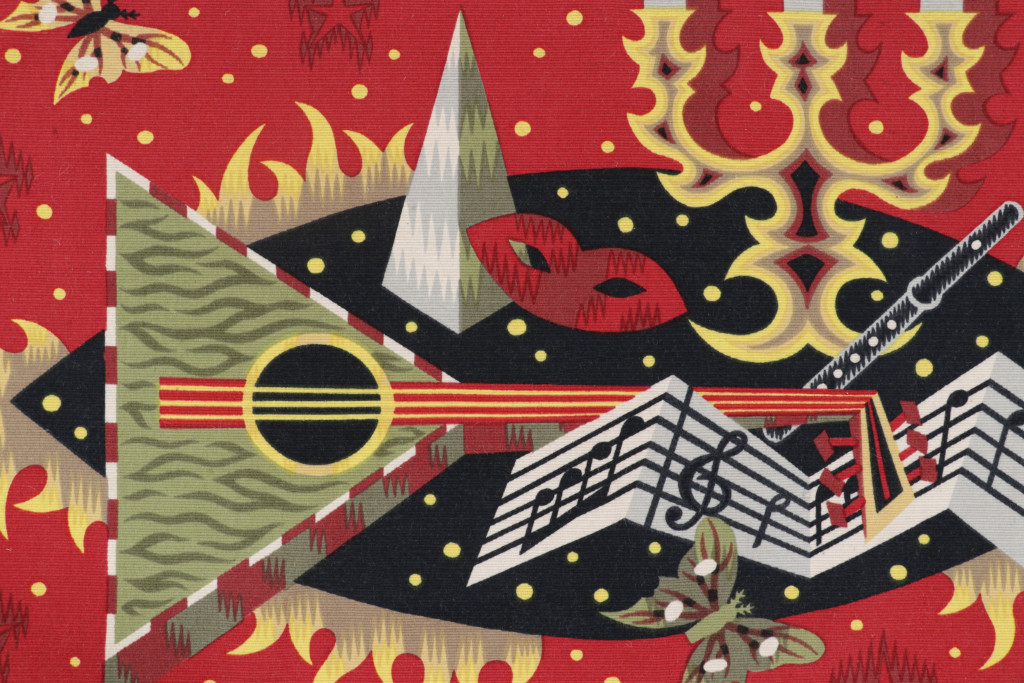
Vintage Jean Picart Le Doux Pictorial Tapestry ‘Musique de Chambre’ | Rug & Kilim
"Rug & Kilim is one of our favorite sources when looking for quality handmade rugs. Their team go above and beyond to find &/or make the rugs that fit our clients needs as well as their dreams."
— Becca Ford, Emily Lindberg Design
A standard since our inception upheld across every acquisition,
transaction, and delivery.
45+ Year Old Institution
More than four decades of expertise and stewardship, under the leadership of our Principal, Jahanshah "Josh" Nazmiyal.
Favorable Return Policy
Our return policy is 48 hours upon receipt allowing you to confirm the purchase in your space with confidence.
Product Warranty
Each rug is hand selected or produced through the most reputable sources under the direct supervision of our Principal.
Trusted Global Delivery
Reliable worldwide delivery handled with care, precision and constant communication.
Exceptional Support
Attentive, knowledgeable guidance before and after purchase from our dedicated team of specialists.
Long Term Care
We stand behind every piece we place and remain a resource to our clients for the lifetime of their collection.
- Measurements: 3'2" x 5'0" ( 0.97 m x 1.52 m )
- Categories: European, Modern, Tapestry, The Jahanshah Collection, Vintage
- Classification: Aubusson, Classic/Traditional, European, Modern/Contemporary, Pictorial, Tapestry/Textile/Wall Hanging
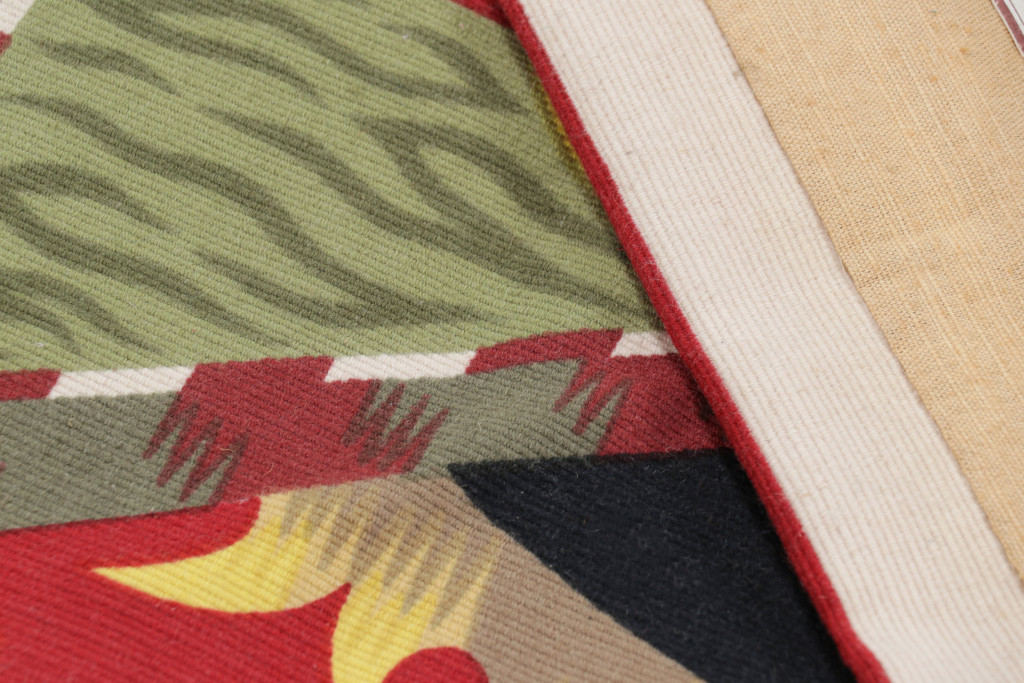
- Material: Wool
- Origin: France
- SKU: 32539

Specifications:
Stories from the Tapestry Collection
Essays, artist dialogues, and provenance notes drawn from Rug & Kilim’s editorial desk.
Provenance, Structure, Intelligibility: The Three Pillars of Serious Collecting
Anyone can acquire a rug. To collect one, to bring it into a serious collection with the confidence that it belongs there, requires a discipline, and that discipline rests on three questions. Across four decades of building one of the most significant archives in the country, this house has come to evaluate every object through the same three. They are the difference between buying and collecting, and they are worth setting down plainly, because they apply as readily to a Safavid fragment as to a signed Aubusson, and because they are the same three questions, at bottom, that a curator at the Metropolitan or a specialist at Christie's brings to any object of consequence.
Read the Feature
Savonnerie, Aubusson, Gobelins: The Three Ateliers That Defined What Europe Believed a Rug Could Be
In the final years of the sixteenth century, the treasury of France was hemorrhaging. Not to war alone though there had been enough of that but to the East. French silver was flowing steadily toward Persia and the Levant in exchange for knotted-pile carpets, objects of such refinement and such authority that no European workshop had yet produced anything capable of competing with them. Henri IV, who had survived the Wars of Religion and the bankruptcy of a kingdom to sit on the French throne, was not a man inclined to accept a problem he could solve. He installed Pierre Dupont — weaver, entrepreneur, and the most technically accomplished carpet-maker in France in the galleries of the Louvre itself, in workshops beneath the palace's own roof, with a single instruction: make something that does not require us to send money to Persia.
Read the Feature
Rug of the Week IV: Mandaroux’s Le Carnaval — A Mid-Century Aubusson Tapestry in the Age of Postwar Reinvention
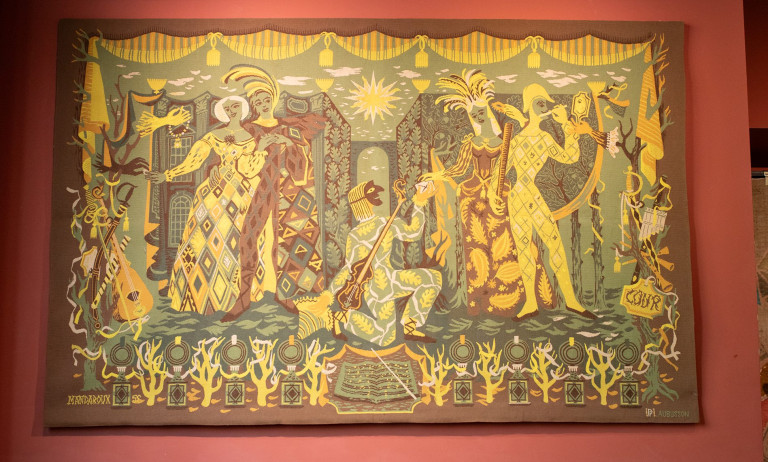
NO. 33873 Vintage French Aubusson Mandaroux Tapestry in Green with Pictorial | Rug & Kilim >> When the name Aubusson appears in a conversation among connoisseurs, it evokes an institution: five centuries of tapestry production that has furnished the courts of France, the grand hôtels particuliers of Paris, and the most ambitious interiors of Europe. Yet, the 20th century forced Aubusson into an existential shift. With the Second World War leaving both industry and identity fractured, the ateliers of central France were compelled to modernize. Painters, architects, and designers were invited to collaborate, transforming tapestry from historicist ornament into a modern art form.
Read the Feature
Signatures and the Art of Attribution in Luxury Rugs: Collecting with Provenance and Prestige
A Picasso or a Lalique needs no introduction — the signature itself becomes shorthand for genius, provenance, and prestige. In the world of collectible textiles, authorship is often elusive. Unlike paintings or sculpture, where an artist’s hand is documented and celebrated, rugs were historically anonymous — woven for use, dowry, or devotion, rather than individual fame. Yet over centuries, a quiet tradition of “signatures in thread” has emerged: marks, cartouches, inscriptions, or motifs that elevate a rug from being a functional textile to an authored artwork. These signatures, whether literal or symbolic, have become the connoisseur’s key to provenance, prestige, and value.
Read the Feature
Rug of the Week Series III: Power, Pattern, and Politics in French Needlepoints of the Second Empire
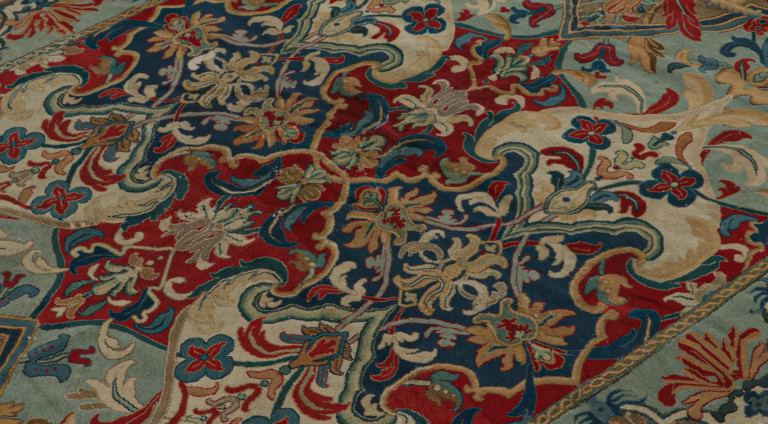
There are objects that decorate, and there are objects that define. This mid-19th century French needlepoint rug—handmade in wool between 1850 and 1860—is firmly of the latter category. At first glance, its medallion-and-floral field, worked in shades of imperial blue, martial red, and softened beige-brown, reads as a refinement of ornament. Yet within its stitches lies the broader cultural program of Napoleon III’s Second Empire, when interiors were designed as orchestrated symbols of hierarchy, order, and political continuity. To understand a textile such as this is to understand the interior not as decoration but as stagecraft: a point where power, domestic life, and aesthetics converged.
Read the Feature
Jean Picart le Doux: The Modern Master Who Revolutionized French Tapestry
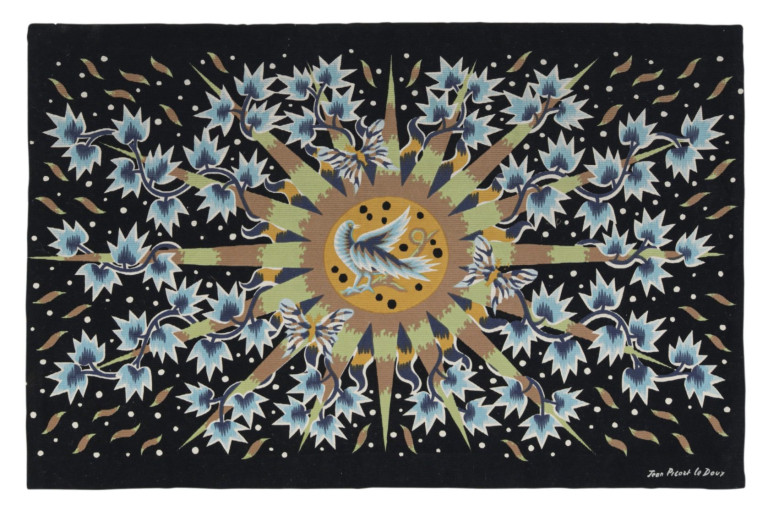
Tapestries are experiencing a definitive renaissance in contemporary interiors. Contemporary French tapestry continues this dialogue between tradition and innovation. Modern works from the historic workshops of Aubusson and Gobelins especially by Jean Picart le Doux, speak in a voice that's both ancient and startlingly current. They understand what their medieval predecessors knew: that a tapestry doesn't just hang on a wall – it transforms the very nature of the space it inhabits. French tapestry underwent a radical transformation in the mid-20th century. The tradition, nearly extinct after centuries of declining relevance, found new life through a handful of modernist innovators who fundamentally reimagined its possibilities. This revolution centered on three key innovations: radical simplification of color palettes, emphasis on architectural scale, and integration with modernist aesthetics. Traditional tapestries used thousands of colors, making production nearly impossible. Jean Lurçat's radical solution - limiting palettes to 40 colors - inadvertently created a new visual language. This restriction forced designers to think in bold shapes and strong contrasts, aligning perfectly with modernist sensibilities.
Read the Feature


R&K Image Studio
NEWThe R&K Image Studio is a new visual workspace designed to present the Rug & Kilim collection with clarity, restraint, and precision — in your space or any space you imagine.
This tool allows you to view, refine, and prepare imagery drawn directly from the pieces in our archive. They can be visualized cleanly, isolated thoughtfully, and adjusted for presentations, proposals, and private viewings, without altering the integrity of the original work.
Tapestry
Wool
France
3'2" X 5'0" (0.97 m x 1.52 m)
Log In to See Price
Available: Shipping as Soon as Tomorrow
Vintage Jean Picart Le Doux Pictorial Tapestry ‘Musique de Chambre’ | Rug & Kilim
"Josh and his team have supported my interior design work, as well as my personal projects, for over 20 years. Their inimitable combination of creativity, personal attention, professionalism and joie de vivre are irresistible."
— Claire Fleming Peters, Fleming Peters
- Measurements: 3'2" x 5'0" ( 0.97 m x 1.52 m )
- Categories: European, Modern, Tapestry, The Jahanshah Collection, Vintage
- Classification: Aubusson, Classic/Traditional, European, Modern/Contemporary, Pictorial, Tapestry/Textile/Wall Hanging
- Material: Wool
- Origin: France
- SKU: 32539