
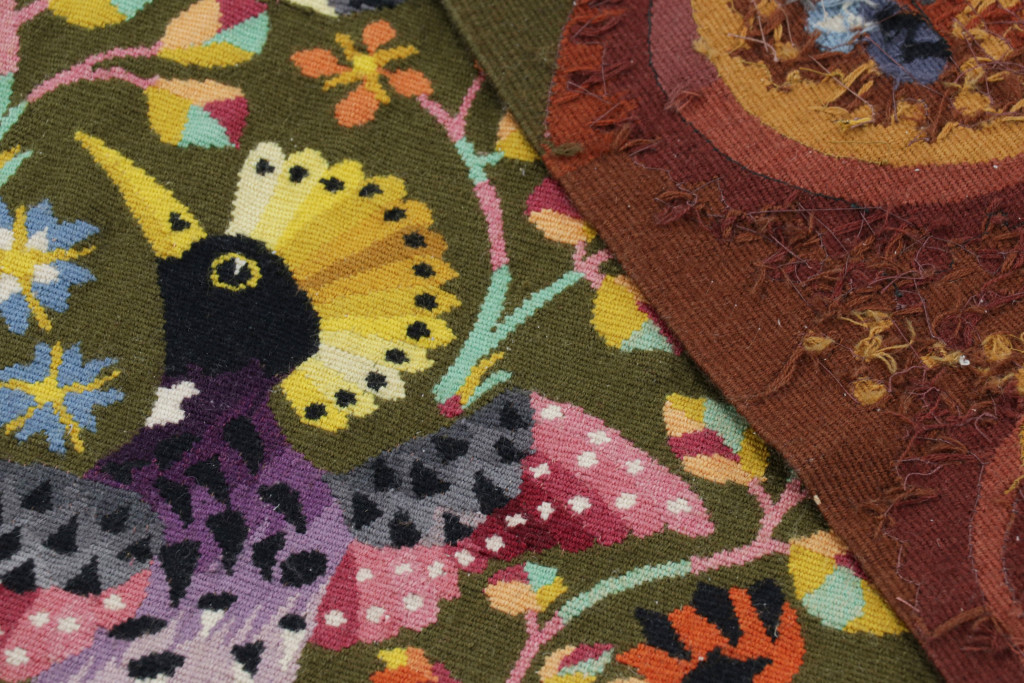
Wool
France
4'11" X 7'1" (1.50 m x 2.16 m)
Available: Shipping As Soon As Tomorrow
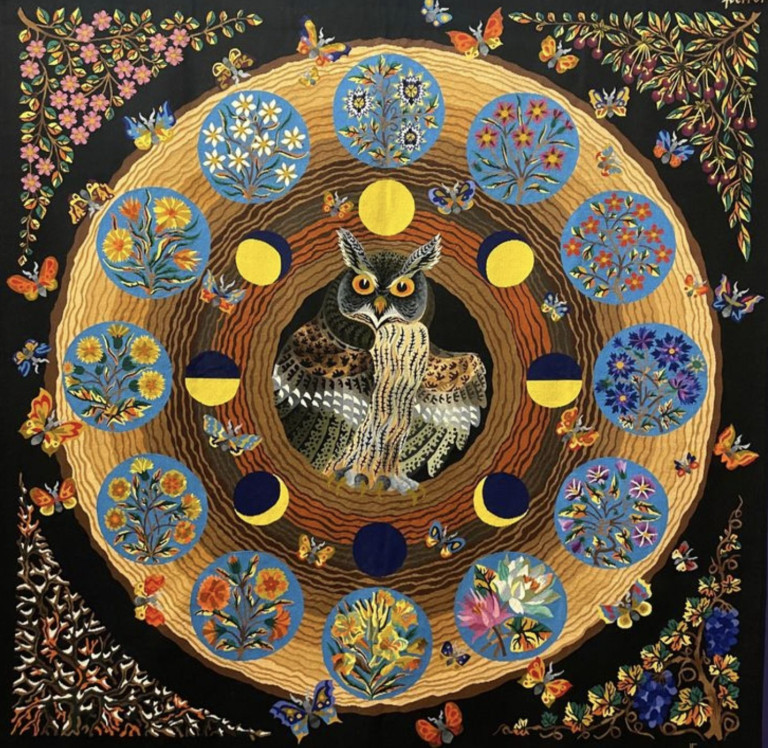
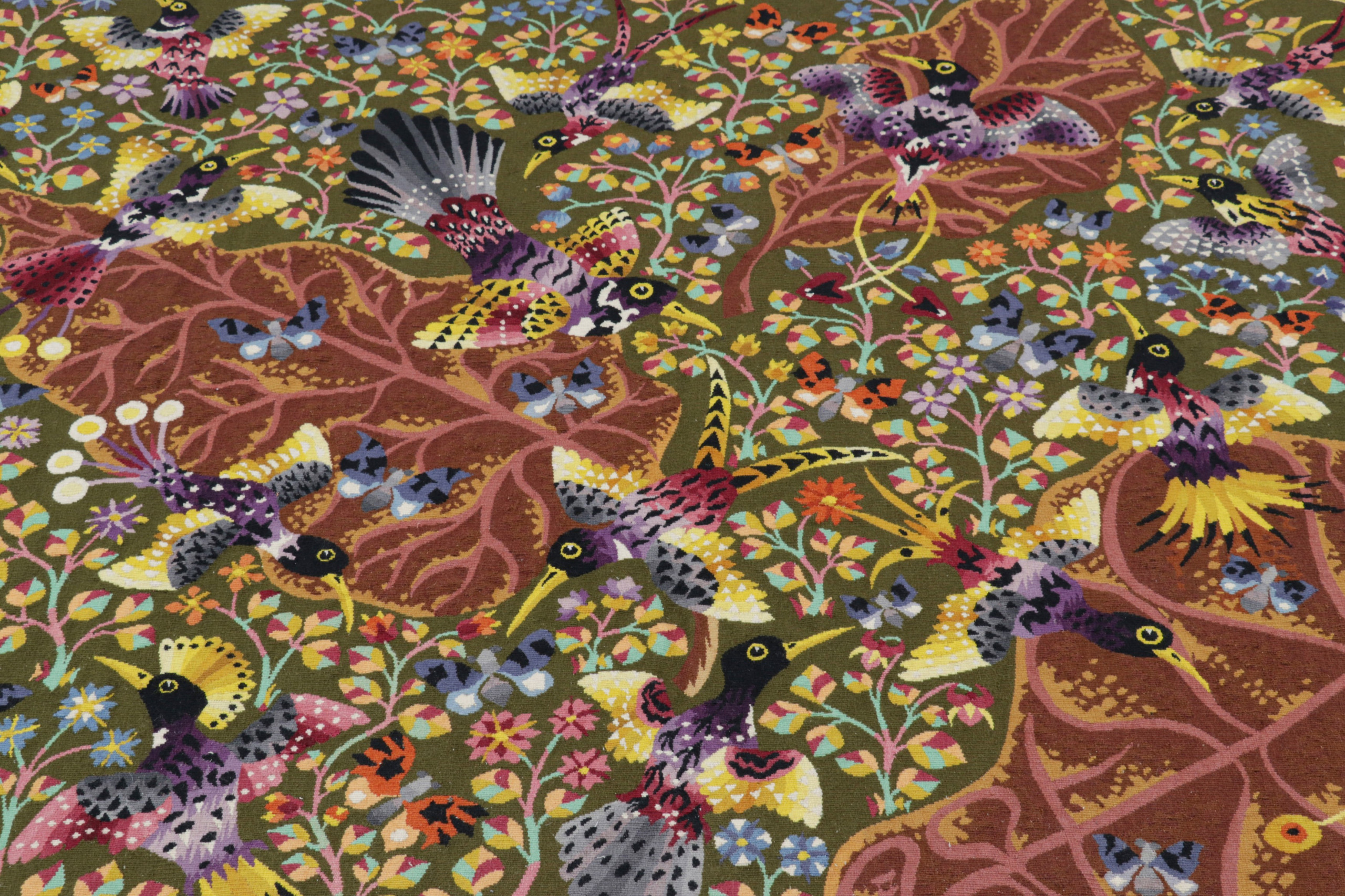
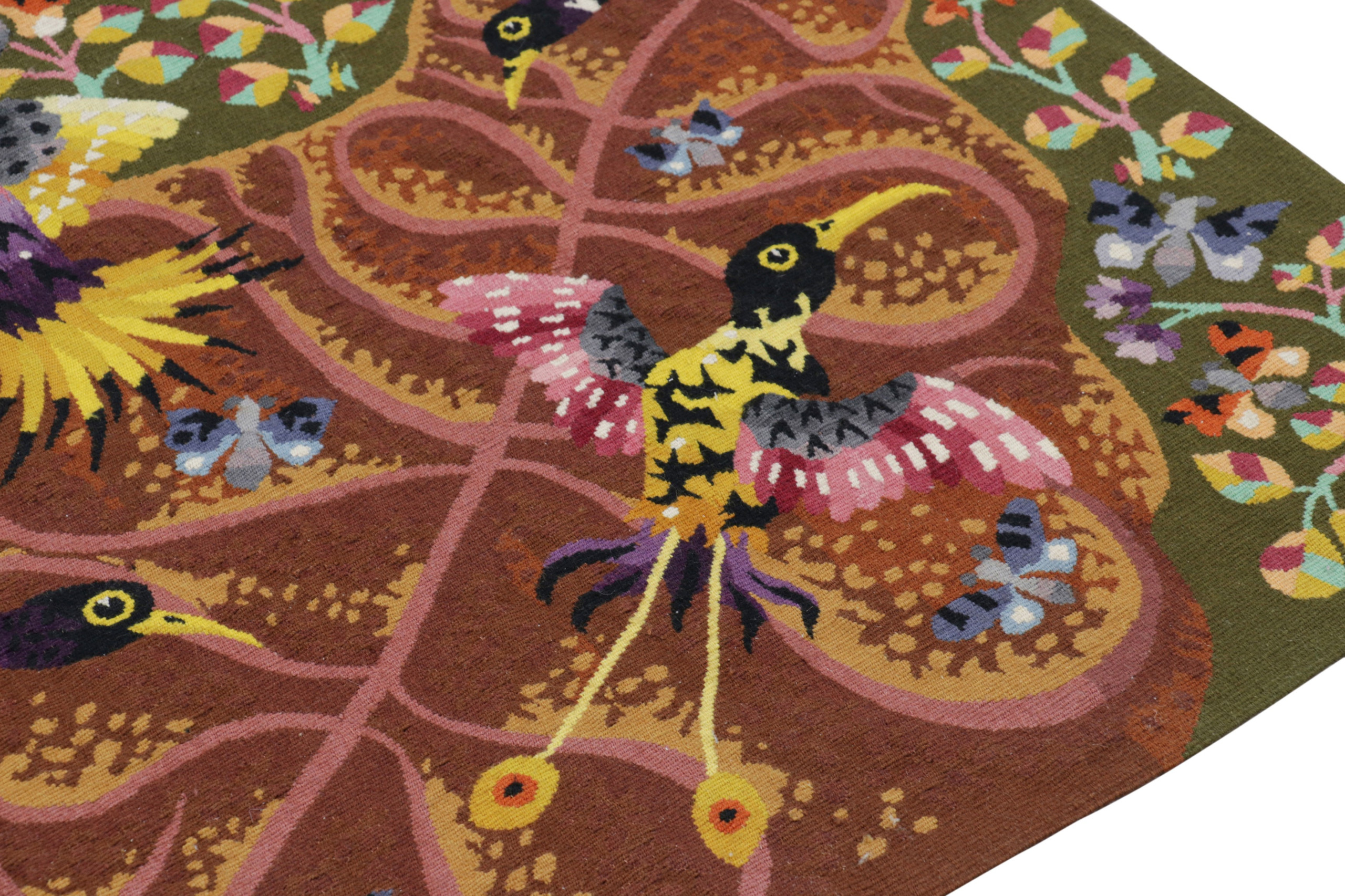
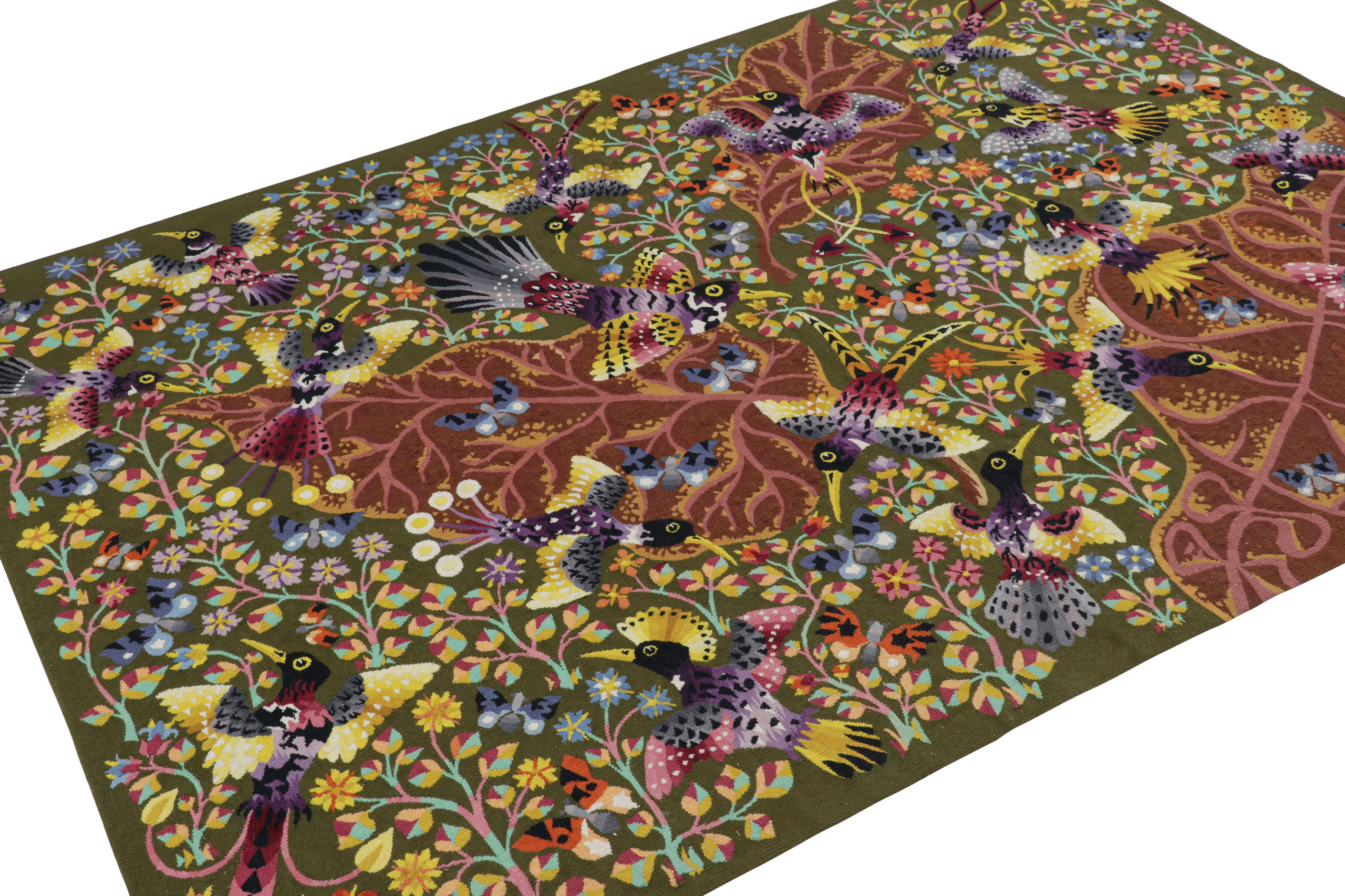
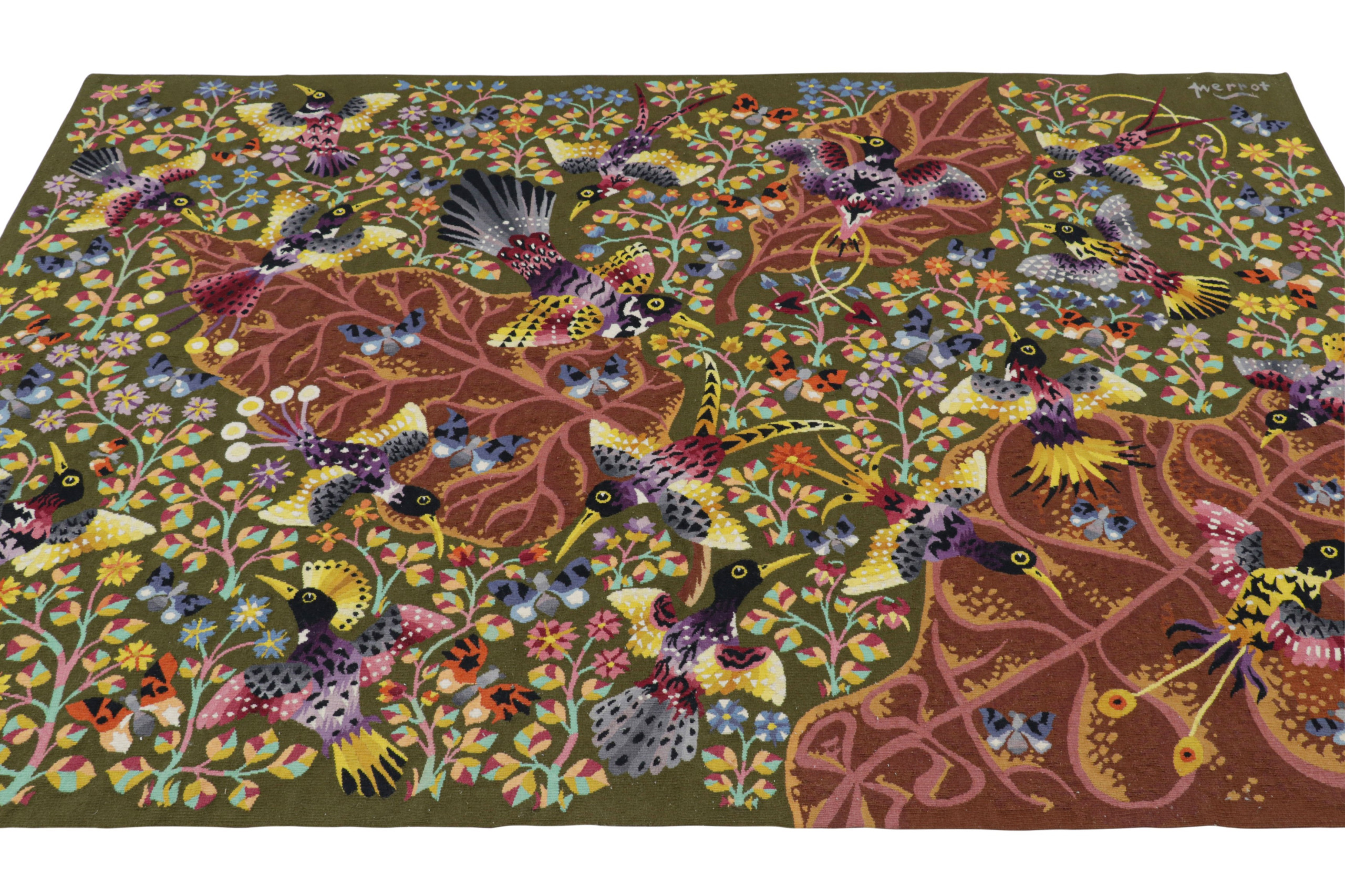
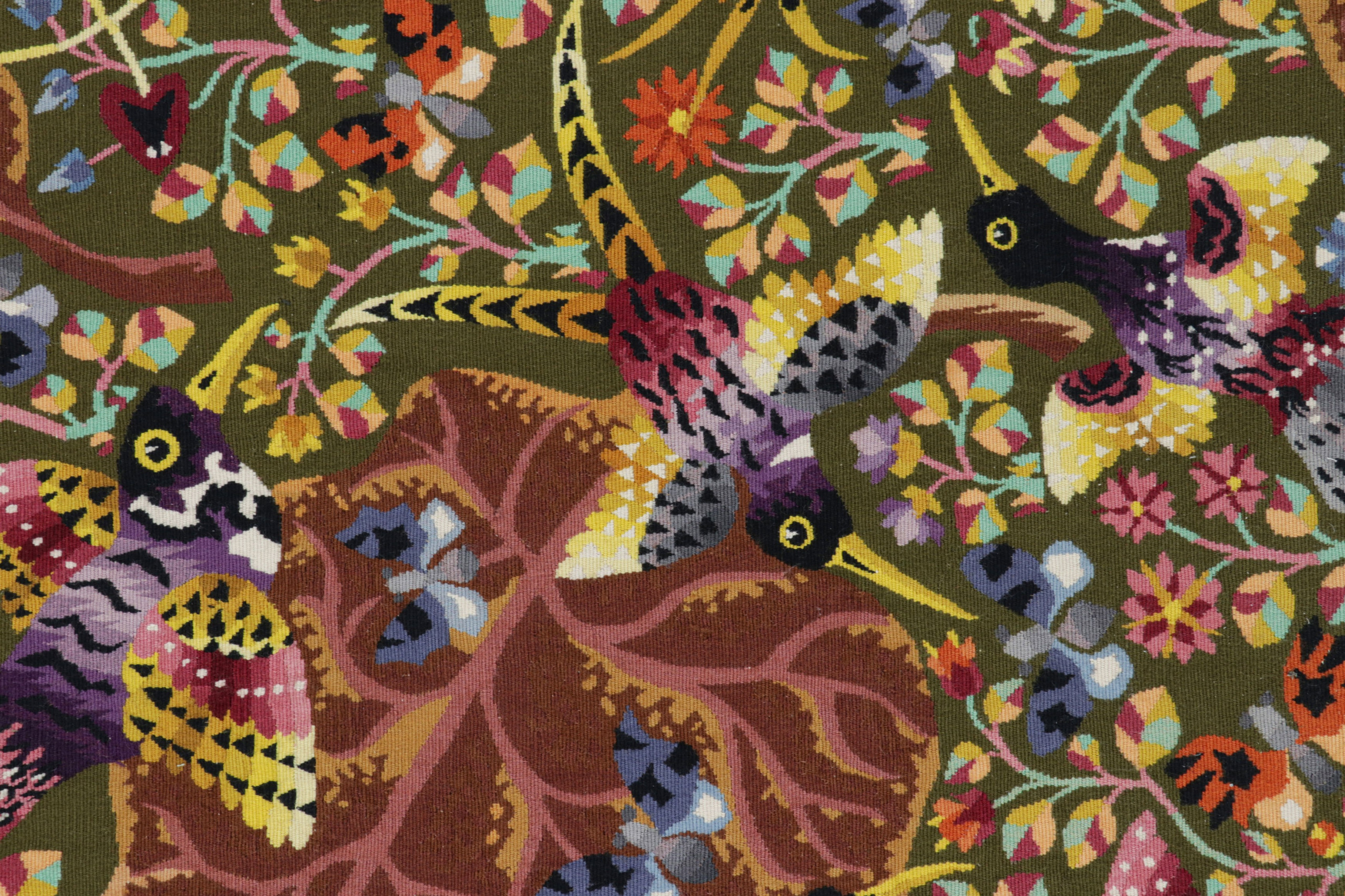
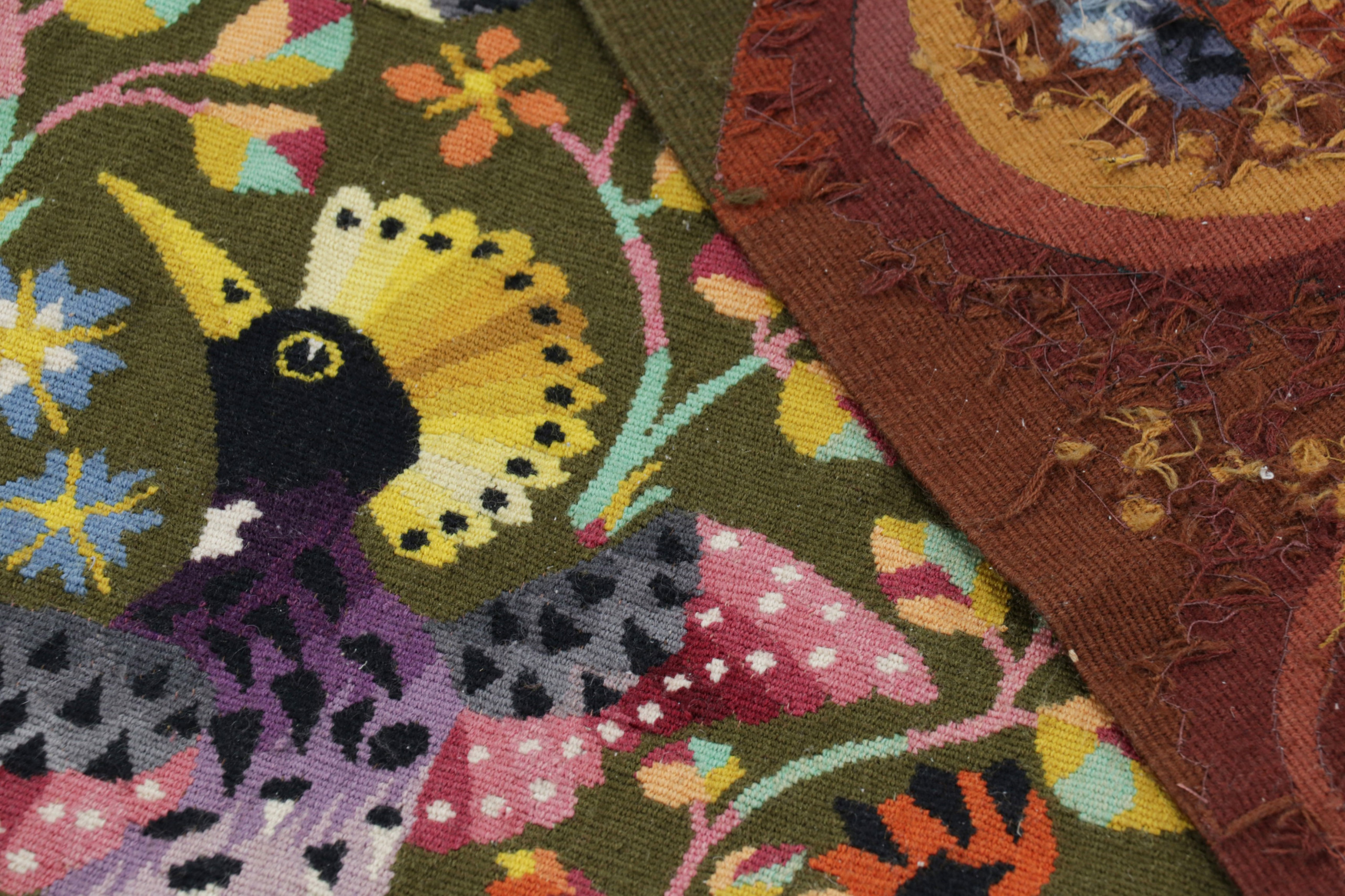
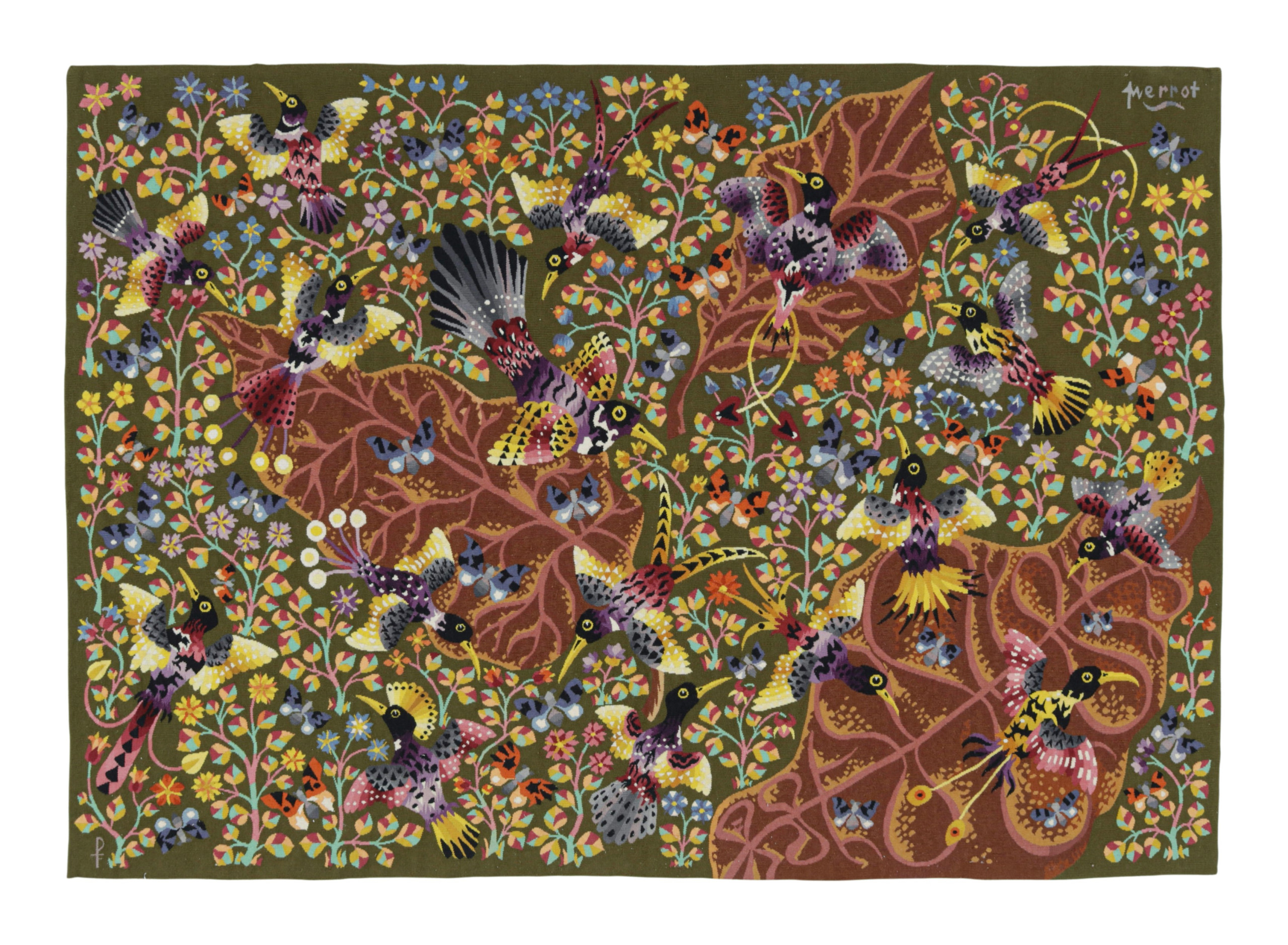
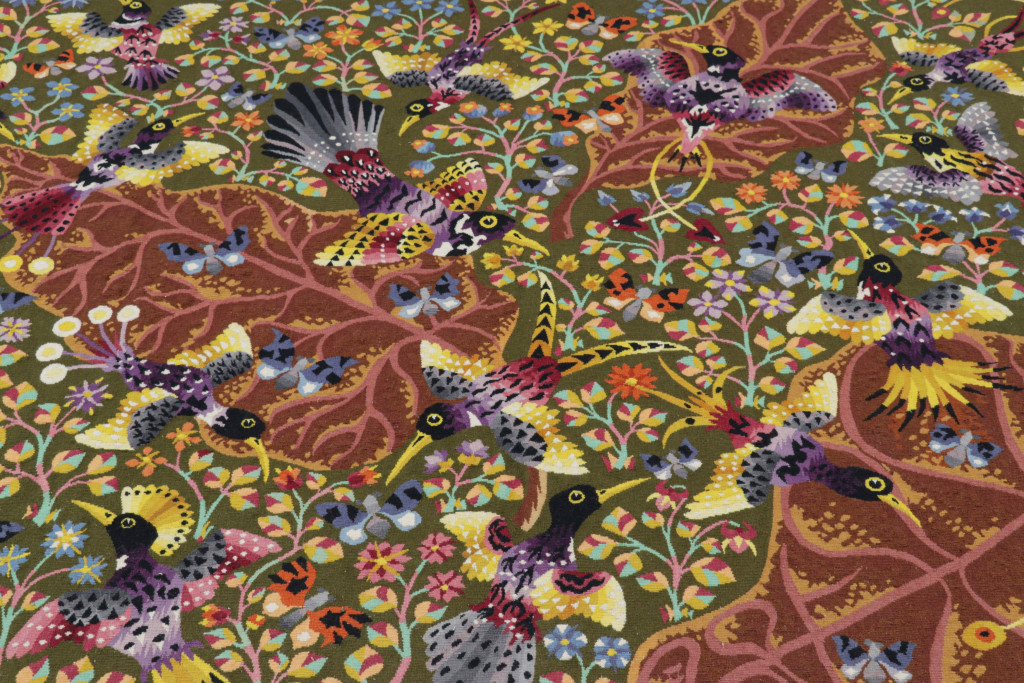
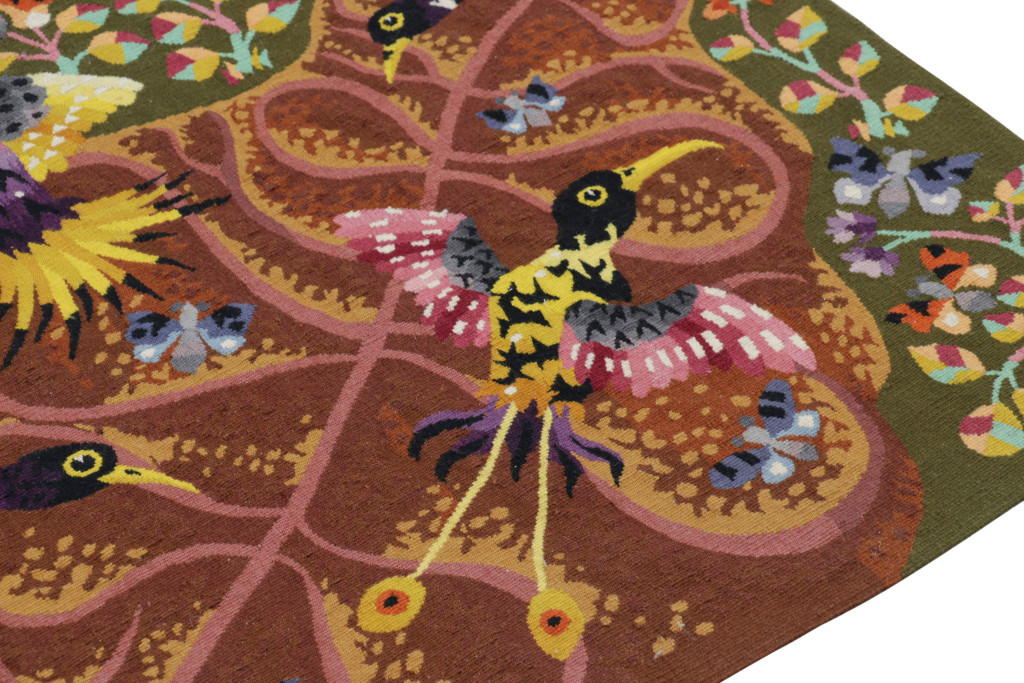
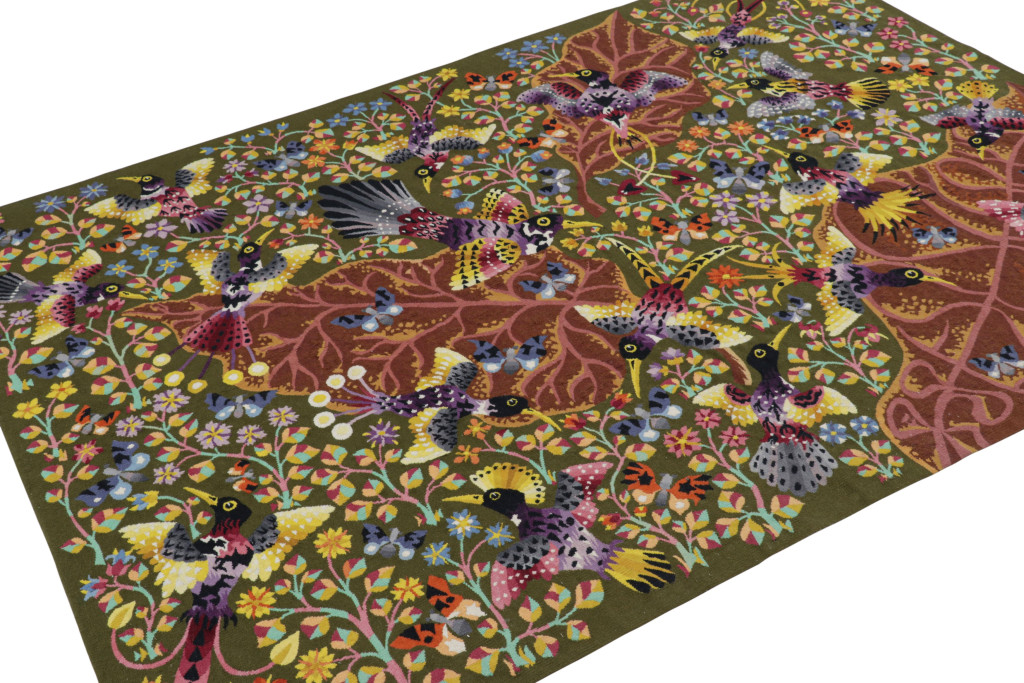
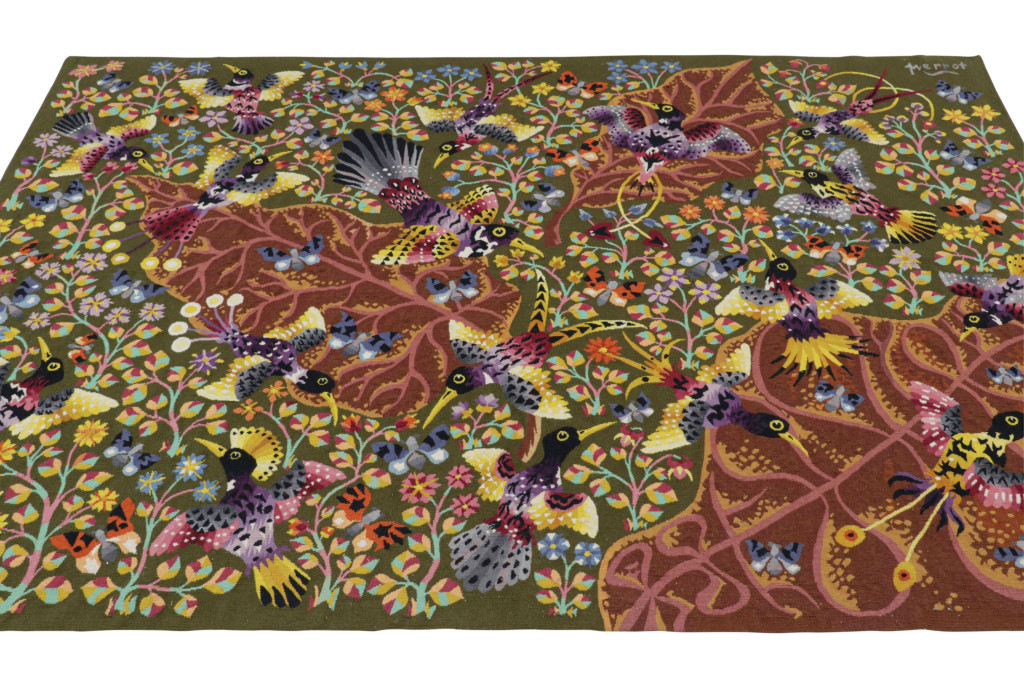
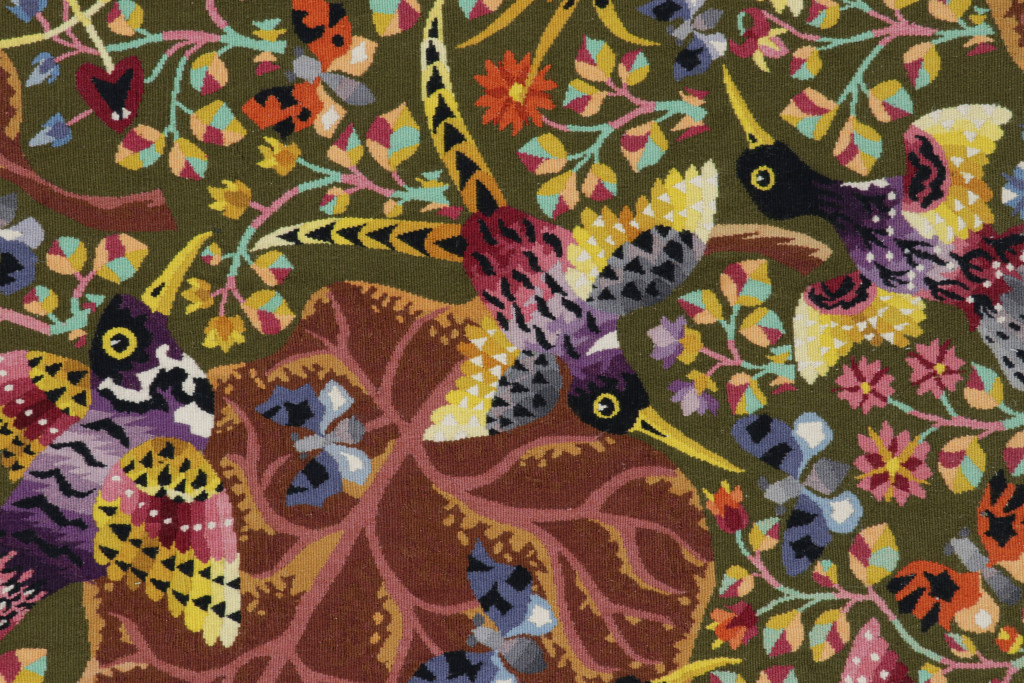
Signed Vintage René Perrot Pictorial and Floral Tapestry - Rug & Kilim
"For years, R&K has been a favorite source for Kemble Interiors when we need antique, vintage, and custom designed rugs. Their inventory is deep and well displayed online and working in person is always such a pleasure too!"
— Celerie Kemble, Kemble Interiors
A standard since our inception upheld across every acquisition,
transaction, and delivery.
45+ Year Old Institution
More than four decades of expertise and stewardship, under the leadership of our Principal, Jahanshah "Josh" Nazmiyal.
Favorable Return Policy
Our return policy is 48 hours upon receipt allowing you to confirm the purchase in your space with confidence.
Product Warranty
Each rug is hand selected or produced through the most reputable sources under the direct supervision of our Principal.
Trusted Global Delivery
Reliable worldwide delivery handled with care, precision and constant communication.
Exceptional Support
Attentive, knowledgeable guidance before and after purchase from our dedicated team of specialists.
Long Term Care
We stand behind every piece we place and remain a resource to our clients for the lifetime of their collection.
- Measurements: 4'11" x 7'1" ( 1.50 m x 2.16 m )
- Categories: European, Modern, Tapestry, Vintage
- Classification: Aubusson, Classic/Traditional, European, Floral, Modern/Contemporary, Pictorial, Tapestry/Textile/Wall Hanging
- Material: Wool
- Origin: France
- SKU: 32537
Specifications:
Stories from the Tapestry Collection
Essays, artist dialogues, and provenance notes drawn from Rug & Kilim’s editorial desk.
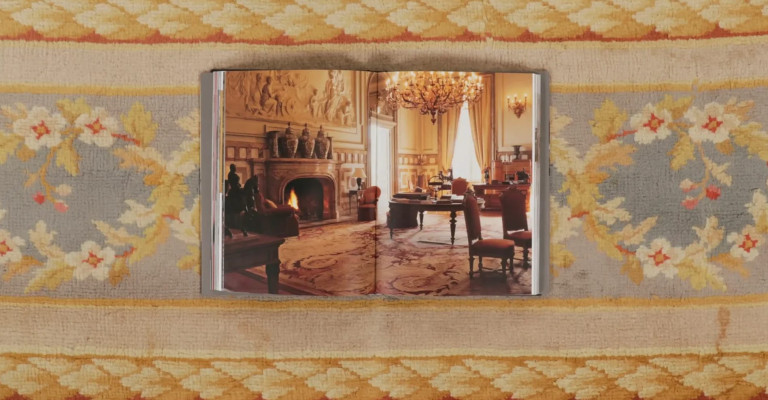
Savonnerie, Aubusson, Gobelins: The Three Ateliers That Defined What Europe Believed a Rug Could Be
In the final years of the sixteenth century, the treasury of France was hemorrhaging. Not to war alone though there had been enough of that but to the East. French silver was flowing steadily toward Persia and the Levant in exchange for knotted-pile carpets, objects of such refinement and such authority that no European workshop had yet produced anything capable of competing with them. Henri IV, who had survived the Wars of Religion and the bankruptcy of a kingdom to sit on the French throne, was not a man inclined to accept a problem he could solve. He installed Pierre Dupont — weaver, entrepreneur, and the most technically accomplished carpet-maker in France in the galleries of the Louvre itself, in workshops beneath the palace's own roof, with a single instruction: make something that does not require us to send money to Persia.
Read the Feature
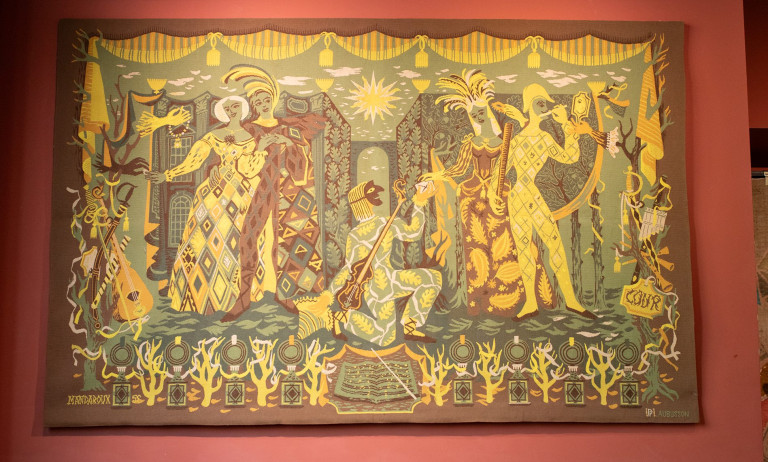
Rug of the Week IV: Mandaroux’s Le Carnaval — A Mid-Century Aubusson Tapestry in the Age of Postwar Reinvention
NO. 33873 Vintage French Aubusson Mandaroux Tapestry in Green with Pictorial | Rug & Kilim >> When the name Aubusson appears in a conversation among connoisseurs, it evokes an institution: five centuries of tapestry production that has furnished the courts of France, the grand hôtels particuliers of Paris, and the most ambitious interiors of Europe. Yet, the 20th century forced Aubusson into an existential shift. With the Second World War leaving both industry and identity fractured, the ateliers of central France were compelled to modernize. Painters, architects, and designers were invited to collaborate, transforming tapestry from historicist ornament into a modern art form.
Read the Feature
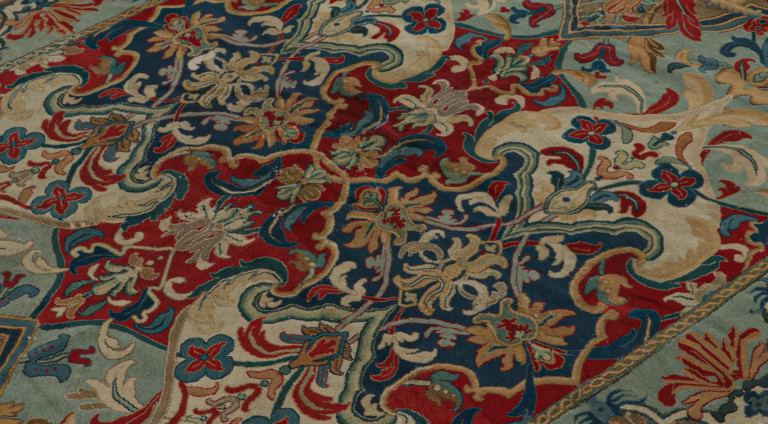
Rug of the Week Series III: Power, Pattern, and Politics in French Needlepoints of the Second Empire
There are objects that decorate, and there are objects that define. This mid-19th century French needlepoint rug—handmade in wool between 1850 and 1860—is firmly of the latter category. At first glance, its medallion-and-floral field, worked in shades of imperial blue, martial red, and softened beige-brown, reads as a refinement of ornament. Yet within its stitches lies the broader cultural program of Napoleon III’s Second Empire, when interiors were designed as orchestrated symbols of hierarchy, order, and political continuity. To understand a textile such as this is to understand the interior not as decoration but as stagecraft: a point where power, domestic life, and aesthetics converged.
Read the Feature
Rug of The Week Series II: Jean Lurçat’s L’Homme and the Political Resurrection of Tapestry
Some works enter a room as objects; others arrive as events. Jean Lurçat’s L’Homme does not merely hang—it presides. It does not wait for you to look; it looks back. Woven in postwar France, at a time when the language of beauty had been shattered by history, this tapestry is a declaration: that art must outlast its maker, and that a wall can bear more than ornament—it can bear witness. The Eternal Sentinel of Human Dignity and Earth’s Memory The man here is not merely a figure but a totem—an emblem of humanity rooted in the soil, crowned with nature’s defiance. Lurçat, whose postwar revival of the Aubusson tapestry tradition redefined its purpose, would say this figure is not a portrait but a mirror: a reflection of what dignity looks like when stripped of ornamentation, yet woven with the richest colors of survival.
Read the Feature
The World of Period Piece Rugs and Kilims: Provenance, Style, and Collecting Masterworks
In the world of fine art and design, the term period piece is not a casual descriptor—it is an assurance of historical integrity, stylistic authenticity, and documented provenance. To speak of period piece rugs and kilims is to speak not simply of textiles, but of time made tangible. From the opulent wool-and-silk Savonneries gracing the salons of Louis XIV, to the restrained architectural harmony of French Aubussons, the modernist clarity of a signed Leleu, or the atmospheric geometry of Chinese Art Deco and Peking carpets—these are not mere floor coverings. They are artefacts of intent, designed to speak to power, status, and the zeitgeist of their era.
Read the Feature
René Perrot’s Tapestries and the Post-War Revival of French Decorative Arts
The resurrection of French decorative arts after the devastation of World War II represents one of the most profound artistic revivals of the 20th century. At the center of this renaissance stands René Perrot (1912-1979), whose monumental tapestries encapsulate not merely a return to tradition, but a bold reimagining of France's artistic identity amid the rubble of conflict. When a nation's cultural heritage lies in fragments, the artist becomes both archaeologist and architect. This sentiment echoed through the corridors of post-war French ateliers, where Perrot's distinctive vision began to take shape.
Read the Feature


R&K Image Studio
NEWThe R&K Image Studio is a new visual workspace designed to present the Rug & Kilim collection with clarity, restraint, and precision — in your space or any space you imagine.
This tool allows you to view, refine, and prepare imagery drawn directly from the pieces in our archive. They can be visualized cleanly, isolated thoughtfully, and adjusted for presentations, proposals, and private viewings, without altering the integrity of the original work.
Tapestry
Wool
France
4'11" X 7'1" (1.50 m x 2.16 m)
$35,000
Available: Shipping as Soon as Tomorrow
Signed Vintage René Perrot Pictorial and Floral Tapestry - Rug & Kilim
"Josh and his team have supported my interior design work, as well as my personal projects, for over 20 years. Their inimitable combination of creativity, personal attention, professionalism and joie de vivre are irresistible."
— Claire Fleming Peters, Fleming Peters
- Measurements: 4'11" x 7'1" ( 1.50 m x 2.16 m )
- Categories: European, Modern, Tapestry, Vintage
- Classification: Aubusson, Classic/Traditional, European, Floral, Modern/Contemporary, Pictorial, Tapestry/Textile/Wall Hanging
- Material: Wool
- Origin: France
- SKU: 32537