Inquire About this Volume
Learn more about this volume
by calling an expert on our team.
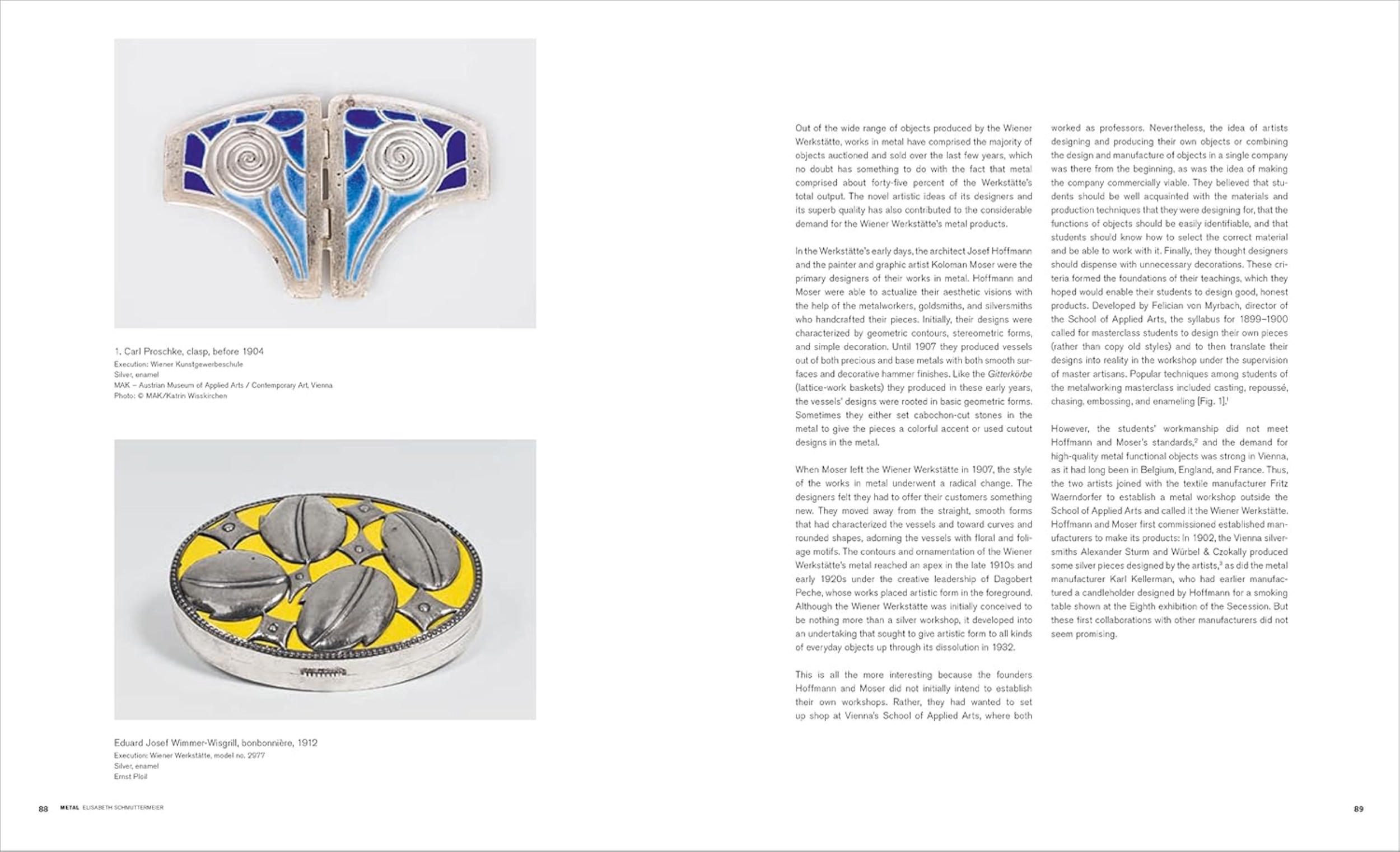
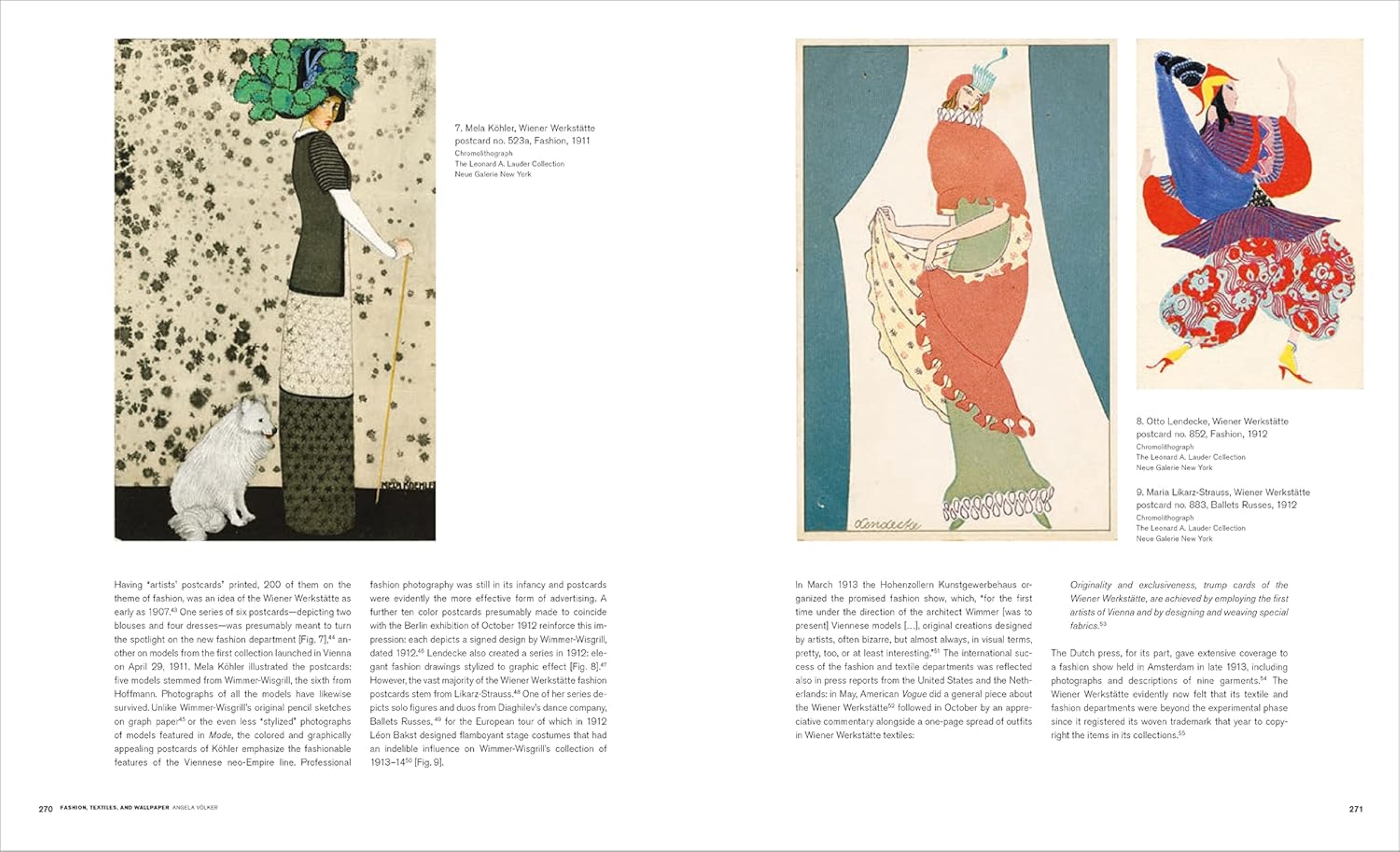
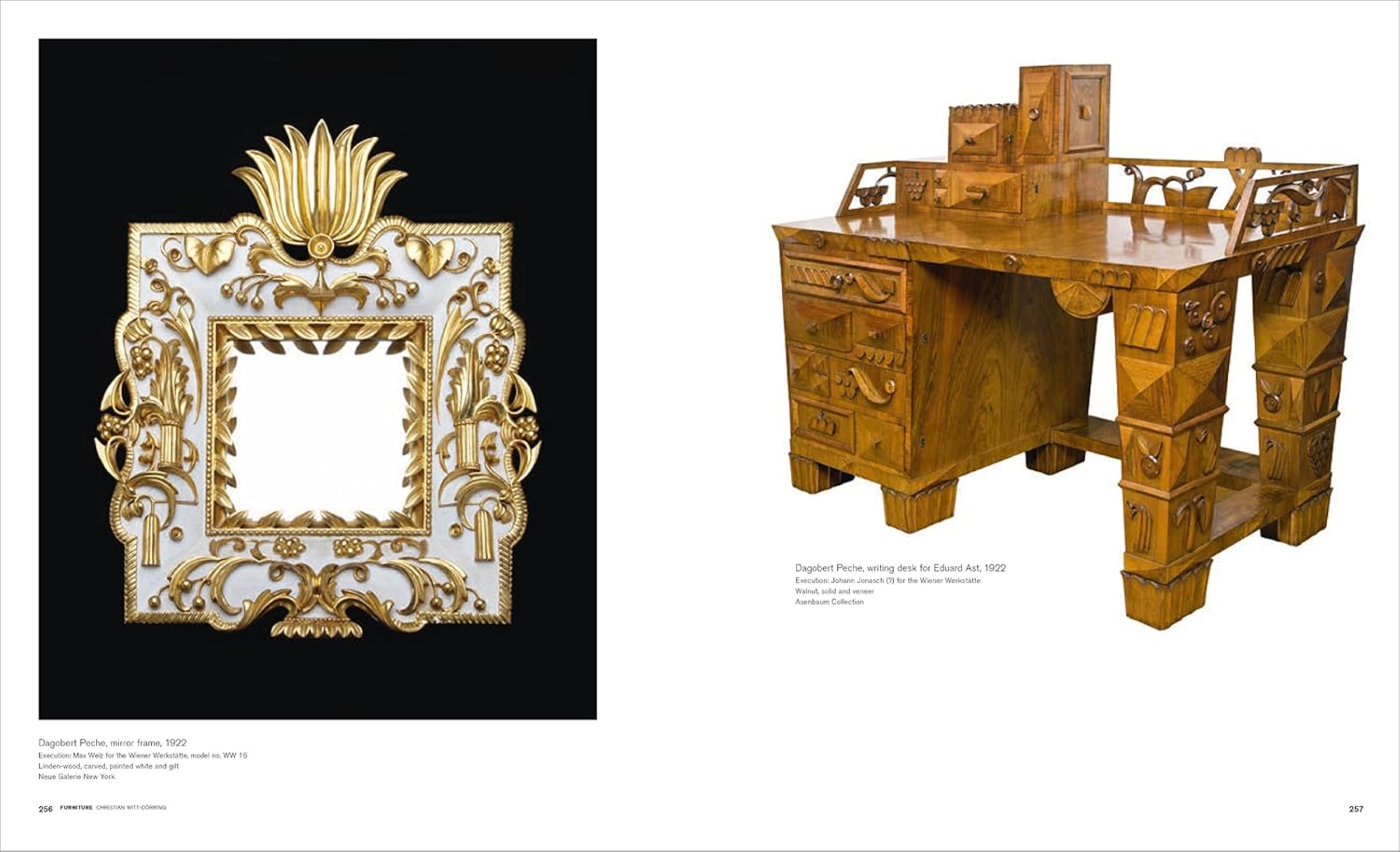
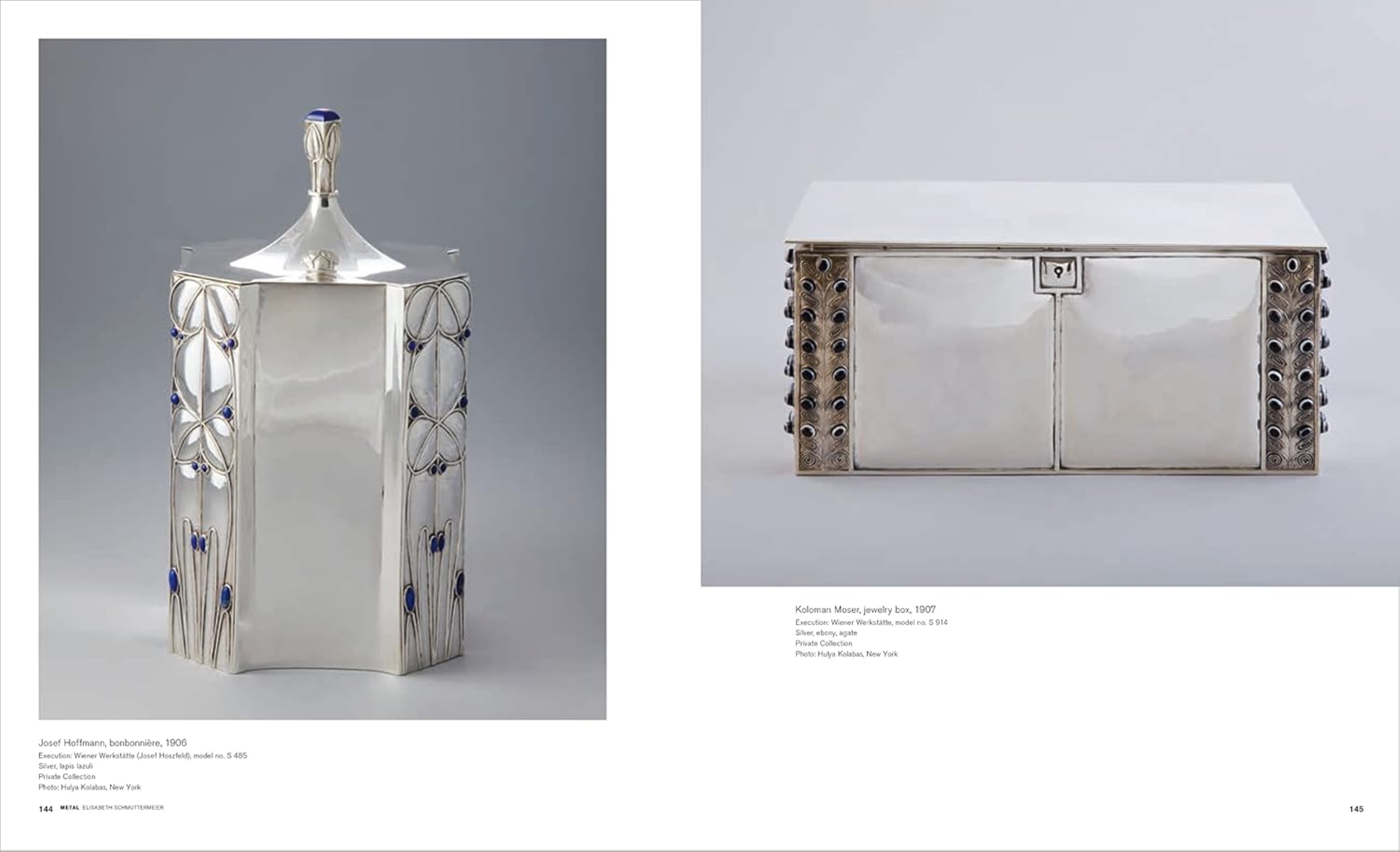
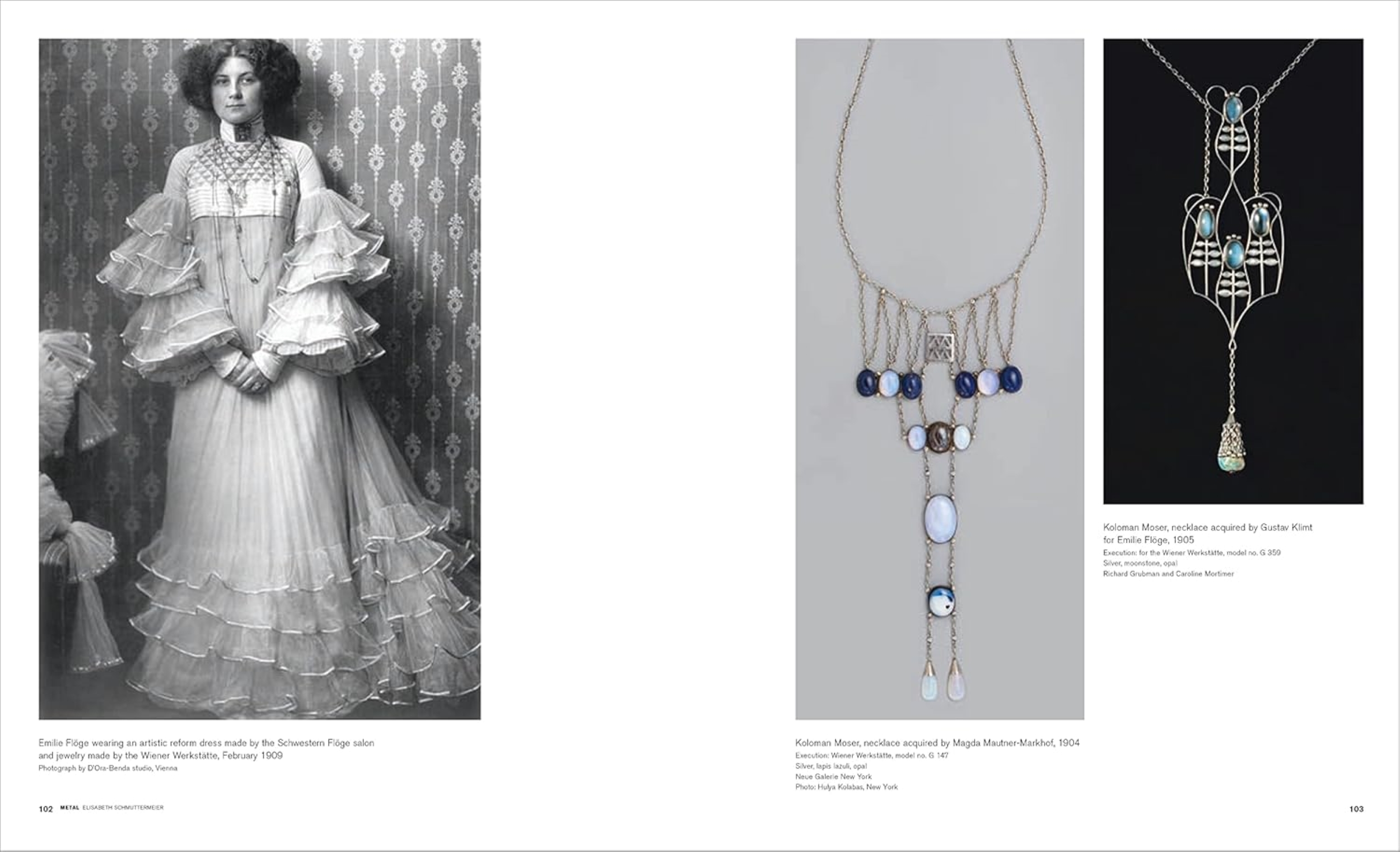
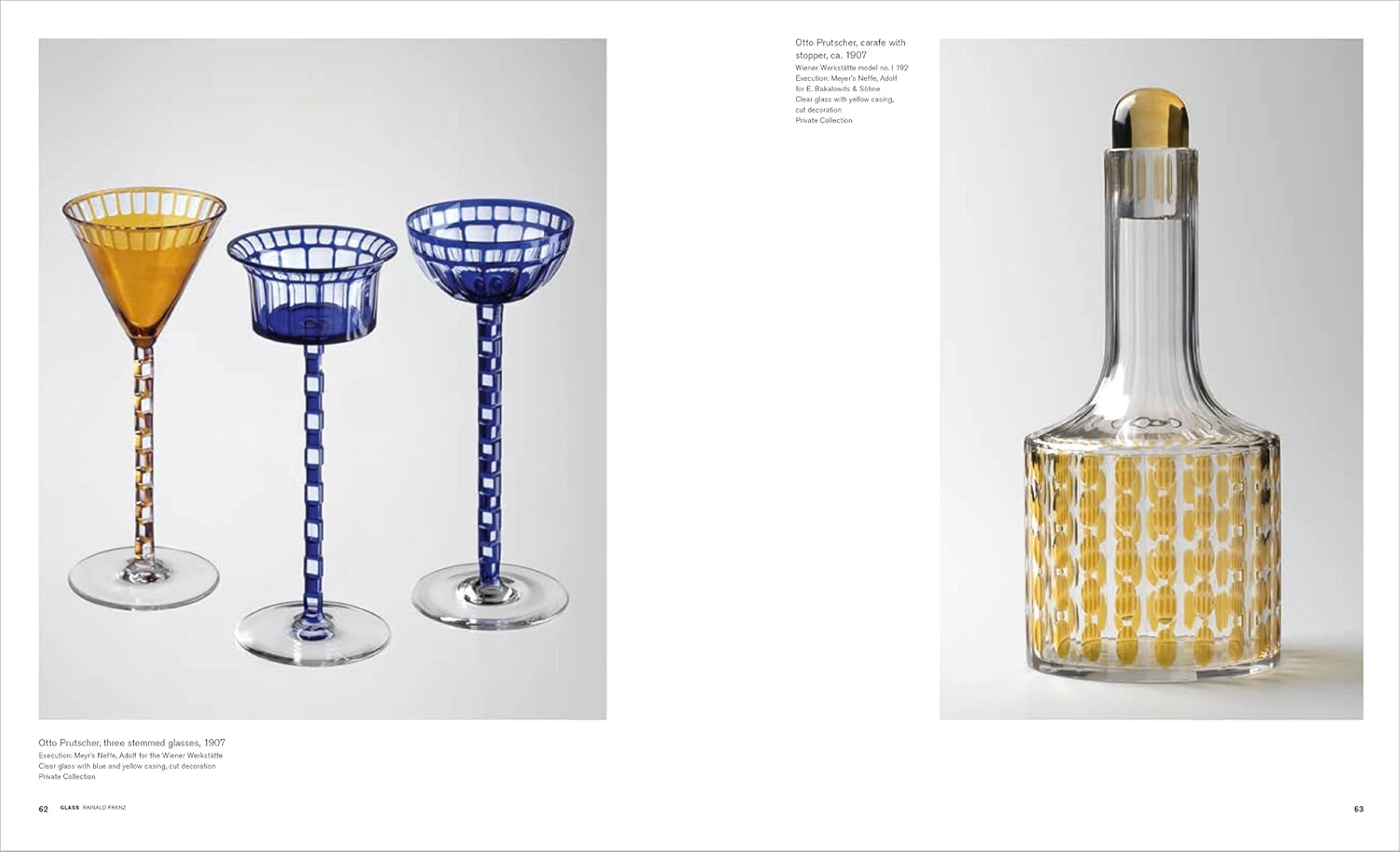
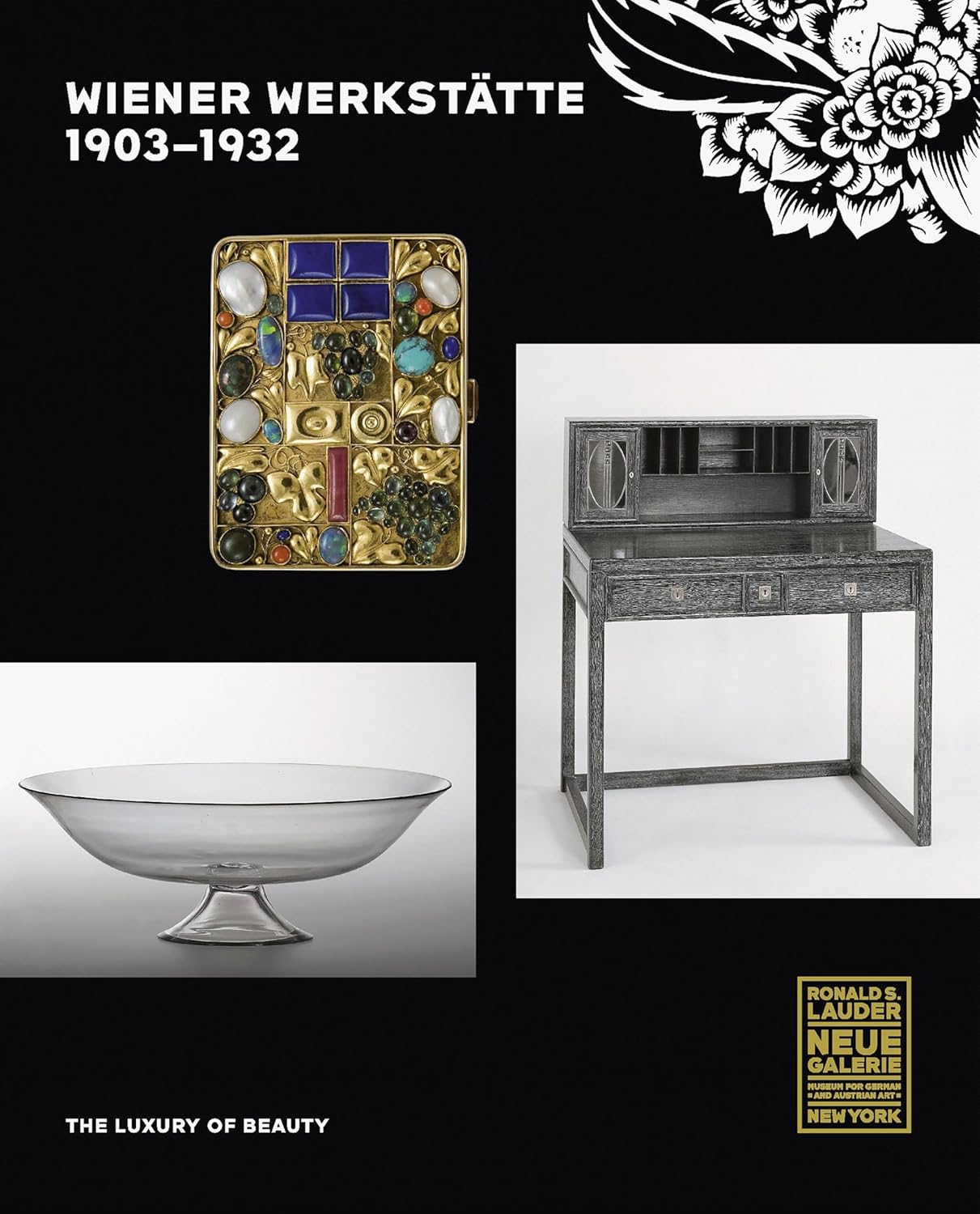
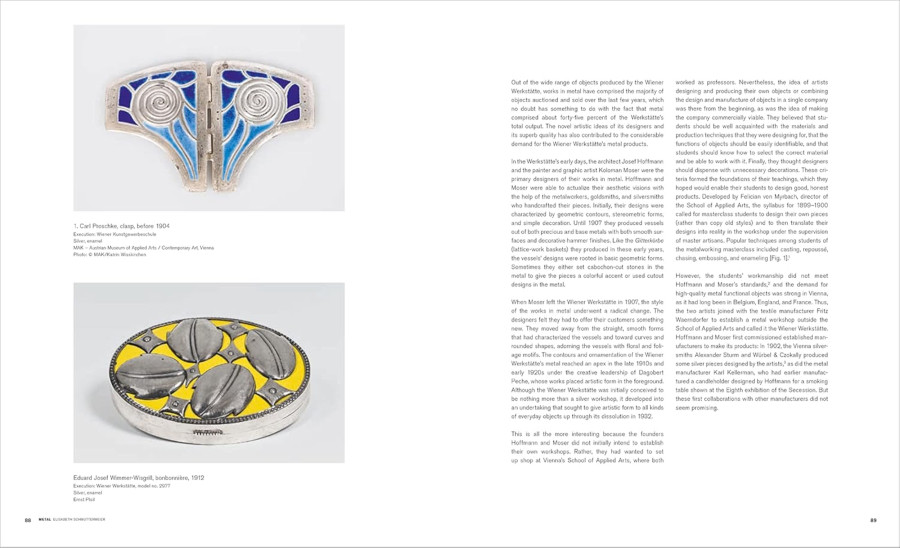
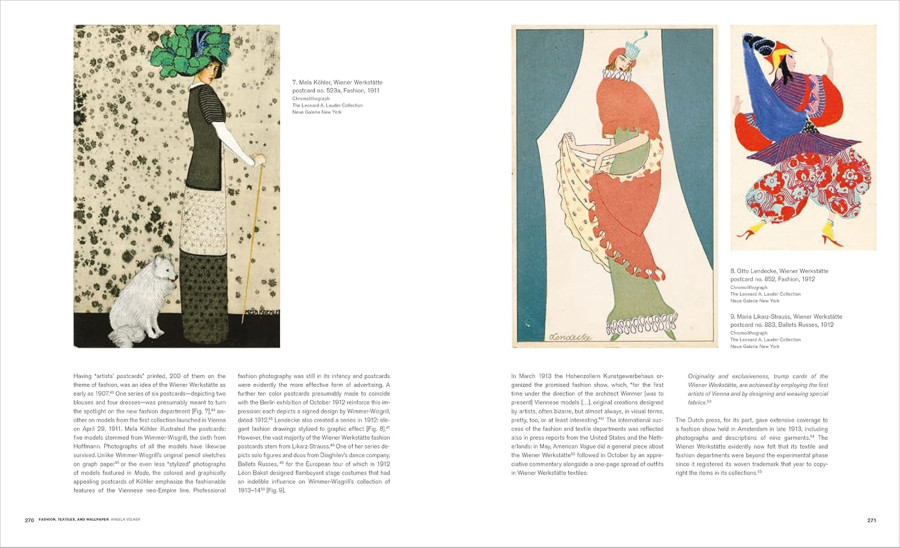
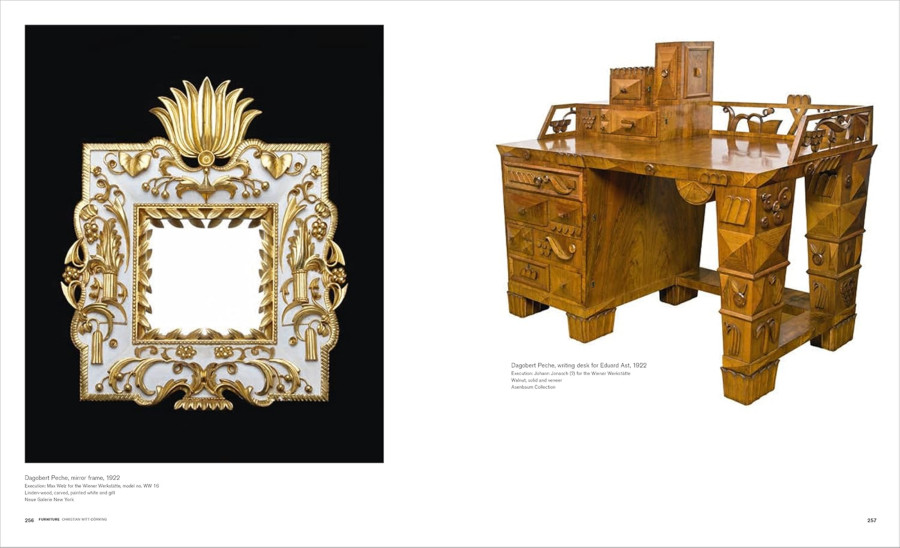
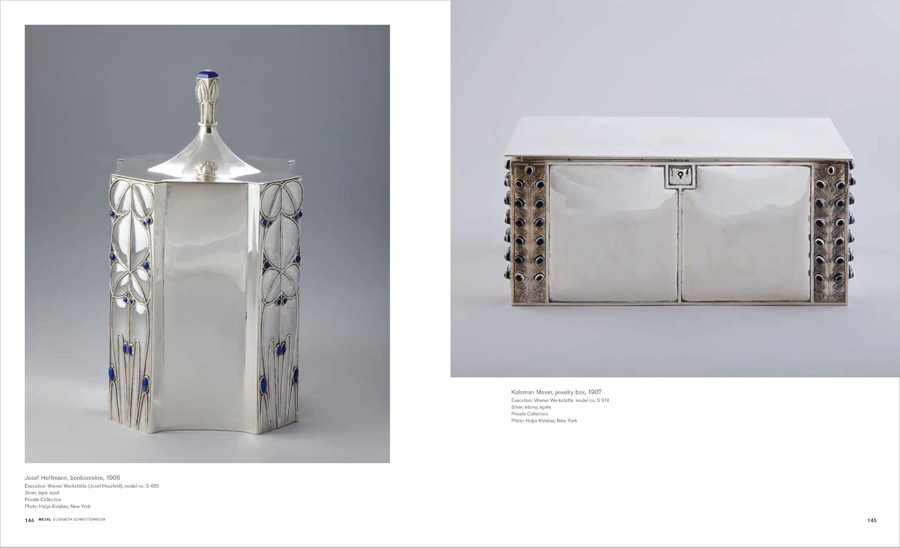
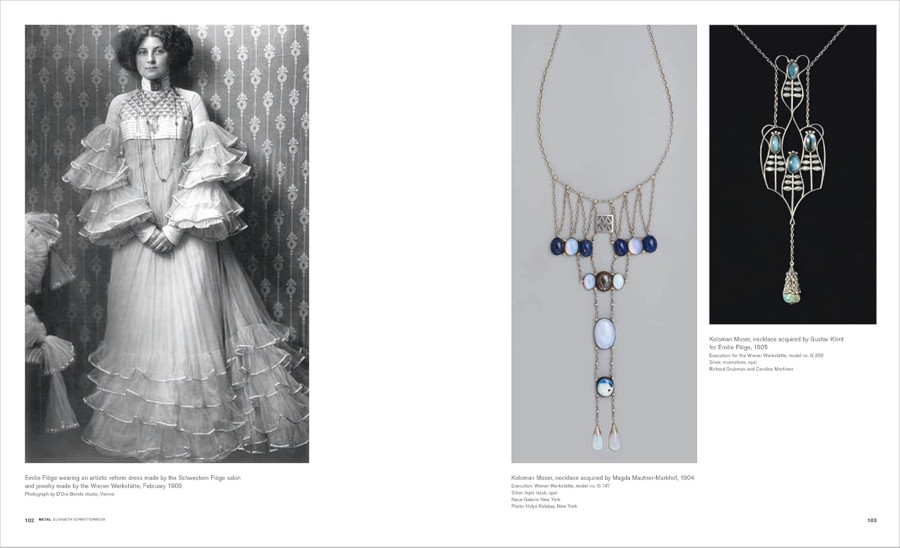
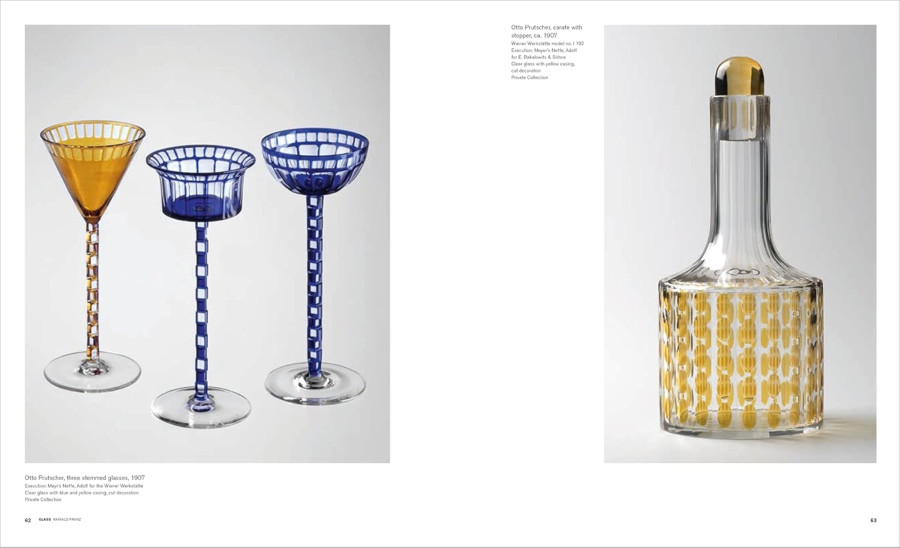
Wiener Werkstätte, 1903-1932: The Luxury of Beauty
Christian Witt-Dorring, Janis Staggs (eds.) Renee Price, Ronald S. Lauder, Paul Asenbaum.
Available: Shipping As Soon As Tomorrow
Prestel, 2017
"It's rare to find a rug company that offers unique antiques, curated with a historical eye. And the best quality customization for anything you might need. All while being treated like family - love those guys."
— Andre Mellone, Studio Mellone
A standard since our inception upheld across every acquisition,
transaction, and delivery.
45+ Year Old Institution
More than four decades of expertise and stewardship, under the leadership of our Principal, Jahanshah "Josh" Nazmiyal.
Favorable Return Policy
Our return policy is 48 hours upon receipt allowing you to confirm the purchase in your space with confidence.
Product Warranty
Each rug is hand selected or produced through the most reputable sources under the direct supervision of our Principal.
Trusted Global Delivery
Reliable worldwide delivery handled with care, precision and constant communication.
Exceptional Support
Attentive, knowledgeable guidance before and after purchase from our dedicated team of specialists.
Long Term Care
We stand behind every piece we place and remain a resource to our clients for the lifetime of their collection.
- Measurements: 0'9" x 0'11" ( 0.24 m x 0.29 m )
- Categories: Design, Volumes
- Classification: European, Modernist (20th Century), Vienna Secession
- SKU: B224

Specifications:
Stories from the Volumes Collection
Essays, artist dialogues, and provenance notes drawn from Rug & Kilim’s editorial desk.
Provenance, Structure, Intelligibility: The Three Pillars of Serious Collecting
Anyone can acquire a rug. To collect one, to bring it into a serious collection with the confidence that it belongs there, requires a discipline, and that discipline rests on three questions. Across four decades of building one of the most significant archives in the country, this house has come to evaluate every object through the same three. They are the difference between buying and collecting, and they are worth setting down plainly, because they apply as readily to a Safavid fragment as to a signed Aubusson, and because they are the same three questions, at bottom, that a curator at the Metropolitan or a specialist at Christie's brings to any object of consequence.
Read the Feature
Every Great Collector Owns a Library: On Books, Rugs, and the Knowledge That Connects Them
There has always been a quiet kinship between the rug and the book. Both are objects one lives with rather than merely owns. Both reward the patient return, disclosing more on the tenth encounter than the first. Both are, at their finest, repositories of a civilization's memory; the one held in language, the other in wool. It should surprise no one that the greatest collectors of carpets have almost always been, in the same breath, collectors of the books that explain them. J. Paul Getty kept a scholar's library beside his objects. The Rothschilds, whose carpets now rest in Doha and whose names still move a saleroom, understood a collection as a thing to be studied as much as displayed. To acquire seriously has always meant to read seriously.
Read the Feature
The Total Art: Vienna’s Century, From the Gold Frieze to the Contemporary Era
In the dining room of a banker's house in Brussels there is a wall of gold. Klimt designed it; the Stoclet Frieze, a tree of life branching across marble and enamel and coral, a dancer on one side and an embracing couple on the other, the couple a direct rehearsal for the painting the whole world would later know as The Kiss. But to stand in that room, were one ever permitted to, is to understand that the frieze is not the point of it. The point is that the frieze, the marble, the cutlery, the door handles, and the carpet underfoot were all conceived as a single object by a single mind. The Palais Stoclet, built by Josef Hoffmann between 1905 and 1911 and now sealed as a UNESCO World Heritage Site, is the most complete surviving statement of the idea that organised an entire Viennese century: the Gesamtkunstwerk, the total work of art, in which nothing; not the spoon, not the dress, not the floor, ranks below the painting on the wall.
Read the Feature
A Walkthrough of Legacy, Design, and the Art of Understated Luxury with Sina Nazmiyal
Not many people walk away from an early legal victory to begin again. But for Sina Nazmiyal, the triumphs of successful advocacy never stirred his soul the way a single antique carpet could. For as long as he can remember, rugs have been the ground beneath his life—like tapestries underfoot, and figurative threads binding family, memory, and artistry. His fingertips tracing the indigo threads with reverence, you begin to understand: this is no mere inheritance. This is stewardship—shaped by intuition, forged by introspection, and guided by a sensibility that quietly, but unmistakably, redefines luxury in our time.
Read the Feature
100 Years of Art Deco: The Enduring Desire of Ornament, Opulence, and Order
Modernity was never a rupture—it was a rehearsal. A hundred years on, Art Deco remains the world’s most disciplined dream—a global love affair between ornament and order, industry and intimacy. Paris, 1925: Where the Future Was Draped in Lacquer In 1925, on the banks of the Seine, Paris hosted a spectacle that would recalibrate the compass of modern aesthetics. The Exposition Internationale des Arts Décoratifs et Industriels Modernes—from which Art Deco would draw its name—was less a mere exhibition, more a manifesto in marble, lacquer, and light. A century on, 100 years of Art Deco is not a look back. It is a reckoning—with desire, empire, and the poetics of precision.
Read the Feature
A Beginner’s Guide to Art Deco Rugs
From our European Deco rug styles in an East Village home decorated by Wesley Moon. Photo courtesy of William Waldron. To understand how artistic styles influence one another is as crucial to a connoisseur’s understanding of high-end rugs as any craft, but few styles can boast the sheer range and depth of their impact overtime as the Art Deco movement can to carpets. How many styles, after all, can trace their origin back to a single momentous premier like Art Deco rugs can of their unveiling on the world stage? Even among the handful of venerated styles that could make a similar boast, how many have become so traveled as Deco that there are so many respected, fascinating provincial interpretations of the style that have persisted in architecture, design, rugs and so many other crafts today?
Read the Feature


Wiener Werkstätte, 1903-1932: The Luxury of Beauty
Christian Witt-Dorring, Janis Staggs (eds.) Renee Price, Ronald S. Lauder, Paul Asenbaum.
$65
Available: Shipping as Soon as Tomorrow
Prestel, 2017
"Josh and his team have supported my interior design work, as well as my personal projects, for over 20 years. Their inimitable combination of creativity, personal attention, professionalism and joie de vivre are irresistible."
— Claire Fleming Peters, Fleming Peters
- Measurements: 0'9" x 0'11" ( 0.24 m x 0.29 m )
- Categories: Design, Volumes
- Classification: European, Modernist (20th Century), Vienna Secession
- SKU: B224