Inquire About this Volume
Learn more about this volume
by calling an expert on our team.
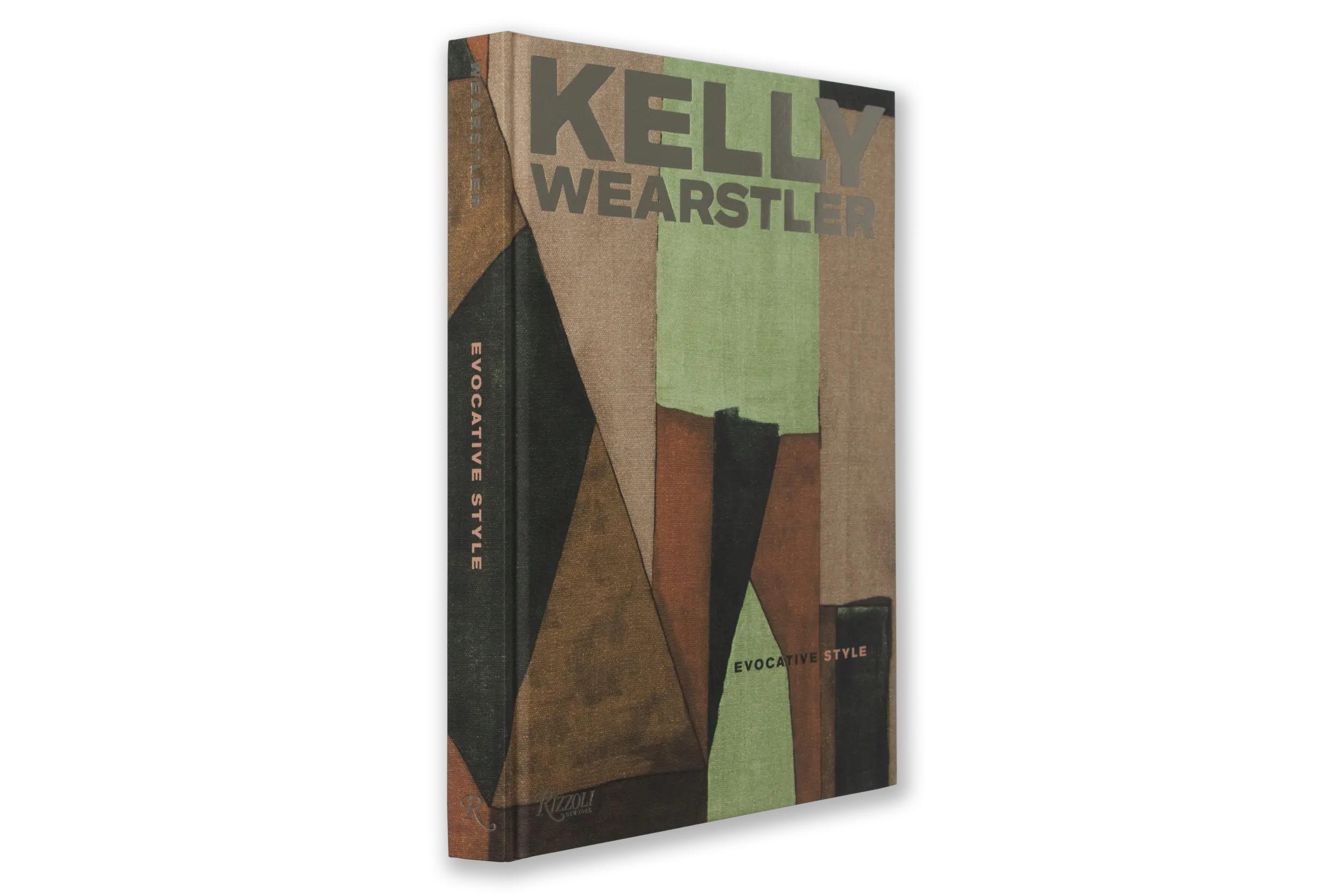
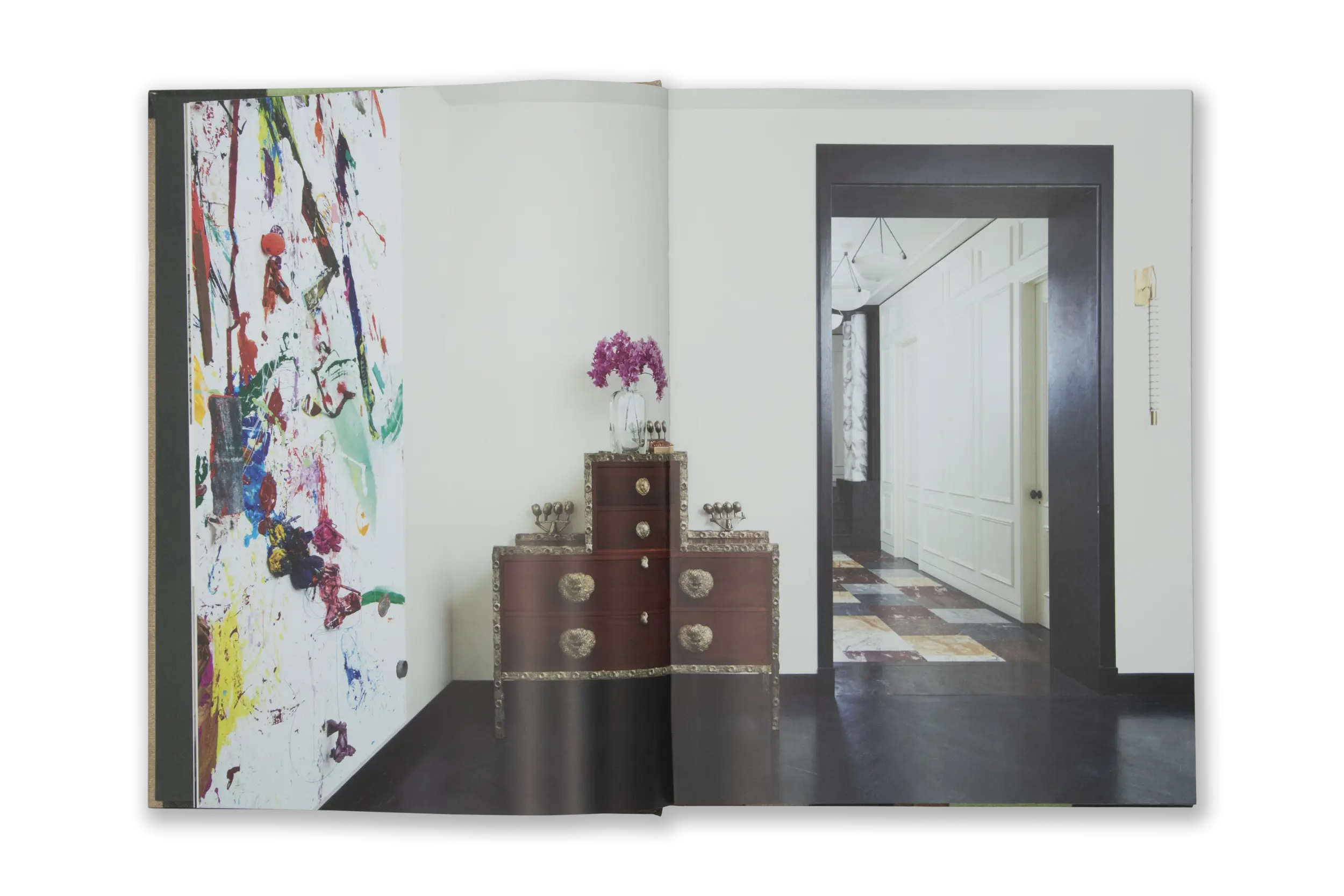
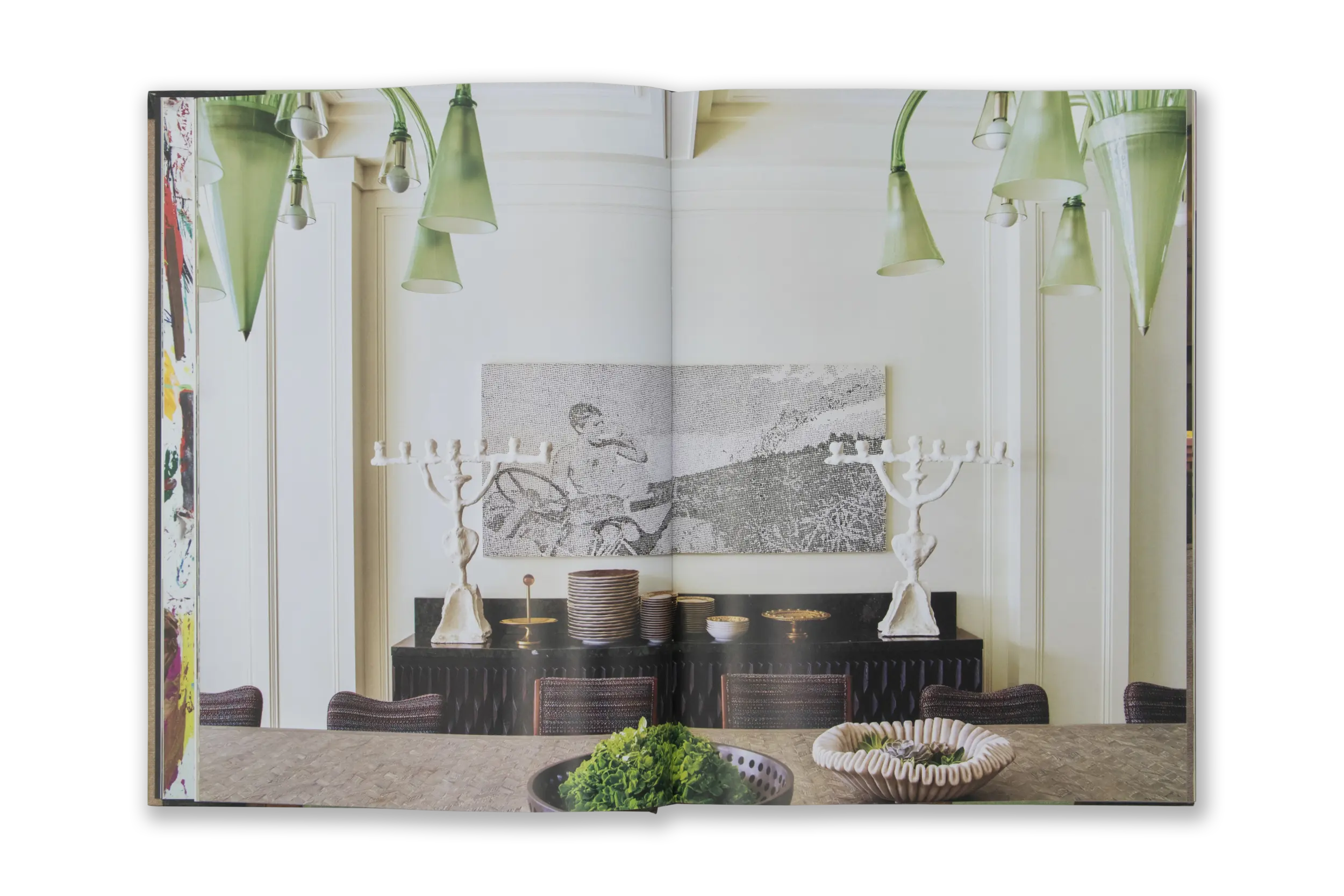
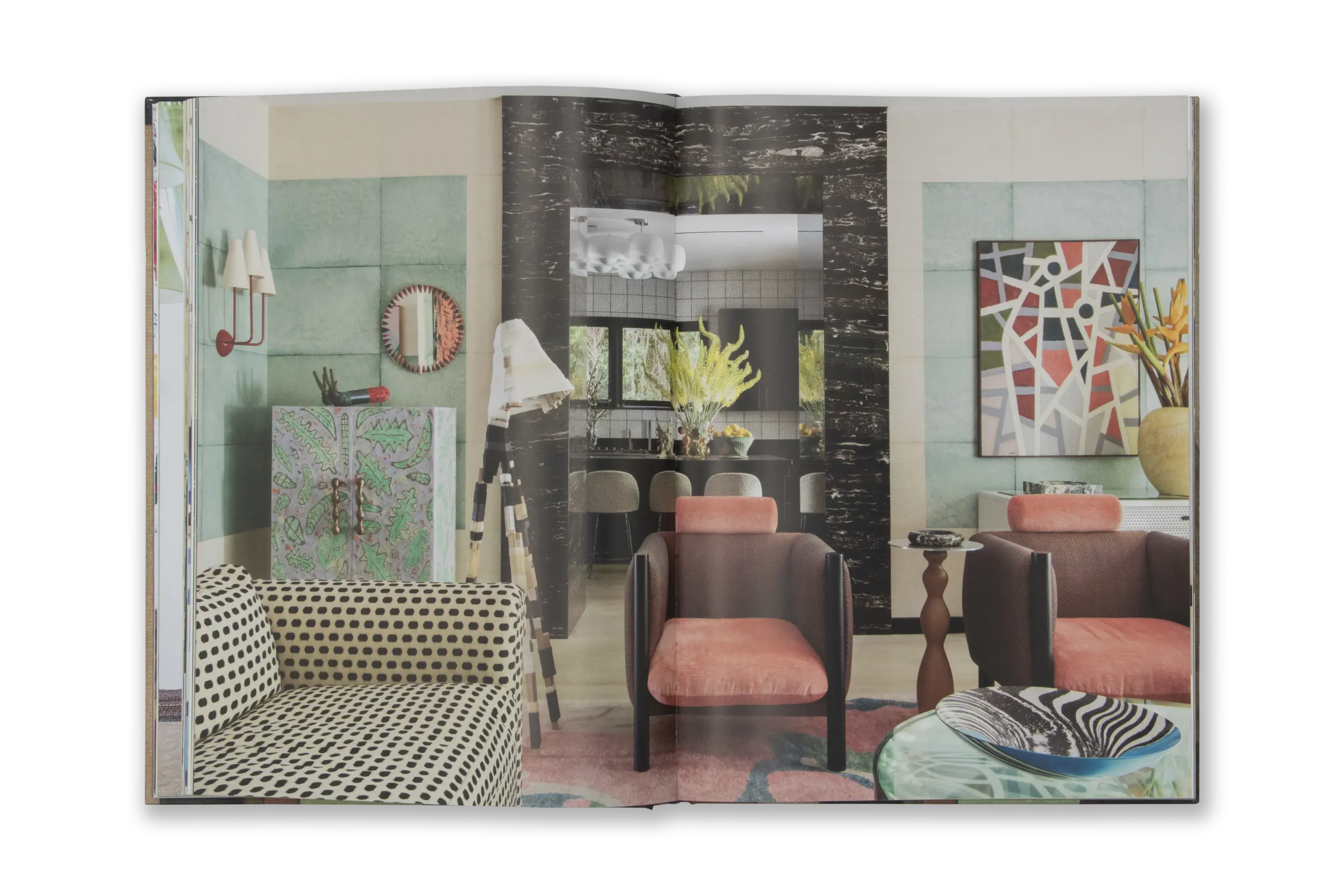
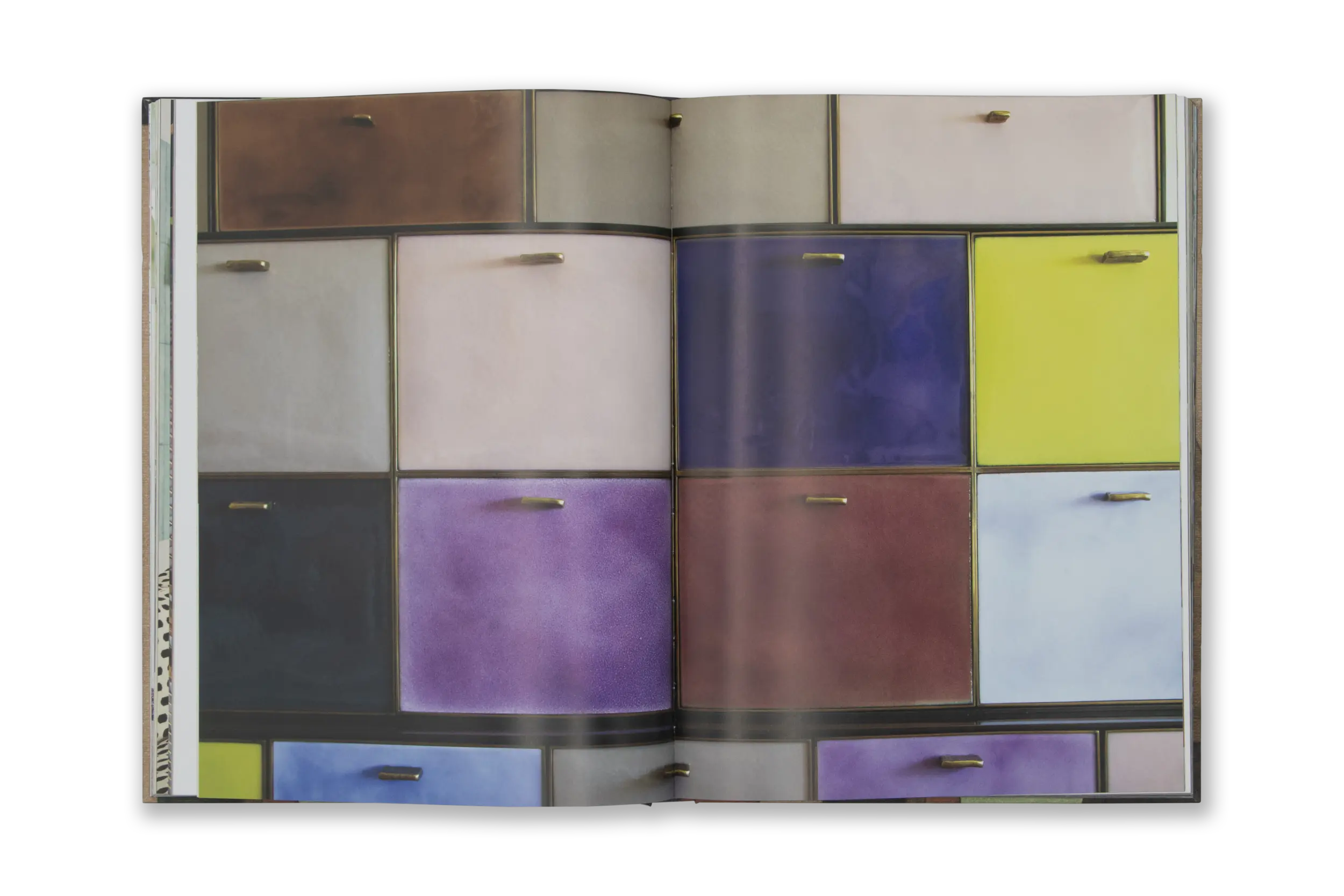
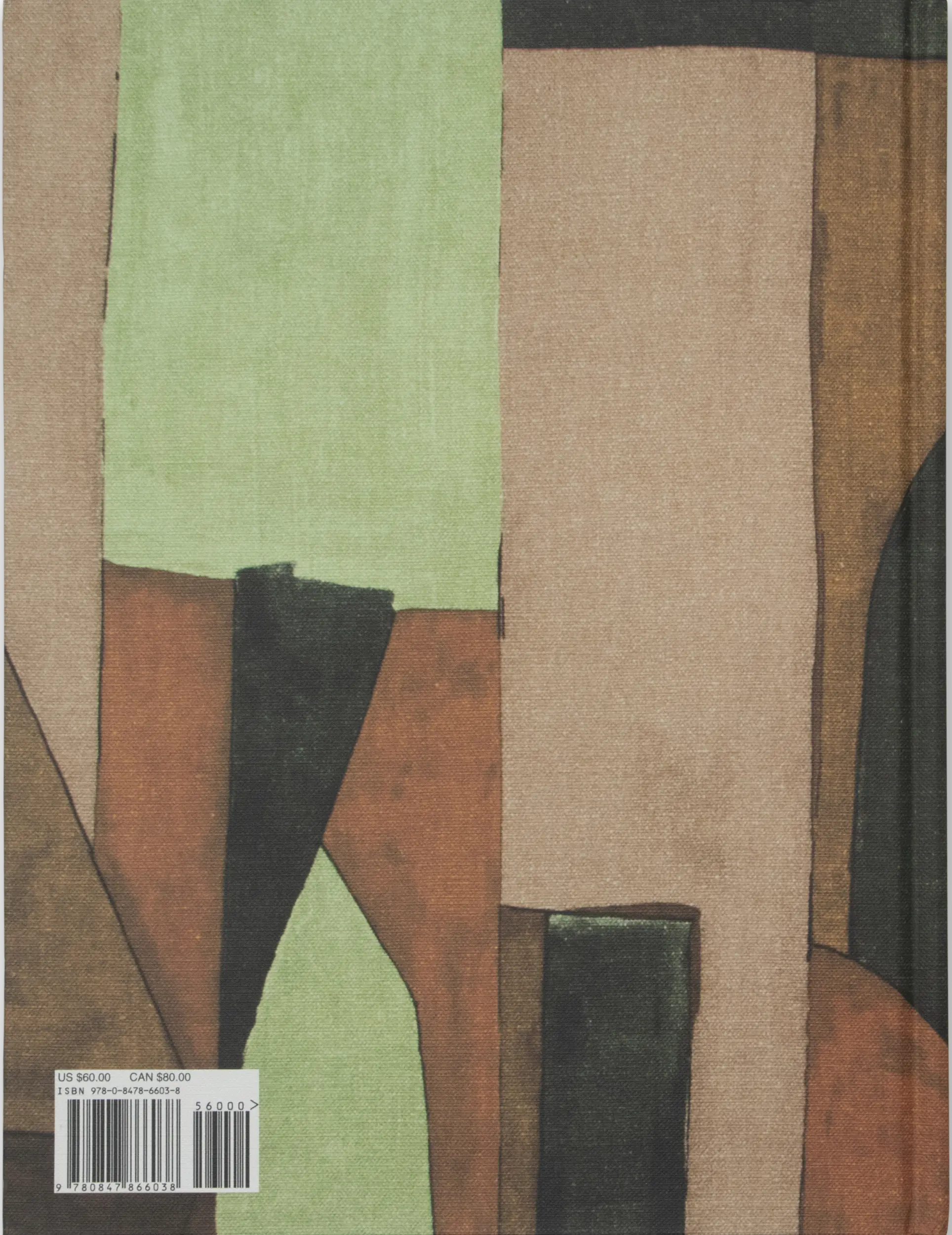
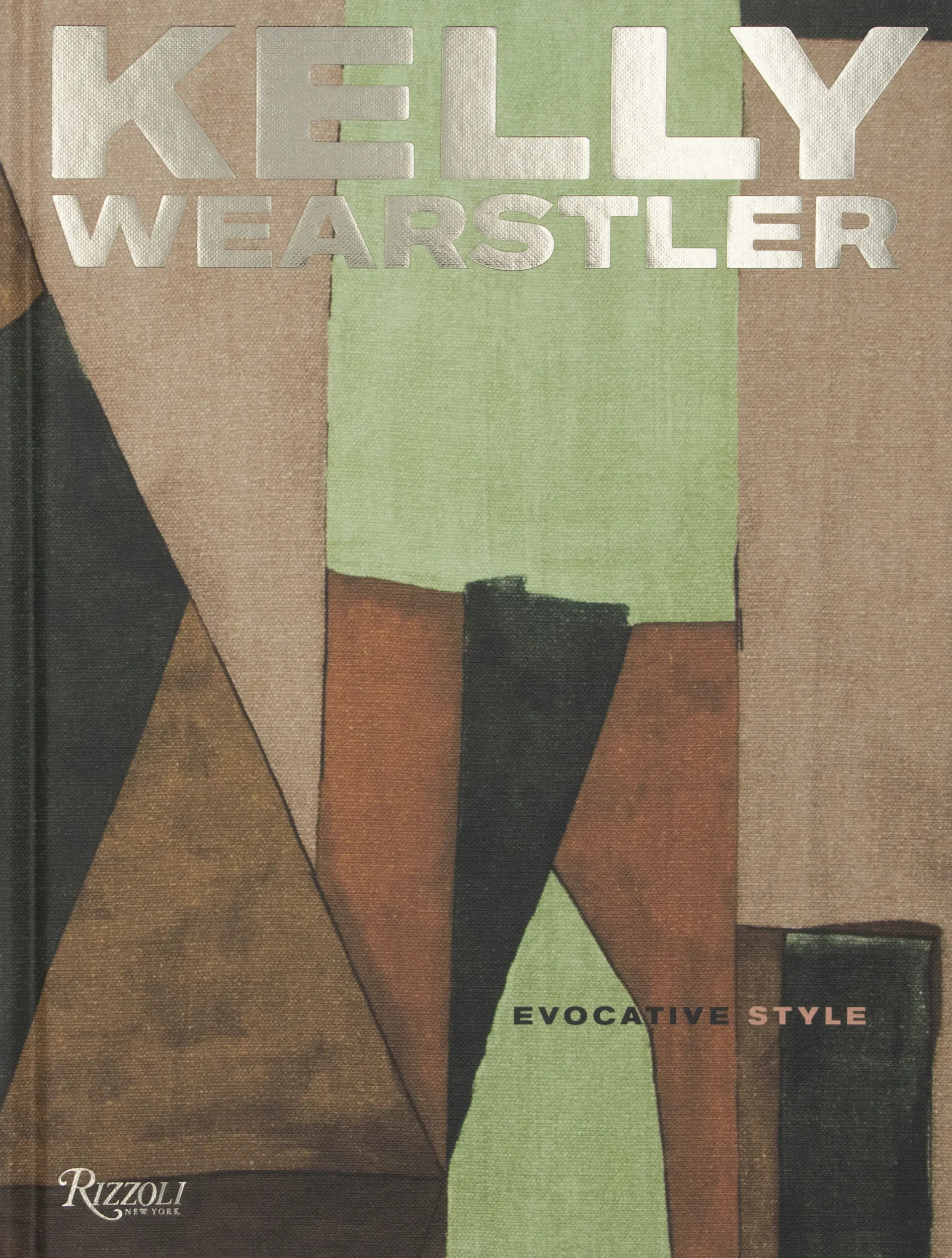
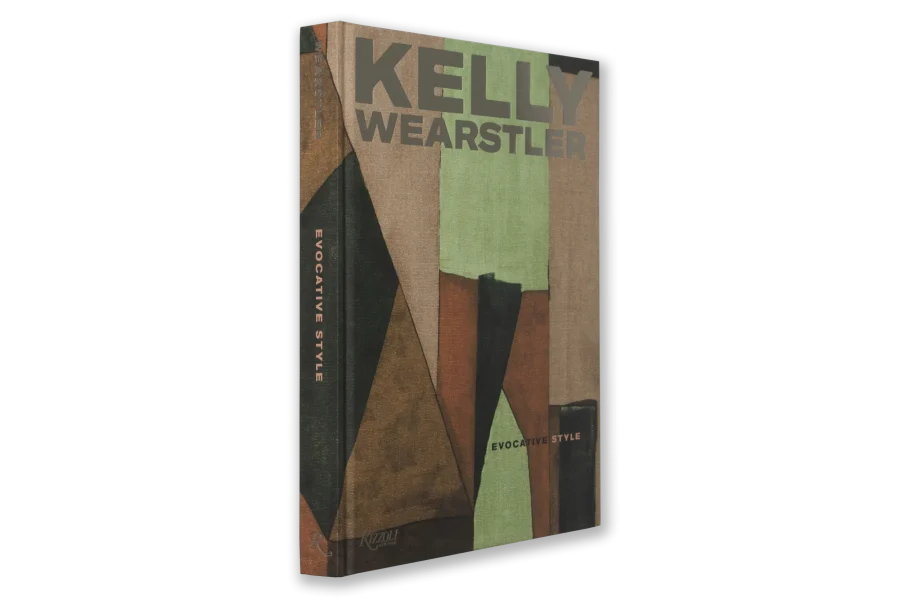
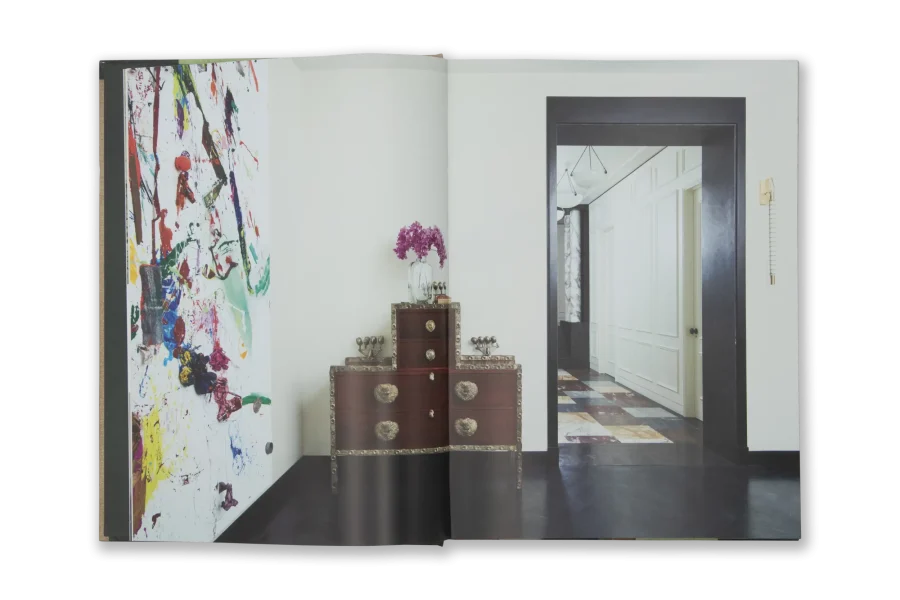
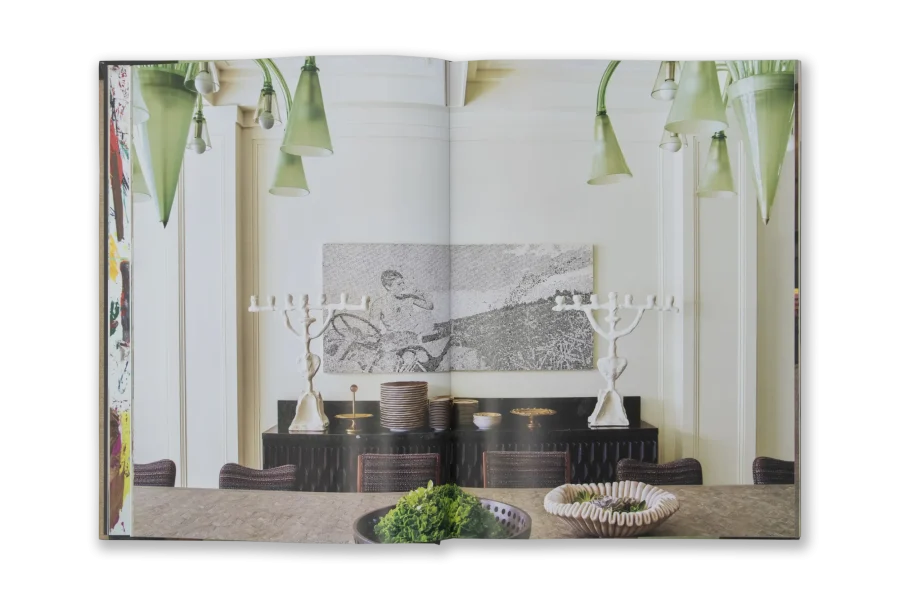
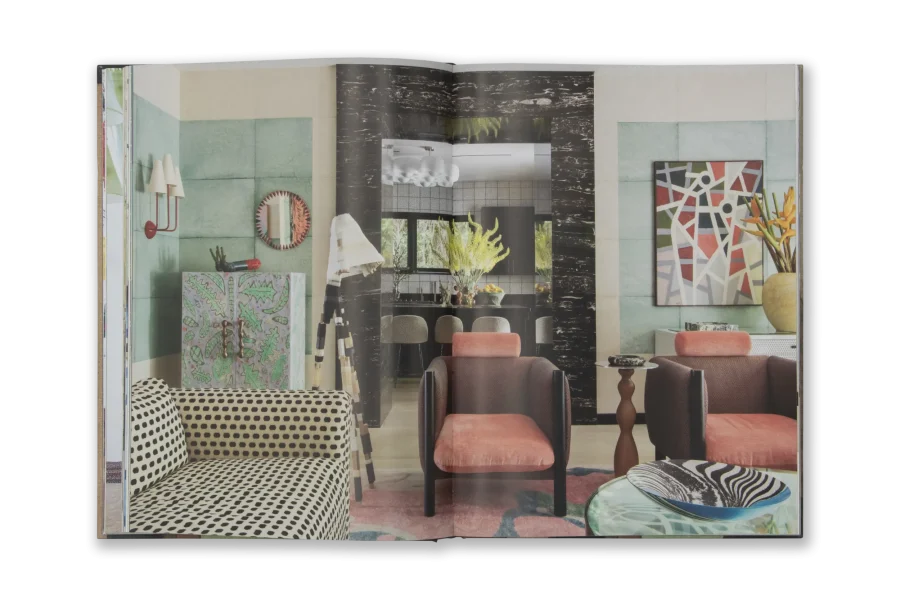
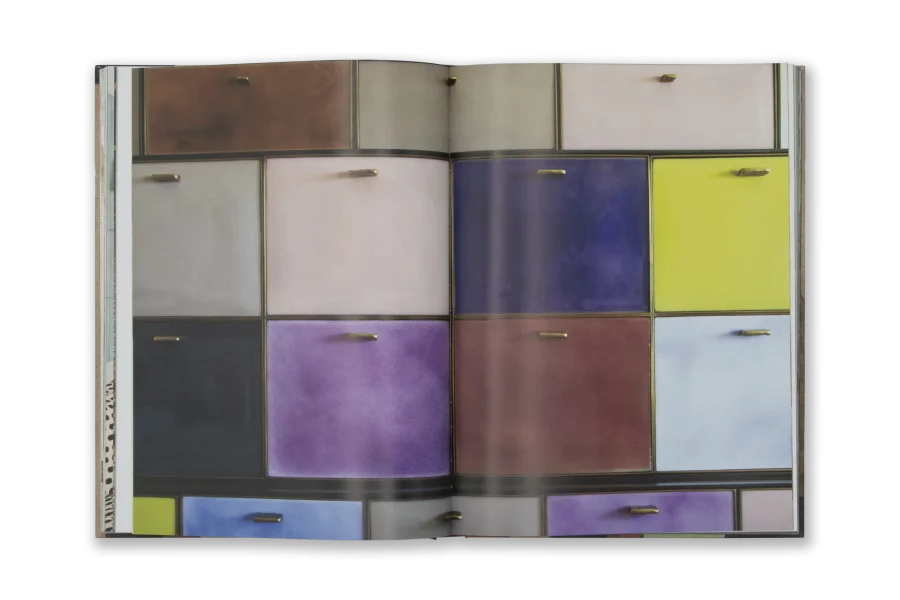
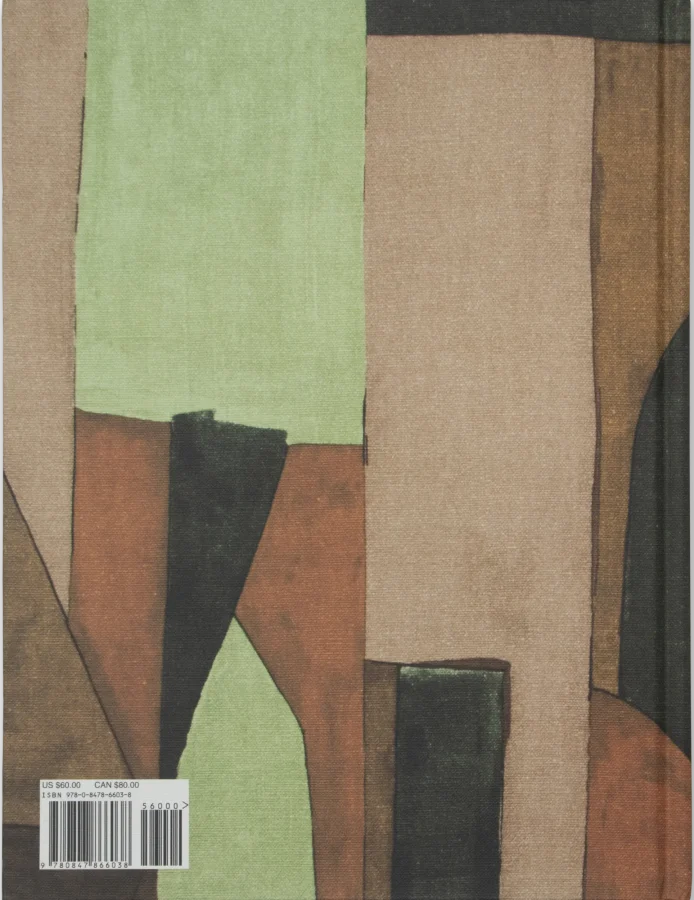
Kelly Wearstler: Evocative Style: Evocative Style
Kelly Wearstler
Available: Shipping As Soon As Tomorrow
Rizzoli, 2025
"Rug & Kilim is one of our favorite sources when looking for quality handmade rugs. Their team go above and beyond to find &/or make the rugs that fit our clients needs as well as their dreams."
— Becca Ford, Emily Lindberg Design
A standard since our inception upheld across every acquisition,
transaction, and delivery.
45+ Year Old Institution
More than four decades of expertise and stewardship, under the leadership of our Principal, Jahanshah "Josh" Nazmiyal.
Favorable Return Policy
Our return policy is 48 hours upon receipt allowing you to confirm the purchase in your space with confidence.
Product Warranty
Each rug is hand selected or produced through the most reputable sources under the direct supervision of our Principal.
Trusted Global Delivery
Reliable worldwide delivery handled with care, precision and constant communication.
Exceptional Support
Attentive, knowledgeable guidance before and after purchase from our dedicated team of specialists.
Long Term Care
We stand behind every piece we place and remain a resource to our clients for the lifetime of their collection.
- Measurements: 0'9" x 1'0" ( 0.24 m x 0.31 m )
- Categories: Interiors, Volumes
- Classification: Contemporary, Design
- SKU: B402

Specifications:
Stories from the Volumes Collection
Essays, artist dialogues, and provenance notes drawn from Rug & Kilim’s editorial desk.
Anatolian Rugs: From Seljuk Origins to Contemporary Luxury Spaces
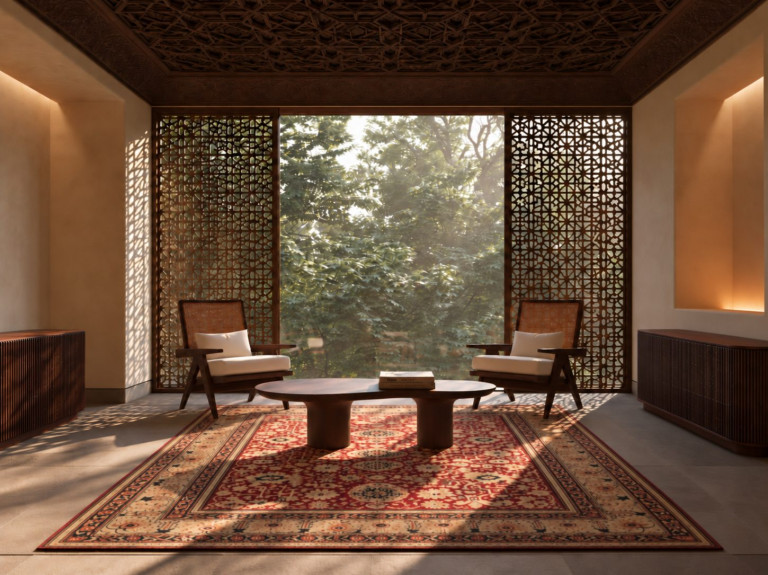
Among the world's most influential textile traditions, Anatolian rugs occupy a singular position in the history of decorative arts. Emerging from the vast cultural landscape of Anatolia—modern-day Turkey—these carpets represent centuries of artistic exchange between Asia, Europe, the Middle East, and the Mediterranean world. Few weaving traditions have exercised a greater influence on the evolution of carpet design. From Ottoman palaces and Seljuk courts to Renaissance paintings and contemporary luxury interiors, Anatolian rugs have continuously shaped the visual language of textile art. Unlike carpets associated with a single tribe, city, or dynasty, Anatolian rugs encompass an extraordinary range of regional traditions. The result is a diverse yet interconnected weaving culture characterized by bold geometry, symbolic motifs, sophisticated color palettes, and remarkable craftsmanship.
Read the Feature
On Gift-Sized Rugs and the Art of Placing Them with Intention
There is a certain kind of design confidence that reveals itself not in the grand room but in the modest one. Anyone with means can lay a great carpet beneath a grand piano or across the floor of a double-height salon. The room does half the work; the scale flatters the object. It takes a far subtler eye to bring a jewel of a weaving into the kitchen, along the narrow run of a hallway, beneath the feet at a bedside, into the threshold where guests first stand, the working, in-between, unglamorous spaces of a home that most people surrender to practicality without a second thought. The designers whose interiors endure understand that these are precisely the spaces where taste declares itself most clearly. The small rug is the connoisseur's signature.
Read the Feature
A Guide to Amritsar Rugs: History, Craftsmanship, and Contemporary Luxury Design
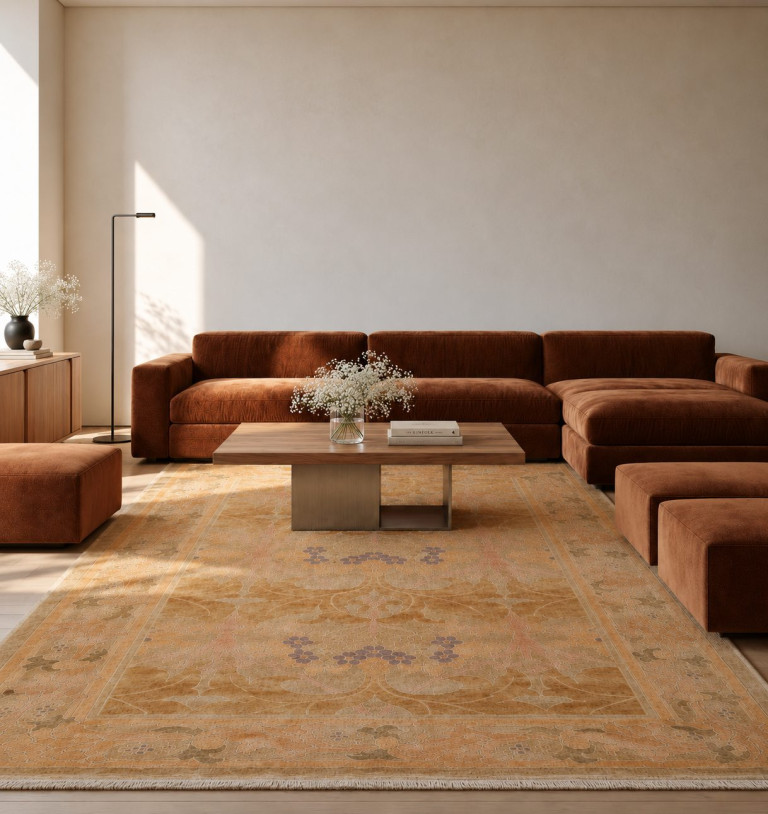
Among the most sophisticated carpet traditions to emerge from the Indian subcontinent, Amritsar rugs occupy a unique position at the intersection of Indian craftsmanship, Persian design heritage, and European decorative sensibilities. Woven primarily during the late nineteenth and early twentieth centuries in the historic city of Amritsar in Punjab, these carpets represent one of the most distinctive chapters in the history of global textile art. Unlike the highly formal court carpets of Mughal India or the deeply tribal traditions of nomadic weaving cultures, Amritsar rugs developed their own visual identity. Their character is defined by spacious compositions, softened palettes, oversized motifs, and a remarkable sense of decorative restraint. These qualities have allowed Amritsar carpets to transcend historical classification and remain profoundly relevant within contemporary luxury interiors.
Read the Feature
Agra Rugs in Art, Architecture and Global Design Culture
Among the great weaving traditions of the Indian subcontinent, Agra rugs occupy a distinguished position shaped by Mughal artistic refinement, Persian influence, and centuries of decorative innovation. Originating from the historic city of Agra in northern India—once a major center of the Mughal Empire—these carpets represent one of the most intellectually sophisticated textile traditions within global decorative arts. Unlike purely tribal carpets or highly formal European weavings, Agra rugs synthesize multiple cultural vocabularies into a unified visual language defined by monumental scale, refined ornamentation, and extraordinary compositional balance. Their designs draw from Persian court aesthetics, Islamic geometry, Indian botanical symbolism, and architectural inspirations associated with Mughal palaces and gardens.
Read the Feature
Art Nouveau Rugs: The Intersection of Decorative Arts and Modern Design
Among the most influential artistic movements of the modern era, Art Nouveau occupies a unique place at the intersection of art, architecture, design, and craftsmanship. Emerging in Europe during the final decades of the nineteenth century, the movement sought to dissolve traditional boundaries between fine art and decorative art, creating a unified aesthetic language inspired by nature, movement, and organic beauty. Within this broader creative revolution, Art Nouveau rugs emerged as some of the most sophisticated and expressive textile works ever produced. Unlike the historical revival styles that dominated much of the nineteenth century, Art Nouveau embraced innovation. Designers looked beyond historical ornament and instead turned to the natural world for inspiration. Flowing vines, botanical forms, floral motifs, curved silhouettes, and rhythmic asymmetry became defining characteristics of the movement. Rugs created within this design philosophy transformed the role of carpets from decorative accessories into integral architectural and artistic elements.
Read the Feature
The Artists Behind European Tapestry: A Guide to the Names Worth Knowing
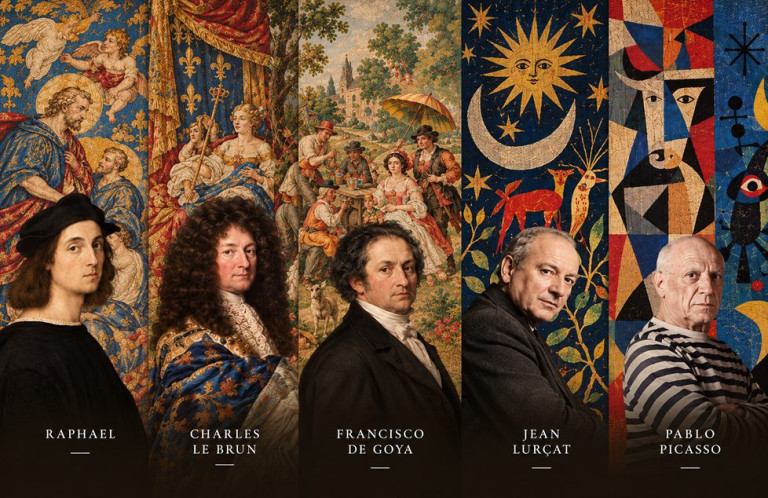
There is a persistent misconception about tapestry, and it is worth correcting at the outset: that the weaving is the whole of the art. It is not. Behind every great European tapestry stands an artist, the author of the design from which the weavers worked, and the history of the medium is in large part the history of these figures. To collect tapestry seriously, or simply to understand it well, is to know their names. What follows is a guide to the artists who matter most, arranged as the tradition itself unfolded, from the royal workshops of the old regime to the modern revival that made tapestry, once again, one of the most ambitious art forms in the world.
Read the Feature


Kelly Wearstler: Evocative Style: Evocative Style
Kelly Wearstler
$60
Available: Shipping as Soon as Tomorrow
Rizzoli, 2025
"Josh and his team have supported my interior design work, as well as my personal projects, for over 20 years. Their inimitable combination of creativity, personal attention, professionalism and joie de vivre are irresistible."
— Claire Fleming Peters, Fleming Peters
- Measurements: 0'9" x 1'0" ( 0.24 m x 0.31 m )
- Categories: Interiors, Volumes
- Classification: Contemporary, Design
- SKU: B402