Style
Oriental
Every piece in this style, across all of our collections. Narrow them down by size and price.
- Under 6 x 9
- Runners
- 6 x 9
- 8 x 10
- 9 x 12
- 10 x 14
- 12 x 15
- Over 12 x 15
Origin ▼
Style ▼
Material ▼
Width
Length
To connect with a specialist, click here
Stories from the Oriental Archive
Essays, artist dialogues, and provenance notes drawn from Rug & Kilim’s editorial desk.
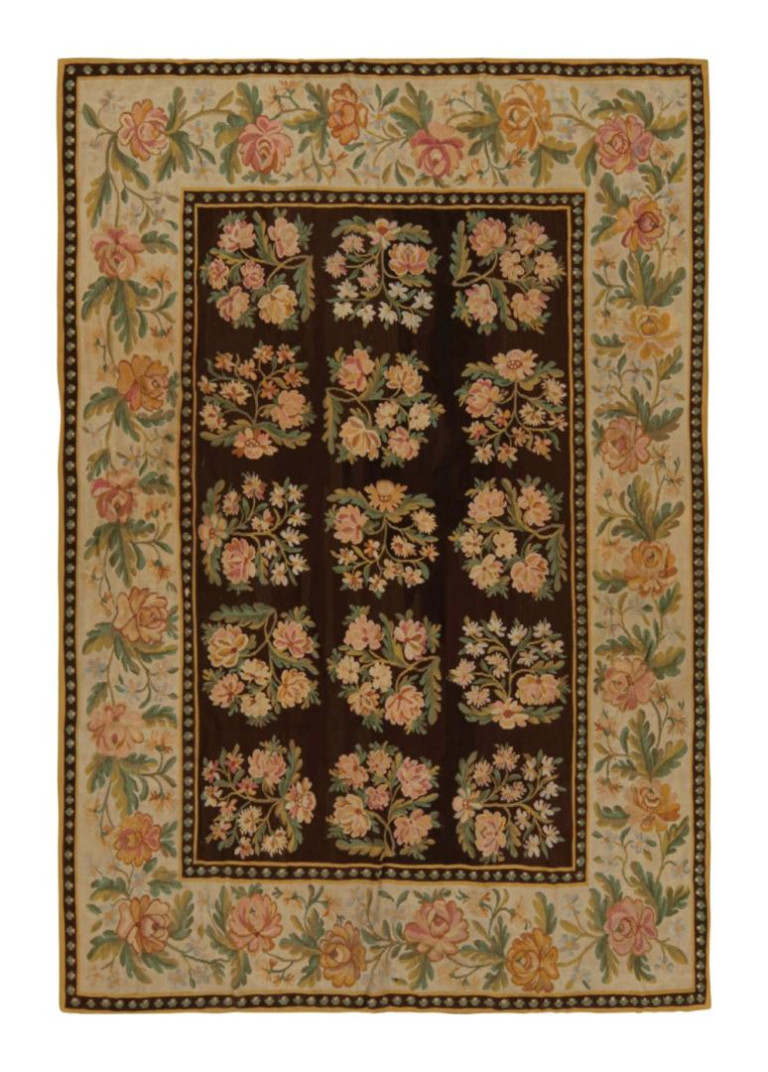
A Guide to Bessarabian Rugs: History, Design, and Modern Luxury
Within the world of collectible textiles and luxury interiors, few rug traditions possess the quiet sophistication and painterly elegance of Bessarabian rugs. Emerging from the historic region of Bessarabia—an area historically situated between present-day Moldova, Romania, and Ukraine—these rugs occupy a unique position at the crossroads of Eastern European folk tradition, Ottoman influence, Russian imperial culture, and French decorative aesthetics. Unlike the geometric tribal weavings commonly associated with Central Asia or the medallion-driven structures of Persian carpets, Bessarabian rugs developed a distinctly atmospheric and ornamental visual language. Their floral compositions, subdued tonal harmonies, and expansive decorative fields positioned them closer to European decorative arts than purely utilitarian floor coverings.
Read the Feature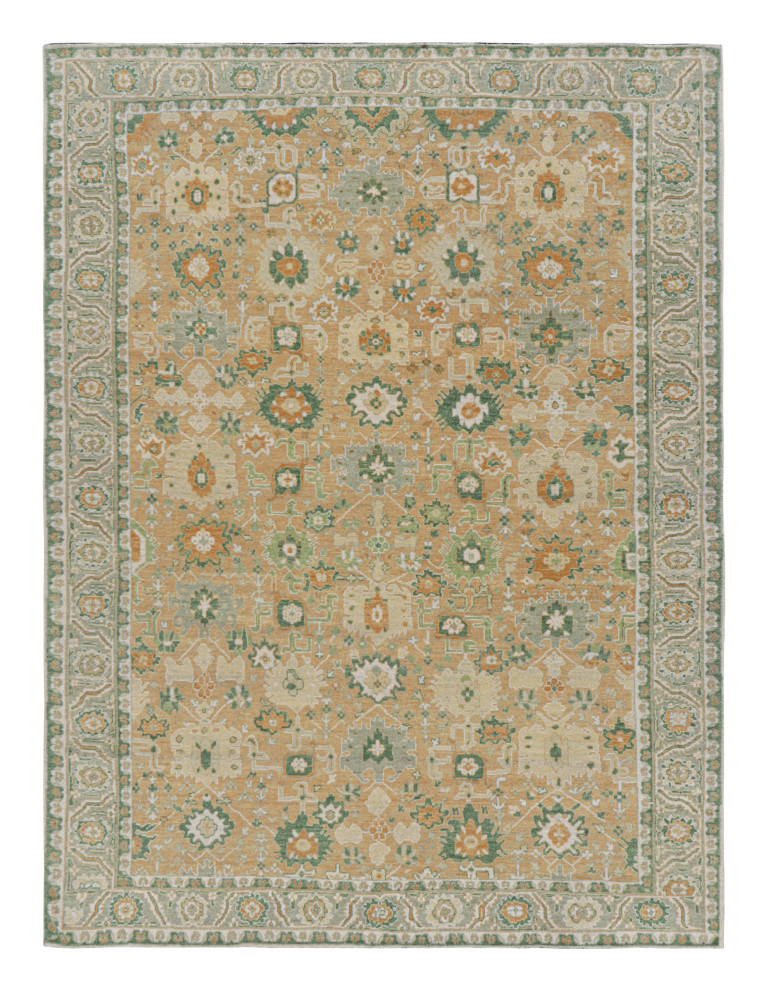
The Complete Guide to Oushak Rugs: History, Aesthetic Language, and Contemporary Design Use
Oushak rugs, also spelled Uşak or Ushak, stand among the most influential textile traditions in the history of interior design. Originating in western Anatolia, in the historic weaving town of Uşak in present-day Turkey, these carpets are not merely decorative artifacts; they are architectural design elements, cultural documents, and artistic statements that have shaped interior aesthetics across centuries. From Ottoman imperial courts to Renaissance European palaces and today’s luxury residential, hospitality, and gallery spaces, Oushak rugs continue to define a visual language of soft geometry, spacious design, muted tonal harmony, and painterly abstraction. Their enduring relevance places them at the intersection of art history, textile heritage, and contemporary interior design innovation.
Read the Feature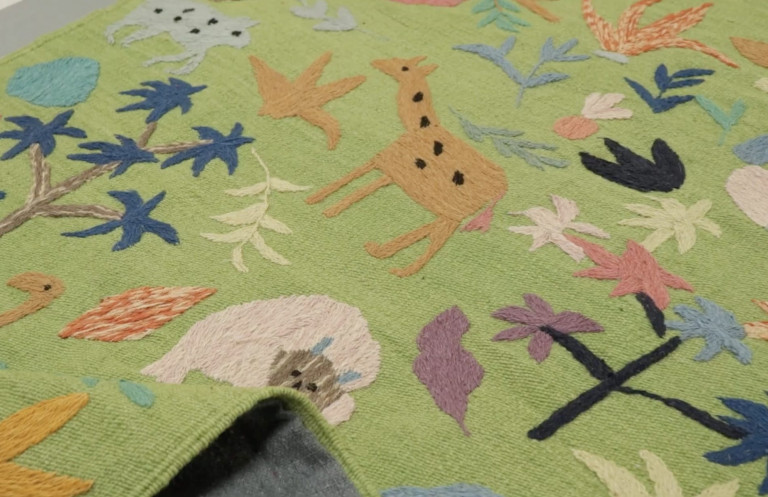
The Long Life of a Green: On Celery, Color of the Year, and the Four Centuries of Weaving That Anticipated It
Every year, the color world makes its pronouncement, and every year the design world turns to see what it has been given. For 2027, Sherwin-Williams has named Celery; a light, airy, herbal green with a yellow undertone, chosen, in the company's words, for a moment that prizes wellness, balance, and connection. It is a soft color with a quiet glow and a faint edge; it pairs, its makers note, with white for something breezy, with cranberry red for something playful, with brown for something elevated. It is, by any measure, a beautiful and intelligent choice. It is also a color the great weavers of the world have understood for four hundred years.
Read the Feature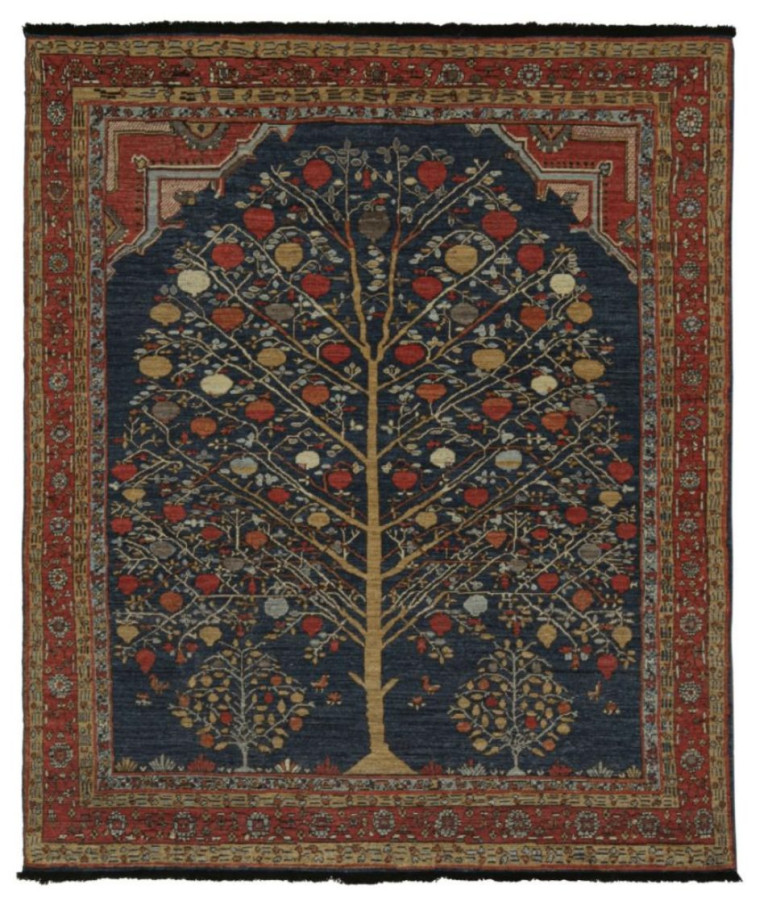
A Guide to “Tree of Life” in Oriental and Persian Rugs
The Tree of Life motif in Oriental carpets stands as one of humanity's most eloquent expressions of the sacred. These masterworks, emerging from the sophisticated weaving traditions of Persia and the East, tell stories that resonate as powerfully today as they did when they first graced the floors of royal courts and sacred spaces. Within their intricate designs lies a universal narrative—one that transcends cultural boundaries and speaks to our shared human experience. The Tree of Life motif emerges from humanity's earliest spiritual consciousness. In Persian weaving traditions, particularly those of the great weaving centers of Tabriz and Isfahan, this cosmic tree – or "درخت زندگی" (Derakht-e Zendegi) – stands as a bridge between earthly existence and divine realms. The earliest extant examples of Tree of Life carpets date to the Safavid period (1501-1736), though the motif's use in Persian art extends far deeper into antiquity.
Read the Feature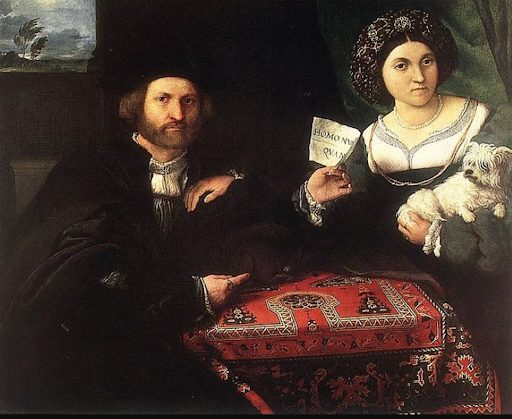
Oushak Rugs – An Oriental Guide to History, Styles and Significance
Originating from western Turkey, the elegance of Oushak rugs traces back to the 15th century Ottoman Empire. These antique masterpieces, first hand-knotted in the city of Usak, were crafted with high-end, lustrous wool in subtle, glowing hues. The hallmark of Oushak rugs lies in their expansive floral designs that radiate from the center, a distinct departure from the intricate florals and geometric shapes of Persian counterparts. The allure of Oushak rugs transcended the Ottoman borders during the Renaissance, captivating European connoisseurs who admired their serene beauty. This surge in demand led to expanded production, ensuring that these exquisite Oushak carpets adorned the finest European country homes and palaces. Notably, their understated colors and harmonious patterns make them a favorite among contemporary designers, evoking a sense of tranquility and timeless sophistication.
Read the Feature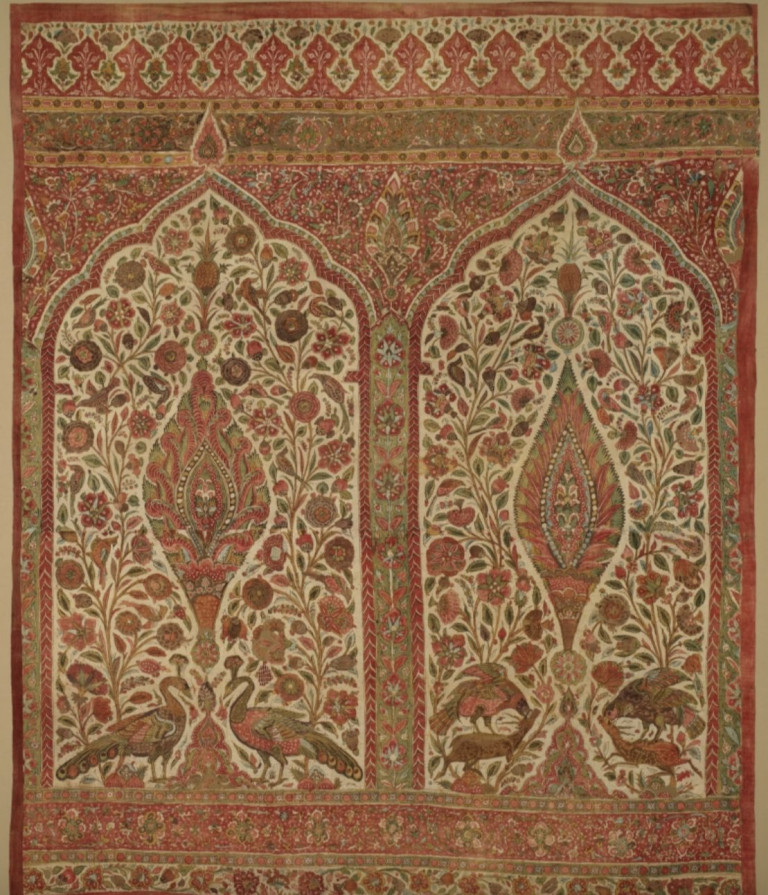
A Guide to Oriental Antique Mughal Rugs: History and Significance of Court Carpets
Antique rugs and tapestries’ allure remains strong irrespective of the year or decade, especially among connoisseurs and antique art collectors who are willing to pay exorbitant amounts for exceptional Oriental rugs. Such auctions highlight the enduring appeal and value placed on rare and exquisite Oriental carpets in the collector's market. One such section of prized Oriental possessions are Mughal textiles. Carpets and canopies held special significance among nomadic groups like the Mongols and Turks of Central Asia, serving as portable courtly spaces. The Mughals, who had Mongol and Turkic roots, continued this tradition in India, using carpets and canopies to denote royal presence. Even after settling in permanent stone structures, the Mughals retained the use of special carpets to mark the window (known as jharokha in Persian) where the emperor could be seen and approached by the public below. This practice was adopted by other regional rulers across India to locate members of the royal household.
Read the Feature