
Antique Rugs
Antique rugs have been on the resume of Josh Nazmiyal since he began in the industry almost 40 years ago when he was already recognized for one of the largest oriental rug collections in the United States. Each piece in the internationally recognized volume was hand-picked for rarity, and of course, aesthetic and beauty, now complementing one of the widest varieties of Persian rug and Turkish rug collections with the utmost attention to individuality and care. Because of Josh’s position in the wholesale rug industry, he’s been responsible for promoting a number of collections throughout history, from breathtaking signature Tabriz, Sultanabad, Kerman Lavar, Agra, and Oushak classics to the more unsung jewels of the luxury industry.
Rug & Kilim maintains our own facilities for cleaning and restoration exclusively for carpets we’ve sold to ensure their lasting beauty and care long after a piece leaves our collection.
- Under 6 x 9
- Runners
- 6 x 9
- 8 x 10
- 9 x 12
- 10 x 14
- 12 x 15
- Over 12 x 15
- Indian
- Persian
- Turkish
- European
- Caucasus
- East Asia
Origin ▼
Style ▼
Material ▼
Width
Length
To connect with a specialist, click here
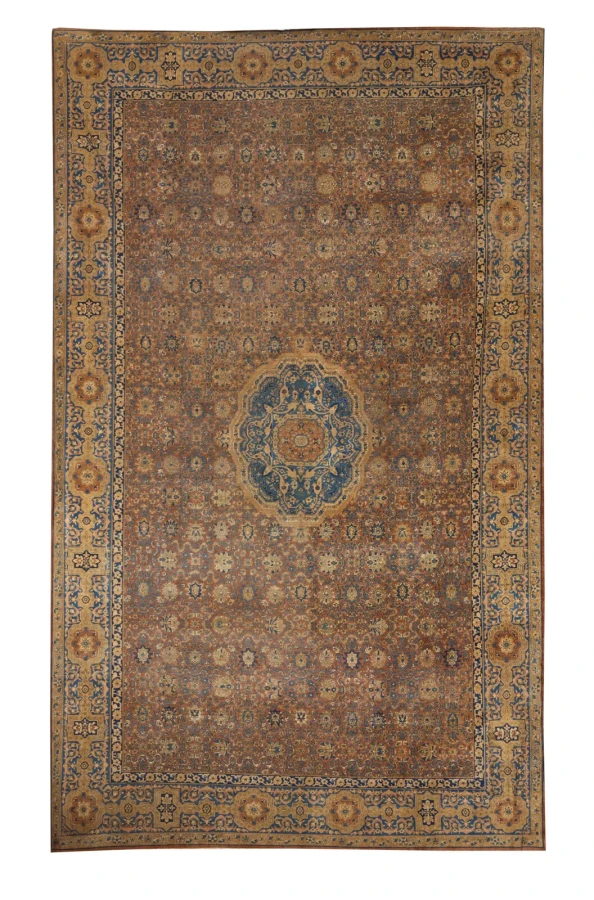
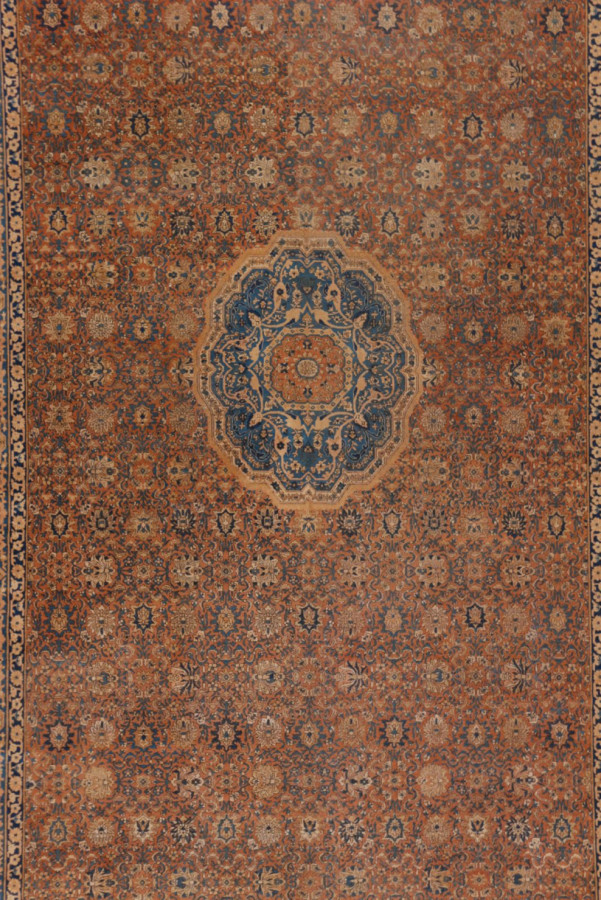 38566Oversized Antique Amritsar Rug with Intricate Floral Lattice & Teal Accents - Rug & Kilim
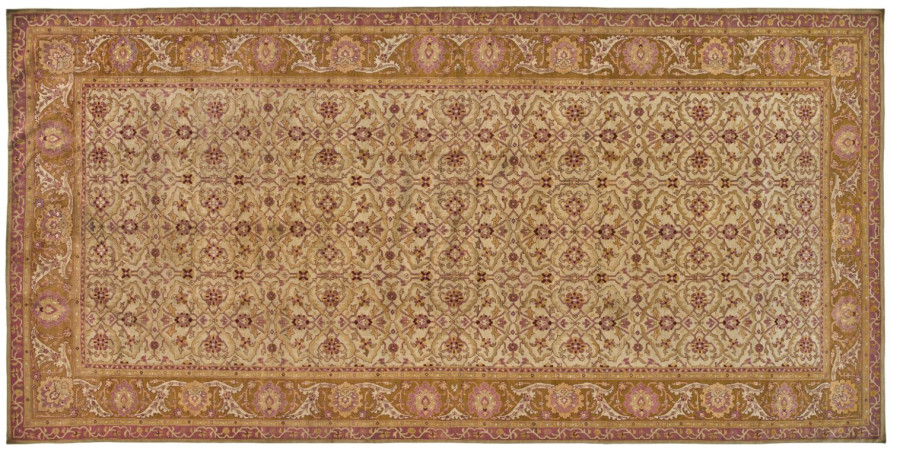 38518Oversized Antique Amritsar Gallery Runner with Floral Lattice in Brown & Pink - Rug & Kilim
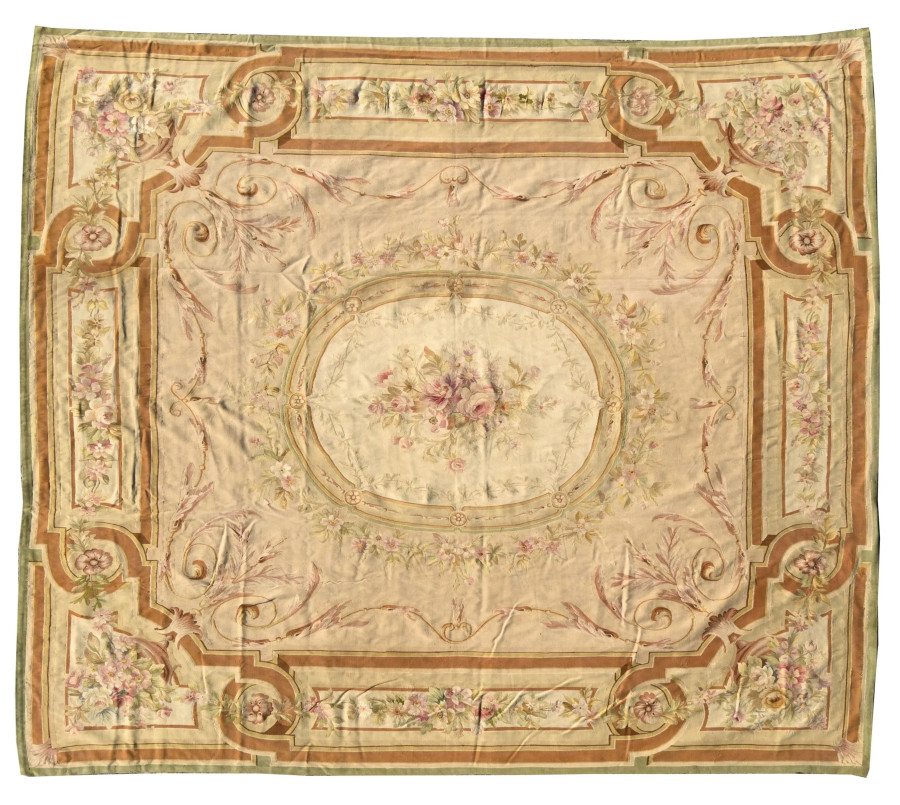
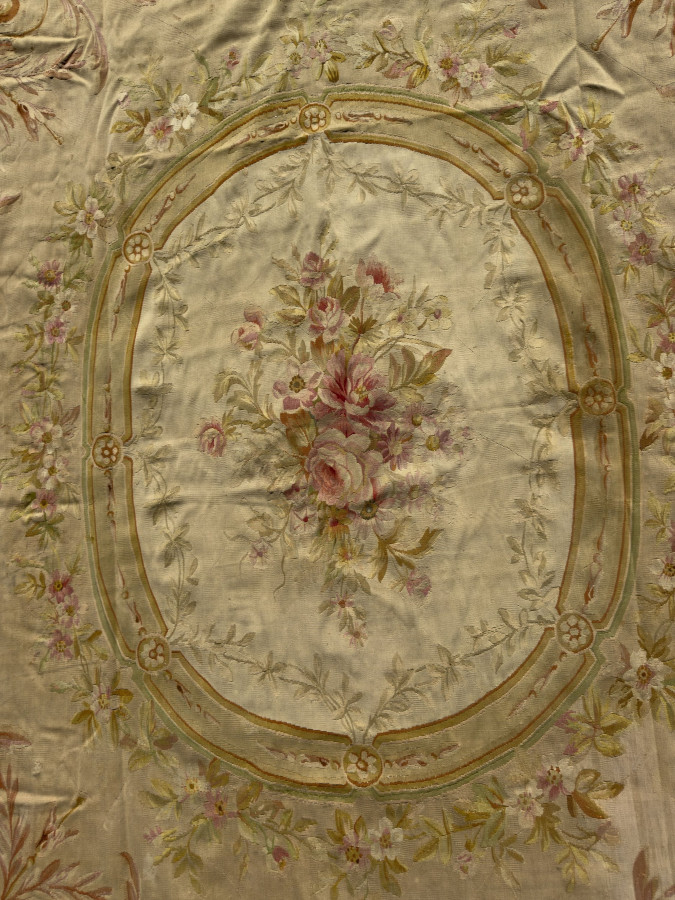 38564Antique 19th Century French Aubusson Rug with Bouquet Medallion & Boiserie Framing - Rug & Kilim
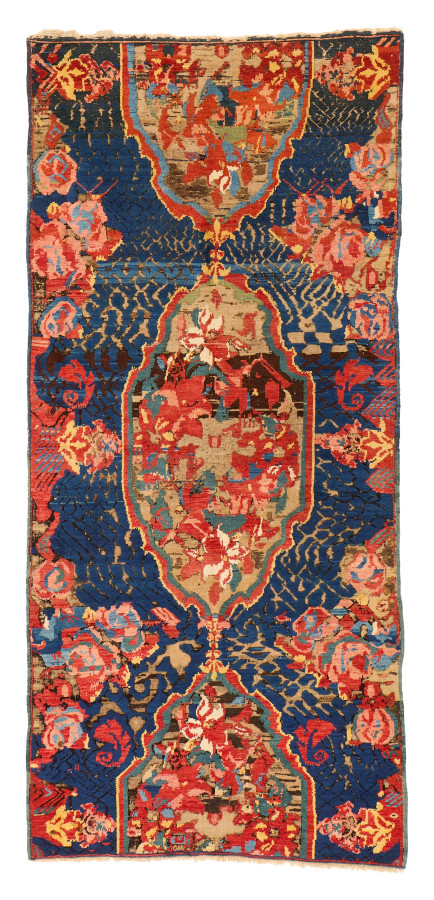 38517Antique 19th Century Azerbaijani Seychour Runner with Floral Designs & High-Low Texture - Rug & Kilim
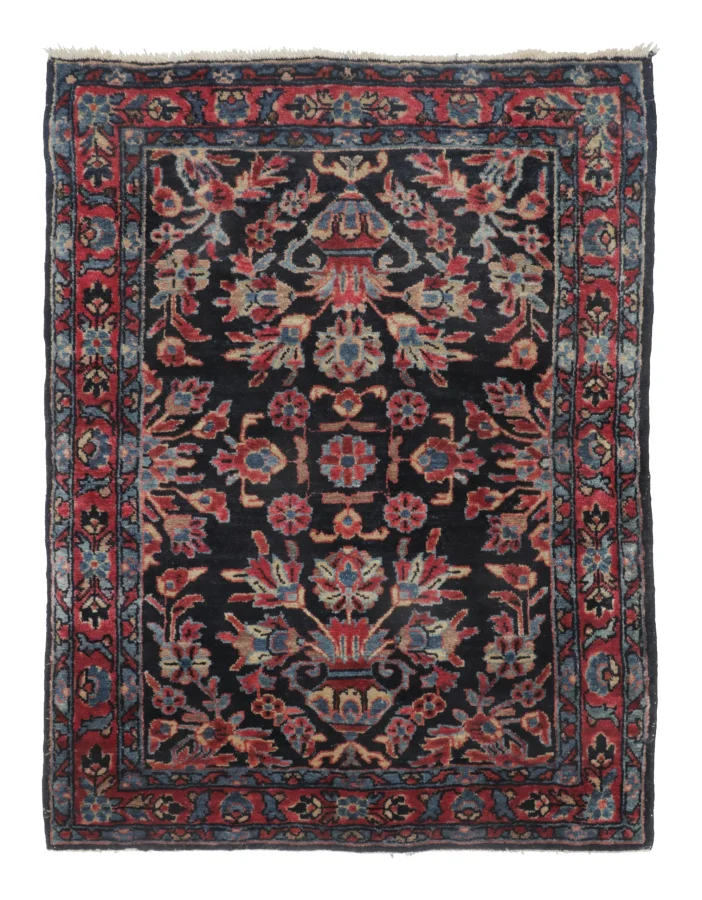
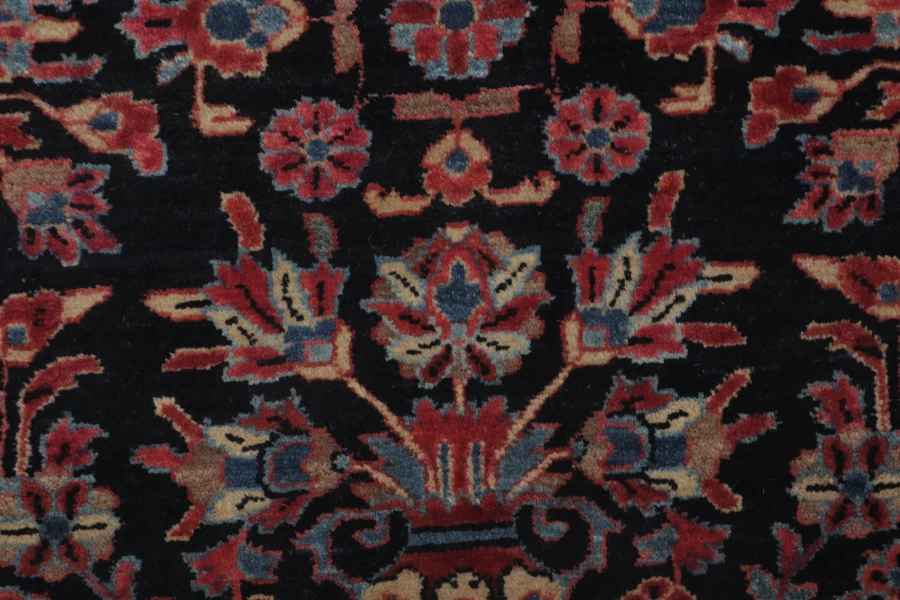 37108Antique Persian Sarouk Gift-Sized Rug with Floral Medallion in Red - Rug & Kilim
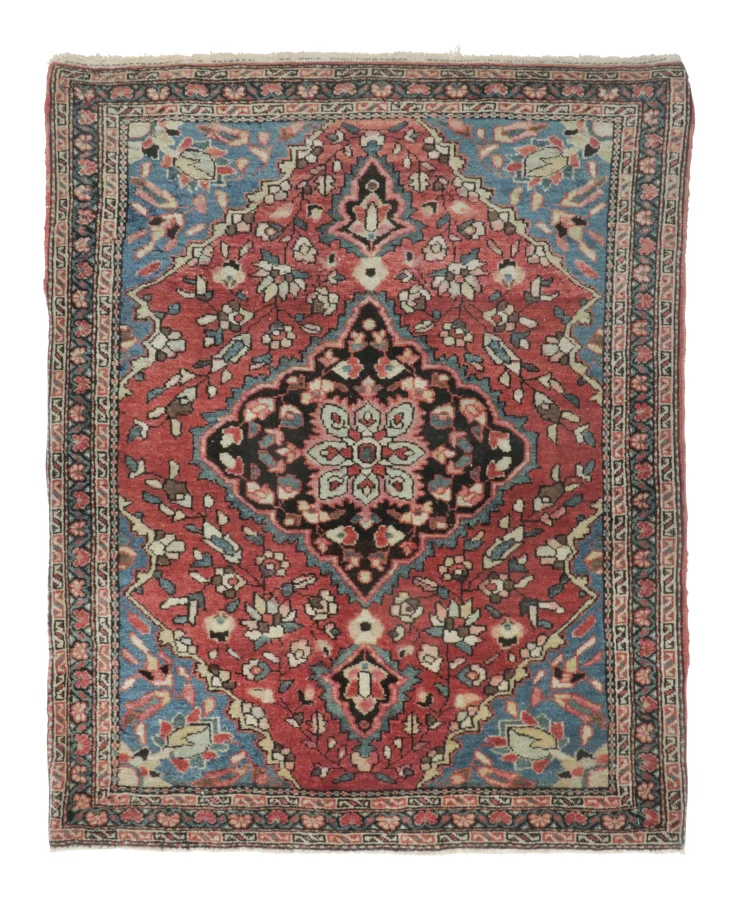
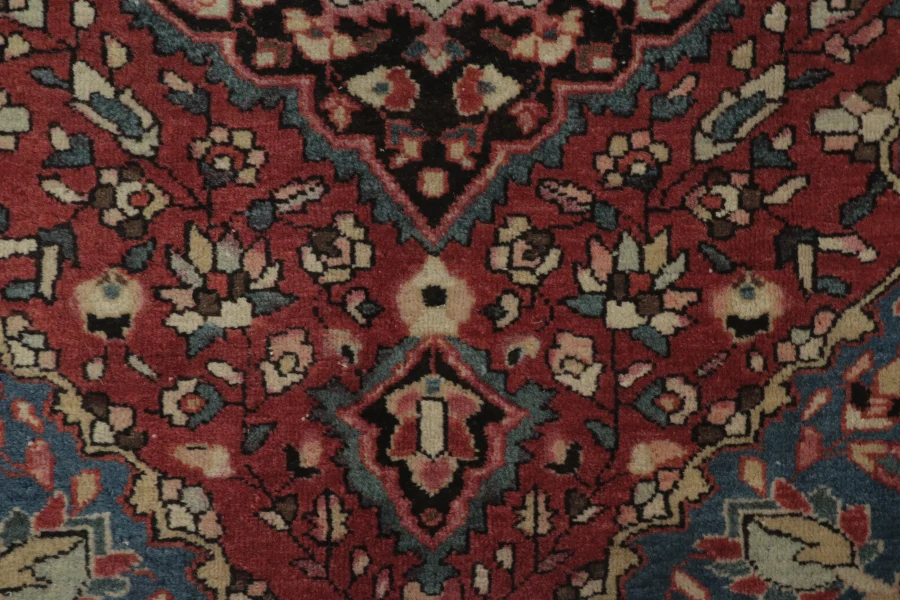 37107Antique Persian Farahan Gift-Sized Rug with Floral Medallion in Red - Rug & Kilim
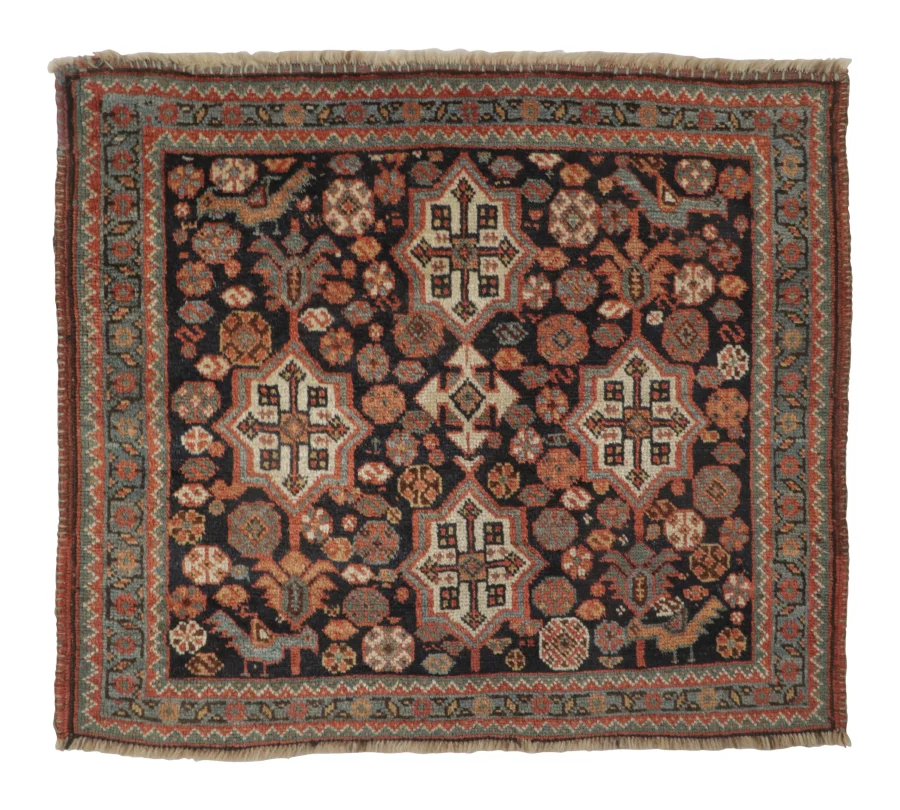
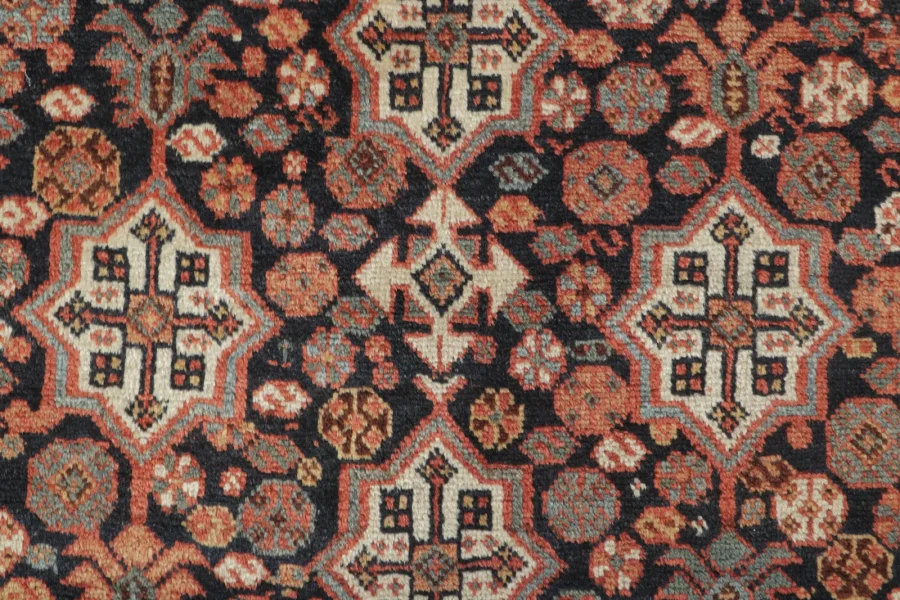 37106Antique Persian Farahan Gift-Sized Square Rug with Diamond Motifs - Rug & Kilim
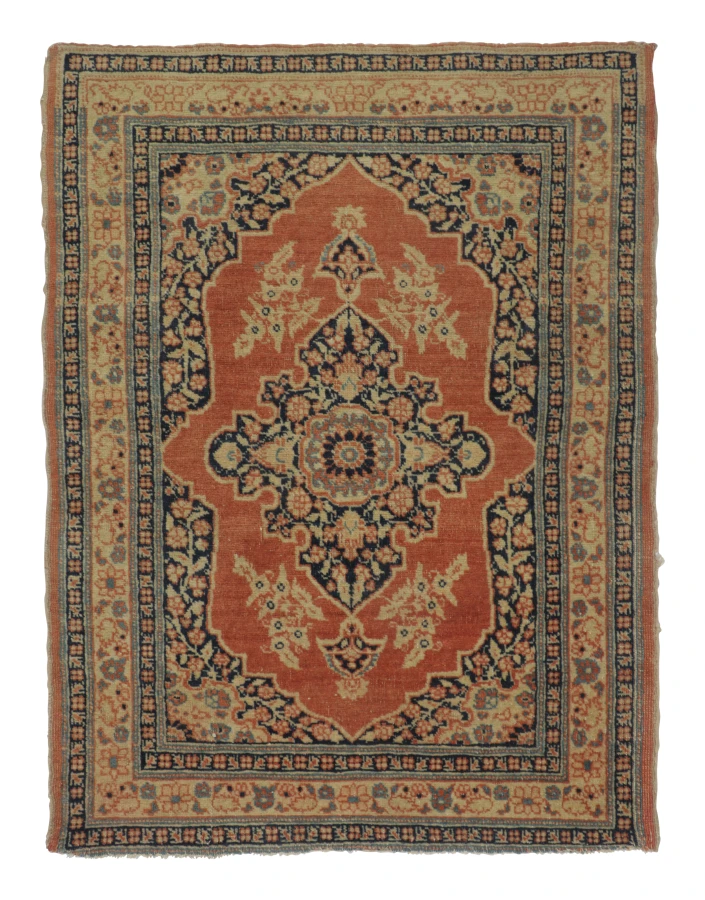
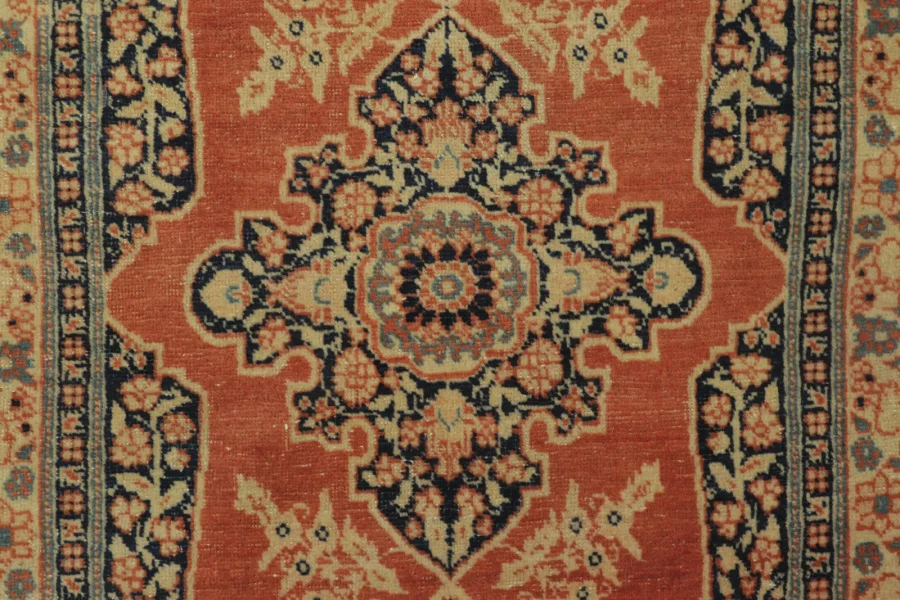 37105Antique Persian Shiraz Gift-Sized Square Rug with Arched Design - Rug & Kilim
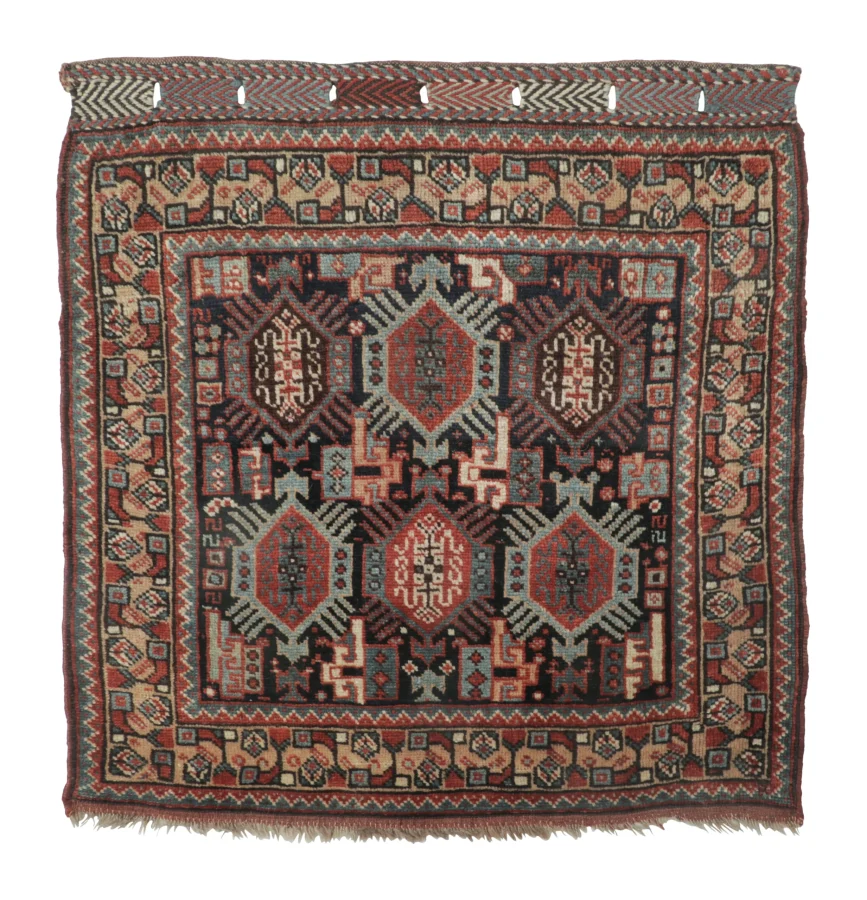
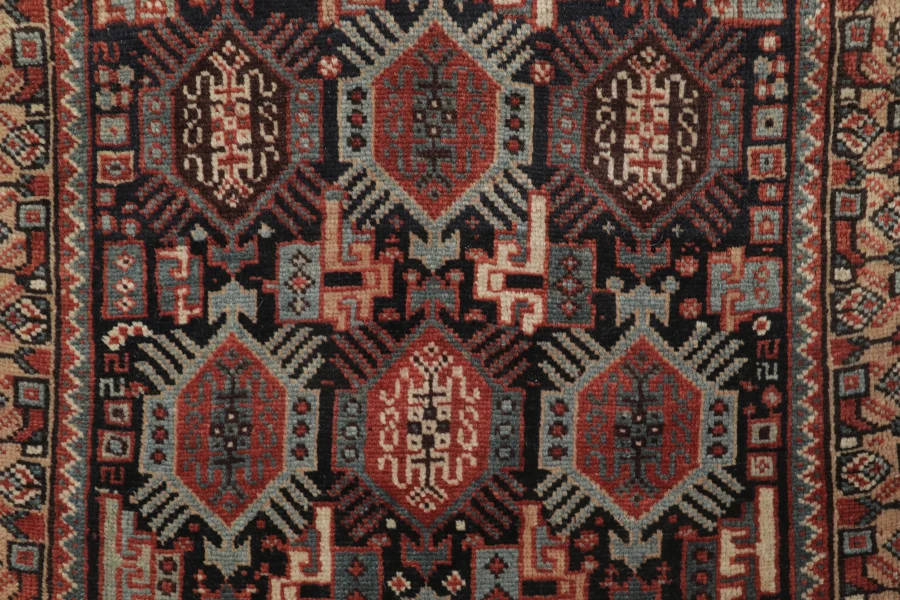 37103Antique Persian Shiraz Gift-Sized Square Rug with Folk Medallions - Rug & Kilim
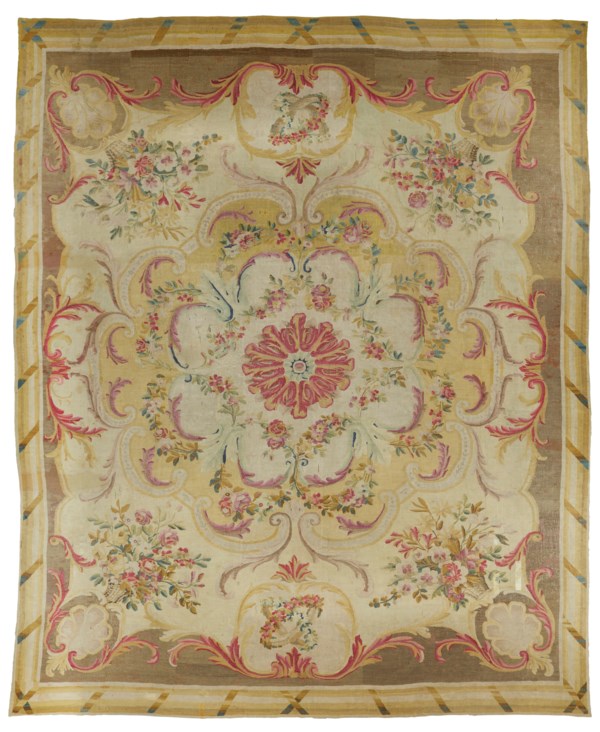 38375Oversized Antique 18th Century French Aubusson Rug with Floral Medallion - Rug & Kilim
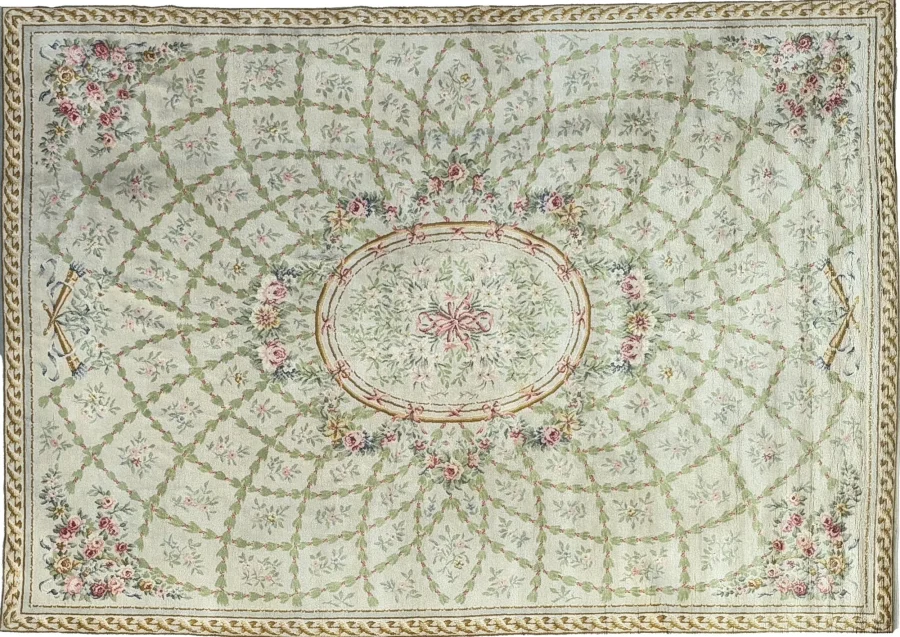 38370Antique 19th Century French Savonnerie Rug with Classic Bow Design - Rug & Kilim
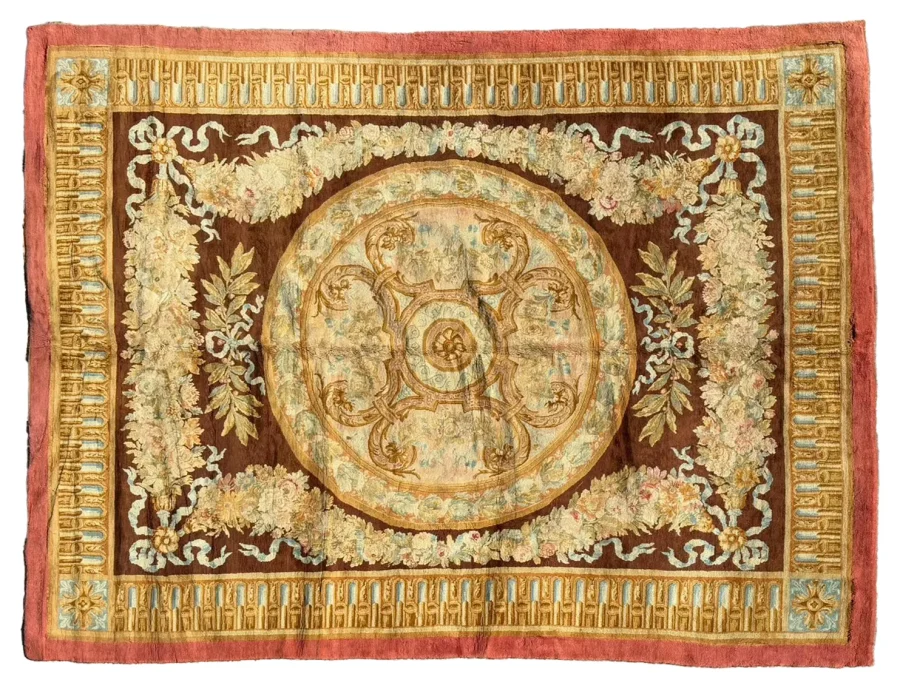
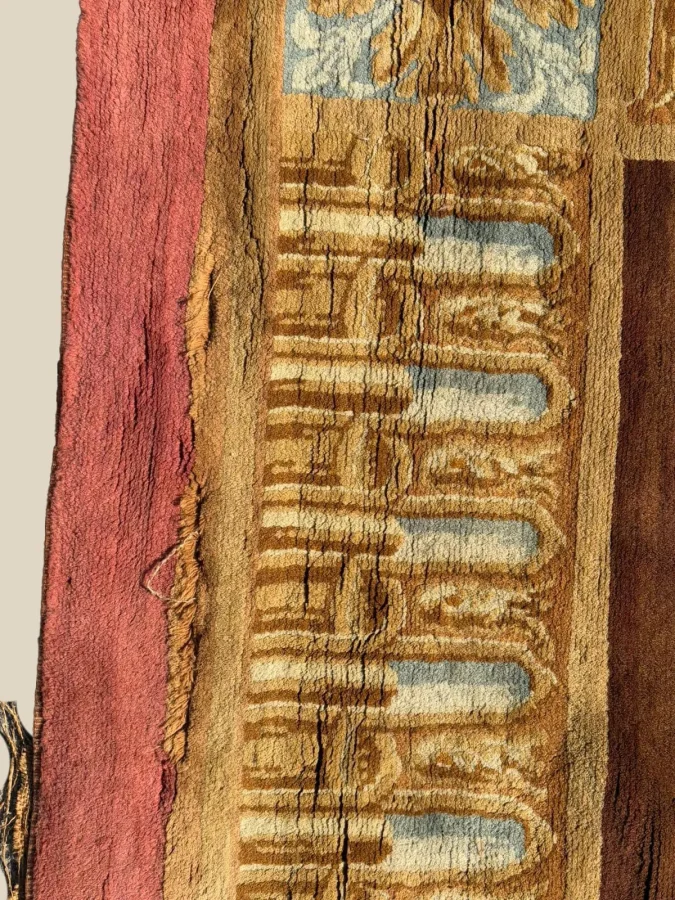 38369Antique 19th Century Aubusson Rug with Grand Medallion in Gold - Rug & Kilim
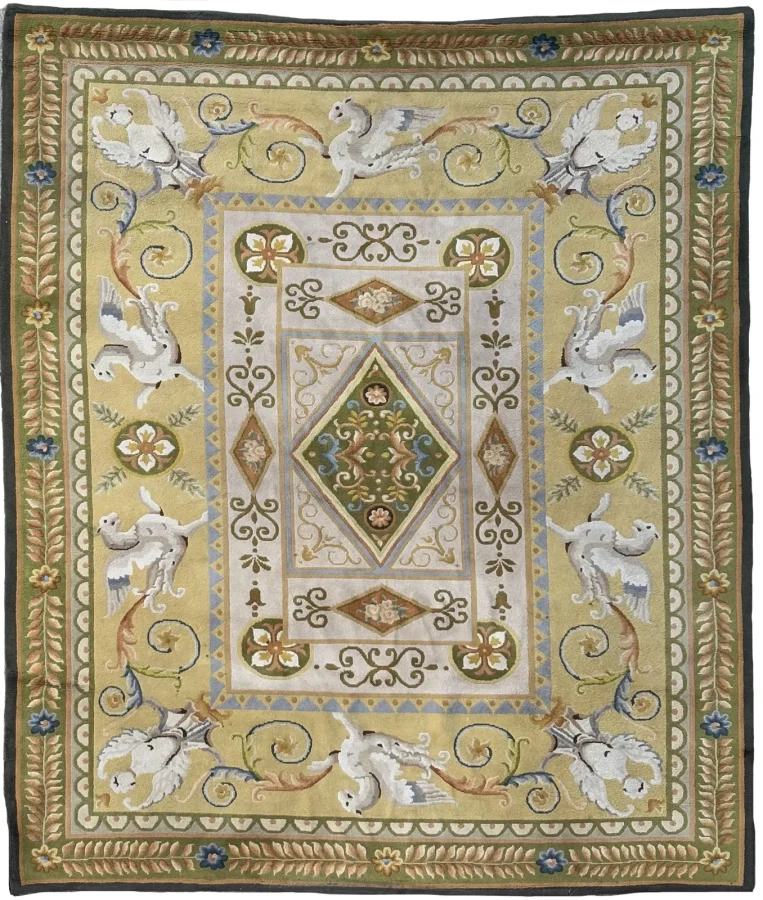 38368Antique 19th Century Spanish Savonnerie Rug with Diamond Medallion & Mythical Pictorials - Rug & Kilim
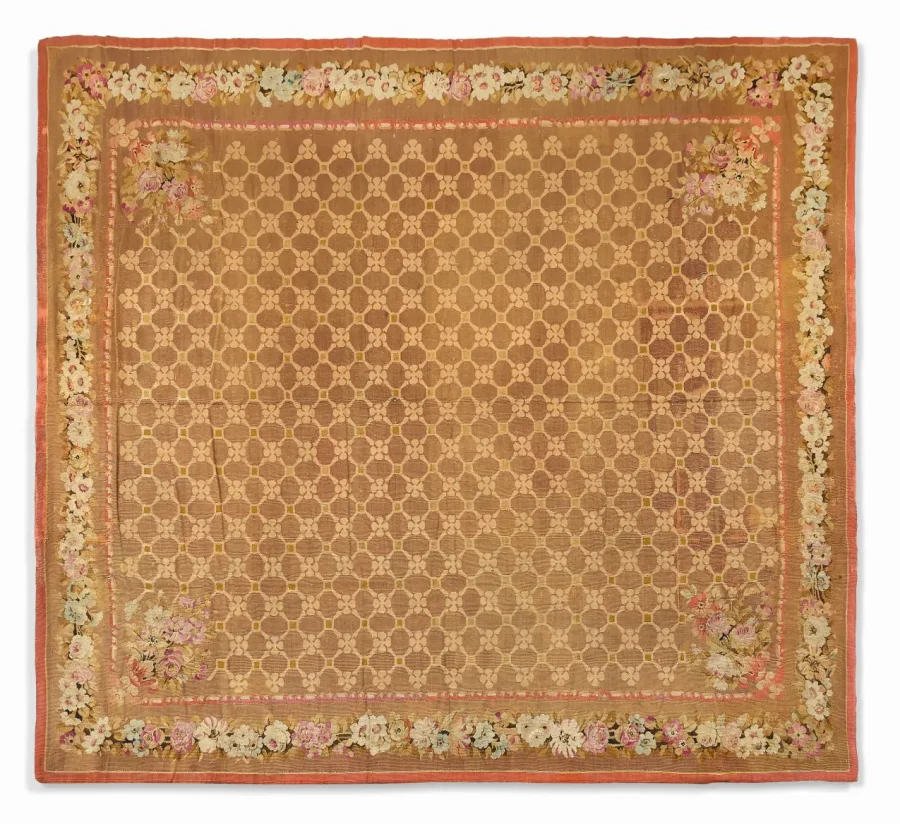 38338Antique 19th Century Aubusson Rug with Intricate Lattice in Gold - Rug & Kilim
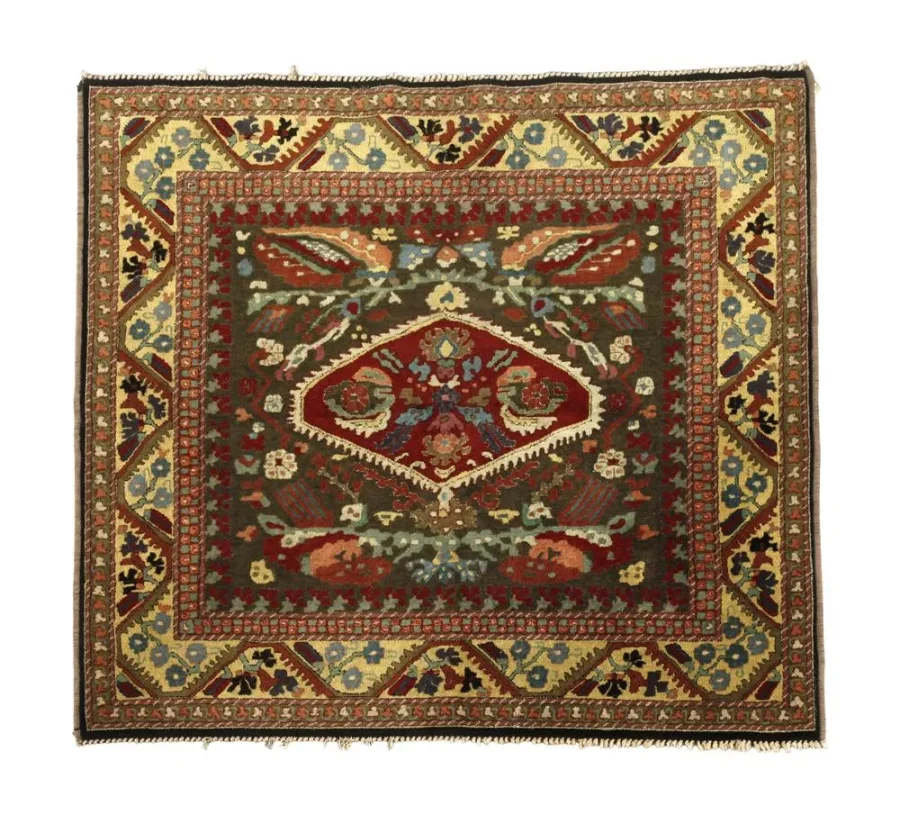
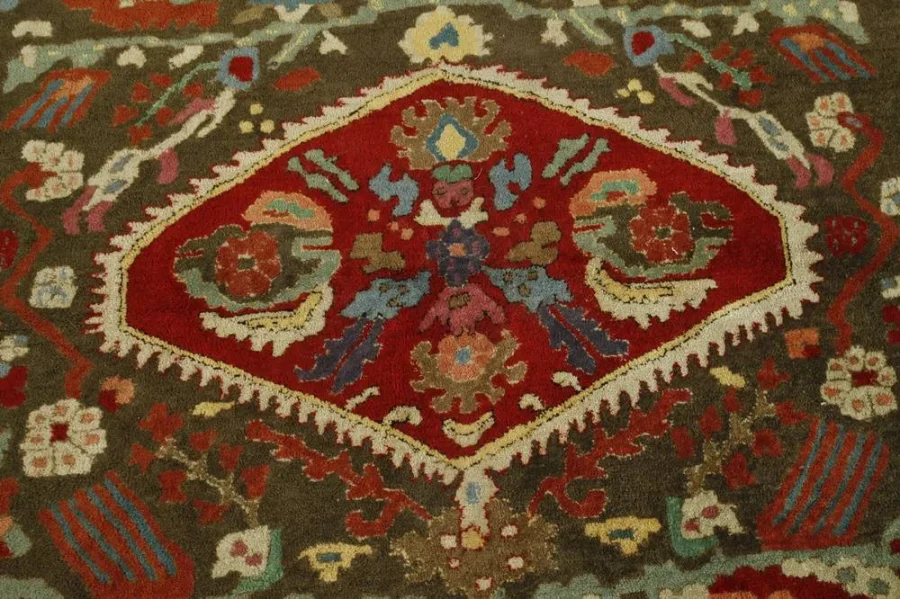 38308Antique Tetex Hooked Rug with Floral Medallion in Brown Hues - Rug & Kilim
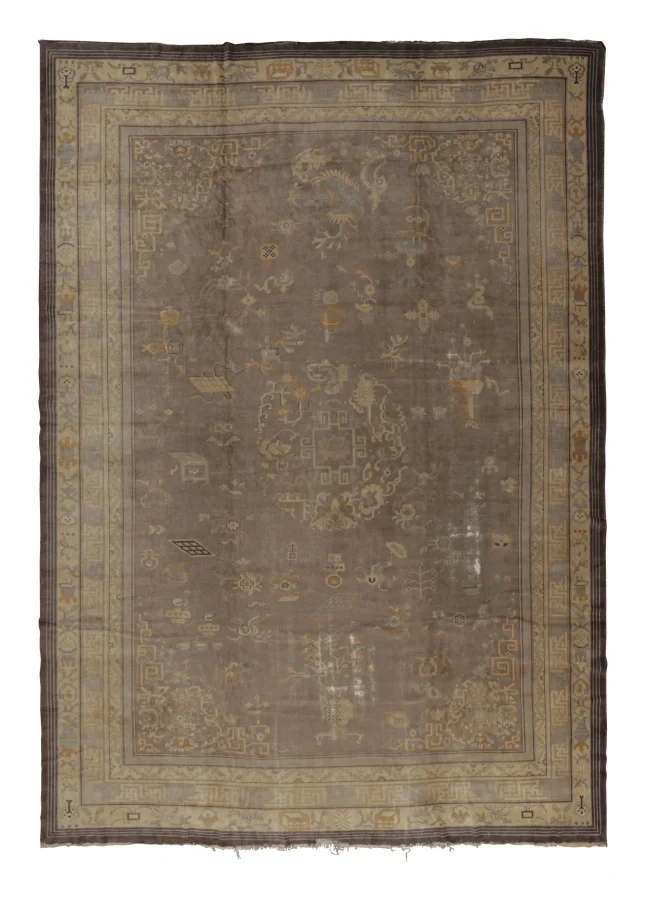
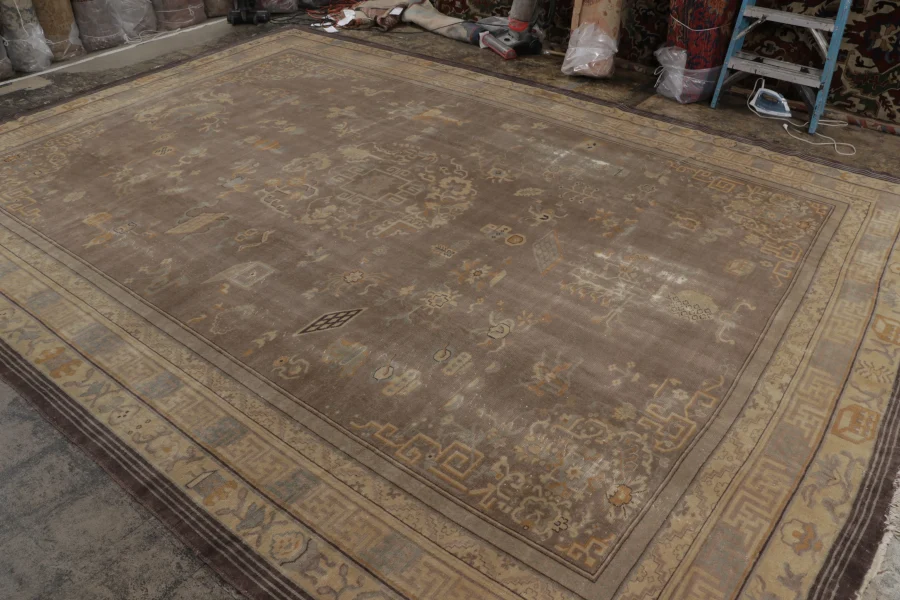 37547Antique Khotan Samarkand Rug with Phoenix & Cloud Band Motifs - Rug & Kilim
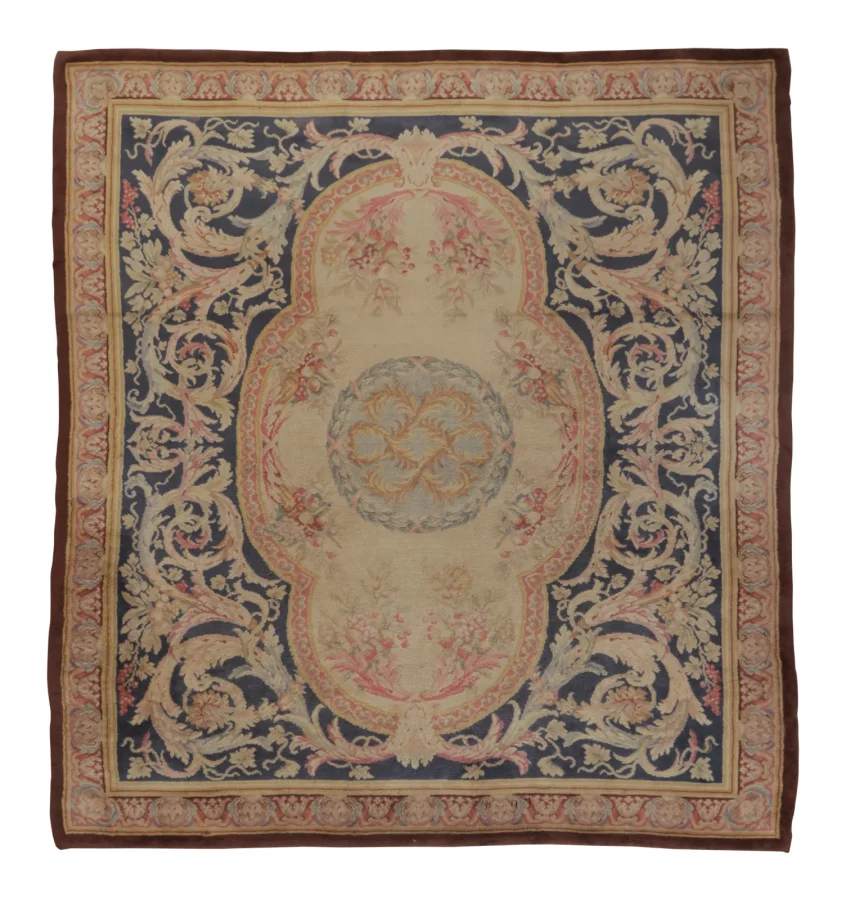
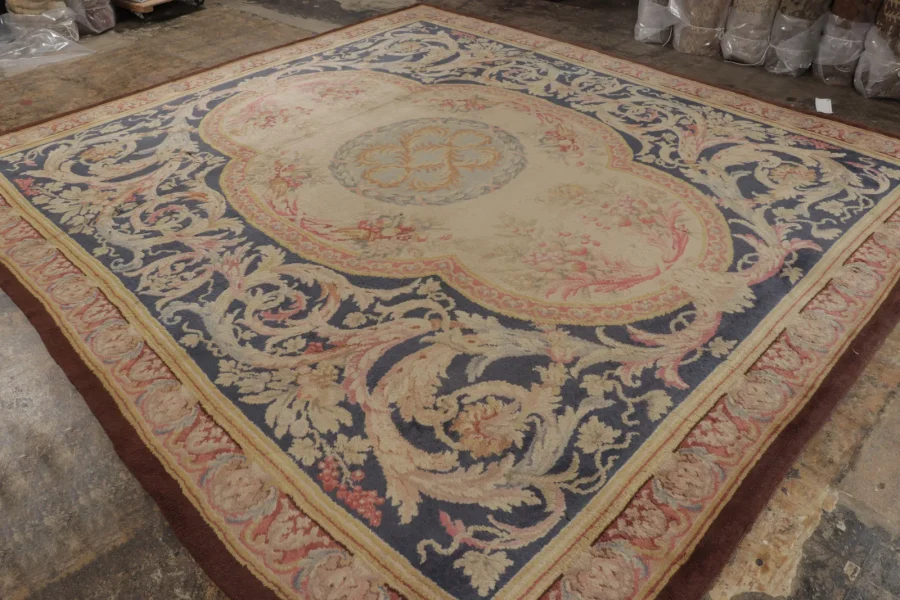 37548Antique Savonnerie Rug with Acanthus Leaves & Ornate Medallion - Rug & Kilim
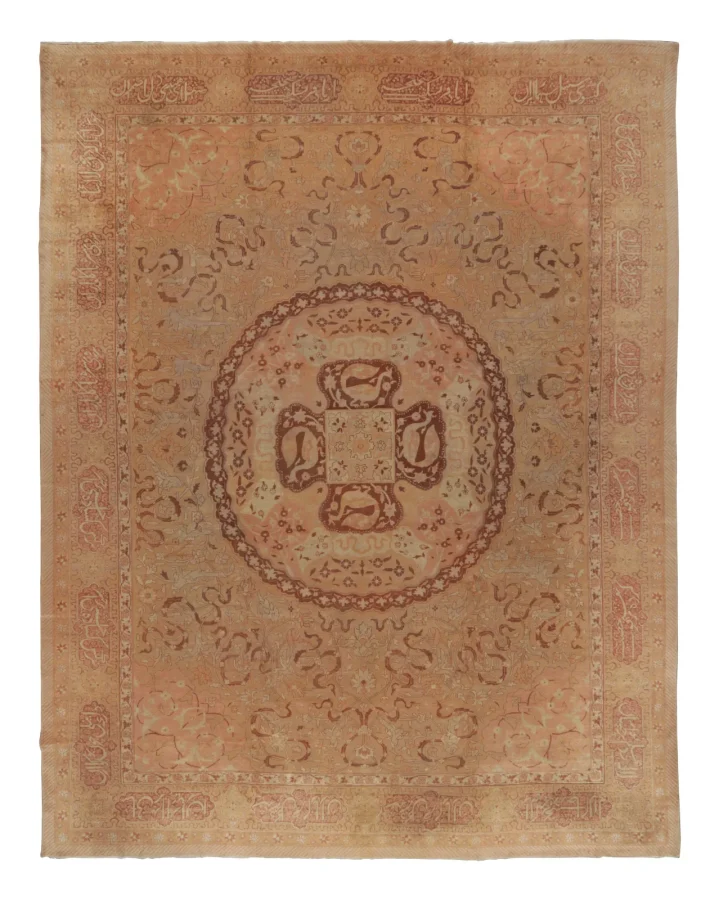
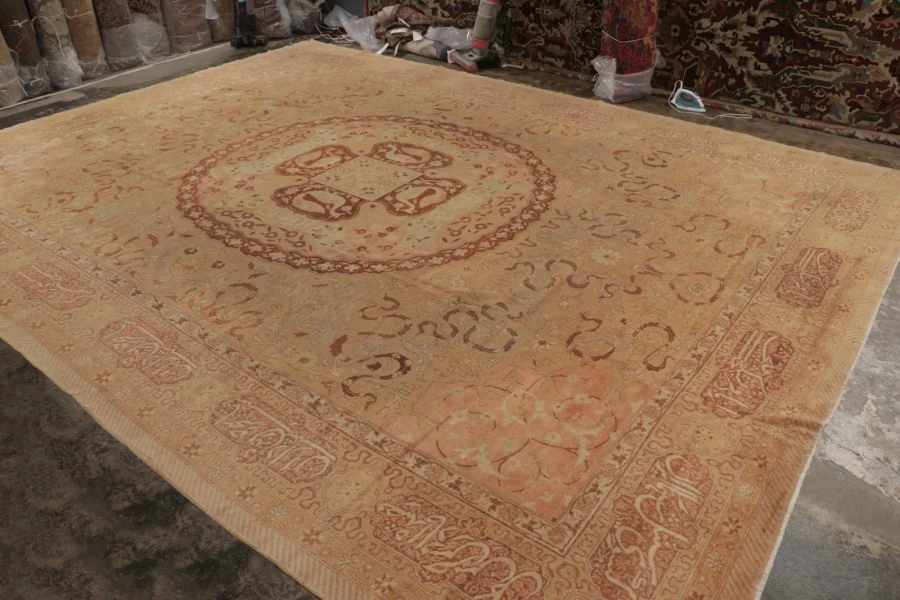 37550Antique Amritsar Rug with Deer Pictorials & Persian Inscriptions - Rug & Kilim
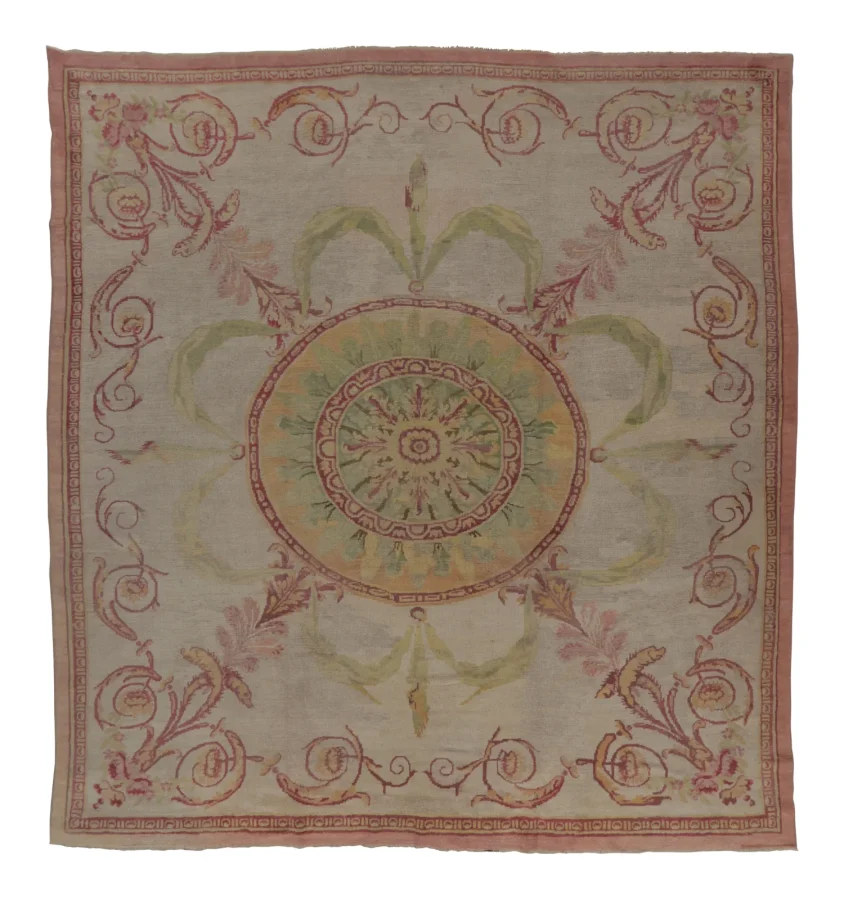
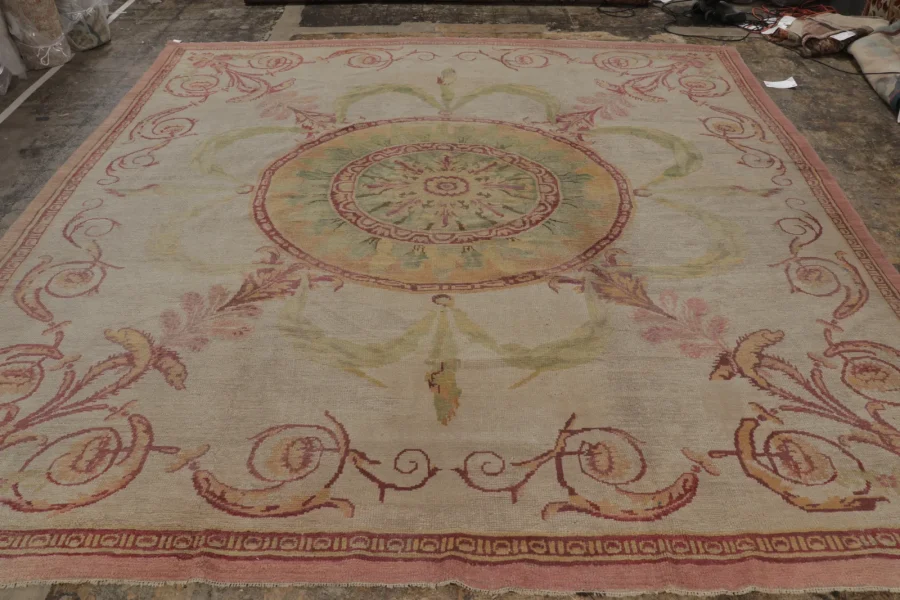 37552Antique 19th Century French Aubusson Rug with Ornate Medallion - Rug & Kilim
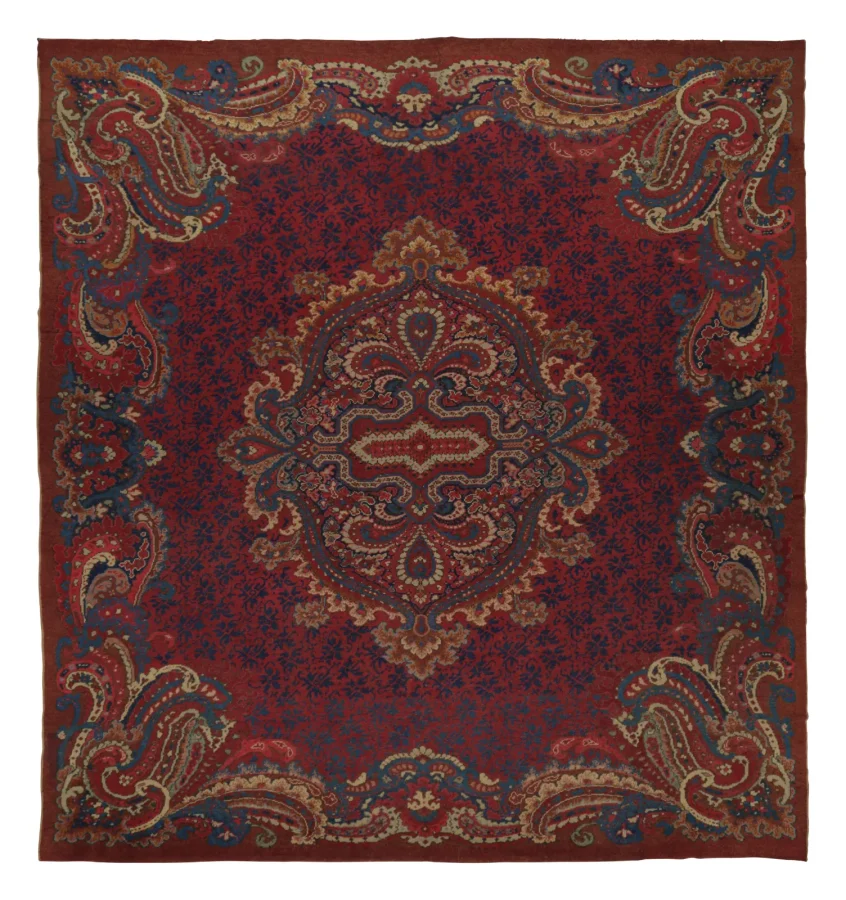
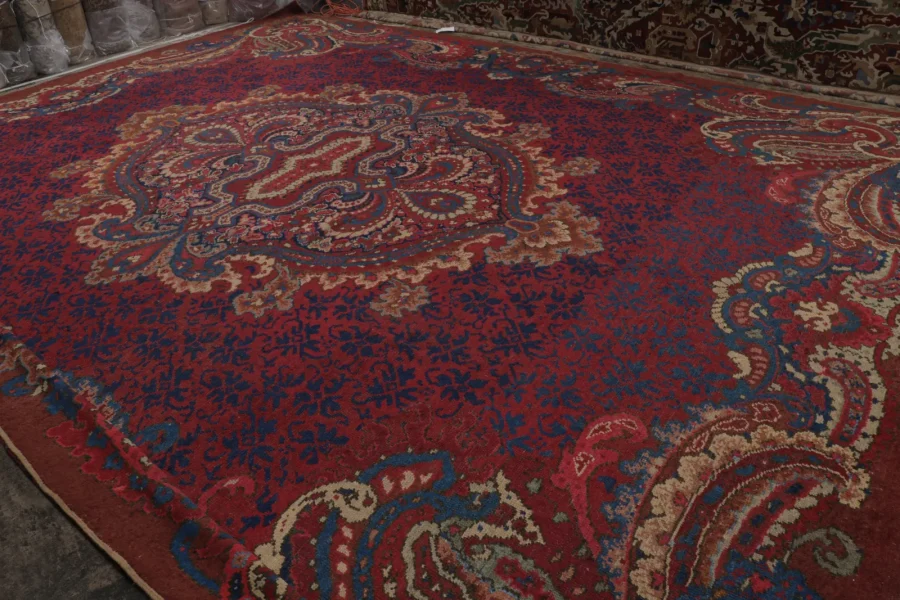 37546Oversized Antique 19th Century Turkish Oushak Rug with Jewel Tones - Rug & Kilim
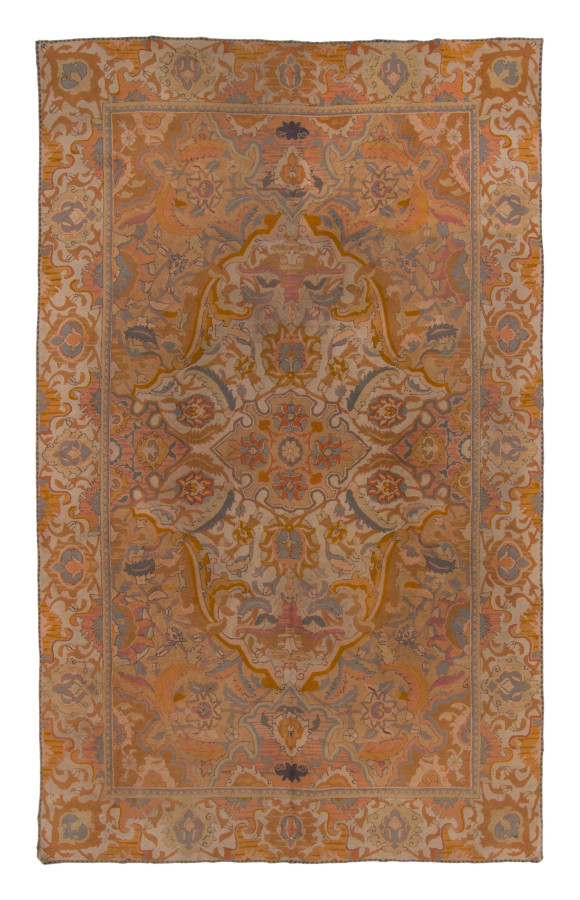
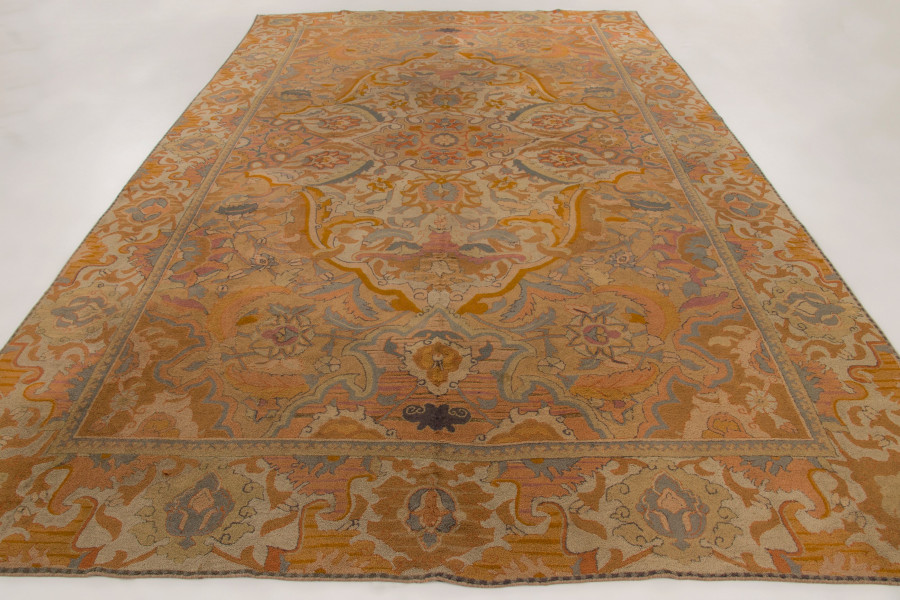 37719Antique Chinese Hooked Rug with Polonaise Design in Brown Hues - Rug & Kilim
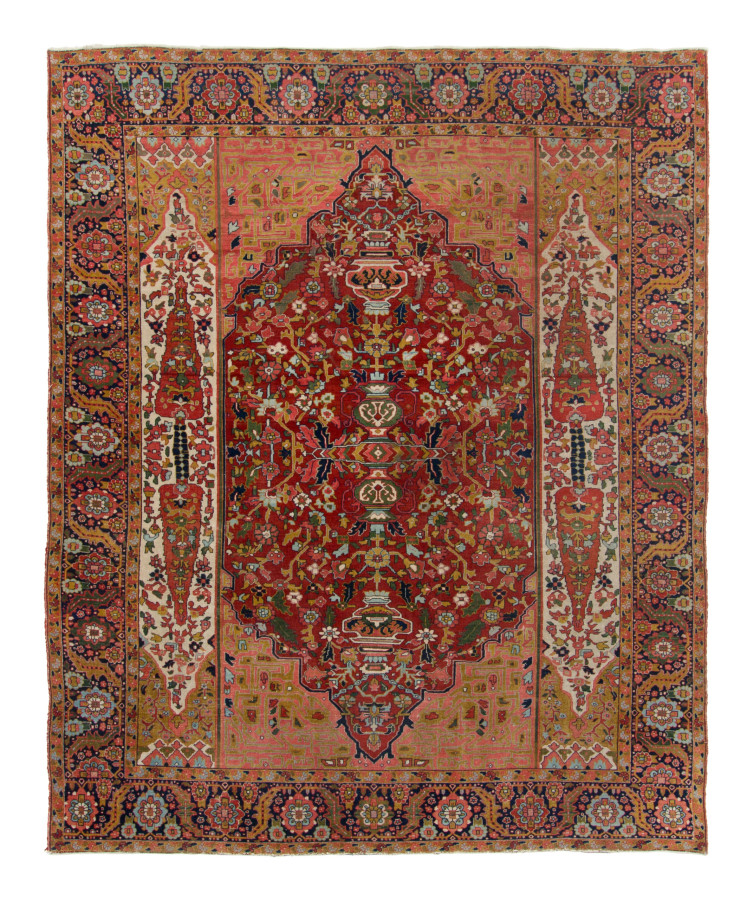
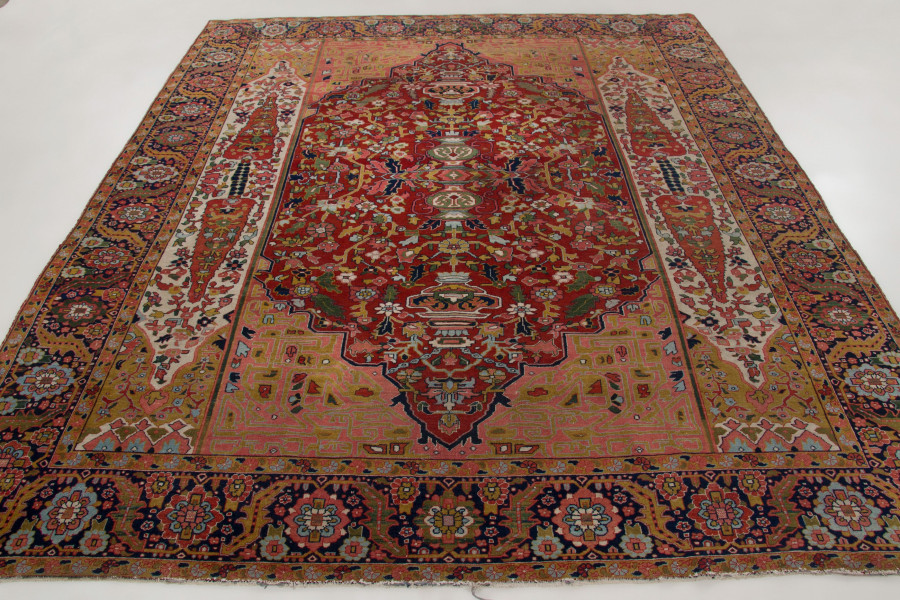 38024Antique Persian Serapi Rug with Vase Pictorials in Earthy Hues - Rug & Kilim
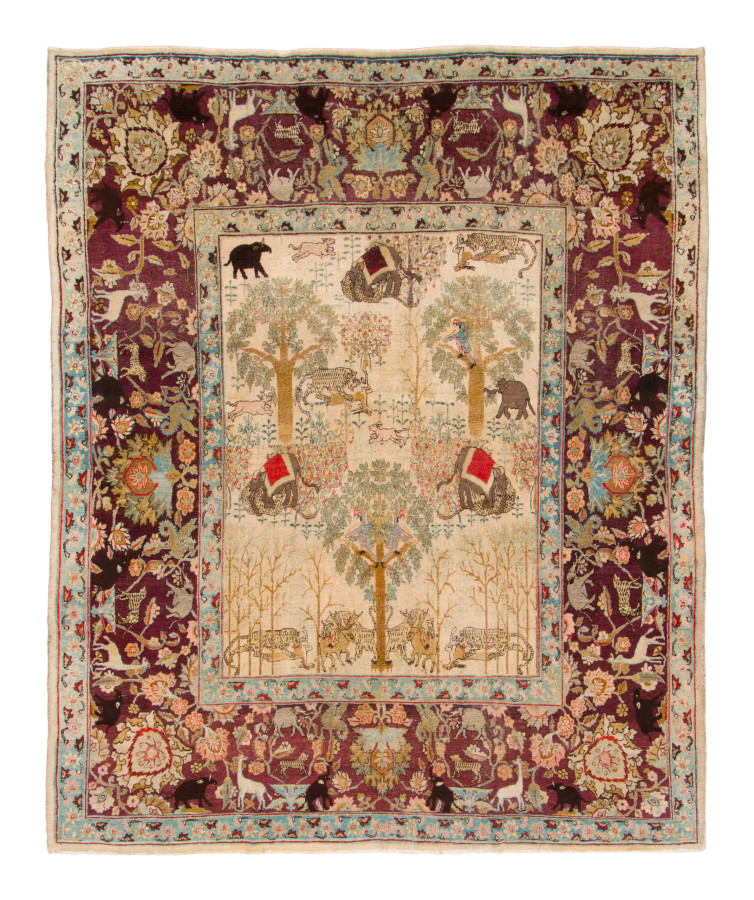
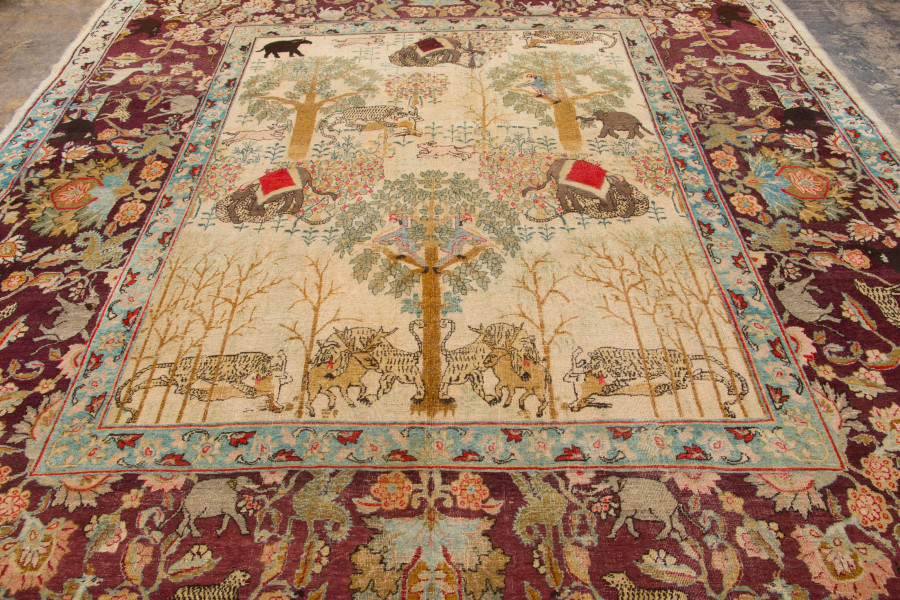 37444Antique Agra Rug with Animal Pictorials in Multicolor Hunting Narrative - Rug & Kilim
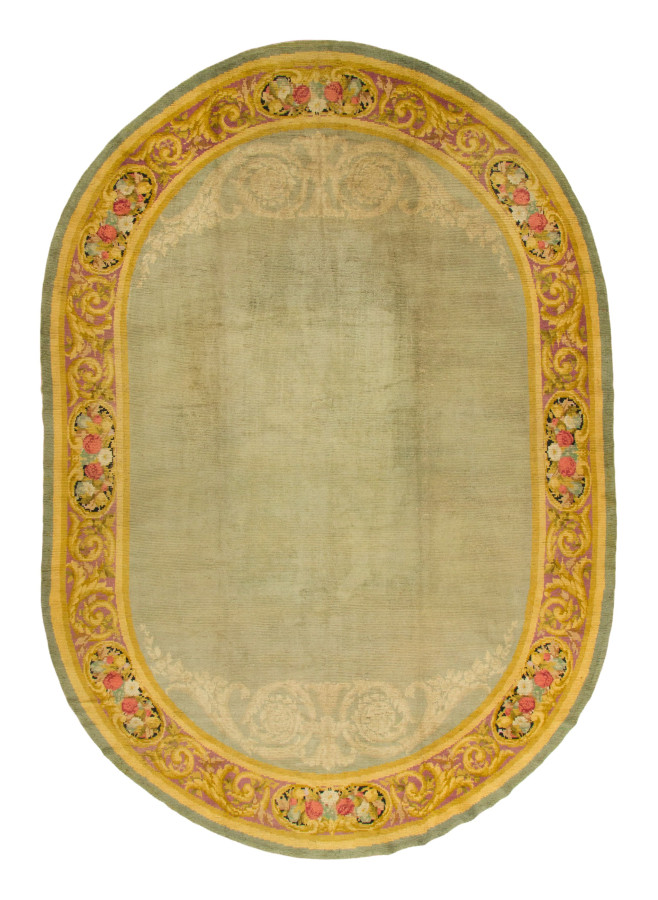
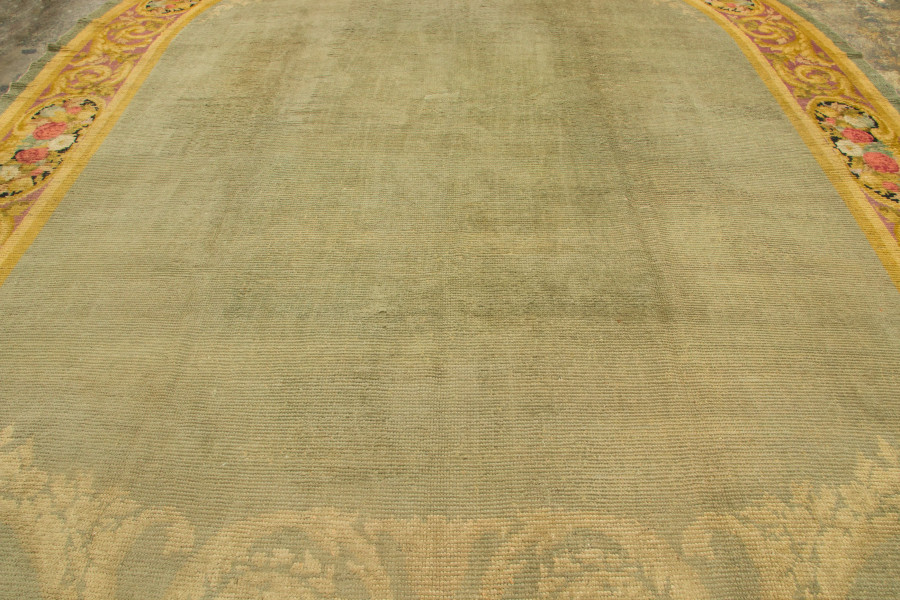 38175Oversized Antique 19th Century Oval Savonnerie Rug with Florals - Rug & Kilim
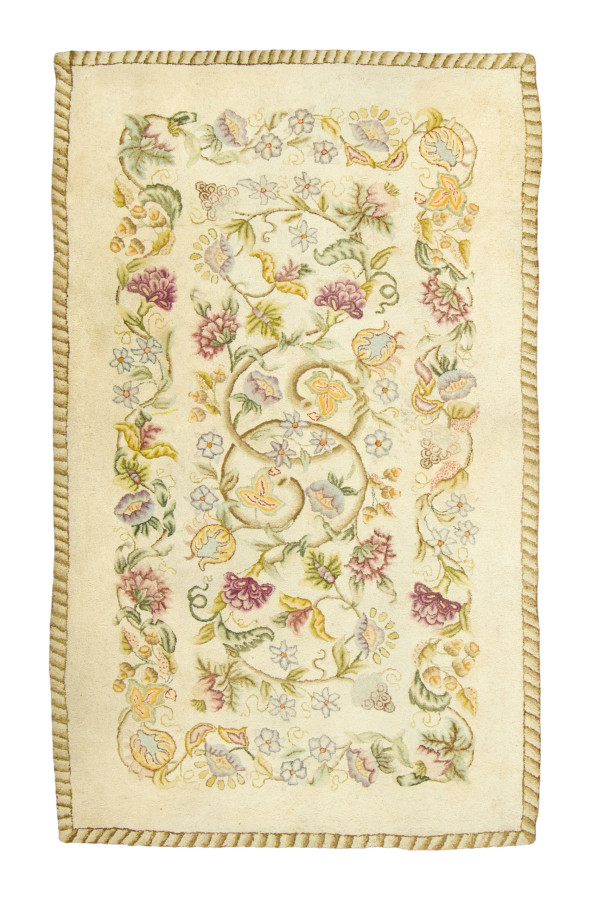
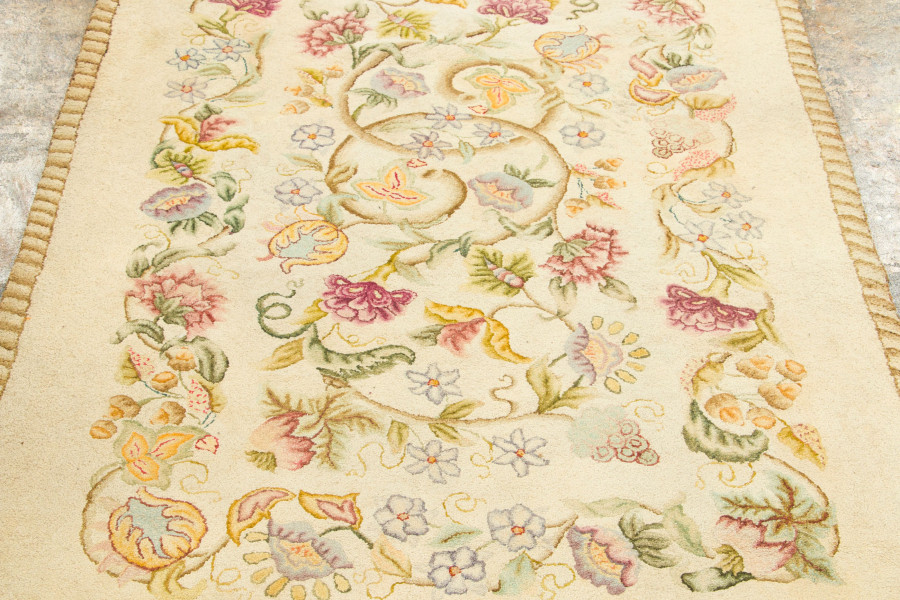 38148Antique Hooked Rug with Scrolling Foliage in Warm Pastel Hues - Rug & Kilim
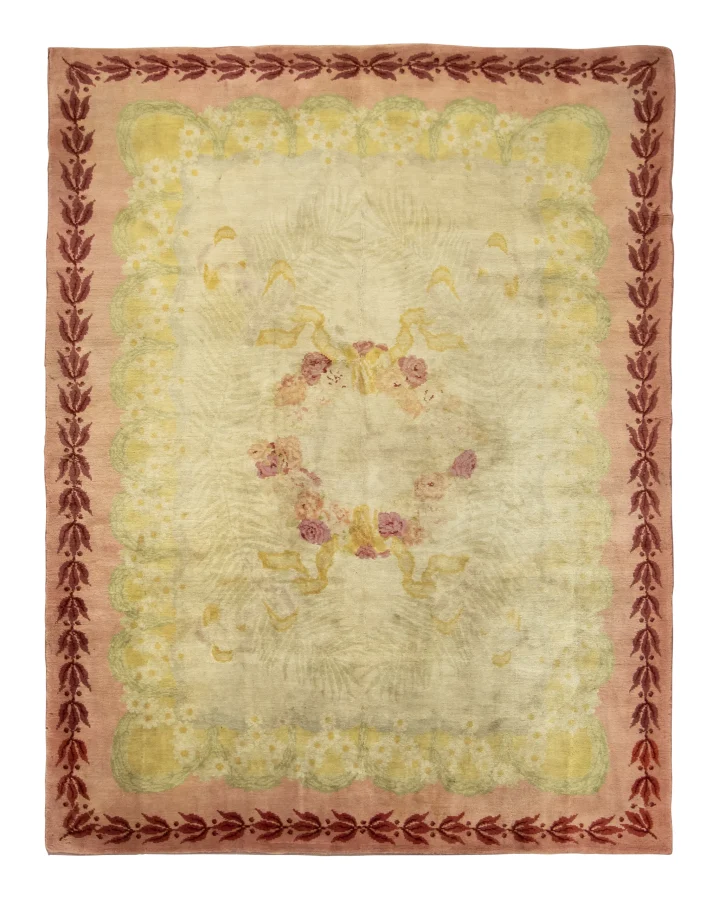
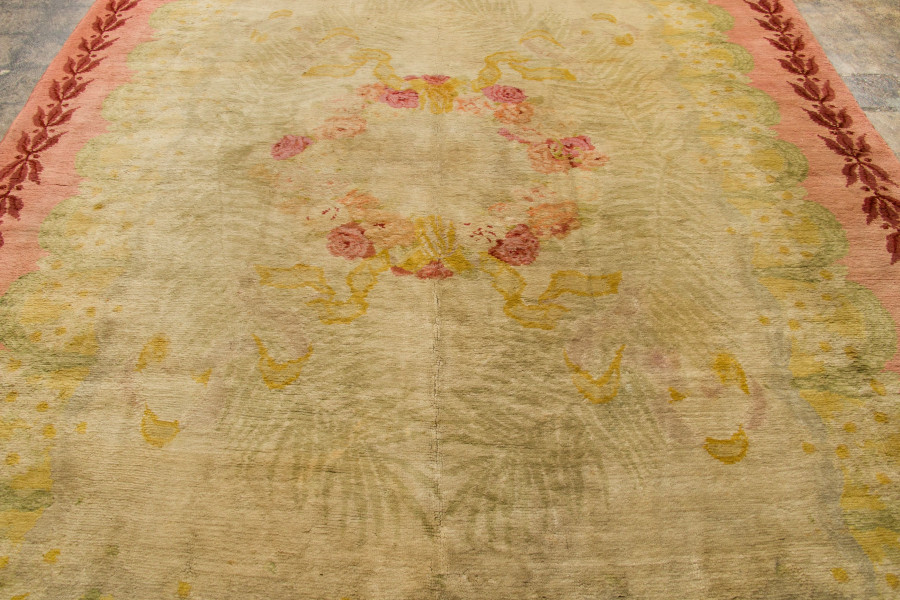 38065Antique French Savonnerie Rug with Floral Wreath Design in Pastels - Rug & Kilim
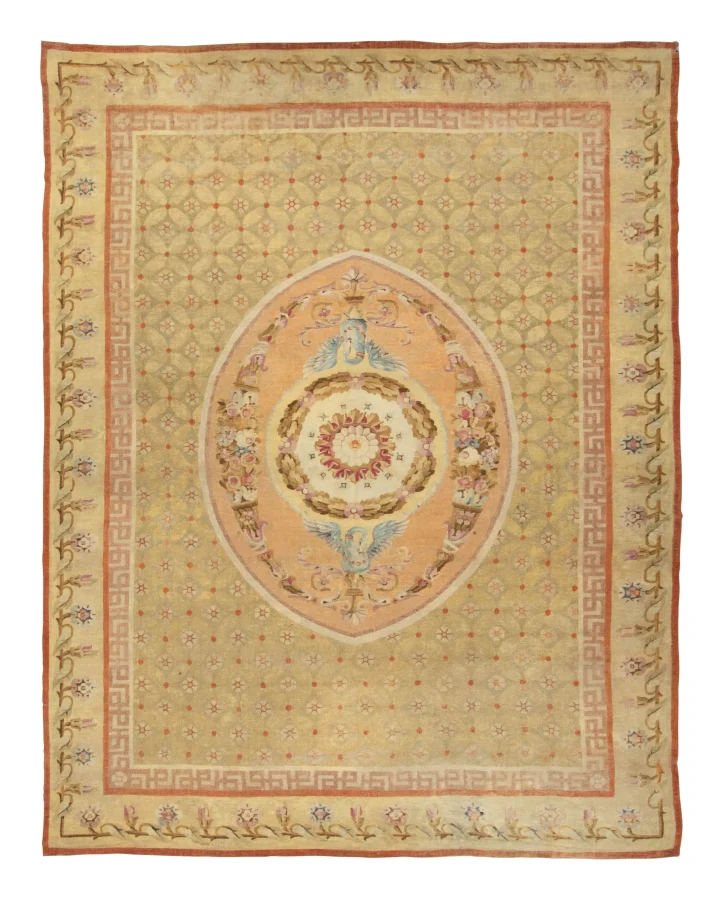
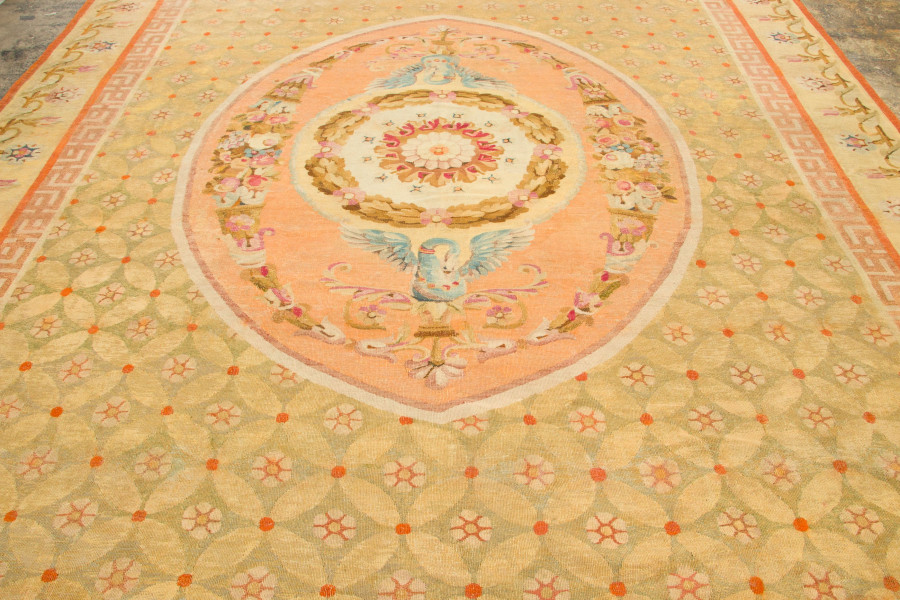 38064Oversized Antique Aubusson Rug with Floral Medallion & Swan Motifs - Rug & Kilim
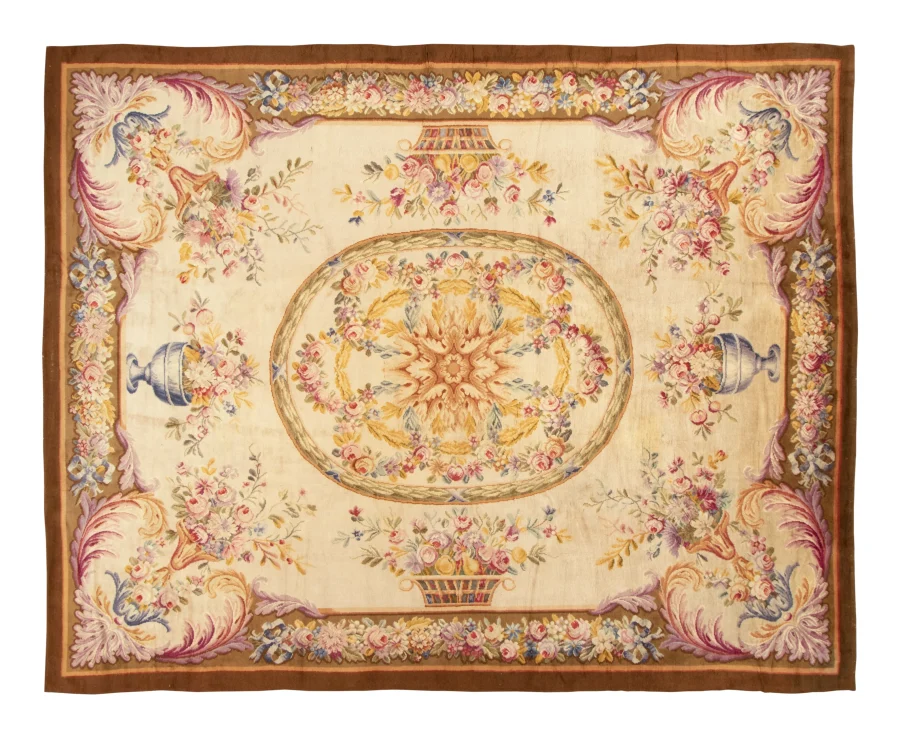
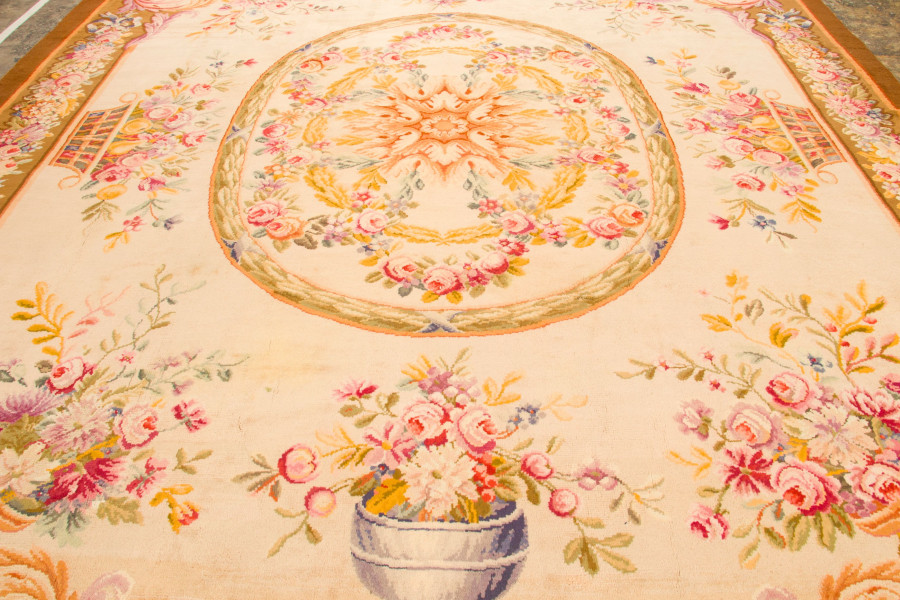 38062Oversized Antique French Savonnerie Rug with Florals & Vase Motifs - Rug & Kilim
- Out of Stock
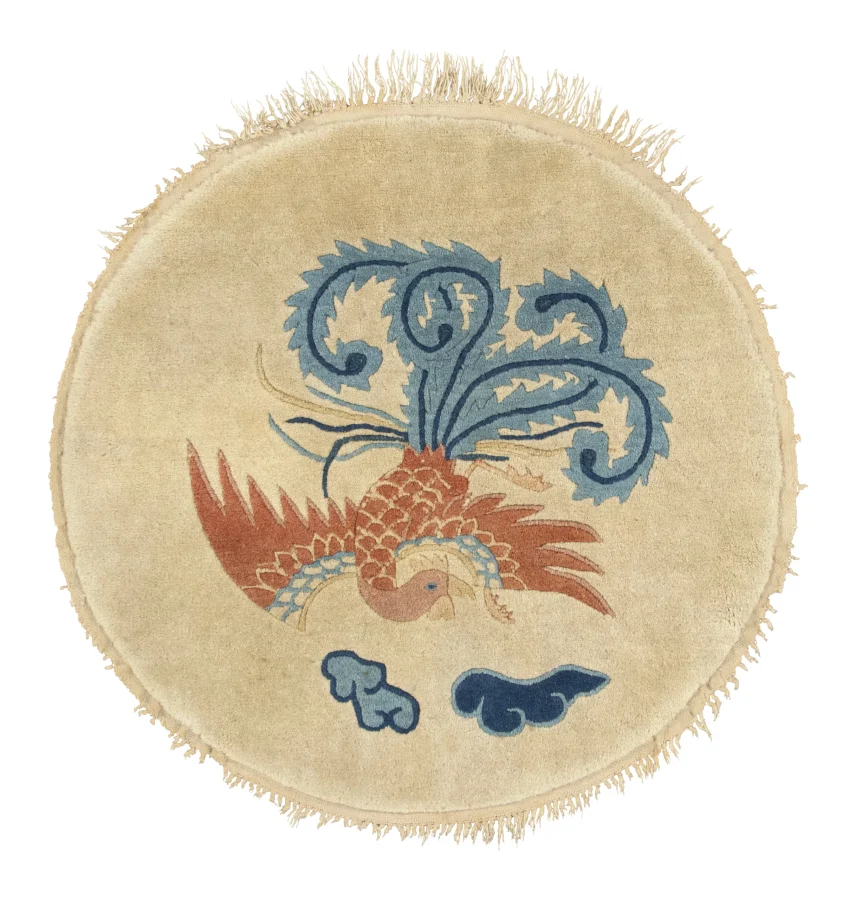
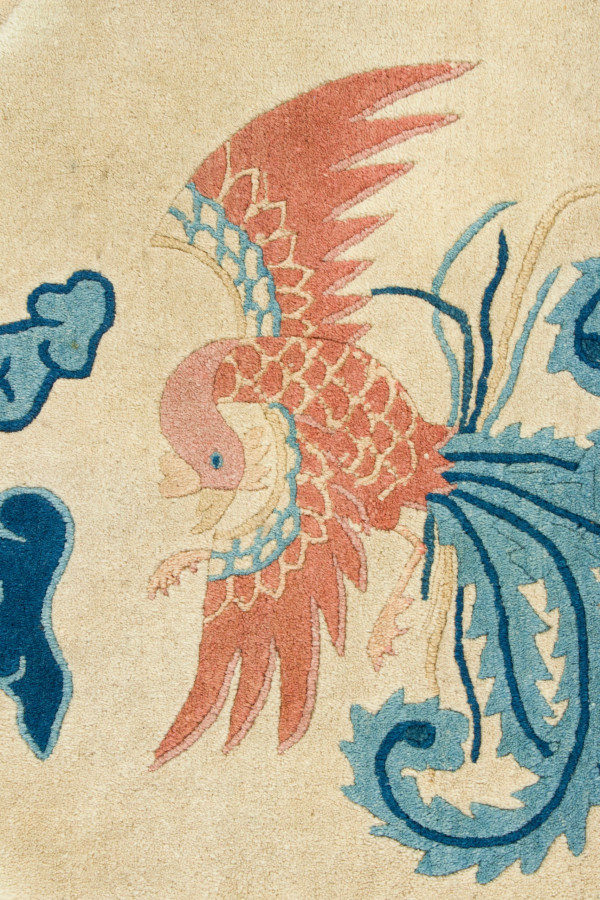 38009Antique Chinese Peking Circle Gift-Sized Rug with Phoenix Motif - Rug & Kilim
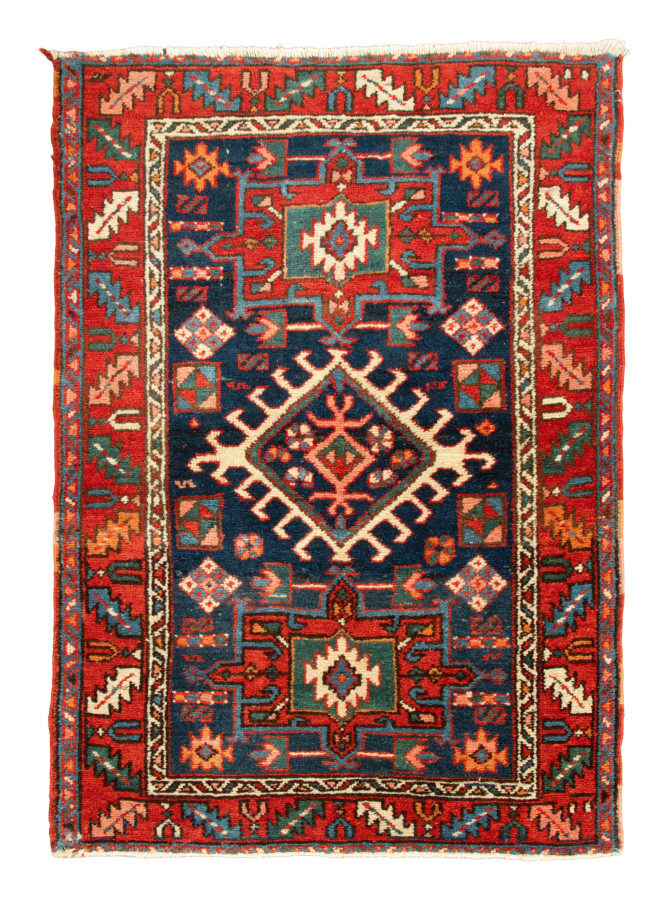
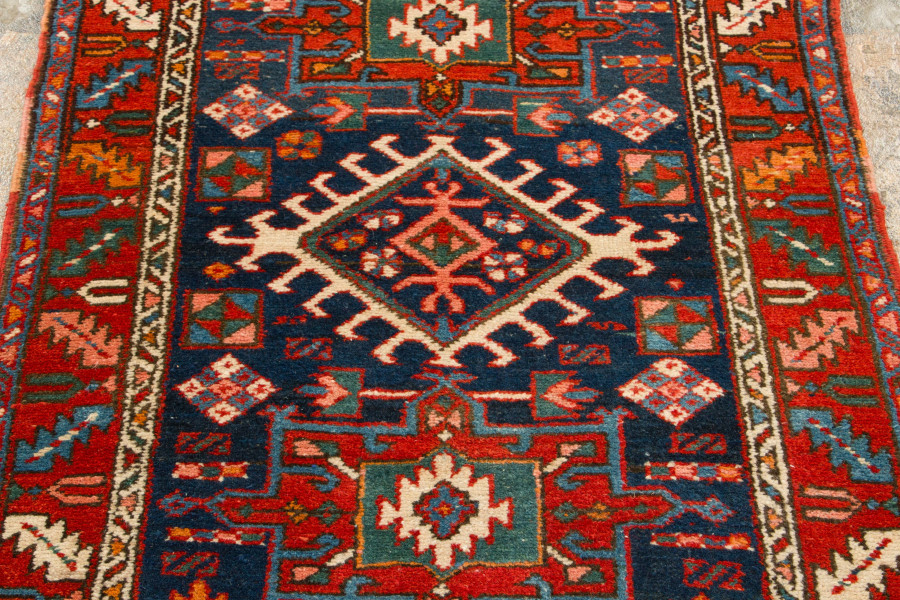 38061Antique Persian Hamadan Rug with Geometric Medallion Design - Rug & Kilim
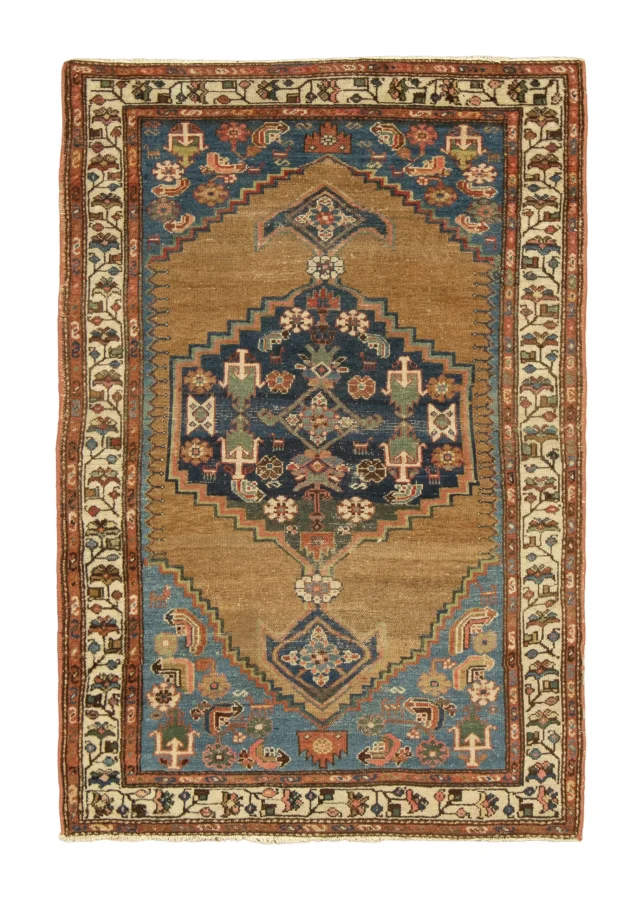
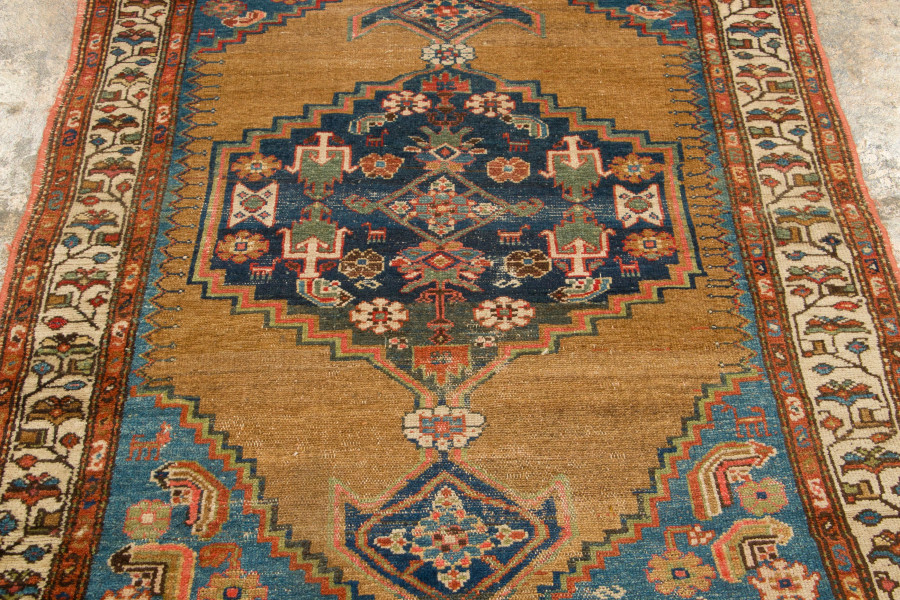 38060Antique Persian Heriz Runner with Geometric Floral Medallion Design - Rug & Kilim
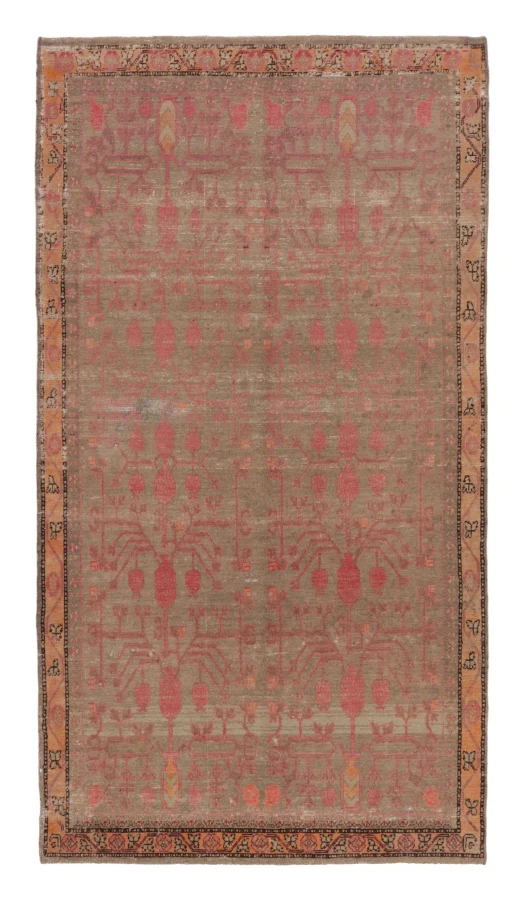
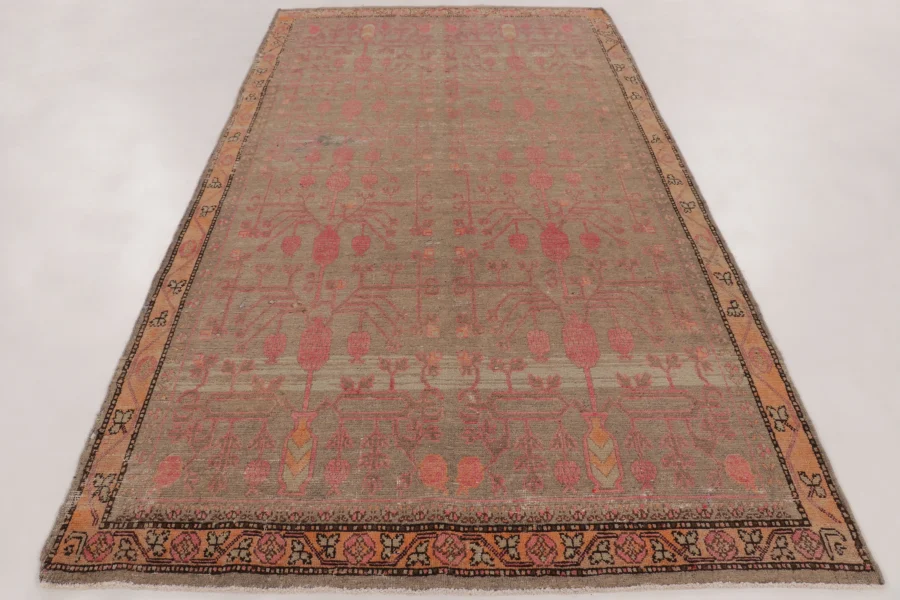 37354Antique Khotan Rug with Geometric Tonal Design in Brown & Red - Rug & Kilim
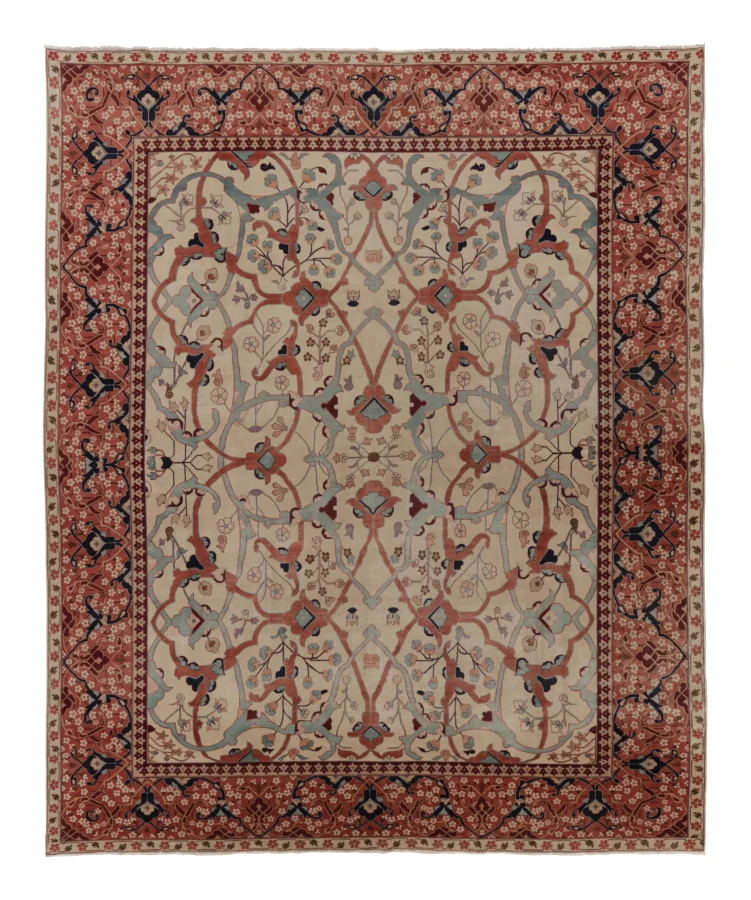
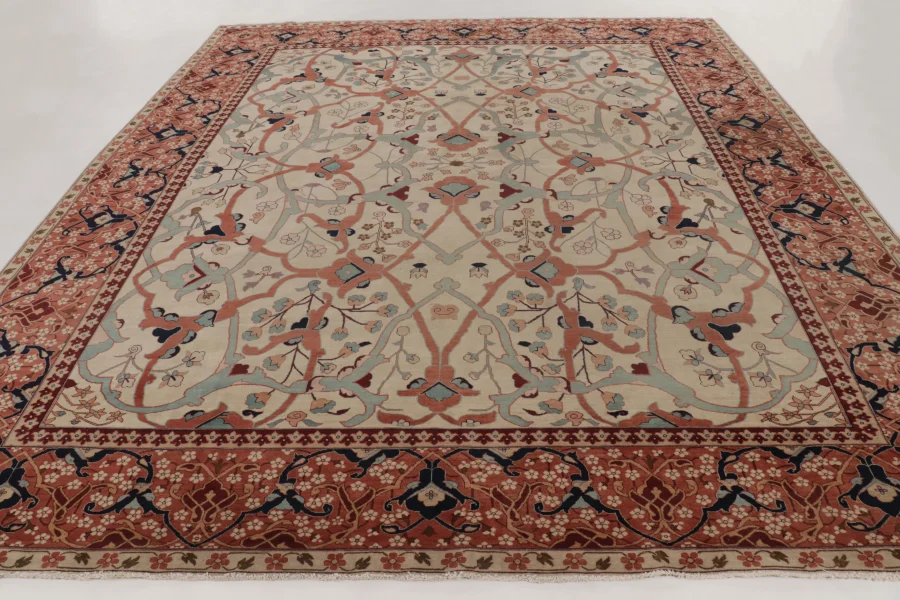 37886Oversized Antique Persian Tabriz Rug with Floral Design in Pastel Hues - Rug & Kilim
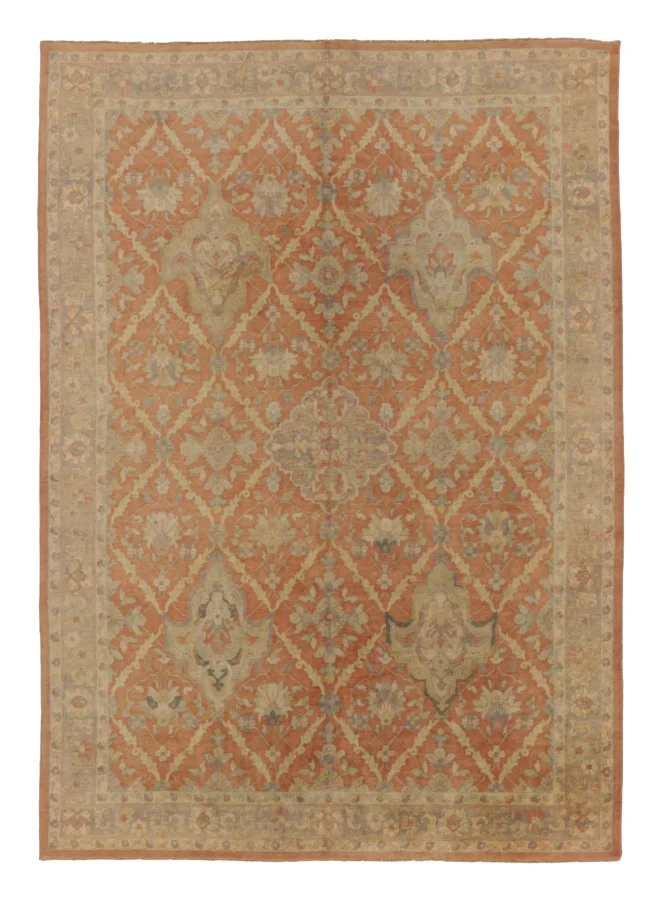
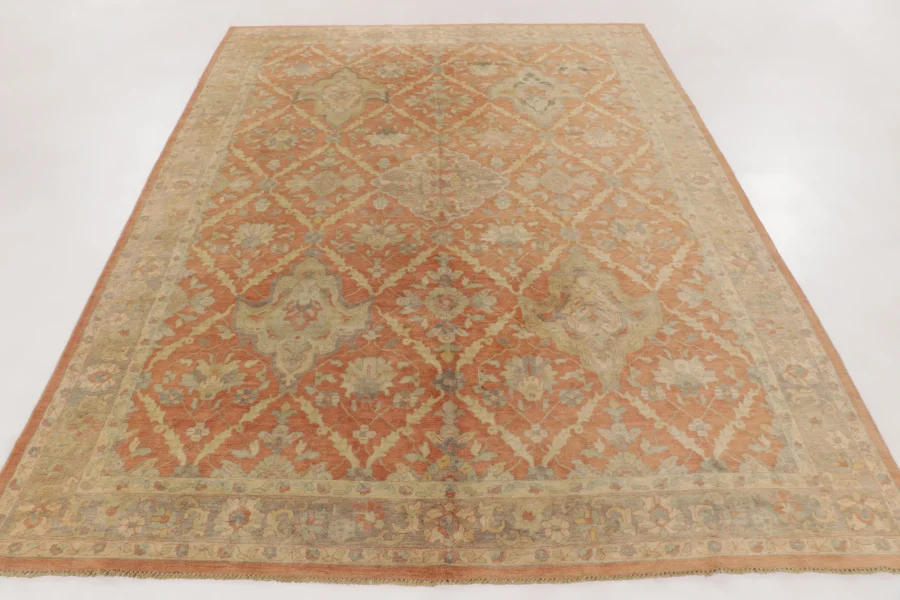 37939Antique Indian Rug with Coral & Ivory Palmette Medallion & Florals - Rug & Kilim
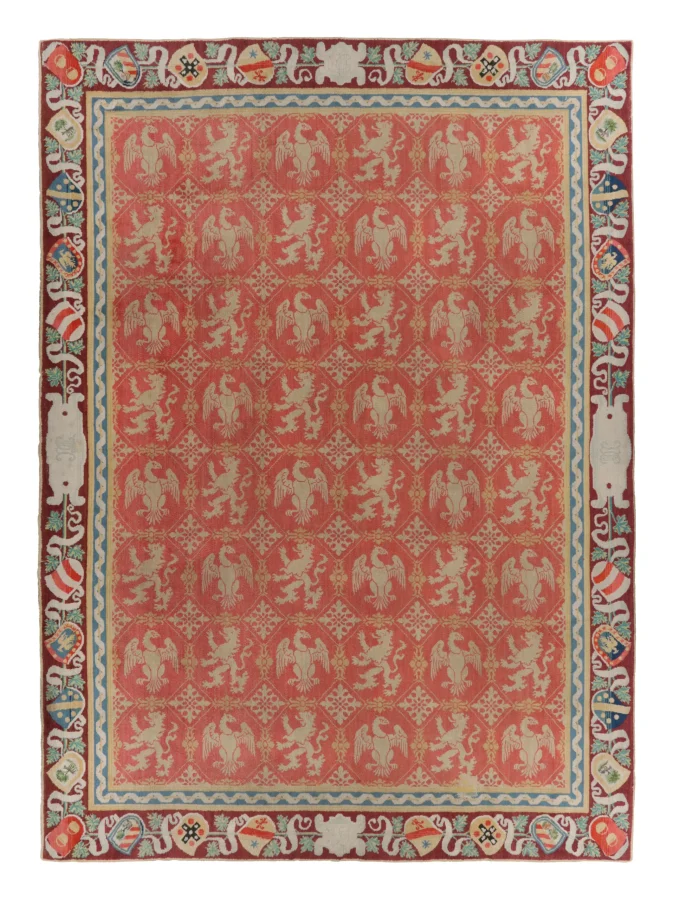
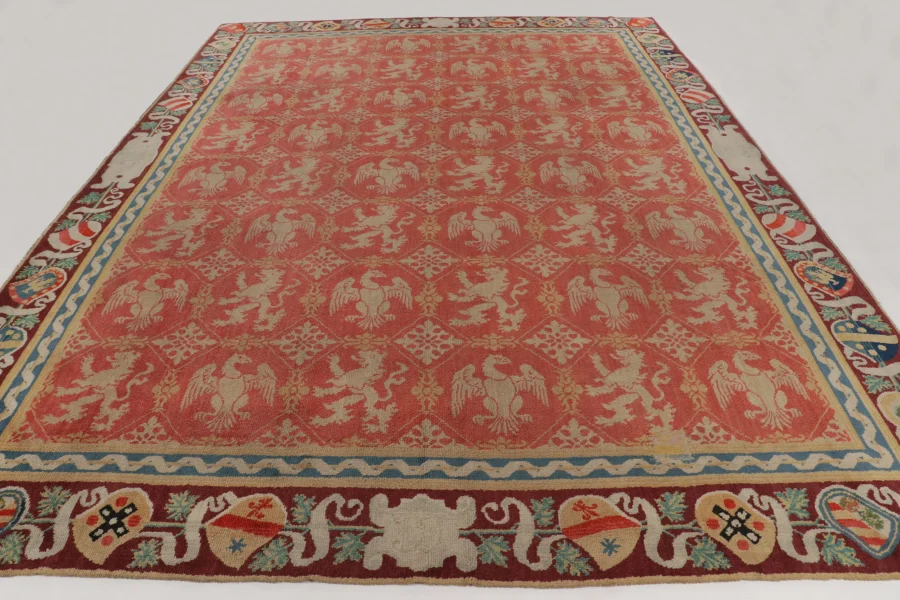 37882Oversized Antique European Pictorial Rug with Heraldic Bird Motifs - Rug & Kilim
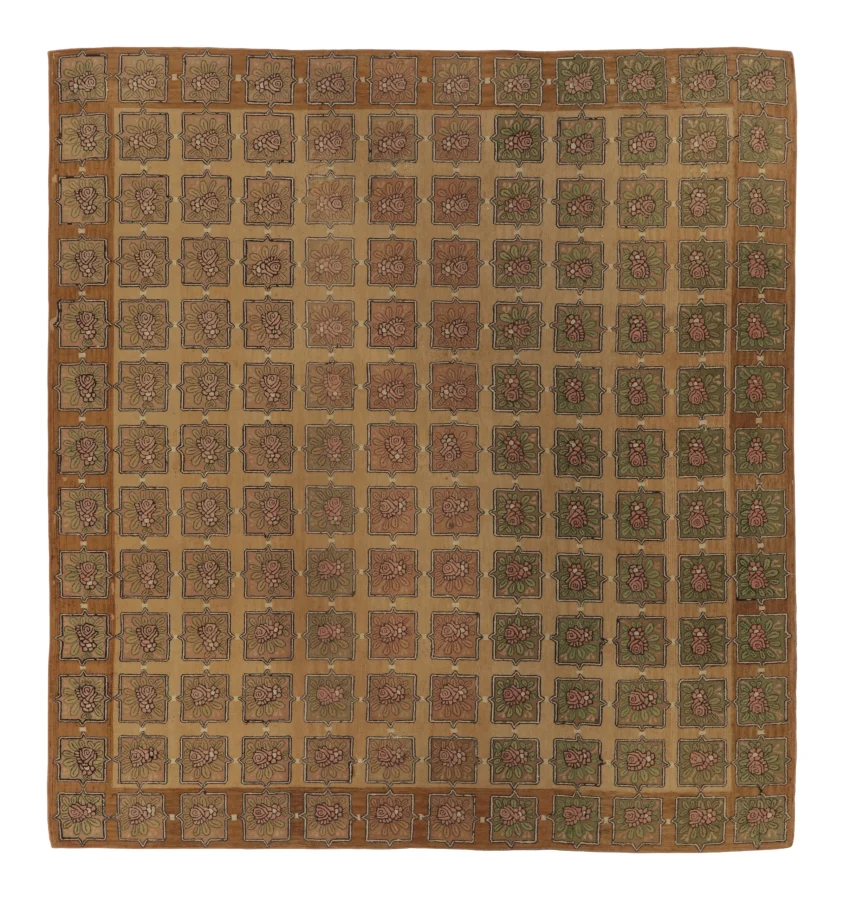
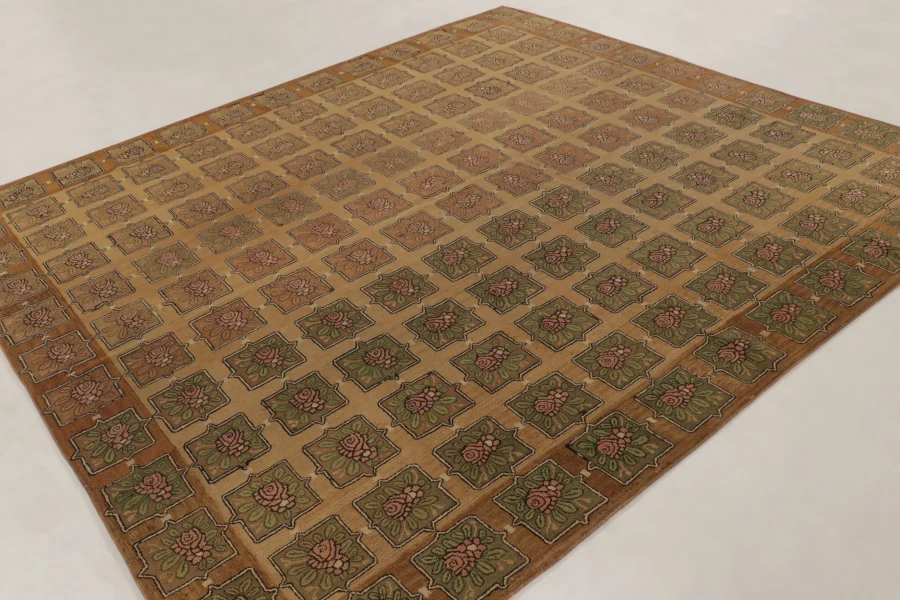 37717Antique Hooked Rug with Floral Geometric Grid in Warm Gold - Rug & Kilim
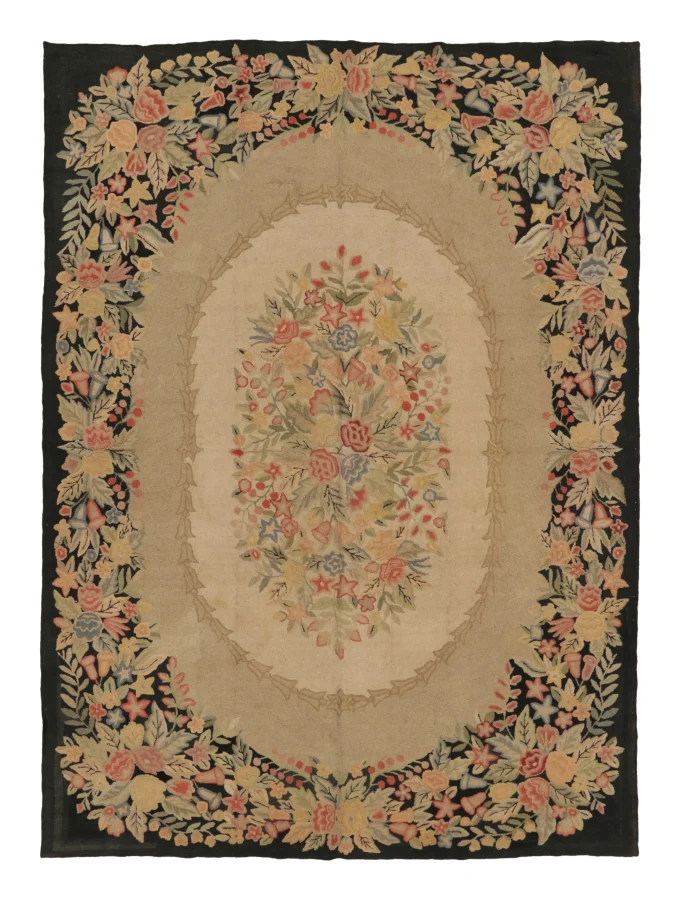
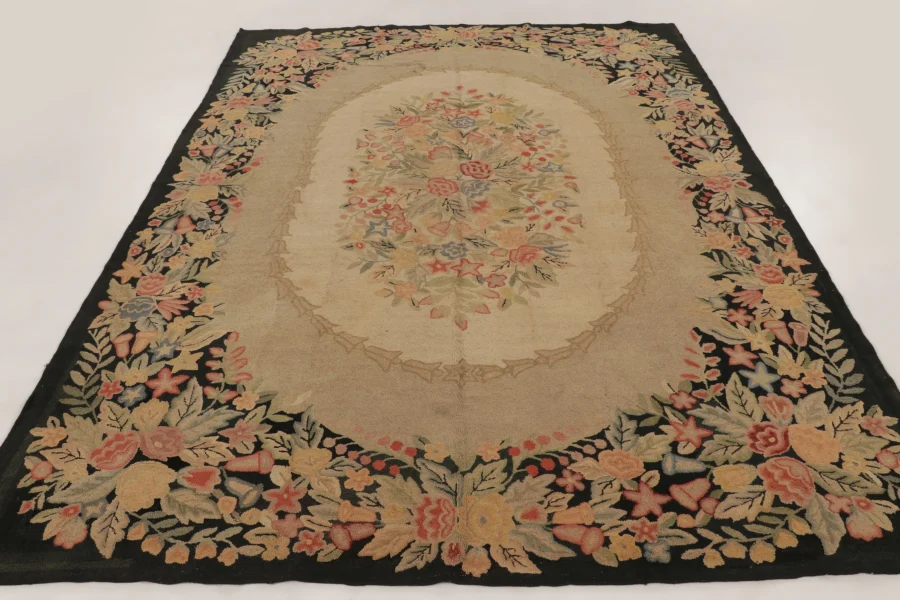 37720Antique Hooked Rug with Polychromatic Floral Wreath Medallion Design - Rug & Kilim
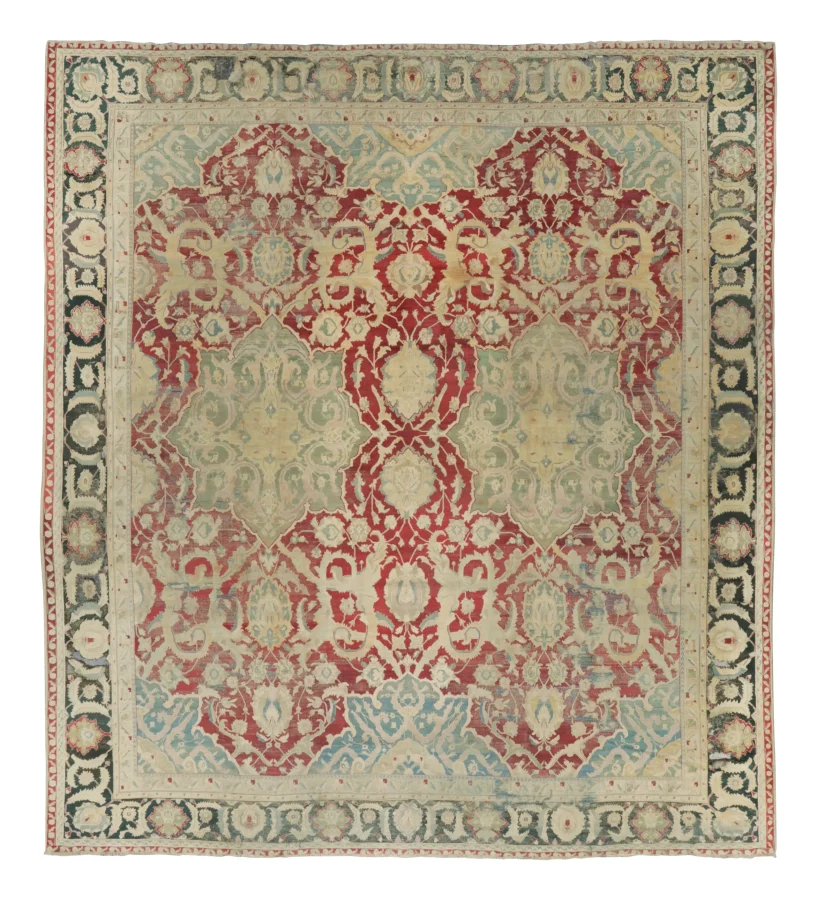
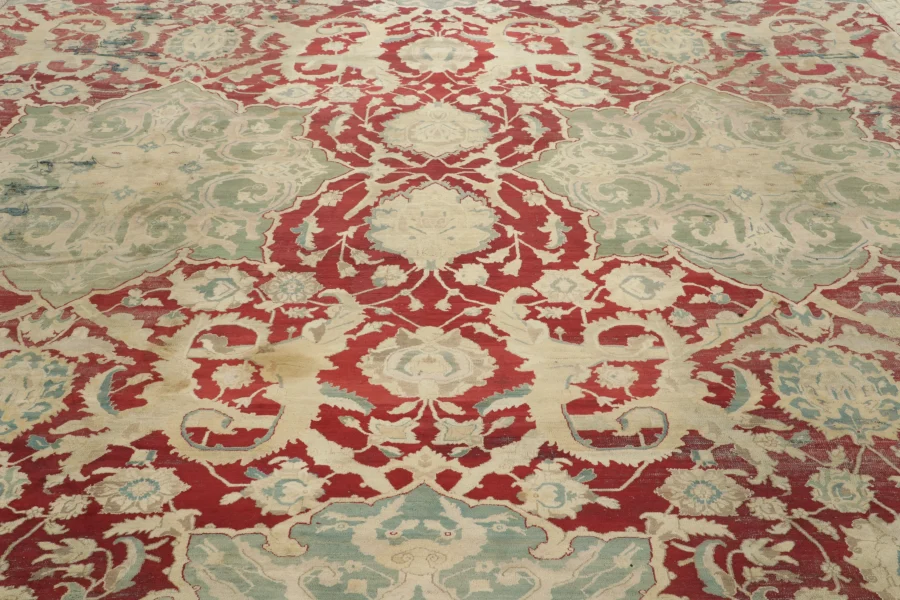 37551Antique Distressed Agra Rug with Medallions in Jewel Tones - Rug & Kilim
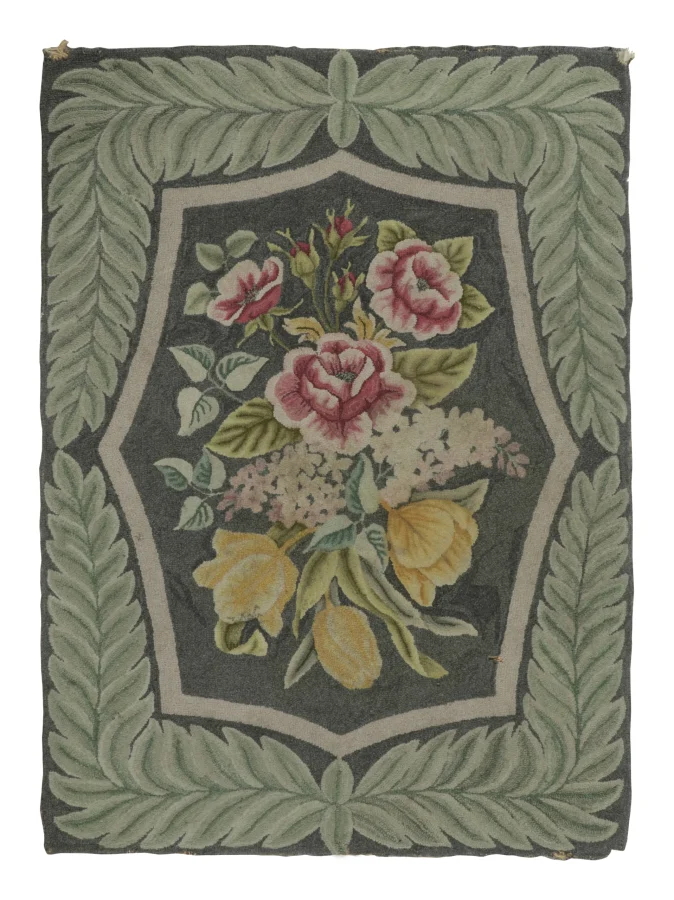
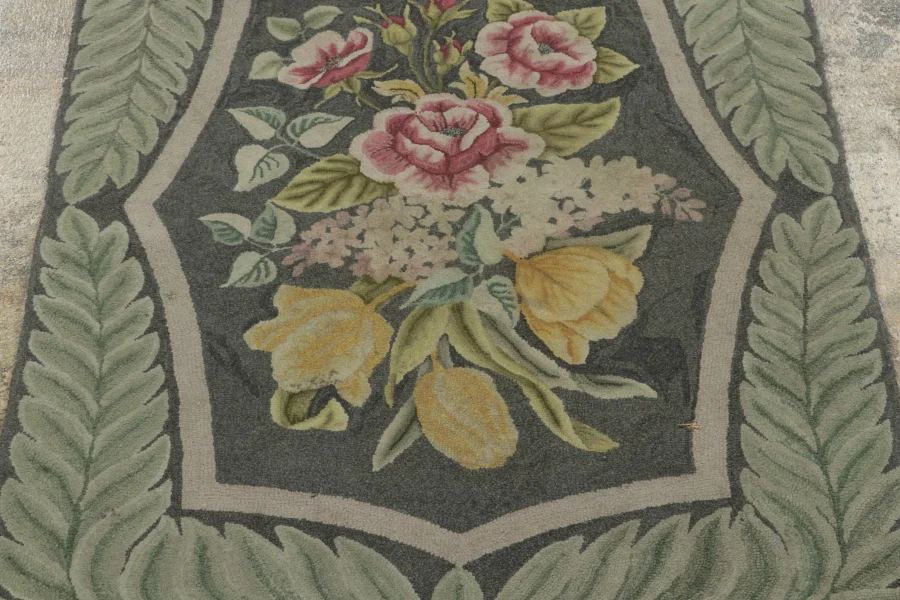 37595Antique Hooked Rug with Floral Bouquet Medallion in Soft Pastels - Rug & Kilim
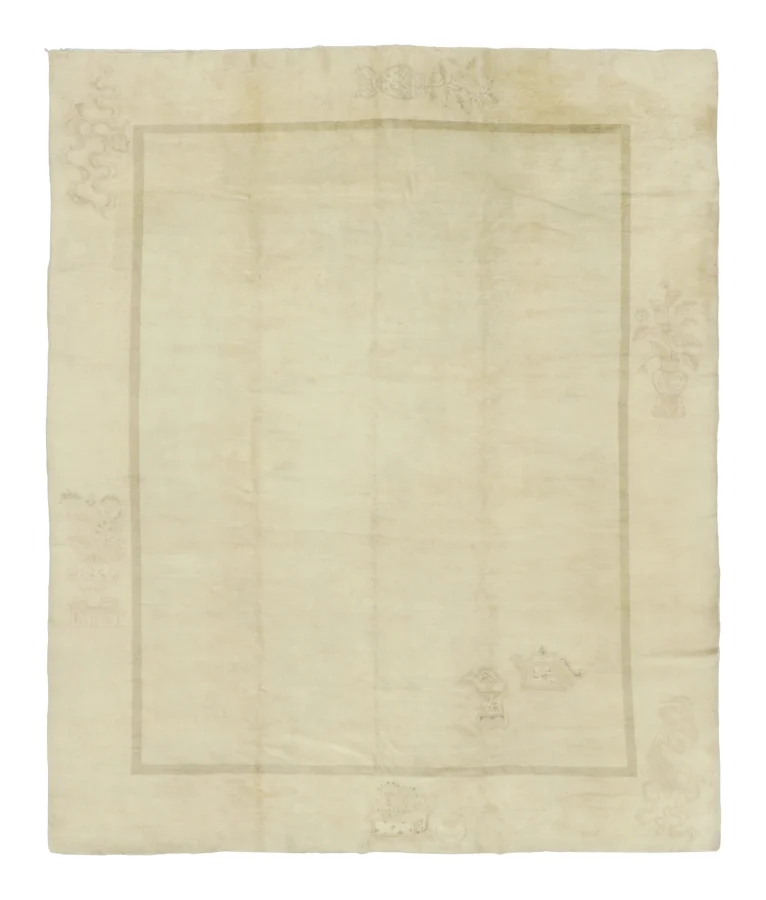
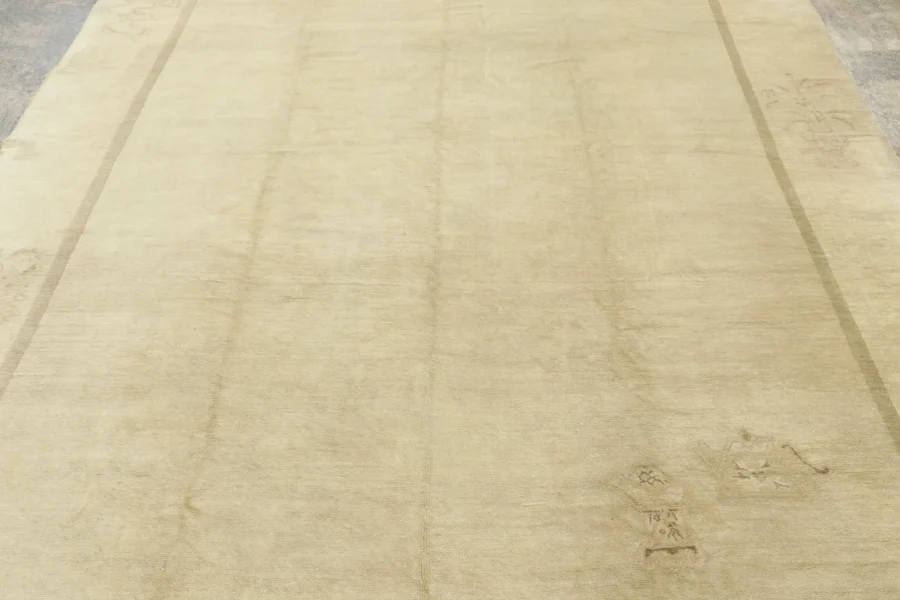 37943Antique Chinese Rug with Classic Pictorials in Beige Hues - Rug & Kilim
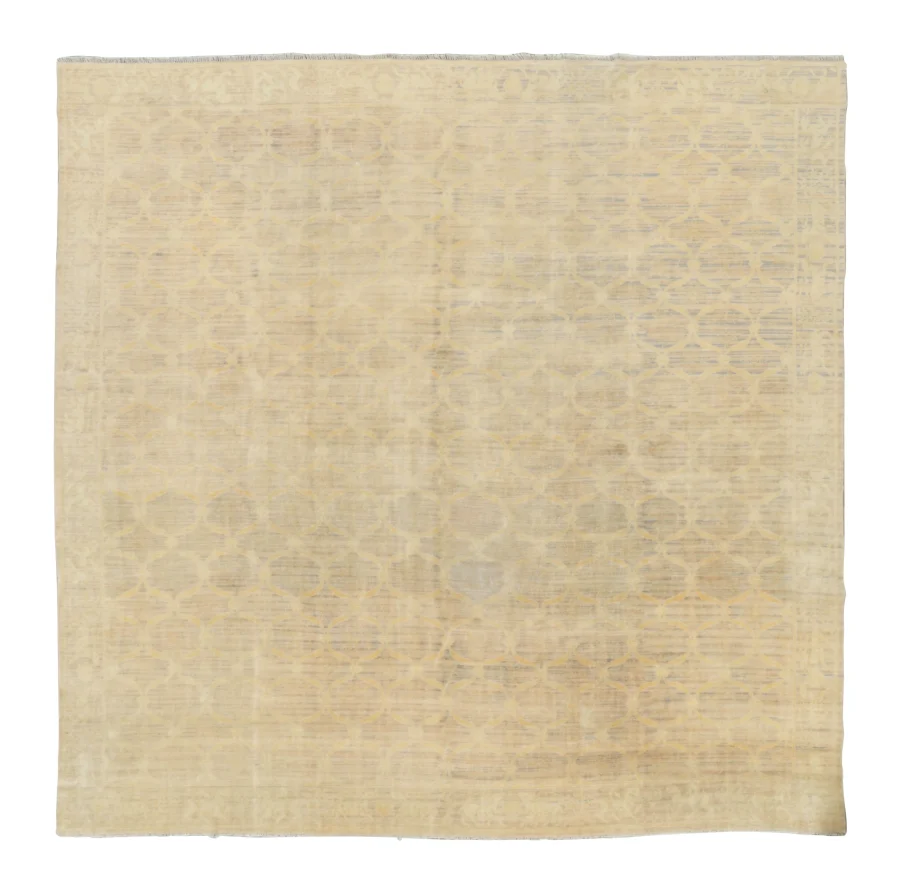
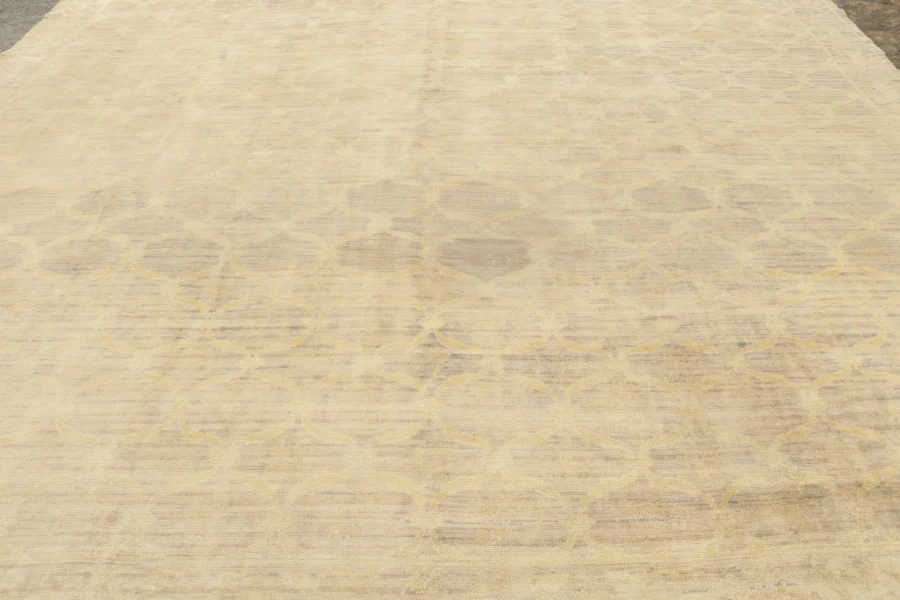 37944Antique Spanish Square Rug with Ogee Motif Trellis in Warm Beige Hues - Rug & Kilim
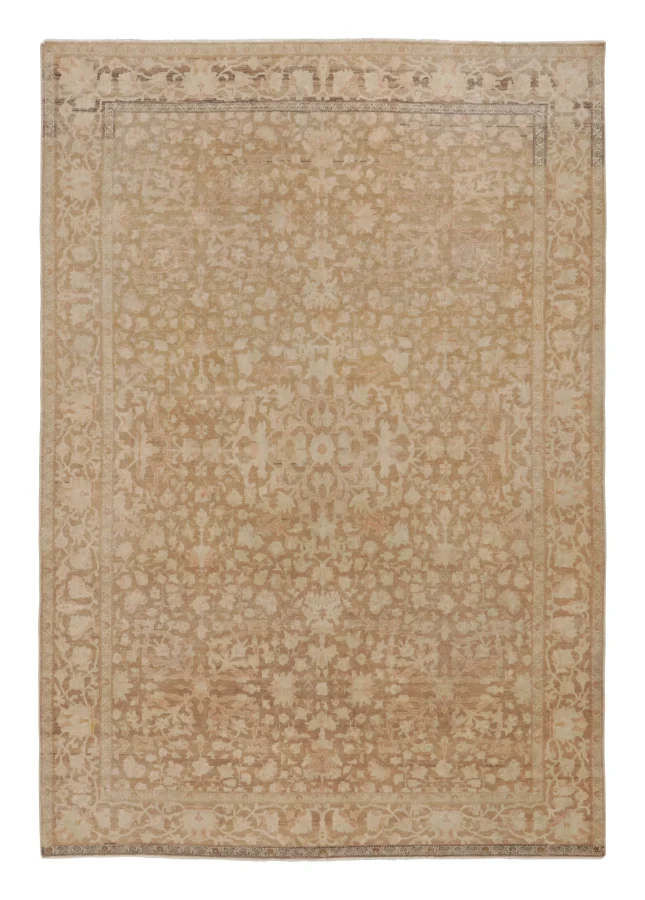
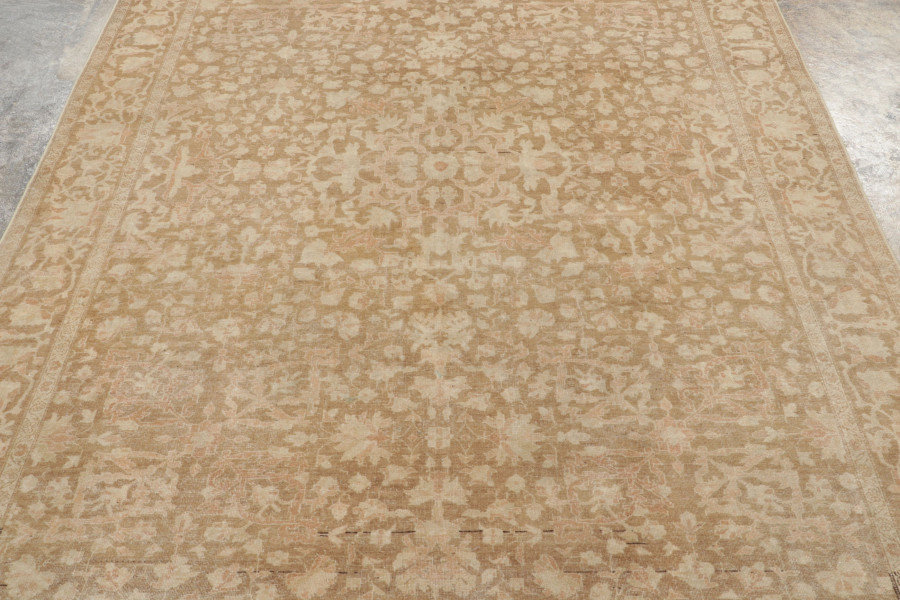 37961Antique Tabriz Rug with Medallion & Floral Design in Beige & Gold - Rug & Kilim
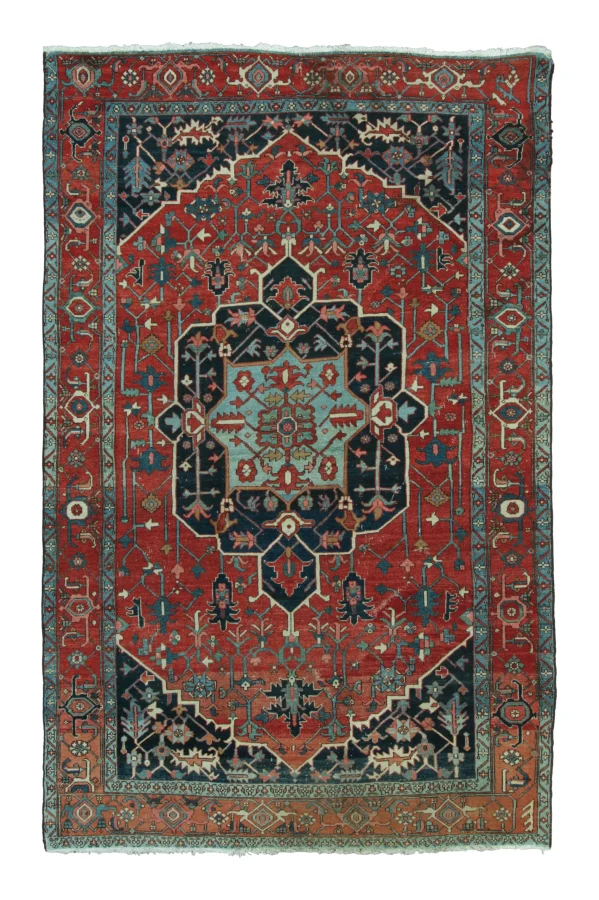
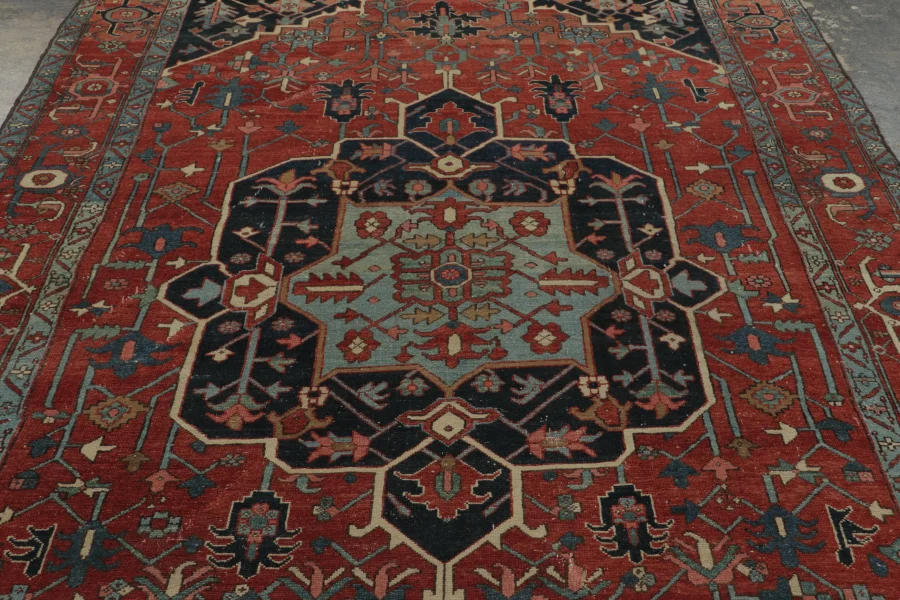 37146Antique Persian Karaje Rug with Stately Medallion & Classic Motifs - Rug & Kilim
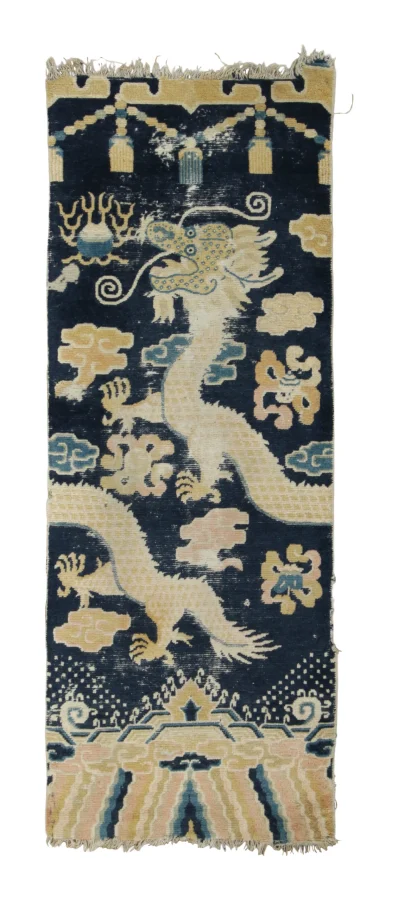
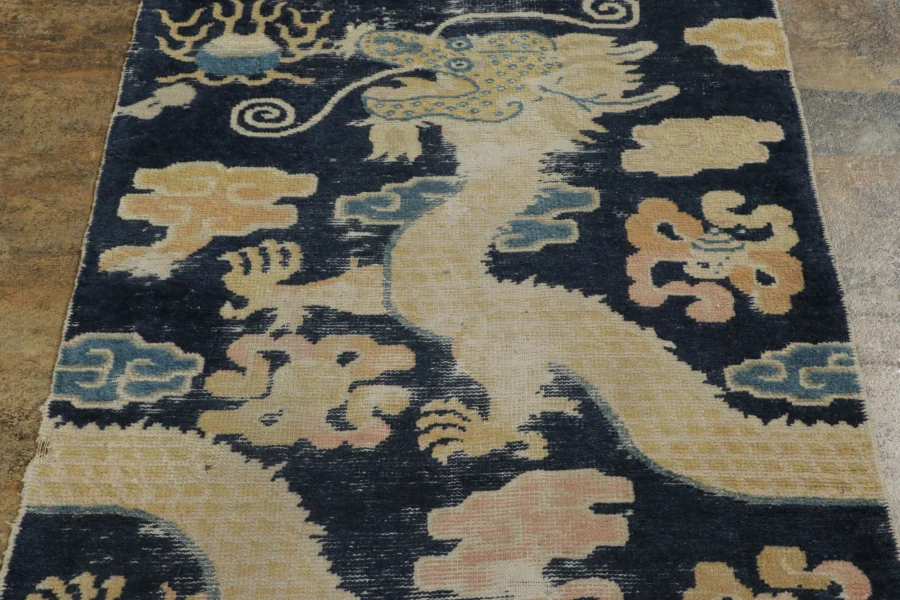 37147Antique Chinese Ningxia Pillar Runner with Imperial Dragon Pictorials - Rug & Kilim
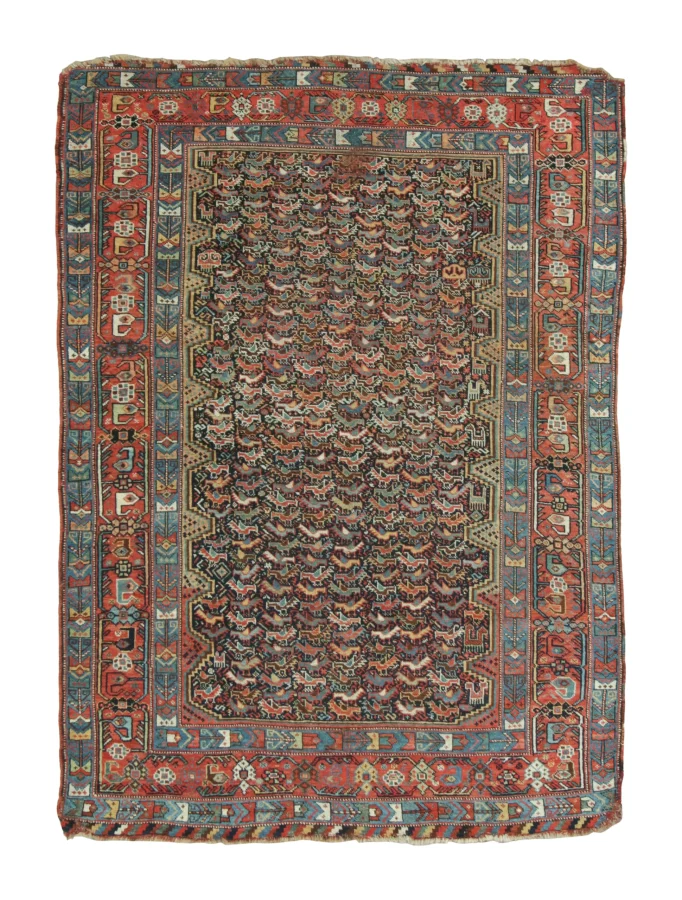
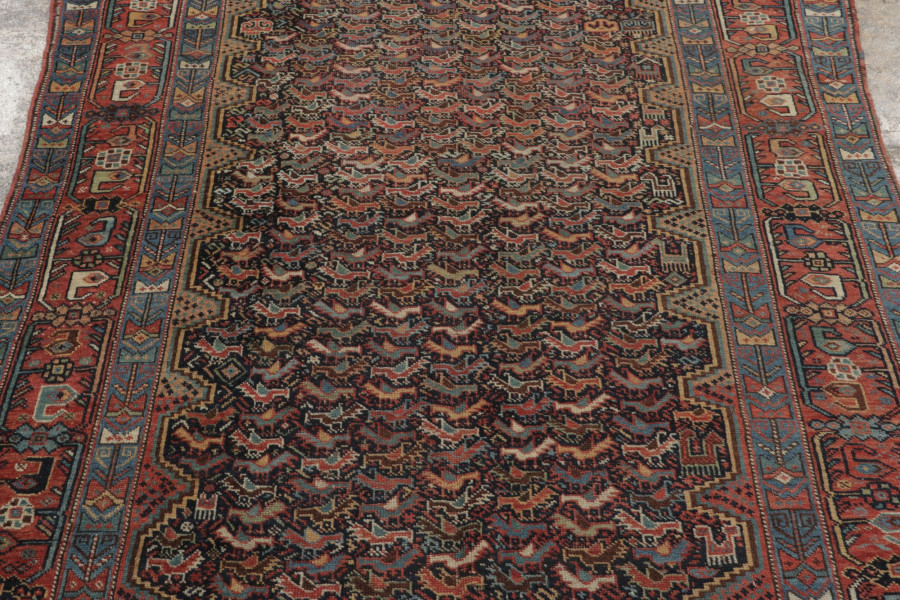 37407Antique Persian Khamseh Qashqai Rug with All-Over Stylized Bird Motifs - Rug & Kilim
Stories from the Antique Archive
Essays, artist dialogues, and provenance notes drawn from Rug & Kilim’s editorial desk.
A Guide to Axminster Rugs: History, Craftsmanship, and British Design Heritage
Among the most influential carpet traditions to emerge from Europe, Axminster rugs occupy a distinguished position within the history of decorative arts, architecture, and interior design. Renowned for their exceptional craftsmanship, technical innovation, and artistic sophistication, Axminster carpets represent one of Britain's most important contributions to the global history of textile design. Originating in the historic market town of Axminster in Devon, England, these carpets became synonymous with luxury, refinement, and excellence from the eighteenth century onward. Their influence extended far beyond Britain, shaping carpet production, interior decoration, and architectural furnishing throughout Europe, North America, and the wider world.
Read the Feature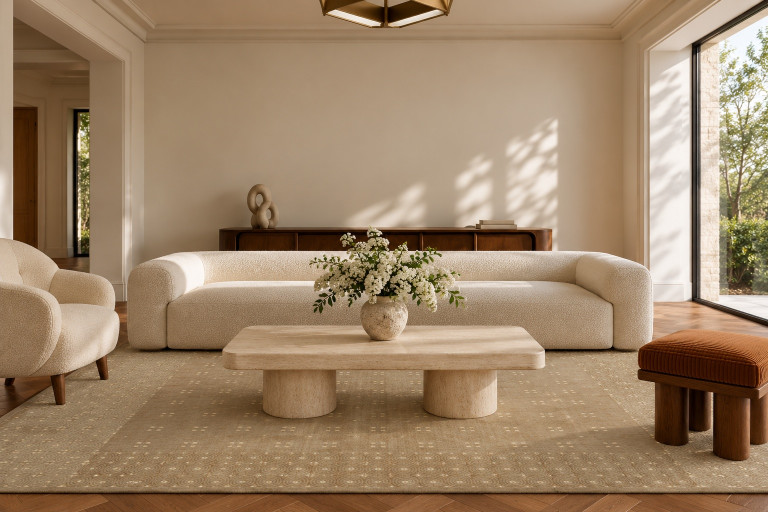
Understanding Art Deco Rugs: Modernism, Luxury, and Timeless Style
Few rug styles have influenced twentieth-century interior design as profoundly as Art Deco rugs. Emerging during one of the most transformative periods in modern cultural history, these carpets embodied the optimism, innovation, and cosmopolitan sophistication that defined the Art Deco movement. More than decorative floor coverings, Art Deco rugs became expressions of a new visual language—one rooted in modernity, luxury, architecture, and artistic experimentation. Unlike traditional Persian carpets that emphasized centuries-old motifs and weaving conventions, Art Deco rugs embraced a distinctly modern perspective. Their compositions drew inspiration from architecture, industrial design, fine art, fashion, travel, and technological progress. The result was a new generation of carpets that transformed the role of textiles within contemporary interiors.
Read the Feature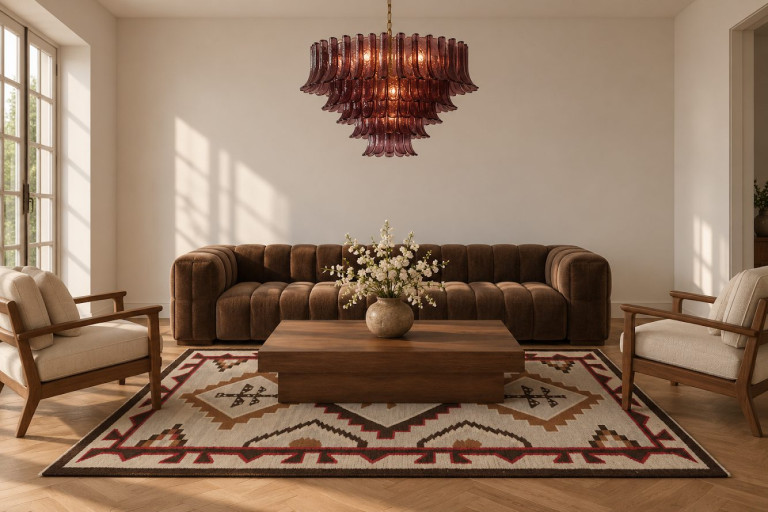
Navajo Rugs: History, Art, Design & the Legacy of Diné Weaving
Navajo rugs occupy a singular position within the history of American textile art. Woven by Diné artists across the American Southwest, these textiles represent far more than a regional decorative tradition. They embody generations of knowledge surrounding sheep, wool, spinning, natural materials, color, geometry, landscape, community, and cultural continuity. From nineteenth-century blankets to the celebrated regional rugs of the early twentieth century—and from Two Grey Hills and Ganado to sophisticated contemporary works—Navajo weaving has continually demonstrated the ability of textile art to function simultaneously as cultural expression, design, craftsmanship, and fine art.
Read the Feature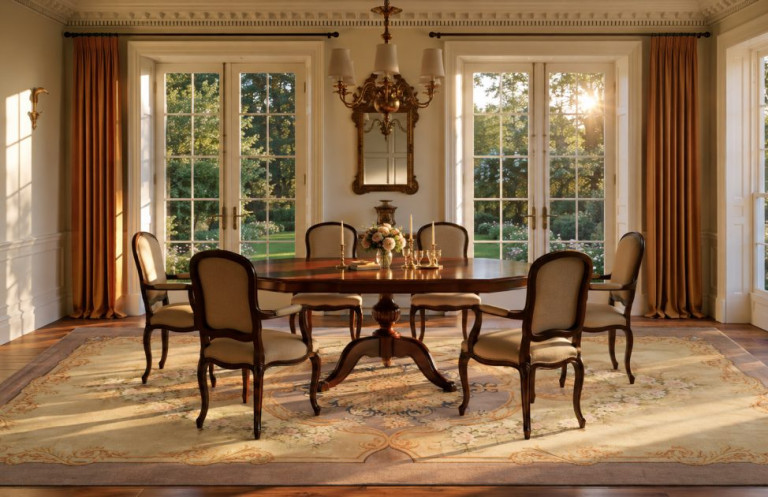
The House the European Stuycks Kept: Madrid’s Royal Loom, Goya’s Cartoons, and the Spanish Carpet
There is a building in Madrid, a short walk from the Atocha station, where the same craft has been practiced without interruption for more than three hundred years. Its brick and its Neo-Mudéjar arches were raised in the nineteenth century, but the work carried on inside them belongs to a lineage older still, to 1720, when Philip V, having lost the Flemish tapestry workshops of the Spanish Netherlands to the Peace of Utrecht, resolved that Spain would simply make its own. He summoned a family of Flemish weavers, the Vandergotens, to Madrid, and founded the Real Fábrica de Tapices de Santa Bárbara. Three centuries later, in the presence of the King and Queen of Spain, the factory marked its tercentenary as one of the last places on earth where royal weaving continues by the hand, exactly as it always has.
Read the Feature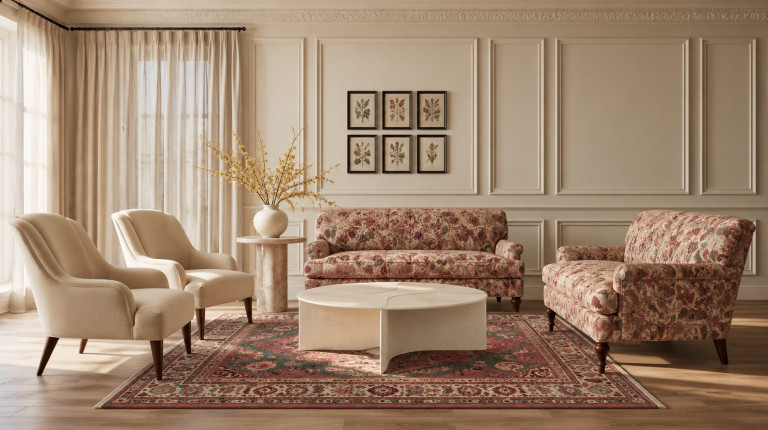
Anatolian Rugs: From Seljuk Origins to Contemporary Luxury Spaces
Among the world's most influential textile traditions, Anatolian rugs occupy a singular position in the history of decorative arts. Emerging from the vast cultural landscape of Anatolia—modern-day Turkey—these carpets represent centuries of artistic exchange between Asia, Europe, the Middle East, and the Mediterranean world. Few weaving traditions have exercised a greater influence on the evolution of carpet design. From Ottoman palaces and Seljuk courts to Renaissance paintings and contemporary luxury interiors, Anatolian rugs have continuously shaped the visual language of textile art. Unlike carpets associated with a single tribe, city, or dynasty, Anatolian rugs encompass an extraordinary range of regional traditions. The result is a diverse yet interconnected weaving culture characterized by bold geometry, symbolic motifs, sophisticated color palettes, and remarkable craftsmanship.
Read the Feature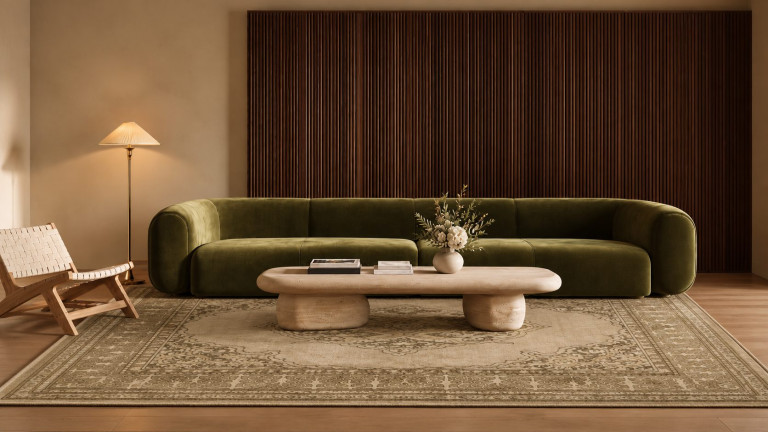
A Guide to Amritsar Rugs: History, Craftsmanship, and Contemporary Luxury Design
Among the most sophisticated carpet traditions to emerge from the Indian subcontinent, Amritsar rugs occupy a unique position at the intersection of Indian craftsmanship, Persian design heritage, and European decorative sensibilities. Woven primarily during the late nineteenth and early twentieth centuries in the historic city of Amritsar in Punjab, these carpets represent one of the most distinctive chapters in the history of global textile art. Unlike the highly formal court carpets of Mughal India or the deeply tribal traditions of nomadic weaving cultures, Amritsar rugs developed their own visual identity. Their character is defined by spacious compositions, softened palettes, oversized motifs, and a remarkable sense of decorative restraint. These qualities have allowed Amritsar carpets to transcend historical classification and remain profoundly relevant within contemporary luxury interiors.
Read the Feature