
The Jahanshah Collection
The Royal Collection is an unparalleled curation of the finest rugs, kilims, and tapestries in our archive. Representing decades of discerning acquisitions, the collection brings together masterworks that reflect the highest achievements in textile art, pieces that embody rare technique, cultural heritage, and uncompromising quality. Each work stands as a testament to the artistry and mastery of its origin, offering a glimpse into the enduring value of thoughtful design and time-honored craftsmanship.
- Under 6 x 9
- Runners
- 6 x 9
- 8 x 10
- 9 x 12
- 10 x 14
- 12 x 15
- Over 12 x 15
- Persian
- European
Origin ▼
Style ▼
Material ▼
Width
Length
To connect with a specialist, click here
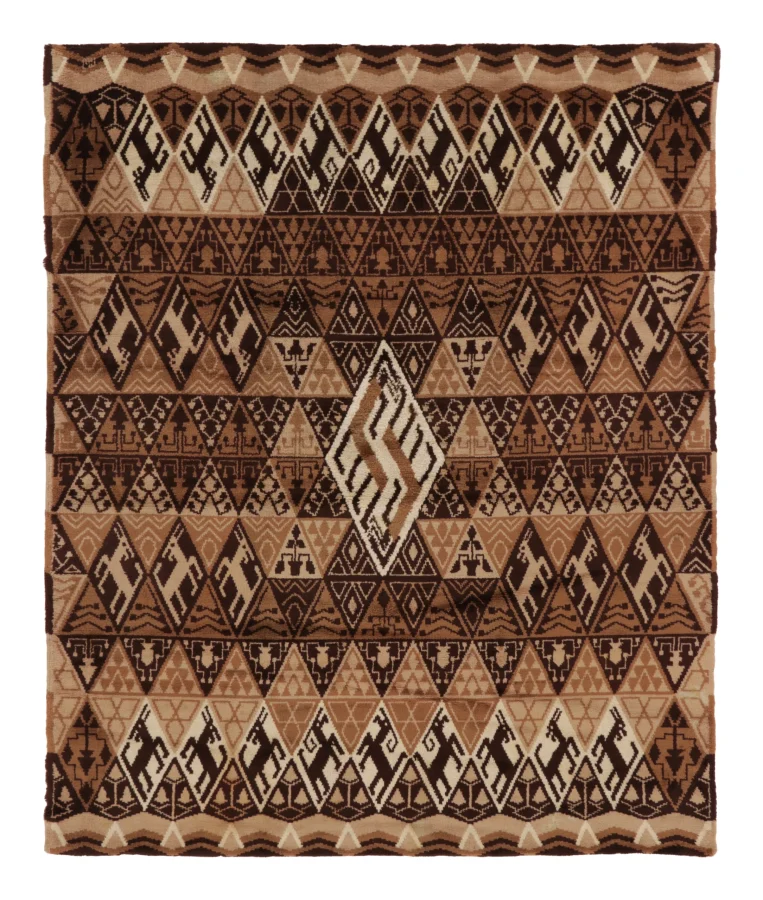
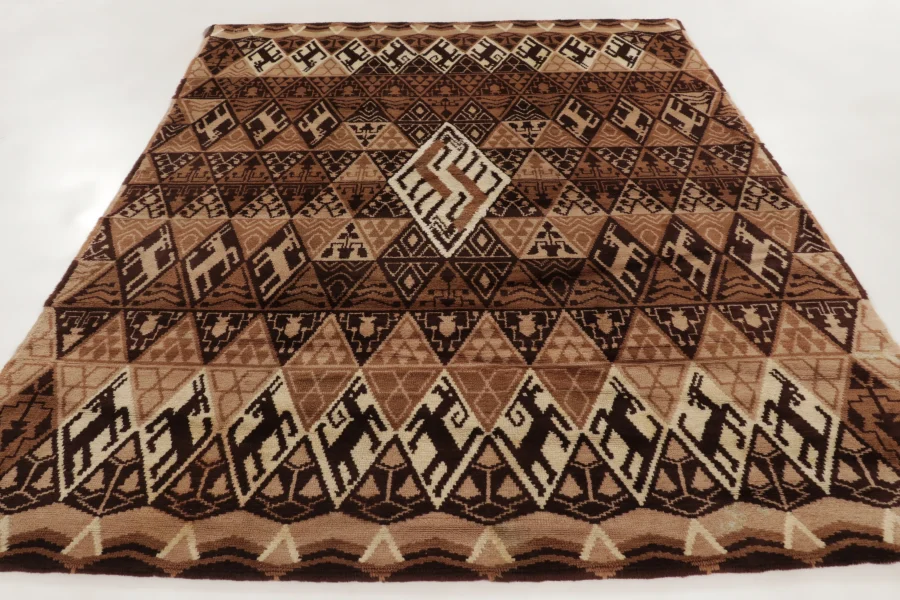 37443Vintage French Rug in Brown with Stylized Geometric Pictorials - Rug & Kilim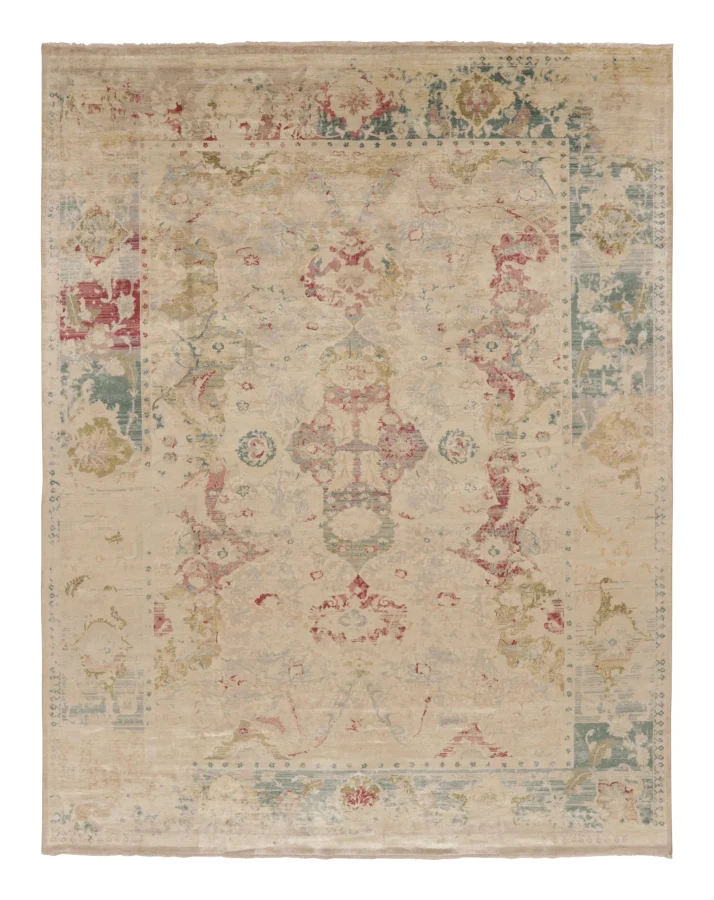
 36552Rug & Kilim’s Modern Polonaise Rug with Florals in Beige & Muted Pastels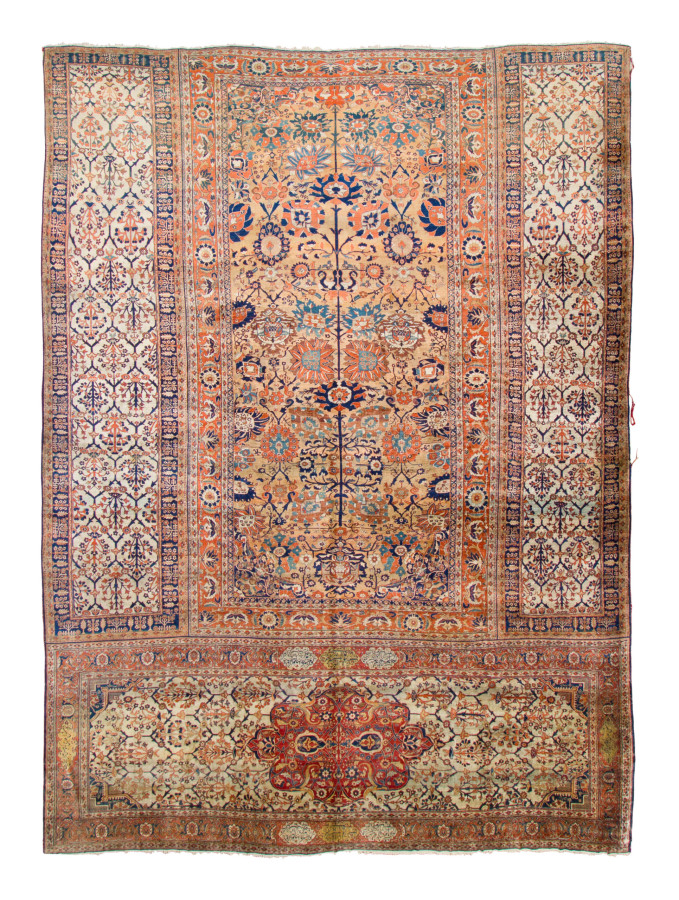
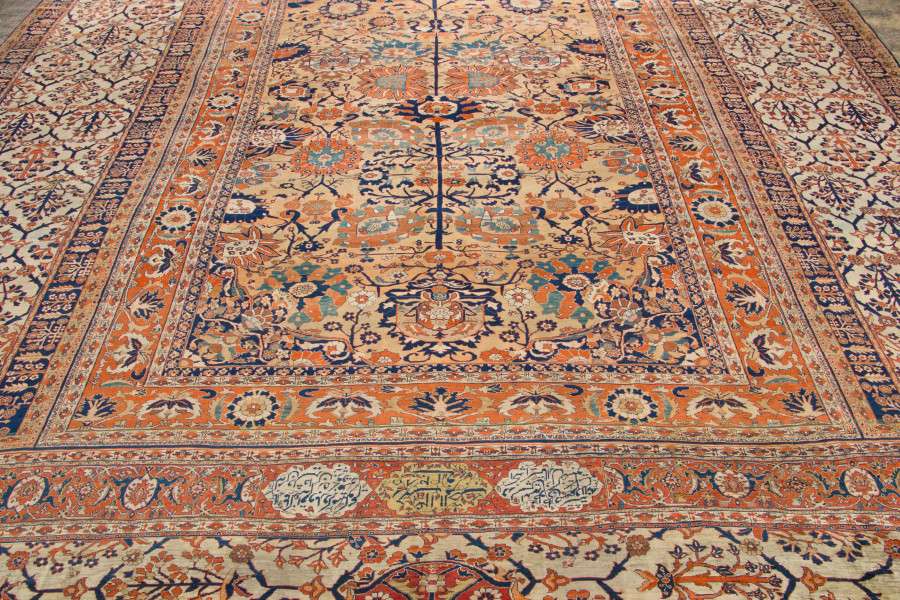 37956Antique 19th Century Rare Persian Heriz Triclinium Silk Carpet with Hafez Ghazals & Medallions - Rug & Kilim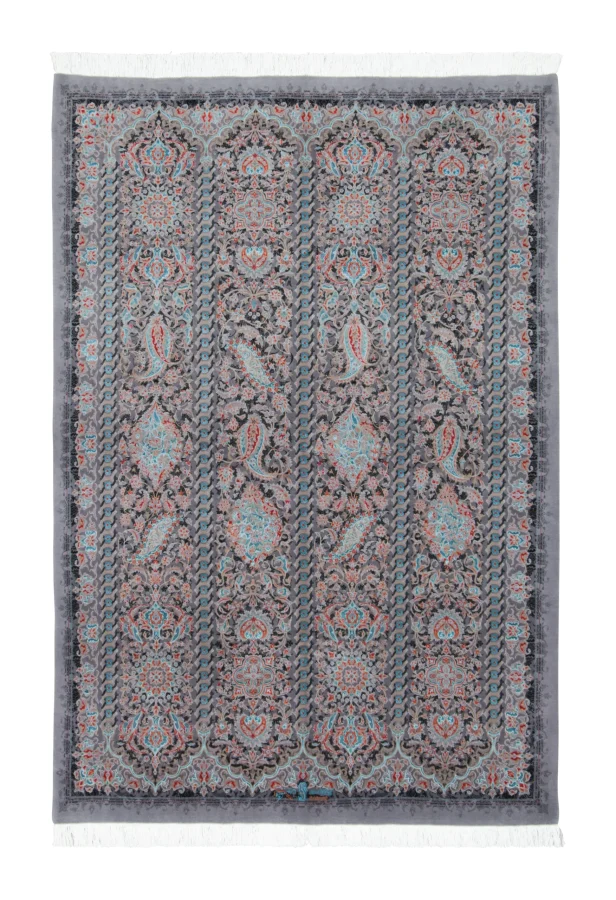
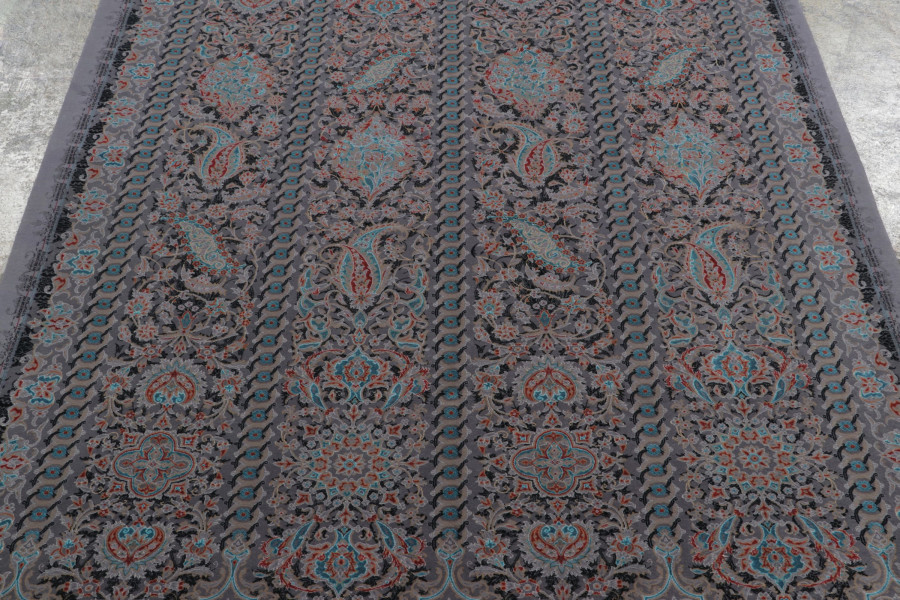 37324Rug & Kilim’s Contemporary Floral Rug with Dense Paisley Florals in Jewel Tones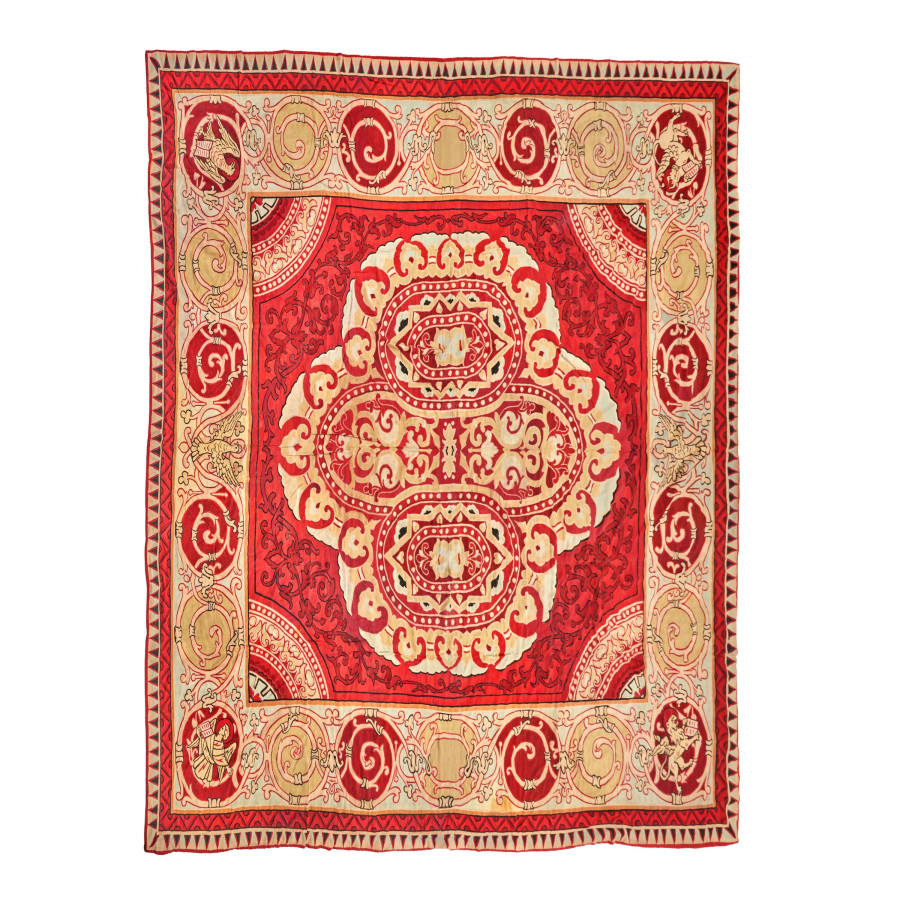
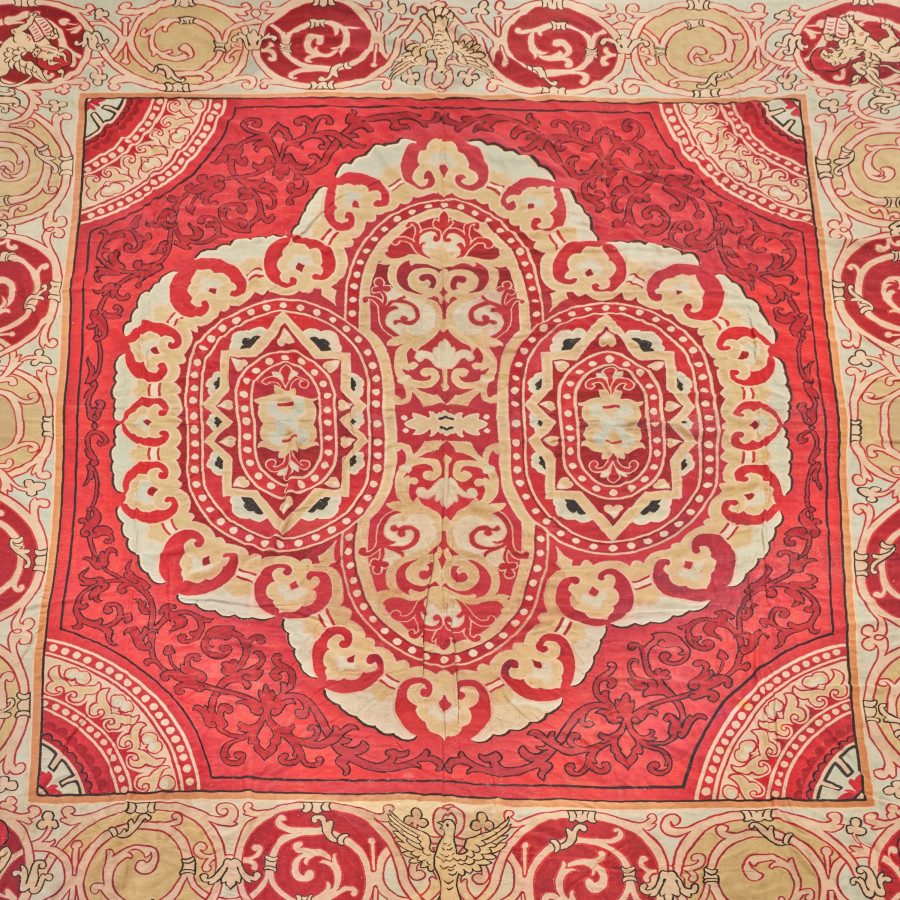 37486Oversized Antique 18th Century French Aubusson ‘Louis Philippe Rug’ - Rug & Kilim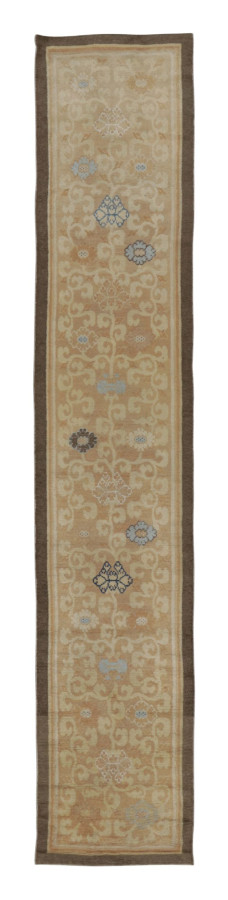
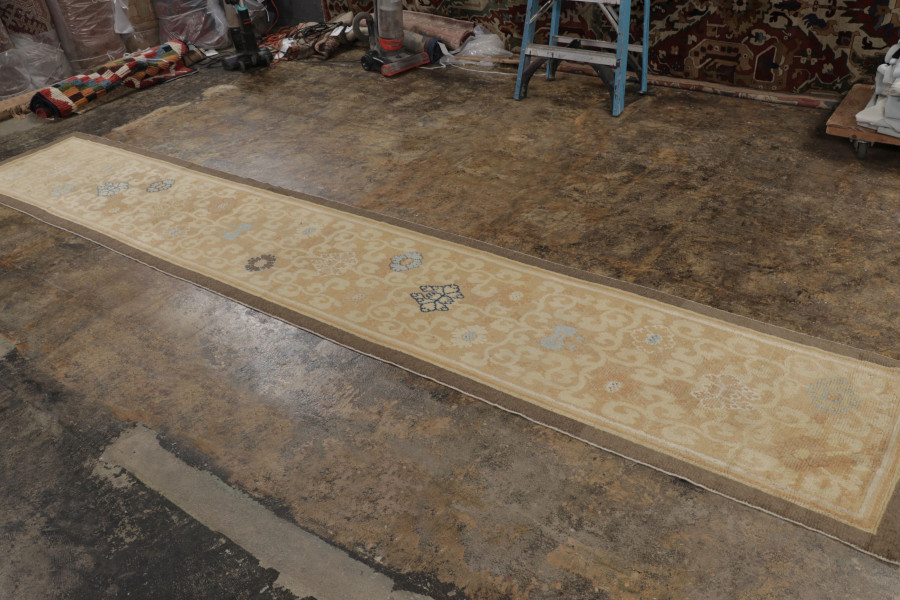 37483Antique 17th Century Chinese Ming Runner with Lotus & Peony Design - Rug & Kilim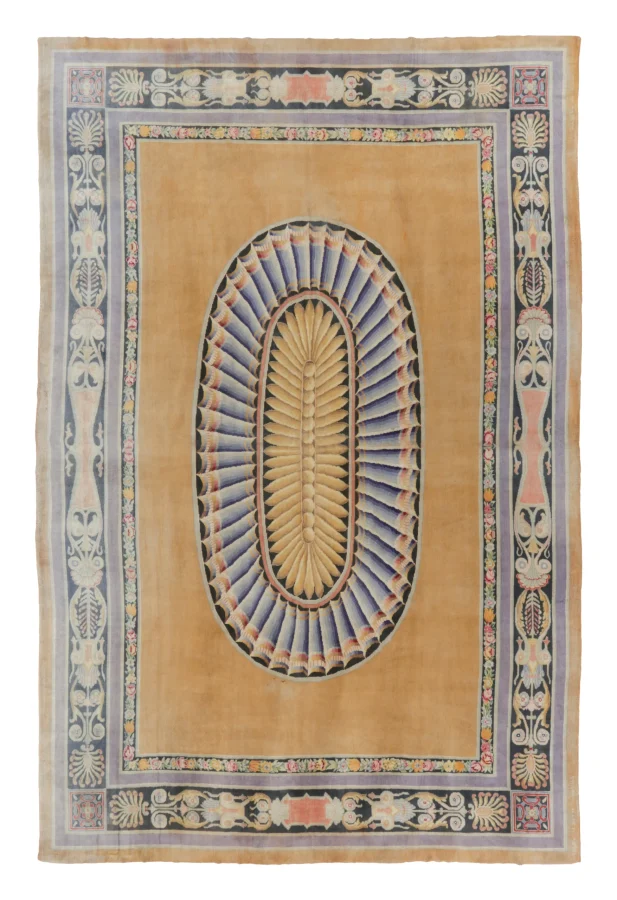
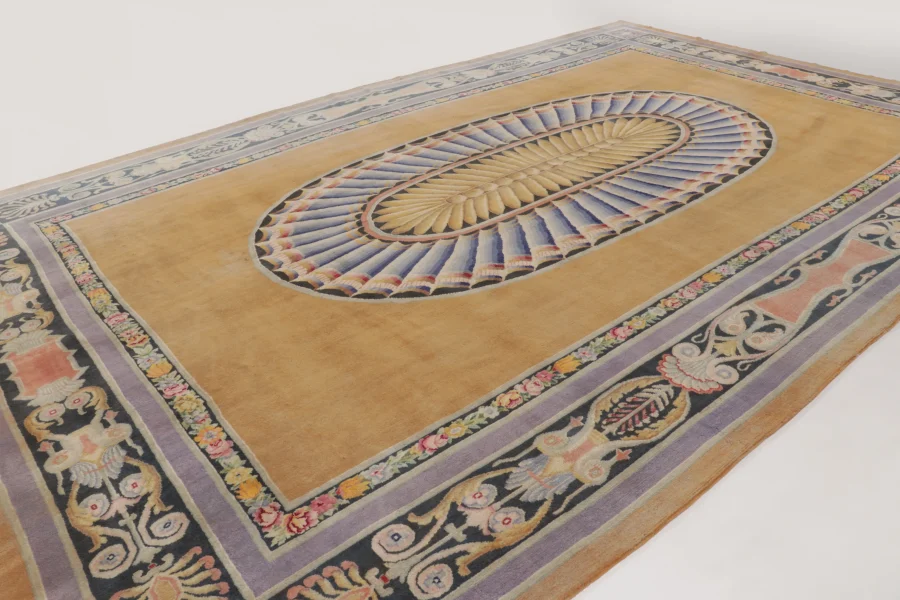 37148Oversized Antique Spanish Savonnerie Rug with Stately Medallion - Rug & Kilim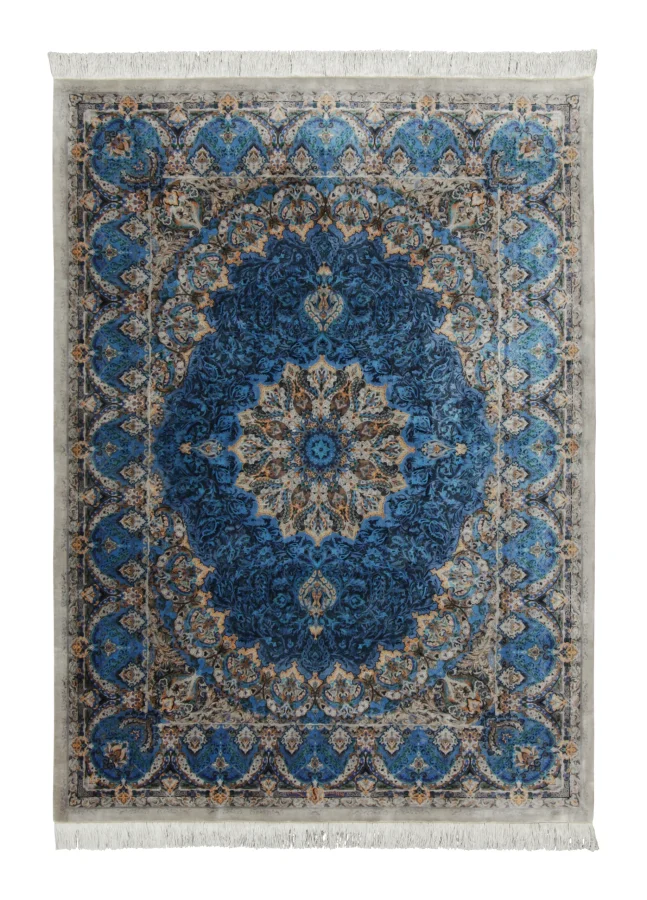
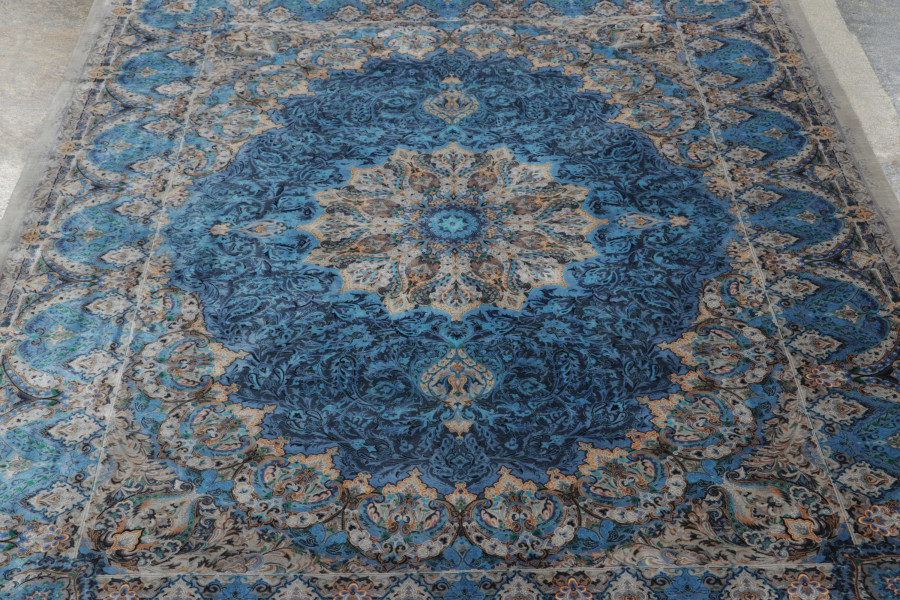 37326Rug & Kilim’s Modern Persian Rug with Intricate Medallion in Ocean Hues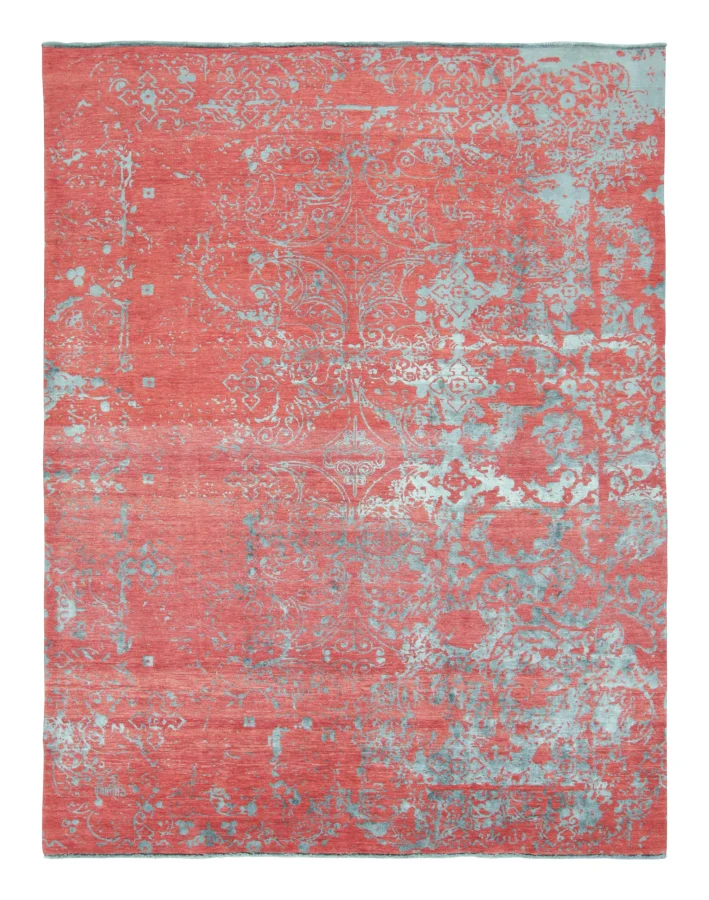
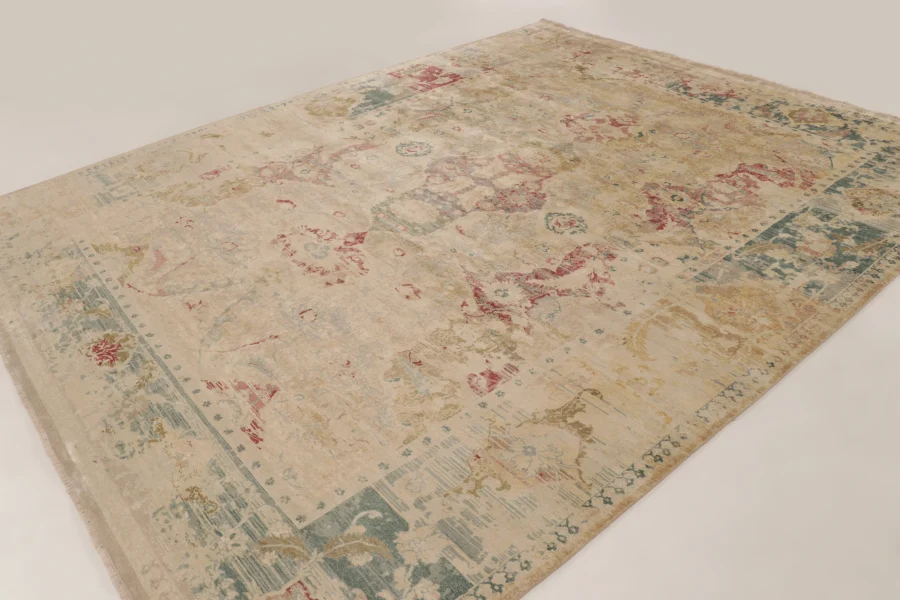
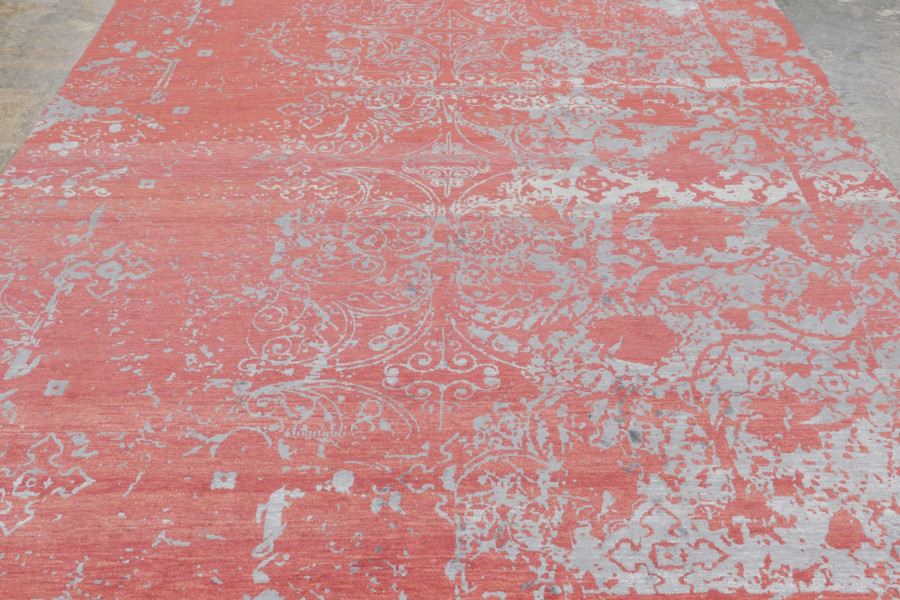 37325Rug & Kilim’s Distressed Modern Rug with Abstract Florals in Coral & Gray Hues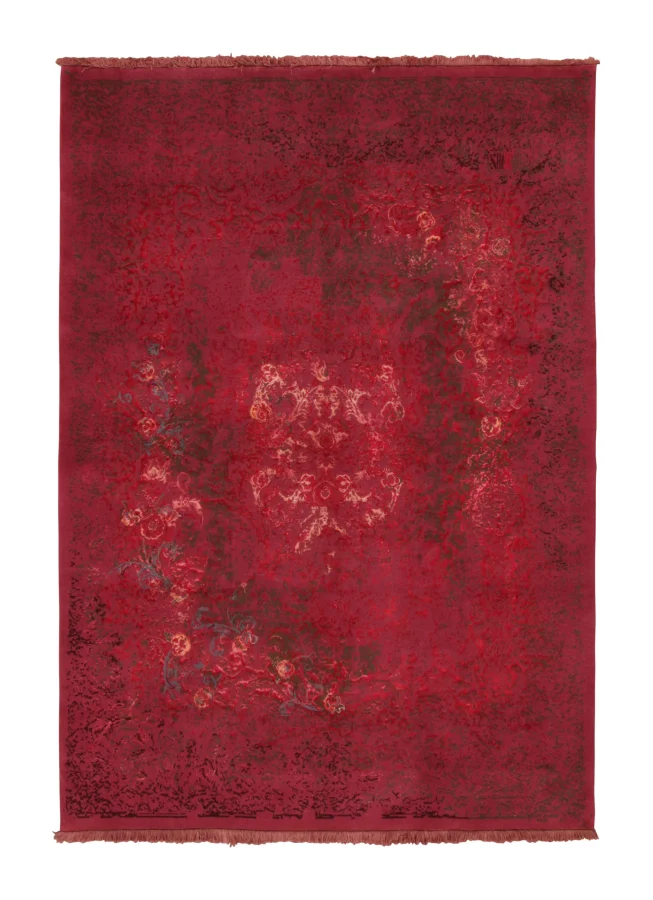
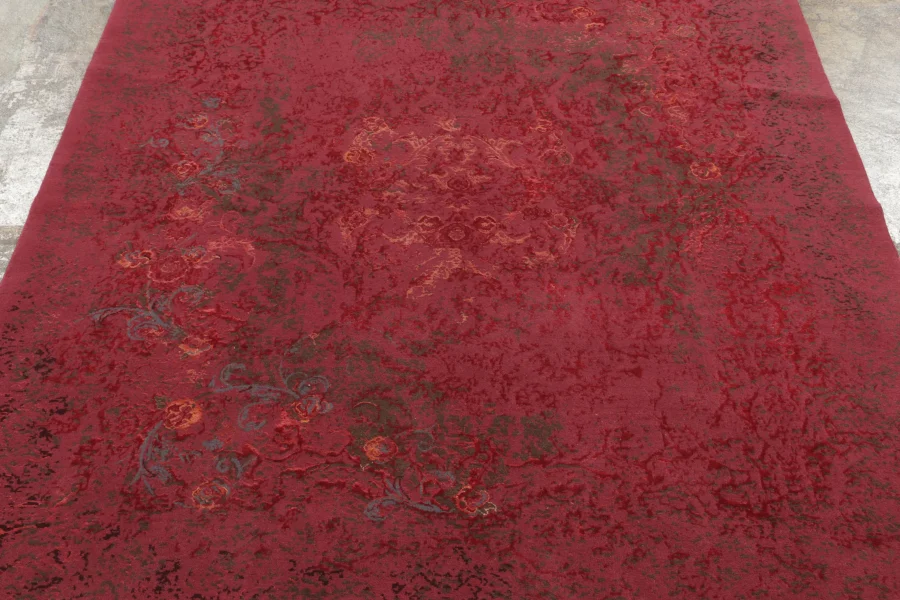 37321Rug & Kilim’s Distressed Contemporary Floral Rug Pair, in Bright Red & Pink Hues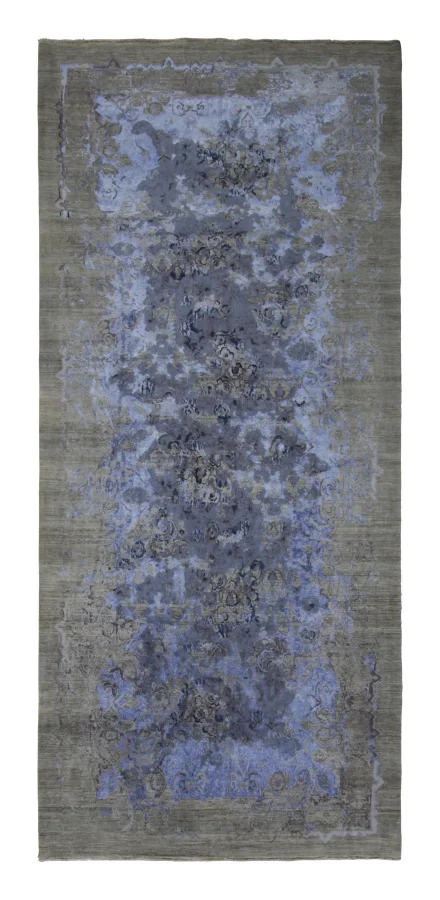
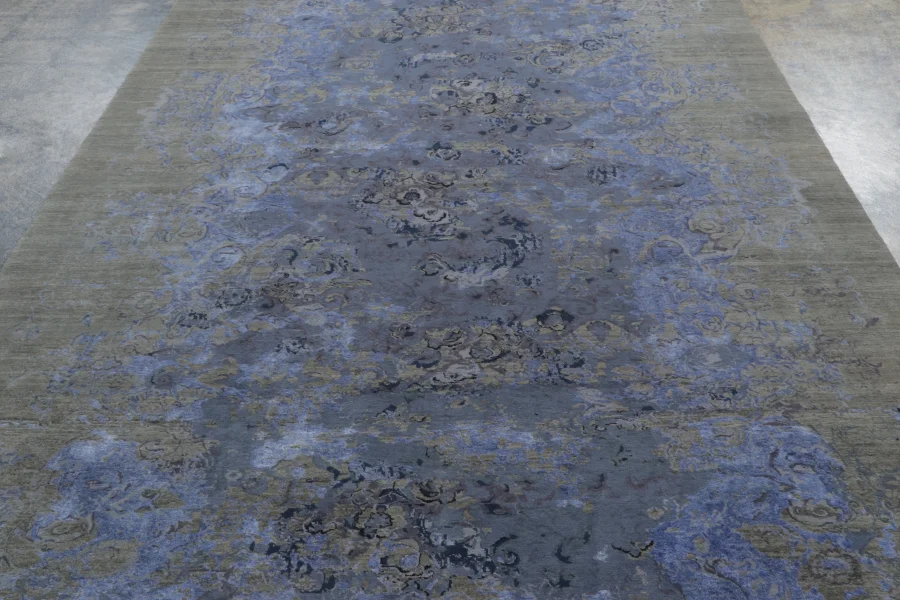 37320Rug & Kilim’s Distressed Modern Runner with Abstract Florals in Muted Blue & Green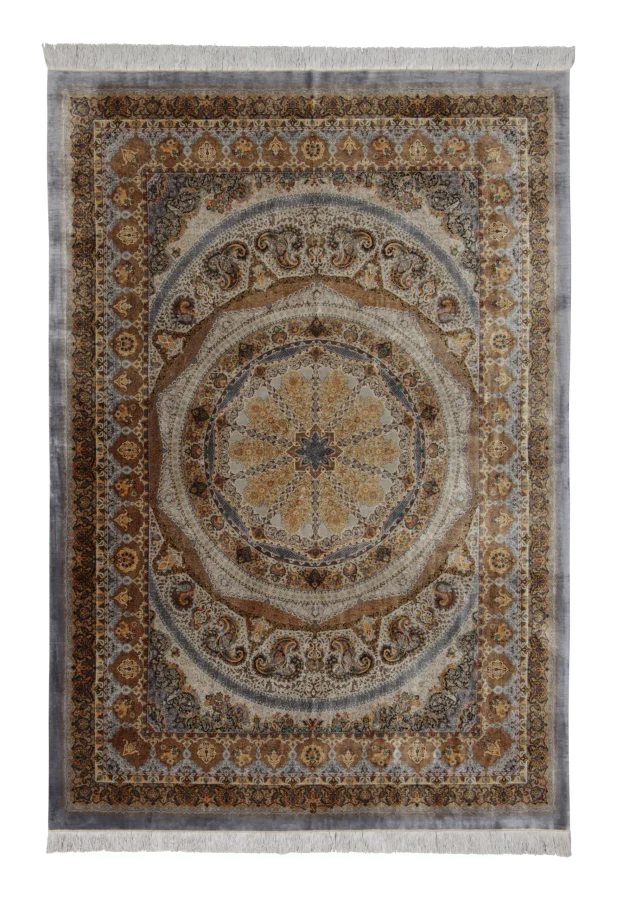
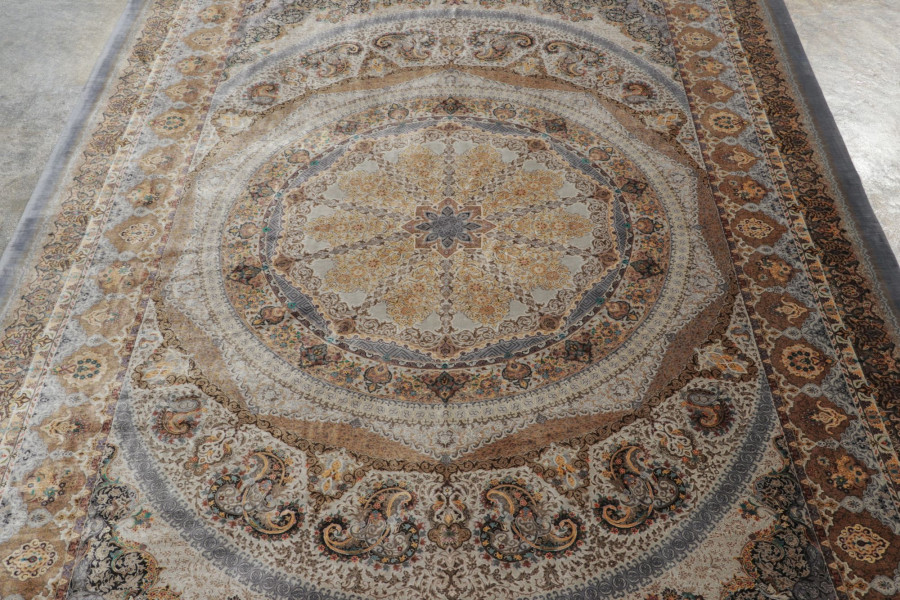 37319Rug & Kilim’s Modern Persian Rug with Stately Central Medallion in Brown Hues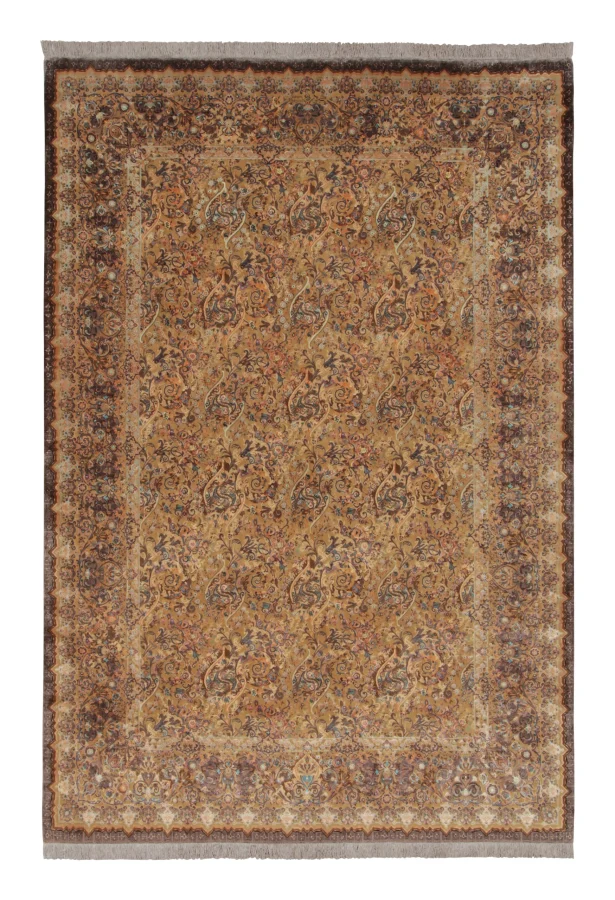
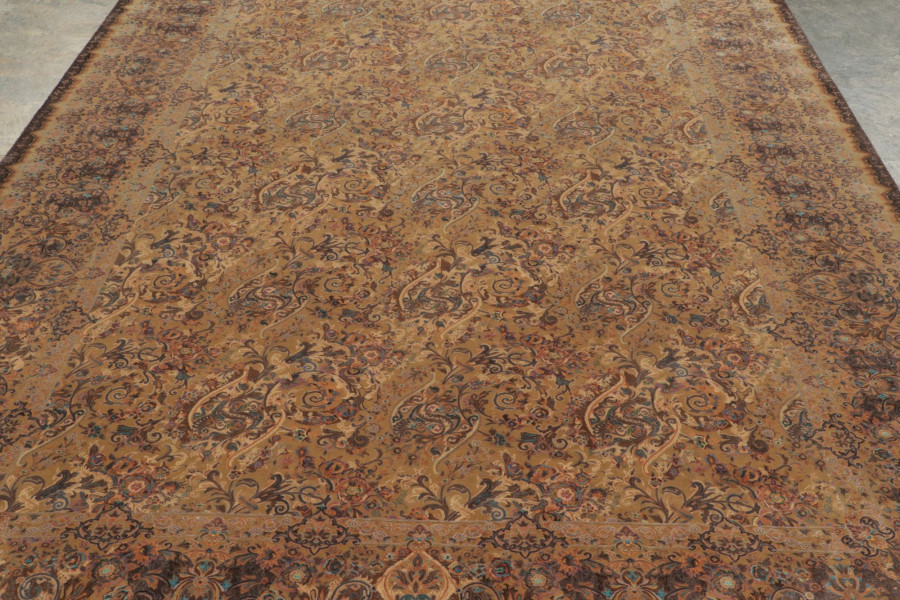 37318Rug & Kilim’s Modern Persian Rug with Floral Vinery in Earthy Hues & Jewel Tones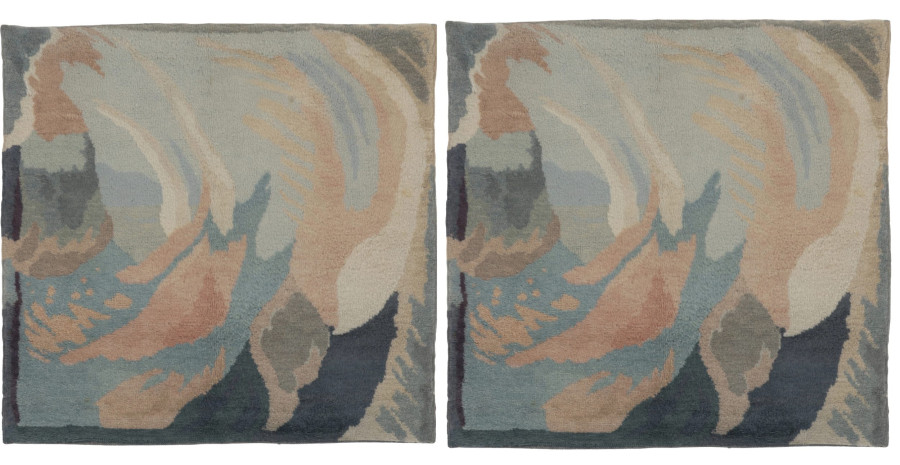
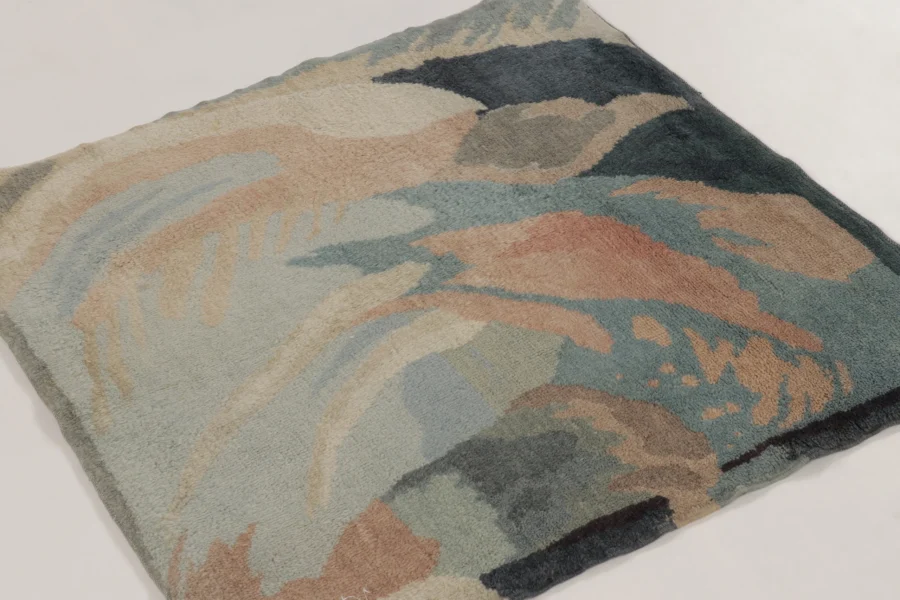 37137/37138Antique Art Deco Rug Pair by Jean Burkhalter for Pierre Chareau - Rug & Kilim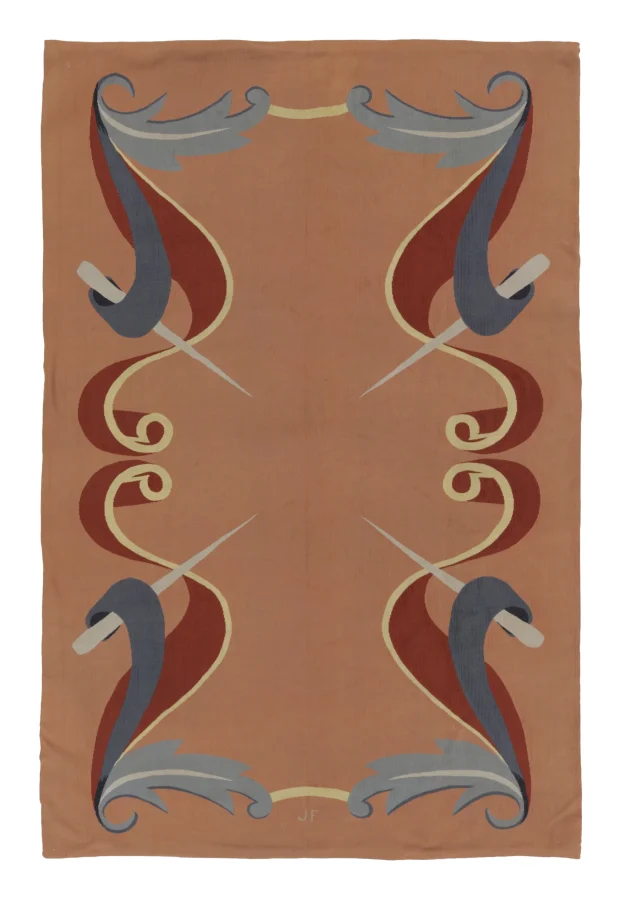
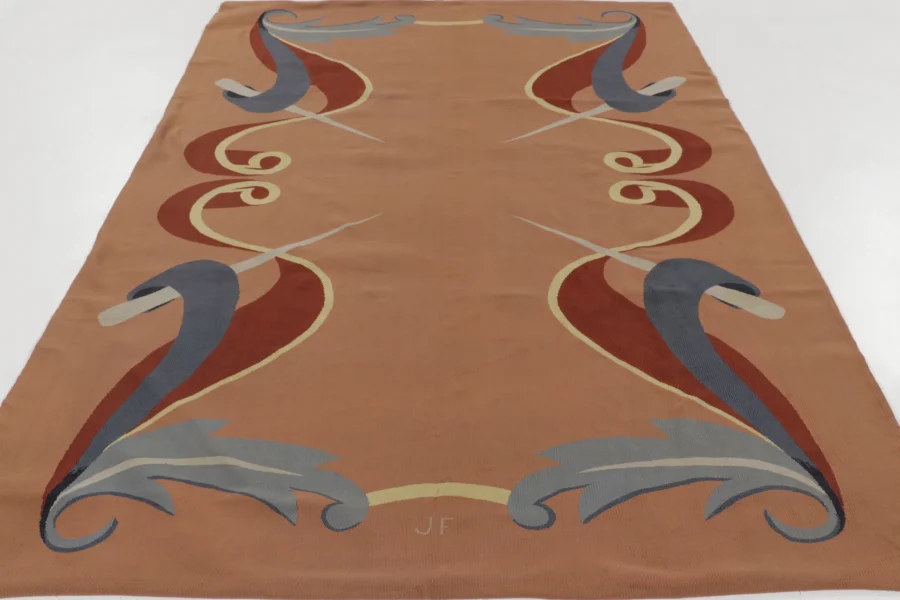 37136Signed “JF” Antique Modernist Aubusson Rug with Neo Baroque Design - Rug & Kilim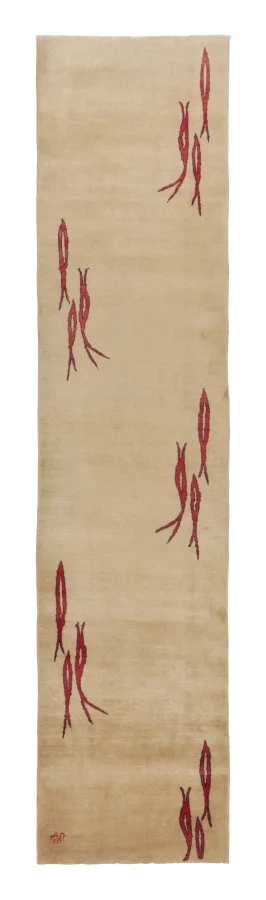
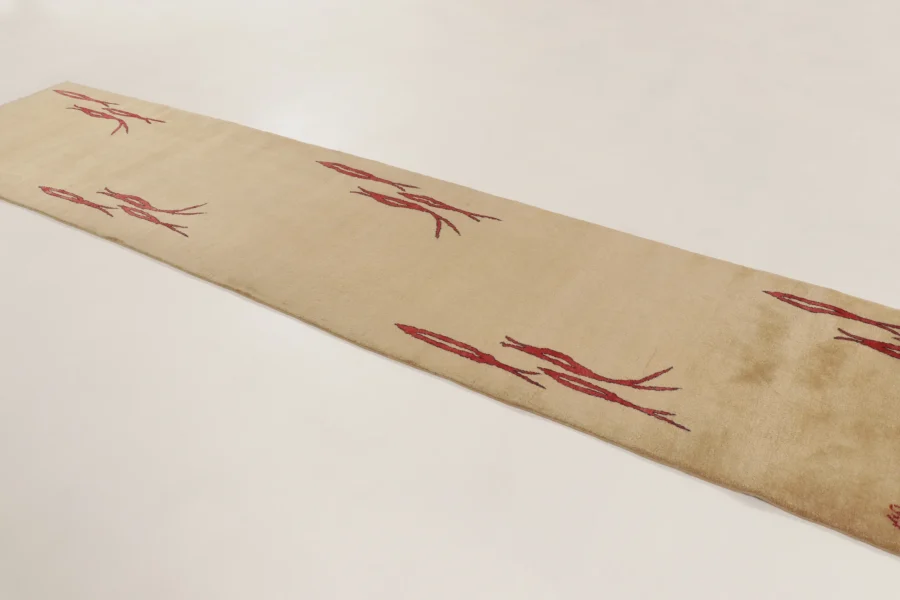 37144Vintage Persian Amoghli Art Deco Runner with Red Stylized Fishes - Rug & Kilim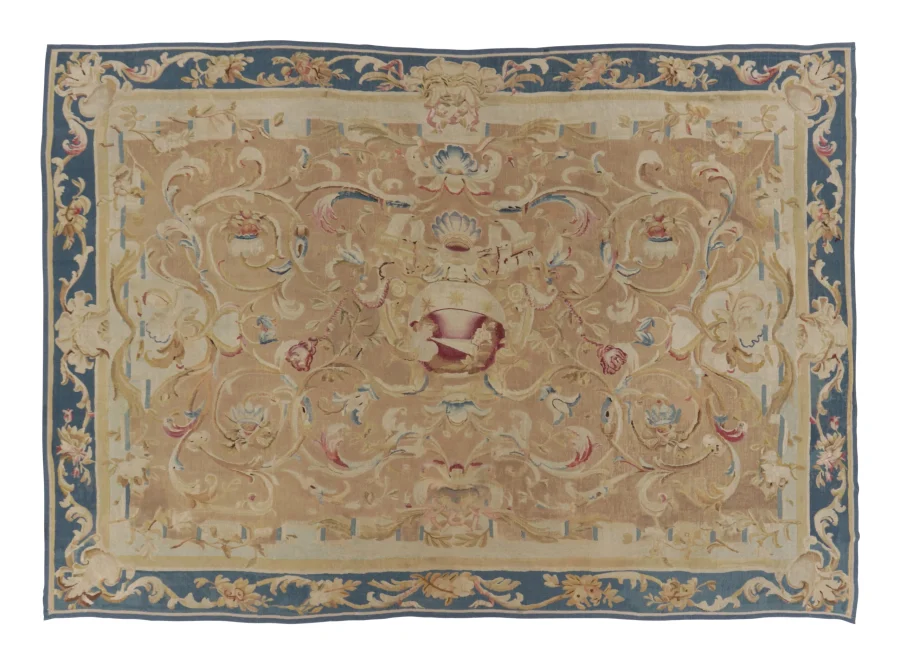
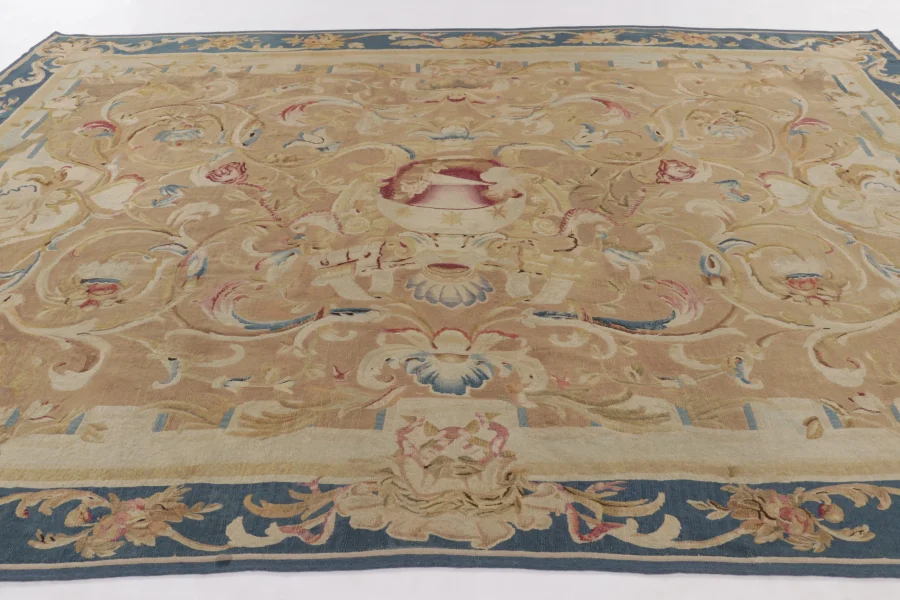 36700Antique French Aubusson Rug, Neoclassical Design in Gold & Blue - Rug & Kilim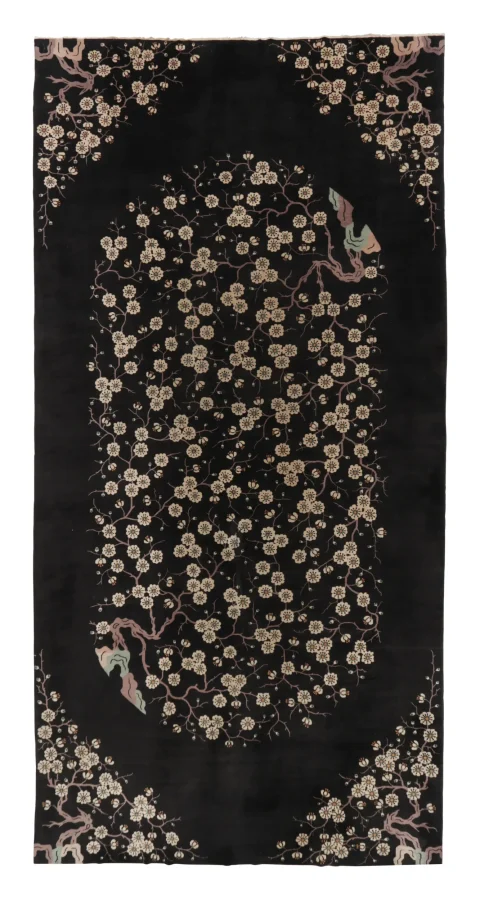
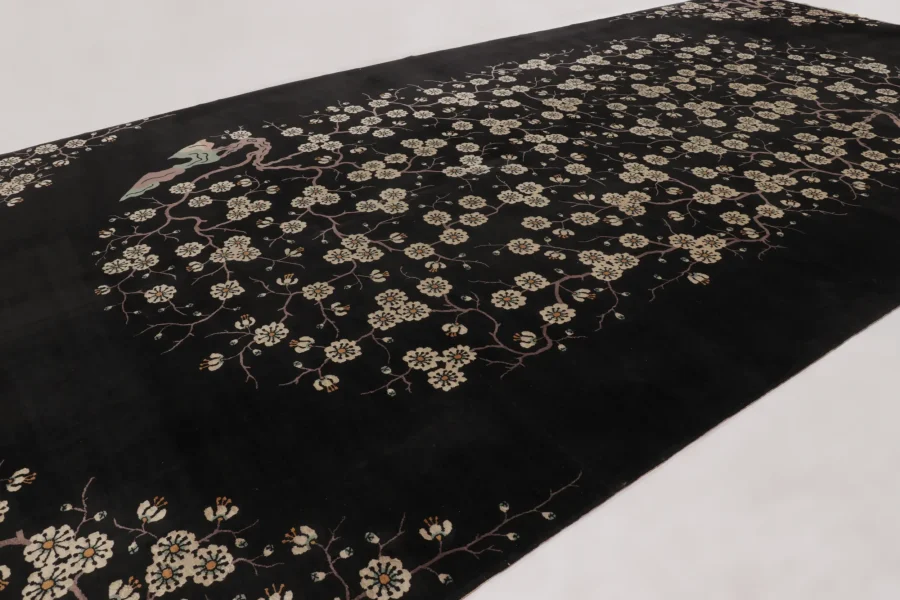 35755Oversized Antique Chinese Art Deco Rug, Black with Floral Patterns - Rug & Kilim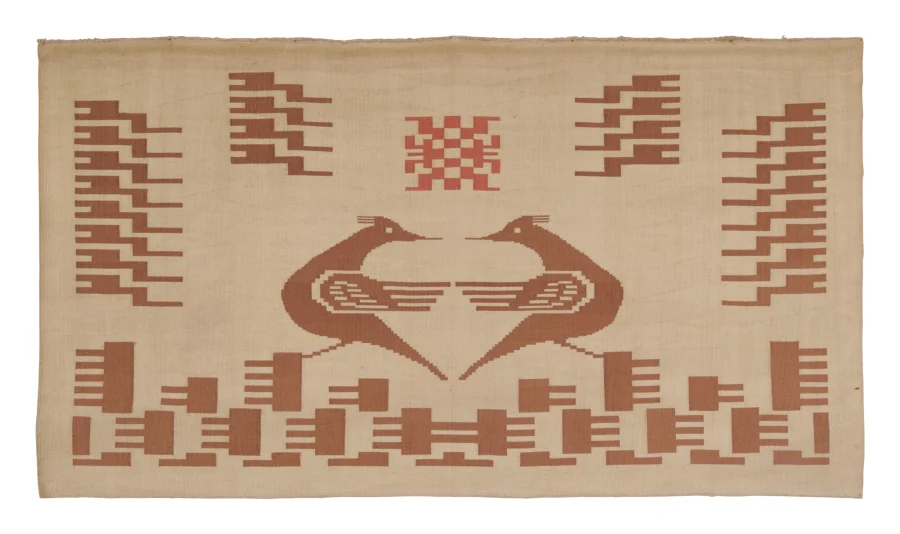
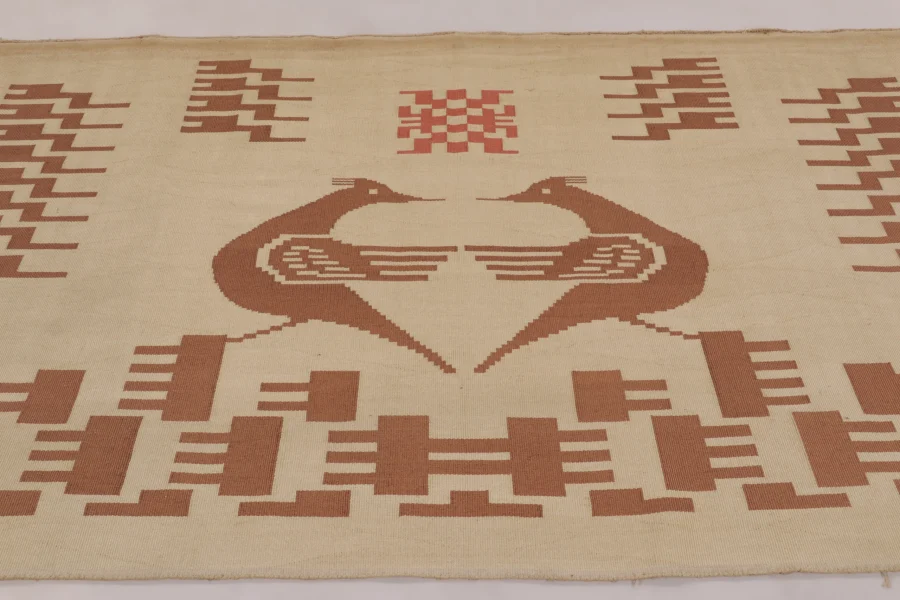 35893Vintage Da Silva Bruhns French Art Deco Tapestry, Bird Pictorials - Rug & Kilim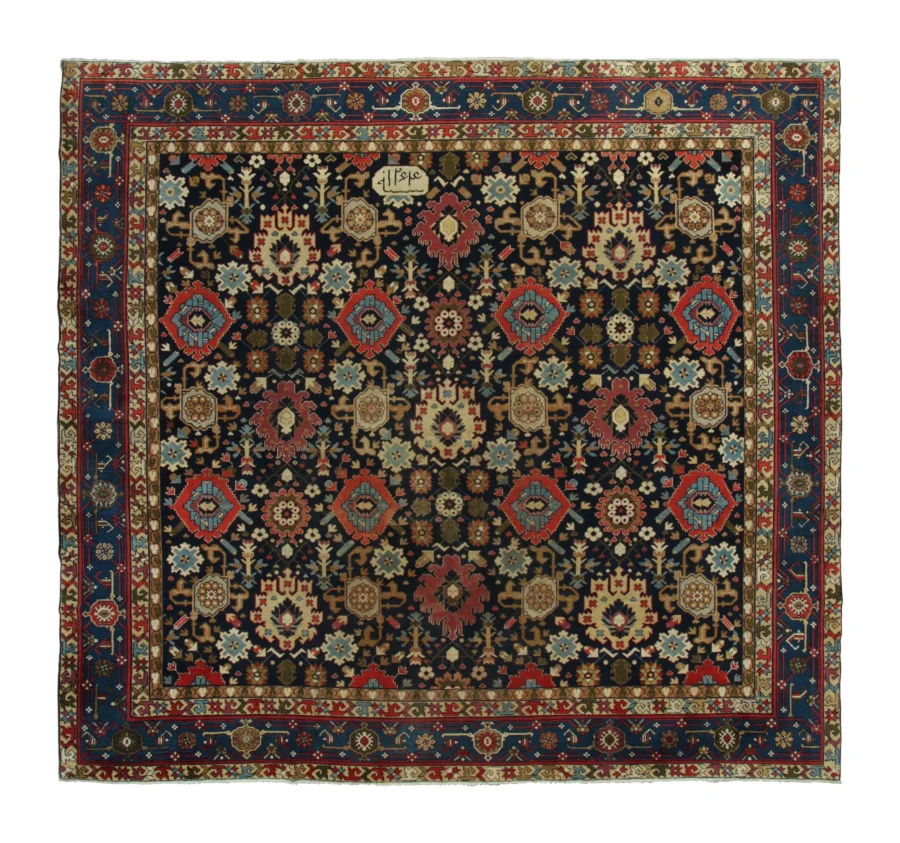
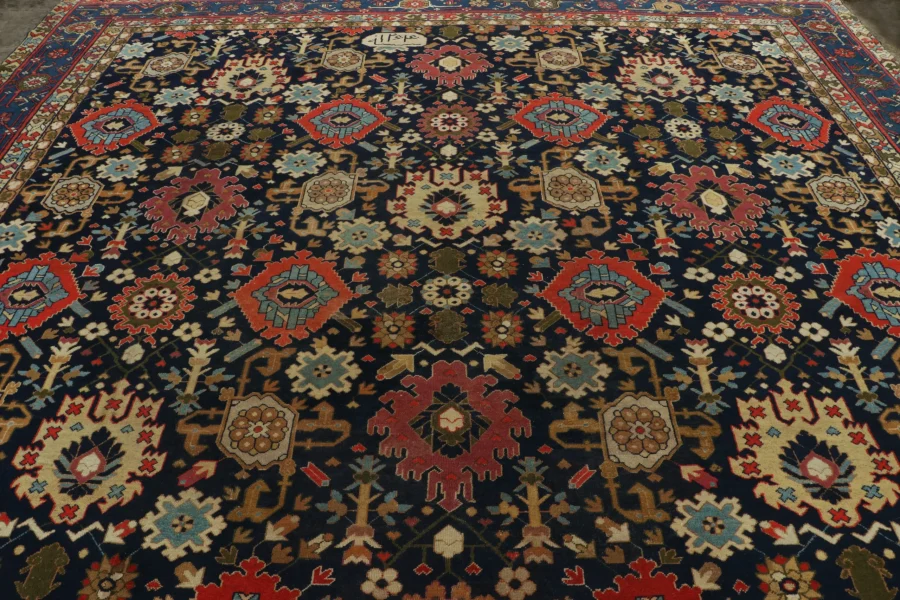 35700Antique 19th Century Karabagh Rug with Luminous Floral Medallions - Rug & Kilim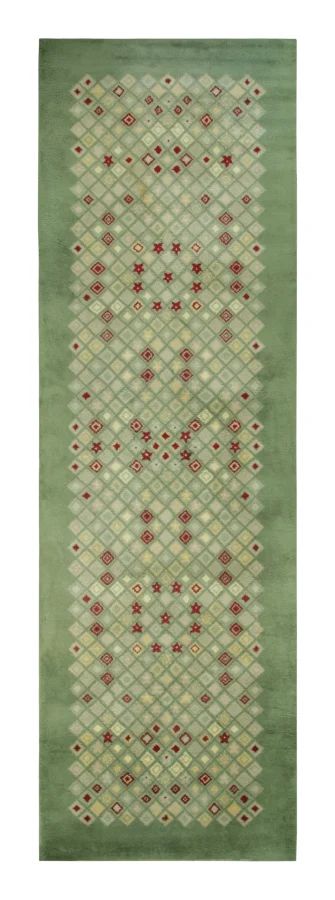
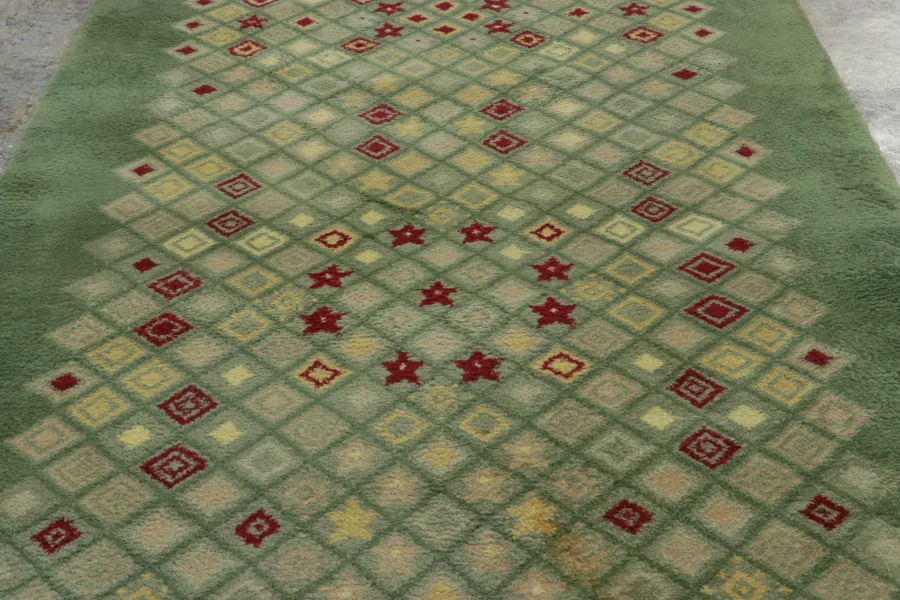 35702Vintage Leleu French Art Deco Rug, Green Geometric Gallery Runner - Rug & Kilim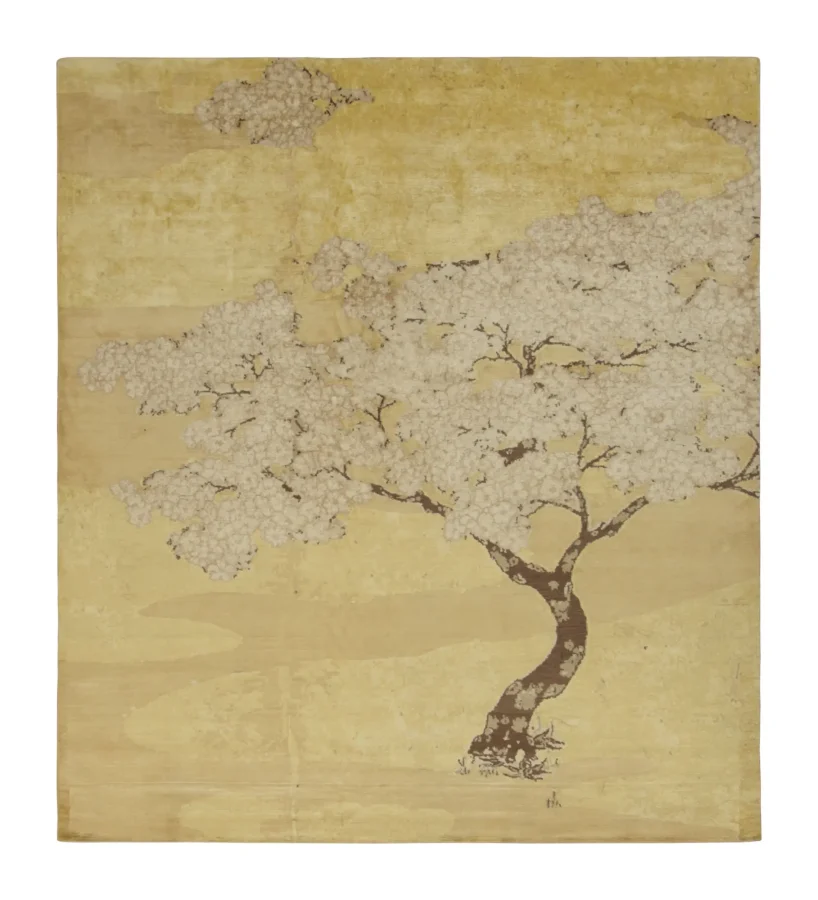
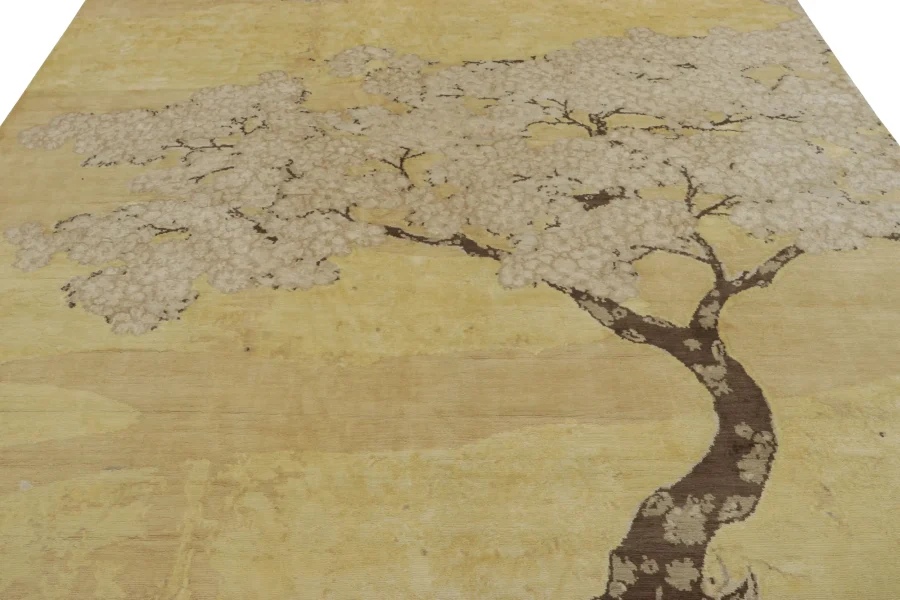 35324Rug & Kilim’s Chinese Art Deco-Inspired Rug, Gold with Serene Pictorial “Breeze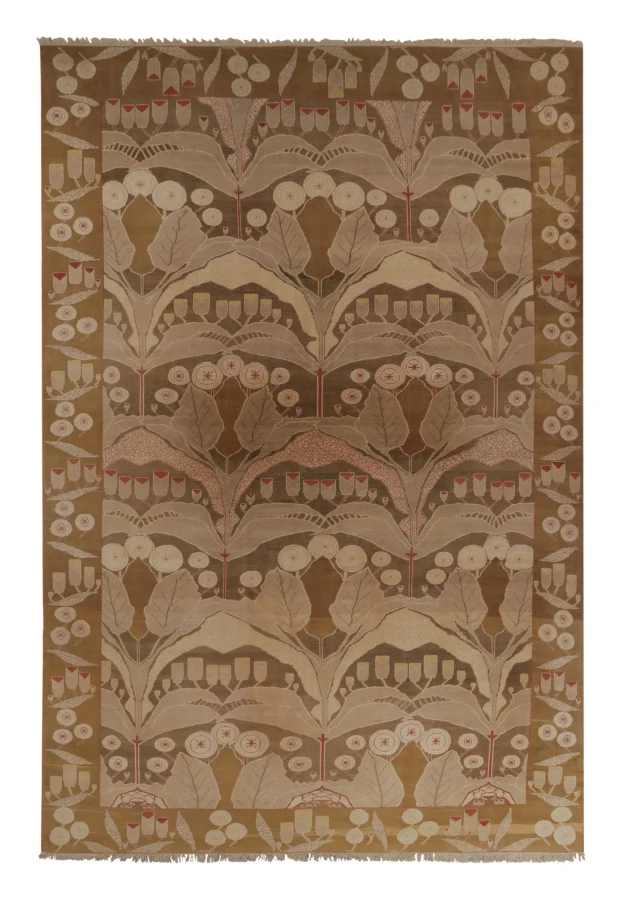
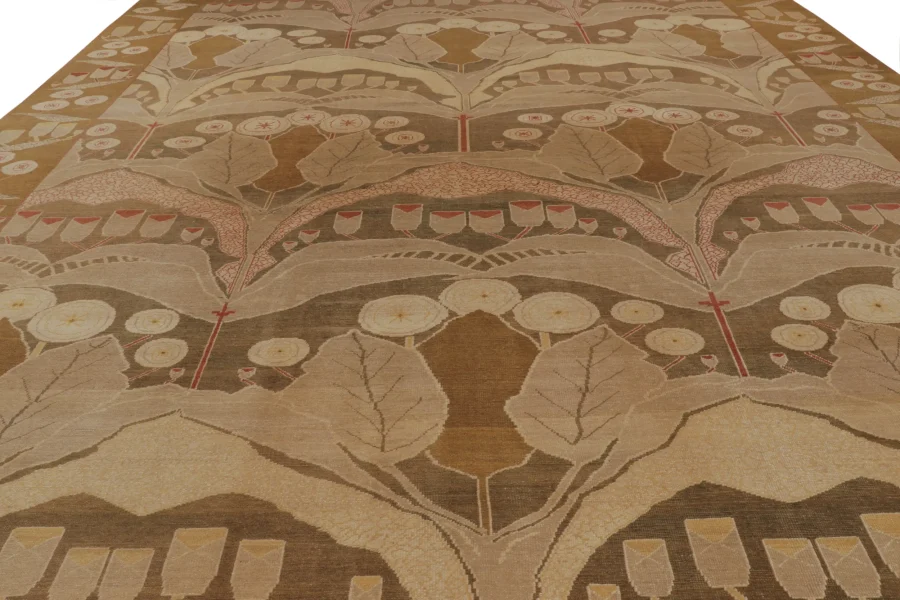 35232Fetcher House Vintage Arts & Crafts Palace Rug in Morris Lillies - Rug & Kilim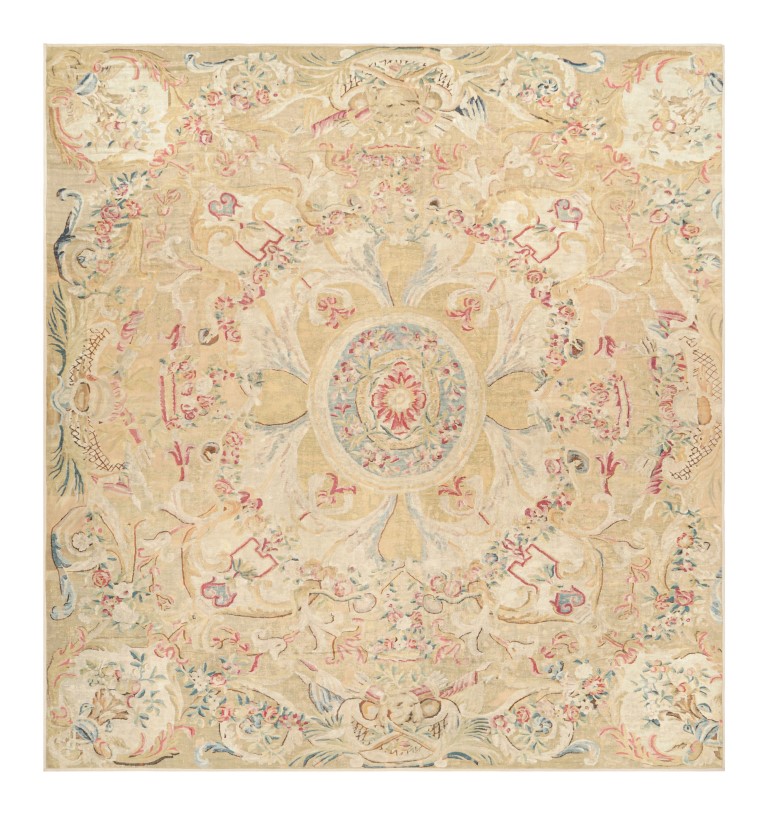
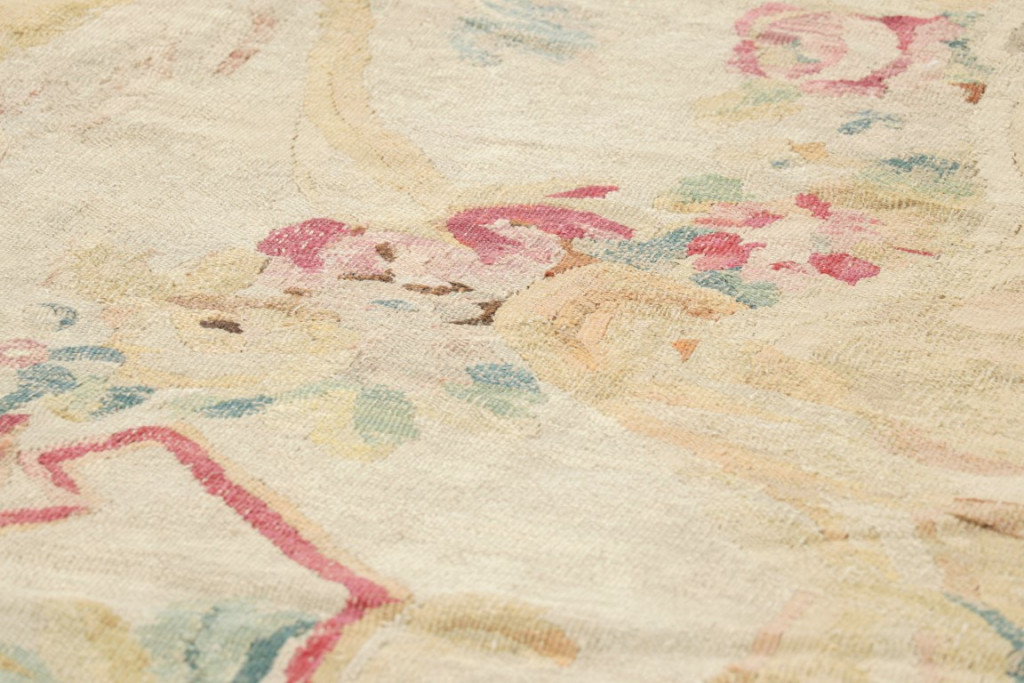 32191Oversized Antique French Aubusson Rug with Floral Medallion - Rug & Kilim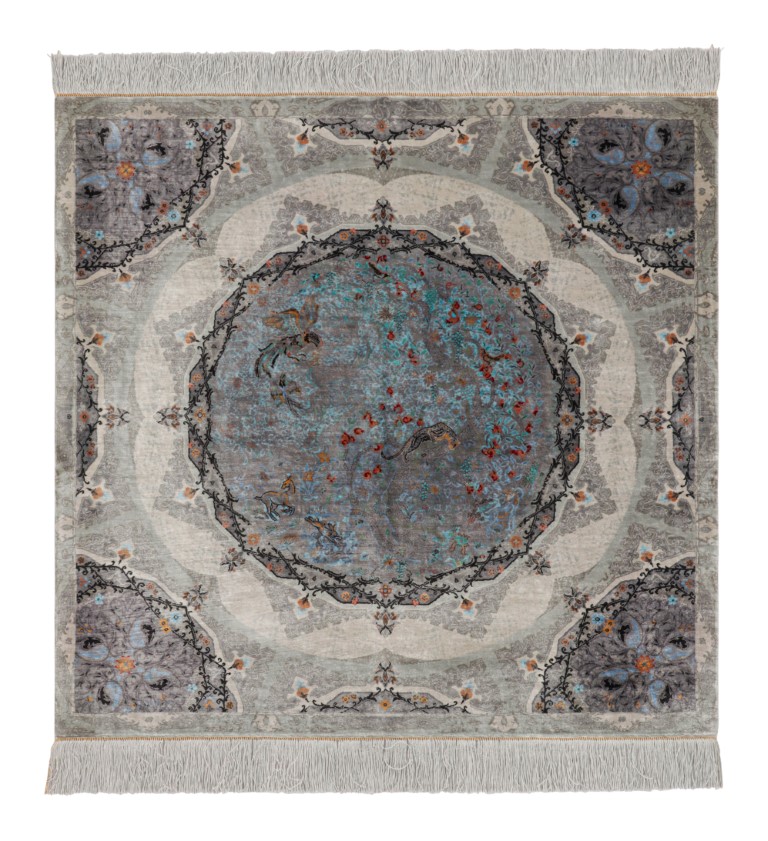
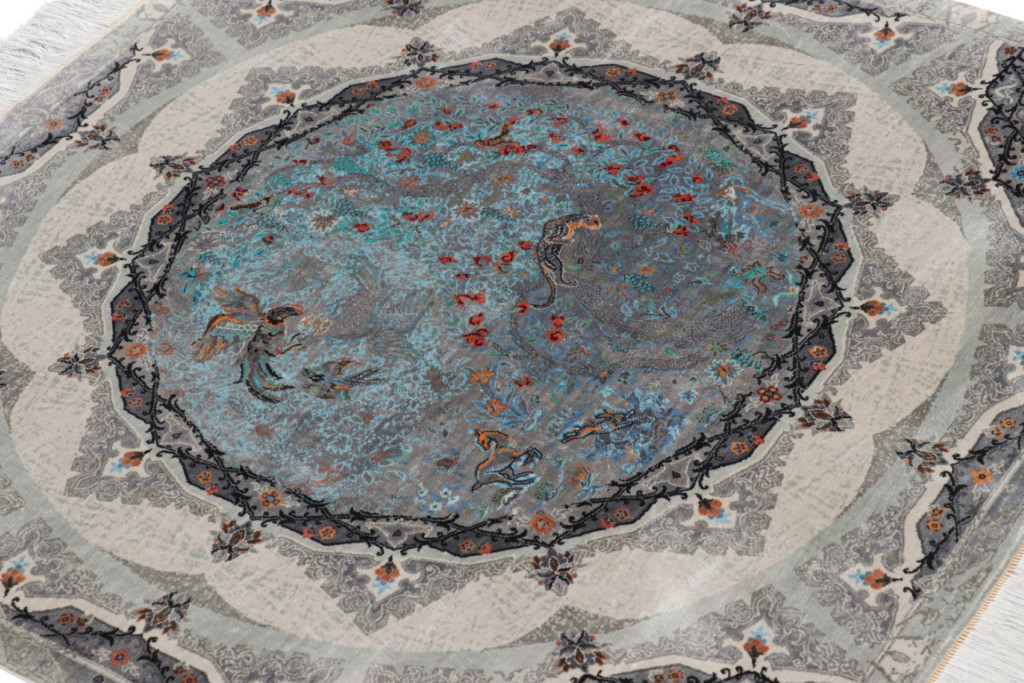 34546Rug & Kilim’s Modern Square Rug in Silver, Black, and Blue with Medallion “Shekar”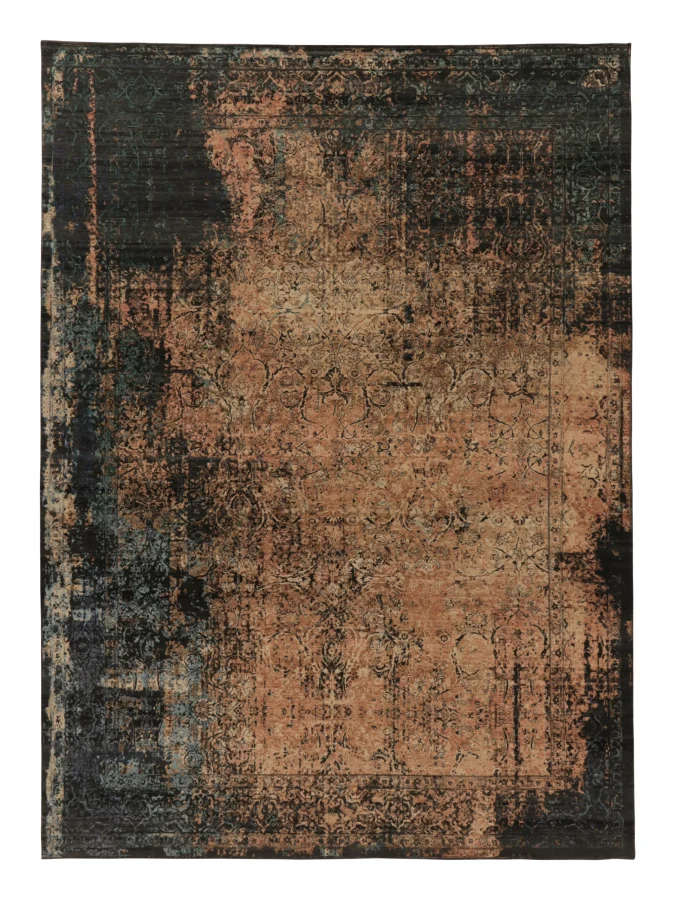
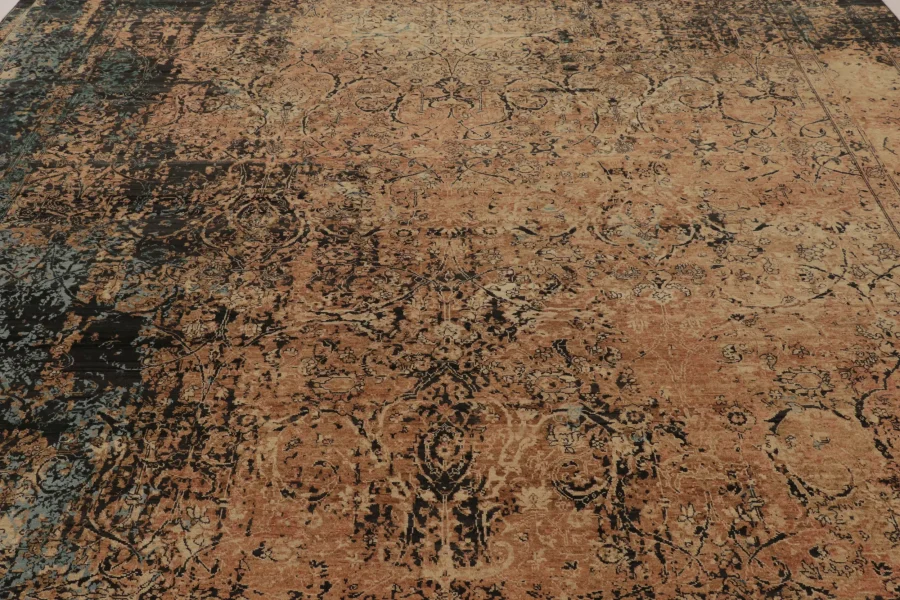 35186Rug & Kilim’s Persian Rug, Gold and Charcoal Abstract Florals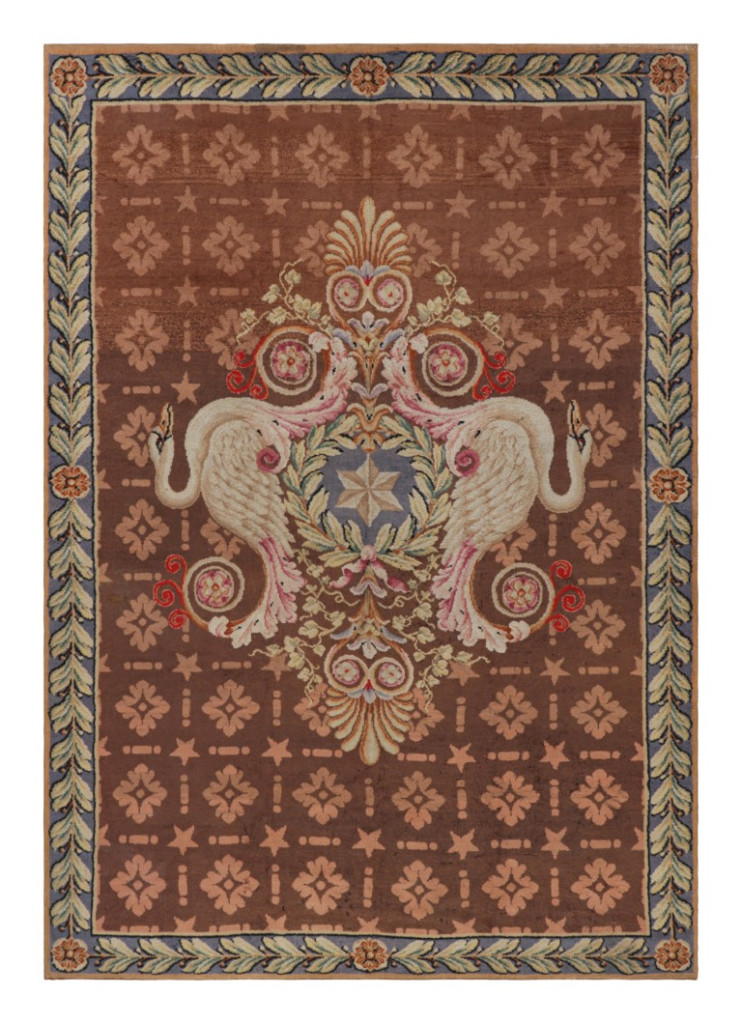
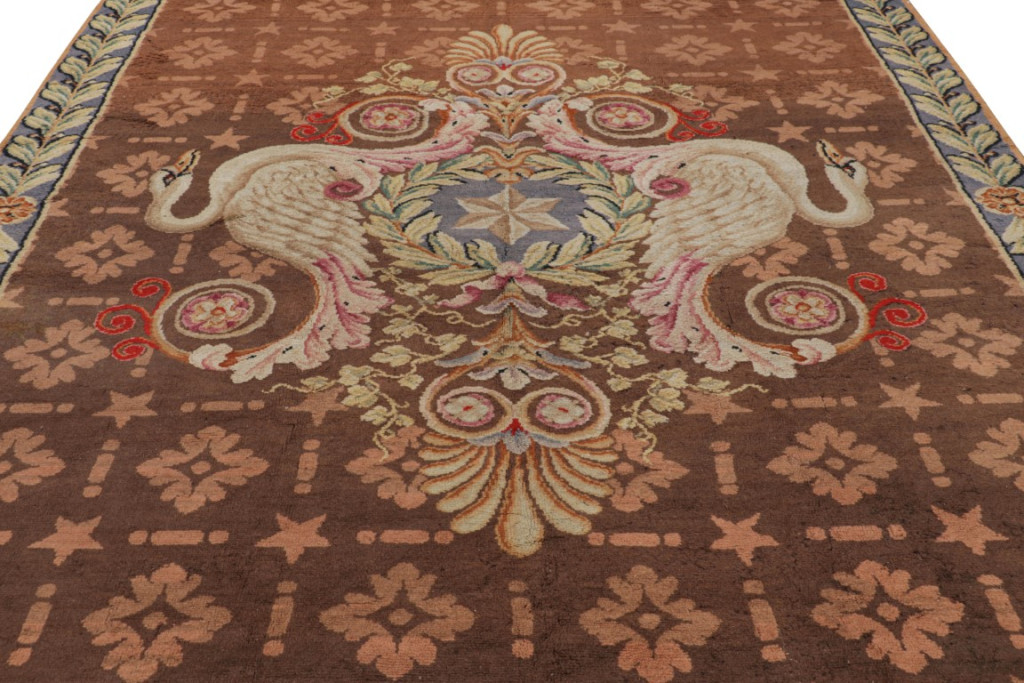 34107Antique French Savonnerie Rug with Swan Pictorials & Heraldic Medallion - Rug & Kilim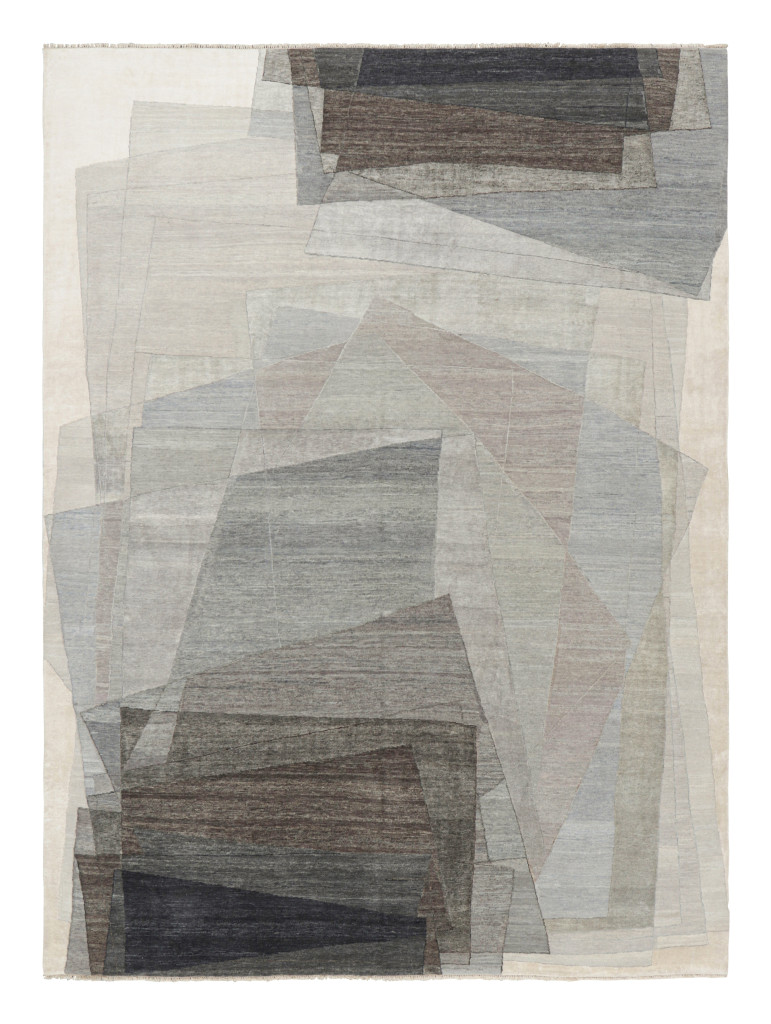
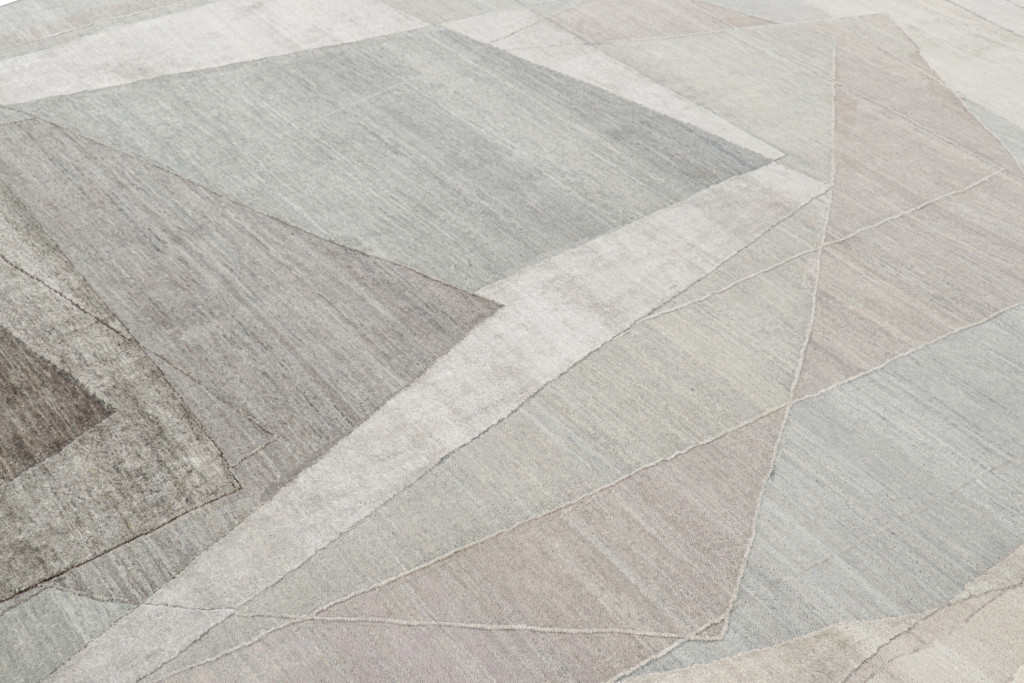 31844Rug & Kilim Modern Rug with Abstract Geometric Patterns in Beige and Gray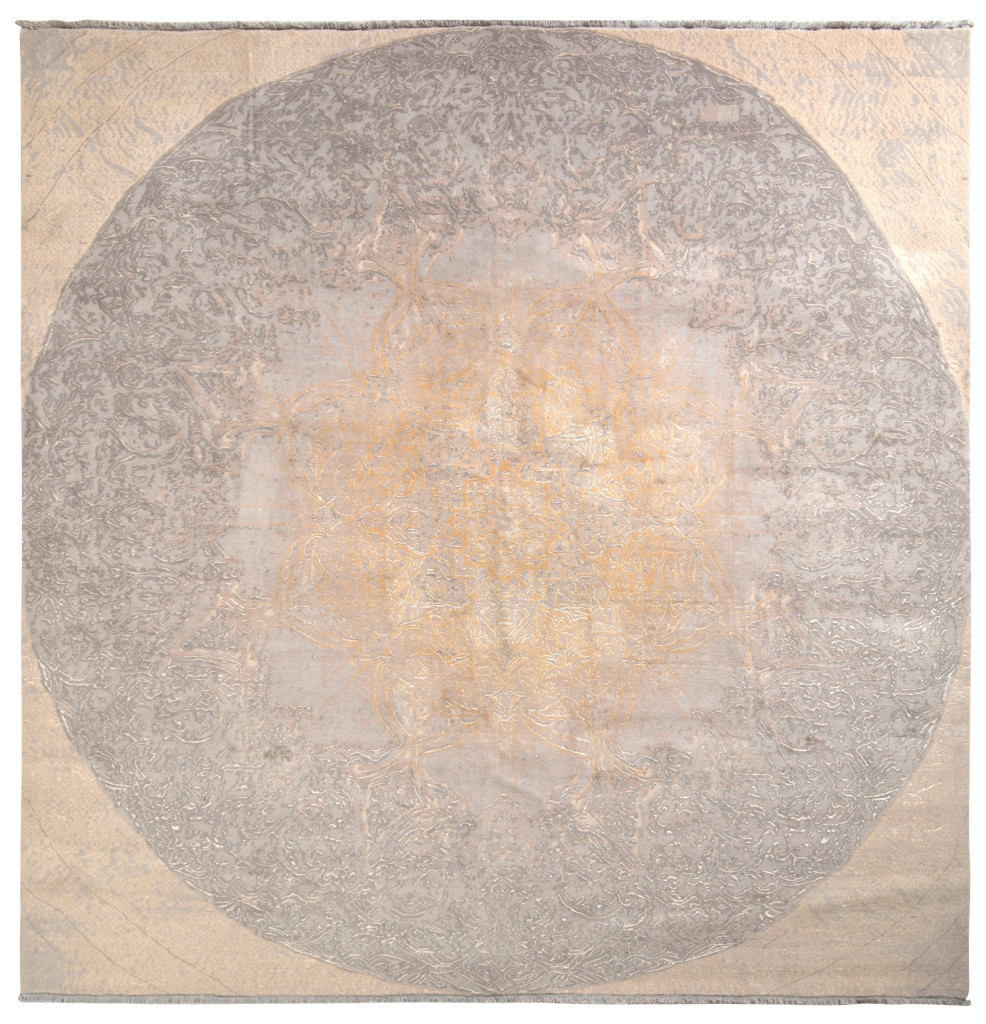
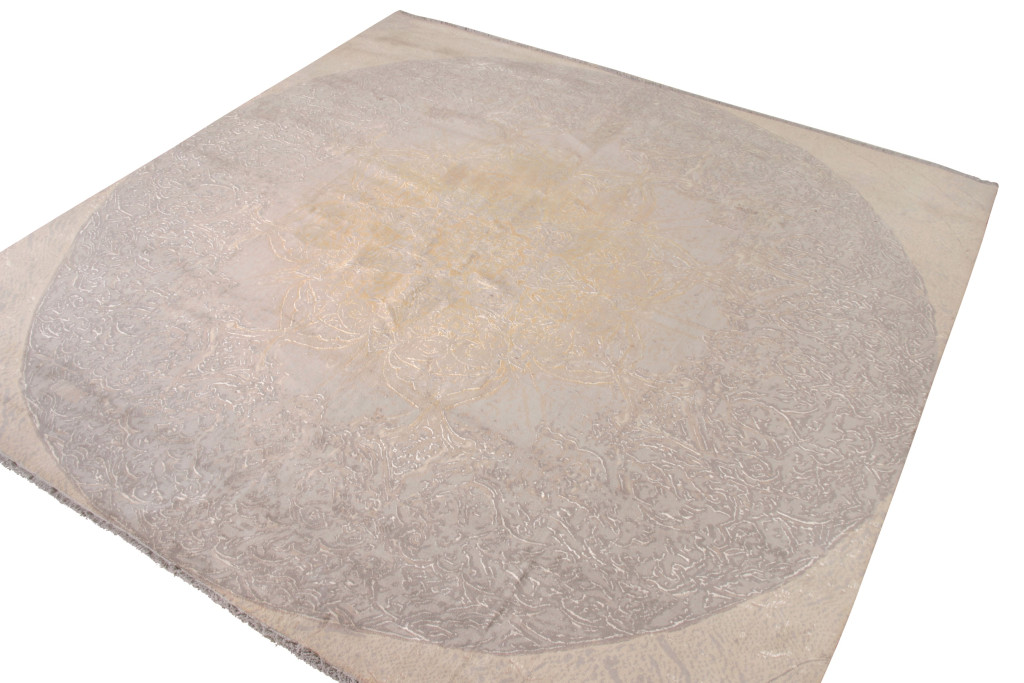 23995Rug & Kilim’s Modern Rug Square Rug, Beige and Gray Floral Medallion "Rose"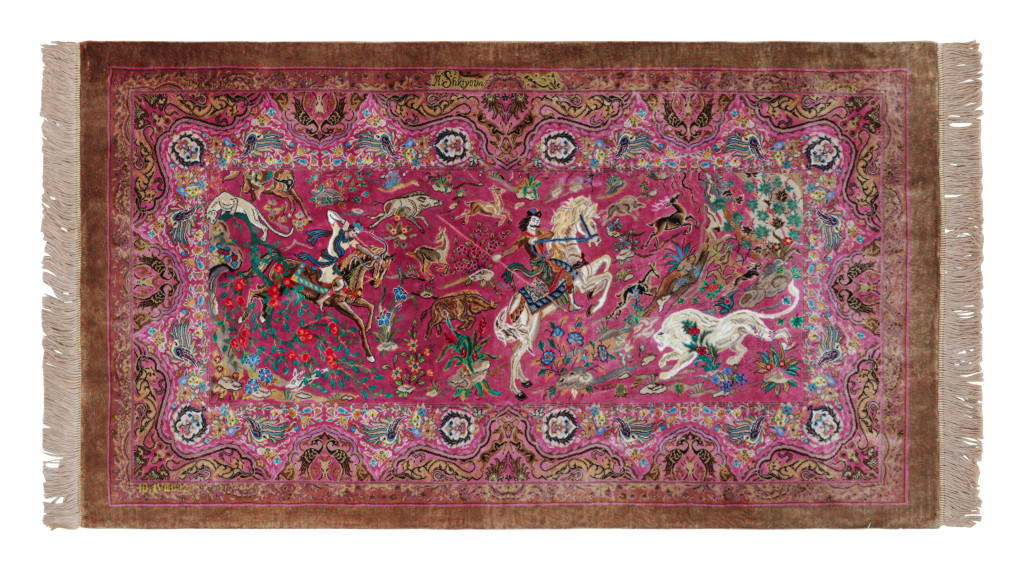
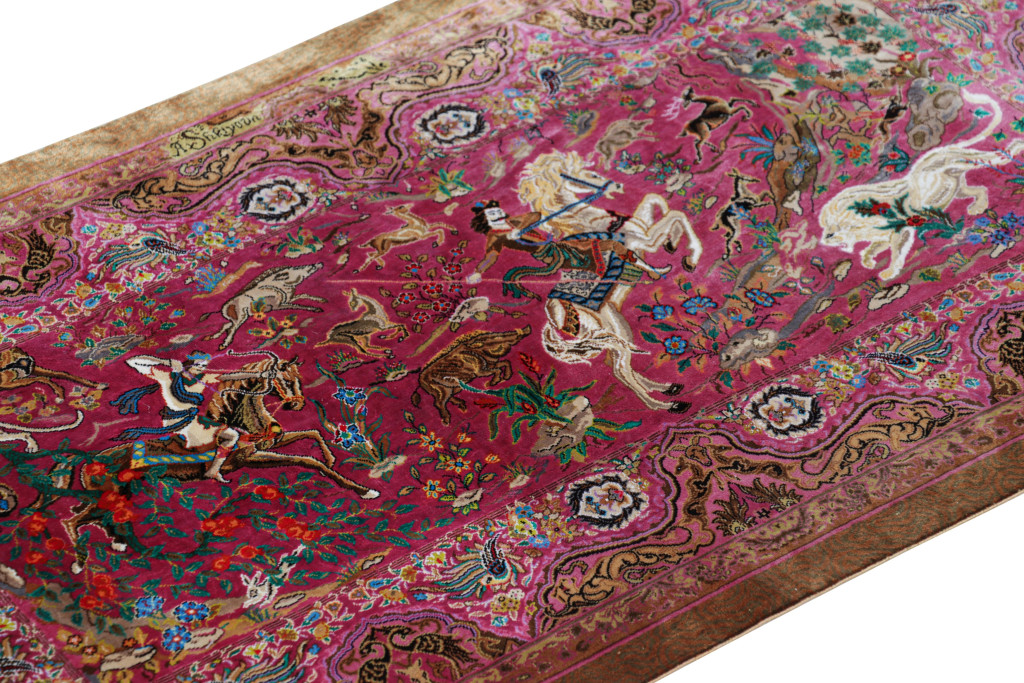 32506Rug & Kilim’s Modern Classics Pictorial Rug in Red, Brown, Pink Tones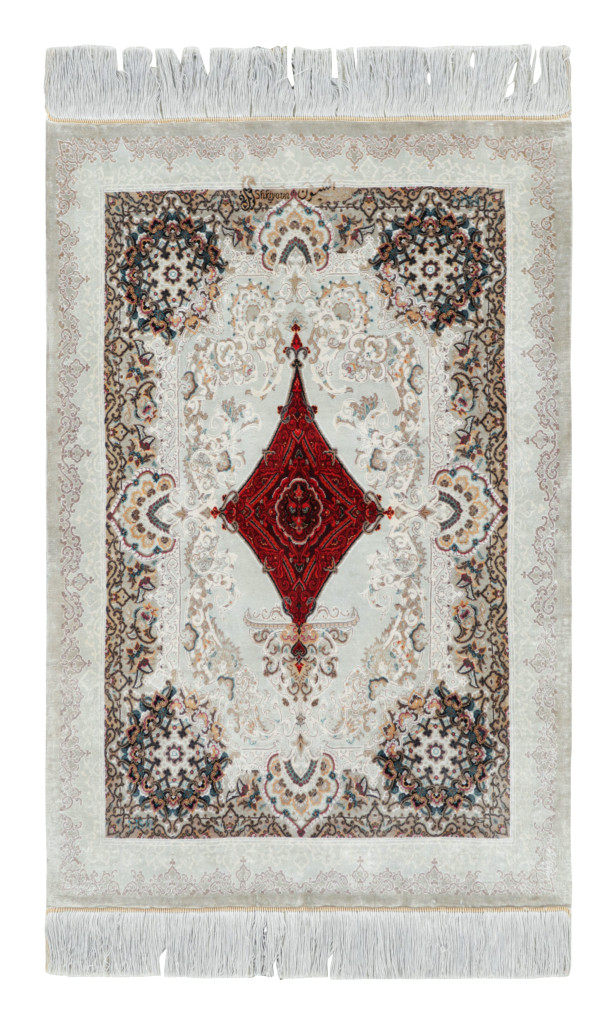
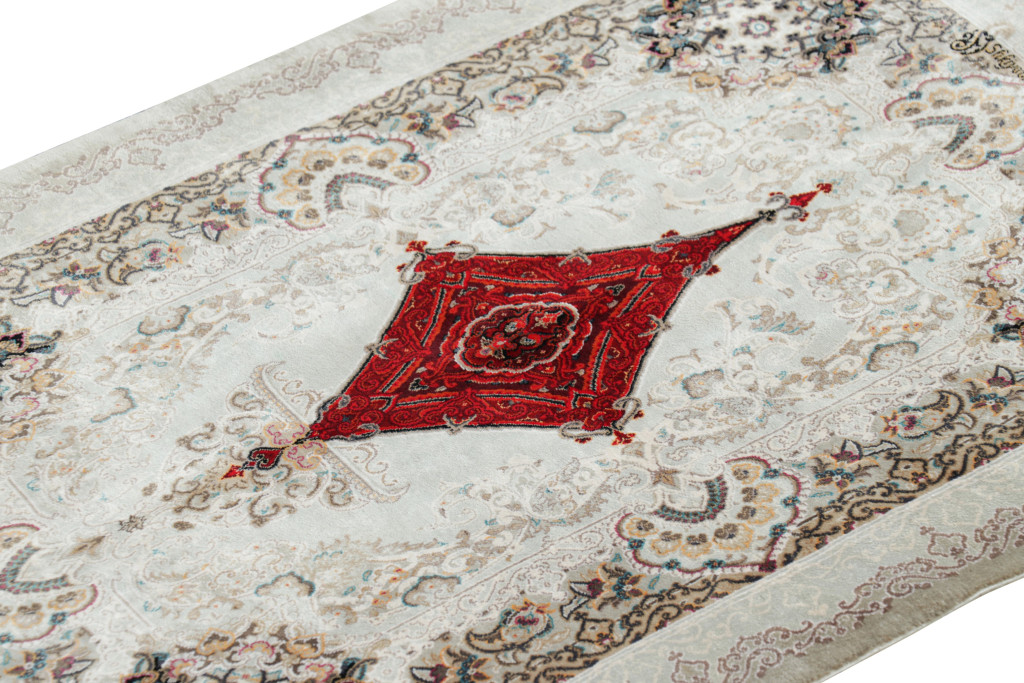 32507Rug & Kilim’s Modern Classics Rug with Red Medallion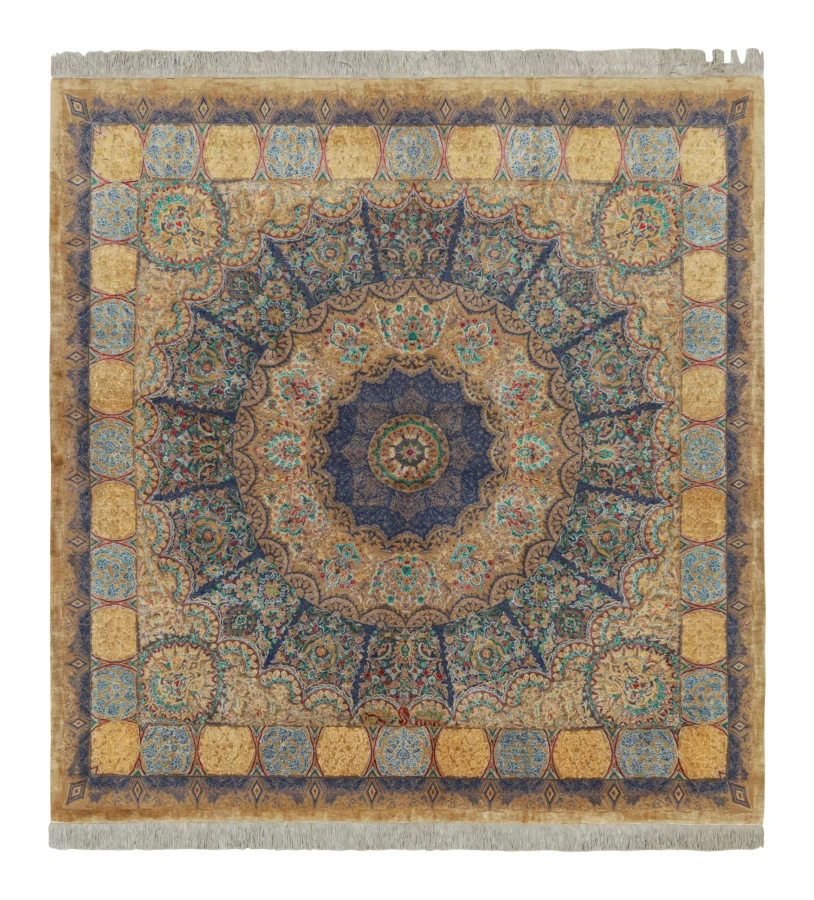
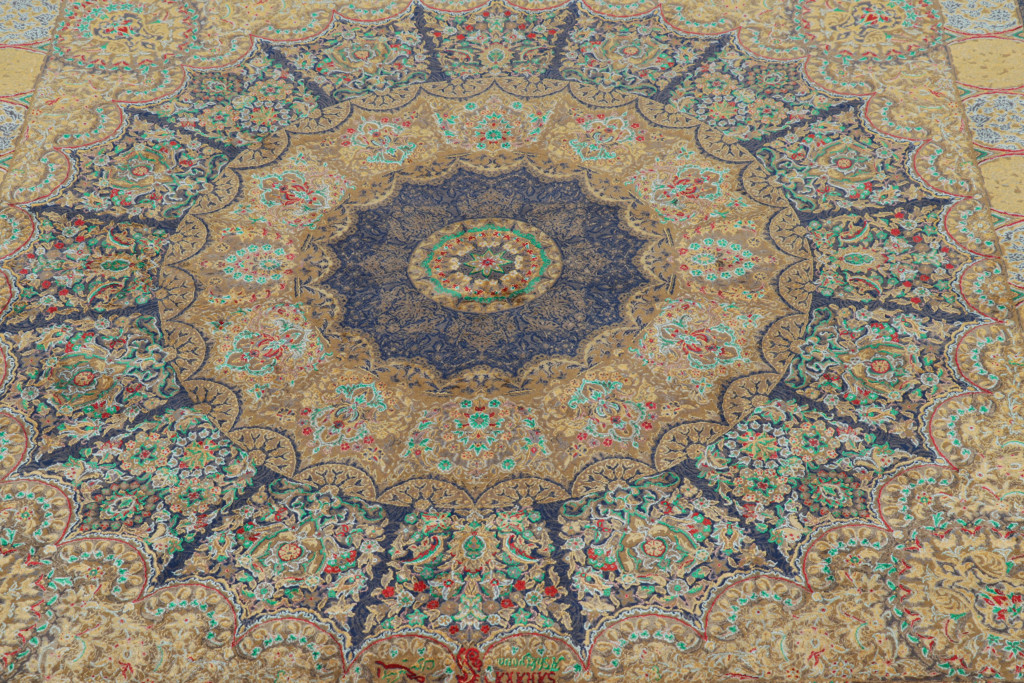 32508Rug & Kilim’s Modern Classics Square Rug in Polychrome Floral Medallion "Liliom"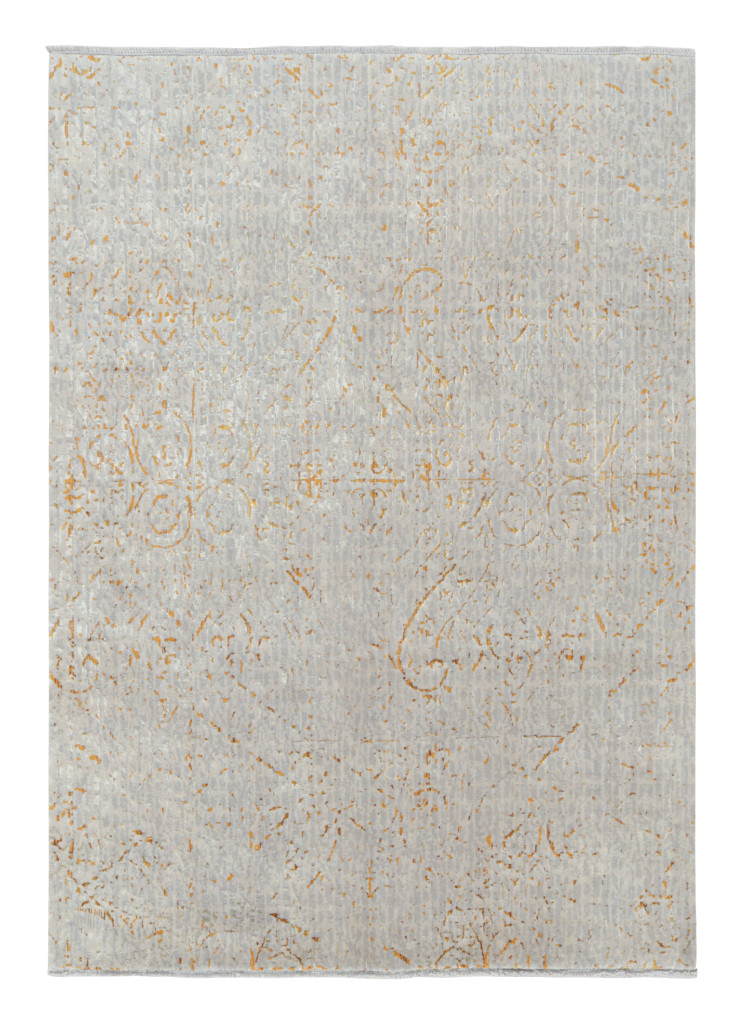
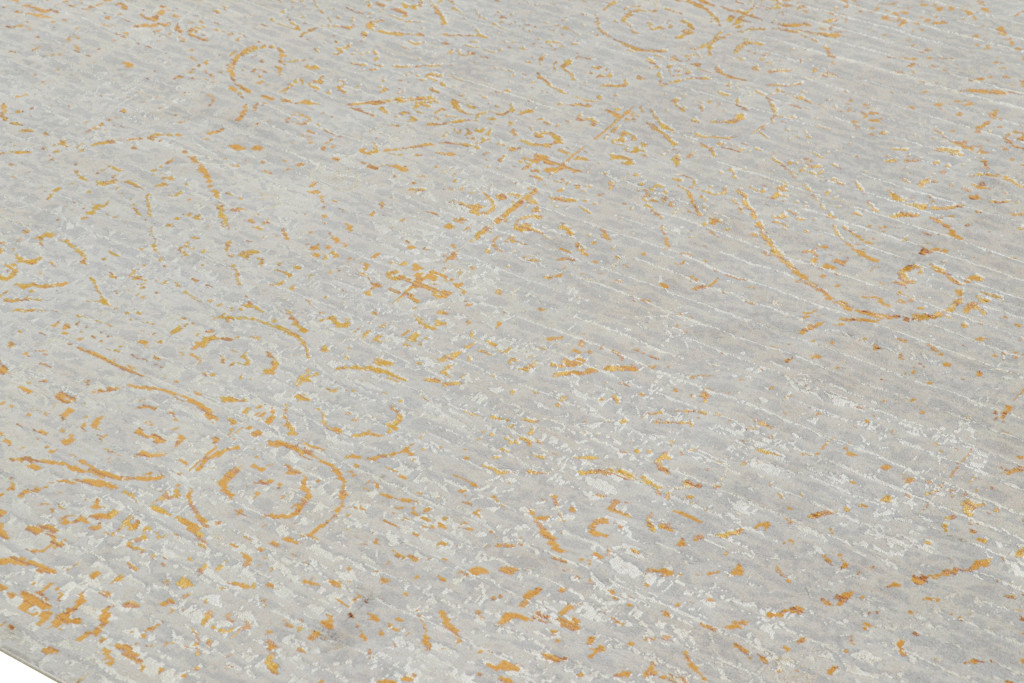 32499Rug & Kilim’s Contemporary Rug in Gray and Orange Abstract Patterns "Naroon"
- Out of Stock
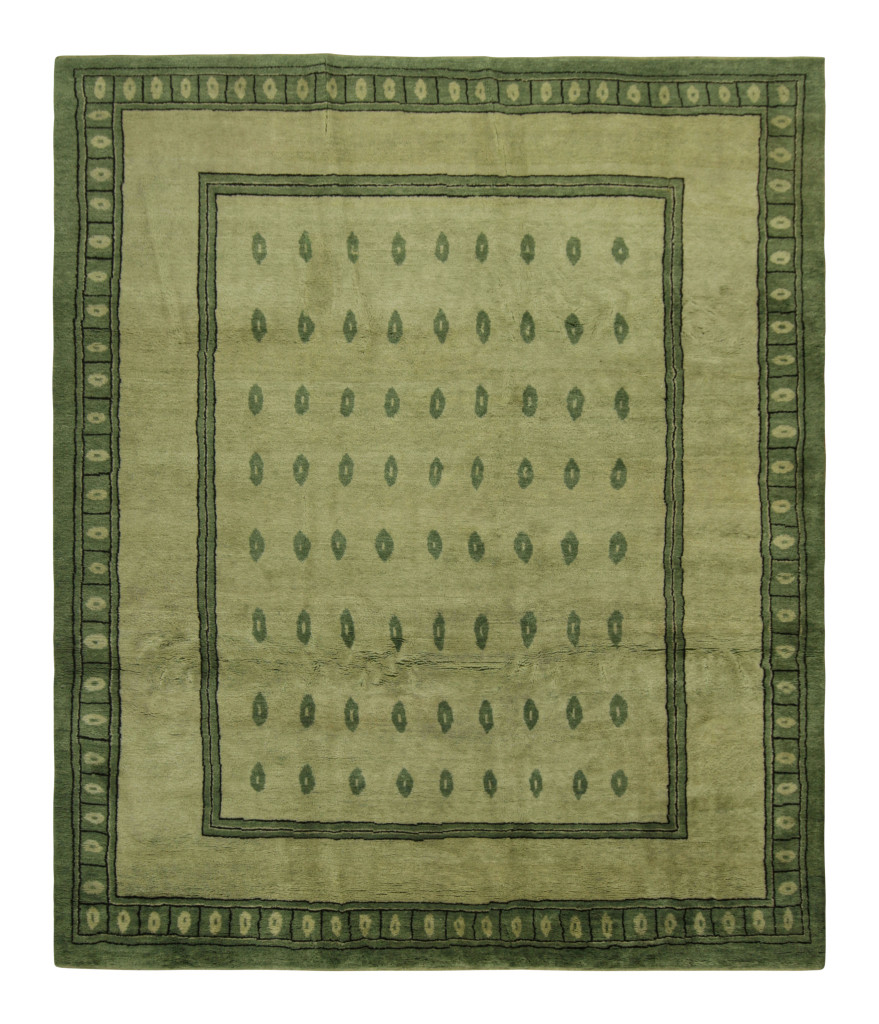
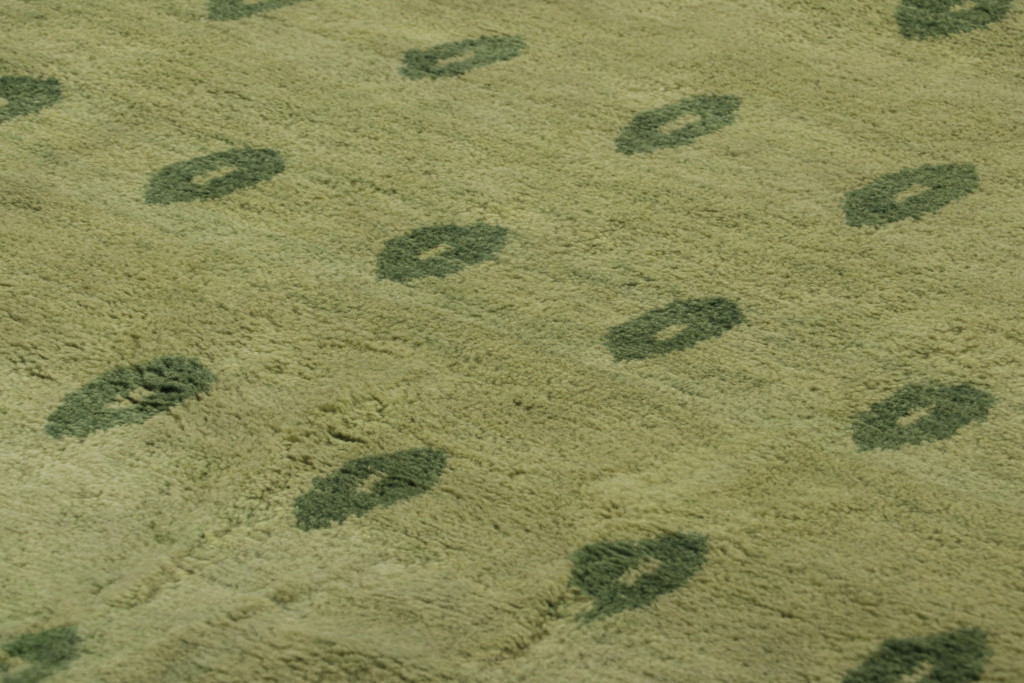 33807Rug & Kilim’s Art Nouveau Custom Rug Design with Green Geometric Pattern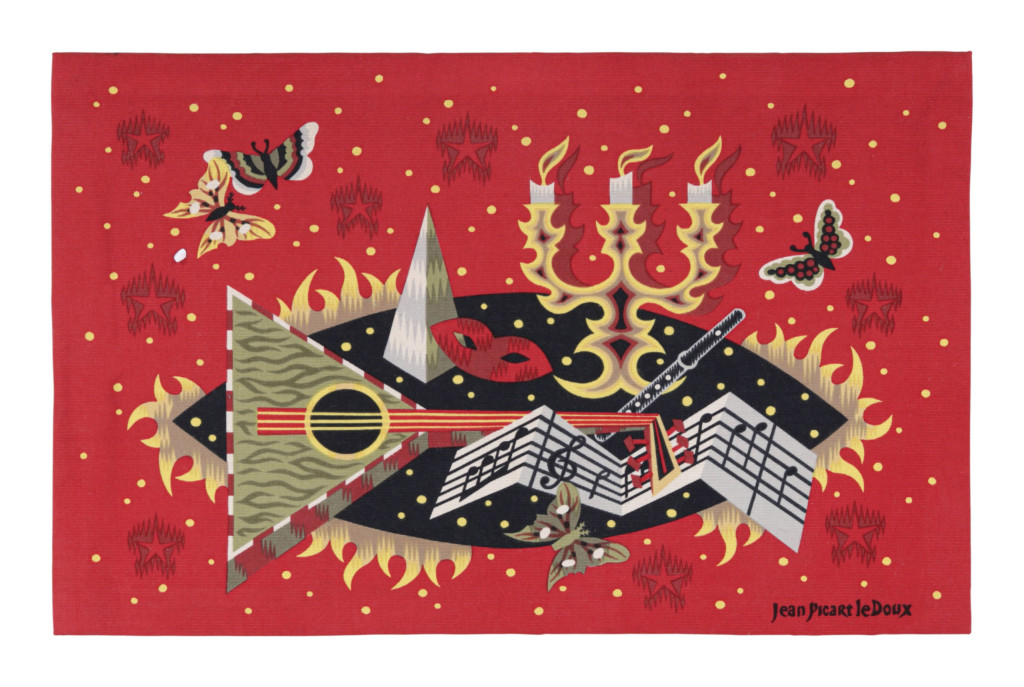
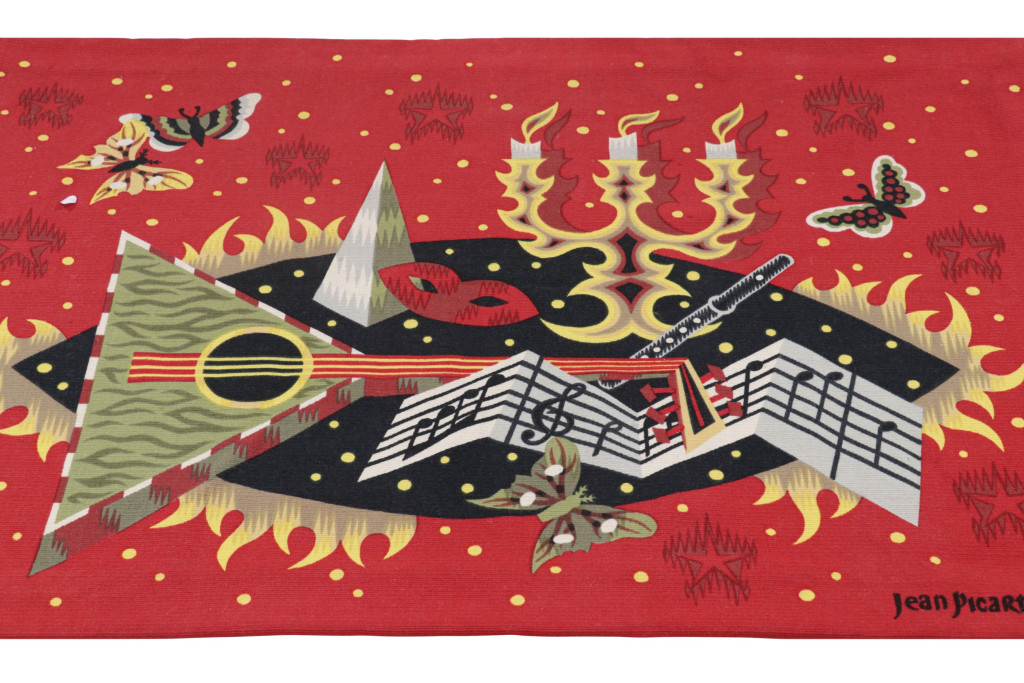 32539Vintage Jean Picart Le Doux Pictorial Tapestry ‘Musique de Chambre’ | Rug & Kilim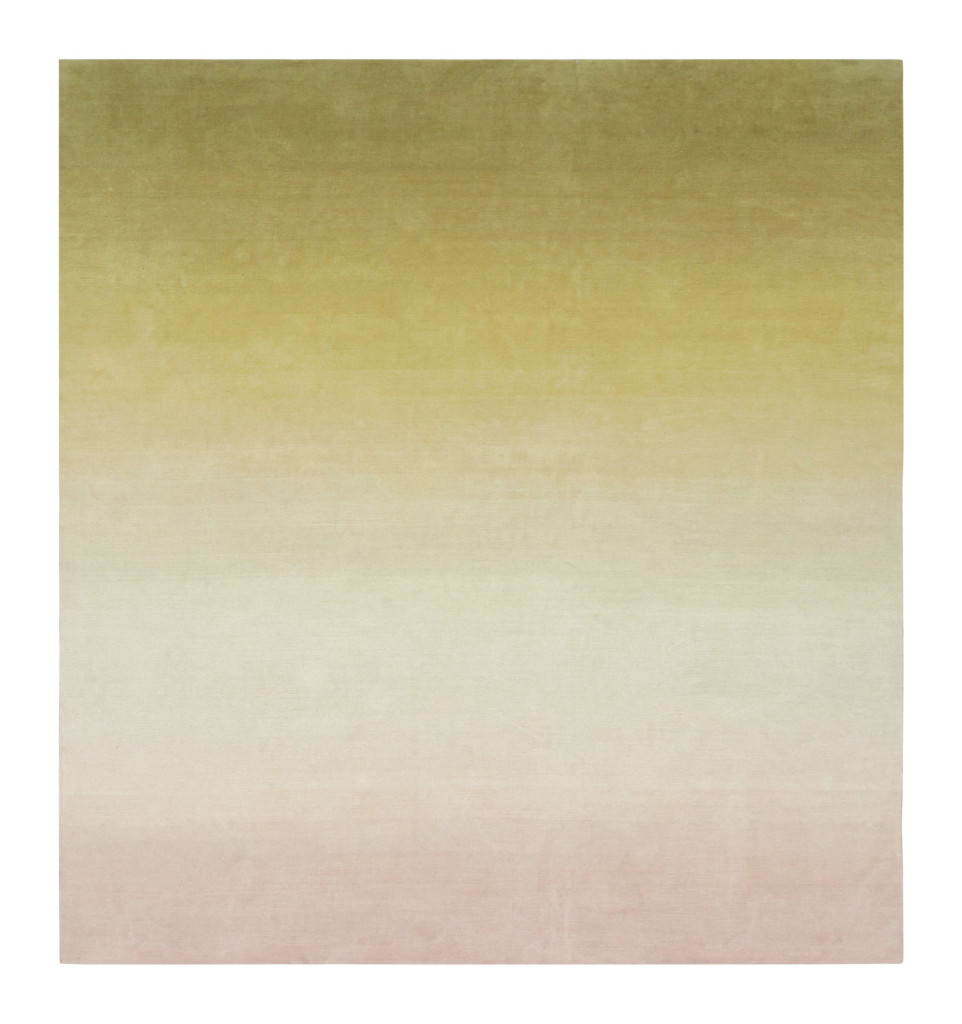
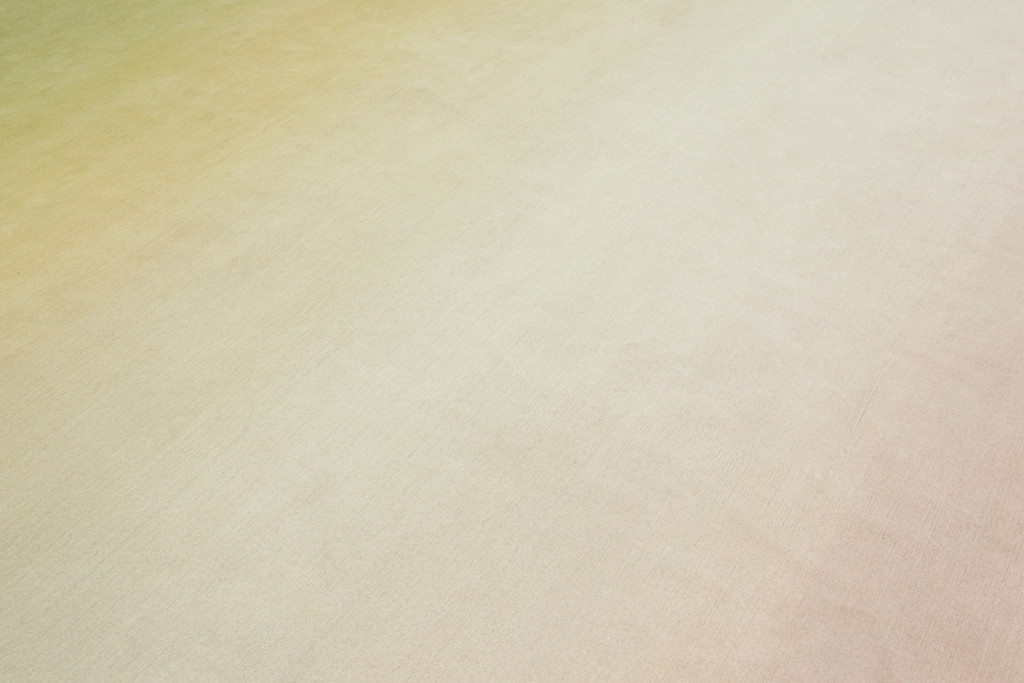 32484Rug & Kilim’s Custom Ombre Rug Design in Chartreuse and Light Pink Hues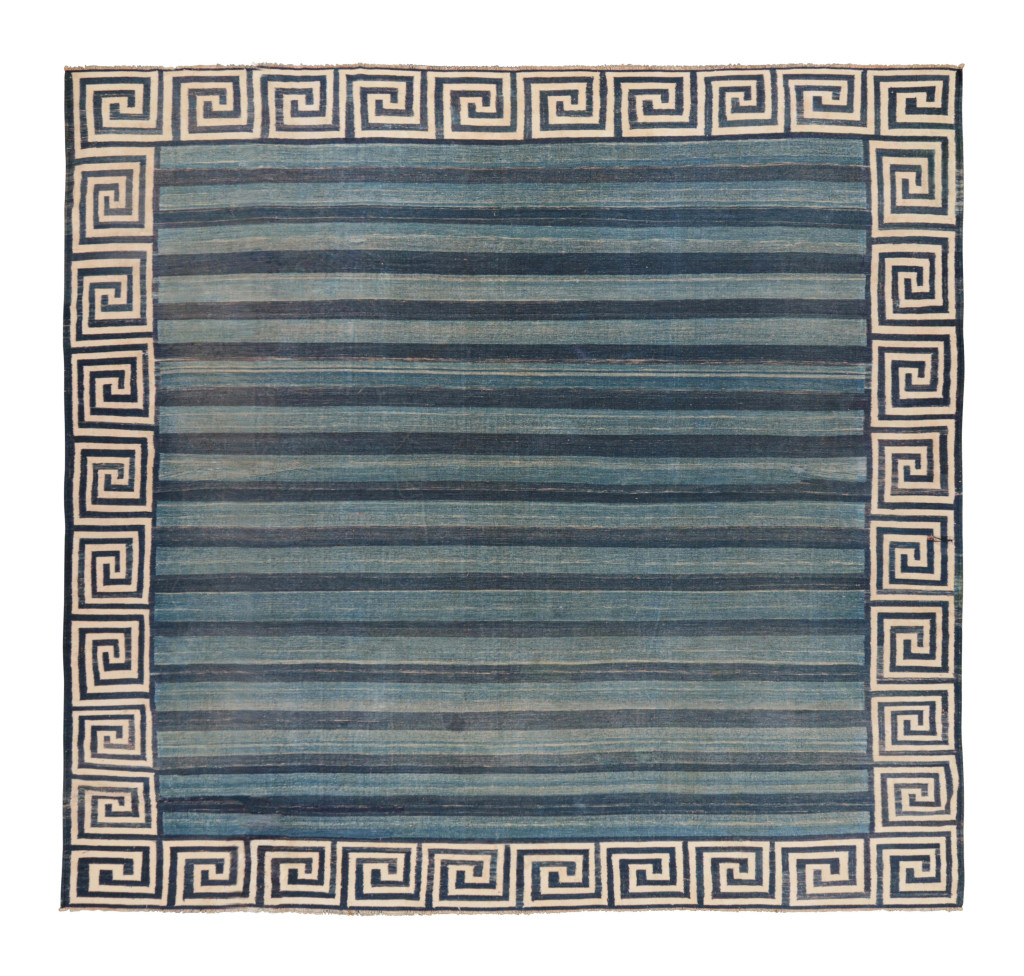
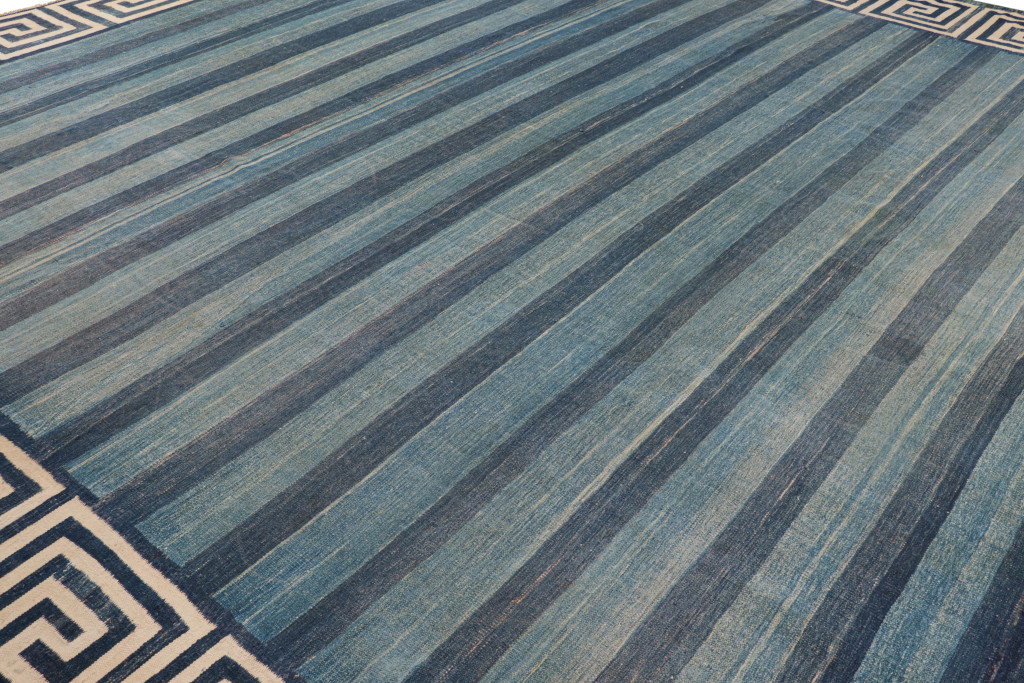 27621Oversized Vintage Dhurrie Square Rug in Blue Stripes and Geometric Border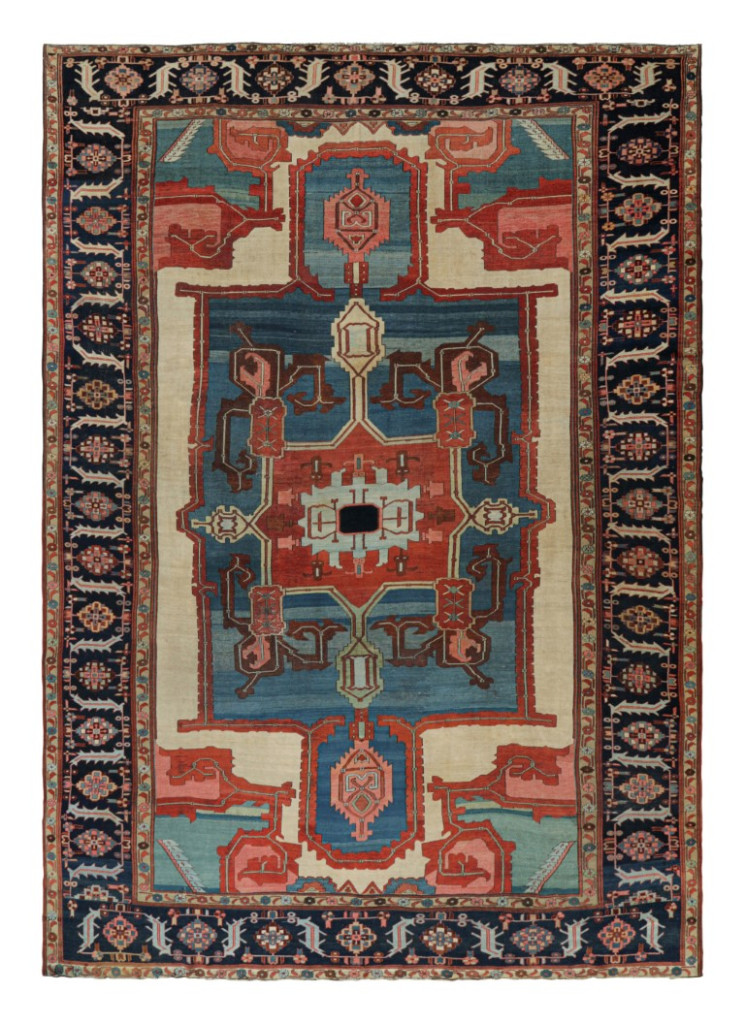
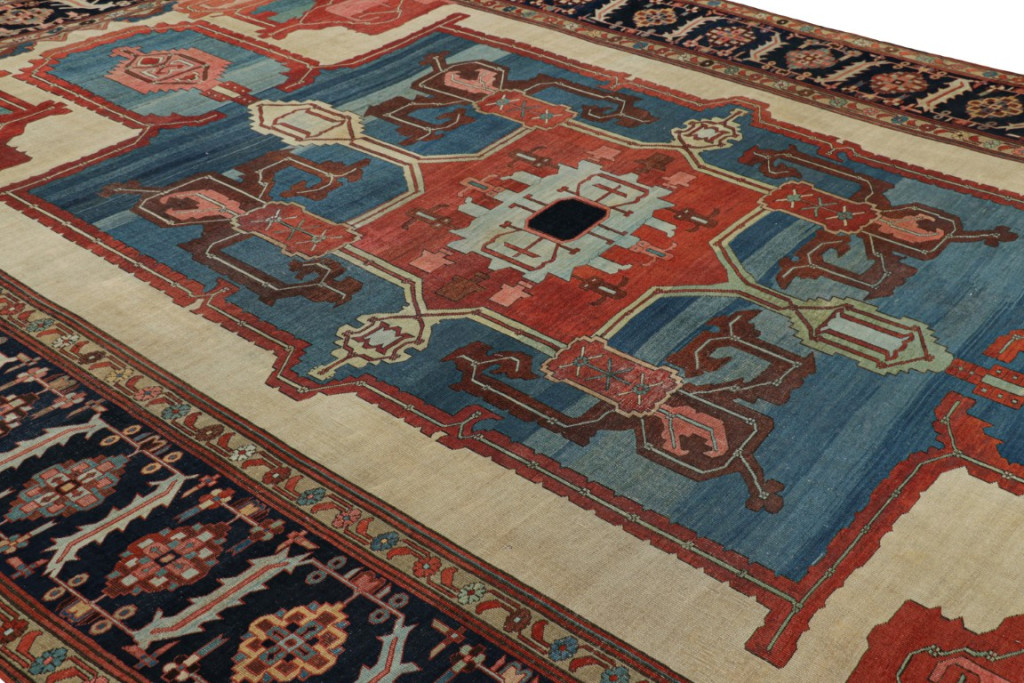 31431Antique Heriz Bakshaish Persian Rug with Geometric Medallion - Rug & Kilim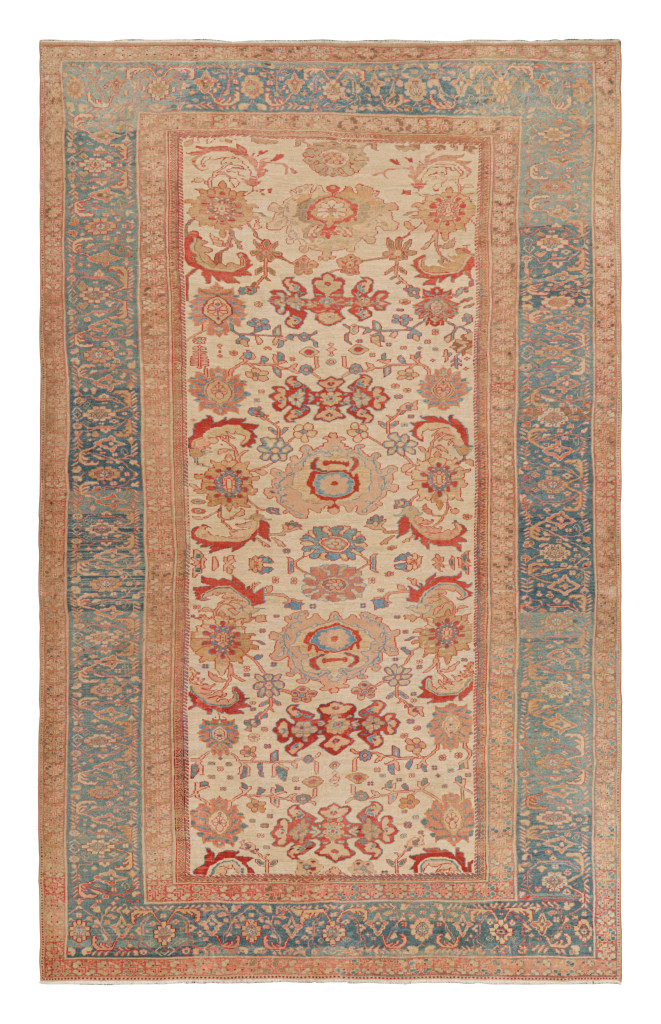
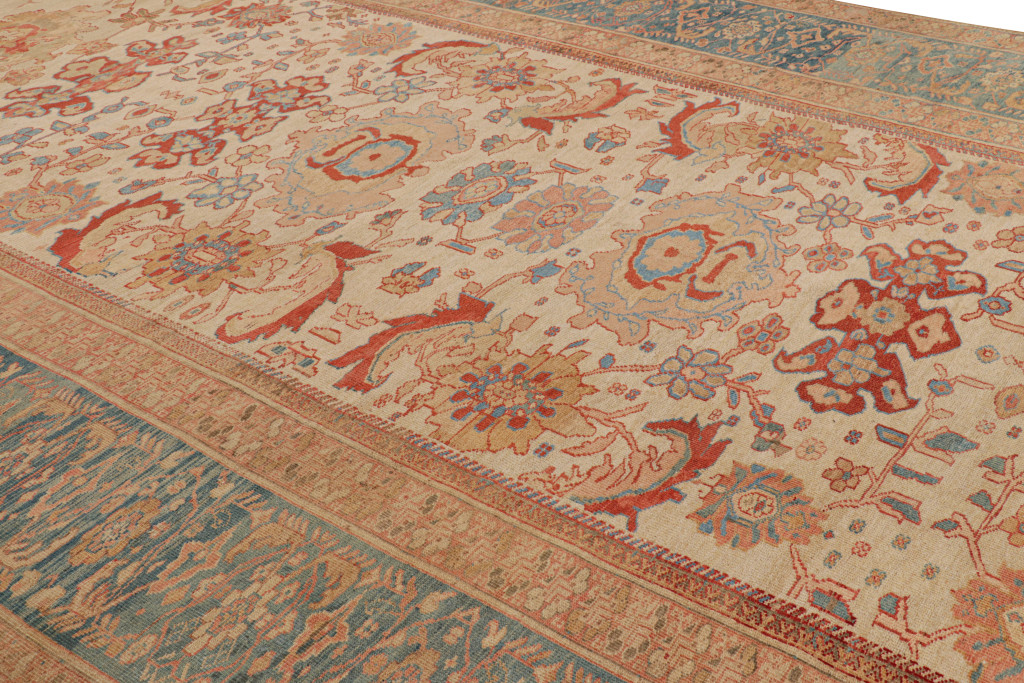 32281Oversized Antique Ziegler Persian Sultanabad Rug with Floral Design - Rug & Kilim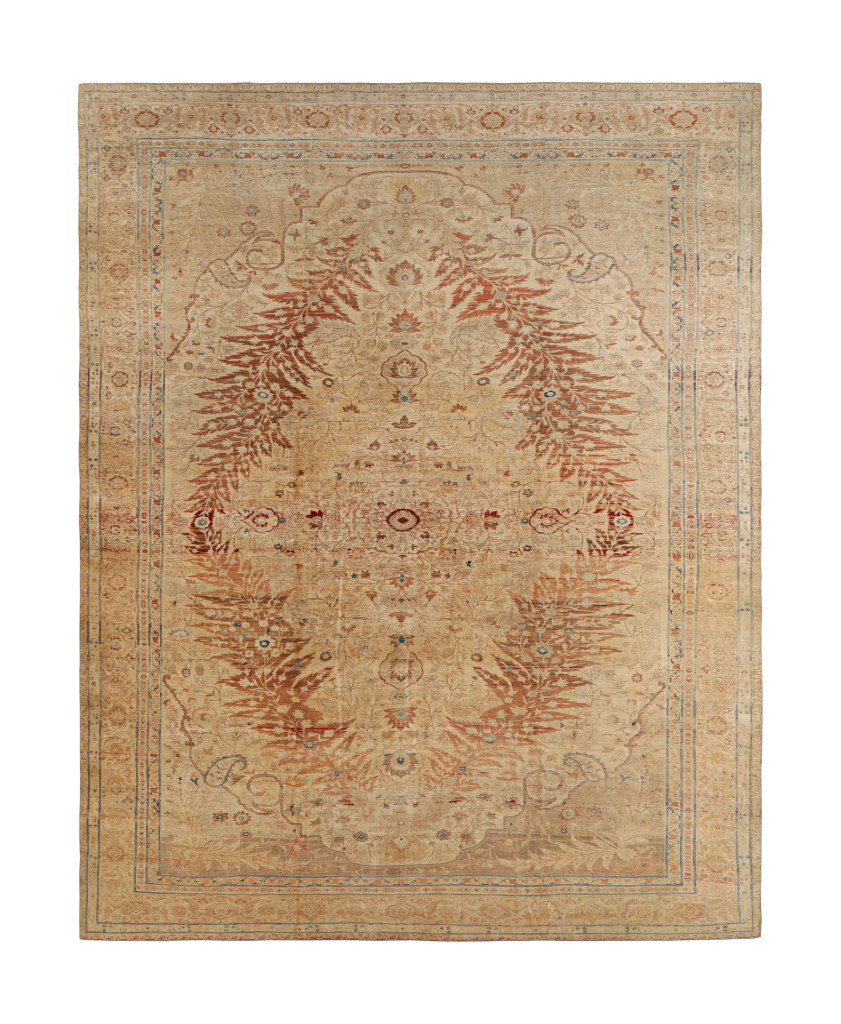
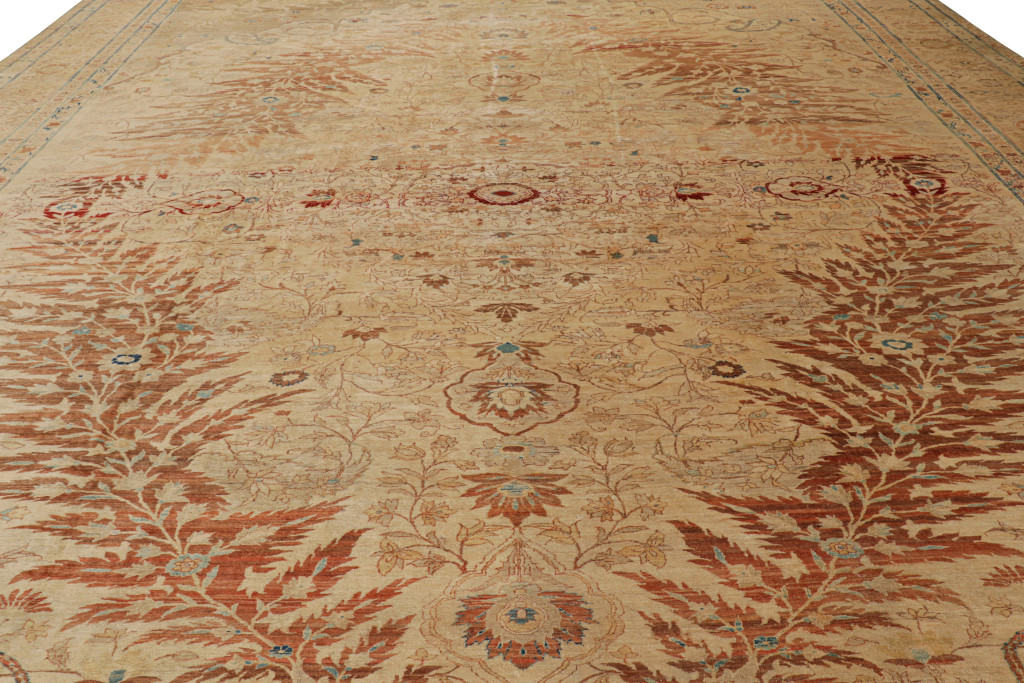 32246Oversized Antique Tabriz Persian Rug in Gold, with Medallion from Rug & Kilim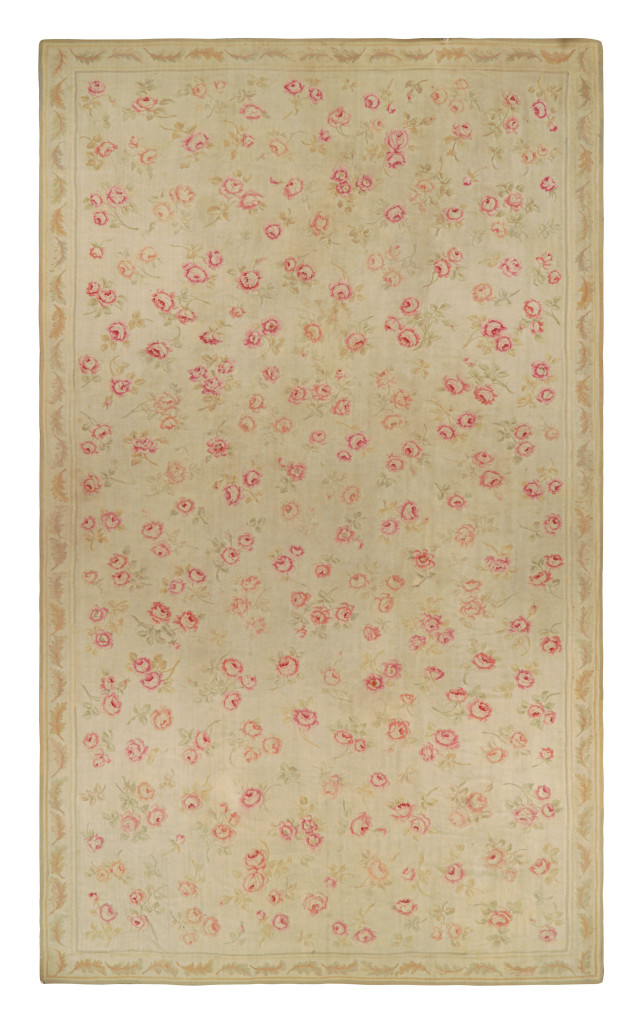
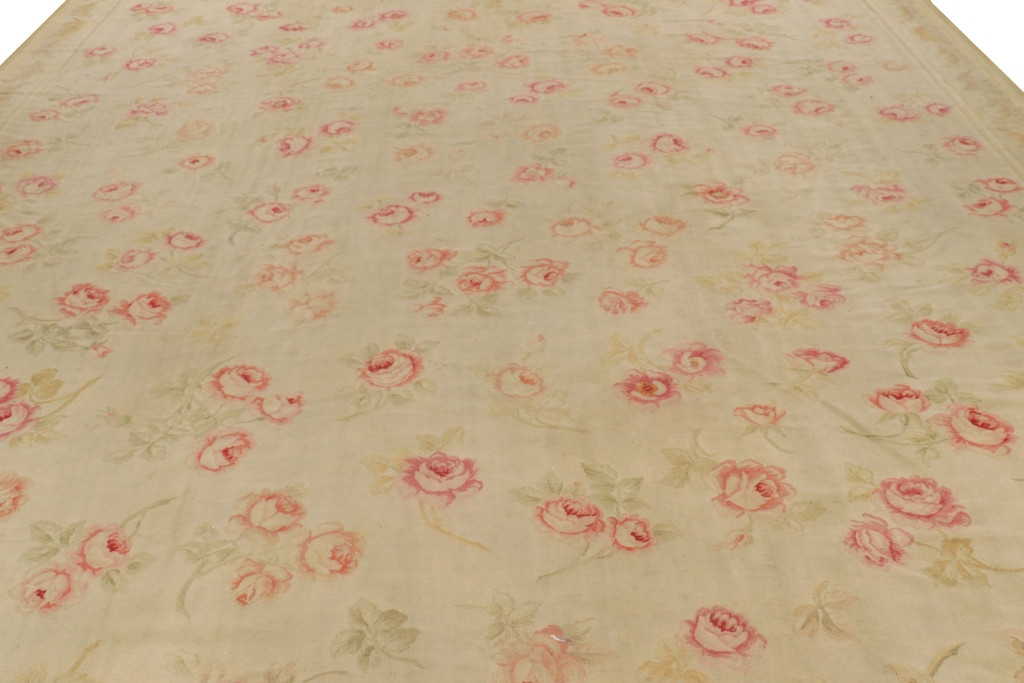 31973Oversized Antique Aubusson Rug in Beige with Floral Patterns, from Rug & Kilim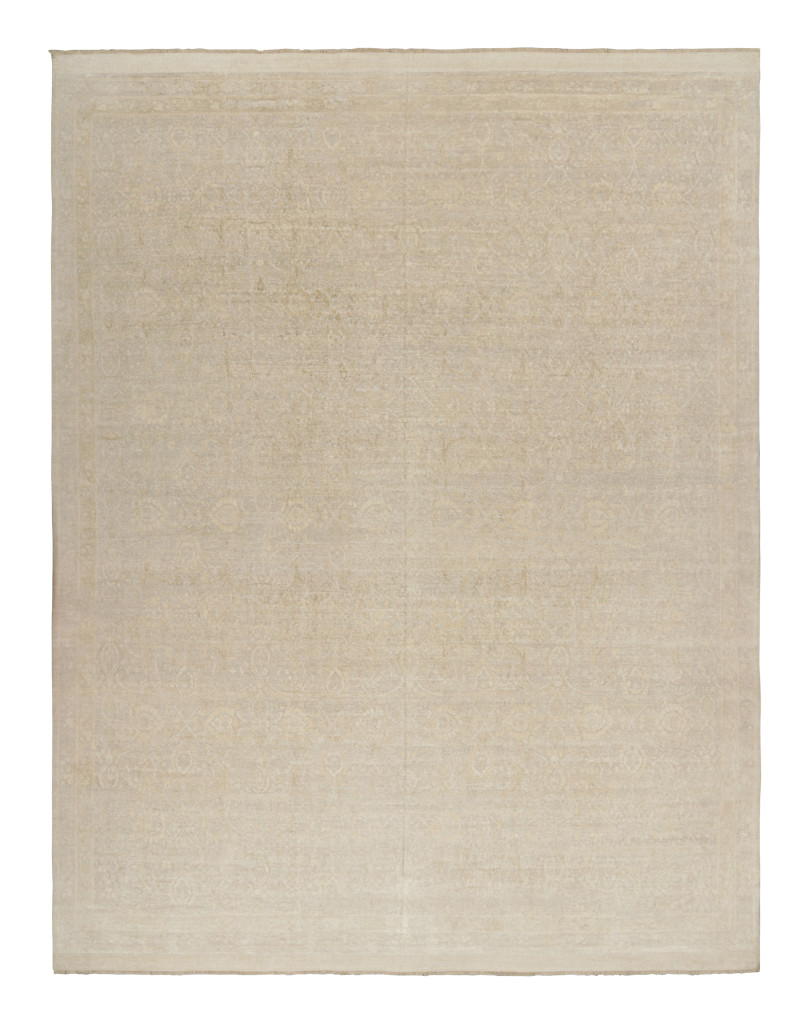
 31847Oversized Rug & Kilim’s Oushak Rug in Gray and Beige with Cream Floral Patterns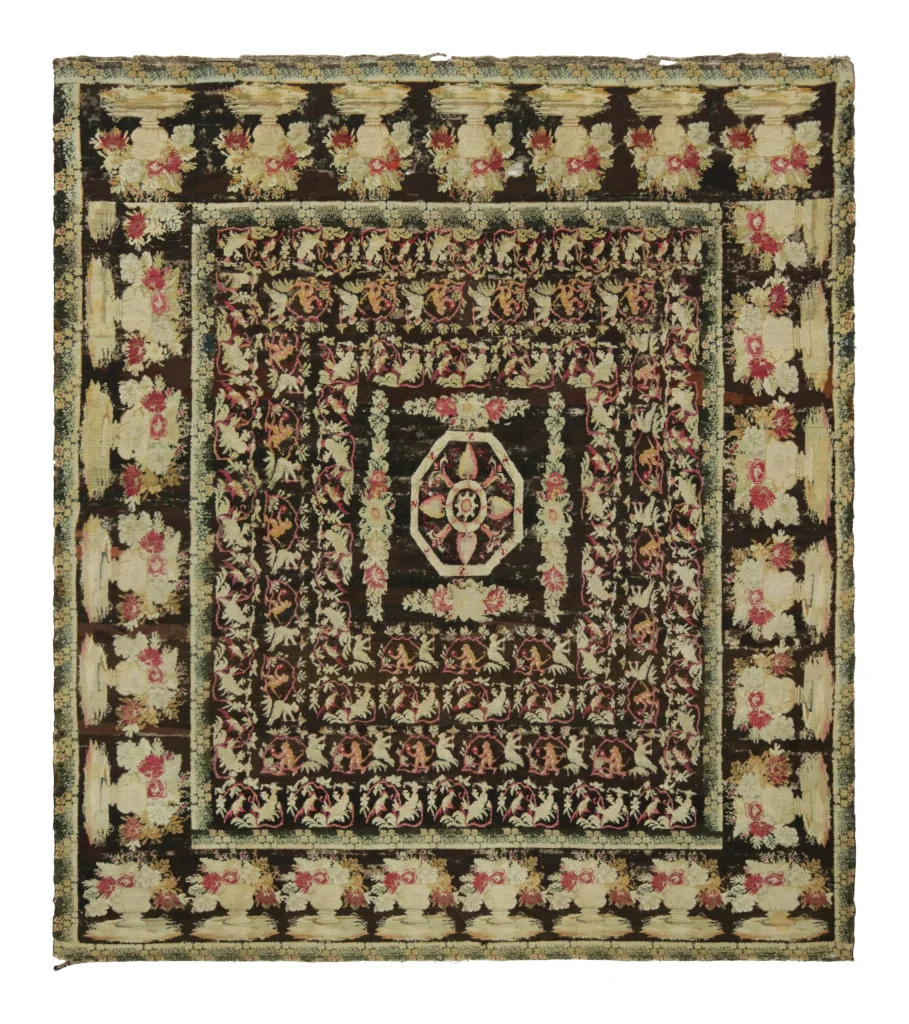
 35063Antique Bessarabian Rug, Monkey Pictorials and Floral Medallion - Rug & Kilim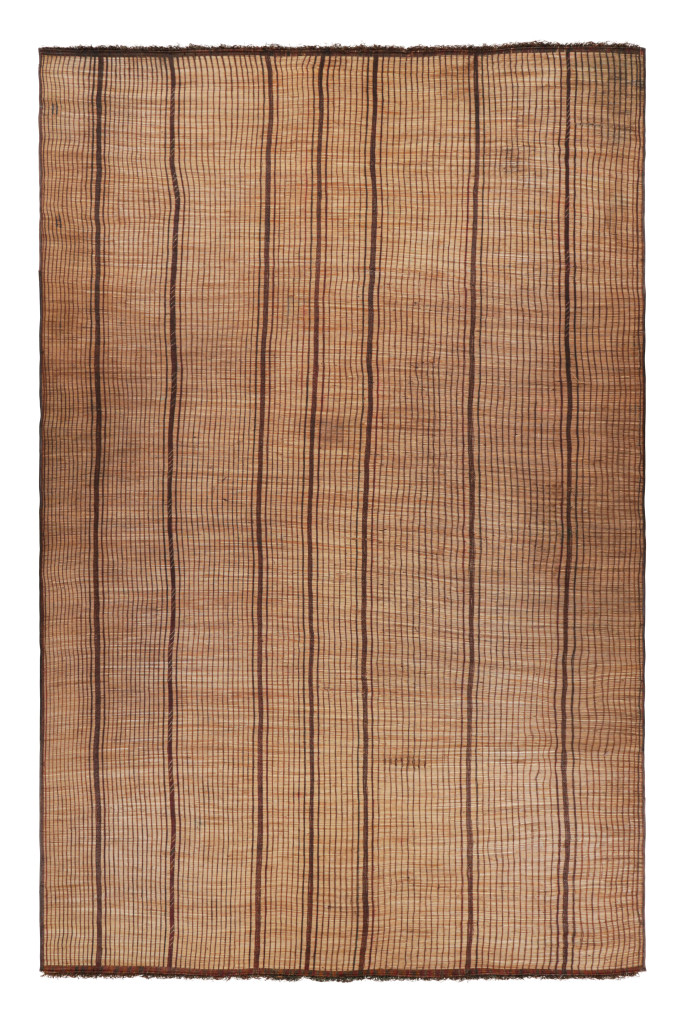
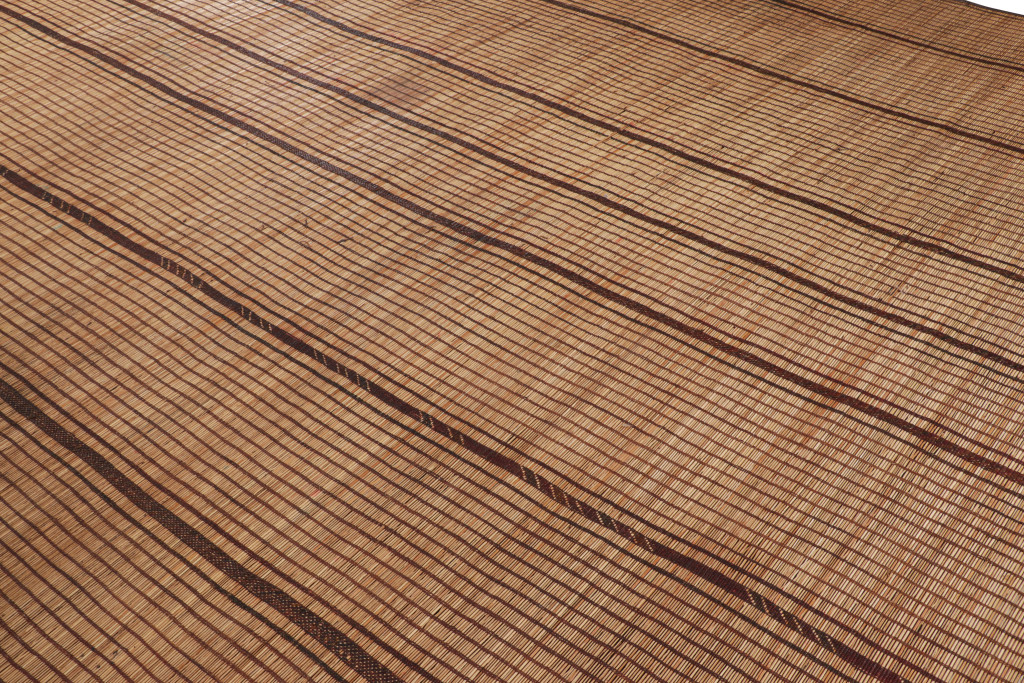 31856Oversized Vintage Moroccan Tuareg Mat, with Geometric Stripes, from Rug & Kilim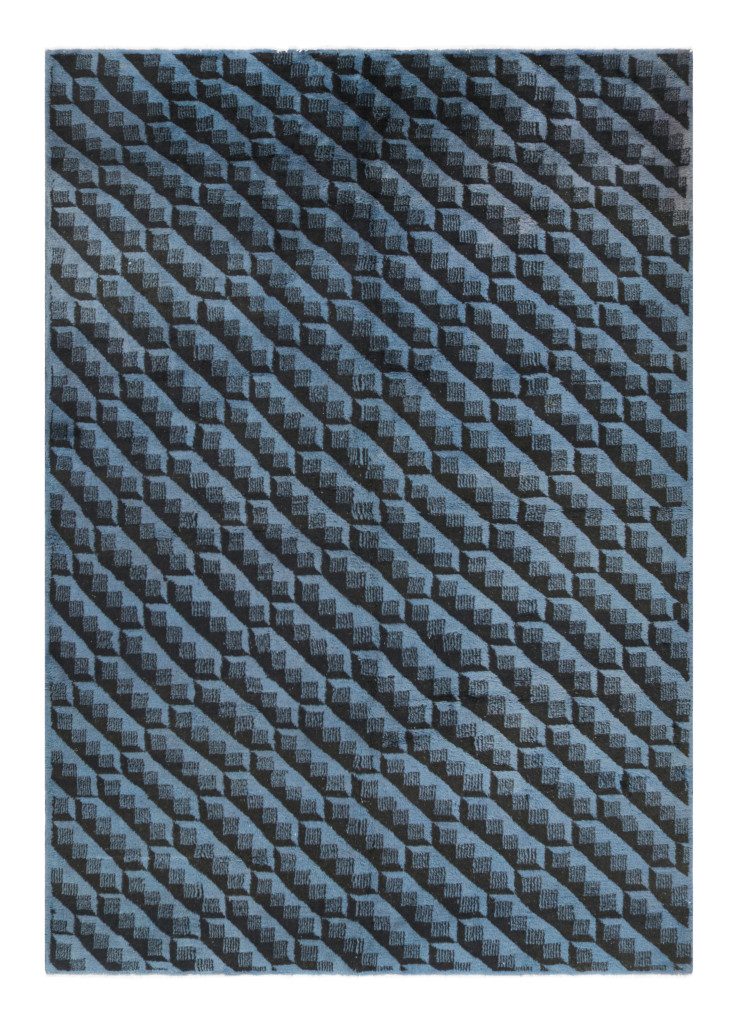
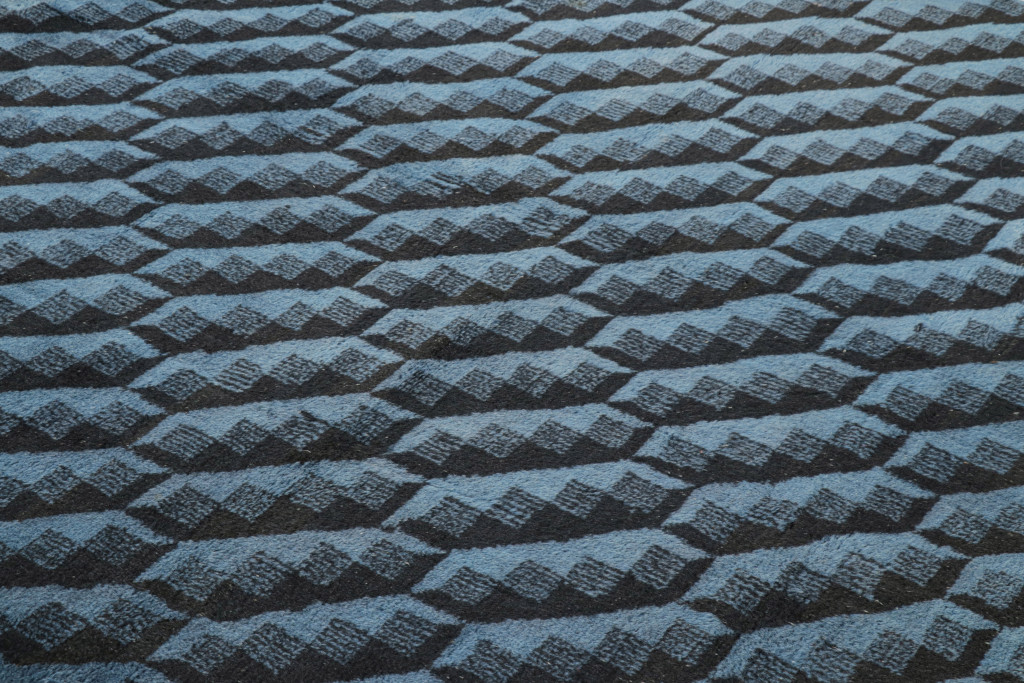 31618Vintage Turkish Rug in Blue and Black Geometric Patterns, from Rug & Kilim
Stories from the The Jahanshah Collection Archive
Essays, artist dialogues, and provenance notes drawn from Rug & Kilim’s editorial desk.
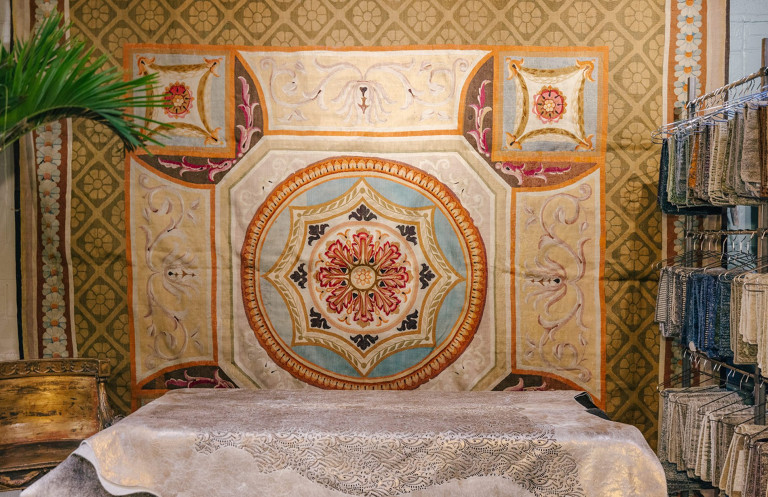
Provenance, Structure, Intelligibility: The Three Pillars of Serious Collecting
Anyone can acquire a rug. To collect one, to bring it into a serious collection with the confidence that it belongs there, requires a discipline, and that discipline rests on three questions. Across four decades of building one of the most significant archives in the country, this house has come to evaluate every object through the same three. They are the difference between buying and collecting, and they are worth setting down plainly, because they apply as readily to a Safavid fragment as to a signed Aubusson, and because they are the same three questions, at bottom, that a curator at the Metropolitan or a specialist at Christie's brings to any object of consequence.
Read the Feature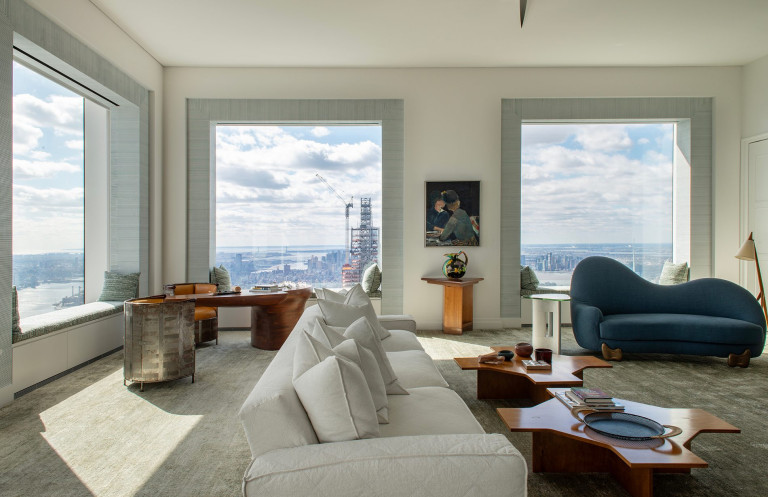
The New Luxury Is Something You Can Feel: Texture in the Modern High-End Interior
As featured in NEPTUNE Papers 10, Rug & Kilim’s custom hand-knotted silk carpet appears within a private Manhattan penthouse designed by renowned French interior architect Jacques Grange.View More Press Articles>> For the better part of two decades, the language of luxury was spoken in color and pattern. A room announced itself through what could be seen from across it like the saturated wall, the bold motif, the statement made at a glance. That language has quietly changed. The most considered interiors of this moment no longer announce but invite. And the medium of that invitation is not color, nor pattern, but texture, the one quality of a room that cannot be photographed, cannot be reproduced on a screen, and cannot be fully understood until one is standing inside it.
Read the Feature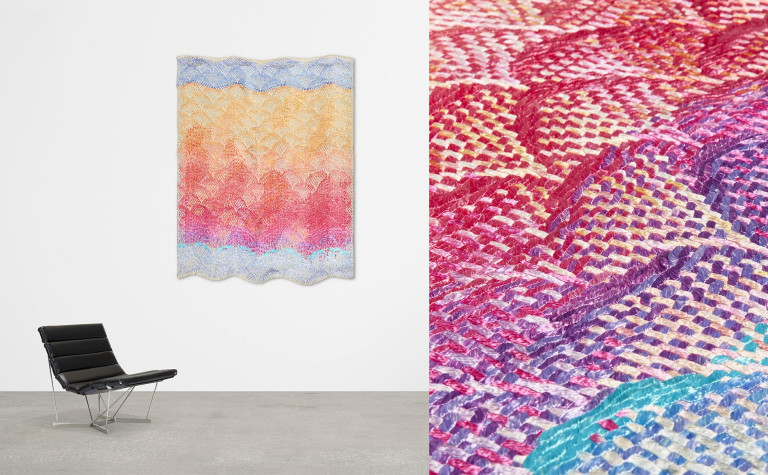
The Layered Home: 5 Ways to Rethink Floor Rugs and Wall Tapestries
The real spatial dimension does not get painted, it gets woven. Begin with hanging a piece such as Signed Vintage Lia Cook Tapestry slightly off-center on one of your main walls. Its intricate Jacquard weave and the friction created between its rayon and linen fibers will require a lot of breathing room, immediately establishing a gravitational pull of the whole room. But to balance this vertical tension, the ground beneath your feet needs to become much more rigorous. With the use of a rigorously beaten warp-faced plane such as cotton Indian Dhurrie or Antique Swedish Röllakan's interlocking tapestry weave, you create a flat but structurally resistant base. A ground made from a rigidly woven material needs to be challenged. The last textural transition will come from placing a Vintage Frazada Kilim with heavy weft interlace across your warp-faced plane. The act of overlapping your heavy weft on a rigorously
Read the Feature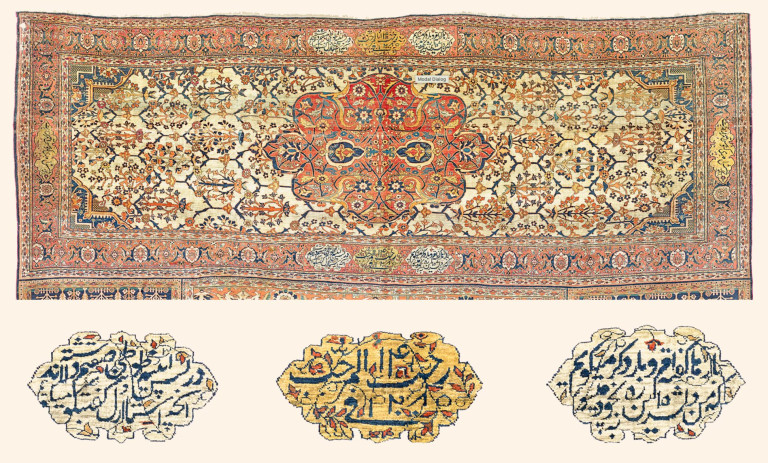
Of Royal Culture and Inheritance: The Silk Heriz Triclinium Carpet of 1868, Perhaps the Finest Surviving Example in the World
Our founder and principal Jahanshah Josh Nazmiyal has been in the carpet industry long enough to have learned that the great pieces announce themselves before one has understood what one is looking at. The light catches the silk a particular way. Some quiet, almost biological recognition runs through the room, the way a wine of consequence stills the table before anyone has spoken its vintage. One has the sense of having interrupted a conversation already in progress. The carpet was here first; one is being received by it. The team welcomed this silk Heriz, the way Jahanshah had unrolled perhaps forty thousand carpets across the better part of his life, and we will tell you honestly that we sat down beside it for a long time before any of us said anything. There is a particular gold in the mian farsh; the great central field, that we all have seen perhaps rarely before in a quarter-century of looking. It is the gold of late-October sun on the dome of the Shah Mosque in Isfahan, the gold the Safavid silk weavers of the seventeenth century pursued and very nearly lost, the gold that the Heriz workshops of the 1860s recovered for a brief generation of patrons before the world turned and they were forgotten. To kneel beside it is to be quiet in the presence of something that does not require your understanding to be what it is.
Read the Feature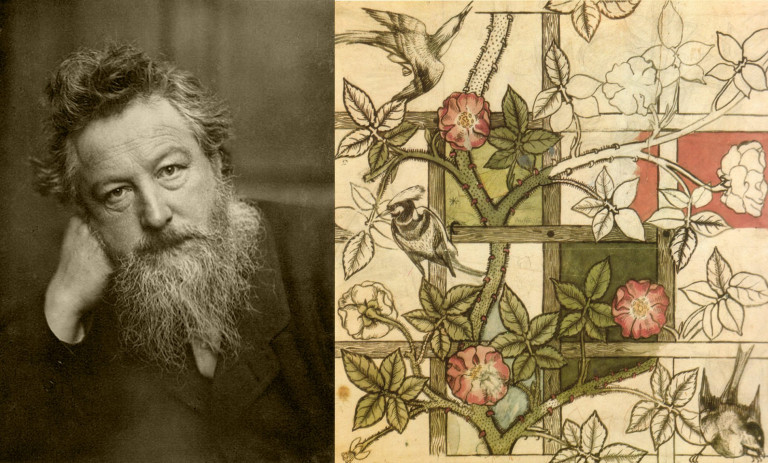
What William Morris, Paul Poiret, and the Bauhaus Each Understood About the Rug and What French Art Deco Proved
In the winter of 1883, William Morris stood before a room full of wool merchants, manufacturers, and assorted Victorian worthies in a lecture hall in Birmingham and said something that no one in that room was prepared to hear. The decorative arts, he told them, were not decorative at all. They were the most serious form of human making and their degradation under industrial production was not an aesthetic problem but a civilizational one. He had brought, as he often did, an Oriental carpet to make his point. Then he said, in effect: this is what we have lost the capacity to make, and until we recover it, we have no business calling ourselves a culture.
Read the Feature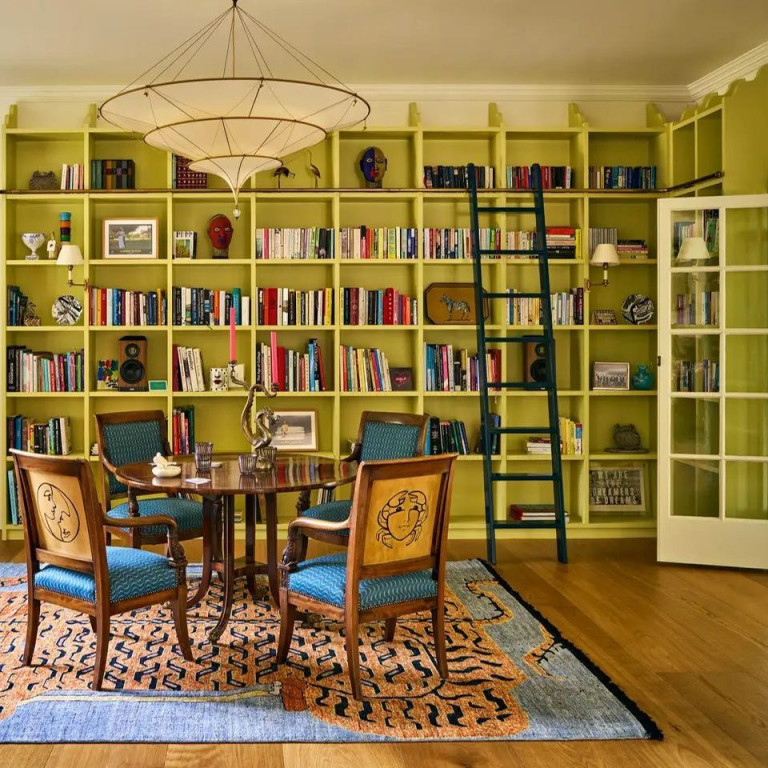
Rug & Kilim’s Burano Collection: Centuries of Styles, Woven Anew
Each Burano rug is a legacy in the making—destined to be the antiques of the next generation. Above, a custom tiger rug design from Rug & Kilim’s Burano Collection underscores the library of a country house and cottage in Sussex, England—designed by Studio Hollond. This particular rug adapts the tiger-skin pictorial to a new large scale in blue, rust orange and black tones, playing with a rich area and playful bookcase in chartreuse tones. At the intersection of historical reverence and contemporary innovation lies Rug & Kilim's Burano Collection—a nod to the timeless design reimagined for the modern connoisseur. This exceptional line of handmade masterpieces represents a paradigm shift in the realm of luxury floor coverings, offering a fusion of antique aesthetics and modern craftsmanship.
Read the Feature