


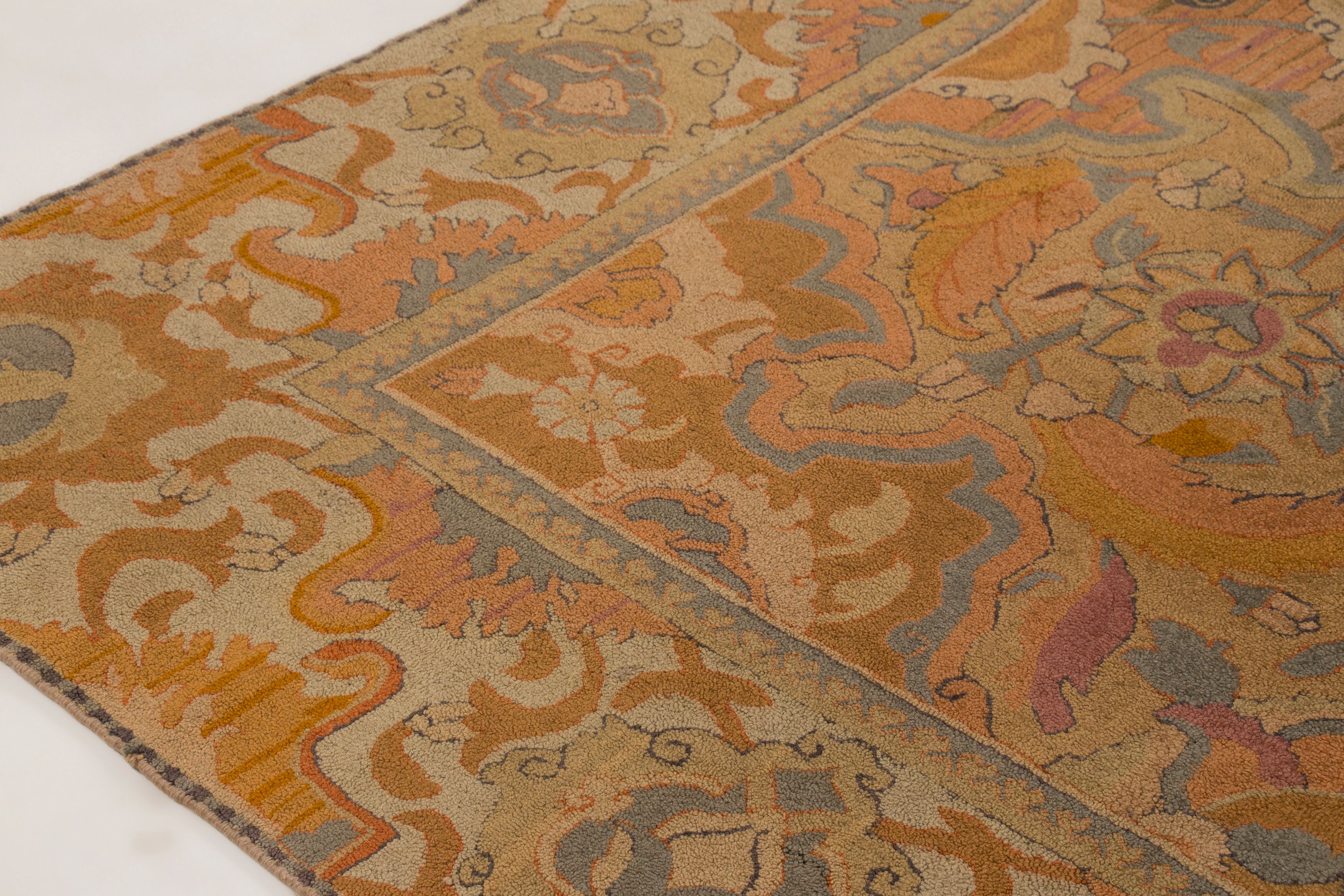
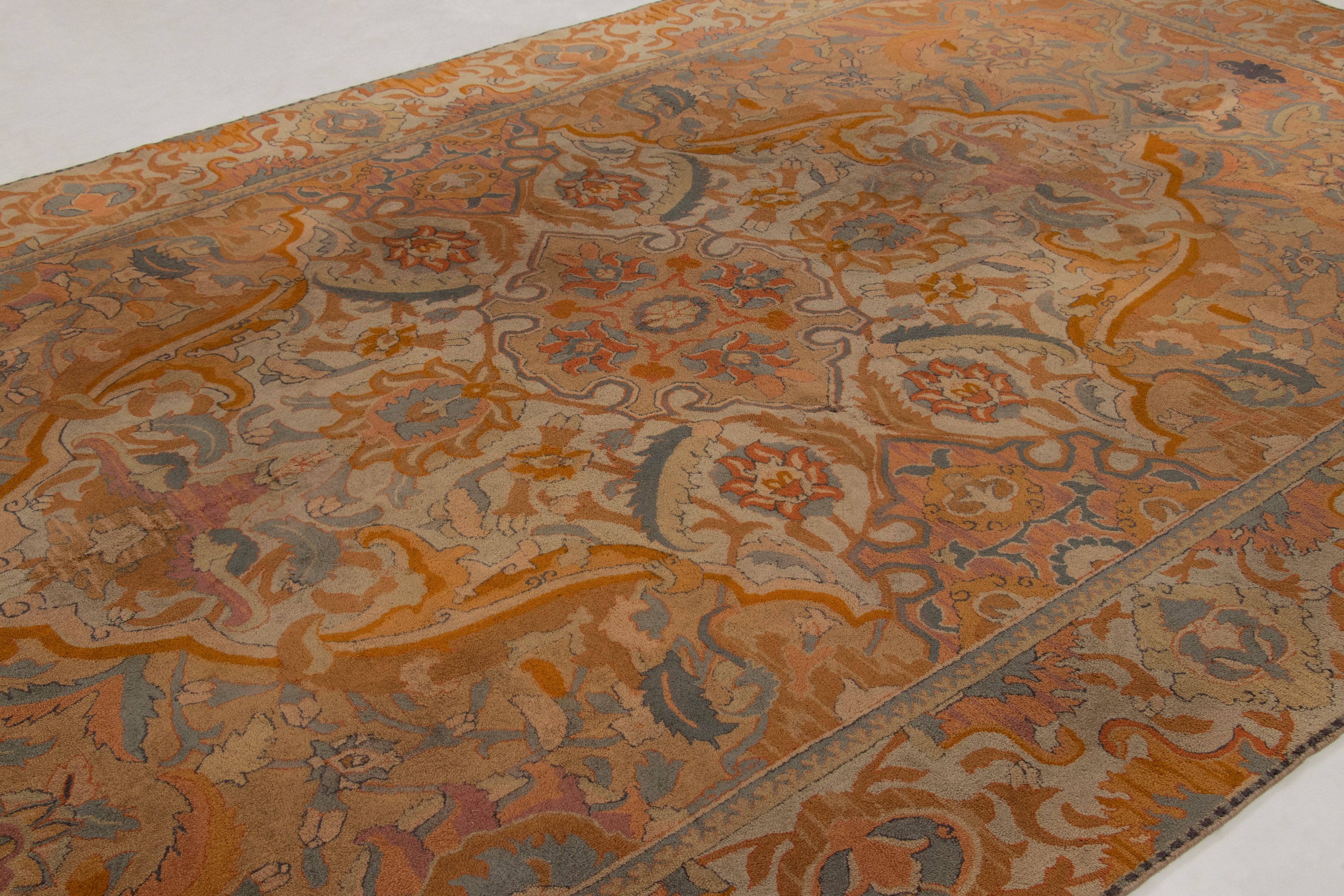
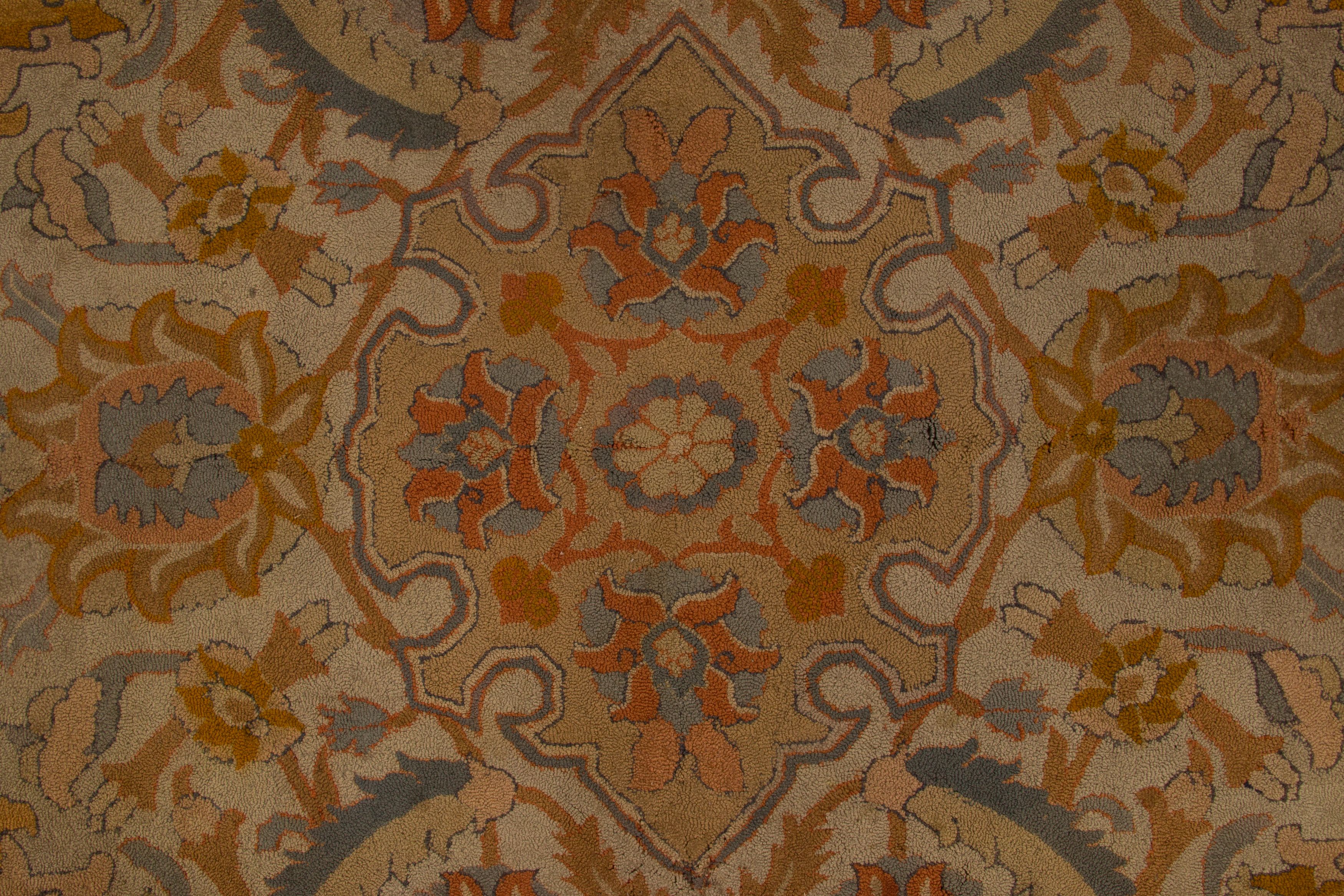
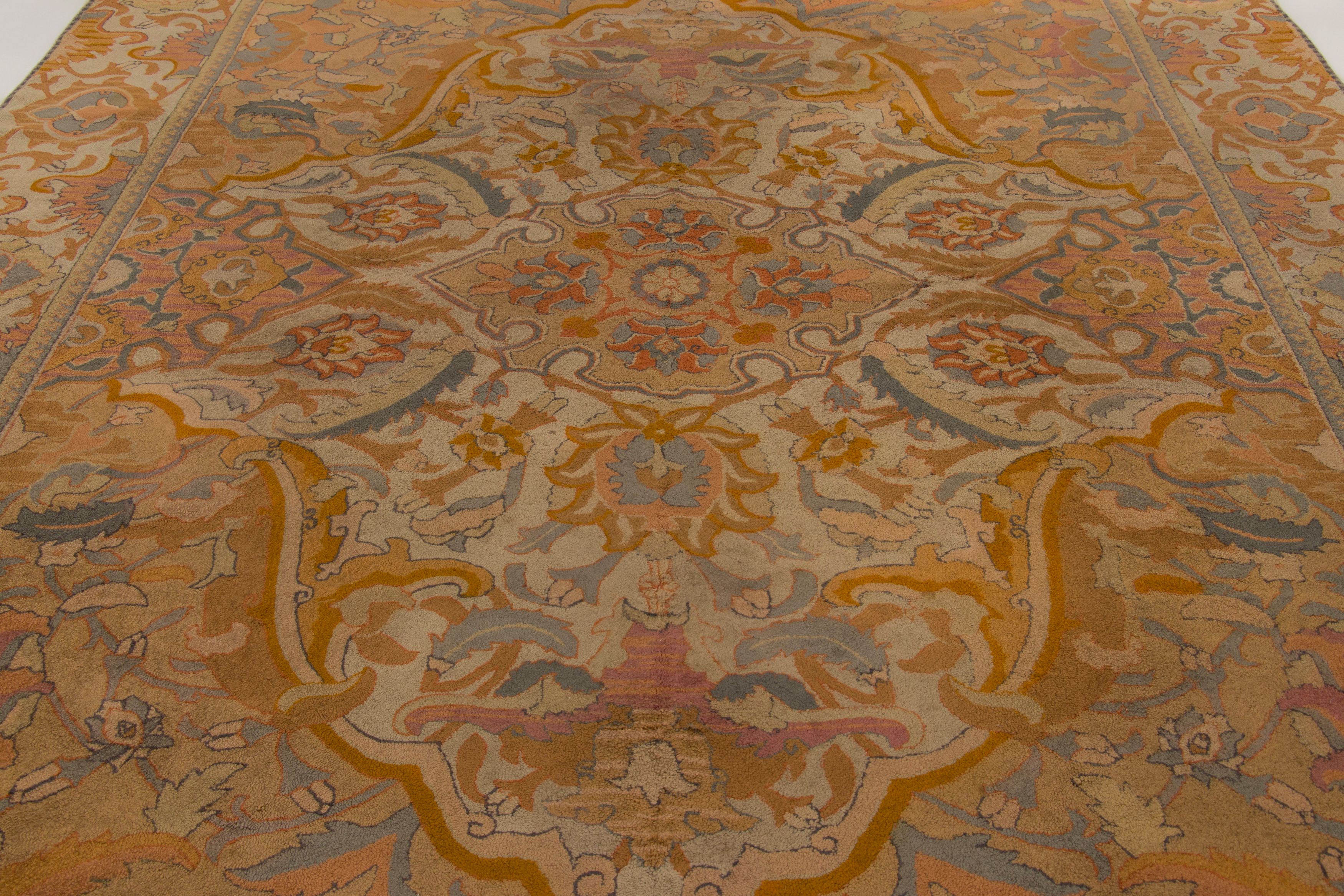
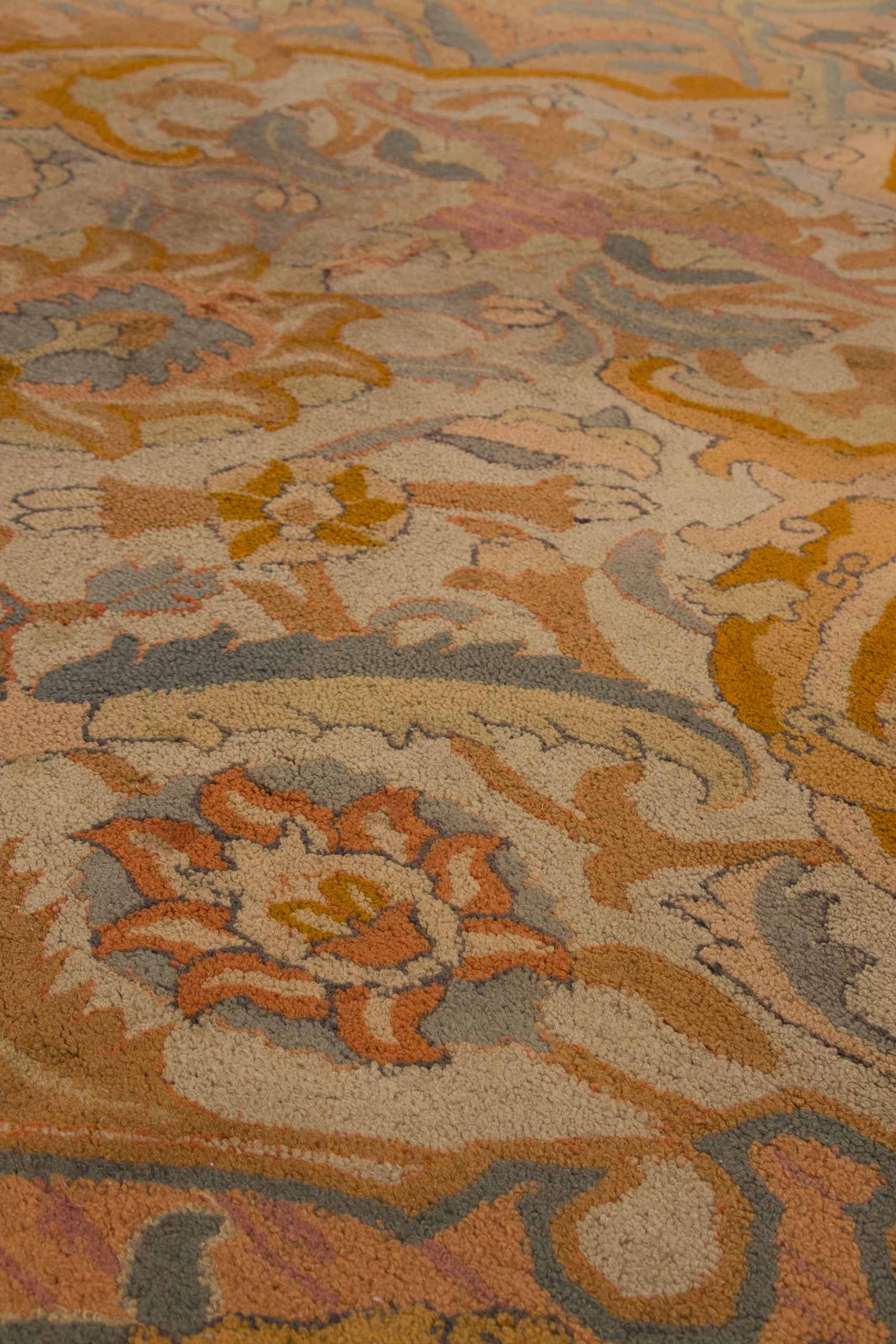
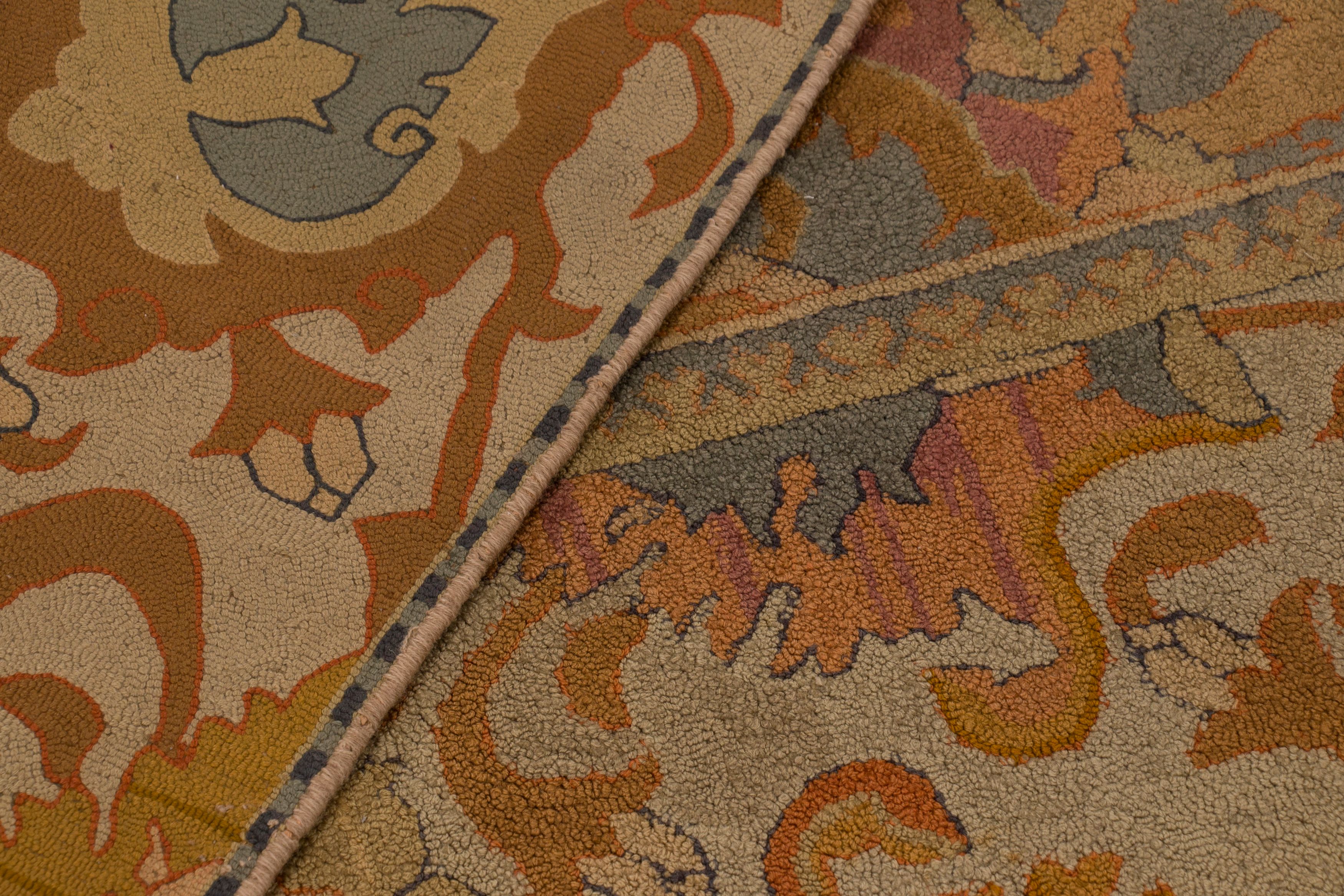
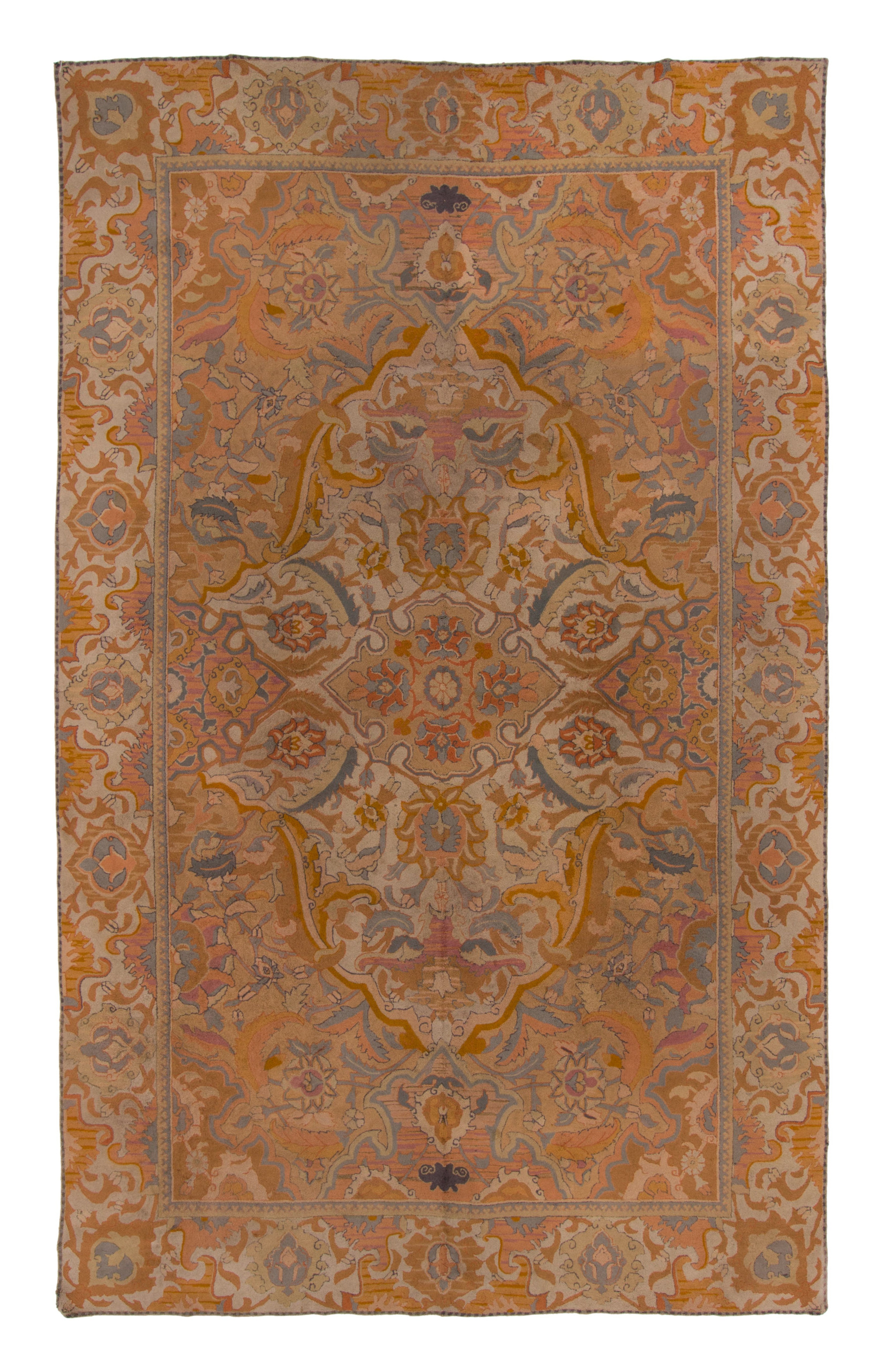
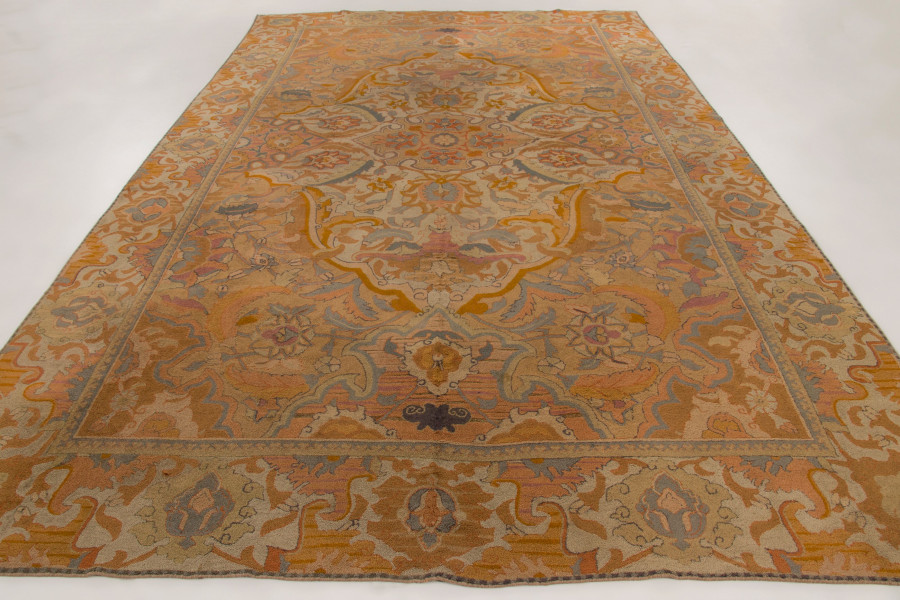
Wool
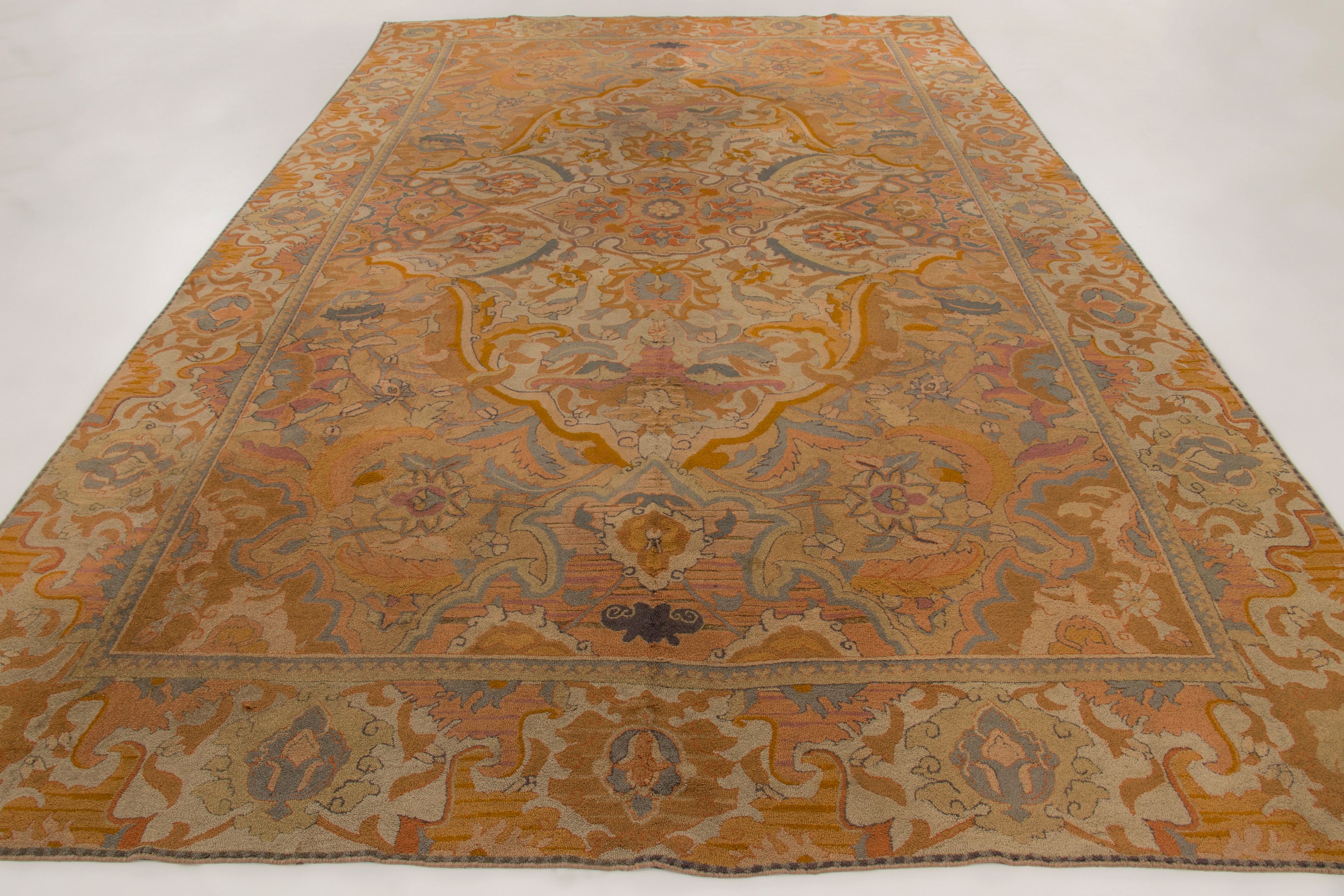
China, c. 1920-1929
9'0" X 14'10" (2.74 m x 4.52 m)
Available: Shipping As Soon As Tomorrow
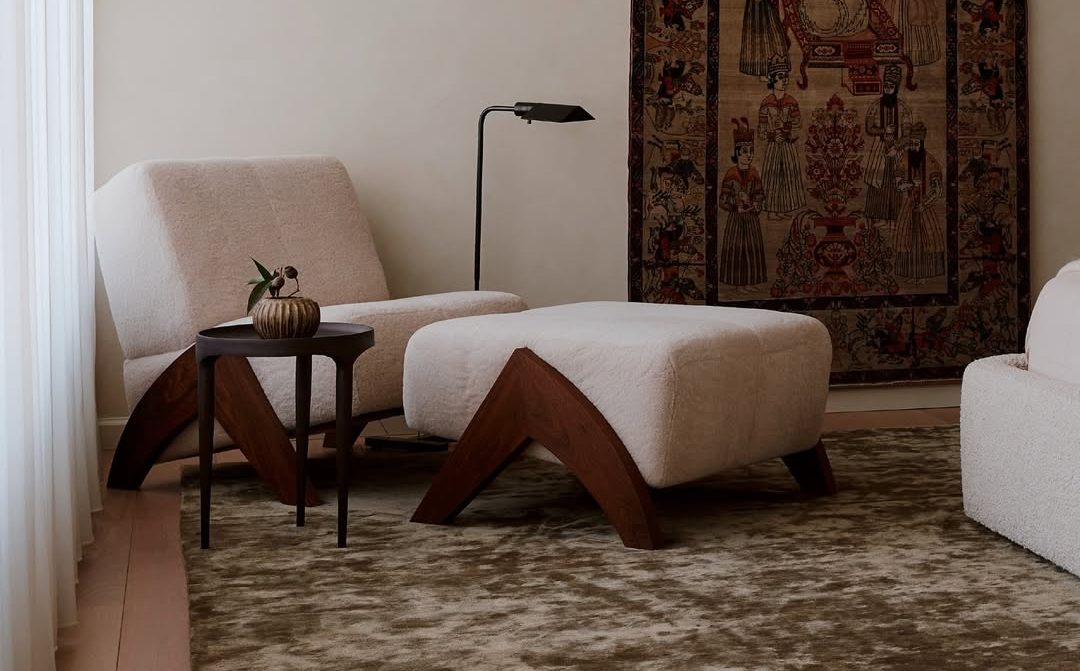
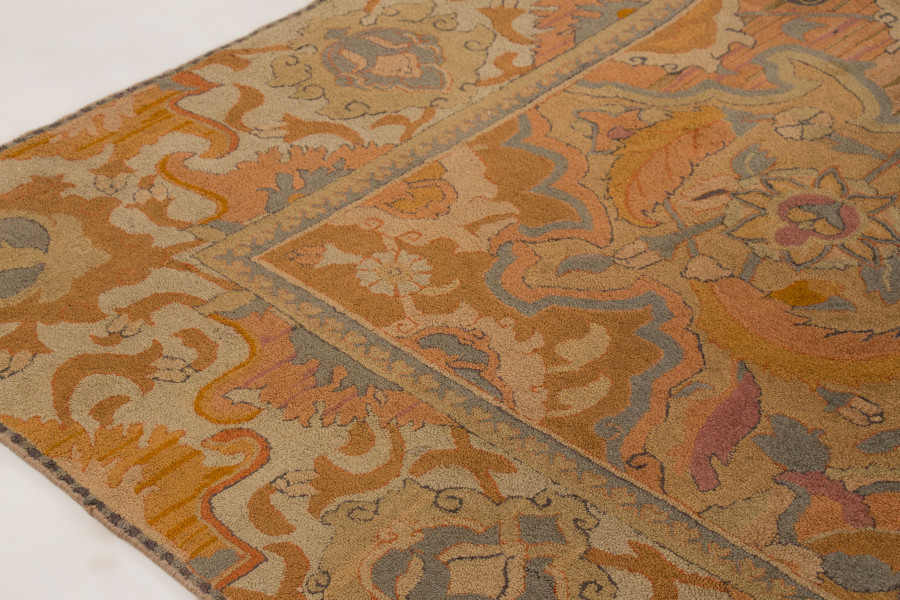
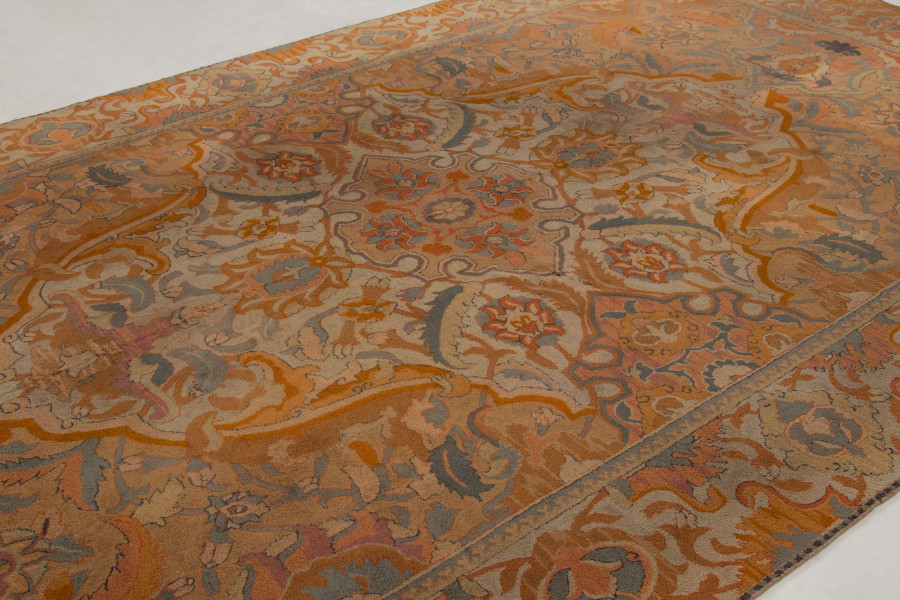
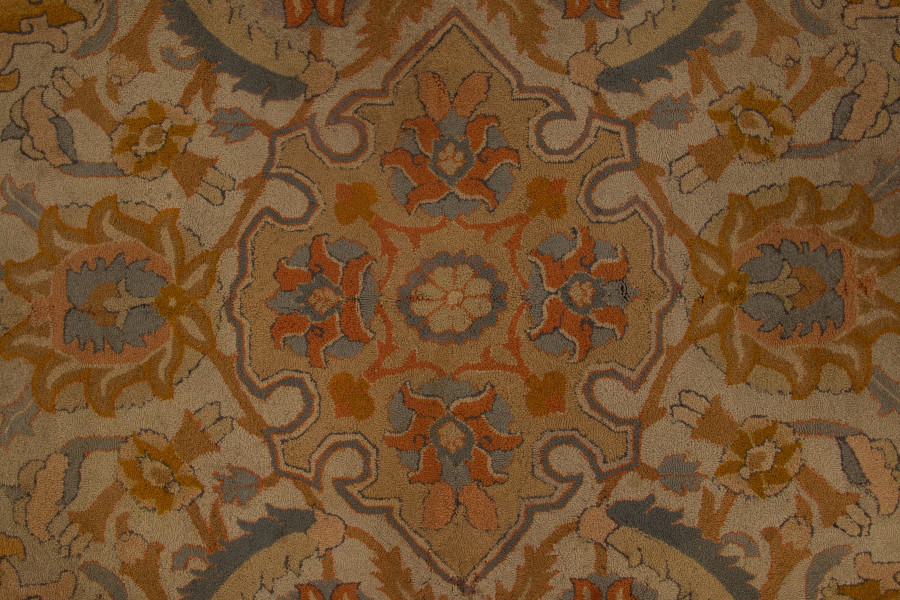
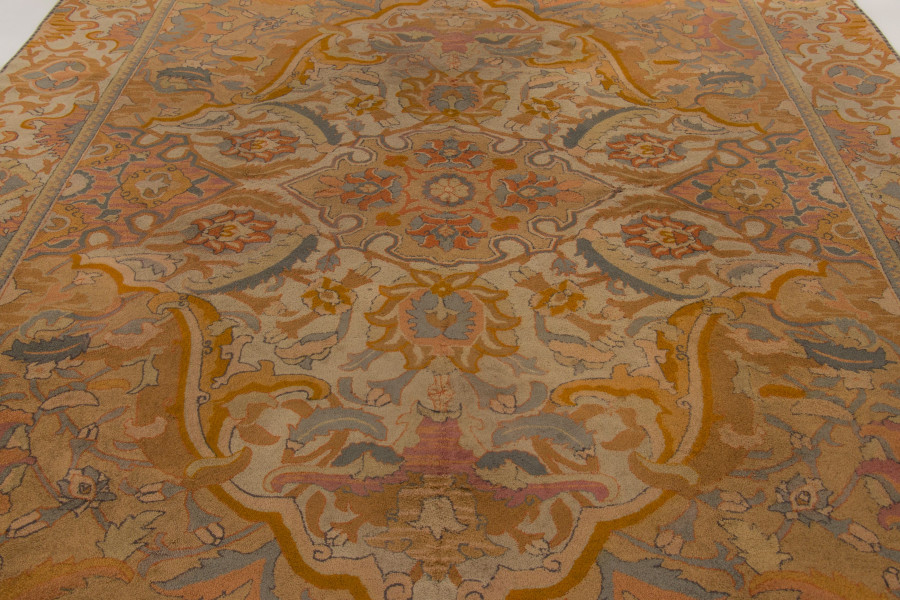
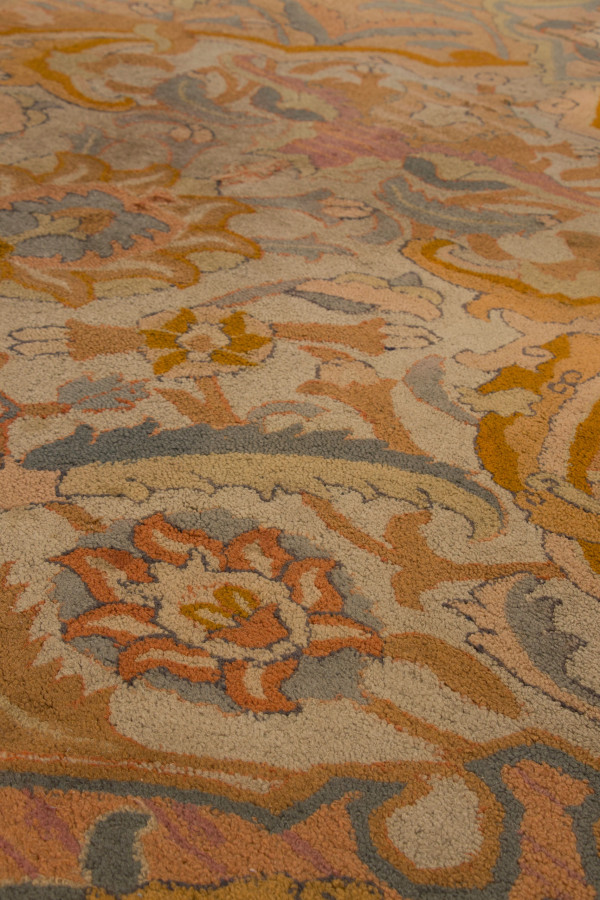
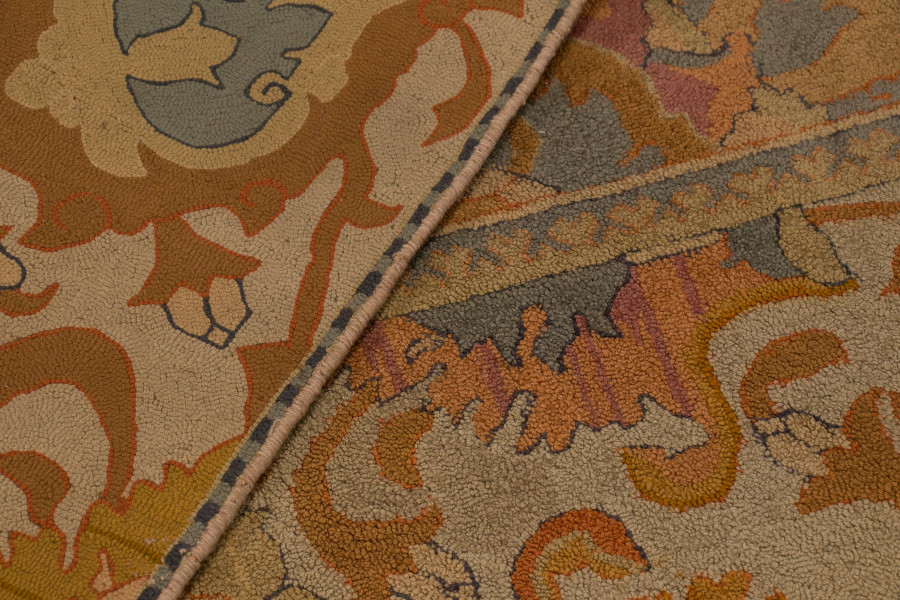
Antique Chinese Hooked Rug with Polonaise Design in Brown Hues - Rug & Kilim


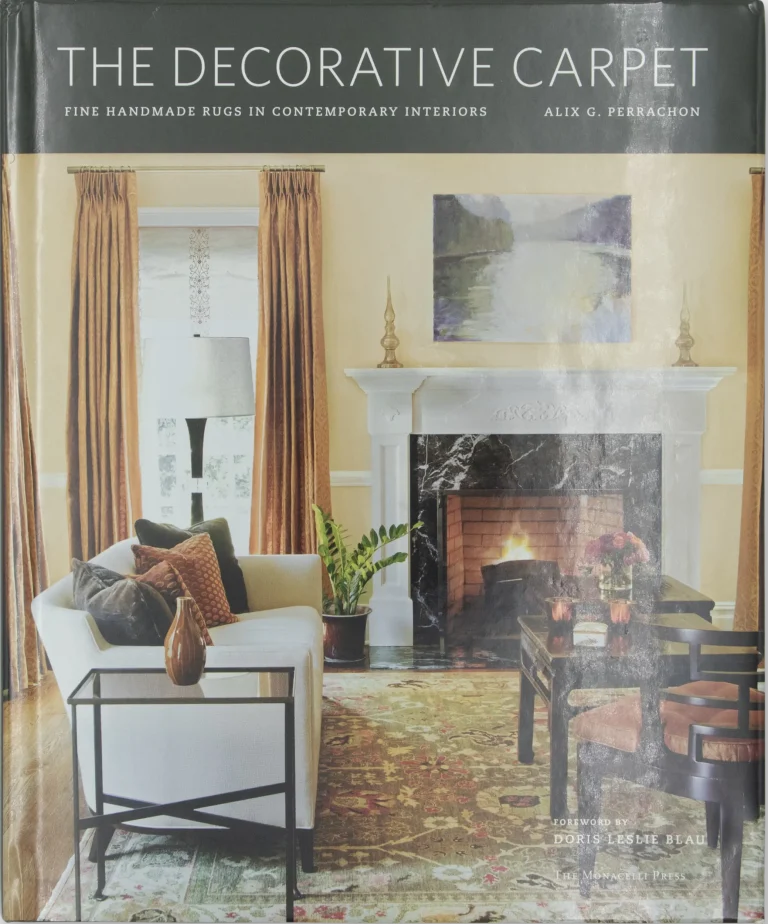
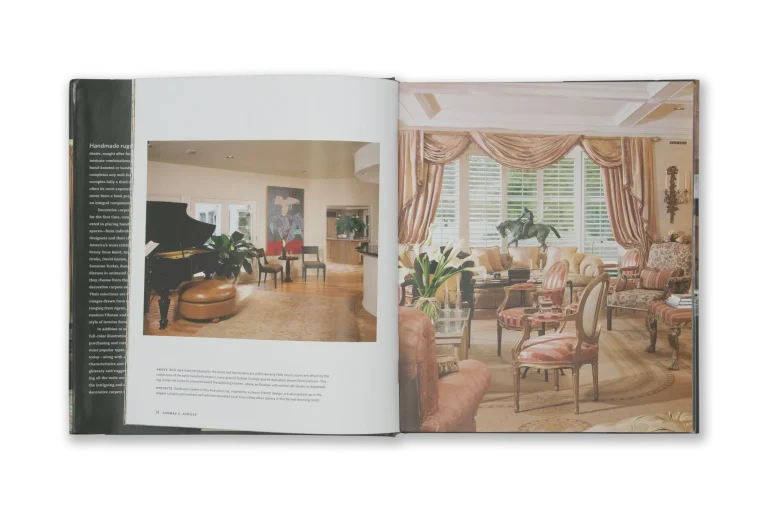
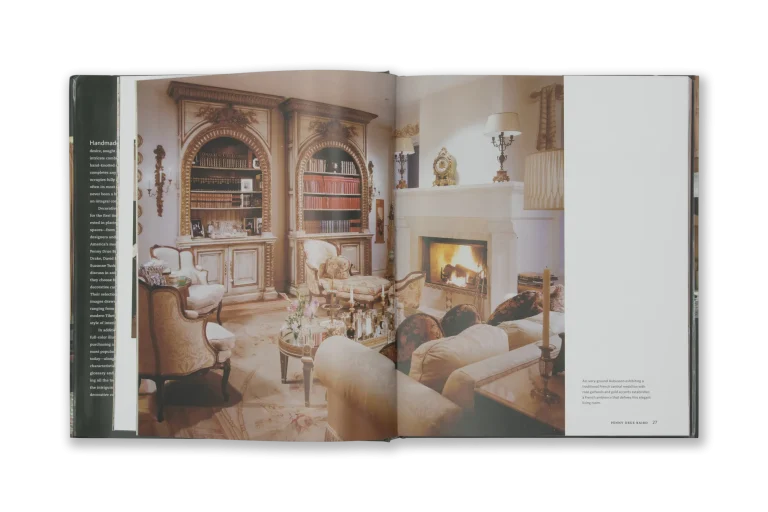
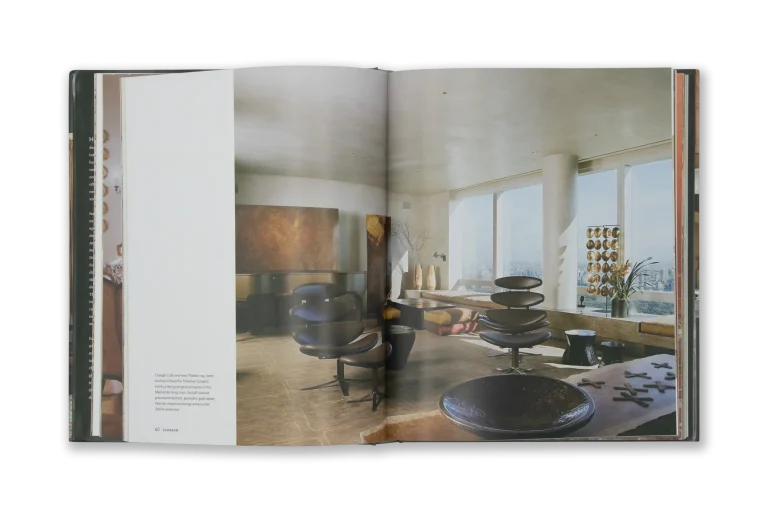
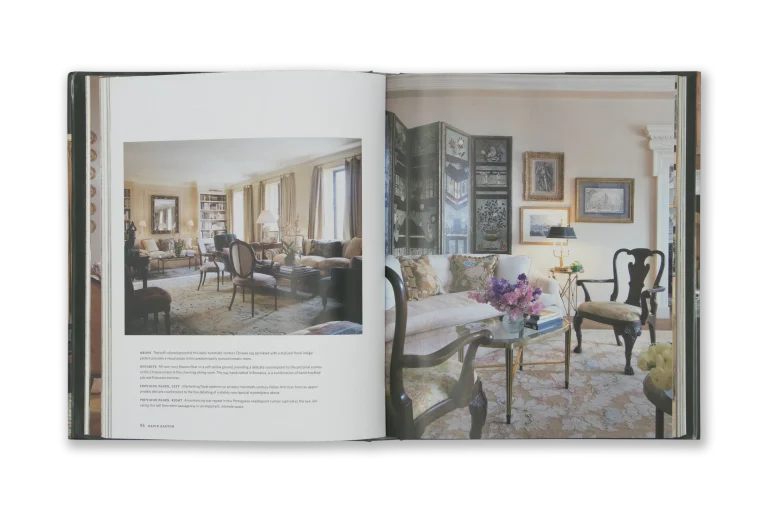
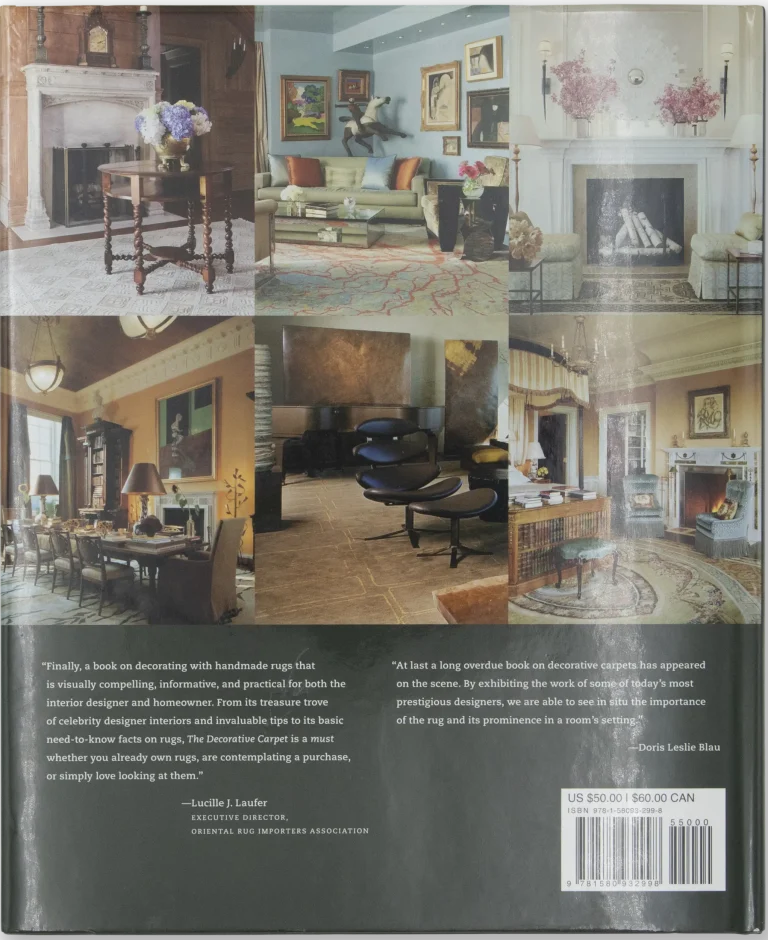
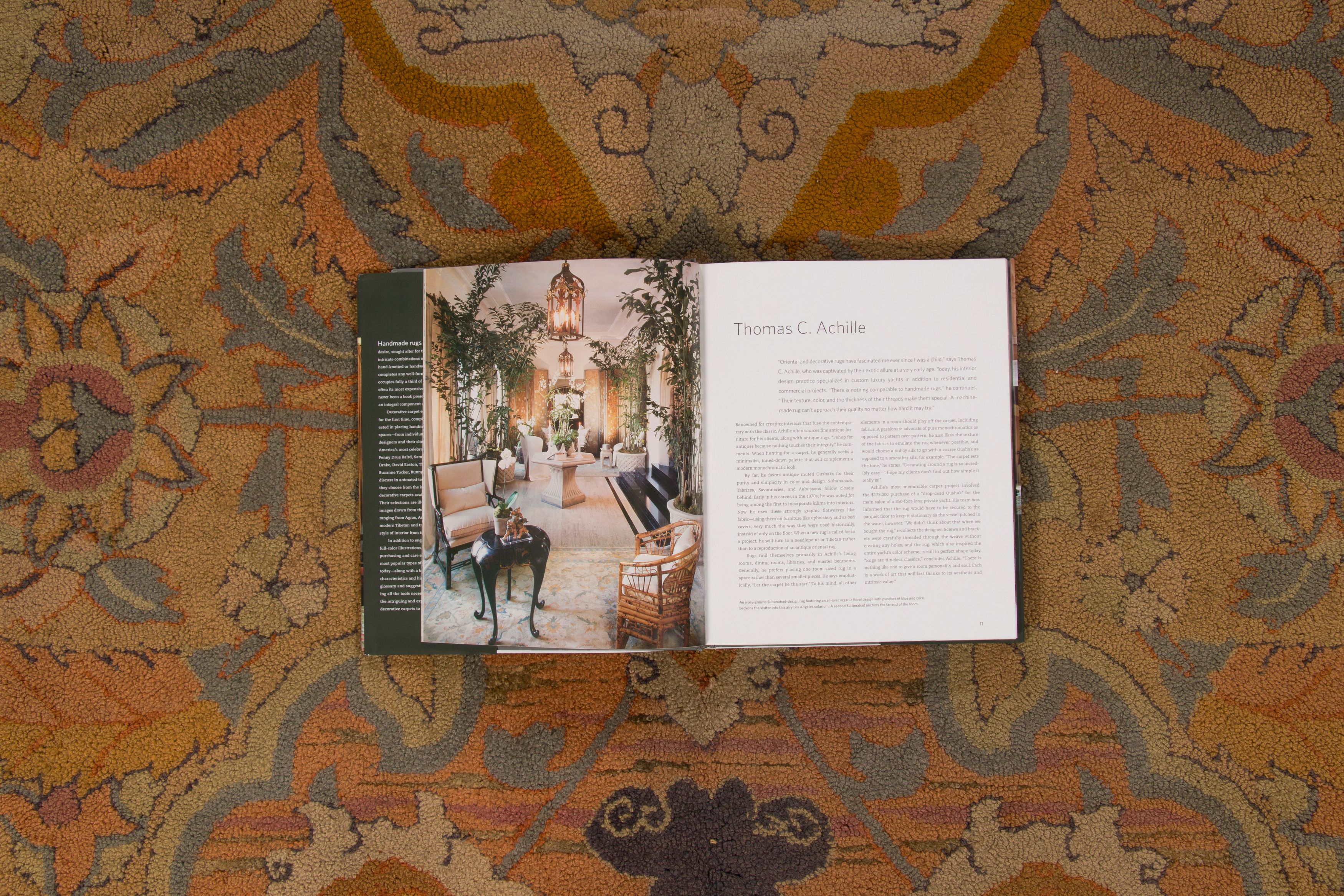
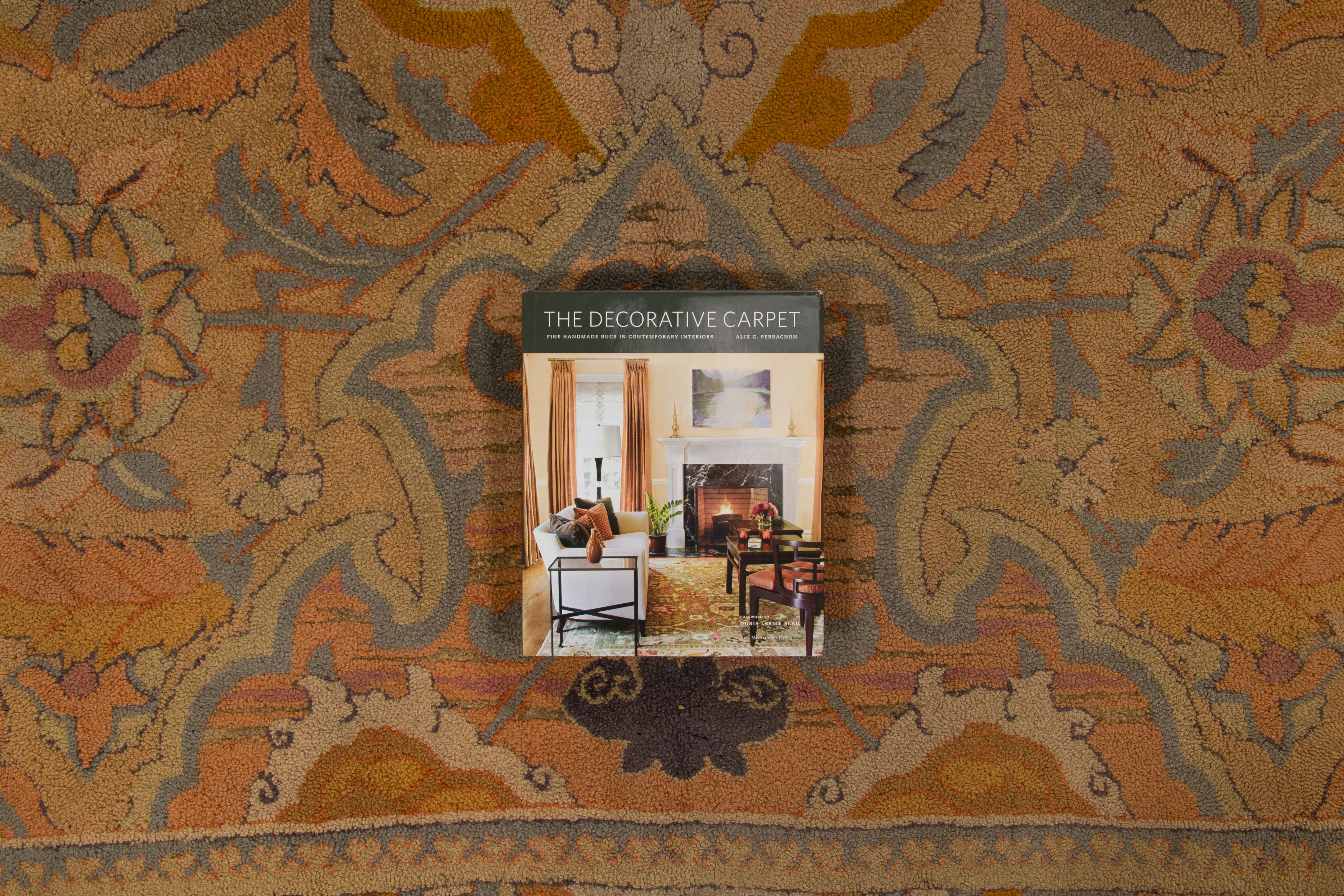
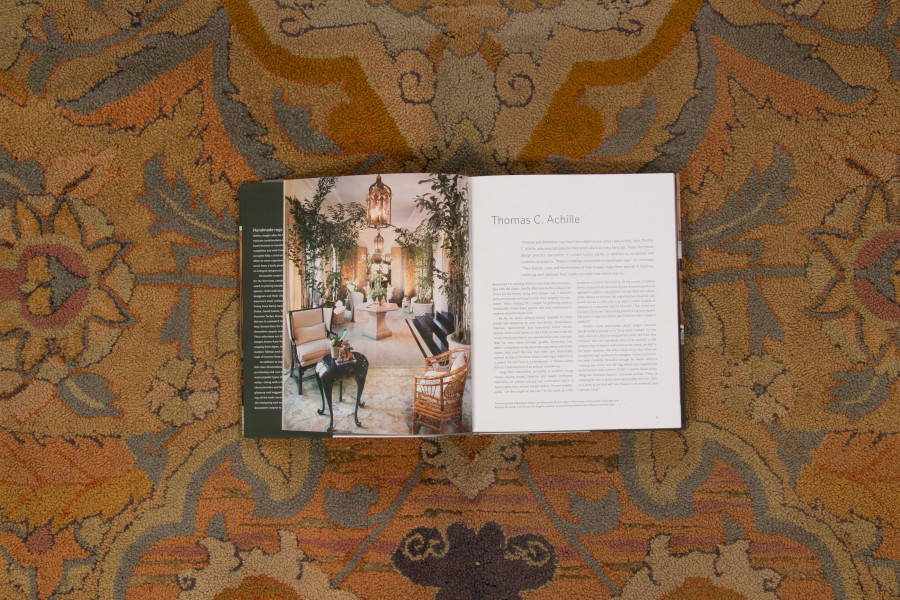
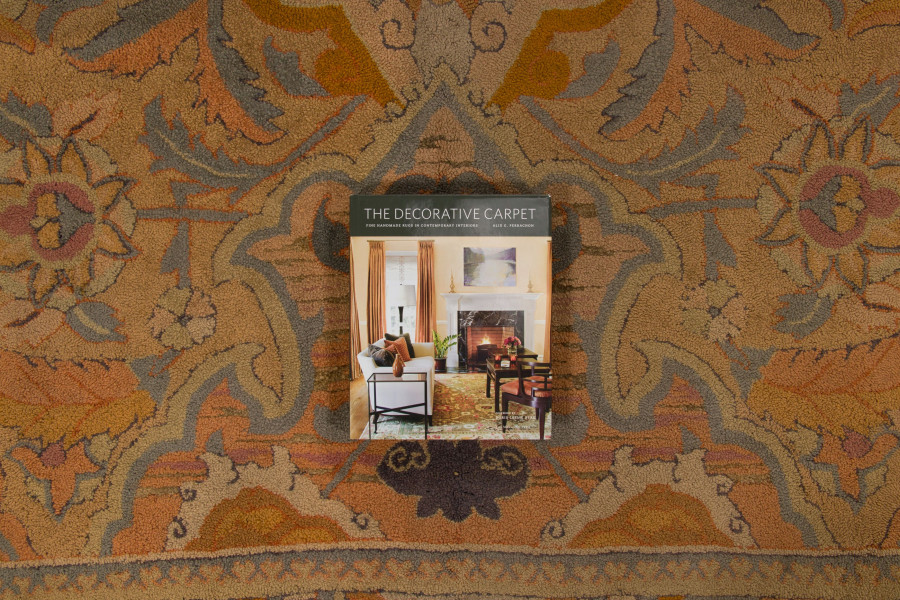
The Decorative Carpet: Fine Handmade Rugs in Contemporary Interiors
By Alix G. Perrachon. — The Monacelli Press, 2025
Contemporary
Handmade rugs are perpetual objects of desire, sought after for their expressive designs and intricate combinations of pattern and color. Whether hand-knotted or handwoven, their tactile quality completes any well-furnished interior. A rug often occupies fully a third of a room and, if antique, is also often its most expensive single item, yet there has never been a book presenting decorative carpets as an integral component of interior design until now.
$50
"Rug & Kilim is one of our favorite sources when looking for quality handmade rugs. Their team go above and beyond to find &/or make the rugs that fit our clients needs as well as their dreams."
— Becca Ford, Emily Lindberg Design
A standard since our inception upheld across every acquisition,
transaction, and delivery.
45+ Year Old Institution
More than four decades of expertise and stewardship, under the leadership of our Principal, Jahanshah "Josh" Nazmiyal.
Favorable Return Policy
Our return policy is 48 hours upon receipt allowing you to confirm the purchase in your space with confidence.
Product Warranty
Each rug is hand selected or produced through the most reputable sources under the direct supervision of our Principal.
Trusted Global Delivery
Reliable worldwide delivery handled with care, precision and constant communication.
Exceptional Support
Attentive, knowledgeable guidance before and after purchase from our dedicated team of specialists.
Long Term Care
We stand behind every piece we place and remain a resource to our clients for the lifetime of their collection.
Stories from the Antique Collection
Essays, artist dialogues, and provenance notes drawn from Rug & Kilim’s editorial desk.
The Layered Home: 5 Ways to Rethink Floor Rugs and Wall Tapestries
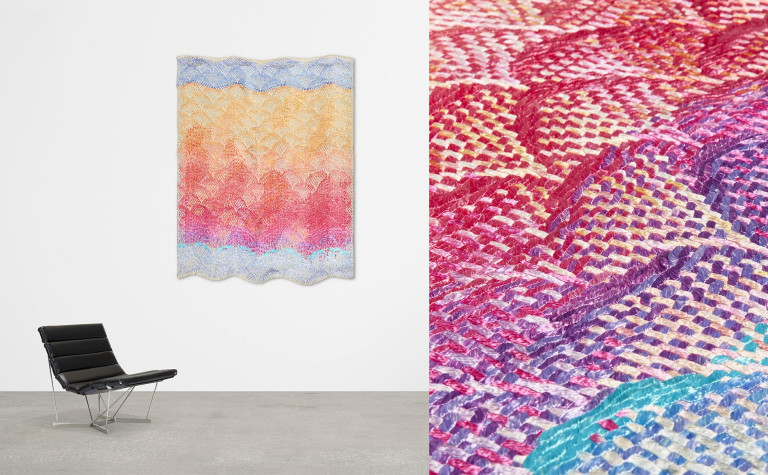
The real spatial dimension does not get painted, it gets woven. Begin with hanging a piece such as Signed Vintage Lia Cook Tapestry slightly off-center on one of your main walls. Its intricate Jacquard weave and the friction created between its rayon and linen fibers will require a lot of breathing room, immediately establishing a gravitational pull of the whole room. But to balance this vertical tension, the ground beneath your feet needs to become much more rigorous. With the use of a rigorously beaten warp-faced plane such as cotton Indian Dhurrie or Antique Swedish Röllakan's interlocking tapestry weave, you create a flat but structurally resistant base. A ground made from a rigidly woven material needs to be challenged. The last textural transition will come from placing a Vintage Frazada Kilim with heavy weft interlace across your warp-faced plane. The act of overlapping your heavy weft on a rigorously
Read the Feature
The Rug That Made the Room: Ten Interiors Where the Carpet Was the Only Decision That Mattered
Every serious designer knows the moment. You walk into a room that is not yet finished; the furniture placed but provisional, the walls painted but unconvinced, the light doing its best with what it has been given and something stops you. Not the chandelier. Not the art. The floor. A carpet lies there with the particular authority of an object that has already decided what the room is going to be, and is waiting, with complete patience, for everything else to catch up. The furniture will be chosen in response to it. The color of the walls will be negotiated against it. The art will be hung at a height that the carpet's scale has already determined. The room, in the most literal sense, begins underfoot.
Read the Feature
From the Rothschild Collection: On Provenance, Collecting, and the Rugs That Outlast Everything
In April 2016, three rugs arrived at Christie's King Street in London that had not been seen in public for over a century. They had not been exhibited. They had not been published. They had not, so far as the scholarly record indicates, been shown to anyone outside the family that owned them since before the First World War. They were Kerman Vase carpets, woven in southeastern Persia in the seventeenth century, acquired by Ferdinand de Rothschild before his death in 1898, passed to his sister Alice, then by descent to her nephew James, and held quietly, privately, with the particular discretion that distinguishes the greatest collections from merely expensive ones for one hundred and eighteen years.
Read the Feature
Rooms of Power: Rugs, Art, and the Architecture of Global Interiors
Before There Was Interior Design, There Was Placement Long before interiors were styled, they were composed through objects that carried worlds within them. A Mughal carpet was not simply placed beneath a court; it defined the court. A Savonnerie was not an accessory to Versailles; it was an extension of its order. A Chinese Art Deco rug did not decorate early modernist apartments; it translated an entire cultural vocabulary into a new architectural language. What we now call “interior design” is, at its highest level, a continuation of this lineage: the understanding that certain objects, particularly rugs are not passive. They carry with them histories of empire, trade, philosophy, and labor. They are, in essence, compressed geographies.
Read the Feature
A Rug & Kilim’s Guide to Rug Patterns in Interior Design: A Study of Persian, European, Scandinavian, Art Deco and Modern Styles
There are rooms - rare, disciplined rooms, where nothing is accidental. A salon overlooking Lake Como, where a 19th-century Aubusson anchors parquet floors beneath frescoed ceilings. A Manhattan interior shaped by the restraint of Peter Marino, where a Scandinavian flatweave holds its ground against glass, steel, and silence. A private riad in Marrakech, where tribal geometry converses effortlessly with shadow, plaster, and time. In such spaces, pattern is not simply chosen. To understand pattern at this level is to move beyond decoration into discipline. Great decorators and architects like Jacques-Émile Ruhlmann, Le Corbusier, and Gio Ponti never treated surfaces as passive. Floors, like walls and ceilings, were compositional fields governed by proportion, rhythm, and intellectual clarity.
Read the Feature
A Rug & Kilim Perspective on Boutique Hospitality, Hotels, and the Art of Living Well
ICONIC... The celebrity duo Rihanna and A$AP Rocky behind some of fashion and music's most recognized moments open up to W magazine with a backdrop to die for. Sitting in one of the luxury suites at the momentous Mercer Hotel in SoHo NYC is an antique Persian rug by the Rug & Kilim Collection. There are interiors that impress, and there are interiors that endure. The latter; quietly commanding, intellectually composed, are rarely the result of singular gestures. It is intellectual, atmospheric, and deeply material. From the restrained grandeur of Mayfair to the cinematic restraint of Avenue Montaigne, from the private villas of Lake Como to the upper floors of Central Park South, and from Claridge’s, to the villas of Hotel du Cap-Eden-Roc, or in the rarefied interiors of Aman Tokyo; spaces where luxury is not declared, but resolved.
Read the Feature


R&K Image Studio
NEWThe R&K Image Studio is a new visual workspace designed to present the Rug & Kilim collection with clarity, restraint, and precision — in your space or any space you imagine.
This tool allows you to view, refine, and prepare imagery drawn directly from the pieces in our archive. They can be visualized cleanly, isolated thoughtfully, and adjusted for presentations, proposals, and private viewings, without altering the integrity of the original work.
Antique
Wool
China, c. 1920-1929
9'0" X 14'10" (2.74 m x 4.52 m)
$16,000
Available: Shipping as Soon as Tomorrow
Antique Chinese Hooked Rug with Polonaise Design in Brown Hues - Rug & Kilim
"Rug & Kilim is one of our favorite sources when looking for quality handmade rugs. Their team go above and beyond to find &/or make the rugs that fit our clients needs as well as their dreams."
— Becca Ford, Emily Lindberg Design