
Rug & Kilim’s Block Print Collection: A 17th Century Tradition Reimagined
September 17, 2024
Rug & Kilim Abroad: World’s Largest Rug at Sheikh Zayed Mosque, Abu Dhabi, UAE
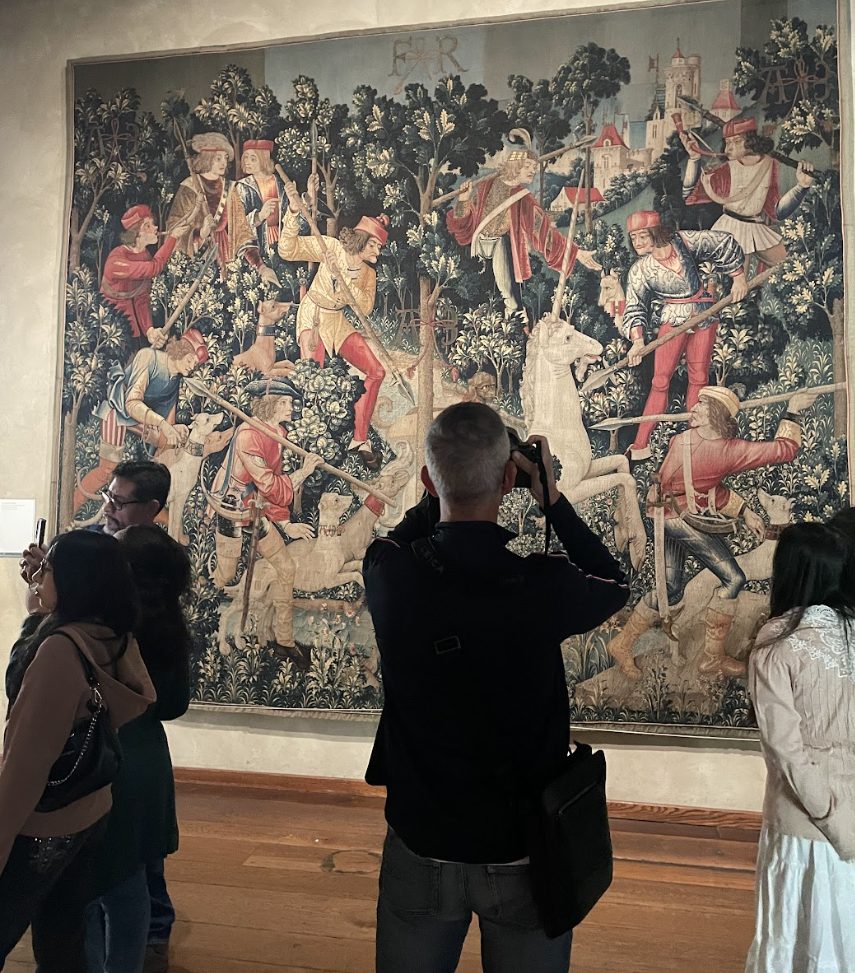
October 18, 2024The Met Cloisters, recently offered a unique perspective on the interplay between medieval European art and Latin American traditions. Rug & Kilim’s teammate, Ryan Moghadasian, had the opportunity to experience this, and returned with insights that bridge centuries and continents, offering fresh inspiration for the design cognoscenti.
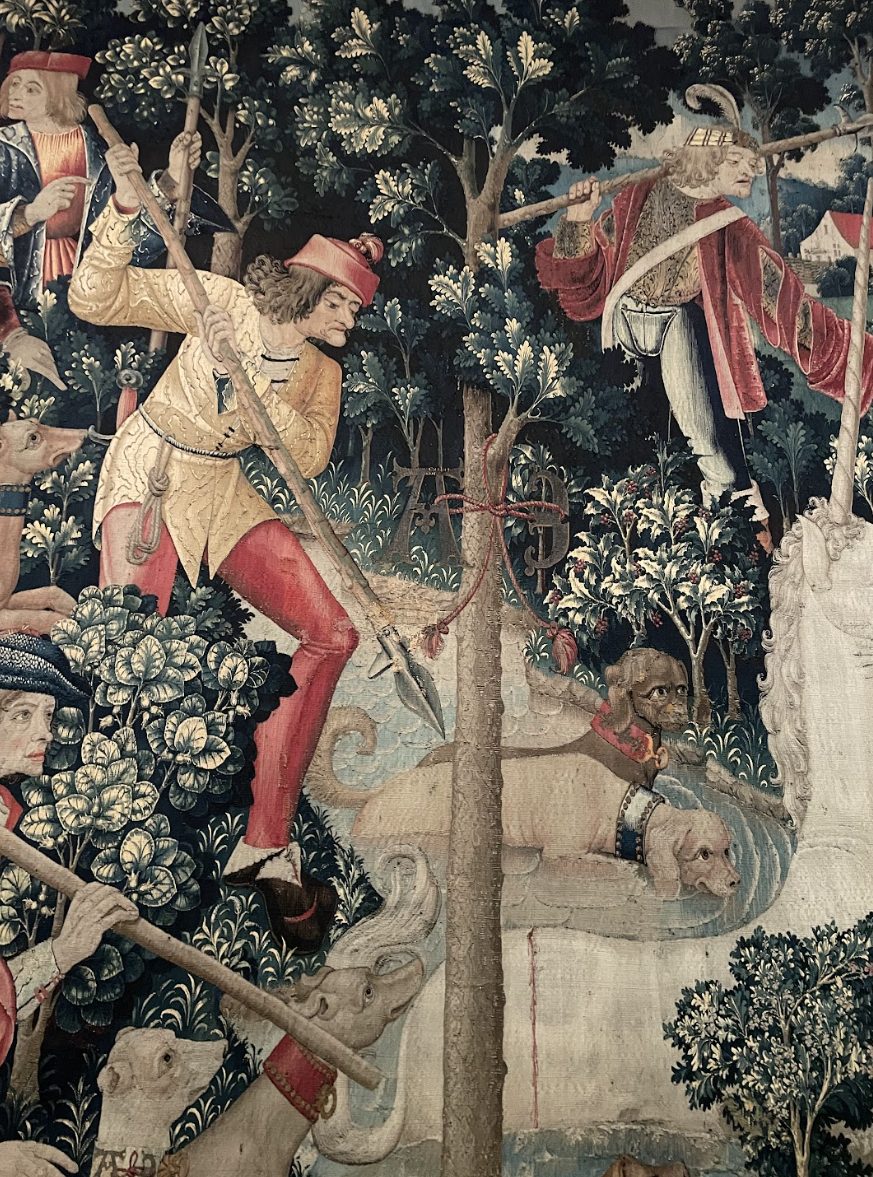
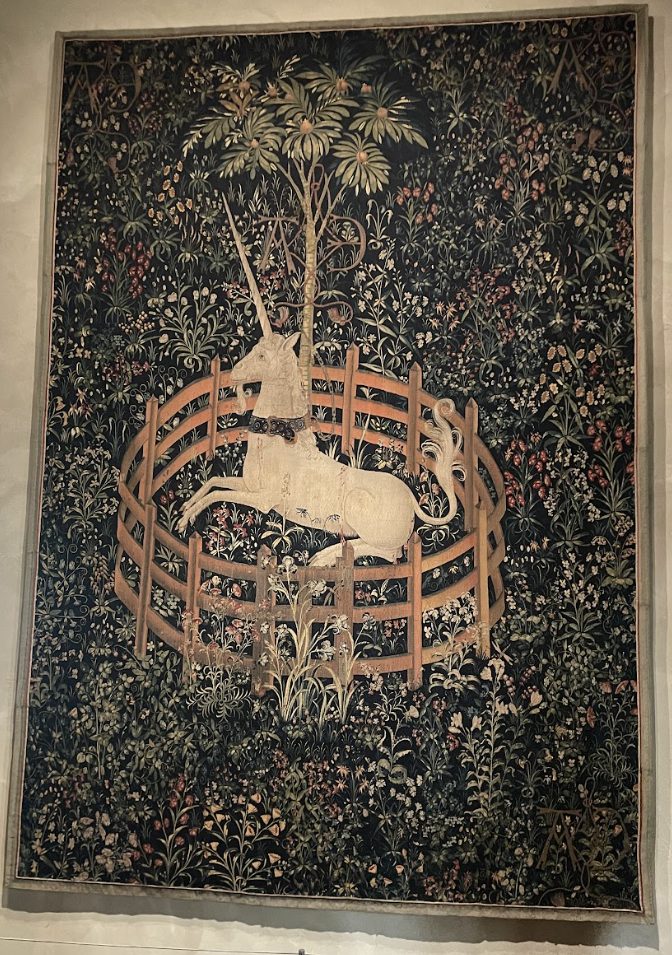
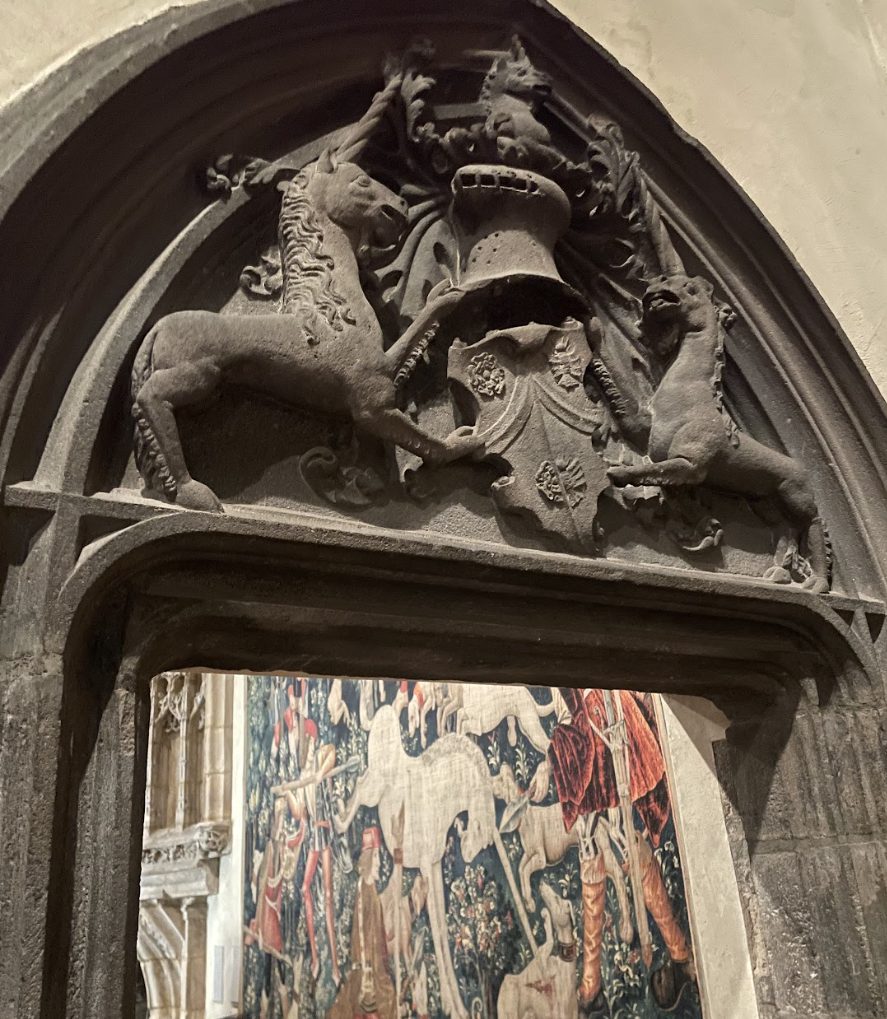
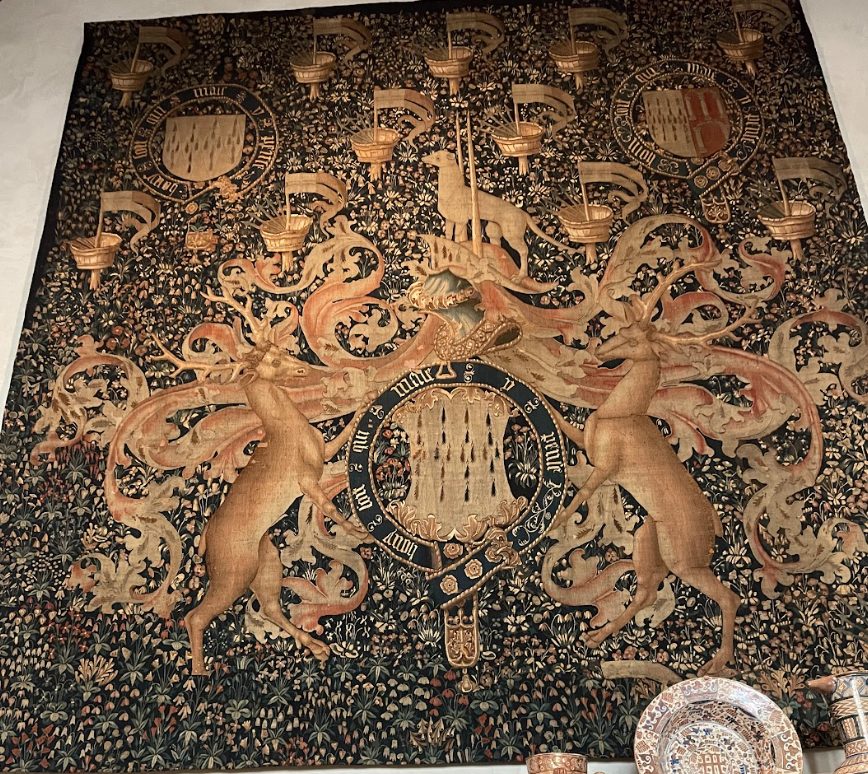
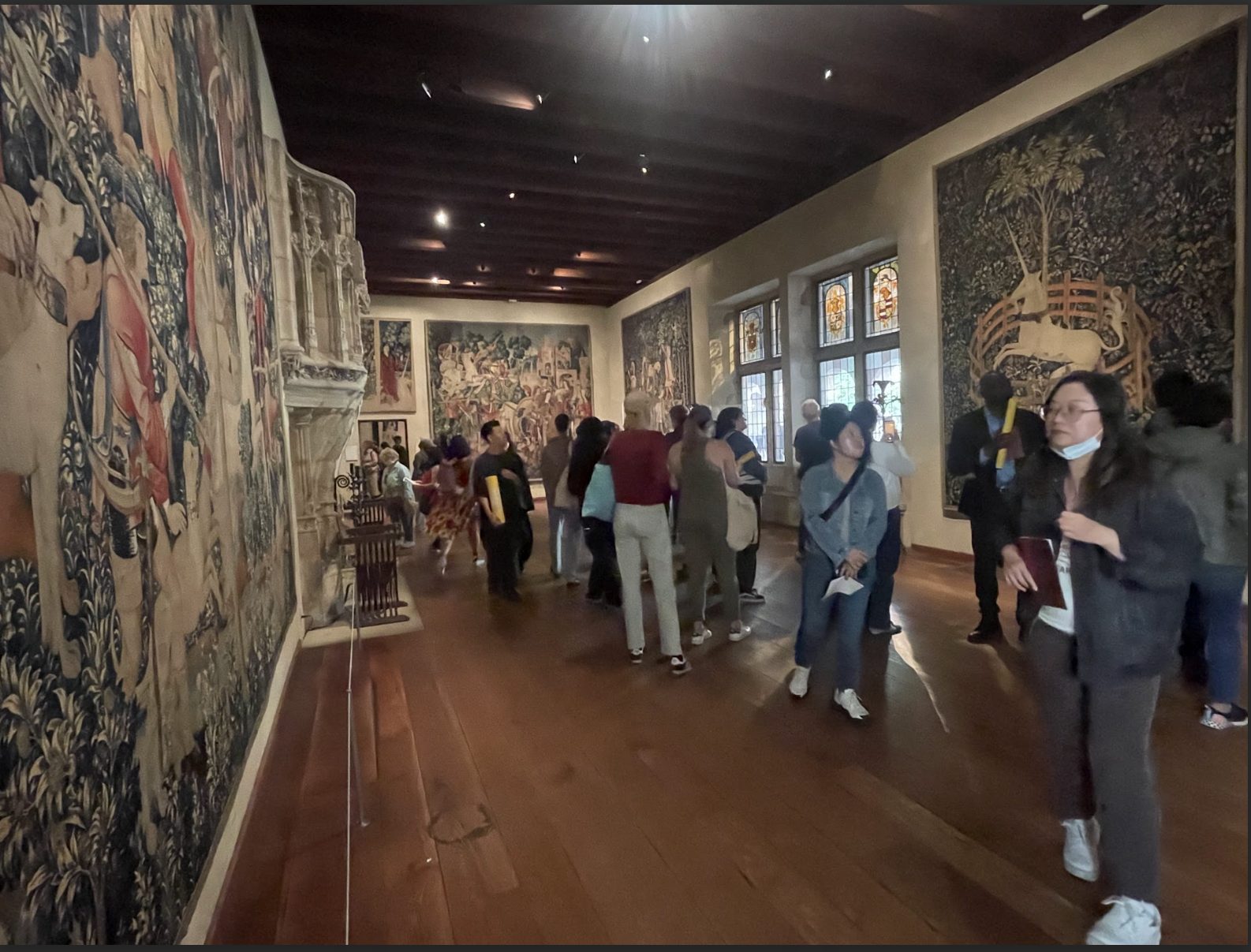
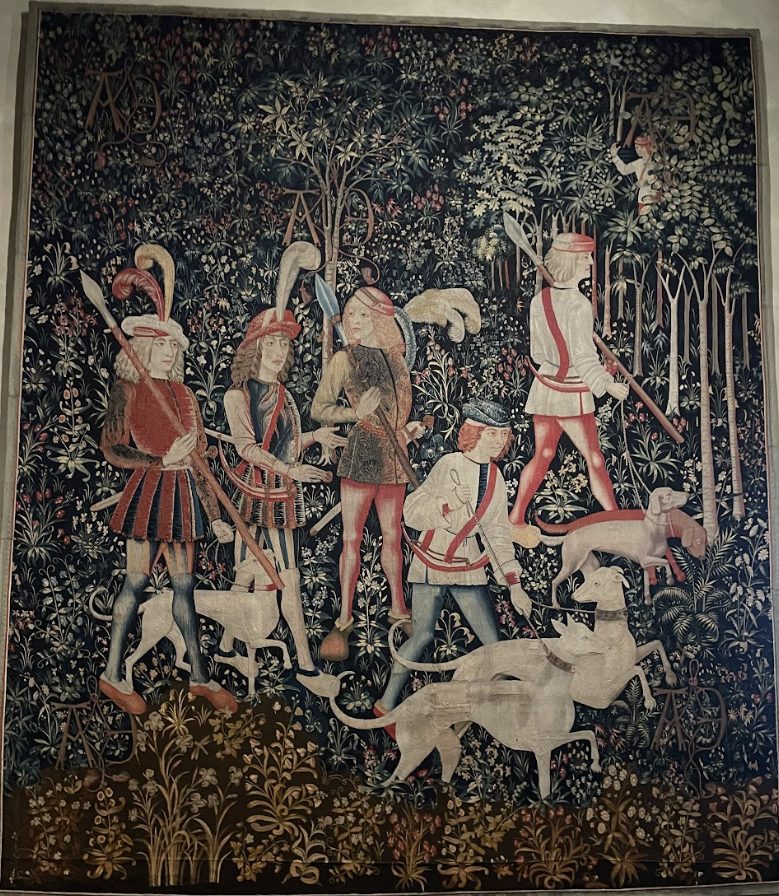
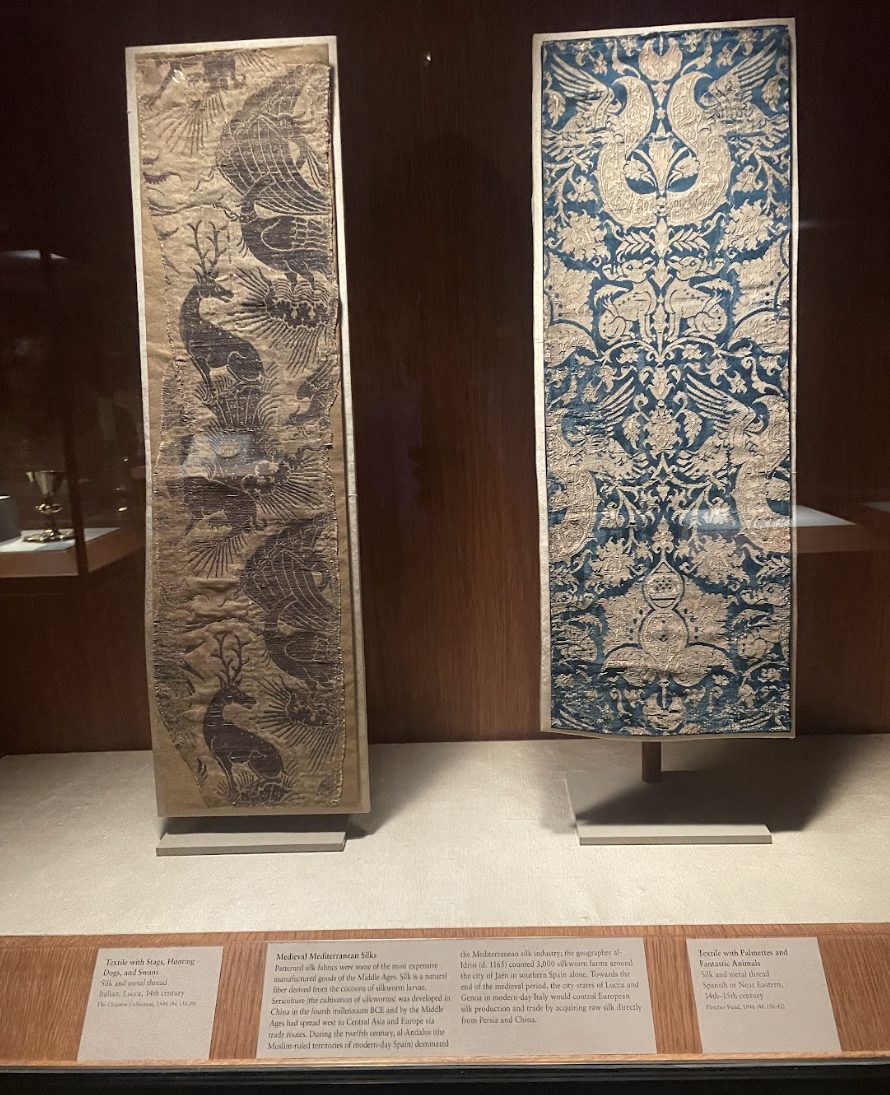
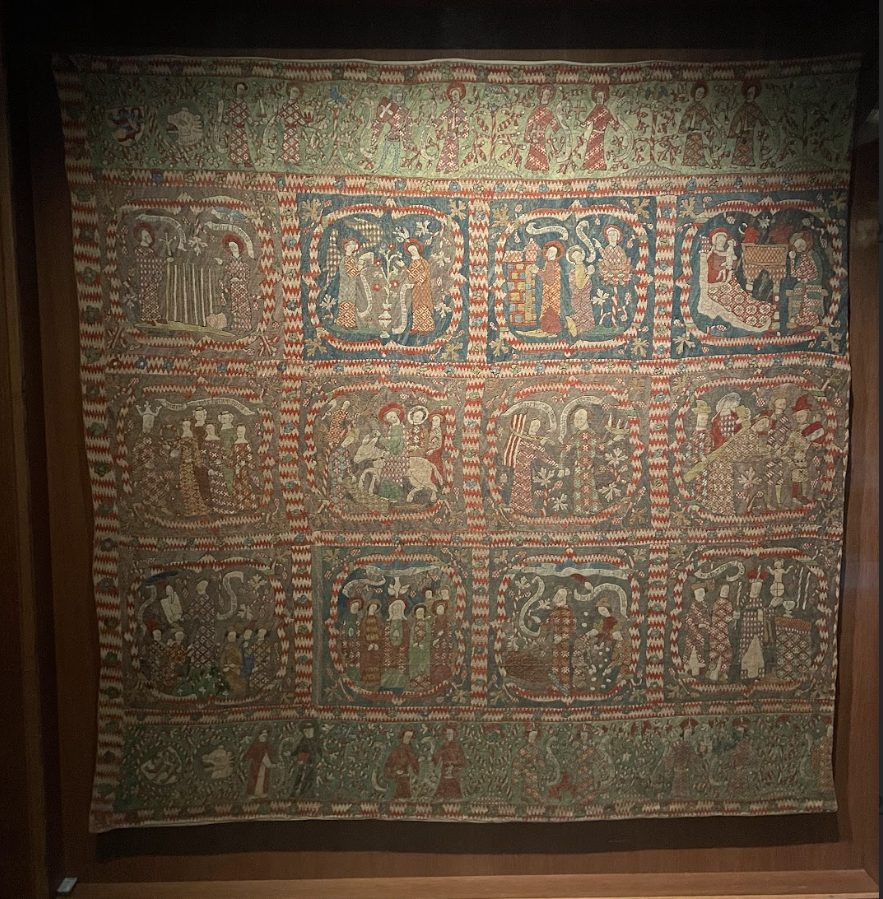
The crown jewels of The Cloisters, the famed Unicorn Tapestries, took center stage during Moghadasian’s visit. The Unicorn Tapestries aren’t just historical artifacts. They’re a reminder of how textiles can transform a space, creating immersive environments that tell complex stories. Alongside these legendary works, tapestries depicting historical and biblical figures like King Arthur and Charlemagne offered a panoramic view of medieval storytelling through textile. For the discerning designer, these pieces prompt a reconsideration of how we might incorporate narrative elements into contemporary interiors.
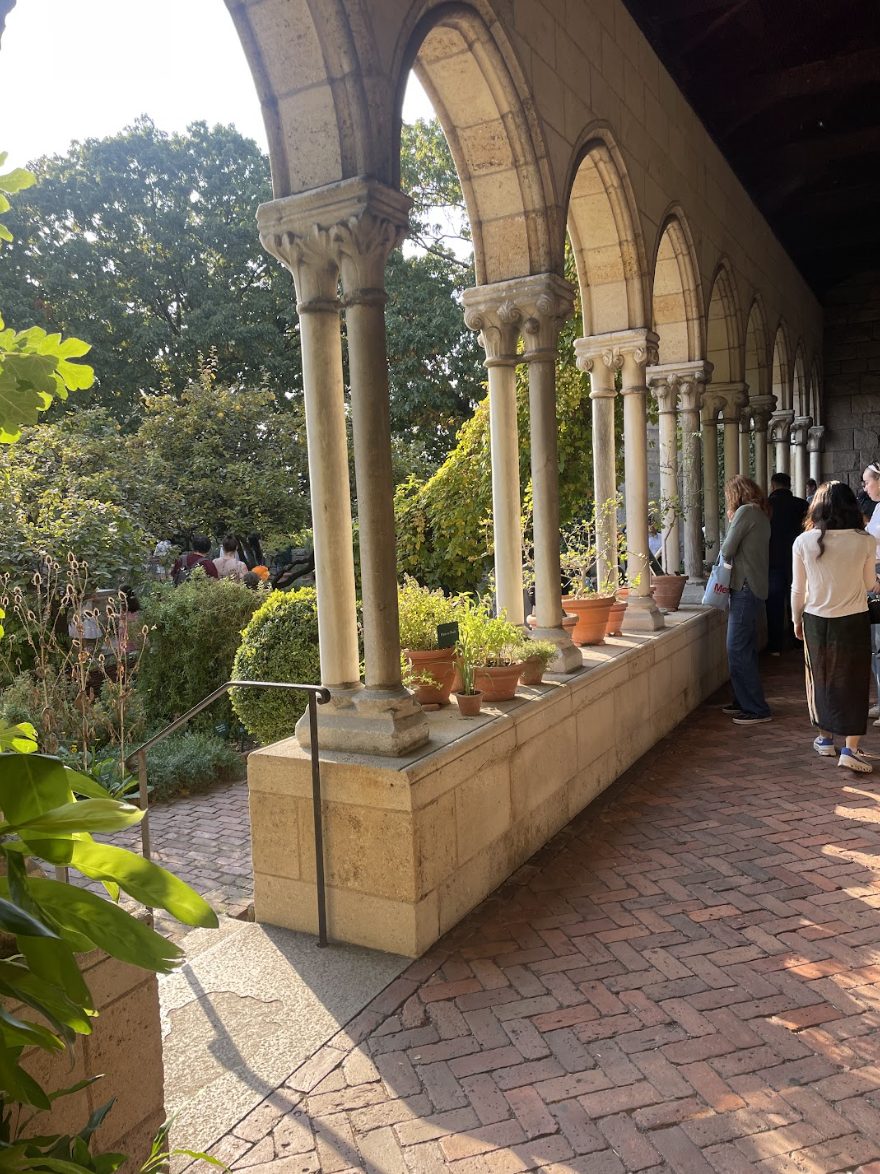
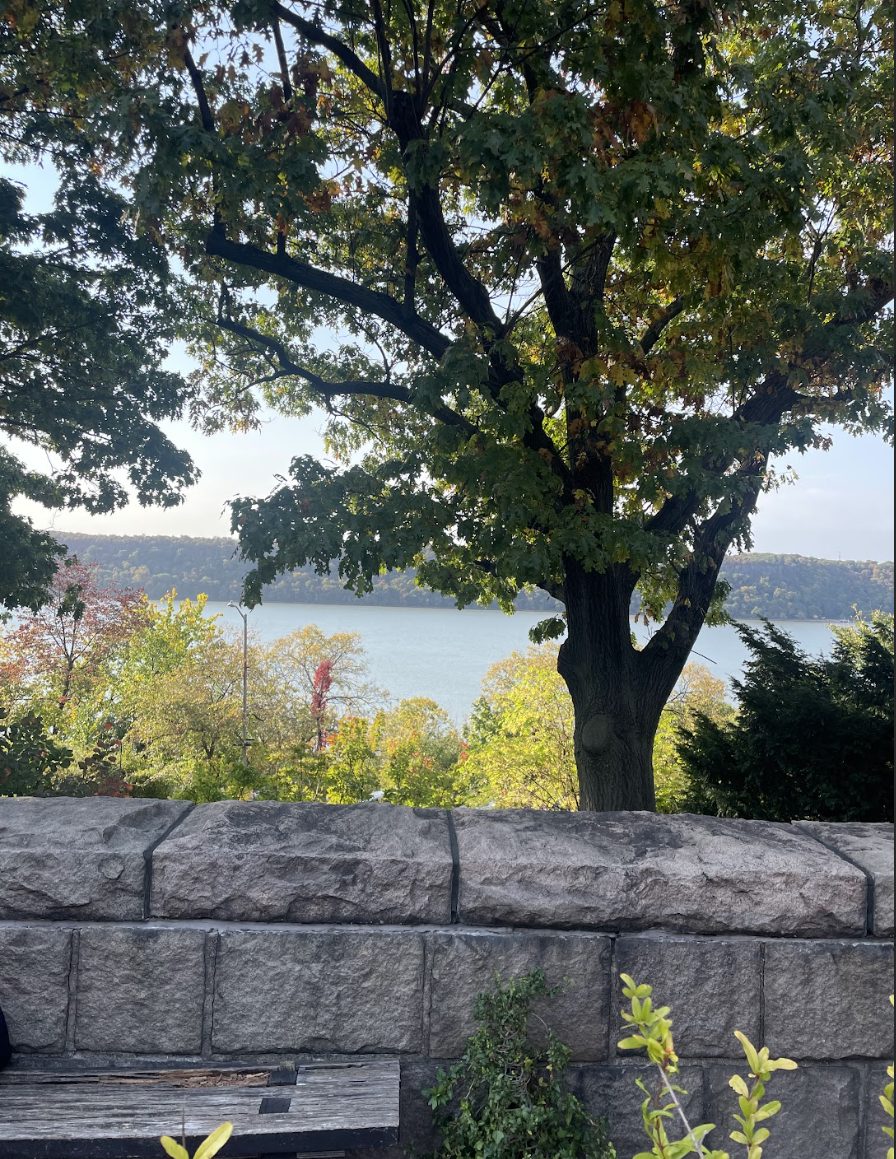
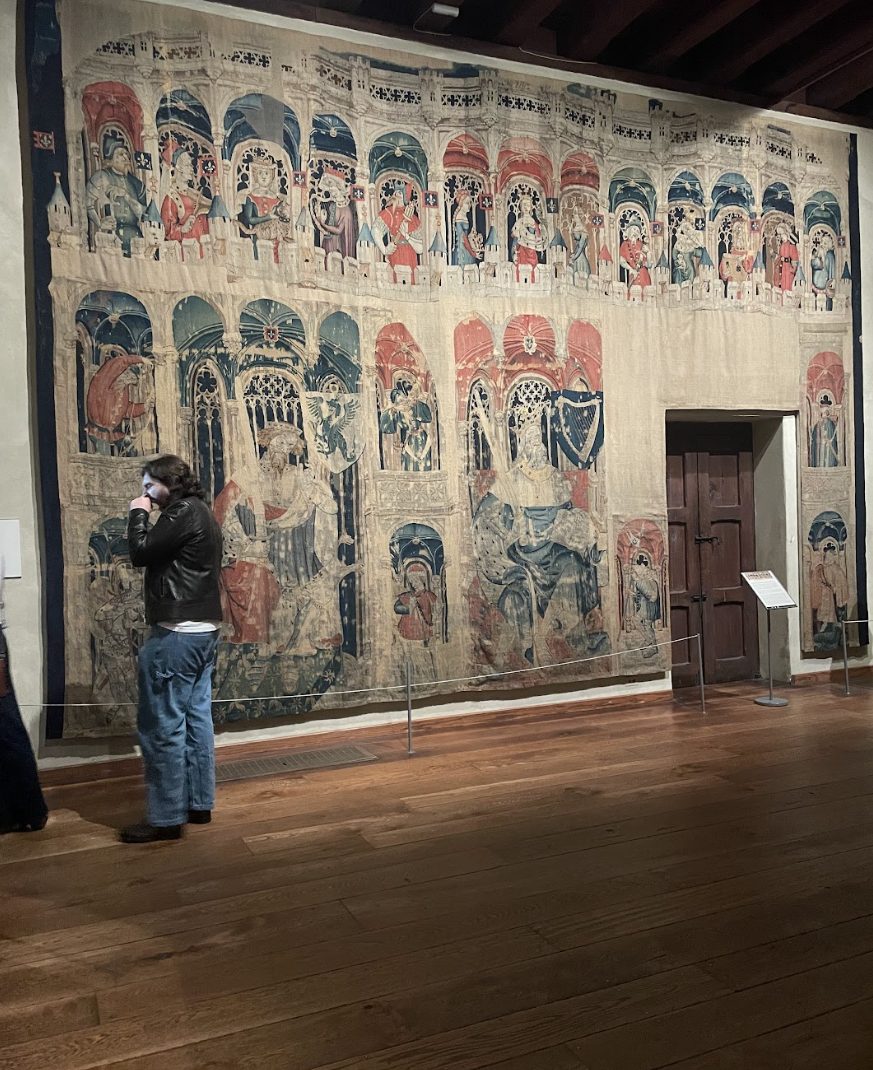
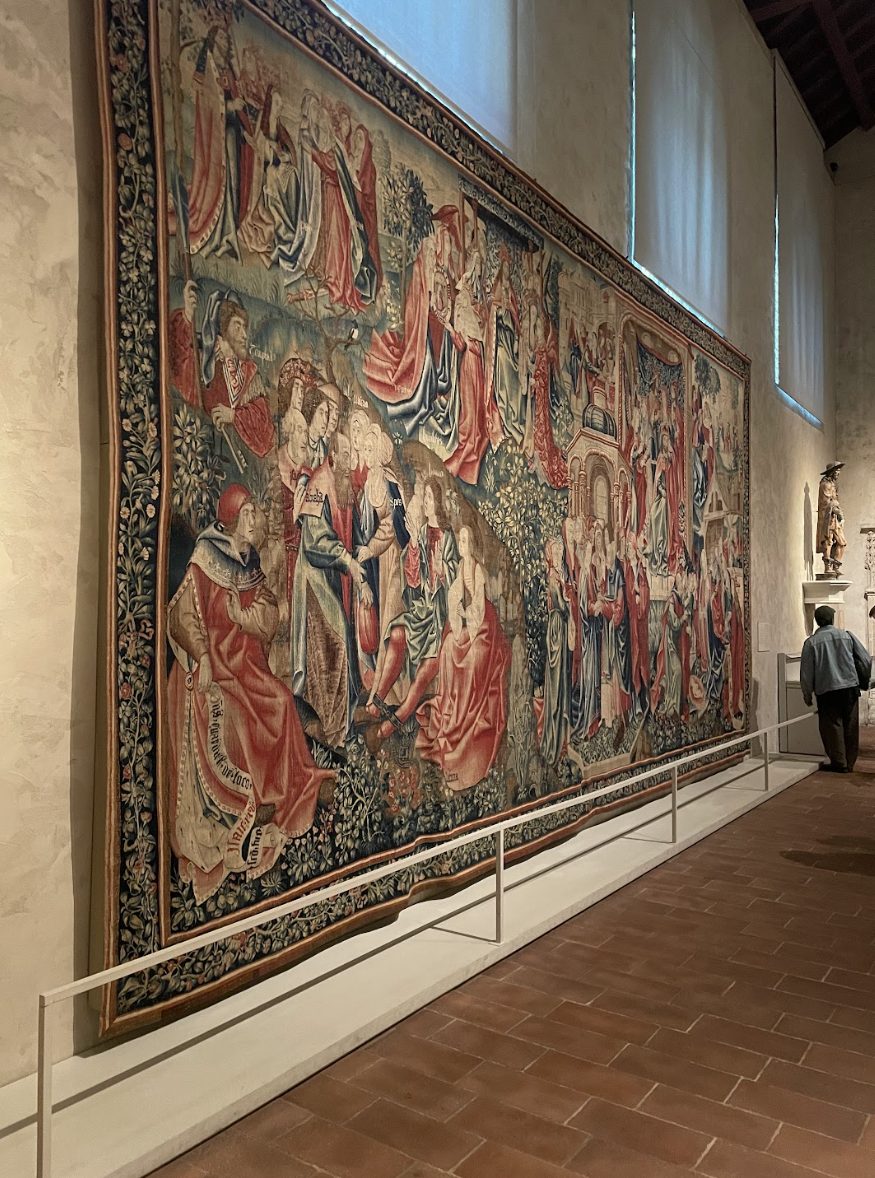
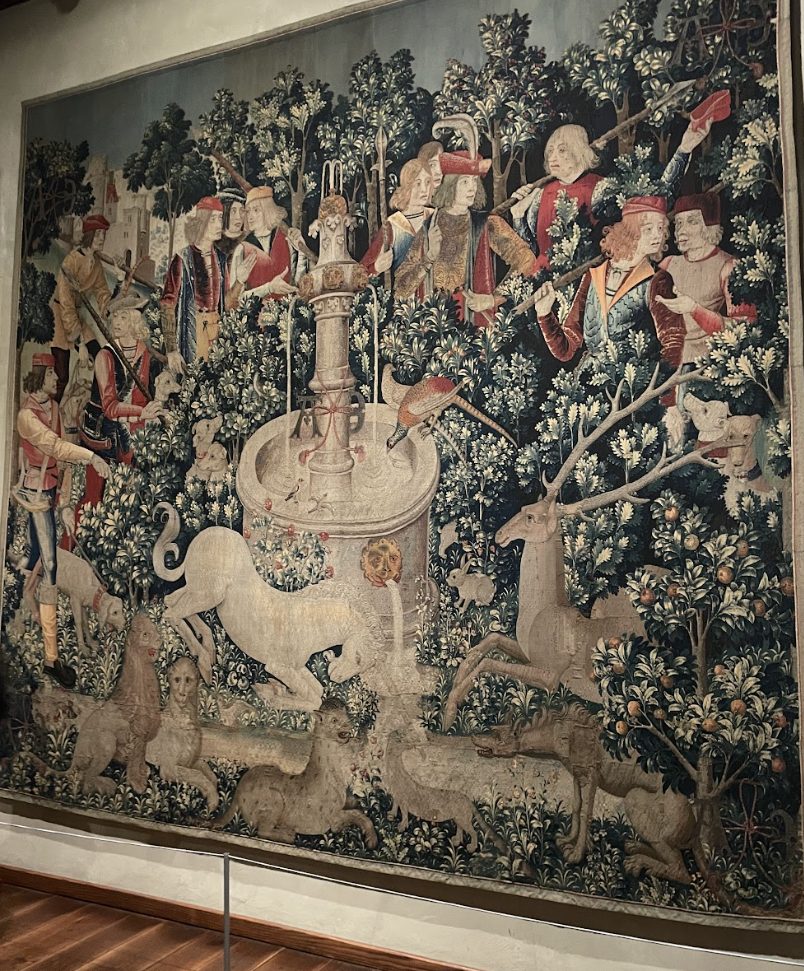
The Met Cloisters’ Collection
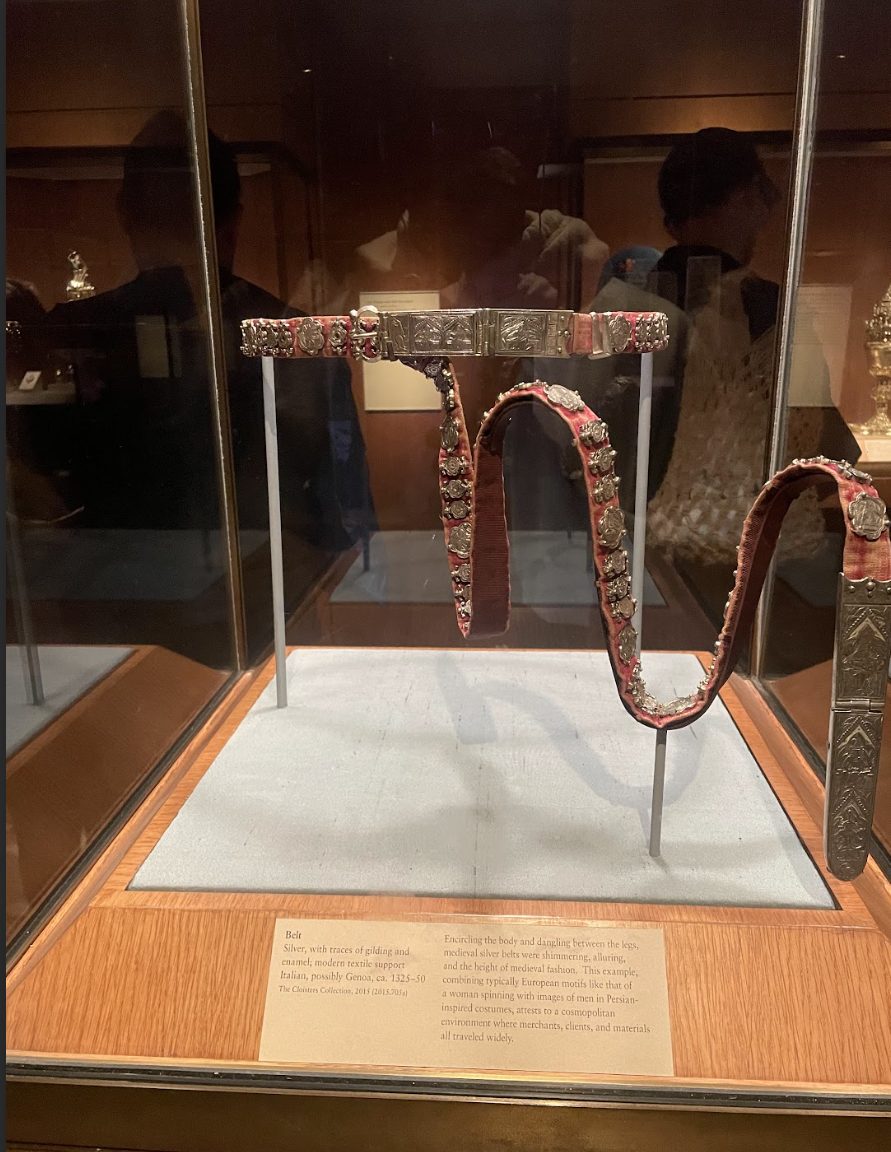
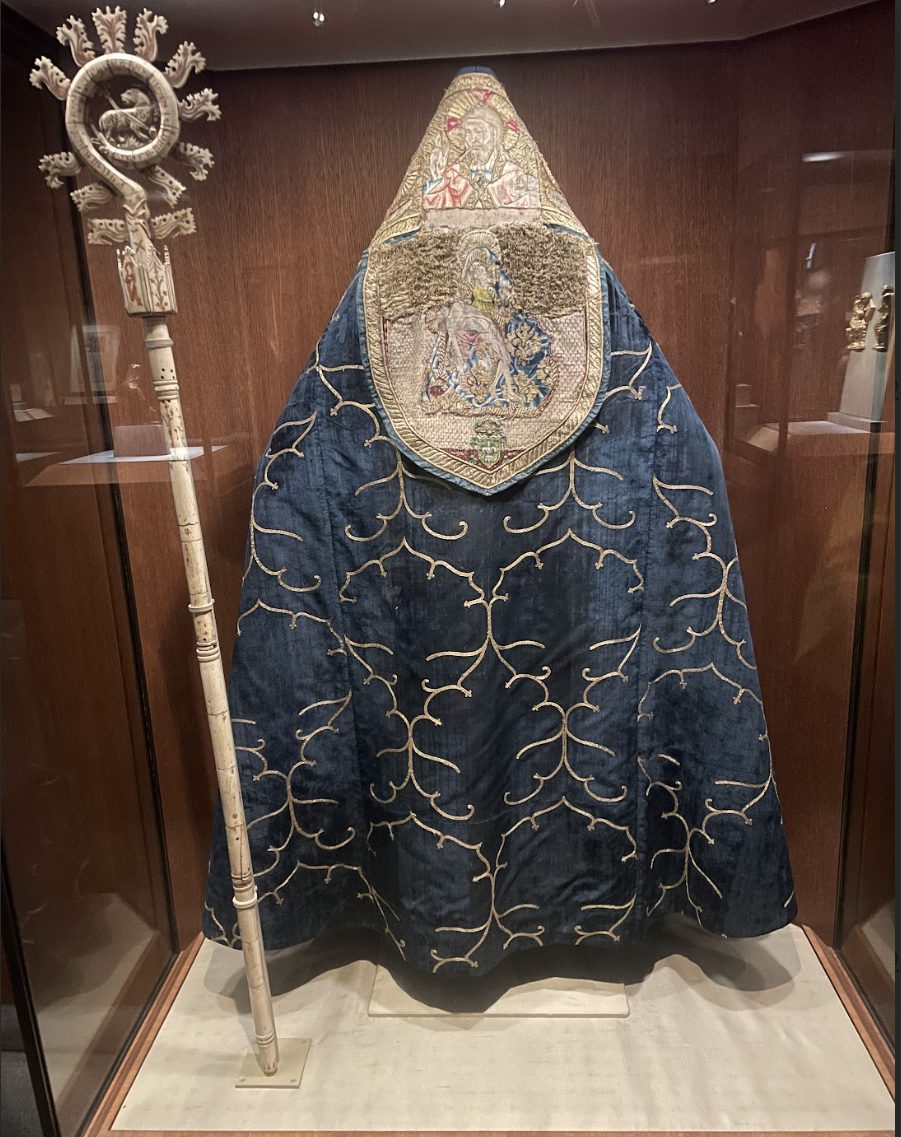
The Cloisters’ collection extends beyond wall hangings to include an array of medieval garments and accessories. Ornate belts and flowing robes, once the hallmarks of nobility, now serve as inspiration for modern design elements. There’s a richness in these historical pieces that we often shy away from in contemporary design. But there’s a growing appetite for this level of detail and craftsmanship in high-end interiors.
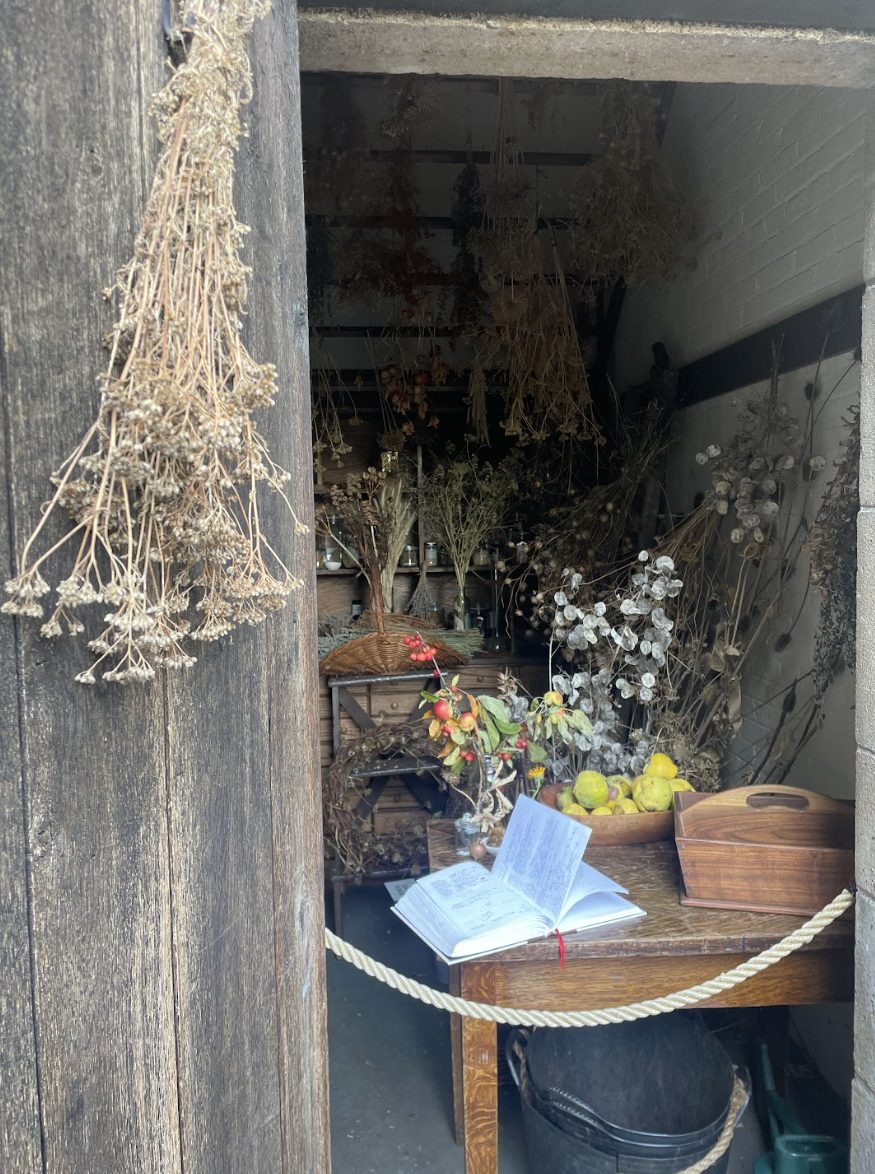
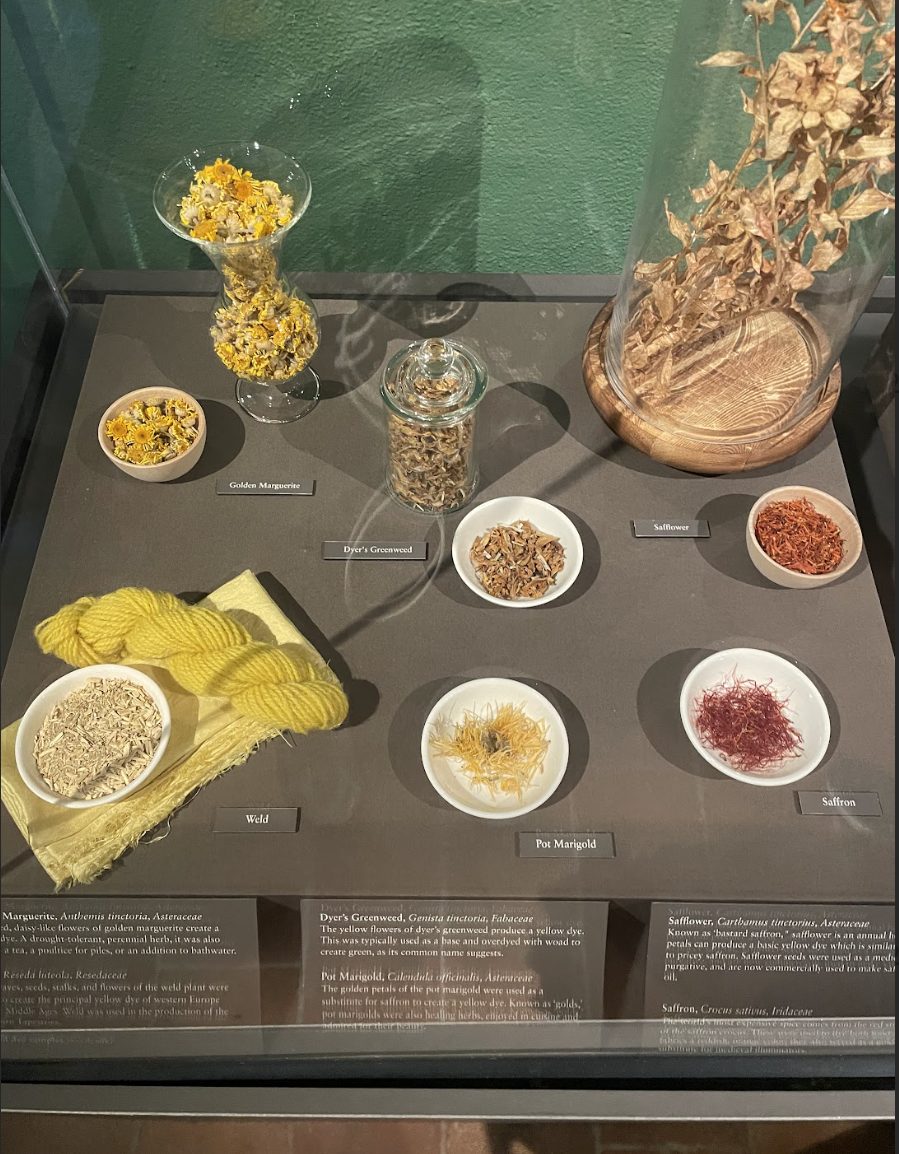
Perhaps the most intriguing display for our design-focused lens was the collection of herbs, vegetables, and flowers historically used for dyeing. This exhibit not only showcases the ingenuity of medieval artisans but also resonates with current trends towards natural, sustainable design practices. The subtle, earthy tones achieved through these natural dyes offer a refreshing alternative to the often harsh synthetic colors we’ve become accustomed to. There’s potential here for a renaissance in how we approach color in interior design.
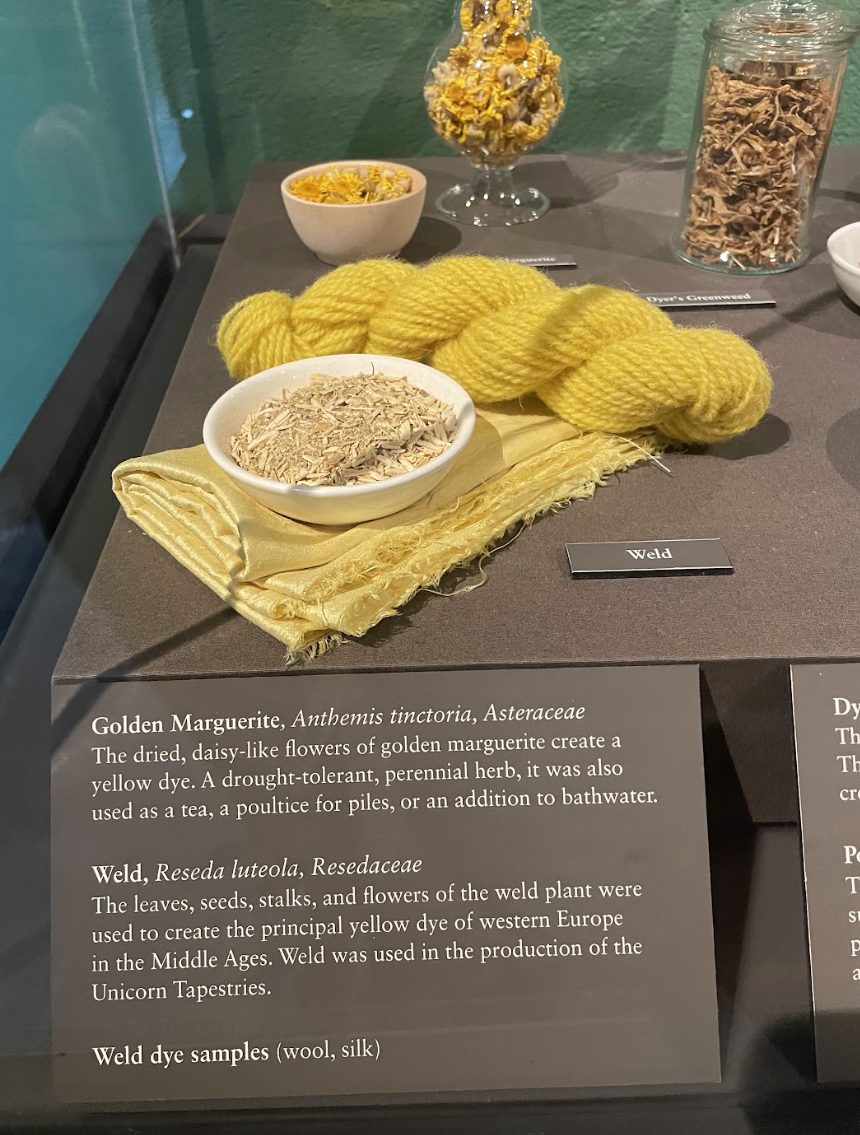
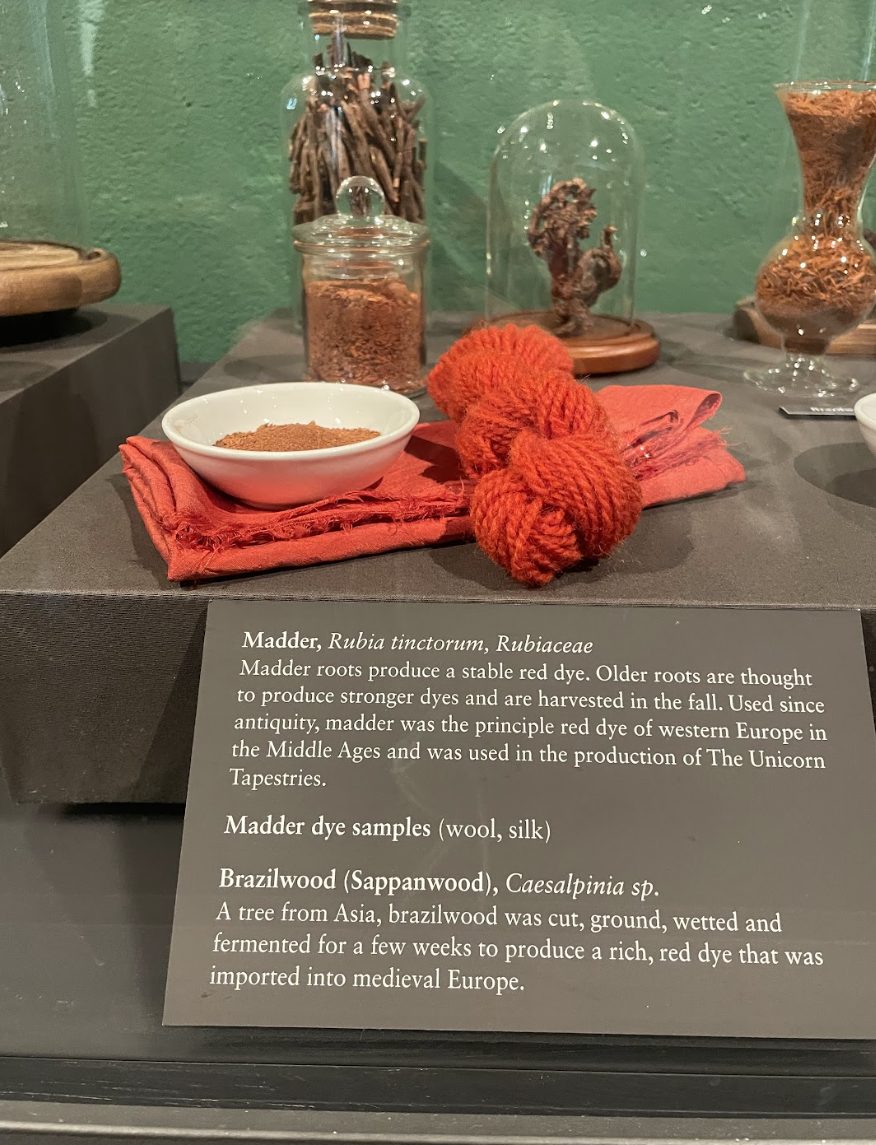
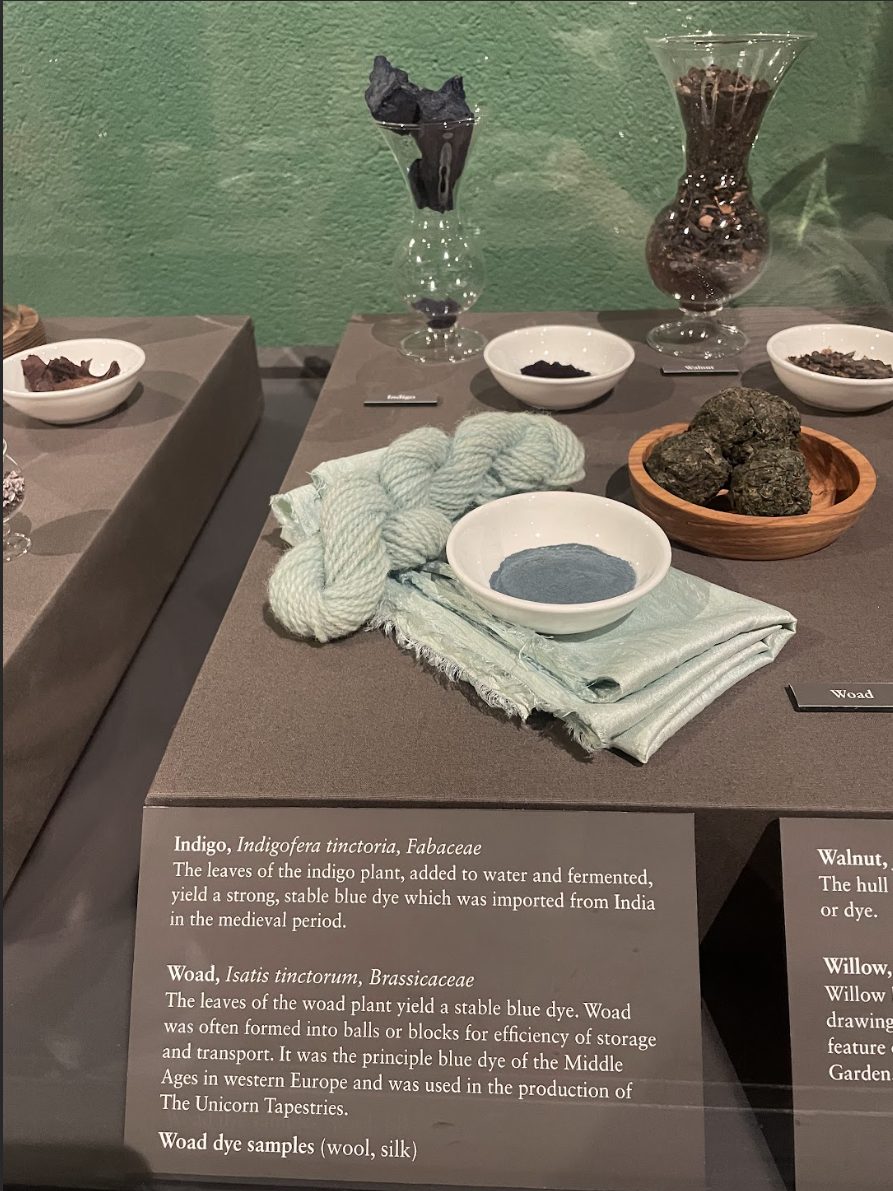
The Met Cloisters’ celebration of Hispanic/Latino Heritage Month
Moghadasian’s visit coincided with The Met Cloisters’ celebration of Hispanic/Latino Heritage Month, specifically a Día de los Muertos event. This juxtaposition of medieval European art with vibrant Latin American traditions created a unique atmosphere, ripe with design inspiration. Visitors, adorned with traditional marigold flowers crafted on-site, moved through the ancient stone corridors, creating a living cultural exchange. The event featured bilingual activities, art-making sessions, storytelling, and music, all set against the backdrop of The Cloisters’ medieval gardens.
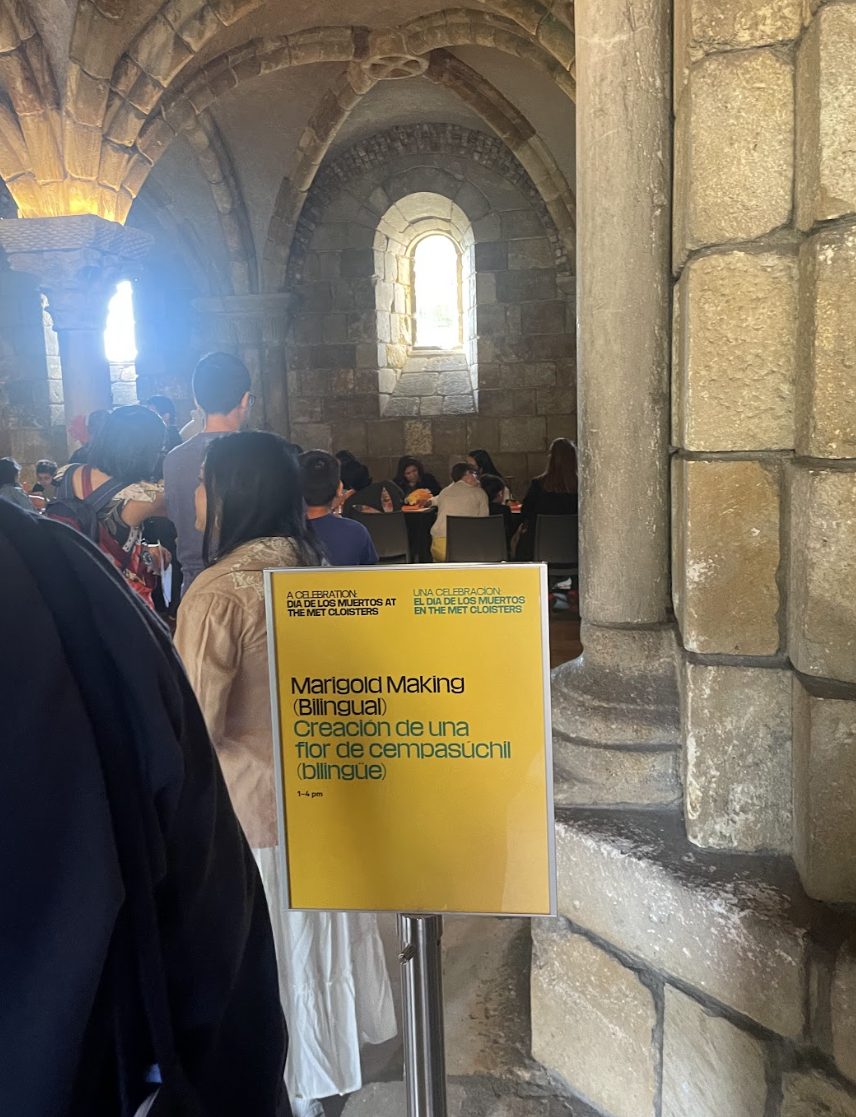
This unusual pairing of medieval European art with Latin American cultural celebrations offers a wealth of inspirations for students of the craft. The layered narratives found in medieval tapestries suggest new approaches to creating immersive, story-rich environments in modern interiors. The display of natural dyes aligns with growing interest in sustainable, nature-derived color schemes in interior design. The juxtaposition of Día de los Muertos celebrations with medieval art demonstrates the power of cross-cultural inspiration in creating unique, memorable spaces. The event highlights how temporary installations and cultural celebrations can transform and recontextualize established spaces, offering lessons for adaptive, flexible design strategies.
With its fusion of history, European art and unexpected cultural dialogues, The Cloisters offers a wealth of inspiration for designers willing to look beyond the obvious. As we move into 2025, we expect to see more interiors that weave together these threads of past and present, creating spaces that are at once grounded in history and startlingly new.
It’s a reminder that great design often emerges from unexpected combinations.
View our collection of tapestries here – https://rugandkilim.com/shop/?s=tapestry
Meanwhile, enjoy some more pictures from the visit –