
Antique Rugs
Antique rugs have been on the resume of Josh Nazmiyal since he began in the industry almost 40 years ago when he was already recognized for one of the largest oriental rug collections in the United States. Each piece in the internationally recognized volume was hand-picked for rarity, and of course, aesthetic and beauty, now complementing one of the widest varieties of Persian rug and Turkish rug collections with the utmost attention to individuality and care. Because of Josh’s position in the wholesale rug industry, he’s been responsible for promoting a number of collections throughout history, from breathtaking signature Tabriz, Sultanabad, Kerman Lavar, Agra, and Oushak classics to the more unsung jewels of the luxury industry.
Rug & Kilim maintains our own facilities for cleaning and restoration exclusively for carpets we’ve sold to ensure their lasting beauty and care long after a piece leaves our collection.
- Under 6 x 9
- Runners
- 6 x 9
- 8 x 10
- 9 x 12
- 10 x 14
- 12 x 15
- Over 12 x 15
- Indian
- Persian
- Turkish
- European
- Caucasus
- East Asia
Origin ▼
Style ▼
Material ▼
Width
Length
To connect with a specialist, click here
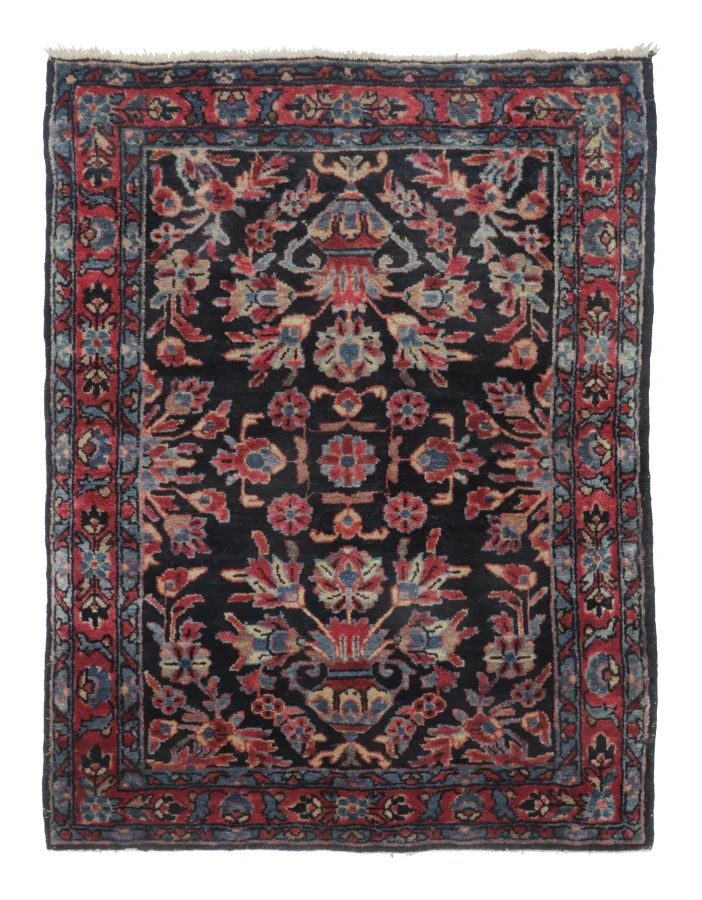
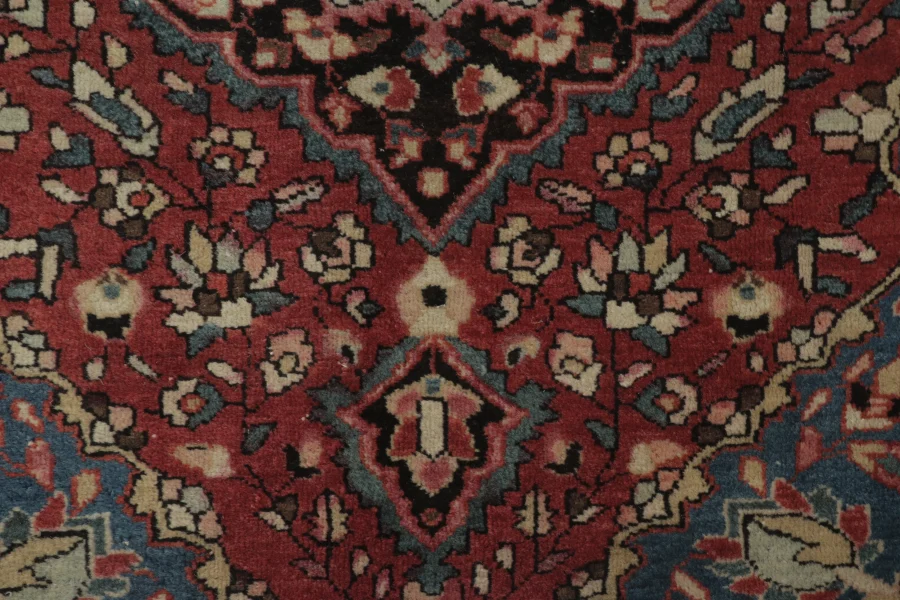
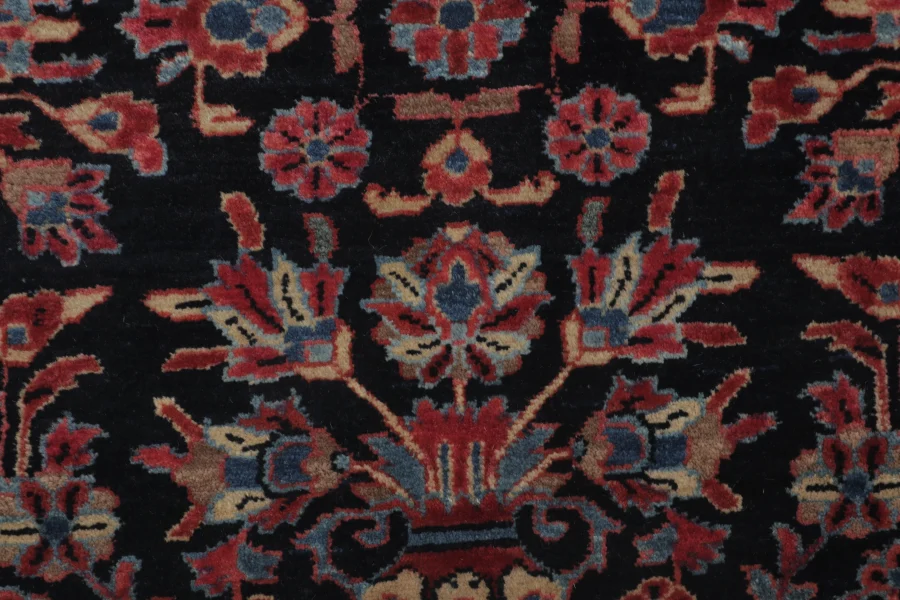 37108Antique Persian Sarouk Gift-Sized Rug with Floral Medallion in Red - Rug & Kilim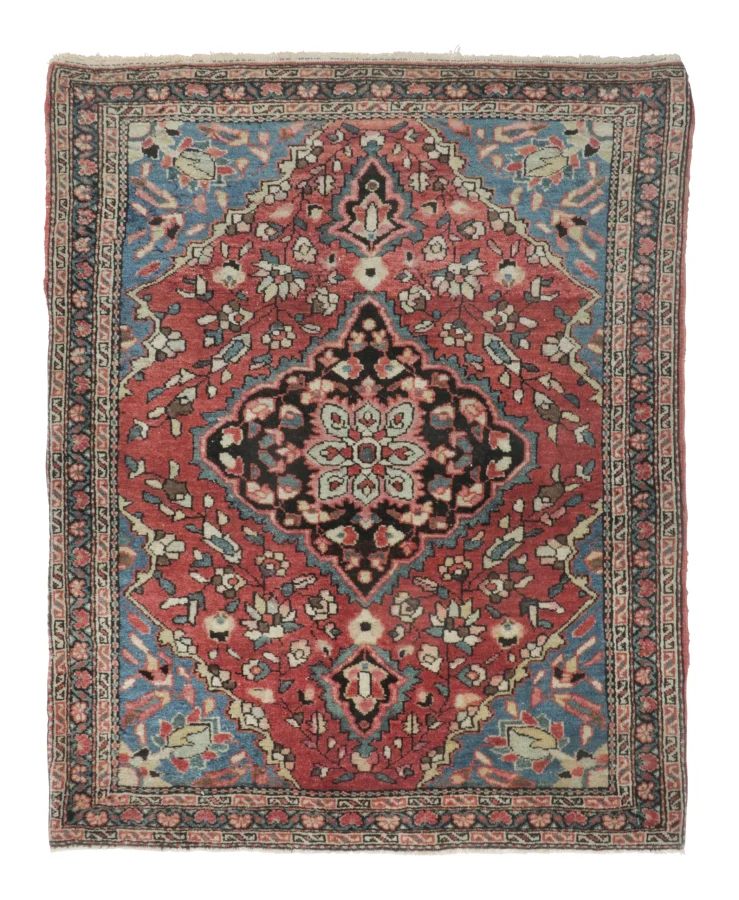
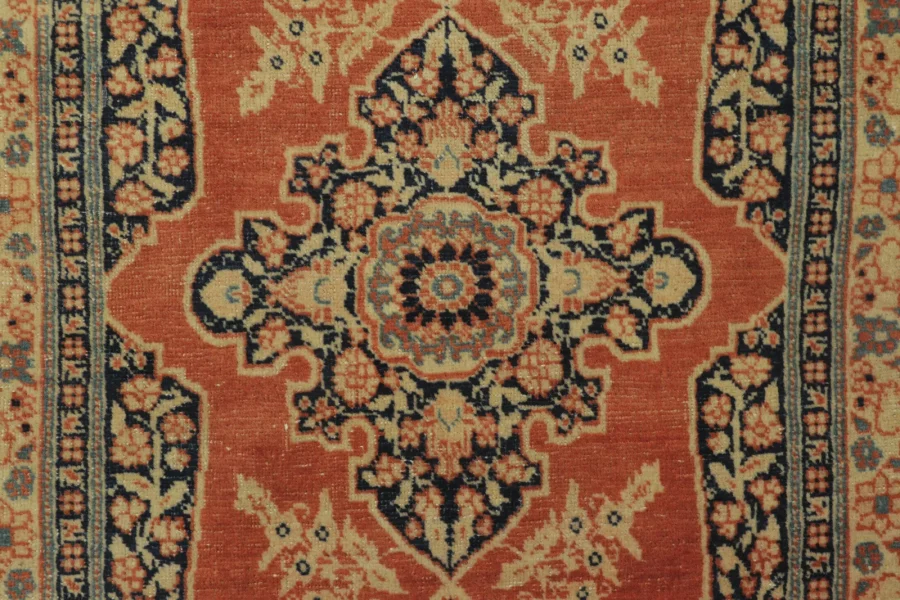
 37107Antique Persian Farahan Gift-Sized Rug with Floral Medallion in Red - Rug & Kilim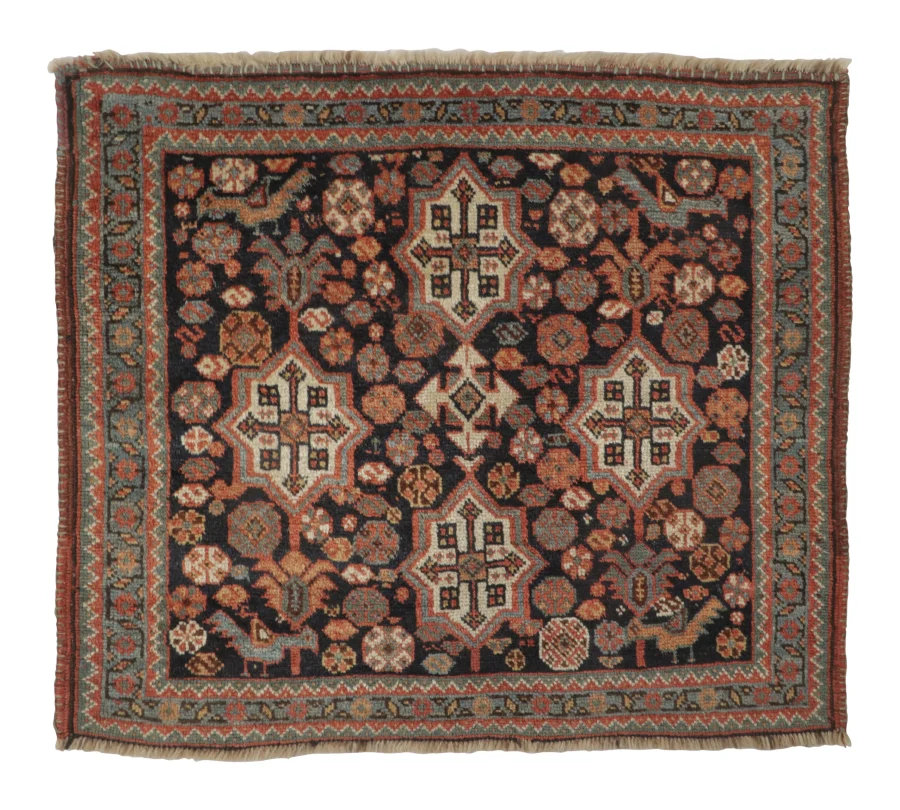
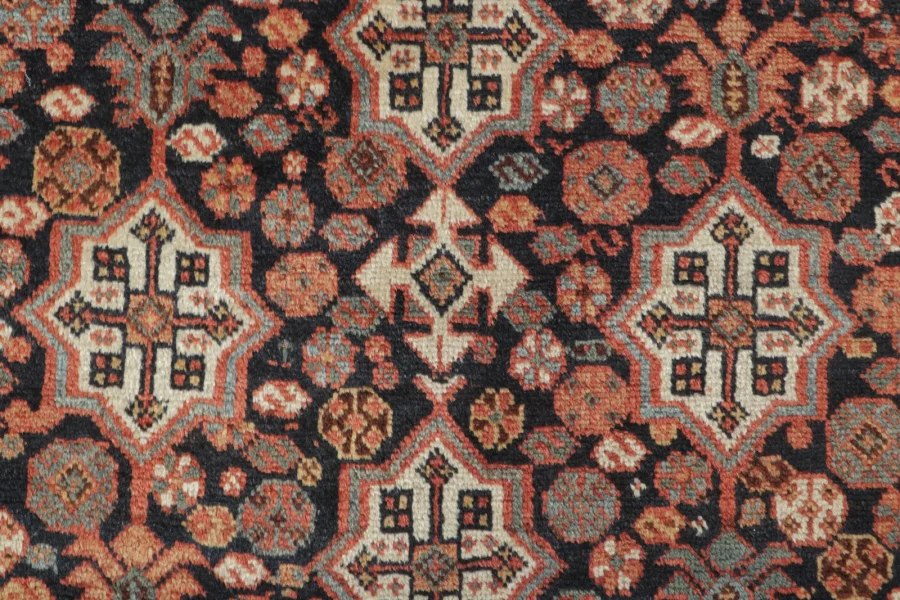 37106Antique Persian Farahan Gift-Sized Square Rug with Diamond Motifs - Rug & Kilim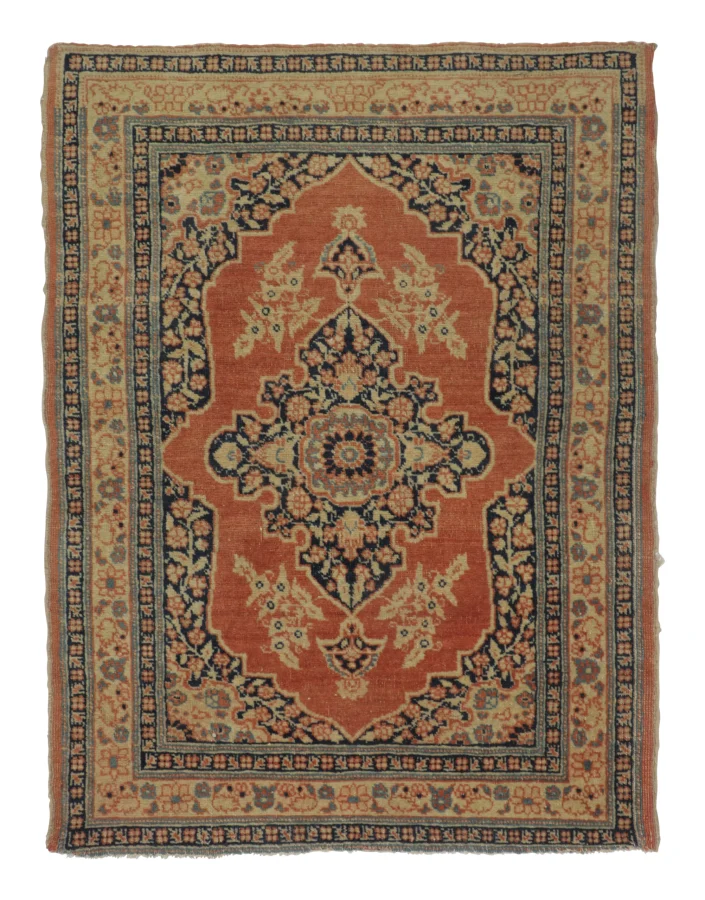
 37105Antique Persian Shiraz Gift-Sized Square Rug with Arched Design - Rug & Kilim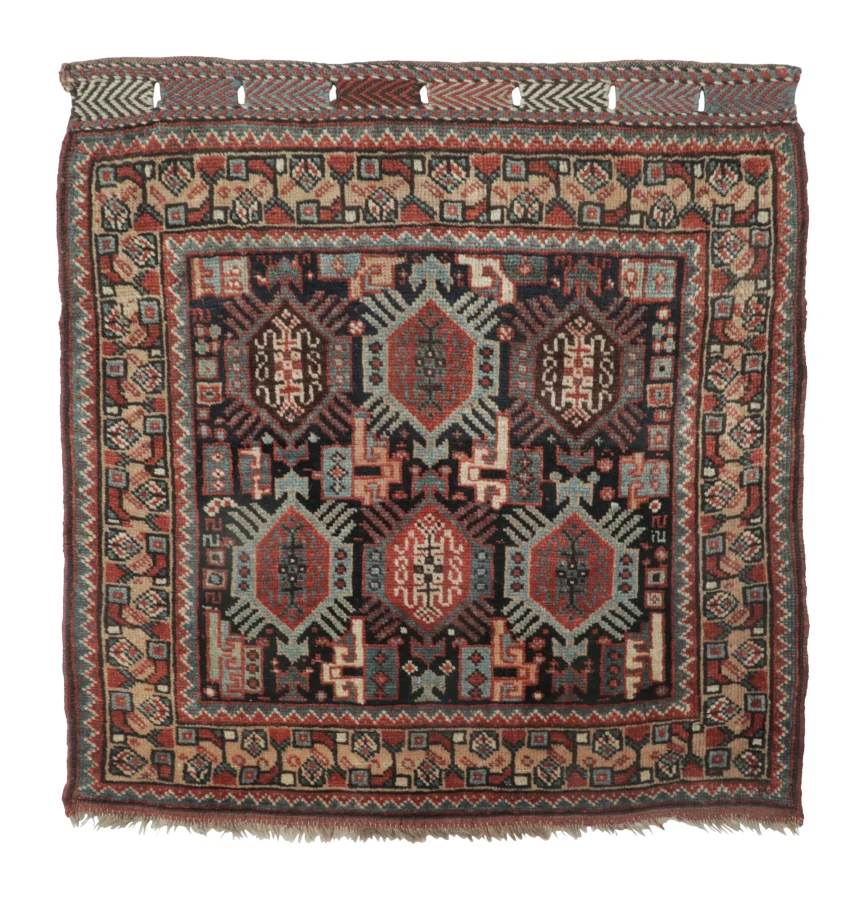
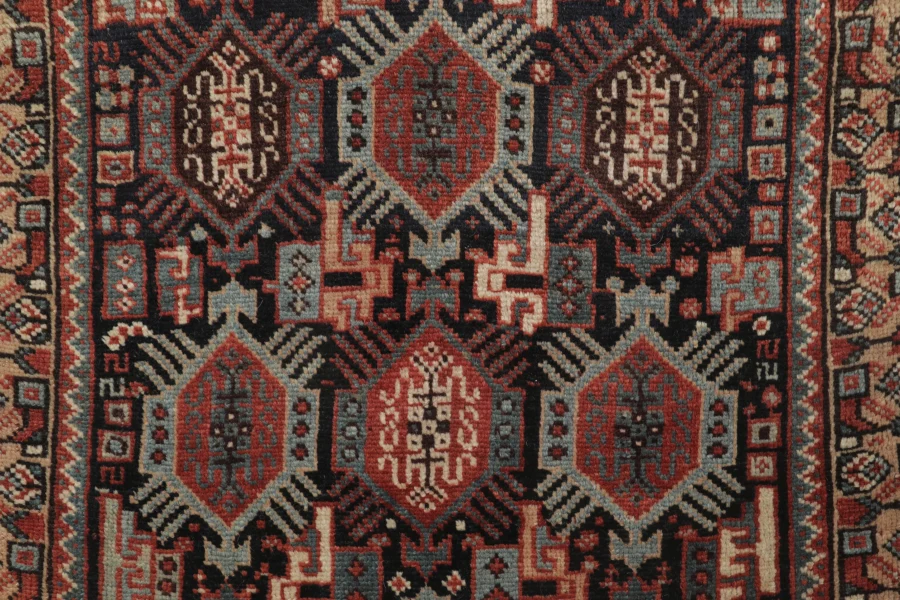 37103Antique Persian Shiraz Gift-Sized Square Rug with Folk Medallions - Rug & Kilim
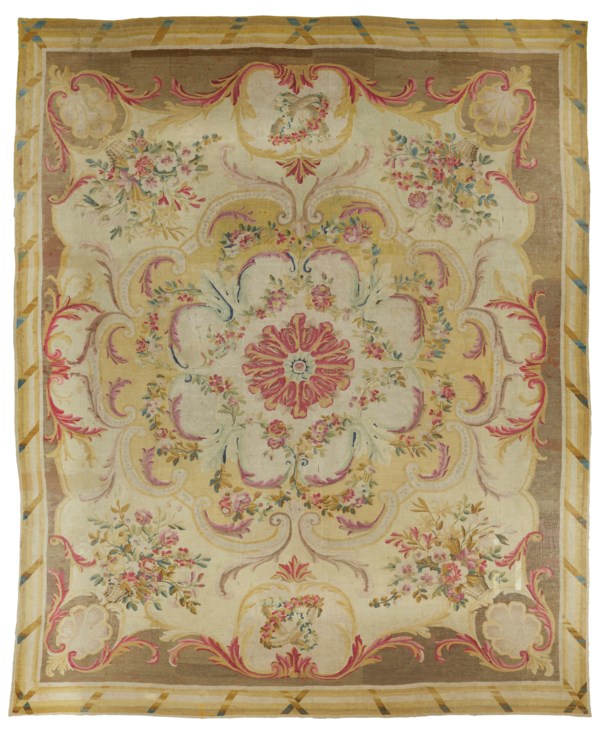 38375Oversized Antique 18th Century French Aubusson Rug with Floral Medallion - Rug & Kilim
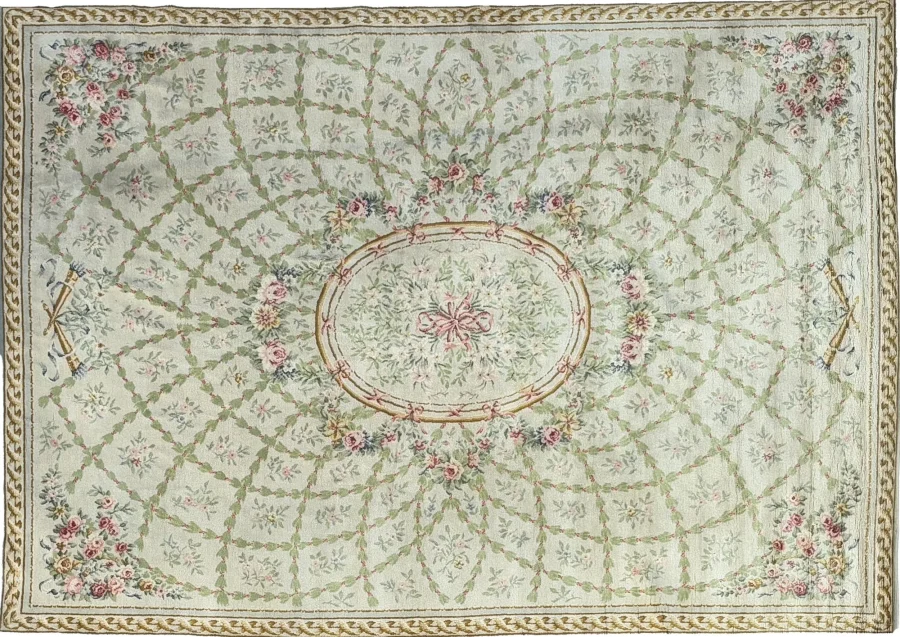 38370Antique 19th Century French Savonnerie Rug with Classic Bow Design - Rug & Kilim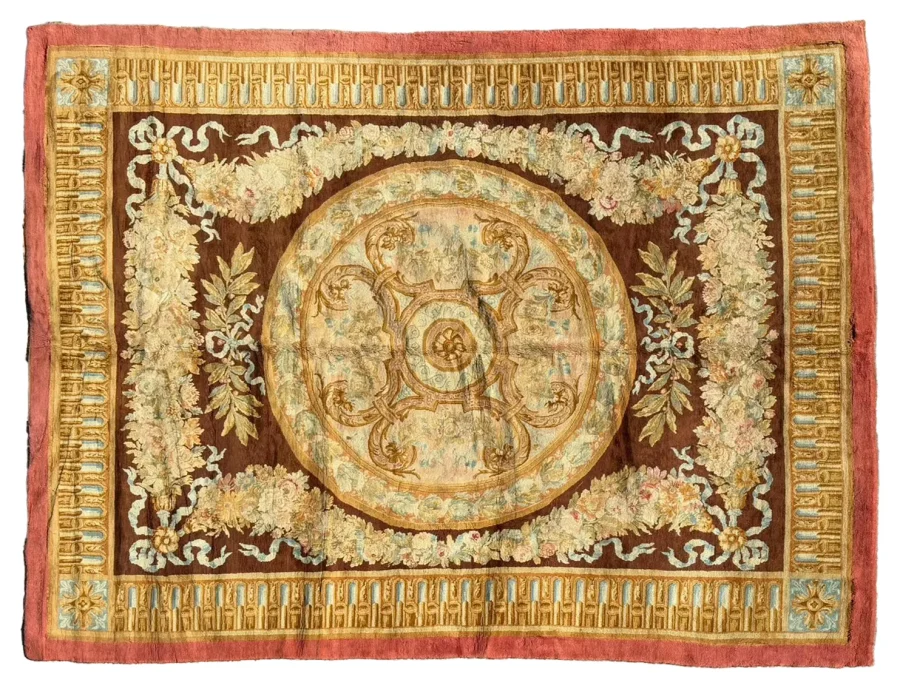
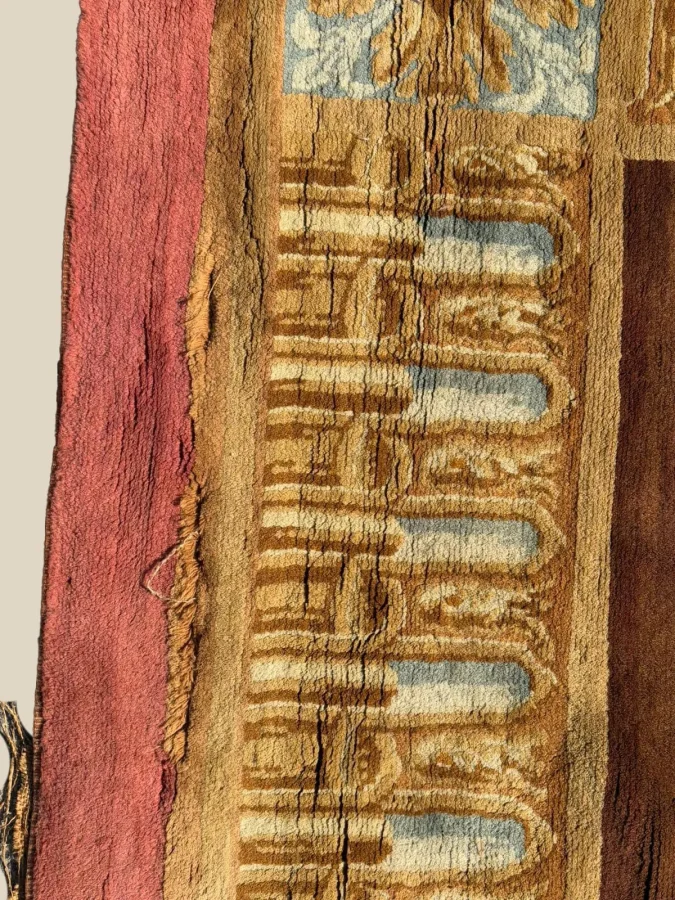 38369Antique 19th Century Aubusson Rug with Grand Medallion in Gold - Rug & Kilim
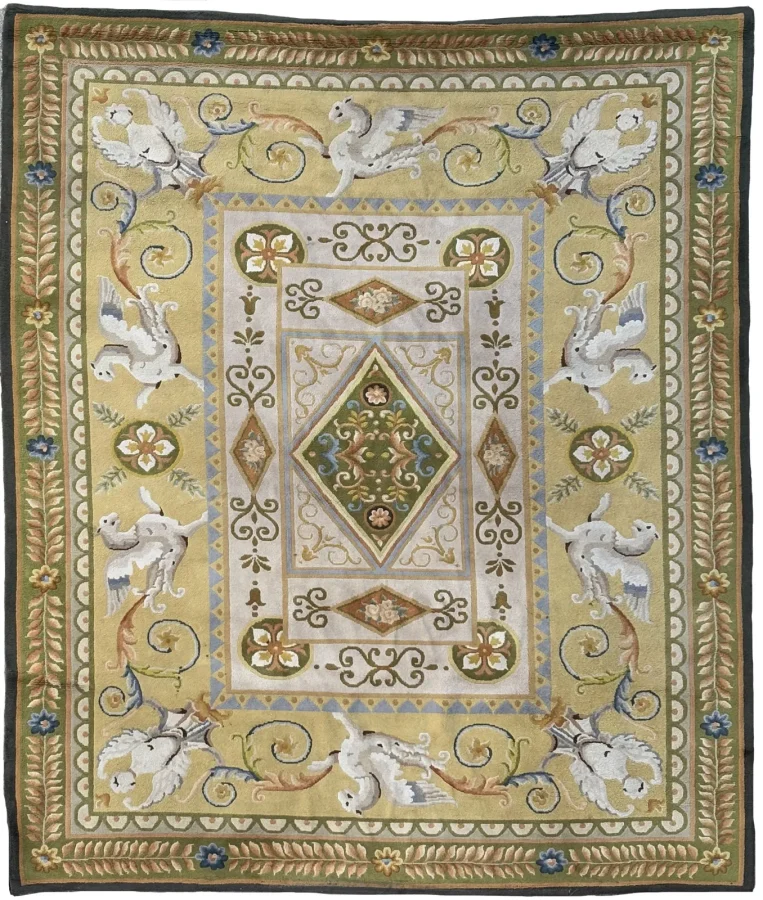 38368Antique 19th Century Spanish Savonnerie Rug with Diamond Medallion & Mythical Pictorials - Rug & Kilim
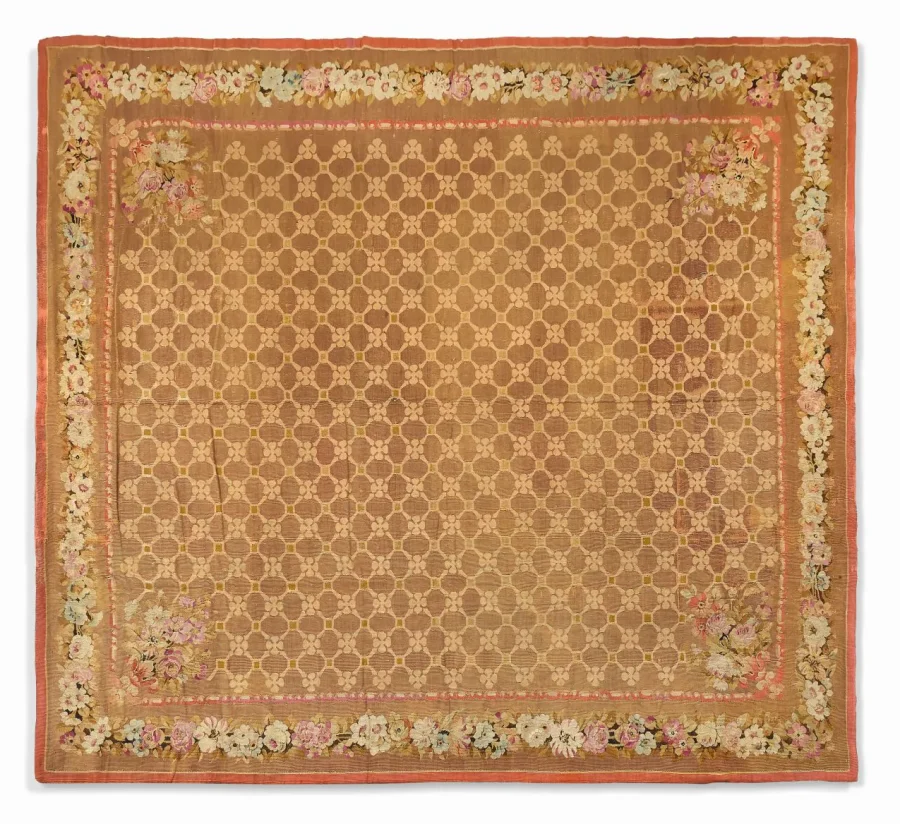 38338Antique 19th Century Aubusson Rug with Intricate Lattice in Gold - Rug & Kilim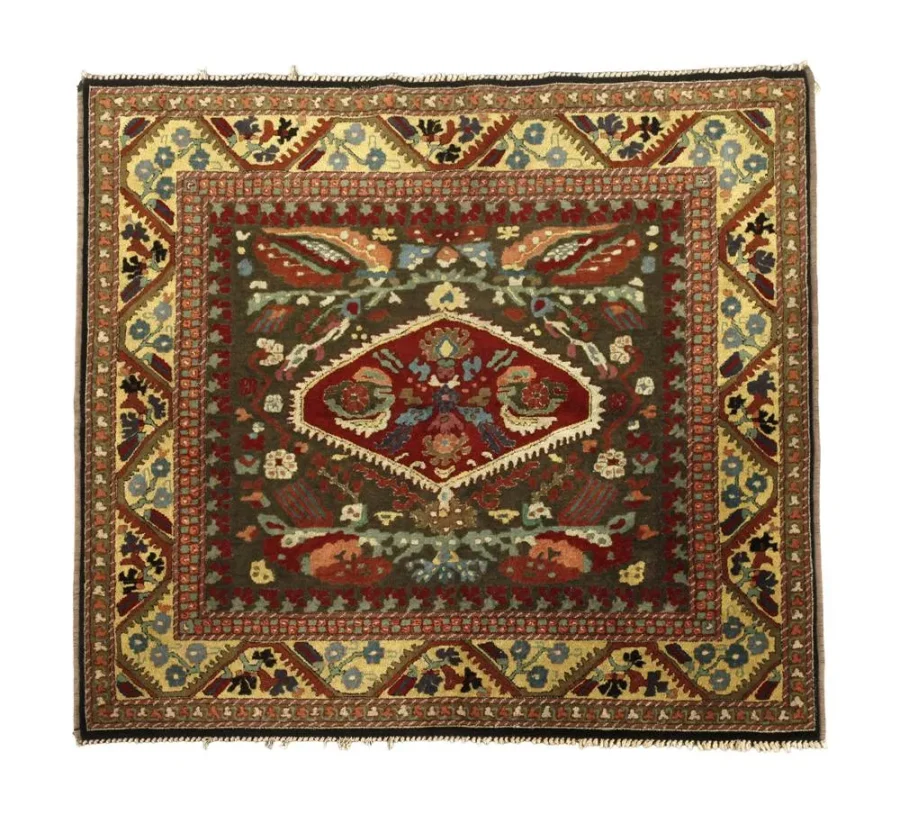
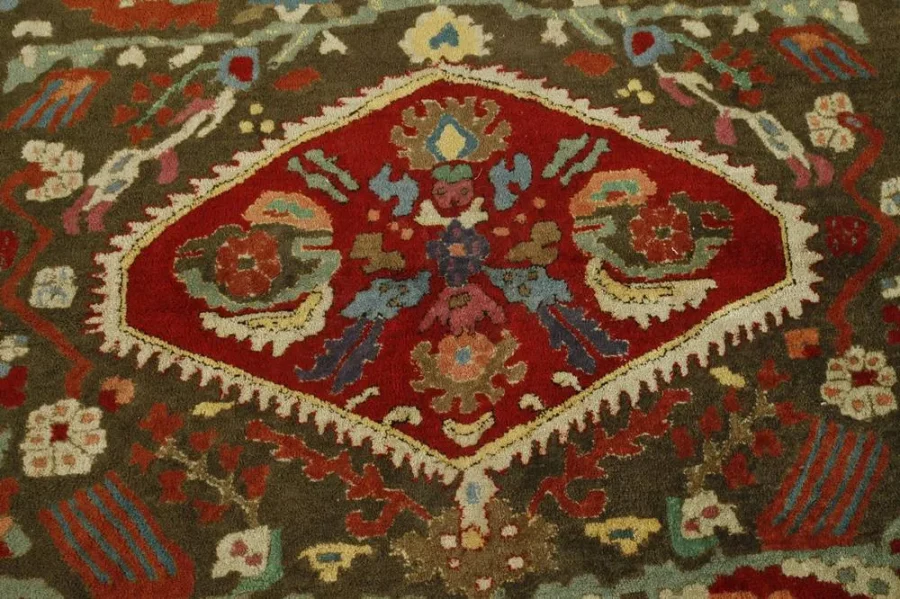 38308Antique Tetex Hooked Rug with Floral Medallion in Brown Hues - Rug & Kilim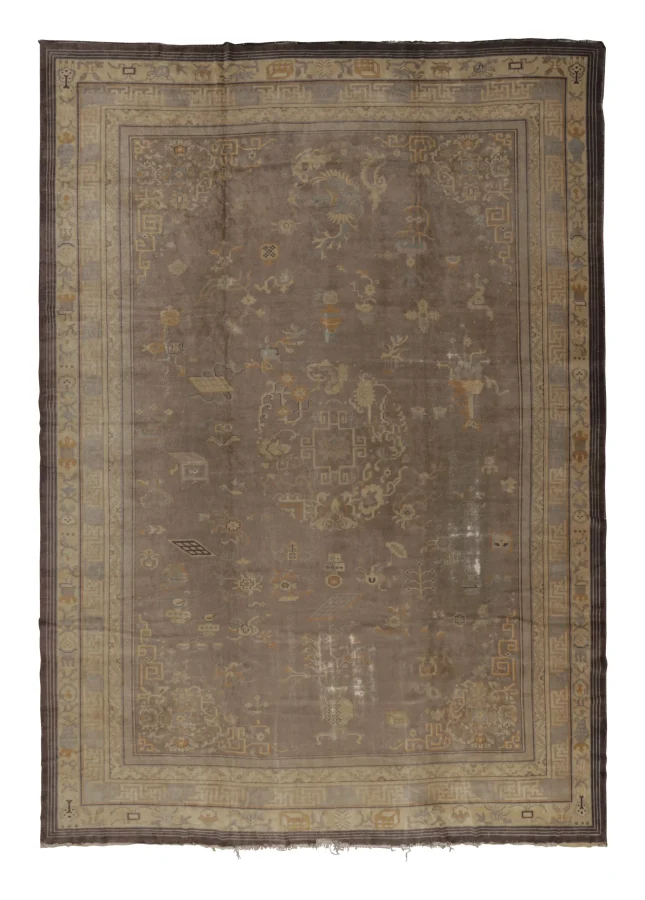
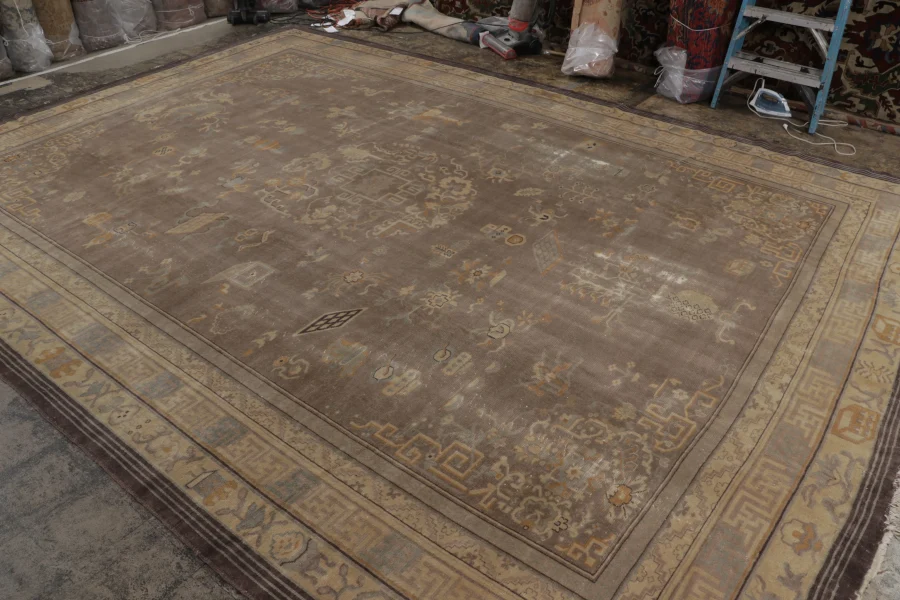 37547Antique Khotan Samarkand Rug with Phoenix & Cloud Band Motifs - Rug & Kilim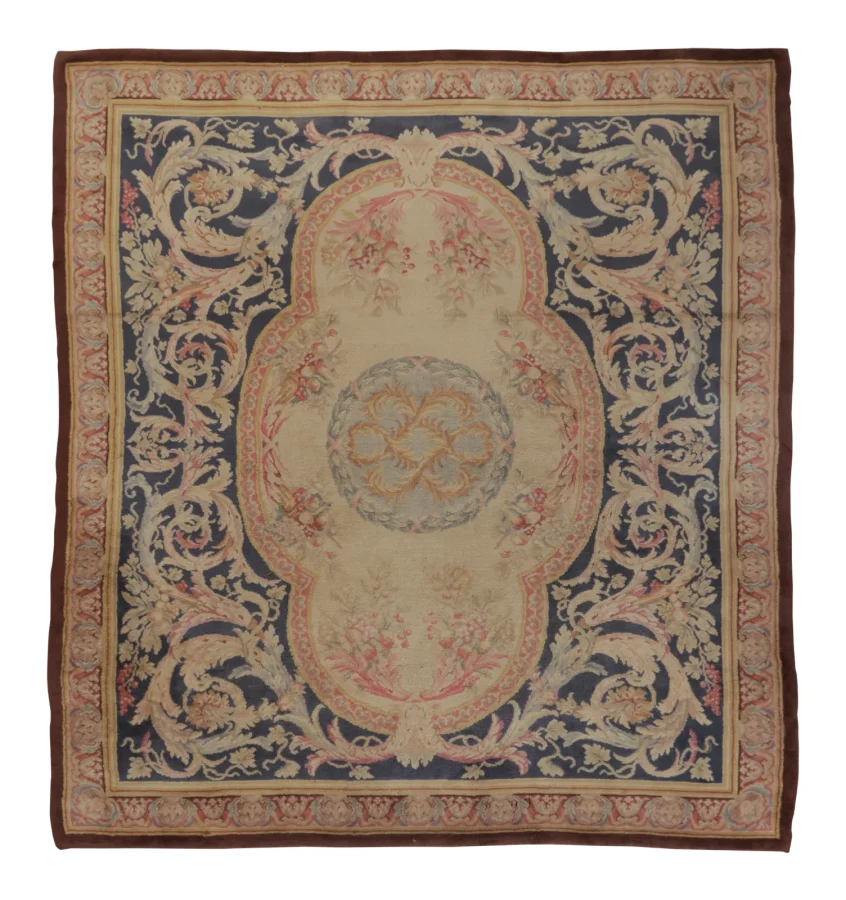
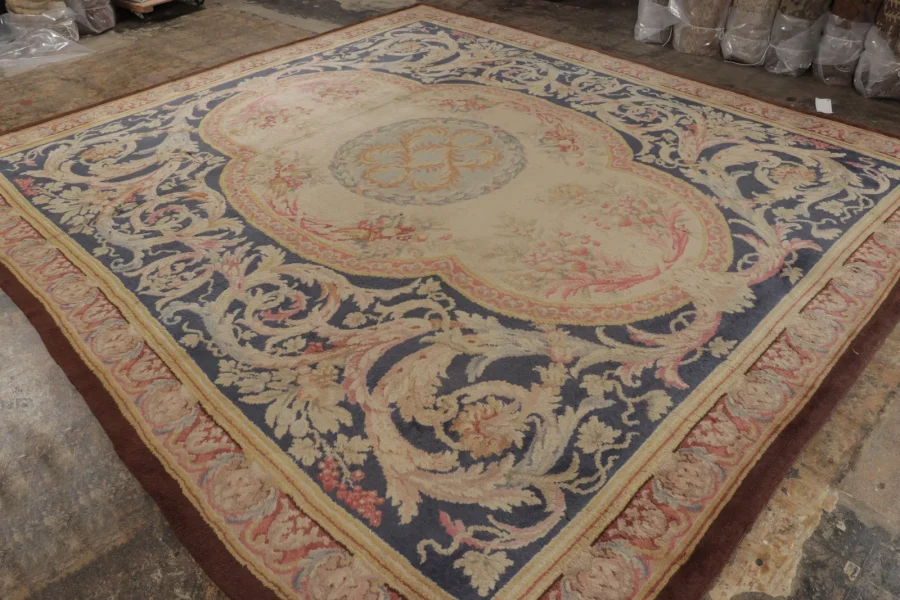 37548Antique Savonnerie Rug with Acanthus Leaves & Ornate Medallion - Rug & Kilim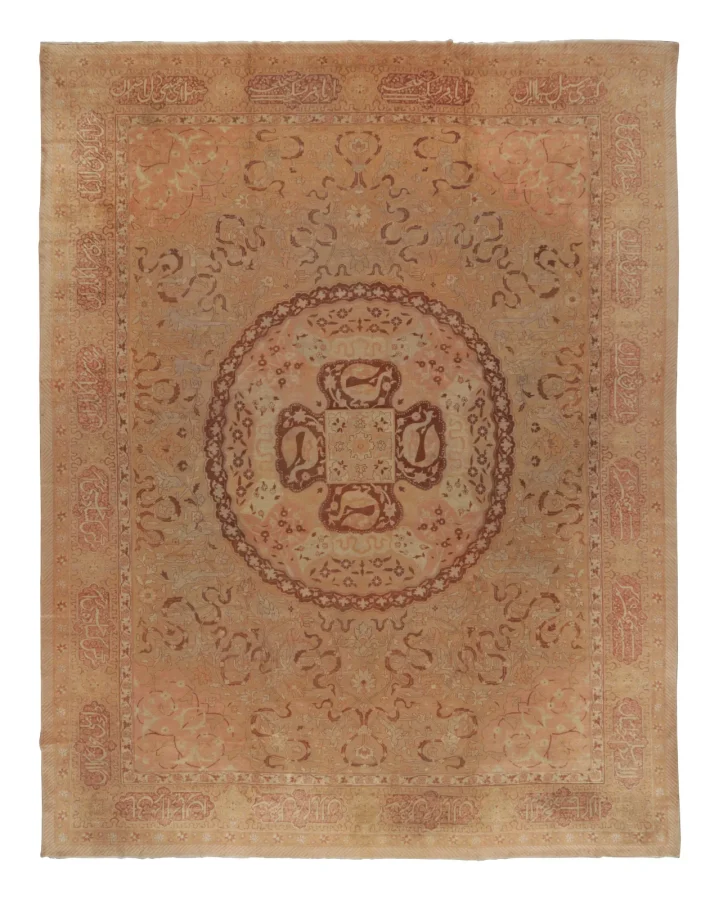
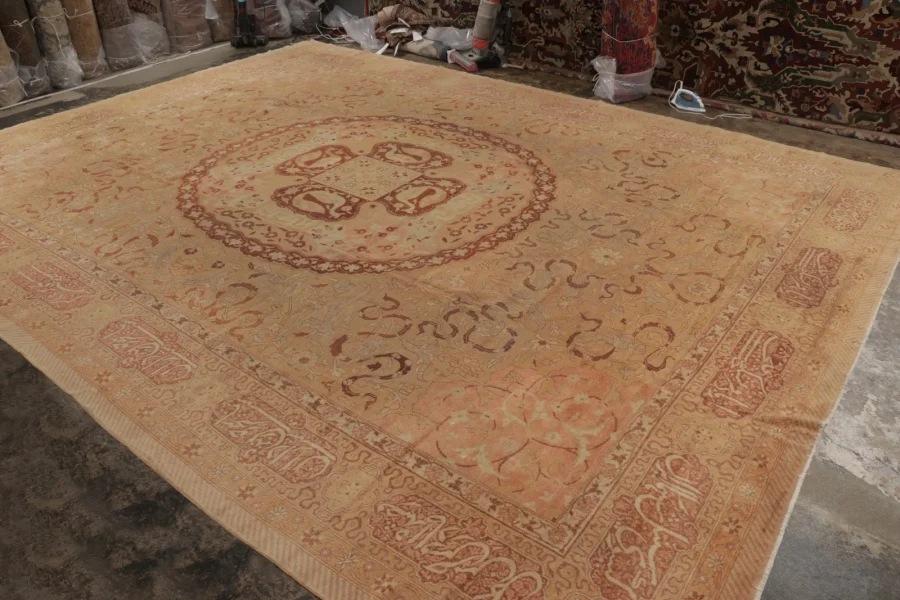 37550Antique Amritsar Rug with Deer Pictorials & Persian Inscriptions - Rug & Kilim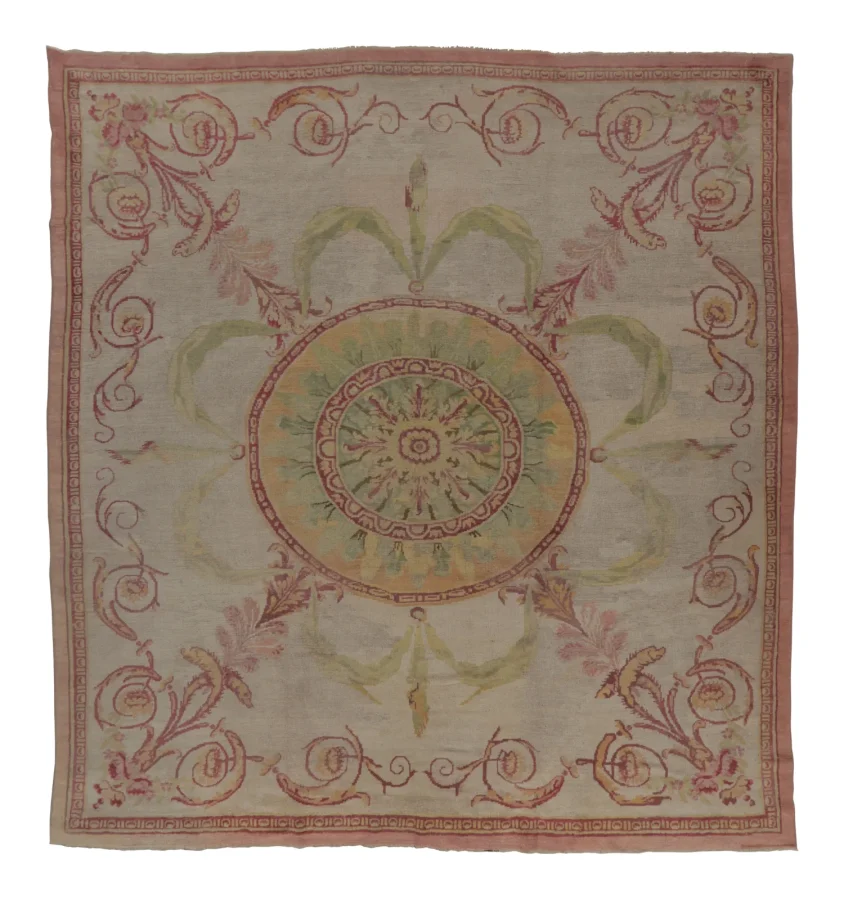
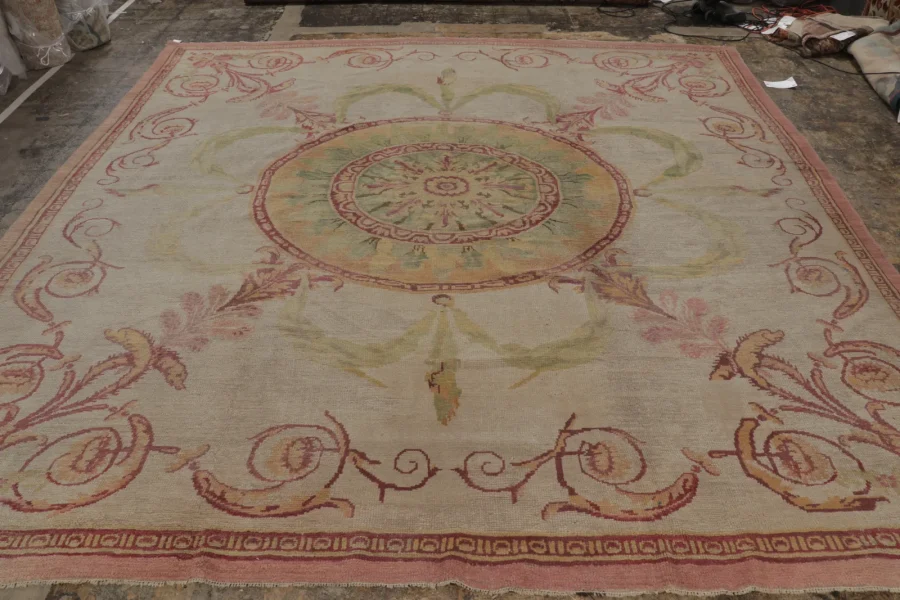 37552Antique 19th Century French Aubusson Rug with Ornate Medallion - Rug & Kilim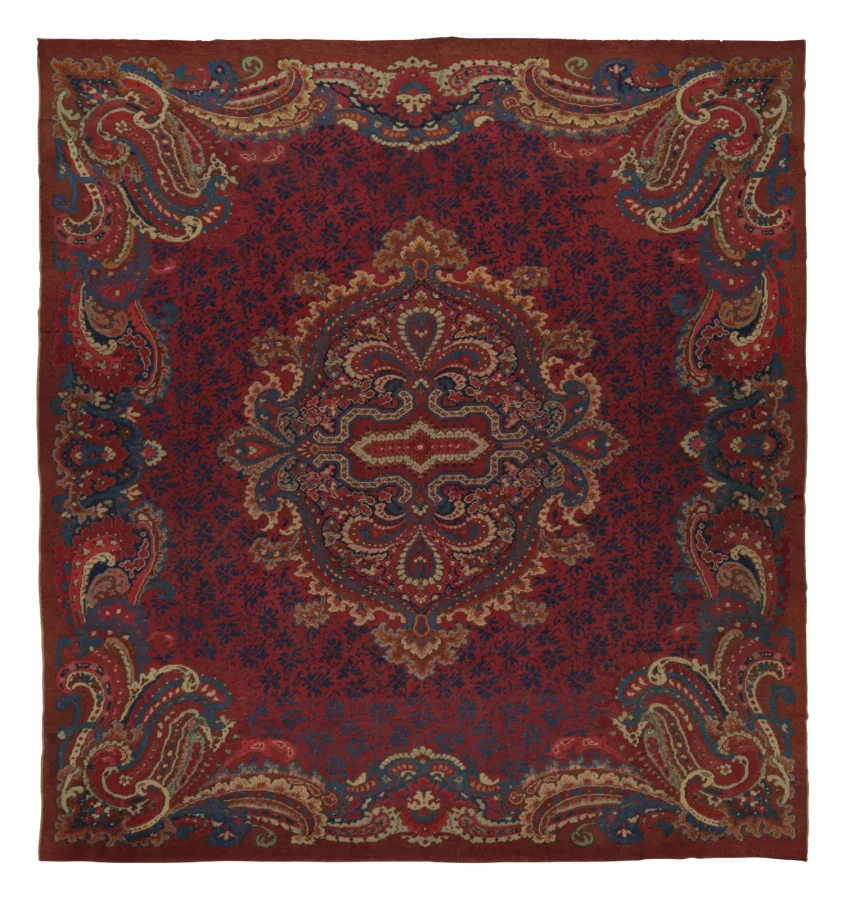
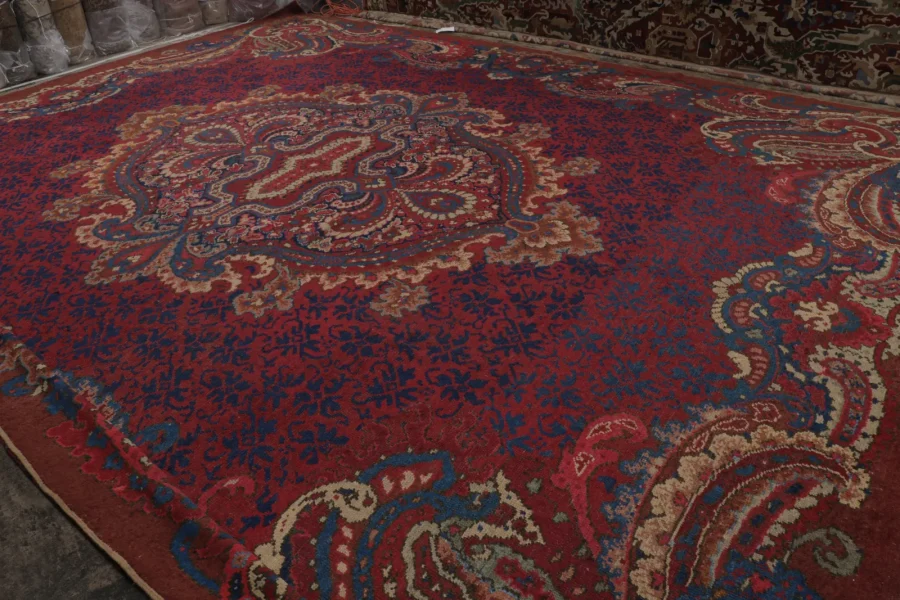 37546Oversized Antique 19th Century Turkish Oushak Rug with Jewel Tones - Rug & Kilim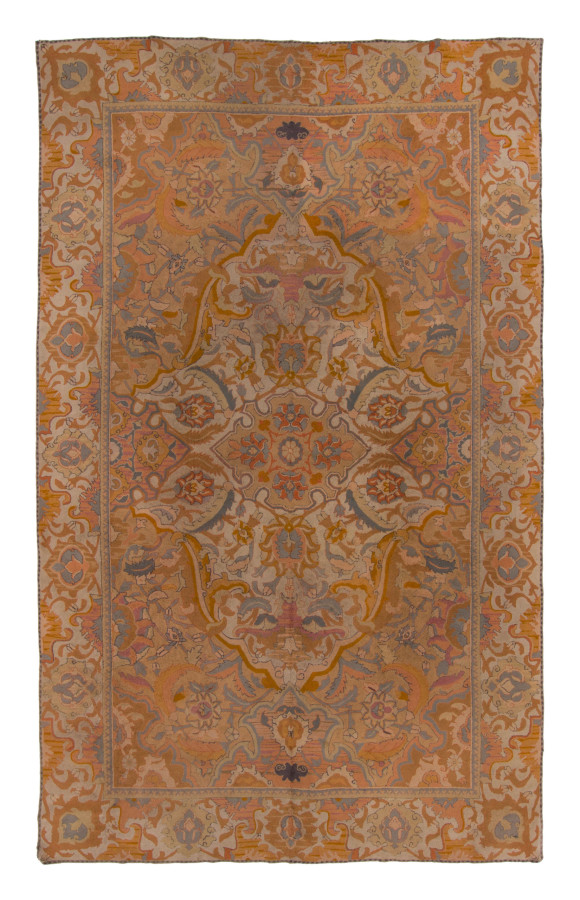
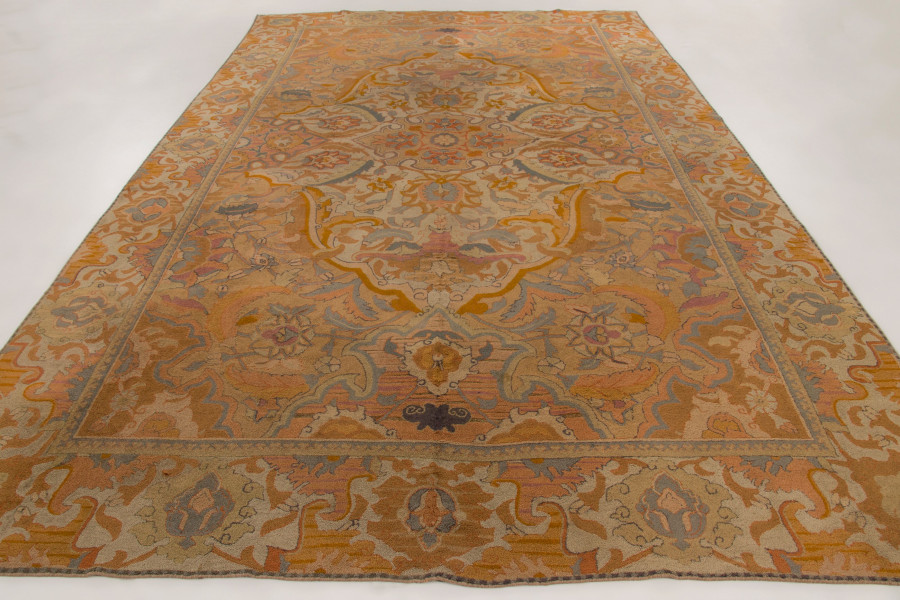 37719Antique Chinese Hooked Rug with Polonaise Design in Brown Hues - Rug & Kilim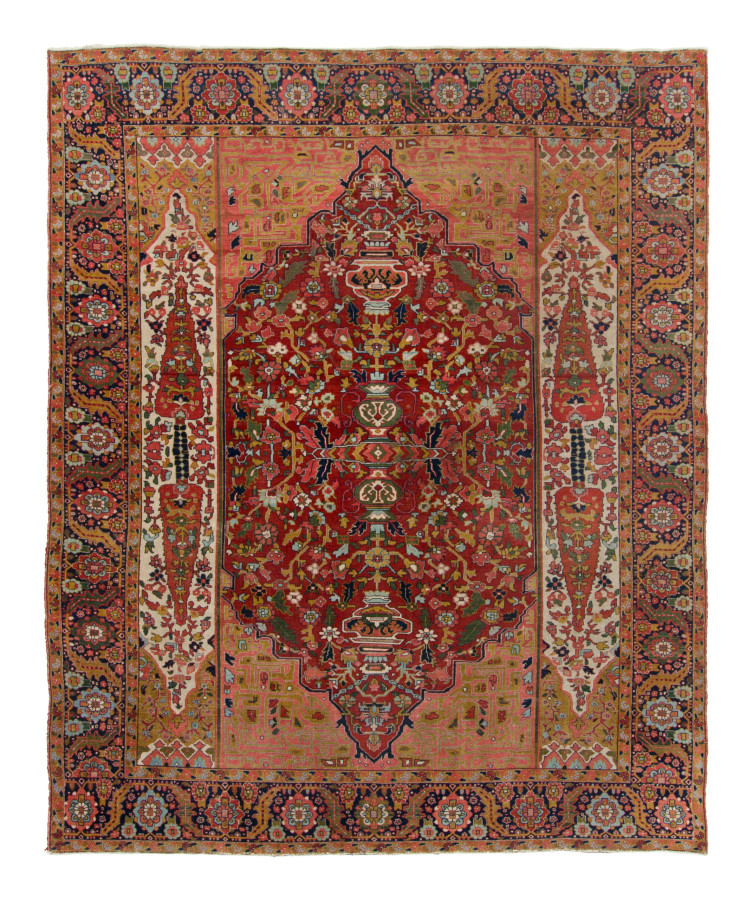
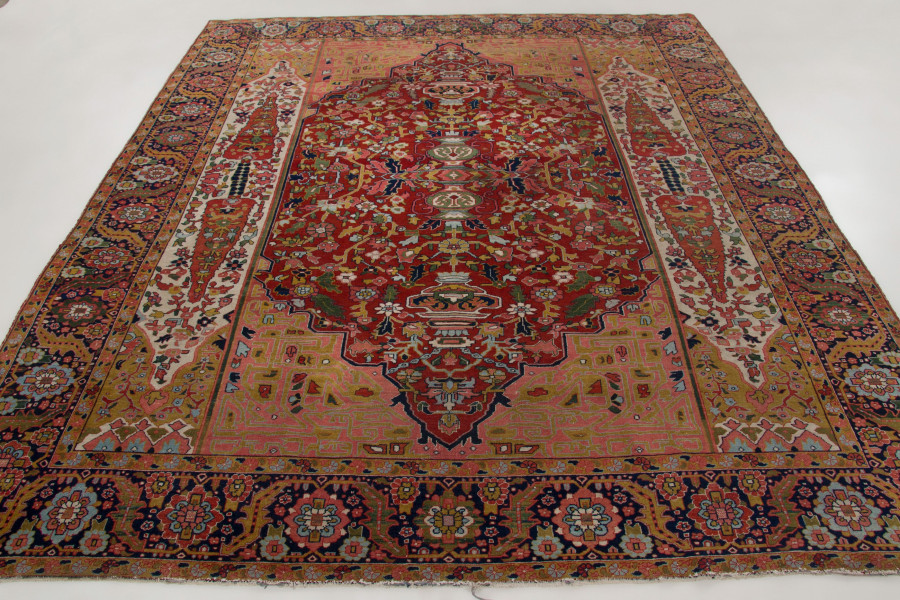 38024Antique Persian Serapi Rug with Vase Pictorials in Earthy Hues - Rug & Kilim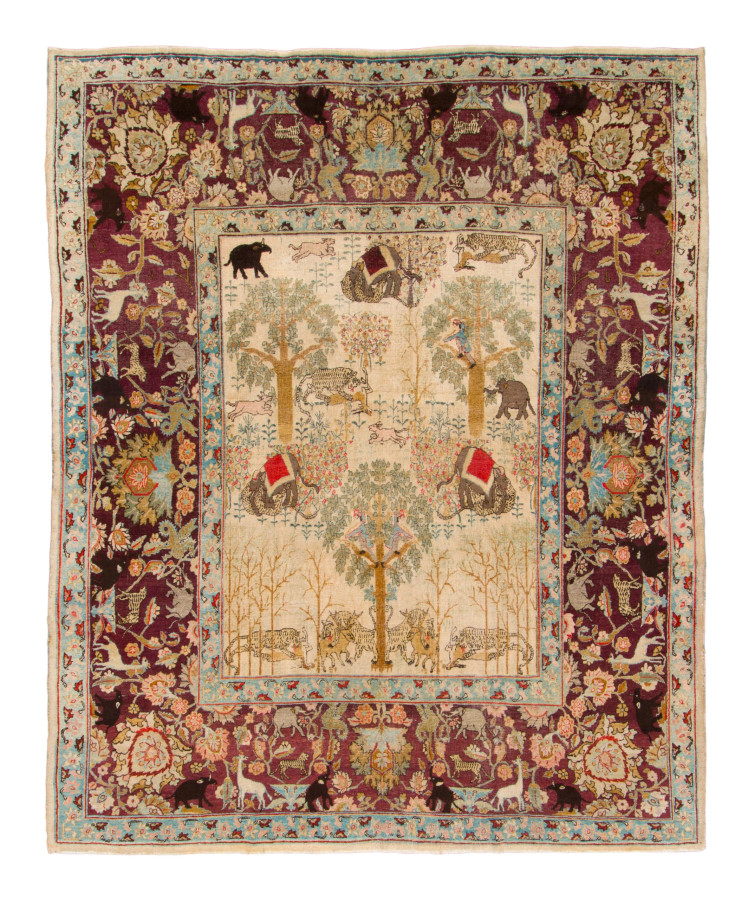
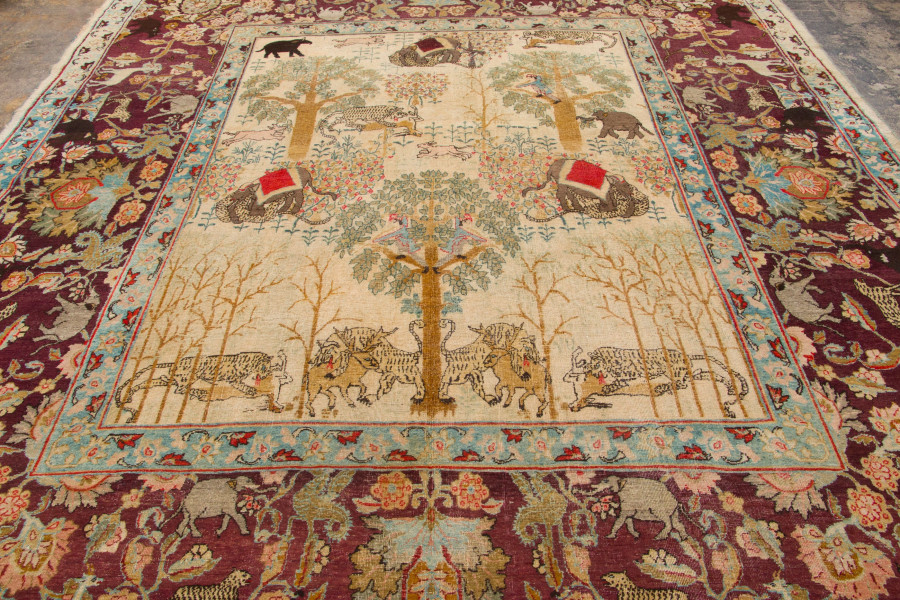 37444Antique Agra Rug with Animal Pictorials in Multicolor Hunting Narrative - Rug & Kilim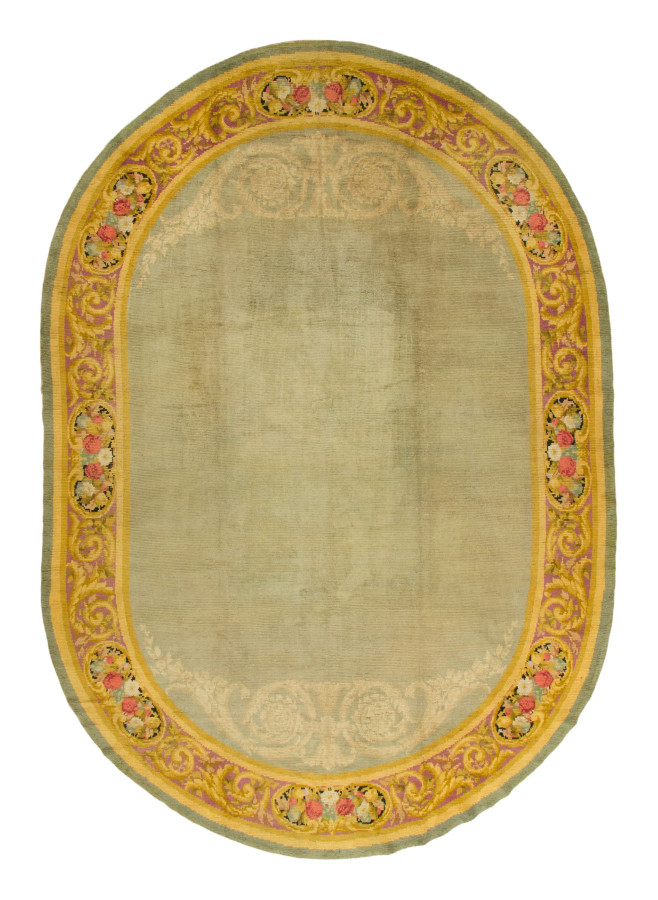
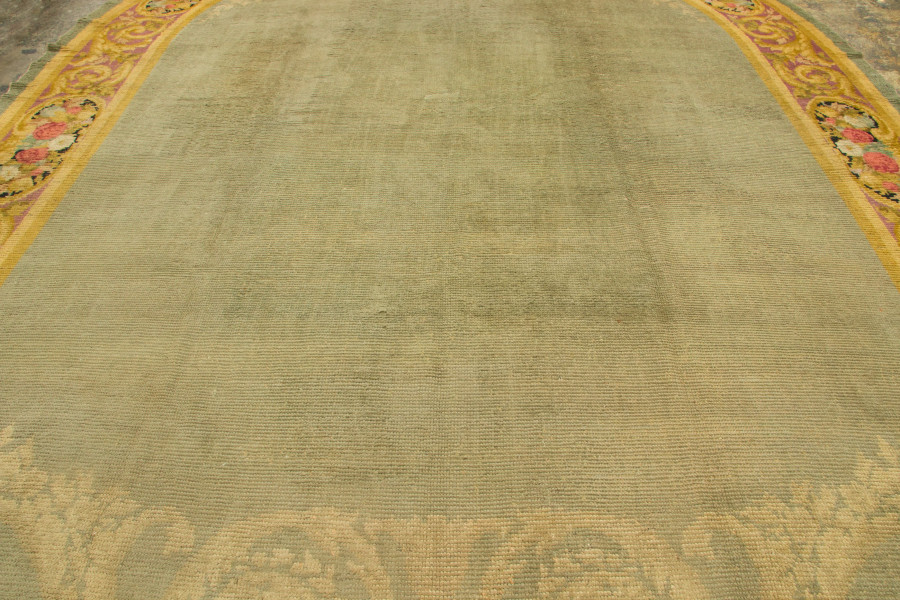 38175Oversized Antique 19th Century Oval Savonnerie Rug with Florals - Rug & Kilim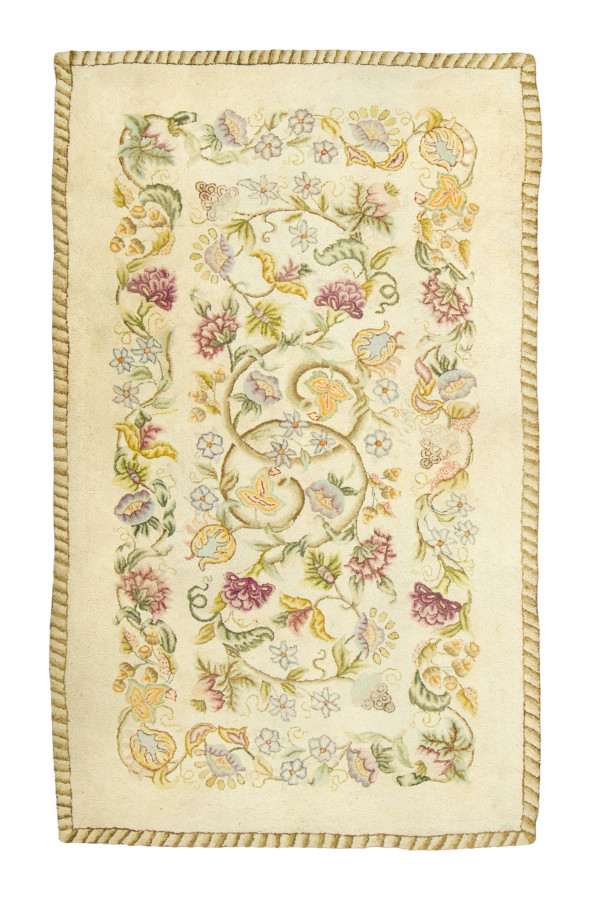
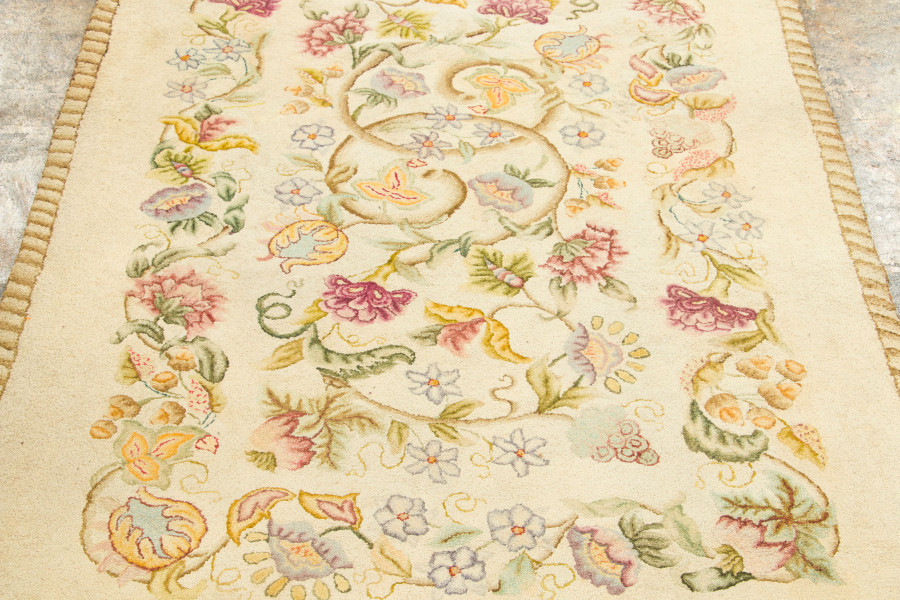 38148Antique Hooked Rug with Scrolling Foliage in Warm Pastel Hues - Rug & Kilim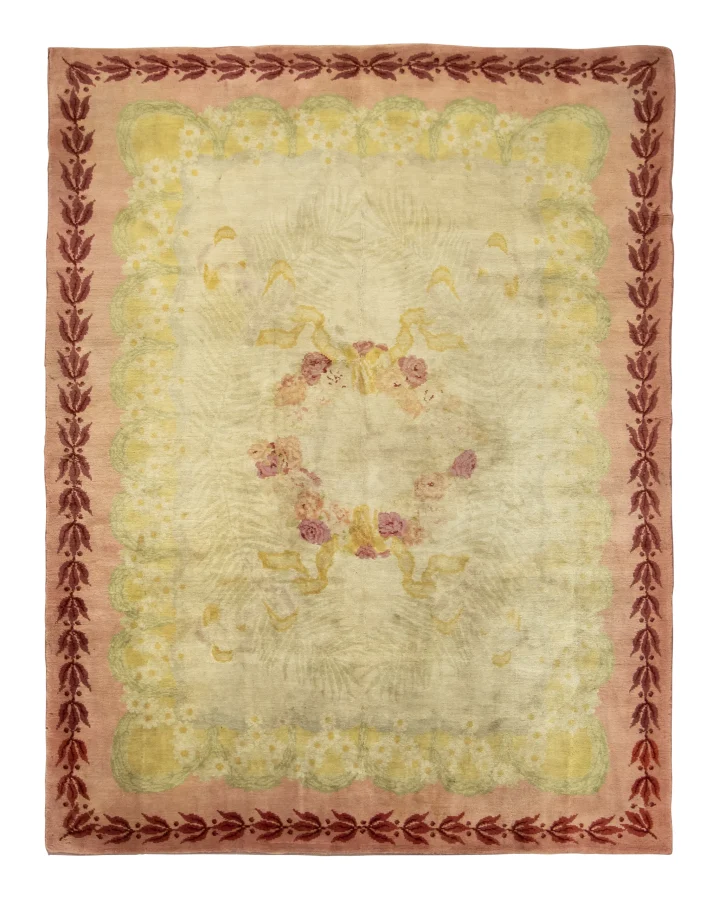
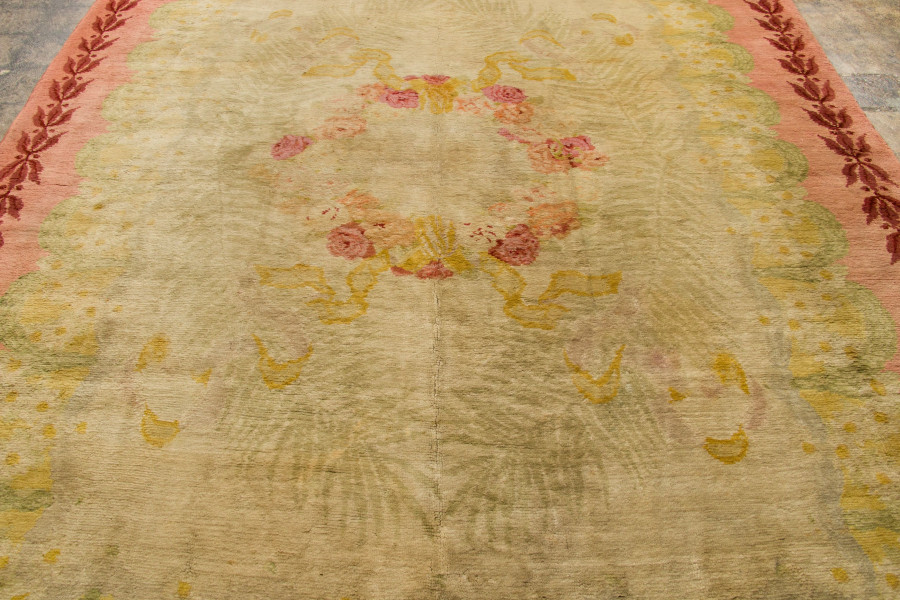 38065Antique French Savonnerie Rug with Floral Wreath Design in Pastels - Rug & Kilim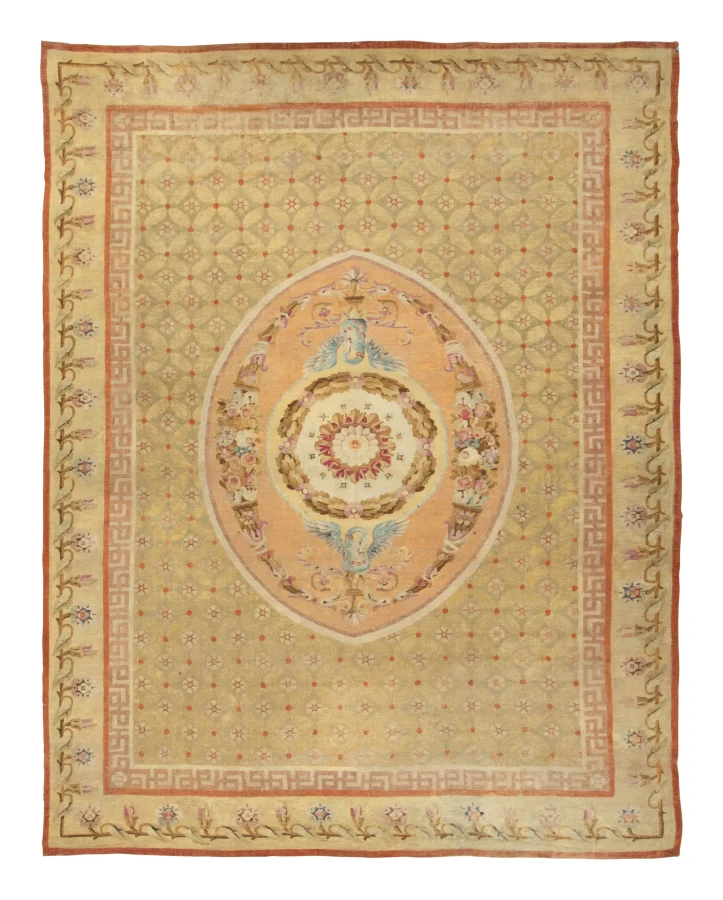
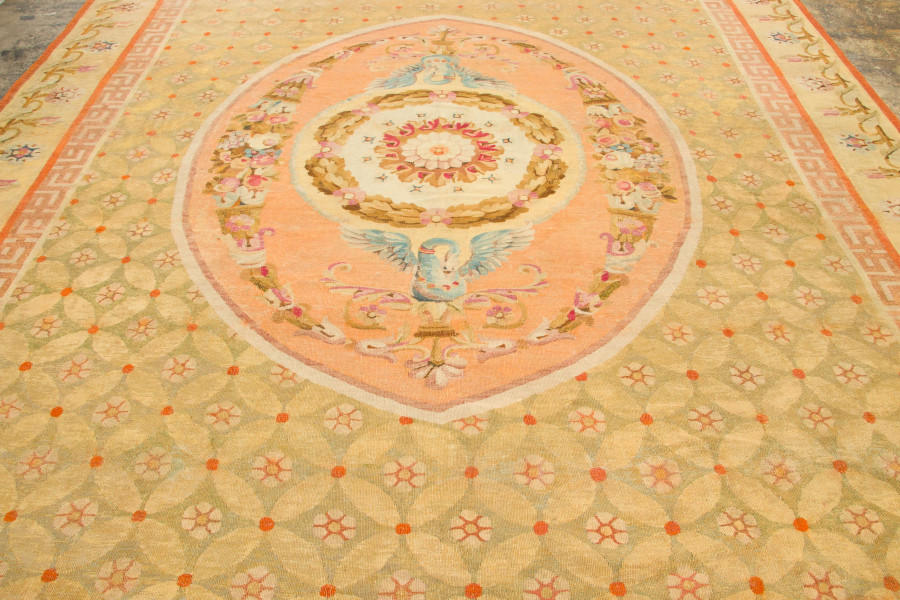 38064Oversized Antique Aubusson Rug with Floral Medallion & Swan Motifs - Rug & Kilim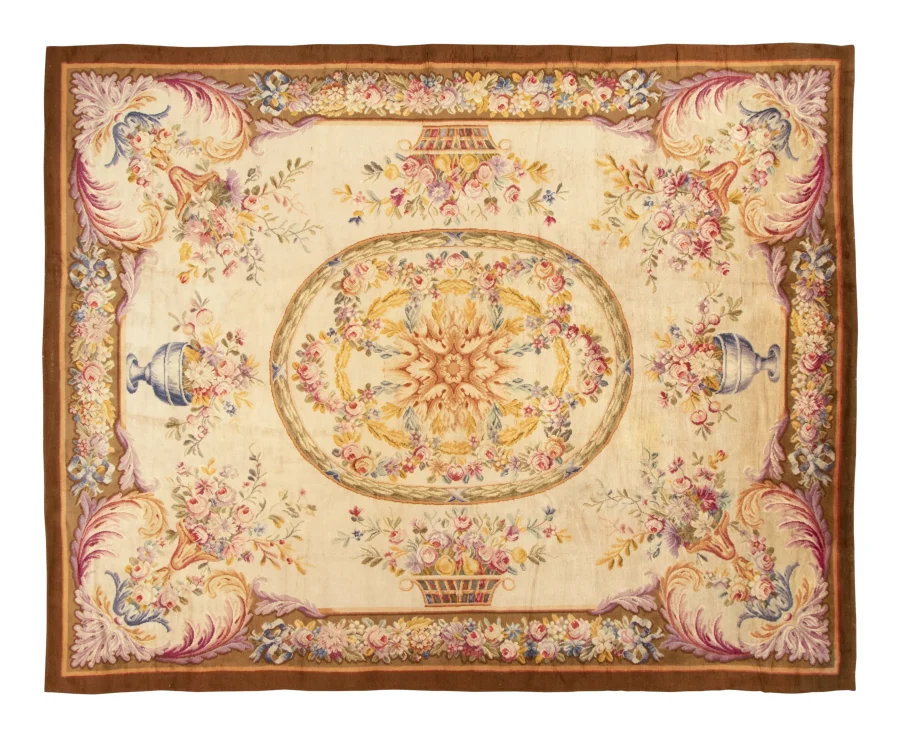
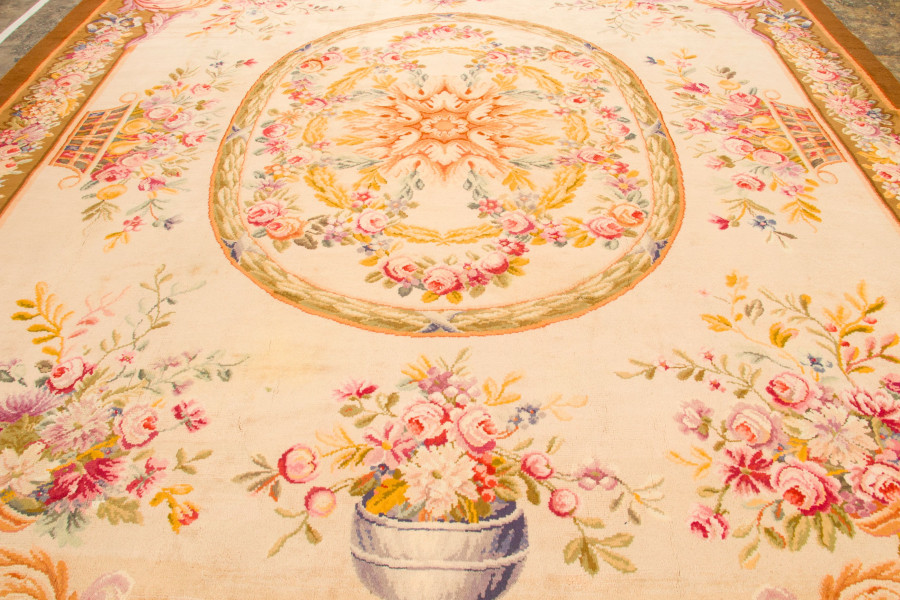 38062Oversized Antique French Savonnerie Rug with Florals & Vase Motifs - Rug & Kilim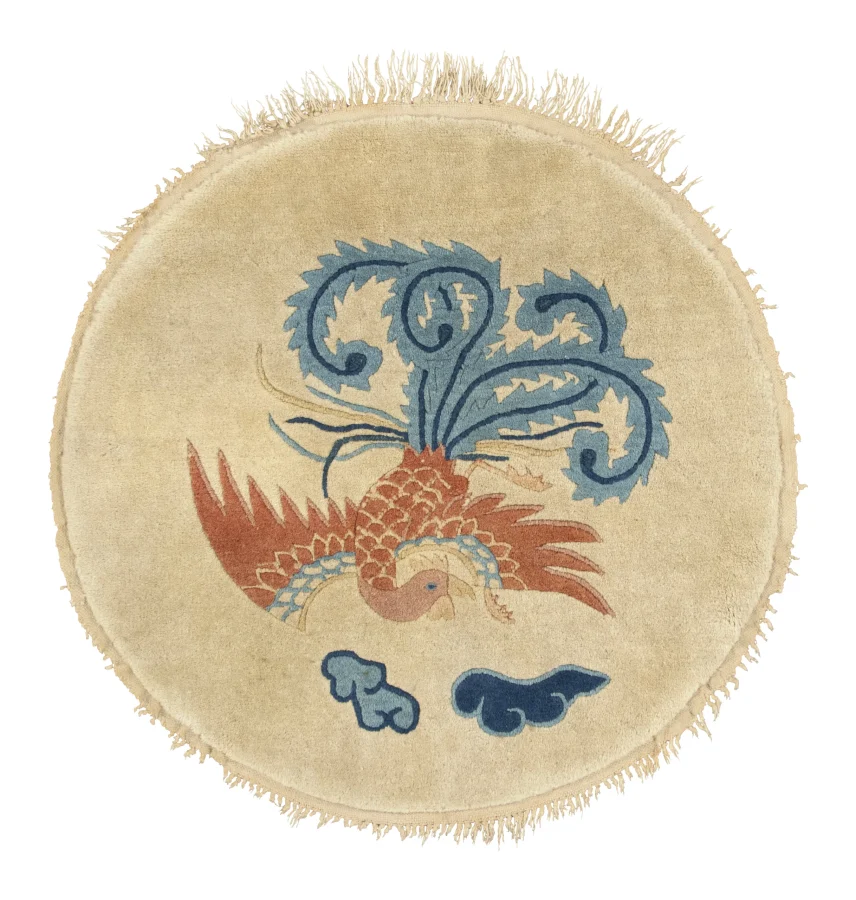
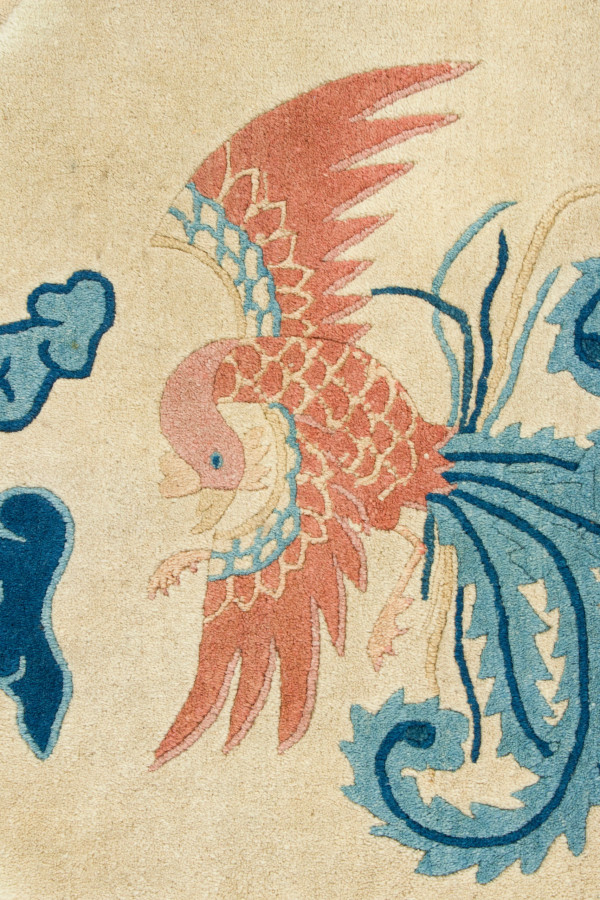 38009Antique Chinese Peking Circle Gift-Sized Rug with Phoenix Motif - Rug & Kilim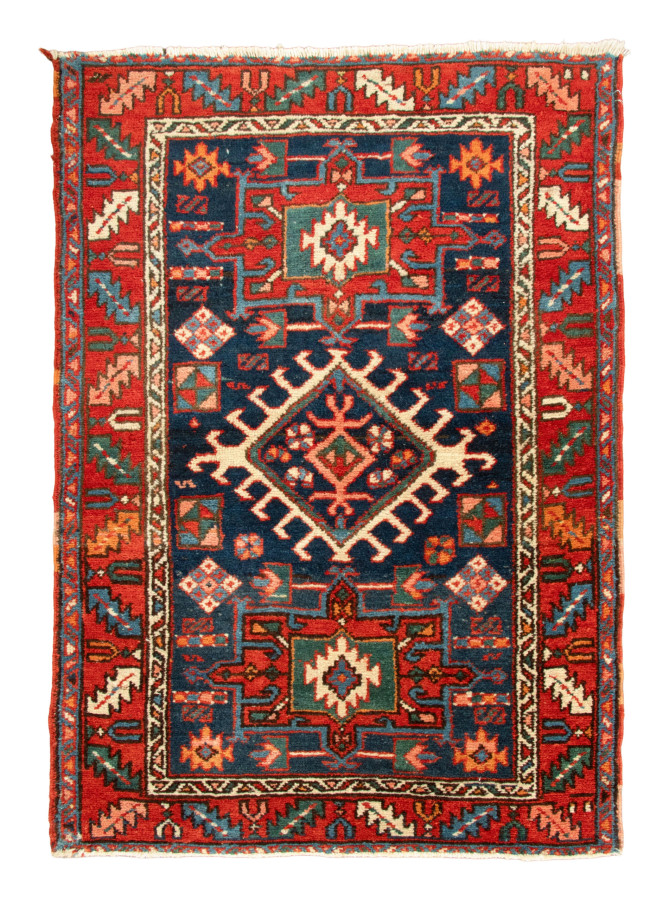
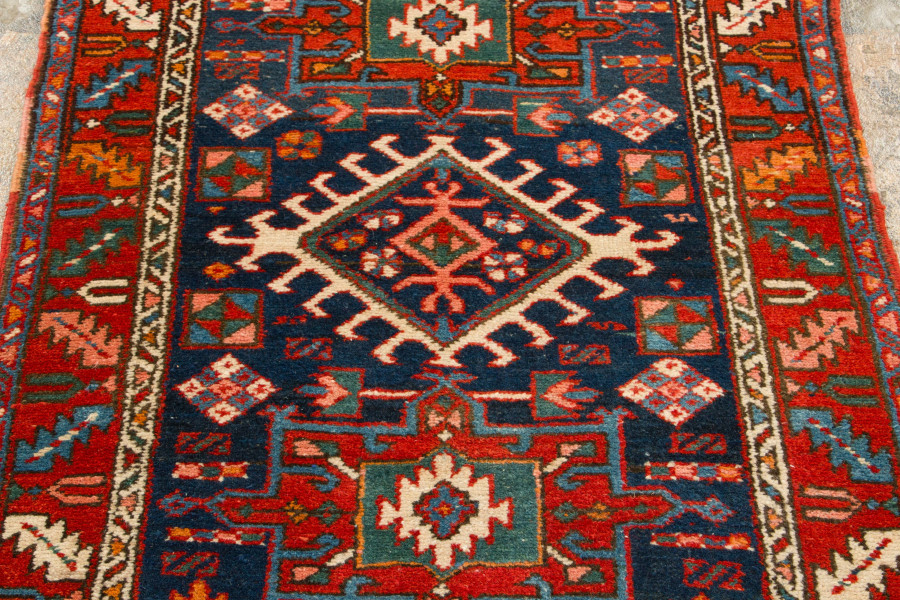 38061Antique Persian Hamadan Rug with Geometric Medallion Design - Rug & Kilim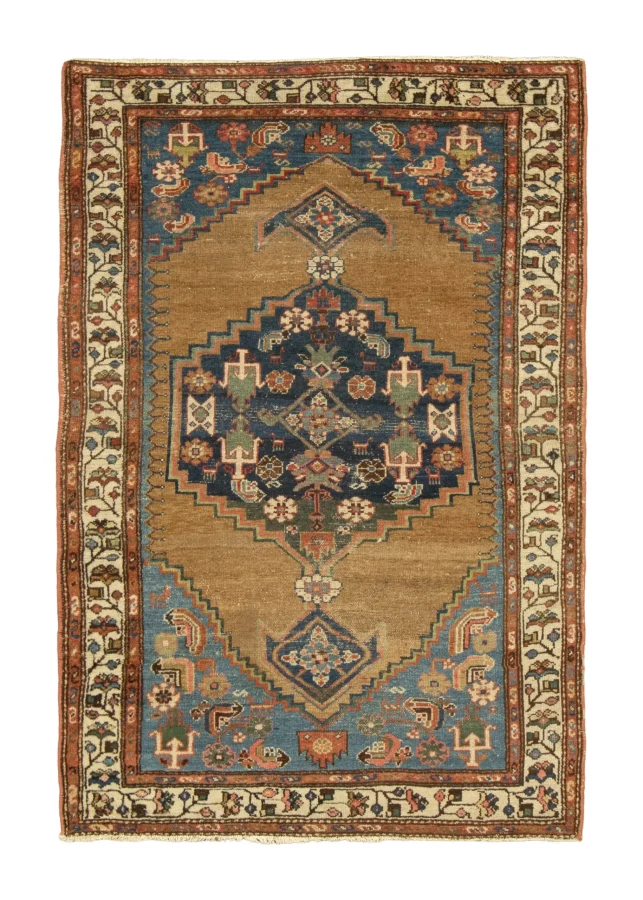
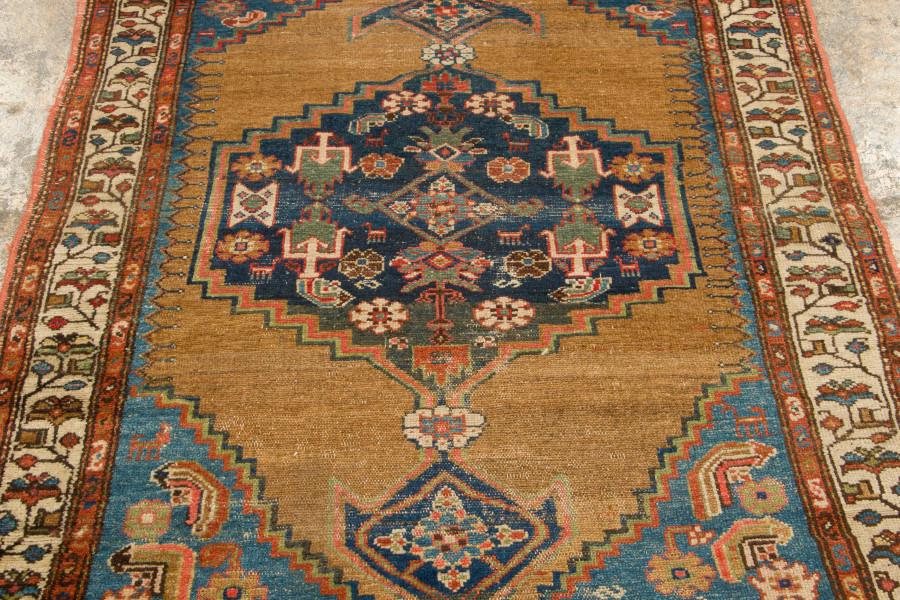 38060Antique Persian Heriz Runner with Geometric Floral Medallion Design - Rug & Kilim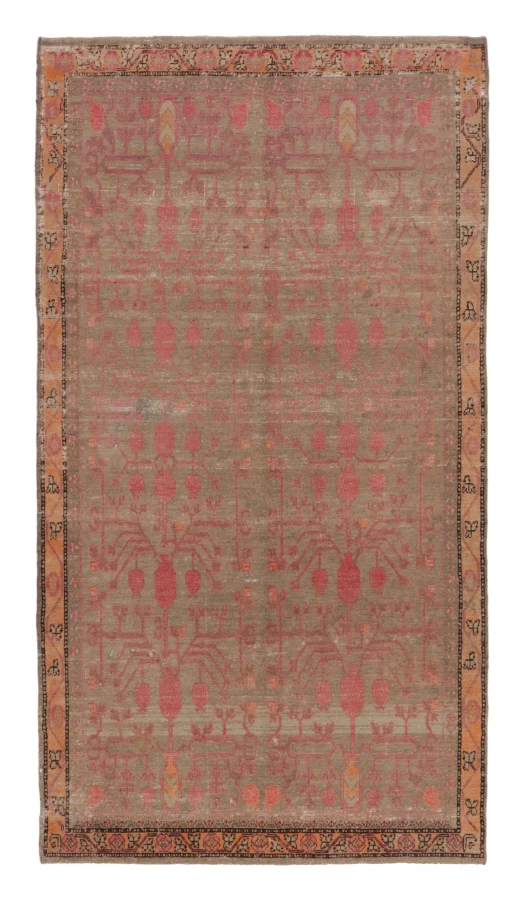
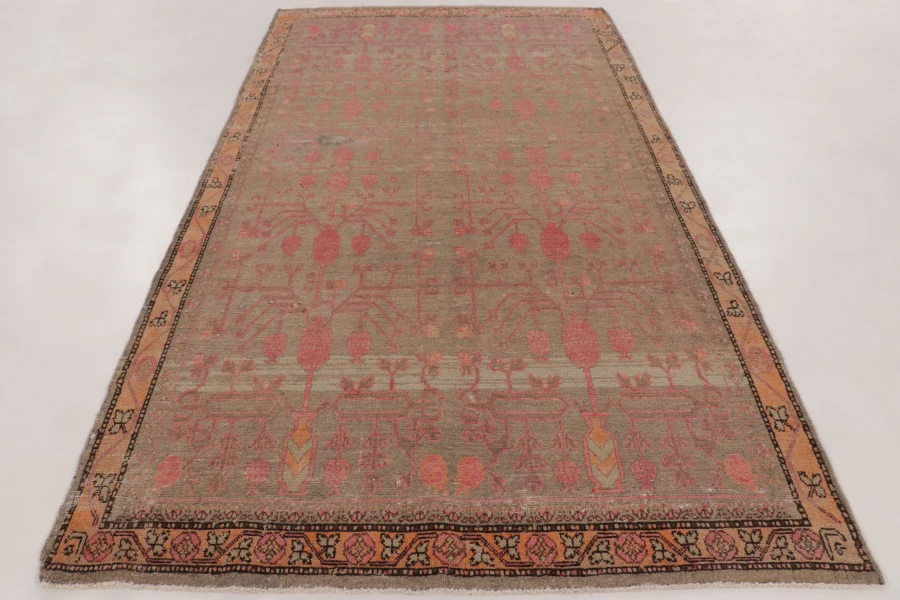 37354Antique Khotan Rug with Geometric Tonal Design in Brown & Red - Rug & Kilim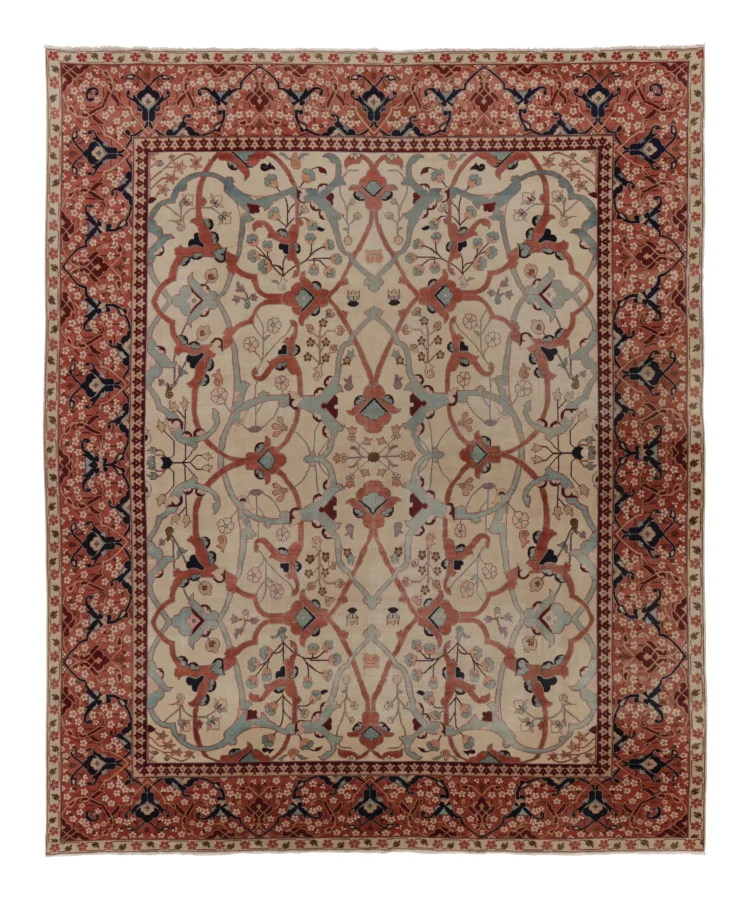
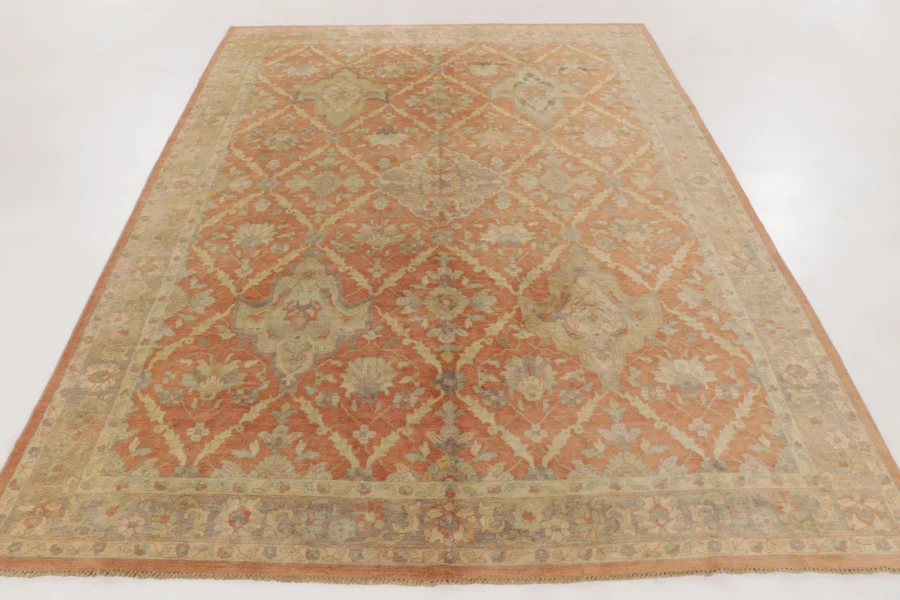
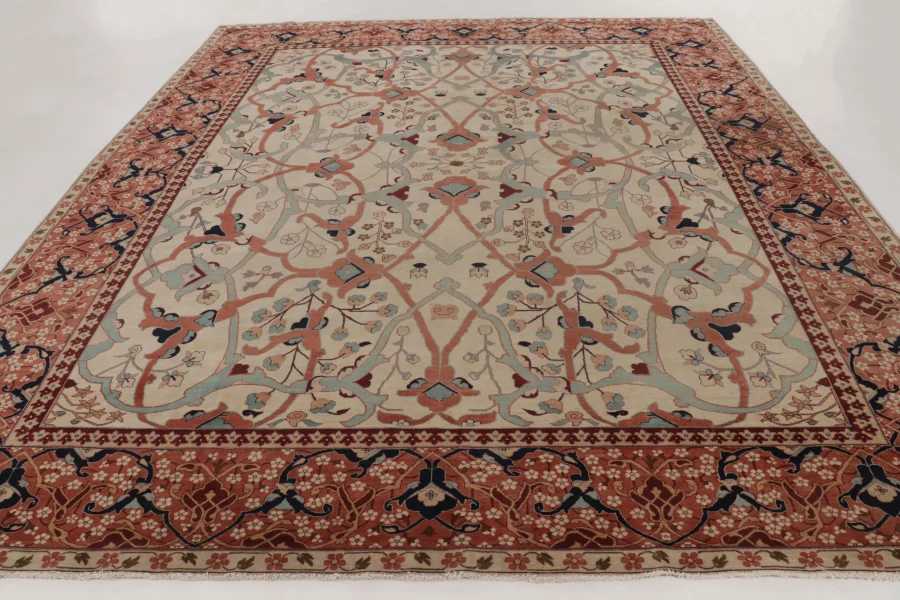 37886Oversized Antique Persian Tabriz Rug with Floral Design in Pastel Hues - Rug & Kilim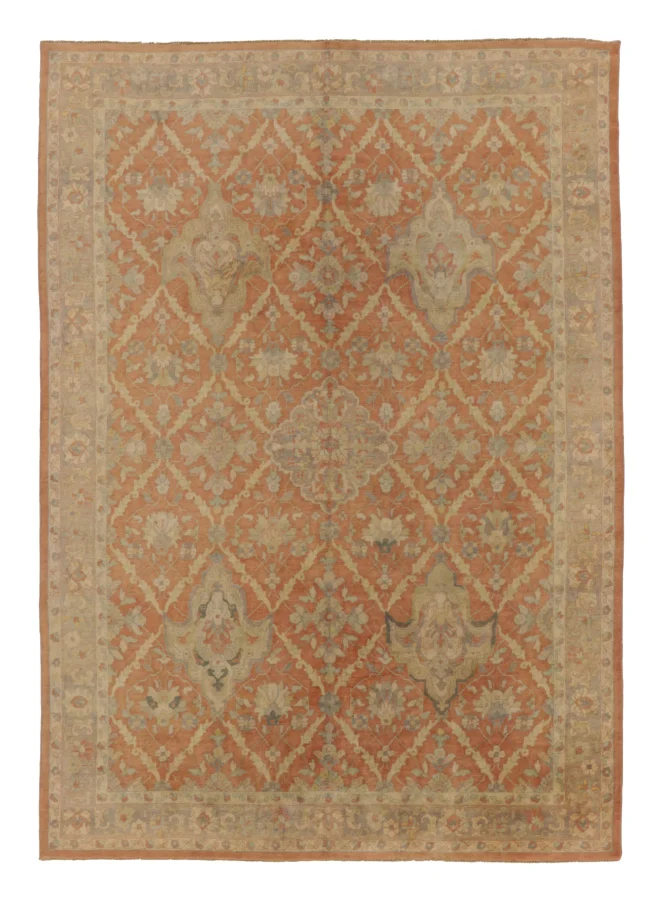
 37939Antique Indian Rug with Coral & Ivory Palmette Medallion & Florals - Rug & Kilim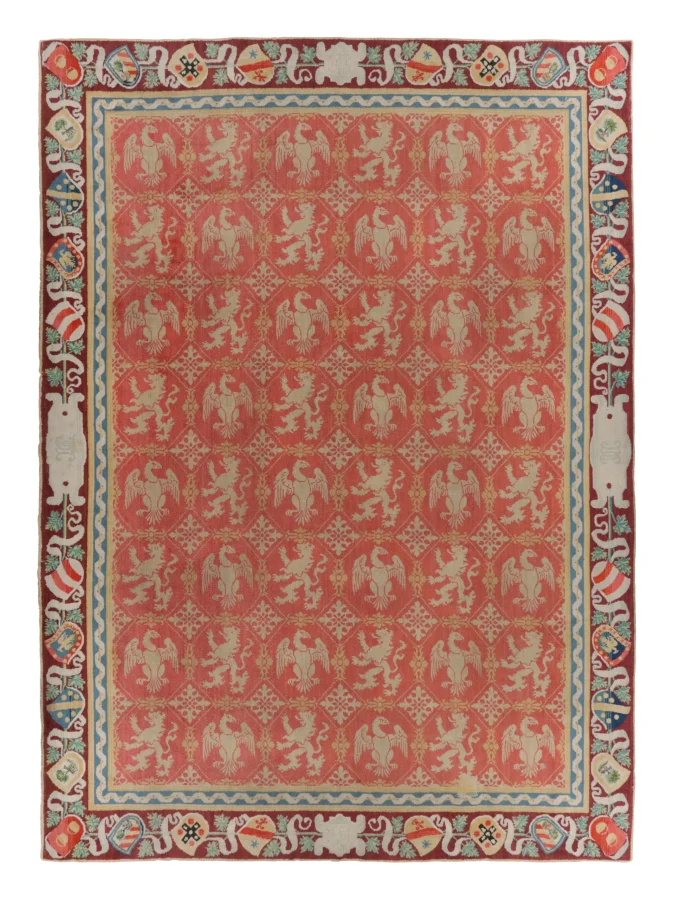
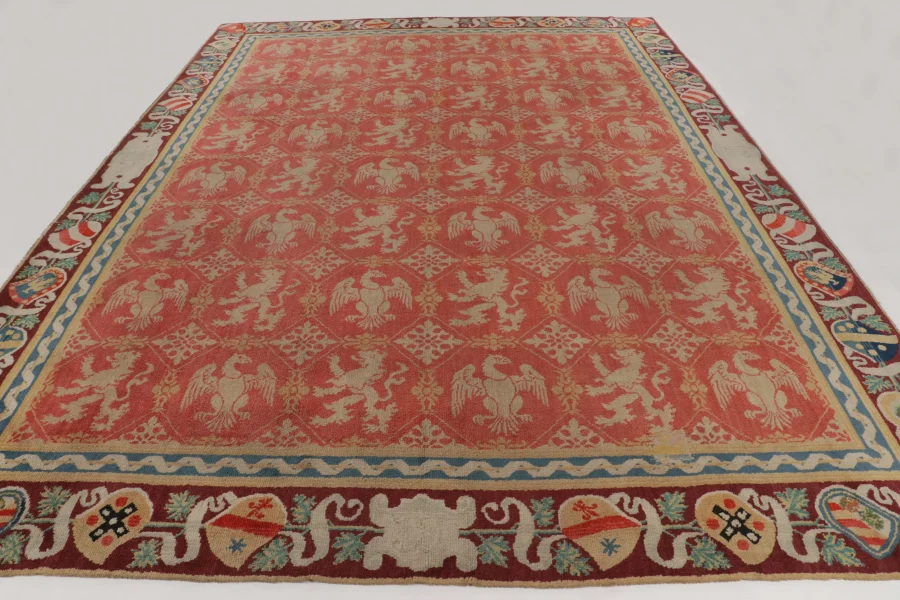 37882Oversized Antique European Pictorial Rug with Heraldic Bird Motifs - Rug & Kilim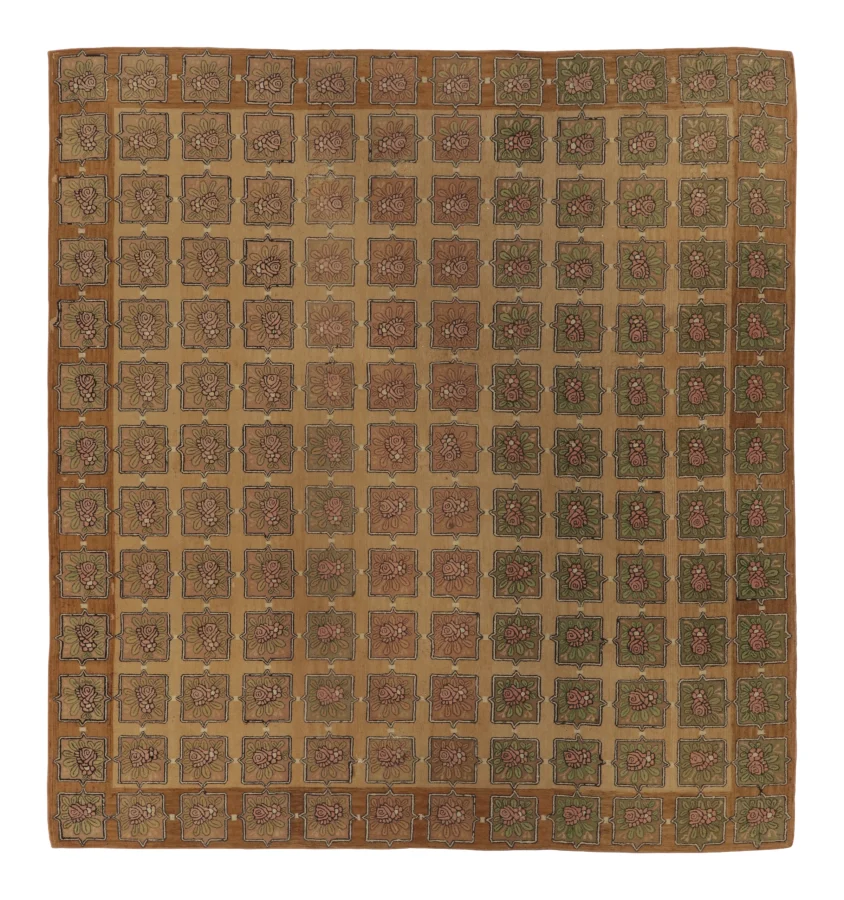
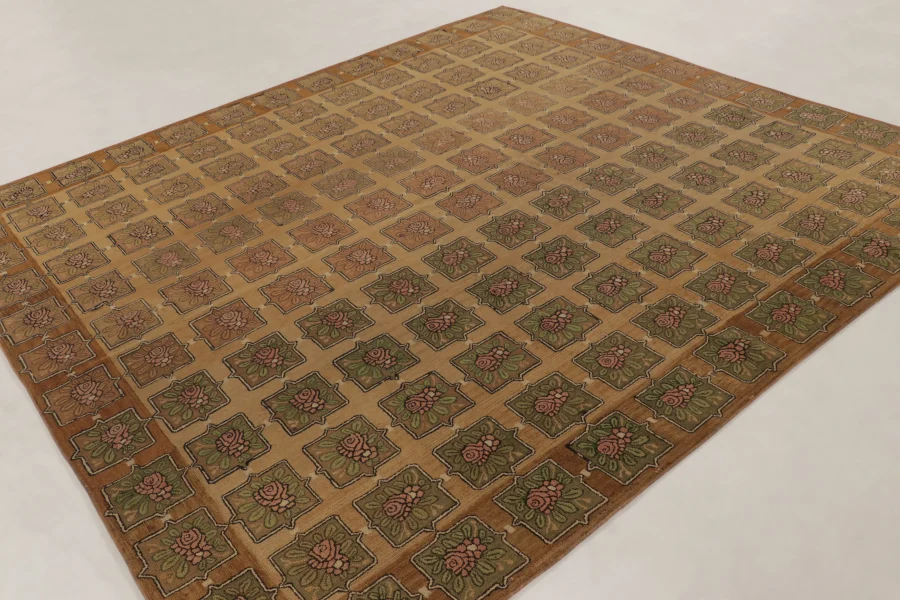 37717Antique Hooked Rug with Floral Geometric Grid in Warm Gold - Rug & Kilim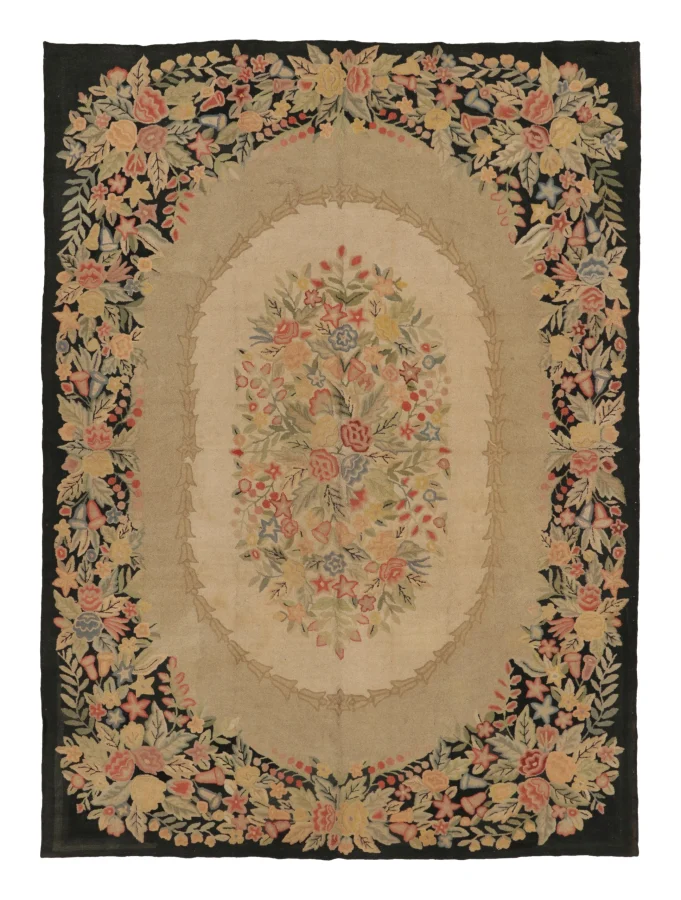
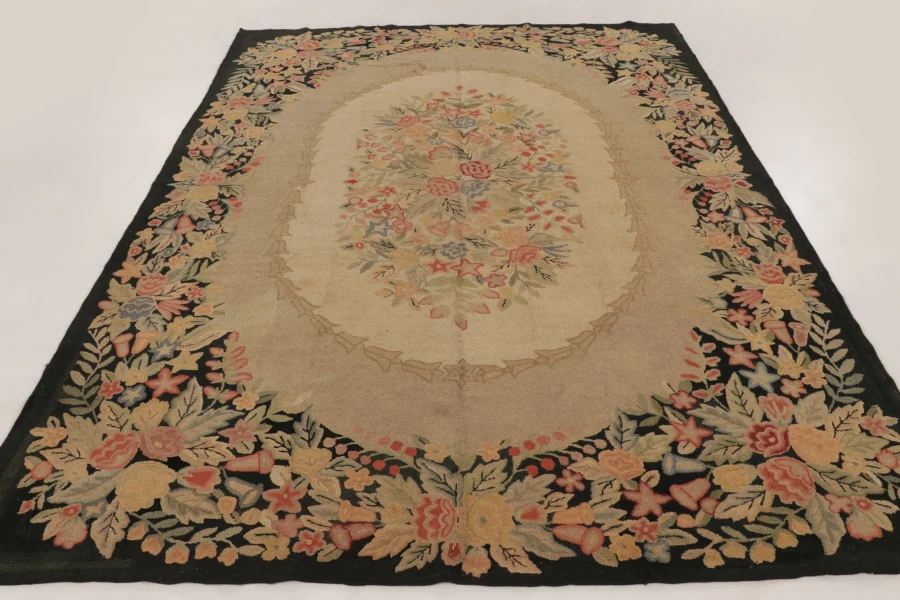 37720Antique Hooked Rug with Polychromatic Floral Wreath Medallion Design - Rug & Kilim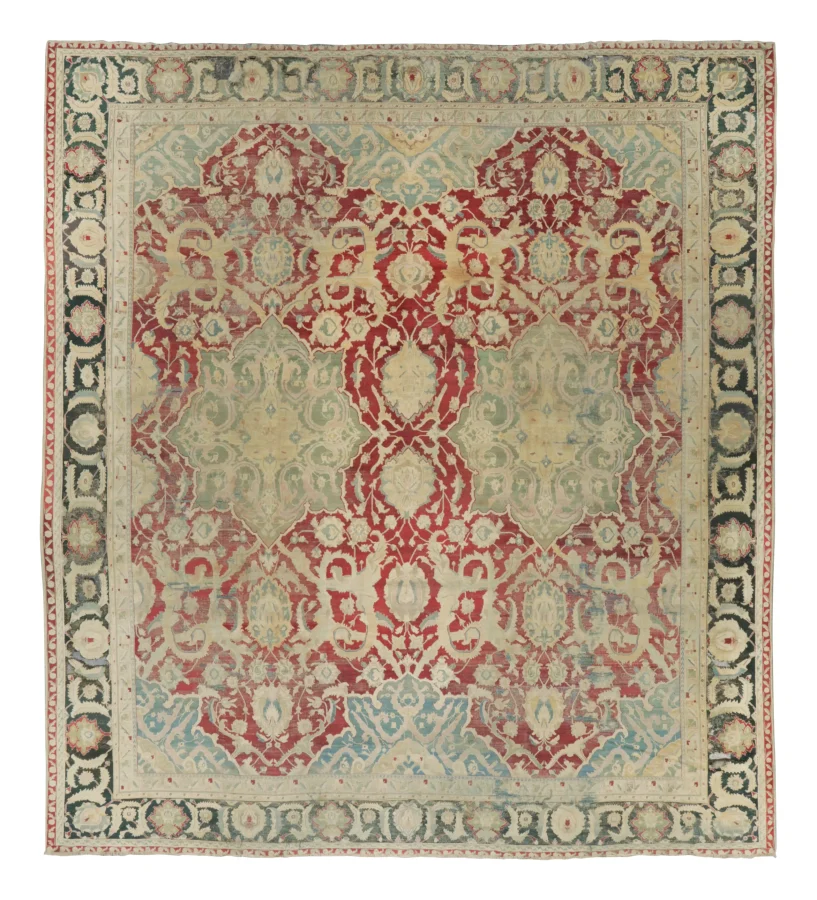
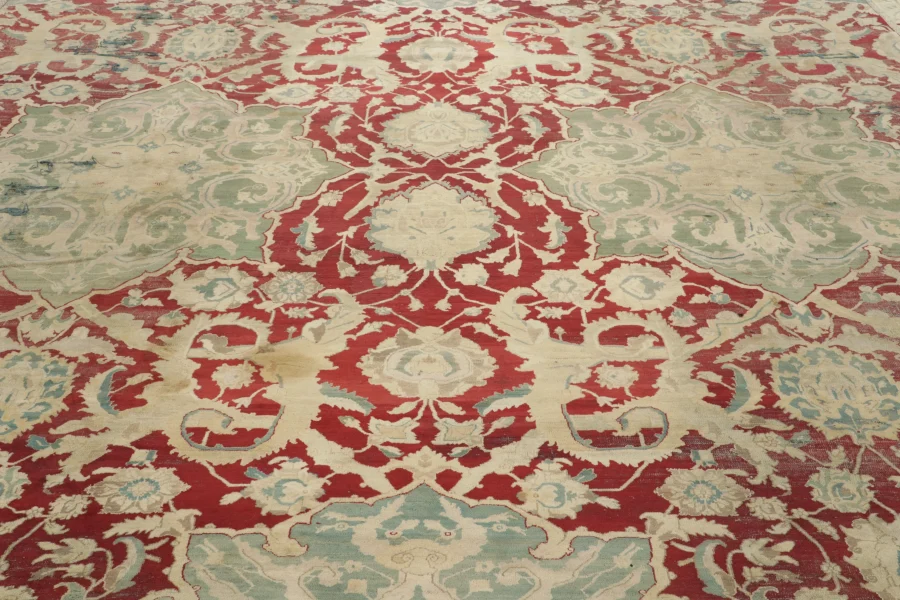 37551Antique Distressed Agra Rug with Medallions in Jewel Tones - Rug & Kilim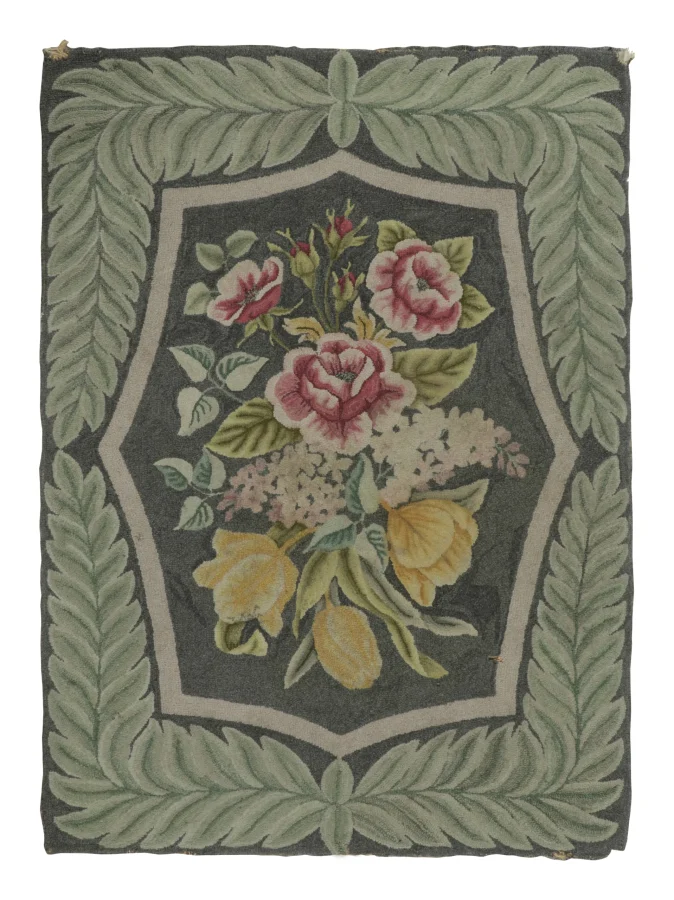
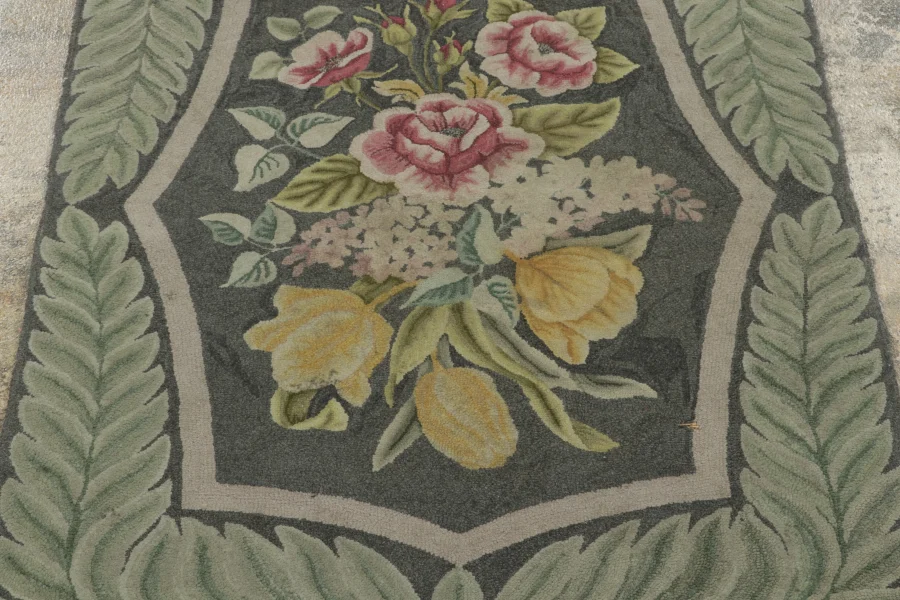 37595Antique Hooked Rug with Floral Bouquet Medallion in Soft Pastels - Rug & Kilim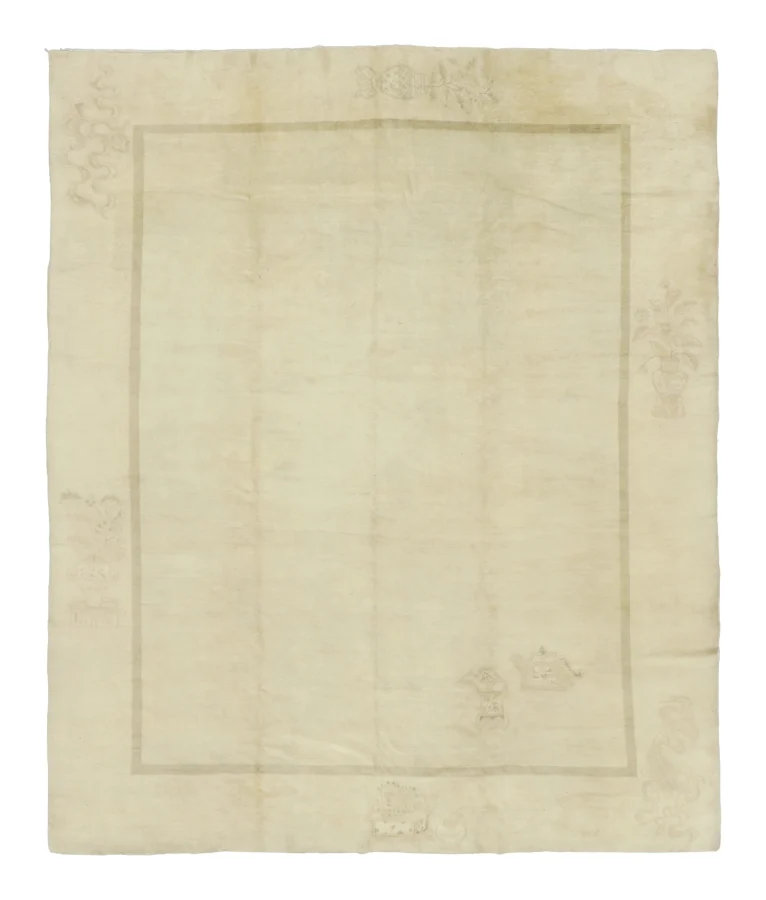
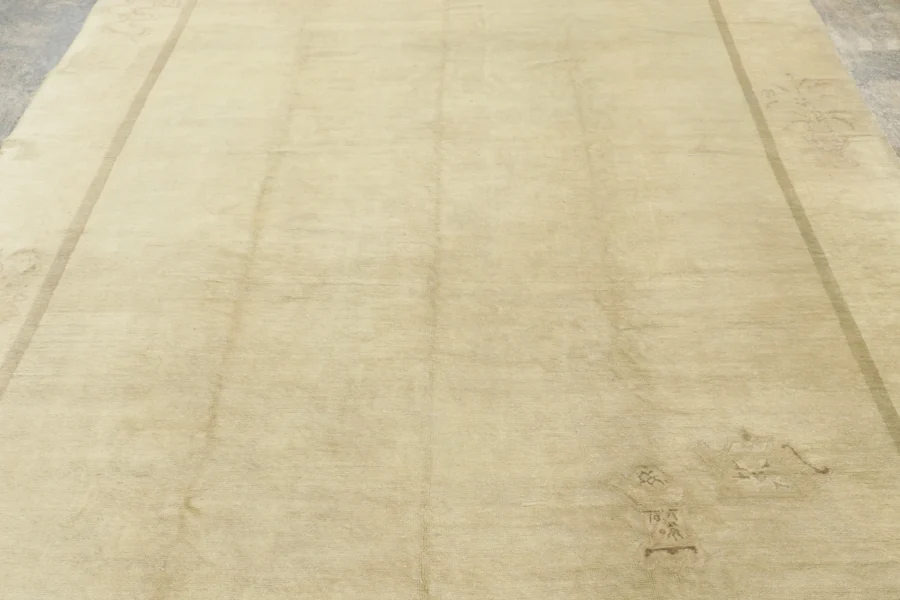 37943Antique Chinese Rug with Classic Pictorials in Beige Hues - Rug & Kilim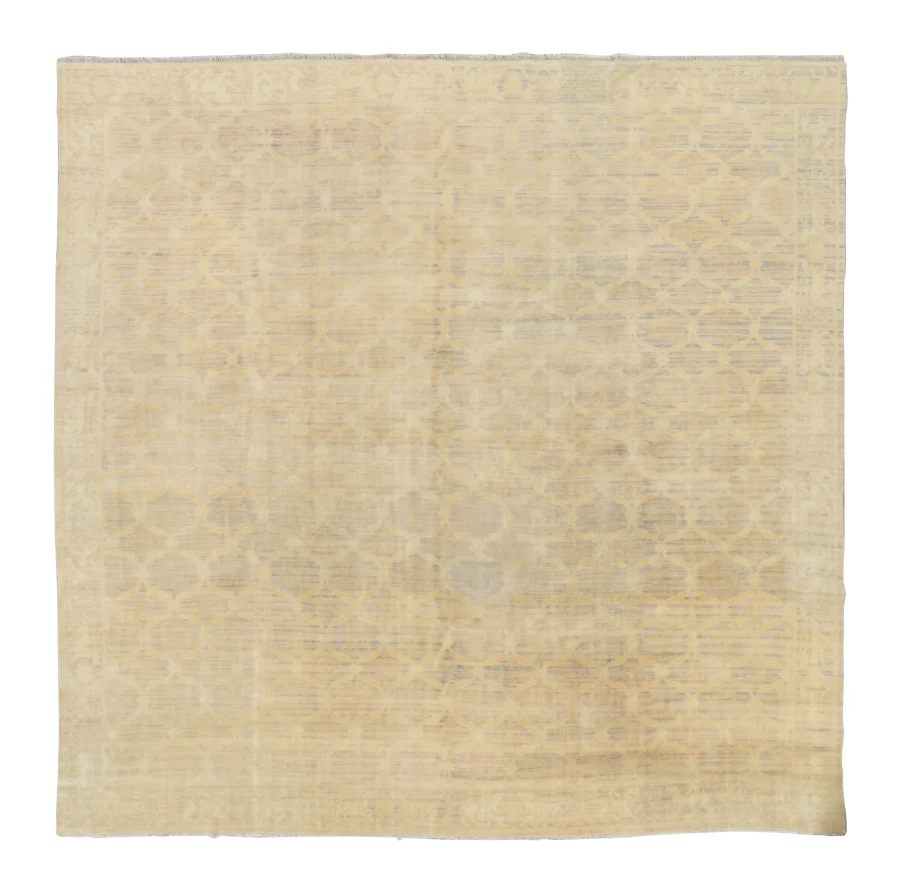
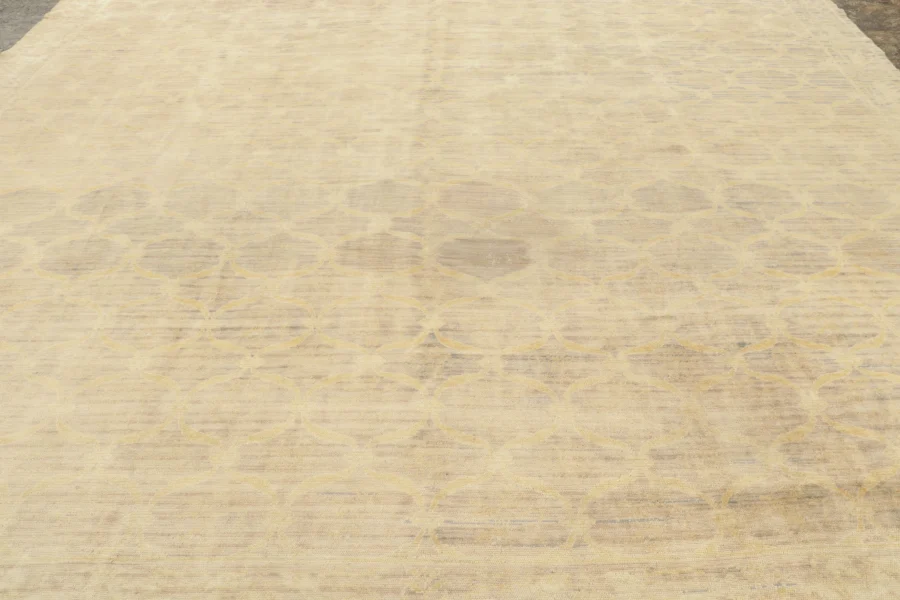 37944Antique Spanish Square Rug with Ogee Motif Trellis in Warm Beige Hues - Rug & Kilim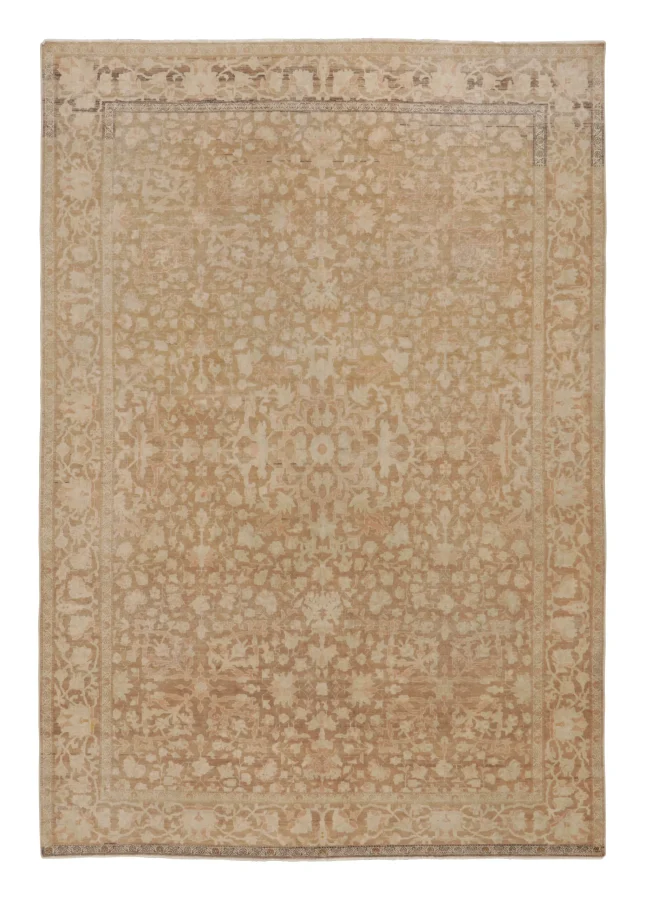
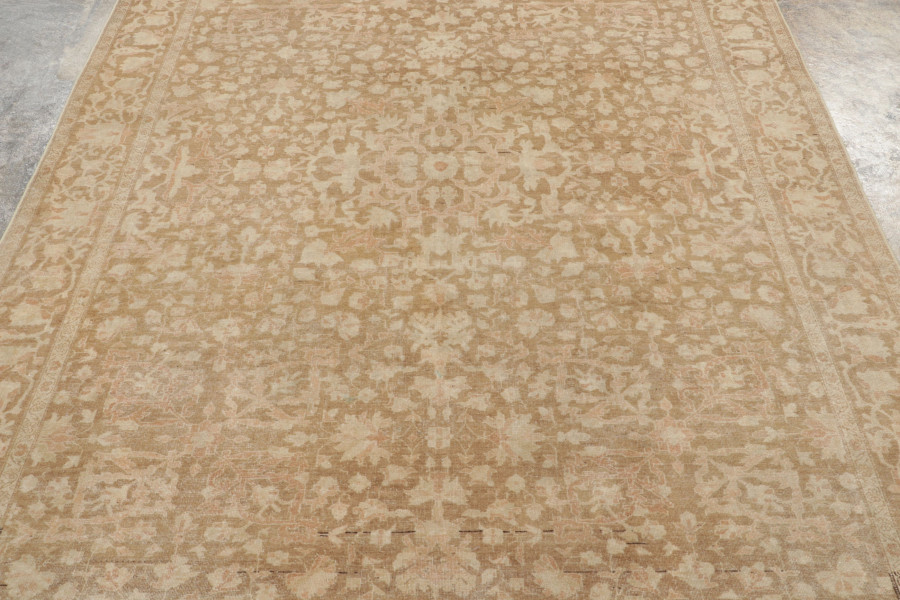 37961Antique Tabriz Rug with Medallion & Floral Design in Beige & Gold - Rug & Kilim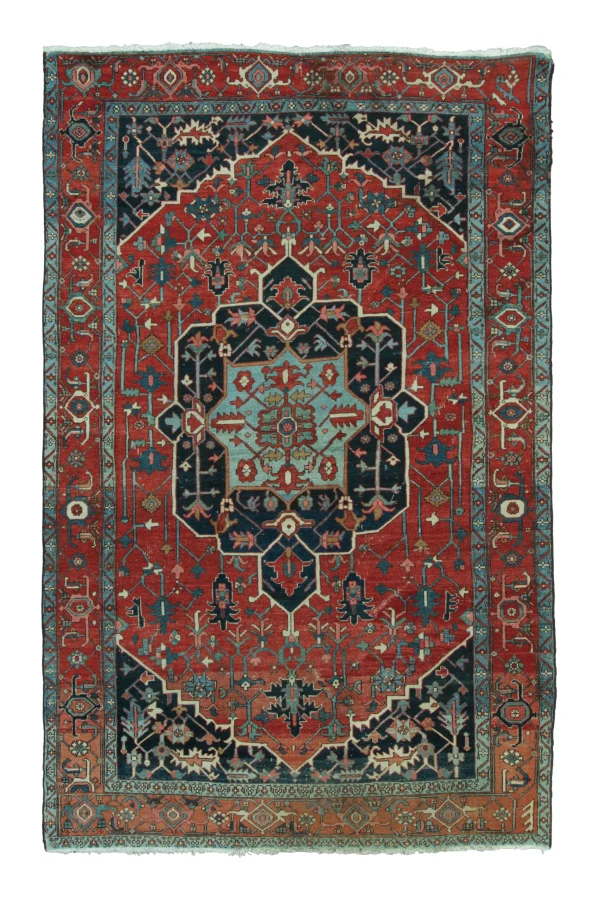
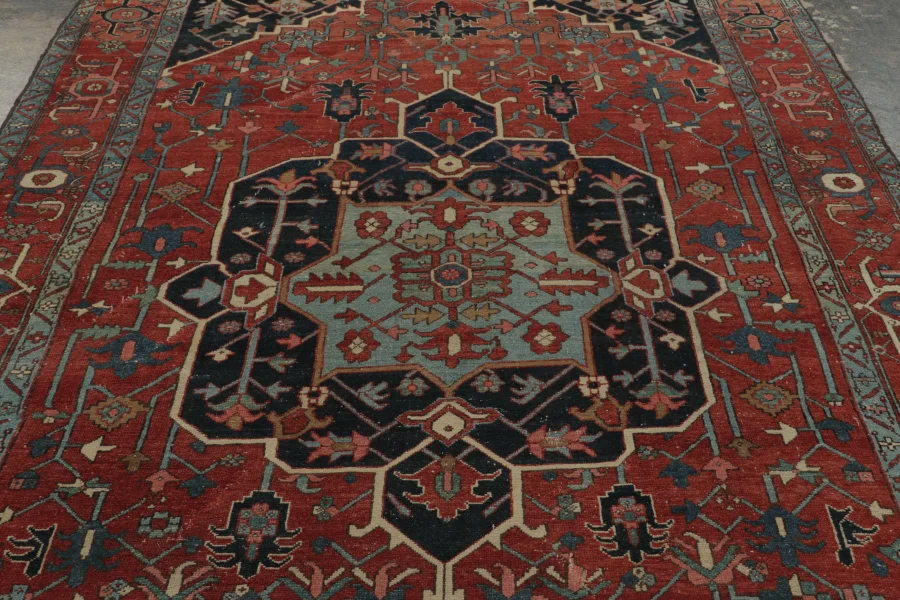 37146Antique Persian Karaje Rug with Stately Medallion & Classic Motifs - Rug & Kilim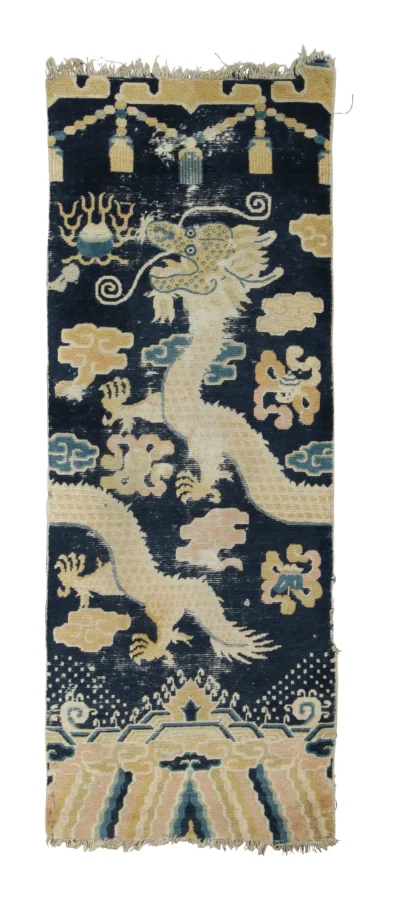
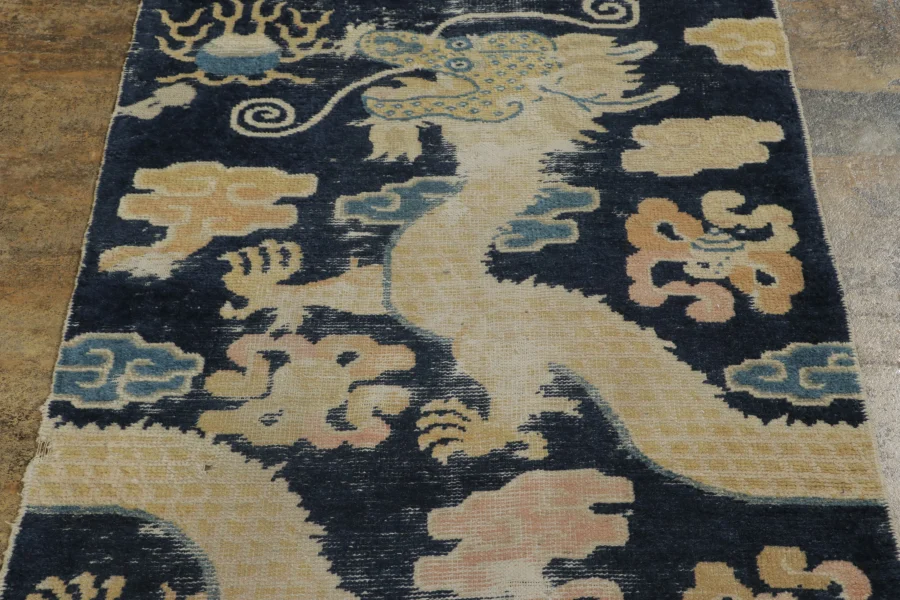 37147Antique Chinese Ningxia Pillar Runner with Imperial Dragon Pictorials - Rug & Kilim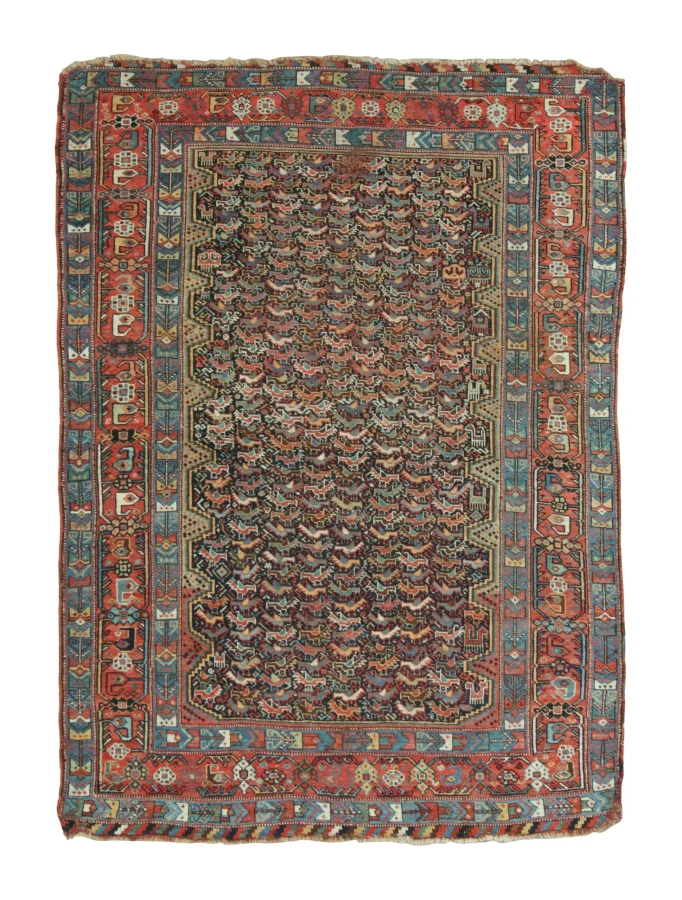
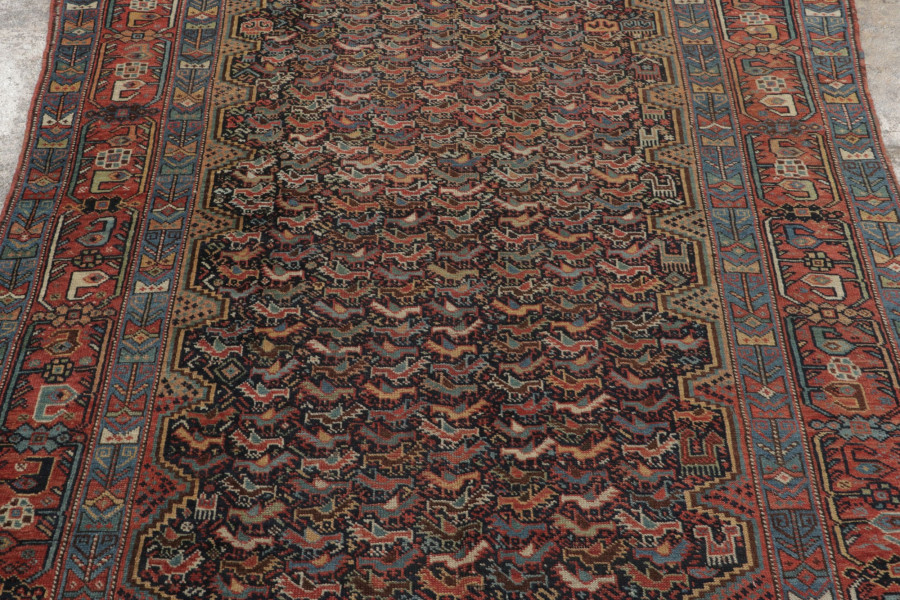 37407Antique Persian Khamseh Qashqai Rug with All-Over Stylized Bird Motifs - Rug & Kilim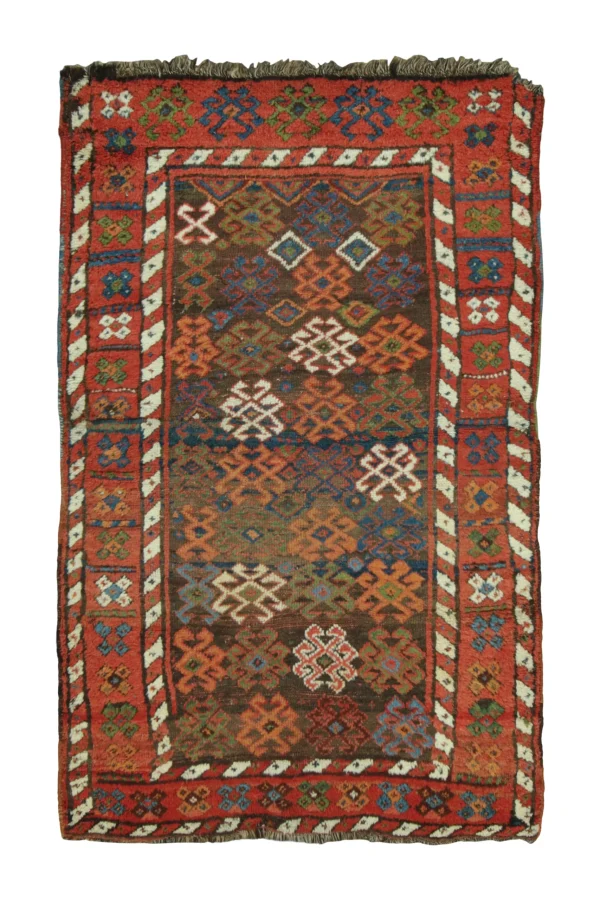
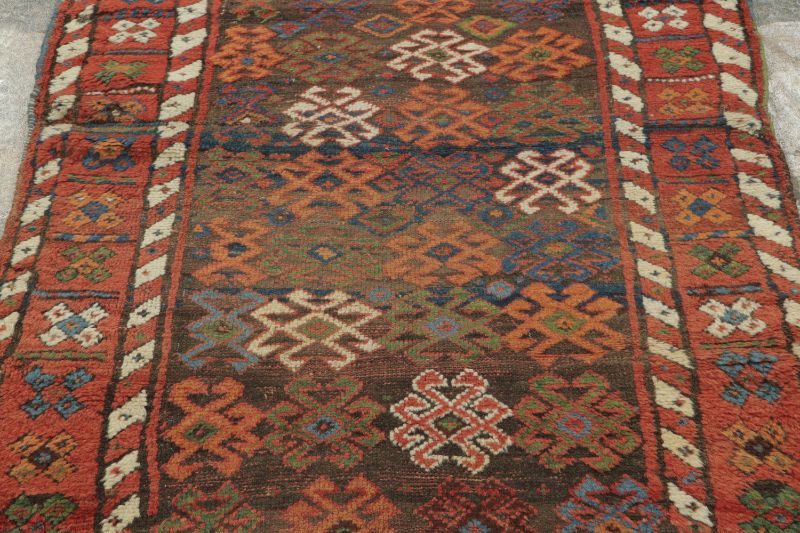 37408Antique Persian Rug with Tribal Designs in Warm Earthy Hues - Rug & Kilim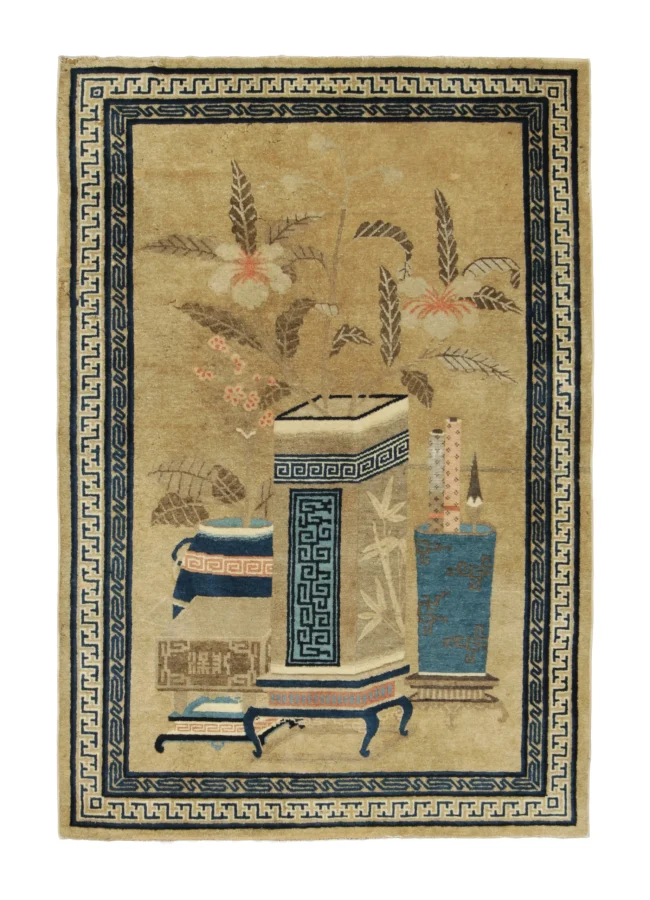
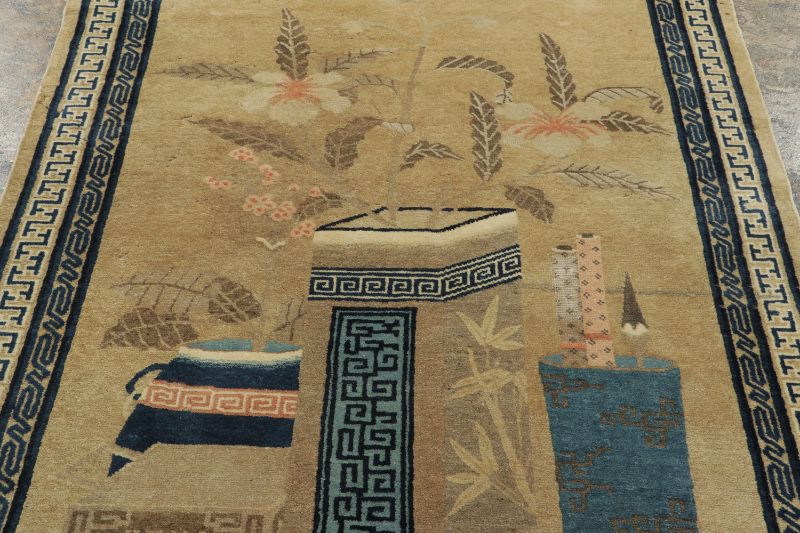 37412Antique Chinese Peking Rug with Scholar's Table in Blue & Brown - Rug & Kilim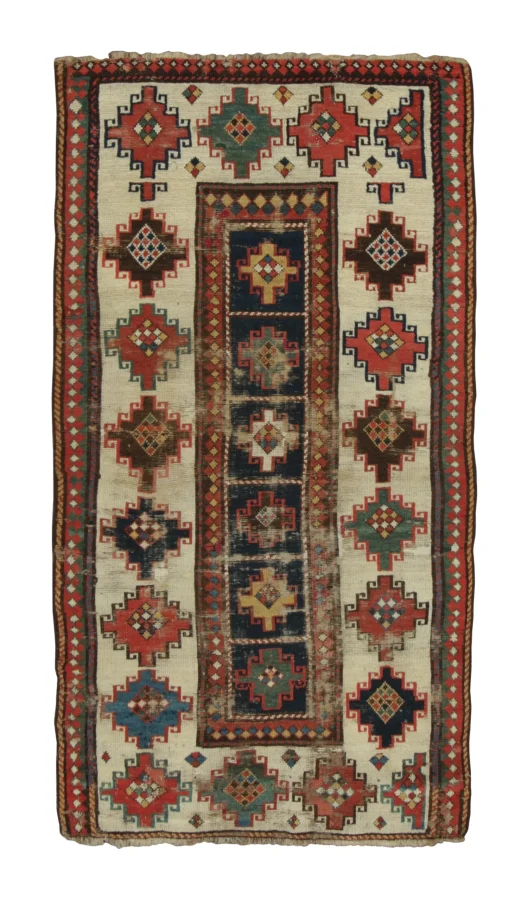
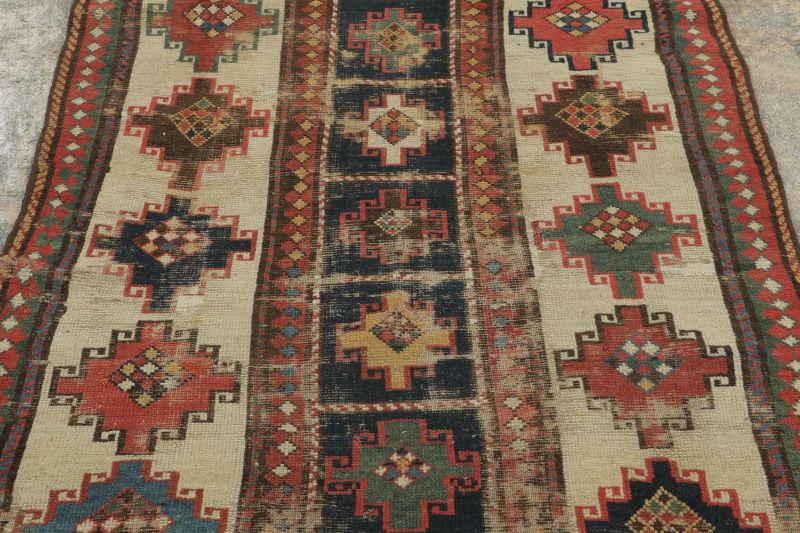 37431Antique Caucasian Runner with Folk Designs in Warm Earthy Hues - Rug & Kilim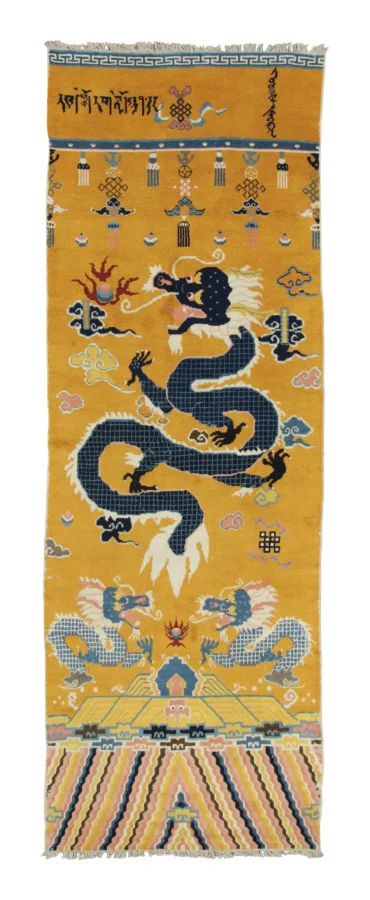
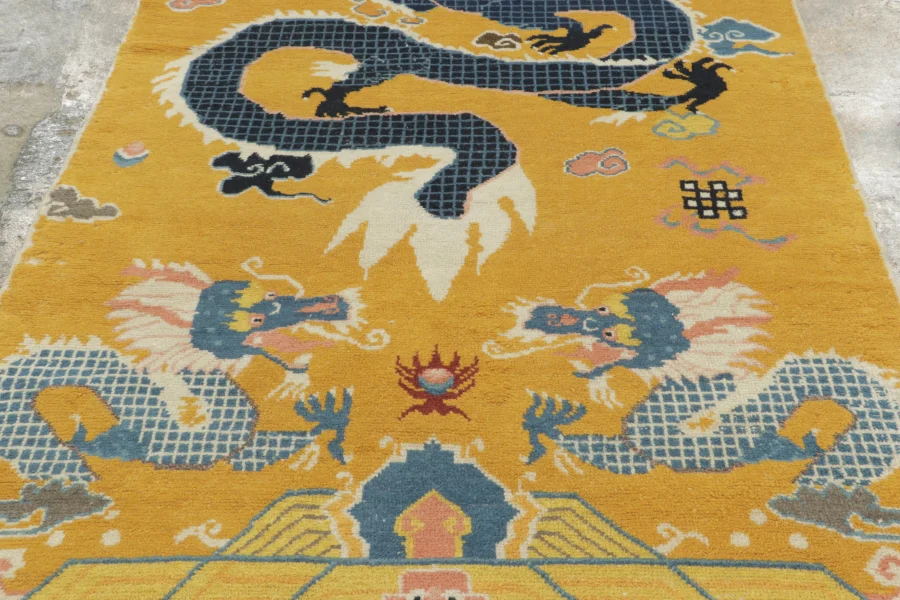 37439Antique Chinese Ningxia Pillar Runner with Dragon & Symbol Design - Rug & Kilim
Stories from the Antique Archive
Essays, artist dialogues, and provenance notes drawn from Rug & Kilim’s editorial desk.
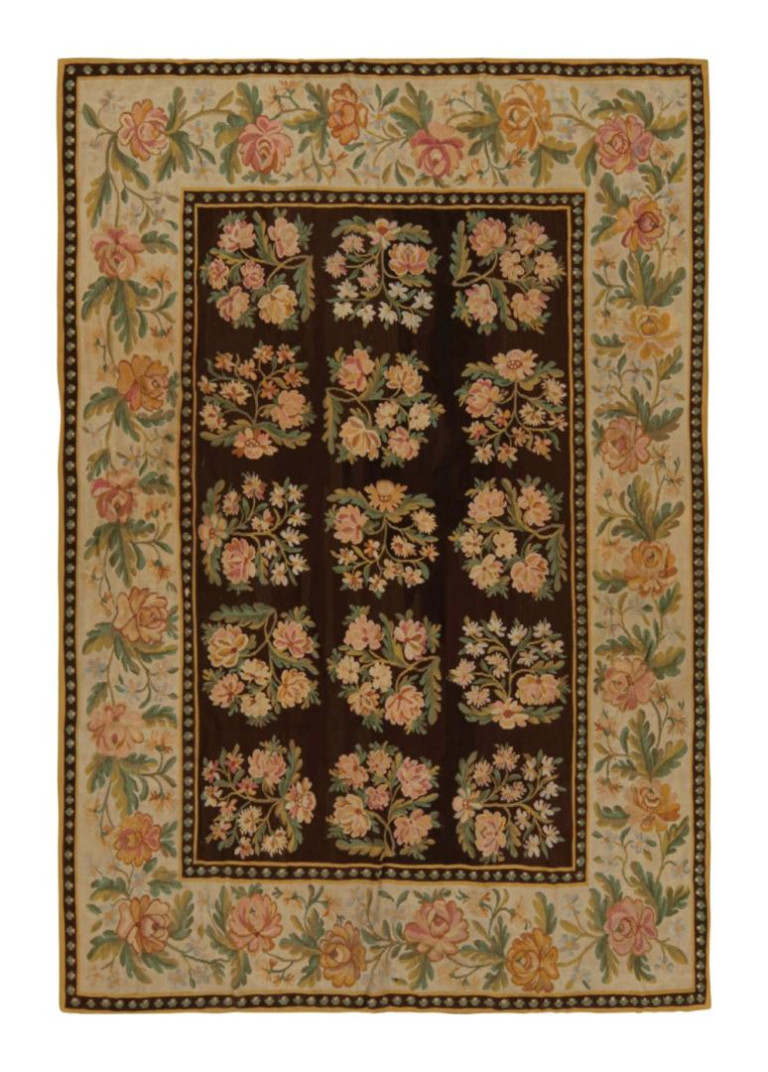
A Guide to Bessarabian Rugs: History, Design, and Modern Luxury
Within the world of collectible textiles and luxury interiors, few rug traditions possess the quiet sophistication and painterly elegance of Bessarabian rugs. Emerging from the historic region of Bessarabia—an area historically situated between present-day Moldova, Romania, and Ukraine—these rugs occupy a unique position at the crossroads of Eastern European folk tradition, Ottoman influence, Russian imperial culture, and French decorative aesthetics. Unlike the geometric tribal weavings commonly associated with Central Asia or the medallion-driven structures of Persian carpets, Bessarabian rugs developed a distinctly atmospheric and ornamental visual language. Their floral compositions, subdued tonal harmonies, and expansive decorative fields positioned them closer to European decorative arts than purely utilitarian floor coverings.
Read the Feature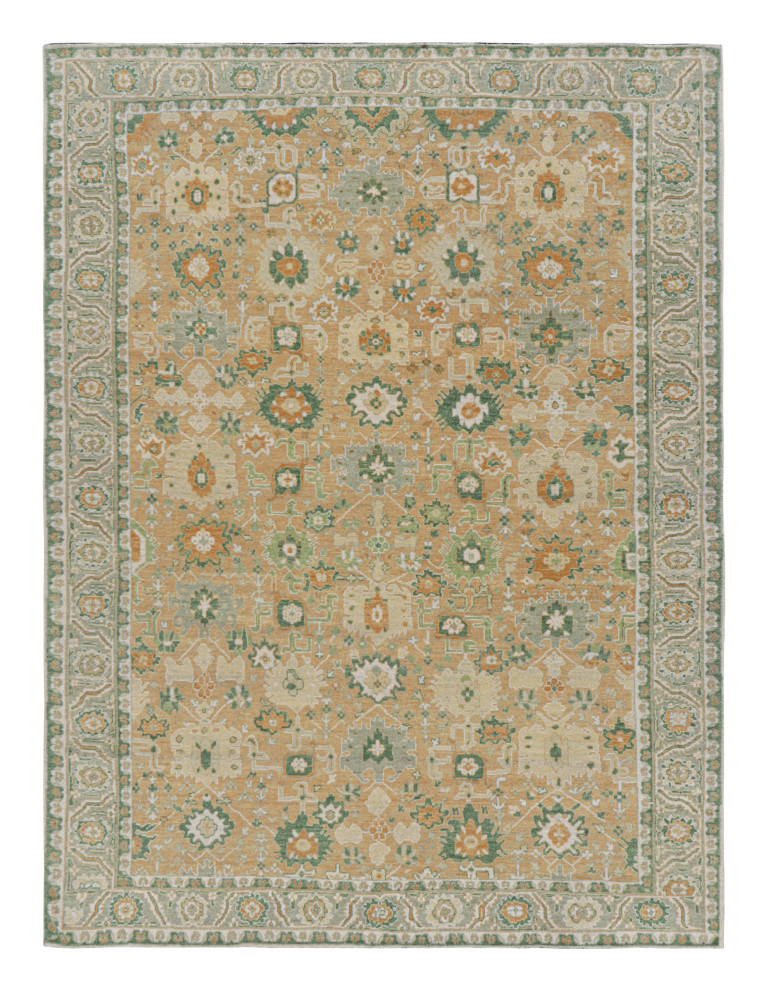
The Complete Guide to Oushak Rugs: History, Aesthetic Language, and Contemporary Design Use
Oushak rugs, also spelled Uşak or Ushak, stand among the most influential textile traditions in the history of interior design. Originating in western Anatolia, in the historic weaving town of Uşak in present-day Turkey, these carpets are not merely decorative artifacts; they are architectural design elements, cultural documents, and artistic statements that have shaped interior aesthetics across centuries. From Ottoman imperial courts to Renaissance European palaces and today’s luxury residential, hospitality, and gallery spaces, Oushak rugs continue to define a visual language of soft geometry, spacious design, muted tonal harmony, and painterly abstraction. Their enduring relevance places them at the intersection of art history, textile heritage, and contemporary interior design innovation.
Read the Feature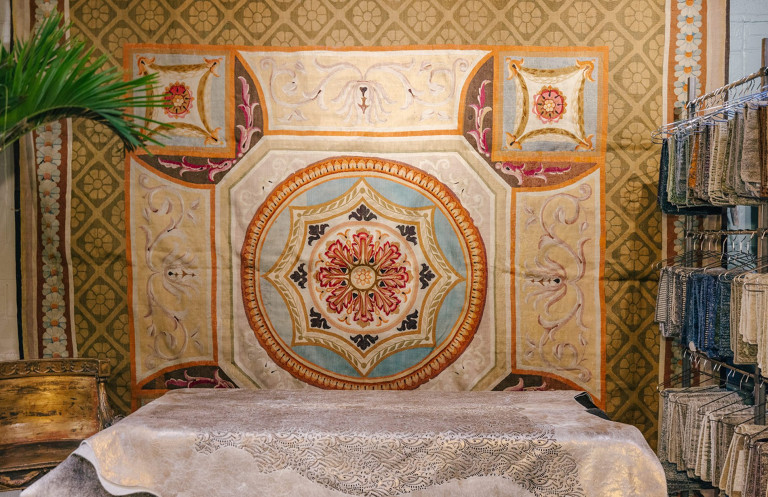
Provenance, Structure, Intelligibility: The Three Pillars of Serious Collecting
Anyone can acquire a rug. To collect one, to bring it into a serious collection with the confidence that it belongs there, requires a discipline, and that discipline rests on three questions. Across four decades of building one of the most significant archives in the country, this house has come to evaluate every object through the same three. They are the difference between buying and collecting, and they are worth setting down plainly, because they apply as readily to a Safavid fragment as to a signed Aubusson, and because they are the same three questions, at bottom, that a curator at the Metropolitan or a specialist at Christie's brings to any object of consequence.
Read the Feature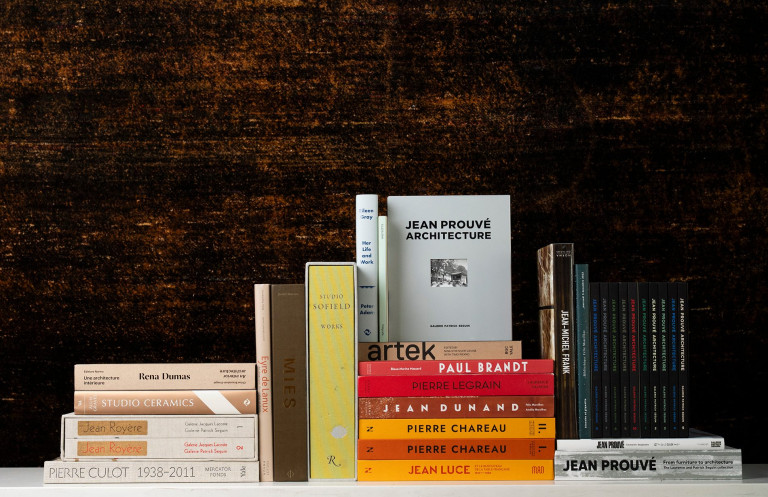
Every Great Collector Owns a Library: On Books, Rugs, and the Knowledge That Connects Them
There has always been a quiet kinship between the rug and the book. Both are objects one lives with rather than merely owns. Both reward the patient return, disclosing more on the tenth encounter than the first. Both are, at their finest, repositories of a civilization's memory; the one held in language, the other in wool. It should surprise no one that the greatest collectors of carpets have almost always been, in the same breath, collectors of the books that explain them. J. Paul Getty kept a scholar's library beside his objects. The Rothschilds, whose carpets now rest in Doha and whose names still move a saleroom, understood a collection as a thing to be studied as much as displayed. To acquire seriously has always meant to read seriously.
Read the Feature
On the Changing Nature of Money, and a Quiet Shift in How the World’s Great Collections Are Built
As seen in Milieu Magazine’s Summer 2025 Issue, designed by Studio Meghan Eisenbergh, features an antique Amritsar rug from Rug & Kilim’s collection.View More >> Something has changed in the psychology of collecting, and it has changed quietly. For most of the modern era, the serious collector acquired for love, for scholarship, for the pleasure of living with beautiful things, and the question of value, while never absent, sat politely in the background. That arrangement has quietly inverted. Across the last two years, industry surveys have recorded a striking figure: the share of high-net-worth collectors intending to sell from their holdings has fallen from more than half to roughly a quarter. The collector of this moment is not looking to liquidate. They are looking to hold. And they are increasingly treating the objects they acquire not as expenditures but as architecture, as a considered, diversified structure of wealth that also happens to be beautiful.
Read the Feature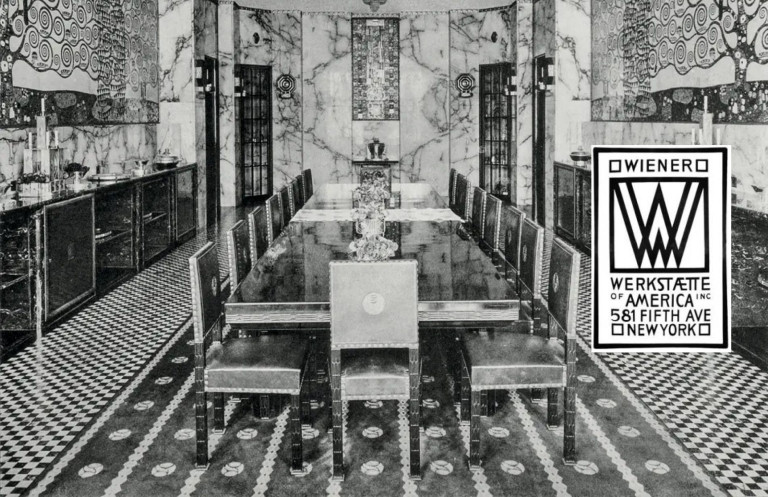
Leo and Greti Wollner and the Vienna Carpet Inheritance
There is a particular authority that attaches to an object when one can trace its maker's hand, teacher by teacher, back to a single revolutionary moment, and in the case of Leo and Gretl Wollner, that moment is the Wiener Werkstätte. To own a Wollner carpet is to hold the last living end of a thread that runs directly to Josef Hoffmann, to Koloman Moser, to the Vienna of 1903 that resolved, against the whole weight of European convention, that there should be no hierarchy dividing the fine arts from the applied ones. A painting and a carpet were to be judged by the same measure. A century later, the Wollners are among the very last to have been taught that creed by the people who founded it.
Read the Feature