
Mid-Century Modern Rugs
The Mid-Century Modern collection by Rug & Kilim honors the iconic 1950s aesthetic in modern design as it’s never been presented in the luxury rug industry before. The collection is the product of several years of research and refinement. This is our approach to large-scale drawing, texture, color, and pattern in art rugs, post-war, post-modernist, and atomic-age design sensibilities.
With blends of wool, all-natural silk, and exotic yarns, our archive of Mid-Century Modern rugs promises to be a resource for designers looking for art rugs, maximalist rugs, and bold new graphic rugs with timeless appeal—fully custom capable.
- Under 6 x 9
- Runners
- 6 x 9
- 8 x 10
- 9 x 12
- 10 x 14
- 12 x 15
- Over 12 x 15
Origin ▼
Style ▼
Material ▼
Width
Length
To connect with a specialist, click here
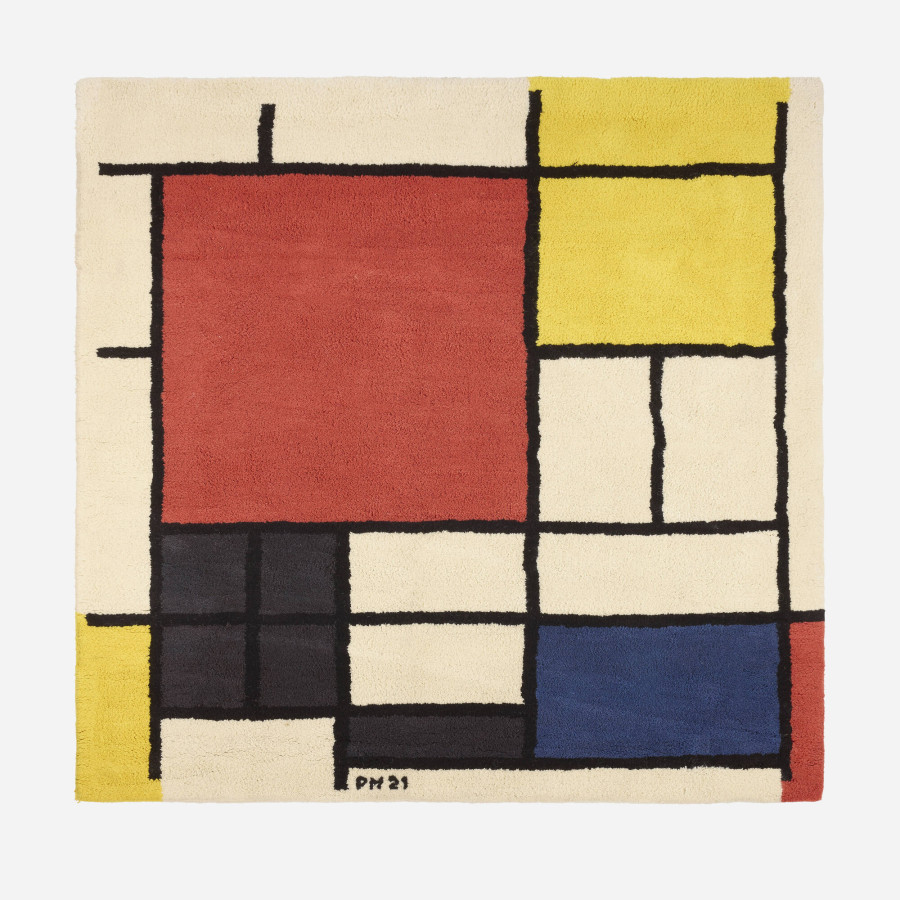 38374Signed Vintage Mid-Century Modern Square Rug with Multicolor Geometric Design - Rug & Kilim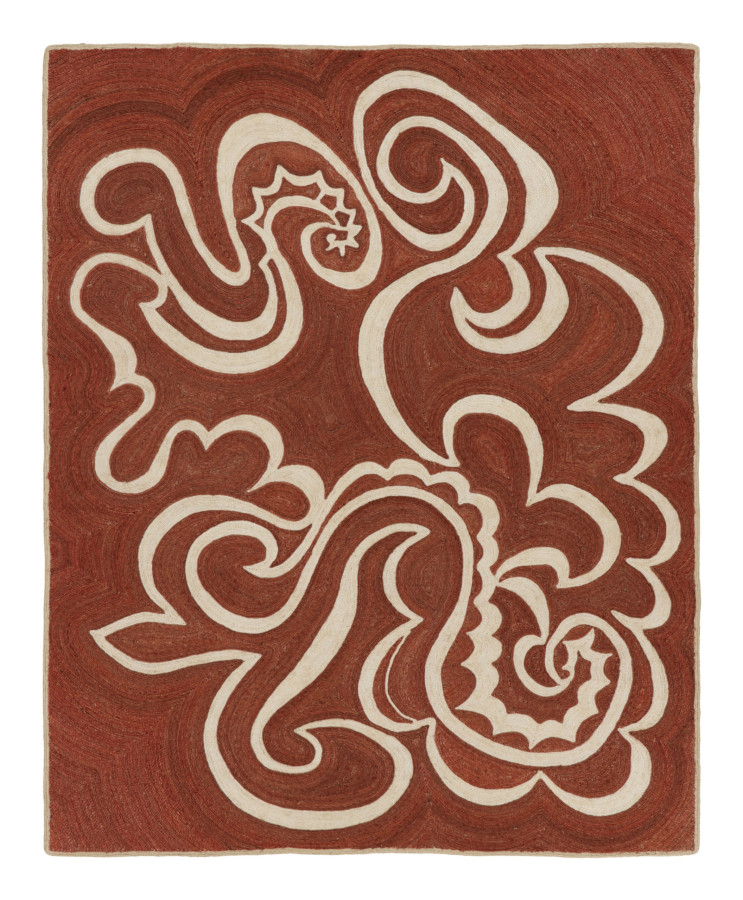
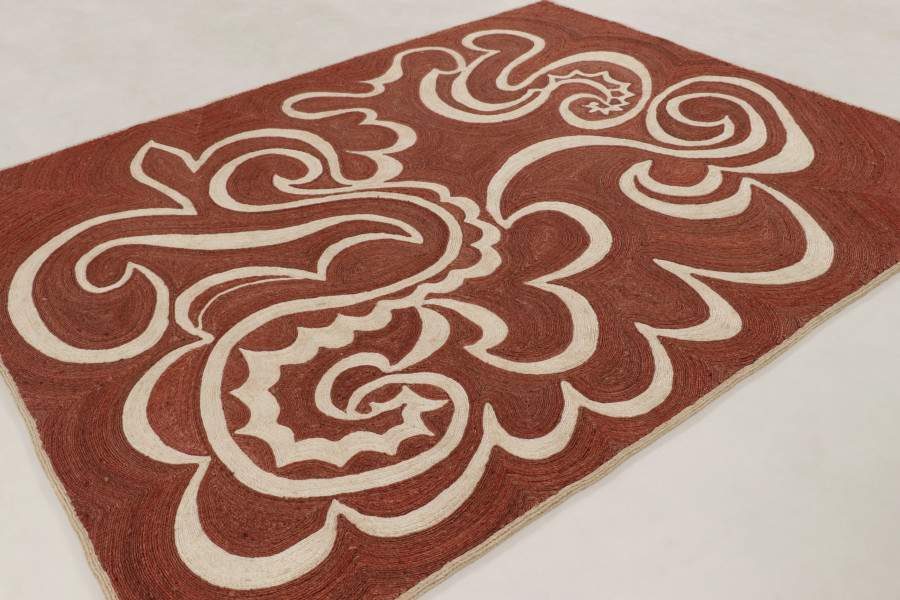 36528Rug & Kilim's Mid-Century Modern Abaca Rug in Brick Red & Beige Abstract Design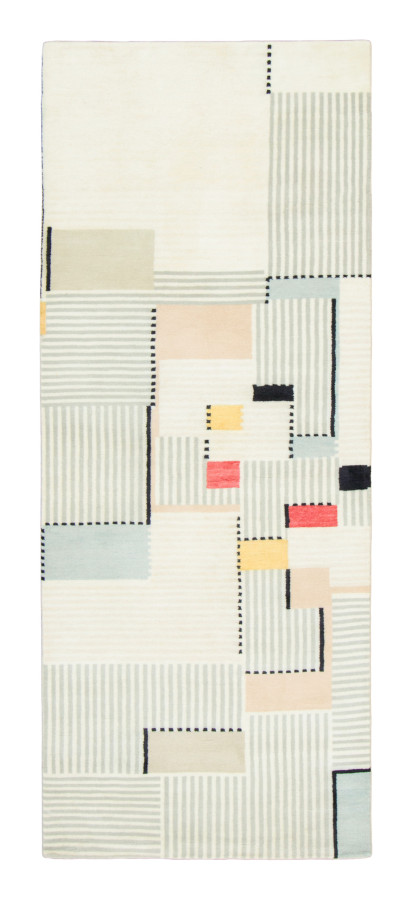
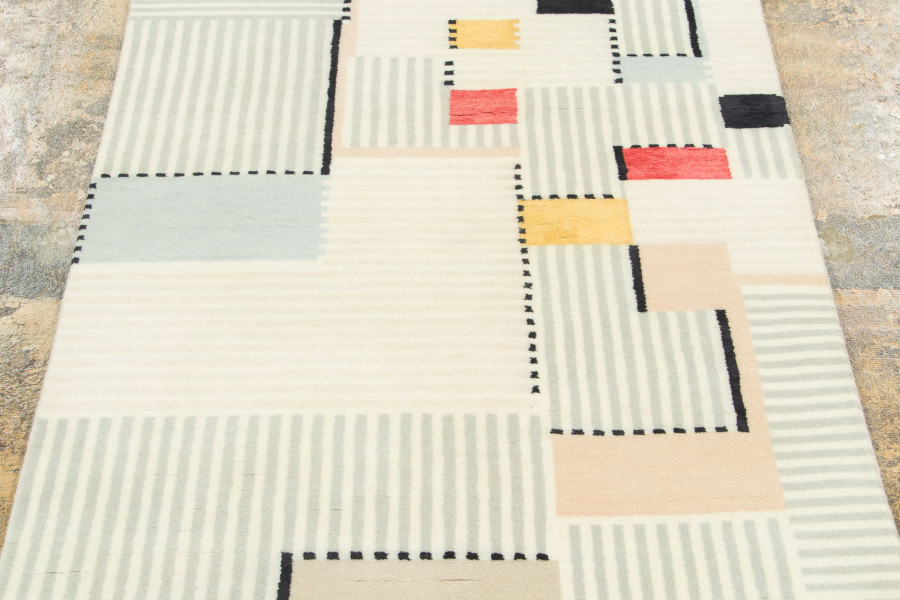 36561Rug & Kilim’s Mid-Century Modern Runner in White with Geometric Design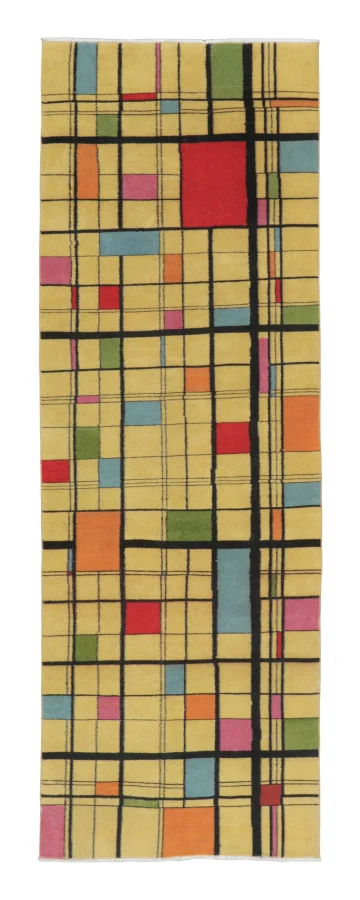
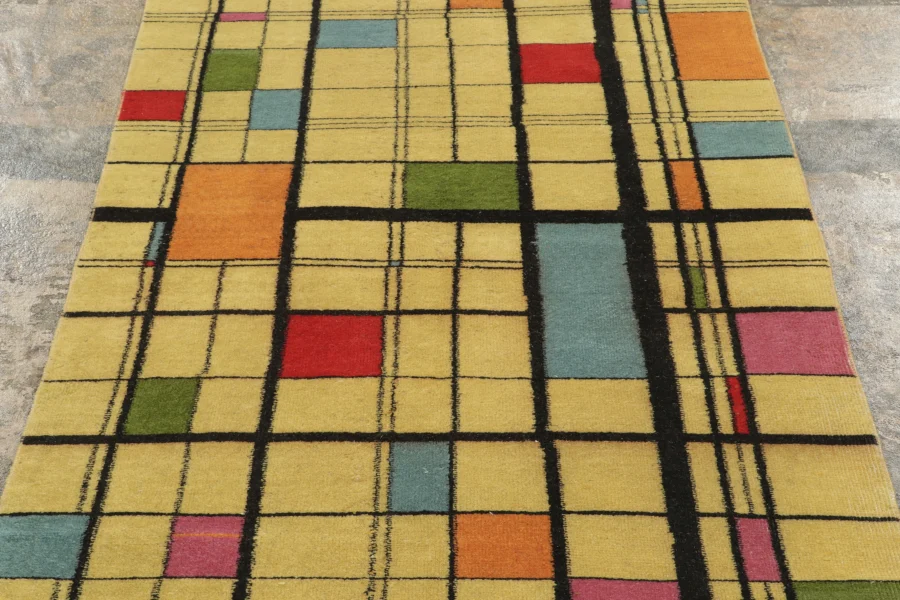 37957Vintage Turkish Mid-Century Modern Runner with Vibrant Geometry - Rug & Kilim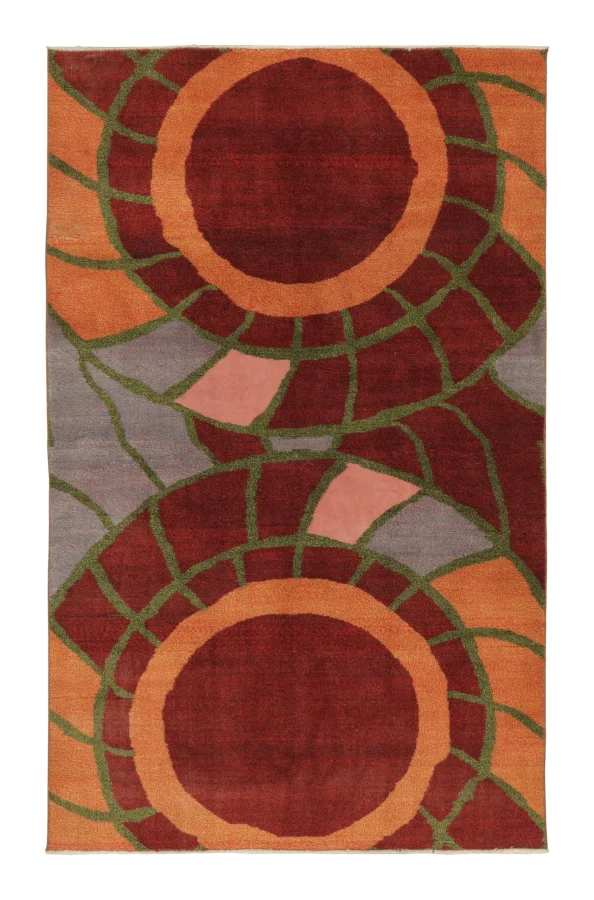
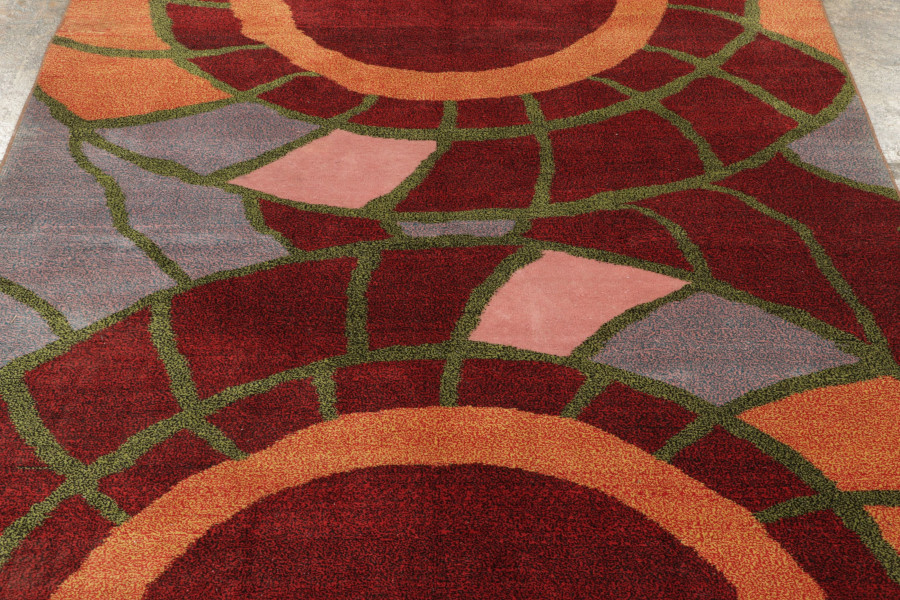 37959Vintage Turkish Mid-Century Modern Rug with Geometric Design - Rug & Kilim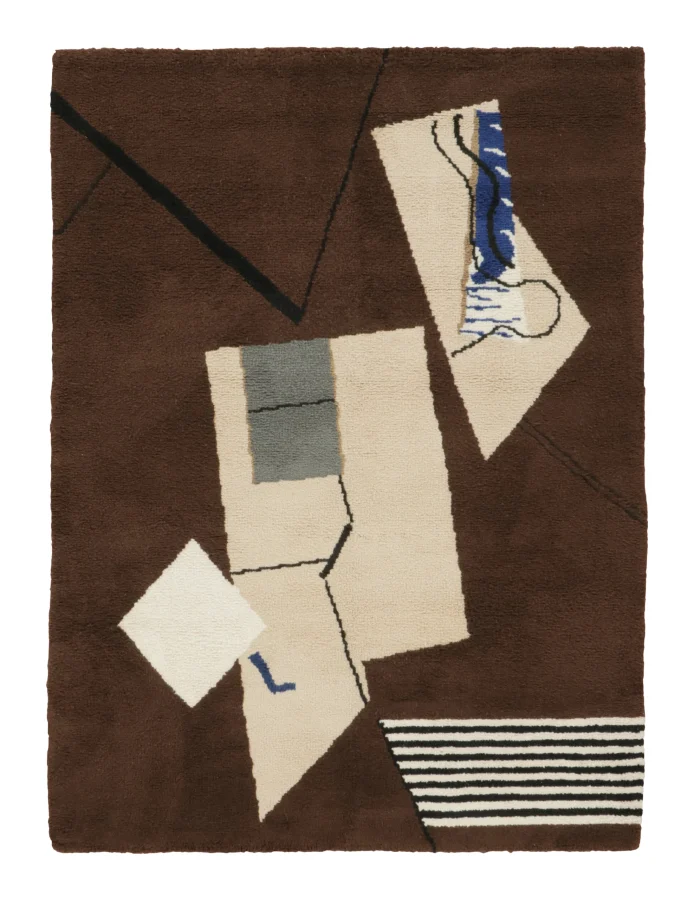
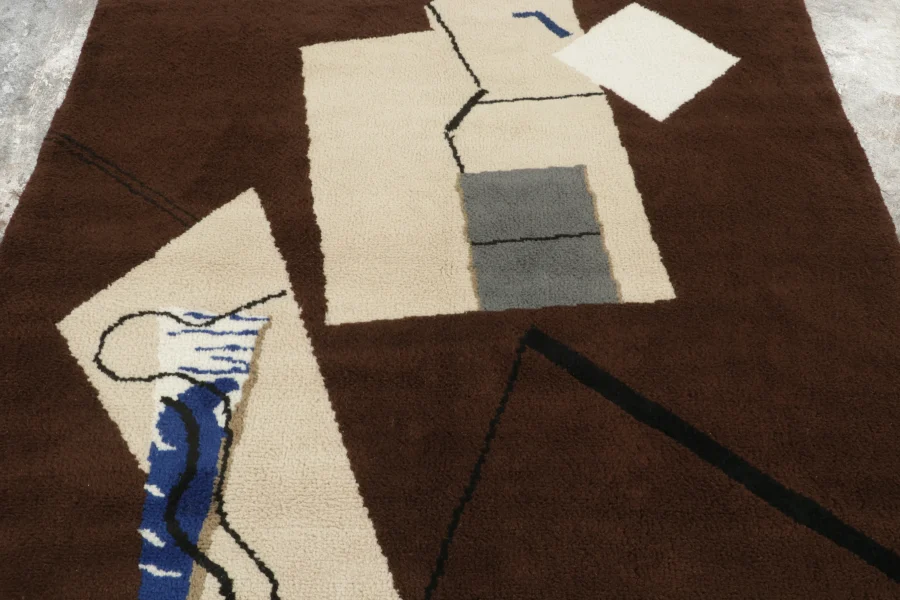 37433Vintage Mid-Century Modern Rug with Abstract Design in Brown Hues - Rug & Kilim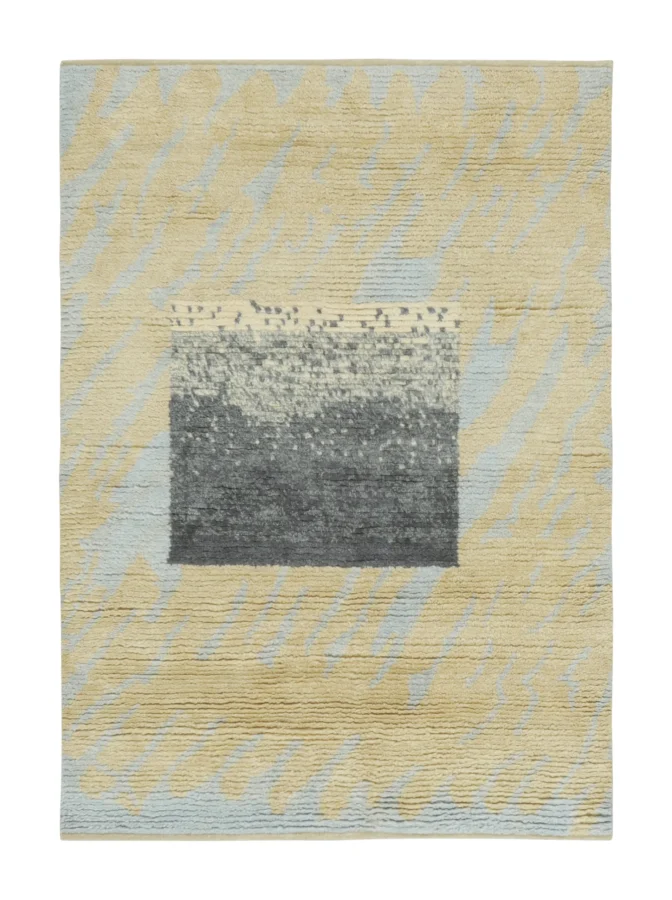
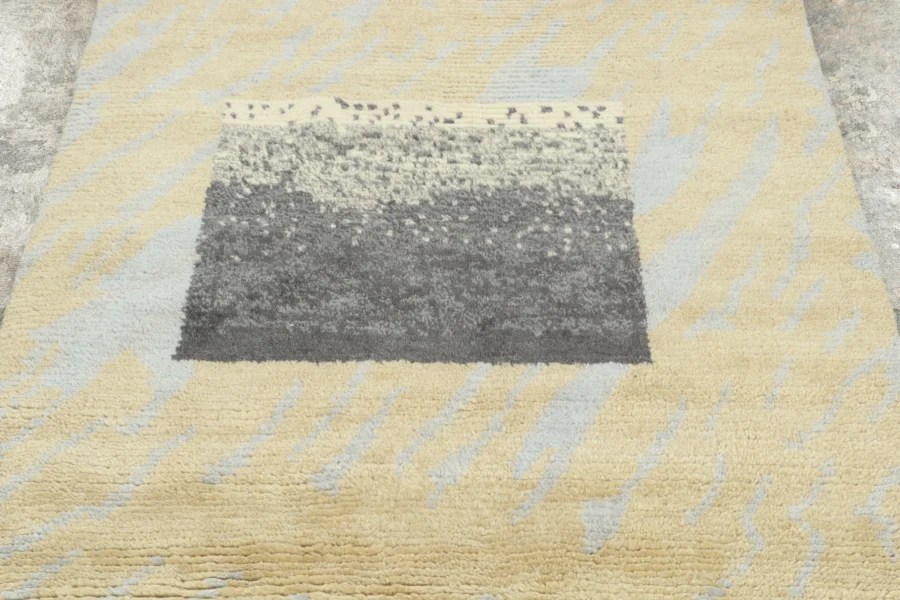 36595Rug & Kilim's Mid-Century Modern Abstract Rug in Beige, Sky Blue & Charcoal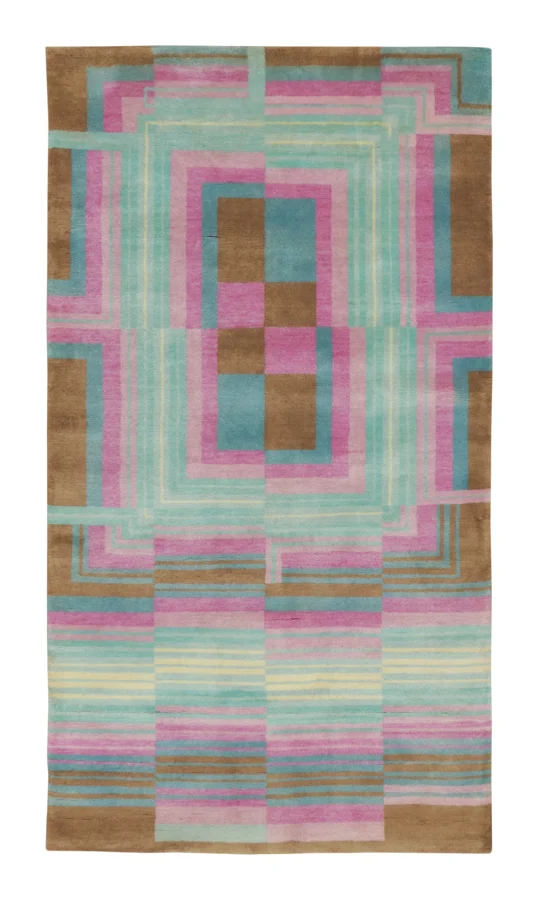
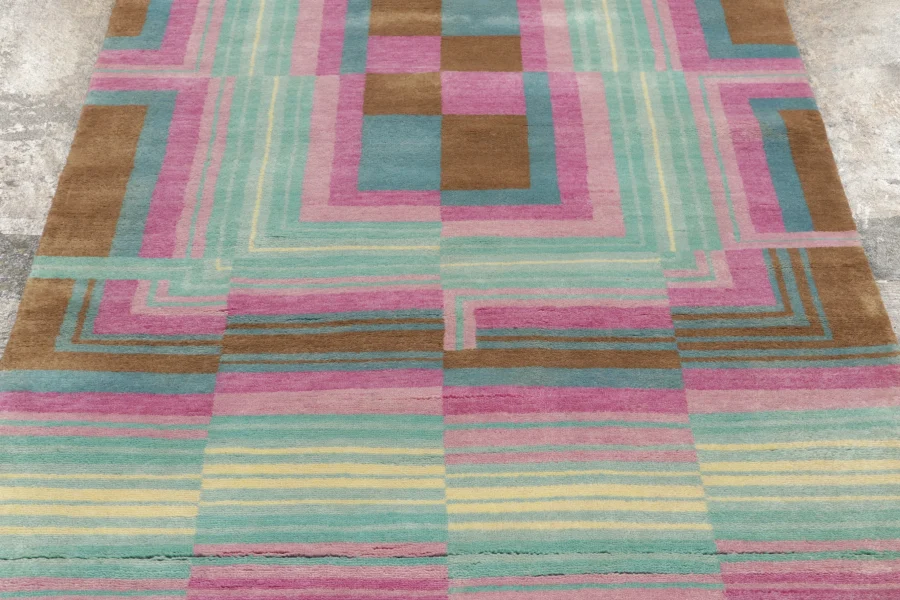 36582Rug & Kilim's Contemporary Mid-Century Modern Rug in Abstract Polychrome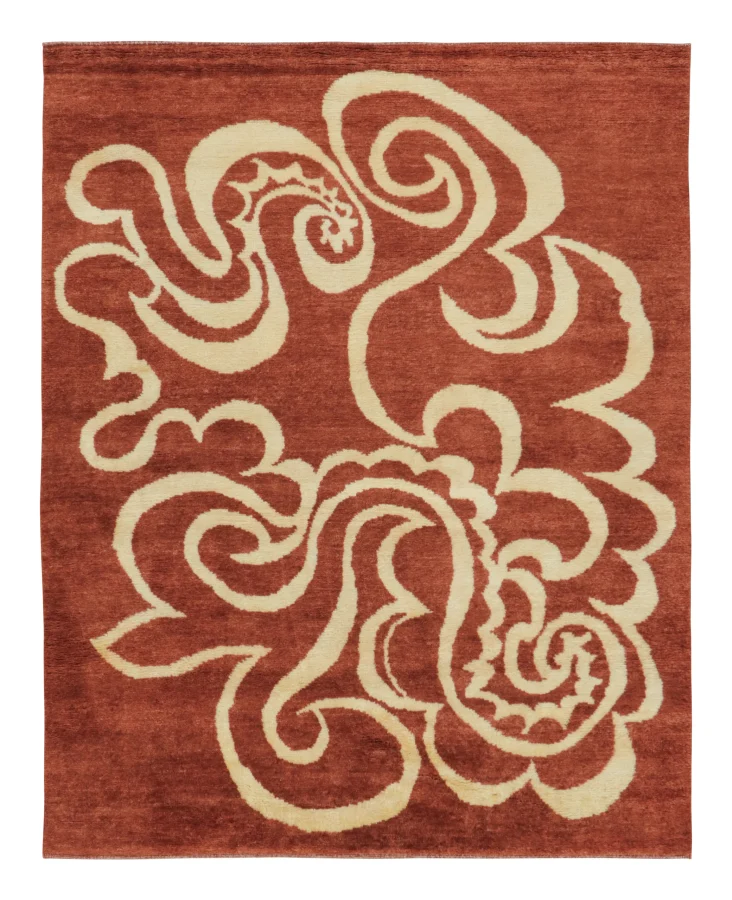
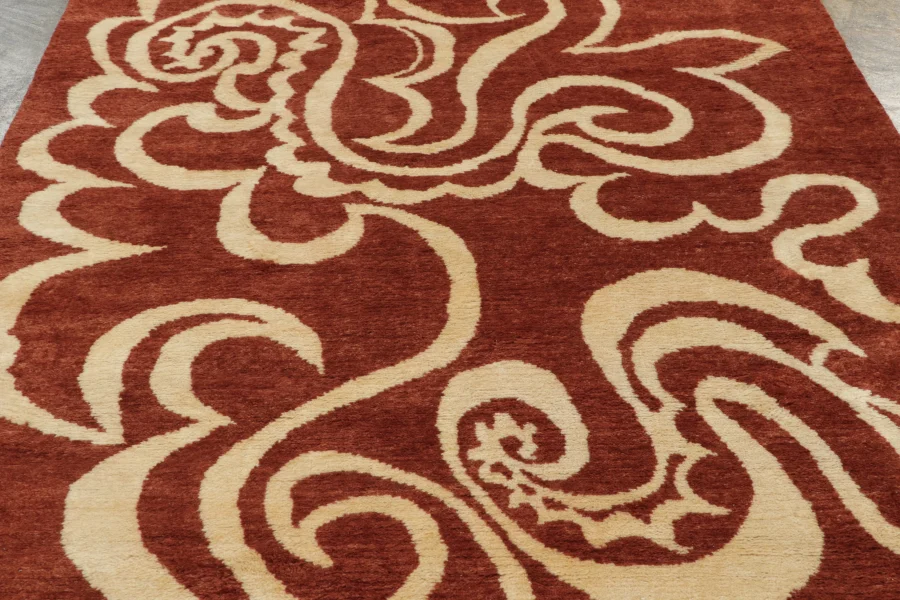 36253Rug & Kilim's Mid-Century Modern Rug in Rust & Beige with Abstract Pattern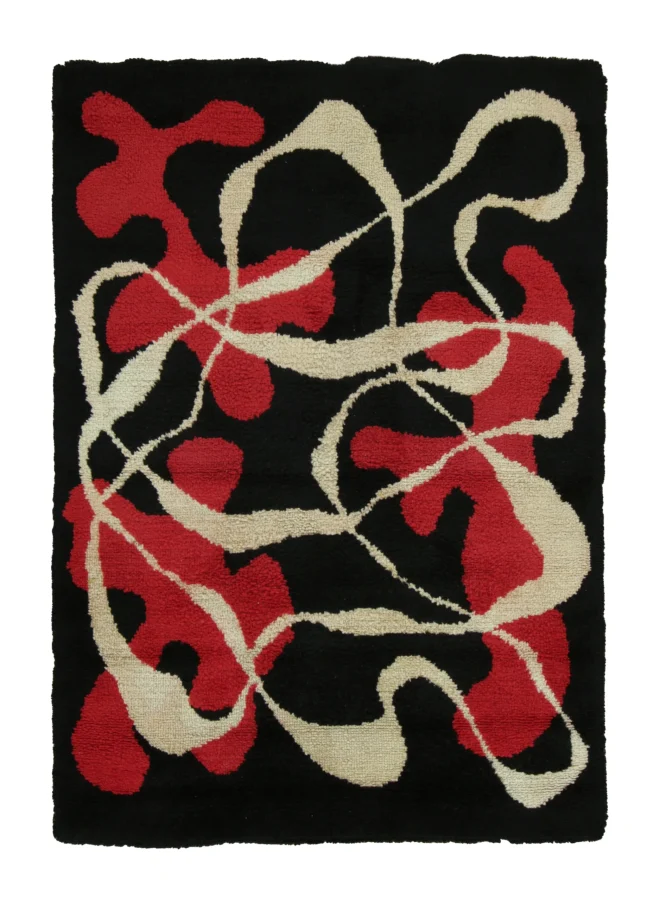
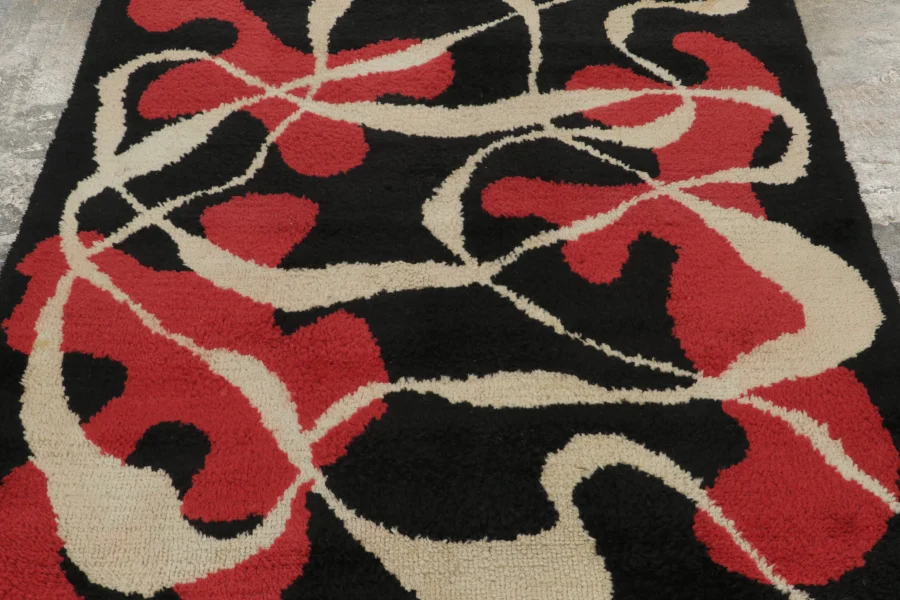 37437Vintage Mid-Century Modern Rug with Red, Ivory & Black Design - Rug & Kilim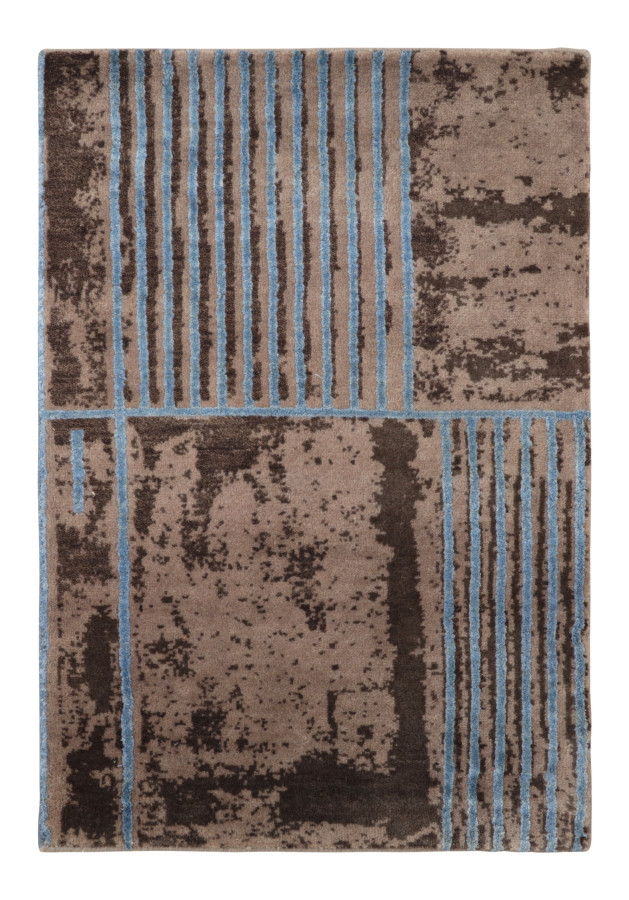
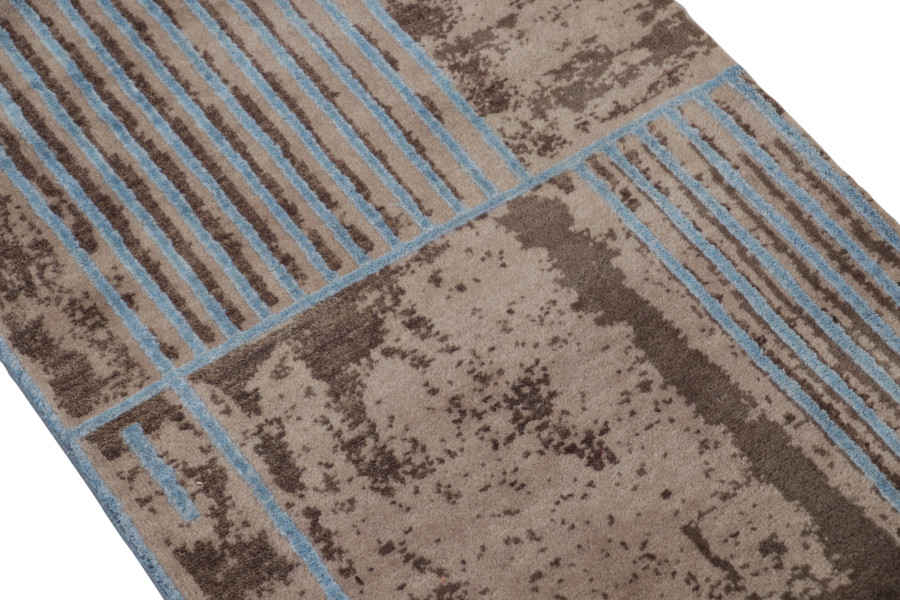 22386Rug & Kilim’s Mid Century Modern Rug, Brown and Blue Geometric Design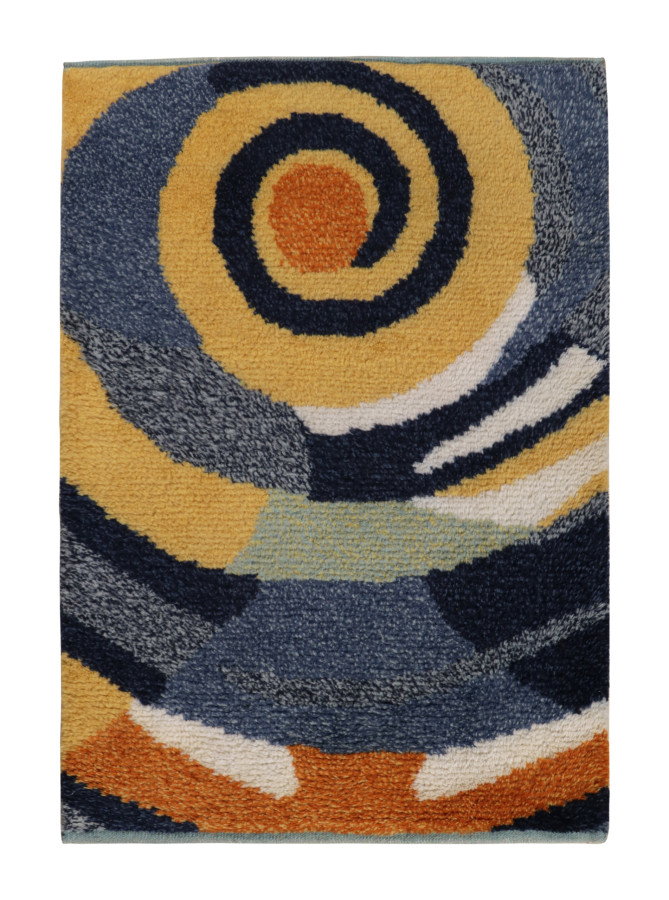
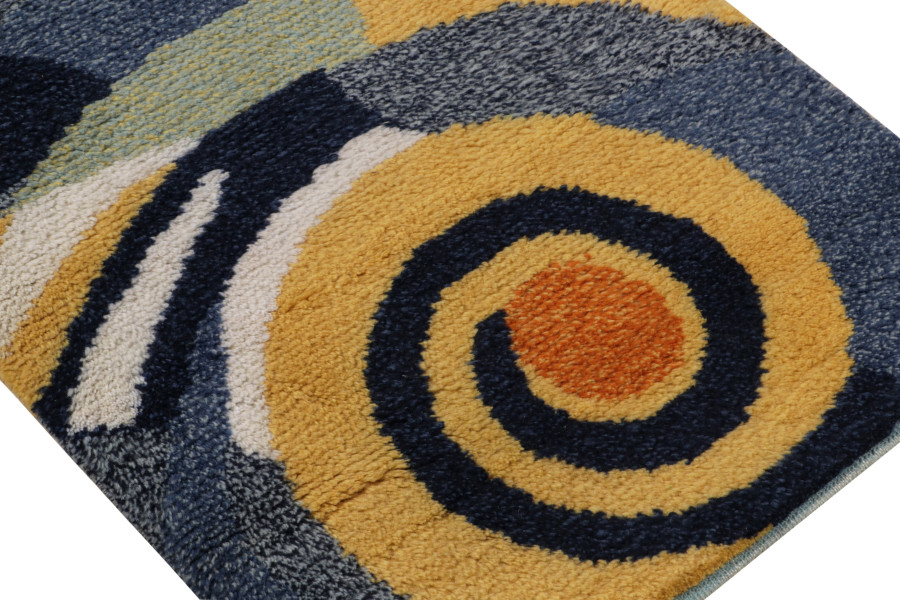 22144Rug & Kilim’s Mid Century Modern Rug, Polychromatic Geometric Pattern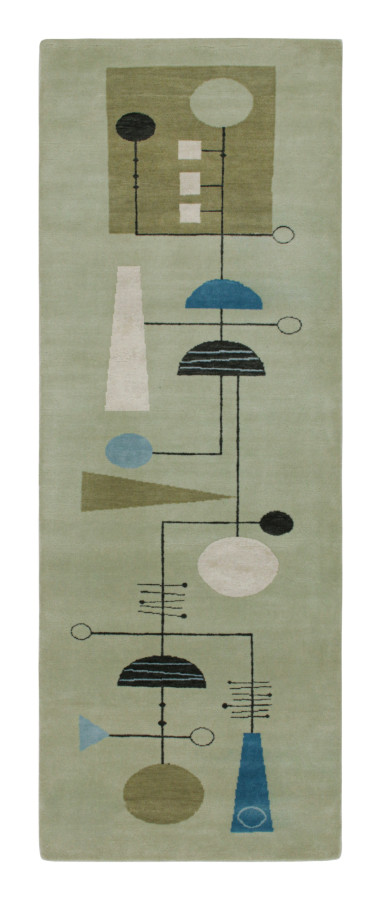
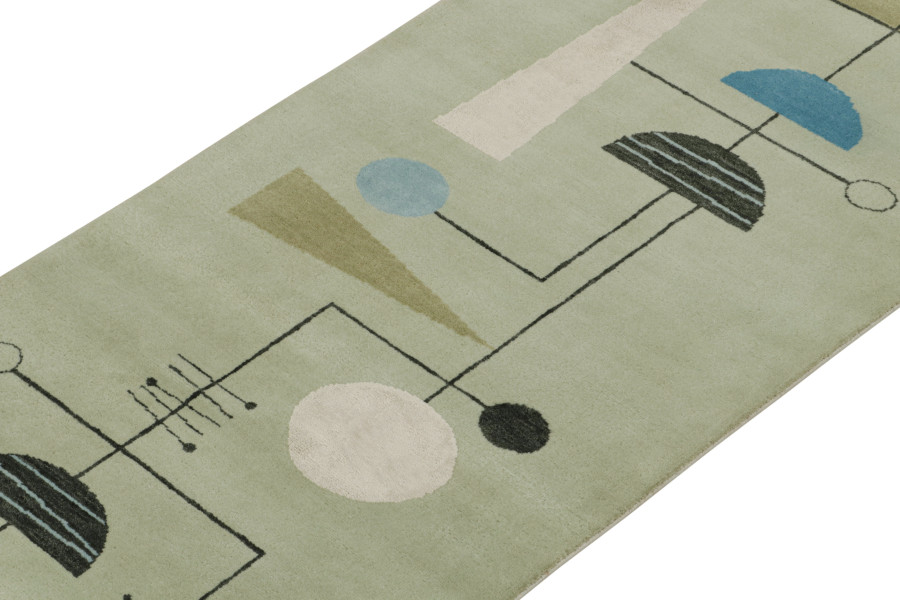 18697Midcentury Modern Runner in Green, Blue, White & Black Geometric Patterns
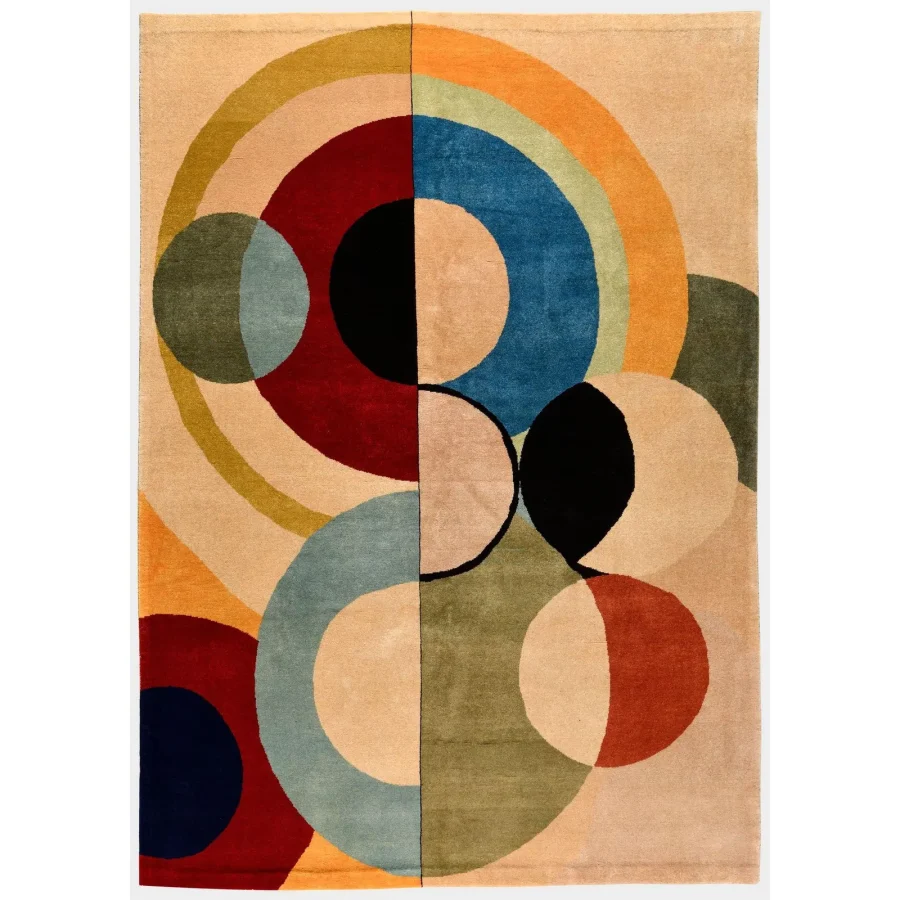 37239Vintage French Mid-Century Modern Rug in Orphist Geometric Design - Rug & Kilim
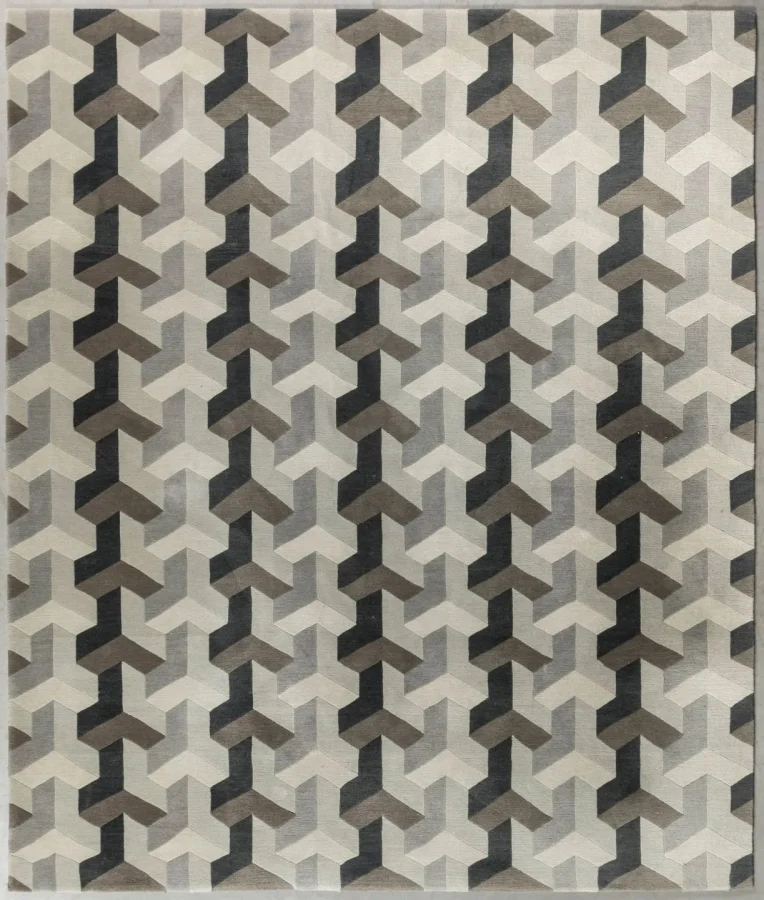 36673Vintage Verner Panton Ypsilon Rug with Gray Geometric Design - Rug & Kilim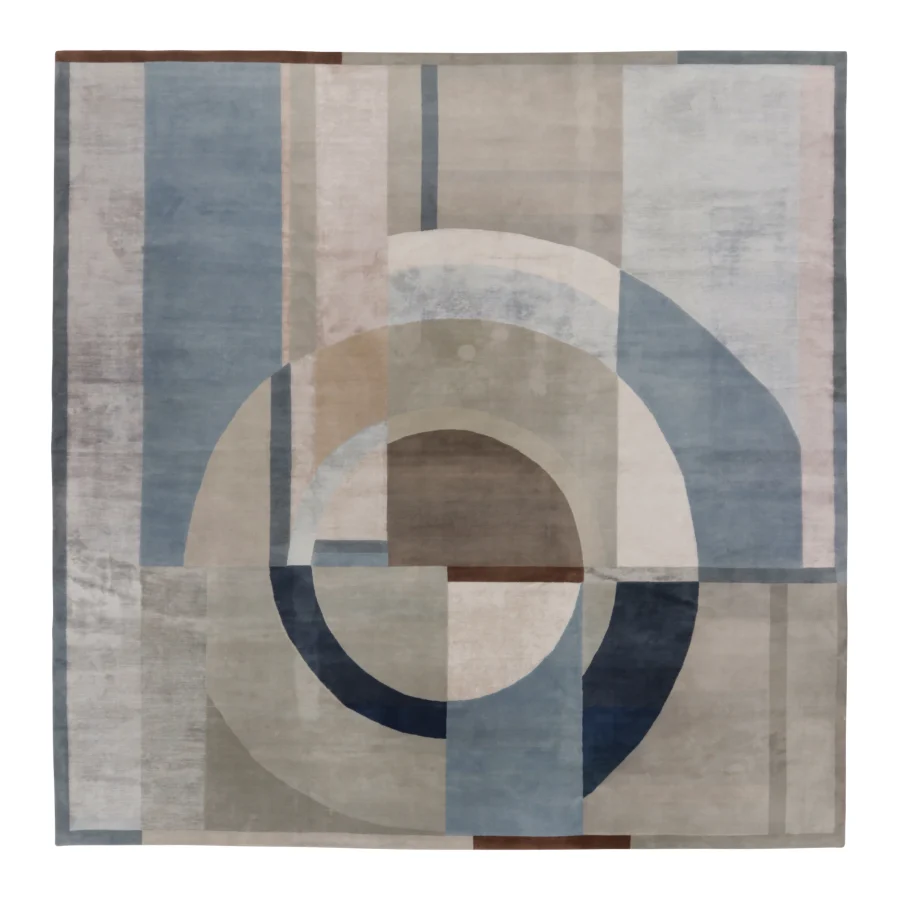
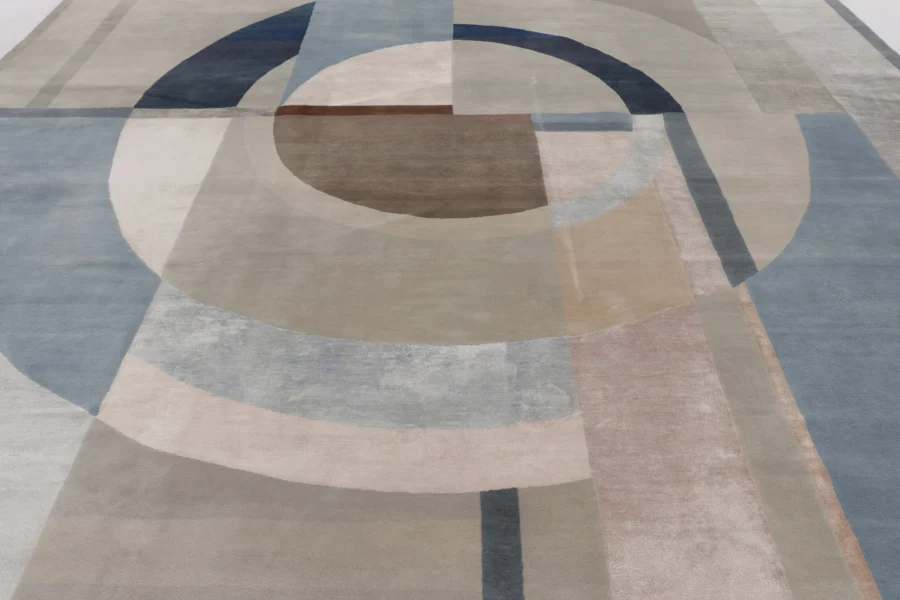 36669Rug & Kilim's Oversized Mid-Century Modern Square Rug in Bold Geometric Patterns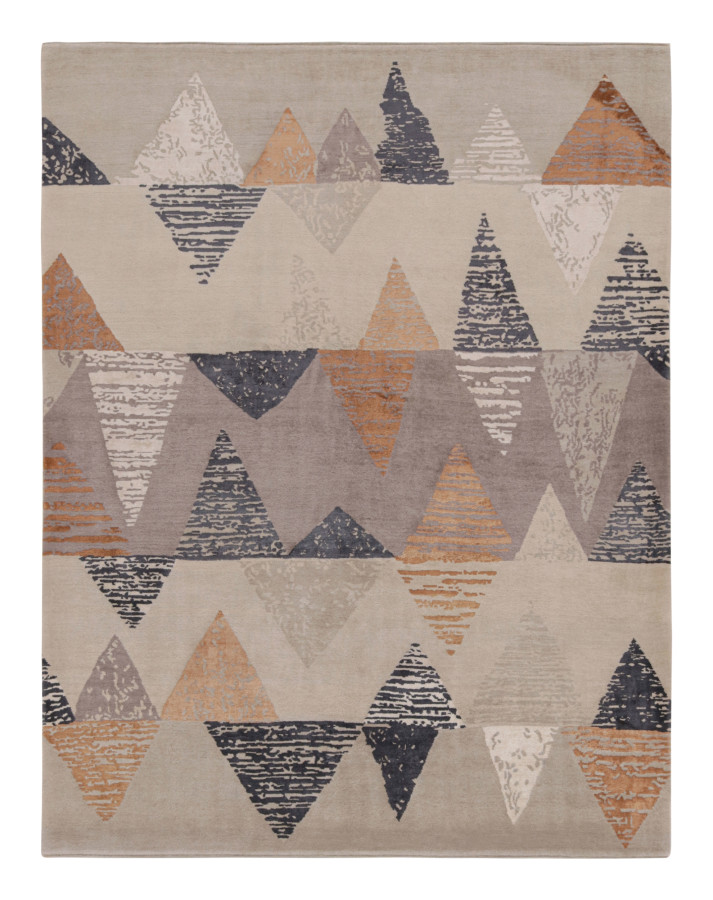
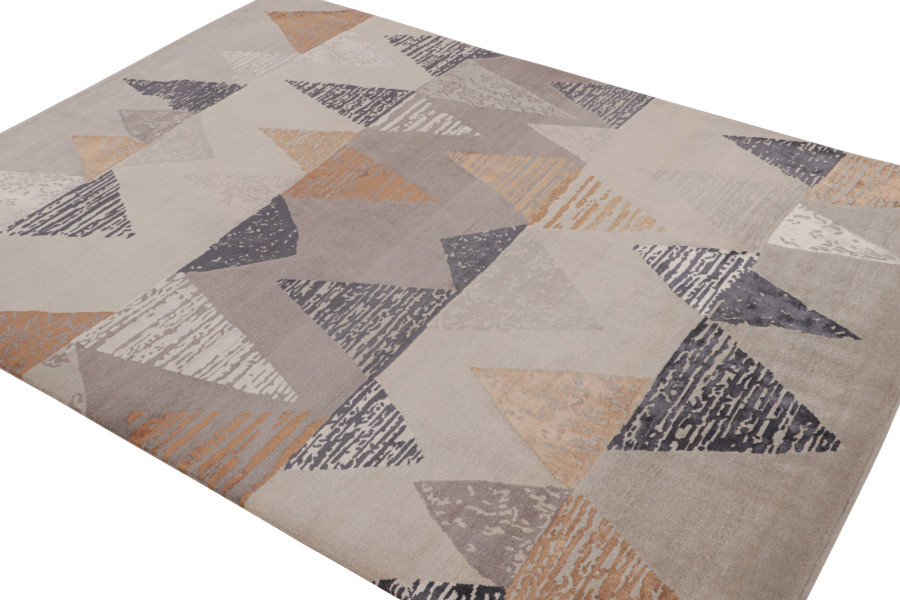 19657Rug & Kilim’s Mid-Century Modern Rug in Gray Geometric Pattern
- Out of Stock
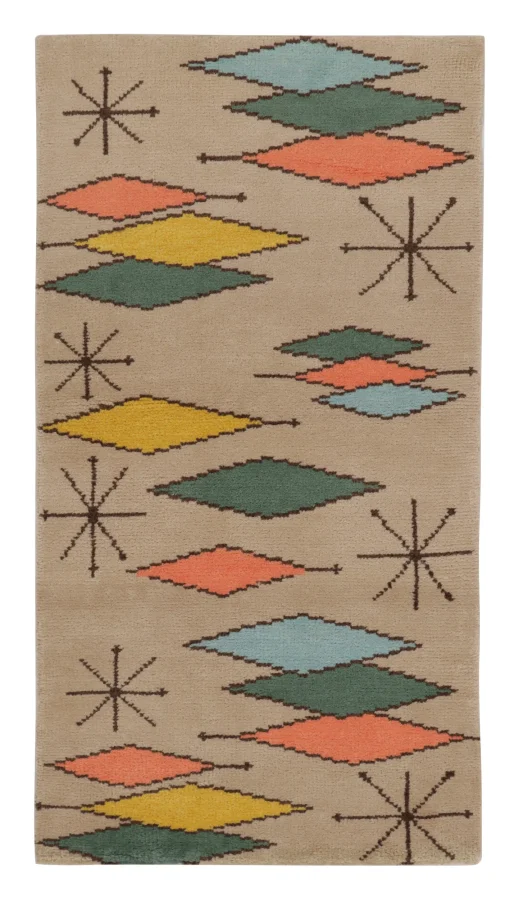
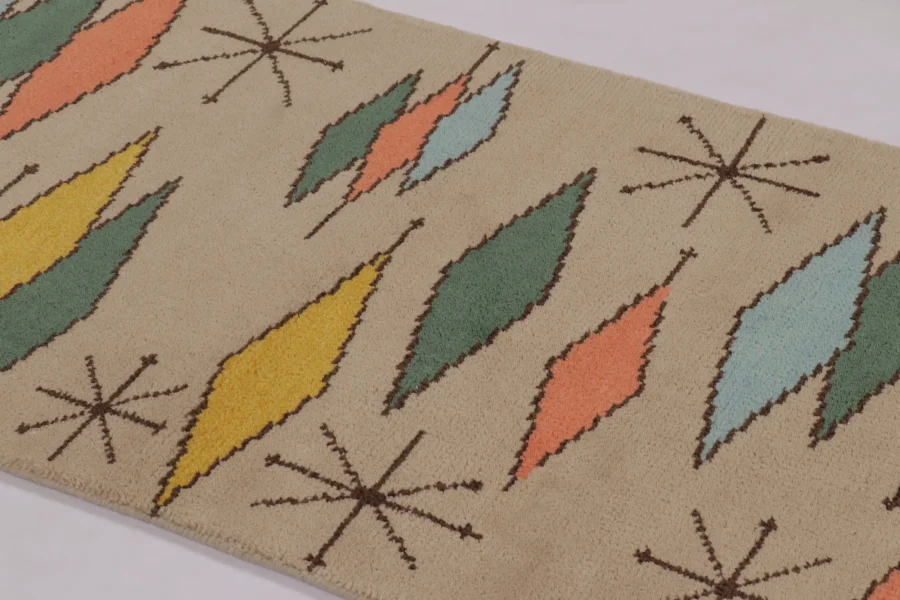 35434Rug & Kilim’s Mid-Century Modern Rug, Colorful Diamonds and Starbursts
 - Out of Stock
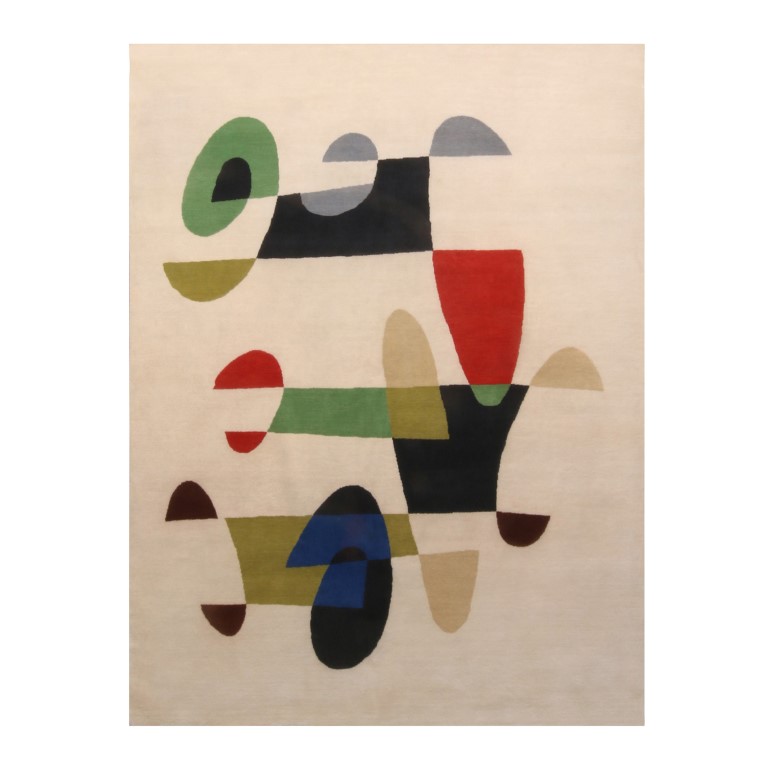
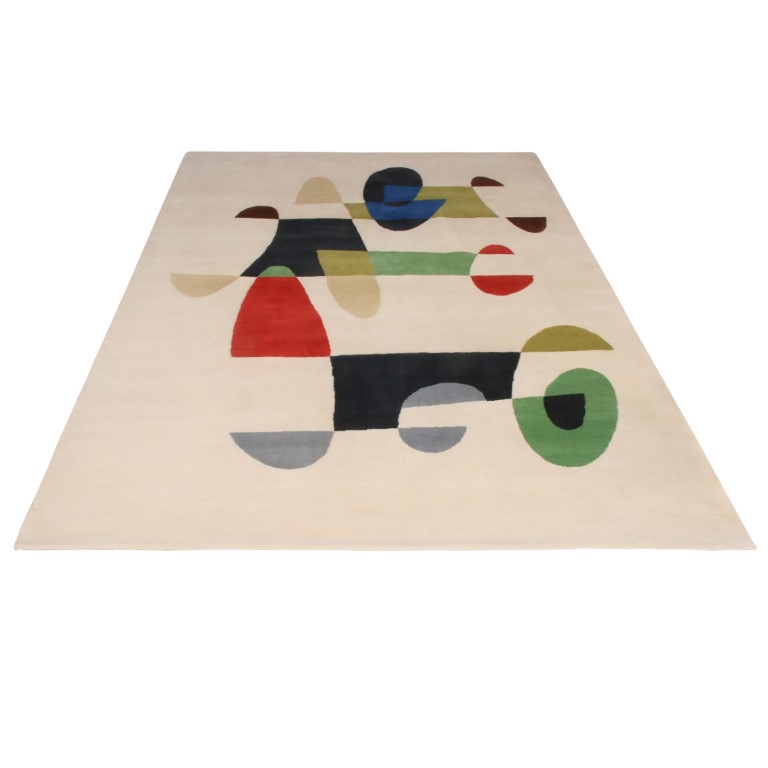 19633Rug & Kilim’s Mid-Century Modern Custom Rug in Multicolor Avant-Garde Design
 - Out of Stock
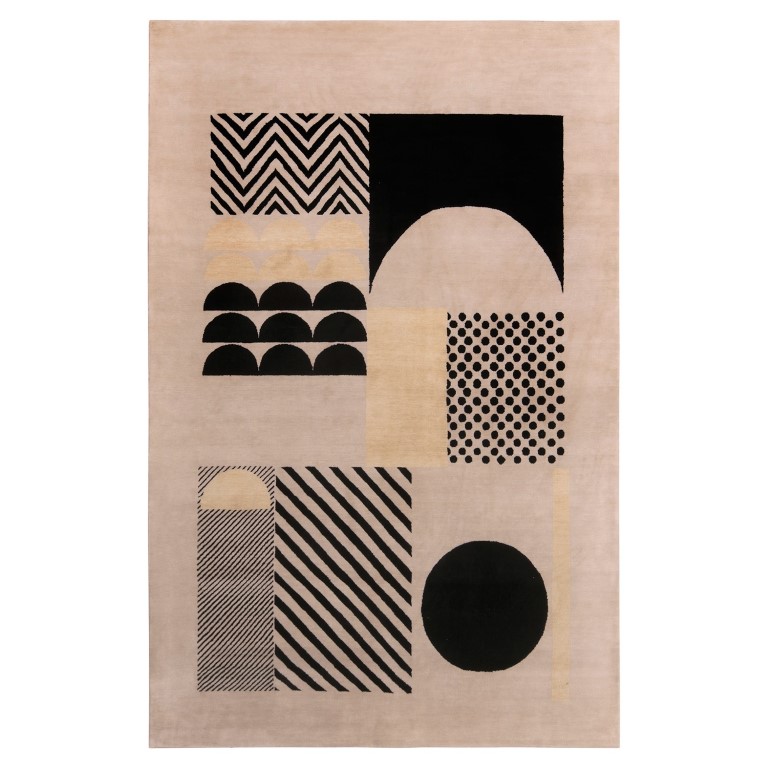
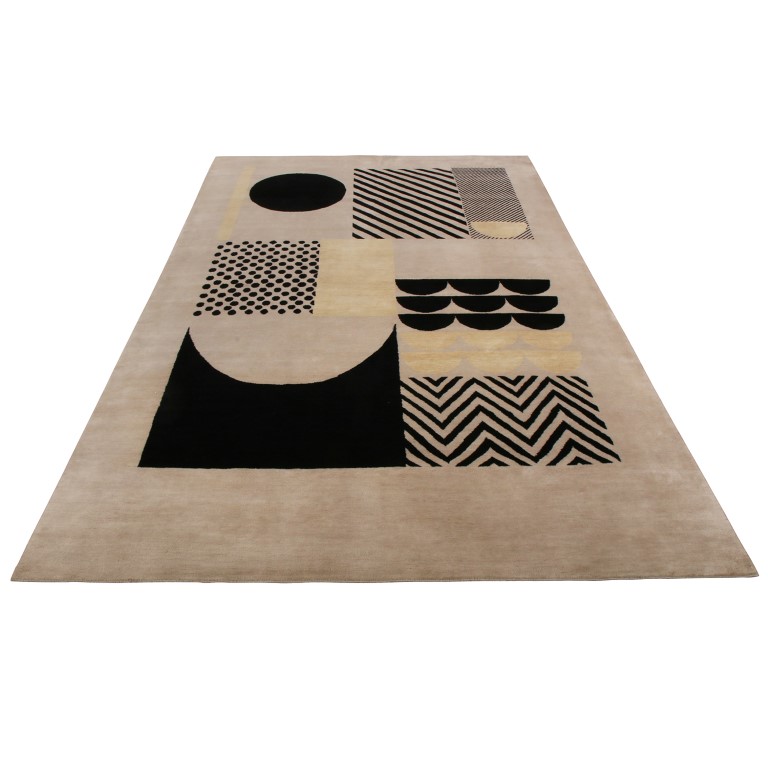 23209Rug & Kilim’s Mid-Century Modern Custom Rug in Black and Beige Nordic Pattern
 - Out of Stock
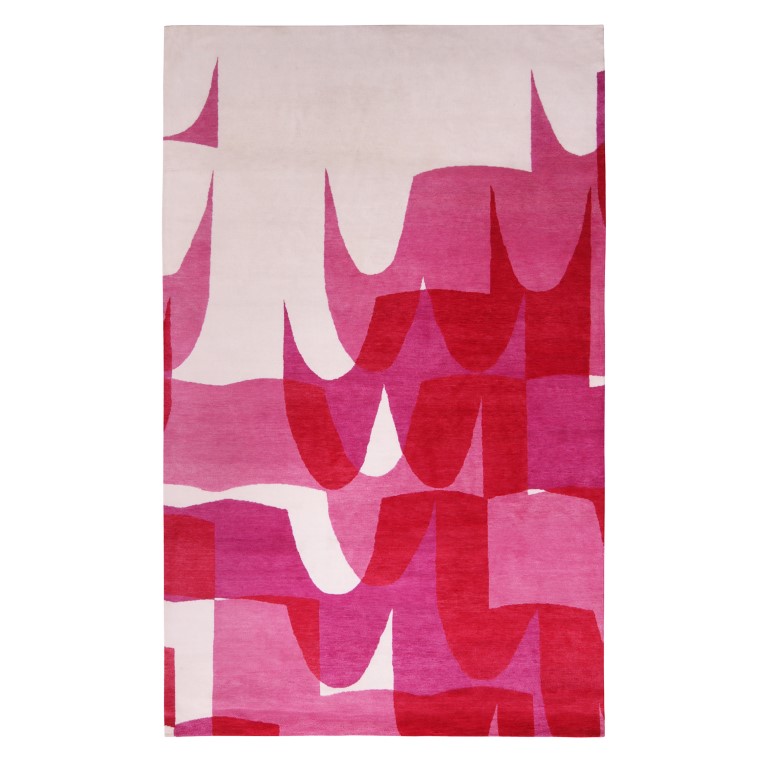
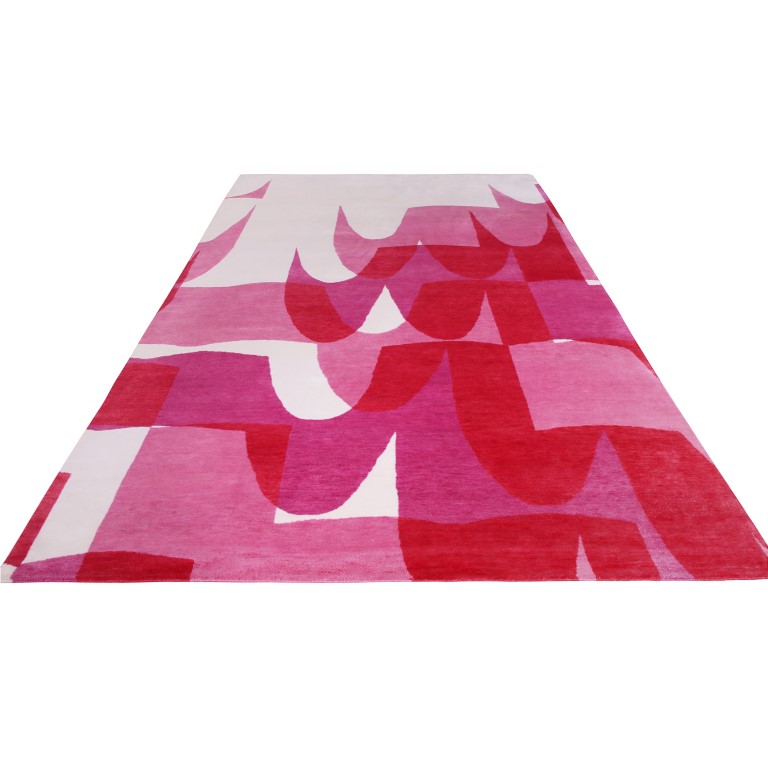 23203Rug & Kilim’s Mid-Century Modern Rug in Pink and Rose Geometric Pattern
 - Out of Stock
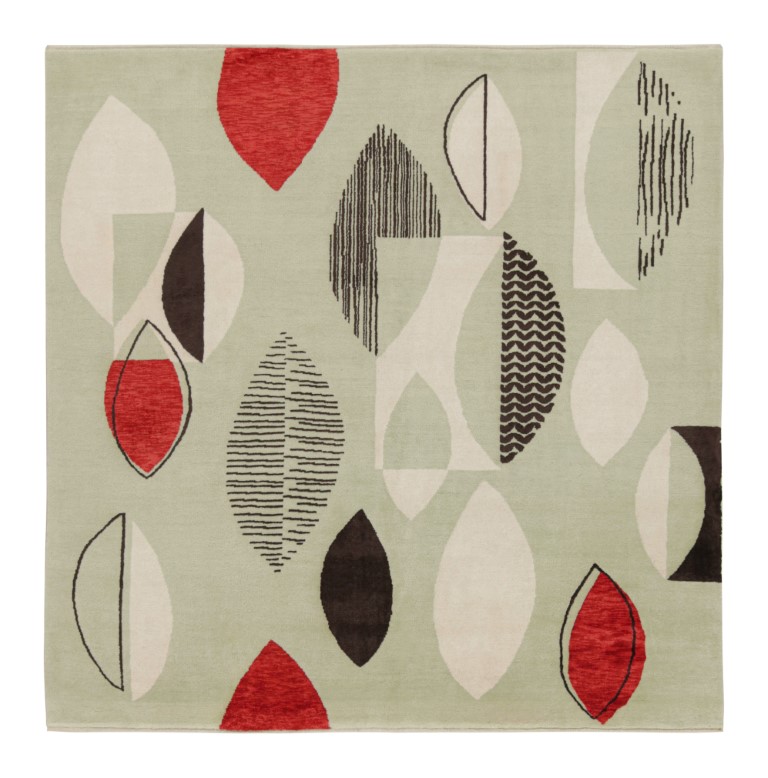
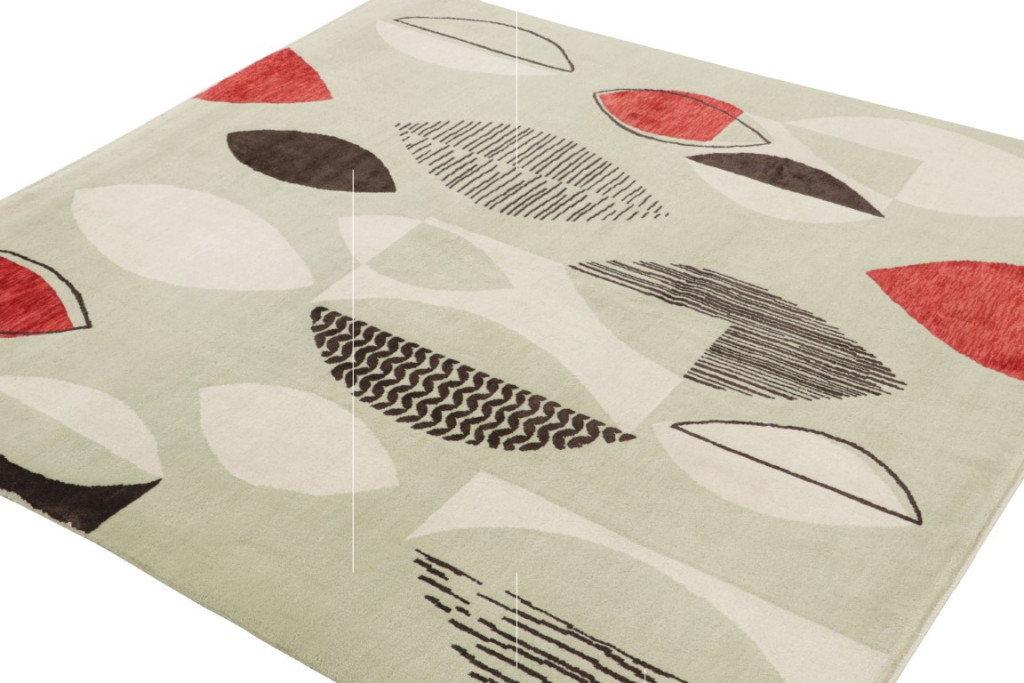 19659Rug & Kilim’s Mid-Century Modern Square Custom Rug in Sage and Red Pattern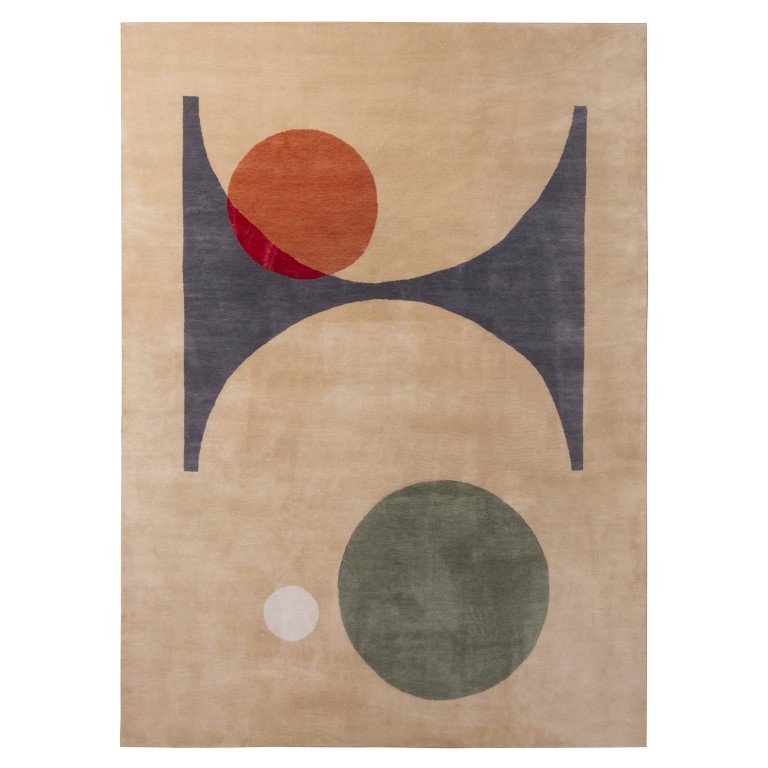
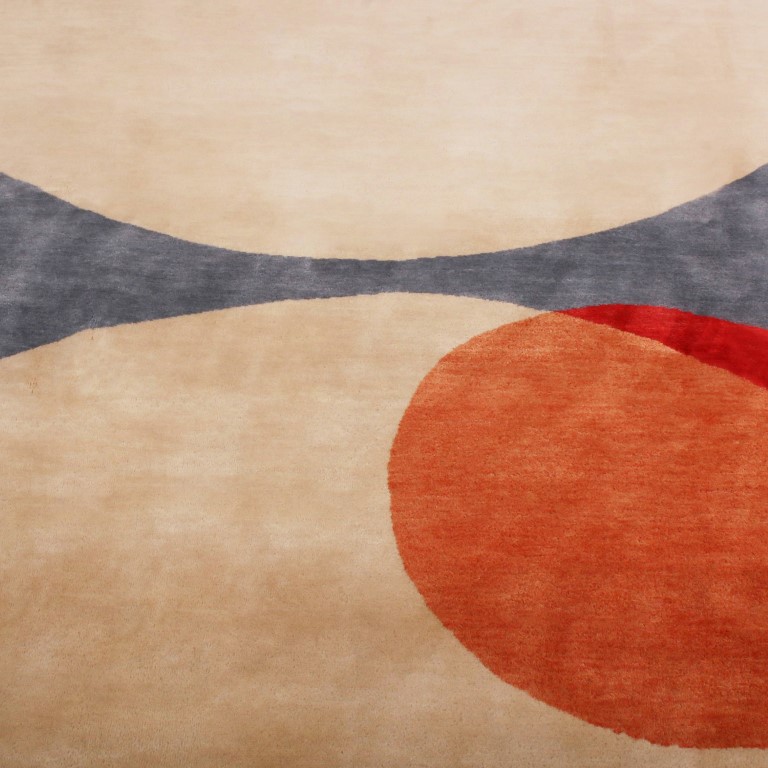 23240Rug & Kilim’s Mid-Century Modern Rug in Beige, Orange and Gray Design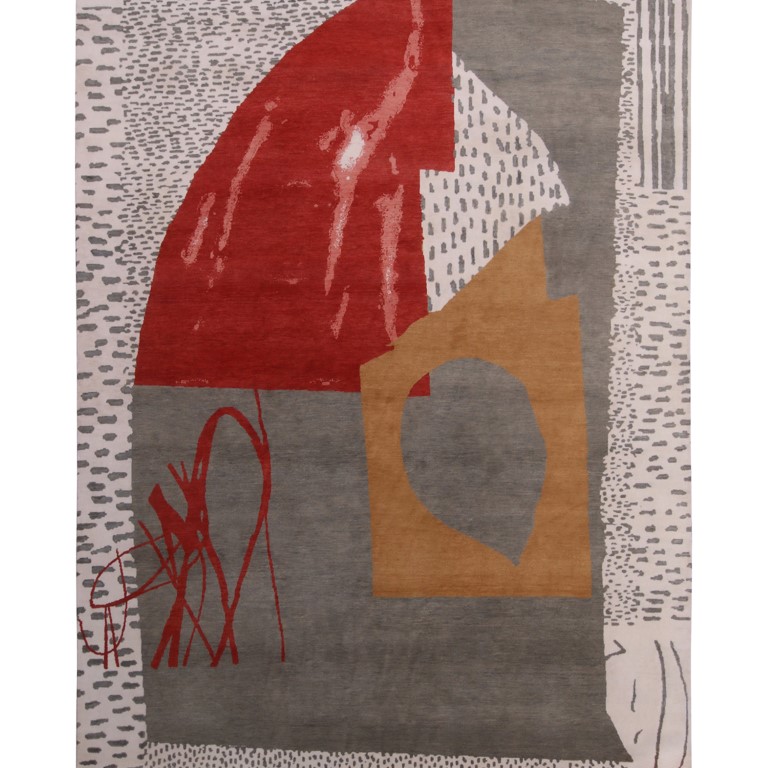
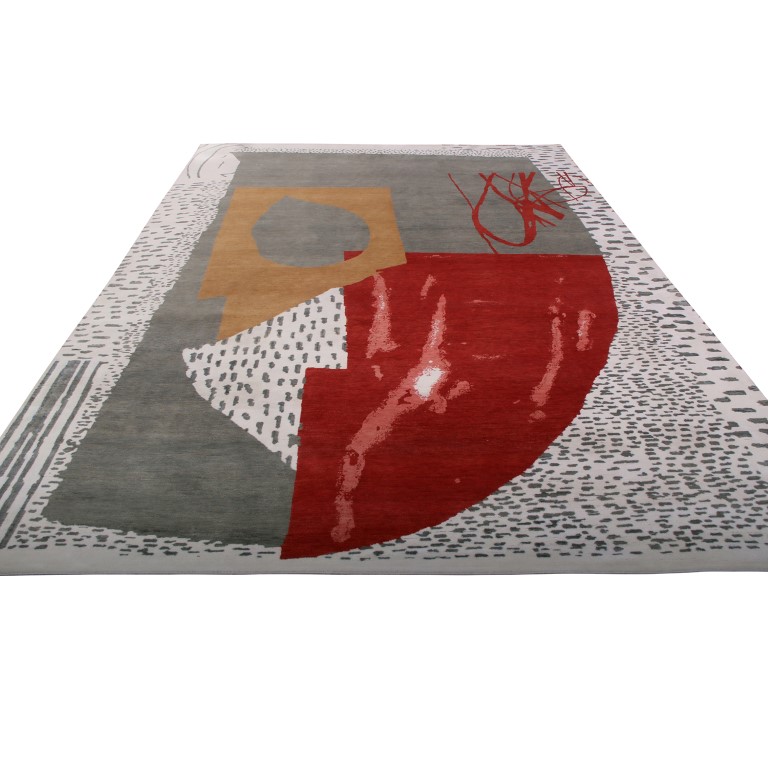 23219Rug & Kilim’s Mid-Century Modern Rug in Gray Expressionist Pattern
- Out of Stock
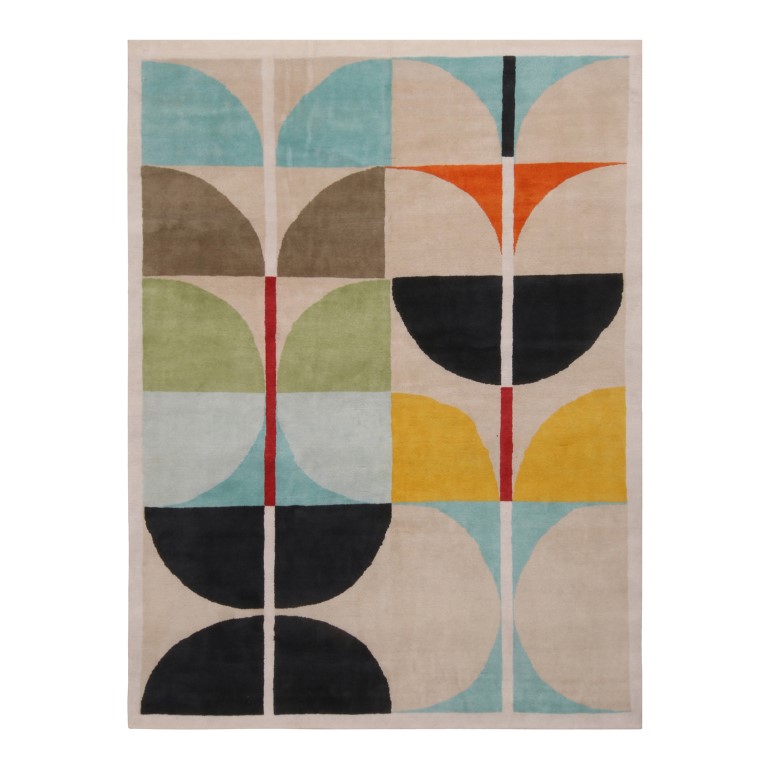
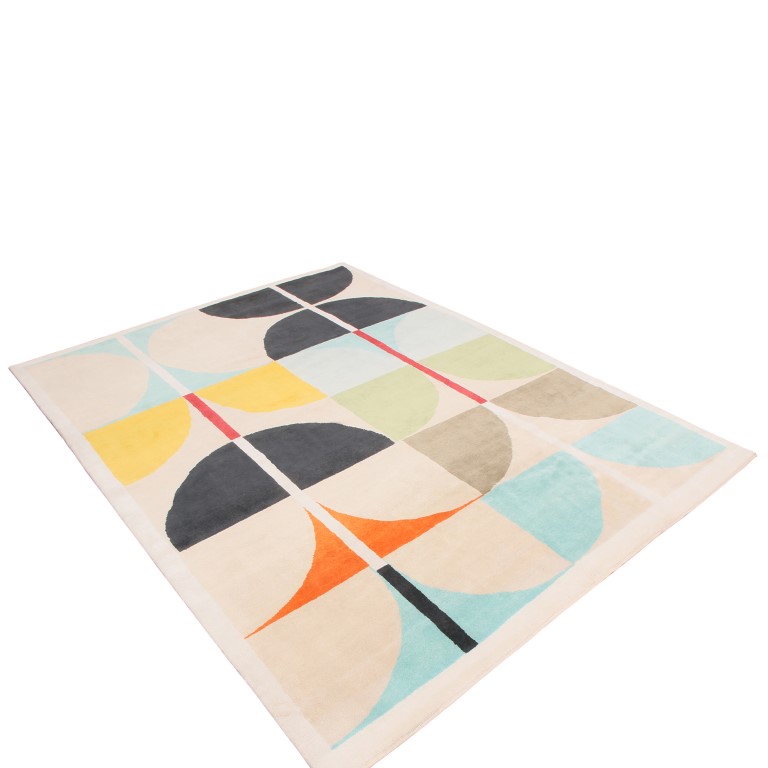 19658Rug & Kilim’s Mid-Century Modern Custom Rug in Multicolor Geometric Pattern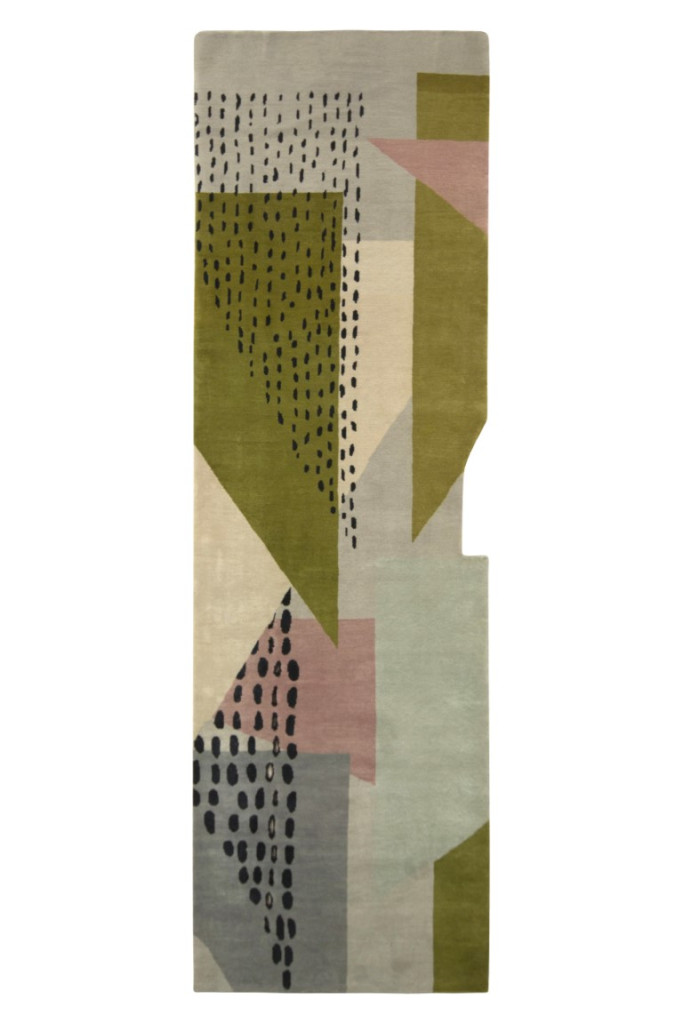
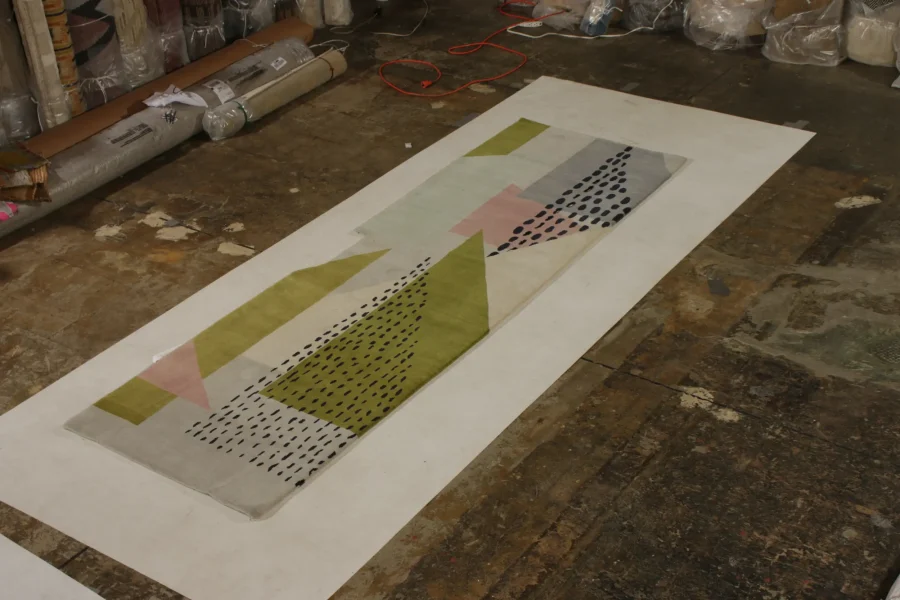 18802Rug & Kilim’s Mid-Century Modern Runner in Green and Rose Geometric Pattern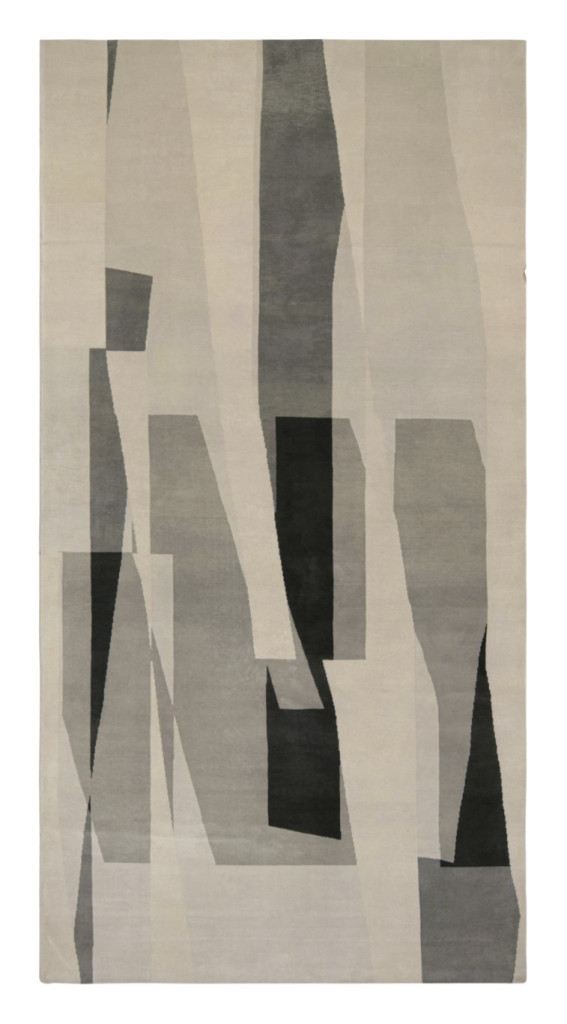
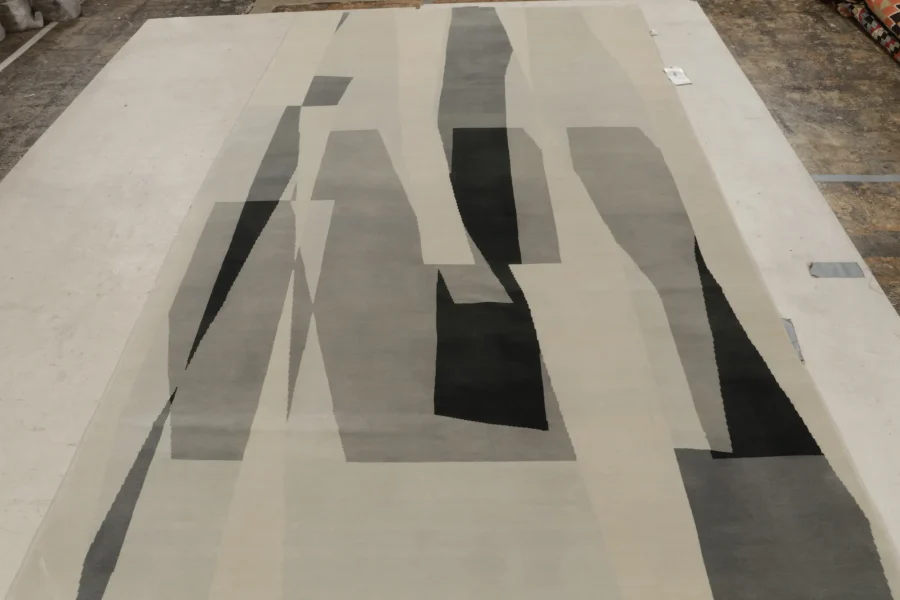 18800Rug & Kilim’s Mid-Century Modern Runner with Gray Cubist Design in Natural Silk & Wool
- Out of Stock
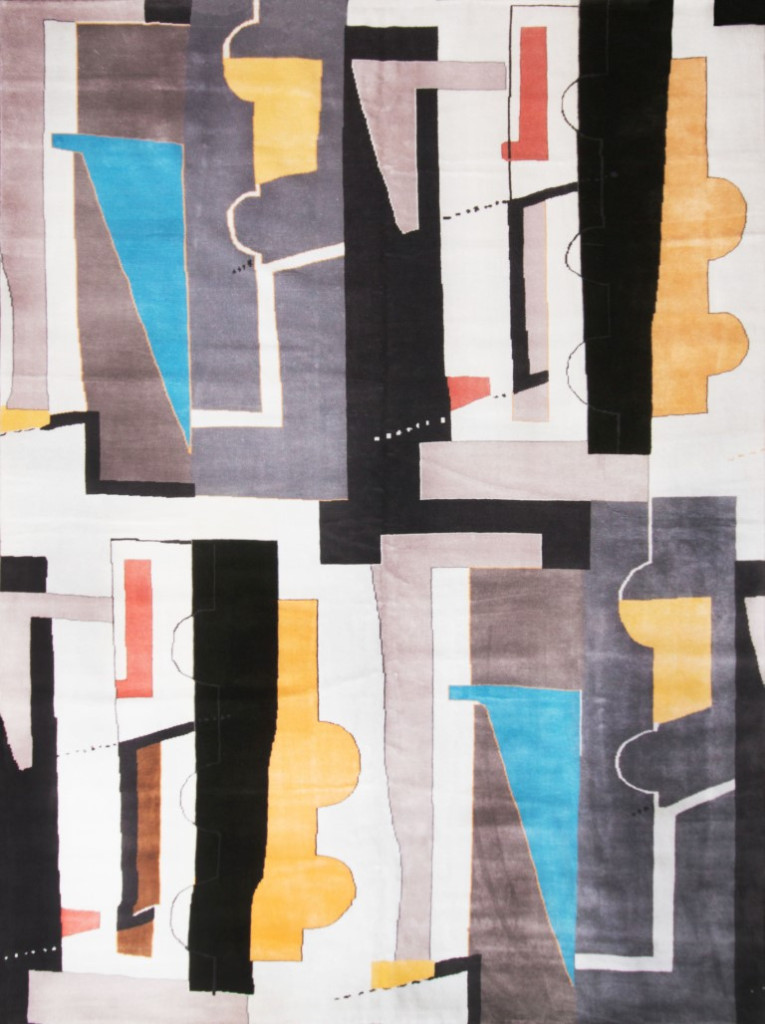
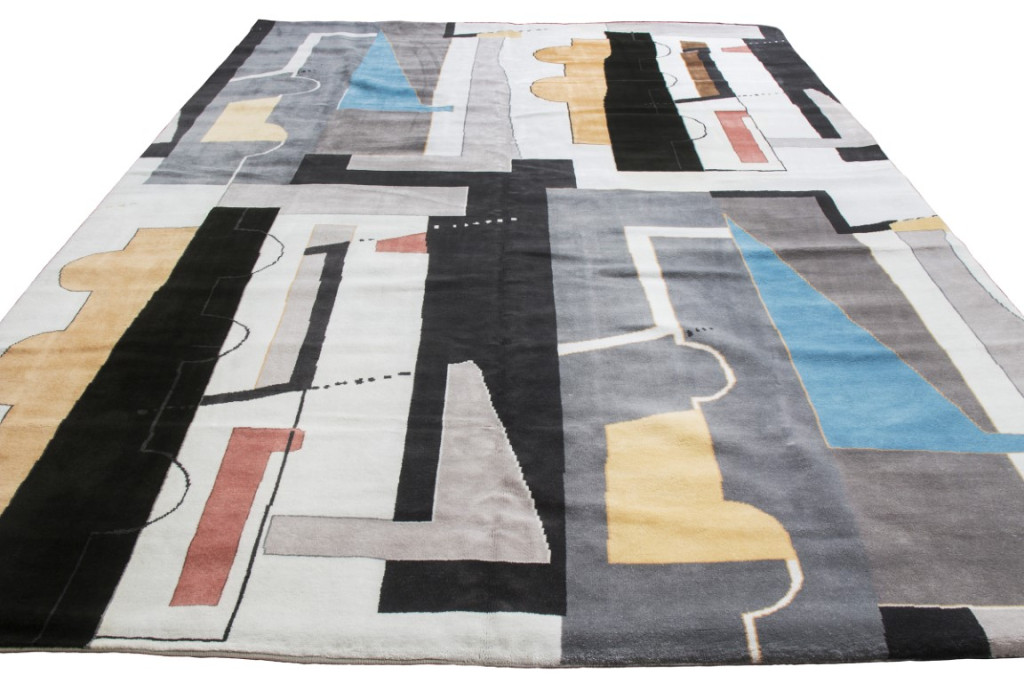 15157Rug & Kilim’s Mid-Century Modern Custom Rug in Multicolor Geometric Pattern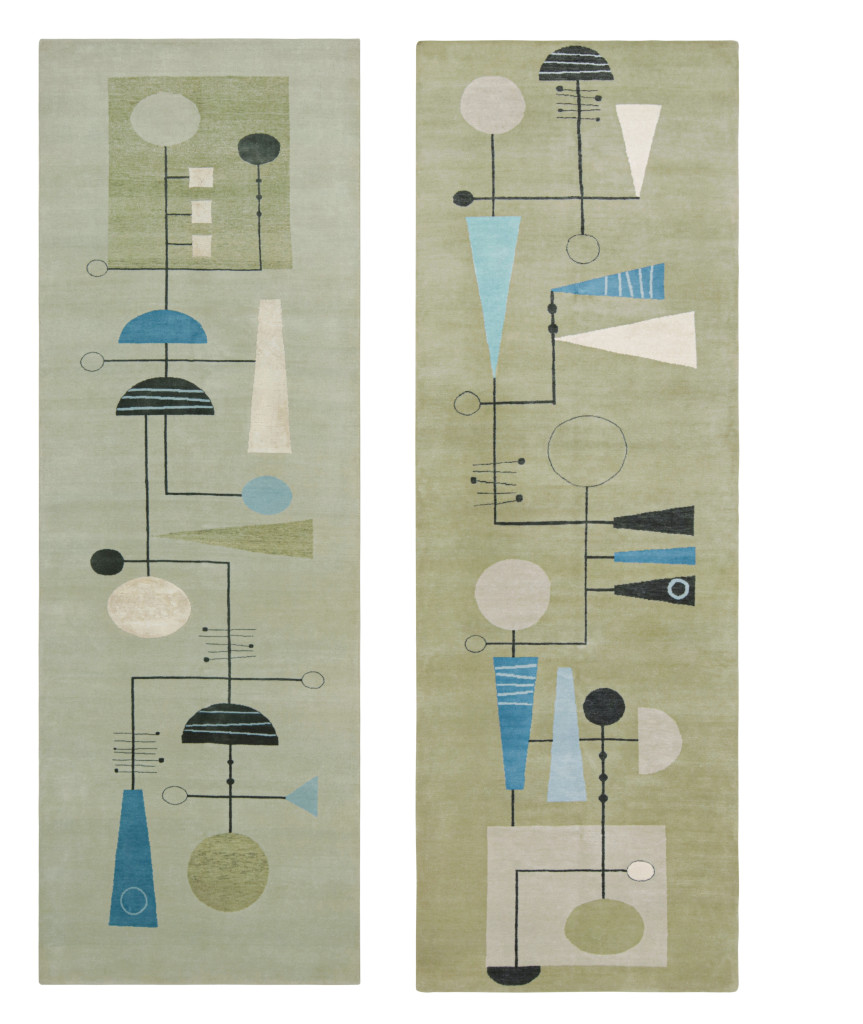
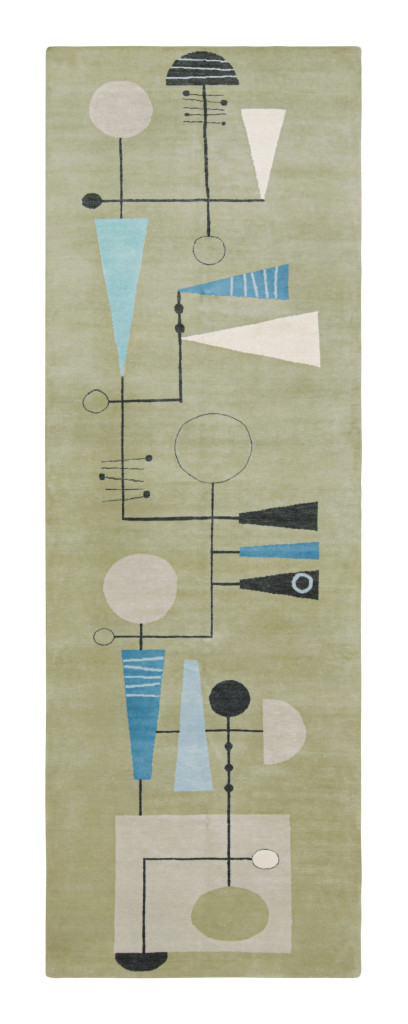 23243and23241Rug & Kilim X El Gato Gomez Mid-century Modern Geometric Runners in Green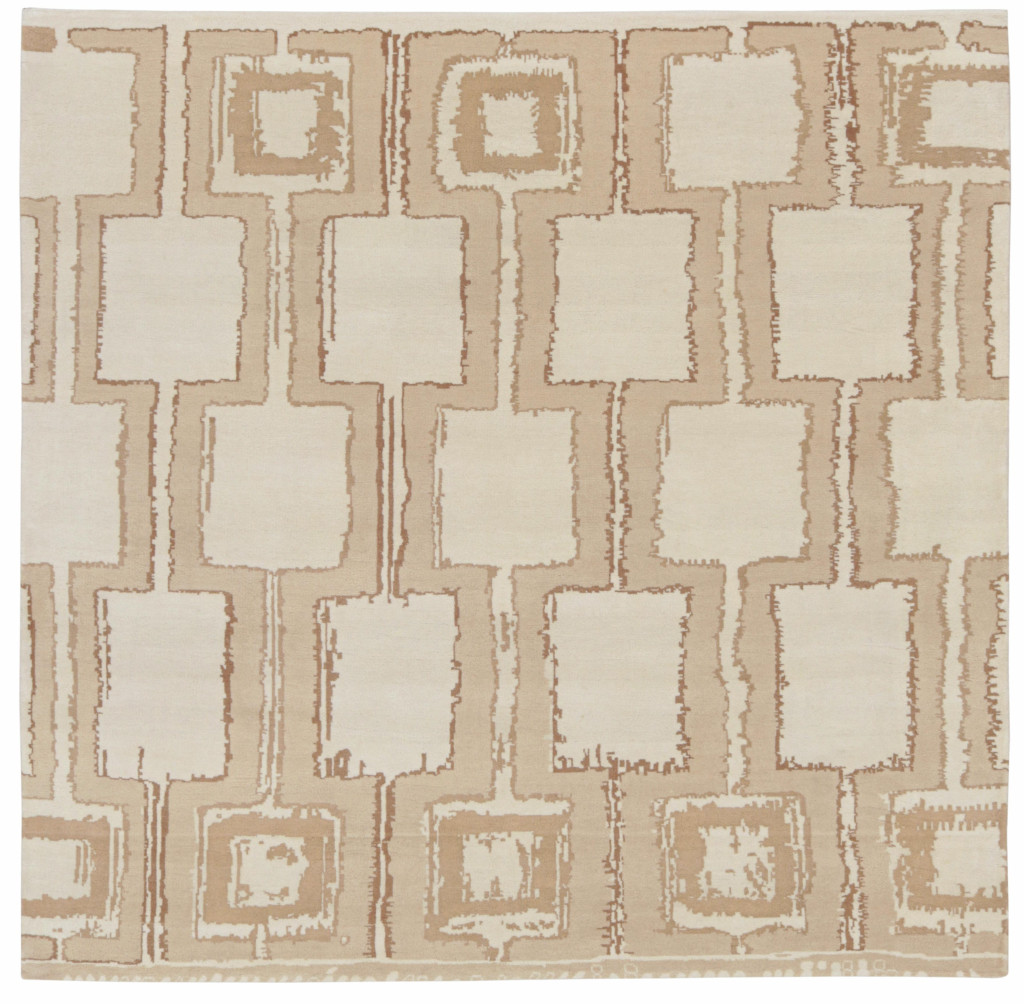
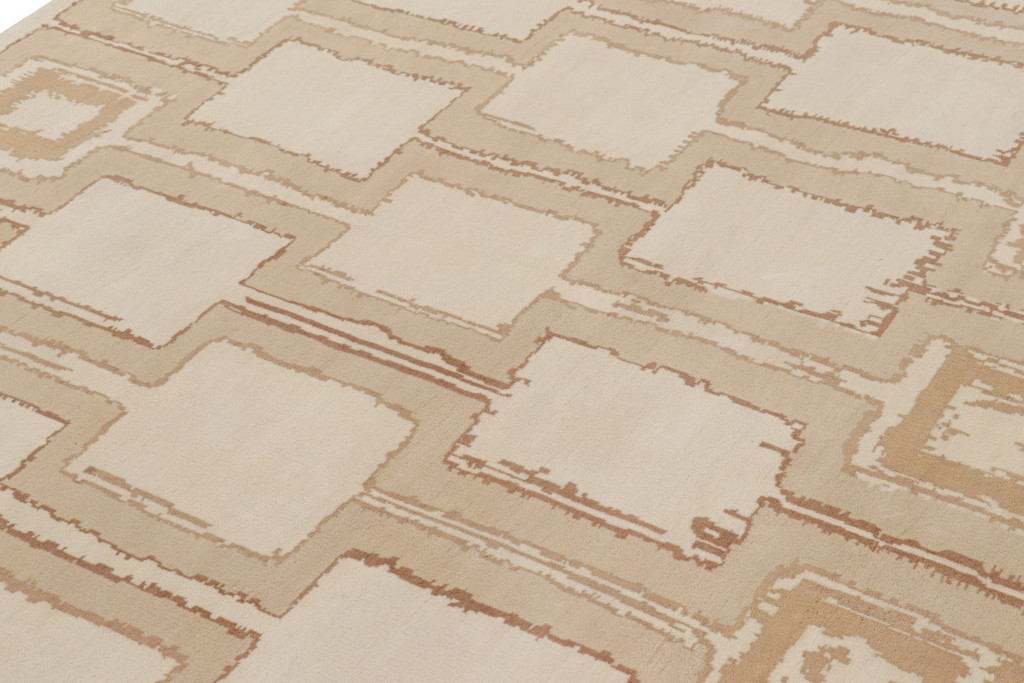 28825Rug & Kilim’s Mid-Century Modern Square Geometric Rug in Beige-Brown Tones
- Out of Stock
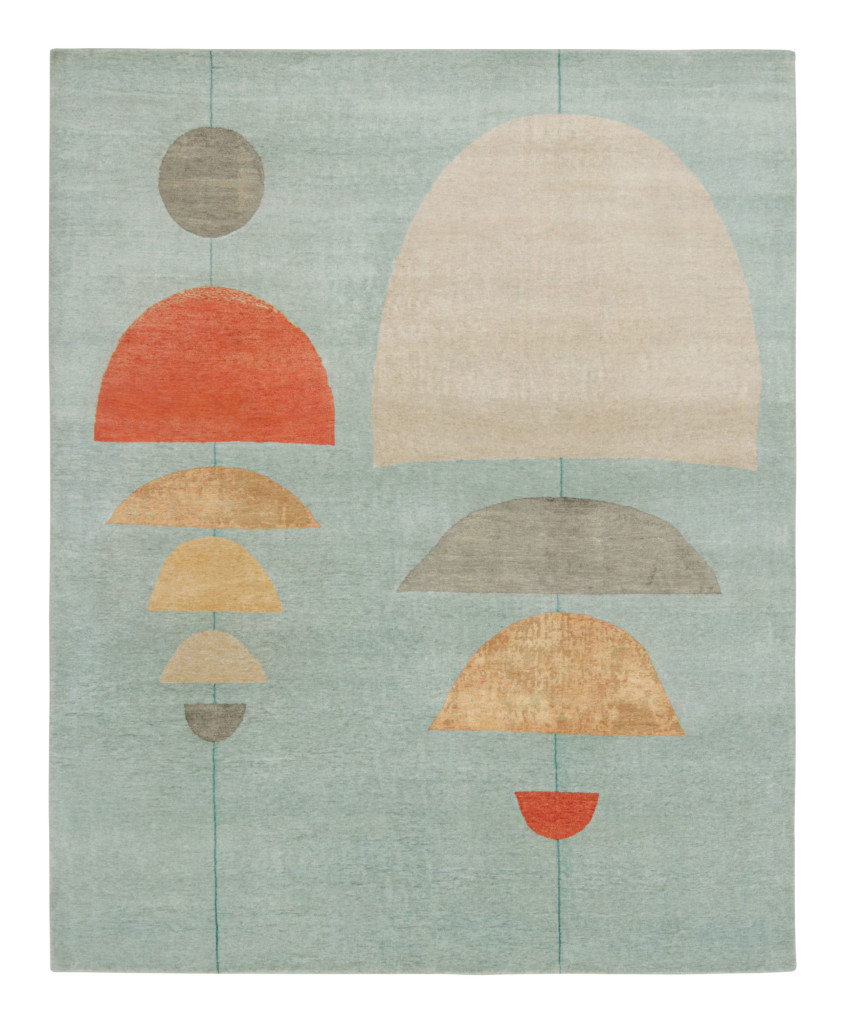
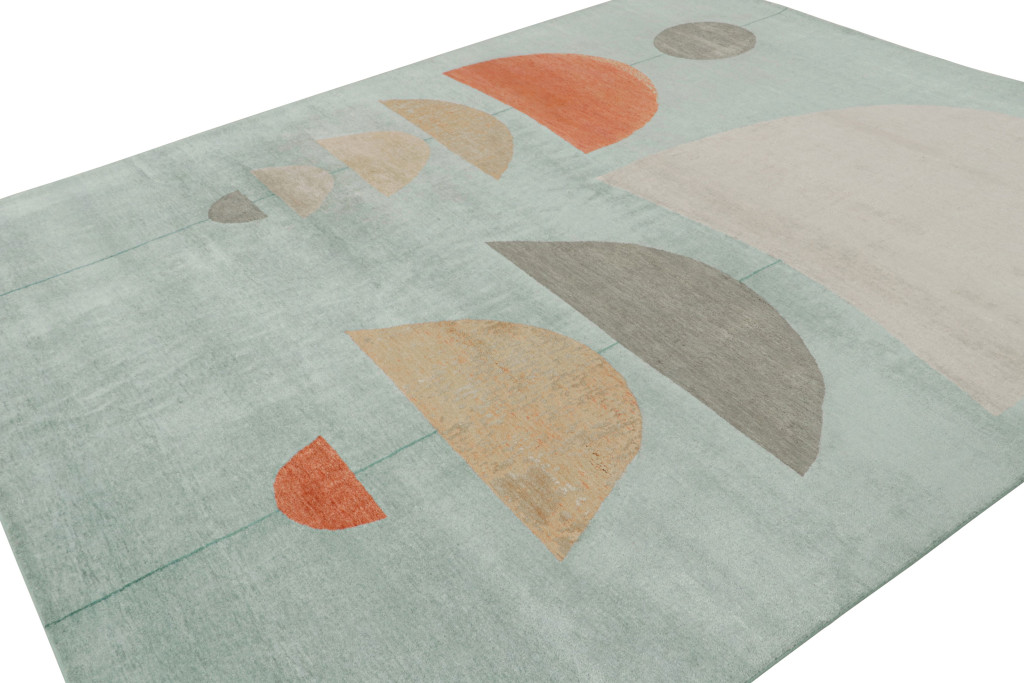 30671ARug & Kilim x Jenn Ski Blue Mid-Century Modern Rug with Geometric Patterns
 - Out of Stock
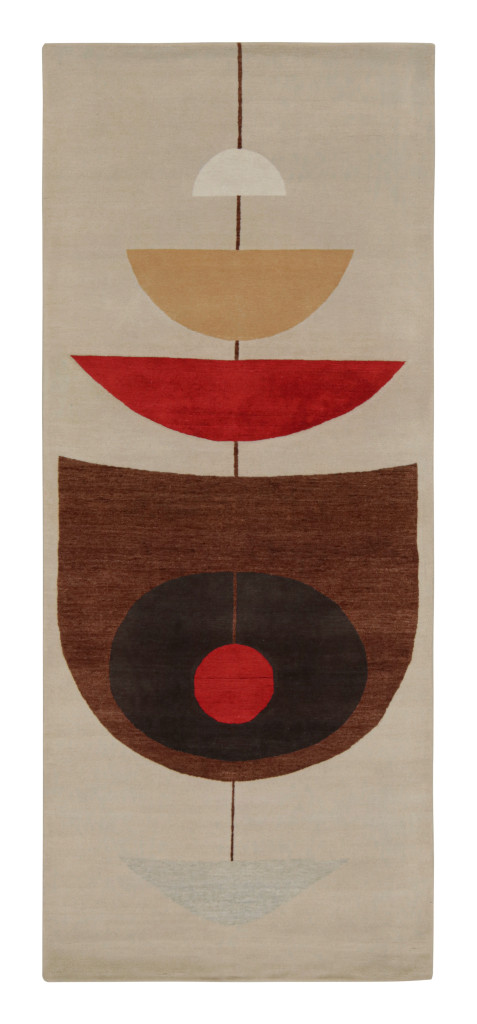
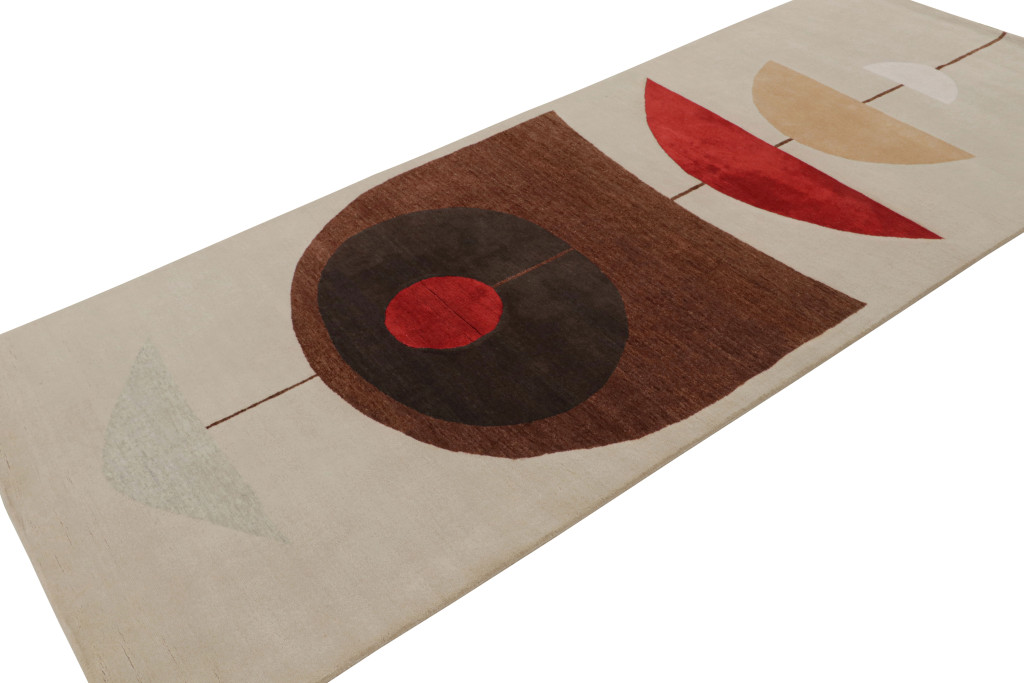 30657Rug & Kilim x Jenn Ski Beige Mid-Century Modern Rug with Geometric Pattern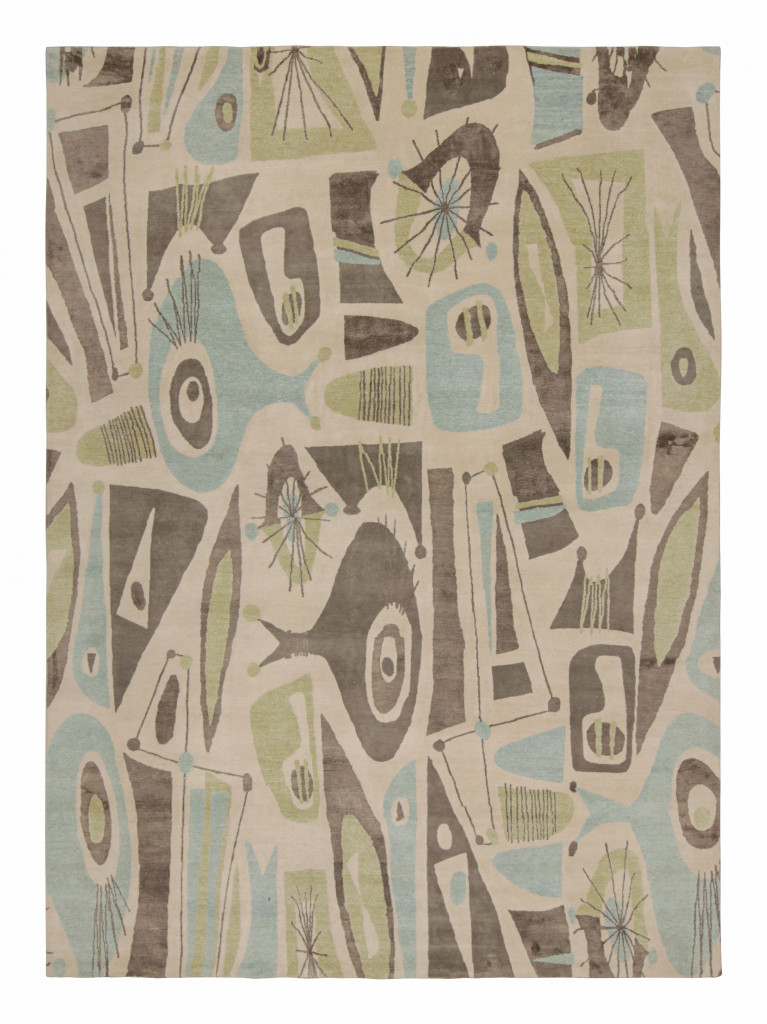
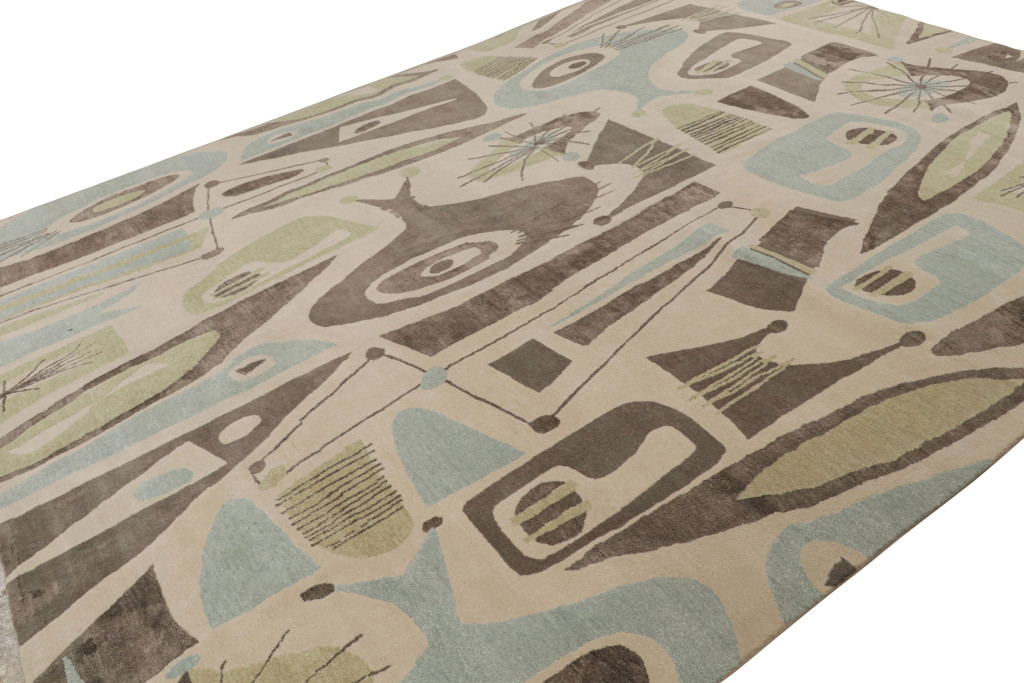 30670Rug & Kilim’s Mid-Century Modern Rug with Geometric Patterns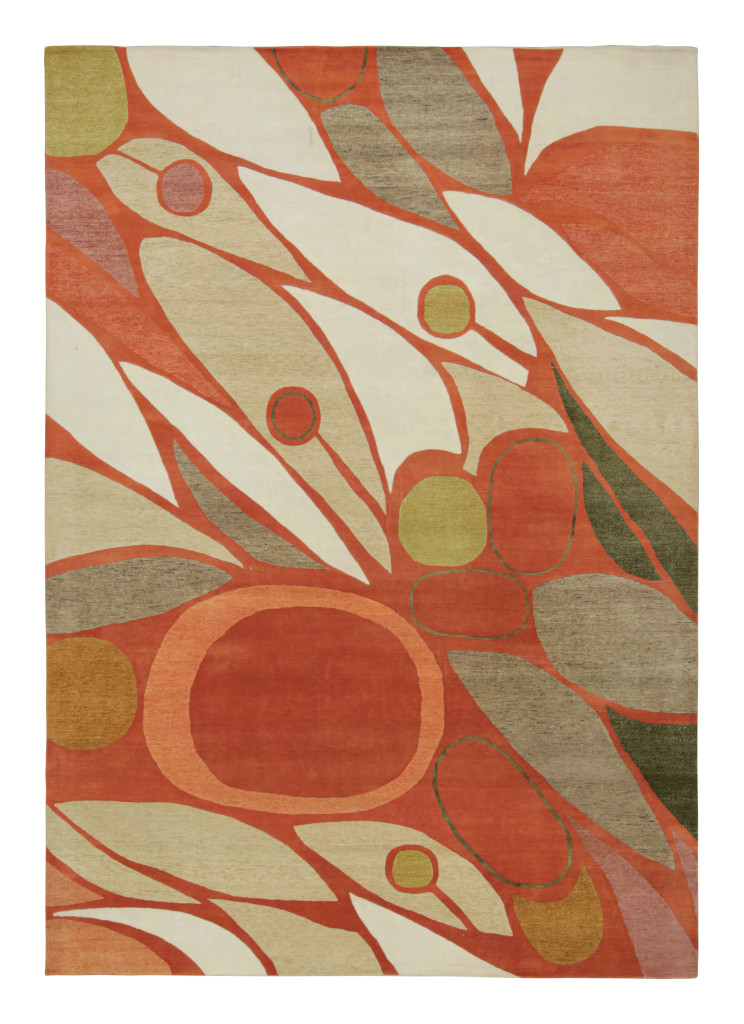
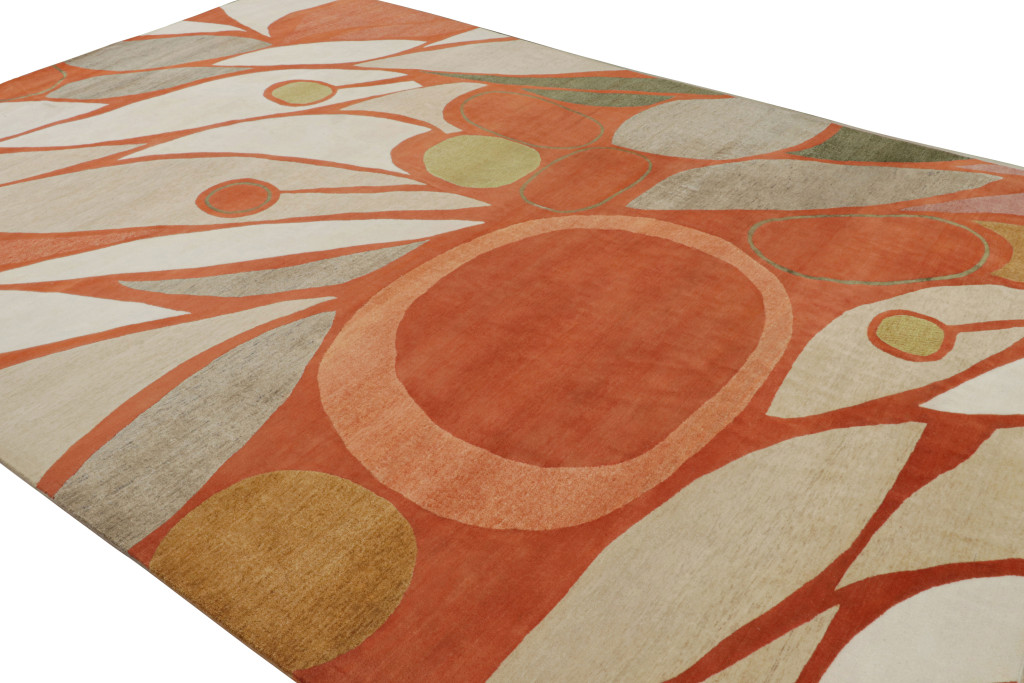 30666Rug & Kilim x Jenn Ski Mid-Century Modern Rug with Geometric Patterns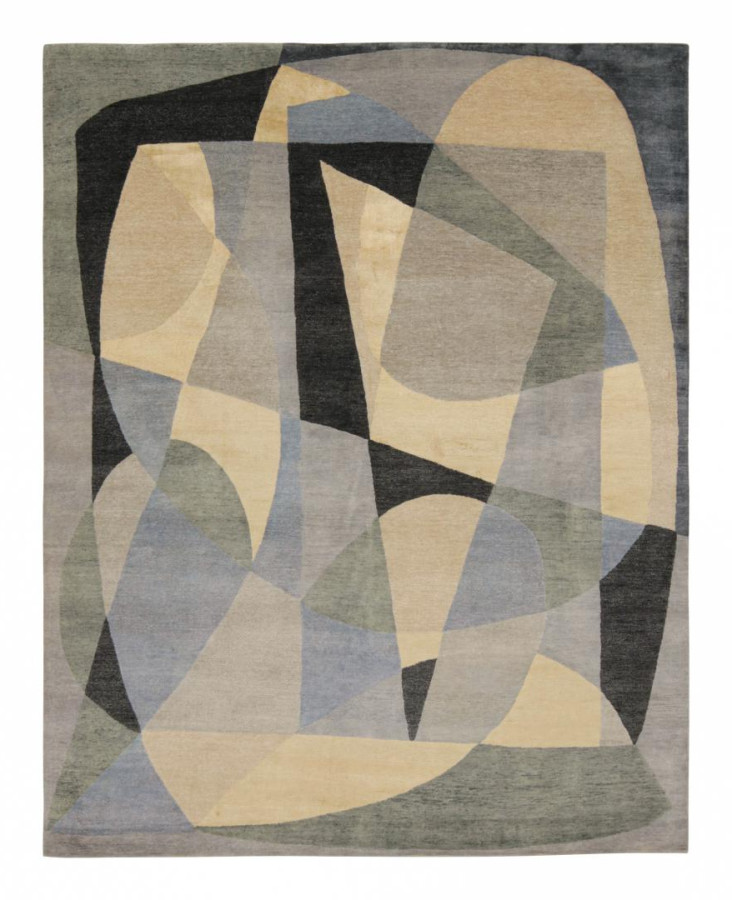
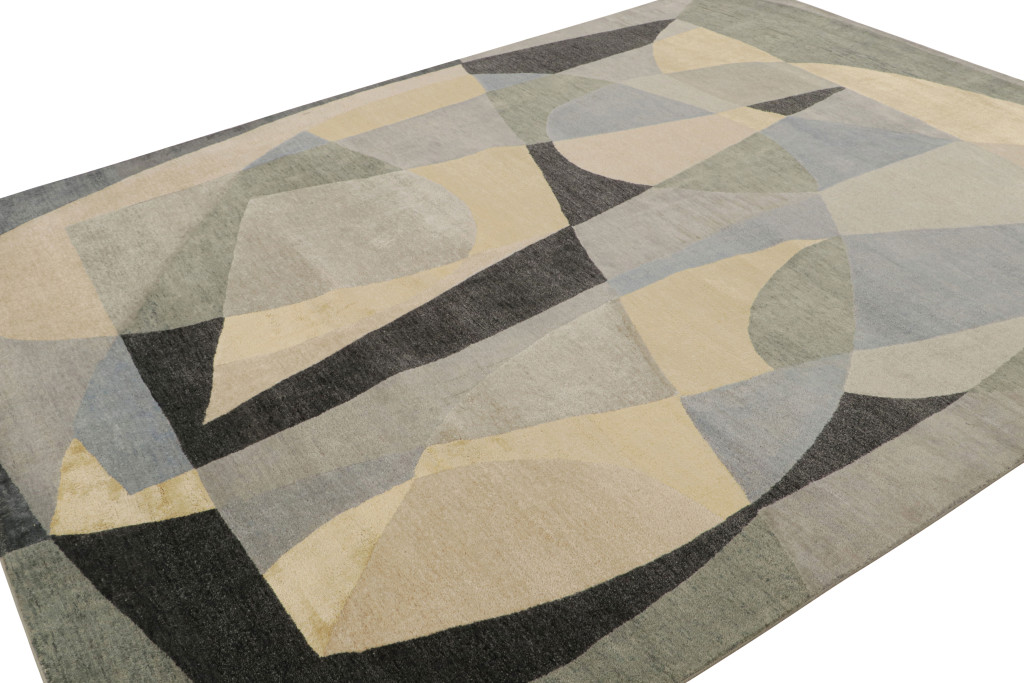 30663Rug & Kilim’s Mid-Century Modern Rug with Green & Gray Geometric Patterns
- Out of Stock
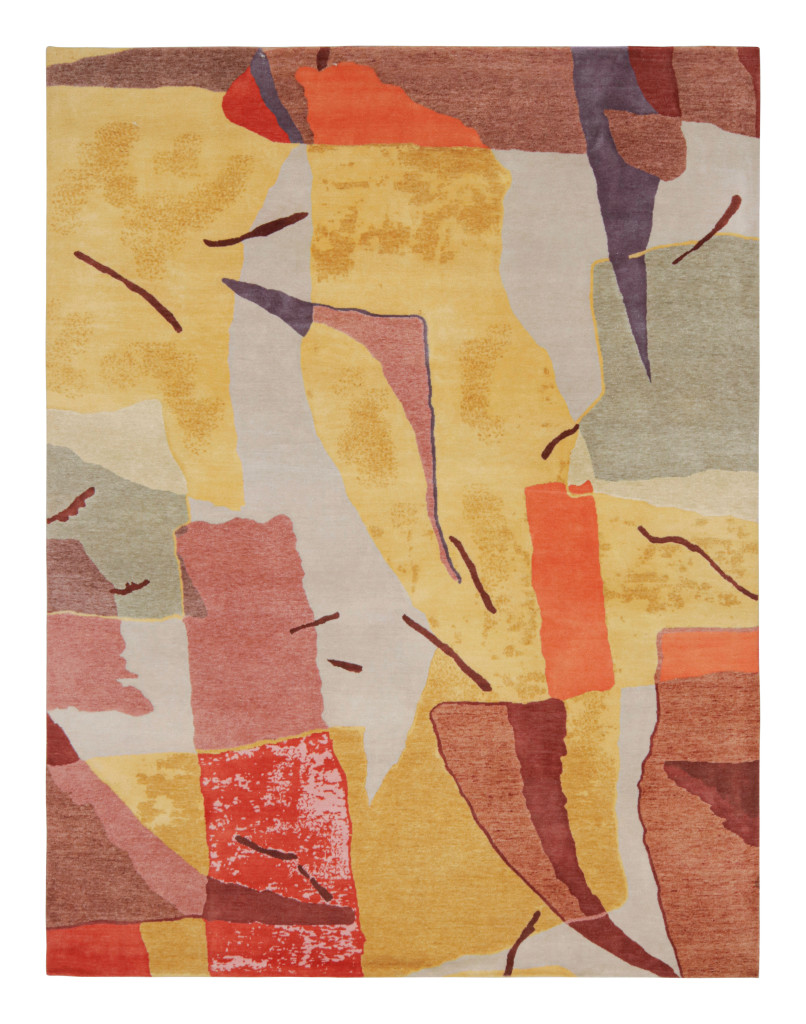
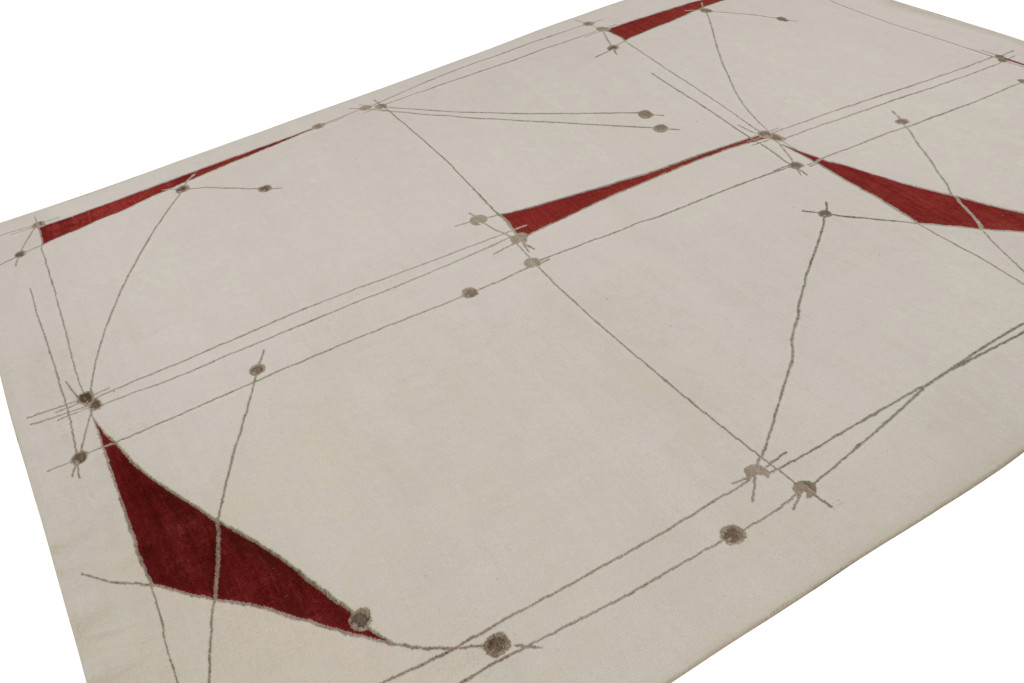
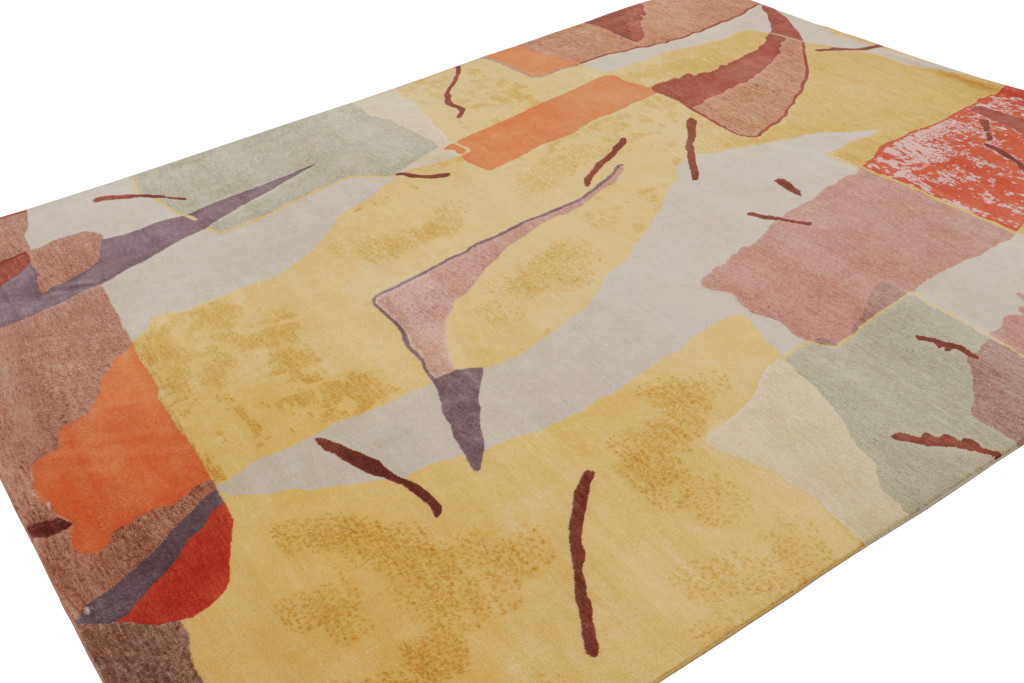 30648Rug & Kilim’s Mid-Century Modern Rug with Abstract Geometric Patterns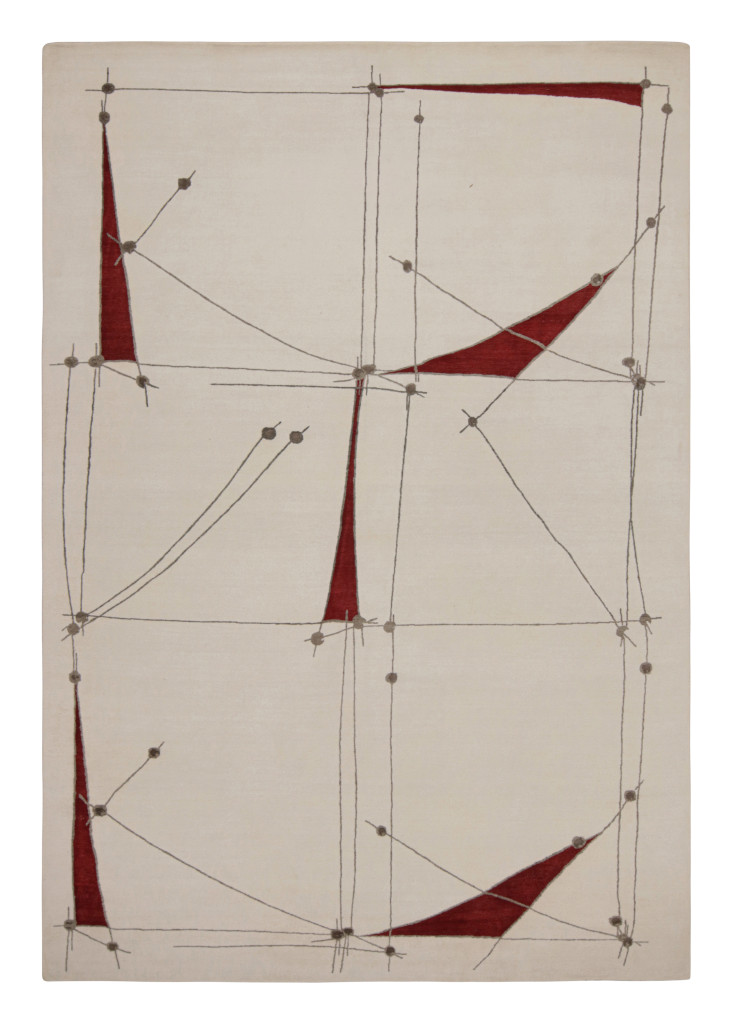
 30655Rug & Kilim’s White Minimalist Mid-Century Modern Rug in Geometric Pattern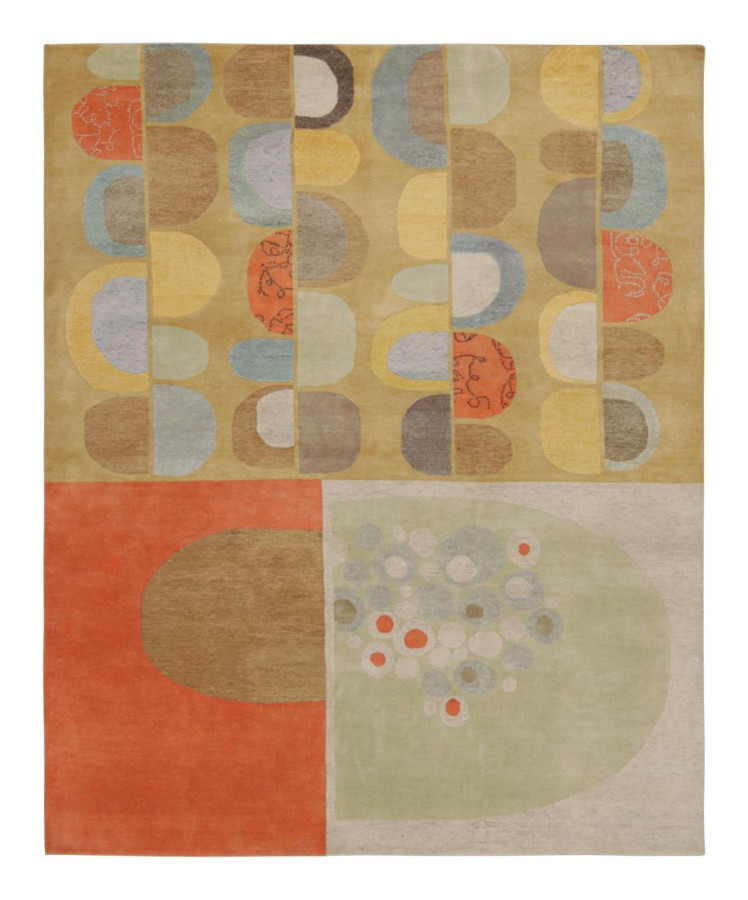
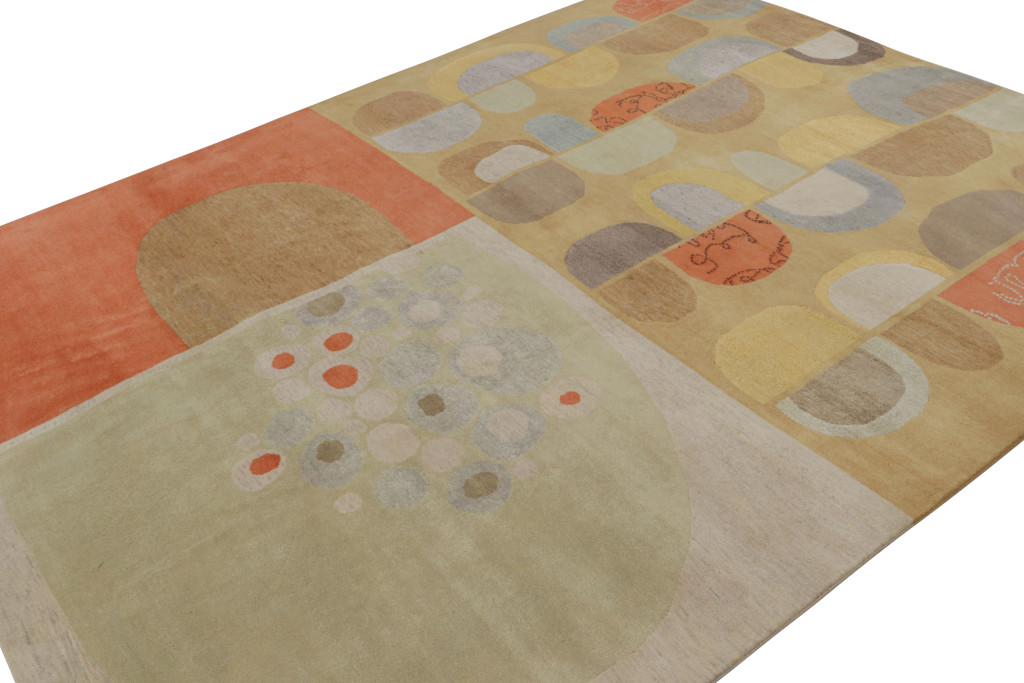 30669Rug & Kilim X Jenn Ski Mid-Century Modern Rug With Polychromatic Patterns
- Out of Stock
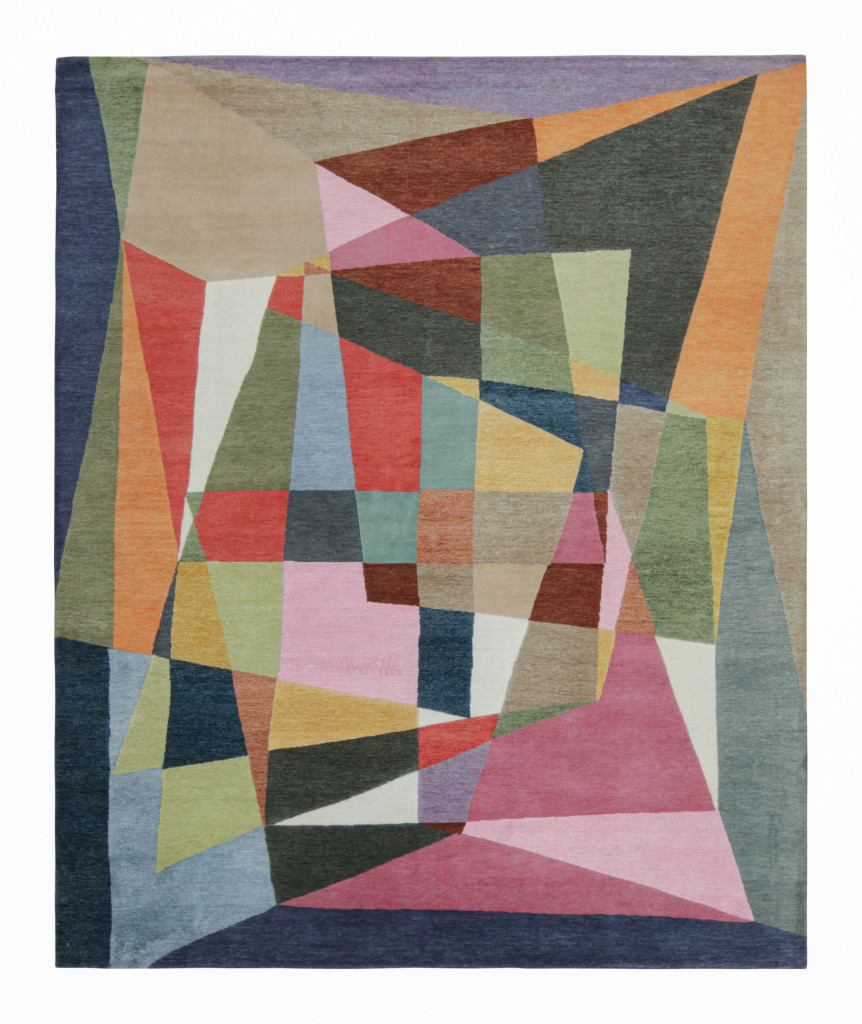
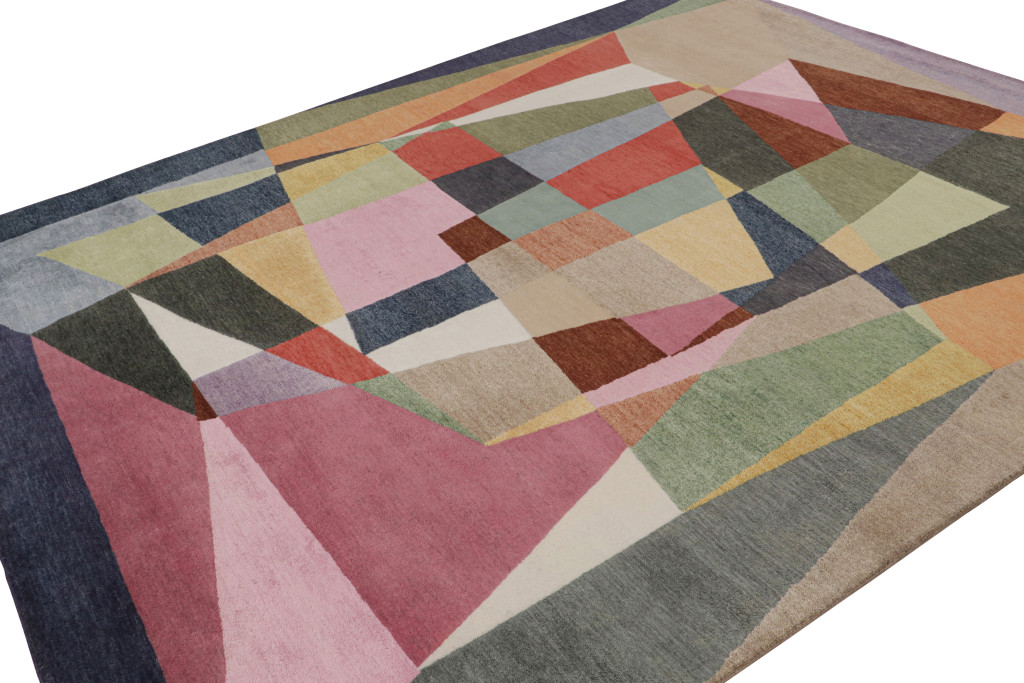 30651Rug & Kilim’s Mid-Century Modern Rug with Polychromatic Geometric Patterns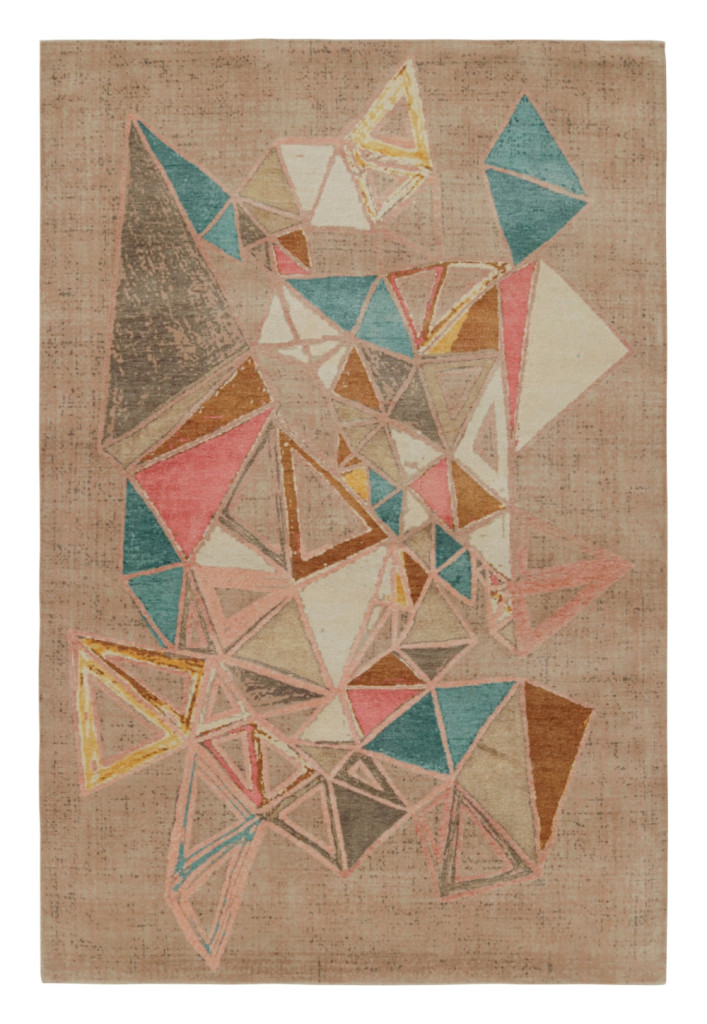
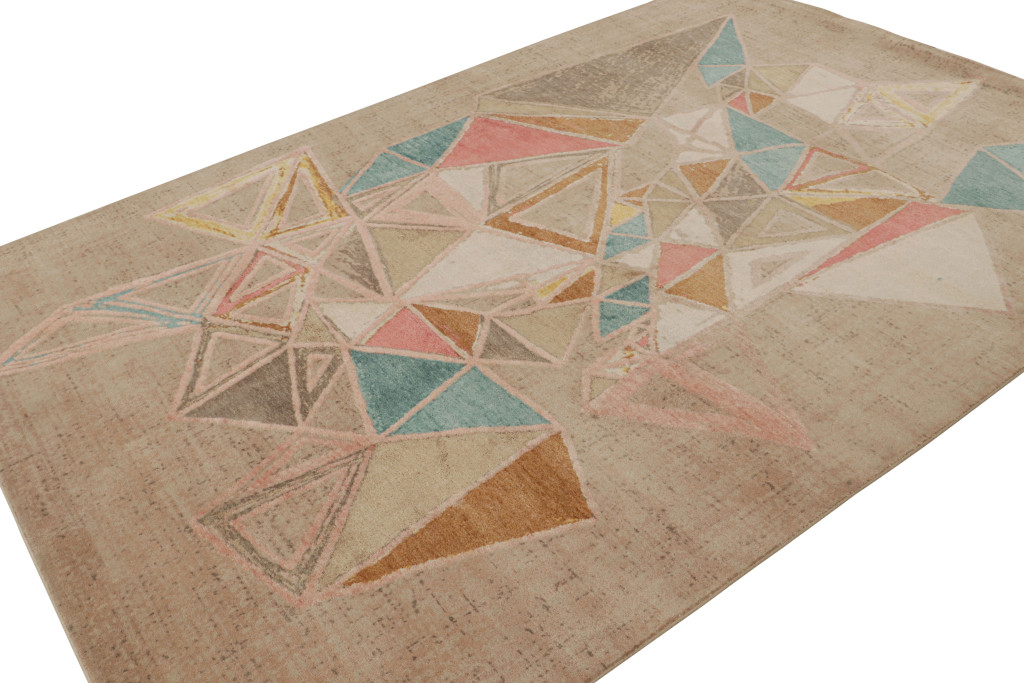 30652Rug & Kilim’s Mid-Century Modern Rug with Multicolor Geometric Patterns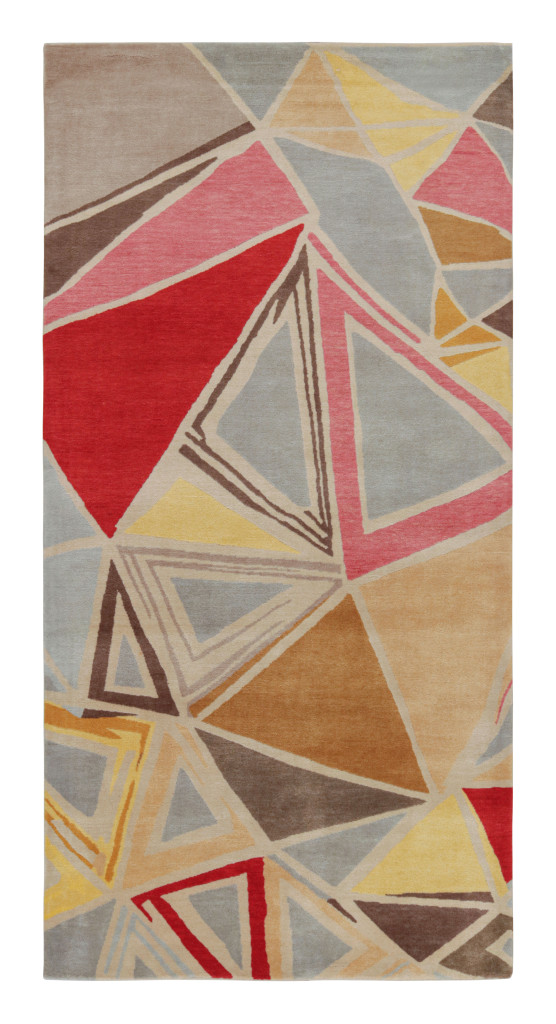
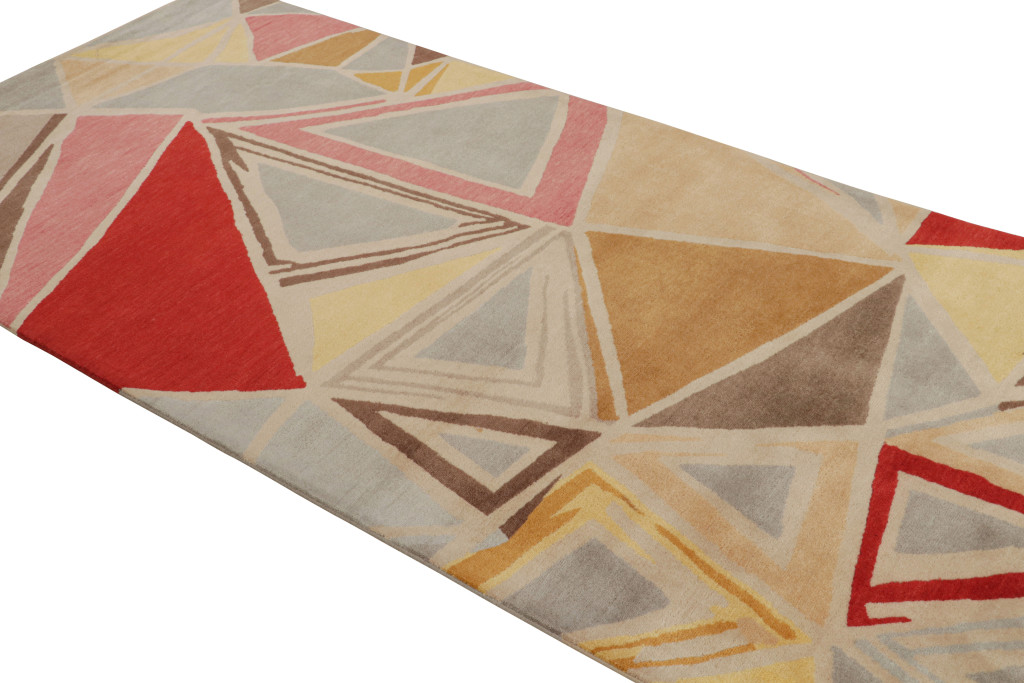 30653Rug & Kilim’s Mid-Century Modern Runner Rug in Geometric Pattern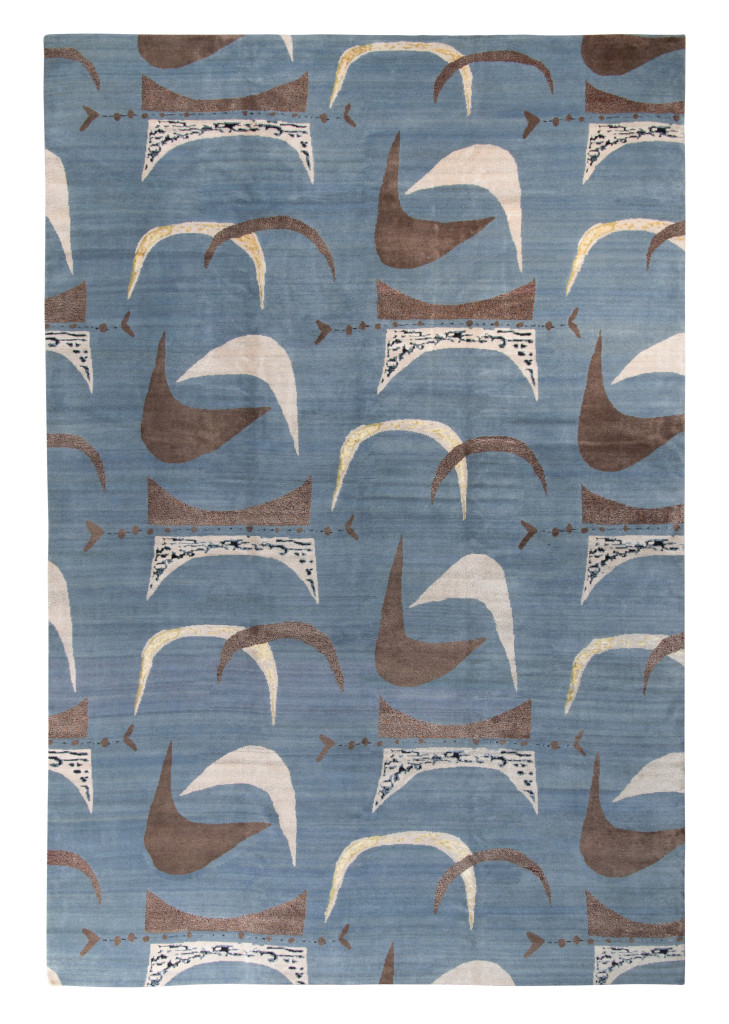
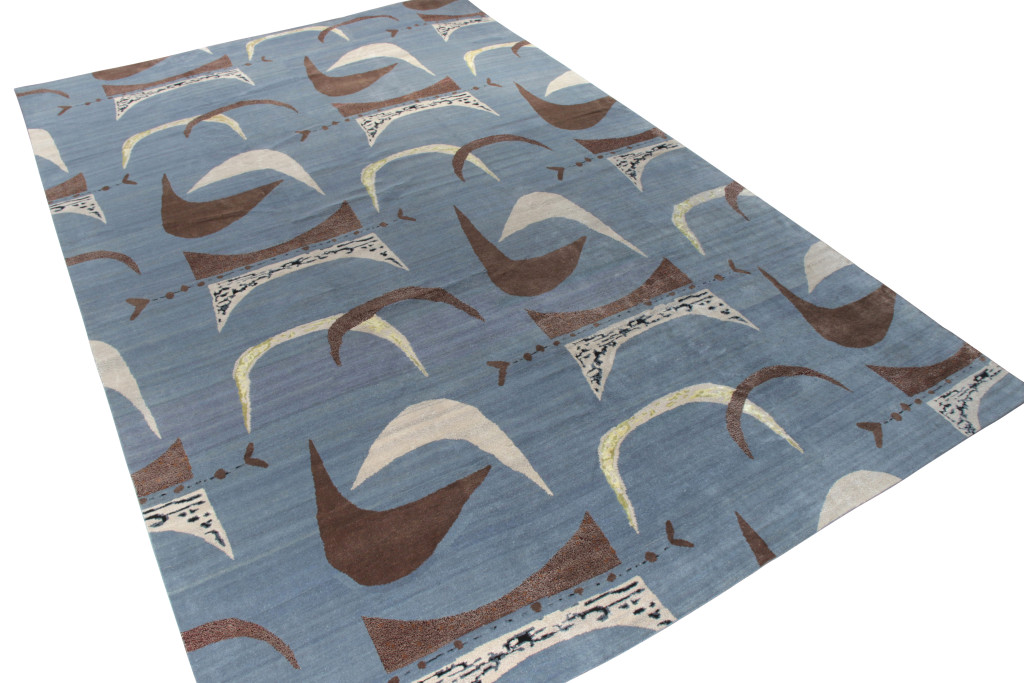 24220Rug & Kilim’s Mid-Century Modern Rug in Blue with Geometric patterns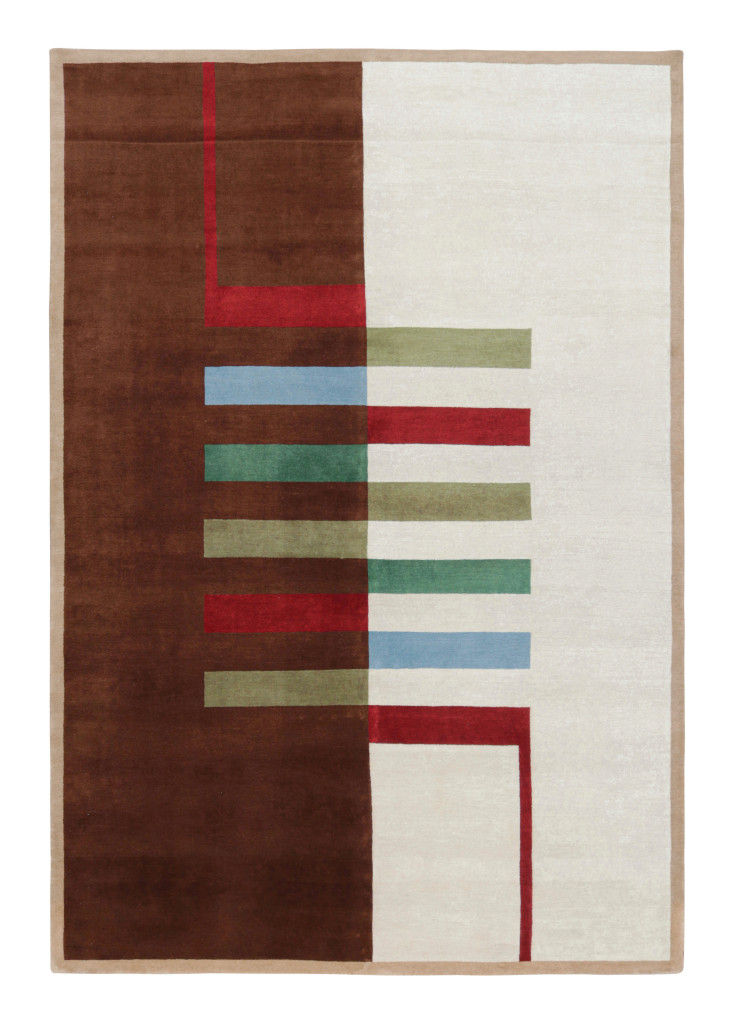
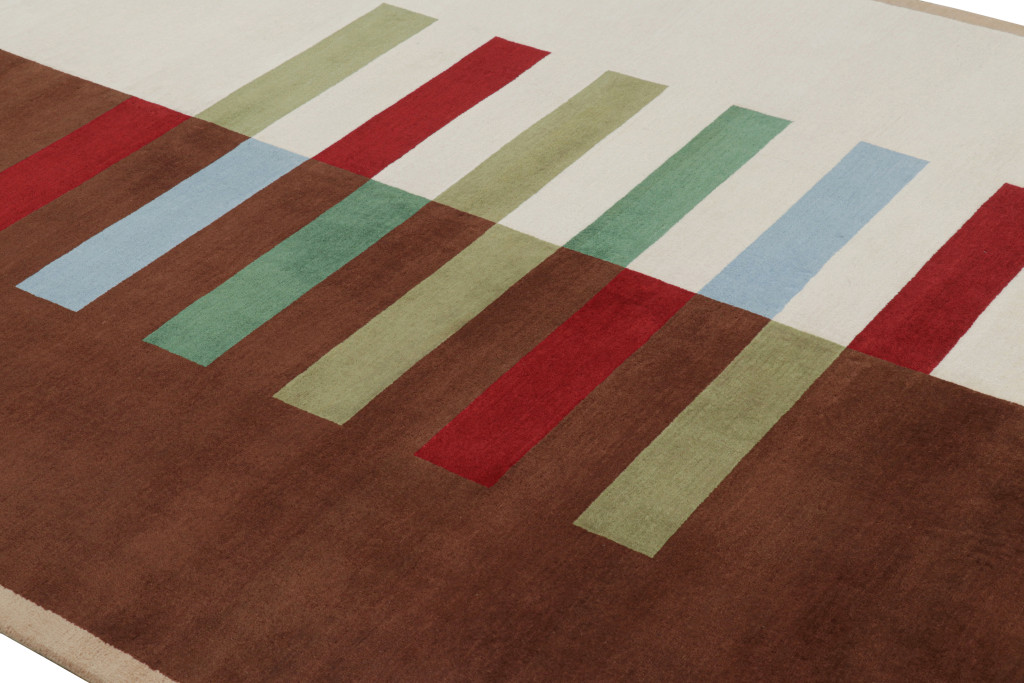 28824Rug & Kilim’s Bauhaus Rug in Brown and White Tones with Geometric Patterns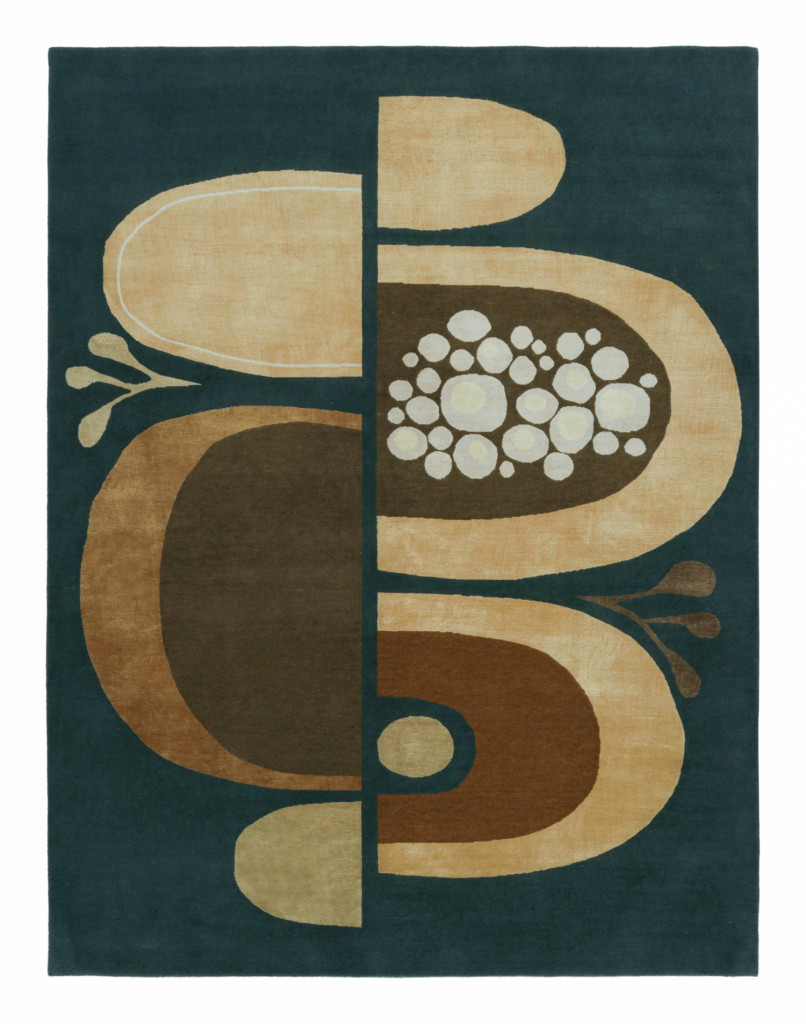
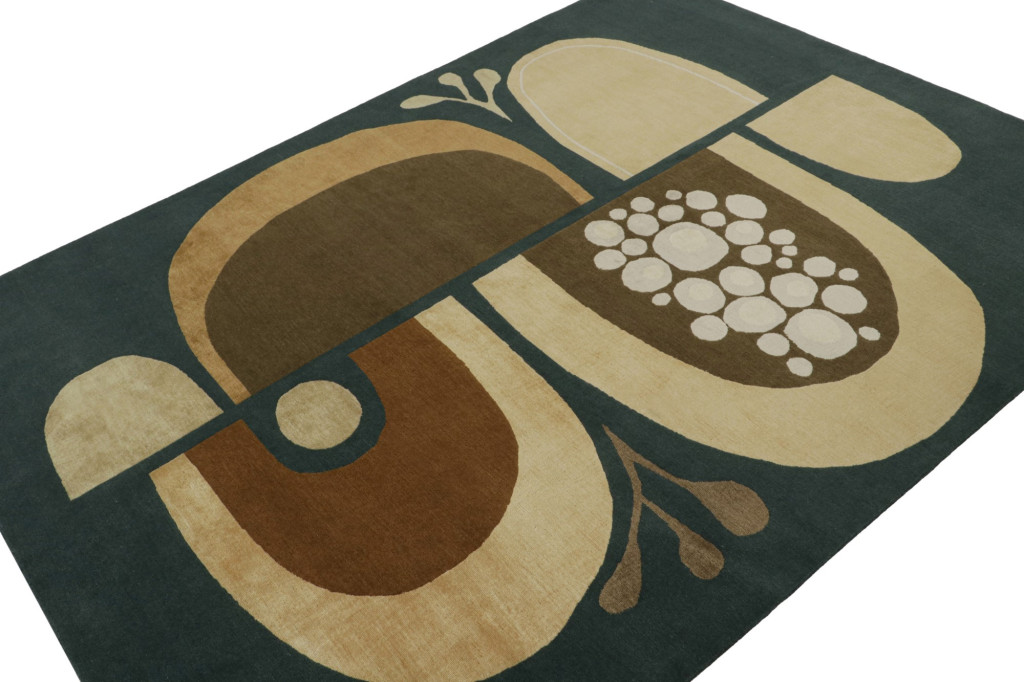 29073Rug & Kilim x Jenn Ski Blue Mid-Century Modern Style Rug with Geometric Patterns
- Out of Stock
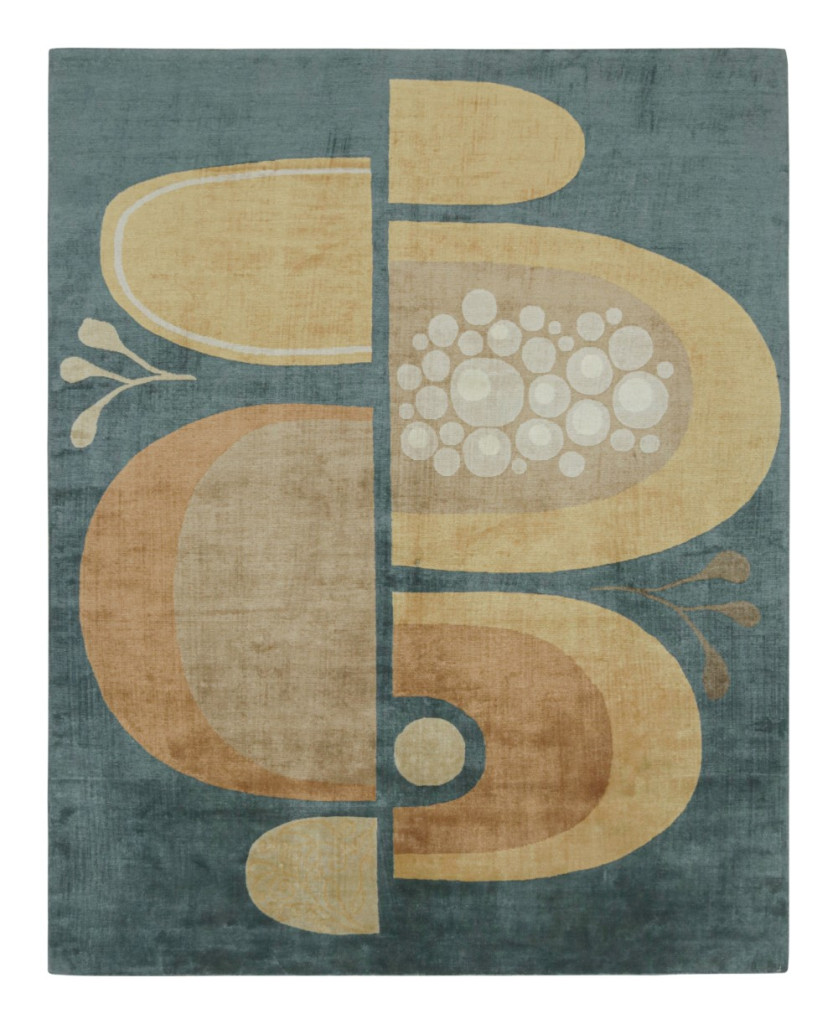
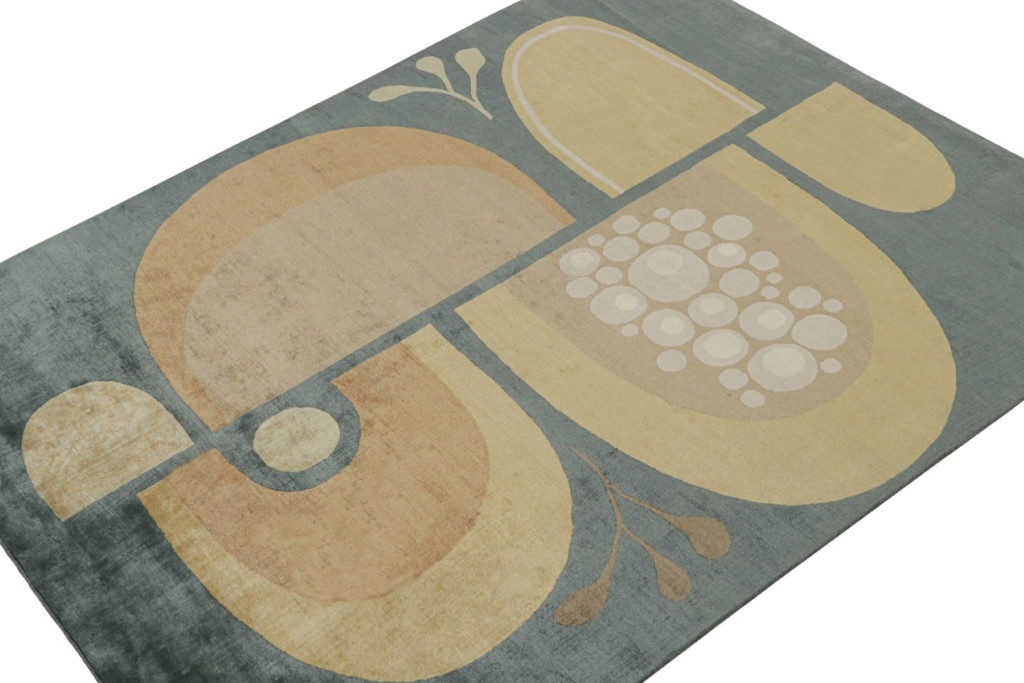 28827Rug & Kilim x Jenn Ski Custom Mid-Century Modern Rug with Geometric Pattern
Stories from the Mid-Century Modern Archive
Essays, artist dialogues, and provenance notes drawn from Rug & Kilim’s editorial desk.
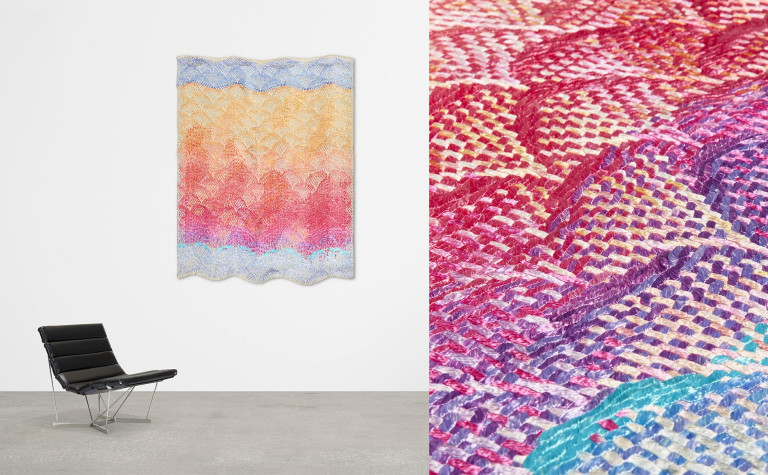
The Layered Home: 5 Ways to Rethink Floor Rugs and Wall Tapestries
The real spatial dimension does not get painted, it gets woven. Begin with hanging a piece such as Signed Vintage Lia Cook Tapestry slightly off-center on one of your main walls. Its intricate Jacquard weave and the friction created between its rayon and linen fibers will require a lot of breathing room, immediately establishing a gravitational pull of the whole room. But to balance this vertical tension, the ground beneath your feet needs to become much more rigorous. With the use of a rigorously beaten warp-faced plane such as cotton Indian Dhurrie or Antique Swedish Röllakan's interlocking tapestry weave, you create a flat but structurally resistant base. A ground made from a rigidly woven material needs to be challenged. The last textural transition will come from placing a Vintage Frazada Kilim with heavy weft interlace across your warp-faced plane. The act of overlapping your heavy weft on a rigorously
Read the Feature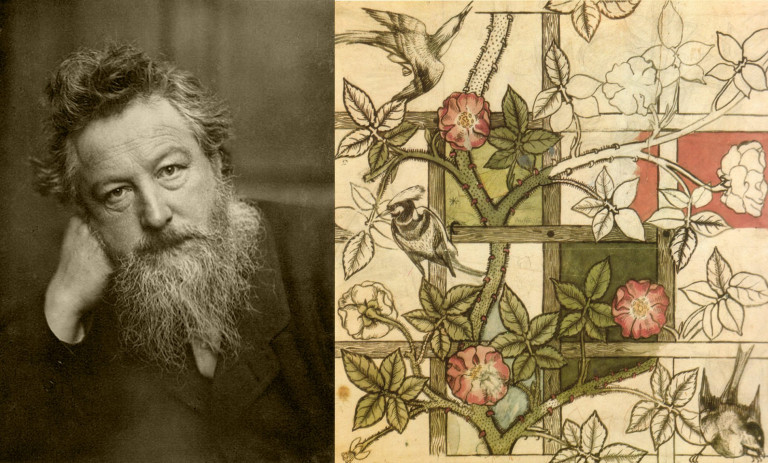
What William Morris, Paul Poiret, and the Bauhaus Each Understood About the Rug and What French Art Deco Proved
In the winter of 1883, William Morris stood before a room full of wool merchants, manufacturers, and assorted Victorian worthies in a lecture hall in Birmingham and said something that no one in that room was prepared to hear. The decorative arts, he told them, were not decorative at all. They were the most serious form of human making and their degradation under industrial production was not an aesthetic problem but a civilizational one. He had brought, as he often did, an Oriental carpet to make his point. Then he said, in effect: this is what we have lost the capacity to make, and until we recover it, we have no business calling ourselves a culture.
Read the Feature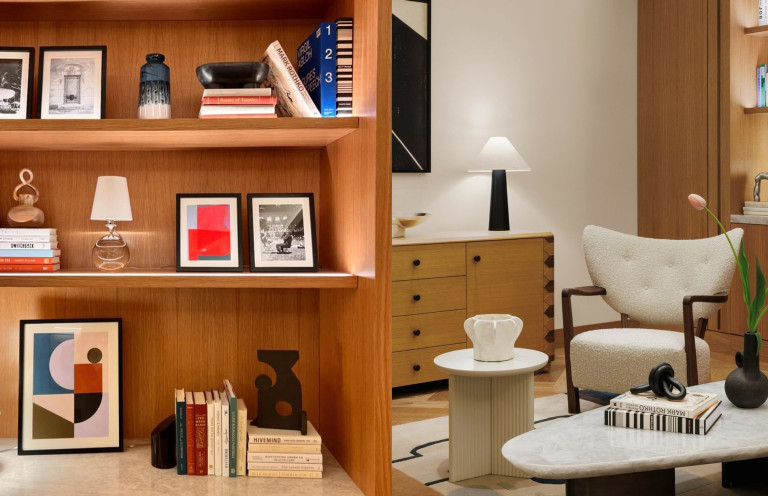
How Mid-Century Textile Artists Rewrote the Language of Art and Space Globally: A Lineage of Design Today
There is a particular kind of interior; rare, deliberate, and intellectually composed, where a rug does not decorate, but makes it art in itself. A residence overlooking Central Park, where glass and steel are softened not by excess, but by a singular woven field. A discreet apartment in Mayfair, where a tapestry holds the wall with the authority of painting. A villa in Cap Ferrat, where modernist furniture and mid-century textiles coexist with the quiet confidence of shared lineage. These are styled interiors. And at the center of many such spaces lies a quiet revolution that began in the mid-20th century, when textile artists stepped out of the decorative margins and into the intellectual core of modernism.
Read the Feature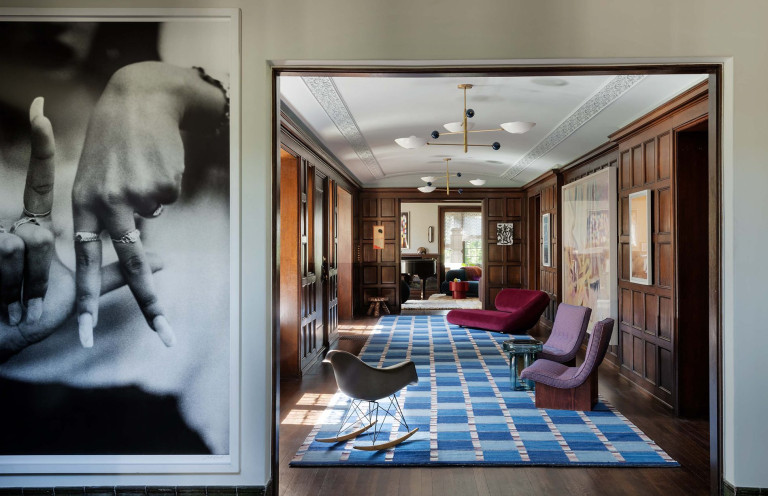
A Rug & Kilim’s Guide to Rug Patterns in Interior Design: A Study of Persian, European, Scandinavian, Art Deco and Modern Styles
There are rooms - rare, disciplined rooms, where nothing is accidental. A salon overlooking Lake Como, where a 19th-century Aubusson anchors parquet floors beneath frescoed ceilings. A Manhattan interior shaped by the restraint of Peter Marino, where a Scandinavian flatweave holds its ground against glass, steel, and silence. A private riad in Marrakech, where tribal geometry converses effortlessly with shadow, plaster, and time. In such spaces, pattern is not simply chosen. To understand pattern at this level is to move beyond decoration into discipline. Great decorators and architects like Jacques-Émile Ruhlmann, Le Corbusier, and Gio Ponti never treated surfaces as passive. Floors, like walls and ceilings, were compositional fields governed by proportion, rhythm, and intellectual clarity.
Read the Feature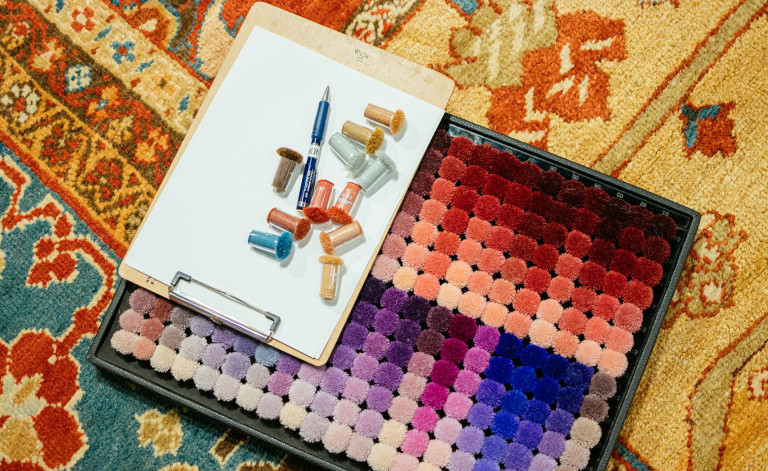
Color, Craft, and the New Language of Joyful Luxury in Rug & Textile Design: The Dopamine Décor Trend
As “dopamine décor” sweeps across contemporary interiors, color is no longer merely an accent — it is a strategy, a psychology, and a revival of age-old textile traditions. From Anatolian kilims to Bauhaus tapestries and modern hand-woven artworks, color has always carried emotional intelligence. Today, as designers embrace vibrant palettes with renewed literacy, Rug & Kilim reflects on the historical, artisanal, and cultural roots of this chromatic renaissance. Dopamine décor simply reminds us why humans have always woven joy into cloth. The Global Rise of Dopamine Décor—And Why It Matters to the Textile World Dopamine décor, the design philosophy centered on colour-driven emotional uplift, has dominated recent discussions in luxury interiors. Unlike fleeting microtrends, its foundation lies in behavioural psychology: the understanding that saturated hues and expressive materials can elevate a room, energize mood, and create a sense of personal freedom.
Read the Feature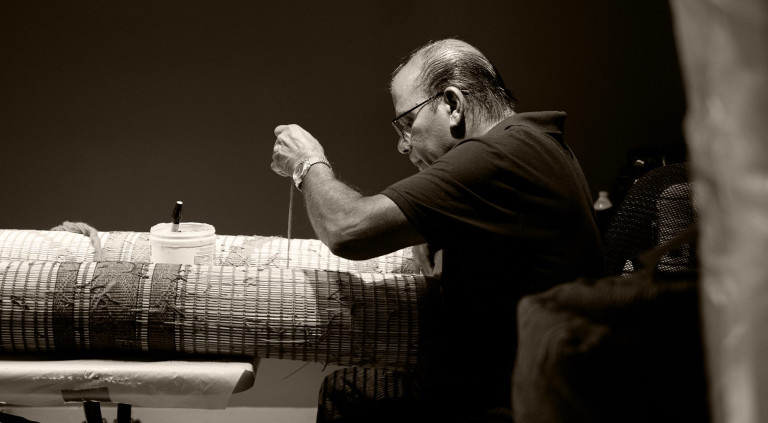
Rug & Kilim and the Making of New York’s Modern Textile Language
In every generation of art, there emerges an atelier not merely producing objects, but shaping the very language of its discipline. In New York—where painting found its Abstract Expressionists, fashion found its cutting-edge minimalists, and architecture found its postmodern provocateurs—textiles, too, found such an atelier. For over four decades, Rug & Kilim has served as the intellectual, cultural, and artistic nucleus of a movement now rightly recognized as Urban Craft Modernism. This is not a revival of an old-school weaving tradition. This is the emergence of a New York School of Weaving—a philosophy, a practice, a collective of minds—and Rug & Kilim stands at its center.
Read the Feature