
Anne Marie Hoke and her Rug and Tapestry Design Inspirations from Biblical Texts
March 26, 2024
An Overview of Traditional Scandinavian Folk Art
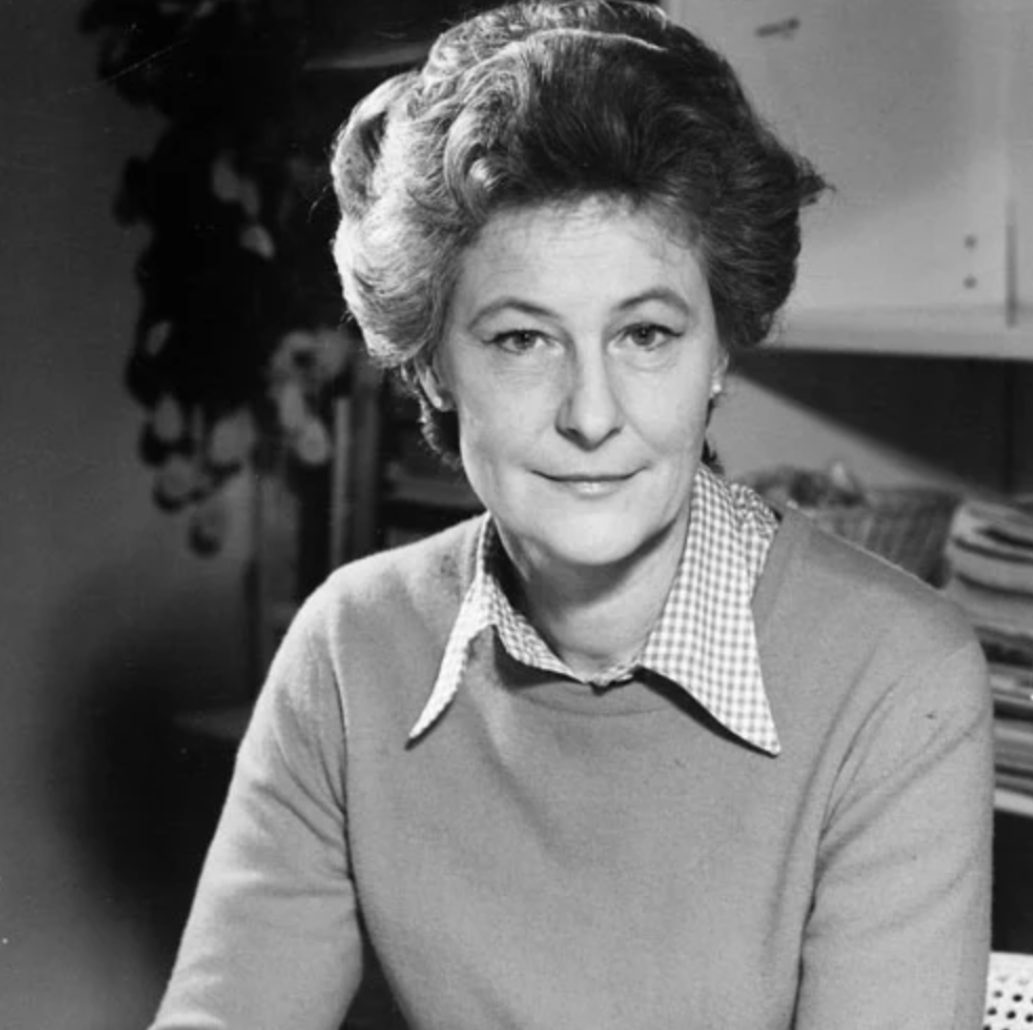
March 27, 2024Ingrid Dessau emerged as a pioneering figure in Sweden’s modern textile and design history, renowned for her distinctive perspective and exceptional talent. Deeply rooted in the southern Swedish folk crafts tradition, she delved into the study of textiles, ultimately carving a niche as a designer, contributing innovative patterns to rugs, fabrics, and embroideries. Ingrid was not merely a creator but also an innovator, always open to fresh ideas.
Kasthall
Born in 1923 in Svalöv, Ingrid Dessau left an indelible mark on Swedish design, revolutionizing Scandinavian aesthetics with her innovative ideas and impeccable taste. Her formal training commenced at the renowned Tekniska skolan in Stockholm, now known as Konstfack, when she was just 17. Early in her career, Dessau played a pivotal role in her local Hemslöjden craft center, designing numerous carpets, decorative pieces, and documenting the history of Swedish textiles through watercolor paintings. In 1953, Ingrid Dessau made a significant debut during a joint exhibition with Signe Persson-Melin at Galerie Moderne in Stockholm.
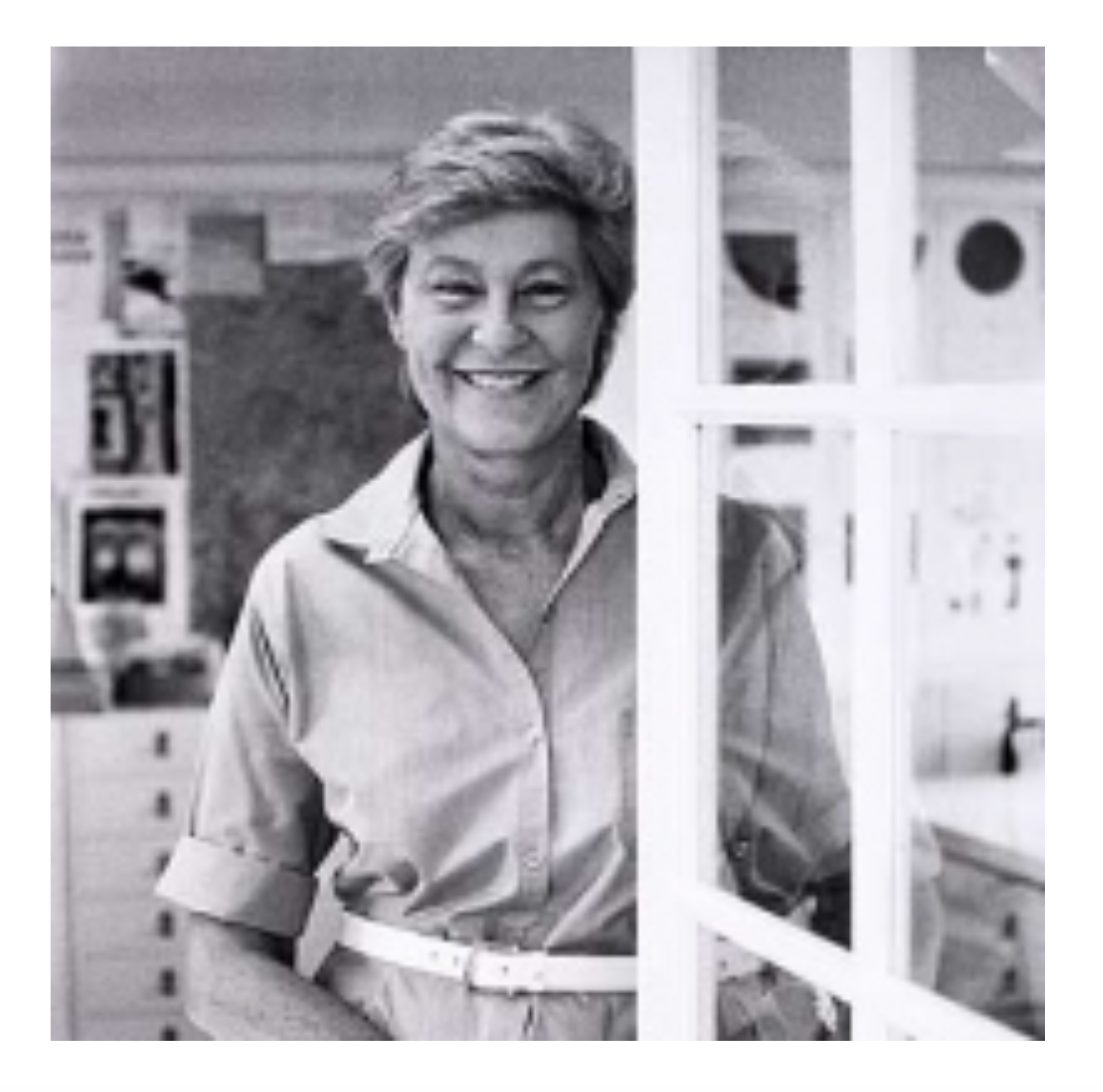
Her transformative experiences during a trip to New York and Mexico five years earlier profoundly influenced her style, laying a solid foundation for her later career. Between 1945 and 1986, Dessau freelanced for notable entities such as Kristianstad Läns Hemslöjd, Kasthall, Kinnasand, and Hitex. Later, she continued her work as a freelancer, relishing her creative freedom. Her notable commissions included projects for the Swedish parliament, but it was her designs for the table linens commemorating the 90th anniversary of the Nobel Prize ceremony that garnered widespread acclaim.
Kalmar konstmuseum
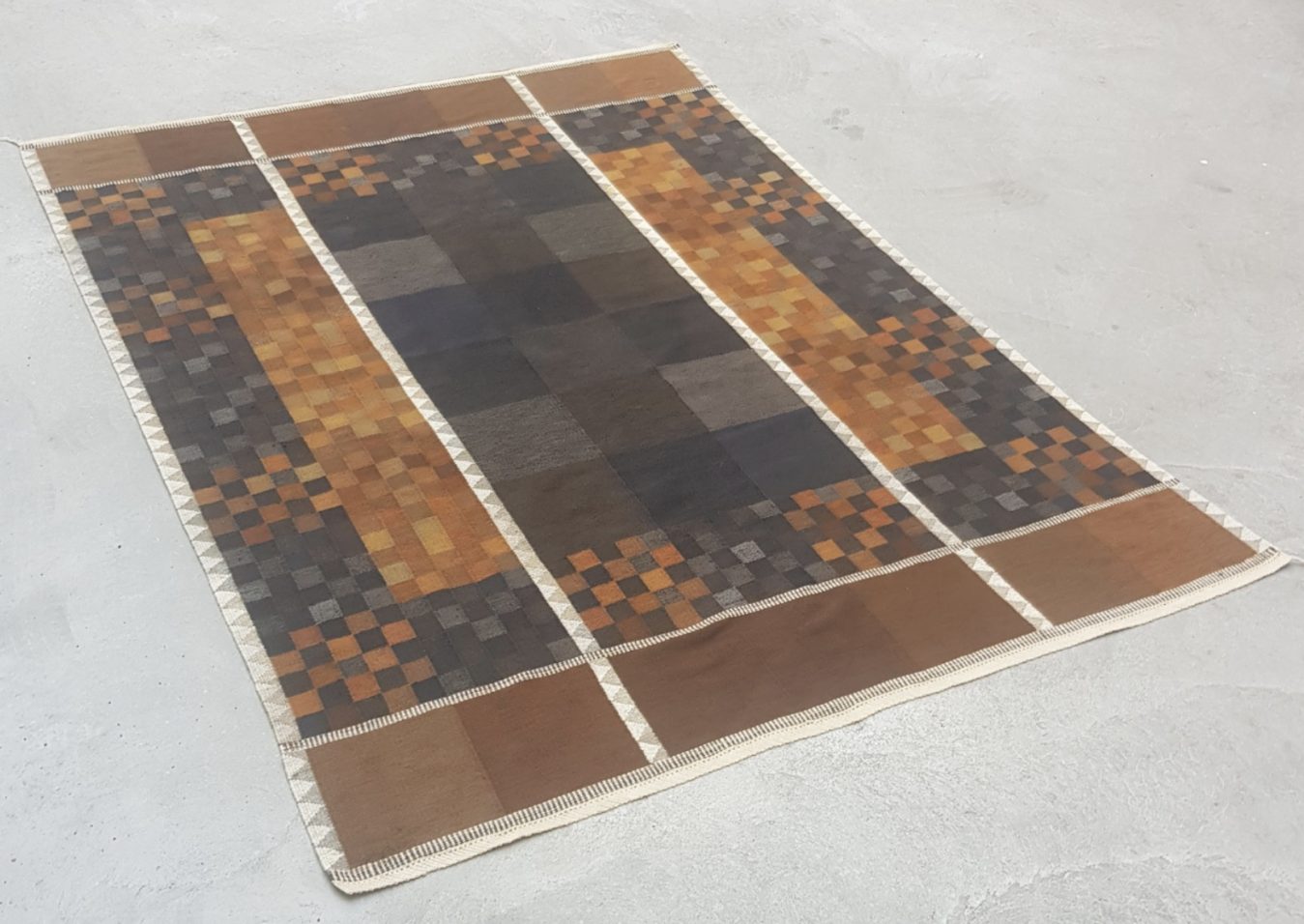
Ingrid Dessau, for Kristianstad läns hemslöjd, Flat-weave rölakan rug, probably called “Ruta Blå och Brun,” ca 1962, 305 x 215 cm, signed KLH ID.
Ingrid Dessau gained international recognition for her abstract-inspired designs, blending tradition with modern influences and methods. Her signature “ID.” adorns one of the world’s best-selling carpets. She passed away in 2000, leaving behind a substantial legacy. In 2008, the Design Archive and the Textile Museum of Borås organized an exhibition to posthumously commemorate her works. To this day, the Design Archive preserves an extensive collection of Dessau’s textiles and sketches, ensuring that her genius and remarkable Swedish rugs endure in memory.
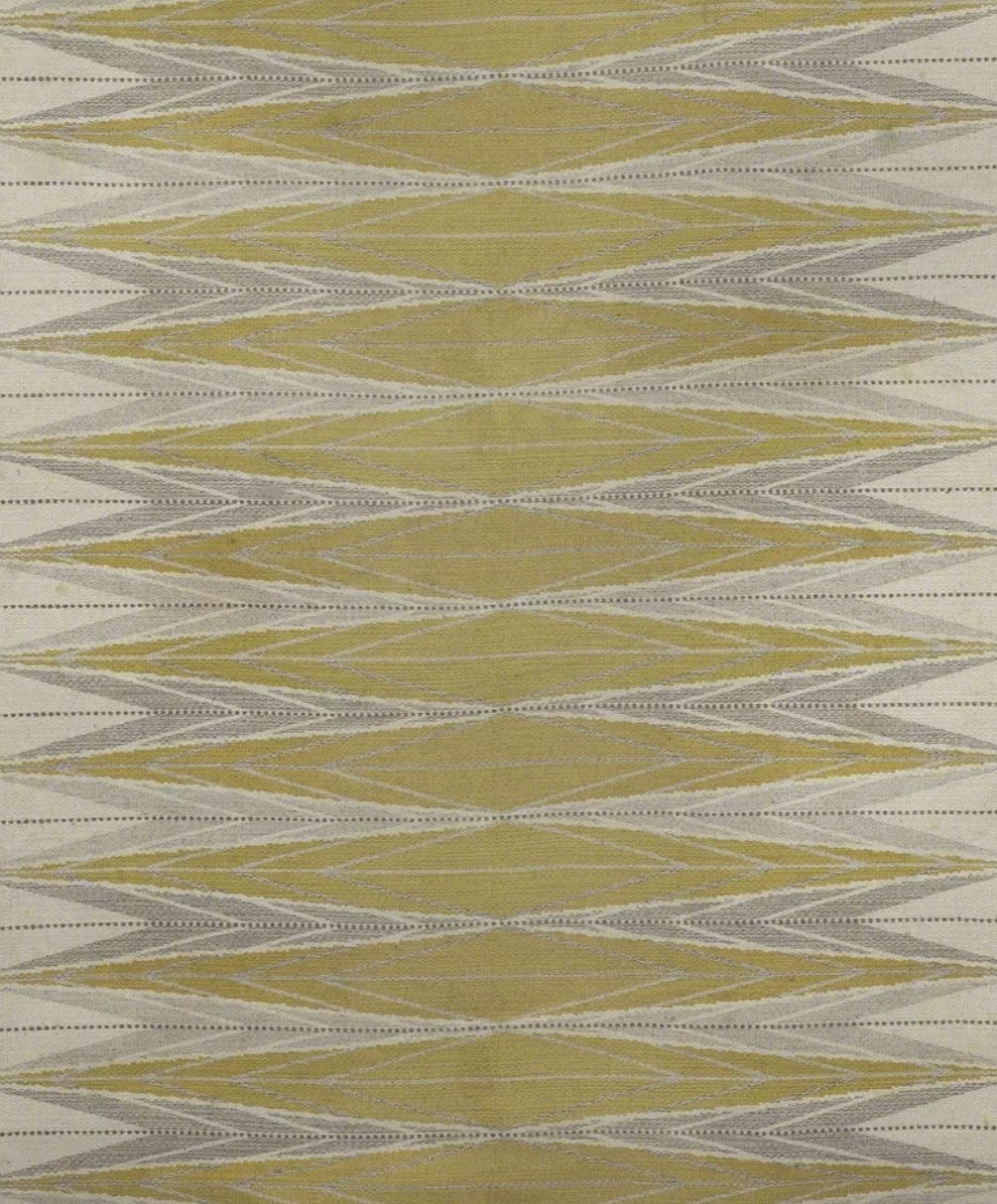
1stDibs
Here are some of her acclaimed sketches drawn for Kristianstad läns hemslöjd dated 1961 and 1962.
The first sketch captures the essence of a striking rug named Blue Boxes or Blue Checks (Blå Rutor), spanning almost 4 meters by 1.5 meters. The predominant color scheme consists of blue and dark brown checks in various shades, with two horizontal bands of blue and cream checks defining the rug’s center. In a characteristic touch, Ingrid Dessau incorporates small vertical stripes of triangles on a light-colored ground, showcasing her distinctive design elements.
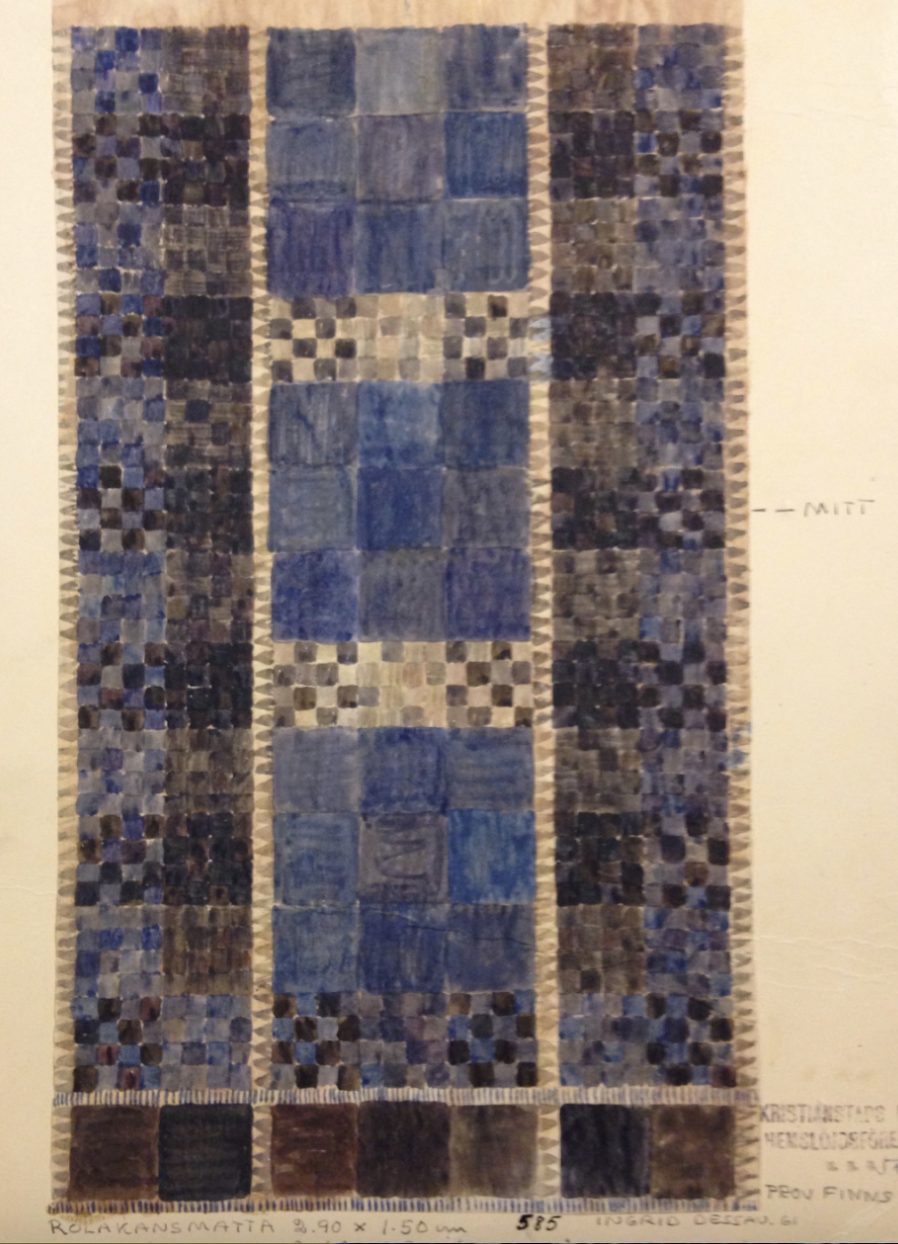
Watercolor sketch for flat-weave, rölakan rug called ”Blå Rutor,” 390 x 150 cm, signed and dated 61. Archive identification number: KLH. D3:585.
The second sketch outlines a captivating red and gray-black rug, slightly shorter but with a closely similar format. In this iteration, the horizontal light-colored bands have been omitted. The midpoint of the rug is characterized by a horizontal band featuring the same red and black checks found in the outer border. Vertical stripes adorned with pale gray/gray-blue triangles against a light background reappear in this design. Crossing these are horizontal bands featuring red and white “tveskott,” the simple pattern of tiny vertically-woven stripes. The sketch showcases Ingrid Dessau’s adept use of color and pattern to create visually engaging compositions.
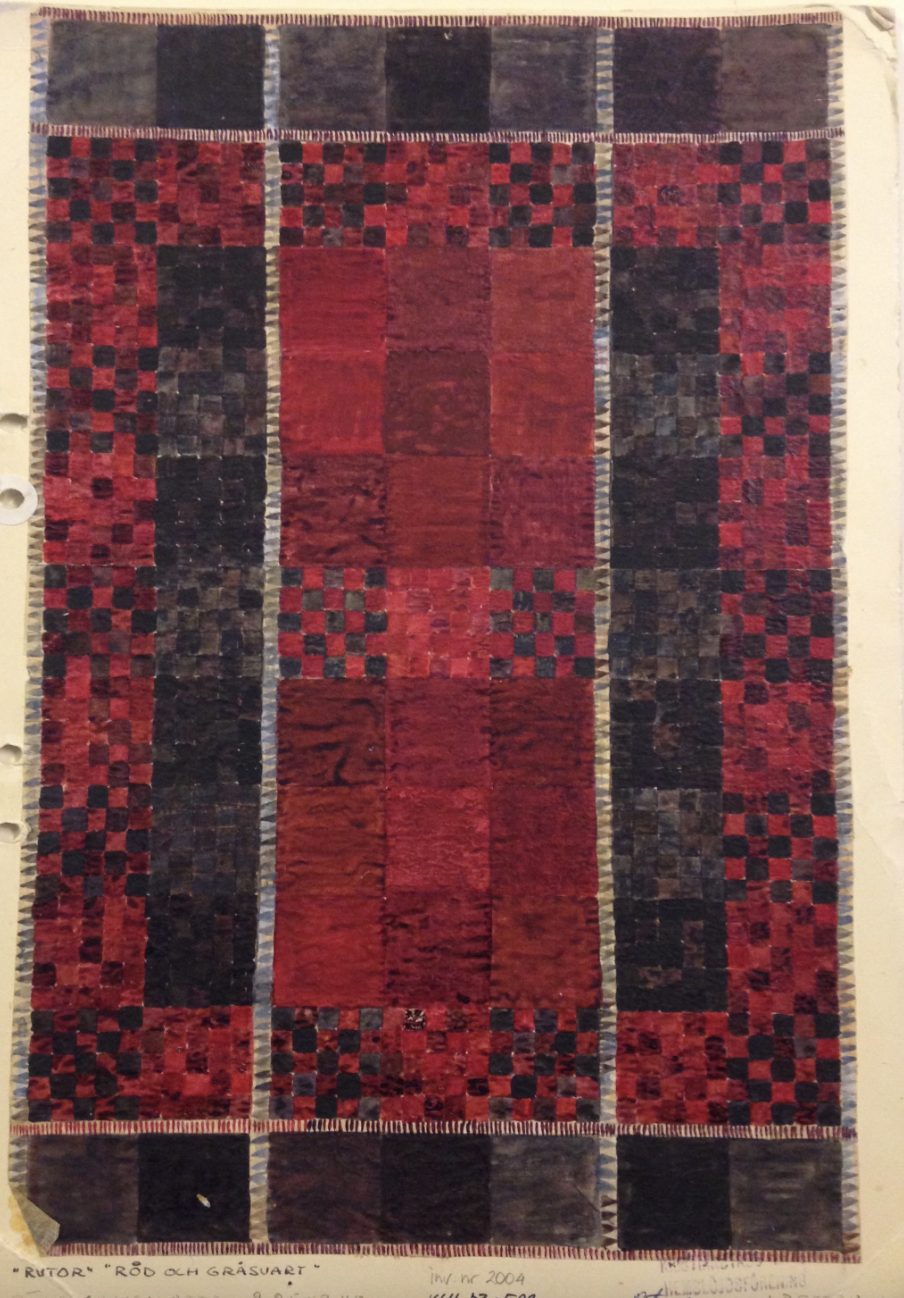
Watercolor sketch for flat-weave, rölakan rug called “Rutor Röd och Gråsvart”, 340 x 225 cm, signed and dated I Dessau 61. Archive identification number: KLH.D3:592
The final sketch in this series, dating back to 1962, presents a sophisticated black and caramel-colored rug. The layout closely resembles the previously mentioned red rug, featuring a horizontal band of black and brown at the midpoint. Ingrid Dessau’s design prowess is evident in her ability to experiment with color combinations and patterns while maintaining a consistent and visually appealing format across different rug designs.
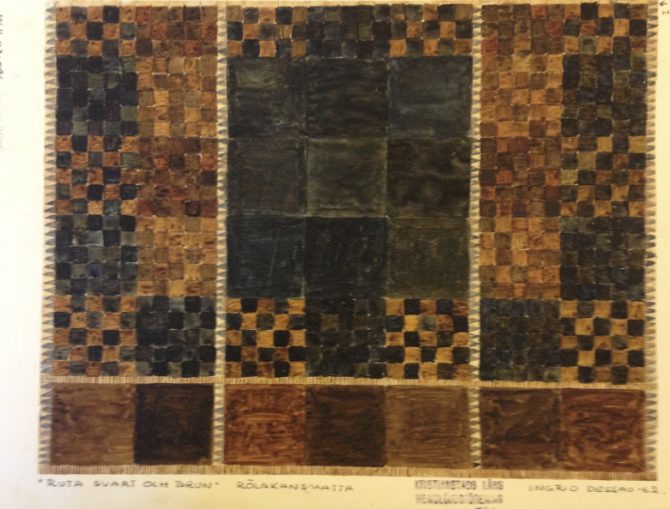
Watercolor sketch for flat-weave, rölakan rug called “Ruta Svart och Brun”, signed and dated Ingrid Dessau 62, no size indicated. Archive identification number: KLH.D3:596
Read more about Ingrid Dessau and some other major designers behind the Swedish rug movement here – https://rugandkilim.com/the-many-hands-behind-scandinavian-rugs/
View some of Rug & Kilim’s Scandinavian rugs and kilims as inspired by Dessau’s design sensibilities here –