

Ingrid Dessau and Her Modern Swedish Textile Designs
March 27, 2024
Scandinavian Folk Art Interpretations and Eva Nemeth as the ‘Bird Woman’ of Swedish Design
March 27, 2024
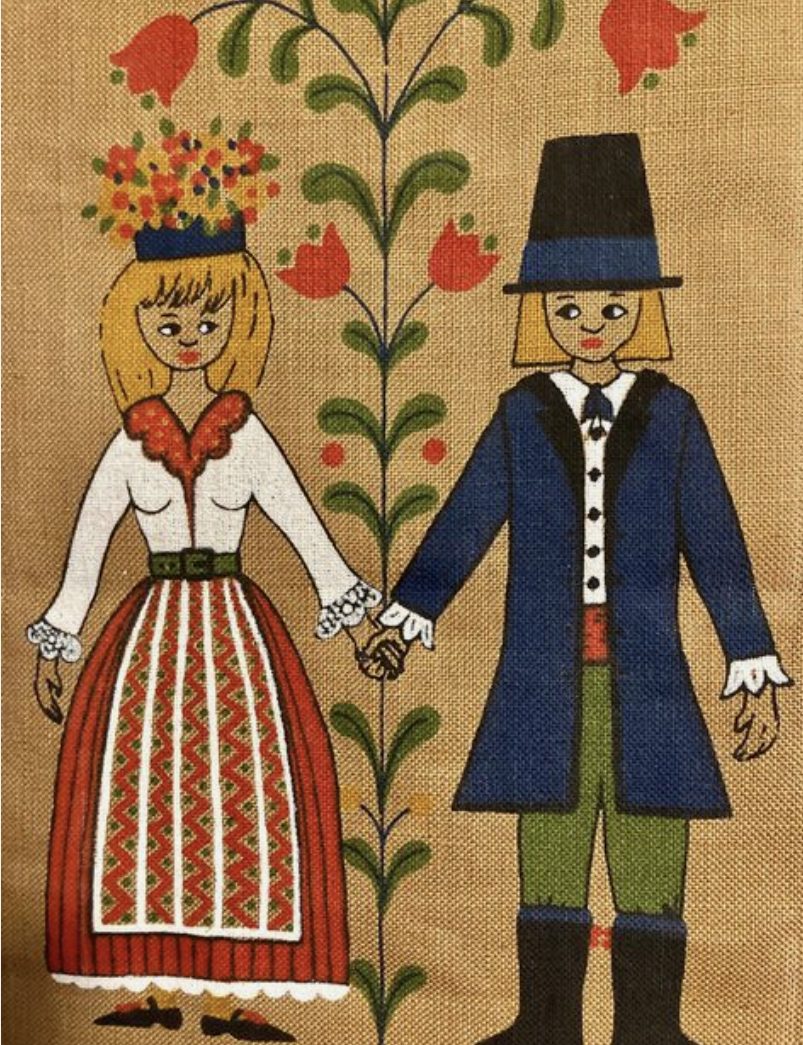
Folk art has long been established as a reliable medium to gain insights in a country’s local culture and traditions. Scandinavian folk art has been historically drawn from nature, Swedish folklore, and biblical narrative, and has been built on the surmise of sustainability, by prioritizing recycled materials and saving resources to create art. Scandinavia is rich with folk art traditions, with each region with its own heritage and native folk art variations. Forms of expression of Swedish folk art includes but is not limited to decorative paintings, woodcraft, textile art, metalworks, papercutting, pottery, ceramics, folk costumes and instruments.
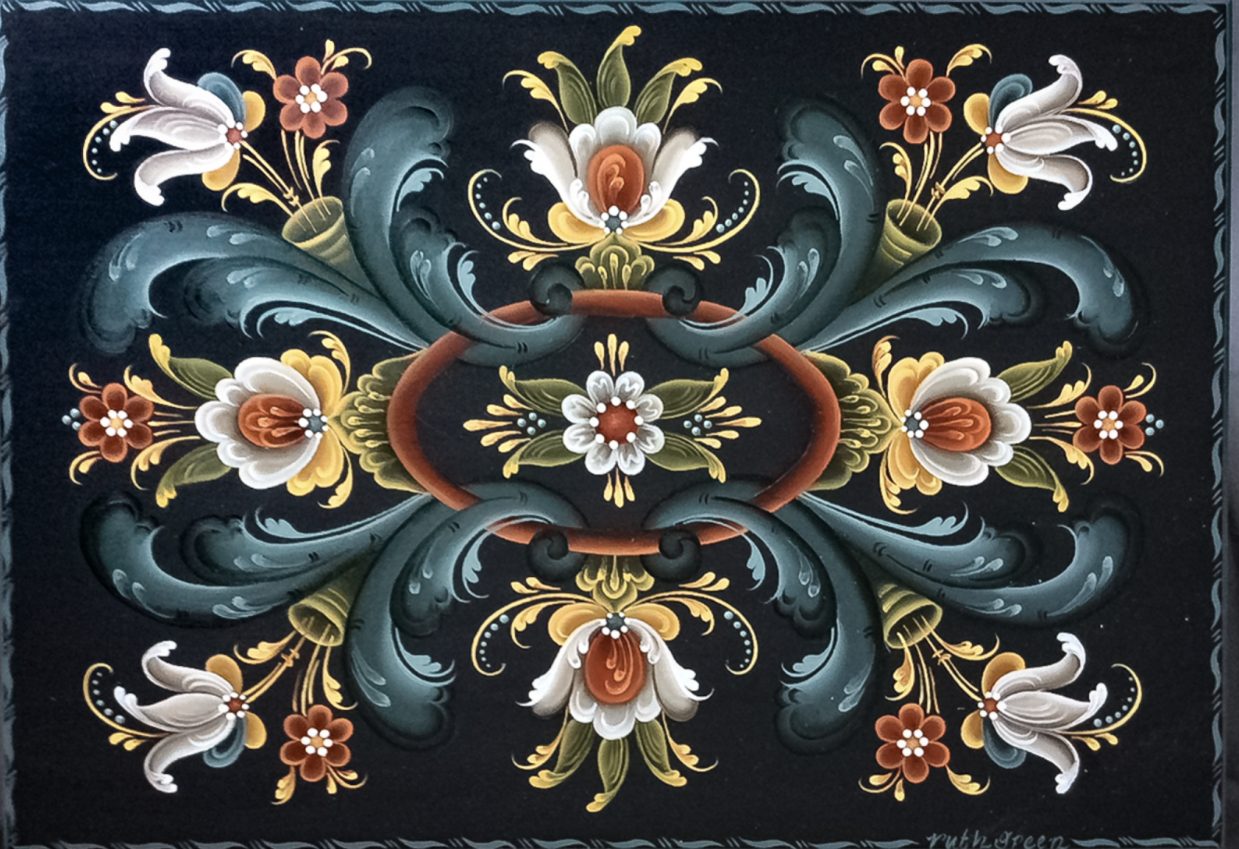
Rosemaling is a Norwegian folk painting style originating around 1750 in Eastern Norway. It drew inspiration from upper-class artistic trends like Baroque, Regency and Rococo. This art features stylized flowers and scrolls, using blended colors on plain backgrounds. Traditional pigments were sourced locally, like rust red from natural iron oxide. Brushes were crafted from squirrel tail hairs or cow ears.
Skrimshander is a Danish folk art that involves the intricate carving of bone or ivory objects. While often linked with maritime themes, it encompasses a range of motifs from Scandinavian folk art.
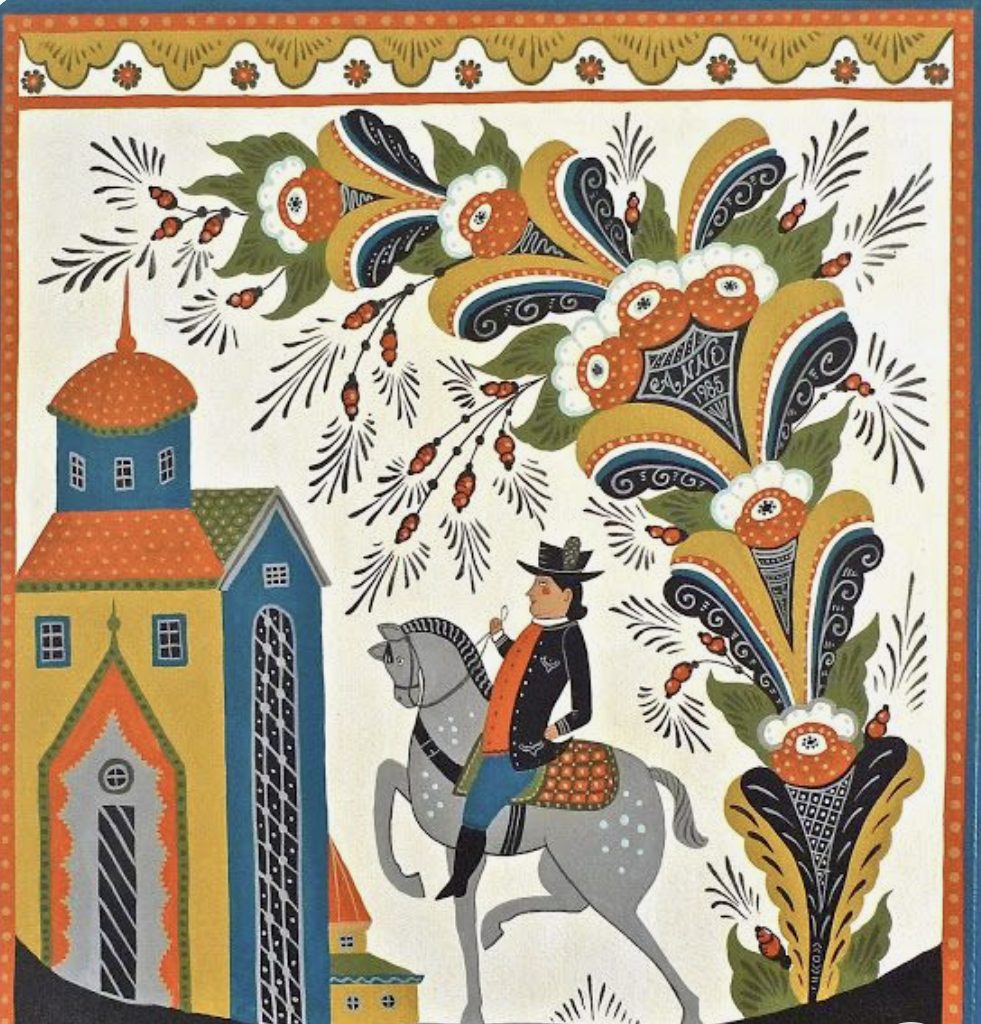
Swedish Dalmålning, or Swedish Dala painting, emerged in the 18th century in the Dalarna region of Sweden and has since become the quintessential national folk art style. This tradition involved Swedish peasants adorning walls and cupboards with vibrant colors, intricate geometric patterns, and emblematic motifs such as the beloved Dala horses.
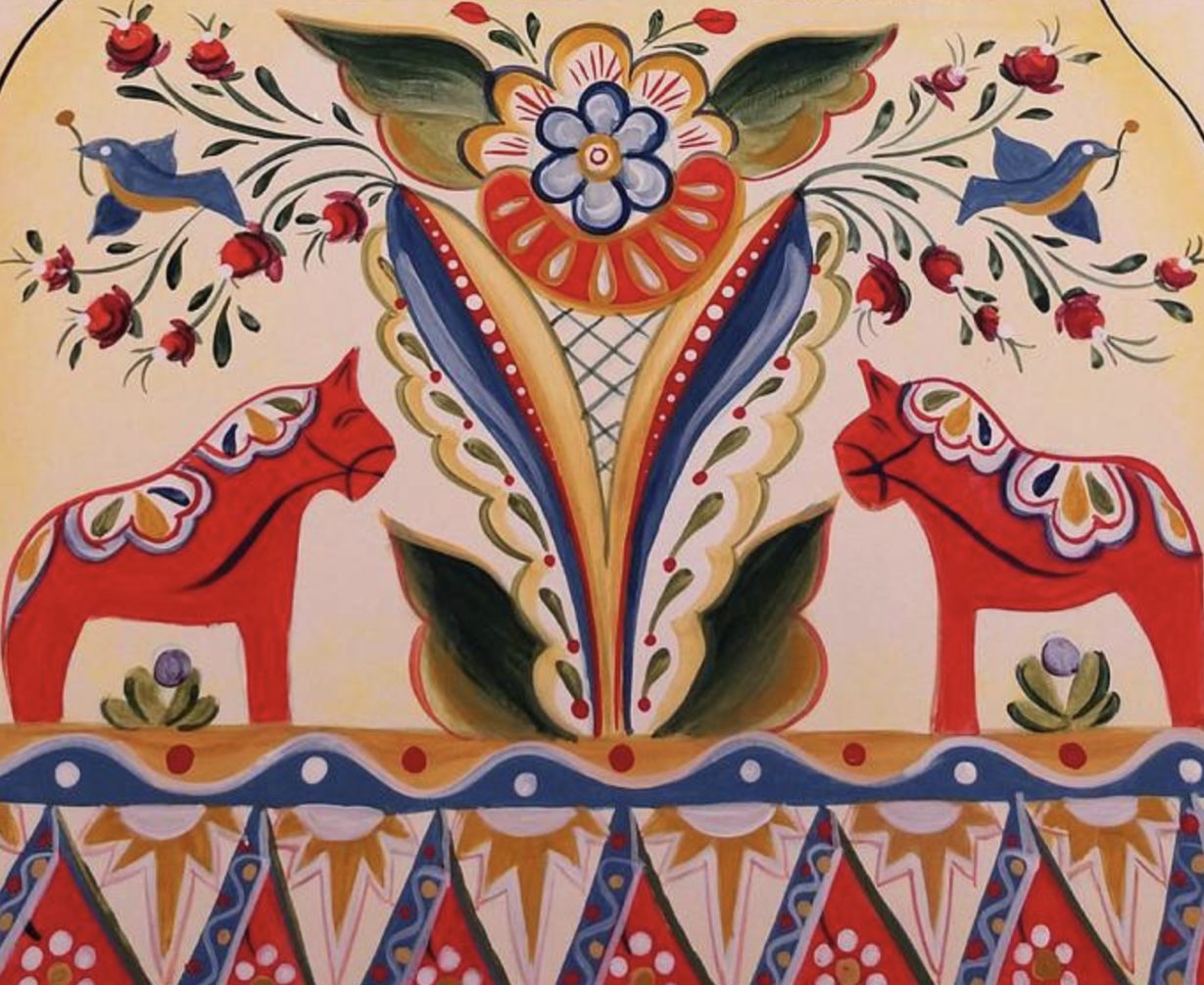
Aleklippa, a Swedish folk art, refers to the delicate art of decorative paper cuttings prominent in Scandinavian and Swedish folk traditions. These intricate designs are meticulously crafted by cutting patterns into paper or thin materials.
Puukko, a Finnish folk art, denotes the traditional Finnish knife, often adorned with intricate carved patterns and symbols. The craft of embellishing puukko knives is a cherished aspect of Finnish folk art.
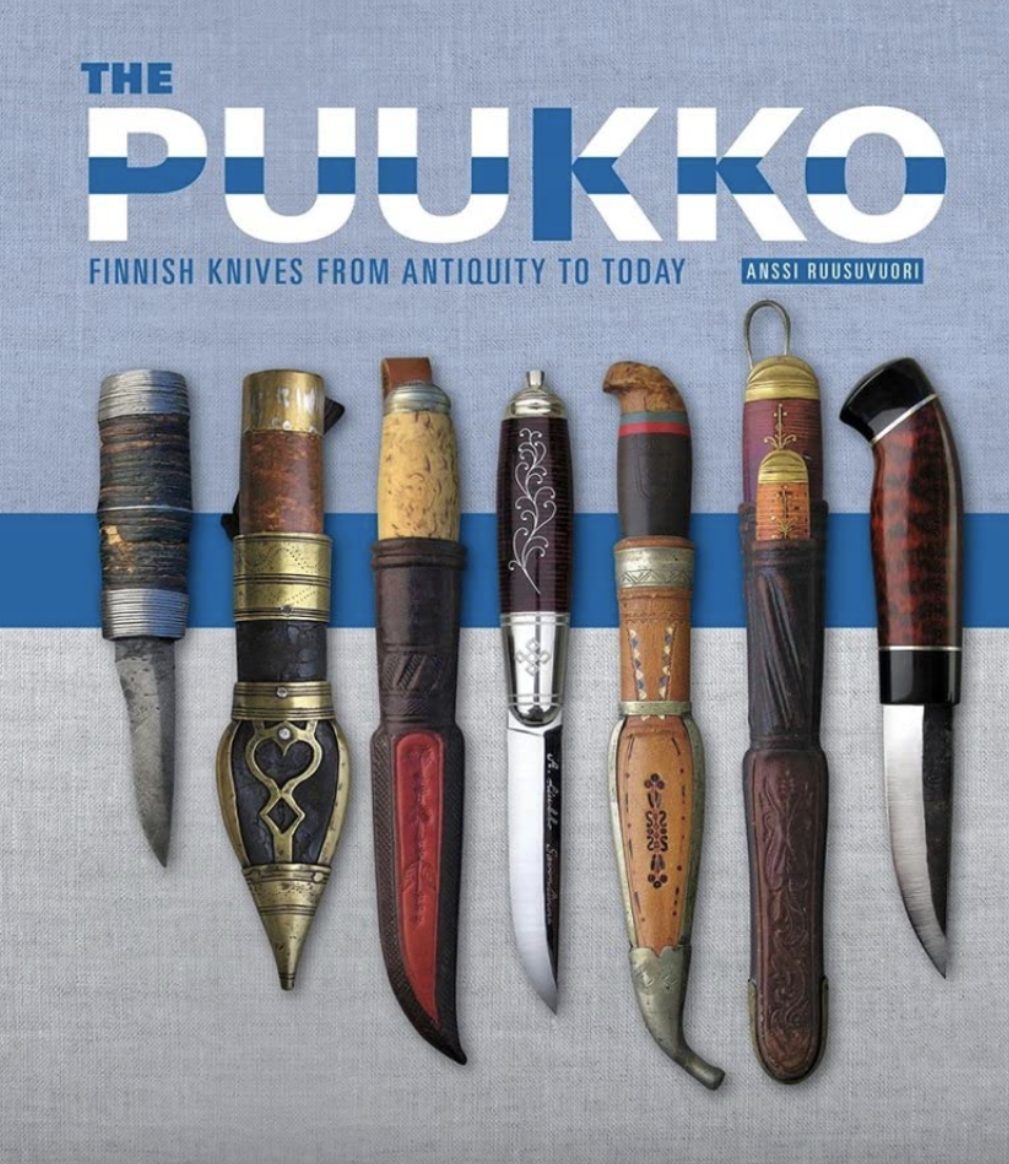
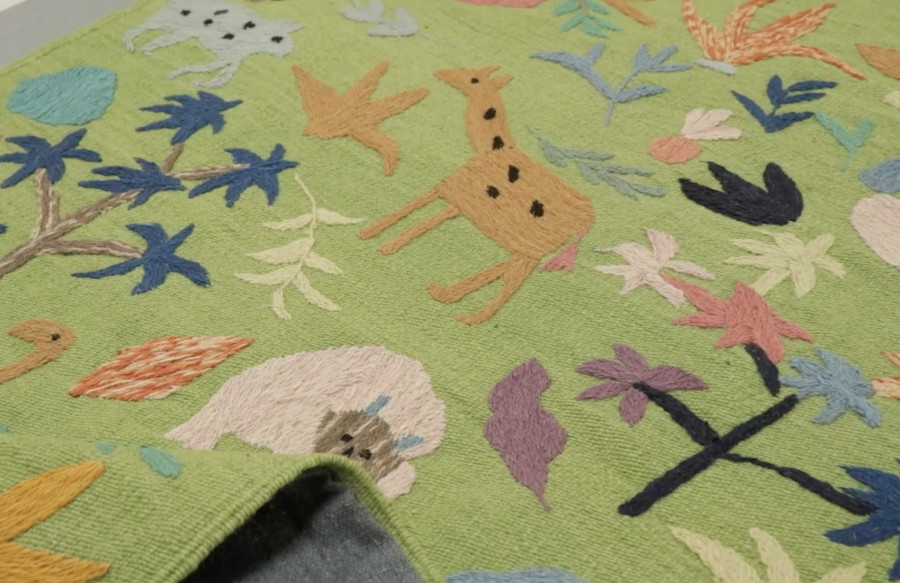
Folk art in Scandinavia traces back to the Viking era when these seafarers also created intricate art. Vikings cherished their ships, often adorning them with interwoven animal and mythical beast designs. Despite the spread of Christian motifs, Scandinavians retained their indigenous art. Notably, the Stave Church in Urnes, Norway, showcases this fusion. As Scandinavia shifted towards agriculture and industry, folk art evolved to feature peaceful symbols like flowers, birds, and human figures, rooted in local legends and stories. This enduring style, known for its beauty and simplicity, remains popular today. This artistry also finds expression in carpets and rugs, often featuring repeated geometric shapes alongside occasional depictions of flowers and animals.
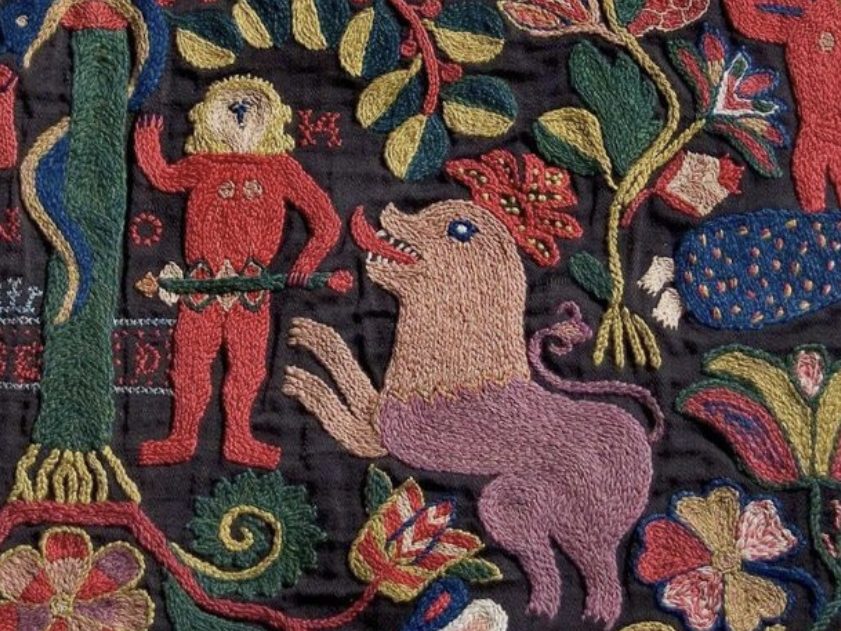
The Nordic Museum is focused on Swedish folk art spanning from approximately 1520 to the present day. It was established in the late 19th century by Artur Hazelius, who also established the open-air museum Skansen. For a considerable period, Skansen was an integral part of the museum until both institutions gained independence from each other in 1963. Presently, the Nordic Museum houses an extensive collection exceeding 1.5 million artifacts, thereby earning its distinction as the preeminent repository of cultural history within Sweden.
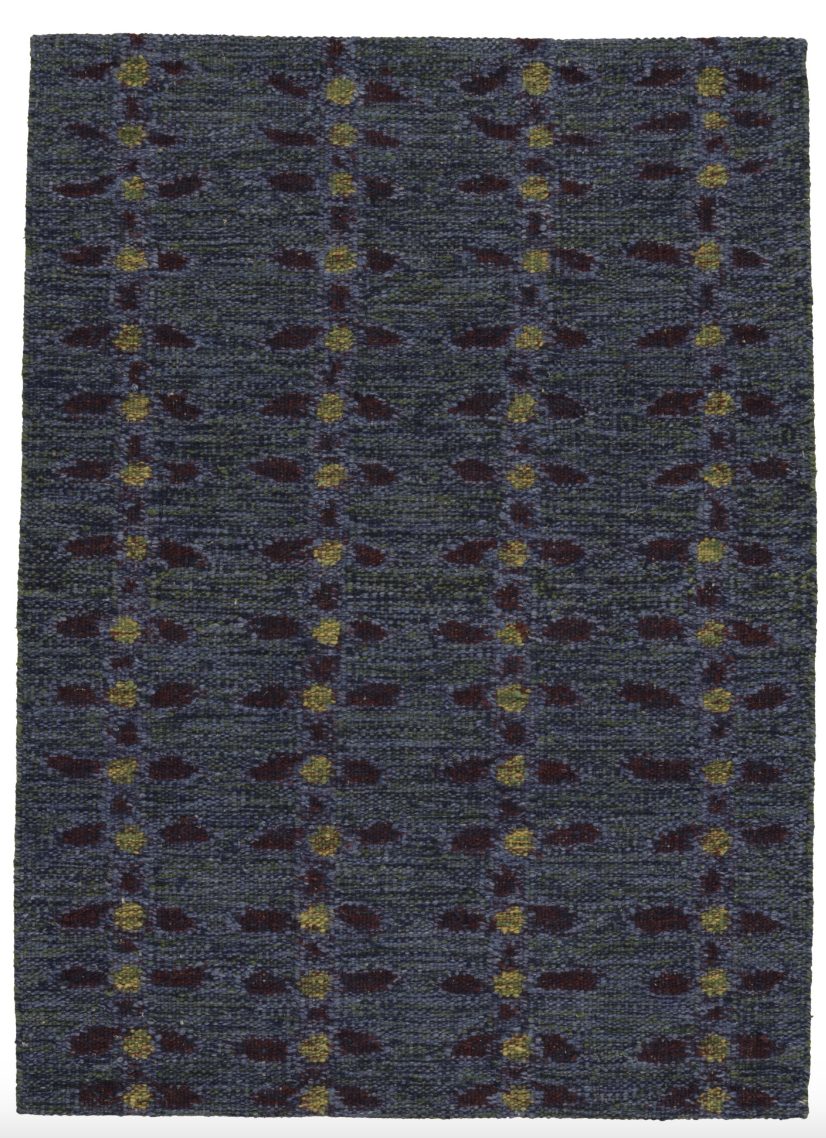
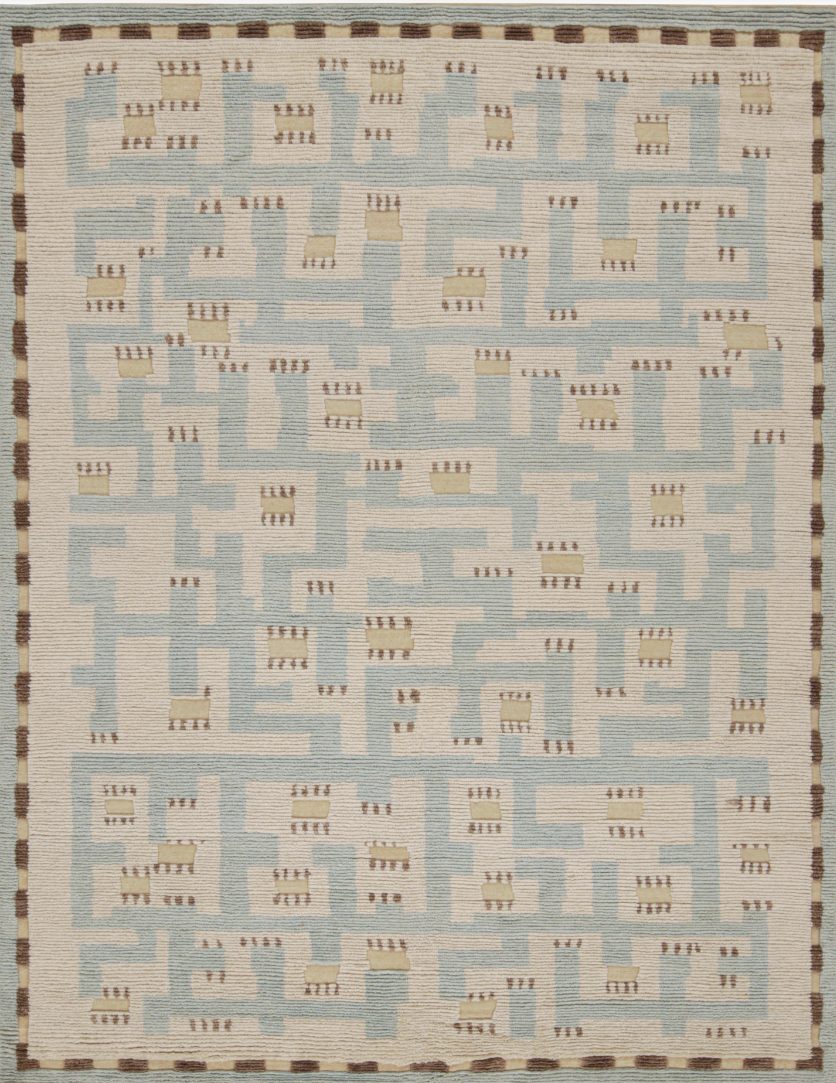
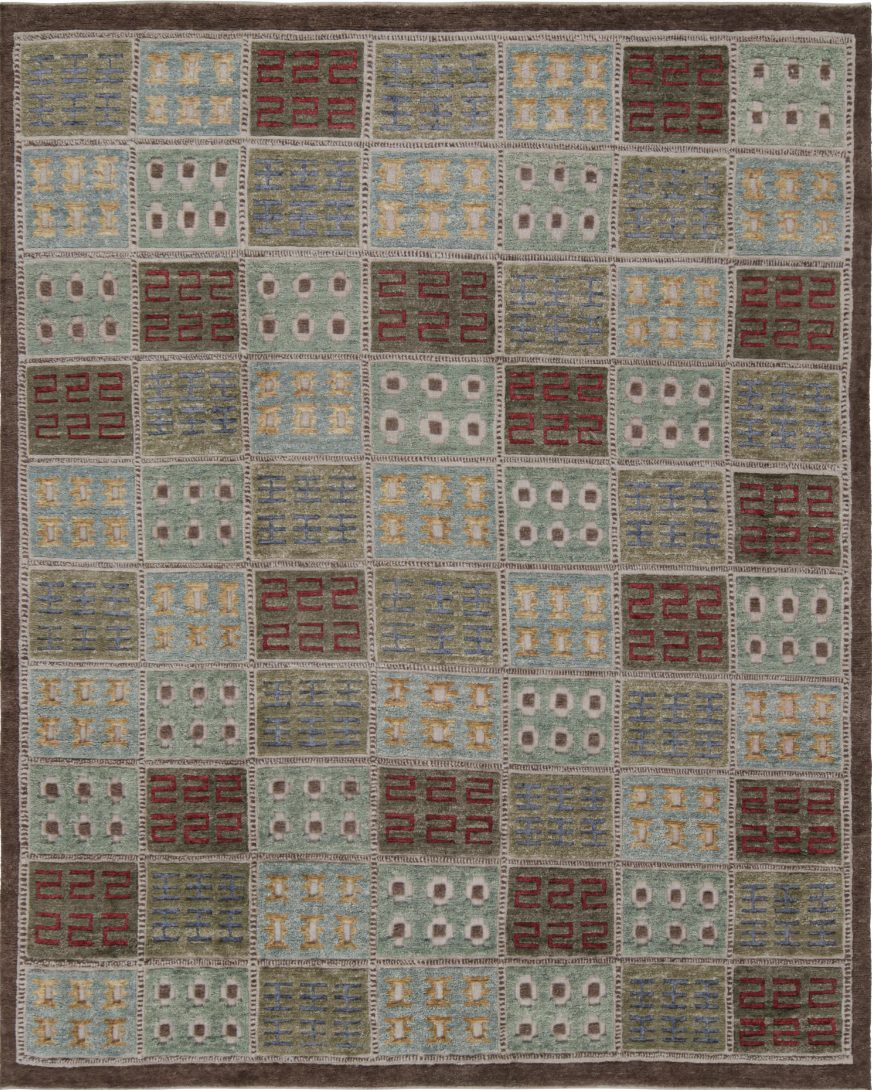
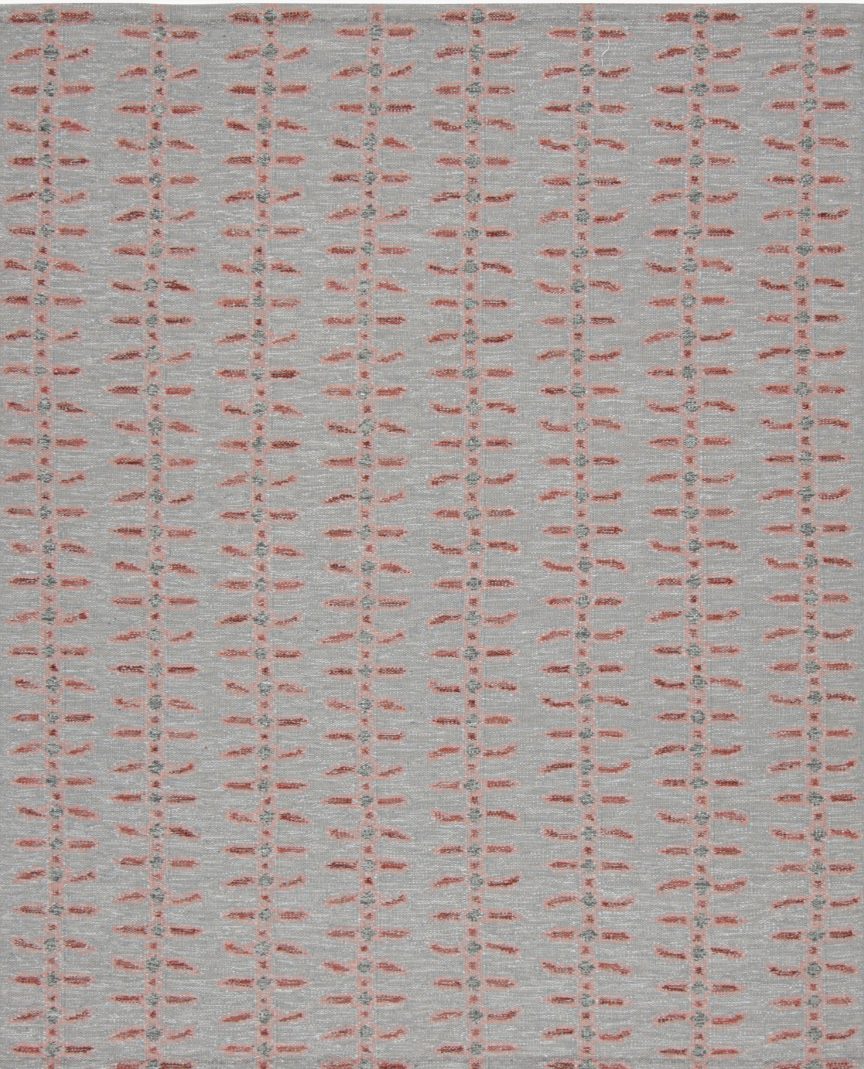
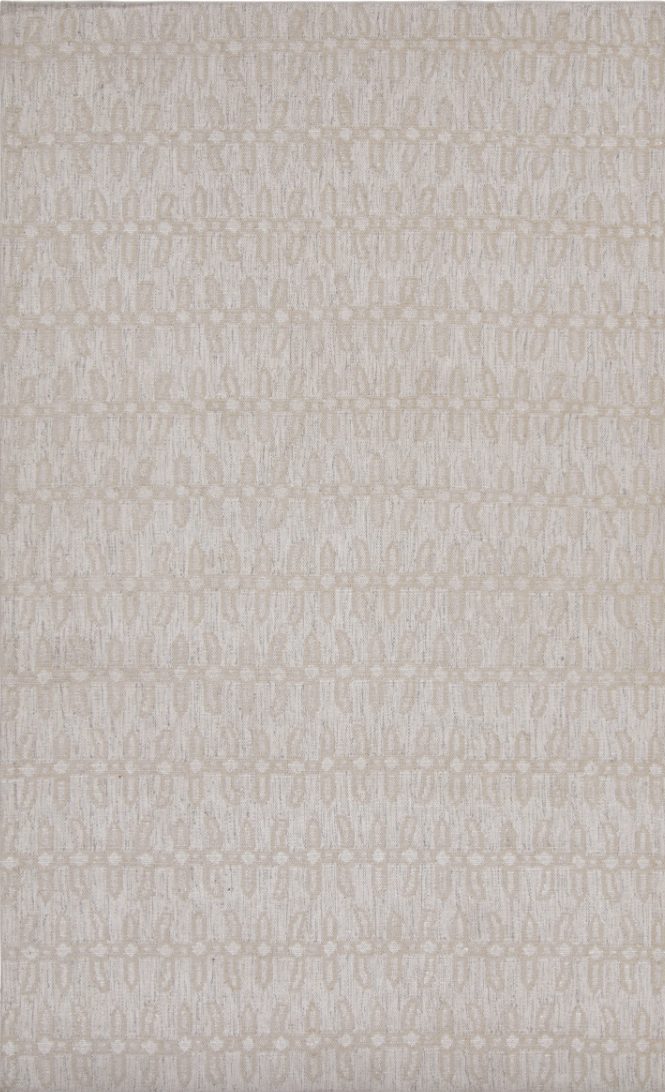
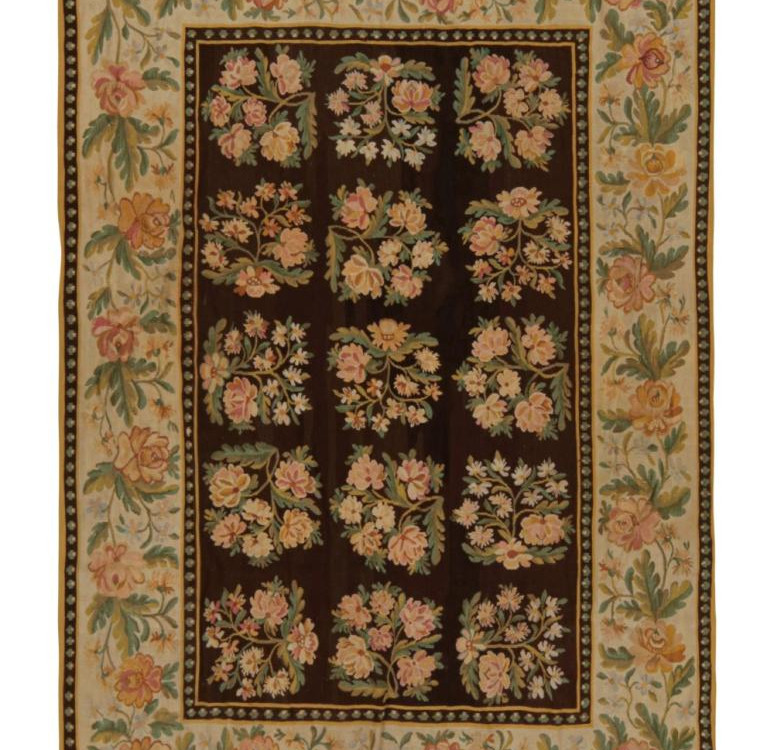
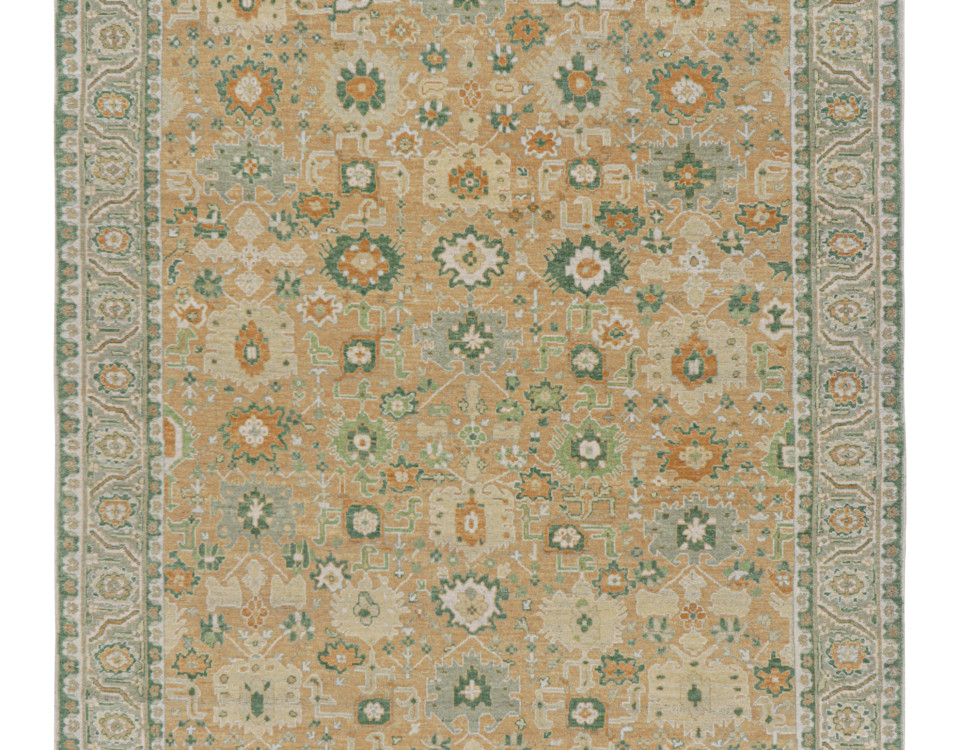
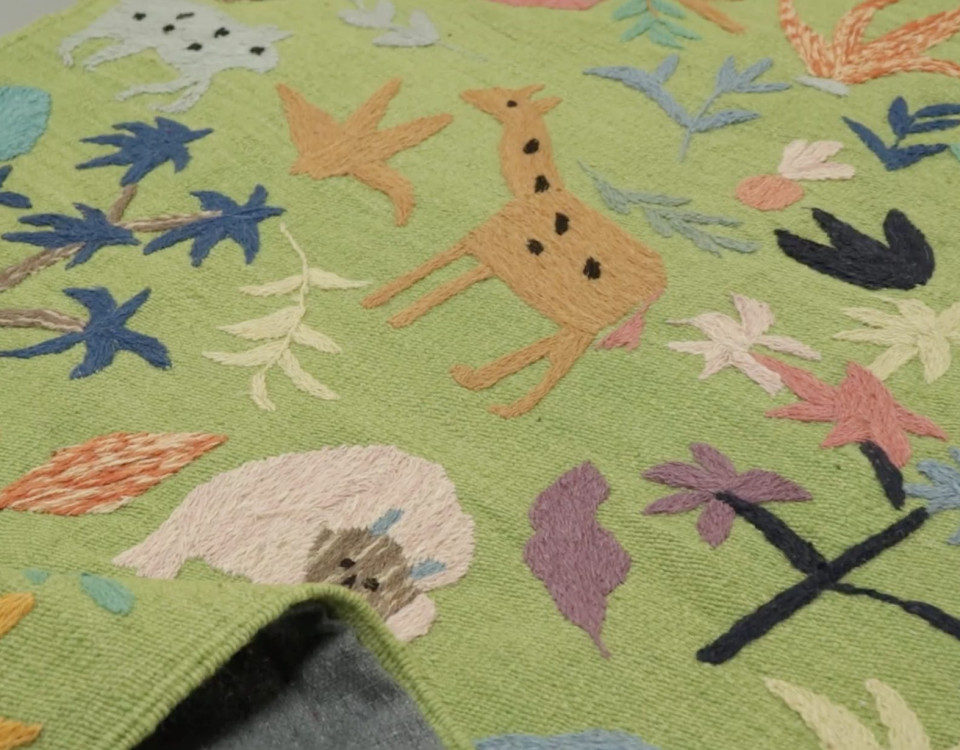
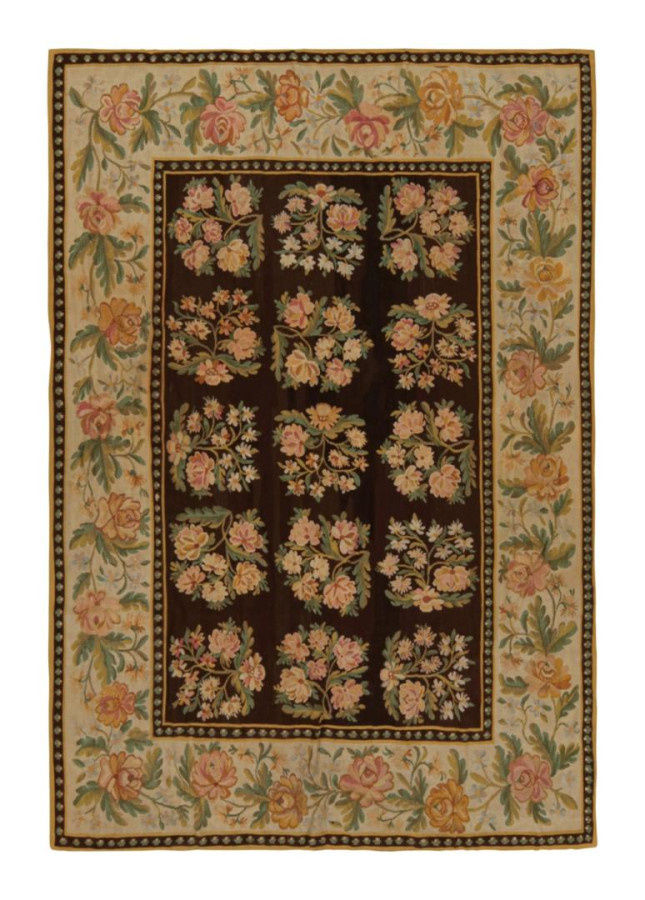
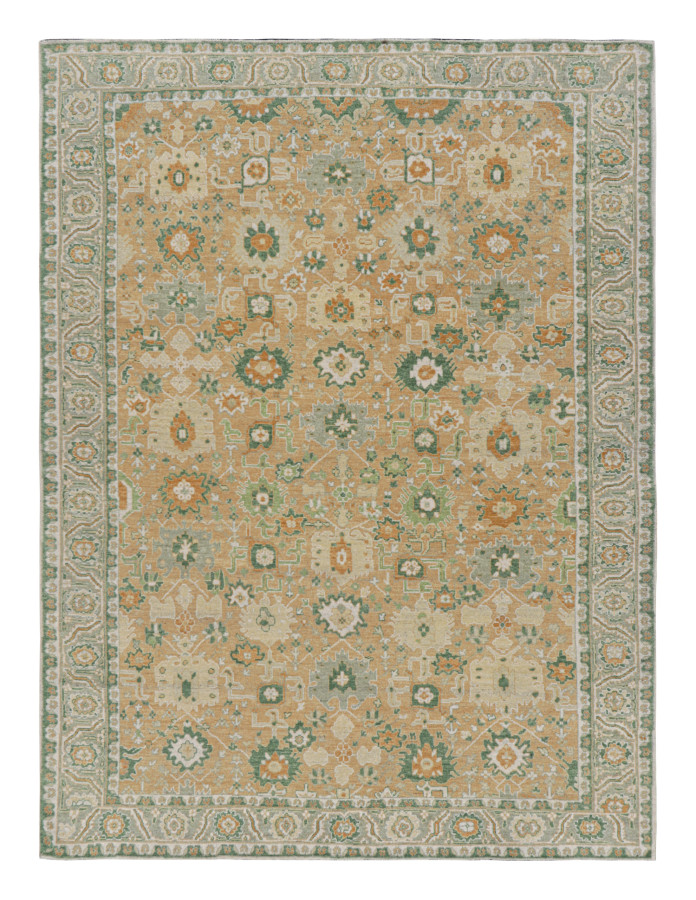
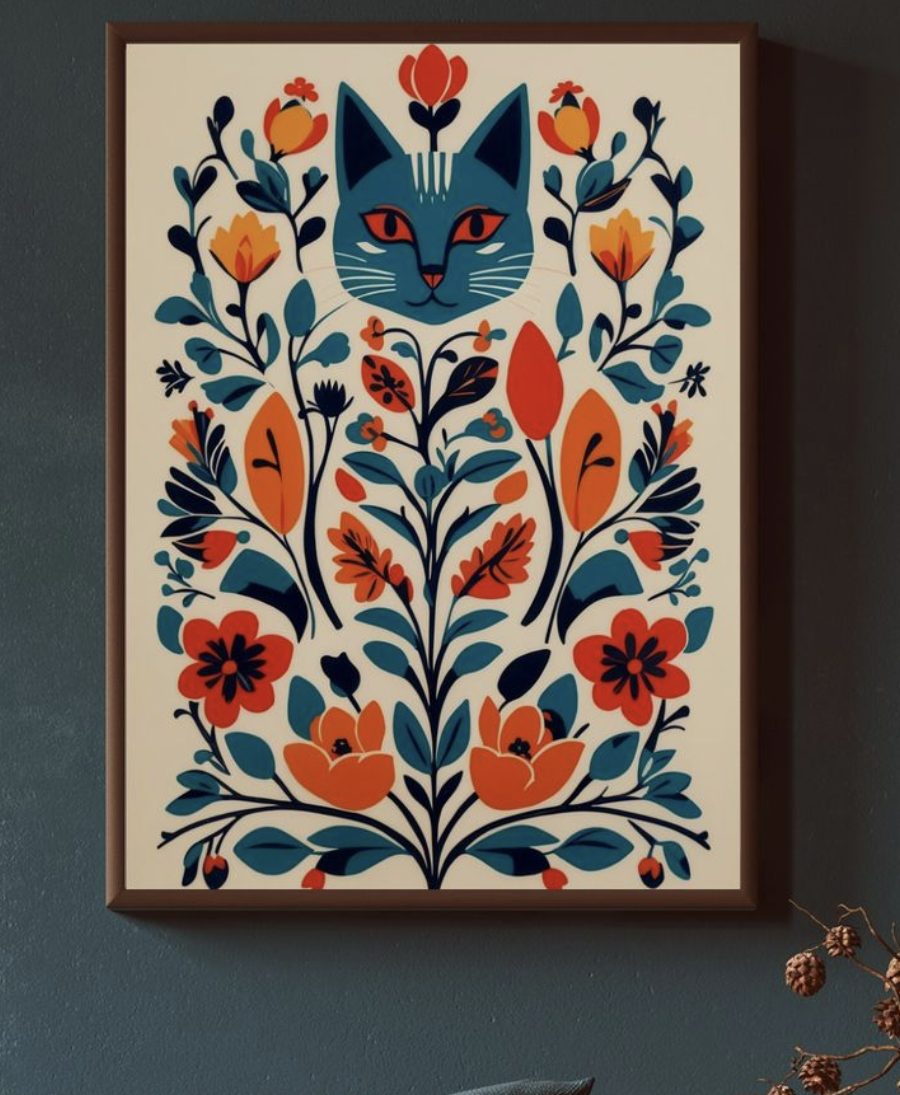
View our Scandinavian rugs as inspired by a fusion of Swedish minimalism and nods to mid-century Scandinavian folk art-