
An Overview of Traditional Scandinavian Folk Art
March 27, 2024
Ingegerd Silow and her Blend of Swedish Traditions and a Modern Approach to Rugs
March 27, 2024Folk art is the historiography of rich Swedish design told through the medium of art, colors and patterns. The Dala horse, or “Dalahäst,” stands as an iconic symbol of Swedish folk art and culture. Originating in the Dalarna region of Sweden, these hand-carved, brightly painted wooden horses have been crafted for over two centuries. Their distinctive red, green, blue, and white patterns, often adorned with the intricate Kurbits-style floral motifs, reflect the rich artistic heritage of Sweden. The Dala horse has transcended its artisanal roots, becoming a cherished representation of Swedish identity. Its significance even reached international acclaim when a colossal Dala horse, standing over 13 meters tall, was showcased at the 1939 World Exhibition in New York. This monumental exhibit highlighted not only the remarkable craftsmanship behind these wooden horses but also their enduring cultural importance to Sweden.
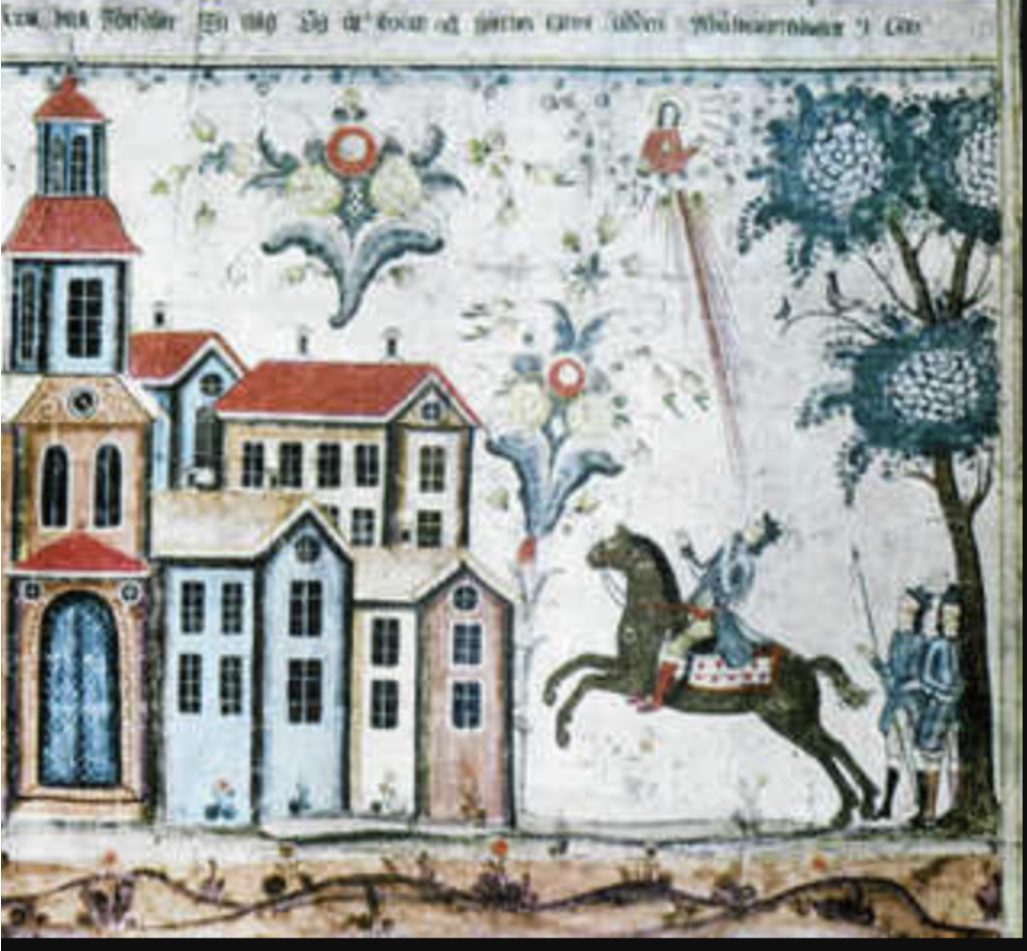
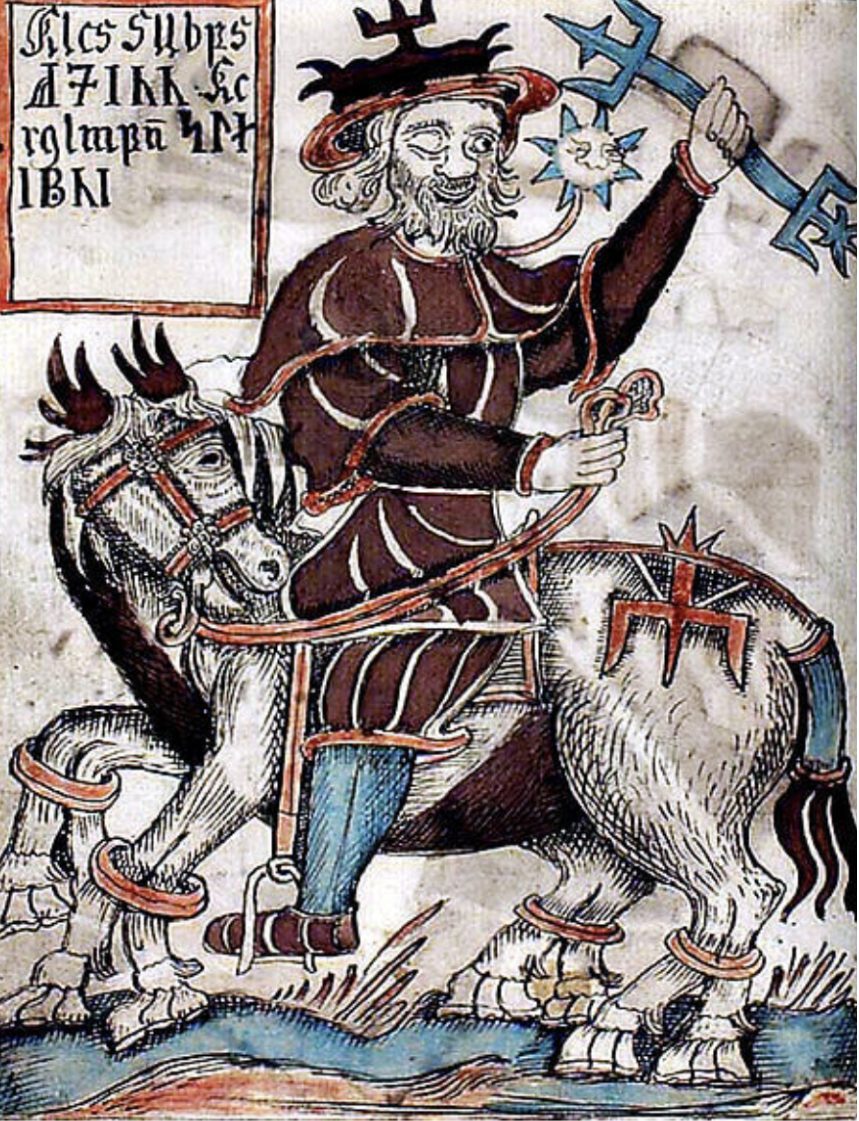
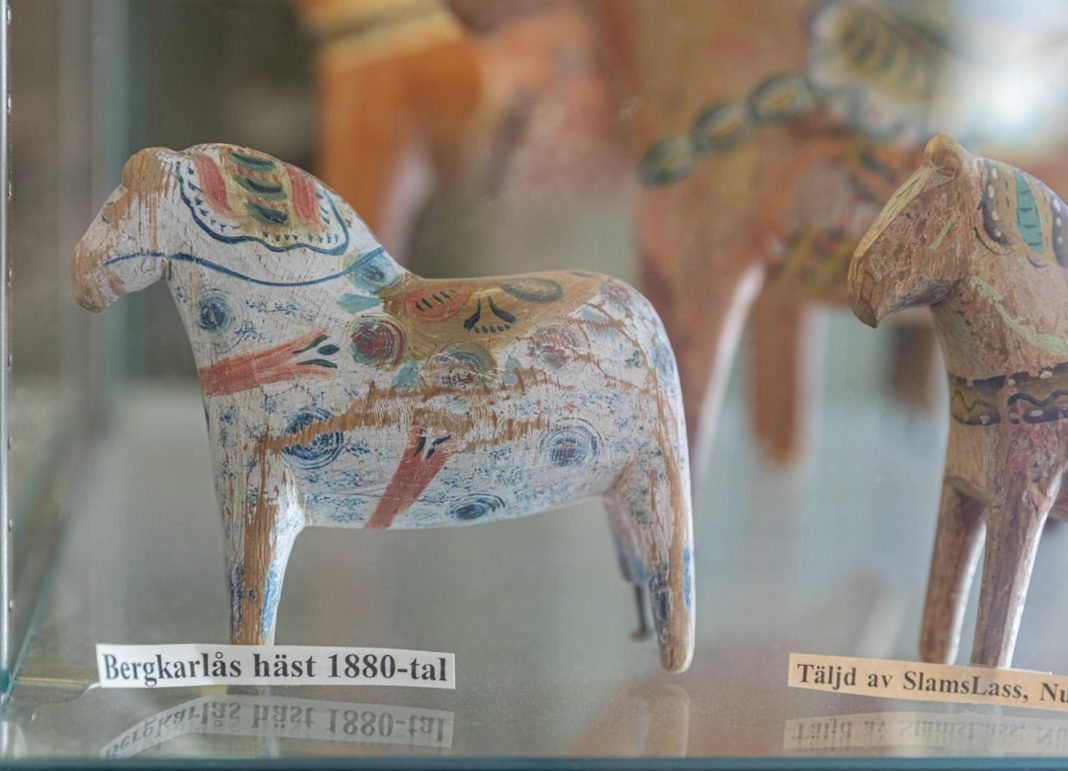
Scandinavia is rich with folk art traditions, with each region with its own heritage and native folk art variations. Forms of expression of Swedish folk art includes but is not limited to decorative paintings, woodcraft, textile art, metalworks, papercutting, pottery, ceramics, folk costumes and instruments. In traditional Swedish folk art, birds take on various forms, from the stylized depictions in Kurbits painting to intricate wood carvings. Their presence in Swedish textiles, paintings, and ceramics showcases an enduring fascination with nature. Among the recurring motifs, birds and horses stand out as two emblematic creatures that have found their way into various aspects of Swedish design, including rugs.
“Folk art in Scandinavia traces back to the Viking era when these seafarers also created intricate art. Vikings cherished their ships, often adorning them with interwoven animal and mythical beast designs. Despite the spread of Christian motifs, Scandinavians retained their indigenous art. Notably, the Stave Church in Urnes, Norway, showcases this fusion. As Scandinavia shifted towards agriculture and industry, folk art evolved to feature peaceful symbols like flowers, birds, and human figures, rooted in local legends and stories. This enduring style, known for its beauty and simplicity, remains popular today. This artistry also finds expression in carpets and rugs, often featuring repeated geometric shapes alongside occasional depictions of flowers and animals.” Read more about it here
Some of the examples are as follows –
- Marianne Richter’s “United Nations Curtain“: This stunning rug designed for the United Nations in New York features a pattern reminiscent of beating wings. While not explicitly bird-themed, the wing-like shapes evoke a sense of flight and freedom.
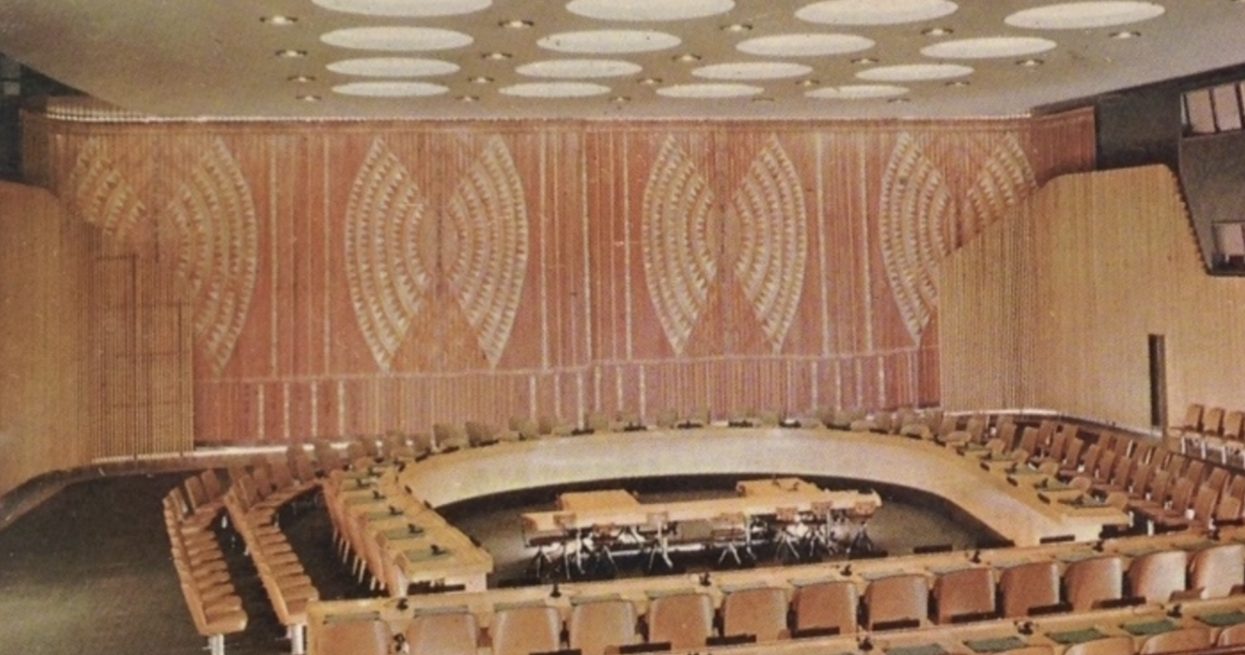
United Nations
- Barbro Nilsson’s Tapestry Series: Nilsson conceived these intricate gobelin tapestries as an interconnected series, employing the depiction of Bäckahäst as a representation of natural forces. She utilized color to symbolize various facets of water-generated energy. Each tapestry featured a distinct base color, with dynamic horses traversing through fields of interlocking shades, defined by a sequence of lines and radiant diagonals. Nilsson meticulously planned the arrangement of the six tapestries to narrate the process of converting water into energy.
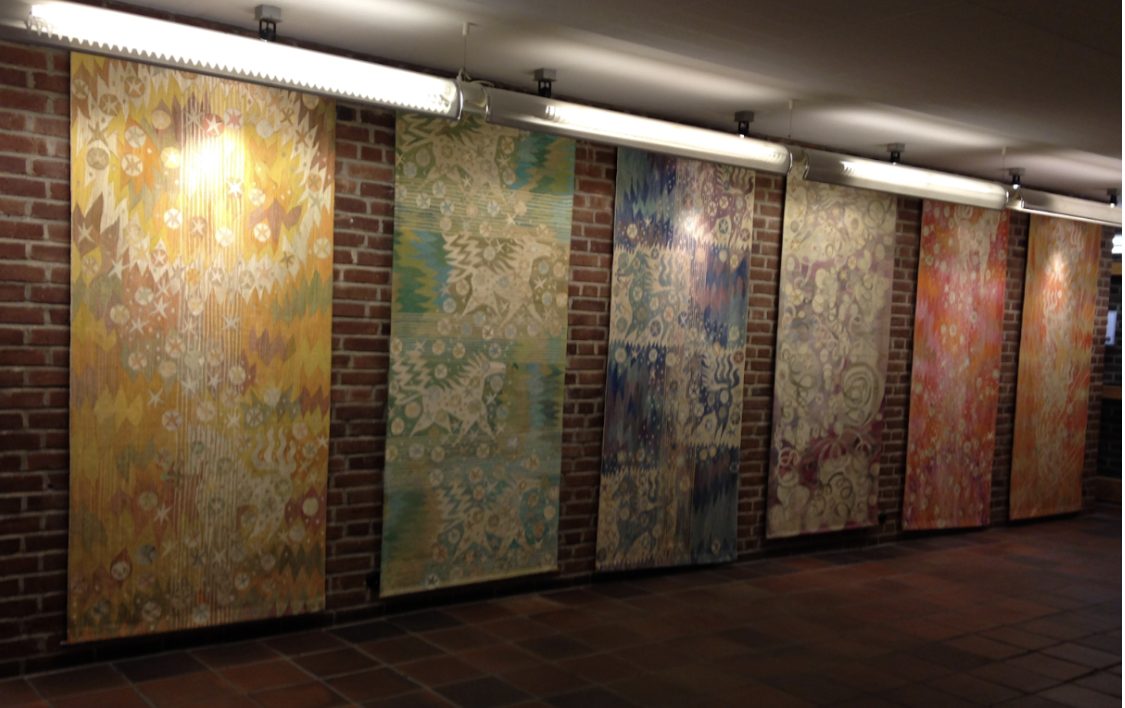
6 of the 7 gobelin tapestries for Sydkraft now hanging in lobby of E.ON building
- Sigvard Bernadotte’s “Song of the Birds” Rug: Though primarily known for his silver designs, Sigvard Bernadotte, in collaboration with textile ateliers, created rugs featuring bird motifs. These designs paid homage to the integral role birds played in Swedish society.
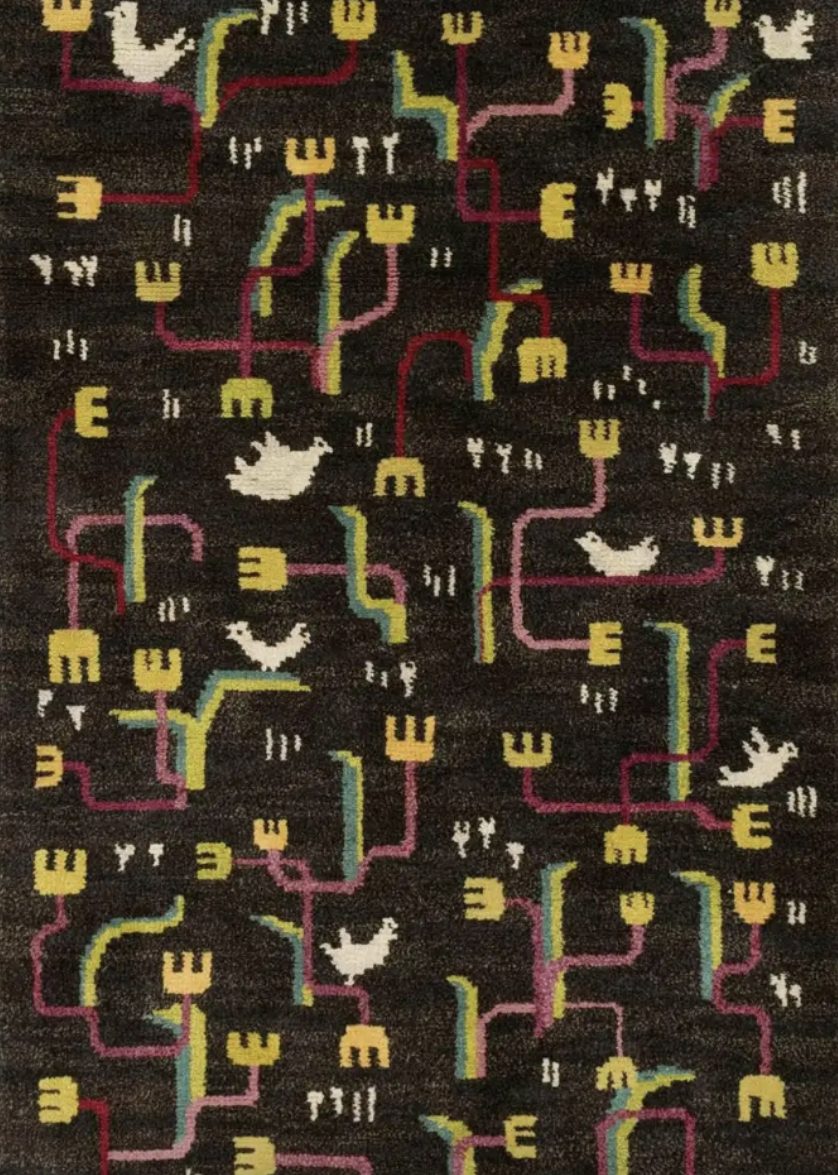
1stDibs
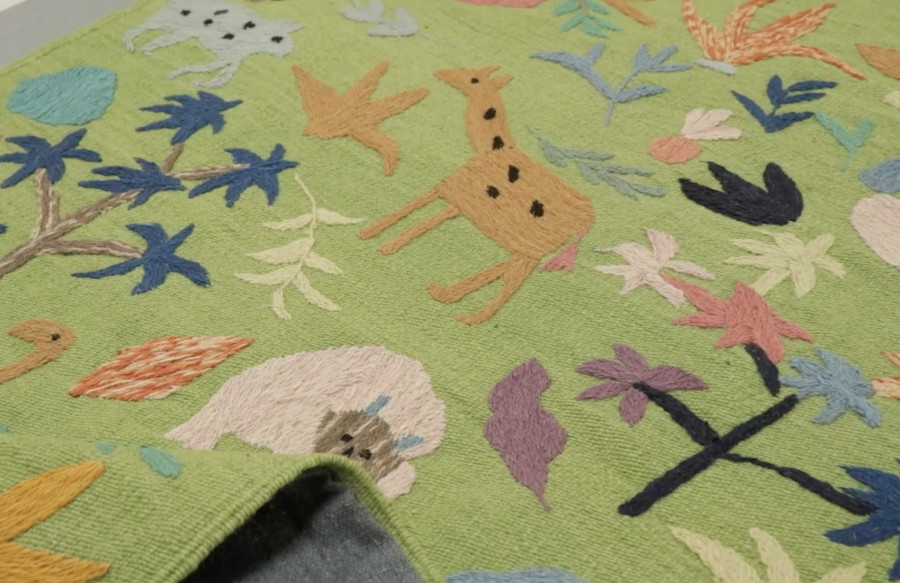
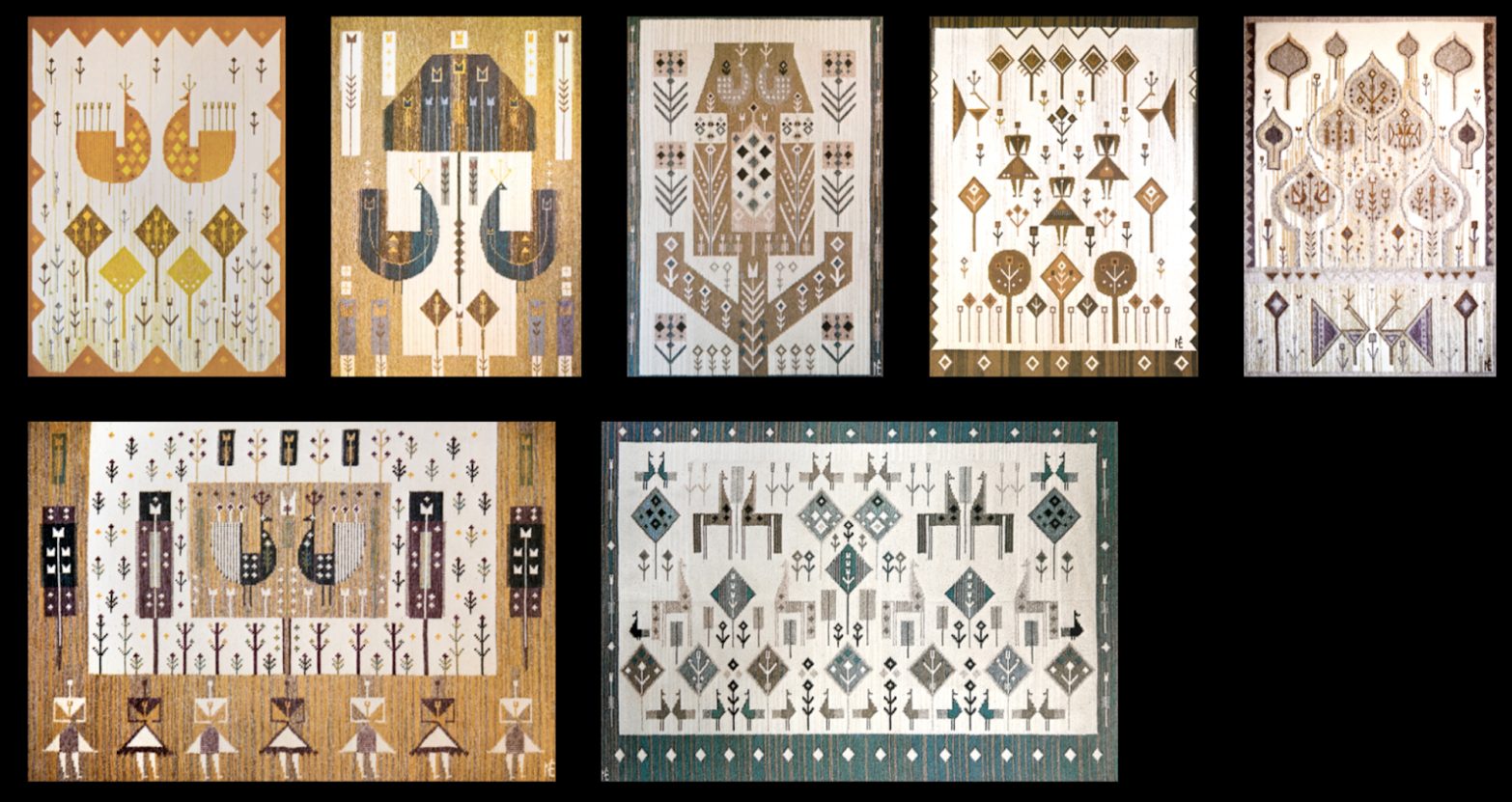
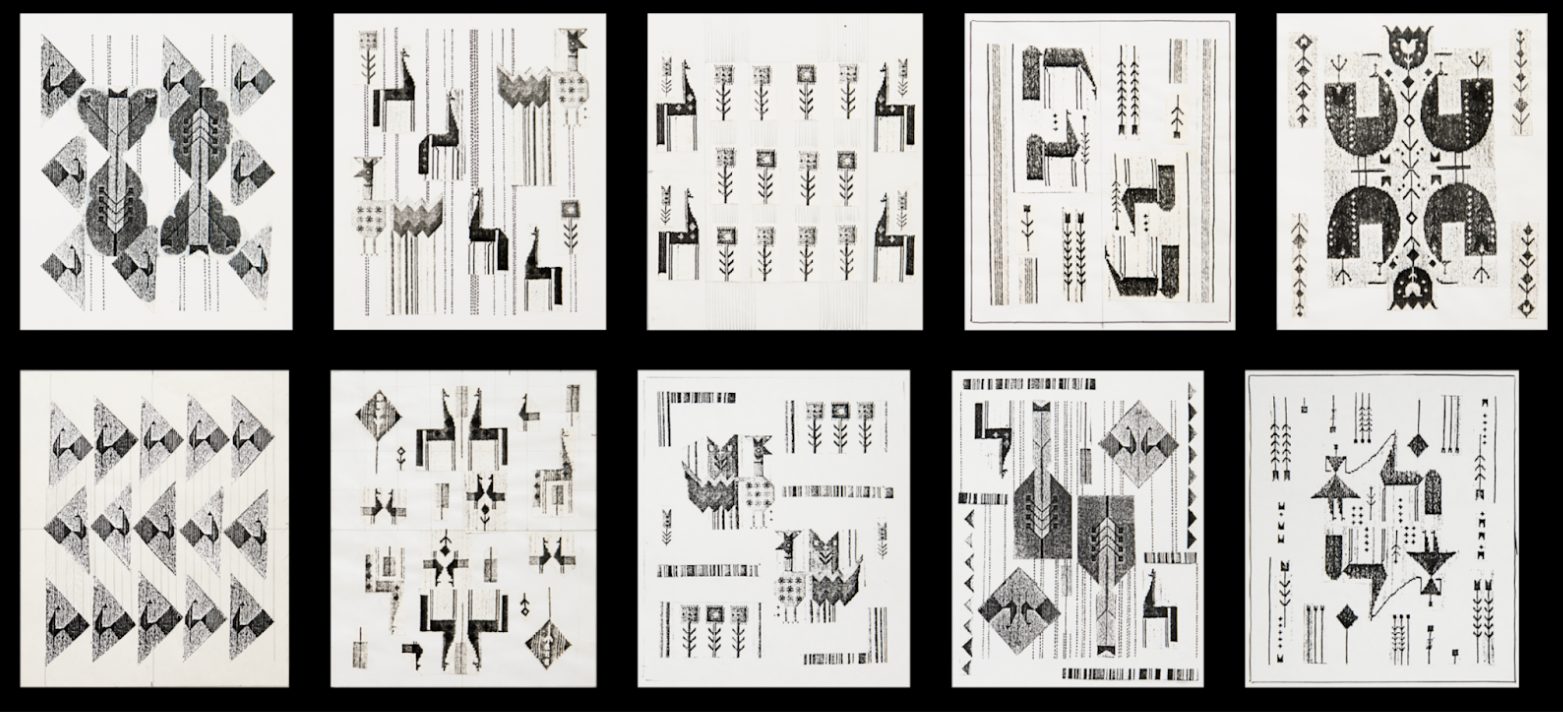
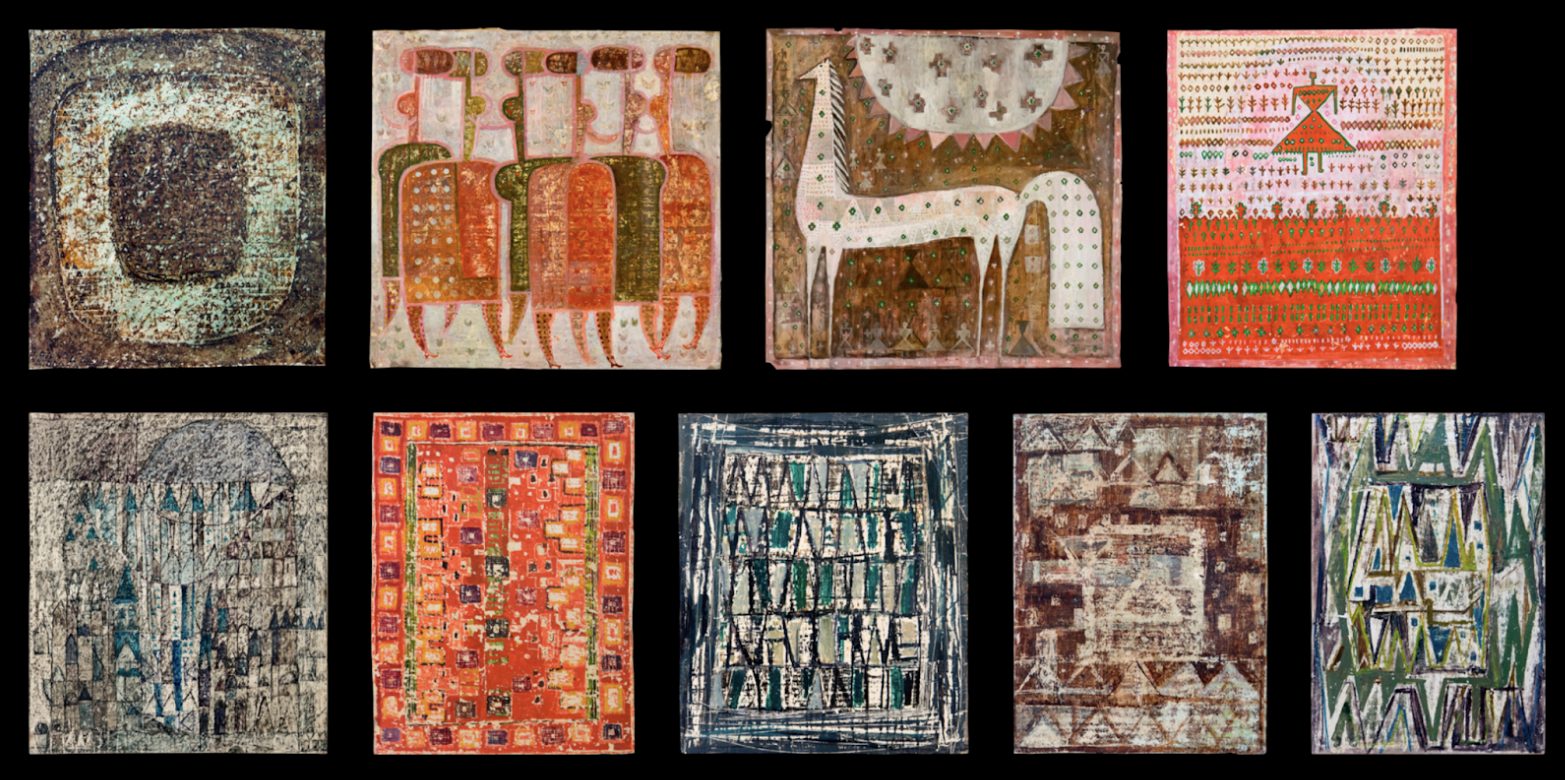
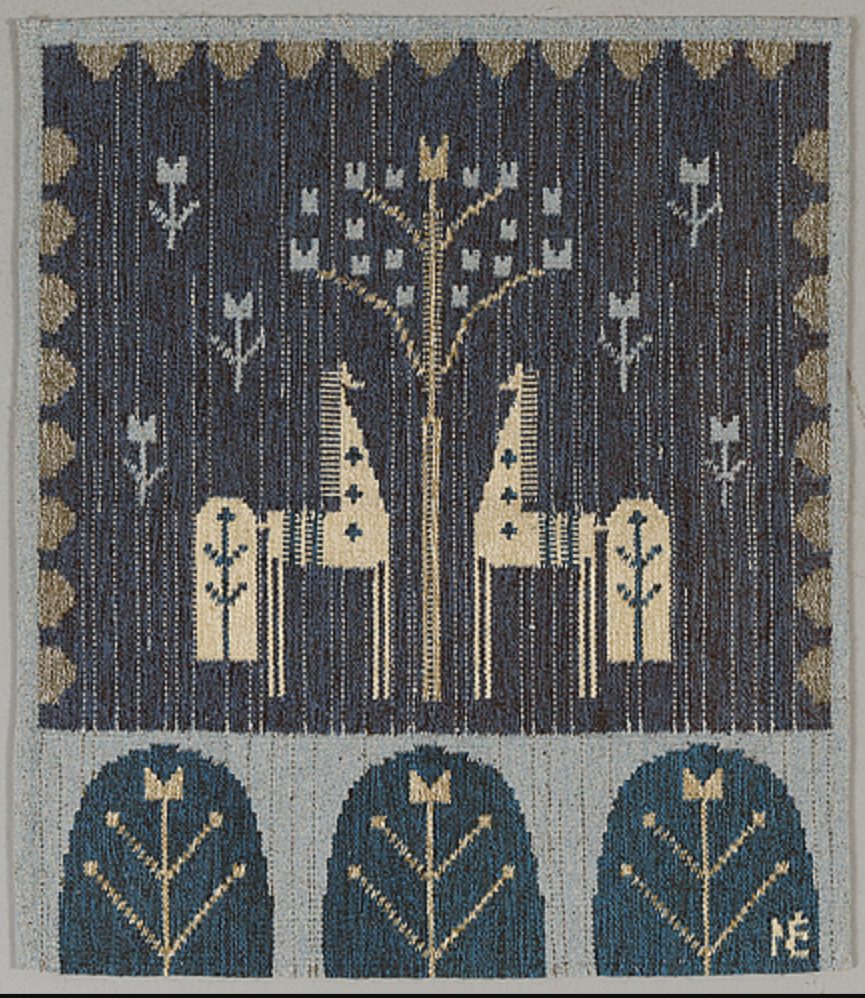
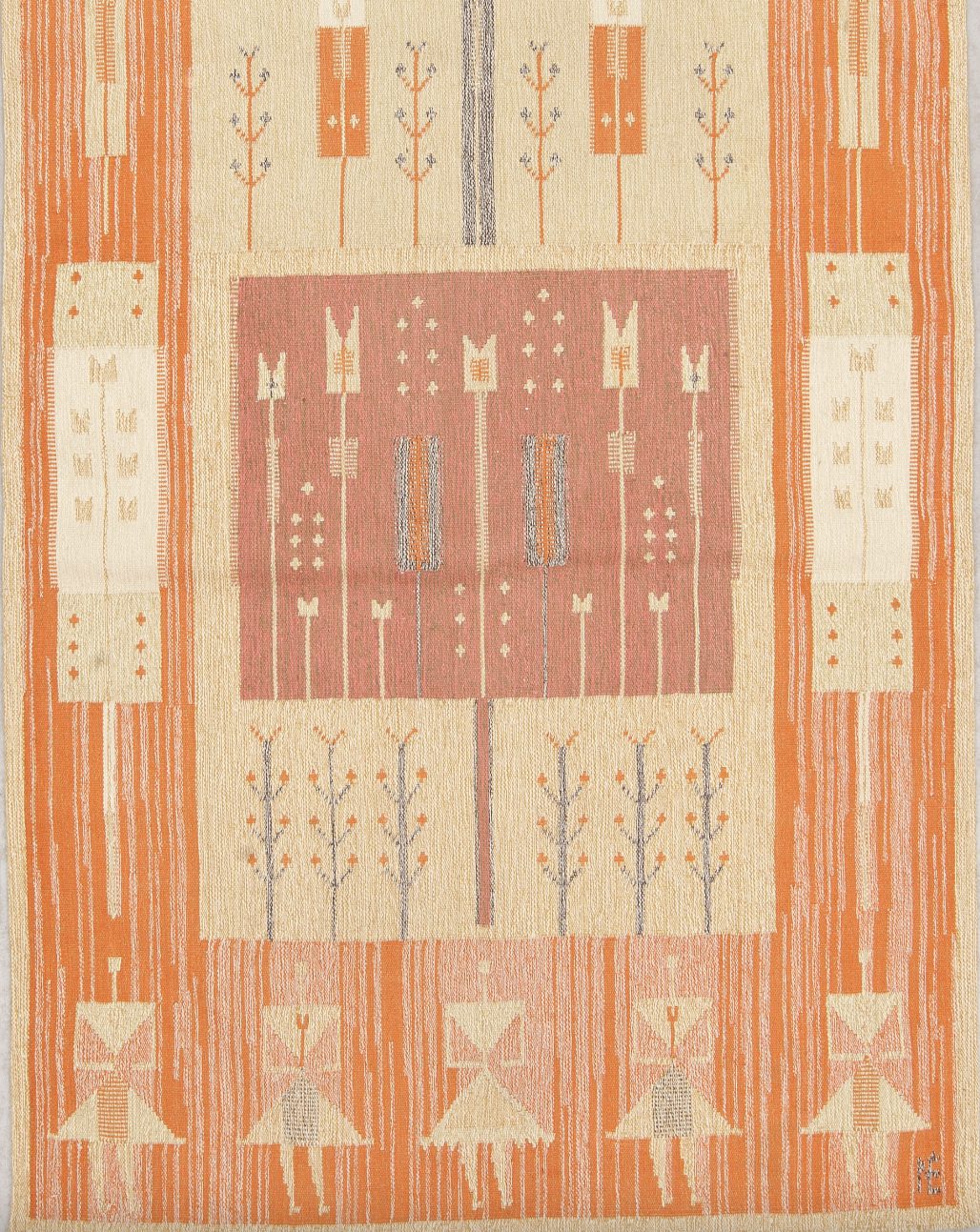
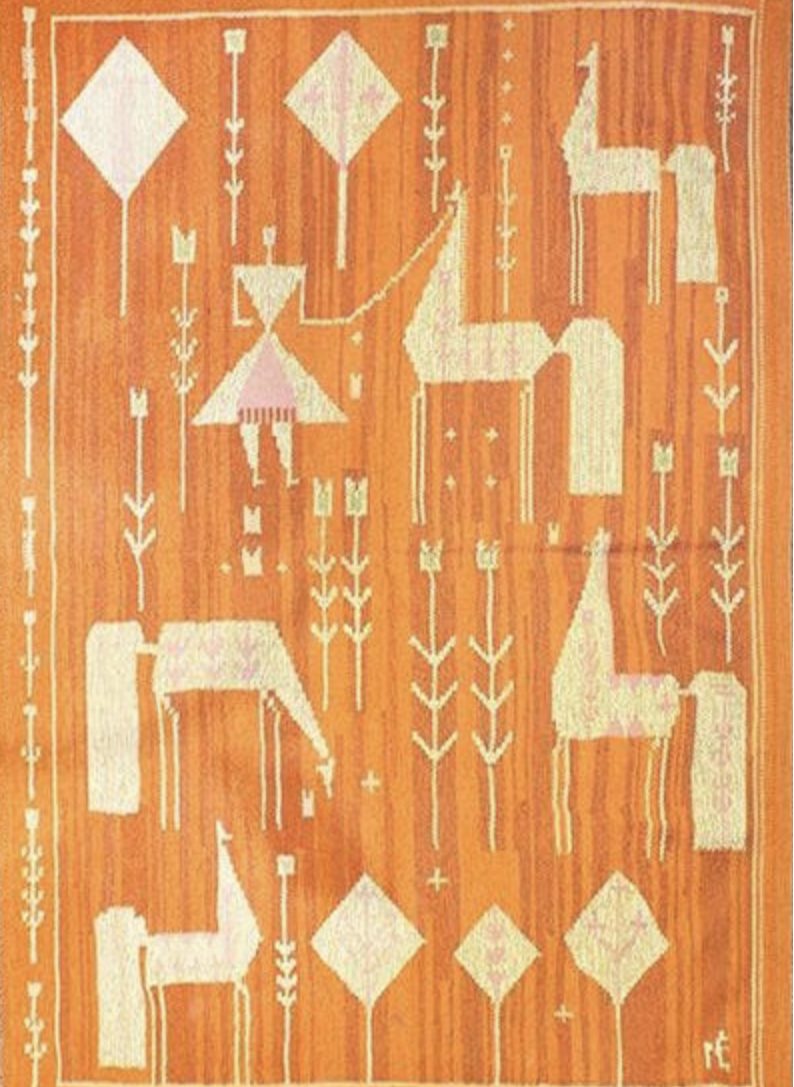
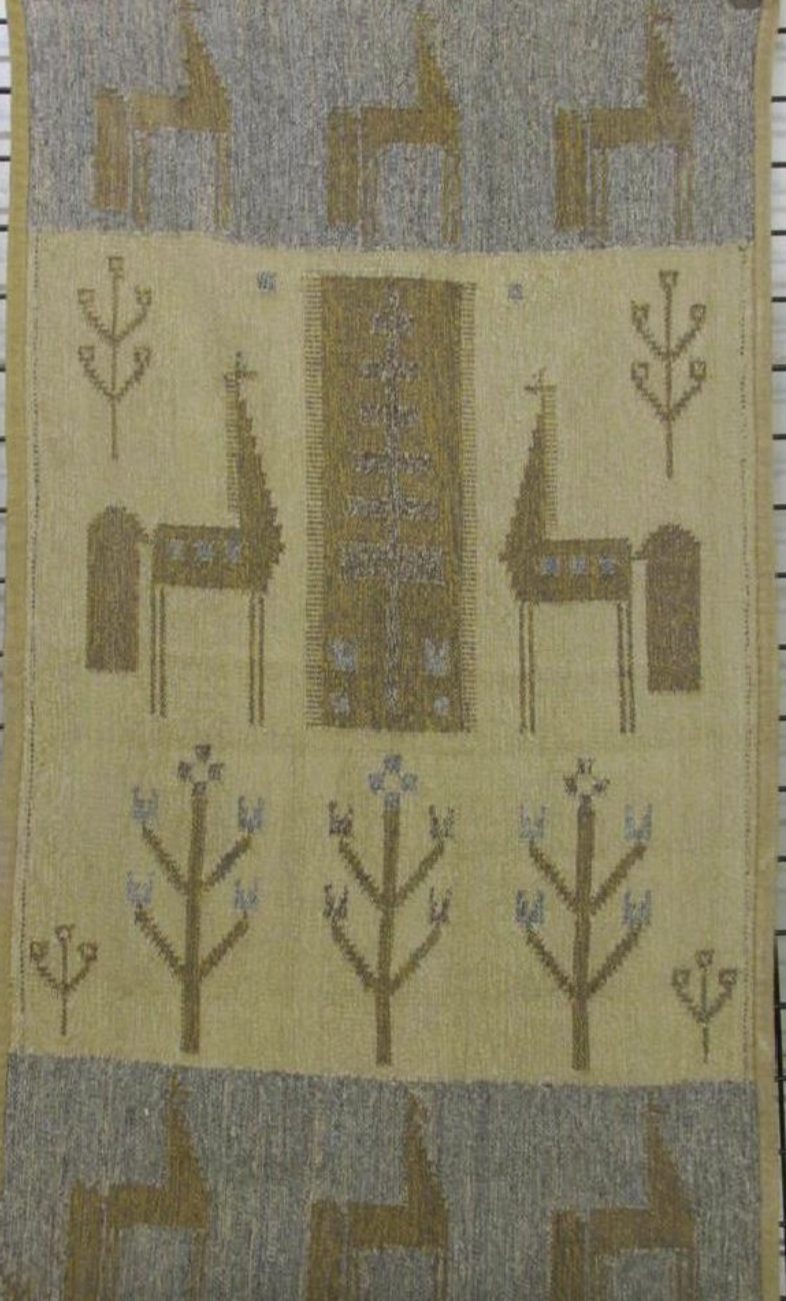
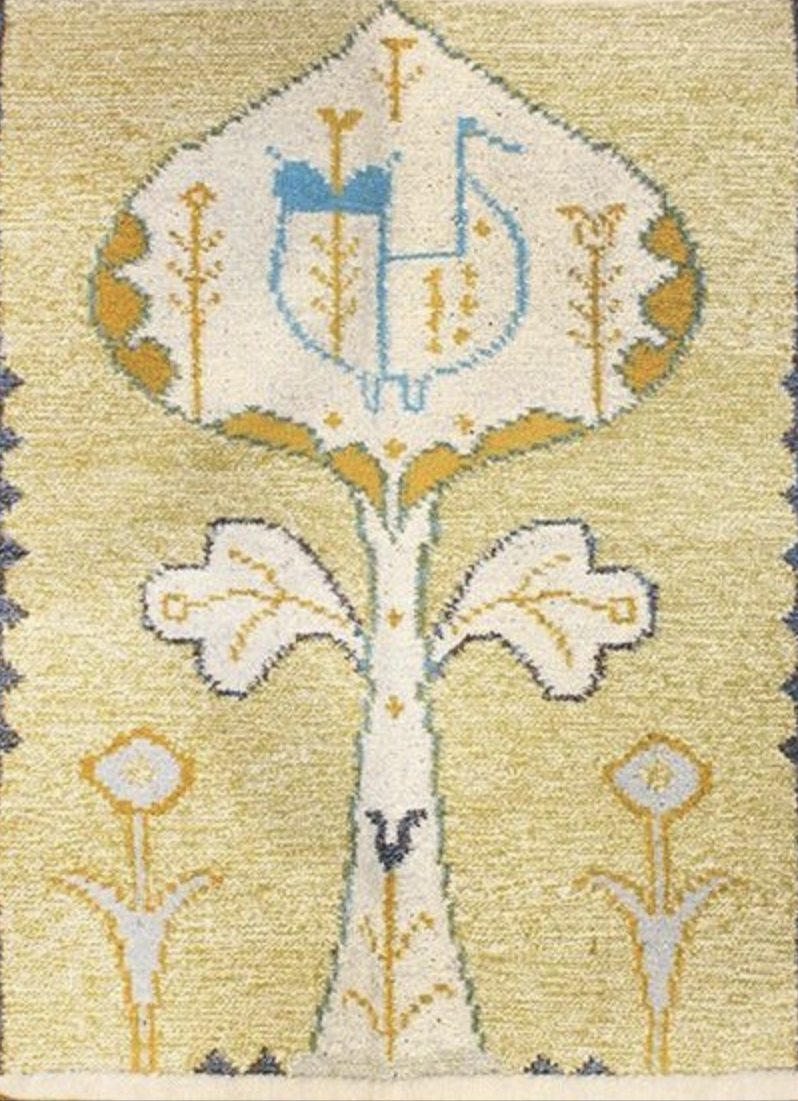
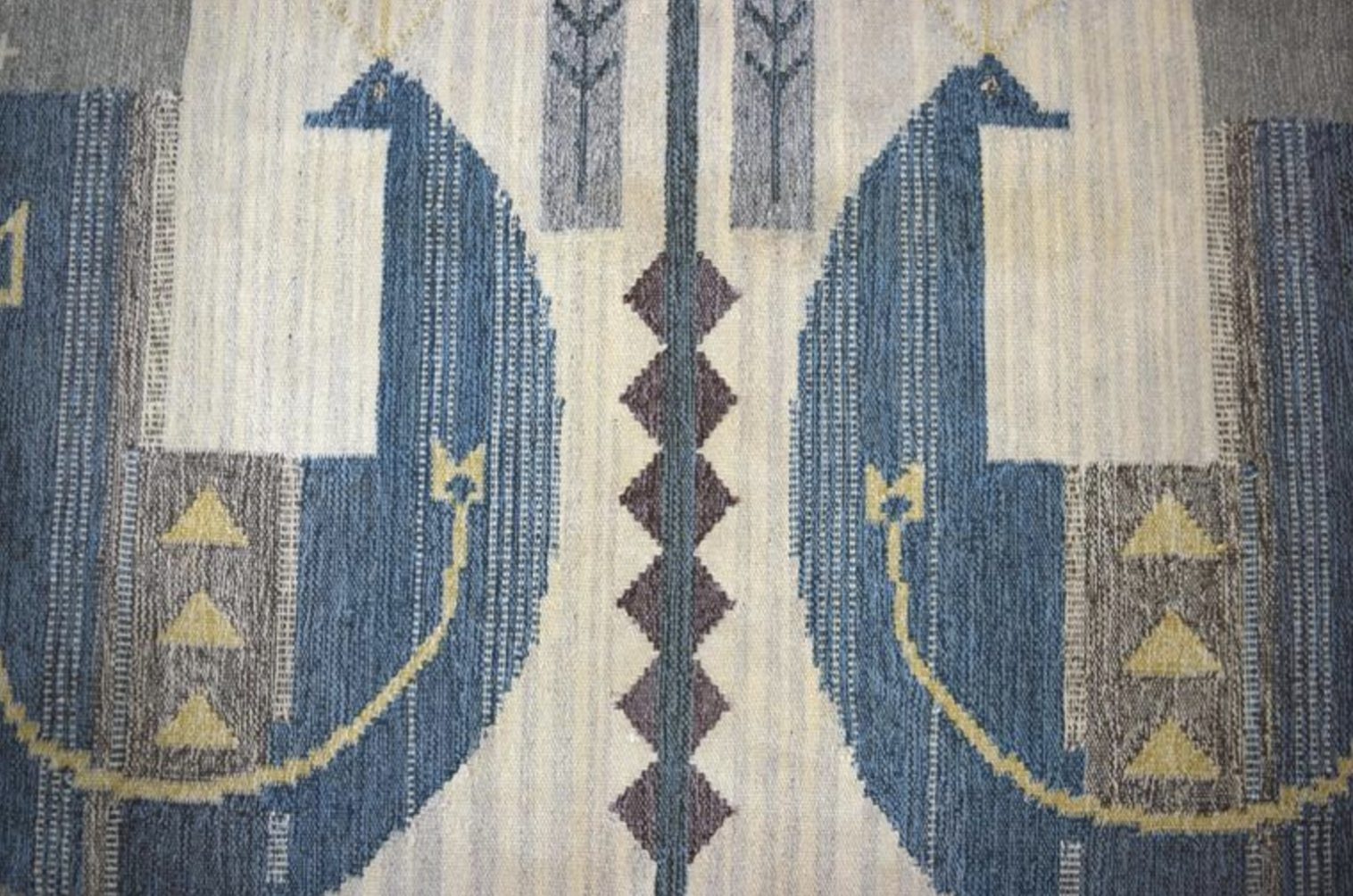
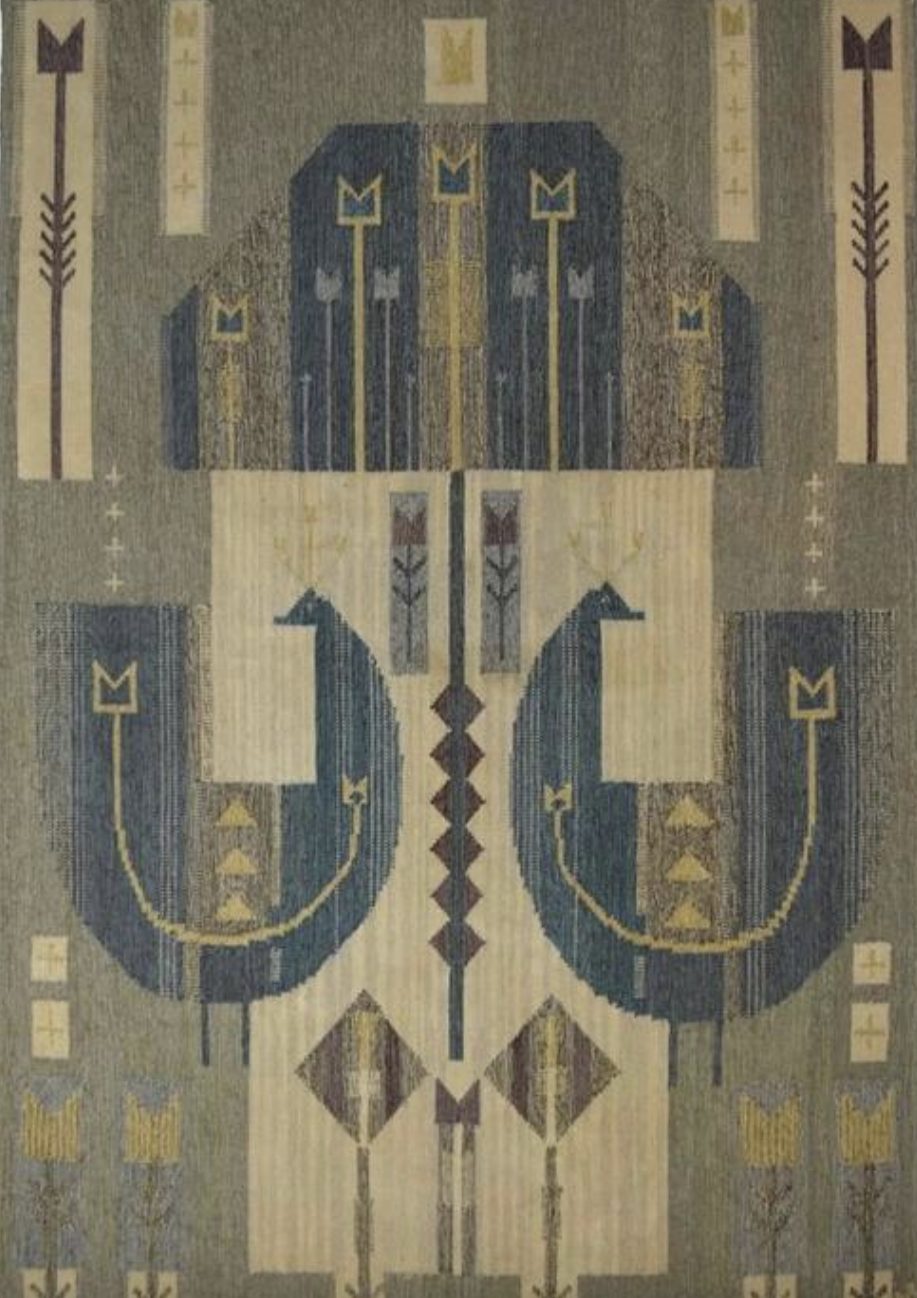
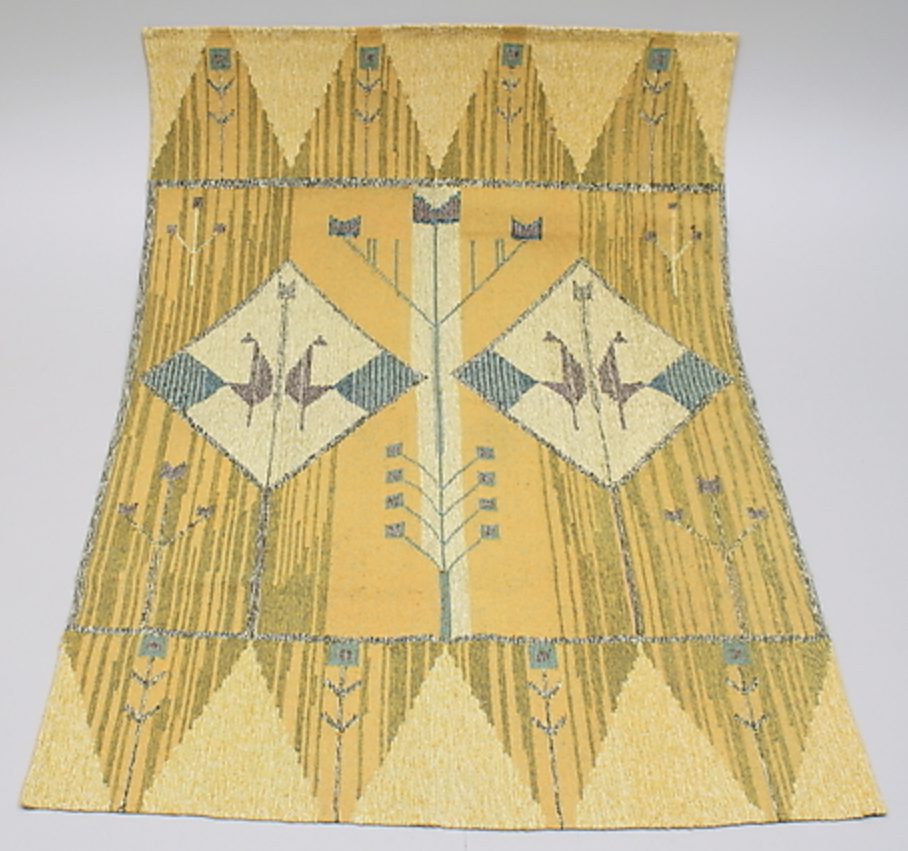
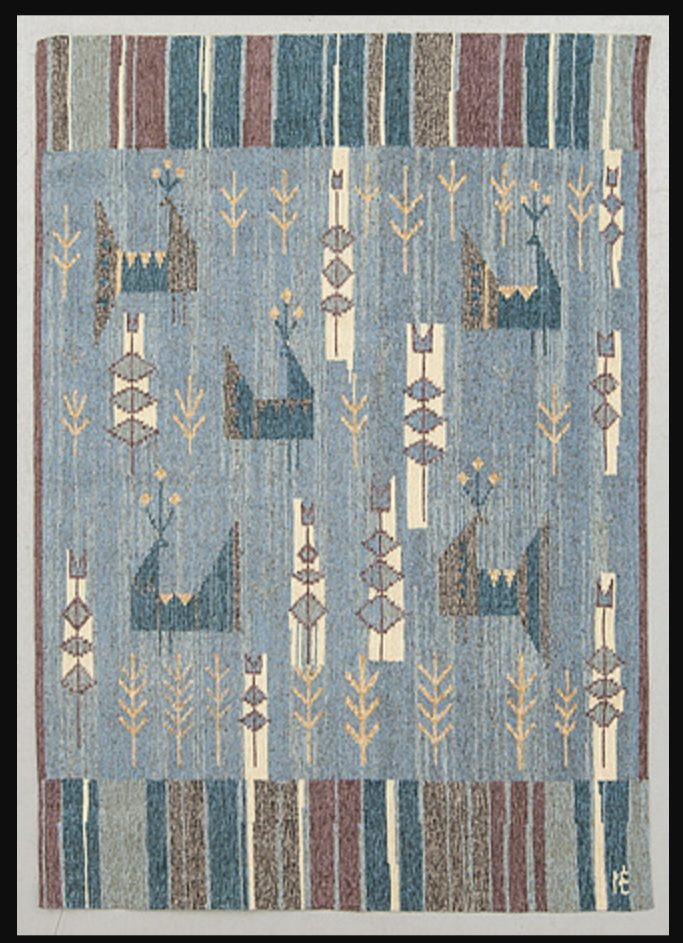
Eva Nemeth, the Hungarian designer, has been popularly called the ‘Bird Woman’ of Scandinavian design featuring different interpretations of birds, horses and trees in her rugs and flatweaves.
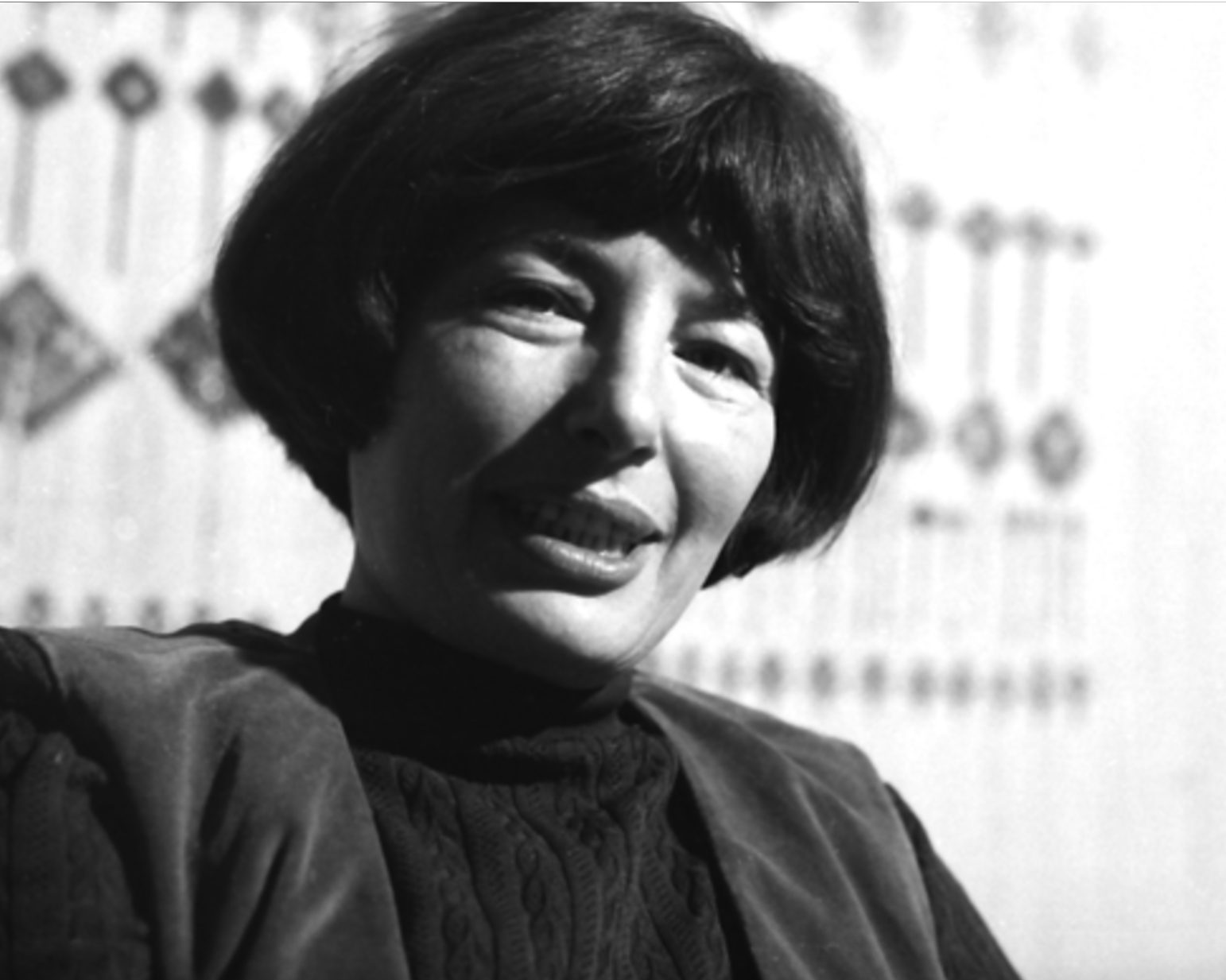
Almost all her designs are woven as flatweaves [Rollaken], and their decorative pictorial figures and colors signal towards their functionality as wall hangings and tapestries majorly. Starting with birds, her designs gradually transformed into horses and further introduced the human figures, making Nemeth’s design inherently inspired from Swedish folk culture.
Some of her designs are as follows –
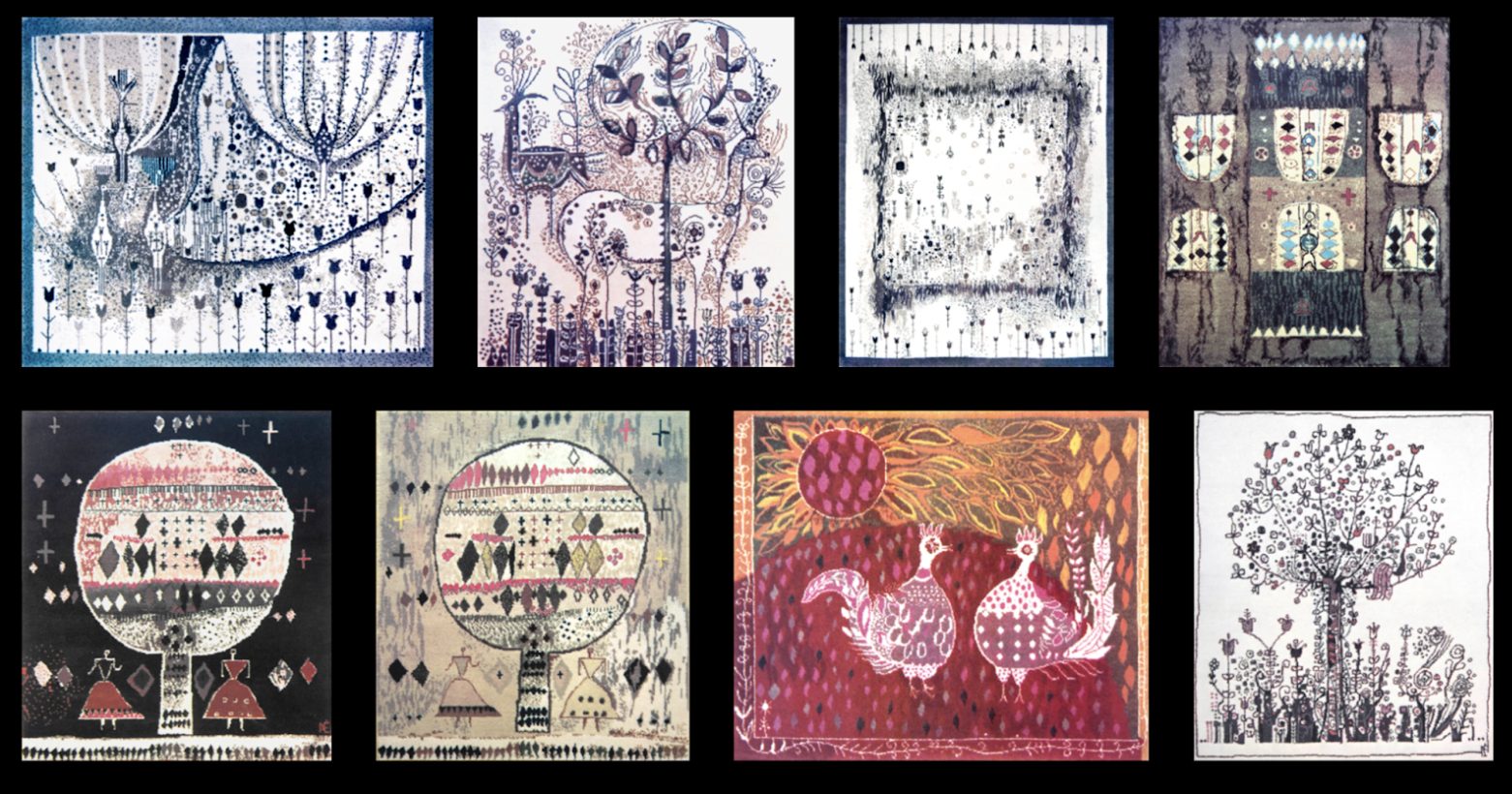
https://www.evanemeth.com/
https://www.evanemeth.com/
https://www.evanemeth.com/
https://www.evanemeth.com/
https://www.evanemeth.com/
https://www.evanemeth.com/
https://www.evanemeth.com/
https://www.evanemeth.com/
https://www.evanemeth.com/
https://www.evanemeth.com/
https://www.evanemeth.com/
https://www.evanemeth.com/
https://www.evanemeth.com/
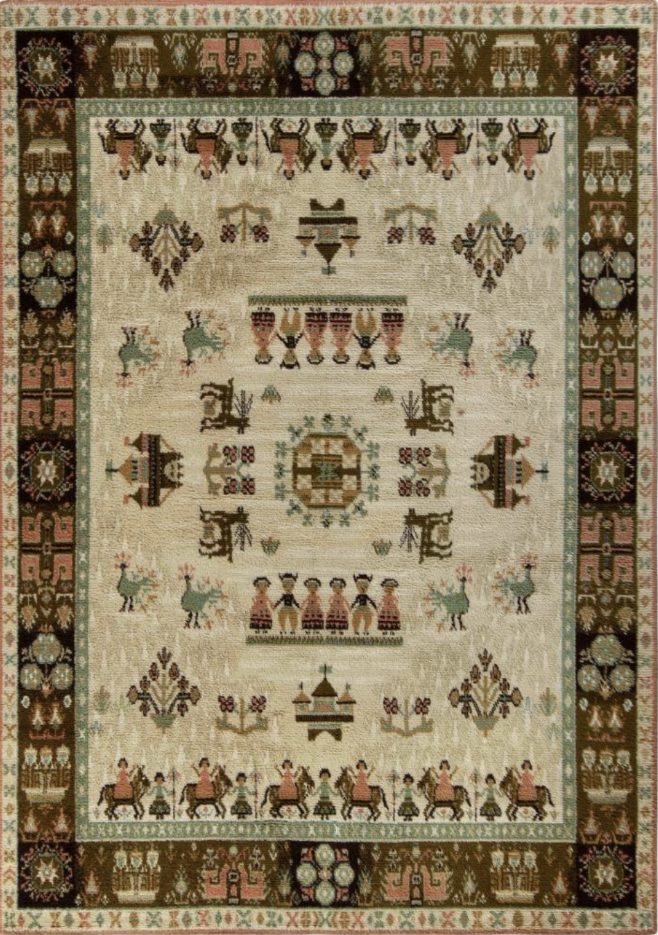
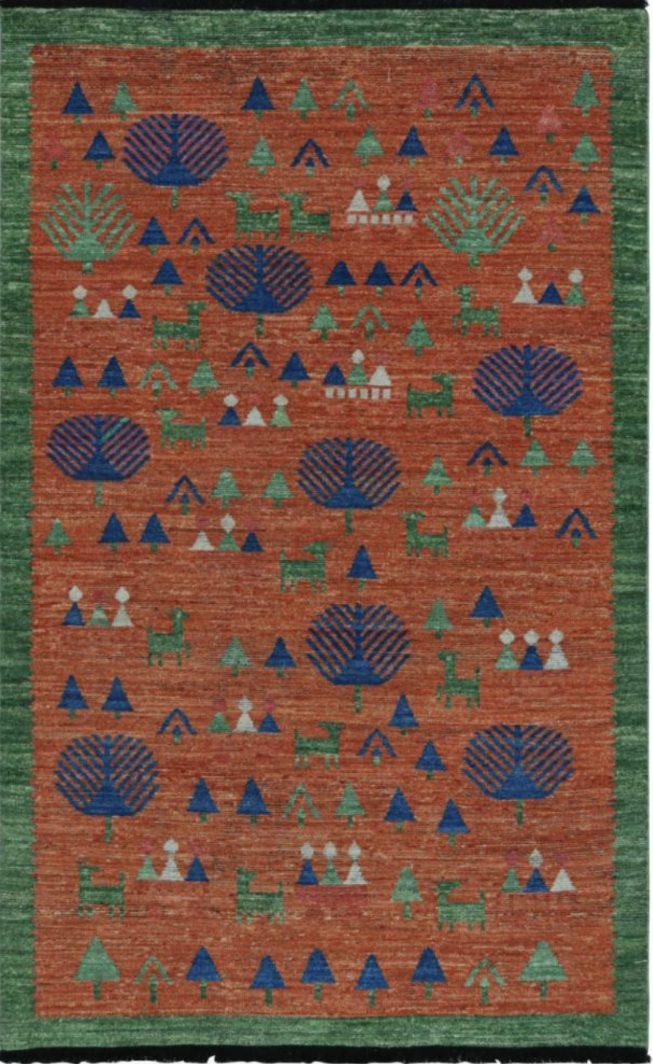
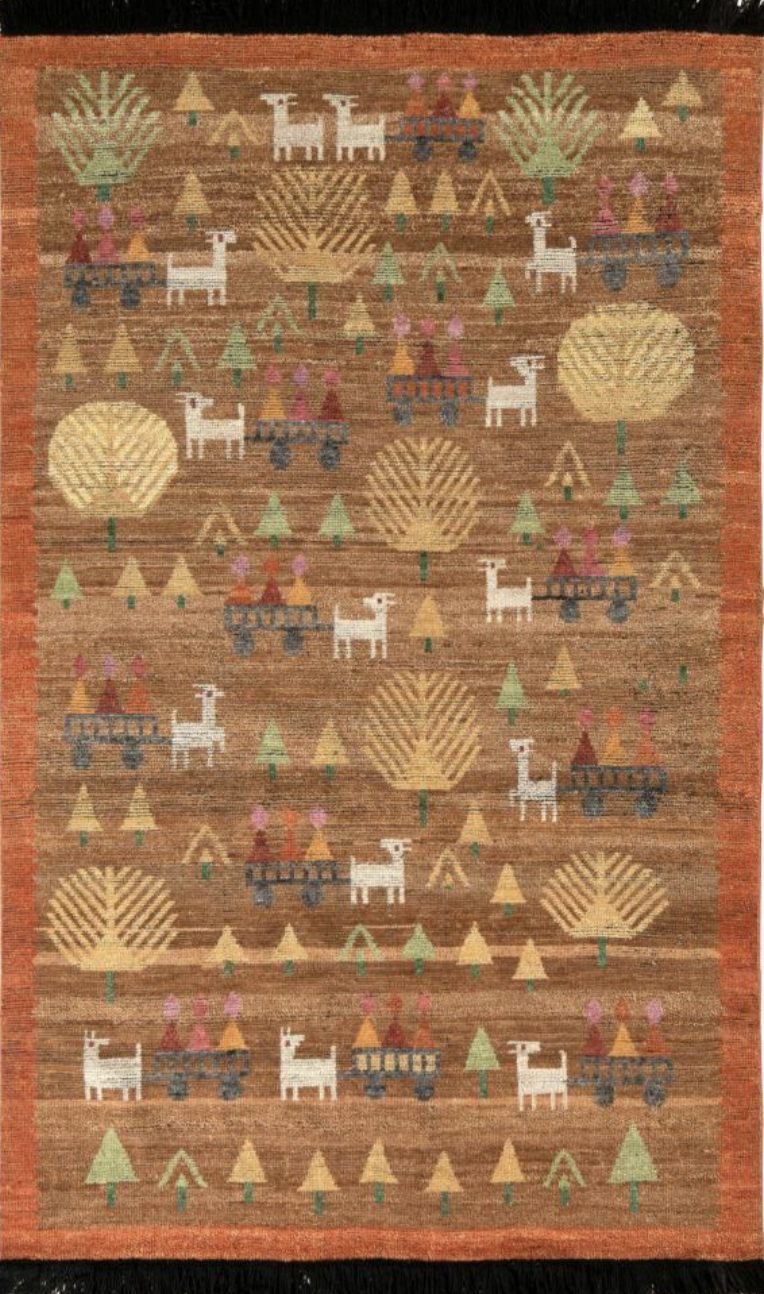
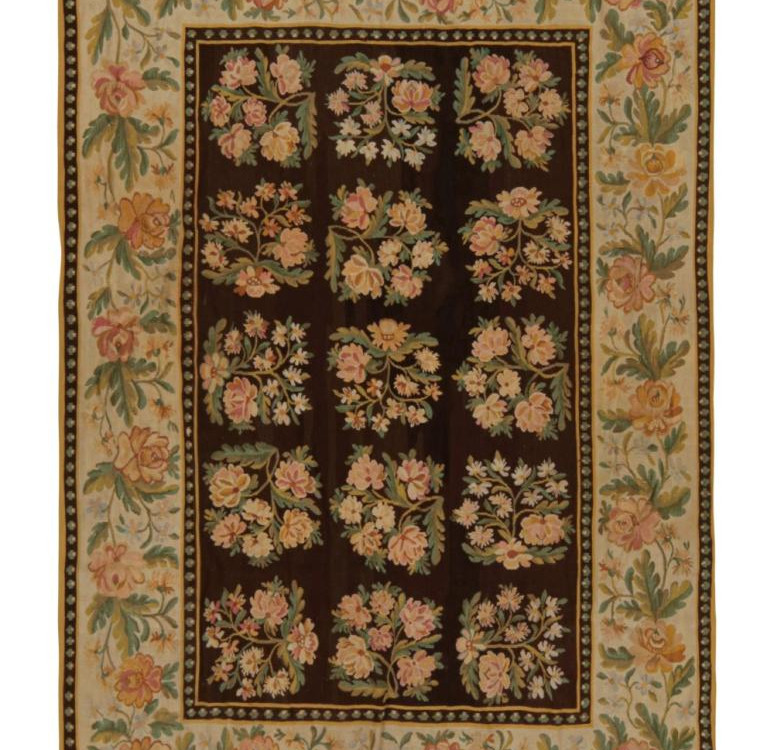
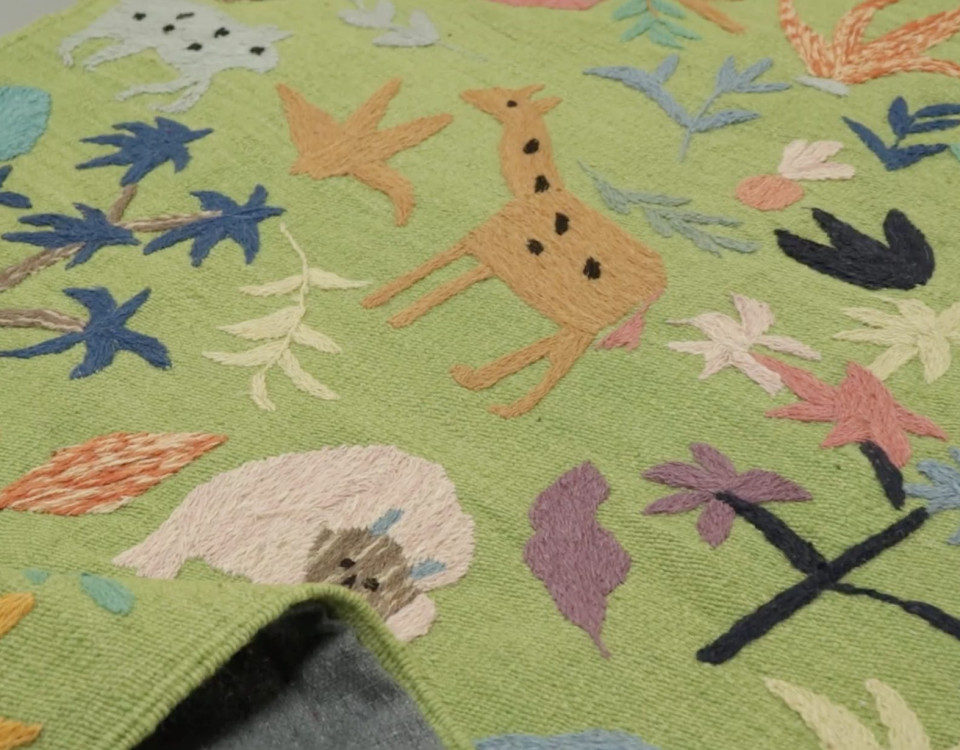
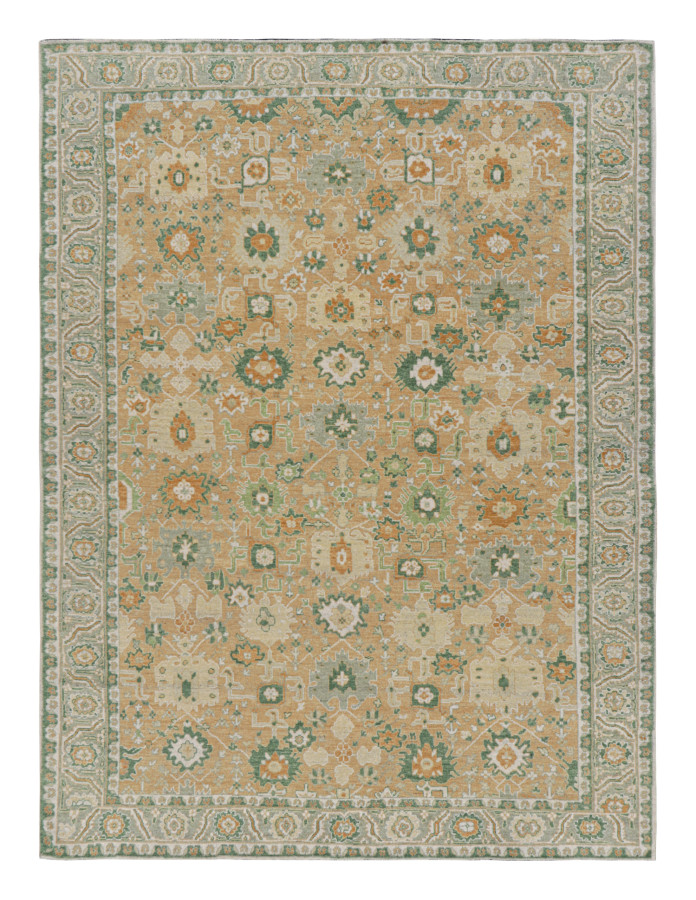
Rug & Kilim has always been passionate about pictorial rugs and how distinct they are to every culture, but above them all, Scandinavian folk pictorial rugs have always touched our heart deeply for their unique connection to Swedish culture’s history.
View some of our Scandinavian folk pictorial masterpieces –