
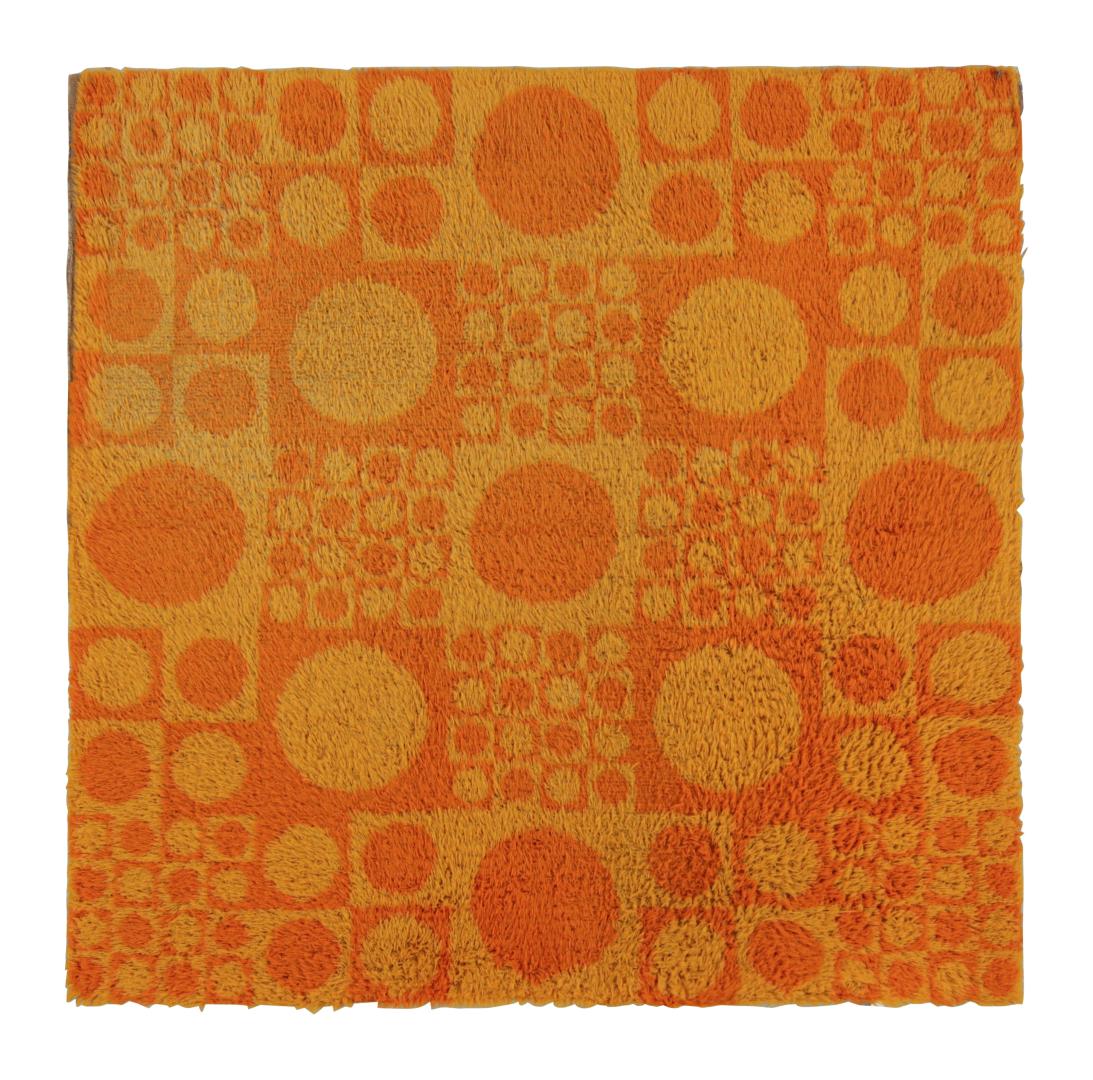
Ege Rya Rugs & Verner Panton’s Abstract Modernist Style
December 5, 2023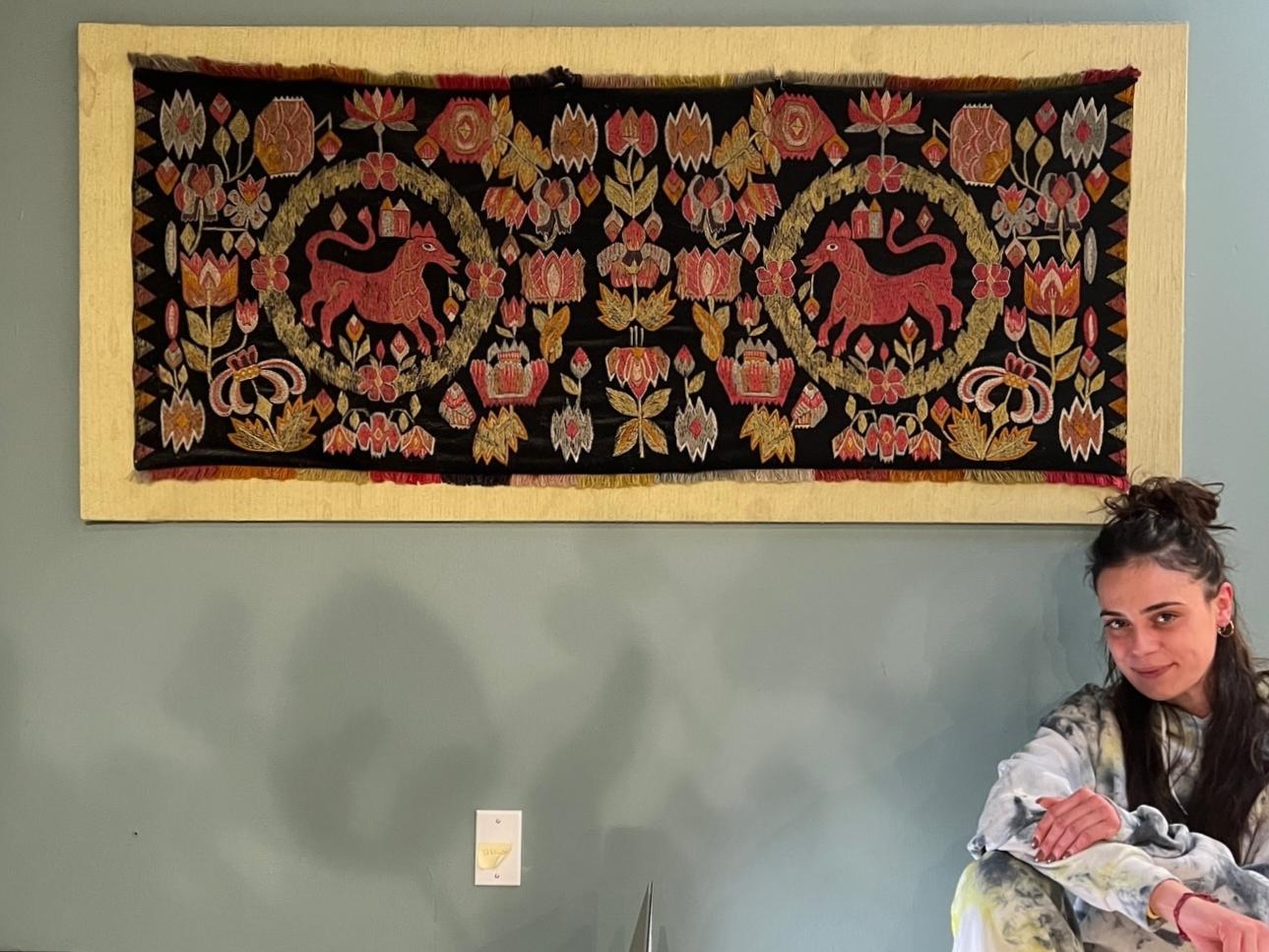
A Guide to Traditional Swedish Flamskväv Textiles in Scandinavian Folk Art
December 19, 2023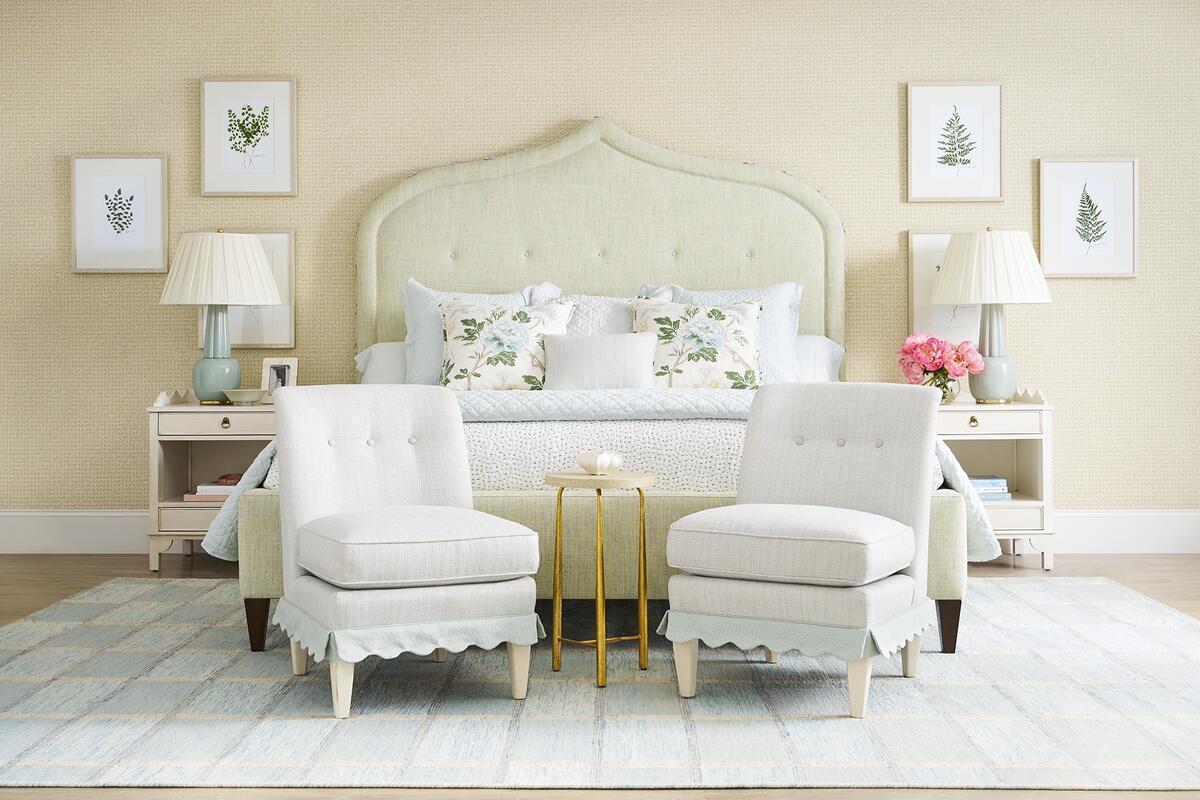
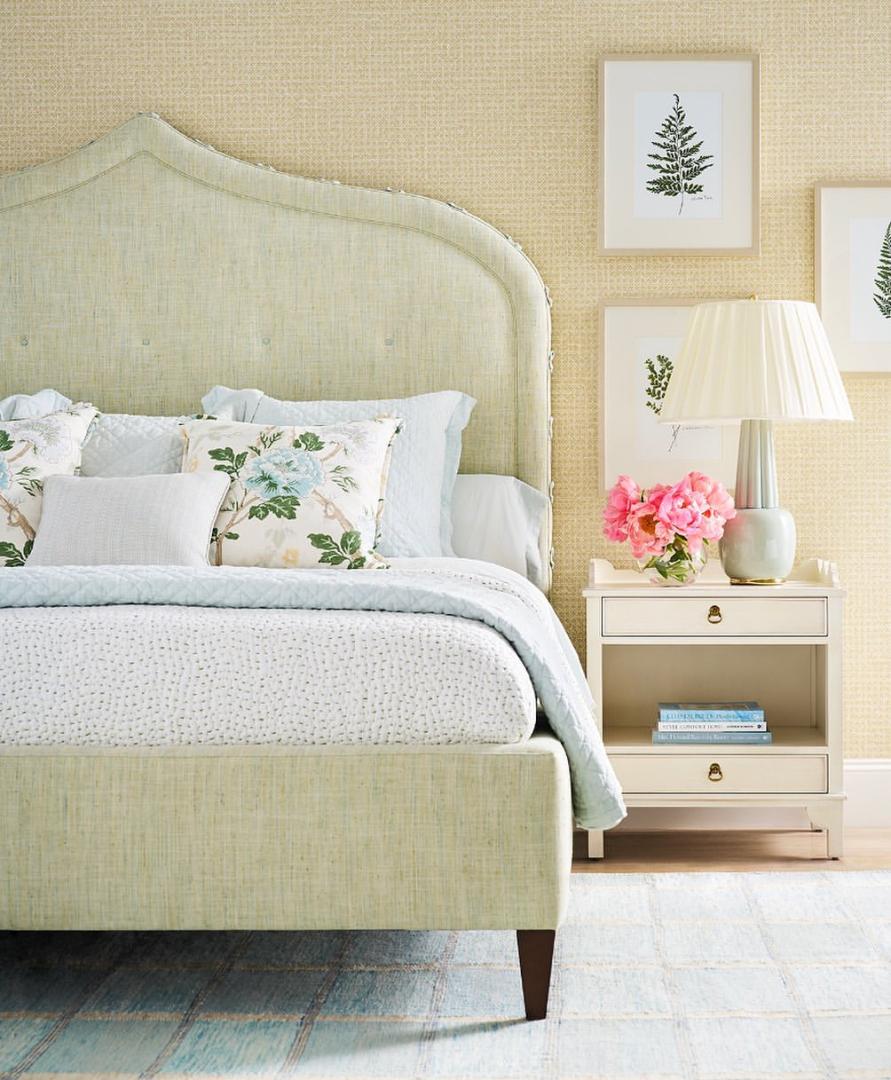
A bedroom by Phoebe Howard featured in Business of Home includes a custom flatweave from the Scandinavian rug collection by Rug & Kilim. The room’s “Feminine, maximalist details” and “subtle Turkish Revival touches” work with the Swedish minimalist style of the rug. Photo courtesy of Sherrill Furniture and the Nellie Jane collection.
 As the name suggests, Scandinavian rugs hail from Scandinavian countries mainly Denmark, Finland, Norway and Sweden. In the Swedish belt, rug weaving began long after it did in China and Persia. The earliest production was influenced by rug weavers in Anatolia and Asia Minor. It was nearly during the 10th century when the region was densely involved in trade with the Byzantine Empire in Constantinople that the production of rugs began to happen extensively. These rugs were thickly woven to help people fight the bitter cold and harsh weather conditions. This approach not only made the Swedish rugs durable but also comfortable and welcoming. Later, Scandinavian rugs were not just floor rugs but were also used as bedding, wall hangings by the nobility and were an important part of weddings too.
From the 1500s to the 1800s, as time progressed, Scandinavian rugs began to feature The Tree of Life motif symbolizing family. During the mid-20th century, Ryas mostly favored abstract, geometric designs with thick shaggy pile — well suited for hostile weather conditions. The traditional Swedish Ryas were made with a variety of techniques like carpet knots, needlework and weaving tapestry. The weavers would employ symmetric Turkish (or Ghiordes) to the backing to achieve the desired constitution and durability to the piece.
Scandinavian floor coverings and textiles in the early 20th century marked the beginning of a golden era for Swedish design. Marta Maas-Fjetterstrom and her contemporaries brought about a revolution in the realm of Scandinavian rugs — laying a foundation for the Swedish Deco movement in 1919. Her designs and methodology were futuristic and well defined. Connoisseurs will note how Swedish Deco patterns and abstract rya rugs influence 1970s retro aesthetics and Art Deco style even today.
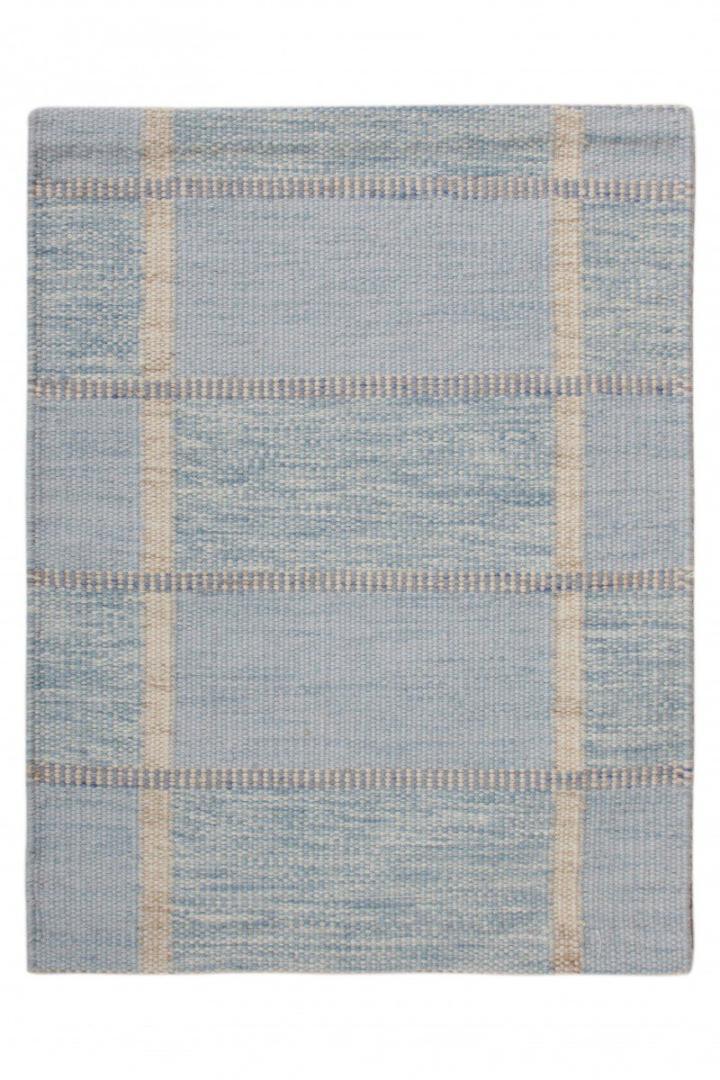 Scandinavian rugs and flatweaves have always been about their “hygge” vibe — a word in Danish and Norwegian that translates to a cozy, comfortable mood. Since Scandinavian countries receive less sunlight, nordic rugs embrace light neutral tones or a muted palette to make the surroundings appear more comfortable, spacious and airy. In the Swedish color palette, we usually find tones of beige, gray, white or even a refreshing combination of cool blue, green tones. Such colorways beautifully complement modern interiors with their softness for a clean and fresh look. Swedish Ryas and Nordic rugs carry linear and minimal patterns that sit elegantly with an array of furniture and room set ups.
Comment with your thoughts on Scandinavian rugs and explore our Scandinavian Collection to see a contemporary approach to its many styles.