
A Guide to Antique Isfahan Rugs
May 8, 2024
A Profile on George Barbier – Master of Art Deco
May 15, 2024
Mucha’s journey from acclaimed decorative artist to a champion of art for the people is a fascinating narrative of artistic evolution and social consciousness. His iconic posters for Sarah Bernhardt catapulted him to global fame, showcasing his mastery of design and visual storytelling. However, Mucha’s aspirations extended beyond commercial success; he envisioned art as a means of uplifting and inspiring humanity. Driven by his political and spiritual beliefs, Mucha dedicated himself to the cause of the Slavic peoples and the liberation of his homeland. His commitment to these ideals is evident in his monumental painting cycle, the Slav Epic, which serves as a testament to his artistic and philosophical depth.
By democratizing art and infusing it with a sense of purpose and cultural significance, Mucha’s legacy continues to resonate, inspiring generations to embrace art as a powerful tool for social change and spiritual enlightenment.
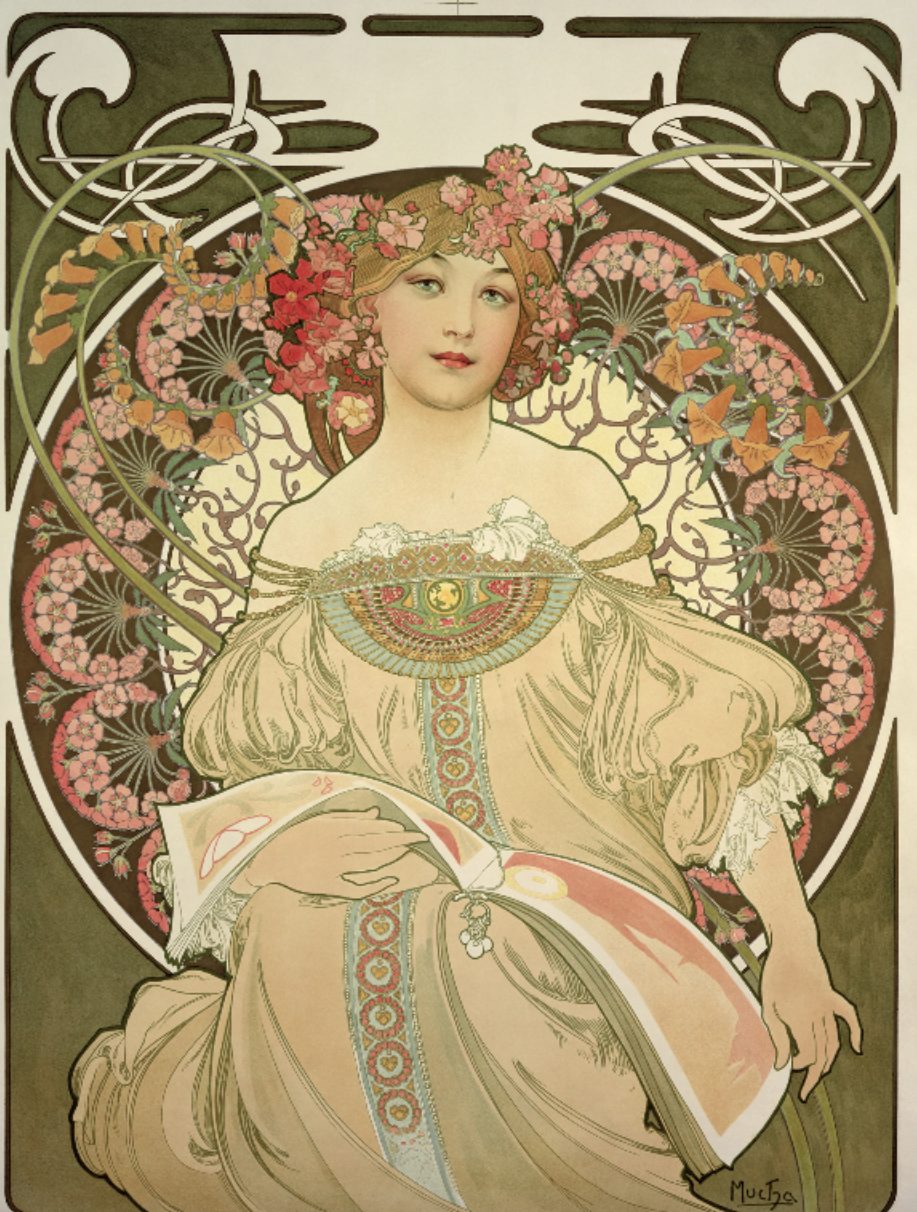
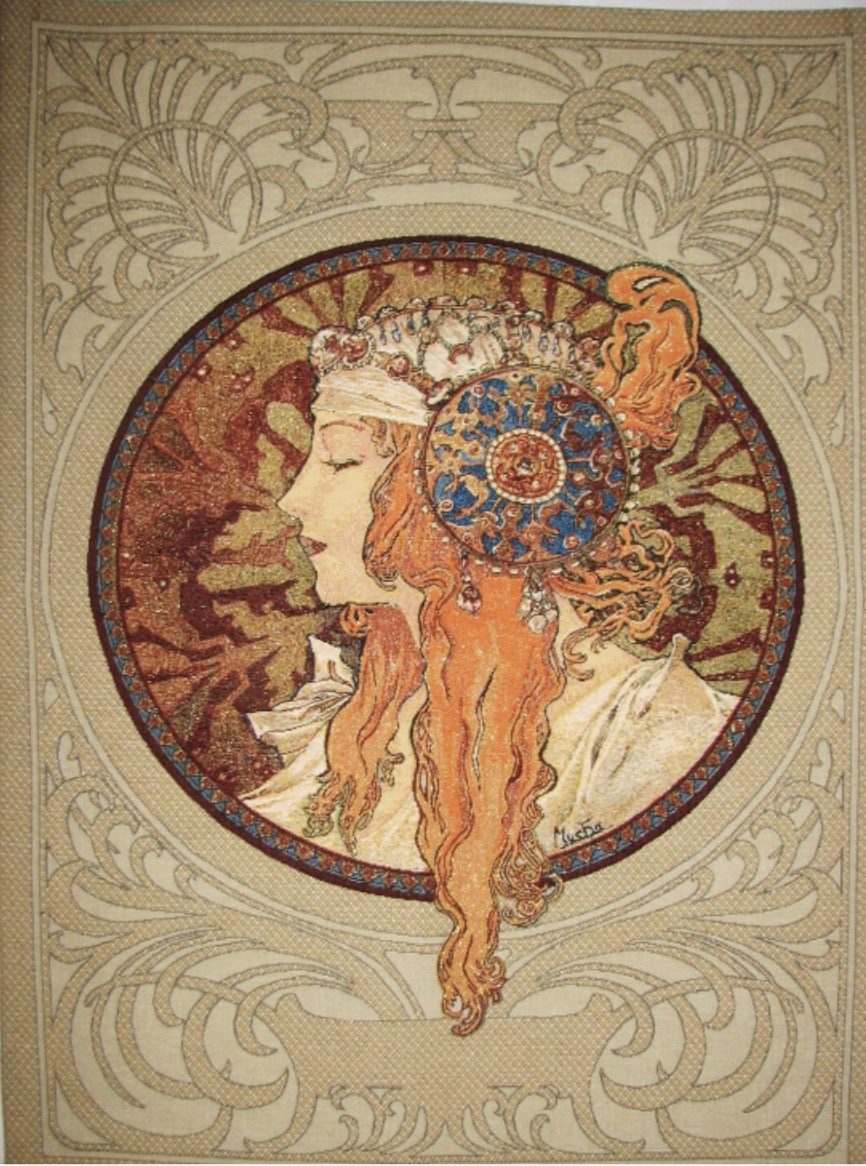
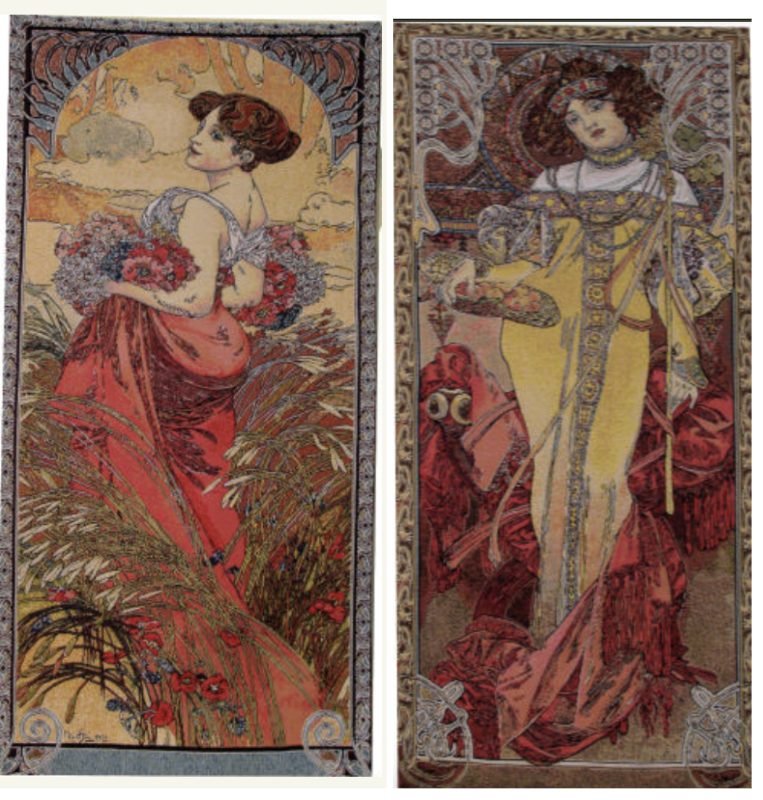
Alphonse Mucha was a prominent Czech artist known for his iconic Art Nouveau style, characterized by elaborate designs and decorative elements. His career flourished in Paris during the Art Nouveau period, where he gained fame for his theatrical posters, especially those featuring the renowned actress Sarah Bernhardt. Mucha’s posters and illustrations were highly stylized, incorporating intricate patterns and a sense of romanticism that defined the era. Later in his life, Mucha shifted his focus to a grand project known as The Slav Epic. This series of twenty monumental canvases depicted the history and cultural heritage of the Slavic peoples around the world. He began this ambitious endeavor in 1912 and completed it in 1926, showcasing his dedication to celebrating Slavic history and identity through art.
In 1928, coinciding with the 10th anniversary of Czechoslovakia’s independence, Mucha presented The Slav Epic to his homeland as a gift. He viewed this series as his most significant and meaningful work, reflecting his deep connection to Slavic culture and history. The monumental canvases of The Slav Epic remain a testament to Mucha’s artistic prowess and his commitment to using art as a means of cultural expression and celebration.
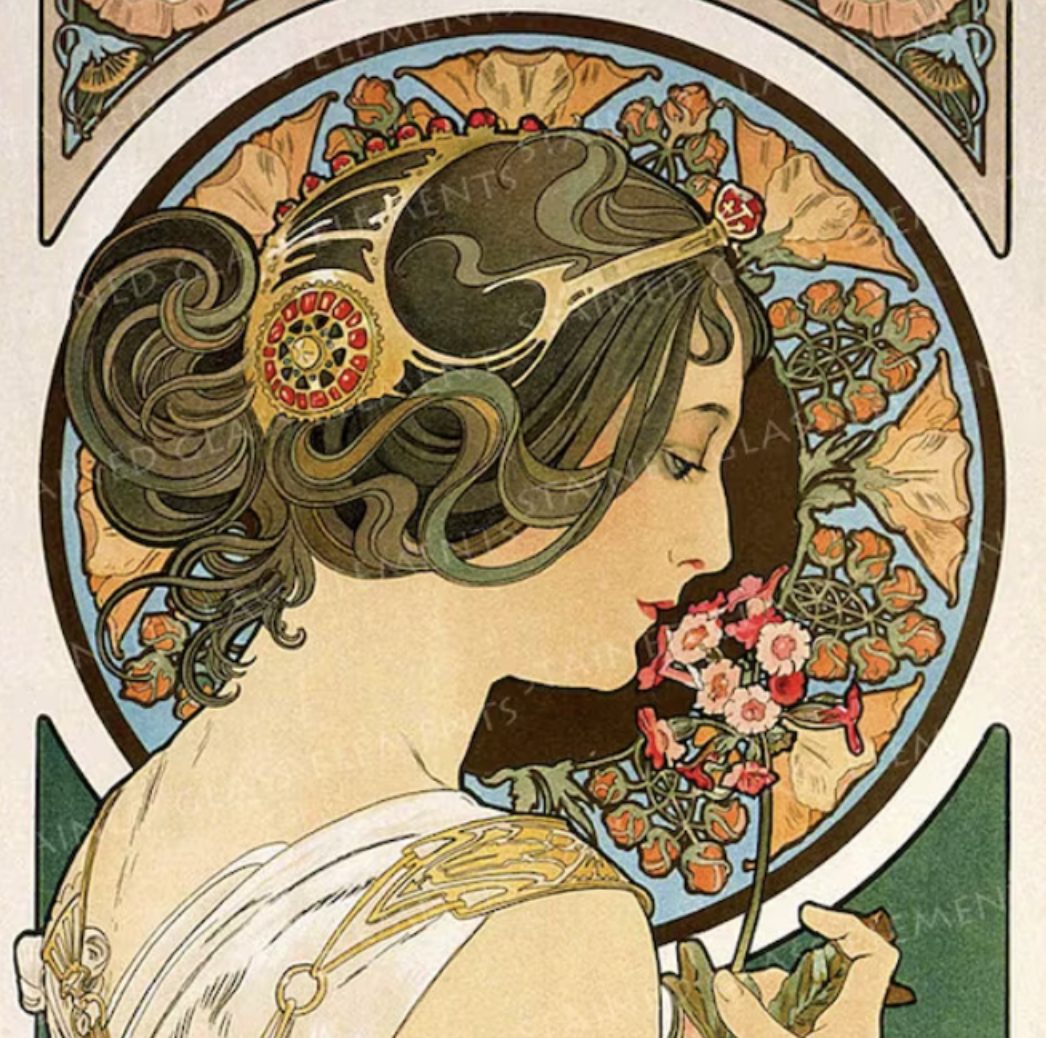
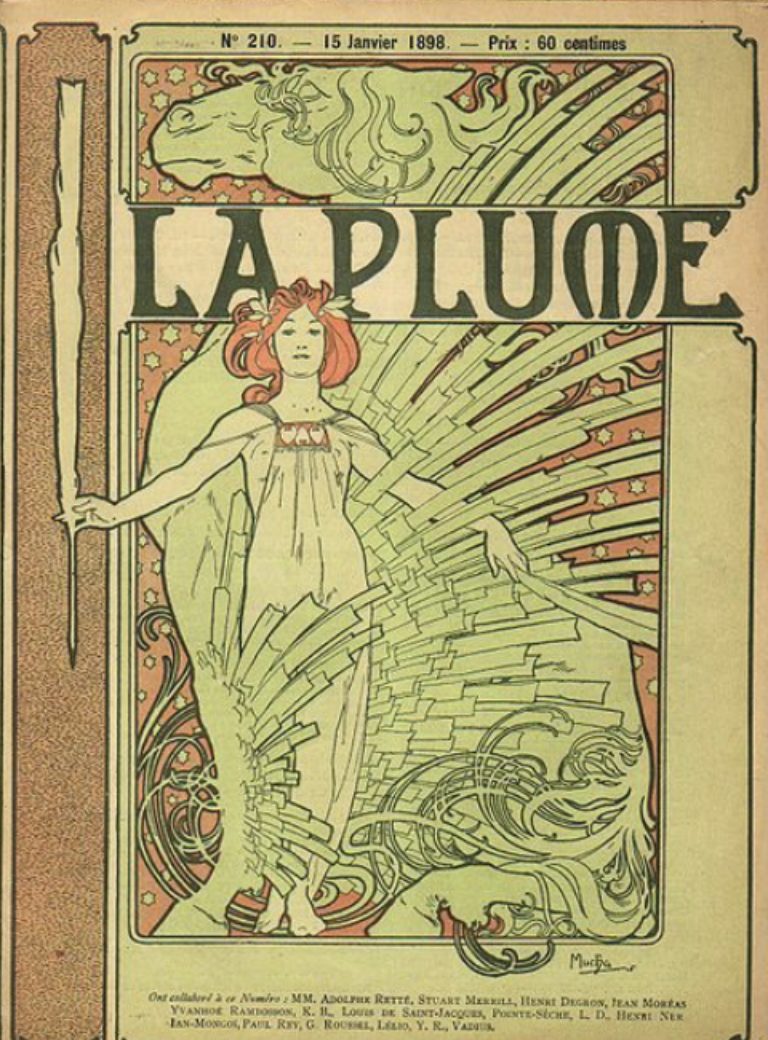
Mucha’s legacy is deeply intertwined with the Art Nouveau movement, although he sought to transcend the commercial aspects often associated with it. His diverse body of work included paintings, posters, advertisements, and illustrations, showcasing his distinctive Mucha Style, characterized by flowing lines, lush floral motifs, and ethereal female figures. His use of pastel colors and delicate compositions set him apart from his contemporaries, contributing to the soft, dreamlike quality of his works.
The 1900 Universal Exhibition in Paris played a crucial role in spreading Mucha’s style globally, leading to international acclaim. His collaboration on various projects, including the decoration of pavilions at international exhibitions, showcased his versatility and artistic vision. Despite the commercial success of his Art Nouveau style, Mucha continued to emphasize the importance of art rooted in Czech culture and spirituality, striving to create works that transcended mere aesthetics to inspire and uplift.