
A Profile on George Barbier – Master of Art Deco
May 15, 2024
A Profile on Louis Comfort Tiffany – Master of 1920s Decorative Arts
May 21, 2024
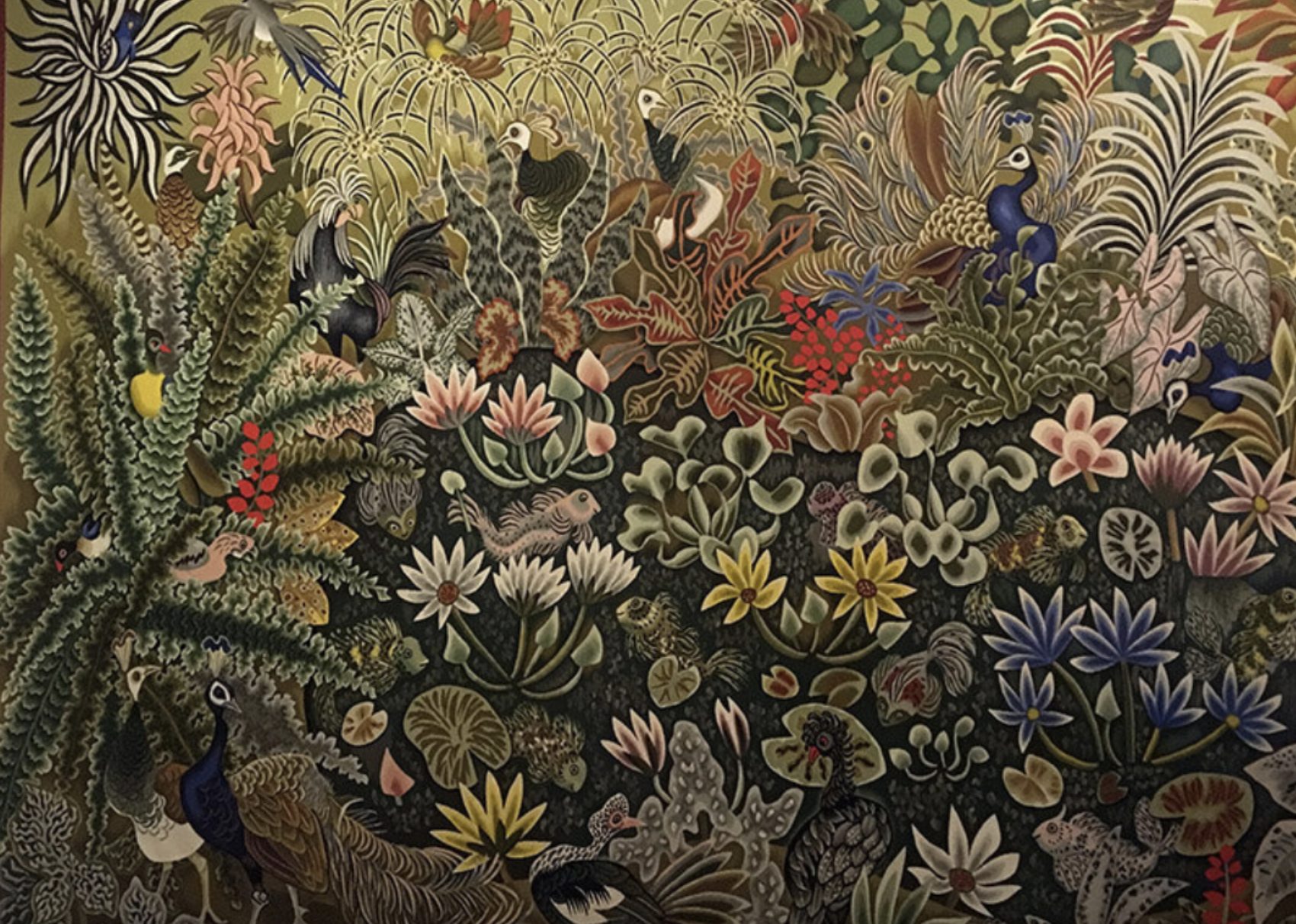
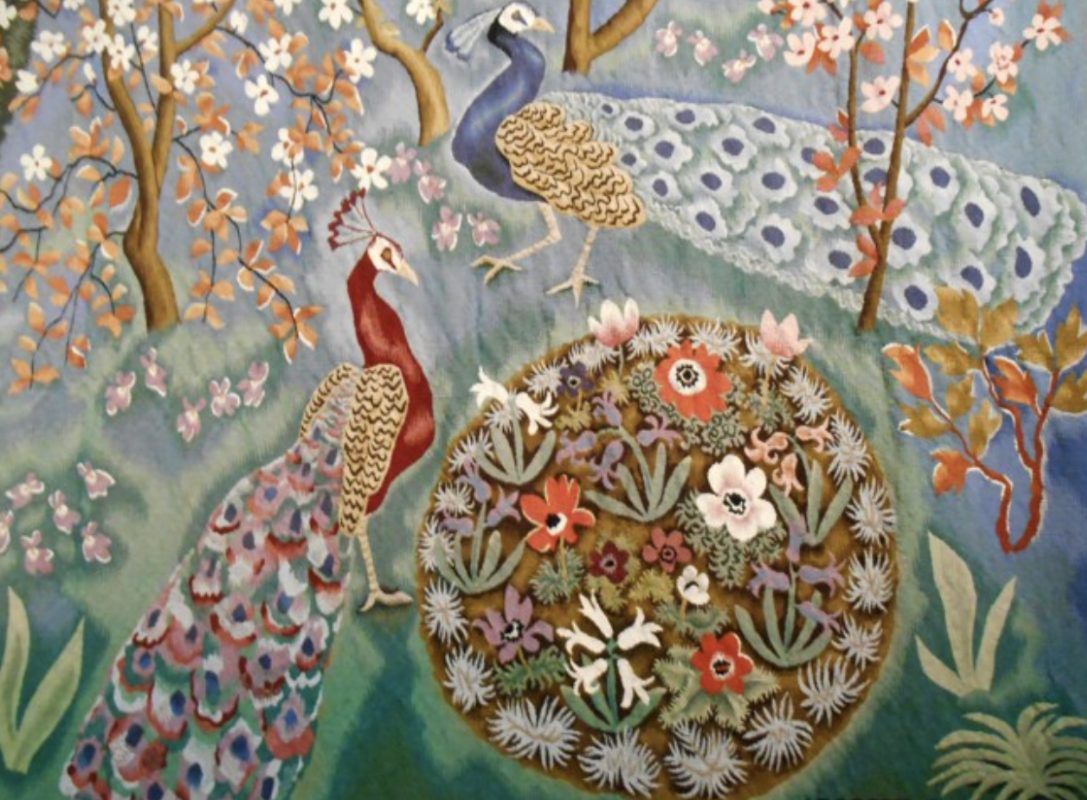
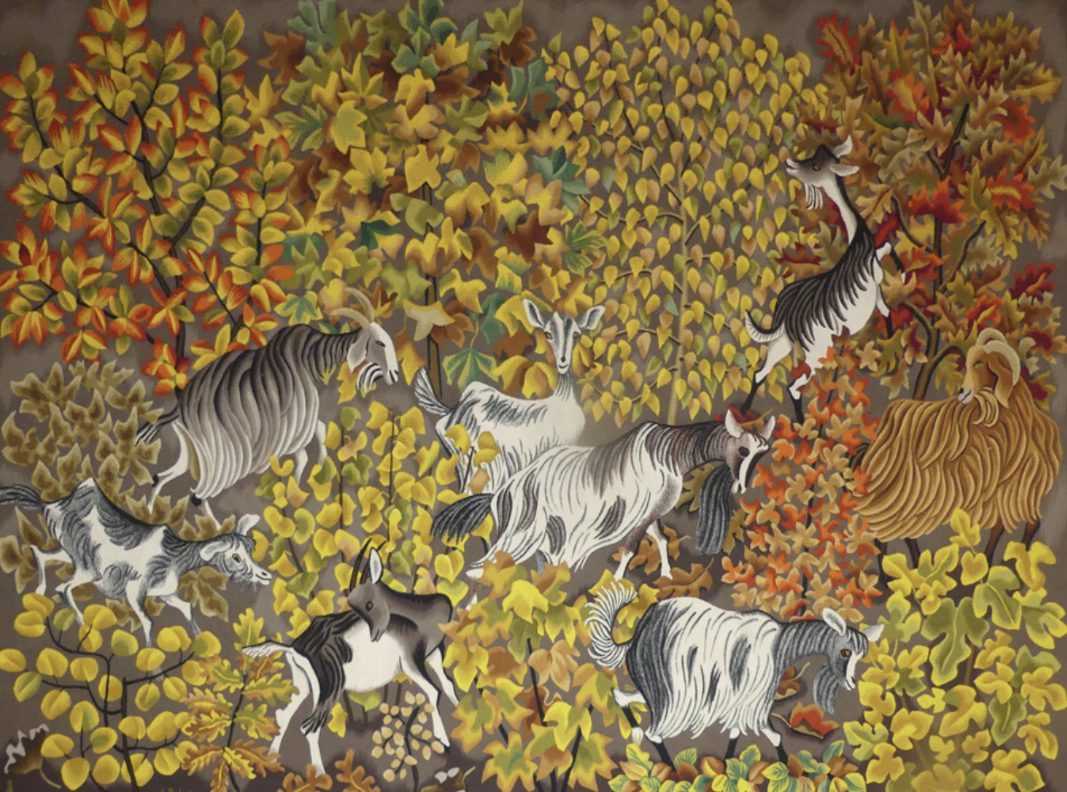
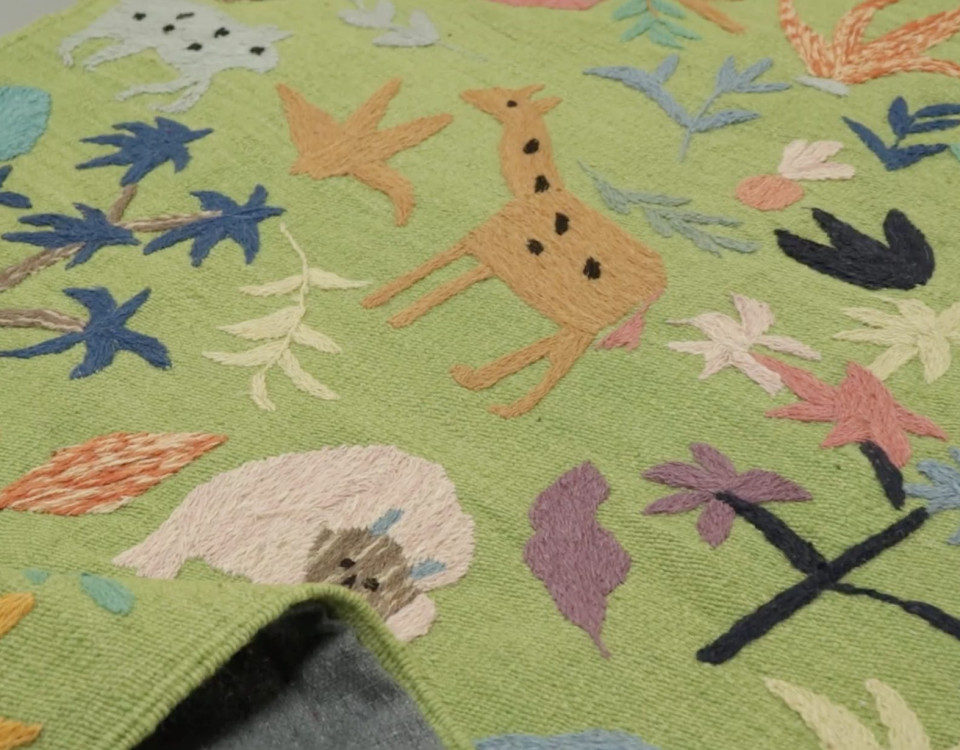
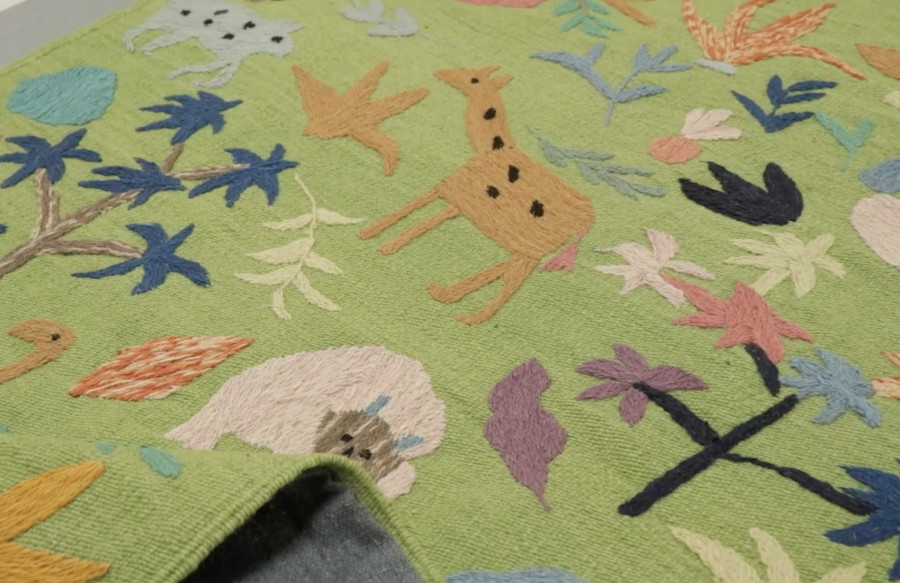
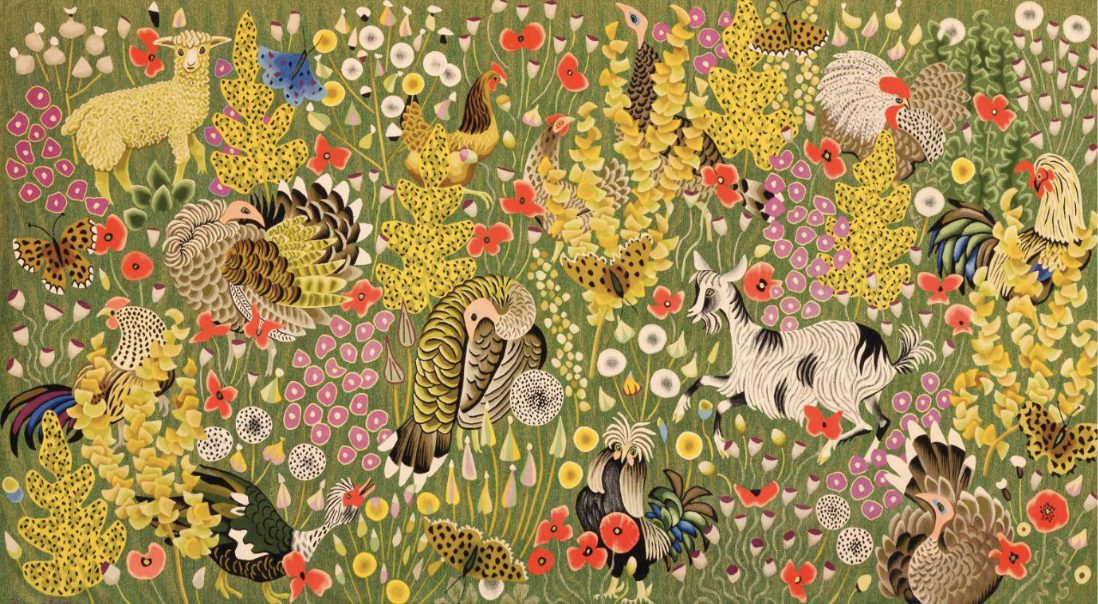
Dom Robert focused all of his work on nature as it came out of the Creator’s hands, free from everything that human industry adds: horses, flowers, chickens, herbs, ducks … He believed in the purity of nature, stating,
“There is only one thing that is right, that is nature. Nature is real, real.”
His encounter with Jean Lurçat in 1941 marked a pivotal moment at the Abbey of En Calcat, shaping his approach as a cartoonist and member of the A.P.C.T. His distinctive style, devoid of perspective, draws from nature’s motifs in a paradisiacal manner, blending stylized flora and fauna with medieval tapestry influences. Poetic and vibrant, his work reflects both his spiritual devotion and a lively, celebratory exuberance.
Robert, born in 1907 entered a Benedictine abbey in 1930 as Brother Robert and later became a priest in 1937, receiving the title of Dom Robert. His tapestries were primarily woven by Tabard and Suzanne Goubely in Aubusson. It’s worth noting that in the world of tapestry, designers and weavers are often separate roles, so while Dom Robert was a masterful designer, he wasn’t necessarily the one physically weaving the tapestries. Nonetheless, his understanding of weaving techniques shines through in his approachable and captivating designs. Throughout his career, Dom Robert created around 150 cartoons, most of which were woven in Aubusson. While many copies of his cartoons exist, they are often held in private collections, showcasing the enduring appeal and value of his work in the world of tapestry art.
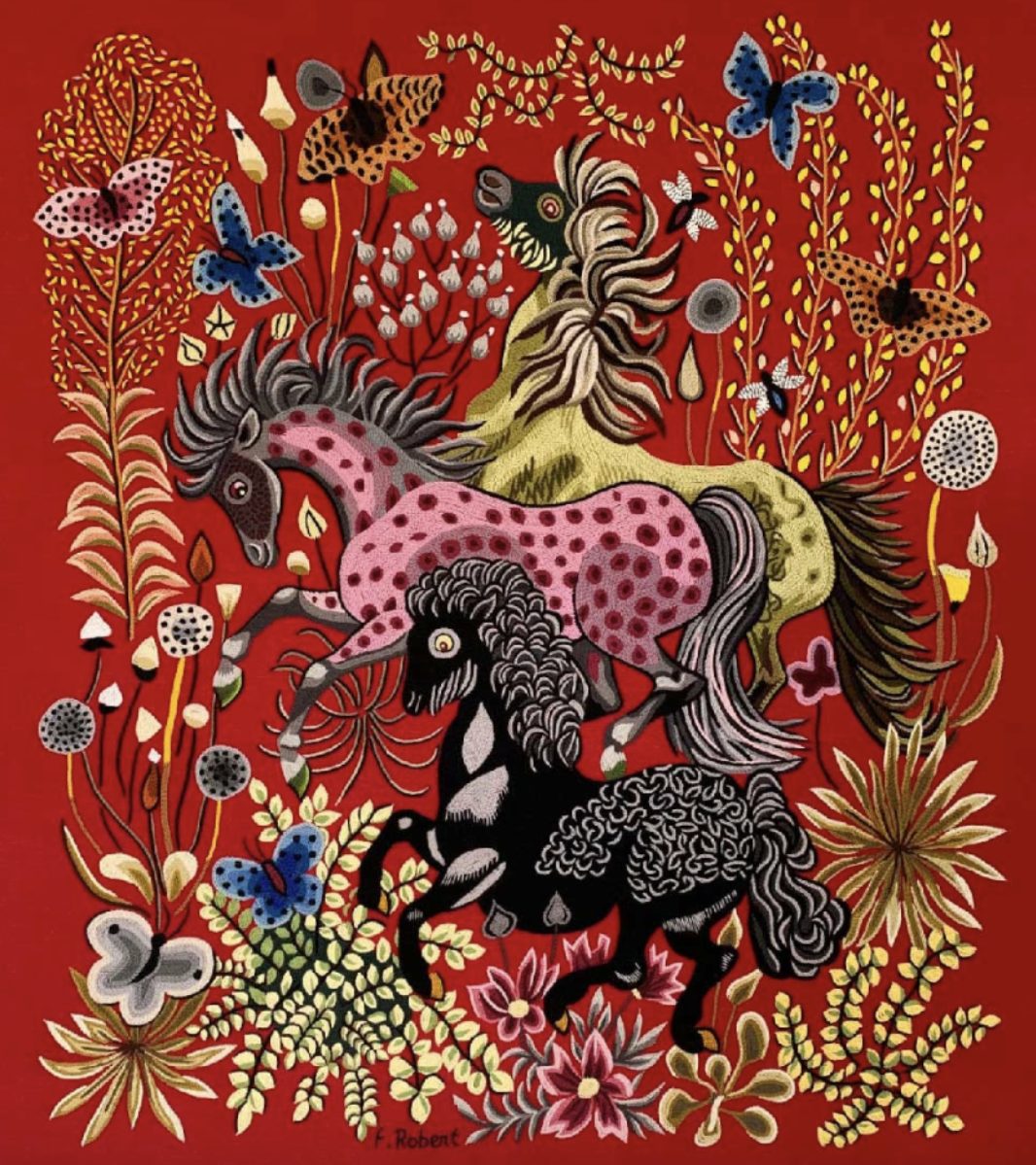
Dom Robert, whose real name was Guy de Chaunac-Lanzac, was a multifaceted artist known for his work as a Benedictine monk, tapestry-maker, painter, and ceramicist. He received his education at the Jesuit College in Poitiers and later attended the École nationale des arts décoratifs in Paris. His career started with creating cartoons for the Maison des soieries Ducharne in Paris. In 1930, Dom Robert’s life took a spiritual turn when he joined the Abbaye d’En-Calcat, influenced by his associations with Jacques Maritain and Maxime Jacob. He was ordained as a priest in 1937 during his time at the abbey. The pivotal moment in his journey came in 1941 when he met Jean Lurçat, leading to a collaboration that resulted in the creation of numerous tapestries at the atelier Tabard in Aubusson.
Jean Lurçat introduced Dom Robert to the art of tapestry, recognizing the unique and powerful qualities of Dom Robert’s watercolors and illuminations. Dom Robert’s work, characterized by its modernity, diversity, and vibrant colors inspired by nature, has found a fitting showcase at the Dom Robert Museum, located within the Sorèze Abbey School in Midi-Pyrénées. The museum, spanning 16,000 square feet, was transformed for its purpose by the Italian architectural firm N’Studio, blending contemporary design with respect for the abbey’s historical significance.
Dom Robert played a significant role in the revival of the Aubusson Tapestry Manufacture, a historical center of tapestry artistry that rivaled the prestigious royal manufacture of Gobelins tapestry during the 17th and 18th centuries. In 2009, Aubusson tapestries were recognized and added to the UNESCO Intangible Cultural Heritage List, further highlighting their cultural importance.