

Walter Nichols and the Renaissance of Chinese Rugs
January 22, 2025
European Rug Medallions: Symbols of Art, Power, and Prestige
February 3, 2025The future of luxury is not about ostentation; it’s about the consciousness behind our choices.
The Natural Fiber
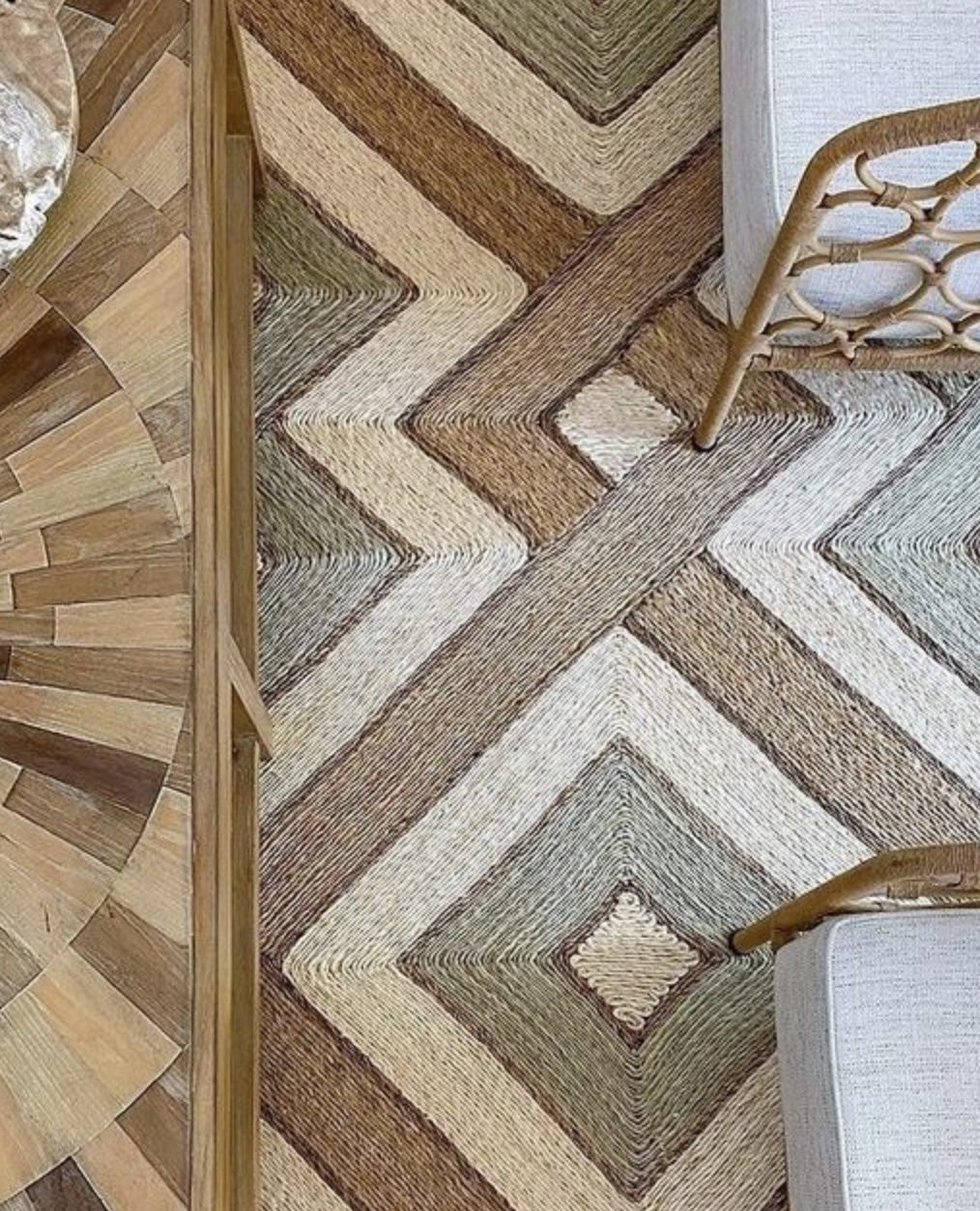
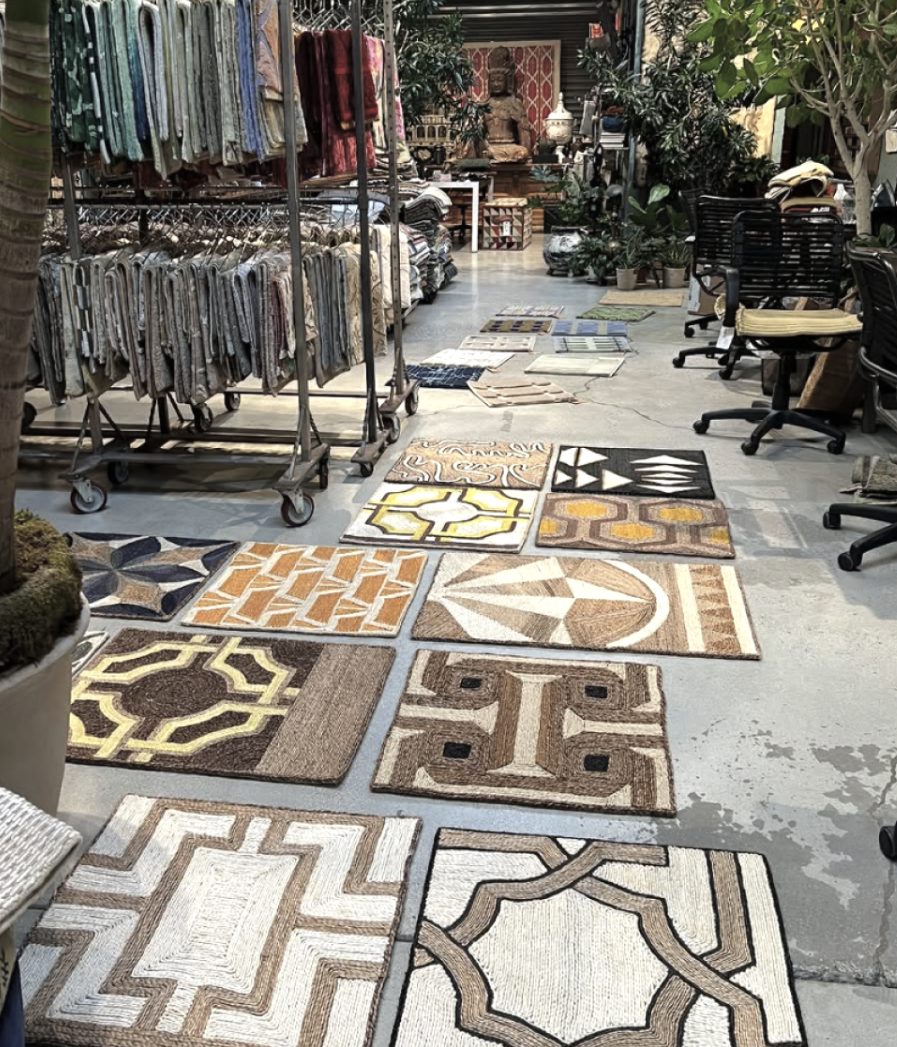
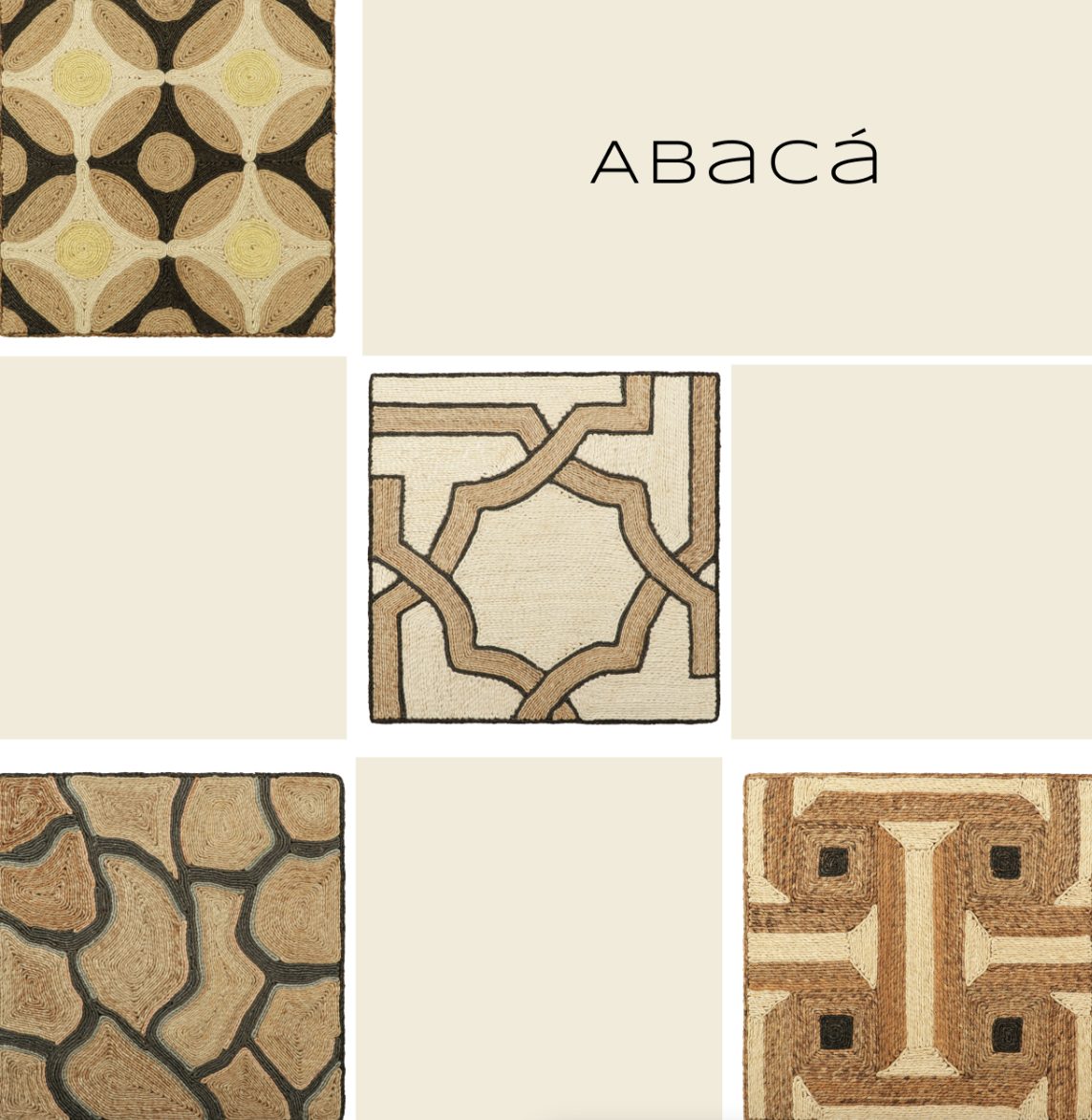
Abaca, derived from the Musa textilis plant native to the Philippines, represents a masterclass in sustainable materiality. These rugs, with their distinctive natural sheen and remarkable durability, have captured the attention of leading designers who are reimagining modern interiors through an ecological lens.
Each fiber must be hand-stripped, dried, and treated before the intricate weaving process can begin. The process involves traditional techniques passed down through generations of Filipino artisans, resulting in rugs that can last decades.
Abaca brings an understated elegance that synthetic materials simply cannot replicate.
Biophilic Design
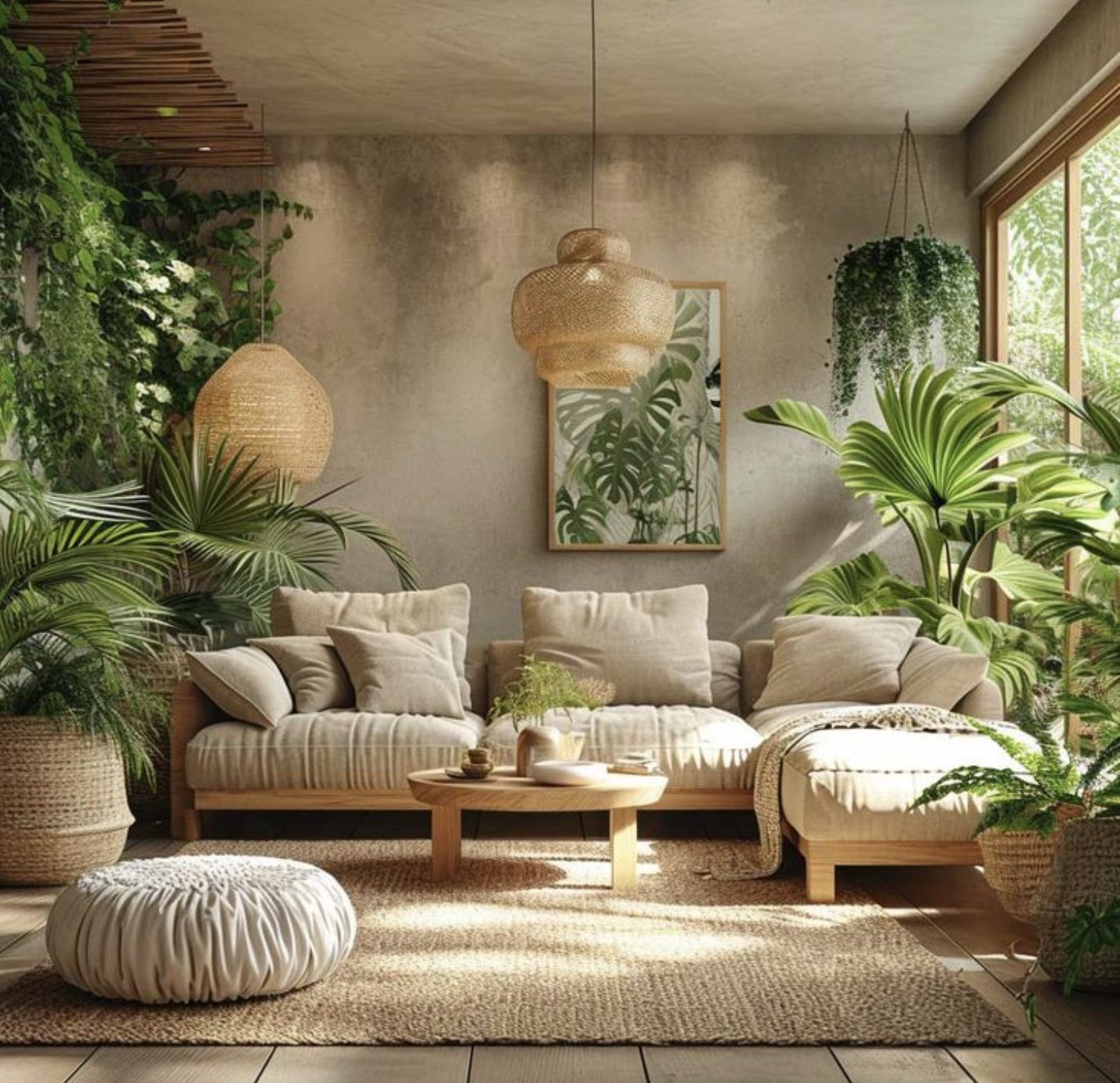
The rise of biophilic design has further catalyzed abaca’s popularity in high-end spaces. The material’s natural variations and textural depth creates a living connection to nature within our built environments. This alignment with biophilic principles extends beyond mere aesthetics – abaca rugs contribute to healthier indoor environments through their natural composition.
Sustainability credentials of abaca are particularly compelling. The plant requires minimal irrigation and pesticides, while its harvesting supports indigenous farming communities. When we specify abaca rugs, we’re not just choosing a beautiful product – we’re supporting an entire ecosystem of sustainable practices and cultural preservation.
The natural coloring ranges from luminous ivory to warm honey tones. These organic variations add a layer of sophistication impossible to replicate artificially.
Abaca Rugs and Modern Design
In contemporary applications, designers are pushing the boundaries of abaca’s traditional use. The material can be reimagined through modern weaving techniques, creating patterns that respond to architecture’s current predilection for organic minimalism. The beauty lies in the tension between raw materiality and refined execution.
The beauty of abaca is that it actually improves with age. The fibers develop a natural patina that enhances their character.
The material’s adaptability has proved particularly valuable in the current design climate, where the lines between indoor and outdoor spaces continue to blur. Abaca’s natural resistance to moisture and UV exposure makes it an ideal choice for transitional spaces.
These rugs create continuity between interior and exterior spaces while maintaining their integrity in varying conditions. Perhaps most significantly, abaca rugs represent a broader shift in luxury design consciousness.
Today’s sophisticated clients understand that true luxury lies in choosing materials that honor both our planet and our aesthetic sensibilities. Abaca commands attention with its elegant, lustrous sheen, and further enjoys a more green friendly, eco-conscious sustainable quality for the modern designer.
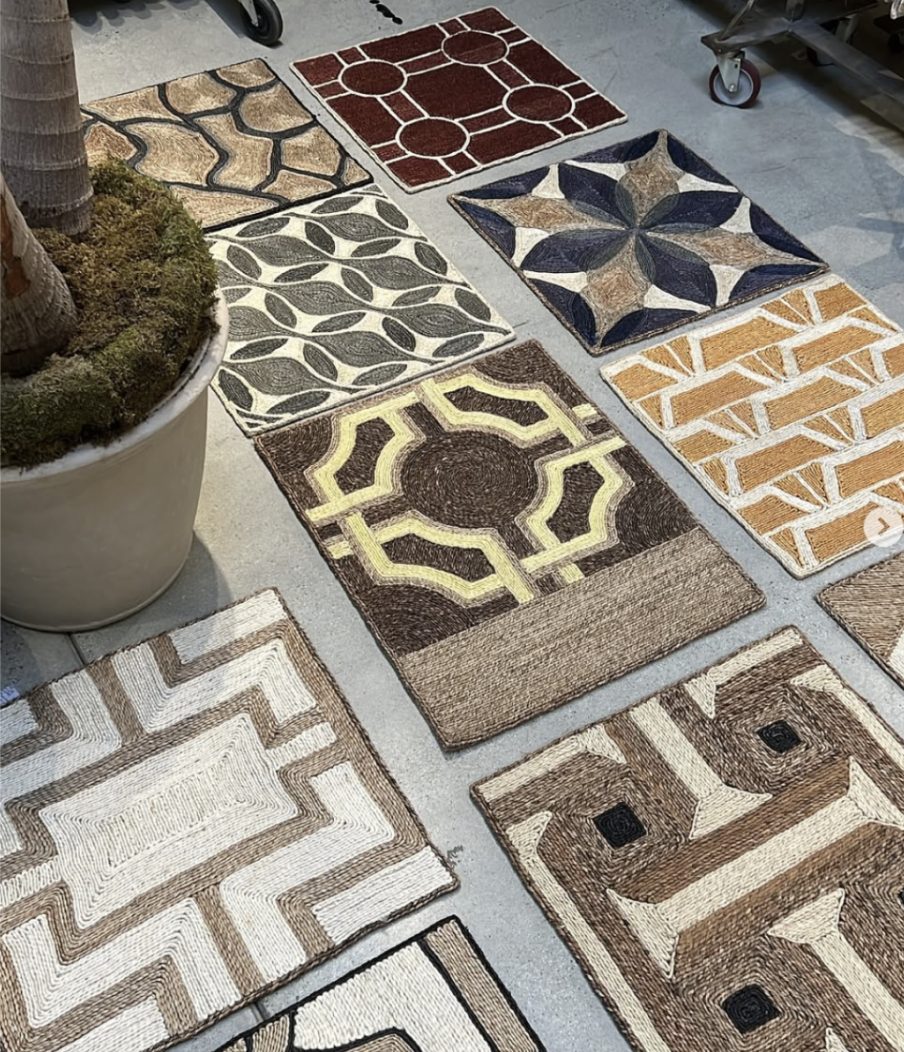
Environmentally-Conscious Interior Design
The integration of abaca into high-end interiors also speaks to the growing importance of circular design principles. These rugs are biodegradable and often manufactured using traditional techniques that minimize environmental impact. We’re seeing a remarkable shift where the most exclusive projects are defined by their environmental consciousness.
As we continue to redefine luxury for an environmentally conscious era, abaca rugs stand as a brilliant example of how traditional materials can meet contemporary demands. They embody the new luxury paradigm – where beauty, functionality, and environmental responsibility are inseparable.
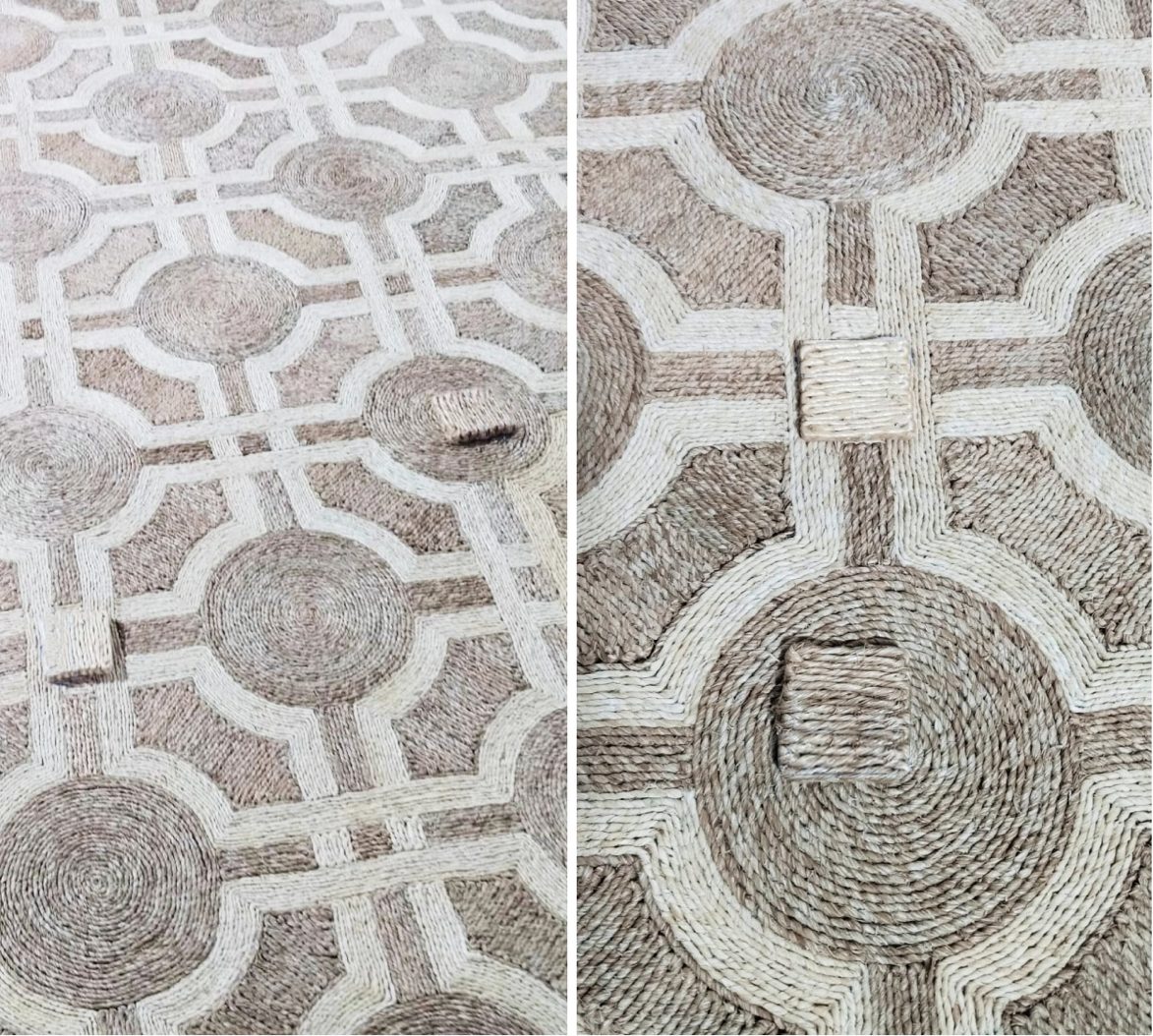
Redefinition of Luxury in Interior Design
The luxury market has seen a 40% increase in demand for abaca products since 2020, according to design industry reports. This surge reflects both growing environmental consciousness and appreciation for artisanal craftsmanship.
We’re seeing abaca being used innovatively in wall installations and room dividers. Its structural integrity and natural beauty make it versatile enough for vertical applications while maintaining its eco-credentials.
Abaca rugs have this remarkable ability to ground both traditional and contemporary spaces. They’re particularly effective in minimalist settings where texture becomes a crucial design element.