
Cotton Material in Rugs: The Renaissance of Natural Fiber Floor Coverings
January 20, 2025
Abaca Rugs: The Sustainable Design Choice For High-End Interiors in 2025
January 27, 2025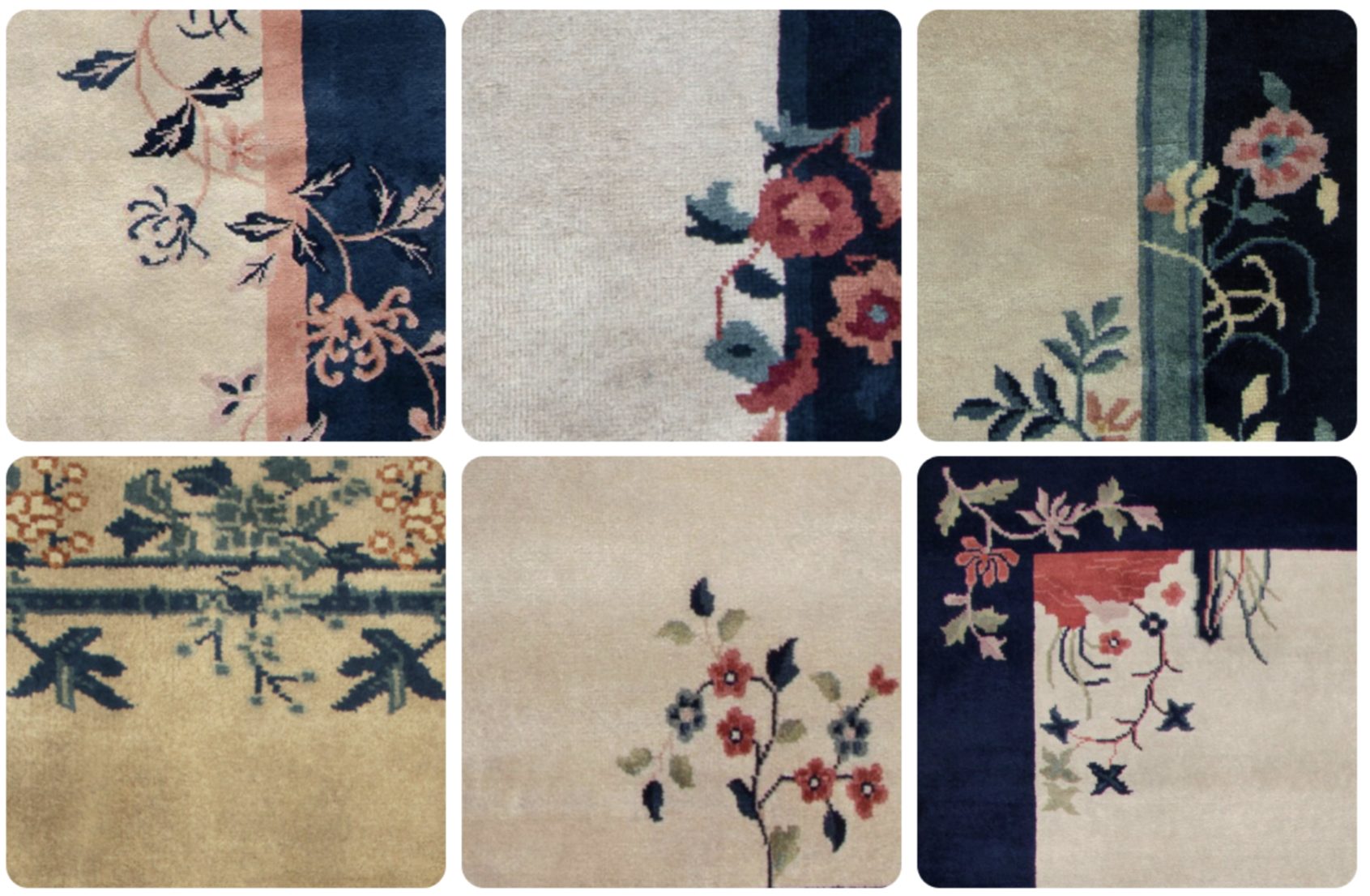
Chinese Rug Tradition
Chinese rug weaving traditions stretch back into antiquity, with earliest textual references appearing in classical Chinese annals. While scholarly debate continues regarding whether carpet weaving originated in China or the Near East, archaeological evidence confirms weaving practices in China by the Han Dynasty (206 BCE – 220 CE).
Initially serving practical and ceremonial functions in imperial courts and Buddhist temples, Chinese carpets evolved distinctive characteristics that set them apart from their Persian counterparts. Traditional Chinese carpets were characterized by their use of simplified motifs, distinctive indigo blues, and symbolic imagery drawn from Buddhist, Taoist, and imperial iconography.
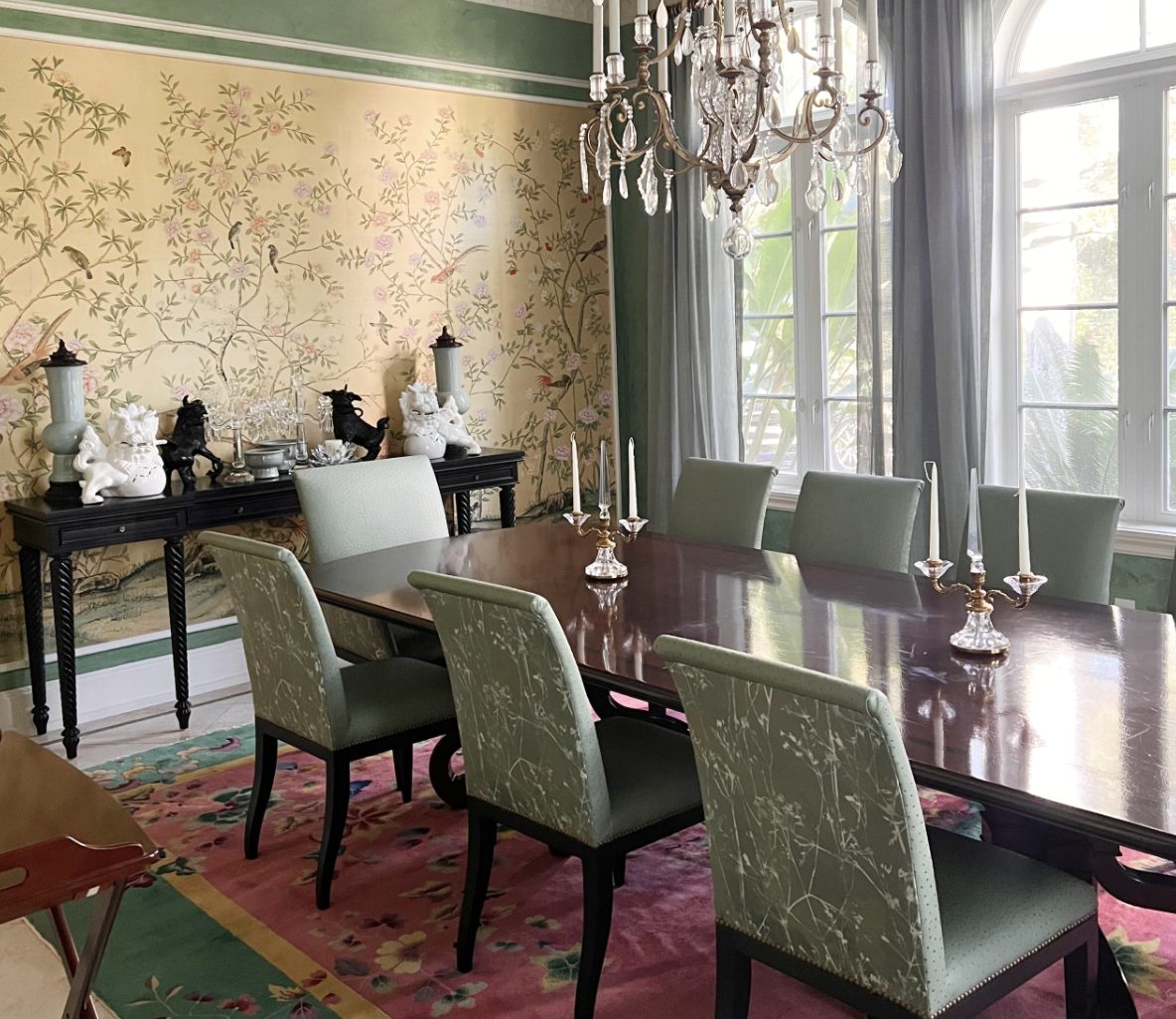
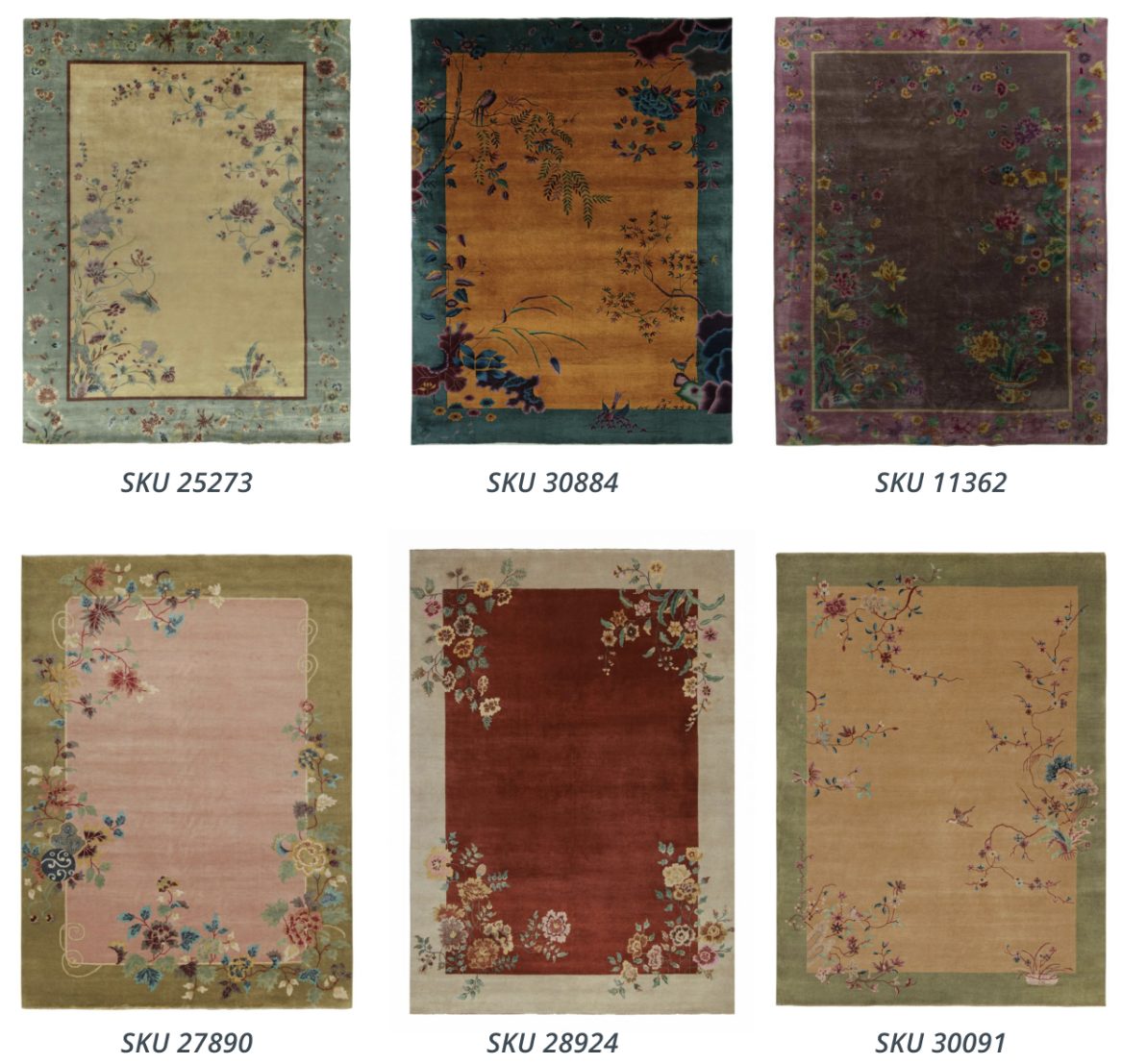
The art form reached new heights during the Ming (1368-1644) and Qing (1644-1912) dynasties, when imperial workshops produced masterpieces that combined technical excellence with sophisticated design sensibilities. These carpets featured distinctive elements including imperial dragons, Buddhist symbols, and naturalistic florals, all executed with a uniquely Chinese aesthetic approach.
The late 19th and early 20th centuries marked a transformative period in Chinese carpet production, as Western influence and industrial innovation led to new forms of artistic expression. This culminated in the Chinese Art Deco movement of the 1920s and 1930s, where traditional craftsmanship met modernist design principles, creating pieces that would redefine the possibilities of carpet design and manufacture.
Walter Nichols and Evolution of Chinese Deco
In the 1920s when Art Deco was revolutionizing global design sensibilities, an American entrepreneur named Walter Nichols transformed the ancient art of Chinese carpet making into a groundbreaking modernist enterprise. The story begins in Tientsin (modern-day Tianjin), where Nichols, initially a wool grader, recognized an unprecedented opportunity to reimagine Chinese carpet making for Western tastes.
In 1924, he established Nichols Super Yarn and Carpets, an enterprise that would soon become synonymous with luxury and innovation in the decorative arts world.
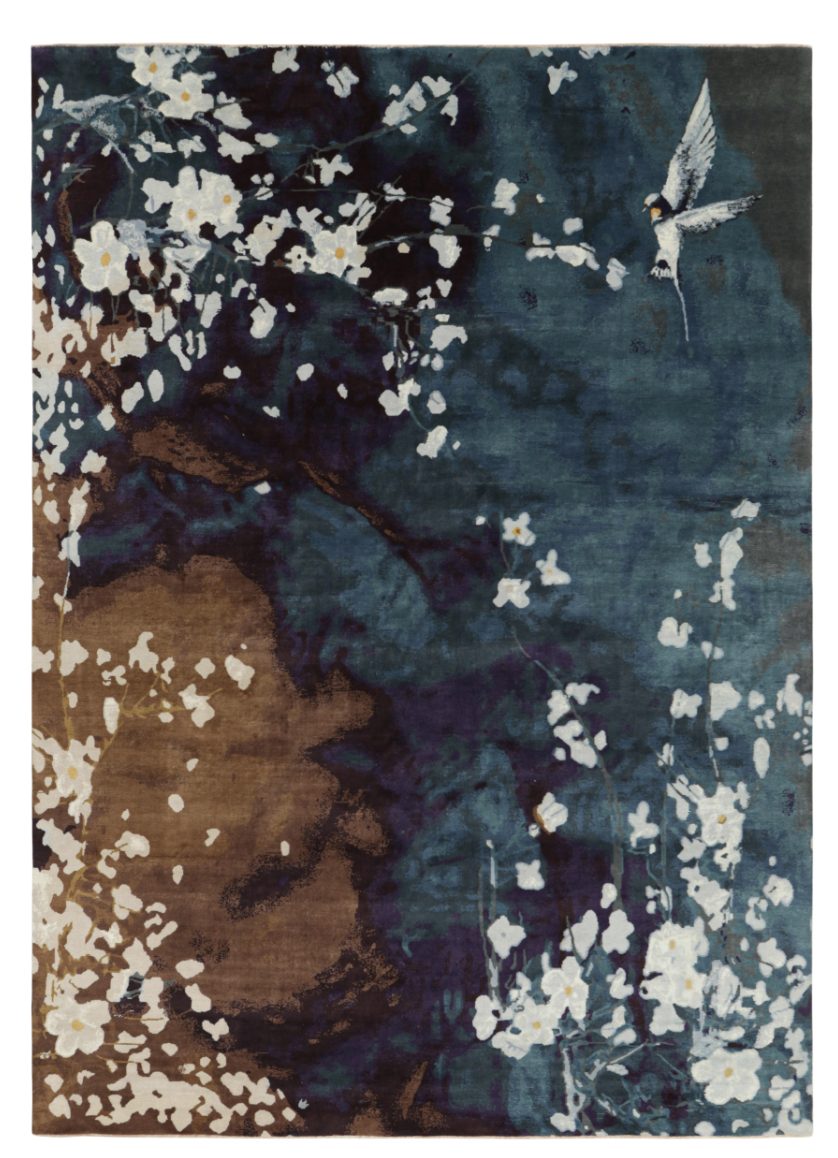
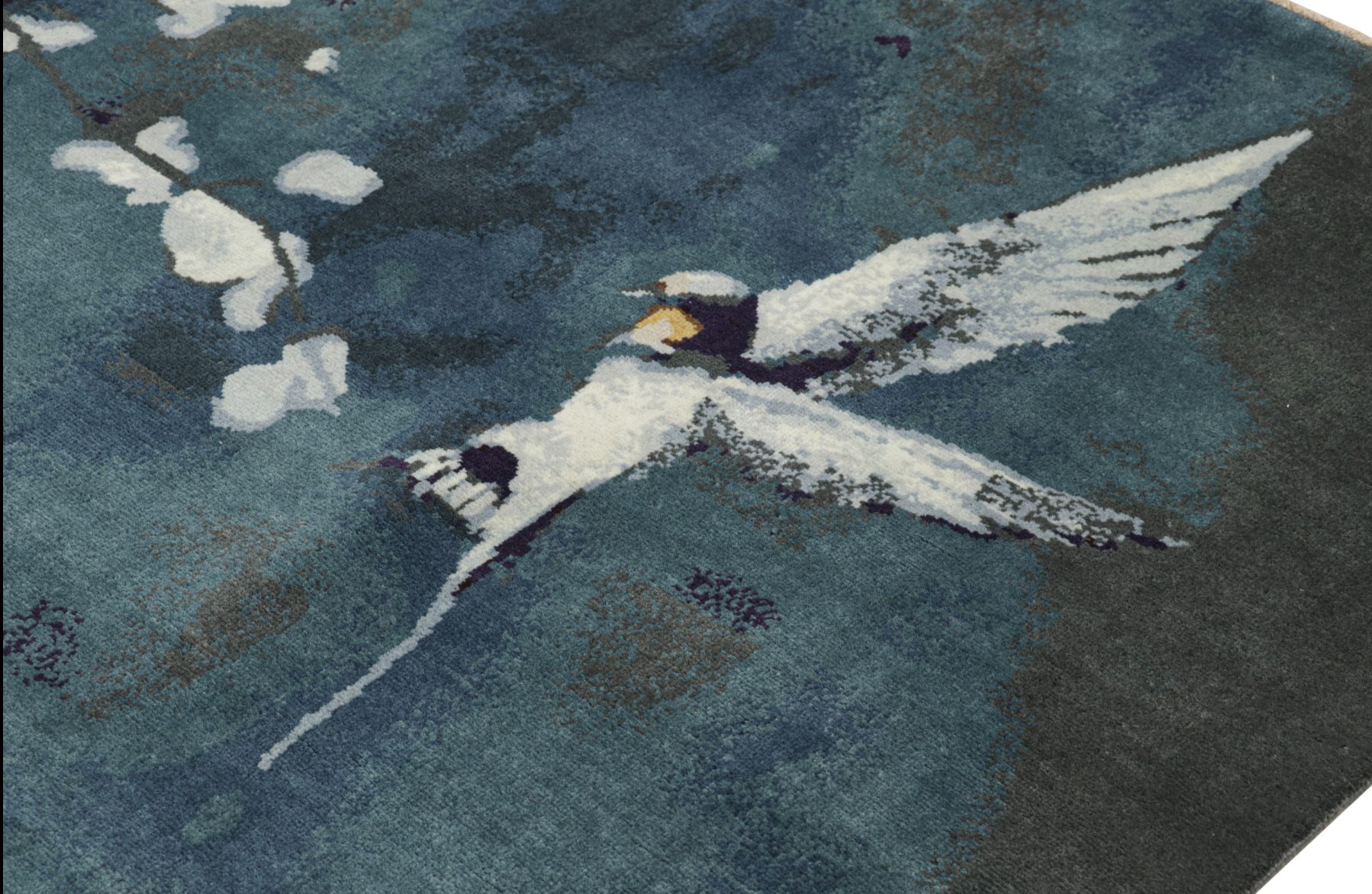
Nichols understood that modernism wasn’t about abandoning tradition, but setting it free.
Key innovations included:
- The introduction of carved effects, where designs were literally cut into relief, creating a sculptural quality unique to Chinese Deco carpets
- Bold color palettes featuring vibrant lapis blues, raspberry reds, and jade greens that replaced the more subdued traditional tones
- Geometric frameworks that organized traditional motifs in striking new arrangements
- The incorporation of Modernist elements while maintaining Chinese artistic principles
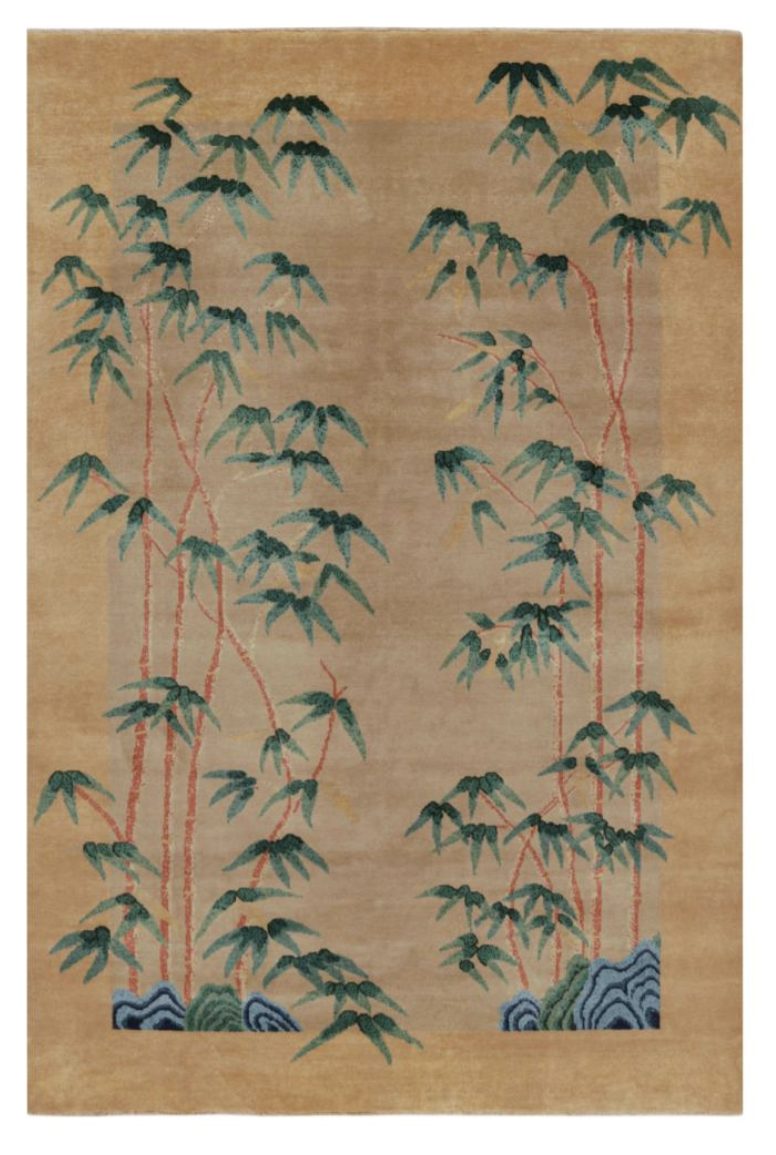
What set Nichols’ carpets apart was their remarkable synthesis of traditional Chinese motifs with Art Deco sensibilities. These weren’t merely rugs; they were artistic statements that captured the zeitgeist of the Roaring Twenties. The designs broke free from conventional Chinese carpet patterns, introducing asymmetrical compositions and color combinations that spoke to the modernist movement sweeping across Europe and America.
The innovation behind these carpets was equally impressive. Nichols’ factories employed a distinctive production method, using machine-spun yarn and robust cotton foundations that resulted in exceptionally dense, heavy rugs. Each design attested to superior craftsmanship, with carefully selected wool, precisely executed designs, and a unique carved effect that became a hallmark of Chinese Deco carpets.
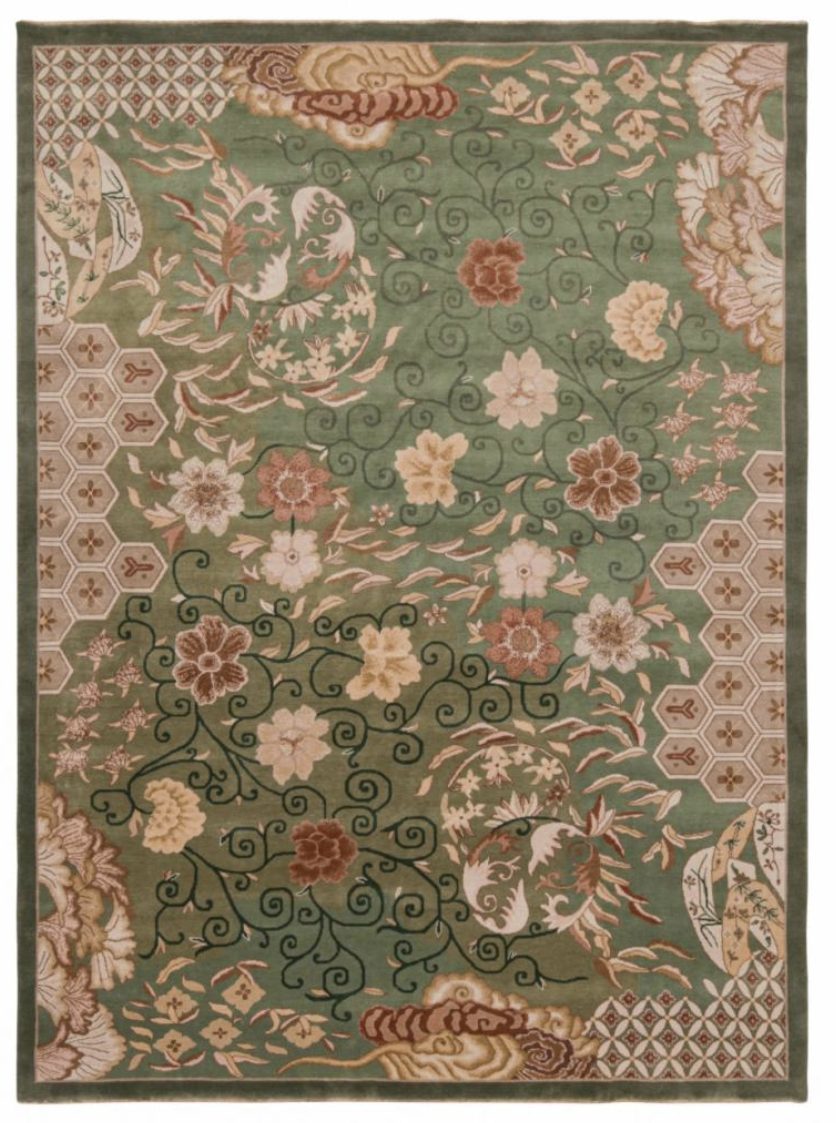
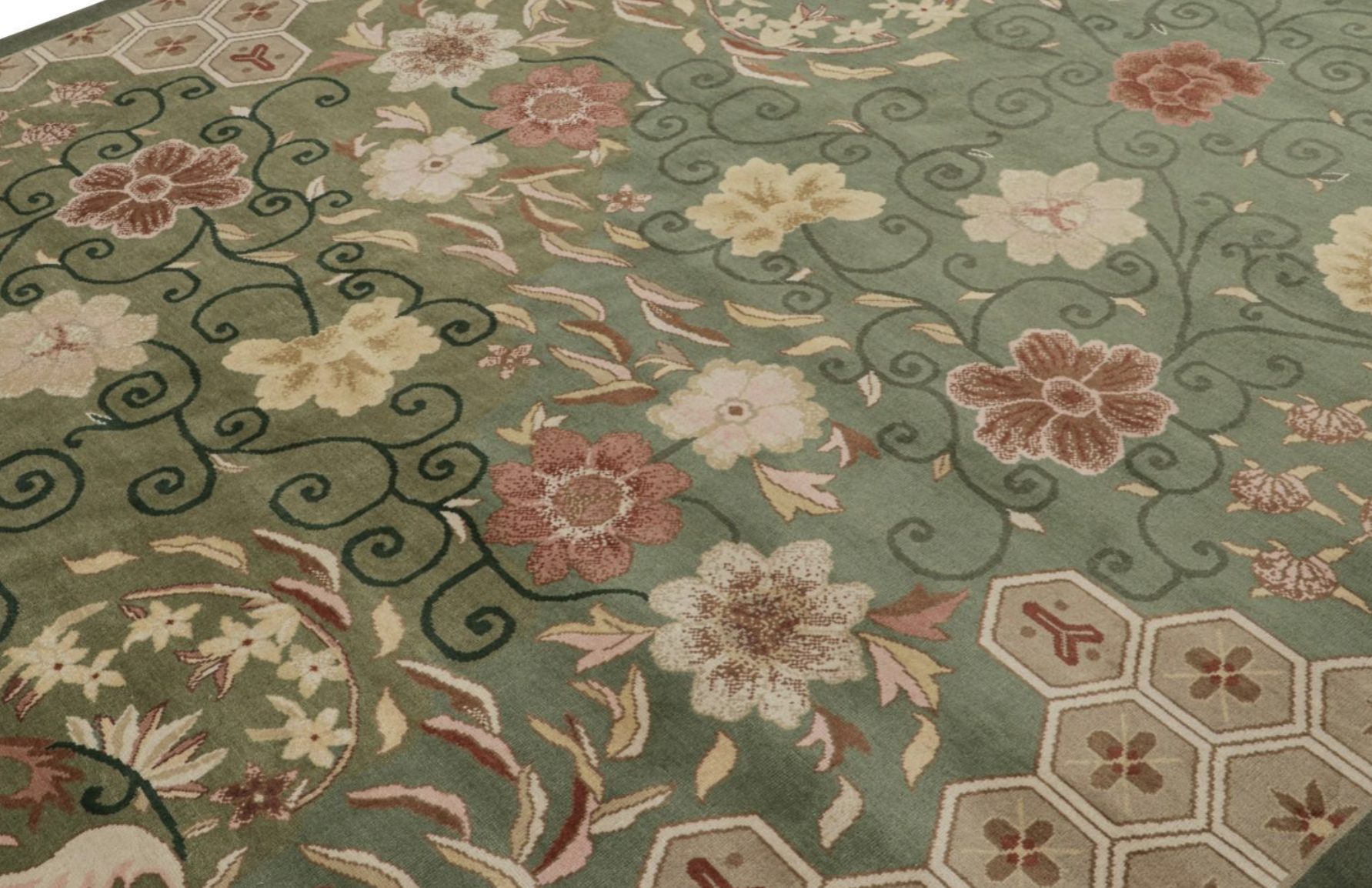
Nichols’ Contribution to Chinese Rug Designs
There’s a reason these carpets feel so contemporary even today. Nichols wasn’t just making rugs; he was creating works of art that captured both the wisdom of centuries and the pulse of the moment. That’s timeless.
The significance of Nichols’ contribution to decorative arts extends beyond mere aesthetics. His rugs represented a cultural bridge, incorporating traditional Chinese symbols – dragons, phoenixes, peonies – into contemporary designs that appealed to Western sensibilities.
This fusion created something entirely new: carpets that were neither purely Chinese nor entirely Western, but rather a sophisticated dialogue between two design traditions.
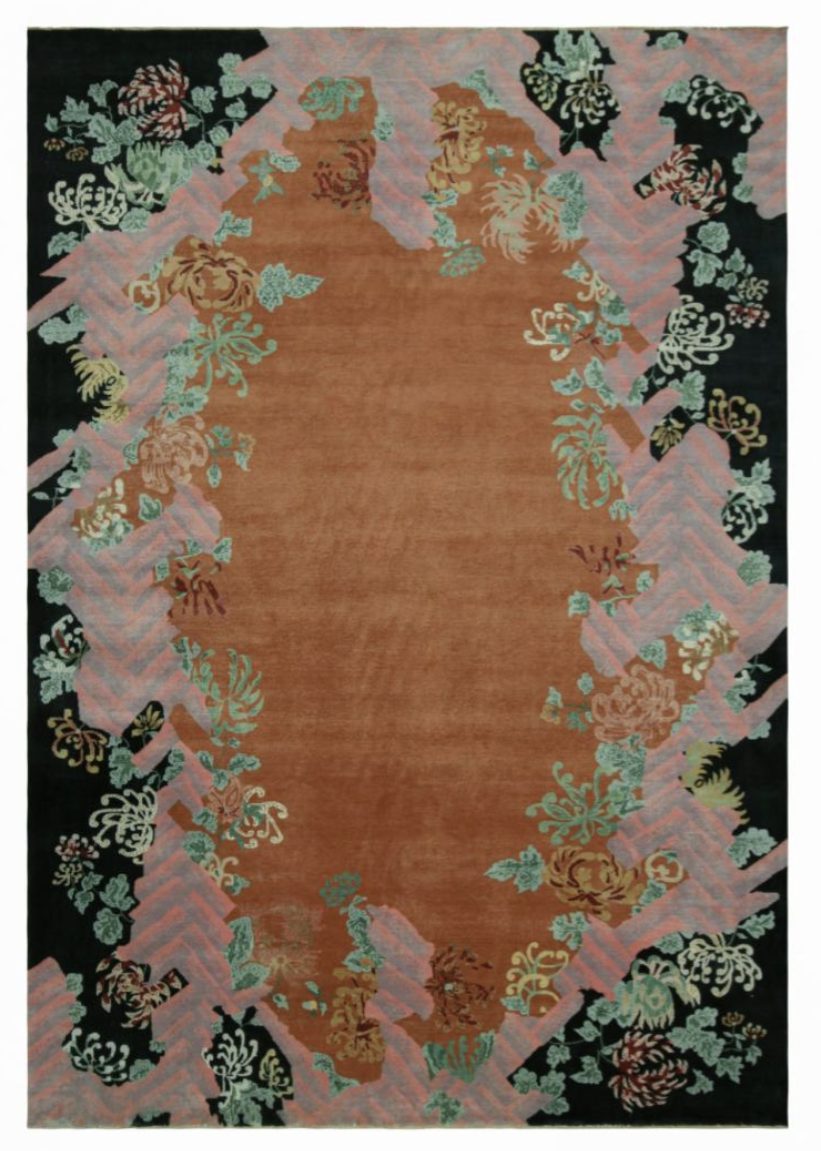
At its height, Nichols’ enterprise operated 14 factories across China, each producing these remarkable textiles. The rugs found homes in the most prestigious residences across America and Europe, becoming synonymous with luxury and sophisticated taste.
The Nichols legacy continues to influence interior design, with vintage Chinese Deco carpets being highly sought after by collectors and designers alike.
Today, when we examine a Nichols carpet, we’re not just looking at art – we’re seeing a piece of design history that captures a unique moment when East met West, tradition met modernity, and craftsmanship met innovation. These rugs exemplify an era when artisans dared to reimagine the possibilities of an ancient craft for a modern world.
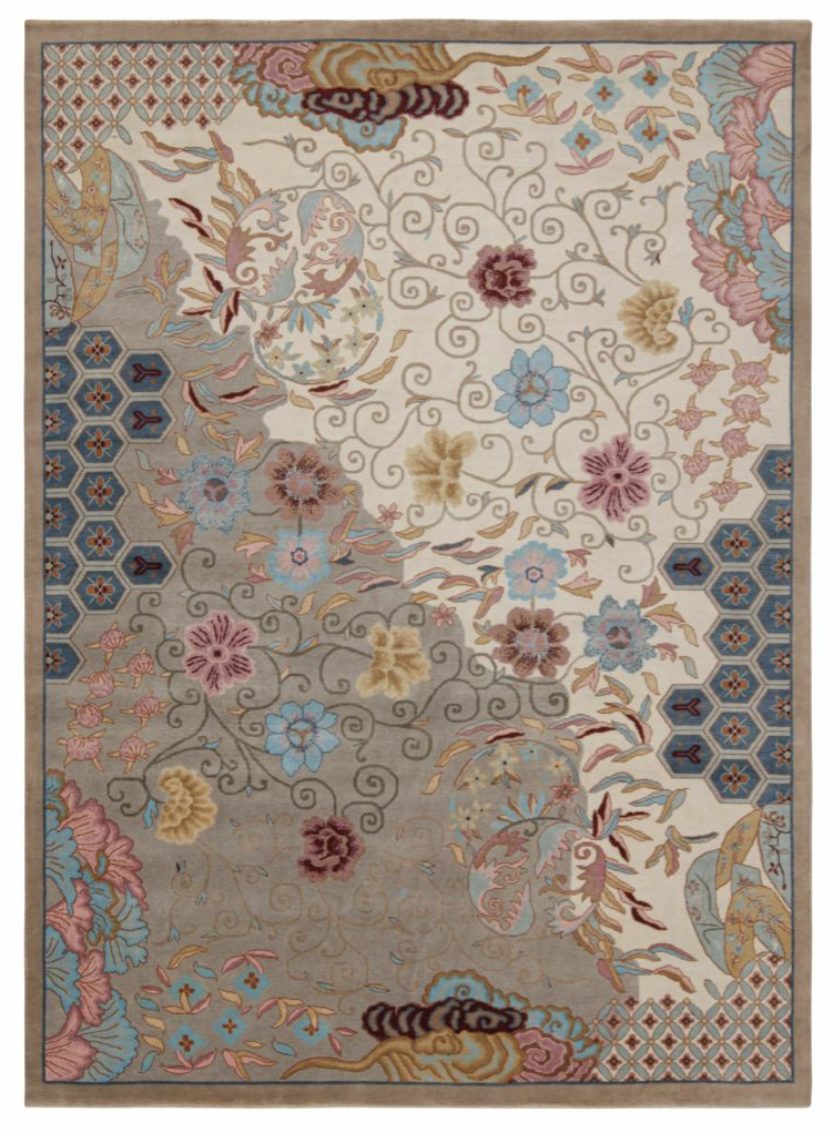
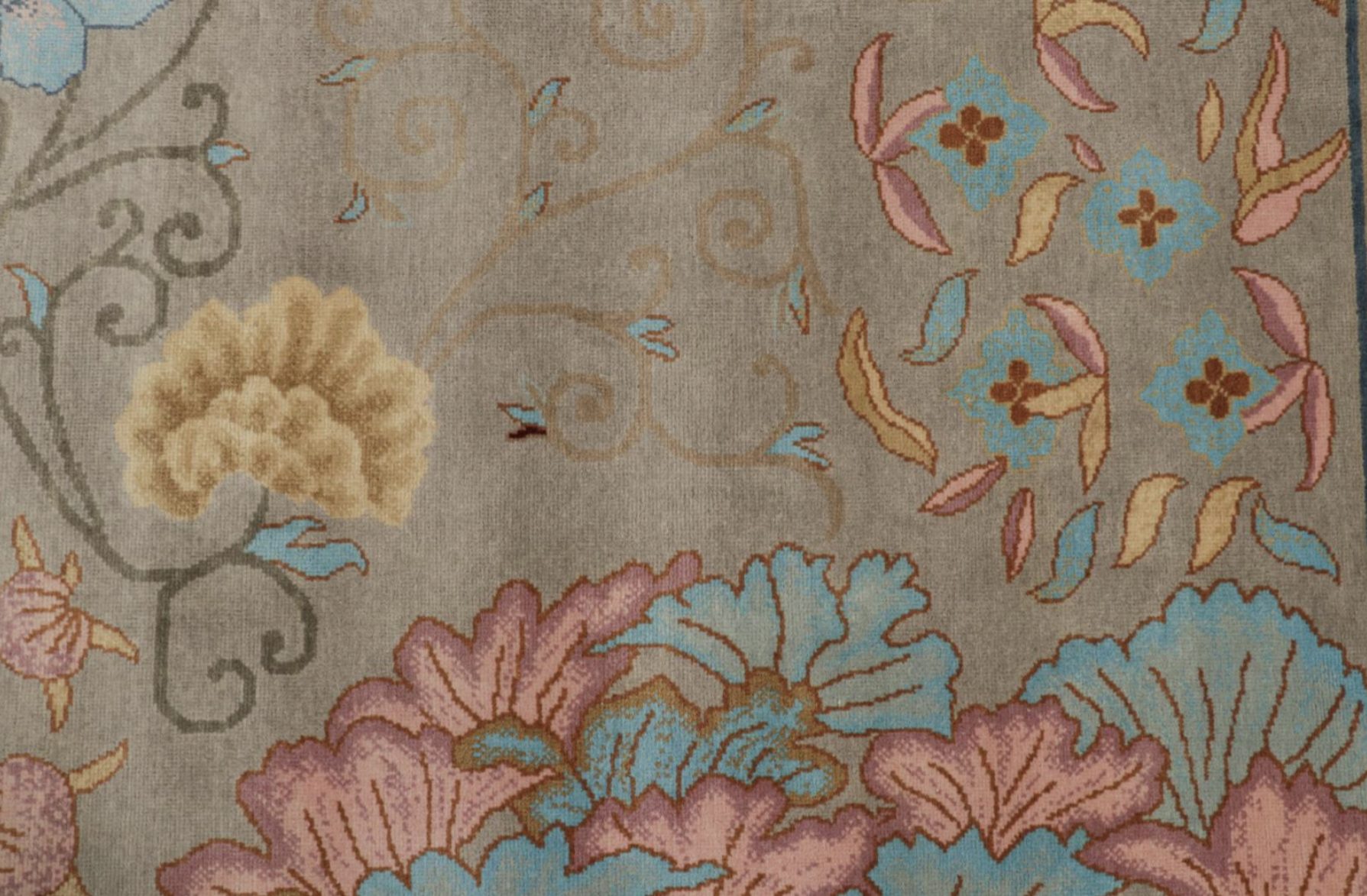
In 20th-century carpets, Chinese Deco pieces stand alone. Their ability to bridge classical Chinese art with modern sensibilities makes them eternally relevant.
A Nichols’ style carpet doesn’t just occupy space – it creates dialogue.