
Rug & Kilim’s Featured Projects of 2024
January 15, 2025
Walter Nichols and the Renaissance of Chinese Rugs
January 22, 2025
Cotton rugs emerge from a myriad of cultural traditions, particularly notable in the Indian subcontinent’s dhurrie tradition and American colonial craft practices.
Unlike their Persian or Turkish counterparts, which emphasized pile construction in wool and silk, cotton rugs developed alongside modernist principles of form following function. This alignment with modernism wasn’t coincidental – cotton’s natural properties lent themselves to geometric patterns and clean lines that would later become hallmarks of 20th-century design.
Sustainability, Design, and Function
Cotton’s journey in floor coverings traces back to ancient civilizations, but its prominence in modern rug making emerged significantly during the Industrial Revolution.
Unlike its more prestigious cousin wool, cotton established itself as a democratic material, bridging the gap between necessity and accessibility in home furnishings.
The Bauhaus movement’s emphasis on material honesty and accessibility found a natural ally in cotton. Artists like Anni Albers, who revolutionized textile design at the Bauhaus, explored cotton’s potential in weaving and floor coverings. Her work demonstrated how cotton’s limitations – its relative simplicity compared to wool or silk – could become aesthetic advantages when approached with modernist sensibilities.
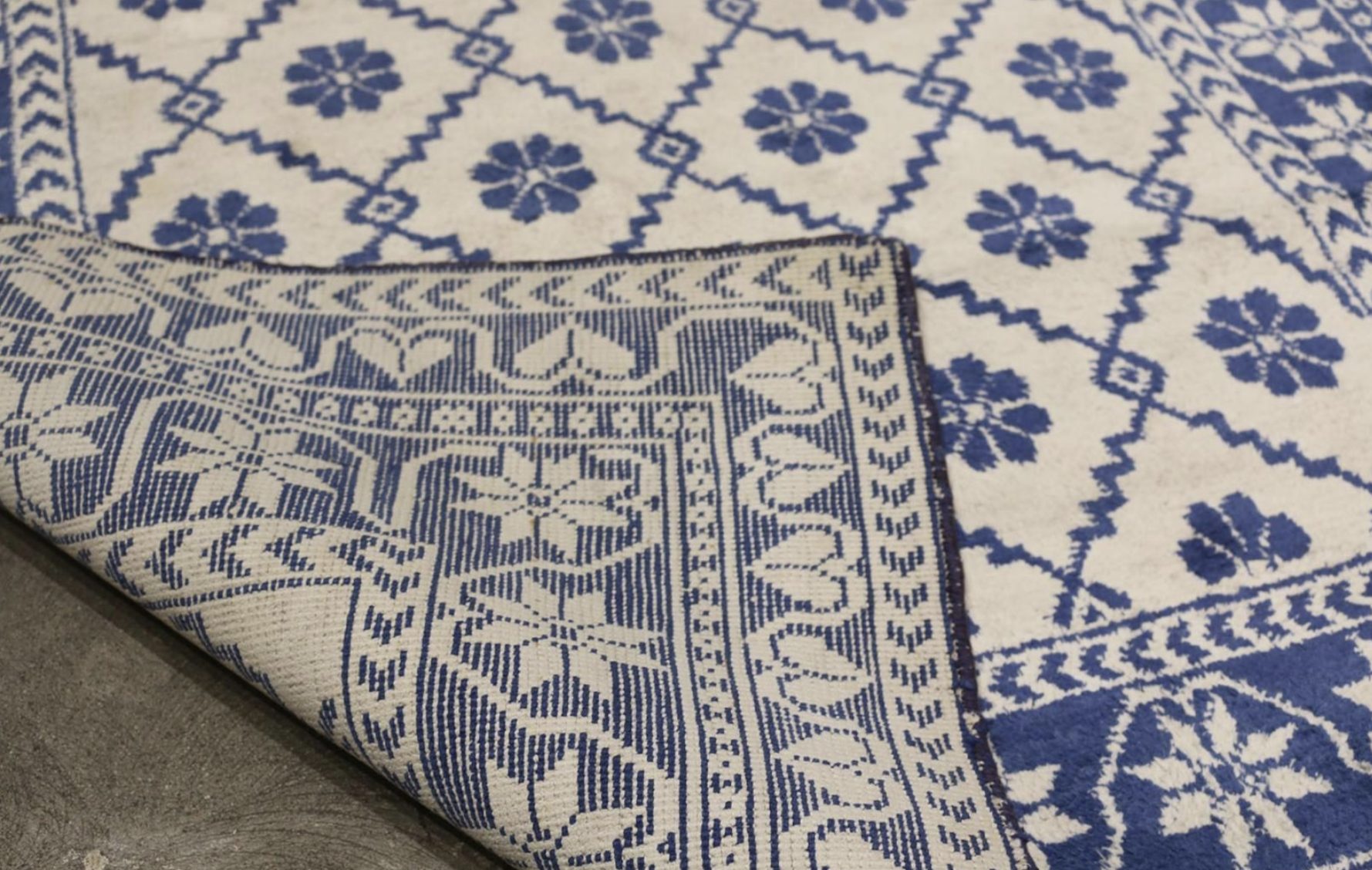
The inherent properties of cotton fibers – each a microscopic tube with a natural twist – contribute to its distinctive characteristics in rug construction.
The fiber’s structure allows for:
- Superior moisture absorption (up to 27% of its weight)
- Natural tensile strength in twisted formations
- Ability to accept dyes readily while maintaining color fastness
- Remarkable heat resistance up to 150°C
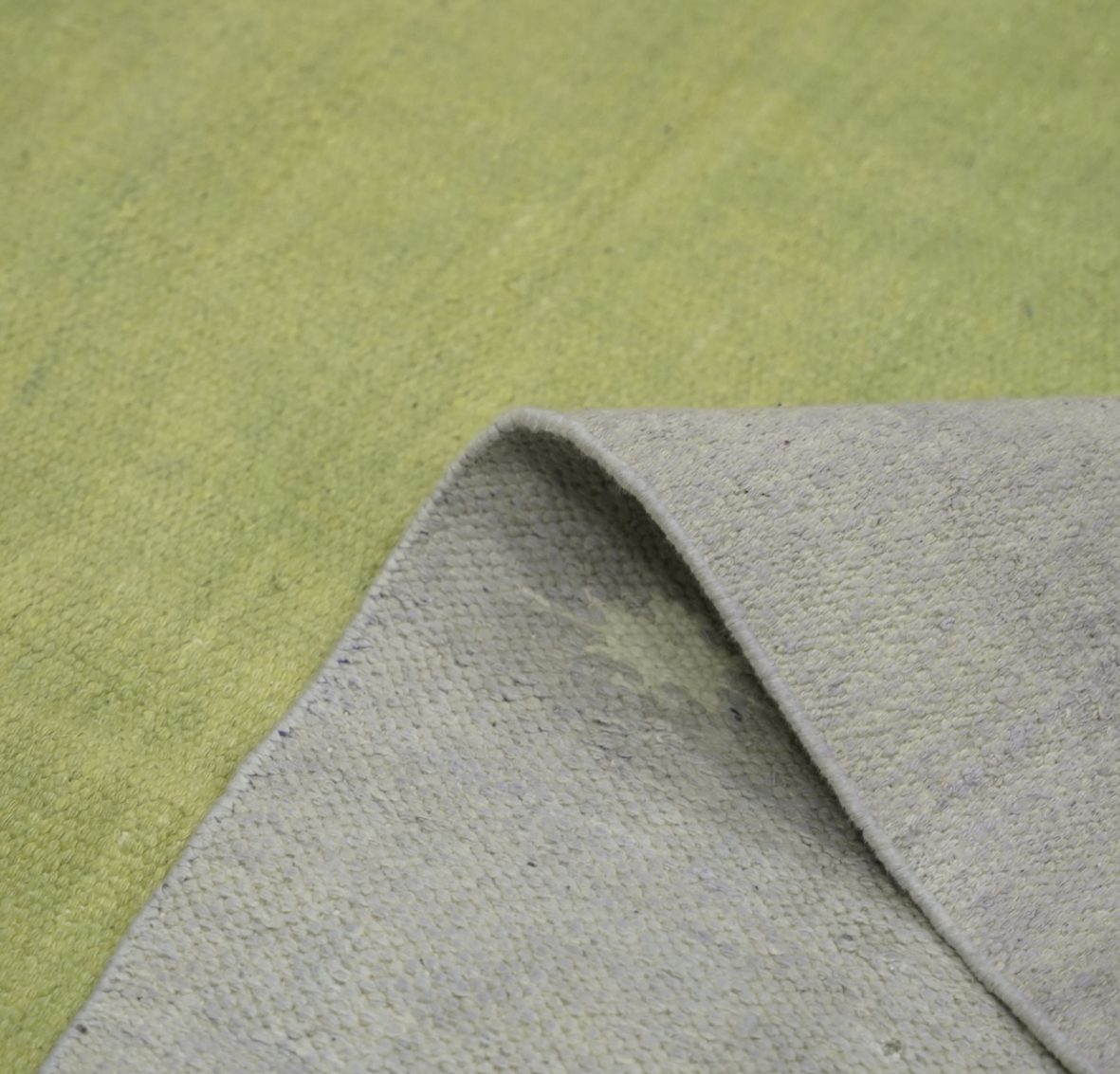
Cotton Material in the Age of Conscious Design
A significant shift has occurred in how luxury is defined in interior design. The contemporary luxury market increasingly values environmental Provenance. Leading contemporary designers approach cotton rugs as part of a larger narrative about sustainable living spaces.
Contemporary cotton rug production employs several distinct methodologies:
- Flatweave Construction: The most traditional approach, utilizing simple warp and weft techniques, produces dhurries and kilims. This method, while ancient, remains relevant for its versatility and economic efficiency.
- Tufted Construction: Machine-tufted cotton rugs represent a modern adaptation, offering durability through mechanized pile insertion, though typically at the cost of artistic nuance.
- Braided Construction: A distinctly American tradition, braided cotton rugs emerged from colonial craft practices, representing early sustainable design through the use of recycled textiles.
This shift toward natural materials in design represents more than an aesthetic choice – it reflects a fundamental reconsideration of how we create and inhabit spaces.
Cotton rugs, in this context, become not just floor coverings but manifestations of a larger movement toward environmental consciousness in design. Their increasing prominence in contemporary interiors suggests a future where sustainable materials don’t just complement good design – they become essential to it.
Environmental Considerations in Cotton Material
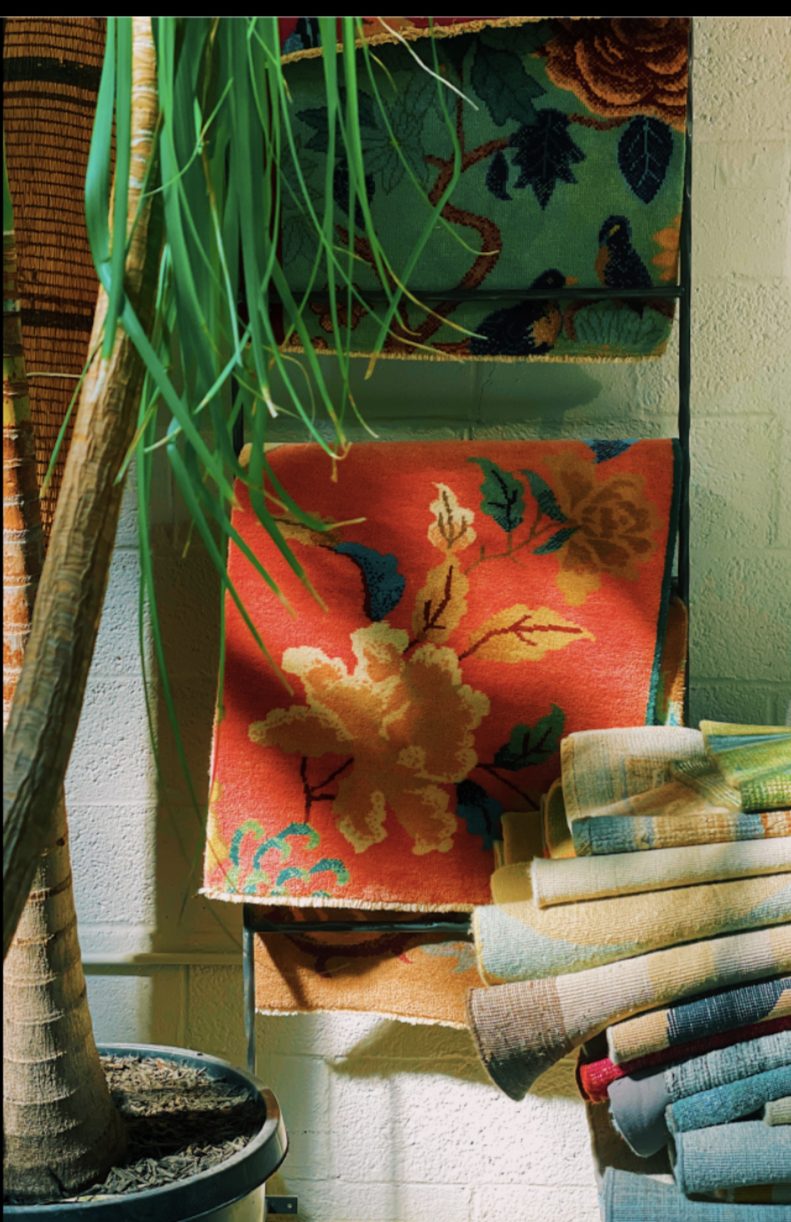
The environmental impact of cotton rug production presents a complex picture. While cotton is biodegradable, conventional cultivation practices raise sustainability concerns. The emergence of organic cotton and recycled cotton fiber rugs represents a response to these environmental challenges.
The contemporary design textile world increasingly emphasizes “conscious materiality” – where material choices reflect both aesthetic and ethical considerations.
Cotton rugs, with their organic textures and natural variations, support biophilic design principles, creating spaces that maintain human connections to nature. The material’s inherent imperfections and tactile qualities contribute to “sensory authenticity” – spaces that engage multiple senses while maintaining environmental consciousness.
Contemporary designers’ gravitation toward cotton and other natural fibers stems from an acute awareness of interior design’s environmental footprint. This movement transcends mere trend, representing instead a fundamental shift in design philosophy.
The appeal lies not just in cotton’s biodegradability, but in its entire lifecycle narrative:
- Regenerative agriculture practices in cotton cultivation
- Water-conscious processing methods
- Zero-waste manufacturing possibilities
- End-of-life biodegradability
- Potential for closed-loop systems
Contemporary Rug Design
Cotton’s inherent properties influence its design applications:
- Limited pile height capabilities compared to wool
- Excellence in flat-weave applications
- Superior performance in casual, informal settings
- Natural affinity for contemporary minimalist aesthetics
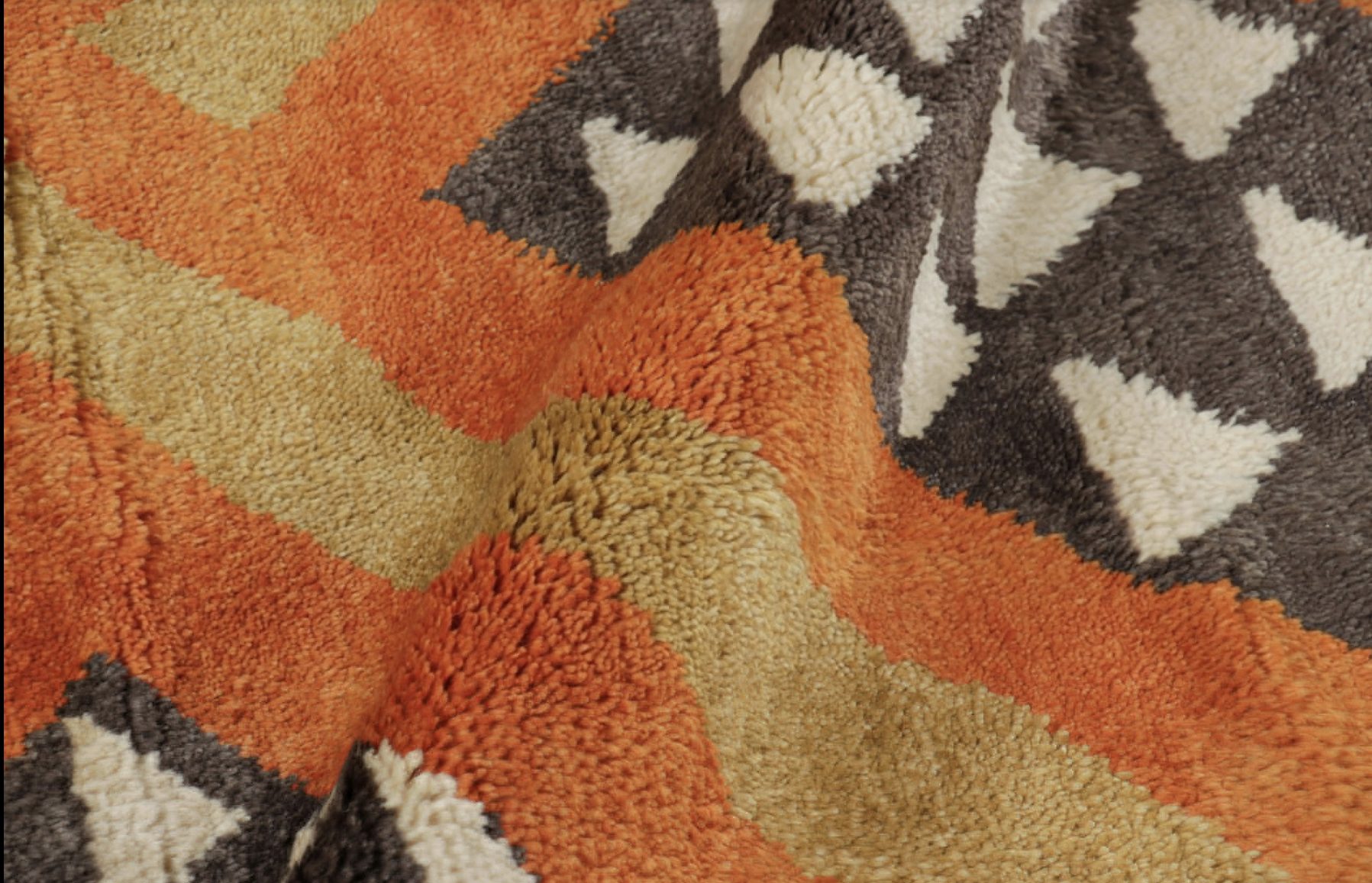
Cotton rugs, while not the most prestigious category in floor coverings, represent an important segment in the market’s evolution toward sustainable, accessible design solutions. Their continued relevance speaks to both their practical advantages and their ability to adapt to changing consumer preferences and environmental concerns.
Today’s minimalist spaces often incorporate natural materials like cotton for their honest materiality and subtle texture variations, creating what “warm minimalism.”
The movement toward natural materials in modern design continues to gain momentum, driven by both environmental necessity and evolving aesthetic sensibilities. As we move forward, cotton’s role in this evolution appears not just secure but expanding, offering designers an increasingly sophisticated palette for creating spaces that are both beautiful and environmentally responsible.