

Erik Lundberg and his Traditional Rug Patterns Inspired from Skåne Weaving
March 28, 2024
A Profile on Querubim Lapa and his Expressive European Tapestries
March 29, 2024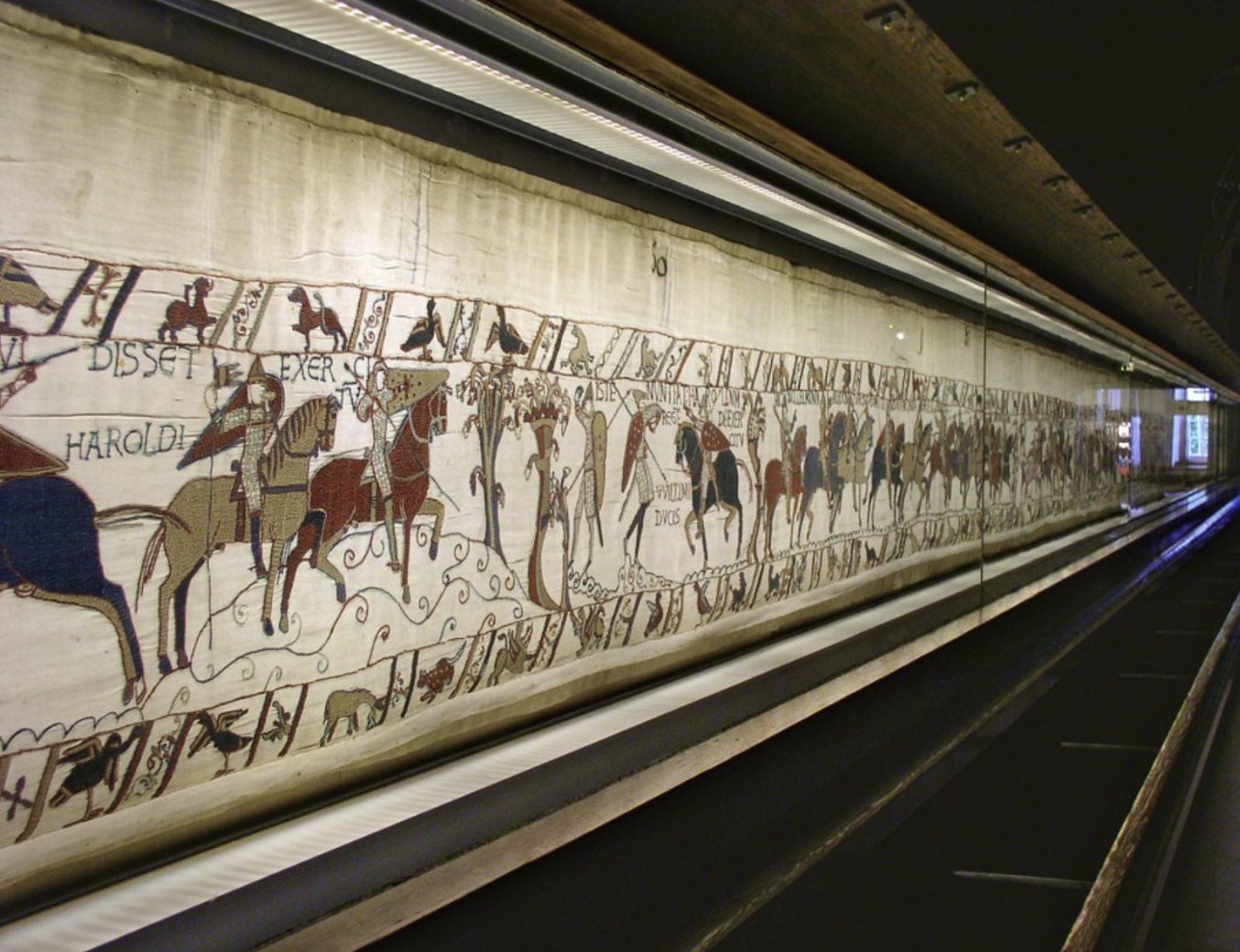
Bayeux Museum
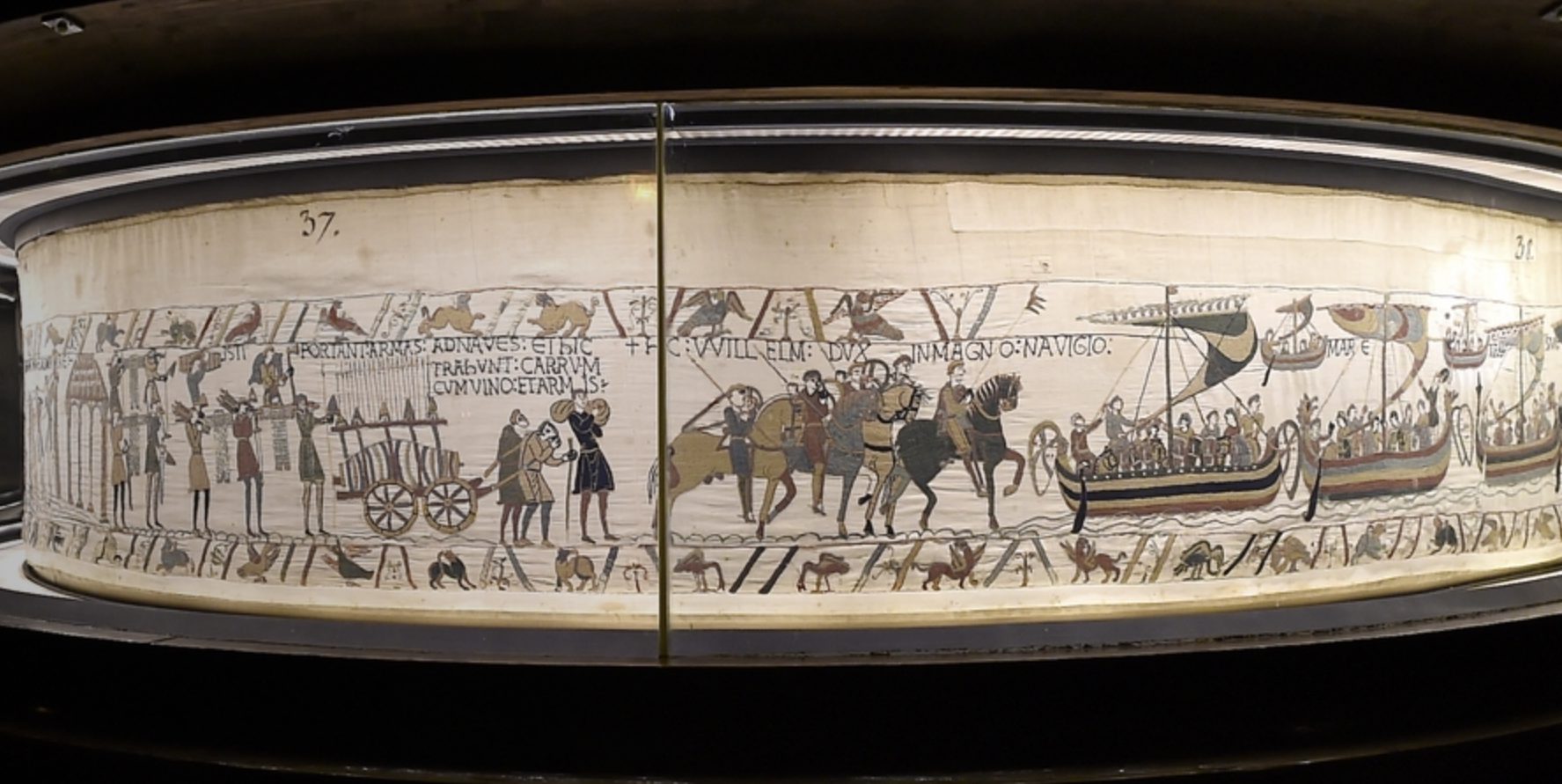
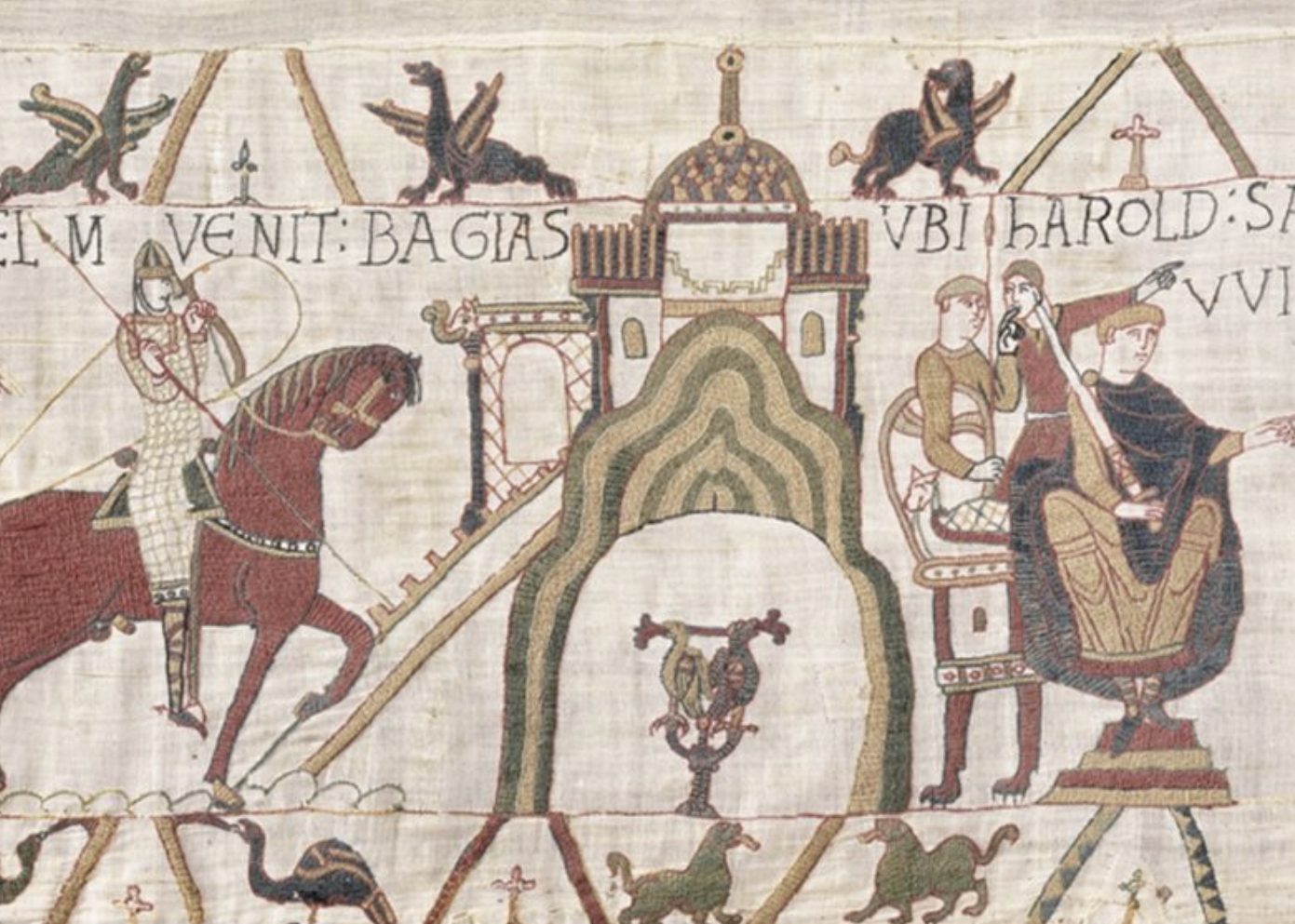
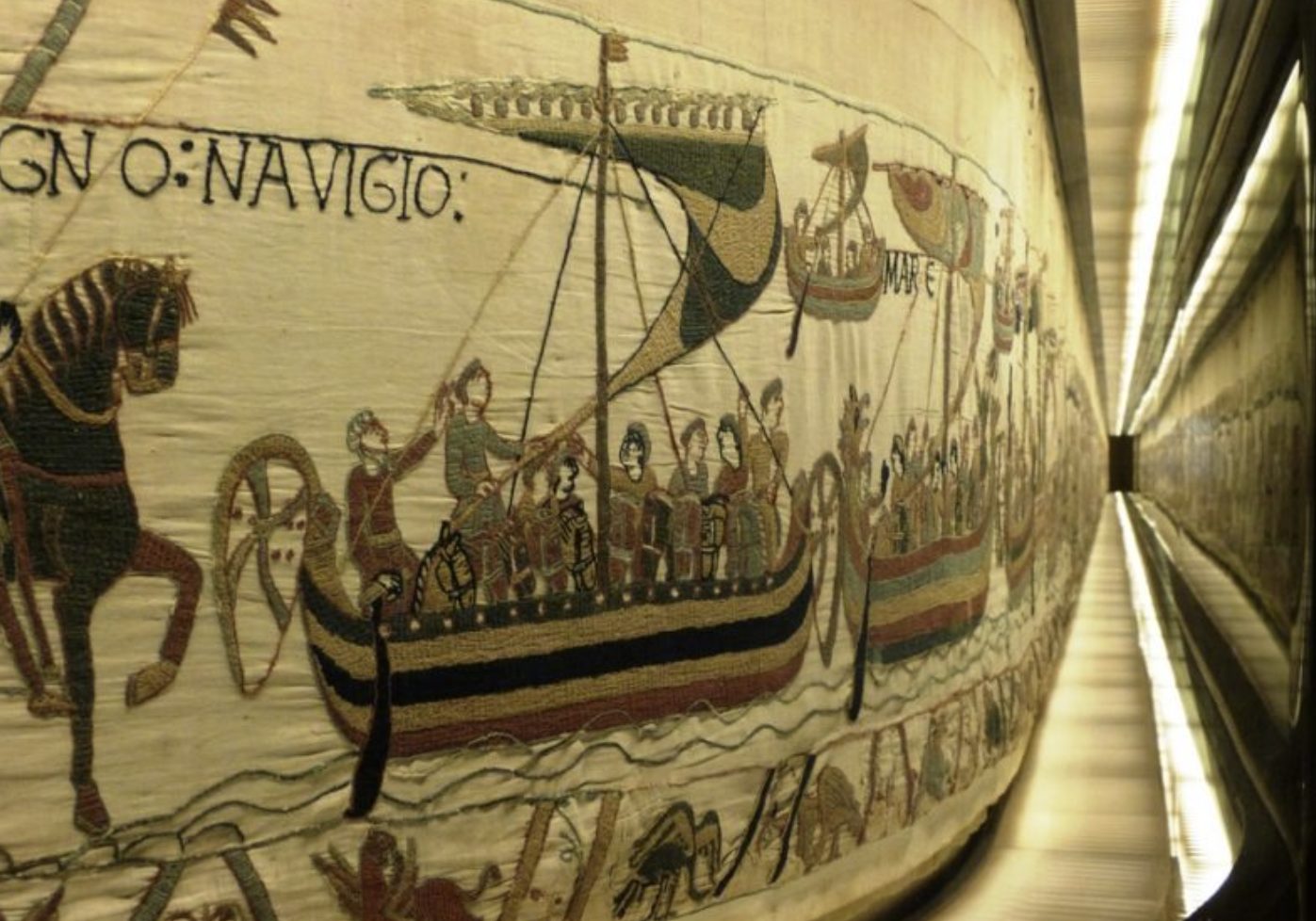
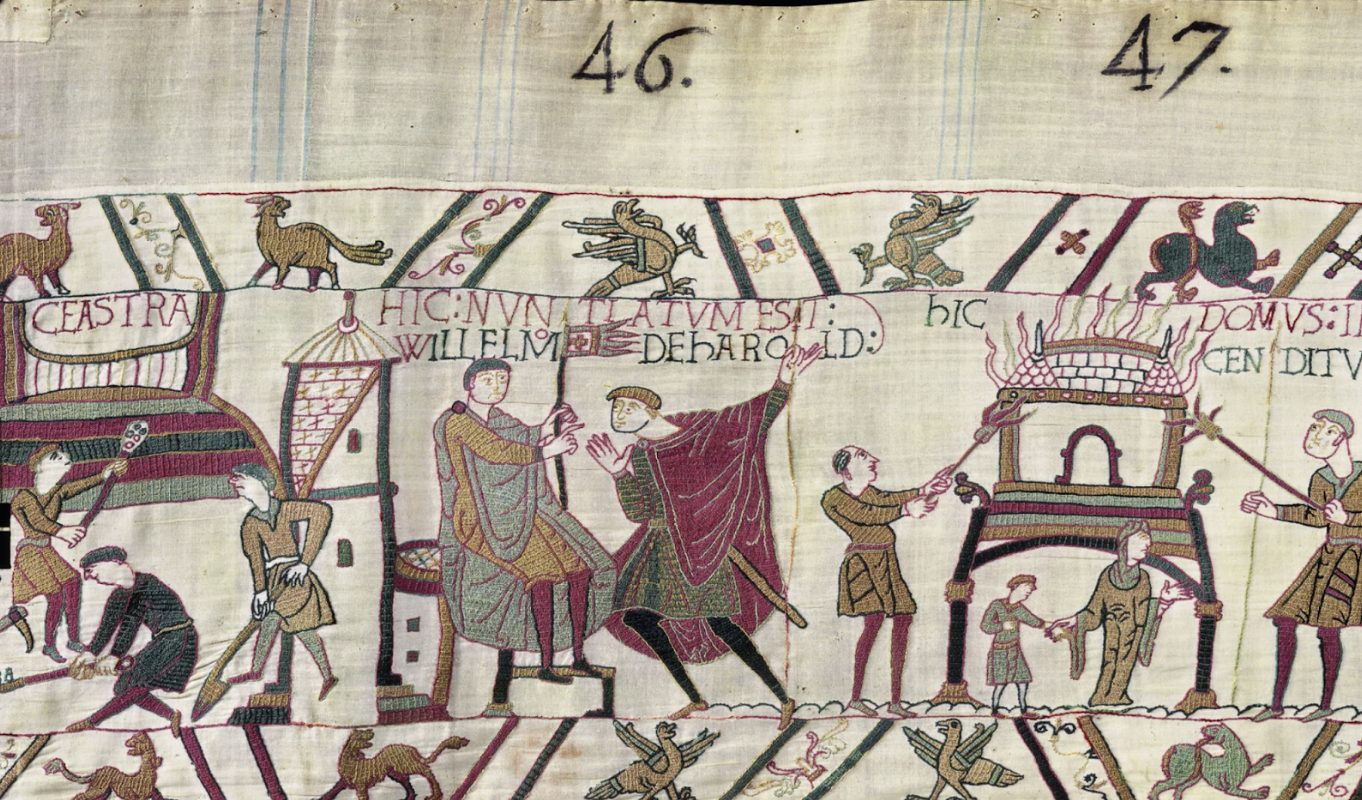
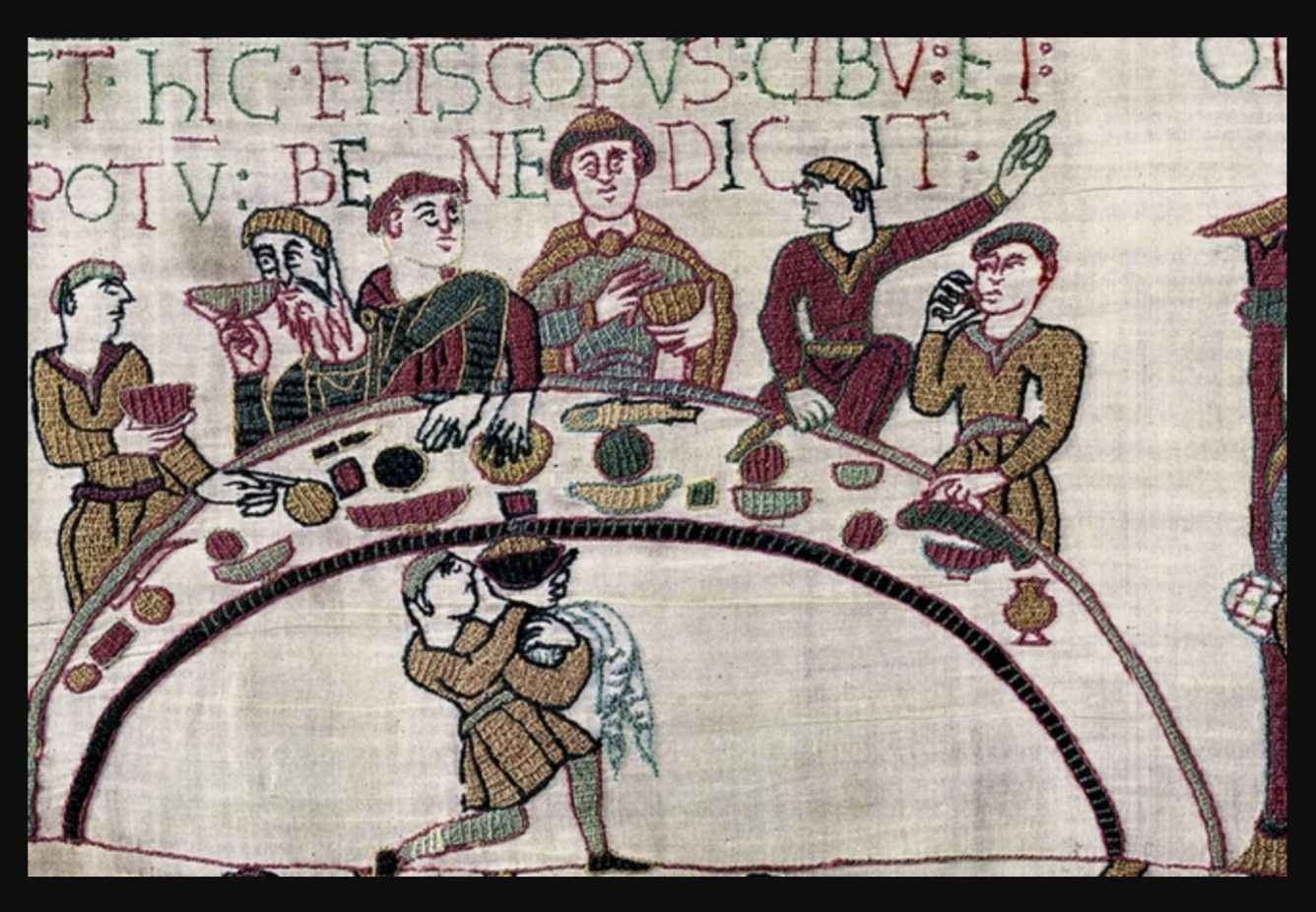
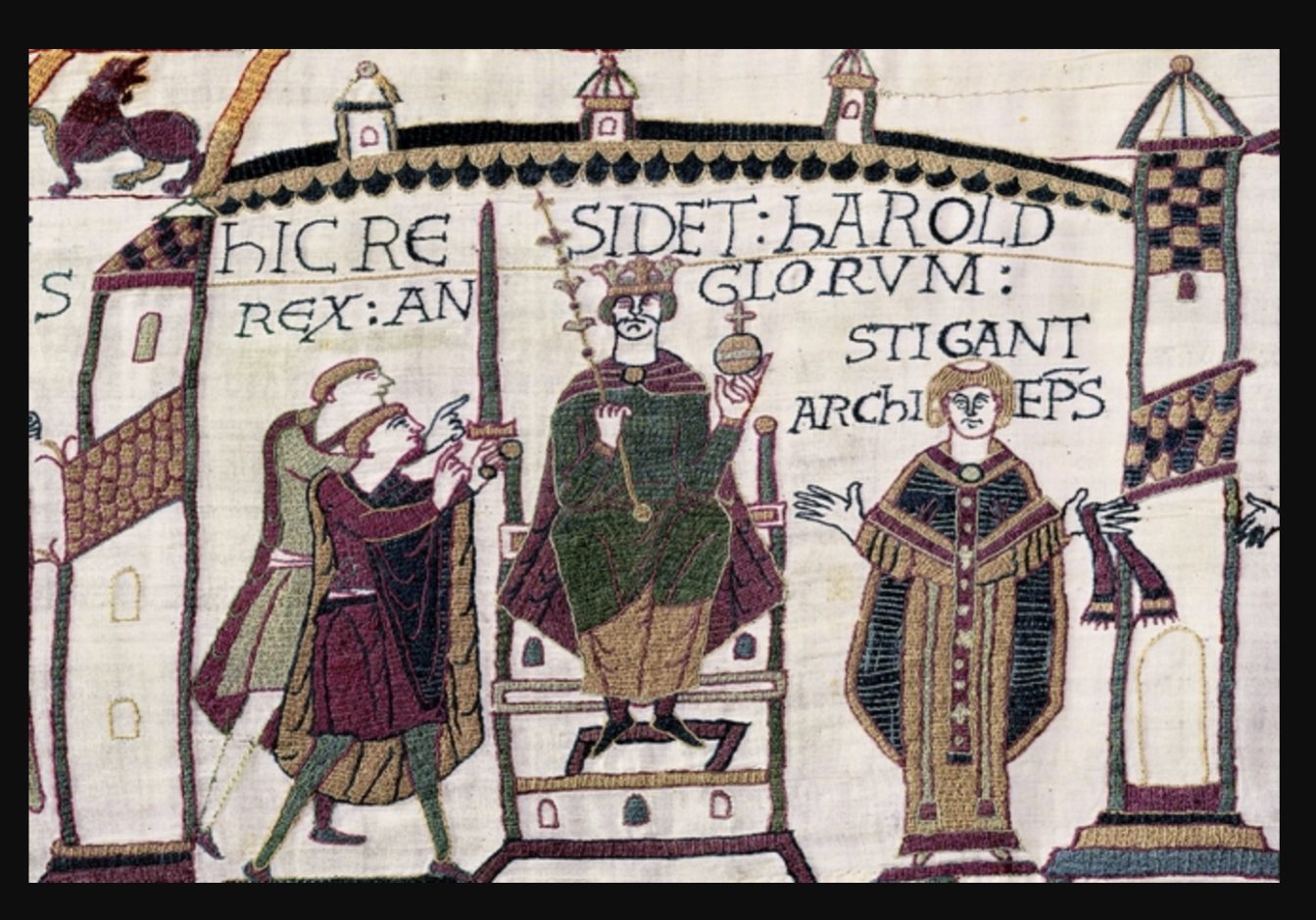
The Bayeux Tapestry serves as a unique and invaluable historical account of the medieval period in Normandy and England. Beyond narrating the events of the conquest, it offers insights into civil and military aspects, showcasing details of architecture, armor, and Viking seafaring traditions. The intricate friezes surrounding the central panel, measuring approximately 7 cm each, depict a diverse array of both real and mythical animals, providing a glimpse into everyday life in the 11th century. The lower frieze portrays the battlefield aftermath, emphasizing the impact of the conflict. Among the numerous characters, the tapestry prominently features William, Duke of Normandy, Edward the Confessor, King of England, Harold Godwinson, and Odo de Conteville, recognizable by distinctive features that aid in character identification. The artist’s attention to detail, such as mustaches and hairstyle variations, adds a nuanced touch to the narrative. Odo’s clerical status is indicated by his tonsured head.
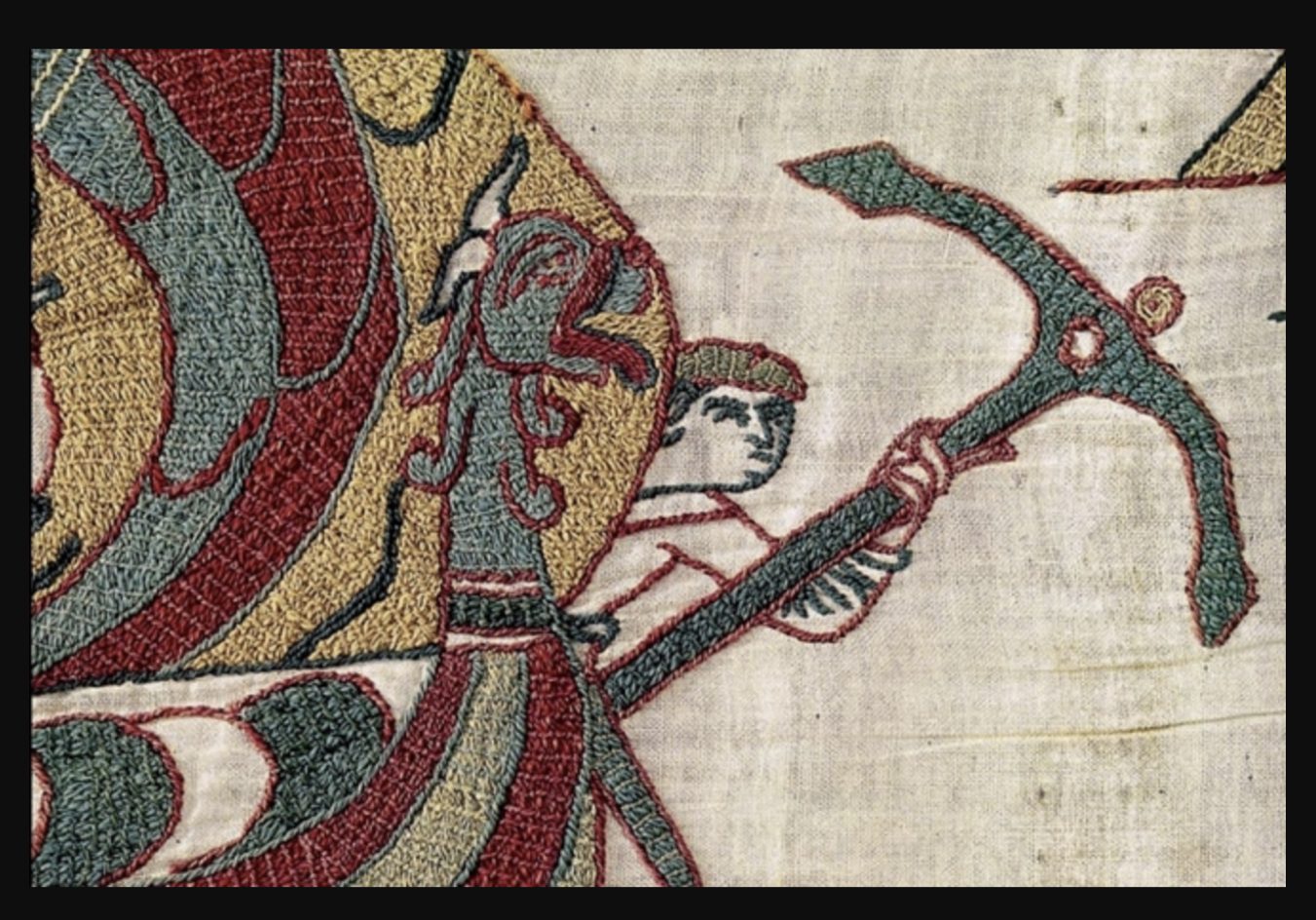
Despite its name, the Bayeux Tapestry is, in fact, a narrative embroidery, measuring approximately 68.3 meters (224 feet) in length and about 70 cm (20 inches) in width, with 50 cm (13 inches) devoted to the embroidery itself. The embroidery is executed on linen cloth, organized into nine panels that are seamlessly joined. The technique employed is unmistakably embroidery, evidenced by the regularity of lines formed by wool threads, possibly guided by preliminary marks or drawings on the cloth. In contrast to tapestries where the design emerges through the weaving process, embroidery involves the creation of images on pre-existing fabric. These narrative hangings, occasionally displayed in churches for the viewing of the illiterate majority, served as storytelling devices. Much like the Bayeux Tapestry, they could function as pieces of propaganda, conveying the narrative of victorious conquests to the broader population.
Bayeux Museum
Bayeux Museum
The Bayeux Tapestry stands as a remarkable masterpiece of 11th-century Romanesque art, believed to have been commissioned by Bishop Odo, the half-brother of William the Conqueror. Crafted around 1077, the tapestry served as an embellishment for the newly-constructed cathedral in Bayeux. Depicting the historical events surrounding the conquest of England by the Duke of Normandy, the narrative unfolds from 1064 when Edward the Confessor instructs Harold Godwinson to offer the English throne’s succession to his cousin William. Although the tapestry’s conclusion is missing, it concludes with the Anglo-Saxons fleeing after the Battle of Hastings in October 1066.
Contrary to popular and romantic beliefs, the Bayeux Tapestry was likely not crafted by Queen Matilda and her ladies-in-waiting. The true artisans behind the tapestry remain unknown, with most historians speculating that Bishop Odo of Bayeux, William the Conqueror’s half-brother, commissioned the embroidery to adorn the nave of the newly consecrated Notre-Dame Cathedral of Bayeux on July 14, 1077.
Embroidered scenes on the Bayeux Tapestry are rendered with wool thread on linen cloth. The wool used for dyeing was derived from plants. Woad, abundant in Europe, produced indigotine, a pigment providing various blue shades in the Tapestry. However, due to incomplete dye penetration, some blue motifs have faded. Madder roots yielded a red pigment for the Tapestry’s red tones—pinks, oranges, and browns. Dyer’s rocket, once cultivated in Europe, contributed a yellow pigment to the palette.
Bayeux Museum
Bayeux Museum
The Bayeux Tapestry likely resided in the Treasury of Bayeux Cathedral for seven centuries before being relocated to various sites in the city and across France. Its journey concluded in the former Seminary of Bayeux, where it has been exhibited since 1983. Continuously inspiring scientists and artists globally, the tapestry will regain attention in 2025, as a new display setting is planned to highlight its historical significance in Bayeux.
Sylvette Lemagnen, the conservator of the Bayeux Tapestry, noted in her 2005 book “La Tapisserie de Bayeux“:
“The Bayeux tapestry is one of the supreme achievements of the Norman Romanesque …. Its survival, almost intact over nine centuries, is little short of miraculous … Its exceptional length, the harmony and freshness of its colors, its exquisite workmanship, and the genius of its guiding spirit combine to make it endlessly fascinating.”
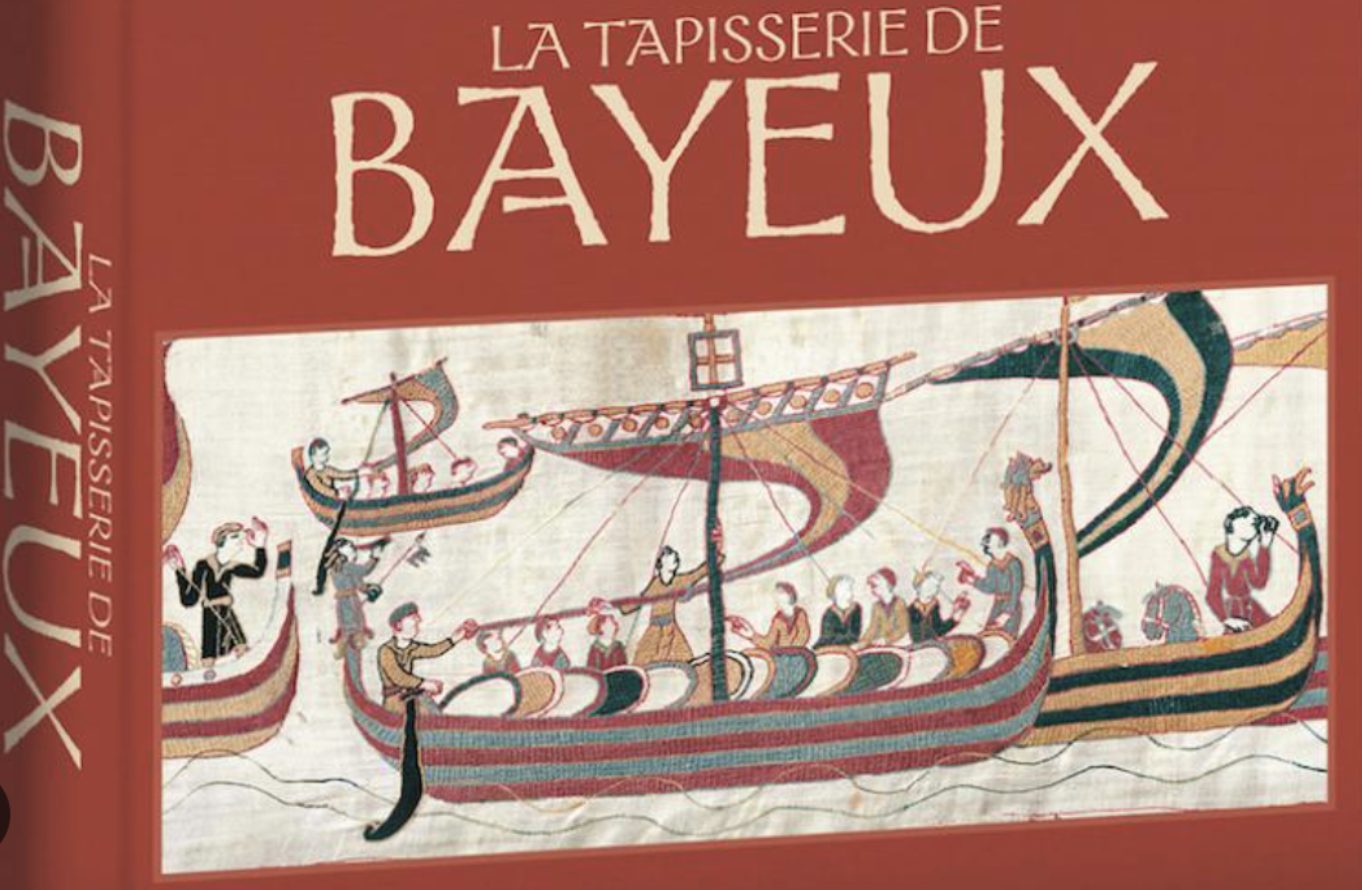
The Bayeux Tapestry is the first manuscript in the collections of the municipal library of Bayeux, situated in Normandy, France. As a historical account, it serves as a crucial source for understanding medieval life, particularly in the 11th century. Beyond its historical significance, the Tapestry employs unique narrative techniques and symbolism, aligning with artistic and literary works of the Romanesque period. This singular document remains a subject of mystery, with unanswered questions. Notably, its exceptional size, measuring 68.80 meters in length, 50 centimeters in height, and weighing nearly 350 kilograms (including original cloth and lining), adds to its remarkable character.
Despite its creation during the “Dark Ages,” the Bayeux Tapestry emerges as a forward-thinking and almost humanist epic that rivals, and in some aspects surpasses, the depictions found in more “enlightened” Renaissance masterpieces. Notably, its nuanced and sympathetic portrayal of battle scenes exceeds many Renaissance depictions of war. During the early 1500s, renowned artists such as Leonardo da Vinci and Michelangelo were commissioned to paint frescoes for the Palazzo Vecchio, illustrating medieval Florentine victories. However, the Bayeux Tapestry predates these works by 400 years and has endured to tell its tale, providing a unique perspective on the portrayal of war.
View the entire Bayeux Tapestry scene by scene online in form of the 70 meter-long embroidered tapestry which tells the story of the conquest of England in 1066 at the Museum of Bayeux here – https://www.bayeuxmuseum.com/en/the-bayeux-tapestry/
Bayeux Museum
Bayeux Museum
Bayeux Museum
Bayeux Museum
Meanwhile, View Rug & Kilim’s Tapestry collection here – https://rugandkilim.com/shop/?s=tapestry